Arquivo da tag: India

Mumbai

Mumbai, anteriormente conhecida como Bombaim, é a cidade mais populosa da Índia e uma das maiores metrópoles do mundo. Localizada na costa oeste da Índia, no Mar da Arábia, é a capital do estado de Maharashtra. Com mais de 20 milhões de habitantes, Mumbai é o coração econômico da Índia, abrigando várias instituições financeiras importantes, como a Bolsa de Valores de Bombaim e o Banco da Reserva da Índia.

A cidade é conhecida por sua cultura e história diversas, refletidas em sua arquitetura, arte e culinária. Desde edifícios coloniais como o Portal da Índia e o Chhatrapati Shivaji Maharaj Terminus, um Patrimônio Mundial da UNESCO, até arranha-céus modernos e shoppings – Mumbai combina tradição e modernidade de forma fascinante.

Mani Bhavan, também conhecida como Casa de Gandhi, é um edifício histórico em Mumbai que serviu como base para as atividades políticas de Mahatma Gandhi de 1917 a 1934. Foi aqui que Gandhi planejou muitas ações significativas para o movimento de independência da Índia, como a famosa Marcha do Sal. Hoje, Mani Bhavan é um museu e memorial que documenta a vida de Gandhi e seu trabalho pela promoção da paz e liberdade na Índia. O museu abriga uma impressionante coleção de fotografias, documentos, cartas e objetos pessoais de Gandhi, oferecendo aos visitantes um profundo insight sobre sua vida e legado.

Mumbai também é o centro da indústria cinematográfica indiana, mais conhecida como Bollywood. Centenas de filmes são produzidos aqui anualmente, ganhando popularidade em toda a Índia e no mundo. A cidade atrai muitos artistas e mentes criativas, e tem uma cena teatral vibrante, muitas galerias de arte e festivais de música.

Apesar de sua riqueza e dinamismo, Mumbai também é conhecida por seus desafios sociais, incluindo grandes disparidades de renda e um número significativo de favelas. A mais famosa delas, Dharavi, é uma das maiores favelas da Ásia, onde milhões de pessoas vivem em condições precárias. No entanto, Dharavi também é um centro de empreendedorismo e artesanato, com muitas pequenas indústrias produzindo têxteis, artigos de couro e cerâmica.

A cidade é um importante centro de transporte, com um dos aeroportos mais movimentados da Índia, o Aeroporto Internacional Chhatrapati Shivaji Maharaj, e uma rede densa de ligações ferroviárias utilizadas diariamente por milhões de passageiros. Mumbai enfrenta fortes chuvas anuais durante a monção, frequentemente causando inundações, o que representa um dos maiores desafios para a administração da cidade.

Mumbai é uma cidade de contrastes: combina riqueza e pobreza, tradição e modernidade, caos e ordem. A cidade é conhecida por sua energia incansável e sua ética de “nunca desistir”, expressa pelo apelido de “Maximum City”. É um lugar que está sempre em movimento e um centro de oportunidades econômicas, diversidade cultural e resistência humana.

Para conhecer mais sobre Mumbai, clique aqui.

Mumbai, früher bekannt als Bombay, ist die bevölkerungsreichste Stadt Indiens und eine der größten Metropolen der Welt. Sie liegt an der Westküste Indiens am Arabischen Meer und ist die Hauptstadt des Bundesstaates Maharashtra. Mit über 20 Millionen Einwohnern ist Mumbai das wirtschaftliche Herz Indiens und beheimatet zahlreiche wichtige Finanzinstitutionen, darunter die Bombay Stock Exchange und die Reserve Bank of India.

Die Stadt ist bekannt für ihre vielfältige Kultur und Geschichte, die sich in ihrer Architektur, Kunst und Gastronomie widerspiegelt. Von Kolonialbauten wie dem Gateway of India und dem Chhatrapati Shivaji Maharaj Terminus, einem UNESCO-Weltkulturerbe, bis hin zu modernen Wolkenkratzern und Einkaufszentren – Mumbai vereint Tradition und Moderne auf faszinierende Weise.

Das Mani Bhavan, auch bekannt als Gandhi-Haus, ist ein historisches Gebäude in Mumbai, das Mahatma Gandhi als Basis für seine politischen Aktivitäten von 1917 bis 1934 diente. Hier plante Gandhi viele bedeutende Aktionen für die Unabhängigkeitsbewegung Indiens, wie den berühmten Salzmarsch. Heute ist Mani Bhavan ein Museum und eine Gedenkstätte, die Gandhis Leben und seine Arbeit zur Förderung von Frieden und Freiheit in Indien dokumentiert. Das Museum beherbergt eine beeindruckende Sammlung von Fotografien, Dokumenten, Briefen und persönlichen Gegenständen Gandhis, die Besuchern einen tiefen Einblick in sein Leben und Erbe bieten.

Mumbai ist auch das Zentrum der indischen Filmindustrie, besser bekannt als Bollywood. Jährlich werden hier hunderte von Filmen produziert, die in ganz Indien und weltweit große Popularität genießen. Die Stadt zieht zahlreiche Künstler und kreative Köpfe an und hat eine lebendige Theaterszene, viele Kunstgalerien und Musikfestivals.

Trotz ihres Reichtums und ihrer Dynamik ist Mumbai auch für ihre sozialen Herausforderungen bekannt, darunter große Einkommensunterschiede und eine erhebliche Anzahl von Slums. Das bekannteste von ihnen, Dharavi, ist eines der größten Slums Asiens, in dem Millionen Menschen in beengten Verhältnissen leben. Trotzdem ist Dharavi auch ein Zentrum für Unternehmertum und Handwerk, mit zahlreichen kleinen Industrien, die Textilien, Lederwaren und Töpferwaren herstellen.

Die Stadt ist auch ein wichtiger Verkehrsknotenpunkt mit einem der verkehrsreichsten Flughäfen Indiens, dem Chhatrapati Shivaji Maharaj International Airport, und einem dichten Netz von Zugverbindungen, die Millionen von Pendlern täglich nutzen. Mumbai erlebt jedes Jahr während des Monsuns starke Regenfälle, die oft zu Überschwemmungen führen, was eine der großen Herausforderungen für die Stadtverwaltung darstellt.

Mumbai ist eine Stadt der Kontraste: Sie vereint Reichtum und Armut, Tradition und Moderne, Chaos und Ordnung. Die Stadt ist bekannt für ihre unermüdliche Energie und ihr „Nie-sagen-sterben“-Ethos, das in dem Spitznamen „Maximum City“ zum Ausdruck kommt. Sie ist ein Ort, der immer in Bewegung ist und ein Zentrum für wirtschaftliche Chancen, kulturelle Vielfalt und menschliche Ausdauer.

Um mehr über Mumbai zu erfahren, klicken Sie hier.

Mumbai, formerly known as Bombay, is the most populous city in India and one of the largest metropolises in the world. Located on the west coast of India along the Arabian Sea, it is the capital of the state of Maharashtra. With over 20 million inhabitants, Mumbai is the economic heart of India, home to several major financial institutions, including the Bombay Stock Exchange and the Reserve Bank of India.

The city is known for its diverse culture and history, reflected in its architecture, art, and cuisine. From colonial buildings like the Gateway of India and Chhatrapati Shivaji Maharaj Terminus, a UNESCO World Heritage Site, to modern skyscrapers and shopping malls, Mumbai blends tradition and modernity in a fascinating way.

Mani Bhavan, also known as the Gandhi House, is a historic building in Mumbai that served as the base for Mahatma Gandhi’s political activities from 1917 to 1934. It was here that Gandhi planned many significant actions for India’s independence movement, such as the famous Salt March. Today, Mani Bhavan is a museum and memorial that documents Gandhi’s life and his work to promote peace and freedom in India. The museum houses an impressive collection of photographs, documents, letters, and personal belongings of Gandhi, providing visitors with a deep insight into his life and legacy.

Mumbai is also the center of the Indian film industry, better known as Bollywood. Hundreds of films are produced here annually, gaining popularity throughout India and worldwide. The city attracts numerous artists and creative minds and boasts a vibrant theater scene, many art galleries, and music festivals.

Despite its wealth and dynamism, Mumbai is also known for its social challenges, including significant income disparities and a considerable number of slums. The most famous of these, Dharavi, is one of the largest slums in Asia, where millions of people live in cramped conditions. Nonetheless, Dharavi is also a hub of entrepreneurship and craftsmanship, with numerous small industries producing textiles, leather goods, and pottery.

The city is also a major transportation hub, with one of the busiest airports in India, the Chhatrapati Shivaji Maharaj International Airport, and a dense network of train connections used daily by millions of commuters. Mumbai experiences heavy rainfall each year during the monsoon, often leading to flooding, which is one of the major challenges for the city administration.

Mumbai is a city of contrasts: it combines wealth and poverty, tradition and modernity, chaos and order. The city is known for its relentless energy and “never say die” ethos, encapsulated in the nickname “Maximum City.” It is a place that is always on the move and a center for economic opportunities, cultural diversity, and human resilience.

To learn more about Mumbai, click here.

Varanasi: uma joia espiritual e cultural às margens do Ganges/Varanasi: Ein spirituelles und kulturelles Juwel am Ufer des Ganges/Varanasi: A Spiritual and Cultural Gem on the Banks of the Ganges

Varanasi, também conhecida como Kashi ou Benares, é uma das cidades habitadas mais antigas do mundo e uma das sete cidades sagradas do hinduísmo. Localizada às margens do sagrado rio Ganges, no estado de Uttar Pradesh, Índia, Varanasi é um lugar de importância espiritual e esplendor cultural.

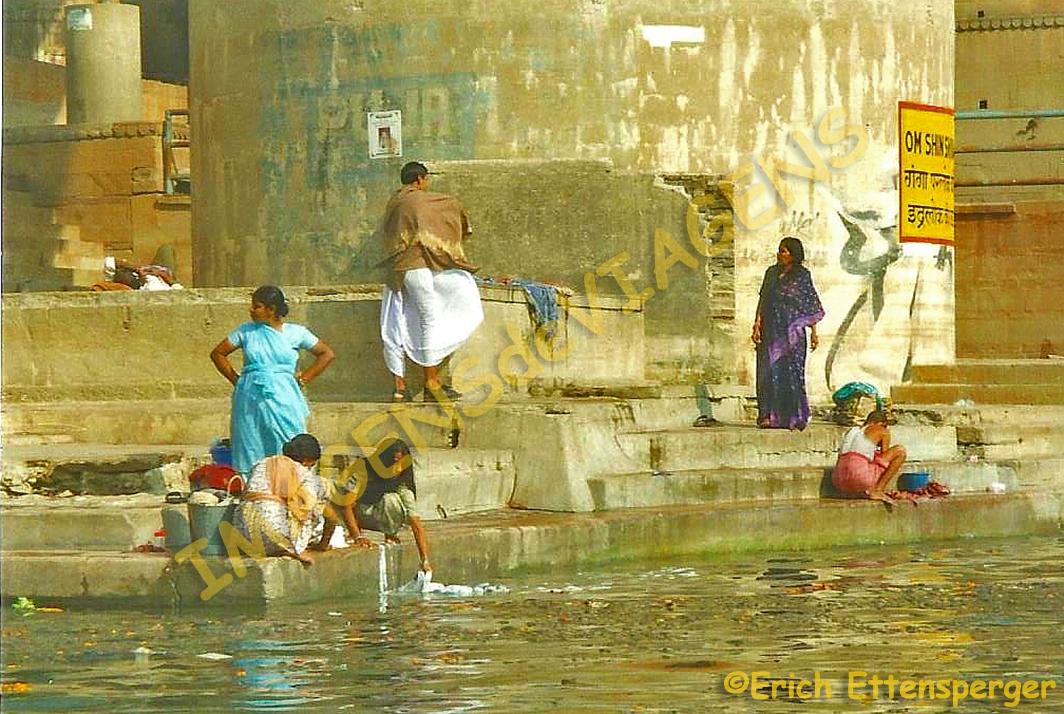
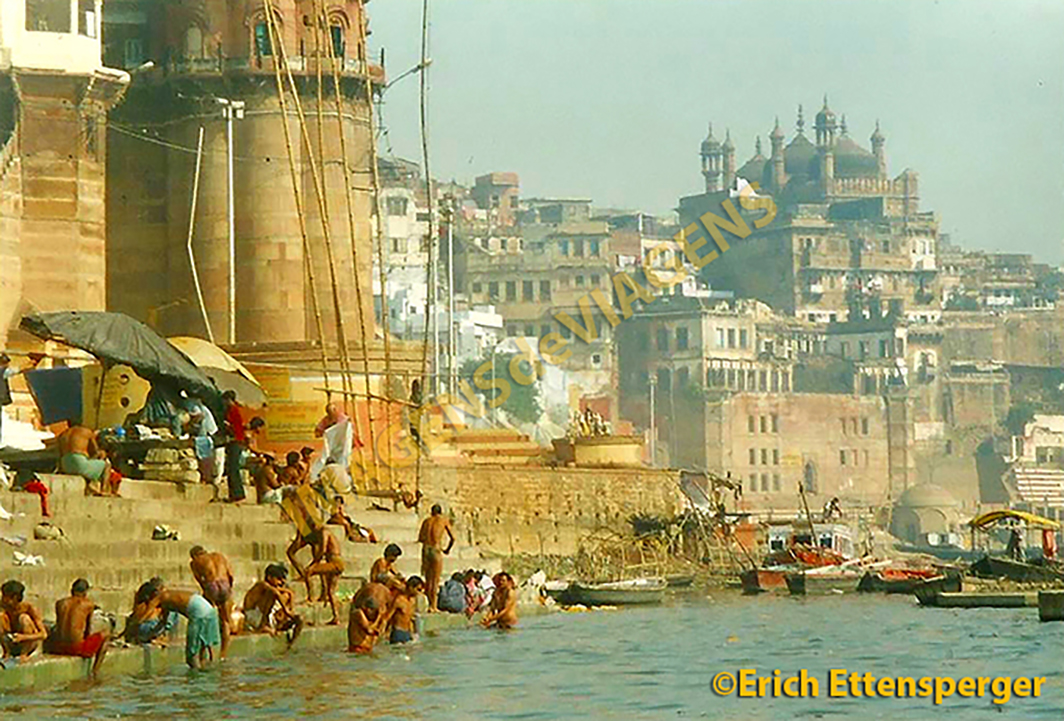
A cidade pulsa com vida; suas ruas estreitas estão cheias de cores, cheiros e sons. Peregrinos se dirigem aos numerosos ghats, os degraus de pedra que levam às margens do Ganges, para experimentar purificação espiritual e realizar suas orações. Aqui, os fiéis tomam banhos rituais, realizam rituais de oração e acendem lamparinas de óleo como oferendas.

A antiga cidade de Varanasi é um labirinto de vielas sinuosas, ladeadas por templos antigos, locais sagrados, mercados vibrantes e oficinas de artesãos. Cada passo é uma descoberta, um encontro com a cultura vibrante e a espiritualidade desta cidade.

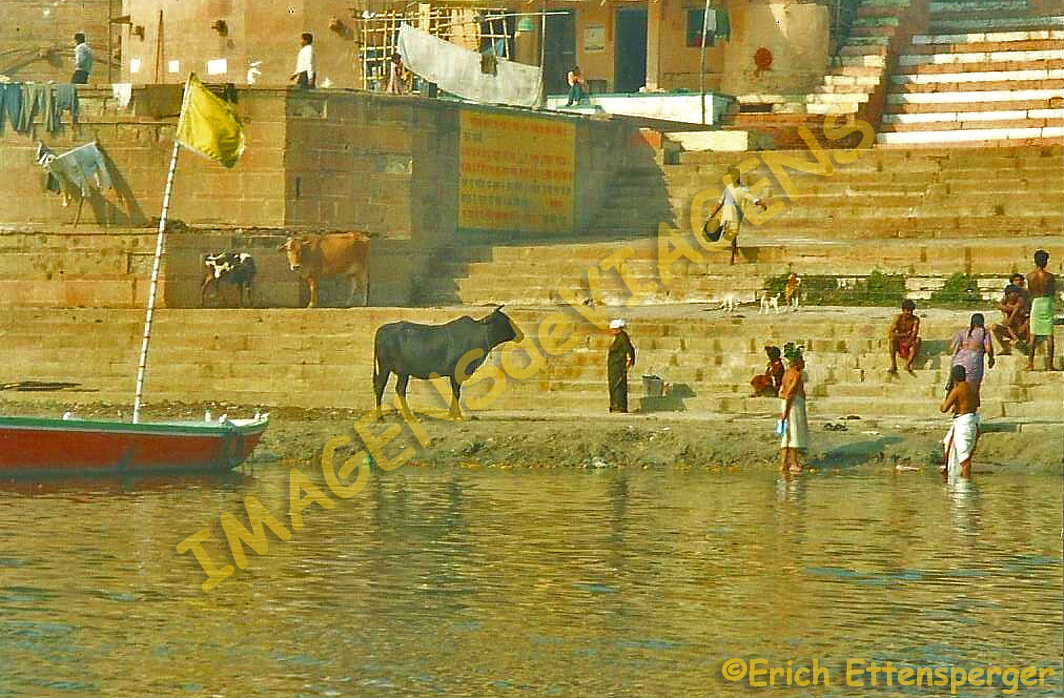
Os ghats de Varanasi são o coração da vida urbana. Aqui, encontra-se todo o espectro das atividades humanas – desde ritos sagrados até as atividades cotidianas de lavar roupas, banhar-se e remar.

Os ghats mais famosos são Dashashwamedh Ghat, Assi Ghat, Manikarnika Ghat e o Burning Ghat, onde os mortos são cremados, considerado uma libertação do renascimento no hinduísmo.

A atmosfera de Varanasi é difícil de descrever – é um lugar de contrastes, onde o espiritual e o mundano se misturam de maneiras únicas. É uma cidade que sobrecarrega os sentidos e toca a alma.

Varanasi, auch bekannt als Kashi oder Benares, ist eine der ältesten bewohnten Städte der Welt und eine der sieben heiligen Städte des Hinduismus. Gelegen am Ufer des heiligen Flusses Ganges im Bundesstaat Uttar Pradesh, Indien, ist Varanasi ein Ort von spiritueller Bedeutung und kultureller Pracht.

Die Stadt pulsiert mit Leben, die engen Gassen sind voller Farben, Gerüche und Klänge. Pilger strömen zu den zahlreichen Ghats, den steinernen Treppen, die zum Ufer des Ganges führen, um spirituelle Reinigung zu erfahren und ihre Gebete zu verrichten. Hier nehmen Gläubige rituelle Bäder, führen Gebetsrituale durch und zünden Öllampen als Opfergaben an.

Die Altstadt von Varanasi ist ein Labyrinth aus verwinkelten Gassen, gesäumt von alten Tempeln, heiligen Stätten, bunten Märkten und handwerklichen Werkstätten. Jeder Schritt ist eine Entdeckung, eine Begegnung mit der lebendigen Kultur und Spiritualität dieser Stadt.

Die Ghats von Varanasi sind das Herzstück des städtischen Lebens. Hier findet man das ganze Spektrum menschlicher Aktivitäten – von den heiligen Riten bis hin zu den alltäglichen Tätigkeiten des Wäsche waschens, Badens und Bootsfahrens.

Die berühmtesten Ghats sind Dashashwamedh Ghat, Assi Ghat, Manikarnika Ghat und das Burning Ghat, wo die Toten eingeäschert werden, was als eine Erlösung von der Wiedergeburt im Hinduismus betrachtet wird.

Die Atmosphäre von Varanasi ist schwer zu beschreiben – es ist ein Ort der Kontraste, wo das Spirituelle und das Weltliche auf einzigartige Weise verschmelzen. Es ist eine Stadt, die die Sinne überwältigt und die Seele berührt.

Varanasi, also known as Kashi or Benares, is one of the oldest inhabited cities in the world and one of the seven holy cities of Hinduism. Located on the banks of the sacred Ganges River in the state of Uttar Pradesh, India, Varanasi is a place of spiritual significance and cultural splendor.

The city pulsates with life; its narrow lanes are filled with colors, smells, and sounds. Pilgrims flock to the numerous ghats, the stone steps leading to the banks of the Ganges, to experience spiritual cleansing and perform their prayers. Here, believers take ritual baths, perform prayer rituals, and light oil lamps as offerings.

Varanasi’s old city is a labyrinth of winding lanes, lined with ancient temples, holy sites, vibrant markets, and artisan workshops. Every step is a discovery, an encounter with the vibrant culture and spirituality of this city.

The ghats of Varanasi are the heart of urban life. Here, one finds the full spectrum of human activities – from sacred rites to the everyday activities of washing clothes, bathing, and boating.

The most famous ghats are Dashashwamedh Ghat, Assi Ghat, Manikarnika Ghat, and the Burning Ghat, where the dead are cremated, considered a liberation from rebirth in Hinduism.

The atmosphere of Varanasi is hard to describe – it is a place of contrasts, where the spiritual and the worldly blend in unique ways. It is a city that overwhelms the senses and touches the soul.


Varanasi – cenários extremamente impressionantes/Varanasi – Extrem beeindruckende Szenarien/Varanasi – Extremely impressive scenarios

bandeiradobrasil

Varanasi – cenários extremamente impressionantes

Mapa de localização de Varanasi na Índia/Varanasi Lageplan Indien/Varanasi Location map India
Mapa de localização de Varanasi na Índia/Varanasi Lageplan Indien/Varanasi Location map India. Fonte: http://www.world-guides.com/asia/india/uttar-pradesh/varanasi/varanasi_maps.html

Quem não sabe que a vaca na Índia é reverenciada como um animal sagrado, e, portanto, pode ser vista em toda parte, nas estradas, nas linhas ferroviárias, nos mercados, nos locais públicos e nas cidades santas, como por exemplo em Varanasi. As vacas são para os hindus, na Índia, sagradas, porque elas fornecem as pessoas os cinco fundamentos, chamados os cinco presentes sagrados. Visitei a India à trabalho e no final, depois de ter estado em muitas cidades, estava em Nova Déli e decidi visitar Varanasi, a cidade de qual eu tinha ouvido falar muito! Meus amigos me advertiram: “esse passeio não é para pessoas com os nervos fracos”.

Varanasi ou Varanassi, vulgarmente conhecida como Benares, está situada nas margens do Ganges, o rio sagrado, e tem mais de 3 milhões de habitantes. É uma das cidades mais antigas da Índia e é considerada como a cidade mais sagrada do hinduísmo. As escadarias do Ganges conhecidas como (Ghats) é uma marca de Varanasi, é onde um hindu toma seu banho ao lado de corpos que serão cremados e suas cinzas espalhadas no rio.

Essas visões, esses cheiros, a sujeira, a proximidade da vida e da morte me impressionaram muito, pois tudo isso estava bem distante dos padrões de higiene da minha cultura, mas isso não deve ser esperado de quem visita Varanasi.A cidade de Benares e suas tradicionais cerimônias religiosas não são atrativos para pessoas sensíveis…!

Todo devoto da religião hindu sonha em tomar banho nas águas do rio Ganges e também morrer e ser cremado em Benares.

Um passeio de barco no Ganges ao amanhecer, a luz, os banhos rituais, as cremações, a música e sons no ar constituem cenários inesquecíveis!

Blog Varanasi 7

Blog Varanasi 6

Blog Varanasi 5

Blog Varanasi 4

Blog Varanasi 2

Blog Varanasi wm

bandeiradaalemanha

Varanasi – Extrem beeindruckende Szenarien

Mapa de localização de Varanasi na Índia/Varanasi Lageplan Indien/Varanasi Location map India
Mapa de localização de Varanasi na Índia/Varanasi Lageplan Indien/Varanasi Location map India. Quelle:  http://www.world-guides.com/asia/india/uttar-pradesh/varanasi/varanasi_maps.html

Wer kennt sie nicht, die Kuh in Indien, als heiliges Tier verehrt und somit überall zu sehen, auf Strassen, Bahngleisen, Märkten, öffentlichen Plätzen und heiligen Städten wie z.B natürlich auch in Varanasi. Die Kühe sind den Hindus in Indien deswegen heilig, weil sie die Menschen mit fünf  lebensnotwendigen Dingen versorgen, den sogenannten fünf heiligen Gaben. Eines Tages nun, als ich meine Arbeit in Neu  Dehli und anderen Orten beendet hatte, beschloss ich, Varanasi zu besuchen, die Stadt von der ich schon so viel gehört hatte und mich Freunde sogar davor gewarnt hatten mit den Worten: „Das ist nichts für schwache Nerven“!

Varanasi oder Varanassi, allgemein bekannt als Benares, liegt an den Ufern des Ganges, dem heiligen Fluss, und hat mehr als 3 Millionen Einwohner. Sie ist eine der ältesten Städte Indiens und gilt als die heiligste Stadt des Hinduismus. Auffällig sind in der Stadt die stufenartig ansteigenden Uferanlagen (die Ghats), wo die einen Hindus ihr Bad nehmen und direkt nebenan die Leichen der Verstobenen verbrannt werden und deren Asche dann anschliessend in den Ganges gestreut wird. Für mich waren diese Anblicke, waren diese Gerüche, der Schmutz, diese Enge, diese Nähe von Leben und Tod sehr beeindruckend und in keinster Weise mit den hygienischen Normen meiner Zivilisation in Einklang zu bringen, das soll aber auch nicht so sein.

Ja, Ja, Benares, das ist wahrlich kein Ort und auch seine religiös-traditionellen Zeremonien sind wahrlich NICHTS für schwache Nerven…!! Jeder strenggläubige Hindu träumt davon, im Ganges ein Bad zu nehmen und dort auch zu sterben und verbrannt zu werden.

Eine Bootsfahrt auf dem Ganges in der Morgendämmerung, das Licht, die Baderituale, die Feuerbestattungen, die Musik und Geräusche in der Luft liefern starke unvergessliche Szenarien!

Blog Varanasi 7

Blog Varanasi 6

Blog Varanasi 5

Blog Varanasi 4

Blog Varanasi 3

Blog Varanasi wm

BRITAIN

Varanasi – Extremely impressive scenarios

Mapa de localização de Varanasi na Índia/Varanasi Lageplan Indien/Varanasi Location map India
Mapa de localização de Varanasi na Índia/Varanasi Lageplan Indien/Varanasi Location map India.Source: http://www.world-guides.com/asia/india/uttar-radesh/varanasi/varanasi_maps.html

Who does not know, the cow in India, revered as a sacred animal, and thus can be seen everywhere, on roads, railway lines, markets, public places and holy cities as for example in Varanasi. The cows are for the Hindus in India so sacred because they provide people with five essentials, called the five holy gifts. One day, when I had finished my work in New Delhi and other places, I decided to visit Varanasi, the city of which I had heard so much and had my friends even warned me with the words: “This is not for weak nerves”!

Varanasi or Varanassi, commonly known as Benares, situated on the banks of the Ganges, the holy river, has more than 3 million inhabitants. It is one of India’s oldest cities and is regarded as the holiest city of Hinduism. Striking are in the city, the step-like rising bank facilities (the Ghats), where a Hindu take his bath, and right next door the bodies of who passed away to be burned and their ashes are then subsequently scattered into the Ganges. For me these visions, these smells, the dirt, this narrowness, this closeness of life and death were very impressive and had nothing to do in harmony with all the hygienic standards of my civilization, but that should not be even so expected.

Yes, Yes, Benares, which is truly no place for and his religious-traditional ceremonies are truly NOTHING for the faint of heart … !!  Every devout Hindu dreams of taking a bath in the river Ganges and also to die here and to be burned here in Benares.

A boat trip on the Ganges at dawn, the light, the bathing rituals, the cremations, the music and sounds in the air provide strong unforgettable scenarios!

Blog Varanasi 7

Blog Varanasi 6

Blog Varanasi 5

Blog Varanasi 4

Blog Varanasi 3

Blog Varanasi 2

Blog Varanasi wm