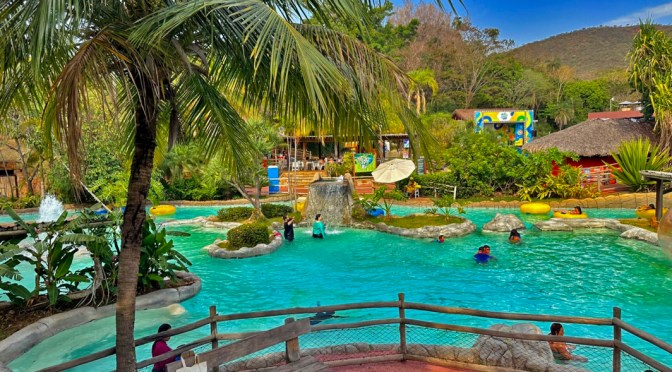
 O Rio Quente Resorts, localizado em Goiás, Brasil, estão entre os complexos turísticos mais famosos do país.
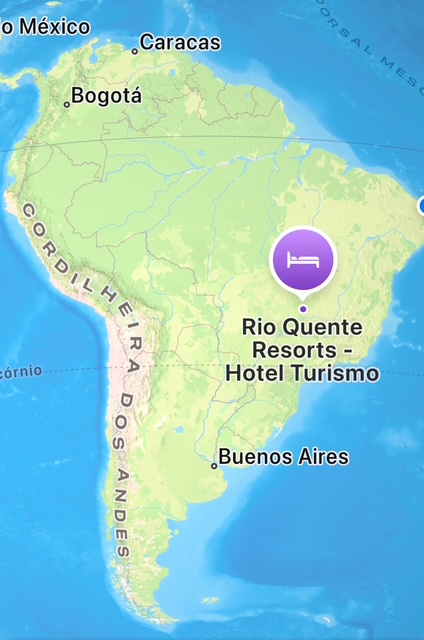
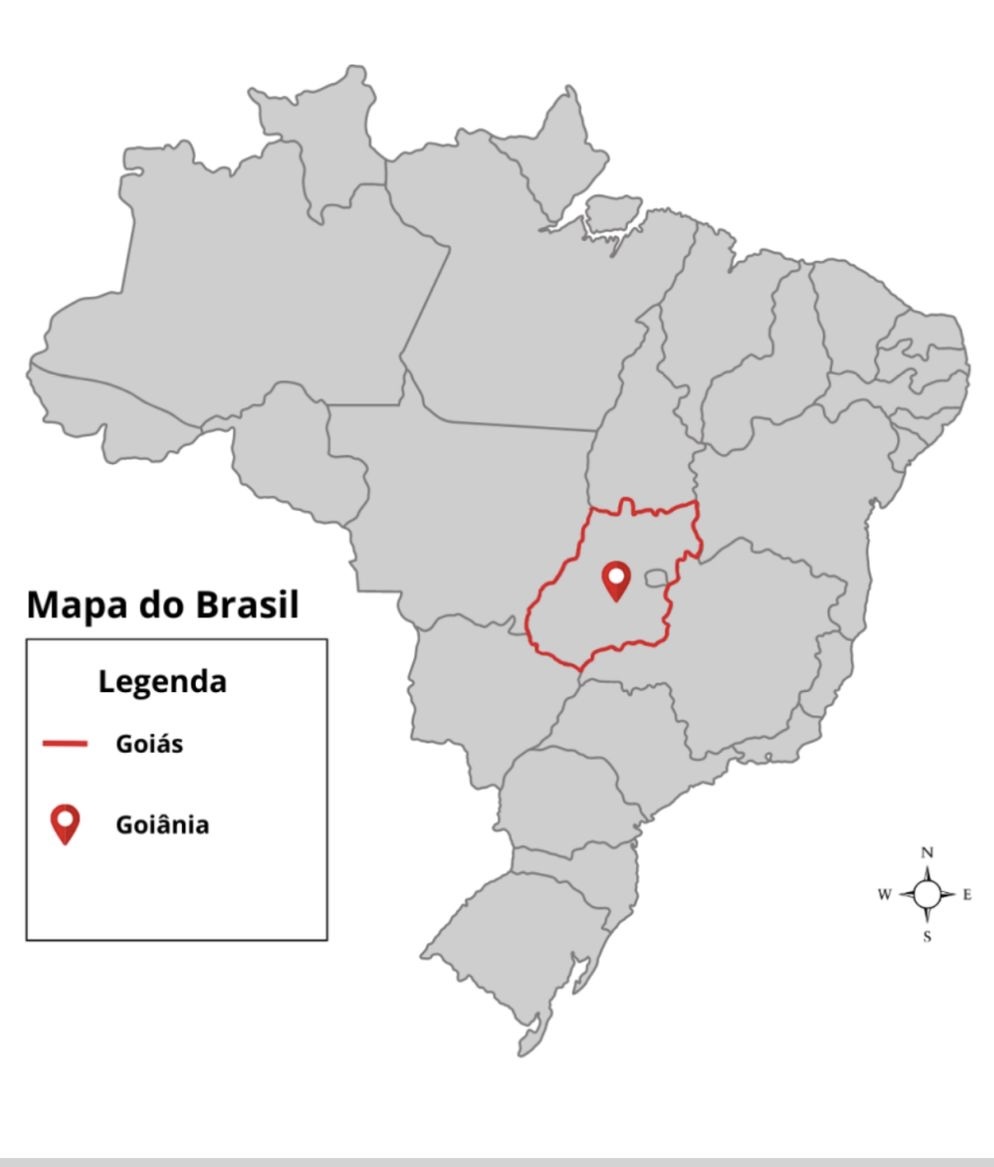 Inseridos na bela paisagem do Cerrado, oferecem uma experiência única em meio à natureza. O grande destaque são as fontes termais, que mantêm durante todo o ano uma temperatura agradável de cerca de 37 graus Celsius. Essas águas alimentam diversas piscinas, lagos e parques aquáticos do complexo. O resort é formado por vários hotéis de diferentes categorias, atendendo a todos os perfis de visitantes e orçamentos. Famílias, casais e grupos encontram condições ideais para relaxar. Um dos pontos altos é o Hot Park, um enorme parque aquático com toboáguas, rios de correnteza e uma grande piscina de ondas. Lá também está localizado o único rio de águas naturalmente quentes do mundo. Os hóspedes podem escolher entre atividades esportivas, opções de bem-estar e experiências gastronômicas variadas. A culinária vai desde pratos típicos brasileiros até especialidades internacionais. Para as crianças, há áreas exclusivas de recreação e animação. À noite, apresentações musicais e shows de dança animam o ambiente. Os Rio Quente Resorts também priorizam a sustentabilidade e a preservação ambiental. A flora e a fauna locais são protegidas, e os visitantes podem participar de passeios ecológicos. Os amantes do golfe contam com um campo de 18 buracos de alto padrão. Graças à localização central no Brasil, o acesso é fácil e prático. O complexo é um verdadeiro refúgio de descanso em meio à natureza. Seja aventura, relaxamento ou férias em família – os Rio Quente Resorts têm algo para todos. Para muitos visitantes, a estadia se torna uma lembrança inesquecível.
Informações complementares:Rio Quente Resorts está localizado a aproximadamente 172,90 km de Goiânia, capital de Goiás;
Evite ir nos feriados, final de semana e férias escolares (julho, dezembro e janeiro), pois o local fica muito cheio;
Dentro da área do resort há a Pousada Rio Quente (é o hotel mais antigo), o Hotel Turismo e o Hotel Crystal. Nós nos hospedamos no Hotel Turismo. A partir dos dois primeiros, pé possível caminhar até o Parque das Fontes e o Hot Park.
 Die Rio Quente Resorts in Goiás, Brasilien, gehören zu den bekanntesten Ferienanlagen des Landes.
Eingebettet in die malerische Landschaft des Cerrado bieten sie ein einzigartiges Naturerlebnis. Besonders berühmt sind die heißen Thermalquellen, die das ganze Jahr über eine angenehme Wassertemperatur von rund 37 Grad Celsius haben. Diese Quellen speisen zahlreiche Pools, Lagunen und Wasserparks in der Anlage. Das Resort besteht aus mehreren Hotels unterschiedlicher Kategorien, sodass für jedes Budget passende Angebote verfügbar sind. Familien, Paare und Gruppen finden hier gleichermaßen ideale Bedingungen für einen erholsamen Aufenthalt. Ein Highlight ist der Hot Park, ein riesiger Wasserpark mit Rutschen, Strömungskanälen und einem großen Wellenbad. Dort befindet sich auch der einzige natürliche Fluss mit warmem Wasser weltweit. Gäste können zwischen sportlichen Aktivitäten, Wellness-Angeboten und kulinarischen Erlebnissen wählen. Das gastronomische Angebot reicht von brasilianischen Spezialitäten bis hin zu internationaler Küche. Für Kinder gibt es spezielle Spiel- und Animationsbereiche, die viel Abwechslung bieten. Abends locken Shows und Veranstaltungen mit Musik und Tanz. Die Rio Quente Resorts legen zudem Wert auf Nachhaltigkeit und Naturschutz. Die umgebende Flora und Fauna wird sorgfältig geschützt, und Besucher können an ökologischen Touren teilnehmen. Auch Golfliebhaber kommen auf einem gepflegten 18-Loch-Golfplatz auf ihre Kosten. Durch die zentrale Lage in Brasilien sind die Resorts gut erreichbar. Sie stellen eine Oase der Erholung inmitten der Natur dar. Ob Abenteuer, Entspannung oder Familienurlaub – Rio Quente Resorts bieten für jeden etwas. Ein Aufenthalt hier bleibt für viele Besucher ein unvergessliches Erlebnis.
Weitere Informationen: Das Rio Quente Resort liegt etwa 172,9 km von Goiânia, der Hauptstadt von Goiás, entfernt. Vermeiden Sie einen Besuch an Feiertagen, Wochenenden und in den Schulferien (Juli, Dezember und Januar), da es dort sehr voll sein kann. Auf dem Resortgelände befinden sich die Pousada Rio Quente (das älteste Hotel), das Hotel Turismo und das Hotel Crystal. Wir übernachteten im Hotel Turismo. Von den ersten beiden Hotels aus können Sie den Parque das Fontes und den Hot Park bequem zu Fuß erreichen.
 The Rio Quente Resorts in Goiás, Brazil, are among the country’s most famous vacation complexes.
Surrounded by the scenic Cerrado landscape, they provide a unique experience in close contact with nature. The main attraction is the natural hot springs, which maintain a pleasant temperature of about 37 degrees Celsius throughout the year. These thermal waters feed numerous pools, lagoons, and water parks within the resort. The complex is composed of several hotels of different categories, catering to a wide range of budgets. Families, couples, and groups all find ideal conditions for a relaxing stay. A major highlight is the Hot Park, a huge water park with slides, lazy rivers, and a large wave pool. It also features the world’s only naturally warm-water river. Guests can choose from sports activities, wellness programs, and diverse culinary experiences. Dining options range from Brazilian specialties to international cuisine. Children enjoy dedicated play areas and animation programs. In the evenings, live shows and musical performances bring entertainment to all. The Rio Quente Resorts also place strong emphasis on sustainability and environmental preservation. The surrounding flora and fauna are carefully protected, and visitors can join ecological tours. Golf enthusiasts will appreciate the well-maintained 18-hole golf course. Thanks to its central location in Brazil, the resort is easy to reach. It represents a true oasis of relaxation in the heart of nature. Whether you are looking for adventure, leisure, or family holidays – Rio Quente Resorts has something for everyone. For many guests, a stay here becomes an unforgettable memory.
Additional Information: Rio Quente Resorts is located approximately 172.90 km from Goiânia, the capital of Goiás. Avoid visiting on holidays, weekends, and school vacations (July, December, and January), as it gets very crowded. Within the resort grounds are Pousada Rio Quente (the oldest hotel), Hotel Turismo, and Hotel Crystal. We stayed at Hotel Turismo. From the first two, you can walk to Parque das Fontes and Hot Park.

 imagenseviagens.com.br/travelandimages.com