
De Budapeste à Viena, de carro/Die Autofahrt von Budapest nach Vienna/The drive from Budapest to Vienna

A viagem de carro de Budapest até Viena é uma das rotas mais bonitas da Europa Central, combinando cultura, natureza e história de forma impressionante.
Ao sair de Budapest, a paisagem se abre com colinas suaves e amplas planícies em direção ao oeste.
Logo se chega ao Lago Balaton, cujo brilho e charme mediterrâneo encantam os visitantes.
A estrada segue pela margem norte, repleta de pequenas vilas e vinhedos.
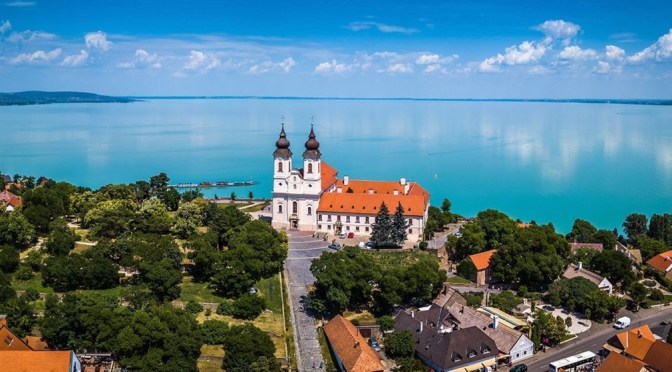
Um dos primeiros destaques é a península de Tihany com a famosa Abadia de Tihany, que se ergue majestosamente sobre o lago.
Dali se tem uma vista deslumbrante da água e da paisagem ao redor.
A arquitetura barroca e a atmosfera tranquila convidam a um passeio relaxante.
Campos de lavanda e cafés acolhedores criam um ambiente quase provençal.
Após essa parada cultural, a viagem continua pela estrada sinuosa à beira do lago.
Novas perspectivas do lago e das colinas surgem a todo momento.
Outra parada imperdível é o Castelo de Szigliget, situado sobre uma colina vulcânica.
A subida é recompensada com uma vista panorâmica espetacular.
As ruínas contam histórias do passado húngaro.
Vinícolas próximas oferecem especialidades regionais e excelentes vinhos.
A rota segue por vilarejos charmosos, pomares e campos.
Aos poucos, aproxima-se da fronteira com a Áustria e a paisagem muda novamente.
As estradas ficam mais amplas e a arquitetura assume características austríacas.
Após cruzar a fronteira, percorre-se o Burgenland, região conhecida por seus vinhos e paisagens abertas.
Colinas suaves, turbinas eólicas e vilas pitorescas definem o cenário.
Ao se aproximar de Viena, o trânsito aumenta, mas a viagem continua agradável.
Finalmente, chega-se a Viena, uma cidade repleta de música, história e elegância imperial.
Seus edifícios magníficos e diversidade cultural encerram a viagem com grande estilo.
Essa rota combina perfeitamente natureza e cultura.
É ideal para quem prefere estradas panorâmicas em vez de autoestradas.
Cada parada ao longo do Balaton oferece novas impressões.
A combinação de lago, colinas e patrimônios históricos torna a viagem única.
A região também encanta pela gastronomia, com pratos de peixe e vinhos locais.
A atmosfera tranquila convida a permanecer mais tempo.
Assim, a viagem de Budapest a Viena torna-se uma experiência inesquecível.

Die Autofahrt von Budapest nach Vienna gehört zu den schönsten Routen Mitteleuropas und verbindet Kultur, Natur und Geschichte auf eindrucksvolle Weise.
Schon beim Verlassen von Budapest öffnet sich die Landschaft, und sanfte Hügel sowie weite Ebenen begleiten den Weg Richtung Westen.
Bald erreicht man den Balaton, auch bekannt als Plattensee, der mit seinem glitzernden Wasser und mediterranem Flair beeindruckt.
Die Straße führt entlang des Nordufers, wo sich zahlreiche kleine Orte und Weinberge aneinanderreihen.
Ein erster Höhepunkt ist die Halbinsel Tihany mit der berühmten Abtei Tihany, die majestätisch über dem See thront.
Von hier aus genießt man einen atemberaubenden Blick über das Wasser und die umliegenden Landschaften.
Die barocke Architektur und die ruhige Atmosphäre laden zu einem entspannten Spaziergang ein.
Lavendelfelder und kleine Cafés verleihen dem Ort ein beinahe südfranzösisches Ambiente.
Nach diesem kulturellen Zwischenstopp setzt man die Fahrt entlang der kurvenreichen Uferstraße fort.
Immer wieder eröffnen sich neue Perspektiven auf den See und die sanften Hügel des Balaton-Oberlands.
Ein weiterer lohnenswerter Halt ist die Burg Szigliget, die auf einem vulkanischen Hügel über der Region wacht.
Der Aufstieg zur Burg wird mit einem spektakulären Rundblick über den See und die umliegenden Weinlandschaften belohnt.
Die Ruinen erzählen von bewegten Zeiten und laden dazu ein, in die Geschichte Ungarns einzutauchen.
In der Umgebung bieten kleine Weingüter regionale Spezialitäten und ausgezeichnete Weine an.
Die Route führt weiter durch charmante Dörfer und vorbei an Obstgärten und Feldern.
Langsam nähert man sich der österreichischen Grenze, und die Landschaft verändert sich erneut.
Die Straßen werden breiter, und die Architektur nimmt zunehmend österreichische Züge an.
Nach dem Grenzübertritt geht die Fahrt durch das Burgenland, eine Region, die für ihre Weine und weiten Ebenen bekannt ist.
Sanfte Hügel, Windräder und idyllische Ortschaften prägen das Bild.
Je näher man Wien kommt, desto lebendiger wird der Verkehr, doch die Fahrt bleibt angenehm.
Schließlich erreicht man Vienna, eine Stadt voller Musik, Geschichte und kaiserlicher Eleganz.
Die prächtigen Gebäude und die kulturelle Vielfalt bilden einen würdigen Abschluss der Reise.
Diese Strecke vereint Naturerlebnis und kulturelle Highlights auf ideale Weise.
Sie ist besonders für Reisende geeignet, die gerne abseits der Autobahn unterwegs sind.
Jeder Stopp entlang des Balaton bietet neue Eindrücke und unvergessliche Momente.
Die Kombination aus See, Hügeln und historischen Bauwerken macht diese Route einzigartig.
Auch kulinarisch hat die Region viel zu bieten, von Fischgerichten bis zu lokalen Weinen.
Die entspannte Atmosphäre entlang des Sees lädt zum Verweilen ein.
So wird die Fahrt von Budapest nach Wien zu einem Erlebnis, das weit über das Ziel hinaus begeistert.

The drive from Budapest to Vienna is one of the most scenic routes in Central Europe, combining culture, nature, and history in an impressive way.
As you leave Budapest, the landscape opens up, with gentle hills and wide plains stretching toward the west.
Soon you reach Lake Balaton, whose shimmering waters and Mediterranean charm captivate visitors.
The road follows the northern shore, lined with small villages and vineyards.
A first highlight is the Tihany Peninsula with the famous Tihany Abbey, rising majestically above the lake.
From here, you enjoy breathtaking views of the water and surrounding landscapes.
The baroque architecture and peaceful atmosphere invite a relaxing walk.
Lavender fields and cozy cafés give the place an almost southern French feeling.
After this cultural stop, the journey continues along the winding lakeside road.
New perspectives of the lake and rolling hills constantly appear.
Another worthwhile stop is Szigliget Castle, perched on a volcanic hill.
Climbing up rewards you with spectacular panoramic views over the lake and vineyards.
The ruins tell stories of Hungary’s rich past.
Nearby wineries offer regional specialties and excellent wines.
The route continues through charming villages and past orchards and fields.
Gradually, you approach the Austrian border and the scenery changes again.
Roads become wider and the architecture takes on Austrian characteristics.
After crossing the border, you drive through Burgenland, known for its wines and open landscapes.
Gentle hills, wind turbines, and picturesque villages shape the view.
As you get closer to Vienna, traffic increases but the journey remains pleasant.
Finally, you arrive in Vienna, a city full of music, history, and imperial elegance.
Its magnificent buildings and cultural diversity provide a fitting end to the trip.
This route perfectly combines natural beauty and cultural highlights.
It is ideal for travelers who prefer scenic roads over highways.
Every stop along Lake Balaton offers new impressions and unforgettable moments.
The mix of lake, hills, and historic landmarks makes this journey unique.
The region is also rich in culinary delights, from fish dishes to local wines.
The relaxed atmosphere invites you to linger.
Thus, the drive from Budapest to Vienna becomes an experience far beyond the destination itself.

Guilin

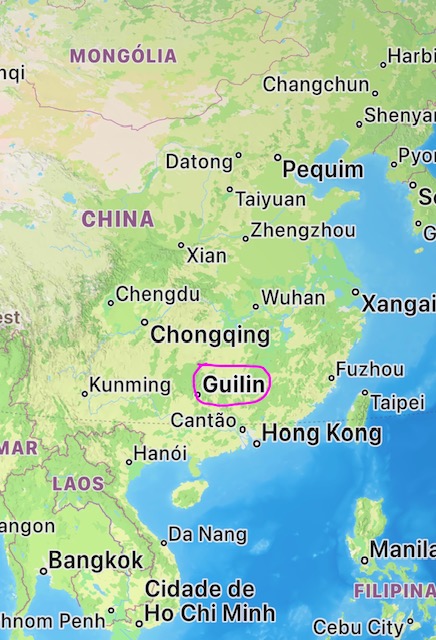
Guilin fica no sul da China e pertence à região de Guangxi.

A cidade é famosa no mundo inteiro por sua paisagem cárstica única. Ao redor de Guilin existem centenas de montanhas de calcário muito íngremes que muitas vezes ficam cobertas de neblina e parecem uma pintura. O rio Li corre calmamente pela paisagem e é uma das maiores atrações da região. Muitos viajantes fazem um passeio de barco de Guilin até Yangshuo para ver a natureza de perto. Durante o passeio é comum ver pescadores em jangadas de bambu, e os pescadores com corvos-marinhos pela manhã são especialmente famosos.

Guilin tem uma história muito longa de mais de dois mil anos e já era um importante centro cultural na época imperial. A cidade hoje é moderna, mas ainda mantém muitos elementos tradicionais. Nos parques existem pavilhões antigos, pequenos lagos e jardins bem cuidados. O símbolo mais conhecido é a Colina da Tromba do Elefante, uma rocha que parece um elefante bebendo água do rio. Muitos poetas chineses descreveram a beleza de Guilin em seus poemas, e a paisagem também aparece em pinturas antigas.

O clima em Guilin é quente e úmido, o que faz a vegetação crescer de forma abundante. Na primavera tudo fica muito verde e vivo, enquanto no verão pode fazer muito calor, embora os rios tragam um pouco de frescor. O outono é considerado a melhor época para viajar, porque o ar fica limpo e as montanhas podem ser vistas com clareza.

A comida em Guilin é leve e aromática, e o macarrão de arroz é muito popular e vendido quase em toda parte. Nos mercados há frutas frescas, legumes e muitos temperos.

Turistas do mundo inteiro visitam a cidade todos os anos, muitos vêm pela natureza impressionante e ficam pela atmosfera tranquila. Apesar do turismo crescente, Guilin manteve seu charme especial. A combinação de montanhas, água e neblina torna a paisagem única. Quem visita a China deveria conhecer Guilin, pois a região está entre as paisagens mais bonitas do mundo.

Para conhecer mais sobre Guilin, clique aqui.

Guilin liegt im Süden von China und gehört zur Region Guangxi.

Die Stadt ist weltbekannt für ihre einzigartige Karstlandschaft. Rund um Guilin erheben sich hunderte steile Kalksteinberge, die oft von Nebel umhüllt sind und fast wie gemalt wirken. Der Li-Fluss fließt ruhig durch die Landschaft und gehört zu den größten Sehenswürdigkeiten der Region. Viele Reisende machen eine Bootsfahrt von Guilin nach Yangshuo, um die berühmte Natur aus nächster Nähe zu erleben. Während der Fahrt sieht man häufig Fischer auf Bambusflößen, besonders bekannt sind die Kormoranfischer am frühen Morgen. Guilin hat eine sehr lange Geschichte von über zweitausend Jahren und war schon in der Kaiserzeit ein wichtiges kulturelles Zentrum. Die Stadt selbst ist heute modern, hat aber gleichzeitig viele traditionelle Elemente bewahrt. In den Parks findet man alte Pavillons, kleine Seen und gepflegte Gärten. Das bekannteste Wahrzeichen ist der Elefantenrüsselberg, ein Felsen, der wie ein Elefant aussieht, der aus dem Fluss trinkt. Viele chinesische Dichter haben die Schönheit von Guilin in ihren Gedichten beschrieben, und auch auf alten Gemälden wurde die Landschaft oft dargestellt. Das Klima in Guilin ist warm und feucht, wodurch die Natur sehr üppig wächst. Im Frühling ist alles besonders grün und lebendig, während es im Sommer sehr heiß werden kann, auch wenn die Flüsse etwas Abkühlung bringen. Der Herbst gilt als die beste Reisezeit, weil die Luft dann klar ist und man die Berge besonders gut sehen kann. Die Küche in Guilin ist leicht und aromatisch, und besonders beliebt sind Reisnudeln, die fast überall verkauft werden. Auf den Märkten findet man frisches Obst, Gemüse und viele Gewürze. Touristen aus der ganzen Welt besuchen die Stadt jedes Jahr, viele kommen wegen der beeindruckenden Natur und bleiben wegen der ruhigen Atmosphäre. Trotz des zunehmenden Tourismus hat Guilin seinen besonderen Charme behalten. Die Kombination aus Bergen, Wasser und Nebel macht die Landschaft einzigartig. Wer China besucht, sollte Guilin unbedingt sehen, denn die Region gehört zu den schönsten Landschaften der ganzen Welt. 

Um mehr über Guilin zu erfahren, klicken Sie hier.

Guilin is located in the south of China and belongs to the Guangxi region. The city is world-famous for its unique karst landscapeAround Guilin rise hundreds of steep limestone hills that are often covered in mist and look almost like a painting. The Li River flows calmly through the scenery and is one of the main attractions of the region. Many travelers take a boat trip from Guilin to Yangshuo to experience the famous landscape up closeDuring the trip you can often see fishermen on bamboo rafts, and the cormorant fishermen in the early morning are especially well known. Guilin has a very long history of more than two thousand years and was already an important cultural center in imperial times. The city itself is modern today but has kept many traditional elements. In the parks you can find old pavilionssmall lakes and beautiful gardens. The best-known landmark is Elephant Trunk Hill, a rock that looks like an elephant drinking from the river. Many Chinese poets described the beauty of Guilin in their poems, and the landscape was often shown in old paintings. The climate in Guilin is warm and humid, which makes the vegetation very rich. In spring everything is especially green and livelywhile summer can be very hotalthough the rivers bring some cooling. Autumn is considered the best time to travel because the air is clear and the mountains can be seen very well. The food in Guilin is light and aromatic, and rice noodles are especially popular and sold almost everywhere. On the markets you can find fresh fruitvegetables and many spicesTourists from all over the world visit the city every yearmany come because of the impressive nature and stay because of the peaceful atmosphereDespite increasing tourism, Guilin has kept its special charm. The combination of mountainswater and mist makes the landscape uniqueAnyone visiting China should definitely see Guilin, because the region belongs to the most beautiful landscapes in the world. 

To learn more about Guilin, click here.

Colônia de Sacramento

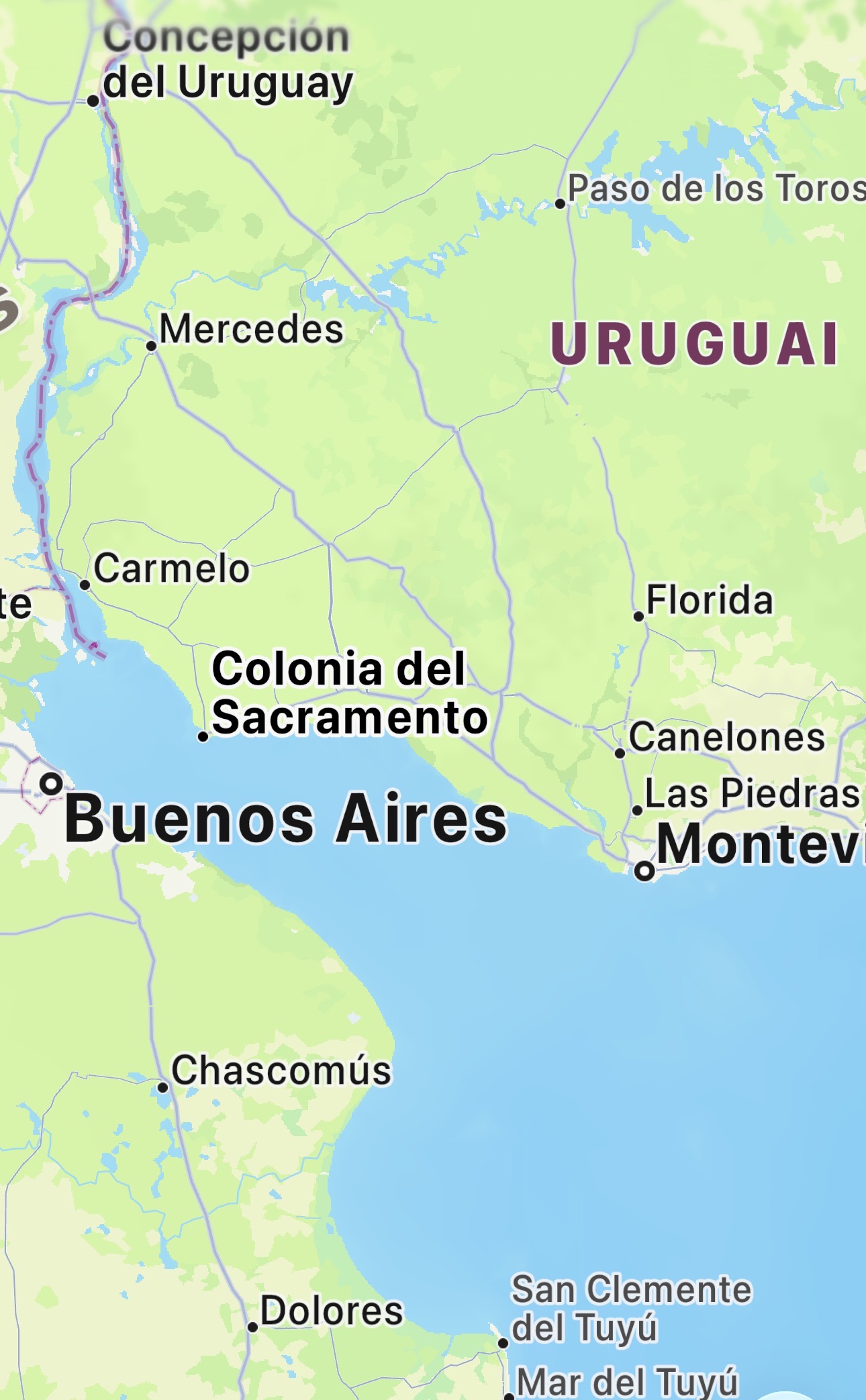
A cidade de Colonia del Sacramento está localizada no sudoeste do Uruguay às margens do Río de la Plata, em frente a Buenos Aires.

Fonte/Quelle/Source: Google Maps

É uma das cidades mais antigas do país e foi fundada em 1680 pelos portugueses. Devido à sua posição estratégica, a cidade foi disputada durante muito tempo entre Portugal e Espanha. Essa história movimentada deixou um patrimônio arquitetônico único que ainda hoje está bem preservado. O bairro histórico, chamado Barrio Histórico, é especialmente famoso por suas ruas de pedra, casas baixas e antigas muralhas.

O centro histórico faz parte do Patrimônio Mundial da UNESCO desde 1995 e atrai visitantes de todo o mundo todos os anos. Caminhar pelas ruas estreitas é como voltar à época colonial. Muitos edifícios datam dos séculos XVII e XVIII e mostram uma mistura de estilos português e espanhol.

O símbolo da cidade é o antigo farol, de onde se tem uma bela vista sobre os telhados e o Río de la Plata. A Igreja Matriz, uma das mais antigas do Uruguai, também é um importante monumento histórico. Colonia del Sacramento não é apenas um lugar de história, mas também de tranquilidade e descanso. Pequenos cafés, restaurantes e lojas de artesanato convidam a permanecer e aproveitar o ambiente. À noite, a cidade fica especialmente romântica quando o sol se põe sobre o rio.

Muitos visitantes fazem um passeio de um dia desde Buenos Aires de barco, pois a travessia dura cerca de uma hora. Apesar da proximidade com a grande cidade, Colonia manteve seu caráter tranquilo e acolhedor. A cidade é um destino popular para amantes da cultura, fotógrafos e viajantes que desejam conhecer a América do Sul autêntica. A região ao redor, com praias e paisagens rurais, também oferece belos passeios.

Colonia del Sacramento é considerada uma das cidades mais bonitas do Uruguai e um lugar onde a história permanece viva.

Die Stadt Colonia del Sacramento liegt im Südwesten von Uruguay direkt am Río de la Plata gegenüber von Buenos Aires.

Fonte/Quelle/Source: Google Maps

Sie gehört zu den ältesten Städten des Landes und wurde im Jahr 1680 von den Portugiesen gegründet. Aufgrund ihrer strategisch günstigen Lage war die Stadt lange Zeit zwischen Portugal und Spanien umkämpft. Diese wechselvolle Geschichte hat ein einzigartiges architektonisches Erbe hinterlassen, das bis heute gut erhalten ist. Besonders bekannt ist das historische Viertel Barrio Histórico mit seinen gepflasterten Straßen, niedrigen Häusern und alten Stadtmauern. Die Altstadt gehört seit 1995 zum UNESCO-Weltkulturerbe und zieht jedes Jahr zahlreiche Besucher aus aller Welt an. Beim Spaziergang durch die engen Gassen fühlt man sich in die Kolonialzeit zurückversetzt. Viele Gebäude stammen noch aus dem 17. und 18. Jahrhundert und zeigen eine Mischung aus portugiesischem und spanischem Baustil. Wahrzeichen der Stadt ist der alte Leuchtturm, von dem aus man einen schönen Blick über die Dächer und den Río de la Plata hat. Auch die Kirche Matriz, eine der ältesten Kirchen Uruguays, ist ein bedeutendes historisches Bauwerk. Colonia del Sacramento ist nicht nur ein Ort für Geschichte, sondern auch für Ruhe und Entspannung. Kleine Cafés, Restaurants und Kunsthandwerksläden laden zum Verweilen ein. Besonders am Abend herrscht eine romantische Atmosphäre, wenn die Sonne über dem Fluss untergeht. Viele Besucher machen einen Tagesausflug von Buenos Aires mit der Fähre, da die Überfahrt nur etwa eine Stunde dauert. Trotz der Nähe zur Großstadt hat sich Colonia seinen ruhigen und gemütlichen Charakter bewahrt. Die Stadt ist ein beliebtes Ziel für Kulturinteressierte, Fotografen und Reisende, die das authentische Südamerika erleben möchten. Auch die Umgebung mit ihren Stränden und ländlichen Landschaften bietet schöne Ausflugsmöglichkeiten. Colonia del Sacramento gilt als eine der schönsten Städte Uruguays und als ein Ort, an dem Geschichte lebendig bleibt.

The city of Colonia del Sacramento is located in the southwest of Uruguay on the Río de la Plata, directly across from Buenos Aires. It is one of the oldest cities in the country and was founded in 1680 by the Portuguese. Because of its strategic location, the city was disputed for a long time between Portugal and Spain. This turbulent history left behind a unique architectural heritage that is still well preserved today. The historic quarter, known as Barrio Histórico, is especially famous for its cobblestone streets, low houses, and old city walls. The old town has been a UNESCO World Heritage Site since 1995 and attracts many visitors from all over the world every year. Walking through the narrow streets feels like traveling back to the colonial era. Many buildings date from the 17th and 18th centuries and show a mix of Portuguese and Spanish architectural styles. The city’s landmark is the old lighthouse, from which there is a beautiful view over the rooftops and the Río de la Plata. The Matriz Church, one of the oldest churches in Uruguay, is also an important historical monument. Colonia del Sacramento is not only a place of history but also of peace and relaxation. Small cafés, restaurants, and craft shops invite visitors to stay and enjoy the atmosphere. In the evening, the city becomes especially romantic when the sun sets over the river. Many visitors come on a day trip from Buenos Aires by ferry, as the crossing takes only about one hour. Despite its proximity to the big city, Colonia has preserved its calm and charming character. The city is a popular destination for culture lovers, photographers, and travelers who want to experience authentic South America. The surrounding area with its beaches and rural landscapes also offers beautiful excursions. Colonia del Sacramento is considered one of the most beautiful cities in Uruguay and a place where history remains alive.