
São Paulo

São Paulo, com sua enorme extensão, é uma das metrópoles mais impressionantes do Brasil.
A cidade está localizada no sudeste do país e é o principal centro econômico brasileiro.
Com seus inúmeros arranha-céus, São Paulo transmite logo à primeira vista uma sensação de grandeza e dinamismo.
Na região da Avenida Paulista pulsa a vida moderna da cidade.
Ali encontram-se bancos, empresas, museus, lojas, restaurantes e numerosas instituições culturais.
A Avenida Paulista também é um dos pontos de encontro preferidos dos moradores e visitantes.
Especialmente aos domingos, parte da avenida transforma-se em uma movimentada área exclusiva para pedestres.
Um dos principais cartões-postais da cidade é o Museu de Arte de São Paulo, conhecido como MASP.
Sua arquitetura marcante faz do museu um dos edifícios mais famosos da metrópole.
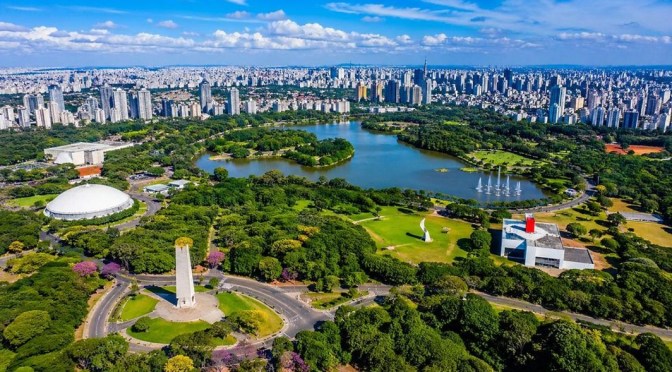
Quem visita São Paulo também deve conhecer o Parque Ibirapuera.
Essa grande área verde oferece uma agradável alternativa ao ritmo intenso da cidade.
Entre palmeiras, gramados e lagos encontram-se corredores, famílias, ciclistas e pessoas passeando.
São Paulo também possui uma cena gastronômica extraordinariamente diversificada.
Além da tradicional culinária brasileira, é possível encontrar especialidades de muitos países do mundo.
A cidade é especialmente conhecida pela grande comunidade japonesa do bairro da Liberdade.
Ali, lojas, restaurantes e a arquitetura característica lembram a presença dos imigrantes japoneses.
O centro histórico de São Paulo também conta muito sobre o desenvolvimento da cidade.
O Pátio do Colégio é considerado um dos lugares históricos mais importantes da metrópole.
Foi nesse local que começou, no século XVI, a história da atual São Paulo.
Não muito distante dali encontra-se a impressionante Catedral da Sé, na praça de mesmo nome.
São Paulo, porém, não é apenas uma cidade de arranha-céus, mas também um importante centro de arte e cultura.
Teatros, salas de concertos, galerias e inúmeros eventos oferecem uma programação variada durante todo o ano.
O futebol também ocupa um lugar especial na cidade e faz parte do estilo de vida paulistano.
Os grandes estádios recebem milhares de torcedores apaixonados durante os jogos importantes.
Apesar do trânsito intenso, existem muitos pequenos espaços, cafés e lugares tranquilos para descobrir.
São Paulo apresenta diferentes facetas e combina tradição com um estilo de vida moderno.
A cidade possui uma identidade multicultural, marcada por pessoas de muitos países que deixaram suas influências.
É justamente essa mistura que torna tão especial o caráter dessa grande metrópole brasileira.
Visitar São Paulo significa conhecer o Brasil por seu lado urbano, moderno e cosmopolita.
Quem se permite descobrir essa cidade fascinante certamente ficará impressionado com sua energia, diversidade e alegria de viver.

São Paulo ist mit seiner gewaltigen Ausdehnung eine der beeindruckendsten Metropolen Brasiliens.
Die Stadt liegt im Südosten des Landes und ist das wirtschaftliche Zentrum Brasiliens.
Mit ihren unzähligen Hochhäusern vermittelt São Paulo schon auf den ersten Blick ein Gefühl von Größe und Dynamik.
Rund um die Avenida Paulista pulsiert das moderne Leben der Stadt.
Hier befinden sich Banken, Unternehmen, Museen, Geschäfte, Restaurants und zahlreiche kulturelle Einrichtungen.
Die Avenida Paulista ist zugleich ein beliebter Treffpunkt für Einheimische und Besucher.
Besonders sonntags verwandelt sie sich teilweise in eine lebendige Fußgängerzone.
Ein wichtiges Wahrzeichen der Stadt ist das Museu de Arte de São Paulo, kurz MASP genannt.
Seine markante Architektur macht das Museum zu einem der bekanntesten Gebäude der Metropole.
Wer São Paulo besucht, sollte auch den Ibirapuera-Park kennenlernen.
Die weitläufige grüne Oase bietet eine angenehme Abwechslung zum hektischen Stadtleben.
Zwischen Palmen, Wiesen und Seen treffen sich Jogger, Familien, Radfahrer und Spaziergänger.
São Paulo besitzt außerdem eine außergewöhnlich vielfältige gastronomische Szene.
Neben der traditionellen brasilianischen Küche findet man hier Spezialitäten aus vielen Ländern der Welt.
Besonders bekannt ist die Stadt für ihre große japanische Gemeinde im Viertel Liberdade.
Dort erinnern Geschäfte, Restaurants und die charakteristische Architektur an die japanischen Einwanderer.
Auch die historische Innenstadt erzählt viel über die Entwicklung São Paulos.
Der Pátio do Colégio gilt als einer der bedeutendsten historischen Orte der Stadt.
Hier begann im 16. Jahrhundert die Geschichte der heutigen Metropole.
Nicht weit entfernt erhebt sich die beeindruckende Kathedrale da Sé am gleichnamigen Platz.
São Paulo ist aber nicht nur eine Stadt der Wolkenkratzer, sondern auch ein Zentrum der Kunst und Kultur.
Theater, Konzerthäuser, Galerien und zahlreiche Veranstaltungen sorgen das ganze Jahr über für ein abwechslungsreiches Programm.
Auch Fußball besitzt in São Paulo einen besonderen Stellenwert und gehört zum Lebensgefühl der Stadt.
Die großen Stadien ziehen bei wichtigen Spielen tausende begeisterte Fans an.
Trotz des hektischen Verkehrs gibt es überall kleine Plätze, Cafés und ruhige Rückzugsorte zu entdecken.
São Paulo zeigt dabei viele unterschiedliche Gesichter und verbindet Tradition mit einer modernen Lebensweise.
Die Stadt ist multikulturell geprägt und Menschen aus zahlreichen Ländern haben ihre Spuren hinterlassen.
Gerade diese Mischung macht den besonderen Charakter der brasilianischen Megametropole aus.
Ein Besuch in São Paulo bedeutet deshalb, Brasilien von seiner urbanen, modernen und kosmopolitischen Seite kennenzulernen.
Wer sich auf diese faszinierende Stadt einlässt, wird von ihrer Energie, Vielfalt und Lebensfreude sicherlich beeindruckt sein.

São Paulo, with its enormous size, is one of the most impressive cities in Brazil.
The city is located in the southeast of the country and is Brazil’s main economic center.
With its countless skyscrapers, São Paulo immediately creates a feeling of immense size and dynamism.
Modern city life revolves around Avenida Paulista.
Banks, companies, museums, shops, restaurants and numerous cultural institutions can be found here.
Avenida Paulista is also a popular meeting place for both locals and visitors.
Especially on Sundays, parts of the avenue are transformed into a lively pedestrian area.
One of the city’s most important landmarks is the São Paulo Museum of Art, known as MASP.
Its striking architecture makes the museum one of the most recognizable buildings in the metropolis.
Visitors to São Paulo should also discover Ibirapuera Park.
This extensive green oasis provides a pleasant escape from the hectic rhythm of the city.
Among palm trees, lawns and lakes, joggers, families, cyclists and walkers enjoy the surroundings.
São Paulo also has an exceptionally diverse culinary scene.
Alongside traditional Brazilian cuisine, specialties from many countries around the world can be found here.
The city is particularly famous for its large Japanese community in the Liberdade district.
Its shops, restaurants and characteristic architecture reflect the history of Japanese immigration.
The historic center of São Paulo also tells an important story about the city’s development.
Pátio do Colégio is regarded as one of the most significant historic sites in the metropolis.
It was here that the history of today’s São Paulo began in the 16th century.
Not far away stands the impressive Sé Cathedral on the square of the same name.
São Paulo, however, is not only a city of skyscrapers but also a major center of art and culture.
Theaters, concert halls, galleries and numerous events provide a varied program throughout the year.
Football also holds a special place in São Paulo and is an important part of the city’s identity.
The major stadiums attract thousands of passionate fans for important matches.
Despite the heavy traffic, there are many small squares, cafés and peaceful places waiting to be discovered.
São Paulo has many different faces and combines tradition with a modern way of life.
The city is multicultural, and people from many countries have left their mark on its character.
It is precisely this mixture that gives Brazil’s great metropolis its unique personality.
Visiting São Paulo means experiencing Brazil from its urban, modern and cosmopolitan side.
Anyone who takes the time to discover this fascinating city is sure to be impressed by its energy, diversity and zest for life.
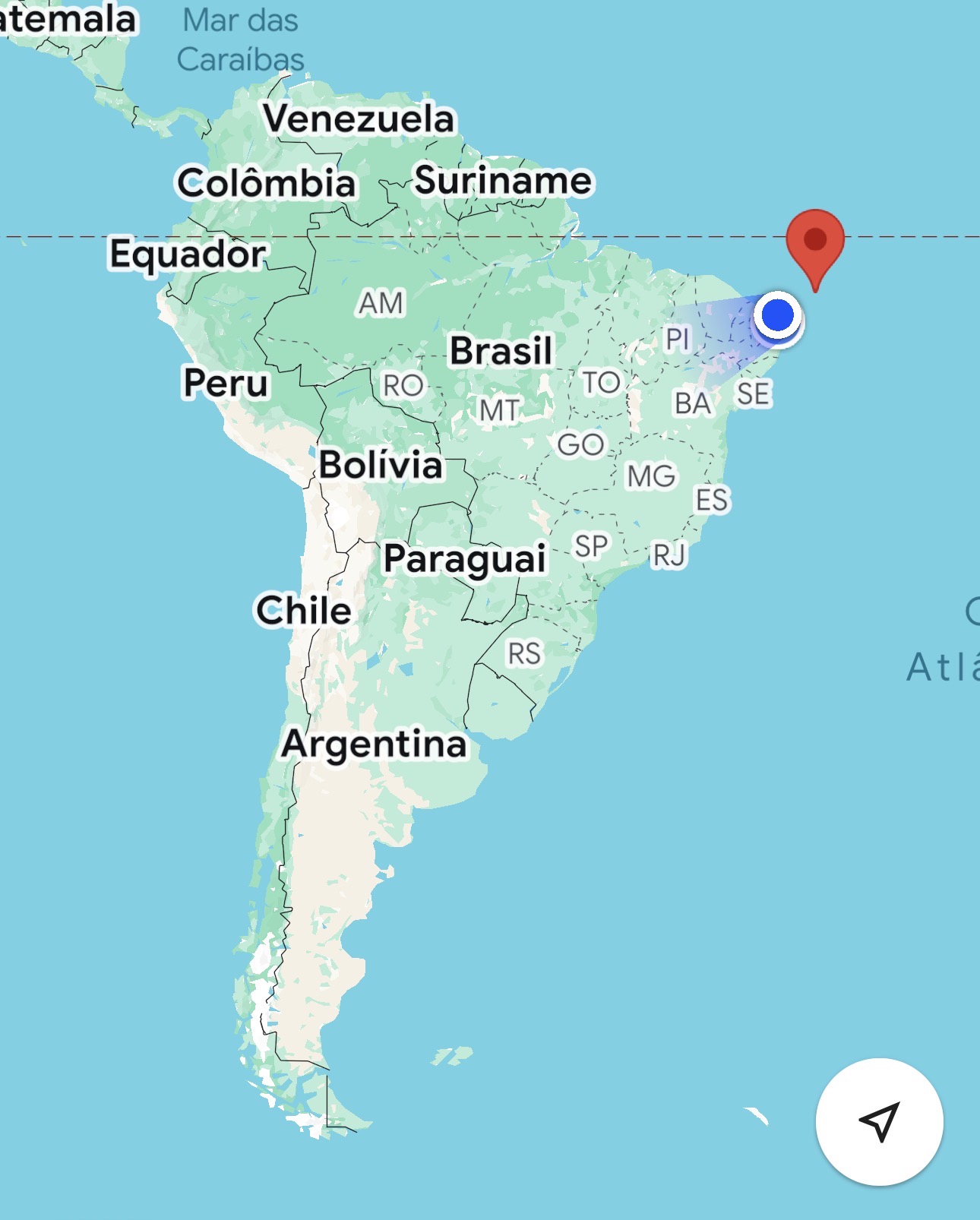
Fernando de Noronha

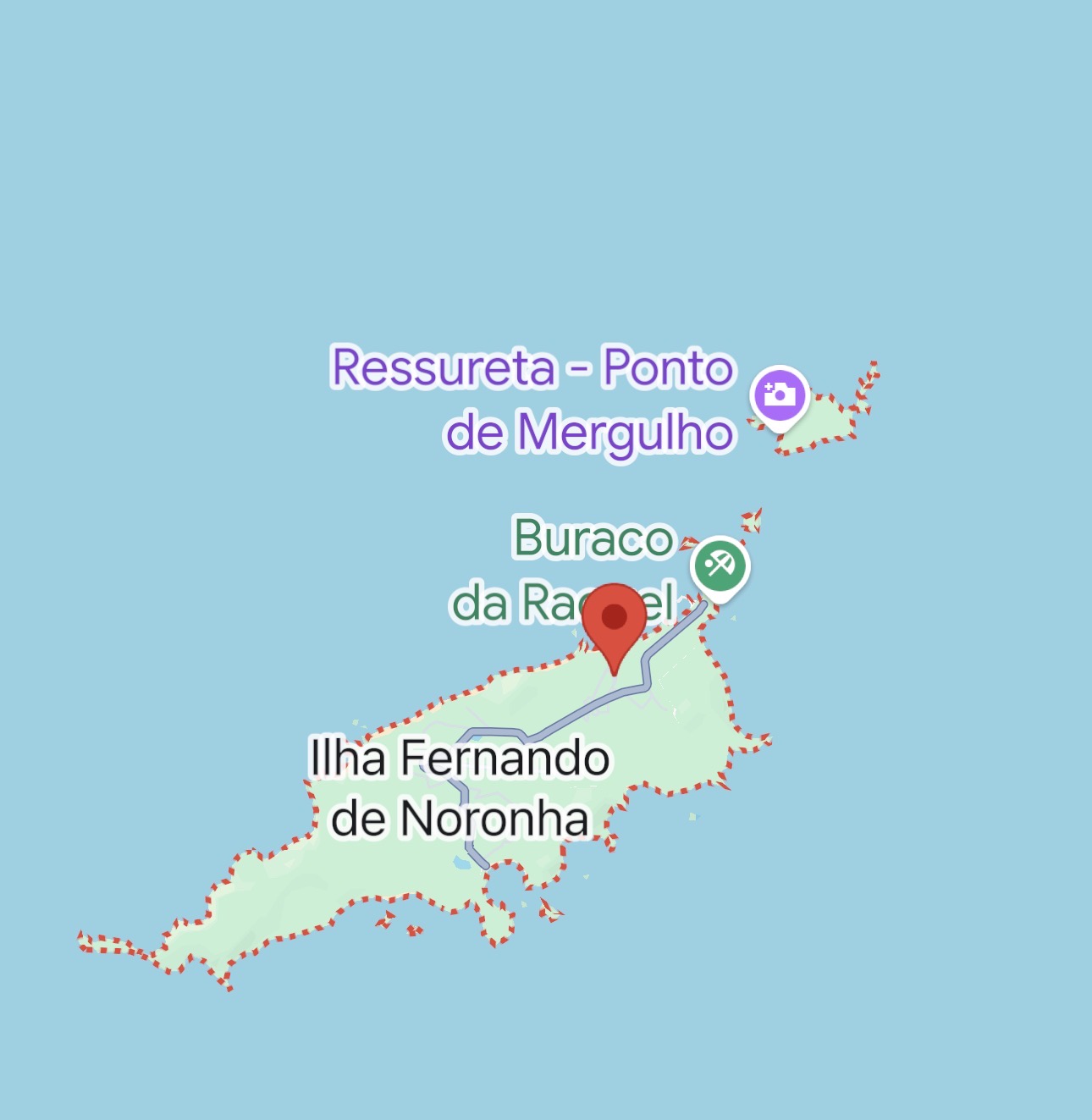
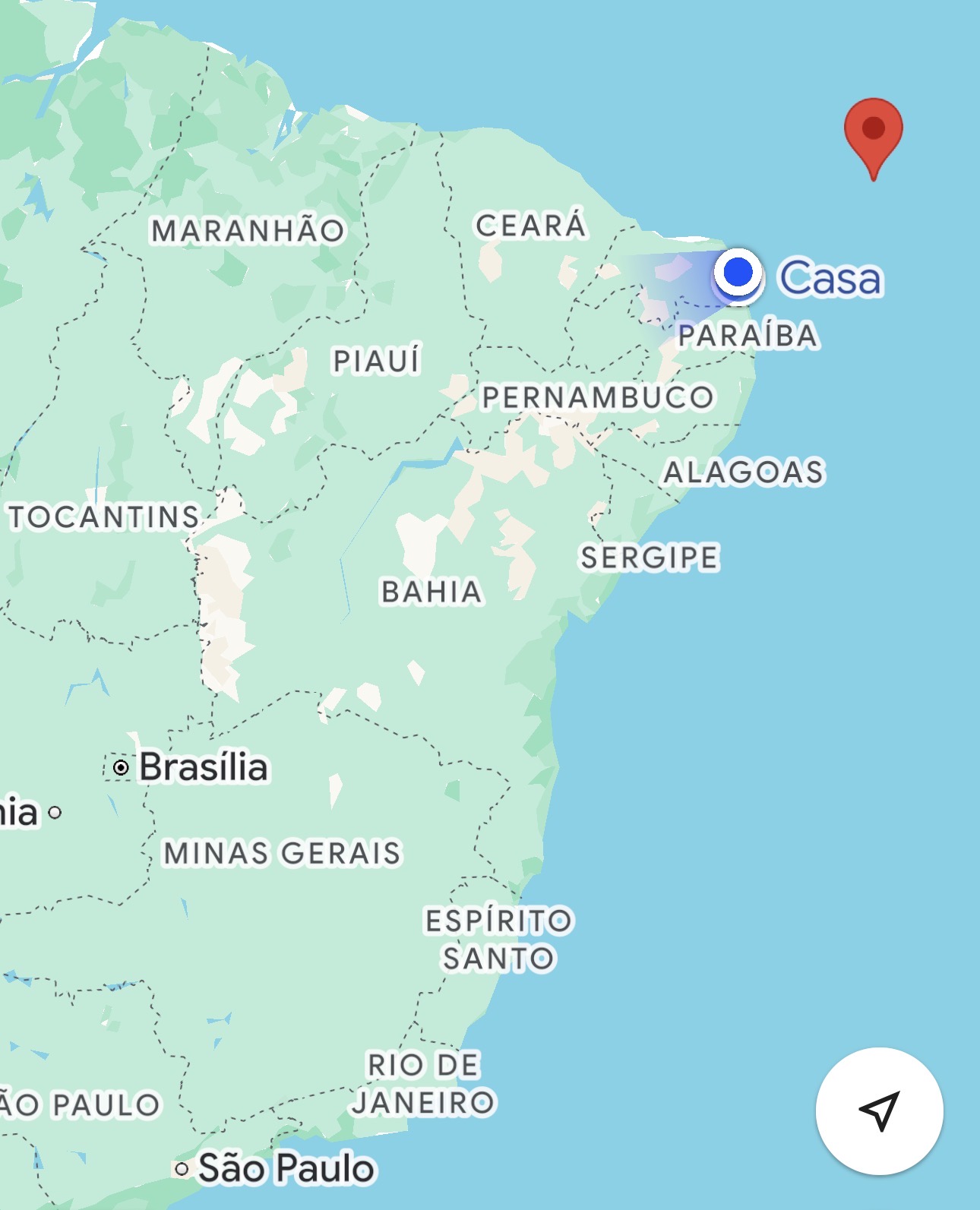
Fernando de Noronha é um dos arquipélagos mais fascinantes do Brasil e está localizado em pleno Oceano Atlântico.

Fonte/Quelle/Source: Google Maps
Fonte/Quell/Source: Google Maps

A ilha principal pertence ao estado de Pernambuco e é famosa por sua natureza extraordinária e suas praias paradisíacas.

Fonte/Quelle/Source: Google Maps

O arquipélago é formado por 21 ilhas e rochedos, embora somente a ilha principal seja habitada permanentemente.
Devido à sua paisagem única e à extraordinária biodiversidade, Fernando de Noronha e o Atol das Rocas foram reconhecidos como Patrimônio Mundial da UNESCO.
As águas cristalinas e azul-turquesa que cercam a ilha oferecem condições perfeitas para nadar e mergulhar.
Debaixo da superfície existe um impressionante mundo marinho, com corais, peixes coloridos, tartarugas e golfinhos.
A ilha é especialmente conhecida pelos grandes grupos de golfinhos-rotadores que podem ser observados frequentemente em suas águas.
Uma das praias mais espetaculares é a Baía do Sancho, considerada muitas vezes uma das praias mais bonitas do mundo.
O acesso é feito por uma escadaria íngreme entre as rochas, mas o esforço é recompensado por uma vista simplesmente deslumbrante.
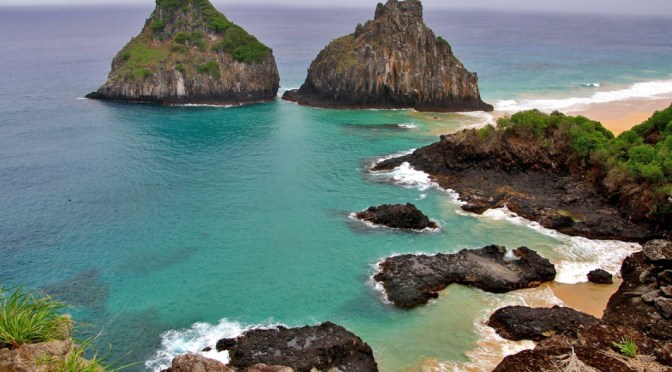
A Baía dos Porcos também encanta com suas pequenas enseadas, piscinas naturais e a magnífica vista dos famosos Dois Irmãos.
Essas duas formações rochosas são alguns dos símbolos mais conhecidos de Fernando de Noronha.
A ilha também é uma importante área de proteção das tartarugas marinhas, que chegam às praias para depositar seus ovos.
Com um pouco de sorte, é possível observar tartarugas marinhas e peixes tropicais coloridos durante o mergulho com snorkel.
A vegetação da ilha é surpreendentemente diversificada e marcada pelo clima tropical.
Além de palmeiras e áreas verdes, também existem paisagens mais secas e impressionantes formações rochosas.
Outro grande símbolo é o Morro do Pico, que com aproximadamente 321 metros é o ponto mais alto do arquipélago.
De diversos mirantes é possível contemplar panoramas fantásticos do Oceano Atlântico e da costa recortada.
O pôr do sol é especialmente encantador, quando o céu sobre o oceano ganha tons quentes e dourados.
A história da ilha remonta a vários séculos e está intimamente ligada à exploração portuguesa do Brasil.
Ao longo dos séculos, Fernando de Noronha também serviu como ilha-prisão e como base militar.
Atualmente, porém, a principal preocupação é preservar seu delicado patrimônio natural.
O número de visitantes é controlado para que o ecossistema único possa ser protegido de forma sustentável.
Por isso, conhecer a ilha significa muito mais do que fazer uma simples viagem de praia, pois é uma experiência em uma paisagem natural extraordinária.
Caminhadas, mergulho com snorkel, mergulho autônomo e passeios de barco estão entre as atividades mais procuradas.
Dessa maneira, é possível descobrir a beleza da ilha tanto em terra quanto debaixo d’água.
As vistas do Mirante dos Irmãos e do Mirante do Boldró também permanecem inesquecíveis para muitos visitantes.
Fernando de Noronha reúne natureza preservada, mar azul-turquesa e uma fauna fascinante de maneira única.
É um verdadeiro paraíso para quem deseja combinar tranquilidade, aventura e paisagens espetaculares.
Depois de conhecer suas praias, rochedos e águas cristalinas, é fácil entender por que Fernando de Noronha é considerado um dos maiores tesouros naturais do Brasil.

Fernando de Noronha ist eine der faszinierendsten Inselgruppen Brasiliens und liegt weit draußen im Atlantischen Ozean.

Fonte/Quelle/Source: Google Maps
Fonte/Quell/Source: Google Maps

Die Hauptinsel gehört zum Bundesstaat Pernambuco und ist für ihre außergewöhnliche Natur und ihre traumhaften Strände berühmt.

Fonte/Quelle/Source: Google Maps

Der Archipel besteht aus 21 Inseln und Felsen, von denen allerdings nur die Hauptinsel dauerhaft bewohnt ist.
Wegen seiner einzigartigen Landschaft wurde Fernando de Noronha gemeinsam mit dem Atol das Rocas zum UNESCO-Weltnaturerbe erklärt.
Kristallklares, türkisfarbenes Wasser umgibt die Insel und bietet hervorragende Bedingungen zum Schwimmen und Tauchen.
Unter der Wasseroberfläche befindet sich eine beeindruckende Welt aus Korallen, Fischen, Meeresschildkröten und Delfinen.
Besonders bekannt ist die Insel für ihre großen Gruppen von Spinnerdelfinen, die regelmäßig in den Gewässern beobachtet werden können.
Zu den schönsten Stränden gehört die Baía do Sancho, die häufig zu den schönsten Stränden der Welt gezählt wird.
Der Zugang erfolgt über eine steile Treppe durch Felsspalten, doch die Mühe wird mit einem spektakulären Ausblick belohnt.
Auch die Baía dos Porcos begeistert mit kleinen Buchten, natürlichen Felsenbecken und einem herrlichen Blick auf die berühmten Dois Irmãos.
Diese beiden markanten Felsen gehören zu den bekanntesten Wahrzeichen von Fernando de Noronha.
Die Insel ist außerdem ein bedeutendes Schutzgebiet für Meeresschildkröten, die an den Stränden ihre Eier ablegen.
Mit etwas Glück kann man beim Schnorcheln sogar Meeresschildkröten und farbenprächtige tropische Fische aus nächster Nähe beobachten.
Die Vegetation der Insel ist überraschend vielfältig und wird durch das tropische Klima geprägt.
Neben Palmen und dichtem Grün findet man auch trockene Landschaften und beeindruckende Felsformationen.
Ein weiteres Wahrzeichen ist der Morro do Pico, der mit rund 321 Metern die höchste Erhebung des Archipels bildet.
Von verschiedenen Aussichtspunkten eröffnen sich fantastische Panoramen über das Meer und die zerklüftete Küste.
Besonders stimmungsvoll ist der Sonnenuntergang, wenn der Himmel über dem Atlantik in warmen Farben leuchtet.
Die Geschichte der Insel reicht mehrere Jahrhunderte zurück und ist eng mit der portugiesischen Entdeckung Brasiliens verbunden.
Im Laufe der Zeit diente Fernando de Noronha unter anderem als Gefängnisinsel und militärischer Stützpunkt.
Heute steht jedoch der Schutz der empfindlichen Natur im Mittelpunkt.
Die Zahl der Besucher wird begrenzt, damit die einzigartige Umwelt möglichst nachhaltig erhalten werden kann.
Wer die Insel besucht, erlebt deshalb keinen gewöhnlichen Badeurlaub, sondern eine Reise in eine außergewöhnliche Naturlandschaft.
Wandern, Schnorcheln, Tauchen und Bootsausflüge gehören zu den beliebtesten Aktivitäten.
Dabei lässt sich die Schönheit der Insel sowohl an Land als auch unter Wasser entdecken.
Auch die Aussicht vom Mirante dos Irmãos oder vom Mirante do Boldró bleibt vielen Besuchern unvergessen.
Fernando de Noronha verbindet unberührte Natur, türkisfarbenes Meer und eine faszinierende Tierwelt auf einzigartige Weise.
Die Insel ist ein Paradies für alle, die Ruhe, Abenteuer und außergewöhnliche Landschaften miteinander verbinden möchten.
Wer einmal die Strände, Felsen und das kristallklare Wasser erlebt hat, versteht schnell, warum Fernando de Noronha zu den wertvollsten Naturschätzen Brasiliens zählt.

Fernando de Noronha is one of the most fascinating island groups in Brazil, located far out in the Atlantic Ocean.

Fonte/Quelle/Source: Google Maps
Fonte/Quell/Source: Google Maps

The main island belongs to the state of Pernambuco and is famous for its extraordinary nature and magnificent beaches.

Fonte/Quelle/Source: Google Maps

The archipelago consists of 21 islands and rocks, although only the main island is permanently inhabited.
Because of its unique landscape and exceptional biodiversity, Fernando de Noronha and the nearby Atol das Rocas were declared a UNESCO World Heritage Site.
Crystal-clear turquoise waters surround the island and provide excellent conditions for swimming and diving.
Below the surface lies an impressive underwater world filled with corals, colourful fish, sea turtles and dolphins.
The island is particularly famous for its large groups of spinner dolphins, which can often be seen in the surrounding waters.
One of the most spectacular beaches is Baía do Sancho, frequently described as one of the most beautiful beaches in the world.
Visitors reach it by descending a steep staircase through narrow openings in the cliffs, but the effort is rewarded with breathtaking views.
Baía dos Porcos is another wonderful place, with small coves, natural rock pools and a magnificent view of the famous Dois Irmãos.
These two striking rock formations are among the best-known landmarks of Fernando de Noronha.
The island is also an important protected area for sea turtles, which come ashore to lay their eggs.
With a little luck, visitors can observe sea turtles and colourful tropical fish while snorkelling in the clear waters.
The vegetation is surprisingly diverse and is strongly influenced by the island’s tropical climate.
Alongside palm trees and lush greenery, there are also dry landscapes and impressive volcanic rock formations.
Another landmark is Morro do Pico, which rises to about 321 metres and is the highest point of the archipelago.
From several viewpoints, visitors can enjoy spectacular panoramas of the Atlantic Ocean and the rugged coastline.
The sunsets are particularly beautiful, as the sky over the ocean is transformed into warm and glowing colours.
The island’s history goes back several centuries and is closely connected with the Portuguese exploration of Brazil.
Over the centuries, Fernando de Noronha served, among other things, as a prison island and military base.
Today, however, protecting its fragile natural environment is the main priority.
The number of visitors is limited in order to preserve the unique ecosystem as sustainably as possible.
A visit to the island is therefore much more than an ordinary beach holiday; it is an encounter with an extraordinary natural landscape.
Hiking, snorkelling, diving and boat trips are among the most popular activities.
These experiences allow visitors to discover the beauty of the island both above and below the water.
The views from Mirante dos Irmãos and Mirante do Boldró are also unforgettable.
Fernando de Noronha combines pristine nature, turquoise waters and fascinating wildlife in a truly unique way.
It is a paradise for anyone who wants to combine tranquillity, adventure and spectacular scenery.
After experiencing its beaches, cliffs and crystal-clear waters, it is easy to understand why Fernando de Noronha is considered one of Brazil’s greatest natural treasures.