
Istambul

Istambul – A fascinante cidade entre a Europa e a Ásia

Istambul é uma das cidades mais fascinantes do mundo, conectando de maneira única a Europa e a Ásia. A metrópole turca está situada às margens do estreito de Bósforo, que liga o Mar Negro ao Mar de Mármara. Há séculos, Istambul é um importante centro de comércio, cultura e história. Antigamente, a cidade era conhecida como Bizâncio e Constantinopla e foi a capital de grandes impérios.

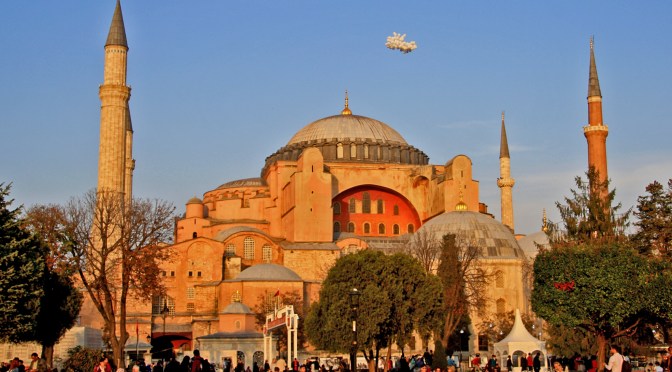
Seu centro histórico impressiona especialmente pelos magníficos edifícios e pelas ruas estreitas e sinuosas. A Basílica de Santa Sofia é um dos pontos turísticos mais famosos da cidade, destacando-se por sua enorme cúpula e sua história fascinante. Nas proximidades encontra-se a Mesquita Azul, cujos elegantes minaretes marcam a paisagem urbana. O Palácio de Topkapi conta a história do poder e da vida luxuosa dos sultões otomanos. Um passeio pelo Grande Bazar leva os visitantes a um mundo colorido de tapetes, joias, especiarias e produtos artesanais. Por toda parte, o aroma das especiarias orientais se mistura à movimentação animada dos comerciantes. O Bazar Egípcio também é um verdadeiro paraíso para os amantes das especialidades turcas. A Torre de Gálata oferece uma vista maravilhosa dos telhados da cidade e das águas cintilantes do Bósforo. Um passeio de barco é especialmente agradável, permitindo admirar do mar o famoso perfil de Istambul. Ao longo das margens, palácios históricos, mesquitas e bairros residenciais modernos convivem lado a lado. A Ponte de Gálata é um ponto de encontro popular entre pescadores e pedestres.

Nas ruas da cidade, pequenos cafés convidam os visitantes a saborear um tradicional chá turco ou um café forte. A culinária turca encanta com kebabs, peixes frescos, pastéis recheados e a deliciosa baklava. Os pequenos restaurantes que servem pratos aromáticos também fazem parte do charme especial da metrópole.

Quem deseja conhecer a Istambul moderna encontrará ruas comerciais movimentadas e galerias de arte nos arredores da Avenida Istiklal. A Praça Taksim é um importante centro dessa região moderna. Ao mesmo tempo, muitos bairros históricos preservam sua atmosfera tradicional e contam histórias de épocas passadas. O bairro de Balat é especialmente encantador, com suas casas coloridas e ruas estreitas. Istambul é uma cidade de contrastes, onde a tradição e a modernidade convivem harmoniosamente. Mesquitas, igrejas e sinagogas refletem a diversidade cultural e a longa história da cidade. Ao pôr do sol, a luz dourada envolve as cúpulas e os minaretes em uma atmosfera mágica. Quando o muezim chama os fiéis para a oração e as balsas deslizam pelo Bósforo, Istambul revela todo o seu encanto especial.

Uma visita a essa metrópole extraordinária é inesquecível e oferece uma visão fascinante do encontro entre dois continentes.

Die faszinierende Stadt zwischen Europa und Asien

 Istanbul ist eine der faszinierendsten Städte der Welt und verbindet auf einzigartige Weise Europa und Asien. Die türkische Metropole liegt an der Meerenge des Bosporus, die das Schwarze Meer mit dem Marmarameer verbindet. Schon seit Jahrhunderten ist Istanbul ein bedeutendes Zentrum für Handel, Kultur und Geschichte. Die Stadt trug früher die Namen Byzanz und Konstantinopel und war die Hauptstadt grosser Reiche.

Besonders beeindruckend ist die historische Altstadt mit ihren prachtvollen Bauwerken und verwinkelten Gassen. Die Hagia Sophia gehört zu den berühmtesten Sehenswürdigkeiten und beeindruckt mit ihrer gewaltigen Kuppel und ihrer bewegten Geschichte. Ganz in der Nähe befindet sich die Blaue Moschee, deren elegante Minarette das Stadtbild prägen. Der Topkapi-Palast erzählt von der Macht und dem luxuriösen Leben der osmanischen Sultane. Ein Spaziergang durch den Grossen Basar führt in eine farbenfrohe Welt aus Teppichen, Schmuck, Gewürzen und kunsthandwerklichen Produkten. Überall begegnet man dem Duft orientalischer Gewürze und dem lebhaften Treiben der Händler.

Auch der Ägyptische Basar ist ein Paradies für Liebhaber türkischer Spezialitäten. Der Galataturm bietet einen herrlichen Blick über die Dächer der Stadt und den glitzernden Bosporus. Besonders schön ist eine Bootsfahrt, bei der sich die berühmte Silhouette Istanbuls vom Wasser aus bewundern lässt. Entlang der Uferpromenaden wechseln sich historische Paläste, Moscheen und moderne Wohnviertel ab. Die Galatabrücke ist ein beliebter Treffpunkt für Angler und Spaziergänger. In den Strassen der Stadt laden kleine Cafés dazu ein, einen traditionellen türkischen Tee oder einen kräftigen Kaffee zu geniessen. Die türkische Küche verwöhnt Besucher mit Kebap, frischem Fisch, gefüllten Teigtaschen und süsser Baklava. Auch die kleinen Lokale mit ihren duftenden Speisen gehören zum besonderen Charme der Metropole.

Wer das moderne Istanbul kennenlernen möchte, findet in den Einkaufsstrassen und Galerien rund um die Istiklal Caddesi ein lebendiges Stadtleben. Der Taksim-Platz bildet einen wichtigen Mittelpunkt des modernen Stadtteils. Gleichzeitig bewahren zahlreiche historische Viertel ihre traditionelle Atmosphäre und erzählen von vergangenen Zeiten. Besonders reizvoll ist der Stadtteil Balat mit seinen bunten Häusern und engen Gassen. Istanbul ist eine Stadt der Gegensätze, in der Tradition und Moderne harmonisch nebeneinander bestehen. Moscheen, Kirchen und Synagogen erinnern an die kulturelle Vielfalt und die lange Geschichte der Stadt. Bei Sonnenuntergang taucht das warme Licht die Kuppeln und Minarette in eine zauberhafte Stimmung. Wenn der Muezzin zum Gebet ruft und Fähren über den Bosporus gleiten, entfaltet Istanbul seinen ganz besonderen Zauber.

Ein Besuch dieser einzigartigen Metropole bleibt unvergesslich und vermittelt einen faszinierenden Eindruck von der Verbindung zweier Kontinente.

Istanbul – The Fascinating City Between Europe and Asia

Istanbul is one of the most fascinating cities in the world, uniquely connecting Europe and Asia. The Turkish metropolis lies on the Bosphorus Strait, which links the Black Sea with the Sea of Marmara. For centuries, Istanbul has been an important centre of trade, culture and history. The city was formerly known as Byzantium and Constantinople and served as the capital of great empires. Its historic old town is particularly impressive, with magnificent buildings and winding streets. Hagia Sophia is one of the city’s most famous landmarks, admired for its enormous dome and remarkable history. Nearby stands the Blue Mosque, whose elegant minarets shape the city’s skyline. Topkapi Palace tells the story of the power and luxurious lifestyle of the Ottoman sultans.

A walk through the Grand Bazaar leads visitors into a colourful world of carpets, jewellery, spices and traditional handicrafts. Everywhere, the fragrance of oriental spices mingles with the lively atmosphere created by the merchants. The Egyptian Bazaar is also a paradise for lovers of Turkish specialities. Galata Tower offers magnificent views over the city’s rooftops and the sparkling Bosphorus. A boat trip is particularly enjoyable, allowing visitors to admire Istanbul’s famous skyline from the water.

Along the waterfront, historic palaces, mosques and modern residential neighbourhoods stand side by side. Galata Bridge is a popular meeting place for anglers and pedestrians. In the city’s streets, small cafés invite visitors to enjoy traditional Turkish tea or a strong coffee. Turkish cuisine delights travellers with kebabs, fresh fish, stuffed pastries and sweet baklava. The small eateries serving fragrant local dishes are also part of the metropolis’s special charm. Those wishing to discover modern Istanbul will find lively shopping streets and art galleries around Istiklal Avenue. Taksim Square is an important centre of this modern district. At the same time, many historic neighbourhoods preserve their traditional atmosphere and tell stories of bygone eras.

The Balat district is especially charming, with its colourful houses and narrow lanes. Istanbul is a city of contrasts where tradition and modernity exist harmoniously side by side. Mosques, churches and synagogues reflect the city’s cultural diversity and long history. At sunset, warm light bathes the domes and minarets in a magical glow. As the muezzin calls the faithful to prayer and ferries glide across the Bosphorus, Istanbul reveals its unique charm. A visit to this extraordinary metropolis is unforgettable and offers a fascinating glimpse into the meeting of two continents.

 

Excursão de um dia de Nagasaki a Shimabara/ Tagesausflug von Nagasaki nach Shimabara/Day Trip from Nagasaki to Shimabara

Excursão de um dia de Nagasaki a Shimabara

De Nagasaki, uma excursão de um dia leva à histórica cidade de Shimabara, localizada na península de Shimabara.
O trajeto oferece belas paisagens, com vistas das montanhas e do mar da província de Nagasaki.
Shimabara é especialmente conhecida por seu castelo, suas fontes termais e sua história marcante.
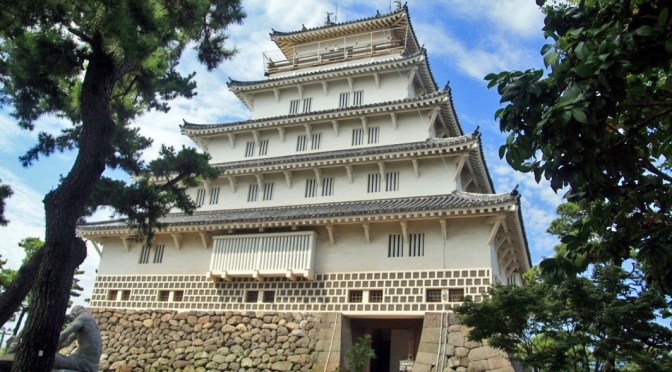
Logo na chegada, chama a atenção o imponente Castelo de Shimabara, com suas muralhas brancas e sua torre característica.
O castelo atual foi reconstruído com base em modelos históricos e recorda a época dos samurais.
Das partes mais altas do castelo é possível apreciar uma bela vista da cidade e do mar.
No interior, exposições apresentam a história do castelo, dos samurais e da região.
Shimabara também possui grande importância histórica devido à Rebelião de Shimabara, ocorrida no século XVII.
Essa revolta é um dos acontecimentos conhecidos do início do período Edo e está intimamente ligada à história do castelo.
Depois da visita ao castelo, vale a pena caminhar tranquilamente pelas ruas de Shimabara.
A cidade também é famosa por suas águas cristalinas provenientes das nascentes das montanhas.
Em algumas ruas existem pequenos canais de água e casas tradicionais que preservam um pouco da atmosfera do Japão antigo.
Em seguida, o passeio continua até a região de Mizunashi Honjin, aos pés do vulcão Unzen.
Ali, a área histórica de Mizunashi Honjin lembra a grande catástrofe natural ocorrida em 1991.
Naquele ano, o vulcão Unzen entrou em erupção, provocando enormes fluxos piroclásticos.
A vila de Mizunashi Honjin foi parcialmente soterrada por grandes quantidades de material vulcânico.
Hoje, é possível observar casas preservadas que ficaram enterradas sob cinzas e outros materiais da erupção.
O local transmite de maneira impressionante a força e a imprevisibilidade da natureza.
O contraste entre as casas silenciosas e a história da catástrofe é especialmente marcante.
As áreas de informação explicam os acontecimentos e homenageiam as pessoas que perderam suas casas naquela época.
Ao mesmo tempo, fica evidente como a vida dos moradores sempre esteve ligada à presença do vulcão.
Por isso, uma visita a Mizunashi Honjin não é apenas uma experiência turística, mas também um momento de memória e reflexão.
Na viagem de volta a Nagasaki, há tempo para recordar as experiências e as paisagens do dia.
A combinação de castelo, história dos samurais, cidade tradicional e paisagem vulcânica torna o passeio muito variado.
Shimabara apresenta um lado diferente da província de Nagasaki, distante das atrações mais conhecidas da cidade portuária.
Entre história e natureza surge uma imagem fascinante do Japão e de seu passado marcado por grandes transformações.
O Castelo de Shimabara e Mizunashi Honjin permanecem como dois pontos altos e muito diferentes da excursão.
Enquanto o castelo conta histórias da cultura e dos samurais, Mizunashi Honjin mostra a enorme força do vulcão.
Assim, o passeio combina cultura, história e natureza em uma experiência inesquecível.
Com muitas lembranças, a viagem termina com o retorno a Nagasaki depois de um dia repleto de descobertas.

Tagesausflug von Nagasaki nach Shimabara

Von Nagasaki führt ein abwechslungsreicher Tagesausflug in die historische Stadt Shimabara auf der Shimabara-Halbinsel.
Die Fahrt dorthin bietet unterwegs schöne Ausblicke auf die Landschaft und das Meer der Präfektur Nagasaki.
Shimabara ist besonders für seine Burg, seine heißen Quellen und seine bewegte Geschichte bekannt.
Schon bei der Ankunft fällt die imposante Burg Shimabara mit ihren weißen Mauern und dem markanten Turm ins Auge.
Die heutige Burg wurde nach historischen Vorbildern rekonstruiert und erinnert an die Zeit der Samurai.
Von den oberen Bereichen der Burg eröffnet sich ein schöner Blick über die Stadt und bis zum Meer.
Im Inneren informieren Ausstellungen über die Geschichte der Burg, die Samurai und die Region.
Eine besondere Bedeutung besitzt Shimabara durch den Shimabara-Aufstand im 17. Jahrhundert.
Dieser Aufstand gehört zu den bekannten Ereignissen der frühen Edo-Zeit und ist eng mit der Geschichte der Burg verbunden.
Nach dem Besuch der Burg lohnt sich ein Spaziergang durch die ruhigen Straßen von Shimabara.
Die Stadt ist außerdem für ihr klares Quellwasser bekannt, das an verschiedenen Stellen aus den Bergen hervortritt.
Entlang einiger Straßen gibt es kleine Wasserläufe und traditionelle Häuser, die einen Eindruck vom alten Japan vermitteln.
Anschließend führt der Ausflug weiter zum Mizunashi-Honjin-Gebiet am Fuß des Vulkans Unzen.
Hier erinnert das Mizunashi-Honjin-Fußabdruckgebiet an die gewaltige Naturkatastrophe von 1991.
Damals kam es am Vulkan Unzen zu einem verheerenden Ausbruch mit pyroklastischen Strömen.
Das Dorf Mizunashi Honjin wurde dabei von gewaltigen Mengen vulkanischen Materials teilweise verschüttet.
Heute kann man dort erhaltene Häuser sehen, die unter der Asche und dem vulkanischen Material begraben wurden.
Die Anlage vermittelt auf eindrucksvolle Weise die Kraft und Unberechenbarkeit der Natur.
Besonders beeindruckend ist der Kontrast zwischen den stillen Häusern und der Geschichte der Katastrophe.
Informationsbereiche erklären die Ereignisse und erinnern an die Menschen, die damals ihr Zuhause verloren.
Gleichzeitig wird deutlich, wie eng das Leben der Bewohner mit dem Vulkan verbunden war und ist.
Der Besuch von Mizunashi Honjin ist deshalb nicht nur ein touristisches Erlebnis, sondern auch ein Ort des Gedenkens.
Nach diesen Eindrücken bietet die Rückfahrt nach Nagasaki Gelegenheit, die Erlebnisse des Tages Revue passieren zu lassen.
Die Kombination aus Burg, Samurai-Geschichte, traditioneller Stadt und Vulkanlandschaft macht den Ausflug besonders abwechslungsreich.
Shimabara zeigt dabei eine andere Seite der Präfektur Nagasaki abseits der bekannten Sehenswürdigkeiten der Hafenstadt.
Zwischen Geschichte und Natur entsteht ein eindrucksvolles Bild von Japan und seiner wechselvollen Vergangenheit.
Besonders die Burg Shimabara und Mizunashi Honjin bleiben als zwei sehr unterschiedliche Höhepunkte des Tages in Erinnerung.
Während die Burg von der Kultur und Geschichte der Samurai erzählt, berichtet Mizunashi Honjin von der gewaltigen Kraft des Vulkans.
So verbindet dieser Tagesausflug Kultur, Geschichte und Natur zu einem außergewöhnlichen Erlebnis.
Mit vielen Eindrücken geht es schließlich zurück nach Nagasaki, wo ein erlebnisreicher Tag zu Ende geht.

Day Trip from Nagasaki to Shimabara

From Nagasaki, an enjoyable day trip leads to the historic city of Shimabara on the Shimabara Peninsula.
The journey offers beautiful scenery, with views of the mountains and sea of Nagasaki Prefecture.
Shimabara is particularly known for its castle, hot springs and fascinating history.
Upon arrival, the impressive Shimabara Castle immediately catches the eye with its white walls and distinctive tower.
The present castle was reconstructed according to historical models and recalls the age of the samurai.
From the upper parts of the castle, there are beautiful views across the city and towards the sea.
Inside, exhibitions provide information about the history of the castle, the samurai and the surrounding region.
Shimabara is also historically significant because of the Shimabara Rebellion in the 17th century.
This uprising was one of the notable events of the early Edo period and is closely connected with the history of the castle.
After visiting the castle, it is worth taking a peaceful walk through the streets of Shimabara.
The city is also famous for its clear spring water flowing down from the surrounding mountains.
Small waterways and traditional houses can be found along some streets, preserving a glimpse of old Japan.
The excursion then continues to the Mizunashi Honjin area at the foot of Mount Unzen.
Here, the Mizunashi Honjin Footprint Area commemorates the devastating natural disaster of 1991.
At that time, Mount Unzen erupted and produced devastating pyroclastic flows.
The village of Mizunashi Honjin was partially buried beneath huge quantities of volcanic material.
Today, preserved houses can be seen there, buried beneath ash and other material from the eruption.
The site provides a powerful impression of the strength and unpredictability of nature.
The contrast between the quiet houses and the story of the disaster is particularly moving.
Information displays explain the events and commemorate the people who lost their homes at that time.
They also show how closely the lives of the local residents have always been connected with the volcano.
A visit to Mizunashi Honjin is therefore not only a tourist experience but also a place of remembrance.
On the journey back to Nagasaki, there is time to reflect on the experiences and impressions of the day.
The combination of a castle, samurai history, traditional streets and volcanic scenery makes the excursion especially varied.
Shimabara reveals another side of Nagasaki Prefecture, away from the better-known attractions of the port city.
Between history and nature, visitors discover a fascinating picture of Japan and its changing past.
Shimabara Castle and Mizunashi Honjin remain two very different highlights of the day.
While the castle tells stories of samurai culture and history, Mizunashi Honjin reveals the immense power of the volcano.
Together, these places combine culture, history and nature into a memorable experience.
Finally, after a day full of discoveries, the journey returns to Nagasaki with many lasting impressions.