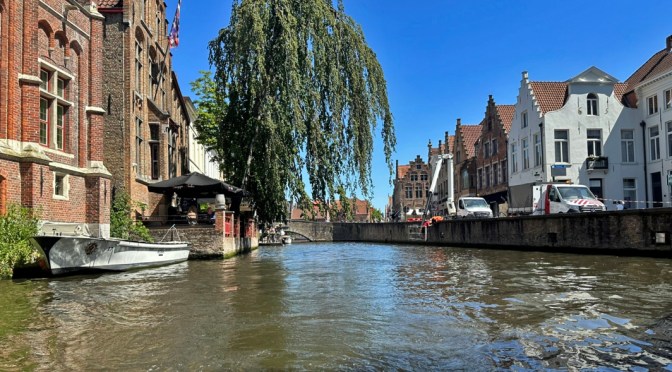
 Bruges é uma das cidades medievais mais bonitas e bem preservadas da Europa. Localizada no noroeste da Bélgica, na província da Flandres Ocidental, a cidade atrai milhões de visitantes de todo o mundo todos os anos. Devido à sua importância histórica e ao seu centro antigo extraordinariamente bem conservado, Bruges foi declarada Patrimônio Mundial da UNESCO.
A história de Bruges remonta à Idade Média, quando a cidade era um importante centro comercial da Europa. Graças à sua localização estratégica e à ligação com o Mar do Norte, tornou-se um ponto de encontro para comerciantes de diversos países. A prosperidade econômica e o intercâmbio cultural marcaram o desenvolvimento da cidade e deixaram um legado de impressionantes monumentos históricos.
Bruges é especialmente famosa pelos seus canais pitorescos, que lhe renderam o apelido de “Veneza do Norte”. Os visitantes podem fazer passeios de barco e admirar edifícios históricos e pontes românticas de uma perspectiva única. A Praça do Mercado, com o seu famoso campanário, está entre as principais atrações turísticas da cidade. Do topo da torre, é possível desfrutar de uma vista magnífica sobre os telhados de Bruges.
A cidade também oferece uma rica vida cultural. Diversos museus exibem obras de mestres flamengos e contam a história da região. As ruas estreitas, as praças históricas e as igrejas góticas criam uma atmosfera especial. Além disso, Bruges é conhecida pelos seus chocolates, pelas rendas artesanais e pelas tradicionais cervejas belgas.
Em qualquer época do ano, a cidade possui um encanto particular. Na primavera, os parques e jardins florescem; no verão, as ruas ganham vida com turistas; no outono, as folhas coloridas criam um ambiente romântico; e, no inverno, os mercados de Natal transformam a cidade em um cenário festivo. Por isso, Bruges é um destino ideal para amantes da história, da cultura e para todos aqueles que desejam conhecer uma cidade europeia única.
 Brügge ist eine der schönsten und am besten erhaltenen mittelalterlichen Städte Europas. Die Stadt liegt im Nordwesten Belgiens in der Provinz Westflandern und zieht jedes Jahr Millionen von Besuchern aus aller Welt an. Aufgrund ihrer historischen Bedeutung und ihres außergewöhnlich gut erhaltenen Stadtbildes wurde die Altstadt von Brügge zum UNESCO-Weltkulturerbe erklärt.
Die Geschichte Brügges reicht bis ins Mittelalter zurück, als die Stadt ein bedeutendes Handelszentrum Europas war. Dank ihrer günstigen Lage und der Verbindung zur Nordsee entwickelte sie sich zu einem wichtigen Knotenpunkt für Kaufleute aus vielen Ländern. Wohlstand und kultureller Austausch prägten die Entwicklung der Stadt und hinterließen zahlreiche beeindruckende Bauwerke.
Besonders bekannt ist Brügge für seine malerischen Kanäle, die der Stadt den Beinamen „Venedig des Nordens“ eingebracht haben. Besucher können bei einer Bootsfahrt die historischen Gebäude und romantischen Brücken aus einer einzigartigen Perspektive bewundern. Der Marktplatz mit seinem berühmten Belfried zählt zu den wichtigsten Sehenswürdigkeiten der Stadt. Von der Spitze des Turms bietet sich ein beeindruckender Blick über die Dächer Brügges.
Auch kulturell hat Brügge viel zu bieten. Zahlreiche Museen präsentieren Kunstwerke flämischer Meister sowie die Geschichte der Region. Die engen Gassen, die historischen Plätze und die gotischen Kirchen verleihen der Stadt eine besondere Atmosphäre. Darüber hinaus ist Brügge für seine Schokolade, seine Spitzenkunst und seine traditionellen belgischen Biere bekannt.
Zu jeder Jahreszeit besitzt die Stadt ihren eigenen Charme. Im Frühling blühen die Parks und Gärten, im Sommer beleben zahlreiche Touristen die Straßen, im Herbst sorgen die bunten Blätter für eine romantische Stimmung, und im Winter verwandeln Weihnachtsmärkte die Stadt in eine festliche Kulisse. Brügge ist daher ein ideales Reiseziel für Geschichtsinteressierte, Kulturfreunde und alle, die eine einzigartige europäische Stadt entdecken möchten.
 Bruges is one of the most beautiful and best-preserved medieval cities in Europe. Located in the northwest of Belgium, in the province of West Flanders, the city attracts millions of visitors from around the world every year. Due to its historical importance and exceptionally well-preserved old town, Bruges has been designated a UNESCO World Heritage Site.
The history of Bruges dates back to the Middle Ages, when it was a major trading center in Europe. Thanks to its strategic location and connection to the North Sea, the city became an important hub for merchants from many countries. Economic prosperity and cultural exchange shaped its development and left behind an impressive collection of historic buildings.
Bruges is especially famous for its picturesque canals, which have earned it the nickname “The Venice of the North.” Visitors can enjoy boat tours and admire historic buildings and charming bridges from a unique perspective. The Market Square, with its famous Belfry tower, is one of the city’s main attractions. From the top of the tower, visitors can enjoy a spectacular view over the rooftops of Bruges.
The city also offers a rich cultural experience. Numerous museums display works by Flemish masters and present the history of the region. Narrow streets, historic squares, and Gothic churches create a distinctive atmosphere. In addition, Bruges is well known for its chocolate, lace-making traditions, and famous Belgian beers.
Every season gives the city a different charm. In spring, parks and gardens bloom with colorful flowers; in summer, the streets are filled with visitors; in autumn, colorful leaves create a romantic setting; and in winter, Christmas markets transform the city into a festive wonderland. For these reasons, Bruges is an ideal destination for history enthusiasts, culture lovers, and anyone wishing to discover a unique European city.
 imagenseviagens.com.br/travelandimages.com