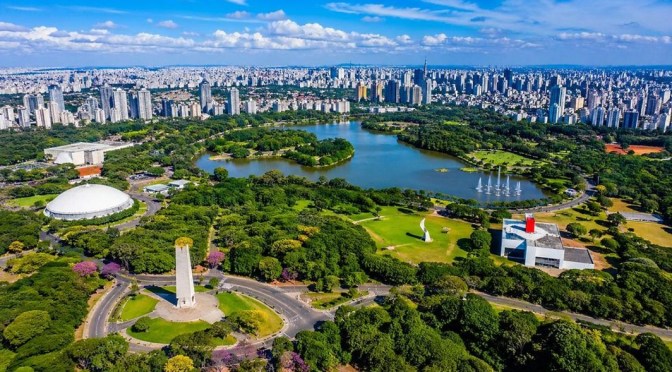
 São Paulo, com sua enorme extensão, é uma das metrópoles mais impressionantes do Brasil.
A cidade está localizada no sudeste do país e é o principal centro econômico brasileiro.
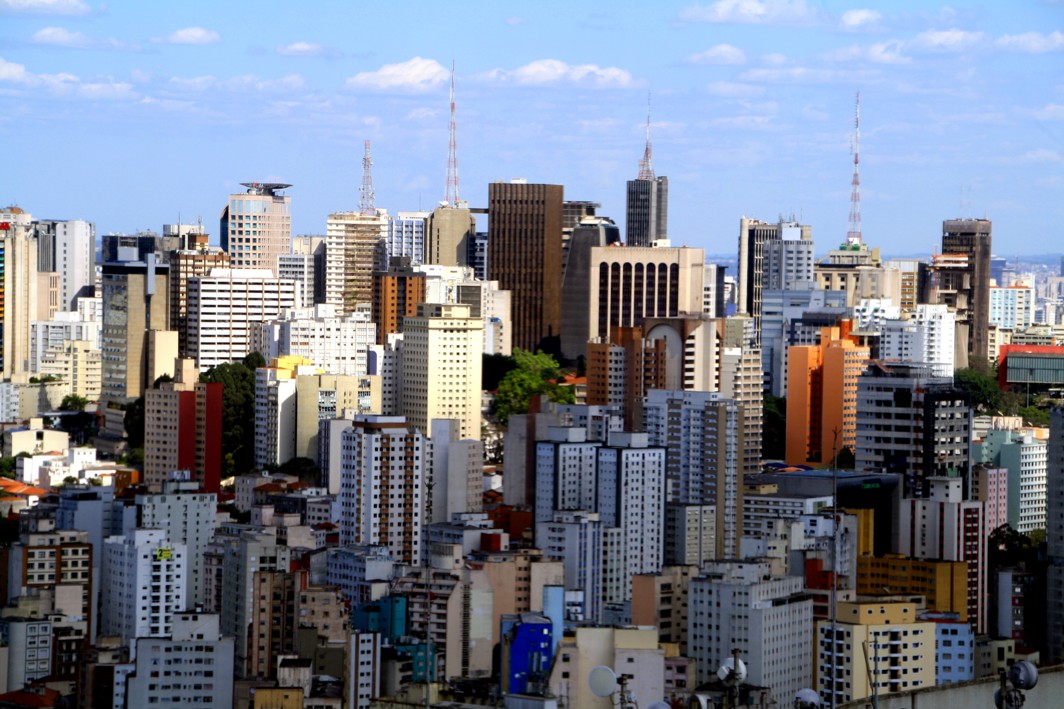
Com seus inúmeros arranha-céus, São Paulo transmite logo à primeira vista uma sensação de grandeza e dinamismo.
Na região da Avenida Paulista pulsa a vida moderna da cidade.
Ali encontram-se bancos, empresas, museus, lojas, restaurantes e numerosas instituições culturais.
A Avenida Paulista também é um dos pontos de encontro preferidos dos moradores e visitantes.
Especialmente aos domingos, parte da avenida transforma-se em uma movimentada área exclusiva para pedestres.
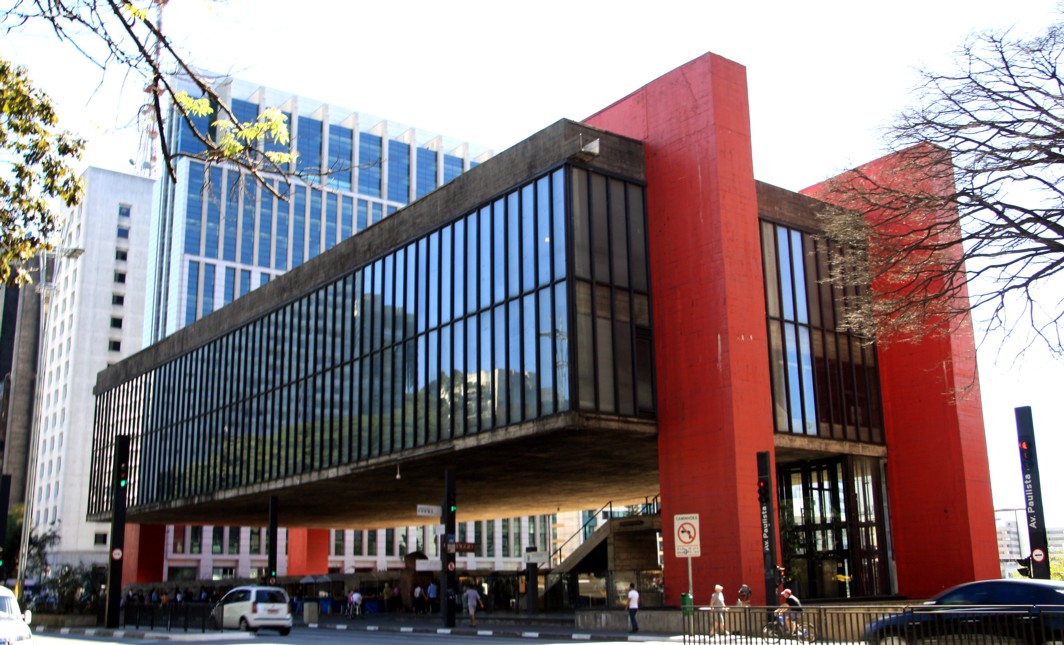
Um dos principais cartões-postais da cidade é o Museu de Arte de São Paulo, conhecido como MASP.
Sua arquitetura marcante faz do museu um dos edifícios mais famosos da metrópole.
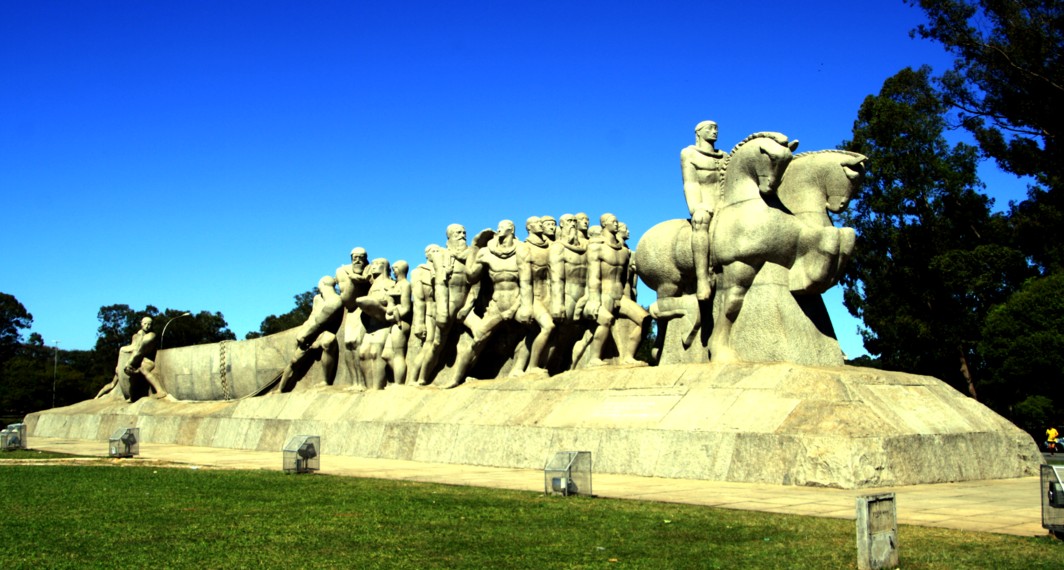
Quem visita São Paulo também deve conhecer o Parque Ibirapuera.
Essa grande área verde oferece uma agradável alternativa ao ritmo intenso da cidade.
Entre palmeiras, gramados e lagos encontram-se corredores, famílias, ciclistas e pessoas passeando.
São Paulo também possui uma cena gastronômica extraordinariamente diversificada.
Além da tradicional culinária brasileira, é possível encontrar especialidades de muitos países do mundo.
A cidade é especialmente conhecida pela grande comunidade japonesa do bairro da Liberdade.
Ali, lojas, restaurantes e a arquitetura característica lembram a presença dos imigrantes japoneses.
O centro histórico de São Paulo também conta muito sobre o desenvolvimento da cidade.
O Pátio do Colégio é considerado um dos lugares históricos mais importantes da metrópole.
Foi nesse local que começou, no século XVI, a história da atual São Paulo.
Não muito distante dali encontra-se a impressionante Catedral da Sé, na praça de mesmo nome.
São Paulo, porém, não é apenas uma cidade de arranha-céus, mas também um importante centro de arte e cultura.
Teatros, salas de concertos, galerias e inúmeros eventos oferecem uma programação variada durante todo o ano.
O futebol também ocupa um lugar especial na cidade e faz parte do estilo de vida paulistano.
Os grandes estádios recebem milhares de torcedores apaixonados durante os jogos importantes.
Apesar do trânsito intenso, existem muitos pequenos espaços, cafés e lugares tranquilos para descobrir.
São Paulo apresenta diferentes facetas e combina tradição com um estilo de vida moderno.
A cidade possui uma identidade multicultural, marcada por pessoas de muitos países que deixaram suas influências.
É justamente essa mistura que torna tão especial o caráter dessa grande metrópole brasileira.
Visitar São Paulo significa conhecer o Brasil por seu lado urbano, moderno e cosmopolita.
Quem se permite descobrir essa cidade fascinante certamente ficará impressionado com sua energia, diversidade e alegria de viver.
 São Paulo ist mit seiner gewaltigen Ausdehnung eine der beeindruckendsten Metropolen Brasiliens.
Die Stadt liegt im Südosten des Landes und ist das wirtschaftliche Zentrum Brasiliens.
Mit ihren unzähligen Hochhäusern vermittelt São Paulo schon auf den ersten Blick ein Gefühl von Größe und Dynamik.
Rund um die Avenida Paulista pulsiert das moderne Leben der Stadt.
Hier befinden sich Banken, Unternehmen, Museen, Geschäfte, Restaurants und zahlreiche kulturelle Einrichtungen.
Die Avenida Paulista ist zugleich ein beliebter Treffpunkt für Einheimische und Besucher.
Besonders sonntags verwandelt sie sich teilweise in eine lebendige Fußgängerzone.
Ein wichtiges Wahrzeichen der Stadt ist das Museu de Arte de São Paulo, kurz MASP genannt.
Seine markante Architektur macht das Museum zu einem der bekanntesten Gebäude der Metropole.
Wer São Paulo besucht, sollte auch den Ibirapuera-Park kennenlernen.
Die weitläufige grüne Oase bietet eine angenehme Abwechslung zum hektischen Stadtleben.
Zwischen Palmen, Wiesen und Seen treffen sich Jogger, Familien, Radfahrer und Spaziergänger.
São Paulo besitzt außerdem eine außergewöhnlich vielfältige gastronomische Szene.
Neben der traditionellen brasilianischen Küche findet man hier Spezialitäten aus vielen Ländern der Welt.
Besonders bekannt ist die Stadt für ihre große japanische Gemeinde im Viertel Liberdade.
Dort erinnern Geschäfte, Restaurants und die charakteristische Architektur an die japanischen Einwanderer.
Auch die historische Innenstadt erzählt viel über die Entwicklung São Paulos.
Der Pátio do Colégio gilt als einer der bedeutendsten historischen Orte der Stadt.
Hier begann im 16. Jahrhundert die Geschichte der heutigen Metropole.
Nicht weit entfernt erhebt sich die beeindruckende Kathedrale da Sé am gleichnamigen Platz.
São Paulo ist aber nicht nur eine Stadt der Wolkenkratzer, sondern auch ein Zentrum der Kunst und Kultur.
Theater, Konzerthäuser, Galerien und zahlreiche Veranstaltungen sorgen das ganze Jahr über für ein abwechslungsreiches Programm.
Auch Fußball besitzt in São Paulo einen besonderen Stellenwert und gehört zum Lebensgefühl der Stadt.
Die großen Stadien ziehen bei wichtigen Spielen tausende begeisterte Fans an.
Trotz des hektischen Verkehrs gibt es überall kleine Plätze, Cafés und ruhige Rückzugsorte zu entdecken.
São Paulo zeigt dabei viele unterschiedliche Gesichter und verbindet Tradition mit einer modernen Lebensweise.
Die Stadt ist multikulturell geprägt und Menschen aus zahlreichen Ländern haben ihre Spuren hinterlassen.
Gerade diese Mischung macht den besonderen Charakter der brasilianischen Megametropole aus.
Ein Besuch in São Paulo bedeutet deshalb, Brasilien von seiner urbanen, modernen und kosmopolitischen Seite kennenzulernen.
Wer sich auf diese faszinierende Stadt einlässt, wird von ihrer Energie, Vielfalt und Lebensfreude sicherlich beeindruckt sein.
 São Paulo, with its enormous size, is one of the most impressive cities in Brazil.
The city is located in the southeast of the country and is Brazil’s main economic center.
With its countless skyscrapers, São Paulo immediately creates a feeling of immense size and dynamism.
Modern city life revolves around Avenida Paulista.
Banks, companies, museums, shops, restaurants and numerous cultural institutions can be found here.
Avenida Paulista is also a popular meeting place for both locals and visitors.
Especially on Sundays, parts of the avenue are transformed into a lively pedestrian area.
One of the city’s most important landmarks is the São Paulo Museum of Art, known as MASP.
Its striking architecture makes the museum one of the most recognizable buildings in the metropolis.
Visitors to São Paulo should also discover Ibirapuera Park.
This extensive green oasis provides a pleasant escape from the hectic rhythm of the city.
Among palm trees, lawns and lakes, joggers, families, cyclists and walkers enjoy the surroundings.
São Paulo also has an exceptionally diverse culinary scene.
Alongside traditional Brazilian cuisine, specialties from many countries around the world can be found here.
The city is particularly famous for its large Japanese community in the Liberdade district.
Its shops, restaurants and characteristic architecture reflect the history of Japanese immigration.
The historic center of São Paulo also tells an important story about the city’s development.
Pátio do Colégio is regarded as one of the most significant historic sites in the metropolis.
It was here that the history of today’s São Paulo began in the 16th century.
Not far away stands the impressive Sé Cathedral on the square of the same name.
São Paulo, however, is not only a city of skyscrapers but also a major center of art and culture.
Theaters, concert halls, galleries and numerous events provide a varied program throughout the year.
Football also holds a special place in São Paulo and is an important part of the city’s identity.
The major stadiums attract thousands of passionate fans for important matches.
Despite the heavy traffic, there are many small squares, cafés and peaceful places waiting to be discovered.
São Paulo has many different faces and combines tradition with a modern way of life.
The city is multicultural, and people from many countries have left their mark on its character.
It is precisely this mixture that gives Brazil’s great metropolis its unique personality.
Visiting São Paulo means experiencing Brazil from its urban, modern and cosmopolitan side.
Anyone who takes the time to discover this fascinating city is sure to be impressed by its energy, diversity and zest for life.