Arquivo da tag: São Paulo

São Paulo

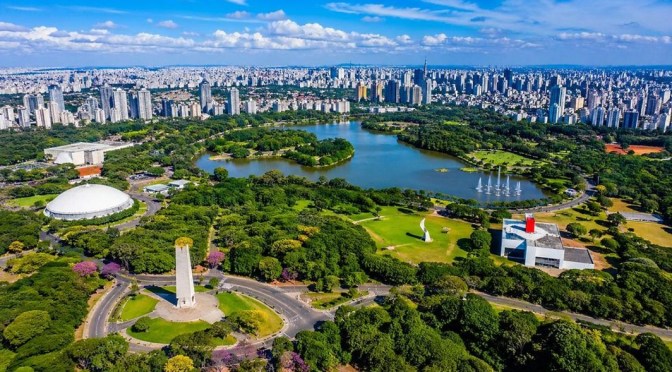
São Paulo, com sua enorme extensão, é uma das metrópoles mais impressionantes do Brasil.
A cidade está localizada no sudeste do país e é o principal centro econômico brasileiro.
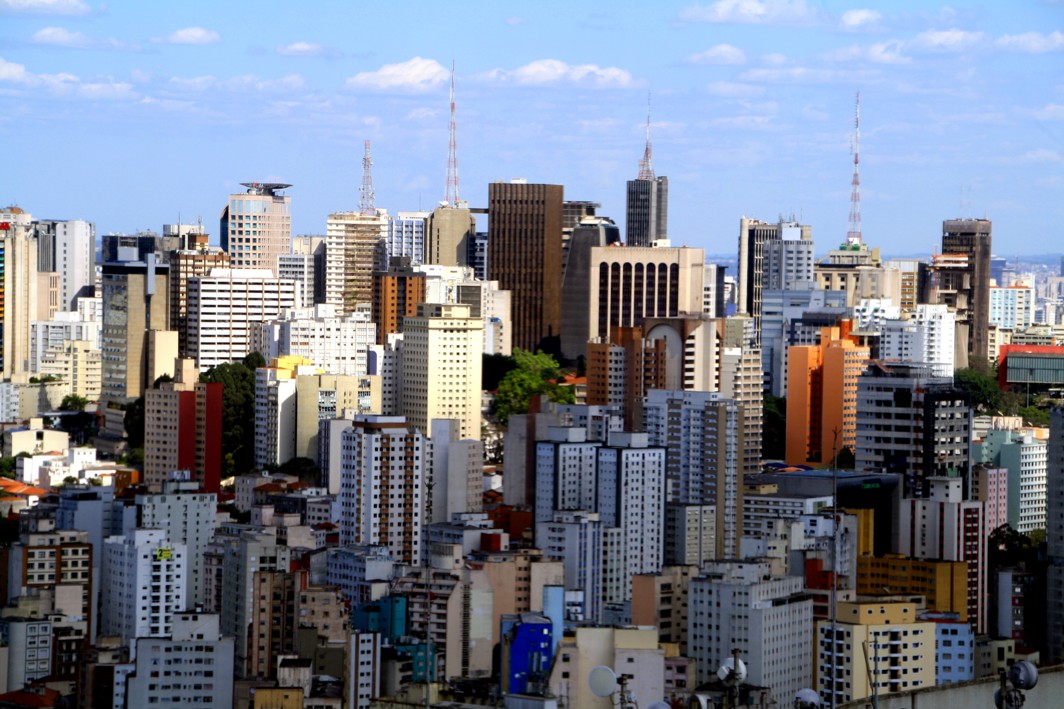
Com seus inúmeros arranha-céus, São Paulo transmite logo à primeira vista uma sensação de grandeza e dinamismo.
Na região da Avenida Paulista pulsa a vida moderna da cidade.
Ali encontram-se bancos, empresas, museus, lojas, restaurantes e numerosas instituições culturais.
A Avenida Paulista também é um dos pontos de encontro preferidos dos moradores e visitantes.
Especialmente aos domingos, parte da avenida transforma-se em uma movimentada área exclusiva para pedestres.
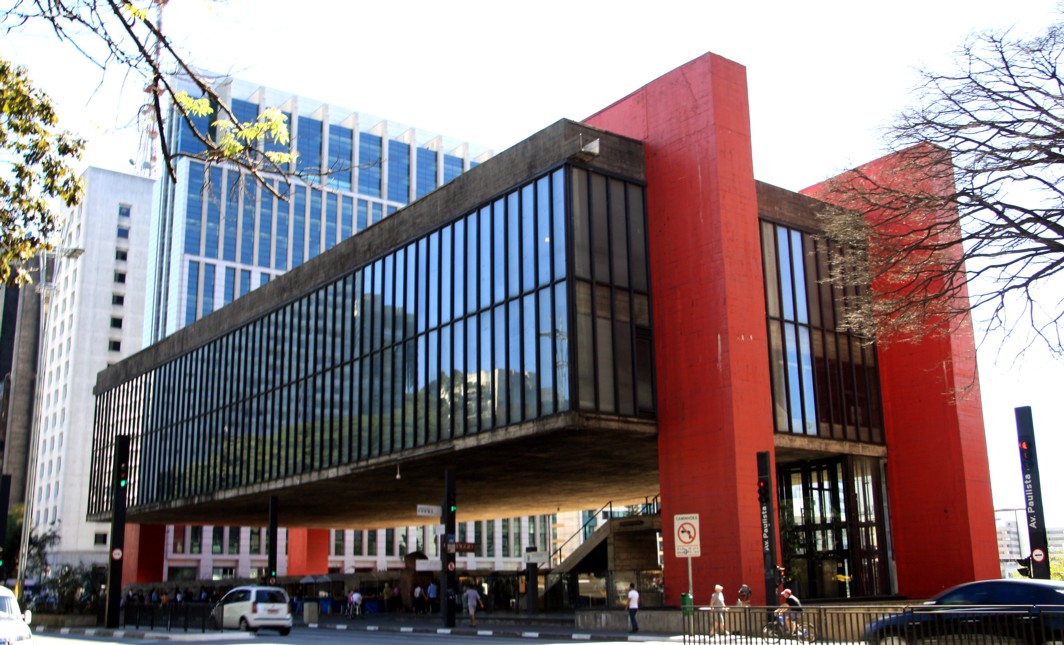
Um dos principais cartões-postais da cidade é o Museu de Arte de São Paulo, conhecido como MASP.
Sua arquitetura marcante faz do museu um dos edifícios mais famosos da metrópole.
Quem visita São Paulo também deve conhecer o Parque Ibirapuera.
Essa grande área verde oferece uma agradável alternativa ao ritmo intenso da cidade.
Entre palmeiras, gramados e lagos encontram-se corredores, famílias, ciclistas e pessoas passeando.
São Paulo também possui uma cena gastronômica extraordinariamente diversificada.
Além da tradicional culinária brasileira, é possível encontrar especialidades de muitos países do mundo.
A cidade é especialmente conhecida pela grande comunidade japonesa do bairro da Liberdade.
Ali, lojas, restaurantes e a arquitetura característica lembram a presença dos imigrantes japoneses.
O centro histórico de São Paulo também conta muito sobre o desenvolvimento da cidade.
O Pátio do Colégio é considerado um dos lugares históricos mais importantes da metrópole.
Foi nesse local que começou, no século XVI, a história da atual São Paulo.
Não muito distante dali encontra-se a impressionante Catedral da Sé, na praça de mesmo nome.
São Paulo, porém, não é apenas uma cidade de arranha-céus, mas também um importante centro de arte e cultura.
Teatros, salas de concertos, galerias e inúmeros eventos oferecem uma programação variada durante todo o ano.
O futebol também ocupa um lugar especial na cidade e faz parte do estilo de vida paulistano.
Os grandes estádios recebem milhares de torcedores apaixonados durante os jogos importantes.
Apesar do trânsito intenso, existem muitos pequenos espaços, cafés e lugares tranquilos para descobrir.
São Paulo apresenta diferentes facetas e combina tradição com um estilo de vida moderno.
A cidade possui uma identidade multicultural, marcada por pessoas de muitos países que deixaram suas influências.
É justamente essa mistura que torna tão especial o caráter dessa grande metrópole brasileira.
Visitar São Paulo significa conhecer o Brasil por seu lado urbano, moderno e cosmopolita.
Quem se permite descobrir essa cidade fascinante certamente ficará impressionado com sua energia, diversidade e alegria de viver.
São Paulo ist mit seiner gewaltigen Ausdehnung eine der beeindruckendsten Metropolen Brasiliens.
Die Stadt liegt im Südosten des Landes und ist das wirtschaftliche Zentrum Brasiliens.
Mit ihren unzähligen Hochhäusern vermittelt São Paulo schon auf den ersten Blick ein Gefühl von Größe und Dynamik.
Rund um die Avenida Paulista pulsiert das moderne Leben der Stadt.
Hier befinden sich Banken, Unternehmen, Museen, Geschäfte, Restaurants und zahlreiche kulturelle Einrichtungen.
Die Avenida Paulista ist zugleich ein beliebter Treffpunkt für Einheimische und Besucher.
Besonders sonntags verwandelt sie sich teilweise in eine lebendige Fußgängerzone.
Ein wichtiges Wahrzeichen der Stadt ist das Museu de Arte de São Paulo, kurz MASP genannt.
Seine markante Architektur macht das Museum zu einem der bekanntesten Gebäude der Metropole.
Wer São Paulo besucht, sollte auch den Ibirapuera-Park kennenlernen.
Die weitläufige grüne Oase bietet eine angenehme Abwechslung zum hektischen Stadtleben.
Zwischen Palmen, Wiesen und Seen treffen sich Jogger, Familien, Radfahrer und Spaziergänger.
São Paulo besitzt außerdem eine außergewöhnlich vielfältige gastronomische Szene.
Neben der traditionellen brasilianischen Küche findet man hier Spezialitäten aus vielen Ländern der Welt.
Besonders bekannt ist die Stadt für ihre große japanische Gemeinde im Viertel Liberdade.
Dort erinnern Geschäfte, Restaurants und die charakteristische Architektur an die japanischen Einwanderer.
Auch die historische Innenstadt erzählt viel über die Entwicklung São Paulos.
Der Pátio do Colégio gilt als einer der bedeutendsten historischen Orte der Stadt.
Hier begann im 16. Jahrhundert die Geschichte der heutigen Metropole.
Nicht weit entfernt erhebt sich die beeindruckende Kathedrale da Sé am gleichnamigen Platz.
São Paulo ist aber nicht nur eine Stadt der Wolkenkratzer, sondern auch ein Zentrum der Kunst und Kultur.
Theater, Konzerthäuser, Galerien und zahlreiche Veranstaltungen sorgen das ganze Jahr über für ein abwechslungsreiches Programm.
Auch Fußball besitzt in São Paulo einen besonderen Stellenwert und gehört zum Lebensgefühl der Stadt.
Die großen Stadien ziehen bei wichtigen Spielen tausende begeisterte Fans an.
Trotz des hektischen Verkehrs gibt es überall kleine Plätze, Cafés und ruhige Rückzugsorte zu entdecken.
São Paulo zeigt dabei viele unterschiedliche Gesichter und verbindet Tradition mit einer modernen Lebensweise.
Die Stadt ist multikulturell geprägt und Menschen aus zahlreichen Ländern haben ihre Spuren hinterlassen.
Gerade diese Mischung macht den besonderen Charakter der brasilianischen Megametropole aus.
Ein Besuch in São Paulo bedeutet deshalb, Brasilien von seiner urbanen, modernen und kosmopolitischen Seite kennenzulernen.
Wer sich auf diese faszinierende Stadt einlässt, wird von ihrer Energie, Vielfalt und Lebensfreude sicherlich beeindruckt sein.

São Paulo, with its enormous size, is one of the most impressive cities in Brazil.
The city is located in the southeast of the country and is Brazil’s main economic center.
With its countless skyscrapers, São Paulo immediately creates a feeling of immense size and dynamism.
Modern city life revolves around Avenida Paulista.
Banks, companies, museums, shops, restaurants and numerous cultural institutions can be found here.
Avenida Paulista is also a popular meeting place for both locals and visitors.
Especially on Sundays, parts of the avenue are transformed into a lively pedestrian area.
One of the city’s most important landmarks is the São Paulo Museum of Art, known as MASP.
Its striking architecture makes the museum one of the most recognizable buildings in the metropolis.
Visitors to São Paulo should also discover Ibirapuera Park.
This extensive green oasis provides a pleasant escape from the hectic rhythm of the city.
Among palm trees, lawns and lakes, joggers, families, cyclists and walkers enjoy the surroundings.
São Paulo also has an exceptionally diverse culinary scene.
Alongside traditional Brazilian cuisine, specialties from many countries around the world can be found here.
The city is particularly famous for its large Japanese community in the Liberdade district.
Its shops, restaurants and characteristic architecture reflect the history of Japanese immigration.
The historic center of São Paulo also tells an important story about the city’s development.
Pátio do Colégio is regarded as one of the most significant historic sites in the metropolis.
It was here that the history of today’s São Paulo began in the 16th century.
Not far away stands the impressive Sé Cathedral on the square of the same name.
São Paulo, however, is not only a city of skyscrapers but also a major center of art and culture.
Theaters, concert halls, galleries and numerous events provide a varied program throughout the year.
Football also holds a special place in São Paulo and is an important part of the city’s identity.
The major stadiums attract thousands of passionate fans for important matches.
Despite the heavy traffic, there are many small squares, cafés and peaceful places waiting to be discovered.
São Paulo has many different faces and combines tradition with a modern way of life.
The city is multicultural, and people from many countries have left their mark on its character.
It is precisely this mixture that gives Brazil’s great metropolis its unique personality.
Visiting São Paulo means experiencing Brazil from its urban, modern and cosmopolitan side.
Anyone who takes the time to discover this fascinating city is sure to be impressed by its energy, diversity and zest for life.

São Paulo, centro cultural do Brasil/São Paulo – kulturelles Zentrum Brasiliens/

São Paulo é o coração financeiro do Brasil. De acordo com o Instituto Brasileiro de Geografia e Estatística – IBGE, a cidade de São Paulo possui 12.396.372 habitantes (2021) distribuídas pelos seus 1.521,202 km2. Trata-se de uma das maiores metrópoles do mundo e por isso é um lugar caracterizado por possuir muitas faces e que você vai descobrindo ao longo de uma vida.

Erich e eu já visitamos São Paulo várias vezes devido a diversos fatores. Fomos à São Paulo para captar imagens para o nosso livro 66 x Brasil, visitamos a cidade para participarmos de reuniões de trabalho, estivemos em São Paulo para deliciarmos com seus inúmeros restaurantes e visitarmos museus e exposições.

São Paulo é uma cidade grandiosa em números. São muitos os hotéis, restaurantes, salas de cinema, de teatros, de espaços culturais, de bibliotecas, de estádios de futebol, de parques e áreas verdes, de shopping centers, dentre outros. Para uma primeira visita, há lugares e experiências que consideramos relevantes para esse primeiro contato com a cidade: comer um sanduíche de mortadela no Mercado Municipal de São Paulo,

visitar o Pátio do Colégio, local da fundação da cidade; passar uma manhã ou tarde no Museu de Arte de São Paulo – MASP localizado na famosa Avenida Paulista,

testemunha de tantos eventos importantes para o país; aproveitar o Parque do Ibirapuera em um dia ensolarado; passear no bairro da Liberdade; apreciar a vista panorâmica da cidade do alto do Edifício Itália

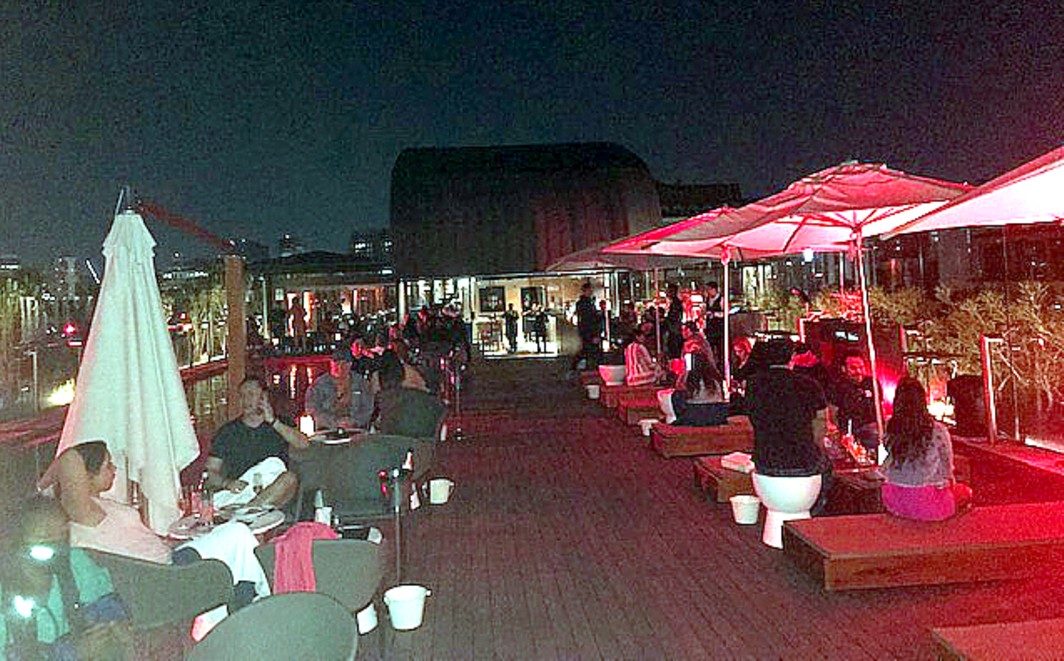
e do roof top do Hotel Unique;

conhecer o Museu da Língua Portuguesa, a Pinacoteca do Estado, enfim, são tantas as opções de passeios em São Paulo,  que tudo vai depender do seu interesse, do seu perfil de visitante e do tempo disponível para a viagem.

Além desses atrativos, há também os grandes e famosos eventos de São Paulo, como a Virada Cultural, que acontece no mês de abril, a Parada do Orgulho Gay, que acontece no feriado de Corpus Christi, a Bienal do Livro, que atrai milhares de pessoas e é realizada no mês de julho, a Corrida de São Silvestre, que ocorre no último dia do ano, dentre outros. Vale a pena consultar o calendário de eventos da cidade e verificar o que estará acontecendo na época da sua visita à cidade. Para os que apreciam shows, a cidade oferece muitas opções interessantes.

Enfim, São Paulo, é definitivamente uma cidade cheia de encantos para todos os públicos e gostos. Para conhecer mais sobre essa metrópole efervescente, clique aqui.

Dica: uma sugestão para aproveitar melhores preços de hotéis é visitar a cidade durante os finais de semana e longos feriados, quando o trânsito melhora um pouco.

São Paulo – kulturelles Zentrum Brasiliens

São Paulo ist das Finanzzentrum Brasiliens. Nach Angaben des brasilianischen Instituts für Geographie und Statistik – IBGE hat die Stadt São Paulo 12.396.372 Einwohner (2021), die sich auf 1.521.202 km2 verteilen. Es ist eine der größten Metropolen der Welt und deshalb ein Ort, der sich durch viele Gesichter auszeichnet, die Sie ein Leben lang entdecken werden können.

Erich und ich haben São Paulo aufgrund verschiedener Faktoren mehrmals besucht. Wir sind nach São Paulo gefahren, um Fotos für unser Buch 66 x Brazil zu machen, wir haben die Stadt besucht, um an Arbeitstreffen teilzunehmen, wir waren in São Paulo, um uns an den zahlreichen Restaurants zu erfreuen und Museen und Ausstellungen zu besuchen.

São Paulo ist zahlenmäßig eine großartige Stadt. Es gibt unter anderem viele Hotels, Restaurants, Kinos, Theater, Kulturräume, Bibliotheken, Fußballstadien, Parks und Grünflächen, Einkaufszentren.

Für einen ersten Besuch gibt es Orte und Erfahrungen, die wir für diesen ersten Kontakt mit der Stadt für relevant halten: ein Mortadella-Sandwich im städtischen Markt von São Paulo essen,

den Pátio do Colégio besuchen, den Gründungsort der Stadt; verbringen Sie einen Morgen oder Nachmittag im São Paulo Museum of Art – MASP

an der berühmten Avenida Paulista, Zeuge so vieler wichtiger Ereignisse für das Land; genießen Sie den Ibirapuera Park an einem sonnigen Tag; schlendern Sie durch das Viertel Liberdade; Genießen Sie den Panoramablick auf die Stadt von der Spitze des Edifício Itália

und vom Dach des Hotel Unique.

Besuchen Sie das Museum der portugiesischen Sprache, die Pinacoteca do Estado, kurz gesagt, es gibt so viele Möglichkeiten für Touren in São Paulo, was alles von Ihrem Interesse, Ihrem Besucherprofil und der verfügbaren Zeit für die Reise abhängt.

Neben diesen Attraktionen gibt es in São Paulo auch die großen und berühmten Veranstaltungen, wie die Virada Cultural, die im April stattfindet, die Gay Pride Parade, die am Fronleichnamsfeiertag stattfindet, die Buchbiennale, die anzieht Tausende von Menschen und findet im Juli unter anderem das São Silvestre Race statt, das am letzten Tag des Jahres stattfindet.

Es lohnt sich, einen Blick auf den Veranstaltungskalender der Stadt zum Zeitpunkt Ihres Besuchs zu werfen. Für Liebhaber von Shows bietet die Stadt viele interessante Möglichkeiten.

Wie auch immer, São Paulo ist definitiv eine Stadt voller Charme für jedes Publikum und jeden Geschmack. Um mehr über diese quirlige Metropole zu erfahren, klicken Sie hier.

Tipp: Ein Vorschlag, um von besseren Hotelpreisen zu profitieren, ist es, die Stadt an Wochenenden und  Feiertagen zu besuchen, wenn sich der Verkehr etwas beruhigter zeigt.

São Paulo – cultural center of Brazil

São Paulo is the financial center of Brazil. According to the Brazilian Institute of Geography and Statistics – IBGE, the city of São Paulo has 12,396,372 inhabitants (2021) spread over 1,521,202 km2. It is one of the largest metropolises in the world and therefore a place characterized by many faces that you will discover for a lifetime.

Erich and I have visited São Paulo several times due to various factors. We went to São Paulo to take photos for our book 66 x Brazil, we visited the city to attend work meetings, we were in São Paulo to enjoy the many restaurants and to visit museums and exhibitions.

São Paulo is a great city numerically. There are many hotels, restaurants, cinemas, theaters, cultural spaces, libraries, football stadiums, parks and green spaces, shopping centers, among others.

For a first visit, there are places and experiences that we consider relevant for this first contact with the city: eat a mortadella sandwich in the Municipal Market of São Paulo,

visit the Pátio do Colégio, the place where the city was founded; spend a morning or afternoon at the São Paulo Museum of Art – MASP on the famous Avenida Paulista,

witness to so many important events for the country; enjoy Ibirapuera Park on a sunny day; stroll through the Liberdade district; Enjoy panoramic city views from the top of Edifício Itália

and from the roof of Hotel Unique. Visit the Museum of the Portuguese Language, the Pinacoteca do Estado, in short, there are so many options for tours in São Paulo, it all depends on your interest, your visitor profile and the time available for the trip.

Besides these attractions, São Paulo also has the big and famous events, such as the Virada Cultural that takes place in April, the Gay Pride Parade that takes place on the Corpus Christi holiday, the Book Biennale that attracts thousands of people and takes place in July, among others, the São Silvestre Race, which takes place on the last day of the year.

It’s worth checking the city’s calendar of events at the time of your visit. For lovers of shows, the city offers many interesting options.

Whatever the case, São Paulo is definitely a city full of charm for all audiences and tastes. To find out more about this bustling metropolis, click here.

Tip: One suggestion to take advantage of better hotel prices is to visit the city on weekends and bank holidays when traffic is a little calmer.


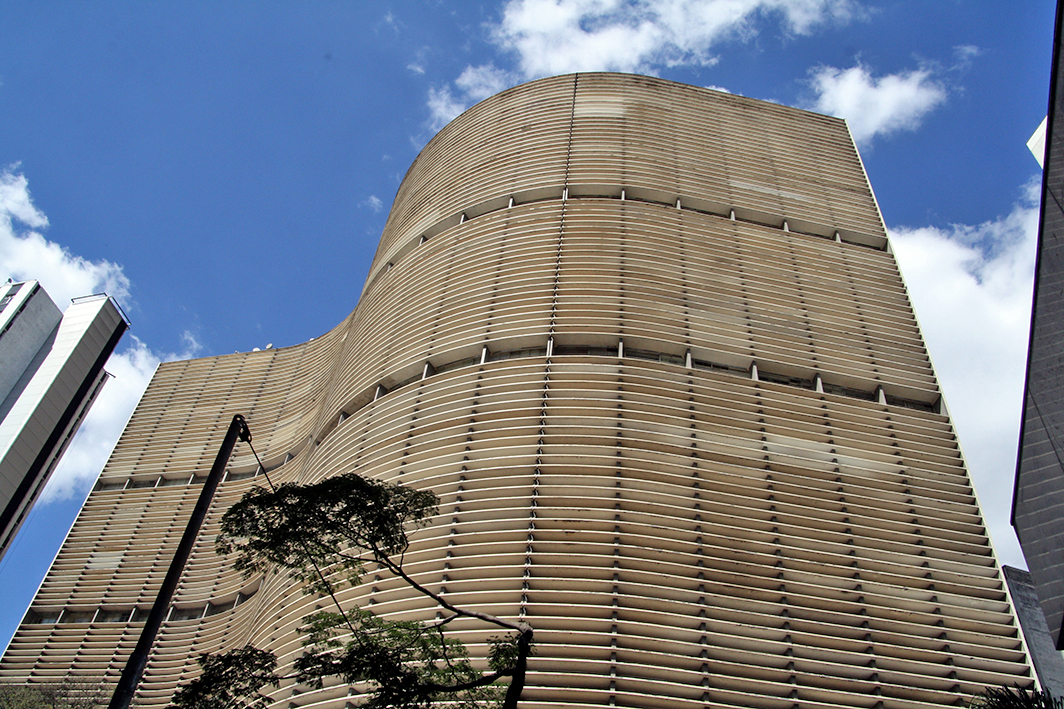
Edifício Copan, exemplo de grandiosidade construtiva/Copan Building – ein Beispiel für konstruktive Größe/Copan Building – an example of structural size

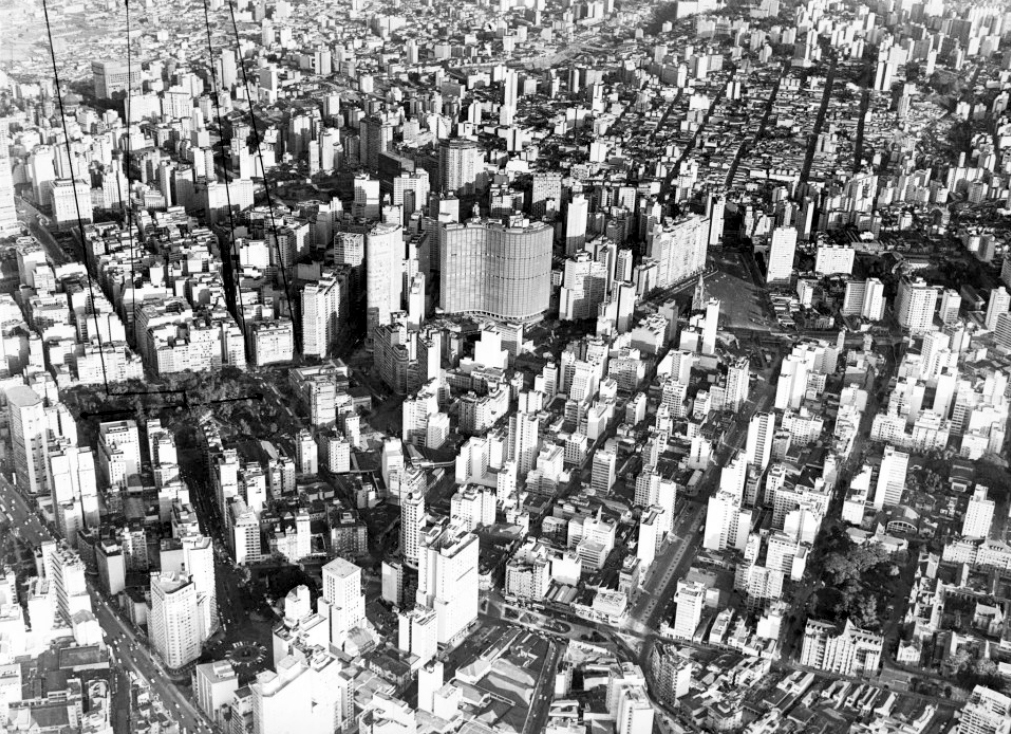
São Paulo é uma metrópole que possui tesouros arquitetônicos representativos da história do desenvolvimento da arquitetura brasileira do país. Um dos edifícios mais interessantes é o Edifício Copan localizado na Av. Ipiranga, 200, no bairro da República.

Fonte/Quelle/Source: Google Maps
Fonte/Quelle/Source: https://www.archdaily.com.br/br/876920/classicos-da-arquitetura-edificio-copan-oscar-niemeyer

Trata-se do maior edifício residencial do mundo, segundo o site Travelbook, baseado que o mesmo tem a maior área útil de todos os edifícios residenciais do mundo com seus 116.153 m2, segundo o Guinness Book of Records .

O Jornal da Universidade de São Paulo  o considera como o “maior conjunto de apartamentos residenciais da América Latina.Apesar de ser arquiteta e ter estudado sobre a História da Arquitetura Brasileira, não tinha tomado consciência sobre o tamanho desse prédio até que Erich, comentou comigo sobre um artigo de uma jornalista alemã Angelika Pickardt , que publicou um texto sobre ele no dia 6 de maio de 2021, no site Travelbook.de onde o menciona como o “maior prédio residencial do mundo”.

Erich e eu visitamos esse edifício quando estávamos captando imagens para nosso livro 66 x Brasil. O prédio é muito alto, tem 165 metros e é habitado por cerca de 5000 mil pessoas!!!! Impressionante, não é? O Edifício Copan é como uma pequena cidade e ele tem até Código Postal: 01046-9241.

O projeto é de autoria de Oscar Niemeyer e a obra foi construída entre 1952 e 1966.

Fonte/Quelle/Source: https://www.archdaily.com.br/br/876920/classicos-da-arquitetura-edificio-copan-oscar-niemeyer

Incialmente ele foi projetado para ser um complexo com restaurantes, galerias de artes, cinemas, lojas e até um hotel com 600 apartamentos. A ideia era homenagear São Paulo nos seus 400 anos completados em 1954. Porém, o projeto arquitetônico sofreu modificações que tornaram o edifício diferente da proposta inicial. Acho muito interessante o formato do prédio: a letra “S”.

Foto/Quelle/Source: https://guia.folha.uol.com.br/passeios/2021/01/conheca-roteiro-para-desbravar-o-melhor-da-arquitetura-de-sao-paulo.shtml

O nome COPAN é um acrônimo da Companhia Pan-Americana de Hotéis e Turismo, que o construiu.

Fonte/Quelle/Source: https://www.archdaily.com.br/br/876920/classicos-da-arquitetura-edificio-copan-oscar-niemeyer

Vejam os números sobre esse edifício:

120 mil metros quadrados de área construída

1.160 apartamentos

Capacidade para 10 mil pessoas

Capacidade para população flutuante de 25 mil pessoas

32 andares

06 blocos de apartamentos

02 níveis abaixo da Av. Ipiranga com 221 vagas de garagem

115 metros de altura

72 lojas

01 cinema

19 elevadores

6 mil metros quadrados de vidro

A tipologia dos apartamentos quanto às suas dimensões varia, existem apartamentos com 29 m2 e outros com até 214 m2.

Durante a história de vida desse prédio, ele passou por um período de decadência, porém, isso foi superado.

O Edifício Copan tem um terraço com uma vista espetacular de São Paulo e era muito procurado pelos turistas antes da pandemia.

Enfim, o Edifício Copan é definitivamente um marco na paisagem da capital paulista.FONTES:Travelbook.deJornal da USP de 26/06/2020, Site Archdayly e Dissertação de Mestrado da Arquiteta Carolina Silva Oukawa: “:Edifício Copan: uma análise arquitetônica com inspiração na análise musical”.

Observação: se você quiser continuar “viajando” com o nosso blog, clique no botão “seguir” localizado no canto inferior direito dessa página. Você também pode “viajar” pelo Brasil conhecendo nosso  livro impresso  66 x Brasil e sua versão digital 66 Belezas do Brasil.

Copan Building – ein Beispiel für konstruktive Größe

São Paulo ist eine Metropole mit vielen architektonischen Schätzen, die für die Geschichte der Entwicklung der brasilianischen Architektur im Land repräsentativ sind. Eines der interessantesten Gebäude ist das Copan-Gebäude in der Av. Ipiranga, 200, im Viertel República.

Fonte/Quelle/Source: Google Maps
Fonte/Quelle/Source: https://www.archdaily.com.br/br/876920/classicos-da-arquitetura-edificio-copan-oscar-niemeyer

Laut der Travelbook-Website ist es das größte Wohngebäude der Welt, basierend auf der Tatsache, dass es laut Guinness-Buch der Rekorde mit 116.153 m2 die größte Grundfläche aller Wohngebäude der Welt hat.

Das Journal der Universität von São Paulo betrachtet es als die „größte Gruppe von Wohn-Appartements in Lateinamerika.

Obwohl ich Architektin bin und die Geschichte der brasilianischen Architektur studiert habe, wurde mir die Größe dieses Gebäudes erst bewusst, als Erich einen Artikel der deutschen Journalistin Angelika Pickardt kommentierte, die es am 6. Mai 2021 auf der Travelbook.de-Website als das „größte Wohngebäude der Welt“ bezeichnete.

Erich und ich besuchten dieses Gebäude, als wir Fotos für unser Buch 66 x Brasilien machten. Das Gebäude ist 165 Meter hoch und beherbergt etwa 5.000 Menschen!!!!  Sehr beeindruckend, nicht wahr? Das Copan-Gebäude ist wie eine kleine Stadt und verfügt sogar über eine eigene Postleitzahl: 01046-9241.

Das Projekt wurde von Stararchitekt Oscar Niemeyer entworfen und zwischen 1952 und 1966 gebaut.

Fonte/Quelle/Source: https://www.archdaily.com.br/br/876920/classicos-da-arquitetura-edificio-copan-oscar-niemeyer

Ursprünglich war es ein Komplex mit Restaurants, Kunstgalerien, Kinos, Geschäften und sogar einem Hotel mit 600 Wohnungen. Die Idee war eine Ehrung São Paulos anlässlich seines 400. Geburtstages im Jahre 1954. Das Architekturprojekt wurde jedoch geändert, wodurch sich das Gebäude dann folglich vom ursprünglichen Vorschlag unterschied. Ich persönlich finde die Form des Gebäudes sehr interessant: der Buchstabe “S” ist darin erkennbar.

Foto/Quelle/Source: https://guia.folha.uol.com.br/passeios/2021/01/conheca-roteiro-para-desbravar-o-melhor-da-arquitetura-de-sao-paulo.shtml

Der Name COPAN ist eine Abkürzung für die Pan American Hotel and Tourism Company, die es gebaut hat.

Fonte/Quelle/Source: https://www.archdaily.com.br/br/876920/classicos-da-arquitetura-edificio-copan-oscar-niemeyer

Hier die Zahlen zu diesem Gebäude:

120 Tausend Quadratmeter bebaute Fläche

1.160 Wohnungen

Kapazität für 10 Tausend Menschen

Publikums-Kapazität von 25.000 Menschen

32 Stockwerke

6 Wohnblöcke

2 Ebenen unter der Av. Ipiranga mit 221 Parkplätzen

115 Meter hoch

72 Geschäfte

1 Kino

19 Aufzüge

6 Tausend Quadratmeter Glas

Die Typologie der Wohnungen in Bezug auf ihre Gröβe variiert, es gibt Wohnungen mit 29 m2 und andere mit bis zu 214 m2.

Während der Lebensgeschichte dieses Gebäudes hat es eine Phase des Verfalls durchlaufen, die jedoch überwunden wurde.

Edificio Copan hat eine Terrasse mit spektakulärem Blick auf São Paulo und war vor der Pandemie bei Touristen sehr beliebt.

Schließlich ist das Copan-Gebäude definitiv ein Wahrzeichen im „Häusermeer“ der Hauptstadt São Paulo.

Fonte

QUELLE:Travelbook.de, Jornal da USP de 26/06/2020, Site Archdayly e Dissertação de Mestrado da Arquiteta Carolina Silva Oukawa: “:Edifício Copan: uma análise arquitetônica com inspiração na análise musical”.

Hinweis: Falls Sie unserem  Blog folgen wollen, dann klicken Sie unten rechts einfach auf “Weiter”, Sie werden dann zukünftig automatisch informiert. Sie können auch durch Brasilien reisen und unser Buch 66 SEHENSWÜRDIGKEITEN IN BRASILIEN  kennenlernen und 66 x Brazil – A Mosaic of Beauties.

Copan Building – an example of structural size

São Paulo is a metropolis with many architectural treasures  representing  the history of the development of Brazilian architecture. One of the most interesting buildings is the Copan Building on Av. Ipiranga, 200, in the República district.

Fonte/Quelle/Source: Google Maps
Fonte/Quelle/Source: https://www.archdaily.com.br/br/876920/classicos-da-arquitetura-edificio-copan-oscar-niemeyer

According to the Travelbook website is it the largest residential building in the world based on the fact that, according to the Guinness Book of Records, it has the largest floor space of any residential building in the world at 116,153 square meters.

The Journal of the University of São Paulo regards it as the “largest group of residential apartments in Latin America.

Although I am an architect and have studied the history of Brazilian architecture, I only became aware of the size of this building when Erich commented on an article by the German journalist Angelika Pickardt, who published it on the Travelbook.de website on May 6, 2021 as the “ largest residential building in the world ”.

Erich and I visited this building when we were taking photos for our book 66 x Brazil. The building is 165 meters high and houses around 5,000 people!!!! Very impressive, isn’t it? The Copan building is like a small town and even has its own zip code: 01046-9241.

The project was designed by star architect Oscar Niemeyer and built between 1952 and 1966.

Fonte/Quelle/Source: https://www.archdaily.com.br/br/876920/classicos-da-arquitetura-edificio-copan-oscar-niemeyer

Originally it was a complex of restaurants, art galleries, cinemas, shops and even a hotel with 600 apartments. The idea was to honor São Paulo on the occasion of its 400th birthday in 1954. However, the architectural project was changed, which means that the building then became differed from the original proposal. Personally, I find the shape of the building very interesting: the letter “S” can be seen in it.

Foto/Quelle/Source: https://guia.folha.uol.com.br/passeios/2021/01/conheca-roteiro-para-desbravar-o-melhor-da-arquitetura-de-sao-paulo.shtml

The name COPAN is an abbreviation for the Pan American Hotel and Tourism Company who built it.

Fonte/Quelle/Source: https://www.archdaily.com.br/br/876920/classicos-da-arquitetura-edificio-copan-oscar-niemeyer

Here now some numbers regarding this building:

120 thousand square meters of built area

1,160 apartments

Capacity for 10 thousand people

Audience capacity of 25,000 people

32 floors

6 blocks of flats

2 levels below Av. Ipiranga with 221 parking spaces

115 meters high

72 shops

1 cinema

19 elevators

6 thousand square meters of glass

The typology of the apartments varies according to their size, there are apartments with 29 m2 and others with up to 214 m2.

During the life story of this building it went through a phase of decay, but this was overcome.

Edificio Copan has a terrace with spectacular views of São Paulo and was very popular under tourists before the pandemic.

After all, the Copan building is definitely a landmark in the „sea of houses“ in the capital São Paulo.

Fonte

Sources: Travelbook.deJornal da USP de 26/06/2020, Site Archdayly e Dissertação de Mestrado da Arquiteta Carolina Silva Oukawa: “:Edifício Copan: uma análise arquitetônica com inspiração na análise musical”.

Note: If you want to follow our “Travels” on the blog, simply click on “Seguir” in the lower right corner, you will be then automatically informed in the future. You can continue traveling with us with our book Brazil´s 66 Beautiful Sites and 66 x Brazil – A Mosaic of Beauties.