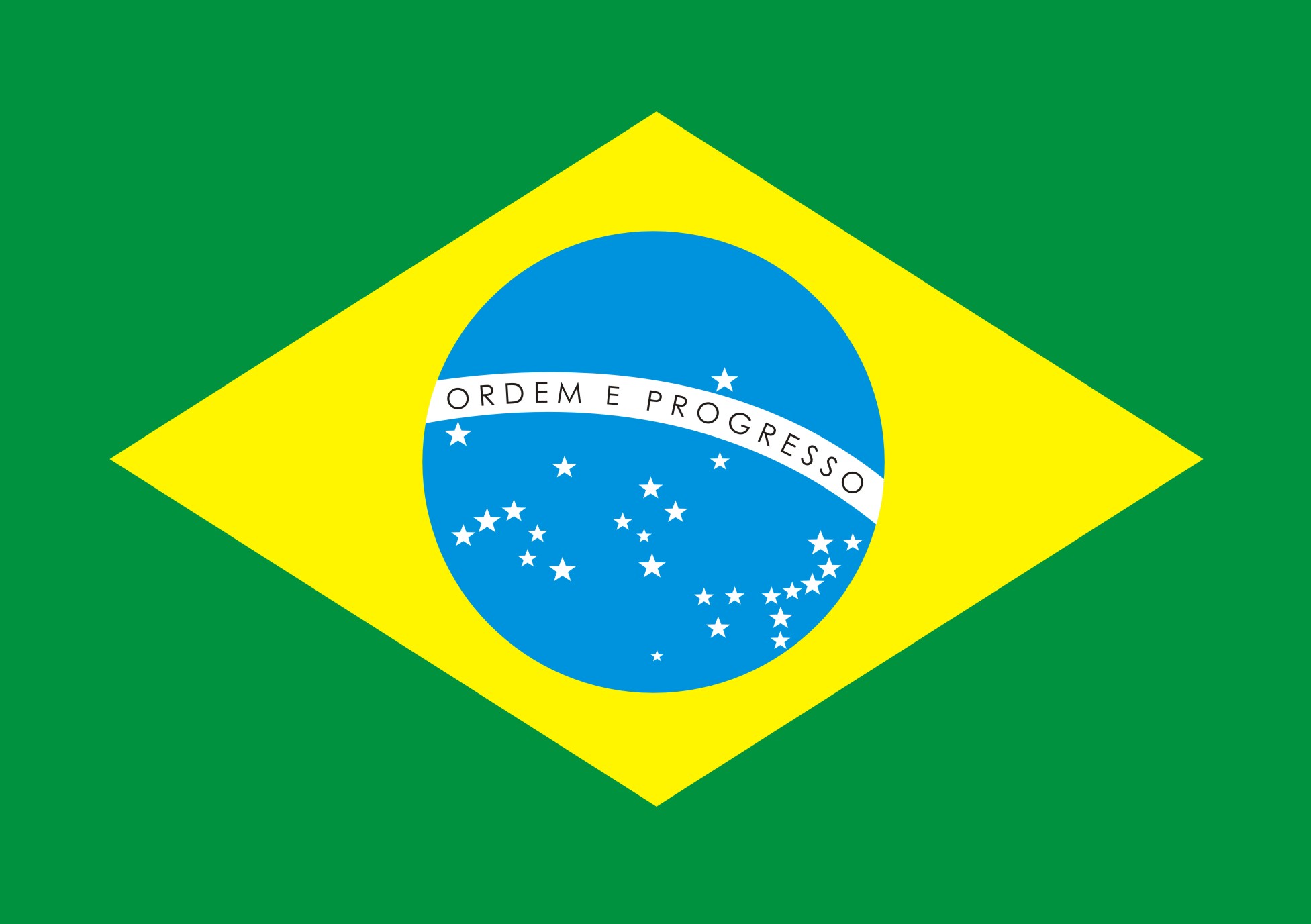
Argélia/Algerien/Algeria

A Argélia é o maior país da África e reúne uma impressionante diversidade de paisagens, história e cultura, que vão do litoral mediterrâneo ao vasto Deserto do Saara.
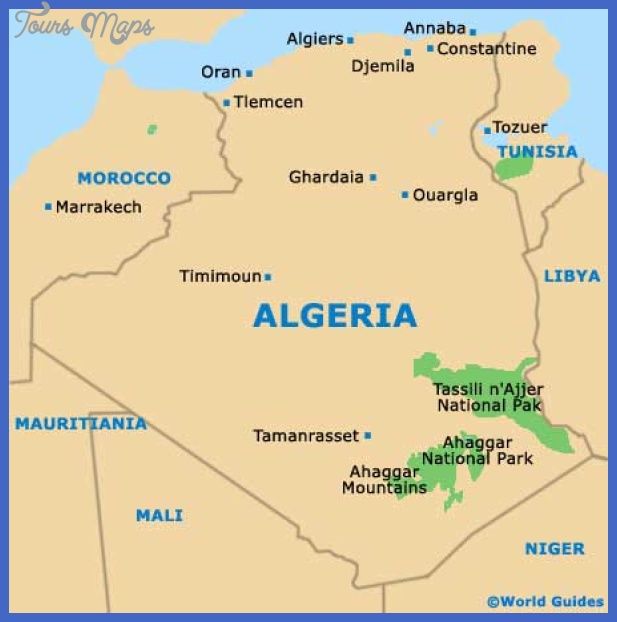
Fonte/Quelle/Source: World Guides/Tours Maps

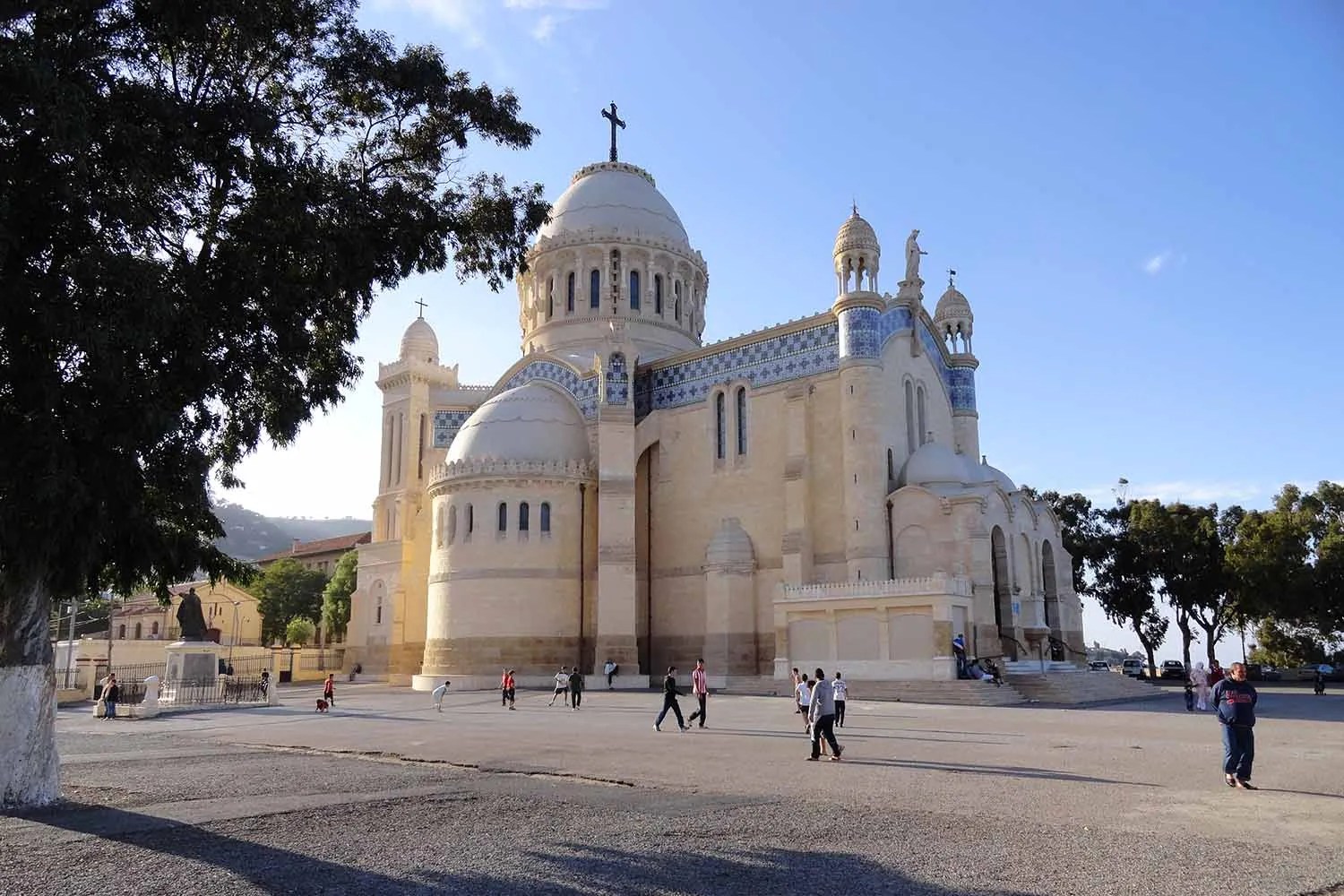
A capital, Argel, está localizada no norte do país, às margens do Mar Mediterrâneo. Um de seus principais pontos turísticos é a Casbá de Argel, um antigo bairro histórico reconhecido como Patrimônio Mundial da UNESCO, com ruas estreitas, palácios otomanos e vistas panorâmicas do mar.
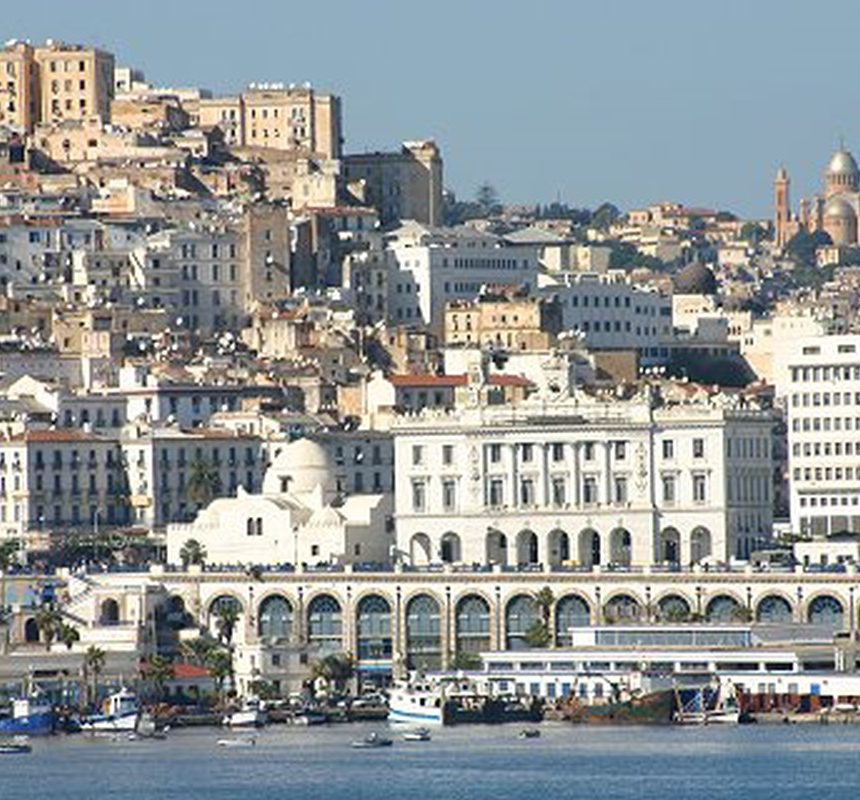
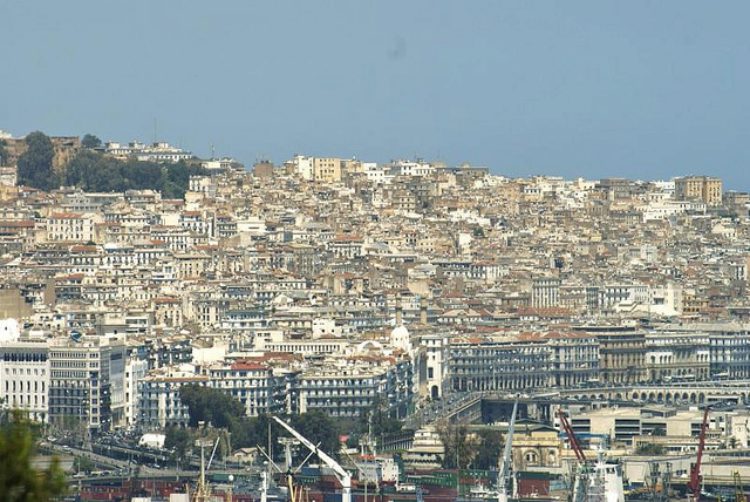
Fonte/Quelle/Source: https://visiteomundo.com/atividades/africa/argelia/argel/
Fonte/Quelle/Source:https://www.tripzaza.com/pt/destinations/pontos-turisticos-na-argelia. Foto: Yves Jalabert
Fonte/Quelle/Source: https://www.tripzaza.com/pt/destinations/pontos-turisticos-na-argelia

Argel é o centro político, econômico e cultural do país. Construções coloniais francesas ainda marcam muitos bairros.Ao mesmo tempo, surgem arranha-céus modernos e novos projetos urbanos.
Seu porto a torna um importante ponto de comércio e transporte.
Museus, teatros e universidades enriquecem a vida cultural.

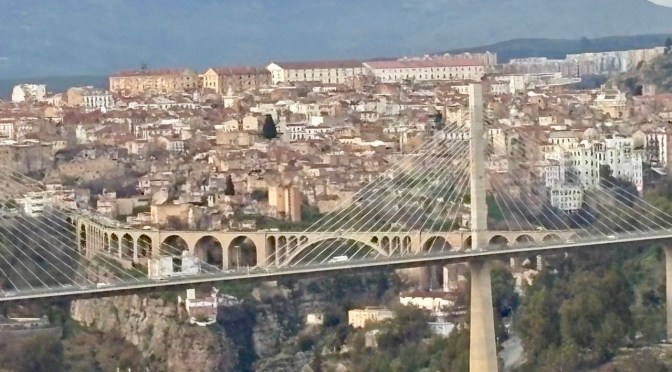
Na região norte também se destaca Constantine, famosa por suas pontes suspensas construídas sobre profundos desfiladeiros.
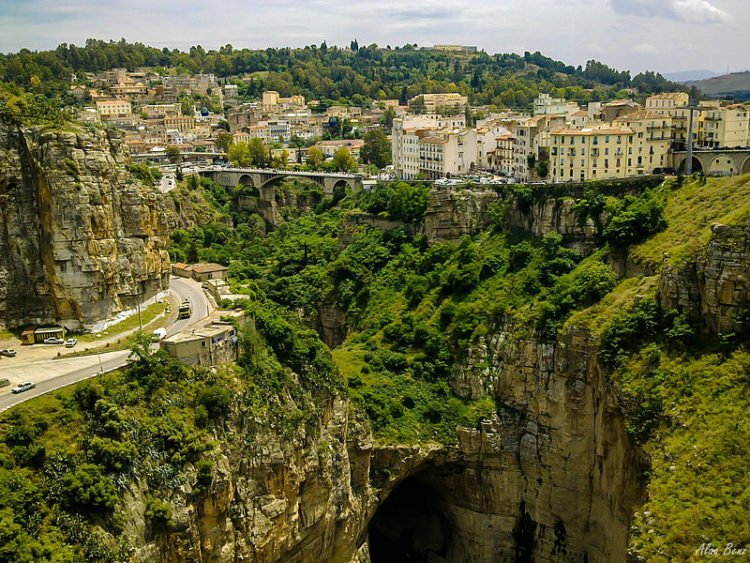
Fonte/Quelle/Source:https://www.tripzaza.com/pt/destinations/pontos-turisticos-na-argelia. Foto Alaa Benz

A cidade abriga importantes monumentos históricos e oferece paisagens urbanas únicas. Constantine está situada de forma espetacular sobre penhascos rochosos e cercada por gargantas profundas. A cidade é famosa por suas numerosas pontes que cruzam os abismos. É uma das cidades mais antigas da Argélia, com mais de 2.000 anos de história. Fenícios, romanos e árabes deixaram suas marcas ali. Constantine é um importante centro de cultura e educação islâmica. Mesquitas e edifícios históricos definem sua paisagem urbana. A natureza ao redor é impressionante e singular. Tradições, música e artesanato permanecem vivos.

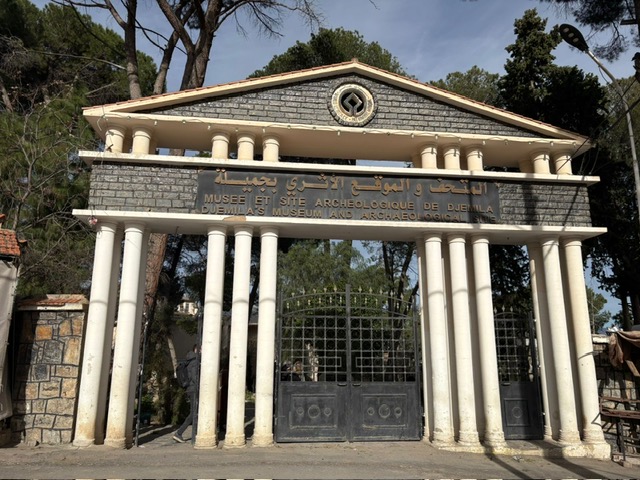
No leste do país, próximo à cidade de Sétif, encontram-se as ruínas romanas de Djamila,

Ela é conhecida principalmente por suas impressionantes ruínas romanas. A antiga cidade de Cuicul é Patrimônio Mundial da UNESCO. Templos, mosaicos e ruas bem preservados lembram sua prosperidade romana. A localização nas montanhas cria uma atmosfera especial.Djamila foi um importante centro de comércio e cultura. Descobertas arqueológicas revelam o cotidiano da Antiguidade. As ruínas estão entre as mais belas do Norte da África. Hoje, Djamila é um destino relevante para amantes da cultura.
O local une patrimônio histórico e beleza natural.

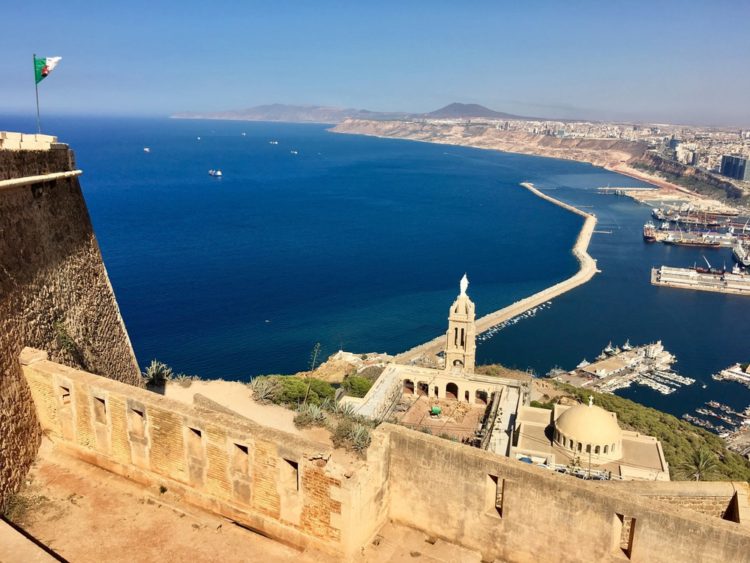
Oran, no noroeste da Argélia, é uma importante cidade portuária. Sua história foi marcada por influências espanholas e francesas. A cidade é famosa por sua cena musical, especialmente o Rai.Avenidas modernas convivem com fortalezas e bairros históricos.
Oran é um centro econômico e industrial relevante. A localização costeira lhe confere um caráter mediterrâneo. Cafés, mercados e praças moldam a vida cotidiana.
A cidade é jovem, dinâmica e diversa.Oran inspirou obras literárias e cinematográficas.
Hoje, representa modernidade e energia cultural.

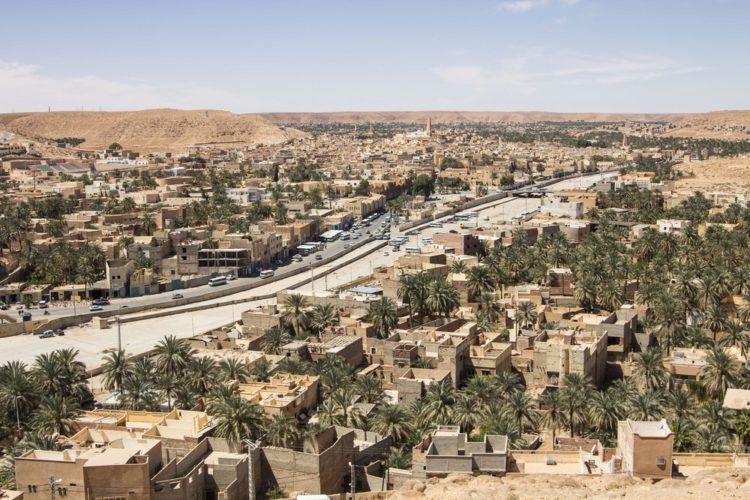
Mais ao sul, no coração do Saara, está Ghardaïa, situada no Vale do M’zab. Essa região é conhecida por sua arquitetura tradicional, cidades fortificadas e forte identidade cultural, também reconhecida pela UNESCO.
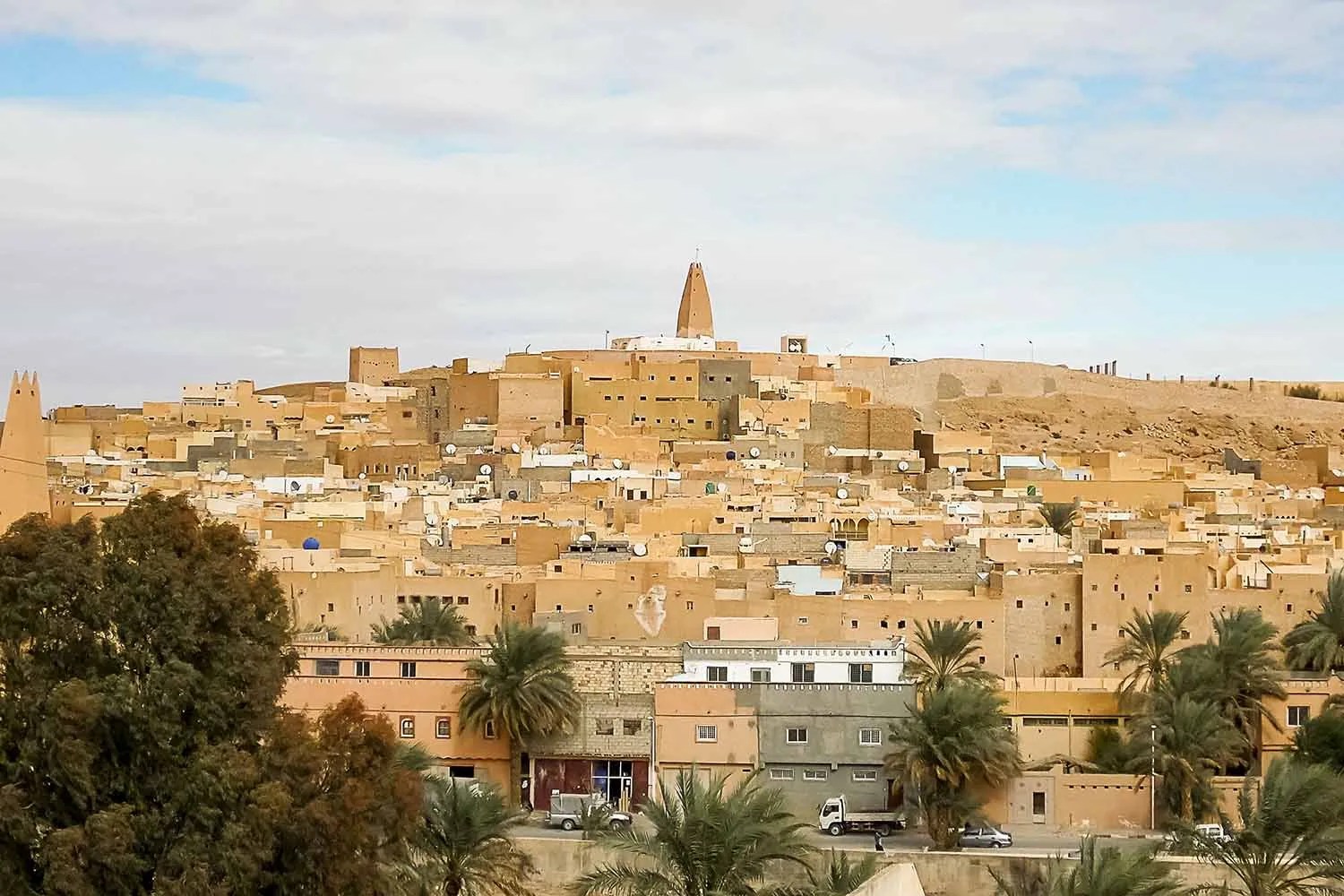
Ghardaia. Fonte/Quelle/source: https://www.mosaicnorthafrica.com/ghardaia-algeria-top-3-accommodation-options/

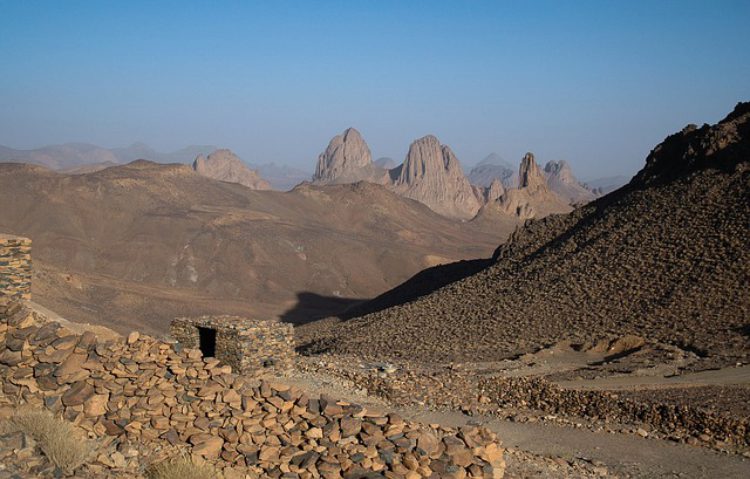
Ainda no deserto, o Deserto do Saara oferece atrações naturais impressionantes, como o planalto de Tassili n’Ajjer, no sudeste da Argélia, famoso por suas formações rochosas e arte rupestre pré-histórica.
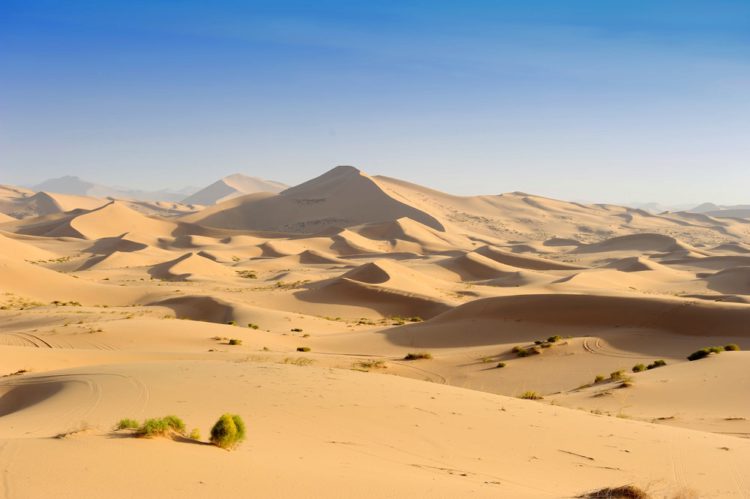
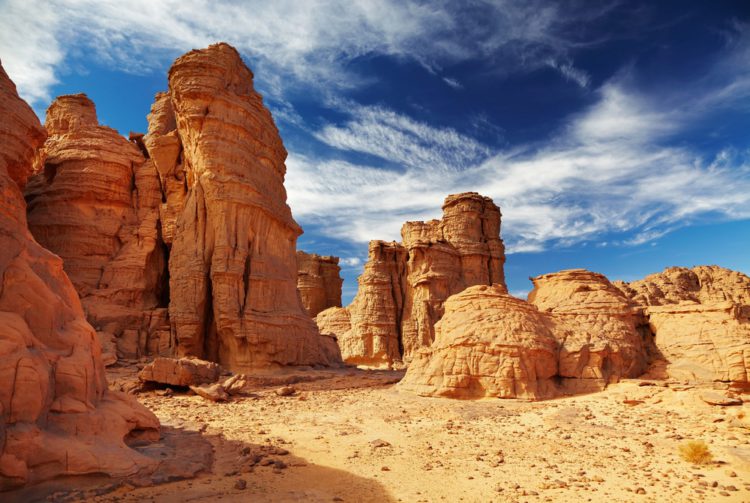
Deserto do Saahara/Saahara Desert. Fonte/Quelle/Source: https://www.tripzaza.com/pt/destinations/pontos-turisticos-na-argelia
Tassilin Adjer. Fonte/Quelle/source: https://www.tripzaza.com/pt/destinations/pontos-turisticos-na-argelia

Com essa combinação de cidades históricas, sítios arqueológicos e paisagens naturais grandiosas, a Argélia se destaca como um destino turístico rico em cultura, história e belezas naturais ainda pouco exploradas pelo turismo internacional.
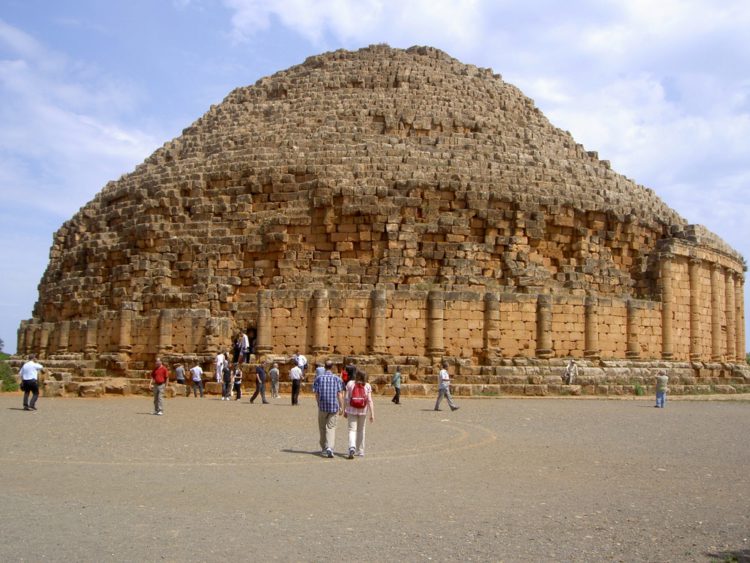
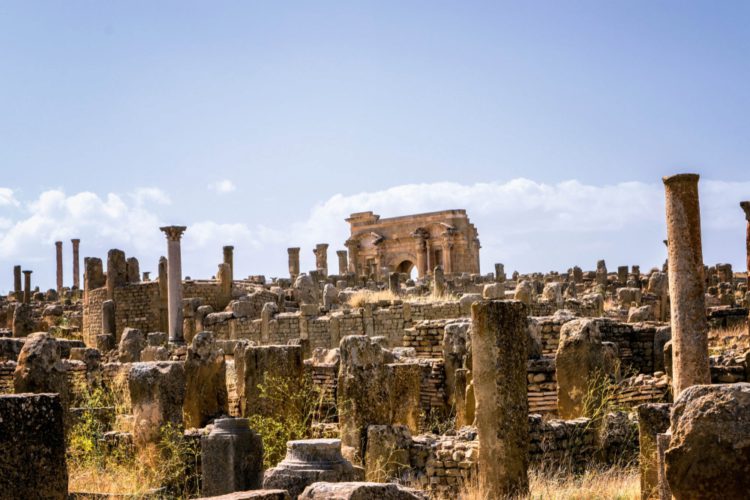
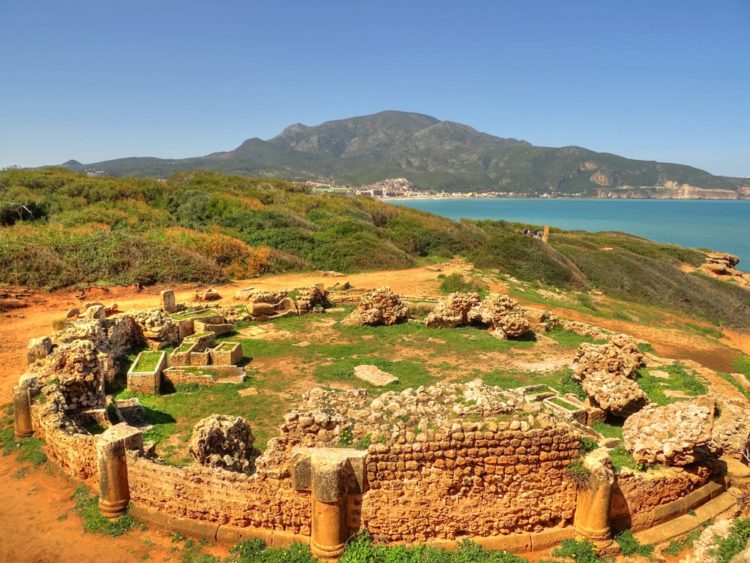
The_Royal_Mausoleum_of_Mauretania-e1520573939838 Mausoleu de Juba II e Cleópatra Selene III Fonte/Quelle/Source:https://www.tripzaza.com/pt/destinations/pontos-turisticos-na-argelia
The old town of Timgad. Fonte/Quelle/Source: https://www.tripzaza.com/pt/destinations/pontos-turisticos-na-argelia
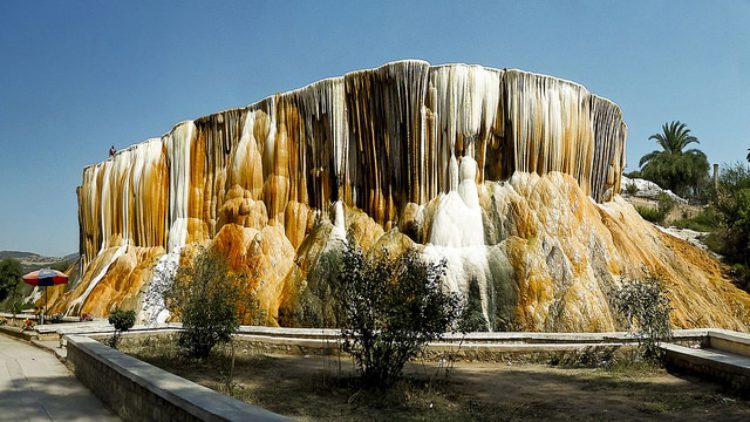
Hammam_Meskutine-Foto de Habib Kaki – Fonte/Quelle/source: https://www.tripzaza.com/pt/destinations/pontos-turisticos-na-argelia
Antiga cidade romana de Timgad próximo as montanhas do Atlas. Fonte/Quelle/Source: https://www.tripzaza.com/pt/destinations/pontos-turisticos-na-argelia
Forte de Santa Cruz/Santa Cruz Fort. Fonte/Source/Quelle:https://www.tripzaza.com/pt/destinations/pontos-turisticos-na-argelia
Fonte/Quelle/source: https://www.tripzaza.com/pt/destinations/pontos-turisticos-na-argelia
Vale do Mzab/Mzab Valley – Fonte/Quelle/Source: https://www.tripzaza.com/pt/destinations/pontos-turisticos-na-argelia

Nota: as fotos onde não estão indicadas as fontes são de autoria da médica Maria Helena Vieira de Melo, amiga viajante que visitou a Argélia e nos cedeu gentilmente fotos de sua viagem, o que agradecemos.

Algerien ist das größte Land Afrikas und besticht durch eine beeindruckende Vielfalt an Landschaften, Geschichte und Kultur, die von der Mittelmeerküste bis zur riesigen Sahara reicht.

Fonte/Quelle/Source: World Guides/Tours Maps

Die Hauptstadt Algier liegt im Norden des Landes am Mittelmeer. Eine ihrer Hauptattraktionen ist die Kasbah von Algier, ein historisches Viertel, das zum UNESCO-Weltkulturerbe gehört und mit engen Gassen, osmanischen Palästen und Panoramablicken auf das Meer besticht. Algier ist das politische, wirtschaftliche und kulturelle Zentrum des Landes. Französische Kolonialbauten prägen noch heute viele Viertel.

Fonte/Quelle/Source: https://visiteomundo.com/atividades/africa/argelia/argel/
Fonte/Quelle/Source:https://www.tripzaza.com/pt/destinations/pontos-turisticos-na-argelia. Foto: Yves Jalabert
Fonte/Quelle/Source: https://www.tripzaza.com/pt/destinations/pontos-turisticos-na-argelia

Gleichzeitig entstehen moderne Wolkenkratzer und neue Stadtentwicklungsprojekte.

Der Hafen macht die Stadt zu einem wichtigen Handels- und Verkehrsknotenpunkt.

Museen, Theater und Universitäten bereichern das kulturelle Leben.

Ebenfalls im Norden sticht Constantine hervor, berühmt für seine Hängebrücken über tiefen Schluchten.

Fonte/Quelle/Source:https://www.tripzaza.com/pt/destinations/pontos-turisticos-na-argelia. Foto Alaa Benz

Die Stadt beherbergt bedeutende historische Denkmäler und bietet einzigartige Stadtlandschaften. Constantine liegt spektakulär auf Felsklippen und ist von tiefen Schluchten umgeben. Die Stadt ist berühmt für ihre zahlreichen Brücken, die die Schluchten überspannen. Sie zählt zu den ältesten Städten Algeriens und blickt auf eine über 2000-jährige Geschichte zurück. Phönizier, Römer und Araber haben hier ihre Spuren hinterlassen. Constantine ist ein bedeutendes Zentrum islamischer Kultur und Bildung. Moscheen und historische Gebäude prägen das Stadtbild. Die umliegende Natur ist beeindruckend und einzigartig. Traditionen, Musik und Kunsthandwerk werden hier lebendig gepflegt.

Im Osten des Landes, nahe der Stadt Sétif, befinden sich die römischen Ruinen von Djamila.

Die Stadt ist vor allem für ihre imposanten römischen Ruinen bekannt. Die antike Stadt Cuicul gehört zum UNESCO-Weltkulturerbe. Gut erhaltene Tempel, Mosaike und Straßen zeugen von ihrer römischen Blütezeit. Die Lage in den Bergen schafft eine besondere Atmosphäre. Djamila war ein wichtiges Handels- und Kulturzentrum. Archäologische Funde geben Einblick in den Alltag der Antike. Die Ruinen zählen zu den schönsten in Nordafrika. Heute ist Djamila ein lohnendes Reiseziel für Kulturbegeisterte.

Der Ort vereint historisches Erbe und natürliche Schönheit.

Oran im Nordwesten Algeriens ist eine bedeutende Hafenstadt. Ihre Geschichte ist von spanischen und französischen Einflüssen geprägt. Die Stadt ist berühmt für ihre Musikszene, insbesondere für Rai. Moderne Alleen stehen neben Festungen und historischen Vierteln.

Oran ist ein wichtiges Wirtschafts- und Industriezentrum. Die Lage an der Küste verleiht ihr ein mediterranes Flair. Cafés, Märkte und Plätze prägen das tägliche Leben.

Die Stadt ist jung, dynamisch und vielfältig. Oran hat literarische und filmische Werke inspiriert.

Heute verkörpert sie Modernität und kulturelle Energie.

Weiter südlich, im Herzen der Sahara, liegt Ghardaïa im M’zab-Tal.

Ghardaia. Fonte/Quelle/source: https://www.mosaicnorthafrica.com/ghardaia-algeria-top-3-accommodation-options/

Diese Region ist bekannt für ihre traditionelle Architektur, befestigten Städte und ihre starke kulturelle Identität, die auch von der UNESCO anerkannt ist.

Mitten in der Wüste bietet die Sahara beeindruckende Naturschönheiten, wie beispielsweise das Tassili n’Ajjer-Plateau im Südosten Algeriens, das für seine Felsformationen und prähistorischen Felszeichnungen bekannt ist.

Deserto do Saahara/Saahara Desert. Fonte/Quelle/Source: https://www.tripzaza.com/pt/destinations/pontos-turisticos-na-argelia
Tassilin Adjer. Fonte/Quelle/source: https://www.tripzaza.com/pt/destinations/pontos-turisticos-na-argelia

Mit dieser Kombination aus historischen Städten, archäologischen Stätten und grandiosen Naturlandschaften sticht Algerien als Reiseziel hervor, das reich an Kultur, Geschichte und Naturschönheit ist und vom internationalen Tourismus noch relativ unerschlossen ist.

The_Royal_Mausoleum_of_Mauretania-e1520573939838 Mausoleu de Juba II e Cleópatra Selene III Fonte/Quelle/Source:https://www.tripzaza.com/pt/destinations/pontos-turisticos-na-argelia
The old town of Timgad. Fonte/Quelle/Source: https://www.tripzaza.com/pt/destinations/pontos-turisticos-na-argelia
Hammam_Meskutine-Foto de Habib Kaki – Fonte/Quelle/source: https://www.tripzaza.com/pt/destinations/pontos-turisticos-na-argelia
Antiga cidade romana de Timgad próximo as montanhas do Atlas. Fonte/Quelle/Source: https://www.tripzaza.com/pt/destinations/pontos-turisticos-na-argelia
Forte de Santa Cruz/Santa Cruz Fort. Fonte/Source/Quelle:https://www.tripzaza.com/pt/destinations/pontos-turisticos-na-argelia
Fonte/Quelle/source: https://www.tripzaza.com/pt/destinations/pontos-turisticos-na-argelia
Vale do Mzab/Mzab Valley – Fonte/Quelle/Source: https://www.tripzaza.com/pt/destinations/pontos-turisticos-na-argelia

Hinweis: Fotos ohne Quellenangabe stammen von Dr. Maria Helena Vieira de Melo, einer Reisefreundin, die Algerien besuchte und uns freundlicherweise Fotos von ihrer Reise zur Verfügung stellte, wofür wir uns herzlich bedanken.

Algeria is the largest country in Africa and boasts an impressive diversity of landscapes, history, and culture, ranging from the Mediterranean coast to the vast Sahara Desert.

Fonte/Quelle/Source: World Guides/Tours Maps

The capital, Algiers, is located in the north of the country, on the shores of the Mediterranean Sea. One of its main tourist attractions is the Kasbah of Algiers, an old historic quarter recognized as a UNESCO World Heritage Site, with narrow streets, Ottoman palaces, and panoramic sea views. Algiers is the political, economic, and cultural center of the country. French colonial buildings still mark many neighborhoods.

Fonte/Quelle/Source: https://visiteomundo.com/atividades/africa/argelia/argel/
Fonte/Quelle/Source: https://www.tripzaza.com/pt/destinations/pontos-turisticos-na-argelia

At the same time, modern skyscrapers and new urban projects are emerging.
Its port makes it an important hub for trade and transportation.
Museums, theaters, and universities enrich cultural life.

Also standing out in the northern region is Constantine, famous for its suspension bridges built over deep gorges.

Fonte/Quelle/Source:https://www.tripzaza.com/pt/destinations/pontos-turisticos-na-argelia. Foto Alaa Benz

The city is home to important historical monuments and offers unique urban landscapes. Constantine is spectacularly situated on rocky cliffs and surrounded by deep gorges. The city is famous for its numerous bridges that span the ravines. It is one of the oldest cities in Algeria, with over 2,000 years of history. Phoenicians, Romans, and Arabs have left their mark there. Constantine is an important center of Islamic culture and education. Mosques and historical buildings define its urban landscape. The surrounding nature is impressive and unique. Traditions, music, and crafts remain alive.

In the east of the country, near the city of Sétif, are the Roman ruins of Djamila.

It is known primarily for its impressive Roman ruins. The ancient city of Cuicul is a UNESCO World Heritage Site. Well-preserved temples, mosaics, and streets recall its Roman prosperity. The mountain location creates a special atmosphere. Djamila was an important center of trade and culture. Archaeological discoveries reveal the daily life of Antiquity. The ruins are among the most beautiful in North Africa. Today, Djamila is a relevant destination for culture lovers.

The place combines historical heritage and natural beauty.

Oran, in northwestern Algeria, is an important port city. Its history has been marked by Spanish and French influences. The city is famous for its music scene, especially Rai. Modern avenues coexist with fortresses and historic neighborhoods.

Oran is a relevant economic and industrial center. Its coastal location gives it a Mediterranean character. Cafes, markets, and squares shape daily life.

The city is young, dynamic, and diverse. Oran has inspired literary and cinematic works.

Today, it represents modernity and cultural energy.

Further south, in the heart of the Sahara, is Ghardaïa, located in the M’zab Valley.

Ghardaia. Fonte/Quelle/source: https://www.mosaicnorthafrica.com/ghardaia-algeria-top-3-accommodation-options/

This region is known for its traditional architecture, fortified cities, and strong cultural identity, also recognized by UNESCO.

Still in the desert, the Sahara Desert offers impressive natural attractions, such as the Tassili n’Ajjer plateau in southeastern Algeria, famous for its rock formations and prehistoric rock art.

Deserto do Saahara/Saahara Desert. Fonte/Quelle/Source: https://www.tripzaza.com/pt/destinations/pontos-turisticos-na-argelia
Tassilin Adjer. Fonte/Quelle/source: https://www.tripzaza.com/pt/destinations/pontos-turisticos-na-argelia

With this combination of historic cities, archaeological sites, and magnificent natural landscapes, Algeria stands out as a tourist destination rich in culture, history, and natural beauty that is still relatively unexplored by international tourism.

The_Royal_Mausoleum_of_Mauretania-e1520573939838 Mausoleu de Juba II e Cleópatra Selene III Fonte/Quelle/Source:https://www.tripzaza.com/pt/destinations/pontos-turisticos-na-argelia
The old town of Timgad. Fonte/Quelle/Source: https://www.tripzaza.com/pt/destinations/pontos-turisticos-na-argelia
The_Royal_Mausoleum_of_Mauretania-e1520573939838 Mausoleu de Juba II e Cleópatra Selene III Fonte/Quelle/Source:https://www.tripzaza.com/pt/destinations/pontos-turisticos-na-argelia
Antiga cidade romana de Timgad próximo as montanhas do Atlas. Fonte/Quelle/Source: https://www.tripzaza.com/pt/destinations/pontos-turisticos-na-argelia
Forte de Santa Cruz/Santa Cruz Fort. Fonte/Source/Quelle:https://www.tripzaza.com/pt/destinations/pontos-turisticos-na-argelia
Fonte/Quelle/source: https://www.tripzaza.com/pt/destinations/pontos-turisticos-na-argelia
Vale do Mzab/Mzab Valley – Fonte/Quelle/Source: https://www.tripzaza.com/pt/destinations/pontos-turisticos-na-argelia

Note: photos where sources are not indicated are by Dr. Maria Helena Vieira de Melo, a traveling friend who visited Algeria and kindly provided us with photos from her trip, which we appreciate.
Enviar feedback
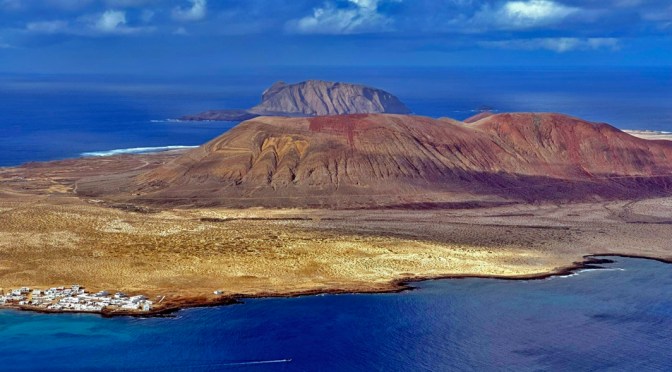
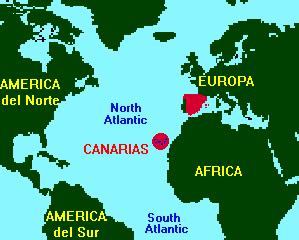
Ilhas Canárias/Kanarischen Inseln/Canary Islands

As Ilhas Canárias estão localizadas no Oceano Atlântico, ao largo da costa noroeste da África.

Source/Quelle/fonte: https://www.ctspanish.com/communities/canary/location.htm

Elas pertencem politicamente à Espanha, mas estão geograficamente mais próximas da África do que da Europa.
O arquipélago é composto por sete ilhas principais e várias ilhas menores.
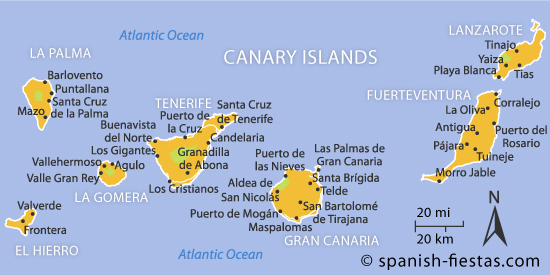
Entre as ilhas mais conhecidas estão Tenerife, Gran Canaria e Lanzarote. Durante o nosso cruzeiro também visitamos Santa Cruz de La Palma e Fuerteventura.

Source/Quelle/Fonte: https://www.spanish-fiestas.com/regions/canary-islands/

Cada ilha possui seu próprio caráter e paisagens únicas.
O clima das Ilhas Canárias é ameno e agradável durante todo o ano.
Por esse motivo, elas são frequentemente chamadas de ilhas da eterna primavera.
A origem vulcânica molda as paisagens de todo o arquipélago.
A montanha mais alta da Espanha, o Monte Teide, está localizada em Tenerife.
Sua silhueta impressionante pode ser vista à distância.
As praias das Ilhas Canárias são muito diversas e únicas.
Existem praias de lava negra, praias de areia dourada e até praias de areia branca.
A areia de algumas praias vem do Deserto do Saara.
O mar ao redor das ilhas é claro e rico em vida marinha.
Baleias e golfinhos podem ser observados regularmente.
A culinária canária é uma mistura de influências espanholas e africanas.
Pratos típicos incluem papas arrugadas com molho mojo.
O peixe fresco desempenha um papel importante na alimentação local.
O cultivo de bananas também é muito significativo nas ilhas.
O turismo é um dos setores econômicos mais importantes da região.
Milhões de pessoas visitam as Ilhas Canárias todos os anos.
Muitos viajantes apreciam a tranquilidade e a natureza.
Outros vêm pelas atividades esportivas, como surfe ou trilhas.
As ilhas oferecem numerosas trilhas por áreas vulcânicas.
Parques nacionais protegem a flora e a fauna únicas.
A vegetação é adaptada ao clima seco.
Muitas espécies animais existem apenas nas Ilhas Canárias.
A história das ilhas remonta aos habitantes originais, os guanches.
Sua cultura ainda influencia as ilhas atualmente.
Tradições e festas desempenham um papel importante no dia a dia.
O carnaval é uma das festas mais famosas das ilhas.
O Carnaval de Santa Cruz de Tenerife é especialmente famoso no mundo todo.
A música e a dança fazem parte essencial da cultura canária.
As pessoas são consideradas abertas, simpáticas e relaxadas.
O ritmo de vida tranquilo é valorizado por muitos visitantes.
A arquitetura varia de cidades modernas a pequenas aldeias.
Casas brancas com varandas de madeira são típicas em muitos lugares.
As Ilhas Canárias combinam natureza, cultura e descanso.
Elas são um destino popular para jovens e idosos.
Nômades digitais estão cada vez mais atraídos pelas ilhas.
A boa infraestrutura facilita a vida no local.
Aeroportos conectam as ilhas à Europa e ao mundo.
Balsas permitem viagens entre as ilhas individuais.
Apesar do turismo, muitos locais preservam sua autenticidade.
As Ilhas Canárias oferecem diversidade em um espaço reduzido.
Elas encantam com seus contrastes e cores.
Cada viagem às Ilhas Canárias é única.
As ilhas deixam impressões duradouras em muitos visitantes.

Para conhecer mais sobre as Ilhas Canárias, clique aqui.

Die Kanarischen Inseln liegen im Atlantischen Ozean vor der Nordwestküste Afrikas.

Source/Quelle/fonte: https://www.ctspanish.com/communities/canary/location.htm

Sie gehören politisch zu Spanien, sind geografisch jedoch Afrika näher als Europa.
Die Inselgruppe besteht aus sieben Hauptinseln und mehreren kleineren Inseln.
Zu den bekanntesten Inseln zählen Teneriffa, Gran Canaria und Lanzarote. Wir besuchten auf unserer Kreuzfahrt zudem Santa Cruz De La Palma und Fuerteventura.

Source/Quelle/Fonte: https://www.spanish-fiestas.com/regions/canary-islands/

Jede Insel besitzt ihren eigenen Charakter und landschaftliche Besonderheiten.
Das Klima der Kanarischen Inseln ist ganzjährig mild und angenehm.
Aus diesem Grund werden sie oft als die Inseln des ewigen Frühlings bezeichnet.
Vulkanische Ursprünge prägen die Landschaften der gesamten Inselgruppe.
Der höchste Berg Spaniens, der Teide, befindet sich auf Teneriffa.
Seine imposante Silhouette ist schon von weitem sichtbar.
Die Strände der Kanaren sind sehr vielfältig und einzigartig.
Es gibt schwarze Lavastrände, goldene Sandstrände und sogar weiße Strände.
Der Sand einiger Strände stammt aus der Sahara.
Das Meer rund um die Inseln ist klar und reich an Meereslebewesen.
Wale und Delfine können dort regelmäßig beobachtet werden.
Die kanarische Küche ist eine Mischung aus spanischen und afrikanischen Einflüssen.
Typische Gerichte sind Papas arrugadas mit Mojo-Soße.
Frischer Fisch spielt eine wichtige Rolle in der lokalen Ernährung.
Auch der Anbau von Bananen ist auf den Inseln sehr bedeutend.
Der Tourismus ist einer der wichtigsten Wirtschaftszweige der Region.
Jährlich besuchen Millionen Menschen die Kanarischen Inseln.
Viele Reisende schätzen die Ruhe und die Natur.
Andere kommen wegen der Sportmöglichkeiten wie Surfen oder Wandern.
Die Inseln bieten zahlreiche Wanderwege durch Vulkangebiete.
Nationalparks schützen die einzigartige Flora und Fauna.
Die Pflanzenwelt ist an das trockene Klima angepasst.
Viele Tierarten kommen nur auf den Kanarischen Inseln vor.
Die Geschichte der Inseln reicht bis zu den Ureinwohnern, den Guanchen, zurück.
Ihre Kultur beeinflusst die Inseln bis heute.
Traditionen und Feste spielen eine große Rolle im Alltag.
Der Karneval ist eines der bekanntesten Feste der Kanaren.
Besonders der Karneval in Santa Cruz de Tenerife ist weltberühmt.
Musik und Tanz sind fester Bestandteil der kanarischen Kultur.
Die Menschen gelten als offen, freundlich und entspannt.
Das langsame Lebenstempo wird von vielen Besuchern geschätzt.
Die Architektur variiert von modernen Städten bis zu kleinen Dörfern.
Weiße Häuser mit Holzbalkonen sind typisch für viele Orte.
Die Kanarischen Inseln verbinden Natur, Kultur und Erholung.
Sie sind ein beliebtes Reiseziel für Jung und Alt.
Auch digitale Nomaden zieht es zunehmend auf die Inseln.
Die gute Infrastruktur erleichtert das Leben vor Ort.
Flughäfen verbinden die Inseln mit Europa und der Welt.
Fähren ermöglichen Reisen zwischen den einzelnen Inseln.
Trotz des Tourismus bewahren viele Orte ihre Ursprünglichkeit.
Die Kanarischen Inseln bieten Vielfalt auf kleinem Raum.
Sie faszinieren durch ihre Gegensätze und Farben.
Jede Reise auf die Kanaren ist einzigartig.
Die Inseln hinterlassen bei vielen Besuchern bleibende Eindrücke.

Um mehr über die Kanarischen Inseln zu erfahren, klicken Sie hier.

The Canary Islands are located in the Atlantic Ocean off the northwest coast of Africa.

Source/Quelle/fonte: https://www.ctspanish.com/communities/canary/location.htm

They politically belong to Spain but are geographically closer to Africa than to Europe.
The archipelago consists of seven main islands and several smaller ones.
Among the best-known islands are Tenerife, Gran Canaria, and Lanzarote. During our cruise we also visited Santa Cruz de La Palma and Fuerteventura.

Source/Quelle/Fonte: https://www.spanish-fiestas.com/regions/canary-islands/

Each island has its own character and unique landscapes.
The climate of the Canary Islands is mild and pleasant all year round.
For this reason, they are often called the islands of eternal spring.
Volcanic origins shape the landscapes of the entire archipelago.
Spain’s highest mountain, Mount Teide, is located on Tenerife.
Its impressive silhouette can be seen from far away.
The beaches of the Canary Islands are very diverse and unique.
There are black lava beaches, golden sandy beaches, and even white beaches.
The sand on some beaches comes from the Sahara Desert.
The sea around the islands is clear and rich in marine life.
Whales and dolphins can be observed there regularly.
Canarian cuisine is a mix of Spanish and African influences.
Typical dishes include papas arrugadas with mojo sauce.
Fresh fish plays an important role in the local diet.
Banana cultivation is also very significant on the islands.
Tourism is one of the most important economic sectors of the region.
Millions of people visit the Canary Islands every year.
Many travelers appreciate the peace and nature.
Others come for sports activities such as surfing or hiking.
The islands offer numerous hiking trails through volcanic areas.
National parks protect the unique flora and fauna.
The plant life is adapted to the dry climate.
Many animal species exist only on the Canary Islands.
The history of the islands dates back to the indigenous Guanches.
Their culture still influences the islands today.
Traditions and festivals play a major role in daily life.
Carnival is one of the most famous celebrations on the islands.
The Carnival of Santa Cruz de Tenerife is especially world-famous.
Music and dance are an integral part of Canarian culture.
The people are considered open, friendly, and relaxed.
The slow pace of life is appreciated by many visitors.
Architecture ranges from modern cities to small villages.
White houses with wooden balconies are typical in many places.
The Canary Islands combine nature, culture, and relaxation.
They are a popular destination for young and old alike.
Digital nomads are increasingly drawn to the islands.
Good infrastructure makes life there easier.
Airports connect the islands with Europe and the world.
Ferries allow travel between the individual islands.
Despite tourism, many places preserve their authenticity.
The Canary Islands offer diversity in a small area.
They fascinate visitors with their contrasts and colors.
Every trip to the Canary Islands is unique.
The islands leave lasting impressions on many visitors.

To learn more about the Canary Islands, click here.