
Todos os posts de Erich e Marcia

Erich é alemão, editor e fotógrafo, e eu sou arquiteta. Desenvolvemos uma parceria de trabalho e, em consequência, já publicamos três livros impressos e cinco digitais. Dois dos impressos versam sobre o estado do Rio Grande do Norte (66 Razões para descobrir o Rio Grande do Norte e deliciar-se com ele e Guia das Belezas do Rio Grande do Norte com exemplos de conservação ambiental), e o terceiro sobre o Brasil (66 x Brasil). Os livros digitais são: 66 x Brazil (somente em inglês), Natal e as belas praias do Rio Grande do Norte, Deserto do Atacama –Neve e Céu Azul, 66 Belezas do Brasil, 66 Sehenswürdigkeiten in Brasilien e Aventuras e Impressões de Viagens.Os três primeiros estão disponíveis na Ibooks da Apple e os outros na Amazon.com.São livros informativos e de fotografias, alguns dos quais contêm textos explicativos, em várias línguas, sobre os locais retratados. Viajamos muito para fotografar e conhecer os lugares que enfocamos em nossos livros.

As cidades históricas de Minas Gerais/Die historischen Städte von Minas Gerais/The historic cities of Minas Gerais

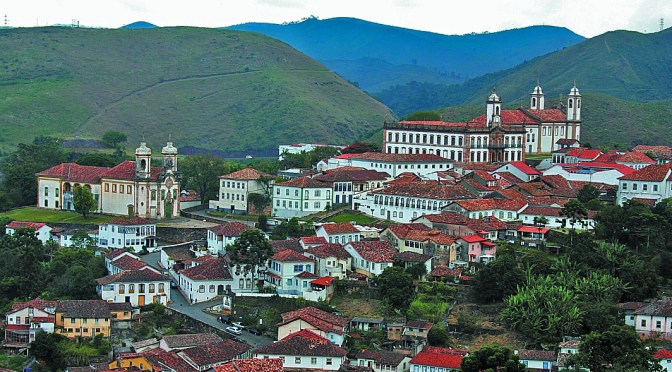
As cidades históricas de Minas Gerais estão entre os maiores tesouros culturais do Brasil e atraem todos os anos inúmeros visitantes que seguem os passos da era do ouro e dos diamantes. Ouro Preto, Tiradentes, Diamantina e Congonhas preservam de maneira impressionante a memória do período colonial. Suas igrejas majestosas, praças e casarões testemunham a riqueza, a fé e a criatividade artística da época.

Ouro Preto foi a cidade do ouro mais importante do século XVIII e chegou a ser capital da província. Suas ruas estreitas e íngremes, calçadas de pedras, são ladeadas por igrejas barrocas, entre elas a famosa Igreja de São Francisco de Assis, obra do genial escultor Aleijadinho. O conjunto arquitetônico da cidade é considerado um patrimônio único e faz parte da lista da UNESCO. Hoje, muitos casarões abrigam museus, lojas de artesanato e aconchegantes pousadas.

Tiradentes, por sua vez, é menor e mais tranquila, mas igualmente encantadora. Nomeada em homenagem ao herói nacional Joaquim José da Silva Xavier, conhecido como Tiradentes, a cidade mantém um inconfundível charme colonial. A Matriz de Santo Antônio, decorada com talhas douradas, é considerada uma das mais belas igrejas do Brasil. Suas ruas de pedras transmitem a atmosfera de séculos passados, enquanto restaurantes e ateliês conferem à cidade um toque contemporâneo e acolhedor.

Diamantina, como o nome indica, prosperou com o ciclo dos diamantes. Também reconhecida pela UNESCO, encanta com suas casas brancas de janelas azuis, perfeitamente integradas à paisagem montanhosa. Foi em Diamantina que viveu Chica da Silva, figura marcante cuja história reflete tanto a opulência quanto as desigualdades da época. As serestas que ainda ecoam pelas ruas dão à cidade um caráter romântico e musical.

Congonhas, por fim, é célebre pelo Santuário do Bom Jesus de Matosinhos, igualmente tombado pela UNESCO. Ali, Aleijadinho criou as famosas esculturas dos doze profetas em pedra-sabão, consideradas um auge da arte barroca brasileira. Além das estátuas, as capelas que retratam as cenas da Paixão de Cristo completam o impacto do conjunto. Juntas, Ouro Preto, Tiradentes, Diamantina e Congonhas formam um verdadeiro museu vivo do período colonial brasileiro. Visitar essas cidades é viajar no tempo, descobrindo uma era marcada por contrastes: riqueza e exploração, arte e opressão, fé e poder. Hoje, são locais de memória cultural onde o passado e o presente se encontram de forma grandiosa.

Die historischen Städte Minas Gerais’ gehören zu den bedeutendsten Kulturschätzen Brasiliens und ziehen jedes Jahr unzählige Besucher an, die auf den Spuren der Gold- und Diamantenära wandeln. Besonders Ouro Preto, Tiradentes, Diamantina und Congonhas bewahren eindrucksvoll die Erinnerung an die Kolonialzeit, ihre prächtigen Kirchen, Plätze und Bürgerhäuser zeugen von Reichtum, Glauben und künstlerischem Schaffen.

Ouro Preto war einst die wichtigste Goldstadt des 18. Jahrhunderts und zeitweise sogar Hauptstadt der Provinz. Die engen, steilen Kopfsteinpflasterstraßen sind von barocken Kirchen gesäumt, darunter die weltberühmte Igreja de São Francisco de Assis, die vom genialen Bildhauer Aleijadinho gestaltet wurde. Das Stadtbild ist ein einzigartiges Gesamtkunstwerk und UNESCO-Weltkulturerbe. In den alten Häusern befinden sich heute Museen, Kunsthandwerksläden und gemütliche Pensionen.

Tiradentes hingegen ist kleiner und beschaulicher, doch nicht weniger charmant. Benannt nach dem Nationalhelden Joaquim José da Silva Xavier, besser bekannt als Tiradentes, bewahrt die Stadt ein unvergleichliches koloniales Flair. Die Hauptkirche Matriz de Santo Antônio ist mit reich vergoldeten Schnitzereien verziert und gilt als eine der schönsten Kirchen Brasiliens. In den kopfsteingepflasterten Straßen spürt man die Ruhe und Gelassenheit vergangener Jahrhunderte, und die vielen kleinen Restaurants und Ateliers machen den Ort zu einem beliebten Ziel für Kunstliebhaber und Gourmets.

Diamantina, wie der Name schon sagt, wurde durch den Diamantenboom groß. Die Stadt ist ebenfalls UNESCO-Weltkulturerbe und bezaubert durch ihre weißen Häuser mit blauen Fenstern, die sich harmonisch in die hügelige Landschaft einfügen. Hier lebte die berühmte Sängerin Chica da Silva, deren Geschichte eng mit dem Reichtum und den sozialen Gegensätzen der damaligen Zeit verbunden ist. Die lebendigen Serenaden, die noch heute in den Straßen von Diamantina gespielt werden, geben der Stadt einen romantischen und musikalischen Charakter.

Congonhas schließlich ist vor allem für das Heiligtum Bom Jesus de Matosinhos bekannt, das ebenfalls auf der UNESCO-Liste steht. Dort schuf Aleijadinho seine berühmten zwölf Prophetenstatuen aus Speckstein, die als Höhepunkt der barocken Bildhauerkunst in Brasilien gelten. Die Anlage beeindruckt nicht nur durch die Skulpturen, sondern auch durch die Kapellen mit Szenen des Leidenswegs Christi. Zusammen bilden Ouro Preto, Tiradentes, Diamantina und Congonhas eine Art lebendiges Museum der brasilianischen Kolonialzeit. Wer diese Städte besucht, reist zurück in eine Zeit voller Gegensätze: Reichtum und Ausbeutung, Kunst und Unterdrückung, Glauben und Macht. Heute sind sie Orte des kulturellen Gedächtnisses, in denen sich Vergangenheit und Gegenwart auf eindrucksvolle Weise begegnen.

The historic cities of Minas Gerais are among Brazil’s greatest cultural treasures and attract countless visitors each year who retrace the steps of the gold and diamond era. Ouro Preto, Tiradentes, Diamantina and Congonhas preserve the memory of the colonial period in an impressive way. Their majestic churches, squares and mansions testify to the wealth, faith and artistic creativity of the time.

Ouro Preto was once the most important gold city of the 18th century and even served as the provincial capital. Its narrow, steep cobblestone streets are lined with baroque churches, including the world-famous Church of Saint Francis of Assisi, designed by the genius sculptor Aleijadinho. The city as a whole is a unique architectural ensemble and a UNESCO World Heritage Site. Today, many old houses host museums, craft shops and charming guesthouses.

Tiradentes, in contrast, is smaller and quieter, but equally enchanting. Named after the national hero Joaquim José da Silva Xavier, known as Tiradentes, the town retains an unmistakable colonial charm. The Main Church of Santo Antônio, richly decorated with golden carvings, is considered one of the most beautiful in Brazil. Its cobbled streets convey the calm atmosphere of centuries past, while restaurants and art studios add a welcoming contemporary flair.

Diamantina, as its name suggests, flourished during the diamond boom. Also recognized by UNESCO, it fascinates with its white houses with blue windows, harmoniously set against the hilly landscape. It was here that the famous singer Chica da Silva lived, whose story reflects both the wealth and the inequalities of the time. The serenades still performed in its streets give Diamantina a romantic and musical character.

Congonhas, finally, is renowned for the Sanctuary of Bom Jesus de Matosinhos, also listed by UNESCO. Here, Aleijadinho created his famous soapstone sculptures of the twelve prophets, considered the pinnacle of Brazilian baroque sculpture. In addition to the statues, the chapels depicting the Passion of Christ complete the ensemble’s striking impact. Together, Ouro Preto, Tiradentes, Diamantina and Congonhas form a living museum of Brazil’s colonial period. Visiting these cities means traveling back in time to an era of contrasts: wealth and exploitation, art and oppression, faith and power. Today, they are places of cultural memory where past and present meet in a powerful way.

“Castelo do Drácula, Castelo de Peles e viagem de um dia a Brasov saindo de Bucareste”/”Tagesausflug von Bukarest zu Draculas Schloss, Schloss Peles und Brasov”/”Dracula’s Castle, Peles Castle and Brasov Day Trip from Bucharest”

Um passeio de um dia saindo de Bucareste para o Castelo de Bran, conhecido como “Castelo do Drácula”, para o Castelo de Peleș e para a cidade de Brașov é uma das excursões mais populares da Romênia.

Fonte/Quelle/Source: Google Maps

Logo cedo, a viagem começa pela capital através das paisagens pitorescas dos Cárpatos.
A primeira parada costuma ser o magnífico Castelo de Peleș, em Sinaia, construído no século XIX para a família real.
Sua arquitetura de conto de fadas e os interiores ricamente decorados impressionam visitantes do mundo inteiro.
Em seguida, continua-se até o lendário Castelo de Bran, tornado mundialmente famoso pela lenda de Drácula.
Embora não haja ligação direta com o histórico Vlad Țepeș, a atmosfera mística desperta a imaginação.
As torres escuras e as escadas estreitas criam um clima enigmático.
Depois, a viagem segue até Brașov, uma das mais belas cidades medievais da Romênia.
O centro histórico, com a Igreja Negra, a Praça da Prefeitura e as ruas estreitas, convida à exploração.
Impressiona especialmente a mistura de arquitetura gótica, barroca e renascentista.
Muitos visitantes aproveitam também para saborear a culinária local em restaurantes acolhedores.
O passeio combina natureza, história e cultura de maneira ideal.
Aprende-se muito sobre o passado romeno, os reis, as lendas e a importância da Transilvânia.
A viagem pelos Cárpatos oferece vistas deslumbrantes de montanhas e florestas.
Os guias compartilham informações interessantes e contam anedotas sobre mitos e fatos históricos.
Para muitos, a visita ao Castelo de Bran é o ponto alto de sua viagem à Romênia.
O Castelo de Peleș transmite o esplendor da monarquia e a forte ligação com a Europa Central.
Brașov mostra o rico patrimônio cultural da Transilvânia e sua importância comercial no passado.
Assim, o passeio é diversificado e cheio de impressões.
Do início ao fim do dia, vivenciam-se três atrações fascinantes.
As distâncias são facilmente percorridas de ônibus ou minivan.
Pelo caminho, veem-se vilas pequenas, mosteiros e natureza intocada.
A organização geralmente garante tempo suficiente em cada lugar.
No verão, a excursão atrai muitos visitantes internacionais.
No inverno, a paisagem coberta de neve parece saída de um conto de fadas.
As fotos dos castelos e de Brașov tornam-se lembranças inesquecíveis.
Quem visita a Romênia não deve perder esta experiência.
Ela une lendas, esplendor e história em um passeio memorável.
À noite, retorna-se a Bucareste com muitas lembranças e emoções.

“Tagesausflug von Bukarest zu Draculas Schloss, Schloss Peles und Brasov”

Ein Tagesausflug von Bukarest zum Schloss Bran, auch bekannt als „Dracula’s Castle“, zum Schloss Peleș und in die Stadt Brașov gehört zu den beliebtesten Touren in Rumänien.

Fonte/Quelle/Source: Google Maps

Am frühen Morgen beginnt die Fahrt von der Hauptstadt durch die malerische Karpatenlandschaft.
Der erste Halt ist meist das prächtige Schloss Peleș in Sinaia, das im 19. Jahrhundert für die königliche Familie erbaut wurde.
Seine märchenhafte Architektur und die reich verzierten Innenräume beeindrucken Besucher aus aller Welt.
Anschließend geht es weiter zum legendären Schloss Bran, das durch die Dracula-Legende weltbekannt wurde.
Obwohl es keine direkte Verbindung zum historischen Vlad Țepeș gibt, weckt die mystische Atmosphäre viele Fantasien.
Die dunklen Türme und engen Treppen erzeugen eine geheimnisvolle Stimmung.
Danach führt die Reise nach Brașov, eine der schönsten mittelalterlichen Städte Rumäniens.
Die Altstadt mit der Schwarzen Kirche, dem Rathausplatz und den engen Gassen lädt zum Erkunden ein.
Besonders beeindruckend ist die Mischung aus gotischer, barocker und Renaissance-Architektur.
Viele Besucher genießen hier auch die lokale Küche in gemütlichen Restaurants.
Der Ausflug verbindet Natur, Geschichte und Kultur in idealer Weise.
Man erfährt viel über die rumänische Vergangenheit, die Könige, Legenden und die Bedeutung Siebenbürgens.
Die Fahrt durch die Karpaten bietet atemberaubende Ausblicke auf Berge und Wälder.
Tourguides geben spannende Informationen und erzählen Anekdoten über Mythen und historische Ereignisse.
Für viele ist der Besuch von Schloss Bran ein Höhepunkt ihrer Rumänienreise.
Schloss Peleș hingegen vermittelt den Glanz der Monarchie und die enge Verbindung zu Mitteleuropa.
Brașov zeigt das reiche kulturelle Erbe Siebenbürgens und die einstige Bedeutung als Handelsstadt.
Der Tagesausflug ist daher abwechslungsreich und voller Eindrücke.
Von früh bis spät erlebt man drei faszinierende Highlights an nur einem Tag.
Die Distanzen sind gut mit dem Bus oder Minivan zu bewältigen.
Unterwegs sieht man kleine Dörfer, Klöster und unberührte Natur.
Die Organisation ist meist so geplant, dass genügend Zeit an jedem Ort bleibt.
Besonders im Sommer zieht die Tour viele internationale Gäste an.
Im Winter wirkt die verschneite Landschaft fast wie aus einem Märchen.
Fotos von den Schlössern und Brașov gehören zu den schönsten Erinnerungen.
Wer Rumänien kennenlernt, sollte diesen Ausflug nicht verpassen.
Er verbindet Legenden, Pracht und Geschichte zu einem unvergesslichen Erlebnis.
Am Abend kehrt man erfüllt und mit vielen Eindrücken zurück nach Bukarest.

“Dracula’s Castle, Peles Castle and Brasov Day Trip from Bucharest”

A day trip from Bucharest to Bran Castle, also known as “Dracula’s Castle”, to Peleș Castle and to the city of Brașov is among the most popular tours in Romania.

Fonte/Quelle/Source: Google Maps

Early in the morning, the journey begins from the capital through the picturesque Carpathian landscapes.
The first stop is usually the magnificent Peleș Castle in Sinaia, built in the 19th century for the royal family.
Its fairy-tale architecture and richly decorated interiors impress visitors from around the world.
Next, the trip continues to the legendary Bran Castle, made world-famous by the Dracula legend.
Although there is no direct connection to the historical Vlad Țepeș, the mystical atmosphere sparks imagination.
The dark towers and narrow staircases create an enigmatic mood.
Afterwards, the journey leads to Brașov, one of the most beautiful medieval towns in Romania.
The old town, with the Black Church, the Council Square, and narrow streets, invites exploration.
Especially impressive is the blend of Gothic, Baroque, and Renaissance architecture.
Many visitors also enjoy the local cuisine in cozy restaurants.
The excursion combines nature, history, and culture in an ideal way.
Travelers learn much about Romania’s past, its kings, legends, and the importance of Transylvania.
The drive through the Carpathians offers breathtaking views of mountains and forests.
Tour guides share fascinating information and tell anecdotes about myths and historical events.
For many, visiting Bran Castle is the highlight of their trip to Romania.
Peleș Castle, on the other hand, conveys the splendor of monarchy and its ties to Central Europe.
Brașov showcases Transylvania’s rich cultural heritage and its former importance as a trade hub.
The day trip is therefore varied and full of impressions.
From morning to evening, travelers experience three fascinating highlights.
The distances are easily covered by bus or minivan.
Along the way, one sees small villages, monasteries, and unspoiled nature.
The schedule is usually organized so that there is enough time at each stop.
Especially in summer, the tour attracts many international visitors.
In winter, the snowy landscape looks like something out of a fairy tale.
Pictures of the castles and Brașov become treasured memories.
Anyone exploring Romania should not miss this excursion.
It unites legends, grandeur, and history into an unforgettable experience.
In the evening, travelers return to Bucharest full of impressions and memories.


Taiti/Tahiti

O Taiti foi uma parada maravilhosa na nossa viagem ao redor do mundo em 2018/2019, entre a Ilha de Páscoa, no Chile, e a Nova Zelândia. 

Passamos nossos dias no Taiti no belíssimo InterContinental Resort Tahiti, em Papeete. 

 Vale muito a pena fazer dois passeios: um que percorre toda a ilha e outro que leva ao interior dela. Fizemos ambos os passeios. 

O Tahiti, a maior ilha da Polinésia Francesa, situa-se no coração do Pacífico Sul e é considerado o portão de entrada para os paradisíacos arquipélagos das Ilhas da Sociedade. A capital, Papeete, é vibrante e colorida, conhecida pelo seu porto, mercados animados e pela fusão da cultura francesa com a polinésia. Uma visita ao Marché de Papeete é indispensável – lá encontram-se frutas tropicais frescas, flores exóticas como a tiaré e artesanato requintado. Ao longo da costa alternam-se praias de areia preta e branca, ladeadas por coqueiros. 

A costa leste é marcada por paisagens selvagens e intocadas, enquanto a costa oeste oferece praias mais calmas e maior infraestrutura turística. O interior surpreende com vales exuberantes, cachoeiras e altas montanhas. Destaca-se o Vale de Papenoo, ideal para caminhadas em meio à vegetação tropical. Para os amantes do mergulho e do snorkel, os recifes de coral revelam peixes coloridos e, às vezes, até golfinhos. 

Um destino popular é o Jardim Botânico de Papeari, que mostra a diversidade da flora polinésia. Quem gosta de cultura deve visitar o Museu do Tahiti e das Ilhas, que apresenta a história, os mitos e as tradições locais. Os esportistas encontram condições ideais para o surfe, especialmente na famosa onda de Teahupo’o, considerada uma das mais perigosas e espetaculares do mundo. 

A partir do Tahiti, vale a pena fazer um passeio de um dia até a ilha vizinha Moorea, a apenas uma curta viagem de balsa. Moorea encanta com suas lagoas azul-turquesa, picos montanhosos marcantes e enseadas românticas. Também são imperdíveis os passeios de barco até ilhotas e bancos de areia – os chamados “motu”. 

Para os amantes da natureza, percorrer a estrada costeira “Rond de l’île” é um verdadeiro prazer, revelando cachoeiras, cavernas e vilarejos tradicionais. Os pôr do sol sobre a lagoa são mágicos e permanecem na memória. O Tahiti combina natureza paradisíaca com rica cultura – um destino que une aventura, descanso e hospitalidade em perfeita harmonia. 

Tahiti war ein toller Zwischenstopp auf unserer Weltreise 2018/2019 zwischen den Osterinseln in Chile und Neuseeland.

Wir verbrachten unsere Tage auf Tahiti im wunderschönen  InterContinental Resort Tahiti in Papeete.

Es lohnt sich sehr, zwei Touren zu machen: die eine, die einmal um die ganze Insel herumführt und die andere, welche Sie ins Innere der Insel bringt. Wir machten beide Touren.

Tahiti, die größte Insel Französisch-Polynesiens, liegt im Herzen des Südpazifiks und gilt als Tor zu den traumhaften Inselgruppen der Gesellschaftsinseln. Die Hauptstadt Papeete ist lebendig und farbenfroh, bekannt für ihren Hafen, die quirligen Märkte und die Mischung aus französischer und polynesischer Kultur. Ein Besuch des Marché de Papeete ist ein Muss – hier findet man frische tropische Früchte, exotische Blumen wie Tiaré und kunstvolle Handarbeiten. Entlang der Küste wechseln sich schwarze und weiße Sandstrände ab, die von Kokospalmen gesäumt werden.

Die Ostküste ist geprägt von wilden, unberührten Landschaften, während die Westküste sanftere Strände und mehr touristische Infrastruktur bietet. Das Hinterland überrascht mit üppigen Tälern, Wasserfällen und hohen Bergen. Besonders beeindruckend ist das Papenoo-Tal, das zu Wanderungen durch tropische Vegetation einlädt. Wer die Unterwasserwelt liebt, kann an den Korallenriffen schnorcheln oder tauchen – farbenprächtige Fische und manchmal sogar Delfine begleiten die Ausflüge.

Ein beliebtes Ziel ist der Botanische Garten von Papeari, der die Vielfalt der polynesischen Pflanzenwelt zeigt. Kulturinteressierte sollten das Museum von Tahiti und den Inseln besuchen, um mehr über Geschichte, Mythen und Traditionen zu erfahren. Wassersportler finden ideale Bedingungen zum Surfen, vor allem an der berühmten Teahupo’o-Welle, die zu den gefährlichsten und spektakulärsten der Welt zählt.

Von Tahiti aus lohnt sich ein Tagesausflug zur Schwesterinsel Moorea, nur eine kurze Fährfahrt entfernt. Moorea begeistert mit türkisfarbenen Lagunen, markanten Berggipfeln und romantischen Buchten. Auch Bootstouren zu kleineren Inseln und Sandbänken – den sogenannten „Motu“ – gehören zu den unvergesslichen Erlebnissen.

Für Naturliebhaber ist eine Fahrt entlang der Küstenstraße „Rond de l’île“ ein Genuss, bei der man Wasserfälle, Höhlen und traditionelle Dörfer entdecken kann. Sonnenuntergänge über der Lagune sind magisch und bleiben jedem Besucher lange in Erinnerung. Tahiti verbindet paradiesische Natur mit reicher Kultur – ein Reiseziel, das Abenteuer, Erholung und Gastfreundschaft in perfekter Harmonie vereint.

Tahiti was a wonderful stopover on our 2018/2019 world trip between Easter Island in Chile and New Zealand.

We spent our days in Tahiti at the beautiful InterContinental Resort Tahiti in Papeete.

It is highly recommended to take two tours: one that goes all the way around the island and another that takes you into the island’s interior. We did both tours.

Tahiti, the largest island of French Polynesia, lies in the heart of the South Pacific and is considered the gateway to the paradisiacal Society Islands. The capital, Papeete, is vibrant and colorful, known for its harbor, bustling markets, and the blend of French and Polynesian culture. A visit to the Marché de Papeete is a must – here you’ll find fresh tropical fruits, exotic flowers like the tiaré, and exquisite handicrafts. Along the coast, black and white sand beaches alternate, fringed with coconut palms.

The east coast is characterized by wild, untouched landscapes, while the west coast offers calmer beaches and more tourist infrastructure. The island’s interior surprises with lush valleys, waterfalls, and high mountains. The Papenoo Valley is particularly impressive, perfect for hikes through tropical vegetation. For lovers of the underwater world, the coral reefs are ideal for snorkeling and diving, revealing colorful fish and sometimes even dolphins.

A popular spot is the Botanical Garden of Papeari, showcasing the diversity of Polynesian flora. Culture enthusiasts should visit the Museum of Tahiti and the Islands, which presents the region’s history, myths, and traditions. Watersports fans find ideal surfing conditions, especially at the famous Teahupo’o wave, considered one of the most dangerous and spectacular in the world.

From Tahiti, a day trip to the nearby island of Moorea is highly recommended, just a short ferry ride away. Moorea enchants visitors with its turquoise lagoons, striking mountain peaks, and romantic bays. Boat tours to small islets and sandbanks – the so-called “motu” – are also unforgettable experiences.

For nature lovers, a drive along the coastal road “Rond de l’île” is a delight, revealing waterfalls, caves, and traditional villages. Sunsets over the lagoon are magical and unforgettable. Tahiti combines paradise-like nature with a rich culture – a destination that unites adventure, relaxation, and warm hospitality in perfect harmony


Oberursel, cidade encatandora/charmante Stadt/charming town

Oberursel, uma cidade encantadora na borda das montanhas Taunus, está situada a poucos quilômetros a noroeste de Frankfurt am Main. Com cerca de 48 mil habitantes, é a segunda maior cidade do distrito de Hochtaunus e combina vida urbana com tranquilidade rural. Oberursel tem uma longa história que remonta à Idade Média, visível em seu centro histórico bem preservado. Casas com estruturas de madeira, ruelas estreitas e a pitoresca praça do mercado conferem à cidade um charme especial.

A igreja de Santa Úrsula, a mais antiga da cidade, é um marco importante. Oberursel também é conhecida por suas festas das fontes (“Brunnenfeste”), onde moradores e visitantes celebram juntos. A cidade oferece uma programação cultural variada, incluindo o Museu Vortaunus, que traz à vida a história regional. Nos últimos anos, Oberursel tornou-se um destino residencial popular para quem trabalha em Frankfurt mas prefere morar em meio à natureza.

A excelente ligação com a cidade, através de trem (S-Bahn) e rodovias, garante deslocamentos rápidos. Os amantes da natureza apreciam a proximidade das trilhas e mirantes do Taunus. Escolas, creches e opções de lazer fazem de Oberursel um local especialmente voltado para famílias. Do ponto de vista econômico, abriga empresas internacionais, além de diversos pequenos negócios.

Com sua combinação bem-sucedida de história, natureza e infraestrutura moderna, Oberursel é um lugar atraente para viver e explorar – tanto para os moradores quanto para visitantes de todo o mundo.

Oberursel, eine charmante Stadt am Rande des Taunusgebirges, liegt nur wenige Kilometer nordwestlich von Frankfurt am Main. Mit rund 48.000 Einwohnern ist sie die zweitgrößte Stadt im Hochtaunuskreis und verbindet städtisches Leben mit ländlicher Idylle. Oberursel blickt auf eine lange Geschichte zurück, die bis ins Mittelalter reicht, was sich im gut erhaltenen historischen Stadtkern widerspiegelt. Fachwerkhäuser, enge Gassen und der malerische Marktplatz verleihen der Stadt eine besondere Atmosphäre.

Die St. Ursula Kirche, die älteste Kirche der Stadt, ist ein markantes Wahrzeichen. Oberursel ist auch für seine Brunnenfeste bekannt, bei denen Einheimische und Besucher gemeinsam feiern. Kulturell bietet die Stadt ein breites Angebot, darunter das Vortaunusmuseum, das regionale Geschichte lebendig macht. In den letzten Jahren hat sich Oberursel auch zu einem beliebten Wohnort für Pendler entwickelt, die in Frankfurt arbeiten, aber lieber im Grünen wohnen.

Die gute Anbindung durch S-Bahn und Autobahn sorgt für kurze Wege in die Metropole. Naturfreunde schätzen die Nähe zum Taunus mit seinen Wanderwegen und Aussichtspunkten. Auch Schulen, Kindergärten und Freizeitangebote machen Oberursel besonders familienfreundlich. Wirtschaftlich ist die Stadt Standort internationaler Unternehmen, aber auch viele kleinere Betriebe prägen das Stadtbild.

Mit ihrem gelungenen Mix aus Geschichte, Natur und moderner Infrastruktur ist Oberursel ein attraktiver Ort zum Leben und Entdecken – sowohl für Einheimische als auch für Gäste aus aller Welt.

Oberursel, a charming town on the edge of the Taunus Mountains, is located just a few kilometers northwest of Frankfurt am Main. With around 48,000 residents, it is the second-largest town in the Hochtaunus district and combines urban life with rural tranquility. Oberursel has a long history dating back to the Middle Ages, reflected in its well-preserved historic town center. Half-timbered houses, narrow lanes, and the picturesque market square give the town a unique character.

The St. Ursula Church, the oldest church in town, is a prominent landmark. Oberursel is also famous for its “Brunnenfeste” (Fountain Festivals), where locals and visitors celebrate together. The town offers a rich cultural program, including the Vortaunus Museum, which brings regional history to life. In recent years, Oberursel has become a popular residential area for commuters who work in Frankfurt but prefer to live in a green environment.

Its excellent transport connections via S-Bahn and highways ensure quick access to the city. Nature lovers enjoy the nearby Taunus with its hiking trails and scenic viewpoints. Schools, daycare centers, and leisure facilities make Oberursel especially family-friendly. Economically, it is home to international companies as well as many small businesses.

With its successful blend of history, nature, and modern infrastructure, Oberursel is an attractive place to live and explore – for locals and visitors from around the world.

Jalapão, paisagens deslumbrantes/Jalapão, atemberaubende Landschaften/stunning landscapes/

Jalapão é uma região remota e deslumbrante no estado do Tocantins, Brasil, reconhecida por sua natureza intocada e paisagens impressionantes. Savanas, dunas, rios cristalinos e cachoeiras magníficas formam um cenário que encanta tanto aventureiros quanto amantes da natureza. A área é conhecida pelos fervedouros – nascentes naturais onde a pressão da água impede que a pessoa afunde, proporcionando uma sensação de leveza e flutuação. Longe do turismo de massa, Jalapão oferece encontros autênticos com os habitantes locais, artesanato tradicional e experiências sustentáveis de viagem. Os pores do sol são especialmente memoráveis, tingindo o céu com tons alaranjados e ressaltando a tranquilidade dessa paisagem selvagem. Apesar do isolamento, Jalapão tem se tornado um destino cada vez mais procurado por entusiastas do ecoturismo e do trekking. A viagem exige resistência e planejamento – geralmente feita com veículos 4×4 em estradas não asfaltadas –, mas proporciona uma conexão profunda com a natureza e uma aventura inesquecível no coração do Brasil.

A melhor época para visitar o Jalapão é de maio a setembro, durante a estação seca. O clima é ensolarado, as estradas estão mais acessíveis e as atrações naturais são especialmente impressionantes.

A nossa viagem ao Jalapão foi feita a partir da capital do Tocantins, Palmas. Contratamos o serviço de uma agência local  (Nortetur) que nos levou para conhecer a beleza dessa região magnífica.

Jalapão ist eine abgelegene und beeindruckende Region im Bundesstaat Tocantins, Brasilien, die sich durch ihre unberührte Natur und ihre spektakulären Landschaften auszeichnet. Hier vereinen sich Savannen, Dünen, kristallklare Flüsse und beeindruckende Wasserfälle zu einer Kulisse, die sowohl Abenteuerlustige als auch Naturliebhaber begeistert. Die Region ist bekannt für ihre Fervedouros – natürliche Quellen, deren Wasserdruck das Einsinken verhindert und ein schwereloses Schweben ermöglicht. Fernab vom Massentourismus erleben Besucher in Jalapão authentische Begegnungen mit der lokalen Bevölkerung, traditionelle Handwerkskunst und nachhaltigen Tourismus. Besonders beeindruckend sind die Sonnenuntergänge, die den Himmel in warme Orangetöne tauchen und die Stille dieser wilden Landschaft unterstreichen. Trotz der abgeschiedenen Lage ist Jalapão ein wachsendes Reiseziel für Ökotourismus und Trekking. Die Reise dorthin erfordert Ausdauer und Organisation – meist mit Geländewagen über nicht asphaltierte Straßen –, doch die Belohnung ist eine tiefgehende Verbindung zur Natur und ein einzigartiges Abenteuer im Herzen Brasiliens.

Die beste Reisezeit für Jalapão ist von Mai bis September,           während der Trockenzeit. Das Wetter ist sonnig, die Straßen sind gut befahrbar und die natürlichen Attraktionen sind  besonders  eindrucksvoll.

Unsere Reise nach Jalapão startete in Palmas, der Hauptstadt von Tocantins. Wir beauftragten eine lokale Agentur (Nortetur), uns die Schönheit dieser herrlichen Region näherzubringen.

Jalapão is a remote and stunning region in the state of Tocantins, Brazil, celebrated for its pristine nature and breathtaking landscapes. Savannas, sand dunes, crystal-clear rivers, and majestic waterfalls come together to create a setting that fascinates both adventure-seekers and nature lovers. The area is famous for its fervedouros – natural springs where water pressure keeps visitors afloat, offering a sensation of weightlessness. Far from mass tourism, Jalapão offers authentic interactions with locals, traditional crafts, and sustainable travel experiences. Particularly memorable are the sunsets, which paint the sky in warm shades of orange and accentuate the quiet beauty of the wilderness. Although isolated, Jalapão is becoming increasingly popular among ecotourism and trekking enthusiasts. Reaching this destination demands endurance and planning – typically by 4×4 vehicles across unpaved roads – but the reward is a profound connection to nature and a unique adventure in the heart of Brazil.

The best time to visit Jalapão is from May to September, during  the dry season.

Our trip to Jalapão departed from Palmas, the capital of Tocantins. We hired a local agency (Nortetur) to take us on a tour of the beauty of this magnificent region.

A charmosa Novi Sad/Das charmante Novi Sad/The charming Novi Sad

Novi Sad é frequentemente chamada de “Atenas Sérvia” ou “Gibraltar no Danúbio”.

Novi Sad é a segunda maior cidade da Sérvia e está situada de forma pitoresca às margens do rio Danúbio.

Considerada o centro cultural da região da Voivodina, encanta com uma vibrante mistura de história, arquitetura e estilo de vida moderno.

A Fortaleza de Petrovaradin, frequentemente chamada de “Gibraltar do Danúbio”, ergue-se majestosamente sobre o rio e oferece vistas deslumbrantes.

Todos os anos, o famoso Festival EXIT atrai milhares de amantes da música de todo o mundo.

O centro histórico de Novi Sad encanta com construções elegantes em estilo barroco, cafés acolhedores e praças animadas.

A Praça da Liberdade, com sua imponente prefeitura, é um ponto de encontro central. As arquiteturas ortodoxa e católica refletem a diversidade cultural da cidade.

Em 2022, Novi Sad foi a Capital Europeia da Cultura, o que fortaleceu seu perfil internacional.

O bairro de Sremska Kamenica convida ao descanso com seu ambiente verde e tranquilo. Os moradores são hospitaleiros e a culinária é variada – os pratos de peixe do Danúbio são especialmente populares.

Nos arredores há diversas vinícolas e pomares. Novi Sad não é apenas bela, mas também um símbolo da convivência pacífica entre diferentes etnias. A proximidade com o Parque Nacional Fruška Gora atrai também os amantes da natureza. A arte, a música e a literatura têm grande importância aqui. Novi Sad une tradição e modernidade com muito charme.

Novi Sad wird oft auch „Serbisches Athen“ oder „Gibraltar an der Donau“ genannt.

Novi Sad ist die zweitgrößte Stadt Serbiens und liegt malerisch am Ufer der Donau.

Die Stadt gilt als kulturelles Zentrum der Vojvodina und beeindruckt durch eine lebendige Mischung aus Geschichte, Architektur und moderner Lebensart. Die Festung Petrovaradin, oft als „Gibraltar an der Donau“ bezeichnet, thront majestätisch über dem Fluss und bietet einen atemberaubenden Blick.

Jedes Jahr zieht das bekannte EXIT-Festival tausende Musikliebhaber aus aller Welt an. Die Altstadt von Novi Sad bezaubert mit eleganten Bauten im Barockstil, gemütlichen Cafés und lebhaften Plätzen. Die Freiheitsplatz mit dem imposanten Rathaus ist ein zentraler Treffpunkt. Auch die orthodoxe und katholische Architektur spiegelt die kulturelle Vielfalt wider.

Novi Sad war 2022 europäische Kulturhauptstadt, was ihr internationales Profil stärkte. Der Stadtteil Sremska Kamenica lädt mit grüner Umgebung und Ruhe zur Erholung ein.

Die Menschen sind gastfreundlich, das Essen vielfältig – besonders beliebt sind Fischgerichte aus der Donau.

In der Umgebung gibt es zahlreiche Weingüter und Obstplantagen. Novi Sad ist nicht nur schön, sondern auch ein Symbol des friedlichen Zusammenlebens verschiedener Ethnien.

Die Nähe zum Nationalpark Fruška Gora macht die Stadt auch für Naturfreunde attraktiv. Kunst, Musik und Literatur haben hier einen hohen Stellenwert. Novi Sad verbindet Tradition mit Moderne und bleibt dabei stets charmant.

Novi Sad is often called “Serbian Athens” or “Gibraltar on the Danube”.

Novi Sad is the second largest city in Serbia and lies picturesquely on the banks of the Danube.

It is considered the cultural center of Vojvodina and impresses with a vibrant mix of history, architecture, and modern lifestyle. The Petrovaradin Fortress, often called the “Gibraltar on the Danube,” rises majestically above the river and offers stunning views.

Every year, the famous EXIT Festival attracts thousands of music lovers from around the world. The old town of Novi Sad enchants visitors with elegant Baroque-style buildings, cozy cafés, and lively squares. Liberty Square, with its impressive town hall, is a central meeting point. Both Orthodox and Catholic architecture reflect the city’s cultural diversity.

In 2022, Novi Sad was the European Capital of Culture, which boosted its international profile. The district of Sremska Kamenica offers green surroundings and tranquility for relaxation. The locals are hospitable, and the cuisine is diverse – fish dishes from the Danube are especially popular.

The surrounding area features many vineyards and orchards. Novi Sad is not only beautiful but also a symbol of peaceful coexistence among different ethnic groups. Its proximity to the Fruška Gora National Park makes it attractive to nature lovers as well. Art, music, and literature are highly valued here. Novi Sad blends tradition with modernity and remains truly charming.

Bucareste

Bucareste, a capital da Romênia, é uma cidade fascinante que oferece uma mistura única de história, cultura e arquitetura moderna. Como uma das cidades mais antigas da Europa, Bucareste pode olhar para um passado turbulento, que se reflete em seus edifícios e monumentos históricos.

Um dos destaques da cidade é o Palácio Real, um impressionante edifício que agora serve como Museu Nacional de Arte Contemporânea. Além disso, o Palácio do Parlamento impressiona com seu tamanho e esplendor imponentes. Este complexo gigantesco é o segundo maior edifício administrativo do mundo e uma obra-prima da arquitetura socialista.

Outro destaque é o Mercado Camponês Antigo, que oferece frutas, legumes, carne e artesanato tradicional. Aqui, os visitantes podem não apenas descobrir a culinária local, mas também obter uma visão do cotidiano vibrante dos residentes de Bucareste.

Além dos locais históricos, Bucareste também oferece atrações modernas, como o Parque Herastrau, um oásis verde no meio da cidade. Aqui, os visitantes podem caminhar, fazer passeios de barco ou simplesmente relaxar.

A vida noturna de Bucareste também é notável. A cidade é conhecida por sua cena de clubes vibrante e oferece inúmeros bares, restaurantes e cafés onde você pode desfrutar do ambiente da capital romena.

No geral, Bucareste é um destino fascinante que cativa os viajantes com sua mistura de tradição e modernidade. A cidade é um cadinho de culturas e oferece inúmeras oportunidades de descobrir e experimentar a cultura romena.

O que nos impressionou foi o fato de que durante nossa estadia em Bucareste, a “WORLDPRESS PHOTO 2025” estava em exposição no pátio da universidade.

Bukarest, die Hauptstadt Rumäniens, ist eine faszinierende Stadt, die eine einzigartige Mischung aus Geschichte, Kultur und moderner Architektur bietet. Als eine der ältesten Städte Europas kann Bukarest auf eine bewegte Vergangenheit zurückblicken, die sich in ihren historischen Gebäuden und Denkmälern widerspiegelt.

Eines der Highlights der Stadt ist der Königspalast, ein beeindruckendes Bauwerk, das heute als Nationalmuseum für zeitgenössische Kunst dient. Daneben beeindruckt der Parlamentspalast mit seiner imposanten Größe und Pracht. Dieser gigantische Komplex ist das zweitgrößte Verwaltungsgebäude der Welt und ein Meisterwerk sozialistischer Architektur.

Ein weiteres Highlight ist der Alte Bauernmarkt, der Obst, Gemüse, Fleisch und traditionelle Handwerkskunst anbietet. Hier können Besucher nicht nur die lokale Kulinarik entdecken, sondern auch einen Einblick in das lebendige Alltagsleben der Bukarest-Bewohner gewinnen.

Neben den historischen Sehenswürdigkeiten bietet Bukarest auch moderne Attraktionen wie den Herastrau-Park, eine grüne Oase inmitten der Stadt. Hier können Besucher spazieren gehen, Bootstouren unternehmen oder einfach die Seele baumeln lassen.

Auch das Nachtleben in Bukarest ist bemerkenswert. Die Stadt ist bekannt für ihre lebendige Clubszene und bietet zahlreiche Bars, Restaurants und Cafés, in denen man die Atmosphäre der rumänischen Hauptstadt genießen kann.

Insgesamt ist Bukarest eine faszinierende Destination, die Reisende mit ihrer Mischung aus Tradition und Moderne begeistert. Die Stadt ist ein Schmelztiegel der Kulturen und bietet unzählige Möglichkeiten, die rumänische Kultur zu entdecken und zu erleben.

Beeindruckend für uns war die Tatsache, dass während unseres Aufenthaltes in Bukarest auf dem Universitätsvorplatz die „WORLDPRESS PHOTO 2025“ zu begutachten waren.

Bucharest, the capital of Romania, is a fascinating city that offers a unique blend of history, culture, and modern architecture. As one of the oldest cities in Europe, Bucharest can look back on a turbulent past, which is reflected in its historic buildings and monuments.

One of the highlights of the city is the Royal Palace, an impressive building that now serves as the National Museum of Contemporary Art. In addition, the Palace of the Parliament impresses with its imposing size and splendor. This gigantic complex is the second-largest administrative building in the world and a masterpiece of socialist architecture.

Another highlight is the Old Peasant Market, which offers fruits, vegetables, meat, and traditional handicrafts. Here, visitors can not only discover the local cuisine but also gain an insight into the lively everyday life of the Bucharest residents.

In addition to the historical sights, Bucharest also offers modern attractions such as the Herastrau Park, a green oasis in the middle of the city. Here, visitors can go for a walk, take boat tours, or simply relax.

Bucharest’s nightlife is also remarkable. The city is known for its vibrant club scene and offers numerous bars, restaurants, and cafes where you can enjoy the atmosphere of the Romanian capital.

Overall, Bucharest is a fascinating destination that captivates travelers with its blend of tradition and modernity. The city is a melting pot of cultures and offers countless opportunities to discover and experience Romanian culture.

What was impressive for us was the fact that during our stay in Bucharest, the “WORLDPRESS PHOTO 2025” was on display in the university forecourt.

Český Krumlov

Český Krumlov é uma encantadora cidade no sul da República Tcheca, famosa por seu centro histórico medieval bem preservado e seu impressionante castelo. Situada em uma curva do rio Moldava, a cidade é Patrimônio Mundial da UNESCO desde 1992.

O Castelo de Český Krumlov é o segundo maior da República Tcheca, depois do Castelo de Praga. Combina elementos góticos, renascentistas e barrocos. O teatro barroco do castelo é um destaque, sendo um dos mais antigos do mundo ainda em funcionamento.

As ruelas estreitas, casas coloridas e cafés acolhedores criam uma atmosfera única. A cidade também abriga várias galerias e museus, como o Centro Egon Schiele.

Durante o verão, diversos eventos culturais animam a cidade, como o Festival Internacional de Música e a Festa da Rosa de Cinco Pétalas, de estilo medieval. Atividades ao ar livre, como canoagem ou caminhadas ao longo do rio, também são muito populares.

Český Krumlov é um lugar onde a história ganha vida – romântico, inspirador e inesquecível.

Para conhecer mais sobre essa bela cidade, clique aqui.

Český Krumlov ist eine malerische Kleinstadt im Süden Tschechiens, die durch ihre gut erhaltene mittelalterliche Altstadt und das beeindruckende Schloss bekannt ist. Die Stadt liegt an einer Schleife der Moldau und gehört seit 1992 zum UNESCO-Weltkulturerbe.

Das Schloss Český Krumlov ist nach der Prager Burg das zweitgrößte historische Bauwerk des Landes. Es vereint gotische, Renaissance- und barocke Elemente. Besonders sehenswert ist das barocke Schlosstheater, eines der ältesten erhaltenen seiner Art.

Die engen Gassen, farbenfrohen Häuser und kleinen Cafés machen den besonderen Charme der Stadt aus. Zahlreiche Galerien und Museen, darunter das Egon-Schiele-Zentrum, laden zum Entdecken ein.

Im Sommer finden viele kulturelle Veranstaltungen statt, wie das Internationale Musikfestival oder das mittelalterliche Fest „Fünfblättrige Rose“. Auch Aktivitäten wie Kanufahren oder Spaziergänge entlang der Moldau sind sehr beliebt.

Český Krumlov ist ein Ort, an dem Geschichte lebendig wird – romantisch, inspirierend und unvergesslich

Um mehr über diese wunderschöne Stadt zu erfahren, klicken Sie hier.

Český Krumlov is a charming small town in southern Czech Republic, famous for its well-preserved medieval center and impressive castle. Nestled in a bend of the Vltava River, it has been a UNESCO World Heritage Site since 1992.

The Český Krumlov Castle is the second largest historical building in the country after Prague Castle. It features Gothic, Renaissance, and Baroque elements. One of its highlights is the Baroque theatre, one of the oldest surviving in the world.

The narrow streets, colorful houses, and cozy cafés give the town its special charm. There are many galleries and museums to explore, including the Egon Schiele Art Center.

In summer, the town hosts many cultural events, such as the International Music Festival and the medieval-style Five-Petalled Rose Festival. Outdoor activities like canoeing or riverside walks are also very popular.

Český Krumlov is a place where history comes to life – romantic, inspiring, and unforgettable.

To learn more about this beautiful city, click here.

Way-O-Tapu, maravilha da natureza/Wunder der Natur/wonder of nature

  • Wai-O-Tapu está localizado na Ilha Norte da Nova Zelândia, ao sul de Rotorua.
  • É uma maravilha geotérmica com fenômenos naturais espetaculares.
  • A área faz parte do campo vulcânico de Taupō, muito ativo geologicamente.
  • O nome “Wai-O-Tapu” significa “água sagrada” na língua Māori.
  • Os visitantes encontram fontes termais coloridas, poças de lama e crateras fumegantes.
  • Uma das atrações mais famosas é a Champagne Pool.
  • A piscina tem cerca de 65 metros de diâmetro e cores vibrantes.
  • A borda laranja é causada por depósitos de arsênio e antimônio.
  • O cheiro de enxofre é constante e típico das áreas geotérmicas.
  • O gêiser Lady Knox é outra atração popular.
  • Ele entra em erupção todos os dias por volta das 10:15 – com ajuda humana.
  • O jato pode atingir até 20 metros de altura.
  • Poças de lama borbulhante também ficam nas proximidades.
  • É um paraíso para fotógrafos e amantes da natureza.
  • Trilhas conduzem por paisagens coloridas.
  • Lagos de enxofre, piscinas verdes e fendas fumegantes criam visões únicas.
  • A atividade termal resulta de processos vulcânicos profundos.
  • Wai-O-Tapu é um parque natural protegido.
  • Os turistas devem permanecer nas trilhas sinalizadas.
  • Algumas piscinas atingem temperaturas acima de 100 graus Celsius.
  • As cores dos lagos vão de verde fluorescente a amarelo brilhante.
  • Minerais como enxofre, óxido de ferro e silício causam essa diversidade.
  • O ambiente é áspero, mas fascinante.
  • A fauna também se adaptou às condições quentes.
  • O centro de visitantes oferece informações sobre a geologia local.
  • A entrada é paga, mas vale a pena.
  • Wai-O-Tapu é uma das atrações naturais mais visitadas da Nova Zelândia.
  • A atmosfera parece quase extraterrestre.
  • Uma visita é inesquecível.
  • Wai-O-Tapu mostra a força bruta da natureza em uma beleza colorida.

  • Wai-O-Tapu liegt auf der Nordinsel Neuseelands, südlich von Rotorua.
  • Es ist ein geothermisches Wunderland mit spektakulären Naturphänomenen.
  • Das Gebiet gehört zum Taupō-Vulkanfeld, das geologisch sehr aktiv ist.
  • Der Name “Wai-O-Tapu” bedeutet „heiliges Wasser“ in der Sprache der Māori.
  • Besucher erleben farbenfrohe heiße Quellen, Schlammtümpel und dampfende Krater.
  • Eine der bekanntesten Attraktionen ist der Champagne Pool.
  • Der Pool ist rund 65 Meter im Durchmesser und hat leuchtende Farben.
  • Die orangefarbene Umrandung entsteht durch Ablagerungen von Arsen und Antimon.
  • Der Schwefelgeruch ist allgegenwärtig und typisch für geothermische Gebiete.
  • Der Lady Knox Geysir ist eine weitere beliebte Attraktion.
  • Er bricht täglich um ca. 10:15 Uhr aus – durch menschliche Auslösung.
  • Die Fontäne kann bis zu 20 Meter hoch sprühen.
  • In der Nähe befinden sich auch brodelnde Schlammtümpel.
  • Das Gebiet ist ein Paradies für Fotografen und Naturfreunde.
  • Wanderwege führen durch farbenprächtige Landschaften.
  • Schwefelseen, grüne Wasserbecken und dampfende Spalten bieten einzigartige Eindrücke.
  • Die Thermalaktivität ist das Ergebnis vulkanischer Prozesse tief unter der Erde.
  • Wai-O-Tapu ist ein geschützter Naturpark.
  • Touristen sind angehalten, die markierten Wege nicht zu verlassen.
  • Die Temperaturen mancher Becken erreichen über 100 Grad Celsius.
  • Die Farben der Seen reichen von giftgrün bis leuchtend gelb.
  • Mineralien wie Schwefel, Eisenoxid und Silizium verursachen die Farbvielfalt.
  • Die Umgebung ist rau, aber faszinierend.
  • Auch Vögel und Insekten haben sich an die heißen Bedingungen angepasst.
  • Das Besucherzentrum bietet interessante Informationen zur Geologie der Region.
  • Eintritt wird erhoben, aber es lohnt sich.
  • Wai-O-Tapu ist eine der meistbesuchten Naturattraktionen Neuseelands.
  • Die Atmosphäre wirkt fast außerirdisch.
  • Ein Besuch bleibt unvergesslich.
  • Wai-O-Tapu zeigt die rohe Kraft der Natur in farbenfroher Schönheit.

  • Wai-O-Tapu is located on New Zealand’s North Island, south of Rotorua.
  • It is a geothermal wonderland with spectacular natural phenomena.
  • The area is part of the geologically active Taupō Volcanic Zone.
  • The name “Wai-O-Tapu” means “sacred water” in the Māori language.
  • Visitors see colorful hot springs, mud pools, and steaming craters.
  • One of the most famous attractions is the Champagne Pool.
  • The pool is about 65 meters wide and displays vibrant colors.
  • The orange edge is caused by deposits of arsenic and antimony.
  • The smell of sulfur is ever-present and typical for geothermal sites.
  • The Lady Knox Geyser is another popular attraction.
  • It erupts daily around 10:15 a.m. with human assistance.
  • The water jet can reach up to 20 meters in height.
  • Bubbling mud pools are also found nearby.
  • It’s a paradise for photographers and nature lovers.
  • Walking tracks lead through colorful landscapes.
  • Sulfur lakes, green pools, and steaming fissures create unique sights.
  • The thermal activity results from volcanic processes deep underground.
  • Wai-O-Tapu is a protected natural park.
  • Tourists are asked to stay on marked paths.
  • Some pools reach temperatures over 100 degrees Celsius.
  • The lake colors range from neon green to bright yellow.
  • Minerals like sulfur, iron oxide, and silica cause the color diversity.
  • The environment is harsh but fascinating.
  • Birds and insects have adapted to the hot conditions.
  • The visitor center provides geological information about the region.
  • There is an entrance fee, but it’s worth it.
  • Wai-O-Tapu is one of New Zealand’s most visited natural sites.
  • The atmosphere feels almost otherworldly.
  • A visit is truly unforgettable.
  • Wai-O-Tapu showcases the raw power of nature in vibrant beauty.

30 Aspectos sobre Singapura/30 Fakten über Singapur/30 Facts about Singapore

  1. Singapura é uma cidade-estado no Sudeste Asiático.
  2. Fica ao sul da Malásia.
  3. Singapura tem cerca de 5,9 milhões de habitantes.
  4. A moeda oficial é o Dólar de Singapura.
  5. Singapura é conhecida por sua limpeza.
  6. O chiclete é fortemente regulado lá.
  7. A cidade é um importante centro financeiro.
  8. Há quatro línguas oficiais: inglês, mandarim, malaio e tâmil.
  9. O inglês é a principal língua de ensino.
  10. Singapura é marcada pelo multiculturalismo.
  11. A comida é diversificada e deliciosa.
  12. A comida de rua nos “hawker centres” é muito popular.
  13. O Aeroporto de Changi é um dos melhores do mundo.
  14. Marina Bay Sands é um hotel famoso.
  15. O Jardim Botânico é Patrimônio Mundial da UNESCO.
  16. Singapura é um país muito seguro.
  17. Existem leis e regras rigorosas.
  18. O transporte público é muito eficiente.
  19. A cidade é moderna e limpa.
  20. O horizonte urbano é impressionante.
  21. Singapura está localizada perto do equador.
  22. O clima é quente e úmido o ano todo.
  23. Chove com frequência, especialmente à tarde.
  24. O feriado nacional é em 9 de agosto.
  25. Singapura tornou-se independente em 1965.
  26. Há muitos arranha-céus e parques.
  27. A população é bem-educada.
  28. A educação tem grande importância.
  29. Muitas empresas internacionais estão sediadas lá.
  30. O turismo é uma importante fonte de renda.

  1. Singapur ist ein Stadtstaat in Südostasien.
  2. Er liegt südlich von Malaysia.
  3. Singapur hat etwa 5,9 Millionen Einwohner.
  4. Die offizielle Währung ist der Singapur-Dollar.
  5. Singapur ist bekannt für seine Sauberkeit.
  6. Kaugummi ist dort streng reguliert.
  7. Die Stadt ist ein bedeutendes Finanzzentrum.
  8. Es gibt vier Amtssprachen: Englisch, Mandarin, Malaiisch und Tamil.
  9. Englisch ist die Hauptunterrichtssprache.
  10. Singapur ist multikulturell geprägt.
  11. Das Essen ist vielfältig und lecker.
  12. Der Hawker-Street-Food-Stil ist sehr beliebt.
  13. Der Flughafen Changi ist einer der besten der Welt.
  14. Die Marina Bay Sands ist ein berühmtes Hotel.
  15. Der botanische Garten gehört zum UNESCO-Welterbe.
  16. Singapur ist ein sehr sicheres Land.
  17. Es gibt strenge Gesetze und Regeln.
  18. Der öffentliche Nahverkehr ist sehr effizient.
  19. Die Stadt ist sehr modern und sauber.
  20. Die Skyline ist beeindruckend.
  21. Singapur liegt fast am Äquator.
  22. Es ist ganzjährig warm und feucht.
  23. Es regnet häufig, besonders am Nachmittag.
  24. Der Nationalfeiertag ist am 9. August.
  25. Singapur wurde 1965 unabhängig.
  26. Es gibt viele Wolkenkratzer und Parks.
  27. Die Bevölkerung ist gut ausgebildet.
  28. Bildung hat einen hohen Stellenwert.
  29. Es gibt viele internationale Unternehmen.

Tourismus ist eine wichtige Einkommensquelle

  1. Singapore is a city-state in Southeast Asia.
  2. It lies south of Malaysia.
  3. Singapore has about 5.9 million inhabitants.
  4. The official currency is the Singapore Dollar.
  5. Singapore is known for its cleanliness.
  6. Chewing gum is strictly regulated there.
  7. The city is a major financial hub.
  8. There are four official languages: English, Mandarin, Malay, and Tamil.
  9. English is the main language of instruction.
  10. Singapore is shaped by multiculturalism.
  11. The food is diverse and delicious.
  12. Hawker street food is very popular.
  13. Changi Airport is one of the best in the world.
  14. Marina Bay Sands is a famous hotel.
  15. The Botanic Gardens are a UNESCO World Heritage Site.
  16. Singapore is a very safe country.
  17. There are strict laws and rules.
  18. Public transportation is very efficient.
  19. The city is modern and clean.
  20. The skyline is impressive.
  21. Singapore is located near the equator.
  22. It is warm and humid all year round.
  23. It rains frequently, especially in the afternoon.
  24. The national holiday is on August 9.
  25. Singapore became independent in 1965.
  26. There are many skyscrapers and parks.
  27. The population is well educated.
  28. Education is highly valued.
  29. Many international companies are based there.
  30. Tourism is an important source of income.