Todos os posts de Erich e Marcia

Erich é alemão, editor e fotógrafo, e eu sou arquiteta. Desenvolvemos uma parceria de trabalho e, em consequência, já publicamos três livros impressos e cinco digitais. Dois dos impressos versam sobre o estado do Rio Grande do Norte (66 Razões para descobrir o Rio Grande do Norte e deliciar-se com ele e Guia das Belezas do Rio Grande do Norte com exemplos de conservação ambiental), e o terceiro sobre o Brasil (66 x Brasil). Os livros digitais são: 66 x Brazil (somente em inglês), Natal e as belas praias do Rio Grande do Norte, Deserto do Atacama –Neve e Céu Azul, 66 Belezas do Brasil, 66 Sehenswürdigkeiten in Brasilien e Aventuras e Impressões de Viagens.Os três primeiros estão disponíveis na Ibooks da Apple e os outros na Amazon.com.São livros informativos e de fotografias, alguns dos quais contêm textos explicativos, em várias línguas, sobre os locais retratados. Viajamos muito para fotografar e conhecer os lugares que enfocamos em nossos livros.

Camogli

Camogli é uma pitoresca cidade costeira na Ligúria, Itália, conhecida por suas casas coloridas e seu charmoso porto. Está localizada no Golfo Paradiso, a cerca de 20 quilômetros a leste de Gênova. Camogli tem uma longa história como vila de pescadores, refletida na arquitetura e no estilo de vida dos habitantes.

O calçadão ao longo da praia é ladeado por cafés e restaurantes que oferecem frutos do mar frescos e pratos tradicionais da Ligúria. A praia em si é de seixos e oferece águas cristalinas, ideais para nadar e mergulhar com snorkel.

Uma das principais atrações da cidade é a Basílica de Santa Maria Assunta, situada em uma pequena colina com vista para o porto. Seu interior é ricamente decorado e oferece vistas deslumbrantes do mar.

Camogli também é o ponto de partida para caminhadas no Parque Regional de Portofino, uma área protegida com trilhas que serpenteiam por florestas mediterrâneas e ao longo de penhascos íngremes. Este parque é um paraíso para os amantes da natureza, oferecendo vistas espetaculares da costa da Ligúria.

A cidade é famosa por seus festivais anuais, especialmente o Sagra del Pesce, um festival de peixe realizado todo mês de maio. Durante este festival, peixe fresco é frito em uma enorme frigideira na praça e distribuído aos visitantes.

A atmosfera em Camogli é descontraída e autêntica, ideal para umas férias tranquilas, longe dos centros turísticos lotados. As ruas estreitas e pavimentadas convidam a passeios relaxantes e oferecem várias pequenas lojas vendendo artesanato local e lembranças.

Camogli é bem conectada por trem, tornando-se um destino popular para passeios de um dia a partir de Gênova e outras cidades próximas. Os arredores cênicos e a atmosfera relaxada fazem de Camogli um lugar ideal para experimentar a beleza da costa da Ligúria.

Para conhecer mais sobre Camogli, clique aqui.

Camogli ist eine malerische Küstenstadt in Ligurien, Italien, bekannt für ihre farbenfrohen Häuser und den charmanten Hafen. Sie liegt am Golfo Paradiso, etwa 20 Kilometer östlich von Genua. Camogli hat eine lange Geschichte als Fischerdorf, was sich in der Architektur und dem Lebensstil der Einwohner widerspiegelt.

Die Promenade entlang des Strandes ist gesäumt von Cafés und Restaurants, die frische Meeresfrüchte und traditionelle ligurische Gerichte anbieten. Der Strand selbst ist kieselig und bietet kristallklares Wasser, ideal zum Schwimmen und Schnorcheln.

Eine der Hauptattraktionen der Stadt ist die Basilika Santa Maria Assunta, die auf einem kleinen Hügel über dem Hafen thront. Ihre Inneneinrichtung ist prächtig verziert und bietet einen atemberaubenden Blick auf das Meer.

Camogli ist auch der Ausgangspunkt für Wanderungen im nahegelegenen Regionalpark Portofino, einem geschützten Gebiet mit Wanderwegen, die durch mediterrane Wälder und entlang steiler Klippen führen. Dieser Park ist ein Paradies für Naturliebhaber und bietet spektakuläre Ausblicke auf die ligurische Küste.

Die Stadt ist berühmt für ihre jährlichen Feste, insbesondere das Sagra del Pesce, ein Fischfest, das jedes Jahr im Mai stattfindet. Während dieses Festes wird in einer riesigen Pfanne auf dem Platz frischer Fisch gebraten und an die Besucher verteilt.

Die Atmosphäre in Camogli ist entspannt und authentisch, ideal für einen ruhigen Urlaub abseits der überlaufenen Touristenzentren. Die engen, gepflasterten Gassen laden zum Bummeln ein und bieten zahlreiche kleine Läden, die lokale Kunsthandwerke und Souvenirs verkaufen.

Camogli ist gut mit dem Zug erreichbar, was es zu einem beliebten Ziel für Tagesausflüge von Genua und anderen nahegelegenen Städten macht. Die malerische Umgebung und die entspannte Atmosphäre machen Camogli zu einem idealen Ort, um die Schönheit der ligurischen Küste zu erleben.

Um mehr über Camogli zu erfahren, klicken Sie hier.

Camogli is a picturesque coastal town in Liguria, Italy, known for its colorful houses and charming harbor. It is located on the Golfo Paradiso, about 20 kilometers east of Genoa. Camogli has a long history as a fishing village, reflected in the architecture and lifestyle of its inhabitants.

The promenade along the beach is lined with cafés and restaurants offering fresh seafood and traditional Ligurian dishes. The beach itself is pebbly and offers crystal-clear water, ideal for swimming and snorkeling.

One of the main attractions of the town is the Basilica of Santa Maria Assunta, perched on a small hill overlooking the harbor. Its interior is lavishly decorated and offers breathtaking views of the sea.

Camogli is also the starting point for hikes in the nearby Portofino Regional Park, a protected area with trails winding through Mediterranean forests and along steep cliffs. This park is a paradise for nature lovers, offering spectacular views of the Ligurian coast.

The town is famous for its annual festivals, especially the Sagra del Pesce, a fish festival held every May. During this festival, fresh fish is fried in a giant pan in the square and distributed to visitors.

The atmosphere in Camogli is relaxed and authentic, ideal for a quiet vacation away from the crowded tourist centers. The narrow, cobblestone streets invite leisurely strolls and offer numerous small shops selling local crafts and souvenirs.

Camogli is well-connected by train, making it a popular destination for day trips from Genoa and other nearby cities. The scenic surroundings and relaxed atmosphere make Camogli an ideal place to experience the beauty of the Ligurian coast.

To learn more about Camogli, click here.

Oppenau, uma peróla do Vale Renchtal/eine Perle im Renchtal /a pearl in the Renchtal Valley

Oppenau é uma cidade pitoresca na Floresta Negra, no sudoeste da Alemanha. A cidade está localizada no Vale Renchtal e é cercada por florestas densas e colinas onduladas.

Fonte/Quelle/Source: https://www.black-forest-travel.com/oppenau/

Oppenau é conhecida por sua natureza idílica, edifícios históricos e inúmeras trilhas para caminhadas que atraem entusiastas do ar livre. Um destaque especial para os caminhantes é a Rosi Rotkelchenweg.

A Rosi Rotkelchenweg é uma trilha temática especialmente projetada para famílias e crianças. A trilha leva o nome do pisco-de-peito-ruivo, um pássaro comumente encontrado na região, e leva os caminhantes pela bela natureza ao redor de Oppenau. A trilha tem cerca de cinco quilômetros de extensão e é bem sinalizada, tornando-a fácil de seguir para caminhantes inexperientes e famílias com crianças.

Ao longo do Rosi Rotkelchenweg, há inúmeras estações onde os caminhantes podem aprender informações interessantes sobre a flora e fauna locais. Essas estações são interativas e oferecem às crianças a oportunidade de aprender mais sobre a natureza de maneira lúdica. Por exemplo, há estações onde você pode ouvir o canto dos pássaros ou identificar várias espécies de animais através de ilustrações.

Além das estações educativas, o Rosi Rotkelchenweg também oferece muitos pontos de vista bonitos de onde se pode admirar a paisagem deslumbrante da Floresta Negra. Especialmente na primavera e no verão, quando a natureza está em plena floração, a trilha é um verdadeiro deleite. A trilha de caminhada também passa por pequenos riachos e lagoas, que podem ser utilizados para uma pausa refrescante.

O Rosi Rotkelchenweg é um ótimo destino de excursão para famílias, amantes da natureza e qualquer pessoa que queira desfrutar de uma caminhada relaxante na natureza. A combinação de exercício, ar fresco e informações interessantes torna essa trilha popular na região. Além disso, há inúmeras outras atividades e atrações em Oppenau e na área circundante que fazem a visita valer a pena, incluindo igrejas históricas, museus e casas tradicionais da Floresta Negra.

No geral, Oppenau, com o Rosi Rotkelchenweg, oferece uma maneira perfeita de descobrir a beleza e a diversidade da Floresta Negra de maneira divertida e educativa. É um lugar que oferece tanto relaxamento quanto aventura, tornando-o igualmente atraente para jovens e idosos.

Para conhecer mais sobre Oppenau, clique aqui.

Oppenau ist eine malerische Stadt im Schwarzwald im Südwesten Deutschlands. Die Stadt liegt im Renchtal und ist von dichten Wäldern und hügeligen Landschaften umgeben.

Fonte/Quelle/Source: https://www.black-forest-travel.com/oppenau/

Oppenau ist bekannt für seine idyllische Natur, historischen Gebäude und zahlreiche Wanderwege, die Outdoor-Enthusiasten anziehen. Ein besonderes Highlight für Wanderer ist der Rosi Rotkelchenweg.

Der Rosi Rotkelchenweg ist ein thematischer Wanderweg, der speziell für Familien und Kinder gestaltet wurde. Der Weg ist nach dem Rotkehlchen, einem in der Region häufig anzutreffenden Vogel, benannt und führt die Wanderer durch die wunderschöne Natur rund um Oppenau. Der Weg ist etwa fünf Kilometer lang und gut ausgeschildert, sodass auch ungeübte Wanderer und Familien mit Kindern problemlos folgen können.

Auf dem Rosi Rotkelchenweg gibt es zahlreiche Stationen, an denen die Wanderer interessante Informationen über die heimische Tier- und Pflanzenwelt erfahren können. Diese Stationen sind interaktiv gestaltet und bieten Kindern die Möglichkeit, spielerisch mehr über die Natur zu lernen. Beispielsweise gibt es Stationen, an denen man Vogelstimmen hören oder verschiedene Tierarten anhand von Abbildungen identifizieren kann.

Neben den lehrreichen Stationen bietet der Rosi Rotkelchenweg auch viele schöne Aussichtspunkte, von denen aus man die atemberaubende Landschaft des Schwarzwaldes bewundern kann. Besonders im Frühling und Sommer, wenn die Natur in voller Blüte steht, ist der Weg ein wahres Erlebnis. Der Wanderweg führt auch an einigen kleinen Bächen und Teichen vorbei, die für eine erfrischende Pause genutzt werden können.

Der Rosi Rotkelchenweg ist ein großartiges Ausflugsziel für Familien, Naturliebhaber und alle, die eine entspannte Wanderung in der Natur genießen möchten. Die Kombination aus Bewegung, frischer Luft und interessanten Informationen macht diesen Wanderweg zu einem beliebten Ziel in der Region. Zudem gibt es in Oppenau und der Umgebung zahlreiche weitere Aktivitäten und Sehenswürdigkeiten, die den Besuch lohnenswert machen. Dazu zählen unter anderem historische Kirchen, Museen und traditionelle Schwarzwaldhäuser.

Insgesamt bietet Oppenau mit dem Rosi Rotkelchenweg eine perfekte Möglichkeit, die Schönheit und Vielfalt des Schwarzwaldes auf eine unterhaltsame und lehrreiche Weise zu entdecken. Es ist ein Ort, der sowohl Entspannung als auch Abenteuer bietet und somit für Jung und Alt gleichermaßen attraktiv ist.

Um mehr über Oppenau zu erfahren, klicken Sie hier.

Oppenau is a picturesque town in the Black Forest in southwestern Germany. The town is located in the Renchtal Valley and is surrounded by dense forests and rolling hills.

Fonte/Quelle/Source: https://www.black-forest-travel.com/oppenau/

Oppenau is known for its idyllic nature, historic buildings, and numerous hiking trails that attract outdoor enthusiasts. A particular highlight for hikers is the Rosi Rotkelchenweg.

The Rosi Rotkelchenweg is a thematic hiking trail specially designed for families and children. The trail is named after the European robin, a bird commonly found in the region, and takes hikers through the beautiful nature around Oppenau. The trail is about five kilometers long and well-signposted, making it easy for inexperienced hikers and families with children to follow.

Along the Rosi Rotkelchenweg, there are numerous stations where hikers can learn interesting information about the local flora and fauna. These stations are interactive and offer children the opportunity to learn more about nature in a playful way. For example, there are stations where you can listen to bird calls or identify various animal species through illustrations.

In addition to the educational stations, the Rosi Rotkelchenweg also offers many beautiful viewpoints from which to admire the breathtaking landscape of the Black Forest. Especially in spring and summer, when nature is in full bloom, the trail is a true delight. The hiking trail also passes by small streams and ponds, which can be used for a refreshing break.

The Rosi Rotkelchenweg is a great excursion destination for families, nature lovers, and anyone who wants to enjoy a relaxing hike in nature. The combination of exercise, fresh air, and interesting information makes this hiking trail a popular destination in the region. Additionally, there are numerous other activities and attractions in Oppenau and the surrounding area that make the visit worthwhile, including historic churches, museums, and traditional Black Forest houses.

Overall, Oppenau, with the Rosi Rotkelchenweg, offers a perfect way to discover the beauty and diversity of the Black Forest in an entertaining and educational manner. It is a place that offers both relaxation and adventure, making it equally attractive for young and old alike.

To learn more about Oppenau, click here.

Cinque Terre

Cinque Terre é uma pitoresca região costeira na região italiana da Ligúria, composta por cinco encantadoras aldeias: Monterosso al Mare, Vernazza, Corniglia, Manarola e Riomaggiore.
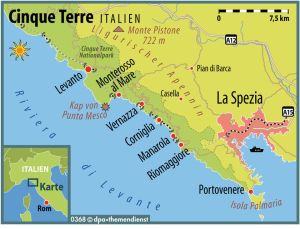
A região é conhecida por suas paisagens deslumbrantes, penhascos íngremes e águas cristalinas. Cada aldeia tem seu charme e caráter únicos, atraindo viajantes de todo o mundo.

Monterosso al Mare é a maior das cinco aldeias e oferece belas praias de areia, perfeitas para relaxar e nadar. As casas coloridas e as ruas estreitas dão ao lugar uma atmosfera acolhedora.

Vernazza é considerada uma das mais belas aldeias de Cinque Terre. Com seu porto natural, casas de cores pastel e o impressionante Castelo Doria, oferece um cenário pitoresco para fotos e passeios.

Corniglia, a única aldeia sem acesso direto ao mar, fica em uma rocha alta e oferece uma vista espetacular da costa circundante. As ruas estreitas e a atmosfera tranquila fazem dela um lugar ideal para uma visita relaxante.

Manarola, conhecida por sua produção de vinho, impressiona com suas casas coloridas que se agarram a penhascos íngremes. A atmosfera romântica e os pores-do-sol deslumbrantes atraem muitos casais.

Riomaggiore, a aldeia mais ao sul, é famosa por suas cores vibrantes e vinhedos em terraços. A Via dell’Amore, um pitoresco trilho de caminhada ao longo da costa, liga Riomaggiore a Manarola e oferece vistas espetaculares.

Cinque Terre é também um paraíso para caminhantes, com muitos trilhos que conectam as cinco aldeias. O caminho mais famoso é o Sentiero Azzurro, que oferece vistas deslumbrantes do mar e da costa.

A região é conhecida não apenas pela sua beleza cênica, mas também pelas suas especialidades culinárias. Peixe fresco, massas caseiras e o famoso pesto da Ligúria são apenas algumas das delícias que os visitantes podem desfrutar.

Cinque Terre é um Patrimônio Mundial da UNESCO e uma área protegida para preservar sua beleza natural e herança cultural. A melhor forma de chegar lá é de trem, pois as aldeias são em grande parte livres de carros. Uma visita a Cinque Terre promete experiências inesquecíveis em uma das mais belas paisagens costeiras da Itália.

Gostaríamos de dividir com vocês algumas dicas, caso você planeje visitar essa região da Itália:

– Reserve o hotel com muita antecedência. Para nos hospedar no final de maio, reservamos em março e mesmo assim, não encontramos muitas opções disponíveis;

– Quando chegar lá, compre o Cartão Cinq Terre. Com ele você pode circular entre as “terres” de trem (com esse cartão é possível se deslocar de Levanto a Spezzia), oferece acesso às trilhas e também é possível acessar os banheiros das estações de trem. É possível comprar esse cartão on line, mas, o site somente aceita cartão Visa ou Mastercard. Ou você também pode comprar o Centro de Informações Turísticas das estações de trem;

– Se você pensa em realizar uma trilha (percorremos a Trilha Vernazza – Monterosso al Mare, mas isso é assunto de outro post), é de fundamental importância levar sapatos apropriados. Isso vai evitar acidentes;

– Se quiser conhecer mais cidades nas proximidades das Cinque Terre reserve mais um tempo extra na sua viagem. De lá, você pode conhecer também outras cidadezinhas lindas, como Camogli, Santa Marguerita  Lingure, Portovenere, Portofino, dentre outras.

Para conhecer mais sobre Cinque Terre, clique aqui.

Cinque Terre ist eine malerische Küstenregion in der italienischen Region Ligurien und besteht aus fünf charmanten Dörfern: Monterosso al Mare, Vernazza, Corniglia, Manarola und Riomaggiore.

Die Region ist bekannt für ihre atemberaubenden Landschaften, steilen Klippen und kristallklaren Gewässer. Jeder Ort hat seinen eigenen einzigartigen Charme und Charakter, der Reisende aus der ganzen Welt anzieht.

Monterosso al Mare ist das größte der fünf Dörfer und bietet schöne Sandstrände, die sich perfekt zum Entspannen und Schwimmen eignen. Die farbenfrohen Häuser und engen Gassen verleihen dem Ort eine gemütliche Atmosphäre.

Vernazza gilt als eines der schönsten Dörfer der Cinque Terre. Mit seinem natürlichen Hafen, den pastellfarbenen Häusern und der beeindruckenden Burg Doria bietet es eine malerische Kulisse für Fotos und Spaziergänge.

Corniglia, das einzige Dorf ohne direkten Zugang zum Meer, liegt auf einem hohen Felsen und bietet einen spektakulären Blick auf die umliegende Küste. Die schmalen Gassen und die ruhige Atmosphäre machen es zu einem idealen Ort für einen entspannten Besuch.

Manarola, bekannt für seine Weinproduktion, beeindruckt mit seinen bunten Häusern, die sich an steile Klippen schmiegen. Die romantische Atmosphäre und die atemberaubenden Sonnenuntergänge ziehen viele Paare an.

Riomaggiore, das südlichste Dorf, ist berühmt für seine lebendige Farbenpracht und die terrassierten Weinberge. Die Via dell’Amore, ein malerischer Wanderweg entlang der Küste, verbindet Riomaggiore mit Manarola und bietet spektakuläre Ausblicke.

Die Cinque Terre ist auch ein Paradies für Wanderer, mit vielen Wanderwegen, die die fünf Dörfer verbinden. Der bekannteste Pfad ist der Sentiero Azzurro, der atemberaubende Ausblicke auf das Meer und die Küste bietet.

Die Region ist nicht nur wegen ihrer landschaftlichen Schönheit bekannt, sondern auch für ihre kulinarischen Spezialitäten. Frischer Fisch, hausgemachte Pasta und der berühmte ligurische Pesto sind nur einige der Köstlichkeiten, die Besucher genießen können.

Cinque Terre ist ein UNESCO-Weltkulturerbe und ein Schutzgebiet, um die natürliche Schönheit und das kulturelle Erbe zu bewahren. Die Anreise erfolgt am besten mit dem Zug, da die Dörfer größtenteils autofrei sind. Ein Besuch der Cinque Terre verspricht unvergessliche Erlebnisse in einer der schönsten Küstenlandschaften Italiens.

Wir möchten Ihnen einige Tipps geben, falls Sie planen diese Region Italiens zu besuchen:

– Buchen Sie ihr Hotel frühzeitig. Um Ende Mai dort übernachten zu können buchten wir im März und selbst dann fanden wir nicht mehr viele Optionen;

– Wenn Sie dann dort ankommen, kaufen Sie die Cinq Terre Card. Mit ihr können Sie mit dem Zug zwischen den „Terres“ reisen (mit dieser Karte können Sie von Levanto bis nach Spezzia reisen), sie bietet Zugang zu den Wanderwegen und offeriert auch Zugang zu den Toiletten an den Bahnhöfen. Es ist möglich, diese Karte online zu kaufen, die Website akzeptiert jedoch nur Visa oder Mastercard. Alternativ können Sie die Karte auch im Touristeninformationszentrum des Bahnhofs erwerben;

– Falls Sie eine Wanderung unternehmen möchten (wir sind den Wanderweg Vernazza – Monterosso al Mare gelaufen, aber das ist Thema eines anderen Beitrags), so ist es äußerst wichtig, geeignetes Schuhwerk zu benutzen, um Unfälle zu vermeiden;

– Falls Sie weitere Städte in der Nähe der Cinque Terre besuchen möchten, planen Sie ausreichend Zeit für Ihre Reise ein. Beispiele hierfür wären Camogli, Santa Marguerita  Lingure, Portovener, Portofino und andere.

Um mehr über Cinque Terre zu erfahren, klicken Sie hier.

Cinque Terre is a picturesque coastal region in the Italian region of Liguria, consisting of five charming villages: Monterosso al Mare, Vernazza, Corniglia, Manarola, and Riomaggiore.

The region is known for its breathtaking landscapes, steep cliffs, and crystal-clear waters. Each village has its unique charm and character, attracting travelers from all over the world.

Monterosso al Mare is the largest of the five villages and offers beautiful sandy beaches, perfect for relaxing and swimming. The colorful houses and narrow streets give the place a cozy atmosphere.

Vernazza is considered one of the most beautiful villages of Cinque Terre. With its natural harbor, pastel-colored houses, and impressive Doria Castle, it offers a picturesque setting for photos and walks.

Corniglia, the only village without direct access to the sea, sits on a high rock and offers a spectacular view of the surrounding coast. The narrow streets and quiet atmosphere make it an ideal place for a relaxed visit.

Manarola, known for its wine production, impresses with its colorful houses clinging to steep cliffs. The romantic atmosphere and stunning sunsets attract many couples.

Riomaggiore, the southernmost village, is famous for its vibrant colors and terraced vineyards. The Via dell’Amore, a picturesque hiking trail along the coast, connects Riomaggiore with Manarola and offers spectacular views.

Cinque Terre is also a paradise for hikers, with many trails connecting the five villages. The most famous path is the Sentiero Azzurro, which offers breathtaking views of the sea and the coast.

The region is not only known for its scenic beauty but also for its culinary specialties. Fresh fish, homemade pasta, and the famous Ligurian pesto are just some of the delicacies that visitors can enjoy.

Cinque Terre is a UNESCO World Heritage Site and a protected area to preserve its natural beauty and cultural heritage. The best way to get there is by train, as the villages are mostly car-free. A visit to Cinque Terre promises unforgettable experiences in one of th e most beautiful coastal landscapes in Italy.

We would like to give you some tips if you are planning to visit this region of Italy:

– Book your hotel early. To be able to stay there at the end of May we booked in March and even then we didn’t find many options;

– Once you get there, buy the Cinq Terre Card. It allows you to travel by train between the “Terres” (with this card you can travel from Levanto to Spezia), it gives access to the hiking trails and also offers access to the toilets at the train stations. It is possible to buy this card online, but the website only accepts Visa or Mastercard. Alternatively, you can buy the card at the tourist information center at the train station;

– If you want to go hiking (we did the Vernazza – Monterosso al Mare trail, but that is the subject of another post), it is extremely important to use suitable footwear to avoid accidents;

– If you want to visit other towns near the Cinque Terre, plan enough time for your trip. Examples of this would be Camogli, Santa Marguerita Lingure, Portovener, Portofino and others.

To learn more about Cinque Terre click here.
Taj Mahal e Forte Vermelho de Agra: maravilhas arquitetônicas da Índia/Taj Mahal and Agra Red Fort: Architectural Marvels of India/Taj Mahal und Agra Rote Fort: Architektonische Wunder Indiens

O Taj Mahal e o Forte Vermelho em Agra são duas notáveis obras arquitetônicas intimamente ligadas à história da Índia. O Taj Mahal, um ícone mundialmente famoso do amor e da beleza, foi construído no século XVII por Shah Jahan, o imperador mogol, em memória de sua amada esposa Mumtaz Mahal. É um impressionante exemplo de arquitetura indo-islâmica e hoje é reconhecido como Patrimônio Mundial da UNESCO.

Localizado às margens do rio Yamuna, o Taj Mahal é construído em mármore branco adornado com intrincados trabalhos em marchetaria de pedras semipreciosas. A simetria e a precisão de sua estrutura são impressionantes, assim como os jardins e as piscinas que o cercam. Visitantes de todo o mundo vêm aqui para admirar a beleza do monumento ao nascer ou pôr do sol.

Ao lado do Taj Mahal está o Forte Vermelho de Agra, outro local historicamente significativo. Este imenso forte, construído em arenito vermelho, serviu como residência real e fortaleza dos imperadores mogóis. É um notável exemplo de arquitetura mogol com suas imponentes muralhas, magníficos palácios e extensos jardins.

O Forte Vermelho de Agra também é um Patrimônio Mundial da UNESCO e atrai visitantes interessados em conhecer a rica história e o esplendor arquitetônico da era mogol. A vista do Taj Mahal a partir do forte é particularmente impressionante, oferecendo um vislumbre fascinante do legado deste período culturalmente rico da Índia.

Das Taj Mahal und das Rote Fort in Agra sind zwei bemerkenswerte architektonische Meisterwerke, die eng mit der Geschichte Indiens verbunden sind. Das Taj Mahal, eine weltberühmte Ikone der Liebe und Schönheit, wurde im 17. Jahrhundert von Shah Jahan, dem Mogul-Kaiser, in Erinnerung an seine geliebte Frau Mumtaz Mahal erbaut. Es ist ein atemberaubendes Beispiel für die indo-islamische Architektur und steht heute als UNESCO-Weltkulturerbe.

Das Taj Mahal liegt am Ufer des Flusses Yamuna und besteht aus weißem Marmor, der mit kunstvollen Einlegearbeiten aus Halbedelsteinen verziert ist. Die Symmetrie und Präzision seiner Struktur sind beeindruckend, ebenso wie die Gärten und Wasserbecken, die es umgeben. Besucher aus aller Welt strömen hierher, um die Schönheit dieses Denkmals bei Sonnenaufgang oder Sonnenuntergang zu bewundern.

Ganz in der Nähe des Taj Mahal befindet sich das Rote Fort von Agra, eine weitere historische Stätte von großer Bedeutung. Dieses massive Fort, das aus rotem Sandstein erbaut wurde, diente als königliche Residenz und Festung der Mogulkaiser. Es ist ein bemerkenswertes Beispiel für die Mogul-Architektur mit seinen imposanten Mauern, prächtigen Palästen und ausgedehnten Gärten.

Das Rote Fort von Agra ist ebenfalls ein UNESCO-Weltkulturerbe und zieht Besucher an, die die reiche Geschichte und die architektonische Pracht der Mogulzeit erleben möchten. Der Blick auf das Taj Mahal vom Fort aus ist besonders eindrucksvoll und vermittelt einen faszinierenden Einblick in das Erbe dieser kulturell reichen Ära Indiens.

The Taj Mahal and the Red Fort in Agra are two remarkable architectural masterpieces closely intertwined with India’s history. The Taj Mahal, a world-famous icon of love and beauty, was built in the 17th century by Shah Jahan, the Mughal emperor, in memory of his beloved wife Mumtaz Mahal. It is a stunning example of Indo-Islamic architecture and stands today as a UNESCO World Heritage Site.

Located on the banks of the Yamuna River, the Taj Mahal is constructed of white marble adorned with intricate inlay work of semi-precious stones. The symmetry and precision of its structure are awe-inspiring, as are the gardens and water pools that surround it. Visitors from around the globe flock here to admire the monument’s beauty at sunrise or sunset.

Adjacent to the Taj Mahal lies the Agra Red Fort, another historically significant site. This massive fort, built of red sandstone, served as the royal residence and fortress of the Mughal emperors. It is a remarkable specimen of Mughal architecture with its imposing walls, magnificent palaces, and expansive gardens.

The Agra Red Fort is also a UNESCO World Heritage Site and attracts visitors keen to experience the rich history and architectural splendor of the Mughal era. The view of the Taj Mahal from the fort is particularly striking, offering a fascinating glimpse into the legacy of this culturally rich period of India.

Allianz Arena de Munique/Allianz Arena in München/Allianz Arena in Munich

A Allianz Arena em Munique é um dos estádios de futebol mais famosos do mundo e lar do FC Bayern de Munique. Foi inaugurada em 2005 e é conhecida por seu design inovador e moderno. A cobertura externa da arena é composta por mais de 2.800 almofadas de ar que podem ser iluminadas em diferentes cores, fazendo com que a arena pareça vermelha, azul ou branca dependendo da ocasião.

A capacidade da Allianz Arena é de aproximadamente 75.000 lugares para jogos de futebol e pode ser utilizada para outros eventos, como concertos ou eventos corporativos. O estádio também é ecologicamente avançado devido à sua arquitetura e tecnologia, tendo recebido uma classificação de sustentabilidade “muito boa”.

Os visitantes podem explorar a arena em visitas guiadas para aprender sobre a história do estádio e os times que jogam lá. A Allianz Arena não é apenas um local para o futebol, mas também uma maravilha arquitetônica e tecnológica que atrai visitantes de todo o mundo.

A Allianz Arena em Munique é facilmente acessível por transporte público.

Nós visitamos, através de uma visita guiada (compramos o ticket quando chegamos lá, existe a possibilidade de se ter o tour em inglês ou alemão) esse belo estádio e utilizamos o transporte público.

O metrô (Linha U6 do U-Bahn) é o método mais conveniente e recomendado para chegar à Allianz Arena, especialmente durante jogos de futebol ou outros grandes eventos, quando o tráfego ao redor do estádio pode ser intenso.

Em geral, em grandes eventos como jogos de futebol em estádios importantes como a Allianz Arena, uma quantidade considerável de cerveja, salsichas e outros lanches são vendidos para atender ao grande número de visitantes. Os estádios geralmente estão bem preparados para atender à demanda e oferecer uma variedade de alimentos e bebidas para satisfazer os gostos dos diferentes visitantes.

Formas de chegar à Allianz Arena:

  1. Metropolitano (Linha U6 do U-Bahn): A Linha U6 do metropolitano vai diretamente para a estação “Fröttmaning”, que está próxima à arena. Esta linha de metrô conecta a arena ao centro da cidade de Munique. O tempo de viagem do centro da cidade de Munique (por exemplo, do Marienplatz) até a estação de Fröttmaning é de aproximadamente 20 a 25 minutos.
  2. S-Bahn e Ônibus: Outra opção é usar as linhas S2 ou S4 do S-Bahn até a estação “Feldmoching” e depois fazer a transferência para o ônibus 294 (em direção à “Allianz Arena”). Esta é uma rota um pouco mais longa, mas ainda é uma opção prática, especialmente se você estiver em uma área mais distante do metrô.
  3. Carro: Se você estiver indo de carro, existem estacionamentos ao redor da arena. No entanto, observe que o estacionamento durante eventos pode ser muito procurado e encher rapidamente. É recomendável chegar cedo para garantir uma vaga de estacionamento.
  4. Bicicleta: A Allianz Arena possui espaços para estacionamento de bicicletas para visitantes que preferem chegar de bicicleta. Esta opção é ambientalmente amigável e uma boa maneira de evitar congestionamentos de trânsito.

Para mais informações sobre a Allianz Arena e inclusive comprar conhecer os tipos de tours e comprar tickets, clique aqui.

Die Allianz Arena in München ist eines der bekanntesten Fußballstadien der Welt und die Heimat des FC Bayern München. Sie wurde im Jahr 2005 eröffnet und ist für ihr innovatives, modernes Design bekannt. Die Außenhaut der Arena besteht aus über 2.800 Luftkissen, die in verschiedenen Farben beleuchtet werden können und somit die Arena je nach Anlass in Rot, Blau oder Weiß erscheinen lassen.

Die Kapazität der Allianz Arena beträgt etwa 75.000 Plätze bei Fußballspielen und kann für andere Veranstaltungen wie Konzerte oder Firmenevents genutzt werden. Das Stadion ist durch seine Architektur und Technologie auch ökologisch fortschrittlich und wurde mit dem Prädikat „sehr gut“ im Bereich Nachhaltigkeit ausgezeichnet.

Besucher können die Arena auf Führungen erkunden und mehr über die Geschichte des Stadions sowie die Teams, die dort spielen, erfahren. Die Allianz Arena ist nicht nur ein Ort für Fußball, sondern auch ein architektonisches und technologisches Wunder, das Besucher aus aller Welt anzieht.

Die Allianz Arena in München ist gut mit öffentlichen Verkehrsmitteln zu erreichen.

Die U-Bahn (U-Bahn-Linie U6) ist jedoch die bequemste und empfohlene Methode, um die Allianz Arena zu erreichen, insbesondere während Fußballspielen oder anderen Großveranstaltungen, wenn der Verkehr um das Stadion herum stark sein kann.

Generell kann man sagen, dass bei großen Veranstaltungen wie Fußballspielen in großen Stadien wie der Allianz Arena eine beträchtliche Menge an Bier, Würstchen und anderen Snacks verkauft wird, um die große Anzahl an Besuchern zu versorgen. Stadien sind oft gut darauf vorbereitet, die Nachfrage zu decken und bieten eine Vielzahl von Speisen und Getränken an, um den Geschmack verschiedener Besucher zu treffen.

Wir besuchten die Arena im Rahmen einer Führung (wir kauften das Ticket vor Ort, es besteht die Möglichkeit, die Tour auf Englisch oder Deutsch zu machen), dieses wunderschöne Stadion und nutzten die öffentlichen Verkehrsmittel.

Anreisemöglichkeiten zur Allianz Arena:

  1. U-Bahn (U-Bahn-Linie U6): Die U-Bahn-Linie U6 fährt direkt zur Station “Fröttmaning”, die sich in unmittelbarer Nähe der Arena befindet. Diese U-Bahn-Linie verbindet die Arena mit dem Stadtzentrum von München. Die Fahrtzeit von der Münchner Innenstadt (zum Beispiel vom Marienplatz) zur Station Fröttmaning beträgt etwa 20-25 Minuten.
  2. S-Bahn und Bus: Eine weitere Möglichkeit ist die Nutzung der S-Bahn-Linie S2 oder S4 bis zur Station “Feldmoching” und dann Umstieg in den Bus 294 (Richtung “Allianz Arena”). Dies ist eine etwas längere Route, aber immer noch eine praktikable Option, besonders wenn du in einem Bereich bist, der von der U-Bahn weiter entfernt ist.
  3. Auto: Wenn du mit dem Auto kommst, gibt es Parkplätze rund um die Arena. Beachte jedoch, dass das Parken während Veranstaltungen stark nachgefragt ist und sich stark füllen kann. Es wird empfohlen, frühzeitig anzukommen, um Parkplätze zu sichern.
  4. Fahrrad: Die Allianz Arena verfügt über Fahrradstellplätze für Besucher, die mit dem Fahrrad anreisen möchten. Diese Option ist umweltfreundlich und eine gute Möglichkeit, den Verkehr zu vermeiden.

Weitere Informationen zur Allianz Arena sowie zum Ticketkauf, zu den Tourenarten und zum Ticketkauf finden Sie hier.

The Allianz Arena in Munich is one of the most famous football stadiums in the world and home to FC Bayern Munich. It was opened in 2005 and is renowned for its innovative, modern design. The outer shell of the arena consists of over 2,800 air-filled cushions that can be illuminated in different colors, making the arena appear red, blue, or white depending on the occasion.

The capacity of the Allianz Arena is approximately 75,000 seats for football matches and can be used for other events such as concerts or corporate functions. The stadium is also environmentally advanced due to its architecture and technology, having been awarded a “very good” sustainability rating.

Visitors can explore the arena on guided tours to learn about the stadium’s history and the teams that play there. The Allianz Arena is not just a place for football but also an architectural and technological marvel that attracts visitors from around the world.

The subway (U-Bahn Line U6) is the most convenient and recommended method to reach the Allianz Arena, especially during football matches or other major events when traffic around the stadium can be heavy.

We visited the Arena, through a guided tour (we bought the ticket when we got there, there is the possibility of having the tour in English or German) this beautiful stadium and used public transport.

In general, at large events like football matches in major stadiums such as the Allianz Arena, a considerable amount of beer, sausages, and other snacks are sold to cater to the large number of visitors. Stadiums are often well-prepared to meet the demand and offer a variety of food and beverages to satisfy the tastes of different visitors.

The Allianz Arena in Munich is well accessible by public transportation. Here are the best options:

  1. Subway (U-Bahn Line U6): The U-Bahn Line U6 goes directly to the “Fröttmaning” station, which is in close proximity to the arena. This subway line connects the arena with the city center of Munich. The travel time from Munich’s city center (for example, from Marienplatz) to Fröttmaning station is approximately 20-25 minutes.
  2. S-Bahn and Bus: Another option is to use the S-Bahn lines S2 or S4 to the “Feldmoching” station and then transfer to Bus 294 (heading towards “Allianz Arena”). This is a slightly longer route but still a practical option, especially if you are in an area further away from the U-Bahn.
  3. Car: If you are coming by car, there are parking lots around the arena. However, note that parking during events can be in high demand and fill up quickly. It is recommended to arrive early to secure parking.
  4. Bicycle: The Allianz Arena has bicycle parking spaces for visitors who prefer to arrive by bike. This option is environmentally friendly and a good way to avoid traffic congestion.

For more information about the Allianz Arena and including purchasing, finding out about the types of tours and purchasing tickets, click here.


Varanasi: uma joia espiritual e cultural às margens do Ganges/Varanasi: Ein spirituelles und kulturelles Juwel am Ufer des Ganges/Varanasi: A Spiritual and Cultural Gem on the Banks of the Ganges

Varanasi, também conhecida como Kashi ou Benares, é uma das cidades habitadas mais antigas do mundo e uma das sete cidades sagradas do hinduísmo. Localizada às margens do sagrado rio Ganges, no estado de Uttar Pradesh, Índia, Varanasi é um lugar de importância espiritual e esplendor cultural.

A cidade pulsa com vida; suas ruas estreitas estão cheias de cores, cheiros e sons. Peregrinos se dirigem aos numerosos ghats, os degraus de pedra que levam às margens do Ganges, para experimentar purificação espiritual e realizar suas orações. Aqui, os fiéis tomam banhos rituais, realizam rituais de oração e acendem lamparinas de óleo como oferendas.

A antiga cidade de Varanasi é um labirinto de vielas sinuosas, ladeadas por templos antigos, locais sagrados, mercados vibrantes e oficinas de artesãos. Cada passo é uma descoberta, um encontro com a cultura vibrante e a espiritualidade desta cidade.

Os ghats de Varanasi são o coração da vida urbana. Aqui, encontra-se todo o espectro das atividades humanas – desde ritos sagrados até as atividades cotidianas de lavar roupas, banhar-se e remar.

Os ghats mais famosos são Dashashwamedh Ghat, Assi Ghat, Manikarnika Ghat e o Burning Ghat, onde os mortos são cremados, considerado uma libertação do renascimento no hinduísmo.

A atmosfera de Varanasi é difícil de descrever – é um lugar de contrastes, onde o espiritual e o mundano se misturam de maneiras únicas. É uma cidade que sobrecarrega os sentidos e toca a alma.

Varanasi, auch bekannt als Kashi oder Benares, ist eine der ältesten bewohnten Städte der Welt und eine der sieben heiligen Städte des Hinduismus. Gelegen am Ufer des heiligen Flusses Ganges im Bundesstaat Uttar Pradesh, Indien, ist Varanasi ein Ort von spiritueller Bedeutung und kultureller Pracht.

Die Stadt pulsiert mit Leben, die engen Gassen sind voller Farben, Gerüche und Klänge. Pilger strömen zu den zahlreichen Ghats, den steinernen Treppen, die zum Ufer des Ganges führen, um spirituelle Reinigung zu erfahren und ihre Gebete zu verrichten. Hier nehmen Gläubige rituelle Bäder, führen Gebetsrituale durch und zünden Öllampen als Opfergaben an.

Die Altstadt von Varanasi ist ein Labyrinth aus verwinkelten Gassen, gesäumt von alten Tempeln, heiligen Stätten, bunten Märkten und handwerklichen Werkstätten. Jeder Schritt ist eine Entdeckung, eine Begegnung mit der lebendigen Kultur und Spiritualität dieser Stadt.

Die Ghats von Varanasi sind das Herzstück des städtischen Lebens. Hier findet man das ganze Spektrum menschlicher Aktivitäten – von den heiligen Riten bis hin zu den alltäglichen Tätigkeiten des Wäsche waschens, Badens und Bootsfahrens.

Die berühmtesten Ghats sind Dashashwamedh Ghat, Assi Ghat, Manikarnika Ghat und das Burning Ghat, wo die Toten eingeäschert werden, was als eine Erlösung von der Wiedergeburt im Hinduismus betrachtet wird.

Die Atmosphäre von Varanasi ist schwer zu beschreiben – es ist ein Ort der Kontraste, wo das Spirituelle und das Weltliche auf einzigartige Weise verschmelzen. Es ist eine Stadt, die die Sinne überwältigt und die Seele berührt.

Varanasi, also known as Kashi or Benares, is one of the oldest inhabited cities in the world and one of the seven holy cities of Hinduism. Located on the banks of the sacred Ganges River in the state of Uttar Pradesh, India, Varanasi is a place of spiritual significance and cultural splendor.

The city pulsates with life; its narrow lanes are filled with colors, smells, and sounds. Pilgrims flock to the numerous ghats, the stone steps leading to the banks of the Ganges, to experience spiritual cleansing and perform their prayers. Here, believers take ritual baths, perform prayer rituals, and light oil lamps as offerings.

Varanasi’s old city is a labyrinth of winding lanes, lined with ancient temples, holy sites, vibrant markets, and artisan workshops. Every step is a discovery, an encounter with the vibrant culture and spirituality of this city.

The ghats of Varanasi are the heart of urban life. Here, one finds the full spectrum of human activities – from sacred rites to the everyday activities of washing clothes, bathing, and boating.

The most famous ghats are Dashashwamedh Ghat, Assi Ghat, Manikarnika Ghat, and the Burning Ghat, where the dead are cremated, considered a liberation from rebirth in Hinduism.

The atmosphere of Varanasi is hard to describe – it is a place of contrasts, where the spiritual and the worldly blend in unique ways. It is a city that overwhelms the senses and touches the soul.


Zell am See

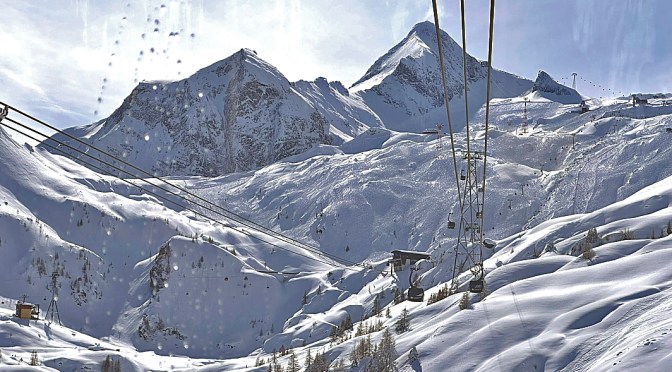
Zell am See é uma cidade encantadora na Áustria, localizada às margens do Lago Zell e cercada por majestosas montanhas. Este cenário pitoresco atrai visitantes durante todo o ano, tanto para atividades de verão quanto de inverno. O centro da cidade de Zell am See é encantador, com seus edifícios históricos, lojas e restaurantes.

Um destaque de Zell am See é a Schmittenhöhe, um popular resort de esqui no inverno e um paraíso para caminhadas no verão. A Schmittenhöhe é uma montanha que se eleva sobre a cidade e oferece vistas deslumbrantes do Lago Zell e dos Alpes ao redor. No inverno, a Schmittenhöhe é conhecida por suas pistas bem cuidadas que atraem esquiadores e snowboarders de todos os níveis.

No verão, a Schmittenhöhe se transforma em uma área de caminhadas com inúmeras trilhas que serpenteiam por prados alpinos e florestas. Há também trilhas de mountain bike e oportunidades para parapente para os mais aventureiros. Um destaque da montanha é a plataforma panorâmica, oferecendo uma das melhores vistas da paisagem montanhosa ao redor.

Zell am See e Schmittenhöhe também oferecem uma variedade de atividades além das montanhas. O Lago Zell é ideal para nadar, velejar e remar no verão. Ao longo do lago, há belos caminhos para passeios e trilhas para bicicletas. A cidade em si é rica em história e cultura, com pontos turísticos como a Capela de Santa Isabel e a Torre Vogtturm.

A região também é conhecida por sua excelente culinária austríaca. Em Zell am See, você encontrará tavernas tradicionais, bem como restaurantes sofisticados que servem especialidades regionais. De “Kasnocken” a strudel de maçã, a cena gastronômica é mais uma razão para visitar esta região.

No geral, Zell am See com Schmittenhöhe é um destino perfeito para amantes da natureza e aventureiros. Seja na neve do inverno ou sob o sol quente do verão, esta área oferece experiências inesquecíveis no meio dos Alpes austríacos .

Zell am See ist eine bezaubernde Stadt in Österreich, die am Ufer des Zeller Sees liegt und von majestätischen Bergen umgeben ist. Diese malerische Lage zieht das ganze Jahr über Besucher an, sowohl für Sommer- als auch für Wintersportaktivitäten. Das Stadtzentrum von Zell am See ist charmant mit seinen historischen Gebäuden, Geschäften und Restaurants.

Ein Highlight von Zell am See ist die Schmittenhöhe, ein beliebtes Skigebiet im Winter und ein Wanderparadies im Sommer. Die Schmittenhöhe ist ein Berg, der sich über der Stadt erhebt und einen atemberaubenden Blick auf den Zeller See und die umliegenden Alpen bietet. Im Winter ist die Schmittenhöhe für ihre gut präparierten Pisten bekannt, die Skifahrer und Snowboarder jeden Niveaus anlocken.

Im Sommer verwandelt sich die Schmittenhöhe in ein Wandergebiet mit unzähligen Routen, die sich durch Almwiesen und Wälder schlängeln. Es gibt auch Mountainbike-Strecken und Möglichkeiten zum Paragliding für Abenteuerlustige. Ein Höhepunkt des Berges ist die Panoramaplattform, von der aus man eine der besten Aussichten auf die umliegende Berglandschaft hat.

Zell am See und die Schmittenhöhe bieten auch eine Vielzahl von Aktivitäten außerhalb der Berge. Der Zeller See ist im Sommer ideal zum Schwimmen, Segeln und Rudern. Entlang des Sees gibt es schöne Spazierwege und Fahrradwege. Die Stadt selbst ist voller Geschichte und Kultur, mit Sehenswürdigkeiten wie der Elisabethkapelle und dem Vogtturm.

Die Region ist auch bekannt für ihre ausgezeichnete österreichische Küche. In Zell am See finden Sie traditionelle Gasthäuser sowie gehobene Restaurants, die regionale Spezialitäten servieren. Von Kasnocken bis hin zu Apfelstrudel – die kulinarische Szene ist ein weiterer Grund, diese Region zu besuchen.

Insgesamt ist Zell am See mit der Schmittenhöhe ein perfektes Reiseziel für Naturliebhaber und Abenteurer. Ob im Schnee des Winters oder unter der warmen Sonne des Sommers, diese Gegend bietet das ganze Jahr über unvergessliche Erlebnisse inmitten der österreichischen Alpen.

Zell am See is a charming town in Austria located on the shores of Lake Zell and surrounded by majestic mountains. This picturesque setting attracts visitors year-round, both for summer and winter activities. The town center of Zell am See is delightful with its historic buildings, shops, and restaurants.

A highlight of Zell am See is the Schmittenhöhe, a popular ski resort in winter and a hiking paradise in summer. Schmittenhöhe is a mountain that rises above the town and offers stunning views of Lake Zell and the surrounding Alps. In winter, Schmittenhöhe is known for its well-groomed slopes that attract skiers and snowboarders of all levels.

In summer, Schmittenhöhe transforms into a hiking area with numerous trails winding through alpine meadows and forests. There are also mountain biking trails and opportunities for paragliding for the adventurous. A highlight of the mountain is the panoramic platform, offering one of the best views of the surrounding mountain landscape.

Zell am See and Schmittenhöhe also offer a variety of activities beyond the mountains. Lake Zell is ideal for swimming, sailing, and rowing in the summer. Along the lake, there are beautiful walking paths and bike trails. The town itself is rich in history and culture, with sights such as the Elisabeth Chapel and the Vogtturm.

The region is also renowned for its excellent Austrian cuisine. In Zell am See, you’ll find traditional taverns as well as upscale restaurants serving regional specialties. From “Kasnocken” to apple strudel, the culinary scene is another reason to visit this region.

Overall, Zell am See with Schmittenhöhe is a perfect destination for nature lovers and adventurers. Whether in the winter snow or under the warm summer sun, this area offers unforgettable experiences amidst the Austrian Alps.

Darjeeling

Darjeeling é uma cidade pitoresca no estado indiano de Bengala Ocidental. Situada nas encostas dos Himalaias, é famosa por sua deslumbrante paisagem, jardins de chá e diversidade cultural. A cidade é cercada por colinas verdejantes cobertas de plantações de chá, oferecendo vistas espetaculares das montanhas ao redor. Darjeeling também é conhecida por seu chá fino, altamente estimado em todo o mundo. As pessoas aqui são hospitaleiras e orgulhosas de sua rica história e tradições. As atrações populares incluem o Tiger Hill, de onde se pode testemunhar um nascer do sol espetacular sobre o Himalaia, e o Darjeeling Himalayan Railway, um Patrimônio Mundial da UNESCO. Darjeeling é um lugar que oferece tanto aventura quanto relaxamento, encantando cada visitante com sua beleza.

Darjeeling ist eine malerische Stadt im indischen Bundesstaat Westbengalen. Sie liegt in den Ausläufern des Himalaya und ist berühmt für ihre atemberaubende Landschaft, ihre Teegärten und ihre kulturelle Vielfalt. Die Stadt ist von grünen Hügeln umgeben, die mit Teeplantagen bedeckt sind, und bietet spektakuläre Ausblicke auf die umliegenden Berge. Darjeeling ist auch für seinen feinen Tee bekannt, der weltweit geschätzt wird. Die Menschen hier sind gastfreundlich und stolz auf ihre reiche Geschichte und Traditionen. Zu den beliebten Sehenswürdigkeiten gehören der Tiger Hill, von dem aus man einen spektakulären Sonnenaufgang über dem Himalaya erleben kann, sowie das Darjeeling Himalayan Railway, eine UNESCO-Welterbestätte. Darjeeling ist ein Ort, der sowohl Abenteuer als auch Entspannung bietet und jeden Besucher mit seiner Schönheit verzaubert.

Darjeeling is a picturesque town in the Indian state of West Bengal. Situated in the foothills of the Himalayas, it is famous for its stunning scenery, tea gardens, and cultural diversity. The town is surrounded by verdant hills covered with tea plantations, offering spectacular views of the surrounding mountains. Darjeeling is also renowned for its fine tea, highly esteemed worldwide. The people here are hospitable and proud of their rich history and traditions. Popular attractions include Tiger Hill, from where one can witness a spectacular sunrise over the Himalayas, and the Darjeeling Himalayan Railway, a UNESCO World Heritage Site. Darjeeling is a place that offers both adventure and relaxation, enchanting every visitor with its beauty.

Hallstatt

Hallstatt, uma pitoresca vila na Áustria, é famosa por sua beleza deslumbrante e rica história. Situada às margens do pitoresco Hallstätter See e cercada por majestosas montanhas, Hallstatt oferece um cenário cênico que atrai visitantes de todo o mundo.

A vila de Hallstatt é conhecida por suas encantadoras casas coloridas em tons pastel, agrupadas em estreita proximidade e serpenteando por vielas estreitas. Ruas adornadas com flores, persianas pintadas em cores vibrantes e mirantes oferecendo vistas deslumbrantes do lago e das montanhas circundantes caracterizam Hallstatt.

A história de Hallstatt remonta à pré-história e está intimamente ligada à mineração de sal, que foi outrora a principal fonte de riqueza da vila. Os visitantes podem fazer um tour pelas minas de sal pré-históricas e aprender mais sobre o fascinante passado de Hallstatt.

Além de sua rica história, Hallstatt também oferece uma variedade de atividades ao ar livre, como caminhadas, passeios de barco e ciclismo. A área circundante é ideal para amantes da natureza e aventureiros que desejam explorar a paisagem pitoresca.

O Hallstatt Bahn e a Plataforma de Observação são dois recursos proeminentes que enriquecem a experiência em Hallstatt.

O Hallstatt Bahn, também conhecido como Trem do Monte do Sal, é um funicular histórico que transporta visitantes da cidade de Hallstatt para o Monte do Sal. A viagem não só oferece um transporte conveniente, mas também proporciona vistas espetaculares da área circundante enquanto se move lentamente pela montanha. Ao chegar ao topo, os visitantes podem explorar os Mundos de Sal de Hallstatt, visitar as minas de sal pré-históricas e desfrutar de vistas deslumbrantes da vila e do Hallstätter See.

A Plataforma de Observação “Welterbeblick” é outro destaque em Hallstatt. Localizada na base do Skywalk, oferece vistas panorâmicas deslumbrantes da vila, do lago e das montanhas circundantes. O Skywalk em si é uma plataforma que se estende sobre a encosta íngreme do Monte do Sal, proporcionando aos visitantes aventureiros uma experiência emocionante e vistas ainda mais impressionantes.

O Hallstatt Bahn e a Plataforma de Observação são, portanto, dois destinos imperdíveis para os visitantes que desejam aproveitar ao máximo sua estadia em Hallstatt. Eles não só oferecem uma perspectiva única sobre a beleza da região, mas também proporcionam insights sobre a rica história e cultura deste lugar fascinante.

No geral, Hallstatt é uma verdadeira joia na Áustria, impressionando com sua beleza, história e oportunidades ao ar livre, atraindo visitantes de todo o mundo.

Hallstatt, ein malerisches Dorf in Österreich, ist berühmt für seine atemberaubende Schönheit und reiche Geschichte. Gelegen am Ufer des malerischen Hallstätter Sees und umgeben von majestätischen Bergen, bietet Hallstatt eine malerische Kulisse, die Besucher aus der ganzen Welt anzieht.

Das Dorf Hallstatt ist bekannt für seine charmanten, pastellfarbenen Häuser, die eng aneinander gebaut sind und entlang der engen Gassen schlängeln. Die Straßen sind mit Blumen geschmückt, die Fensterläden sind bunt bemalt und die Aussichtspunkte bieten atemberaubende Ausblicke auf den See und die umliegenden Berge.

Die Geschichte von Hallstatt reicht bis in die vorgeschichtliche Zeit zurück und ist eng mit dem Salzbergbau verbunden, der einst die Hauptquelle des Reichtums des Dorfes war. Besucher können die prähistorischen Salzminen besichtigen und mehr über die faszinierende Vergangenheit von Hallstatt erfahren.

Abgesehen von seiner reichen Geschichte bietet Hallstatt auch eine Vielzahl von Outdoor-Aktivitäten wie Wandern, Bootfahren und Radfahren. Die Umgebung ist ideal für Naturliebhaber und Abenteurer, die die malerische Landschaft erkunden möchten.

Die Hallstatt Bahn und die Aussichtsplattform sind zwei markante Merkmale, die das Erlebnis in Hallstatt bereichern.

Die Hallstatt Bahn, auch bekannt als Salzbergbahn, ist eine historische Standseilbahn, die Besucher von der Stadt Hallstatt auf den Salzberg bringt. Die Fahrt bietet nicht nur einen bequemen Transport, sondern auch spektakuläre Ausblicke auf die Umgebung, während sie sich langsam den Berg hinaufwindet. Oben angekommen können Besucher die Salzwelten Hallstatt erkunden, die prähistorischen Salzminen besichtigen und einen atemberaubenden Blick auf das Dorf und den Hallstätter See genießen.

Die Aussichtsplattform “Welterbeblick” ist ein weiteres Highlight in Hallstatt. Sie befindet sich am Fuße des Skywalks und bietet einen atemberaubenden Panoramablick auf das Dorf, den See und die umliegenden Berge. Der Skywalk selbst ist eine Plattform, die über den steilen Abhang des Salzbergs ragt und mutigen Besuchern ein aufregendes Erlebnis und noch beeindruckendere Aussichten bietet.

Die Hallstatt Bahn und die Aussichtsplattform sind daher zwei unverzichtbare Ziele für Besucher, die das Beste aus ihrem Aufenthalt in Hallstatt herausholen möchten. Sie bieten nicht nur einen einzigartigen Blick auf die Schönheit der Region, sondern auch Einblicke in die reiche Geschichte und Kultur dieses faszinierenden Ortes.

Insgesamt ist Hallstatt ein wahrer Schatz in Österreich, der mit seiner Schönheit, Geschichte und Outdoor-Möglichkeiten beeindruckt und Besucher aus der ganzen Welt anzieht.

Hallstatt, a picturesque village in Austria, is famous for its breathtaking beauty and rich history. Situated on the shores of the picturesque Hallstätter See and surrounded by majestic mountains, Hallstatt offers a scenic backdrop that attracts visitors from around the world.

The village of Hallstatt is known for its charming, pastel-colored houses tightly clustered together and winding along narrow lanes. Streets adorned with flowers, brightly painted shutters, and viewpoints offering stunning vistas of the lake and surrounding mountains characterize Hallstatt.

Hallstatt’s history dates back to prehistoric times and is closely linked to salt mining, which was once the main source of the village’s wealth. Visitors can tour the prehistoric salt mines and learn more about Hallstatt’s fascinating past.

Apart from its rich history, Hallstatt also offers a variety of outdoor activities such as hiking, boating, and cycling. The surrounding area is ideal for nature lovers and adventurers looking to explore the picturesque landscape.

The Hallstatt Railway and the Viewing Platform are two prominent features that enrich the experience in Hallstatt.

The Hallstatt Railway, also known as the Salt Mountain Railway, is a historic funicular railway that transports visitors from the town of Hallstatt to the Salt Mountain. The ride not only provides convenient transportation but also offers spectacular views of the surrounding area as it slowly winds its way up the mountain. Upon arrival at the top, visitors can explore the Salt Worlds Hallstatt, tour the prehistoric salt mines, and enjoy breathtaking views of the village and the Hallstätter See.

The Viewing Platform “Welterbeblick” is another highlight in Hallstatt. Located at the base of the Skywalk, it offers stunning panoramic views of the village, the lake, and the surrounding mountains. The Skywalk itself is a platform that extends over the steep slope of the Salt Mountain, providing adventurous visitors with an exhilarating experience and even more impressive views.

The Hallstatt Railway and the Viewing Platform are therefore two must-visit destinations for visitors looking to make the most of their time in Hallstatt. Not only do they offer a unique perspective on the beauty of the region, but they also provide insights into the rich history and culture of this fascinating place.

Overall, Hallstatt is a true gem in Austria, impressing with its beauty, history, and outdoor opportunities, drawing visitors from around the globe.

Calcutá/Kaklutta/Kolkata

Calcutá, também conhecida como Kolkata, é uma metrópole agitada na parte oriental da Índia. Situada às margens do rio Hooghly, esta cidade é um caldeirão de culturas, tradições e estilos de vida. Com uma rica história que remonta ao século XVII, Kolkata é um lugar de grande importância histórica. Foi uma vez o centro do domínio colonial britânico na Índia e serviu como capital do país até 1911.

A cidade é conhecida por sua vibrante cena artística, tradição literária e diversidade cultural. Muitos escritores, poetas e artistas renomados viveram e trabalharam aqui, incluindo Rabindranath Tagore, o primeiro laureado com o Prêmio Nobel de Literatura asiático. Kolkata também é conhecida por suas celebrações festivas, especialmente durante o Durga Puja, quando a cidade é envolta em um mar de luzes, cores e sons.

A paisagem urbana de Kolkata é caracterizada por uma mistura de arquitetura colonial, arranha-céus modernos e edifícios tradicionais bengalis. Pontos de referência proeminentes incluem o Memorial Victoria, a Ponte Howrah e o Templo Belur Math. As ruas de Kolkata estão cheias de vida, com mercados animados, lojas movimentadas e vendedores ambulantes oferecendo uma variedade de produtos e delícias culinárias.

A cidade também abriga algumas das instituições educacionais e de pesquisa mais prestigiadas da Índia, incluindo a Universidade de Calcutá, o Museu Indiano e o Instituto Indiano de Estatística. Kolkata é um importante centro econômico e um porto significativo, facilitando o comércio e o comércio na região.

Calcutá atrai muitos peregrinos que visitam a casa  onde viveu a  a religiosa Madre Teresa.

Nos últimos anos, Kolkata experimentou um desenvolvimento econômico constante e se tornou um polo chave para empresas de TI e tecnologia. Apesar de seu progresso moderno, Kolkata continua a preservar seu rico patrimônio cultural e atmosfera única, atraindo visitantes de todo o mundo.

Kalkutta, auch bekannt als Kolkata, ist eine pulsierende Metropole im östlichen Teil Indiens. Diese Stadt am Ufer des Hooghly-Flusses ist ein Schmelztiegel der Kulturen, Traditionen und Lebensstile. Mit einer reichen Geschichte, die bis ins 17. Jahrhundert zurückreicht, ist Kolkata ein Ort von großer historischer Bedeutung. Es war einst das Zentrum der britischen Kolonialherrschaft in Indien und diente als Hauptstadt des Landes bis 1911.

Die Stadt ist bekannt für ihre lebendige Kunstszene, ihre literarische Tradition und ihre kulturelle Vielfalt. Hier haben viele renommierte Schriftsteller, Dichter und Künstler gelebt und gearbeitet, darunter Rabindranath Tagore, der erste asiatische Nobelpreisträger für Literatur. Kolkata ist auch für seine festlichen Feiern, insbesondere während Durga Puja, bekannt, wenn die Stadt in ein Meer von Lichtern, Farben und Klängen gehüllt ist.

Das Stadtbild von Kolkata ist geprägt von einer Mischung aus kolonialer Architektur, modernen Wolkenkratzern und traditionellen bengalischen Gebäuden. Zu den markanten Sehenswürdigkeiten gehören der Victoria Memorial, das Howrah-Brücke und der Belur-Math-Tempel. Die Straßen von Kolkata sind voller Leben, mit lebhaften Märkten, geschäftigen Geschäften und Straßenhändlern, die eine Vielzahl von Waren und kulinarischen Köstlichkeiten anbieten.

Die Stadt beherbergt auch einige der renommiertesten Bildungs- und Forschungseinrichtungen Indiens, darunter die University of Calcutta, das Indian Museum und das Indian Statistical Institute. Kolkata ist ein wichtiges wirtschaftliches Zentrum und ein bedeutender Hafen, der Handel und Handel in die Region bringt.

Kalkutta zieht viele Pilger an, die das Haus besuchen, in dem die religiöse Mutter Teresa lebte.

In den letzten Jahren hat Kolkata eine stetige wirtschaftliche Entwicklung erlebt und ist zu einem wichtigen Standort für IT- und Technologieunternehmen geworden. Trotz seines modernen Fortschritts bewahrt Kolkata jedoch weiterhin seine reiche kulturelle Erbe und seine einzigartige Atmosphäre, die Besucher aus aller Welt anzieht.

Kolkata, also known as Calcutta, is a bustling metropolis in the eastern part of India. Situated on the banks of the Hooghly River, this city is a melting pot of cultures, traditions, and lifestyles. With a rich history dating back to the 17th century, Kolkata is a place of great historical significance. It was once the center of British colonial rule in India and served as the country’s capital until 1911.

The city is renowned for its vibrant art scene, literary tradition, and cultural diversity. Many renowned writers, poets, and artists have lived and worked here, including Rabindranath Tagore, the first Asian Nobel laureate in Literature. Kolkata is also known for its festive celebrations, especially during Durga Puja, when the city is enveloped in a sea of lights, colors, and sounds.

The cityscape of Kolkata is characterized by a mix of colonial architecture, modern skyscrapers, and traditional Bengali buildings. Prominent landmarks include the Victoria Memorial, Howrah Bridge, and Belur Math Temple. The streets of Kolkata are bustling with life, featuring lively markets, bustling shops, and street vendors offering a variety of goods and culinary delights.

The city is also home to some of India’s most prestigious educational and research institutions, including the University of Calcutta, the Indian Museum, and the Indian Statistical Institute. Kolkata is a major economic center and a significant port, facilitating trade and commerce in the region.

Calcutta attracts many pilgrims who visit the house where the religious Mother Teresa lived.

In recent years, Kolkata has experienced steady economic development and has become a key hub for IT and technology companies. Despite its modern progress, Kolkata continues to preserve its rich cultural heritage and unique atmosphere, attracting visitors from around the world.