Galinhos, uma pérola no litoral potiguar

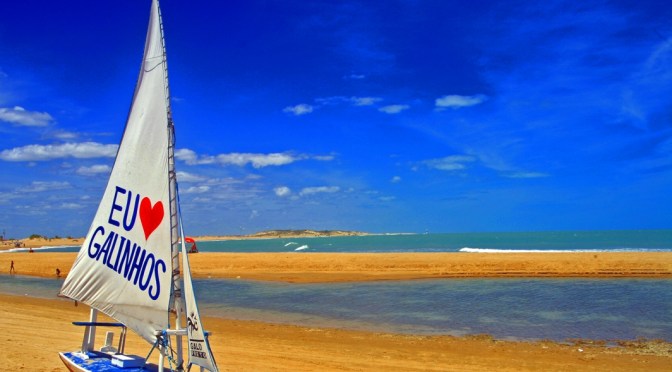
Galinhos é uma pequena vila de pescadores no estado do Rio Grande do Norte, no nordeste do Brasil. Está localizada em uma península, acessível apenas por barco ou veículos com tração nas quatro rodas, o que confere à vila um caráter isolado e encantador. A paisagem ao redor é marcada por praias intocadas, águas cristalinas e dunas deslumbrantes. Em Galinhos vivem cerca de 2.000 pessoas, que dependem principalmente da pesca e do turismo.

O farol de Galinhos é um marco famoso e oferece uma vista espetacular do mar e das salinas próximas, que desempenham um papel importante na economia local. A vila tem uma atmosfera tranquila e relaxante, ideal para os visitantes que desejam escapar do agito das grandes cidades. 

Um dos maiores destaques de Galinhos são os passeios de barco pelos manguezais e pelo delta do Rio Aratuá. Esses passeios permitem explorar a rica flora e fauna da região, incluindo muitas espécies de aves e peixes. Os visitantes também podem desfrutar das piscinas naturais, formadas durante a maré baixa, que são perfeitas para nadar. 

Os habitantes de Galinhos são conhecidos por sua hospitalidade. Embora o turismo tenha crescido nos últimos anos, a vila preserva seu caráter autêntico. Existem algumas pequenas pousadas e restaurantes que servem frutos do mar frescos e especialidades regionais. 

No geral, Galinhos oferece uma mistura perfeita de natureza, tranquilidade e isolamento, sendo uma joia escondida do nordeste brasileiro que espera ser descoberta. 

Galinhos ist ein kleines Fischerdorf im Bundesstaat Rio Grande do Norte im Nordosten Brasiliens. Es liegt auf einer Halbinsel, die nur mit dem Boot oder speziellen Geländefahrzeugen erreichbar ist, was dem Ort einen abgelegenen und charmanten Charakter verleiht. Die Umgebung ist geprägt von unberührten Stränden, kristallklarem Wasser und einer atemberaubenden Dünenlandschaft. In Galinhos leben etwa 2.000 Menschen, die hauptsächlich vom Fischfang und Tourismus leben.

Der Leuchtturm von Galinhos ist ein bekanntes Wahrzeichen und bietet einen spektakulären Ausblick auf das Meer und die umliegenden Salzpfannen, die eine wichtige Rolle in der lokalen Wirtschaft spielen. Das Dorf hat eine ruhige und entspannte Atmosphäre, die sich perfekt für Besucher eignet, die dem Trubel der großen Städte entfliehen möchten.

Eines der größten Highlights von Galinhos sind die Bootstouren durch die Mangrovenwälder und das Delta des Rio Aratuá. Diese Touren ermöglichen es, die reiche Flora und Fauna der Region zu erkunden, darunter viele Vogelarten und Fische. Besucher können auch die natürlichen Pools (Piscinas Naturais) genießen, die bei Ebbe entstehen und eine wunderbare Gelegenheit zum Schwimmen bieten.

Die Einwohner von Galinhos sind bekannt für ihre Gastfreundschaft. Obwohl der Tourismus in den letzten Jahren zugenommen hat, hat der Ort seinen authentischen Charakter bewahrt. Es gibt einige kleine Pensionen und Restaurants, die frische Meeresfrüchte und regionale Spezialitäten anbieten.

Insgesamt bietet Galinhos eine perfekte Mischung aus Natur, Ruhe und Abgeschiedenheit und ist ein verstecktes Juwel im brasilianischen Nordosten, das darauf wartet, entdeckt zu werden.

Galinhos is a small fishing village in the state of Rio Grande do Norte, in northeastern Brazil. It is located on a peninsula, accessible only by boat or four-wheel drive vehicles, which gives the place a secluded and charming character. The surrounding area is characterized by pristine beaches, crystal-clear waters, and stunning sand dunes. About 2,000 people live in Galinhos, mostly relying on fishing and tourism.

The Galinhos lighthouse is a famous landmark and offers a spectacular view of the sea and the nearby salt pans, which play an important role in the local economy. The village has a quiet and relaxing atmosphere, ideal for visitors seeking to escape the hustle and bustle of big cities.

One of the main highlights of Galinhos is the boat tours through the mangroves and the delta of the Rio Aratuá. These tours allow you to explore the rich flora and fauna of the region, including many species of birds and fish. Visitors can also enjoy the natural pools, formed at low tide, which are perfect for swimming.

The residents of Galinhos are known for their hospitality. Although tourism has increased in recent years, the village has maintained its authentic character. There are a few small guesthouses and restaurants serving fresh seafood and regional specialties.

Overall, Galinhos offers a perfect blend of nature, tranquility, and seclusion, and is a hidden gem in northeastern Brazil waiting to be discovered.


Mumbai

Mumbai, anteriormente conhecida como Bombaim, é a cidade mais populosa da Índia e uma das maiores metrópoles do mundo. Localizada na costa oeste da Índia, no Mar da Arábia, é a capital do estado de Maharashtra. Com mais de 20 milhões de habitantes, Mumbai é o coração econômico da Índia, abrigando várias instituições financeiras importantes, como a Bolsa de Valores de Bombaim e o Banco da Reserva da Índia.

A cidade é conhecida por sua cultura e história diversas, refletidas em sua arquitetura, arte e culinária. Desde edifícios coloniais como o Portal da Índia e o Chhatrapati Shivaji Maharaj Terminus, um Patrimônio Mundial da UNESCO, até arranha-céus modernos e shoppings – Mumbai combina tradição e modernidade de forma fascinante.

Mani Bhavan, também conhecida como Casa de Gandhi, é um edifício histórico em Mumbai que serviu como base para as atividades políticas de Mahatma Gandhi de 1917 a 1934. Foi aqui que Gandhi planejou muitas ações significativas para o movimento de independência da Índia, como a famosa Marcha do Sal. Hoje, Mani Bhavan é um museu e memorial que documenta a vida de Gandhi e seu trabalho pela promoção da paz e liberdade na Índia. O museu abriga uma impressionante coleção de fotografias, documentos, cartas e objetos pessoais de Gandhi, oferecendo aos visitantes um profundo insight sobre sua vida e legado.

Mumbai também é o centro da indústria cinematográfica indiana, mais conhecida como Bollywood. Centenas de filmes são produzidos aqui anualmente, ganhando popularidade em toda a Índia e no mundo. A cidade atrai muitos artistas e mentes criativas, e tem uma cena teatral vibrante, muitas galerias de arte e festivais de música.

Apesar de sua riqueza e dinamismo, Mumbai também é conhecida por seus desafios sociais, incluindo grandes disparidades de renda e um número significativo de favelas. A mais famosa delas, Dharavi, é uma das maiores favelas da Ásia, onde milhões de pessoas vivem em condições precárias. No entanto, Dharavi também é um centro de empreendedorismo e artesanato, com muitas pequenas indústrias produzindo têxteis, artigos de couro e cerâmica.

A cidade é um importante centro de transporte, com um dos aeroportos mais movimentados da Índia, o Aeroporto Internacional Chhatrapati Shivaji Maharaj, e uma rede densa de ligações ferroviárias utilizadas diariamente por milhões de passageiros. Mumbai enfrenta fortes chuvas anuais durante a monção, frequentemente causando inundações, o que representa um dos maiores desafios para a administração da cidade.

Mumbai é uma cidade de contrastes: combina riqueza e pobreza, tradição e modernidade, caos e ordem. A cidade é conhecida por sua energia incansável e sua ética de “nunca desistir”, expressa pelo apelido de “Maximum City”. É um lugar que está sempre em movimento e um centro de oportunidades econômicas, diversidade cultural e resistência humana.

Para conhecer mais sobre Mumbai, clique aqui.

Mumbai, früher bekannt als Bombay, ist die bevölkerungsreichste Stadt Indiens und eine der größten Metropolen der Welt. Sie liegt an der Westküste Indiens am Arabischen Meer und ist die Hauptstadt des Bundesstaates Maharashtra. Mit über 20 Millionen Einwohnern ist Mumbai das wirtschaftliche Herz Indiens und beheimatet zahlreiche wichtige Finanzinstitutionen, darunter die Bombay Stock Exchange und die Reserve Bank of India.

Die Stadt ist bekannt für ihre vielfältige Kultur und Geschichte, die sich in ihrer Architektur, Kunst und Gastronomie widerspiegelt. Von Kolonialbauten wie dem Gateway of India und dem Chhatrapati Shivaji Maharaj Terminus, einem UNESCO-Weltkulturerbe, bis hin zu modernen Wolkenkratzern und Einkaufszentren – Mumbai vereint Tradition und Moderne auf faszinierende Weise.

Das Mani Bhavan, auch bekannt als Gandhi-Haus, ist ein historisches Gebäude in Mumbai, das Mahatma Gandhi als Basis für seine politischen Aktivitäten von 1917 bis 1934 diente. Hier plante Gandhi viele bedeutende Aktionen für die Unabhängigkeitsbewegung Indiens, wie den berühmten Salzmarsch. Heute ist Mani Bhavan ein Museum und eine Gedenkstätte, die Gandhis Leben und seine Arbeit zur Förderung von Frieden und Freiheit in Indien dokumentiert. Das Museum beherbergt eine beeindruckende Sammlung von Fotografien, Dokumenten, Briefen und persönlichen Gegenständen Gandhis, die Besuchern einen tiefen Einblick in sein Leben und Erbe bieten.

Mumbai ist auch das Zentrum der indischen Filmindustrie, besser bekannt als Bollywood. Jährlich werden hier hunderte von Filmen produziert, die in ganz Indien und weltweit große Popularität genießen. Die Stadt zieht zahlreiche Künstler und kreative Köpfe an und hat eine lebendige Theaterszene, viele Kunstgalerien und Musikfestivals.

Trotz ihres Reichtums und ihrer Dynamik ist Mumbai auch für ihre sozialen Herausforderungen bekannt, darunter große Einkommensunterschiede und eine erhebliche Anzahl von Slums. Das bekannteste von ihnen, Dharavi, ist eines der größten Slums Asiens, in dem Millionen Menschen in beengten Verhältnissen leben. Trotzdem ist Dharavi auch ein Zentrum für Unternehmertum und Handwerk, mit zahlreichen kleinen Industrien, die Textilien, Lederwaren und Töpferwaren herstellen.

Die Stadt ist auch ein wichtiger Verkehrsknotenpunkt mit einem der verkehrsreichsten Flughäfen Indiens, dem Chhatrapati Shivaji Maharaj International Airport, und einem dichten Netz von Zugverbindungen, die Millionen von Pendlern täglich nutzen. Mumbai erlebt jedes Jahr während des Monsuns starke Regenfälle, die oft zu Überschwemmungen führen, was eine der großen Herausforderungen für die Stadtverwaltung darstellt.

Mumbai ist eine Stadt der Kontraste: Sie vereint Reichtum und Armut, Tradition und Moderne, Chaos und Ordnung. Die Stadt ist bekannt für ihre unermüdliche Energie und ihr „Nie-sagen-sterben“-Ethos, das in dem Spitznamen „Maximum City“ zum Ausdruck kommt. Sie ist ein Ort, der immer in Bewegung ist und ein Zentrum für wirtschaftliche Chancen, kulturelle Vielfalt und menschliche Ausdauer.

Um mehr über Mumbai zu erfahren, klicken Sie hier.

Mumbai, formerly known as Bombay, is the most populous city in India and one of the largest metropolises in the world. Located on the west coast of India along the Arabian Sea, it is the capital of the state of Maharashtra. With over 20 million inhabitants, Mumbai is the economic heart of India, home to several major financial institutions, including the Bombay Stock Exchange and the Reserve Bank of India.

The city is known for its diverse culture and history, reflected in its architecture, art, and cuisine. From colonial buildings like the Gateway of India and Chhatrapati Shivaji Maharaj Terminus, a UNESCO World Heritage Site, to modern skyscrapers and shopping malls, Mumbai blends tradition and modernity in a fascinating way.

Mani Bhavan, also known as the Gandhi House, is a historic building in Mumbai that served as the base for Mahatma Gandhi’s political activities from 1917 to 1934. It was here that Gandhi planned many significant actions for India’s independence movement, such as the famous Salt March. Today, Mani Bhavan is a museum and memorial that documents Gandhi’s life and his work to promote peace and freedom in India. The museum houses an impressive collection of photographs, documents, letters, and personal belongings of Gandhi, providing visitors with a deep insight into his life and legacy.

Mumbai is also the center of the Indian film industry, better known as Bollywood. Hundreds of films are produced here annually, gaining popularity throughout India and worldwide. The city attracts numerous artists and creative minds and boasts a vibrant theater scene, many art galleries, and music festivals.

Despite its wealth and dynamism, Mumbai is also known for its social challenges, including significant income disparities and a considerable number of slums. The most famous of these, Dharavi, is one of the largest slums in Asia, where millions of people live in cramped conditions. Nonetheless, Dharavi is also a hub of entrepreneurship and craftsmanship, with numerous small industries producing textiles, leather goods, and pottery.

The city is also a major transportation hub, with one of the busiest airports in India, the Chhatrapati Shivaji Maharaj International Airport, and a dense network of train connections used daily by millions of commuters. Mumbai experiences heavy rainfall each year during the monsoon, often leading to flooding, which is one of the major challenges for the city administration.

Mumbai is a city of contrasts: it combines wealth and poverty, tradition and modernity, chaos and order. The city is known for its relentless energy and “never say die” ethos, encapsulated in the nickname “Maximum City.” It is a place that is always on the move and a center for economic opportunities, cultural diversity, and human resilience.

To learn more about Mumbai, click here.