Arquivo mensal: dezembro 2025
Feliz Natal/Frohe Weihnachten/Merry Christmas/Feliz Navidad/

Ilha da Madeira/Insel Madeira/Madeira Island
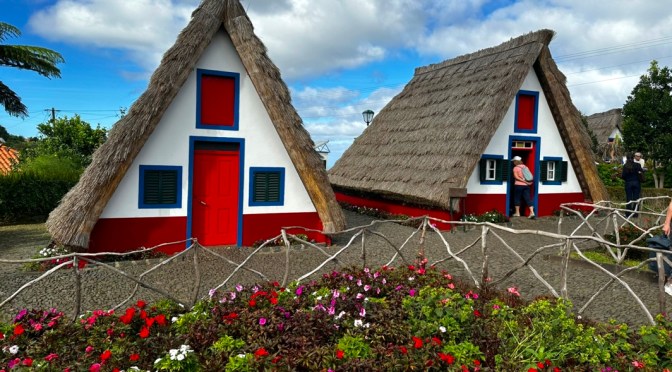
A ilha da Madeira, muitas vezes chamada de “Pérola do Atlântico”, fica cerca de 1.000 quilômetros a sudoeste de Portugal.

É famosa pelo clima ameno, que oferece temperaturas agradáveis durante todo o ano. As falésias dramáticas e os vales profundos moldam a paisagem única da ilha.
Particularmente impressionantes são as muitas levadas,

canais de irrigação artificiais que atravessam montanhas e florestas. Caminhantes do mundo inteiro visitam a Madeira para explorar estas trilhas fascinantes.
A vegetação exuberante, incluindo as florestas de loureiros, faz parte do Patrimônio Natural da UNESCO.
A capital, Funchal, encanta com seus edifícios históricos e mercados animados. O Mercado dos Lavradores é um local colorido repleto de frutas e flores exóticas. A catedral Sé, do século XV, é outra atração.
Madeira também é famosa pelo seu vinho tradicional, apreciado mundialmente. Muitos visitantes exploram as antigas adegas para provar este vinho especial.
O jardim botânico do Funchal oferece uma vista magnífica sobre a cidade, com plantas de várias zonas climáticas.
Viajantes aventureiros visitam o Cabo Girão, uma das falésias mais altas da Europa, com uma plataforma de vidro que proporciona vistas espetaculares.
Embora as praias sejam principalmente de origem vulcânica, a costa é convidativa, especialmente as piscinas naturais de Porto Moniz. As aldeias de montanha revelam arquitetura tradicional, com casas brancas e telhados vermelhos, e Santana é conhecida por suas casas triangulares de colmo.
Muitas vezes, a névoa envolve as florestas, criando um ambiente místico. O Pico Ruivo, com 1.862 metros, é o ponto mais alto da ilha e um dos trilhos mais belos. A gastronomia local oferece peixe fresco, espetadas e o famoso pão bolo do caco.
A tradicional bebida Poncha é indispensável. Festivais como a Festa da Flor atraem muitos visitantes, transformando as ruas do Funchal num mar de flores. O Réveillon é outro destaque, com um dos maiores fogos de artifício da Europa. Madeira combina natureza, cultura e hospitalidade de forma única, deixando cada visitante profundamente impressão.
Obs.: o voo entre Lisboa e Funchal, capital da Ilha da Madeira, é de 1 hora e 45 minutos. O aeroporto de Funchal tem o nome de Cristiano Ronaldo, que nasceu lá.
Die Insel Madeira, oft als „Perle des Atlantiks“ bezeichnet, liegt rund 1.000 Kilometer südwestlich von Portugal.
Sie ist berühmt für ihr mildes Klima, das das ganze Jahr über angenehme Temperaturen bietet und Besucher aus aller Welt anzieht. Die dramatischen Klippen und tief eingeschnittenen Täler prägen das charakteristische Landschaftsbild, das Madeira so einzigartig macht. Besonders beeindruckend sind die zahlreichen Levadas,
künstliche Wasserläufe, die sich durch Berge, Schluchten und üppige Wälder ziehen. Entlang dieser Wege erleben Wanderer spektakuläre Ausblicke und eine nahezu unberührte Natur. Die Lorbeerwälder Madeiras zählen zum UNESCO-Weltnaturerbe und vermitteln das Gefühl eines urzeitlichen Paradieses.
Die Hauptstadt Funchal begeistert mit historischen Gebäuden, lebhaften Märkten und einer charmanten Altstadt. Der Mercado dos Lavradores ist ein farbenfroher Treffpunkt voller exotischer Früchte, Blumen und traditioneller Produkte. Auch die Kathedrale Sé aus dem 15. Jahrhundert gehört zu den kulturellen Höhepunkten der Insel. Madeira ist zudem weltberühmt für seinen aromatischen Wein, der in alten Weinkellereien verkostet werden kann. Ein Besuch im botanischen Garten von Funchal bietet großartige Ausblicke über die Stadt und eine Vielfalt an Pflanzen aus unterschiedlichen Klimazonen.
Abenteuerlustige zieht es zum spektakulären Cabo Girão, einer der höchsten Klippen Europas, deren gläserne Aussichtsplattform atemberaubende Tiefblicke ermöglicht. Die Küsten Madeiras laden trotz ihrer meist vulkanischen Strände zum Entspannen ein, besonders die natürlichen Meeresschwimmbecken von Porto Moniz sind ein beliebtes Ziel. In den Bergdörfern beeindrucken traditionelle Häuser mit weißen Wänden und roten Dächern, während Santana mit seinen strohbedeckten Dreieckshäusern ein besonderes Highlight darstellt. Nebel, der durch die Wälder zieht, verleiht dem Inselinneren häufig eine mystische Stimmung. Der Pico Ruivo, mit 1.862 Metern der höchste Berg Madeiras, bietet Wanderern unvergessliche Erlebnisse. Die lokale Küche verwöhnt mit frischem Fisch, Espetada-Spießen und dem berühmten Bolo do Caco. Dazu passt hervorragend die traditionelle Poncha, ein Getränk aus Zuckerrohrschnaps. Festivals wie das Blumenfest verwandeln Funchal jedes Jahr in ein duftendes Blütenmeer. Auch das spektakuläre Silvesterfeuerwerk gehört zu den Höhepunkten der Insel. Madeira vereint Natur, Kultur, Gastfreundschaft und Vielfalt auf beeindruckende Weise – ein Reiseziel, das nachhaltig in Erinnerung bleibt.
Hinweis: Der Flug zwischen Lissabon und Funchal, der Hauptstadt der Insel Madeira, dauert 1 Stunde und 45 Minuten. Der Flughafen Funchal ist nach Cristiano Ronaldo benannt, der dort geboren wurde.

Madeira, often called the “Pearl of the Atlantic,” lies about 1,000 kilometers southwest of Portugal.
It is famous for its mild climate, which offers pleasant temperatures all year round. Dramatic cliffs and deeply carved valleys shape the island’s unique landscape.
Particularly impressive are the many levadas, man-made
irrigation channels that run through mountains and forests. Hikers from all over the world come to Madeira to experience breathtaking tours along these routes. The lush vegetation, including laurel forests, is part of the UNESCO World Natural Heritage. The capital Funchal impresses with its historic buildings and lively markets. The Mercado dos Lavradores is a colorful place full of exotic fruits and flowers. The 15th-century Sé Cathedral is another highlight. Madeira is also famous for its traditional wine, appreciated worldwide. Many visitors tour the old wine cellars to taste this special drink. The botanical garden of Funchal offers a splendid view over the city and hosts plants from various climate zones. Adventurous travelers visit Cabo Girão, one of Europe’s highest cliffs, featuring a glass platform with stunning views. Although Madeira’s beaches are mostly volcanic, the coast invites relaxation, especially the natural sea pools of Porto Moniz. The mountain villages offer traditional architecture, with white houses and red roofs, while Santana is known for its thatched triangular homes. Mist often drifts through the island’s forests, creating a mystical atmosphere. Pico Ruivo, at 1,862 meters, is the island’s highest peak and a favorite hiking destination. The local cuisine features fresh fish, espetada skewers, and the famous bolo do caco bread. The traditional drink Poncha is not to be missed. Festivals like the Flower Festival attract many visitors each year, turning Funchal’s streets into a sea of blossoms. New Year’s Eve is another highlight, with one of Europe’s largest fireworks shows. Madeira beautifully combines nature, culture, and hospitality, leaving every visitor deeply impressed.
Note: The flight between Lisbon and Funchal, the capital of Madeira Island, takes 1 hour and 45 minutes. Funchal Airport is named after Cristiano Ronaldo, who was born there.
Ilha de Páscoa/Die Osterinsel/Easter Island
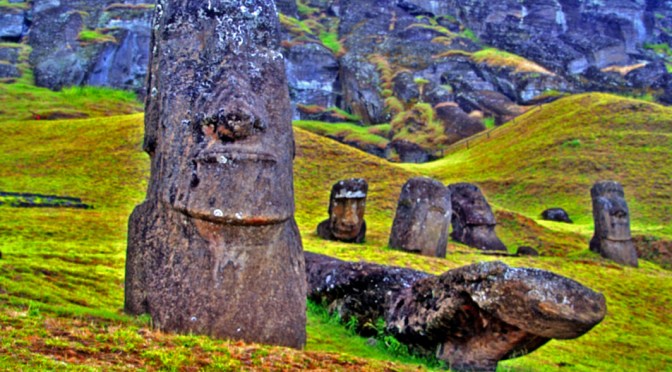
A Ilha de Páscoa, chamada Rapa Nui em espanhol, está localizada no sudeste do Pacífico e pertence politicamente ao Chile. Ela é famosa por suas misteriosas estátuas Moai, esculpidas em rocha vulcânica e espalhadas pela ilha. Essas enormes esculturas continuam sendo um mistério e encantam visitantes do mundo inteiro. A ilha tem origem vulcânica e apresenta uma paisagem impressionante, com colinas verdes, falésias rochosas e um mar azul profundo. Um dos locais mais fascinantes é o vulcão Rano Raraku, onde os Moai foram esculpidos na pedreira de pedra. Também destaca-se Ahu Tongariki, com seus quinze Moai restaurados que observam o oceano, uma das imagens mais emblemáticas da ilha. A cultura de Rapa Nui tem raízes profundas na história polinésia e conta a história de navegadores que cruzaram milhares de quilômetros de oceano. Tradições como o festival cultural Tapati mostram o orgulho e a vitalidade do povo local. Quem visita a ilha explora sítios arqueológicos enquanto descobre um mundo cheio de mitos e lendas. Além dos Moai, há praias paradisíacas como Anakena, com areia branca e coqueiros criando um cenário tropical. O clima é ameno e a atmosfera é tranquila e isolada. A Ilha de Páscoa oferece relaxamento e descoberta. Muitos viajantes relatam sentir uma conexão espiritual com a natureza e com o passado antigo. É um destino mágico, cheio de história, mistérios e belezas naturais, que permanece inesquecível.
Die Osterinsel, auf Spanisch Rapa Nui genannt, liegt isoliert im südöstlichen Pazifik und gehört politisch zu Chile. Bekannt ist sie vor allem für ihre mystischen Moai-Statuen, die aus vulkanischem Gestein gehauen wurden und majestätisch über die Insel wachen. Diese riesigen Skulpturen geben bis heute Rätsel auf und faszinieren Besucher aus aller Welt. Die Insel selbst ist vulkanischen Ursprungs und bietet eine raue, fast magische Landschaft mit grünen Hängen, zerklüfteten Felsen und tiefblauem Meer. Besonders beeindruckend ist der Vulkan Rano Raraku, in dessen Steinbruch die Moai entstanden sind. Ebenso eindrucksvoll ist Ahu Tongariki mit seinen 15 aufgerichteten Moai, die den Ozean überblicken und zu den berühmtesten Fotomotiven der Insel gehören. Die Kultur von Rapa Nui ist eng mit der polynesischen Geschichte verwoben und erzählt von Seefahrern, die einst Tausende Kilometer über den Ozean segelten. Traditionen wie der Tapati-Kulturfestival zeigen bis heute die Lebendigkeit und den Stolz der Bevölkerung. Besucher lernen hier nicht nur archäologische Stätten kennen, sondern tauchen auch in eine faszinierende Welt voller Mythen und Legenden ein. Neben den Moai gibt es traumhafte Strände wie Anakena, wo weißer Sand und Palmen ein tropisches Paradies schaffen. Das Klima ist angenehm mild, und die Atmosphäre ruhig und friedlich. Die Osterinsel ist ein Ort, der sowohl Entspannung als auch Entdeckungen ermöglicht. Wer hierher reist, spürt die spirituelle Energie und den tiefen kulturellen Reichtum, der die Insel einzigartig macht. Viele Reisende berichten von einem besonderen Gefühl der Verbundenheit mit der Natur und der Vergangenheit. Die Osterinsel bleibt ein magisches Ziel voller Geschichte, Geheimnisse und Naturschönheiten, das man nie vergisst.
Easter Island, called Rapa Nui in Spanish, is located in the southeastern Pacific and politically belongs to Chile. It is best known for its mysterious Moai statues, carved from volcanic rock and standing proudly across the island. These enormous sculptures continue to puzzle researchers and fascinate visitors from around the world. The island itself is of volcanic origin, with a rugged, mystical landscape of green slopes, rocky cliffs, and deep blue ocean. One of the most impressive sites is the Rano Raraku volcano, where the Moai were carved from the stone quarry. Also remarkable is Ahu Tongariki, with fifteen restored Moai overlooking the ocean, one of the island’s most iconic sights. Rapa Nui culture is deeply rooted in Polynesian history, telling the story of seafarers who crossed the vast ocean thousands of kilometers. Traditions like the Tapati cultural festival showcase the island’s living heritage and proud identity. Visitors explore archaeological sites while immersing themselves in a world full of myths and legends. In addition to the Moai, there are beautiful beaches such as Anakena, with white sand and palm trees creating a tropical atmosphere. The climate is mild, and the island feels peaceful and remote. Easter Island offers both relaxation and discovery. Travelers often speak of feeling a spiritual connection to the land and its ancient past. It remains a magical place of culture, mystery, and natural beauty that leaves lasting memories.
 imagenseviagens.com.br/travelandimages.com