
Todos os posts de Erich e Marcia

Erich é alemão, editor e fotógrafo, e eu sou arquiteta. Desenvolvemos uma parceria de trabalho e, em consequência, já publicamos três livros impressos e cinco digitais. Dois dos impressos versam sobre o estado do Rio Grande do Norte (66 Razões para descobrir o Rio Grande do Norte e deliciar-se com ele e Guia das Belezas do Rio Grande do Norte com exemplos de conservação ambiental), e o terceiro sobre o Brasil (66 x Brasil). Os livros digitais são: 66 x Brazil (somente em inglês), Natal e as belas praias do Rio Grande do Norte, Deserto do Atacama –Neve e Céu Azul, 66 Belezas do Brasil, 66 Sehenswürdigkeiten in Brasilien e Aventuras e Impressões de Viagens.Os três primeiros estão disponíveis na Ibooks da Apple e os outros na Amazon.com.São livros informativos e de fotografias, alguns dos quais contêm textos explicativos, em várias línguas, sobre os locais retratados. Viajamos muito para fotografar e conhecer os lugares que enfocamos em nossos livros.

UDAIPUR

Udaipur, frequentemente chamada de “Cidade dos Lagos”, fica no estado de Rajastão, na Índia, e é conhecida por sua atmosfera encantadora, seus palácios e lagos circundantes. A cidade foi fundada no século XVI pelo Maharana Udai Singh II e já serviu como capital do Reino de Mewar. Cercada pelas montanhas Aravalli e com o brilhante Lago Pichola no coração da cidade, Udaipur oferece uma combinação única de natureza e arquitetura.

A cidade velha de Udaipur é um labirinto de ruas estreitas, edifícios históricos e templos magníficos. É aqui que fica o famoso mercado, um local vibrante cheio de cores, aromas e artesanato. O mercado atrai tanto moradores locais quanto turistas em busca de lembranças, tecidos artesanais, joias e produtos de couro. O mercado é especialmente conhecido por seus tecidos decorados e pelas pinturas em miniatura típicas que retratam cenas da vida real e da mitologia hindu.

Passear pelo mercado é uma experiência para os sentidos. Somos acompanhados pelo aroma de especiarias, incensos e comidas de rua. Os vendedores promovem seus produtos em voz alta e muitas vezes estão dispostos a uma conversa amigável.

Outro destaque é o Templo Jagdish, localizado nas proximidades do mercado. Este templo é um impressionante exemplo de arquitetura hindu e atrai visitantes com suas esculturas delicadas e atmosfera espiritual.

O mercado de Udaipur é um símbolo da rica cultura do Rajastão e permite um vislumbre da vida cotidiana e das tradições da região. Aqui, é possível comprar produtos autênticos feitos com muito amor e habilidade artesanal. A pechincha faz parte da experiência de compra. À noite, quando os postes de luz iluminam as ruas com uma luz quente, o mercado ganha um charme especial, fazendo com que a história e o encanto da cidade se tornem palpáveis.

Para conhecer mais sobre Udaipur, clique aqui.

Udaipur, oft als “Stadt der Seen” bezeichnet, liegt im indischen Bundesstaat Rajasthan und ist bekannt für seine märchenhafte Atmosphäre, seine Paläste und die umliegenden Seen. Die Stadt wurde im 16. Jahrhundert von Maharana Udai Singh II. gegründet und diente einst als Hauptstadt des Königreichs Mewar. Umgeben von den Aravalli-Bergen und mit dem glitzernden Pichola-See im Herzen, bietet Udaipur ein einzigartiges Zusammenspiel von Natur und Architektur.

Die Altstadt von Udaipur ist ein Labyrinth aus engen Gassen, historischen Gebäuden und prächtigen Tempeln. Hier liegt auch der berühmte Markt, ein lebendiger Ort voller Farben, Aromen und Handwerkskunst. Der Markt zieht Einheimische und Touristen gleichermaßen an, die auf der Suche nach Souvenirs, handgefertigten Textilien, Schmuck und Lederwaren sind. Besonders bekannt ist der Markt für die kunstvoll verzierten Stoffe und für die typischen Miniaturmalereien, die Szenen aus dem königlichen Leben und der Hindu-Mythologie darstellen.

Ein Spaziergang durch den Markt ist ein Erlebnis für die Sinne. Man wird von dem Duft von Gewürzen, Räucherstäbchen und Street Food begleitet. Verkäufer preisen lautstark ihre Waren an und sind oft zu einem Plausch bereit. Ein weiteres Highlight ist der Jagdish-Tempel, der sich in unmittelbarer Nähe des Marktes befindet. Er ist ein beeindruckendes Beispiel der hinduistischen Architektur und zieht Besucher mit seinen fein gemeißelten Skulpturen und seiner spirituellen Atmosphäre an.

Der Markt von Udaipur ist ein Symbol für die reiche Kultur Rajasthans und ermöglicht einen Einblick in das alltägliche Leben und die Traditionen der Region. Hier kann man authentische Produkte erwerben, die mit viel Liebe und Handarbeit hergestellt wurden. Auch das Feilschen gehört dazu und ist Teil des Einkaufserlebnisses. Am Abend, wenn die Straßenlaternen die Gassen in warmes Licht tauchen, entfaltet der Markt einen besonderen Charme und lässt die Geschichte und den Zauber der Stadt spürbar werden.

Um mehr über Udaipur zu erfahren, klicken Sie hier.

Udaipur, often called the “City of Lakes,” is located in the Indian state of Rajasthan and is known for its fairy-tale atmosphere, palaces, and surrounding lakes. The city was founded in the 16th century by Maharana Udai Singh II and once served as the capital of the Kingdom of Mewar. Surrounded by the Aravalli Mountains and with the shimmering Lake Pichola at its heart, Udaipur offers a unique blend of nature and architecture.

The old city of Udaipur is a labyrinth of narrow lanes, historic buildings, and splendid temples. Here lies the famous market, a lively place full of colors, aromas, and handicrafts. The market attracts locals and tourists alike who come in search of souvenirs, handcrafted textiles, jewelry, and leather goods. It is especially known for its intricately decorated fabrics and traditional miniature paintings that depict scenes from royal life and Hindu mythology.

Walking through the market is a sensory experience. You are accompanied by the scent of spices, incense, and street food. Vendors loudly promote their goods and are often up for a friendly chat. Another highlight is the Jagdish Temple, located close to the market. It is an impressive example of Hindu architecture, attracting visitors with its finely carved sculptures and spiritual ambiance.

The Udaipur market is a symbol of Rajasthan’s rich culture and provides a glimpse into the everyday life and traditions of the region. Here, you can purchase authentic items made with love and artisanal skill. Bargaining is part of the shopping experience, too. In the evening, when the street lights cast a warm glow over the alleys, the market takes on a special charm, bringing the city’s history and magic to life.

To know more about Udaipur, click here.

Bonito é bonito/Bonito ist schön/Bonito ist beautiful

Bonito é uma pequena e pitoresca cidade no estado de Mato Grosso do Sul, Brasil, famosa por sua deslumbrante natureza e diversas atividades ao ar livre. A região atrai turistas interessados em ecoturismo e aventuras na natureza. Em Bonito, há muitas atividades, como snorkeling em rios de águas cristalinas, trilhas até cachoeiras e exploração de cavernas.

As atrações mais conhecidas são o rio Rio da Prata, onde é possível nadar e observar a fascinante vida aquática, e as Grutas de Anhumas, que oferecem impressionantes formações de estalactites. A região é rica em flora e fauna, o que agrada observadores de aves e amantes da natureza. 

Para chegar a Bonito, existem várias opções. As cidades maiores mais próximas são Campo Grande e Corumbá. De Campo Grande, é possível ir de carro ou ônibus para Bonito, o que leva cerca de 4 a 5 horas. Também há voos diretos para Campo Grande a partir de cidades maiores, como São Paulo ou Brasília. 

Outra opção é reservar um transfer ou um pacote turístico, que muitas vezes combinam transporte e atividades. Ao chegar em Bonito, muitas atrações são de fácil acesso e podem ser exploradas a pé ou de bicicleta. É aconselhável reservar com antecedência, pois as vagas para atividades podem ser limitadas. A melhor época para visitar é durante a estação seca, de maio a setembro, quando os níveis de água estão ideais e a visibilidade subaquática é a melhor. 

Para conhecer mais sobre Bonito, clique aqui.

Bonito ist eine kleine, malerische Stadt im Bundesstaat Mato Grosso do Sul, Brasilien, bekannt für ihre atemberaubende Natur und vielfältigen Outdoor-Aktivitäten. Die Region zieht Touristen an, die sich für Ökotourismus und Abenteuer in der Natur interessieren. In Bonito gibt es viele Aktivitäten wie Schnorcheln in glasklaren Flüssen, Wanderungen zu Wasserfällen und Höhlenexkursionen.

Die bekanntesten Attraktionen sind der Fluss Rio da Prata, wo man im Wasser schwimmen und die faszinierende Unterwasserwelt beobachten kann, sowie die Grotten von Anhumas, die beeindruckende Tropfsteinformationen bieten. Die Umgebung ist reich an Flora und Fauna, was Vogelbeobachtern und Naturliebhabern Freude bereitet.

Um nach Bonito zu gelangen, gibt es verschiedene Möglichkeiten. Die nächstgelegenen größeren Städte sind Campo Grande und Corumbá. Von Campo Grande aus kann man mit dem Auto oder Bus nach Bonito fahren, was etwa 4 bis 5 Stunden in Anspruch nimmt. Es gibt auch direkte Flüge nach Campo Grande von größeren Städten wie São Paulo oder Brasília.

Ein weiterer Weg ist, einen Transfer oder einen geführten Touranbieter zu buchen, die oft Transport und Aktivitäten kombinieren. In Bonito angekommen, sind viele Attraktionen gut erreichbar und oft sogar zu Fuß oder mit Fahrrädern zu erkunden. Es ist ratsam, im Voraus zu buchen, da die Plätze für Aktivitäten begrenzt sein können. Die beste Reisezeit ist während der Trockenzeit von Mai bis September, wenn die Wasserstände ideal sind und die Sicht unter Wasser am besten ist.

Um mehr über „schön“ zu erfahren, klicken Sie hier.

Bonito is a small, picturesque town in the state of Mato Grosso do Sul, Brazil, known for its stunning nature and diverse outdoor activities. The region attracts tourists interested in ecotourism and adventures in nature. In Bonito, there are many activities such as snorkeling in crystal-clear rivers, hiking to waterfalls, and exploring caves.

The most famous attractions include the Rio da Prata, where you can swim and observe the fascinating underwater life, and the Anhumas Caves, which feature impressive stalactite formations. The area is rich in flora and fauna, delighting bird watchers and nature lovers.

To get to Bonito, there are several options. The nearest larger cities are Campo Grande and Corumbá. From Campo Grande, you can drive or take a bus to Bonito, which takes about 4 to 5 hours. There are also direct flights to Campo Grande from larger cities like São Paulo or Brasília.

Another option is to book a transfer or a guided tour, which often combine transport and activities. Once in Bonito, many attractions are easily accessible and can often be explored on foot or by bicycle. It’s advisable to book in advance, as spots for activities can be limited. The best time to visit is during the dry season from May to September, when water levels are ideal and underwater visibility is at its best.

To learn more about bonito, click here.


Trilha Vernazza – Monterosso al Mare/Wanderweg Vernazza – Monterosso al Mare/

Trilha Vernazza – Monterosso al Mare

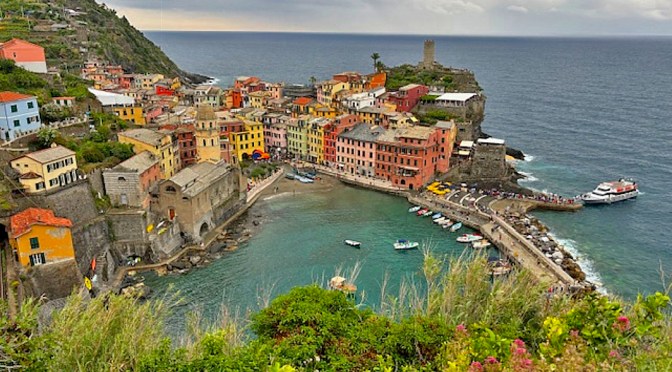
A trilha entre Vernazza a Monterosso faz parte do famoso “Sentiero Azzurro” nas Cinque Terre, um dos mais belos caminhos costeiros da Itália. A trilha entre as duas pitorescas aldeias de Vernazza e Monterosso tem cerca de 3,5 quilômetros e oferece vistas deslumbrantes do Mar da Ligúria e dos penhascos íngremes.

O caminho começa em Vernazza, uma charmosa vila de pescadores com ruas estreitas e casas coloridas. De lá, o percurso sobe acentuadamente através de olivais e vinhedos. As primeiras seções podem ser um pouco desafiadoras, especialmente em dias quentes, pois há algumas subidas íngremes. No entanto, o esforço vale a pena, pois a vista panorâmica do mar e das aldeias vizinhas é espetacular.

Durante a subida, muitas vezes se pode ver as típicas paisagens em terraços da região, onde o vinho é cultivado. Esses morros íngremes são moldados pela mão humana há séculos e contribuem para o caráter único das Cinque Terre. O caminho é estreito e rochoso em algumas partes, por isso é recomendável usar calçado adequado.

Após o ponto mais alto da caminhada, o caminho desce até Monterosso al Mare, a maior das aldeias das Cinque Terre. Monterosso é conhecida por suas longas praias de areia, que são uma raridade em comparação com as outras aldeias da região. A água cristalina convida a um mergulho refrescante após a caminhada.

O percurso completo leva cerca de duas horas, dependendo do ritmo. É aconselhável levar bastante água, pois ao longo do caminho há poucas oportunidades para comprar bebidas. O caminho está aberto durante todo o ano, mas nos meses de verão pode ficar muito quente, por isso é recomendado começar cedo.

Além das vistas deslumbrantes do mar, o trilho também oferece uma visão da flora e fauna da região. Plantas mediterrâneas como alecrim, tomilho e cistos alinham-se ao longo do caminho, e com um pouco de sorte é possível observar pássaros raros.

Esta caminhada é uma das mais populares nas Cinque Terre e oferece uma mistura perfeita de natureza, cultura e beleza deslumbrante da costa italiana.

Veja algumas informações relacionadas com o percurso dessa trilha baseadas em nossa experiência. Realizamos esse passeio em maio/24:

– O tempo todo pessoas de diferentes idades estavam passando por nós nas duas direções;

– Largura da trilha 70 cm em alguns pontos e em outros 40 cm, aproximadamente;

– No percurso existem muitas escadarias;

– Planeje tempo suficiente para realizar o percurso;

– Nós consideramos que é melhor fazer a trilha no sentido Vernazza – Monterosso;

– O ideal é que você percorra essa trilha quando não estiver chovendo, caso contrário o caminho pode tornar-se escorregadio e perigoso;

É FUNDAMENTAL USAR CALÇADOS APROPRIADOS PARA TRILHAS;

– A trilha tem muitas escadarias íngremes;

– As melhores vistas de Vernazza você ver após 5 e 15 minutos de caminhada;

– É uma trilha considerada de nível intermediário;

– Jamais saia do caminho da trilha;

– É importante comprar o Cartão Cinq Terre para ter acesso às trilhas e aos trens para se locomover entres as cidades.

Wanderweg Vernazza – Monterosso al Mare

Der Wanderpfad von Vernazza nach Monterosso ist Teil des berühmten „Sentiero Azzurro“ in den Cinque Terre, einer der schönsten Küstenwanderwege Italiens. Die Strecke zwischen den beiden malerischen Dörfern Vernazza und Monterosso ist etwa 3,5 Kilometer lang und bietet atemberaubende Ausblicke auf das Ligurische Meer und die steilen Klippen.

Der Pfad beginnt in Vernazza, einem charmanten Fischerdorf mit engen Gassen und bunten Häusern. Von dort aus führt der Weg steil hinauf durch Olivenhaine und Weinberge. Die ersten Abschnitte können etwas anstrengend sein, besonders an heißen Tagen, da es einige steile Anstiege gibt. Dennoch lohnt sich die Anstrengung, da man immer wieder spektakuläre Panoramablicke auf das Meer und die umliegenden Dörfer genießen kann.

Während des Aufstiegs kann man oft die typischen Terrassenlandschaften der Region sehen, wo Wein angebaut wird. Diese steilen Hänge sind seit Jahrhunderten von Menschenhand gestaltet und tragen zum einzigartigen Charakter der Cinque Terre bei. Der Weg ist teilweise schmal und felsig, daher ist festes Schuhwerk empfehlenswert.

Nach dem höchsten Punkt der Wanderung führt der Pfad hinunter nach Monterosso al Mare, dem größten der Cinque-Terre-Dörfer. Monterosso ist bekannt für seine langen Sandstrände, die im Vergleich zu den anderen Dörfern eine Seltenheit in dieser Region darstellen. Das kristallklare Wasser lädt zu einer erfrischenden Abkühlung nach der Wanderung ein.

Die gesamte Strecke dauert je nach Tempo etwa zwei Stunden. Es ist ratsam, ausreichend Wasser mitzunehmen, da es entlang des Pfades nur wenige Möglichkeiten gibt, Getränke zu kaufen. Der Pfad ist das ganze Jahr über begehbar, allerdings kann es in den Sommermonaten sehr heiß werden, weshalb eine frühzeitige Wanderung empfohlen wird.

Neben den atemberaubenden Ausblicken auf das Meer bietet der Wanderweg auch Einblicke in die Flora und Fauna der Region. Mediterrane Pflanzen wie Rosmarin, Thymian und Zistrosen säumen den Weg, und mit etwas Glück kann man sogar seltene Vögel beobachten.

Diese Wanderung ist eine der beliebtesten in den Cinque Terre und bietet eine perfekte Mischung aus Natur, Kultur und atemberaubender Schönheit der italienischen Küste.

Hier sind einige Informationen zu dieser Wanderroute basierend auf unserer Erfahrung. Wir haben diese Wanderung im Mai 2024 gemacht:

  • Ständig kamen Menschen unterschiedlichen Alters in beide Richtungen an uns vorbei;
  • Die Breite des Weges beträgt an einigen Stellen 70 cm und an anderen etwa 40 cm;
  • Auf dem Weg gibt es viele Treppen;
  • Planen Sie genügend Zeit für die Wanderung ein;
  • Wir halten es für besser, die Route in Richtung Vernazza – Monterosso zu gehen;
  • Ideal ist es, die Wanderung bei trockenem Wetter zu machen, da der Weg sonst rutschig und gefährlich werden kann;
  • Es ist UNBEDINGT ERFORDERLICH, GEEIGNETE WANDERSCHUHE ZU TRAGEN;
  • Der Weg hat viele steile Treppen;
  • Die besten Ausblicke auf Vernazza hat man nach 5 und 15 Minuten Gehzeit;
  • Es ist eine Wanderung mittleren Schwierigkeitsgrades;
  • Verlassen Sie niemals den Wanderweg;
  • Es ist wichtig, die Cinque Terre Card zu kaufen, um Zugang zu den Wanderwegen und Zügen zwischen den Städten zu haben.

Vernazza – Monterosso al Mare Trail

The hiking trail from Vernazza to Monterosso is part of the famous “Sentiero Azzurro” in the Cinque Terre, one of the most beautiful coastal trails in Italy. The route between the two picturesque villages of Vernazza and Monterosso is about 3.5 kilometers long and offers breathtaking views of the Ligurian Sea and steep cliffs.

The trail starts in Vernazza, a charming fishing village with narrow streets and colorful houses. From there, the path leads steeply up through olive groves and vineyards. The first sections can be a bit challenging, especially on hot days, as there are some steep climbs. However, the effort is well worth it, as you are rewarded with spectacular panoramic views of the sea and the surrounding villages.

During the ascent, you can often see the typical terraced landscapes of the region, where wine is grown. These steep slopes have been shaped by human hands for centuries and contribute to the unique character of the Cinque Terre. The path is narrow and rocky in some places, so sturdy footwear is recommended.

After reaching the highest point of the hike, the trail descends into Monterosso al Mare, the largest of the Cinque Terre villages. Monterosso is known for its long sandy beaches, which are a rarity in this region compared to the other villages. The crystal-clear water invites you to take a refreshing dip after the hike.

The entire hike takes about two hours, depending on your pace. It is advisable to bring plenty of water, as there are few opportunities to buy drinks along the way. The trail is open year-round, but it can get very hot in the summer months, so an early start is recommended.

In addition to the stunning sea views, the trail also offers insights into the region’s flora and fauna. Mediterranean plants like rosemary, thyme, and rockrose line the path, and with some luck, you might even spot rare birds.

This hike is one of the most popular in the Cinque Terre, offering a perfect mix of nature, culture, and breathtaking beauty of the Italian coastline.

Here are some details about this trail based on our experience. We did this hike in May 2024:

  • People of different ages were constantly passing us in both directions;
  • The trail width is 70 cm in some spots and approximately 40 cm in others;
  • There are many staircases along the route;
  • Plan enough time to complete the hike;
  • We consider it better to hike from Vernazza to Monterosso;
  • Ideally, you should hike this trail when it’s not raining, otherwise, the path can become slippery and dangerous;
  • IT IS ESSENTIAL TO WEAR APPROPRIATE HIKING SHOES;
  • The trail has many steep staircases;
  • The best views of Vernazza are after 5 and 15 minutes of walking;
  • It is considered an intermediate-level trail;
  • Never leave the trail path;
  • It is important to buy the Cinque Terre Card to access the trails and trains to move between the towns.


Galinhos, uma pérola no litoral potiguar

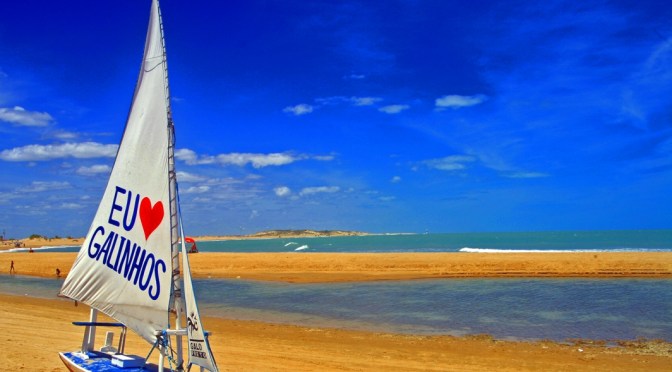
Galinhos é uma pequena vila de pescadores no estado do Rio Grande do Norte, no nordeste do Brasil. Está localizada em uma península, acessível apenas por barco ou veículos com tração nas quatro rodas, o que confere à vila um caráter isolado e encantador. A paisagem ao redor é marcada por praias intocadas, águas cristalinas e dunas deslumbrantes. Em Galinhos vivem cerca de 2.000 pessoas, que dependem principalmente da pesca e do turismo.

O farol de Galinhos é um marco famoso e oferece uma vista espetacular do mar e das salinas próximas, que desempenham um papel importante na economia local. A vila tem uma atmosfera tranquila e relaxante, ideal para os visitantes que desejam escapar do agito das grandes cidades. 

Um dos maiores destaques de Galinhos são os passeios de barco pelos manguezais e pelo delta do Rio Aratuá. Esses passeios permitem explorar a rica flora e fauna da região, incluindo muitas espécies de aves e peixes. Os visitantes também podem desfrutar das piscinas naturais, formadas durante a maré baixa, que são perfeitas para nadar. 

Os habitantes de Galinhos são conhecidos por sua hospitalidade. Embora o turismo tenha crescido nos últimos anos, a vila preserva seu caráter autêntico. Existem algumas pequenas pousadas e restaurantes que servem frutos do mar frescos e especialidades regionais. 

No geral, Galinhos oferece uma mistura perfeita de natureza, tranquilidade e isolamento, sendo uma joia escondida do nordeste brasileiro que espera ser descoberta. 

Galinhos ist ein kleines Fischerdorf im Bundesstaat Rio Grande do Norte im Nordosten Brasiliens. Es liegt auf einer Halbinsel, die nur mit dem Boot oder speziellen Geländefahrzeugen erreichbar ist, was dem Ort einen abgelegenen und charmanten Charakter verleiht. Die Umgebung ist geprägt von unberührten Stränden, kristallklarem Wasser und einer atemberaubenden Dünenlandschaft. In Galinhos leben etwa 2.000 Menschen, die hauptsächlich vom Fischfang und Tourismus leben.

Der Leuchtturm von Galinhos ist ein bekanntes Wahrzeichen und bietet einen spektakulären Ausblick auf das Meer und die umliegenden Salzpfannen, die eine wichtige Rolle in der lokalen Wirtschaft spielen. Das Dorf hat eine ruhige und entspannte Atmosphäre, die sich perfekt für Besucher eignet, die dem Trubel der großen Städte entfliehen möchten.

Eines der größten Highlights von Galinhos sind die Bootstouren durch die Mangrovenwälder und das Delta des Rio Aratuá. Diese Touren ermöglichen es, die reiche Flora und Fauna der Region zu erkunden, darunter viele Vogelarten und Fische. Besucher können auch die natürlichen Pools (Piscinas Naturais) genießen, die bei Ebbe entstehen und eine wunderbare Gelegenheit zum Schwimmen bieten.

Die Einwohner von Galinhos sind bekannt für ihre Gastfreundschaft. Obwohl der Tourismus in den letzten Jahren zugenommen hat, hat der Ort seinen authentischen Charakter bewahrt. Es gibt einige kleine Pensionen und Restaurants, die frische Meeresfrüchte und regionale Spezialitäten anbieten.

Insgesamt bietet Galinhos eine perfekte Mischung aus Natur, Ruhe und Abgeschiedenheit und ist ein verstecktes Juwel im brasilianischen Nordosten, das darauf wartet, entdeckt zu werden.

Galinhos is a small fishing village in the state of Rio Grande do Norte, in northeastern Brazil. It is located on a peninsula, accessible only by boat or four-wheel drive vehicles, which gives the place a secluded and charming character. The surrounding area is characterized by pristine beaches, crystal-clear waters, and stunning sand dunes. About 2,000 people live in Galinhos, mostly relying on fishing and tourism.

The Galinhos lighthouse is a famous landmark and offers a spectacular view of the sea and the nearby salt pans, which play an important role in the local economy. The village has a quiet and relaxing atmosphere, ideal for visitors seeking to escape the hustle and bustle of big cities.

One of the main highlights of Galinhos is the boat tours through the mangroves and the delta of the Rio Aratuá. These tours allow you to explore the rich flora and fauna of the region, including many species of birds and fish. Visitors can also enjoy the natural pools, formed at low tide, which are perfect for swimming.

The residents of Galinhos are known for their hospitality. Although tourism has increased in recent years, the village has maintained its authentic character. There are a few small guesthouses and restaurants serving fresh seafood and regional specialties.

Overall, Galinhos offers a perfect blend of nature, tranquility, and seclusion, and is a hidden gem in northeastern Brazil waiting to be discovered.


Mumbai

Mumbai, anteriormente conhecida como Bombaim, é a cidade mais populosa da Índia e uma das maiores metrópoles do mundo. Localizada na costa oeste da Índia, no Mar da Arábia, é a capital do estado de Maharashtra. Com mais de 20 milhões de habitantes, Mumbai é o coração econômico da Índia, abrigando várias instituições financeiras importantes, como a Bolsa de Valores de Bombaim e o Banco da Reserva da Índia.

A cidade é conhecida por sua cultura e história diversas, refletidas em sua arquitetura, arte e culinária. Desde edifícios coloniais como o Portal da Índia e o Chhatrapati Shivaji Maharaj Terminus, um Patrimônio Mundial da UNESCO, até arranha-céus modernos e shoppings – Mumbai combina tradição e modernidade de forma fascinante.

Mani Bhavan, também conhecida como Casa de Gandhi, é um edifício histórico em Mumbai que serviu como base para as atividades políticas de Mahatma Gandhi de 1917 a 1934. Foi aqui que Gandhi planejou muitas ações significativas para o movimento de independência da Índia, como a famosa Marcha do Sal. Hoje, Mani Bhavan é um museu e memorial que documenta a vida de Gandhi e seu trabalho pela promoção da paz e liberdade na Índia. O museu abriga uma impressionante coleção de fotografias, documentos, cartas e objetos pessoais de Gandhi, oferecendo aos visitantes um profundo insight sobre sua vida e legado.

Mumbai também é o centro da indústria cinematográfica indiana, mais conhecida como Bollywood. Centenas de filmes são produzidos aqui anualmente, ganhando popularidade em toda a Índia e no mundo. A cidade atrai muitos artistas e mentes criativas, e tem uma cena teatral vibrante, muitas galerias de arte e festivais de música.

Apesar de sua riqueza e dinamismo, Mumbai também é conhecida por seus desafios sociais, incluindo grandes disparidades de renda e um número significativo de favelas. A mais famosa delas, Dharavi, é uma das maiores favelas da Ásia, onde milhões de pessoas vivem em condições precárias. No entanto, Dharavi também é um centro de empreendedorismo e artesanato, com muitas pequenas indústrias produzindo têxteis, artigos de couro e cerâmica.

A cidade é um importante centro de transporte, com um dos aeroportos mais movimentados da Índia, o Aeroporto Internacional Chhatrapati Shivaji Maharaj, e uma rede densa de ligações ferroviárias utilizadas diariamente por milhões de passageiros. Mumbai enfrenta fortes chuvas anuais durante a monção, frequentemente causando inundações, o que representa um dos maiores desafios para a administração da cidade.

Mumbai é uma cidade de contrastes: combina riqueza e pobreza, tradição e modernidade, caos e ordem. A cidade é conhecida por sua energia incansável e sua ética de “nunca desistir”, expressa pelo apelido de “Maximum City”. É um lugar que está sempre em movimento e um centro de oportunidades econômicas, diversidade cultural e resistência humana.

Para conhecer mais sobre Mumbai, clique aqui.

Mumbai, früher bekannt als Bombay, ist die bevölkerungsreichste Stadt Indiens und eine der größten Metropolen der Welt. Sie liegt an der Westküste Indiens am Arabischen Meer und ist die Hauptstadt des Bundesstaates Maharashtra. Mit über 20 Millionen Einwohnern ist Mumbai das wirtschaftliche Herz Indiens und beheimatet zahlreiche wichtige Finanzinstitutionen, darunter die Bombay Stock Exchange und die Reserve Bank of India.

Die Stadt ist bekannt für ihre vielfältige Kultur und Geschichte, die sich in ihrer Architektur, Kunst und Gastronomie widerspiegelt. Von Kolonialbauten wie dem Gateway of India und dem Chhatrapati Shivaji Maharaj Terminus, einem UNESCO-Weltkulturerbe, bis hin zu modernen Wolkenkratzern und Einkaufszentren – Mumbai vereint Tradition und Moderne auf faszinierende Weise.

Das Mani Bhavan, auch bekannt als Gandhi-Haus, ist ein historisches Gebäude in Mumbai, das Mahatma Gandhi als Basis für seine politischen Aktivitäten von 1917 bis 1934 diente. Hier plante Gandhi viele bedeutende Aktionen für die Unabhängigkeitsbewegung Indiens, wie den berühmten Salzmarsch. Heute ist Mani Bhavan ein Museum und eine Gedenkstätte, die Gandhis Leben und seine Arbeit zur Förderung von Frieden und Freiheit in Indien dokumentiert. Das Museum beherbergt eine beeindruckende Sammlung von Fotografien, Dokumenten, Briefen und persönlichen Gegenständen Gandhis, die Besuchern einen tiefen Einblick in sein Leben und Erbe bieten.

Mumbai ist auch das Zentrum der indischen Filmindustrie, besser bekannt als Bollywood. Jährlich werden hier hunderte von Filmen produziert, die in ganz Indien und weltweit große Popularität genießen. Die Stadt zieht zahlreiche Künstler und kreative Köpfe an und hat eine lebendige Theaterszene, viele Kunstgalerien und Musikfestivals.

Trotz ihres Reichtums und ihrer Dynamik ist Mumbai auch für ihre sozialen Herausforderungen bekannt, darunter große Einkommensunterschiede und eine erhebliche Anzahl von Slums. Das bekannteste von ihnen, Dharavi, ist eines der größten Slums Asiens, in dem Millionen Menschen in beengten Verhältnissen leben. Trotzdem ist Dharavi auch ein Zentrum für Unternehmertum und Handwerk, mit zahlreichen kleinen Industrien, die Textilien, Lederwaren und Töpferwaren herstellen.

Die Stadt ist auch ein wichtiger Verkehrsknotenpunkt mit einem der verkehrsreichsten Flughäfen Indiens, dem Chhatrapati Shivaji Maharaj International Airport, und einem dichten Netz von Zugverbindungen, die Millionen von Pendlern täglich nutzen. Mumbai erlebt jedes Jahr während des Monsuns starke Regenfälle, die oft zu Überschwemmungen führen, was eine der großen Herausforderungen für die Stadtverwaltung darstellt.

Mumbai ist eine Stadt der Kontraste: Sie vereint Reichtum und Armut, Tradition und Moderne, Chaos und Ordnung. Die Stadt ist bekannt für ihre unermüdliche Energie und ihr „Nie-sagen-sterben“-Ethos, das in dem Spitznamen „Maximum City“ zum Ausdruck kommt. Sie ist ein Ort, der immer in Bewegung ist und ein Zentrum für wirtschaftliche Chancen, kulturelle Vielfalt und menschliche Ausdauer.

Um mehr über Mumbai zu erfahren, klicken Sie hier.

Mumbai, formerly known as Bombay, is the most populous city in India and one of the largest metropolises in the world. Located on the west coast of India along the Arabian Sea, it is the capital of the state of Maharashtra. With over 20 million inhabitants, Mumbai is the economic heart of India, home to several major financial institutions, including the Bombay Stock Exchange and the Reserve Bank of India.

The city is known for its diverse culture and history, reflected in its architecture, art, and cuisine. From colonial buildings like the Gateway of India and Chhatrapati Shivaji Maharaj Terminus, a UNESCO World Heritage Site, to modern skyscrapers and shopping malls, Mumbai blends tradition and modernity in a fascinating way.

Mani Bhavan, also known as the Gandhi House, is a historic building in Mumbai that served as the base for Mahatma Gandhi’s political activities from 1917 to 1934. It was here that Gandhi planned many significant actions for India’s independence movement, such as the famous Salt March. Today, Mani Bhavan is a museum and memorial that documents Gandhi’s life and his work to promote peace and freedom in India. The museum houses an impressive collection of photographs, documents, letters, and personal belongings of Gandhi, providing visitors with a deep insight into his life and legacy.

Mumbai is also the center of the Indian film industry, better known as Bollywood. Hundreds of films are produced here annually, gaining popularity throughout India and worldwide. The city attracts numerous artists and creative minds and boasts a vibrant theater scene, many art galleries, and music festivals.

Despite its wealth and dynamism, Mumbai is also known for its social challenges, including significant income disparities and a considerable number of slums. The most famous of these, Dharavi, is one of the largest slums in Asia, where millions of people live in cramped conditions. Nonetheless, Dharavi is also a hub of entrepreneurship and craftsmanship, with numerous small industries producing textiles, leather goods, and pottery.

The city is also a major transportation hub, with one of the busiest airports in India, the Chhatrapati Shivaji Maharaj International Airport, and a dense network of train connections used daily by millions of commuters. Mumbai experiences heavy rainfall each year during the monsoon, often leading to flooding, which is one of the major challenges for the city administration.

Mumbai is a city of contrasts: it combines wealth and poverty, tradition and modernity, chaos and order. The city is known for its relentless energy and “never say die” ethos, encapsulated in the nickname “Maximum City.” It is a place that is always on the move and a center for economic opportunities, cultural diversity, and human resilience.

To learn more about Mumbai, click here.

Kitzsteinhorn, paisagem espetacular/Kitzsteinhorn, spektakuläre Landschaft/Kitzsteinhorn, spectacular landscape

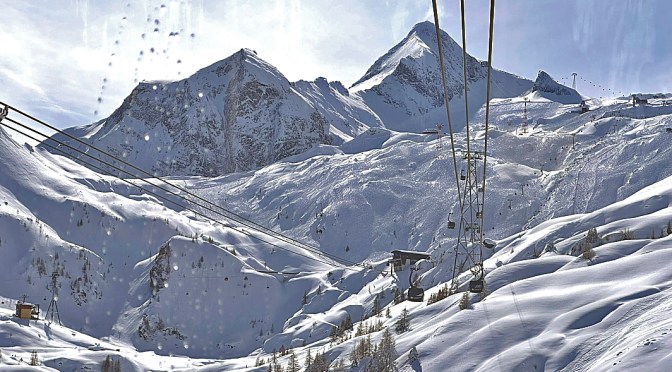
Partindo de Zell am See, uma viagem de um dia até o Kitzsteinhorn é uma excelente opção. Este majestoso pico nos Alpes austríacos oferece uma experiência única. Saindo de manhã cedo, você aproveitará ao máximo o seu dia. A viagem através da deslumbrante paisagem já é uma experiência incrível enquanto você se aproxima das montanhas. Chegando lá, você embarcará no moderno teleférico que o levará rapidamente ao topo.

Ao chegar lá em cima, você será presenteado com uma vista panorâmica que tirará o seu fôlego. Os picos cobertos de neve, o céu azul claro e o ar fresco das montanhas se combinam para criar uma visão inesquecível. Para os mais aventureiros, o Kitzsteinhorn oferece uma variedade de atividades, como esqui, snowboard e até mesmo caminhadas em geleiras.

Se preferir algo mais tranquilo, você pode simplesmente desfrutar da vista e experimentar a tradicional culinária austríaca em um dos acolhedores restaurantes de montanha. Não se esqueça de levar a sua câmera para capturar os momentos inesquecíveis.

À tarde, você pode fazer uma caminhada para explorar a natureza ao redor ou visitar o informativo Gipfelwelt 3000 para aprender mais sobre a formação geológica desta região majestosa.

Quando o sol começar a se pôr atrás das montanhas, você retornará a Zell am See. O dia no Kitzsteinhorn certamente será um destaque de suas férias, e as lembranças dele o acompanharão por muito tempo.

Para conhecer mais sobre essa deslumbrante atração na Áustria, clique aqui.

Von Zell am See aus bietet sich ein Tagesausflug auf das Kitzsteinhorn an, ein majestätischer Gipfel in den österreichischen Alpen. Frühmorgens brechen Sie auf, um das Beste aus Ihrem Tag zu machen. Die Fahrt durch die atemberaubende Landschaft ist bereits ein Erlebnis für sich, während Sie sich den Bergen nähern. Angekommen, steigen Sie in die moderne Gletscherbahn ein, die Sie schnell auf den Gipfel bringt.

Oben angekommen eröffnet sich Ihnen eine Panoramaaussicht, die Ihnen den Atem rauben wird. Die schneebedeckten Gipfel, das klare Blau des Himmels und die frische Bergluft verschmelzen zu einem unvergesslichen Anblick. Für Abenteuerlustige bietet das Kitzsteinhorn eine Vielzahl von Aktivitäten wie Skifahren, Snowboarden und sogar Gletscherwandern.

Wenn Sie es lieber ruhiger angehen möchten, können Sie einfach die Aussicht genießen und in einem der gemütlichen Bergrestaurants traditionelle österreichische Küche probieren. Vergessen Sie nicht, Ihre Kamera mitzubringen, um die unvergesslichen Momente festzuhalten.

Am Nachmittag können Sie eine Wanderung unternehmen und die umliegende Natur erkunden oder das informative Gipfelwelt 3000 besuchen, um mehr über die geologische Entstehung dieser majestätischen Region zu erfahren.

Wenn die Sonne langsam hinter den Bergen verschwindet, treten Sie Ihre Rückfahrt nach Zell am See an. Der Tag auf dem Kitzsteinhorn wird zweifellos zu einem Highlight Ihres Urlaubs werden, und die Erinnerungen daran werden Sie noch lange begleiten.

Um mehr über diese atemberaubende Attraktion in Österreich zu erfahren, klicken Sie hier.

Leaving from Zell am See, a day trip to the Kitzsteinhorn is an excellent choice. This majestic peak in the Austrian Alps offers a unique experience. Setting off early in the morning, you will make the most of your day. The journey through the stunning landscape is already an amazing experience as you approach the mountains. Upon arrival, you will board the modern cable car that will quickly take you to the top.

Once there, you will be greeted with a panoramic view that will take your breath away. The snow-covered peaks, the clear blue sky, and the fresh mountain air combine to create an unforgettable sight. For the more adventurous, the Kitzsteinhorn offers a variety of activities such as skiing, snowboarding, and even glacier hiking.

If you prefer something more tranquil, you can simply enjoy the view and try traditional Austrian cuisine at one of the cozy mountain restaurants. Don’t forget to bring your camera to capture the unforgettable moments.

In the afternoon, you can take a hike to explore the surrounding nature or visit the informative Gipfelwelt 3000 to learn more about the geological formation of this majestic region.

As the sun begins to set behind the mountains, you will return to Zell am See. The day at the Kitzsteinhorn will surely be a highlight of your vacation, and the memories of it will stay with you for a long time.

To learn more about this stunning attraction in Austria, click here.

Portofino

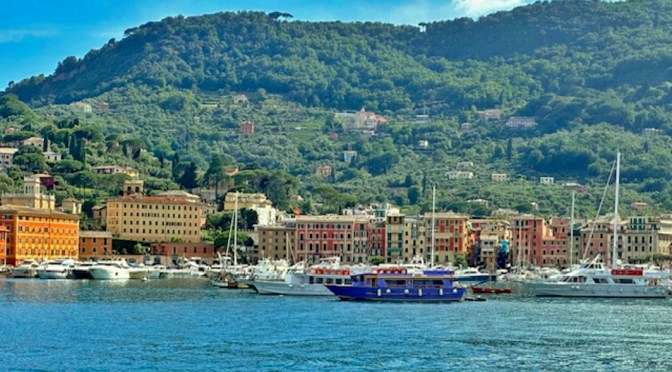
Portofino é uma pitoresca vila de pescadores na Riviera Italiana, conhecida por sua beleza deslumbrante e charme. Situada na região da Ligúria, Portofino se destaca pelas fachadas coloridas das casas que se alinham ao longo das margens do cintilante Mediterrâneo. O pequeno porto é ladeado por iates e barcos elegantes que cruzam as águas turquesa.

A vila é famosa por seus edifícios históricos, como a Igreja de San Giorgio, que fica em uma colina sobre o porto e oferece uma vista fantástica. As ruas de paralelepípedos são cercadas por boutiques chiques, restaurantes requintados e cafés aconchegantes que oferecem especialidades locais. O aroma de ervas frescas e pratos de frutos do mar paira no ar, dando um toque especial à atmosfera.

Portofino não é apenas conhecida por sua beleza, mas também por sua exclusividade e como ponto de encontro de ricos e famosos. Apesar de sua reputação luxuosa, a vila mantém seu charme original e oferece aos visitantes uma sensação de tranquilidade e serenidade.

Trilhas na área ao redor oferecem vistas espetaculares da costa e da natureza circundante, incluindo o Parque Natural de Portofino, que abriga uma rica flora e fauna. As águas cristalinas ao redor convidam ao nado e ao snorkel, enquanto as colinas suaves oferecem ótimas oportunidades para passeios relaxantes.

A história de Portofino remonta à época romana, o que se reflete na arquitetura e nos sítios históricos. Hoje, é um destino popular para viajantes que buscam uma mistura de beleza natural, patrimônio histórico e luxo. Portofino é um lugar que oferece experiências inesquecíveis com suas vistas pitorescas, atmosfera relaxante e charme.

Para conhecer mais sobre Portofino clique aqui.

Portofino ist ein malerisches Fischerdorf an der italienischen Riviera, bekannt für seine atemberaubende Schönheit und seinen Charme. Eingebettet in die Region Ligurien, zeichnet sich Portofino durch seine bunte Häuserfassaden, die sich an den Ufern des glitzernden Mittelmeers entlangreihen, aus. Der kleine Hafen ist von eleganten Yachten und Booten gesäumt, die das türkisfarbene Wasser durchkreuzen.

Das Dorf ist berühmt für seine historischen Gebäude, wie die Kirche San Giorgio, die auf einem Hügel über dem Hafen thront und einen fantastischen Ausblick bietet. Die gepflasterten Straßen sind gesäumt von schicken Boutiquen, exquisiten Restaurants und gemütlichen Cafés, die lokale Spezialitäten anbieten. Der Duft von frischen Kräutern und Meeresspezialitäten liegt in der Luft und verleiht der Atmosphäre eine besondere Note.

Portofino ist nicht nur für seine Schönheit bekannt, sondern auch für seine Exklusivität und als Treffpunkt der Reichen und Berühmten. Trotz seines luxuriösen Rufes behält das Dorf seinen ursprünglichen Charme und bietet Besuchern ein Gefühl von Ruhe und Gelassenheit.

Wanderwege in der Umgebung bieten spektakuläre Ausblicke auf die Küste und die umliegende Natur, darunter den Naturpark von Portofino, der eine reiche Flora und Fauna beherbergt. Das klare Wasser der Umgebung lädt zum Schwimmen und Schnorcheln ein, während die sanften Hügel hervorragende Möglichkeiten für entspannte Spaziergänge bieten.

Die Geschichte von Portofino reicht bis in die Römerzeit zurück, was sich in der Architektur und den historischen Stätten widerspiegelt. Heute ist es ein beliebtes Ziel für Reisende, die eine Mischung aus natürlicher Schönheit, historischem Erbe und luxuriösem Flair suchen. Portofino ist ein Ort, der mit seinen malerischen Ausblicken, seiner entspannten Atmosphäre und seinem Charme unvergessliche Erlebnisse bietet.

Um mehr über Portofino zu erfahren, klicken Sie hier.

Portofino is a picturesque fishing village on the Italian Riviera, known for its stunning beauty and charm. Nestled in the Liguria region, Portofino is characterized by its colorful facades that line the shores of the sparkling Mediterranean. The small harbor is lined with elegant yachts and boats that glide through the turquoise waters.

The village is famous for its historic buildings, such as the Church of San Giorgio, which sits on a hill overlooking the harbor and offers fantastic views. The cobblestone streets are lined with chic boutiques, exquisite restaurants, and cozy cafés offering local specialties. The scent of fresh herbs and seafood wafts through the air, adding a special touch to the atmosphere.

Portofino is not only known for its beauty but also for its exclusivity and as a meeting place for the rich and famous. Despite its luxurious reputation, the village retains its original charm and provides visitors with a sense of tranquility and serenity.

Surrounding trails offer spectacular views of the coastline and surrounding nature, including the Portofino Natural Park, which is home to a rich flora and fauna. The clear waters in the area invite swimming and snorkeling, while the gentle hills provide excellent opportunities for relaxed walks.

The history of Portofino dates back to Roman times, which is reflected in its architecture and historical sites. Today, it is a popular destination for travelers seeking a blend of natural beauty, historical heritage, and luxury. Portofino is a place that offers unforgettable experiences with its picturesque views, relaxed atmosphere, and charm.

To learn more about Portofino click here.


Jaipur

Jaipur, conhecida como a “Cidade Rosa” devido aos seus edifícios cor-de-rosa na cidade velha, é a capital do estado indiano de Rajasthan. Esta cidade é rica em história, cultura e arquitetura, e suas raízes remontam ao século XVIII, quando foi fundada pelo Maharaja Sawai Jai Singh II.

A cidade é famosa por seus magníficos palácios, templos, jardins e mercados. Um dos marcos mais distintivos de Jaipur é o Hawa Mahal, também conhecido como “Palácio dos Ventos”, que é uma obra-prima arquitetônica com centenas de pequenas janelas.

A Fortaleza Amber, também conhecida como Forte Amer, está localizada um pouco fora de Jaipur e é outra estrutura impressionante. Ela se ergue majestosamente em uma colina e oferece uma vista deslumbrante da paisagem circundante. O forte foi construído no século XVI por Raja Man Singh I e é um notável exemplo da arquitetura Rajput com seus palácios de mármore, arcos elaborados e pátios intrincados.

O Jantar Mantar observatório e um dos maiores e mais bem preservados observatórios de sua espécie e foi declarado Patrimônio Mundial da UNESCO. O Jantar Mantar é composto por uma série de instrumentos astronômicos usados para observar fenômenos celestes como a posição do sol, estrelas e medição do tempo.

Um passeio pelas estreitas ruas da cidade velha de Jaipur oferece vislumbres da vida urbana vibrante, onde a arte tradicional, como têxteis, joias e cerâmica, floresce. Os coloridos bazares são um paraíso para os amantes das compras que procuram tesouros feitos à mão.

A culinária de Jaipur também é uma experiência sensorial, com uma abundância de curry picante, sobremesas doces e especiarias aromáticas que satisfazem o paladar.

No geral, Jaipur é um destino fascinante que oferece história, cultura e beleza em abundância, encantando os visitantes com seu charme e hospitalidade.

Para conhecer mais sobre Jaipur, clique aqui.

Jaipur, bekannt als die “Pink City” aufgrund der rosafarbenen Gebäude in der Altstadt, ist die Hauptstadt des indischen Bundesstaates Rajasthan. Diese Stadt ist reich an Geschichte, Kultur und Architektur, und ihre Wurzeln reichen bis ins 18. Jahrhundert zurück, als sie von Maharaja Sawai Jai Singh II gegründet wurde.

Die Stadt ist berühmt für ihre prächtigen Paläste, Tempel, Gärten und Märkte. Eines der markantesten Wahrzeichen von Jaipur ist der Hawa Mahal, auch als “Palast der Winde” bekannt, der mit seinen hunderten von kleinen Fenstern ein architektonisches Meisterwerk ist.

Die Festung Amber, auch bekannt als Amer Fort, liegt etwas außerhalb von Jaipur und ist ein weiteres beeindruckendes Bauwerk. Sie thront majestätisch auf einem Hügel und bietet einen atemberaubenden Blick auf die umliegende Landschaft. Die Festung wurde im 16. Jahrhundert von Raja Man Singh I erbaut und ist ein bemerkenswertes Beispiel für die Rajputen-Architektur mit ihren Marmorpalästen, kunstvollen Torbögen und kunstvollen Innenhöfen.

Die Jantar Mantar Sternwarte ist ein historisches Observatorium, es ist eines der größten und am besten erhaltenen Observatorien seiner Art und wurde zum UNESCO-Weltkulturerbe erklärt. Es besteht aus einer Reihe von astronomischen Instrumenten, die zur Beobachtung von Himmelsphänomenen wie Sonnenstand, Sternpositionen und Zeitmessung verwendet wurden. Die Präzision und Komplexität dieser Instrumente sind beeindruckend.

Ein Spaziergang durch die schmalen Gassen der Altstadt von Jaipur bietet Einblicke in das lebendige städtische Leben, wo traditionelle Handwerkskunst, wie Textilien, Schmuck und Keramik, floriert. Die bunten Basare sind ein Paradies für Einkaufsliebhaber, die nach handgefertigten Schätzen suchen.

Die Küche von Jaipur ist ebenfalls ein Erlebnis für die Sinne, mit einer Fülle von würzigen Currys, süßen Desserts und aromatischen Gewürzen, die die Geschmacksknospen verwöhnen.

Insgesamt ist Jaipur ein faszinierendes Reiseziel, das Geschichte, Kultur und Schönheit in reichem Maße bietet und Besucher mit seinem Charme und seiner Gastfreundschaft verzaubert.

Um mehr über Jaipur zu erfahren, klicken Sie hier.

Jaipur, known as the “Pink City” due to its pink buildings in the old city, is the capital of the Indian state of Rajasthan. This city is rich in history, culture, and architecture, with its roots dating back to the 18th century when it was founded by Maharaja Sawai Jai Singh II.

The city is famous for its magnificent palaces, temples, gardens, and markets. One of Jaipur’s most distinctive landmarks is the Hawa Mahal, also known as the “Palace of Winds,” which is an architectural masterpiece with hundreds of small windows.

The Amber Fort, also known as Amer Fort, is located just outside Jaipur and is another impressive structure. It majestically perches on a hill and offers stunning views of the surrounding landscape. Built in the 16th century by Raja Man Singh I, the fort is a remarkable example of Rajput architecture with its marble palaces, intricate archways, and ornate courtyards.

The Jantar Mantar is a historic observatory built by Maharaja Sawai Jai Singh II in the 18th century. It is one of the largest and best-preserved observatories of its kind and has been declared a UNESCO World Heritage Site. The Jantar Mantar consists of a series of astronomical instruments used to observe celestial phenomena such as the position of the sun, stars, and time measurement.

A stroll through the narrow streets of Jaipur’s old city provides glimpses of vibrant urban life, where traditional crafts such as textiles, jewelry, and ceramics flourish. The colorful bazaars are a shopper’s paradise, offering handcrafted treasures.

Jaipur’s cuisine is also a sensory experience, with an abundance of spicy curries, sweet desserts, and aromatic spices that tantalize the taste buds.

Overall, Jaipur is a fascinating destination that offers history, culture, and beauty in abundance, enchanting visitors with its charm and hospitality.

To know more about Jaipur, click here.

Ilha de Boipeba/Boipeba Insel/Boipeba Island

A Ilha de Boipeba é uma ilha idílica na costa do Brasil, pertencente ao município de Cairu, no estado da Bahia.

Fonte/Quelle/Source: https://www.ilhaboipeba.org.br/boipeba.html

Ela é conhecida por suas praias intocadas, águas claras e turquesas, e vegetação exuberante. A ilha faz parte da zona de proteção do arquipélago Tinharé-Boipeba, famoso por sua rica biodiversidade e importância para a conservação ambiental.

Boipeba é um destino popular para amantes da natureza e para aqueles que procuram tranquilidade, já que a ilha é relativamente remota e de difícil acesso. Não há carros na ilha, e o transporte é feito principalmente a pé ou por barcos. Isso contribui para a atmosfera tranquila e relaxante que muitos visitantes apreciam.

As praias de Boipeba, como Boca da Barra, Moreré e Ponta dos Castelhanos, são ladeadas por palmeiras e oferecem condições perfeitas para mergulho com snorkel, mergulho e natação. Os recifes de corais na região são ricos em vida marinha e convidam à exploração.

Além das praias, Boipeba também oferece experiências culturais. A vila de Velha Boipeba, o principal povoado da ilha, encanta com sua arquitetura rústica e charmosa e a calorosa hospitalidade dos moradores. Pratos tradicionais com frutos do mar frescos são um destaque culinário.

A ilha se esforçou para evitar o turismo de massa, a fim de preservar sua beleza natural e autenticidade cultural. Por isso, há um número limitado de acomodações, geralmente operadas por moradores locais. Isso cria um modelo de turismo sustentável, que beneficia tanto os visitantes quanto os residentes.

No geral, Ilha de Boipeba é um paraíso escondido, que encanta os visitantes com sua beleza natural, rica cultura e estilo de vida descontraído.

Para conhecer mais sobre a Ilha de Boipeba, clique aqui e  clique aqui.

Ilha de Boipeba ist eine idyllische Insel an der brasilianischen Küste, die zur Gemeinde Cairu im Bundesstaat Bahia gehört. Sie ist bekannt für ihre unberührten Strände, das klare, türkisfarbene Wasser und die üppige Vegetation. Die Insel ist Teil des Schutzzonen-Archipels Tinharé-Boipeba, das für seine reiche Artenvielfalt und die Bedeutung für den Umweltschutz bekannt ist.

Boipeba ist ein beliebtes Reiseziel für Naturfreunde und Ruhesuchende, da die Insel relativ abgelegen und nur schwer erreichbar ist. Es gibt keine Autos auf der Insel, und der Transport erfolgt hauptsächlich zu Fuß oder mit Booten. Dies trägt zur ruhigen und entspannten Atmosphäre bei, die viele Besucher schätzen.

Die Strände von Boipeba, wie Boca da Barra, Moreré und Ponta dos Castelhanos, sind von Palmen gesäumt und bieten perfekte Bedingungen zum Schnorcheln, Tauchen und Schwimmen. Die Korallenriffe in der Umgebung sind reich an Meeresleben und laden zum Entdecken ein.

Neben den Stränden bietet Boipeba auch kulturelle Erlebnisse. Das Dorf Velha Boipeba, der Hauptort der Insel, besticht durch seine charmante, rustikale Architektur und die herzliche Gastfreundschaft der Einwohner. Traditionelle Gerichte mit frischen Meeresfrüchten sind ein kulinarisches Highlight.

Die Insel hat sich bemüht, den Massentourismus zu vermeiden, um ihre natürliche Schönheit und kulturelle Authentizität zu bewahren. Deshalb gibt es eine begrenzte Anzahl an Unterkünften, die meist von Einheimischen betrieben werden. Dies sorgt für ein nachhaltiges Tourismusmodell, das sowohl den Besuchern als auch den Bewohnern zugutekommt.

Insgesamt ist Ihla de Boipeba ein verstecktes Paradies, das Besucher mit seiner natürlichen Schönheit, der reichen Kultur und der entspannten Lebensart begeistert.

Ilha de Boipeba is an idyllic island on the Brazilian coast, belonging to the municipality of Cairu in the state of Bahia. It is known for its pristine beaches, clear turquoise waters, and lush vegetation. The island is part of the Tinharé-Boipeba protected archipelago, famous for its rich biodiversity and environmental conservation significance.

Boipeba is a popular destination for nature lovers and those seeking tranquility, as the island is relatively remote and difficult to access. There are no cars on the island, and transportation is mainly on foot or by boat. This contributes to the peaceful and relaxing atmosphere that many visitors appreciate.

The beaches of Boipeba, such as Boca da Barra, Moreré, and Ponta dos Castelhanos, are lined with palm trees and offer perfect conditions for snorkeling, diving, and swimming. The coral reefs in the area are rich in marine life and invite exploration.

Besides the beaches, Boipeba also offers cultural experiences. The village of Velha Boipeba, the main settlement on the island, charms with its rustic architecture and the warm hospitality of its residents. Traditional dishes featuring fresh seafood are a culinary highlight.

The island has made efforts to avoid mass tourism to preserve its natural beauty and cultural authenticity. As a result, there is a limited number of accommodations, mostly run by locals. This creates a sustainable tourism model that benefits both visitors and residents.

Overall, Ihla de Boipeba is a hidden paradise that delights visitors with its natural beauty, rich culture, and relaxed lifestyle.