
Todos os posts de Erich e Marcia

Butão, Terra da Felicidade/Bhutan, Land des Glücks/Bhutan, Land of Happiness
Fotos: Maria Helena Vieira de Melo
Butão, a Terra do Dragão Trovão, está situado nas encostas orientais do Himalaia. É conhecido por sua paisagem deslumbrante, espiritualidade profunda e cultura única.
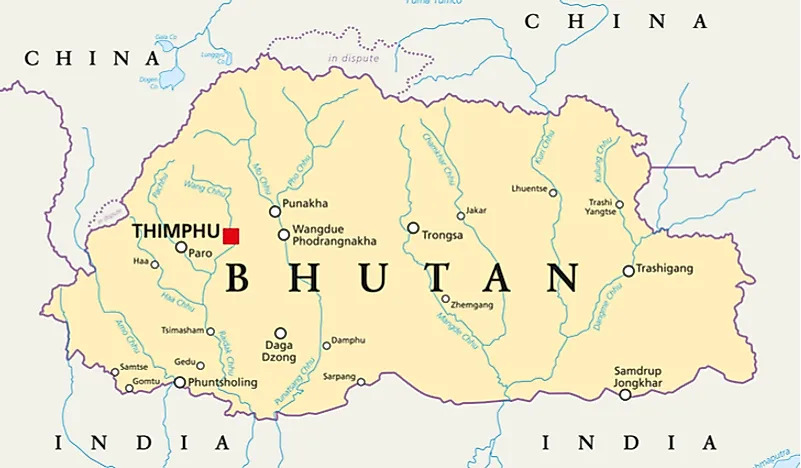
A capital, Thimphu, oferece insights sobre as tradições do país com seus mosteiros, mercados e o impressionante Tashichho Dzong.
Uma das principais atrações do Butão é o Mosteiro de Taktsang, também conhecido como Ninho do Tigre. Ele se ergue espetacularmente em um penhasco, oferecendo uma vista incrível. O mercado do Vale de Paro é outro lugar para experimentar a cultura local e a arte artesanal.
O Butão é famoso por seus festivais, especialmente o Paro Tsechu, onde danças mascaradas vibrantes e rituais são celebrados. A rica flora e fauna do país o tornam um paraíso para os amantes da natureza, com parques nacionais como o Parque Nacional Jigme Dorji.
Os butaneses dão grande importância à preservação do seu ambiente e promovem o turismo sustentável. Os visitantes são obrigados a pagar uma taxa diária, contribuindo para a preservação da cultura e do ambiente únicos.
NOTA: O blog Imagens e Viagens agradece a médica Maria Helena Vieira de Melo, que adora visitar belas paisagens no planeta, pela gentileza de nos ceder as belas fotos que ilustram este post.
Para conhecer mais sobre o Butão, clique aqui.

Bhutan, Land des Glücks
Bhutan, das Land des Donnerdrachens, liegt eingebettet in den östlichen Ausläufern des Himalayas. Es ist bekannt für seine atemberaubende Landschaft, tiefe Spiritualität und einzigartige Kultur.
Die Hauptstadt Thimphu bietet einen Einblick in die Traditionen des Landes mit ihren Klöstern, Märkten und dem imposanten Tashichho Dzong.
Eine der Hauptattraktionen Bhutans ist das Taktsang-Kloster, auch bekannt als Tiger’s Nest. Es thront spektakulär auf einer Klippe und bietet einen unglaublichen Ausblick. Der Paro-Talmarkt ist ein weiterer Ort, an dem man die lokale Kultur und Handwerkskunst erleben kann.
Bhutan ist berühmt für seine Feste, insbesondere das Paro-Tsechu, bei dem farbenfrohe Maskentänze und Rituale zelebriert werden. Die reichhaltige Flora und Fauna des Landes machen es zu einem Paradies für Naturliebhaber, mit Nationalparks wie dem Jigme-Dorji-Nationalpark.
Die Bhutaner legen großen Wert auf den Schutz ihrer Umwelt und fördern einen nachhaltigen Tourismus. Besucher müssen eine tägliche Gebühr zahlen, die dazu beiträgt, die einzigartige Kultur und Umwelt zu erhalten.
HINWEIS: Der Blog Imagens e Viagens dankt der Ärztin Maria Helena Vieira de Melo, die gerne wunderschöne Landschaften auf dem Planeten besucht, für die freundliche Bereitstellung der wunderschönen Fotos, die diesen Beitrag illustrieren.
Um mehr über Bhutan zu erfahren, klicken Sie hier.

Bhutan, Land of Happiness
Bhutan, the Land of the Thunder Dragon, is nestled in the eastern slopes of the Himalayas. It’s renowned for its stunning landscape, profound spirituality, and unique culture.
The capital city Thimphu offers insights into the country’s traditions with its monasteries, markets, and the impressive Tashichho Dzong.
One of Bhutan’s main attractions is the Taktsang Monastery, also known as Tiger’s Nest. It spectacularly perches on a cliff, offering an incredible view. The Paro Valley market is another place to experience local culture and craftsmanship.
Bhutan is famous for its festivals, especially the Paro Tsechu, where vibrant masked dances and rituals are celebrated. The country’s rich flora and fauna make it a haven for nature enthusiasts, with national parks like the Jigme Dorji National Park.
Bhutanese people place a strong emphasis on preserving their environment and promote sustainable tourism. Visitors are required to pay a daily fee, contributing to the preservation of the unique culture and environment.
NOTE: The Imagens e Viagens blog thanks doctor Maria Helena Vieira de Melo, who loves visiting beautiful landscapes on the planet, for kindly giving us the beautiful photos that illustrate this post.
To learn more about Bhutan, click here.
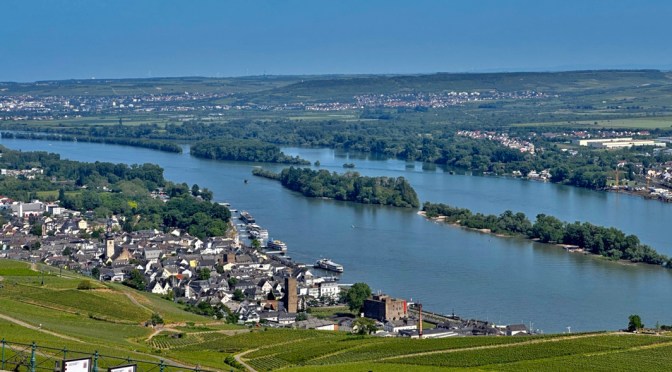
Rudesheim
Em maio de 2022 realizamos um cruzeiro pelo Rio Rhein, embarcarmos em Amsterdã e desembarcamos na Basiléia. Rudesheim foi uma das paradas dessa linda viagem.
Rüdesheim am Rhein é uma cidade pitoresca na Alemanha conhecida por sua paisagem deslumbrante, vinhas e cidade antiga histórica. Localizada às margens do rio Reno, é um destino turístico popular.
A Drosselgasse, uma charmosa rua de paralelepípedos, é repleta de aconchegantes tabernas de vinho, restaurantes e lojas. A cidade também é famosa por sua vinícola, que produz alguns dos melhores vinhos da região. Pegar o teleférico até o Niederwald oferece vistas deslumbrantes do rio e das paisagens ao redor. O Monumento Niederwald ergue-se majestosamente no Niederwald, acima de Rüdesheim. Foi construído entre 1871 e 1883 para comemorar a fundação do Império Alemão após a Guerra Franco-Prussiana. O monumento simboliza o renascimento do sentimento nacional alemão e representa liberdade e unidade.
Rüdesheim combina perfeitamente história, cultura e vinho, tornando-se um destino imperdível. Para conhecer mais sobre essa bela cidade, clique aqui.
Im Mai 2022 unternahmen wir eine Kreuzfahrt auf dem Rhein mit Einschiffung in Amsterdam und Ausschiffung in Basel. Rüdesheim war eine der Stationen dieser schönen Reise.
Rüdesheim am Rhein ist eine malerische Stadt in Deutschland, die für ihre atemberaubende Landschaft, ihre Weinberge und ihre historische Altstadt bekannt ist. Die Stadt liegt am Ufer des Rheins und ist ein beliebtes Touristenziel.
Die Drosselgasse, eine charmante Kopfsteinpflasterstraße, ist mit gemütlichen Weinstuben, Restaurants und Geschäften gesäumt. Die Stadt ist auch für ihr Weingut bekannt, das einige der besten Weine der Region produziert. Mit der Seilbahn kann man auf den Niederwald fahren, um einen atemberaubenden Blick auf den Fluss und die umliegende Landschaft zu genießen. Das Niederwalddenkmal thront majestätisch auf dem Niederwald über Rüdesheim. Es wurde zwischen 1871 und 1883 erbaut, um an die Gründung des Deutschen Reiches nach dem Deutsch-Französischen Krieg zu erinnern. Das Denkmal symbolisiert die Wiedergeburt des deutschen Nationalgefühls und repräsentiert Freiheit und Einheit.
Rüdesheim ist ein Ort, der Geschichte, Kultur und Wein perfekt miteinander verbindet.Um mehr über diese wunderschöne Stadt zu erfahren, klicken Sie hier.
In May 2022 we took a cruise along the Rhein River, embarking in Amsterdam and disembarking in Basel. Rudesheim was one of the stops on this beautiful trip.
Rüdesheim am Rhein is a picturesque town in Germany known for its stunning scenery, vineyards, and historic old town. Situated along the banks of the Rhine River, it is a popular tourist destination. The Drosselgasse, a charming cobblestone street, is lined with cozy wine taverns, restaurants, and shops. The town is also renowned for its winery, producing some of the finest wines in the region. Taking the cable car up to the Niederwald offers breathtaking views of the river and surrounding landscapes. The Niederwald Monument stands majestically on the Niederwald above Rüdesheim. It was built between 1871 and 1883 to commemorate the founding of the German Empire after the Franco-Prussian War. The monument symbolizes the revival of German national sentiment and represents freedom and unity.
Rüdesheim seamlessly combines history, culture, and wine, making it a must-visit destination.To learn more about this beautiful city, click here.

México/Mexiko/Mexico
O México, um país fascinante na América do Norte, é rico em diversidade cultural e beleza natural deslumbrante. A capital, Cidade do México, é um verdadeiro caldeirão de culturas, onde a arquitetura moderna se encontra com ruínas históricas. O Museu Nacional de Antropologia e o centro histórico são apenas algumas das atrações impressionantes.
No sudeste do México, encontra-se Tulum, um paraíso costeiro com ruínas deslumbrantes à beira-mar. Este lugar mágico combina a história da civilização maia com as belas praias do Caribe.
Acapulco, na costa do Pacífico, é conhecido por seus penhascos impressionantes e mergulhadores corajosos. A Baía de Acapulco é um destino popular para esportes aquáticos e vida noturna. Infelizmente, um furacão em outubro de 2023 causou grande devastação em Acapulco.
Xoximilco, ao sul da Cidade do México, é um lugar onde você pode experimentar a vida mexicana tradicional nas vias navegáveis. Aqui, você pode ouvir música tradicional e saborear iguarias mexicanas em trajineras coloridas.
A paisagem do México é marcada por vulcões, sendo o Popocatépetl e o Iztaccíhuatl os mais famosos. Esses vulcões majestosos oferecem vistas deslumbrantes e fazem parte da cultura e mitologia mexicanas.
Cancún, localizado na costa do Caribe, é um paraíso para os amantes do sol e entusiastas de esportes aquáticos. As praias de areia branca e as águas cristalinas de cor turquesa o tornam um destino dos sonhos para viajantes de todo o mundo.
O México é um país de contrastes, desde metrópoles movimentadas até pitorescas cidades litorâneas e vulcões majestosos. Ele oferece uma rica experiência cultural e uma beleza natural deslumbrante que cativa todos os viajantes.
Para saber mais sobre o México, clique aqui.
MEXIKO
Mexiko, ein faszinierendes Land in Nordamerika, ist reich an kultureller Vielfalt und atemberaubender Natur. Die Hauptstadt Mexiko-Stadt ist ein wahrer Schmelztiegel der Kulturen, in der moderne Architektur auf historische Ruinen trifft. Das Nationalmuseum für Anthropologie und das historische Zentrum sind nur einige der beeindruckenden Sehenswürdigkeiten.
Im Südosten Mexikos liegt Tulum, ein Küstenparadies mit beeindruckenden Ruinen am Meer. Dieser magische Ort verbindet die Geschichte der Maya-Zivilisation mit den wunderschönen Stränden der Karibik.
Acapulco an der Pazifikküste ist für seine atemberaubenden Klippen und waghalsigen Klippenspringer bekannt. Die Bucht von Acapulco ist ein beliebtes Reiseziel für Wassersport und Nachtleben. Leider kam es in Acapulco durch einen Hurrikan im Oktober 2023 zu sehr großen Verwüstungen.
Xoximilco, südlich von Mexiko-Stadt, ist ein Ort, an dem Sie das traditionelle mexikanische Leben auf den Wasserwegen erleben können. Hier können Sie auf bunten Trajineras traditionelle Musik hören und mexikanische Köstlichkeiten genießen.
Mexikos Landschaft ist von Vulkanen geprägt, wobei der Popocatépetl und der Iztaccíhuatl die bekanntesten sind. Diese majestätischen Vulkane bieten atemberaubende Ausblicke und sind Teil der mexikanischen Kultur und Mythologie.
Cancún, an der Karibikküste gelegen, ist ein Paradies für Sonnenanbeter und Wassersportler. Die weißen Sandstrände und das klare, türkisfarbene Wasser machen es zu einem Traumziel für Urlauber aus aller Welt.
Mexiko ist ein Land voller Kontraste, von pulsierenden Metropolen bis zu malerischen Küstenorten und majestätischen Vulkanen. Es bietet eine reiche kulturelle Erfahrung und eine atemberaubende natürliche Schönheit, die jeden Reisenden in ihren Bann zieht.
Um mehr über Mexiko zu erfahren, klicken Sie hier.
MEXICO
Mexico, a fascinating country in North America, is rich in cultural diversity and breathtaking natural beauty. The capital, Mexico City, is a true melting pot of cultures where modern architecture meets historic ruins. The National Museum of Anthropology and the historic center are just some of the impressive attractions.
In the southeast of Mexico lies Tulum, a coastal paradise with stunning seaside ruins. This magical place combines the history of the Maya civilization with the beautiful beaches of the Caribbean.
Acapulco on the Pacific coast is known for its stunning cliffs and daring cliff divers. Acapulco Bay is a popular destination for water sports and nightlife. Unfortunately, a hurricane in October 2023 caused great devastation in Acapulco.
Xoximilco, south of Mexico City, is a place where you can experience traditional Mexican life on the waterways. Here, you can listen to traditional music and savor Mexican delicacies on colorful trajineras.
Mexico’s landscape is marked by volcanoes, with Popocatépetl and Iztaccíhuatl being the most famous. These majestic volcanoes offer breathtaking views and are part of Mexican culture and mythology.
Cancun, located on the Caribbean coast, is a paradise for sun-seekers and water sports enthusiasts. The white sandy beaches and crystal-clear turquoise waters make it a dream destination for travelers from around the world.
Mexico is a country of contrasts, from bustling metropolises to picturesque coastal towns and majestic volcanoes. It offers a rich cultural experience and stunning natural beauty that captivates every traveler.
To learn more about Mexico, click here.

Lucerne, na Suíça/Luzern in der Schweiz/Luzern in Switerland
Lucerna, também conhecida como Luzern em francês e italiano, é uma cidade pitoresca no centro da Suíça. Está localizada no Lago de Lucerna e é cercada por uma impressionante paisagem montanhosa. Lucerna é uma das cidades turísticas mais populares da Suíça, conhecida por sua cidade antiga bem preservada, edifícios históricos e a famosa Ponte da Capela (Kapellbrücke), uma das pontes de madeira mais antigas da Europa.
Principais atrações em Lucerna incluem a Ponte da Capela, o Monumento ao Leão, o Museu Suíço dos Transportes, o Museu Richard Wagner, o Museu Picasso e o Museu Suíço dos Transportes. A cidade também oferece um cenário deslumbrante para atividades ao ar livre, incluindo passeios de barco no Lago de Lucerna, caminhadas nas montanhas circundantes e esqui no inverno.
Lucerna é importante não apenas para turistas, mas também para viajantes a negócios, pois serve como um importante centro econômico no centro da Suíça. A cidade possui uma cidade antiga bem preservada com ruas estreitas e edifícios históricos que criam uma atmosfera encantadora. Sua localização junto ao lago e as montanhas circundantes contribuem para a beleza da cidade, tornando-a um destino popular para visitantes de todo o mundo.
Para conhecer mais sobre essa bela cidade, clique aqui.
Luzern in der Schweiz
Luzern, auch als Lucerne auf Französisch und Italianisch bekannt, ist eine malerische Stadt in der Zentralschweiz. Sie liegt am Vierwaldstättersee und ist von einer beeindruckenden Berglandschaft umgeben. Luzern ist eine der beliebtesten Touristenstädte der Schweiz und bekannt für ihre gut erhaltene Altstadt, historische Gebäude und die berühmte Kapellbrücke (Kapellbrücke), die eine der ältesten Holzbrücken Europas ist.
Zu den wichtigsten Sehenswürdigkeiten in Luzern gehören die Kapellbrücke, das Löwendenkmal, das Verkehrshaus der Schweiz (ein Technikmuseum), das Richard Wagner Museum, das Picasso Museum, und das Swiss Museum of Transport. Die Stadt bietet auch eine beeindruckende Kulisse für Outdoor-Aktivitäten wie Bootsfahrten auf dem Vierwaldstättersee, Wanderungen in den umliegenden Bergen und Skifahren im Winter.
Luzern ist nicht nur für Touristen, sondern auch für Geschäftsreisende von Bedeutung, da sie ein wichtiges wirtschaftliches Zentrum in der Zentralschweiz ist. Die Stadt hat eine gut erhaltene Altstadt mit engen Gassen und historischen Gebäuden, die eine charmante Atmosphäre schaffen. Die Lage am See und die umliegenden Berge tragen zur Schönheit der Stadt bei und machen sie zu einem beliebten Reiseziel für Besucher aus der ganzen Welt.
Um mehr über diese wunderschöne Stadt zu erfahren, klicken Sie hier.
Luzern in Switzerland
Luzern, also known as Lucerne in French and Italian, is a picturesque city in central Switzerland. It is located on Lake Lucerne and is surrounded by an impressive mountain landscape. Luzern is one of Switzerland’s most popular tourist cities, known for its well-preserved old town, historic buildings, and the famous Chapel Bridge (Kapellbrücke), one of the oldest wooden bridges in Europe.
Key attractions in Luzern include the Chapel Bridge, the Lion Monument, the Swiss Museum of Transport, the Richard Wagner Museum, the Picasso Museum, and the Swiss Museum of Transport. The city also provides a stunning backdrop for outdoor activities, including boat trips on Lake Lucerne, hiking in the surrounding mountains, and skiing in the winter.
Luzern is not only important for tourists but also for business travelers as it serves as a significant economic hub in central Switzerland. The city has a well-preserved old town with narrow streets and historic buildings that create a charming atmosphere. Its location by the lake and the surrounding mountains add to the beauty of the city, making it a popular destination for visitors from around the world.
o learn more about this beautiful city, click here.

Inhotim
Inhotim é um lugar único no Brasil, estendendo-se por mais de 7.000 hectares, proporcionando uma deslumbrante combinação de arte, natureza e jardinagem. Foi fundado pelo empresário brasileiro Bernardo Paz e é hoje um dos centros de arte mais importantes da América Latina.
O coração de Inhotim são as numerosas esculturas e obras de arte espalhadas por meio de jardins exuberantes e florestas. Os visitantes podem admirar uma impressionante coleção de arte contemporânea, incluindo obras de artistas como Adriana Varejão, Olafur Eliasson e Cildo Meireles.
A diversidade da flora e fauna em Inhotim também é notável, com jardins especiais apresentando espécies de plantas raras de todo o mundo. Este local é um paraíso não apenas para amantes da arte, mas também para amantes da natureza.
Nós visitamos o Museu do Inhotim em um dia. Compramos o ingresso no site do museu e no momento da compra também incluímos o transporte interno pela área que é muito grande. Se você tem apenas um dia para visitar, recomendamos esse transporte. Fomos de ônibus até o Museu. Compramos antecipado o bilhete do transporte nesse site, ele nos deixa na porta do museu:
- Transfer Belvitur
- Embarque: 7h45
- Saída: 8h.
- Ponto de embarque: Hotel Holiday INN, Rua Professor Moraes, nº 600 – Savassi, Belo Horizonte.
- Retorno: quarta a sexta-feira, às 16h30 | sábado, domingo e feriado, às 17h30.
Para saber mais sobre o Inhotim, clique aqui.
Inhotim ist ein einzigartiger Ort in Brasilien, der sich über 7000 Hektar erstreckt und eine atemberaubende Kombination aus Kunst, Natur und Gartenbau bietet. Es wurde von dem brasilianischen Unternehmer Bernardo Paz gegründet und ist heute eines der bedeutendsten Kunstzentren Lateinamerikas.
Das Herzstück von Inhotim sind die zahlreichen Skulpturen und Kunstwerke, die inmitten üppiger Gärten und Wälder verstreut sind. Besucher können eine beeindruckende Sammlung zeitgenössischer Kunstwerke bewundern, darunter Werke von Künstlern wie Adriana Varejão, Olafur Eliasson und Cildo Meireles.
Die Vielfalt der Flora und Fauna in Inhotim ist ebenfalls bemerkenswert, und es gibt spezielle Gärten, die seltene Pflanzenarten aus der ganzen Welt präsentieren. Dieser Ort ist nicht nur ein Paradies für Kunstliebhaber, sondern auch für Naturliebhaber.
Wir besuchten das Inhotim Museum an einem Tag. Wir haben das Ticket auf der Website des Museums gekauft und zum Zeitpunkt des Kaufs auch den internen Transport in das sehr große Gebiet eingeschlossen. Wenn Sie nur einen Tag Zeit für den Besuch haben, empfehlen wir diesen Transport. Wir fuhren mit dem Bus zum Museum. Wir haben das Fahrticket im Voraus auf dieser Website gekauft und es setzt uns an der Museumstür ab:
• Übertragen Sie Belvitur
• Einschiffung: 7:45 Uhr
• Abfahrt: 8 Uhr.
• Einstiegspunkt: Hotel Holiday INN, Rua Professor Moraes, Nr. 600 – Savassi, Belo Horizonte.
• Rückkehr: Mittwoch bis Freitag, um 16:30 Uhr | Samstag, Sonntag und Feiertage um 17:30 Uhr.
Um mehr über Inhotim zu erfahren, klicken Sie hier.
Inhotim is a unique place in Brazil, spanning over 7,000 hectares and offering a breathtaking combination of art, nature, and gardening. It was founded by Brazilian entrepreneur Bernardo Paz and is today one of the most significant art centers in Latin America.
The heart of Inhotim consists of numerous sculptures and artworks scattered amidst lush gardens and forests. Visitors can admire an impressive collection of contemporary art, including works by artists such as Adriana Varejão, Olafur Eliasson, and Cildo Meireles.
The diversity of flora and fauna in Inhotim is also remarkable, with special gardens showcasing rare plant species from around the world. This place is a paradise not only for art lovers but also for nature enthusiasts.
We visited the Inhotim Museum in one day. We bought the ticket on the museum website and at the time of purchase we also included internal transport around the area, which is very large. If you only have one day to visit, we recommend this transport. We went by bus to the Museum. We bought the transport ticket in advance on this website, it drops us off at the museum door:
• Transfer Belvitur
• Boarding: 7:45 am
• Departure: 8am.
• Boarding point: Hotel Holiday INN, Rua Professor Moraes, nº 600 – Savassi, Belo Horizonte.
• Return: Wednesday to Friday, at 4:30 pm | Saturday, Sunday and holidays, at 5:30 pm.
To find out more about Inhotim, click here.
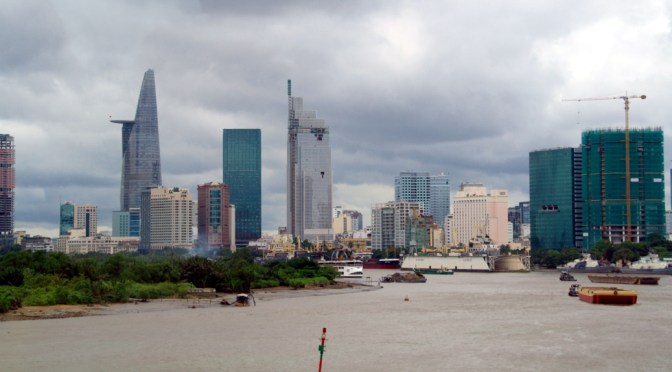
Impressões da vibrante Saigon, no Vietnã/Eindrücke im pulsierenden Saigon in Vietnam/Impressions in vibrant Saigon in Vietnam
Durante nossa visita de um dia a Ho Chi Minh, também conhecida como Saigon, ficamos muito impressionados com o incrível calor tropical e a umidade extremamente elevada. E foi incrível ver que o trânsito infernal não provocava acidentes constantemente.

Aqui estão mais impressões de nossa curta visita.
Catedral de Notre-Dame: Um impressionante exemplo de arquitetura francesa.
Mercado Ben Thanh: Um mercado animado com uma variedade de produtos.
Museu de Vestígios de Guerra: Testemunho da história tumultuada do Vietnã.
Palácio da Independência: Símbolo histórico da independência vietnamita.
Correios Centrais de Saigon: Arquitetura impressionante no coração da cidade.
Bitexco Financial Tower: Marco moderno com vistas deslumbrantes.
Pagode do Imperador de Jade: Um lugar tranquilo de espiritualidade no meio da agitação.
Rio Saigon: Oportunidade para passeios de barco relaxantes e caminhadas.
Museu de Belas Artes: Obras de arte de várias épocas em exibição.
Rua Pedonal Nguyen Hue: Um calçadão popular com uma iluminação impressionante.
Eindrücke im pulsierenden Saigon in Vietnam
Bei unserem eintägigen Besuch in Ho Chi Minh auch bekannt als Saigon waren wir sehr beeindruckt von der unglaublichen tropischen Hitze und der extrem hohen Luftfeuchtigkeit. Und es war unglaublich zu sehen, dass es bei dem infernalen Verkehr nicht laufend zu irgendwelchen Unfällen führte.
Hier nun weitere Eindrücke von unserem Kurzbesuch.
Die Kathedrale Notre-Dame: Ein beeindruckendes Beispiel französischer Architektur.
Ben-Thanh-Markt: Ein lebhafter Markt mit vielfältigem Angebot an Waren.
Kriegsopfermuseum: Zeugnis über die bewegte Geschichte Vietnams.
Unabhängigkeitspalast: Historisches Symbol für die vietnamesische Unabhängigkeit.
Saigon Central Post Office: Beeindruckende Architektur im Herzen der Stadt.
Bitexco Financial Tower: Modernes Wahrzeichen mit atemberaubender Aussicht.
Jadekaiser-Pagode: Ein ruhiger Ort der Spiritualität inmitten des Trubels.
Saigon River: Möglichkeit für entspannte Bootsfahrten und Spaziergänge.
Museum der schönen Künste: Kunstwerke aus verschiedenen Epochen.
Nguyen-Hue-Promenade: Beliebte Flaniermeile mit beeindruckender Beleuchtung.
Impressions in vibrant Saigon in Vietnam
During our one-day visit to Ho Chi Mihn also known as Saigon, we were very impressed by the incredible tropical heat and extremely high humidity. And it was incredible to see that the infernal traffic didn’t constantly lead to any accidents.
Here are more impressions from our short visit there.
Notre-Dame Cathedral: A stunning example of French architecture.
Ben Thanh Market: A lively market with a diverse range of goods.
War Remnants Museum: Testimony to Vietnam’s tumultuous history
Independence Palace: Historical symbol of Vietnamese independence.
Saigon Central Post Office: Impressive architecture in the heart of the city.
Bitexco Financial Tower: Modern landmark with breathtaking views
Jade Emperor Pagoda: A tranquil place of spirituality amidst the bustle
Saigon River: Opportunity for relaxed boat rides and strolls.
Museum of Fine Arts: Artworks from various eras on display.
Nguyen Hue Walking Street: Popular promenade with impressive lighting.
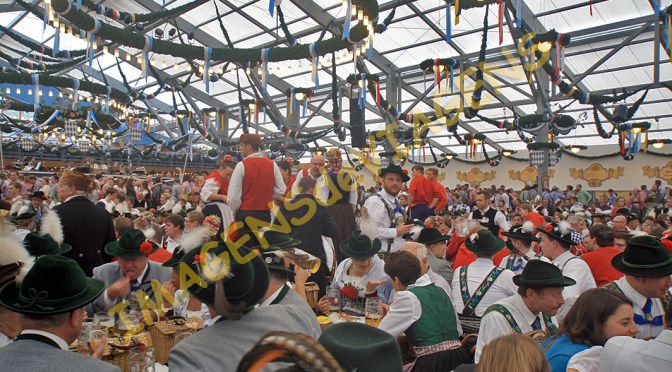
Oktoberfest
A Oktoberfest em Munique, também conhecida como “die Wiesn”, é um dos maiores festivais populares do mundo. É celebrado anualmente na capital da Baviera, Munique, e atrai milhões de visitantes de todo o mundo. A tradição deste festival remonta a 1810, quando foi realizado pela primeira vez para celebrar o casamento real do príncipe herdeiro Ludwig e da princesa Therese. Hoje, a Oktoberfest é famosa por sua cerveja, trajes tradicionais, música de banda, brinquedos de diversão e culinária bávara.
A atmosfera festiva no Oktoberfest é única. Grandes tendas de cerveja acomodam milhares de pessoas que desfrutam de pratos tradicionais bávaros, como pretzels, frango assado (Hendl), joelho de porco (Schweinshaxe) e chucrute, acompanhados por uma ampla seleção de variedades de cerveja. Os visitantes frequentemente vestem trajes tradicionais, como lederhosen e dirndls, para se envolverem no clima festivo.
Além da experiência culinária, a Oktoberfest oferece numerosos brinquedos de diversão, de carrosséis a emocionantes montanhas-russas. Também há barracas com artesanato tradicional e lembranças. O festival não é apenas para adultos, mas também é voltado para famílias, com áreas especiais para crianças que contam com atrações adequadas para os pequenos.
A Oktoberfest é uma oportunidade perfeita para vivenciar a cultura, a música e a hospitalidade bávaras. É um momento de celebração, alegria e união para pessoas de todas as idades e de diversas culturas. Para conhecer mais sobre a Oktoberfest2023 em Munique, clique aqui.
Das Oktoberfest in München, auch bekannt als “die Wiesn”, ist eines der größten Volksfeste der Welt. Es wird jährlich in der bayerischen Landeshauptstadt München gefeiert und zieht Millionen von Besuchern aus aller Welt an. Die Tradition dieses Festes reicht bis ins Jahr 1810 zurück, als es erstmals zur Feier der königlichen Hochzeit von Kronprinz Ludwig und Prinzessin Therese stattfand. Heutzutage ist das Oktoberfest berühmt für sein Bier, die traditionelle Tracht, die Blasmusik, die Fahrgeschäfte und die bayerische Küche.
Die festliche Atmosphäre auf dem Oktoberfest ist unvergleichlich. Riesige Bierzelte bieten Platz für Tausende von Menschen, die traditionelle bayerische Speisen wie Brezn, Hendl, Schweinshaxn und Sauerkraut genießen, begleitet von einer großen Auswahl an Biersorten. Die Besucher tragen oft Trachten wie Lederhosen und Dirndl, um in die festliche Stimmung einzutauchen.
Neben dem kulinarischen Erlebnis bietet das Oktoberfest auch zahlreiche Fahrgeschäfte, von Karussells bis hin zu aufregenden Achterbahnen. Es gibt auch Stände mit traditionellem Kunsthandwerk und Souvenirs. Das Fest ist nicht nur für Erwachsene, sondern auch für Familien geeignet, da es spezielle Bereiche für Kinder mit kinderfreundlichen Attraktionen gibt.
Das Oktoberfest ist eine perfekte Gelegenheit, die bayerische Kultur, Musik und Gastfreundschaft zu erleben. Es ist eine Zeit des Feierns, der Freude und des Miteinanders für Menschen jeden Alters und aus verschiedenen Kulturen.Um mehr über das Oktoberfest in München zu erfahren, klicken Sie hier.
Oktoberfest in Munich, also known as “die Wiesn,” is one of the largest folk festivals in the world. It is celebrated annually in the Bavarian capital of Munich and attracts millions of visitors from all over the world. The tradition of this festival dates back to 1810 when it was first held to celebrate the royal wedding of Crown Prince Ludwig and Princess Therese. Today, Oktoberfest is famous for its beer, traditional attire, brass band music, amusement rides, and Bavarian cuisine.
The festive atmosphere at Oktoberfest is unparalleled. Huge beer tents accommodate thousands of people enjoying traditional Bavarian dishes such as pretzels, roasted chicken (Hendl), pork knuckles (Schweinshaxn), and sauerkraut, accompanied by a wide selection of beer varieties. Visitors often don traditional attire like lederhosen and dirndls to immerse themselves in the festive mood.
In addition to the culinary experience, Oktoberfest also offers numerous amusement rides, from carousels to thrilling roller coasters. There are also stalls showcasing traditional crafts and souvenirs. The festival is not only for adults but also family-friendly, with designated areas for children featuring kid-friendly attractions.
Oktoberfest is a perfect opportunity to experience Bavarian culture, music, and hospitality. It’s a time of celebration, joy, and coming together for people of all ages and from diverse cultures.To find out more about Oktoberfest in Munich, click here.

Sabará, pequena jóia mineira/Sabará, ein kleines Juwel aus Minas Gerais/Sabará, a little gem from Minas Gerais
Sabará, pequena jóia mineira
Sabará é uma cidade histórica localizada no estado de Minas Gerais, no Brasil. Fundada no século XVII, Sabará é caracterizada por sua arquitetura colonial bem preservada e rica história. O centro histórico de Sabará é um destino turístico popular, com ruas de paralelepípedos, igrejas impressionantes e edifícios históricos.
“O centro histórico de Sabará, em Minas Gerais, foi tombado pelo Iphan, em 1938, e a Rua Direita (Rua Dom Pedro II) uma das mais importantes áreas do conjunto arquitetônico e urbanístico, tombada em 1965. Implantada no início do século XVIII, a antiga Rua Direita, constituía a principal via do primitivo núcleo da Barra, onde funcionava a sede da Vila do Sabará. Seu conjunto, pelo expressivo número de edificações remanescentes do período colonial, é considerado o mais significativo do acervo arquitetônico da cidade” (Texto retirado do site do IPHAN).
Sabará foi o primeiro povoamento do estado de Minas Gerais e surgiu como consequência da busca do bandeirante Fernão Dias Paes e Borba Gato, seu genro, que procuravam esmeraldas e outras preciosidades. A cidade desempenhou papel importante como ponto estratégico e comercial conectado diretamente à Estrada Real.
Passeamos durante uma manhã em Sabará e além de visitar o seu bem preservado Centro Histórico, tivemos a oportunidade de conhecer algumas de suas Igrejas, como a Igreja de Nossa Senhora do Carmo, que possui várias obras do Aleijadinho e a Matriz de Nossa Senhora da Conceição, com uma fachada simples e um interior espetacular! Também visitamos a Igreja de Nossa Senhora do Ó. Outro monumento que merece ser visitado é o Teatro Municipal localizado na Rua Direita. Vale a pena destacar outros monumentos que valem a pena serem visitados:Igreja de Santana (Capela de Santana);Igreja de Nossa Senhora das Mercês; Igreja de Nossa Senhora do Rosário (Igreja de Nossa Senhora do Rosário dos Pretos da Barra); Igreja de São Francisco de Assis;Capela de Santo Antônio (Capela de Santo Antônio do Pompeu); Casa Borba Gato (atual Centro de Memória do Museu do Ouro – no dia da nossa visita estava fechada para obras) – Paço Municipal (Casa à rua Dom Pedro II, Solar Jacinto Dias e Solar do Padre Correia) – Sede da Prefeitura Municipal de Sabará; Passo do Carmo (Passo de Nossa Senhora do Carmo, Passo do Calvário);Casa Azul (Casa à Rua Dom Pedro II, 215);Casa da Intendência (Real Intendência do Ouro);Chafariz do Caquende; Chafariz do Rosário; Hospício da Terra Santa e Capela de Nossa Senhora do Pilar (Hospício de Jerusalém e Igreja do Pilar).
Sua localização às margens do Rio das Velhas proporciona a Sabará uma paisagem pitoresca e oferece oportunidades para atividades ao ar livre, como trilhas e esportes aquáticos. A natureza circundante é caracterizada por uma vegetação exuberante.
A tradição culinária de Sabará é influenciada pelos sabores brasileiros e portugueses. Restaurantes locais servem pratos deliciosos, como a tradicional Feijoada e a típica culinária de Minas Gerais.
Os moradores de Sabará se orgulham de seu patrimônio cultural e preservam suas tradições e costumes. A comunidade é unida e contribui para fazer de Sabará um lugar único e fascinante.
Sabará está localizada a 23 km de Belo Horizonte. Visitamos a cidade de taxi. Fizemos um acordo com um taxista que nos cobrou R$ 250,00 (duzentos e cinquente reais – valor cobrado em setembro/2023). Ele nos levou, esperou que nós visitássemos o centro histórico, nos levou à Igreja de Nossa Senhora do Ó (que é um pouco afastada do centro) e nos levou de volta ao hotel em Belo Horizonte localizado no bairro Savassi.
Sabará, ein kleines Juwel aus Minas Gerais
Sabará ist eine historische Stadt im Bundesstaat Minas Gerais in Brasilien. Gegründet im 17. Jahrhundert, zeichnet sich Sabará durch seine gut erhaltene koloniale Architektur und reiche Geschichte aus. Die Altstadt von Sabará ist ein beliebtes Touristenziel, mit kopfsteingepflasterten Straßen, beeindruckenden Kirchen und historischen Gebäuden.
„Das historische Zentrum von Sabará in Minas Gerais wurde 1938 von Iphan unter Denkmalschutz gestellt, und die Rua Direita (Rua Dom Pedro II) ist einer der wichtigsten Bereiche des architektonischen und städtischen Komplexes, der 1965 unter Denkmalschutz steht. Gegründet Anfang Im 18. Jahrhundert bildete die alte Rua Direita die Hauptstraße im ursprünglichen Kern von Barra, wo sich der Hauptsitz von Vila do Sabará befand. Sein Ensemble gilt aufgrund der beträchtlichen Anzahl von Gebäuden aus der Kolonialzeit als das bedeutendste der Architektursammlung der Stadt.“ (Text entnommen aus der IPHAN).
Sabará war die erste Siedlung im Bundesstaat Minas Gerais und entstand als Ergebnis der Suche nach dem Bandeiranten Fernão Dias Paes und Borba Gato, seinem Schwiegersohn, die nach Smaragden und anderen Kostbarkeiten suchten. Die Stadt spielte eine wichtige Rolle als strategischer und kommerzieller Punkt, der direkt mit der Estrada Real verbunden war.
Wir gingen einen Morgen lang in Sabará spazieren und hatten nicht nur die Möglichkeit, das gut erhaltene historische Zentrum zu besichtigen, sondern auch einige seiner Kirchen zu besichtigen, beispielsweise die Kirche Nossa Senhora do Carmo, in der sich mehrere Werke von Aleijadinho und der Matriz de befinden Nossa Senhora da Conceição, mit einer einfachen Fassade und einem spektakulären Innenraum! Wir besuchten auch die Kirche Nossa Senhora do Ó. Ein weiteres sehenswertes Denkmal ist das Stadttheater in der Rua Direita. Es lohnt sich, andere Denkmäler hervorzuheben, die einen Besuch wert sind: Santana-Kirche (Capela de Santana); Kirche Nossa Senhora das Mercês; Kirche Nossa Senhora do Rosário (Igreja de Nossa Senhora do Rosário dos Pretos da Barra); Kirche von São Francisco de Assis; Kapelle von Santo Antônio (Kapelle von Santo Antônio do Pompeu); Casa Borba Gato (aktuelles Erinnerungszentrum des Goldmuseums – am Tag unseres Besuchs war es wegen Arbeiten geschlossen) – Stadtpalast (Haus in der Rua Dom Pedro II, Solar Jacinto Dias und Solar do Padre Correia) – Sitz der Gemeindeverwaltung von Sabará; Passo do Carmo (Passo de Nossa Senhora do Carmo, Passo do Calvário);Casa Azul (Haus in der Rua Dom Pedro II, 215);Casa da Intendência (Real Intendência do Ouro);Chafariz do Caquende; Brunnen von Rosário; Hospiz des Heiligen Landes und Kapelle Unserer Lieben Frau von Pilar (Hospiz von Jerusalem und Kirche von Pilar).
Die Lage am Ufer des Rio das Velhas verleiht Sabará eine malerische Umgebung und bietet Möglichkeiten für Aktivitäten im Freien wie Wandern und Wassersport. Die umgebende Natur ist von üppiger Vegetation geprägt.
Die kulinarische Tradition von Sabará ist von brasilianischen und portugiesischen Einflüssen geprägt. Die örtlichen Restaurants servieren köstliche Gerichte wie die traditionelle Feijoada und typische Gerichte aus Minas Gerais.
Die Einwohner von Sabará sind stolz auf ihr kulturelles Erbe und pflegen ihre Traditionen und Bräuche. Die Gemeinschaft ist eng miteinander verbunden und trägt dazu bei, dass Sabará ein einzigartiger und faszinierender Ort ist.
Sabará liegt 23 km von Belo Horizonte entfernt. Wir besuchten die Stadt mit dem Taxi. Wir haben eine Vereinbarung mit einem Taxifahrer getroffen, der uns 250,00 R$ (zweihundertfünfzig Reais – Betrag, der im September/2023 berechnet wurde) in Rechnung stellte. Er nahm uns mit, wartete auf uns, um das historische Zentrum zu besichtigen, brachte uns zur Kirche Nossa Senhora do Ó (die etwas weit vom Zentrum entfernt liegt) und brachte uns zurück zum Hotel in Belo Horizonte im Viertel Savassi.
Sabará, a little gem from Minas Gerais
Sabará is a historic city located in the state of Minas Gerais, Brazil. Founded in the 17th century, Sabará is characterized by its well-preserved colonial architecture and rich history. The old town of Sabará is a popular tourist destination, with cobblestone streets, impressive churches, and historical buildings.
“The historic center of Sabará, in Minas Gerais, was listed by Iphan in 1938, and Rua Direita (Rua Dom Pedro II) is one of the most important areas of the architectural and urban complex, listed in 1965. Established at the beginning of the 18th century , the old Rua Direita, constituted the main road in the original nucleus of Barra, where the headquarters of Vila do Sabará were located. Its ensemble, due to the significant number of buildings remaining from the colonial period, is considered the most significant of the city’s architectural collection” (Text taken from the IPHAN).
Sabará was the first settlement in the state of Minas Gerais and emerged as a result of the search for the bandeirante Fernão Dias Paes and Borba Gato, his son-in-law, who were looking for emeralds and other precious things. The city played an important role as a strategic and commercial point directly connected to Estrada Real.
We walked for a morning in Sabará and in addition to visiting its well-preserved Historic Center, we had the opportunity to visit some of its churches, such as the Church of Nossa Senhora do Carmo, which has several works by Aleijadinho and the Matriz de Nossa Senhora da Conceição , with a simple facade and a spectacular interior! We also visited the Church of Nossa Senhora do Ó. Another monument worth visiting is the Municipal Theater located on Rua Direita. It is worth highlighting other monuments that are worth visiting: Santana Church (Capela de Santana); Church of Nossa Senhora das Mercês; Church of Nossa Senhora do Rosário (Igreja de Nossa Senhora do Rosário dos Pretos da Barra); Church of São Francisco de Assis; Chapel of Santo Antônio (Chapel of Santo Antônio do Pompeu); Casa Borba Gato (current Memory Center of the Gold Museum – on the day of our visit it was closed for works) – Municipal Palace (House on Rua Dom Pedro II, Solar Jacinto Dias and Solar do Padre Correia) – Headquarters of the Municipality of Sabará ; Passo do Carmo (Passo de Nossa Senhora do Carmo, Passo do Calvário);Casa Azul (House at Rua Dom Pedro II, 215);Casa da Intendência (Real Intendência do Ouro);Chafariz do Caquende; Fountain of Rosário; Hospice of the Holy Land and Chapel of Our Lady of Pilar (Hospice of Jerusalem and Church of Pilar).
Its location on the banks of the Rio das Velhas provides Sabará with a picturesque setting and offers opportunities for outdoor activities such as hiking and water sports. The surrounding nature is characterized by lush vegetation.
Sabará’s culinary tradition is influenced by both Brazilian and Portuguese flavors. Local restaurants serve delicious dishes like the traditional Feijoada and typical Minas Gerais cuisine.
The residents of Sabará take pride in their cultural heritage and preserve their traditions and customs. The community is closely-knit and contributes to making Sabará a unique and fascinating place.
Sabará is located 23 km from Belo Horizonte. We visited the city by taxi. We made an agreement with a taxi driver who charged us R$250.00 (two hundred and fifty reais – amount charged in September/2023). He took us, waited for us to visit the historic center, took us to the Church of Nossa Senhora do Ó (which is a little far from the center) and took us back to the hotel in Belo Horizonte located in the Savassi neighborhood.

Cartagena das Índias
Cartagena, também conhecida como Cartagena das Índias, é uma cidade histórica na costa caribenha da Colômbia.


A cidade foi fundada pelos espanhóis em 1533 e possui uma rica história colonial. Cartagena é famosa por suas muralhas bem preservadas e fortificações do século XVI.
A cidade antiga de Cartagena é um Patrimônio Mundial da UNESCO e um destino turístico popular. A cidade oferece uma fascinante mistura de história, cultura e praias deslumbrantes. O clima em Cartagena é quente e ensolarado durante todo o ano, ideal para os amantes da praia. A culinária local é diversificada e conhecida por seus pratos de frutos do mar.
O Carnaval de Cartagena é um dos eventos culturais mais importantes da região. Os habitantes locais são conhecidos por sua hospitalidade e simpatia. A cidade também tem uma cena artística e musical vibrante. Cartagena é um porto importante para o comércio na Colômbia. As praias ao redor de Cartagena são deslumbrantes, incluindo Playa Blanca e Islas del Rosario.
Castillo de San Felipe de Barajas é uma impressionante fortaleza que domina a cidade. A Plaza de Bolívar é uma praça central na cidade antiga, cercada por edifícios históricos. O Museu de Arte Moderna em Cartagena é imperdível para os entusiastas de arte. A cidade também é conhecida por sua animada vida noturna, com inúmeros bares e clubes. O idioma falado em Cartagena é o espanhol.
Cartagena atrai turistas de todo o mundo e é um caldeirão cultural. A cidade possui uma rica herança afro-colombiana expressa através da música e da dança. Cartagena é uma cidade cheia de charme e história, que vale a pena explorar.
Para conhecer mais sobre Cartagena, clique aqui.
Cartagena, auch als Cartagena de Indias bekannt, ist eine historische Stadt an der kolumbianischen Karibikküste.
Die Stadt wurde 1533 von den Spaniern gegründet und hat eine reiche koloniale Geschichte. Cartagena ist für seine gut erhaltenen Stadtmauern und Festungen aus dem 16. Jahrhundert bekannt.
Die Altstadt von Cartagena ist ein UNESCO-Weltkulturerbe und ein beliebtes Touristenziel. Die Stadt bietet eine faszinierende Mischung aus Geschichte, Kultur und atemberaubenden Stränden. Das Wetter in Cartagena ist das ganze Jahr über warm und sonnig, ideal für Strandliebhaber. Die lokale Küche ist vielfältig und bekannt für ihre Meeresfrüchtegerichte. Der Karneval von Cartagena ist eines der wichtigsten kulturellen Ereignisse in der Region. Die Einheimischen sind bekannt für ihre Gastfreundschaft und Herzlichkeit. Die Stadt hat auch eine blühende Kunst- und Musikszene.
Cartagena ist ein wichtiger Hafen für den Handel in Kolumbien. Die Strände in der Umgebung von Cartagena sind atemberaubend, darunter Playa Blanca und Islas del Rosario. Das Castillo de San Felipe de Barajas ist eine beeindruckende Festung, die die Stadt überragt. Der Plaza de Bolívar ist ein zentraler Ort in der Altstadt, umgeben von historischen Gebäuden. Das Museum für moderne Kunst in Cartagena ist ein Muss für Kunstliebhaber. Die Stadt ist auch für ihr lebhaftes Nachtleben bekannt, mit zahlreichen Bars und Clubs.
Die Sprache, die in Cartagena gesprochen wird, ist Spanisch. Cartagena zieht Touristen aus der ganzen Welt an und ist ein Schmelztiegel der Kulturen. Die Stadt hat eine reiche afrokolumbianische Tradition, die sich in Musik und Tanz ausdrückt.
Cartagena ist eine Stadt voller Charme und Geschichte, die es zu erkunden lohnt.
Um mehr über Cartagena zu erfahren, klicken Sie hier.
Cartagena, also known as Cartagena de Indias, is a historic city on the Colombian Caribbean coast.
The city was founded by the Spanish in 1533 and has a rich colonial history. Cartagena is famous for its well-preserved city walls and 16th-century fortifications.
The old town of Cartagena is a UNESCO World Heritage site and a popular tourist destination. The city offers a fascinating blend of history, culture, and stunning beaches. The weather in Cartagena is warm and sunny year-round, making it ideal for beach lovers. The local cuisine is diverse and known for its seafood dishes. The Carnival of Cartagena is one of the region’s most important cultural events. Locals are known for their hospitality and warmth. The city also has a thriving art and music scene.
Cartagena is a major port for trade in Colombia. The beaches around Cartagena are breathtaking, including Playa Blanca and Islas del Rosario. Castillo de San Felipe de Barajas is an impressive fortress overlooking the city. Plaza de Bolívar is a central square in the old town, surrounded by historic buildings. The Museum of Modern Art in Cartagena is a must-visit for art enthusiasts.
The city is also known for its vibrant nightlife, with numerous bars and clubs. The language spoken in Cartagena is Spanish. Cartagena attracts tourists from around the world and is a cultural melting pot. The city has a rich Afro-Colombian heritage expressed through music and dance.
Cartagena is a city full of charm and history, worth exploring.
To know more Cartagena, click here.
 imagenseviagens.com.br/travelandimages.com