
Arquivo da categoria: Europa

Ilha da Madeira/Insel Madeira/Madeira Island

A ilha da Madeira, muitas vezes chamada de “Pérola do Atlântico”, fica cerca de 1.000 quilômetros a sudoeste de Portugal.

É famosa pelo clima ameno, que oferece temperaturas agradáveis durante todo o ano. As falésias dramáticas e os vales profundos moldam a paisagem única da ilha.

Particularmente impressionantes são as muitas levadas,

canais de irrigação artificiais que atravessam montanhas e florestas. Caminhantes do mundo inteiro visitam a Madeira para explorar estas trilhas fascinantes.

A vegetação exuberante, incluindo as florestas de loureiros, faz parte do Patrimônio Natural da UNESCO.

A capital, Funchal, encanta com seus edifícios históricos e mercados animados. O Mercado dos Lavradores é um local colorido repleto de frutas e flores exóticas. A catedral Sé, do século XV, é outra atração.

Madeira também é famosa pelo seu vinho tradicional, apreciado mundialmente. Muitos visitantes exploram as antigas adegas para provar este vinho especial.

O jardim botânico do Funchal oferece uma vista magnífica sobre a cidade, com plantas de várias zonas climáticas.

Viajantes aventureiros visitam o Cabo Girão, uma das falésias mais altas da Europa, com uma plataforma de vidro que proporciona vistas espetaculares.

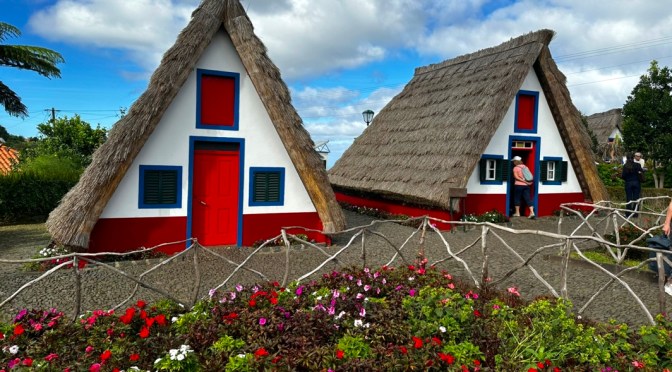
Embora as praias sejam principalmente de origem vulcânica, a costa é convidativa, especialmente as piscinas naturais de Porto Moniz. As aldeias de montanha revelam arquitetura tradicional, com casas brancas e telhados vermelhos, e Santana é conhecida por suas casas triangulares de colmo.

Muitas vezes, a névoa envolve as florestas, criando um ambiente místico. O Pico Ruivo, com 1.862 metros, é o ponto mais alto da ilha e um dos trilhos mais belos. A gastronomia local oferece peixe fresco, espetadas e o famoso pão bolo do caco.

A tradicional bebida Poncha é indispensável. Festivais como a Festa da Flor atraem muitos visitantes, transformando as ruas do Funchal num mar de flores. O Réveillon é outro destaque, com um dos maiores fogos de artifício da Europa. Madeira combina natureza, cultura e hospitalidade de forma única, deixando cada visitante profundamente impressão.

Obs.: o voo entre Lisboa e Funchal, capital da Ilha da Madeira, é de 1 hora e 45 minutos. O aeroporto de Funchal tem o nome de Cristiano Ronaldo, que nasceu lá.

Die Insel Madeira, oft als „Perle des Atlantiks“ bezeichnet, liegt rund 1.000 Kilometer südwestlich von Portugal.

Sie ist berühmt für ihr mildes Klima, das das ganze Jahr über angenehme Temperaturen bietet und Besucher aus aller Welt anzieht. Die dramatischen Klippen und tief eingeschnittenen Täler prägen das charakteristische Landschaftsbild, das Madeira so einzigartig macht. Besonders beeindruckend sind die zahlreichen Levadas,

künstliche Wasserläufe, die sich durch Berge, Schluchten und üppige Wälder ziehen. Entlang dieser Wege erleben Wanderer spektakuläre Ausblicke und eine nahezu unberührte Natur. Die Lorbeerwälder Madeiras zählen zum UNESCO-Weltnaturerbe und vermitteln das Gefühl eines urzeitlichen Paradieses.

Die Hauptstadt Funchal begeistert mit historischen Gebäuden, lebhaften Märkten und einer charmanten Altstadt. Der Mercado dos Lavradores ist ein farbenfroher Treffpunkt voller exotischer Früchte, Blumen und traditioneller Produkte. Auch die Kathedrale Sé aus dem 15. Jahrhundert gehört zu den kulturellen Höhepunkten der Insel. Madeira ist zudem weltberühmt für seinen aromatischen Wein, der in alten Weinkellereien verkostet werden kann. Ein Besuch im botanischen Garten von Funchal bietet großartige Ausblicke über die Stadt und eine Vielfalt an Pflanzen aus unterschiedlichen Klimazonen.

Abenteuerlustige zieht es zum spektakulären Cabo Girão, einer der höchsten Klippen Europas, deren gläserne Aussichtsplattform atemberaubende Tiefblicke ermöglicht. Die Küsten Madeiras laden trotz ihrer meist vulkanischen Strände zum Entspannen ein, besonders die natürlichen Meeresschwimmbecken von Porto Moniz sind ein beliebtes Ziel. In den Bergdörfern beeindrucken traditionelle Häuser mit weißen Wänden und roten Dächern, während Santana mit seinen strohbedeckten Dreieckshäusern ein besonderes Highlight darstellt. Nebel, der durch die Wälder zieht, verleiht dem Inselinneren häufig eine mystische Stimmung. Der Pico Ruivo, mit 1.862 Metern der höchste Berg Madeiras, bietet Wanderern unvergessliche Erlebnisse. Die lokale Küche verwöhnt mit frischem Fisch, Espetada-Spießen und dem berühmten Bolo do Caco. Dazu passt hervorragend die traditionelle Poncha, ein Getränk aus Zuckerrohrschnaps. Festivals wie das Blumenfest verwandeln Funchal jedes Jahr in ein duftendes Blütenmeer. Auch das spektakuläre Silvesterfeuerwerk gehört zu den Höhepunkten der Insel. Madeira vereint Natur, Kultur, Gastfreundschaft und Vielfalt auf beeindruckende Weise – ein Reiseziel, das nachhaltig in Erinnerung bleibt.

Hinweis: Der Flug zwischen Lissabon und Funchal, der Hauptstadt der Insel Madeira, dauert 1 Stunde und 45 Minuten. Der Flughafen Funchal ist nach Cristiano Ronaldo benannt, der dort geboren wurde.

Madeira, often called the “Pearl of the Atlantic,” lies about 1,000 kilometers southwest of Portugal. 

It is famous for its mild climatewhich offers pleasant temperatures all year roundDramatic cliffs and deeply carved valleys shape the island’s unique landscape.

Particularly impressive are the many levadas, man-made

 irrigation channels that run through mountains and forestsHikers from all over the world come to Madeira to experience breathtaking tours along these routes. The lush vegetationincluding laurel forestsis part of the UNESCO World Natural Heritage. The capital Funchal impresses with its historic buildings and lively markets. The Mercado dos Lavradores is a colorful place full of exotic fruits and flowers. The 15th-century Sé Cathedral is another highlight. Madeira is also famous for its traditional wineappreciated worldwideMany visitors tour the old wine cellars to taste this special drink. The botanical garden of Funchal offers a splendid view over the city and hosts plants from various climate zones. Adventurous travelers visit Cabo Girão, one of Europe’s highest cliffsfeaturing a glass platform with stunning viewsAlthough Madeira’s beaches are mostly volcanicthe coast invites relaxationespecially the natural sea pools of Porto Moniz. The mountain villages offer traditional architecturewith white houses and red roofswhile Santana is known for its thatched triangular homes. Mist often drifts through the island’s forestscreating a mystical atmosphere. Pico Ruivo, at 1,862 metersis the island’s highest peak and a favorite hiking destinationThe local cuisine features fresh fishespetada skewersand the famous bolo do caco bread. The traditional drink Poncha is not to be missedFestivals like the Flower Festival attract many visitors each yearturning Funchal’s streets into a sea of blossomsNew Year’s Eve is another highlight, with one of Europe’s largest fireworks showsMadeira beautifully combines naturecultureand hospitalityleaving every visitor deeply impressed. 

Note: The flight between Lisbon and Funchal, the capital of Madeira Island, takes 1 hour and 45 minutes. Funchal Airport is named after Cristiano Ronaldo, who was born there.

Veliko Tarnovo

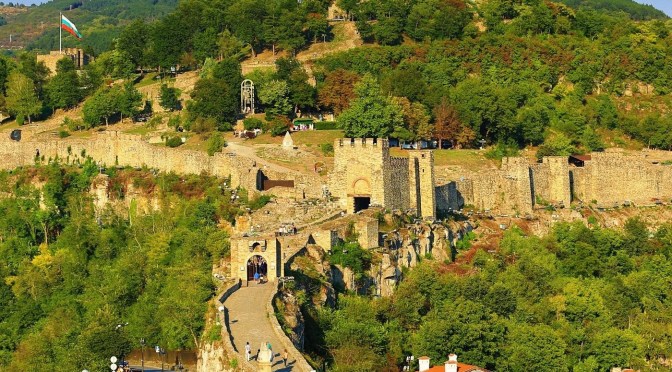
Veliko Tarnovo, a antiga capital da Bulgária, está pitorescamente situada sobre três colinas – Tsarevets, Trapezitsa e Sveta Gora – e é suavemente cercada pelo rio Yantra.

A cidade é considerada uma das mais belas e históricas da Bulgária. Na Idade Média, foi o centro político, cultural e espiritual do Segundo Império Búlgaro. A fortaleza de Tsarevets domina a paisagem urbana e oferece vistas deslumbrantes da cidade e do vale do rio. Especialmente impressionante é o espetáculo noturno de som e luz que revive a história da Bulgária nas ruínas da fortaleza. O centro histórico, com suas ruas estreitas de paralelepípedos e casas tradicionais, remete a séculos passados. Artesãos, galerias e pequenos cafés dão-lhe um charme vibrante. Vale a pena visitar a rua Samovodska Charshia, onde o artesanato tradicional ainda é praticado. Numerosas igrejas, mosteiros e museus contam a rica história da cidade. De Veliko Tarnovo, pode-se facilmente chegar a Arbanassi, uma vila com magníficas casas históricas. A cidade encanta os visitantes com sua combinação de história, cultura e beleza natural. Hoje, Veliko Tarnovo é também uma importante cidade universitária que combina de forma harmoniosa juventude e tradição.

Veliko Tarnovo, die alte Hauptstadt Bulgariens, liegt malerisch auf drei Hügeln – Tsarevets, Trapezitsa und Sveta Gora – und wird vom Fluss Jantra in sanften Schleifen umflossen. Die Stadt gilt als eine der schönsten und geschichtsträchtigsten Bulgariens.

Im Mittelalter war sie das politische, kulturelle und geistige Zentrum des Zweiten Bulgarischen Reiches. Die Festung Tsarevets dominiert das Stadtbild und bietet von ihren Mauern einen atemberaubenden Blick über die Stadt und das Flusstal. Besonders eindrucksvoll ist die abendliche Licht- und Tonshow, die die Geschichte Bulgariens auf den Ruinen der Festung zum Leben erweckt. Die Altstadt mit ihren engen, kopfsteingepflasterten Gassen und traditionellen Häusern erinnert an vergangene Jahrhunderte. Kunsthandwerker, Galerien und kleine Cafés verleihen ihr ein lebendiges Flair. Besonders sehenswert ist die Straße der Samovodska Charshia, wo alte Handwerkskunst bis heute gepflegt wird. Zahlreiche Kirchen, Klöster und Museen erzählen von der reichen Vergangenheit. Von Veliko Tarnovo aus erreicht man leicht das nahegelegene Arbanassi, ein Dorf mit prächtigen historischen Häusern. Die Stadt zieht Besucher mit ihrer Kombination aus Geschichte, Kultur und landschaftlicher Schönheit in ihren Bann. Heute ist Veliko Tarnovo auch eine bedeutende Universitätsstadt, die Jugend und Tradition harmonisch verbindet .

 Veliko Tarnovo, the old capital of Bulgaria, is picturesquely situated on three hills – Tsarevets, Trapezitsa, and Sveta Gora – and is gently encircled by the Yantra River.

The city is considered one of the most beautiful and historic in Bulgaria. In the Middle Ages, it was the political, cultural, and spiritual center of the Second Bulgarian Empire. The Tsarevets Fortress dominates the cityscape and offers breathtaking views over the town and the river valley. Particularly impressive is the evening sound and light show that brings Bulgaria’s history to life on the fortress ruins. The old town, with its narrow cobblestone streets and traditional houses, recalls centuries past. Artisans, galleries, and small cafés give it a vibrant charm. The Samovodska Charshia street is especially worth visiting, where traditional crafts are still practiced today. Numerous churches, monasteries, and museums tell of the city’s rich past. From Veliko Tarnovo, one can easily reach nearby Arbanassi, a village with splendid historic houses. The city captivates visitors with its mix of history, culture, and natural beauty. Today, Veliko Tarnovo is also an important university town that harmoniously combines youth and tradition.


Portão de Ferro/Eiserne Tor/Iron Gate

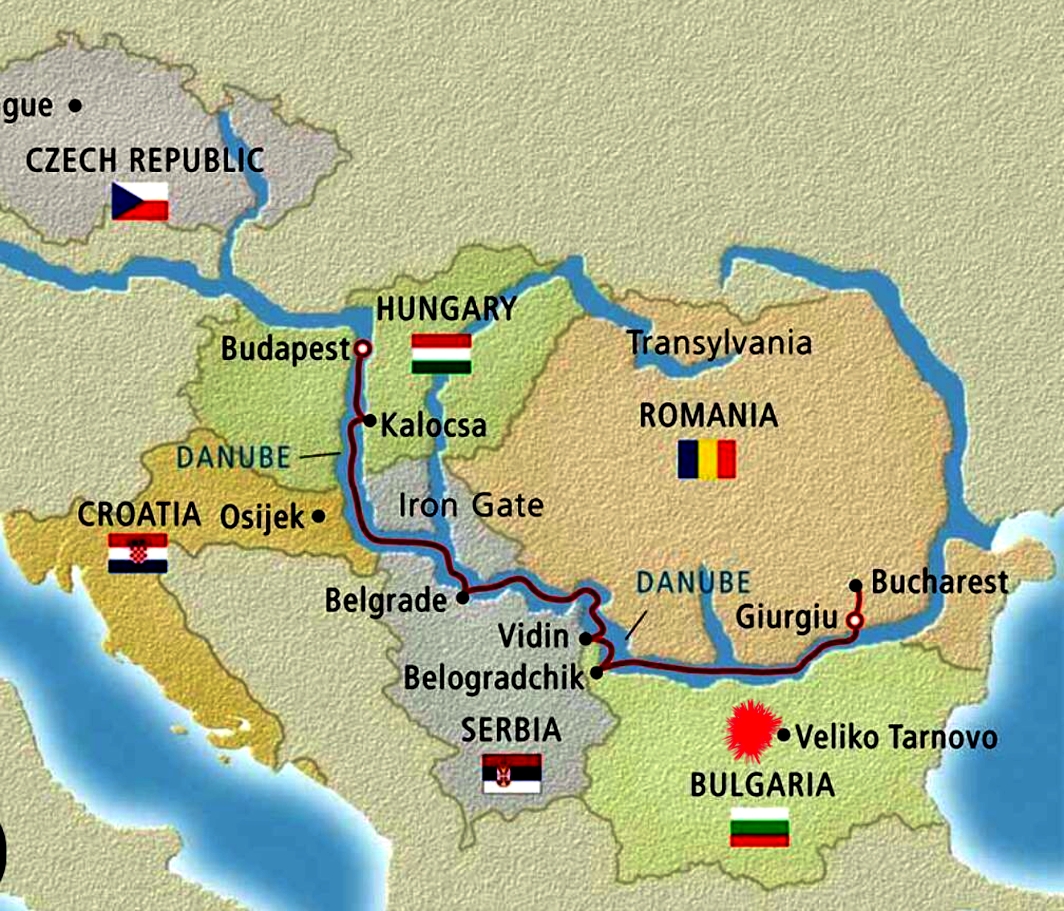
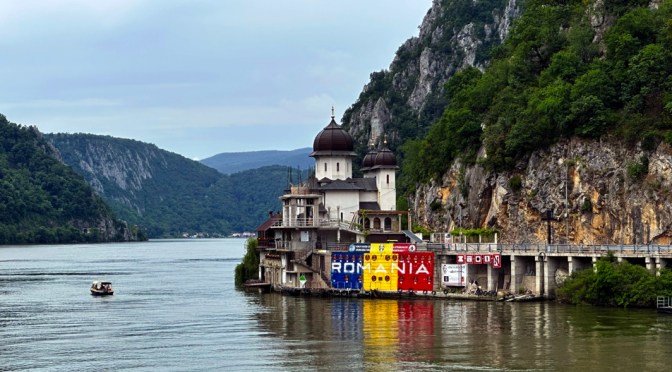
O chamado “Portão de Ferro” é um impressionante desfiladeiro do rio Danúbio que marca a fronteira entre a Sérvia e a Romênia.


Ao longo de muitos quilômetros, o largo rio se estreita e forma uma passagem espetacular.
O Danúbio atravessa montanhas cársticas íngremes, criando uma das paisagens mais dramáticas da Europa.
O nome “Portão de Ferro” é simbólico: já na Antiguidade a passagem era considerada perigosa e intransponível.
Os barcos enfrentavam grandes dificuldades para atravessar corredeiras e redemoinhos.
Somente com a engenharia moderna, represas e eclusas, a região se tornou navegável.
Hoje o Portão de Ferro é uma via fluvial importante e também uma atração turística.
Um destaque é a enorme estátua de Decebalo, último rei dos dácios, esculpida na rocha.
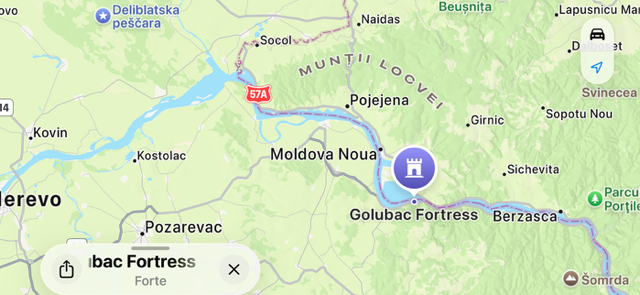
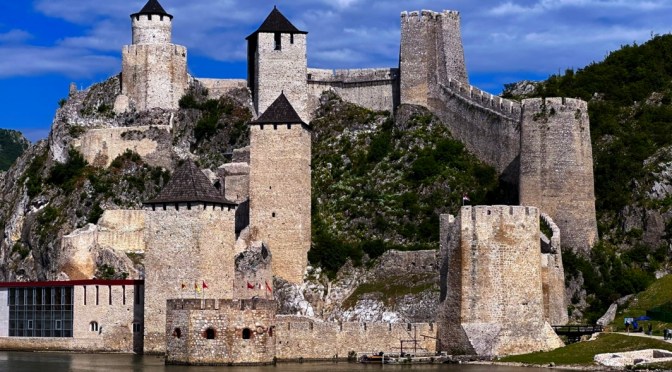
Do lado sérvio, ergue-se a imponente fortaleza de Golubac, que vigiava a passagem por séculos.
Do lado romeno, encontram-se mosteiros históricos e pequenas aldeias.
O cenário combina maravilhas naturais e patrimônio cultural.
Os viajantes podem desfrutar de vistas panorâmicas em miradouros e passeios de barco.
Muitos cruzeiros no Danúbio fazem paradas aqui para admirar a paisagem única.
O desfiladeiro é também um parque nacional e abriga diversas espécies animais e vegetais.
Águias, lobos e plantas raras encontram refúgio nas montanhas inacessíveis.
Geologicamente, trata-se de um dos cânions mais profundos e estreitos do Danúbio.
Em alguns pontos, as rochas chegam a 300 metros de altura.
A região é, há milênios, um ponto de encontro de culturas e povos.
Os romanos deixaram vestígios, como as ruínas da ponte de Trajano.
Também comerciantes e viajantes medievais precisavam passar pelo Portão de Ferro.
Hoje o local simboliza a ligação entre o Leste e o Sudeste europeu.
Une natureza, história e técnica de forma fascinante.
O Danúbio torna-se aqui uma verdadeira artéria vital entre dois países.
O Portão de Ferro é não apenas uma curiosidade geográfica, mas também um monumento cultural.
Os visitantes experimentam uma paisagem selvagem, misteriosa e cheia de história.
É um lugar que inspira tanto estudiosos quanto aventureiros.
O desfiladeiro simboliza a força da natureza e o esforço humano.
Sem dúvida, é uma das maiores maravilhas naturais da Europa.
Quem viaja pelo Danúbio não deve perder este lugar mágico.

Das sogenannte „Eiserne Tor“ ist eine beeindruckende Flussschlucht an der Donau, die die Grenze zwischen Serbien und Rumänien markiert.


Über viele Kilometer hinweg verengt sich der breite Strom hier zu einer spektakulären Passage.
Die Donau zwängt sich zwischen steilen Karstbergen hindurch und bildet eine der dramatischsten Landschaften Europas.
Der Name „Eisernes Tor“ ist dabei sinnbildlich: Schon in der Antike galt die Passage als gefährlich und unbezwingbar.
Schiffe hatten große Mühe, die Stromschnellen und Wirbel zu durchqueren.
Erst durch moderne Ingenieurskunst, Staudämme und Schleusen wurde der Abschnitt schiffbar gemacht.
Heute ist das Eiserne Tor nicht nur eine bedeutende Wasserstraße, sondern auch ein touristisches Highlight.
Besonders berühmt ist die Stelle mit der riesigen Statue von Decebalus, dem letzten König der Daker.
Sie wurde direkt in den Felsen geschlagen und erinnert an die Geschichte der Region.
Von serbischer Seite aus erhebt sich die imposante Festung Golubac, die über Jahrhunderte die Passage überwachte.
Auch auf rumänischer Seite finden sich historische Klöster und kleine Dörfer.
Das Panorama ist geprägt von einer Mischung aus Naturwundern und Kulturerbe.
Für Reisende bietet das Eiserne Tor atemberaubende Ausblicke von Aussichtspunkten und Schiffsrouten.
Viele Kreuzfahrten auf der Donau legen hier Zwischenstopps ein, um die einzigartige Landschaft zu erleben.
Die Schlucht ist gleichzeitig ein Nationalpark und beherbergt zahlreiche Tier- und Pflanzenarten.
Steinadler, Wölfe und seltene Pflanzen finden in den unzugänglichen Bergen einen Lebensraum.
Geologisch gesehen handelt es sich um eine der tiefsten und engsten Donauschluchten.
An manchen Stellen sind die Felsen bis zu 300 Meter hoch.
Die Region ist seit Jahrtausenden ein Schnittpunkt von Kulturen und Völkern.
Schon die Römer hinterließen hier Spuren, etwa die Überreste von Trajans Brücke.
Auch mittelalterliche Händler und Reisende mussten das Eiserne Tor passieren.
Heute ist der Ort Symbol für die Verbindung zwischen Ost- und Südosteuropa.
Er vereint Natur, Geschichte und Technik in faszinierender Weise.
Die Donau wird hier zu einer wahren Lebensader zwischen zwei Ländern.
Das Eiserne Tor ist nicht nur eine geografische Besonderheit, sondern auch ein kulturelles Denkmal.
Besucher erleben eine Landschaft, die zugleich wild, geheimnisvoll und geschichtsträchtig wirkt.
Es ist ein Ort, der sowohl Forscher als auch Abenteurer inspiriert.
Die Schlucht bleibt ein Sinnbild für die Kraft der Natur und die Leistung des Menschen.
Das Eiserne Tor ist ohne Zweifel eines der größten Naturwunder Europas.
Wer entlang der Donau reist, sollte diesen magischen Ort nicht verpassen.

The so-called “Iron Gate” is an impressive river gorge on the Danube, forming the border between Serbia and Romania.


For many kilometers, the wide river narrows into a spectacular passage.
The Danube cuts through steep karst mountains, creating one of Europe’s most dramatic landscapes.
The name “Iron Gate” is symbolic: even in antiquity, the passage was considered dangerous and unconquerable.
Ships had great difficulties navigating the rapids and whirlpools.
Only with modern engineering, dams, and locks did the area become navigable.
Today the Iron Gate is not only a vital waterway but also a tourist attraction.
A highlight is the massive statue of Decebalus, the last king of the Dacians, carved into the rock.
On the Serbian side stands the mighty Golubac Fortress, which guarded the passage for centuries.
On the Romanian side, one finds historic monasteries and small villages.
The panorama is a blend of natural wonders and cultural heritage.
Travelers can enjoy breathtaking views from lookout points and river cruises.
Many Danube cruises stop here to admire the unique scenery.
The gorge is also a national park, home to diverse animal and plant species.
Eagles, wolves, and rare plants find refuge in the inaccessible mountains.
Geologically, it is one of the deepest and narrowest Danube gorges.
In some places, the cliffs rise up to 300 meters.
For thousands of years, the region has been a crossroads of cultures and peoples.
The Romans left traces here, such as the remains of Trajan’s Bridge.
Medieval merchants and travelers also had to pass through the Iron Gate.
Today the site symbolizes the connection between Eastern and Southeastern Europe.
It unites nature, history, and technology in a fascinating way.
Here, the Danube becomes a true lifeline between two countries.
The Iron Gate is not only a geographical feature but also a cultural monument.
Visitors experience a landscape that feels wild, mysterious, and full of history.
It is a place that inspires both scholars and adventurers.
The gorge stands as a symbol of nature’s power and human achievement.
Without doubt, it is one of Europe’s greatest natural wonders.
Anyone traveling along the Danube should not miss this magical place.

“Castelo do Drácula, Castelo de Peles e viagem de um dia a Brasov saindo de Bucareste”/”Tagesausflug von Bukarest zu Draculas Schloss, Schloss Peles und Brasov”/”Dracula’s Castle, Peles Castle and Brasov Day Trip from Bucharest”

Um passeio de um dia saindo de Bucareste para o Castelo de Bran, conhecido como “Castelo do Drácula”, para o Castelo de Peleș e para a cidade de Brașov é uma das excursões mais populares da Romênia.

Fonte/Quelle/Source: Google Maps

Logo cedo, a viagem começa pela capital através das paisagens pitorescas dos Cárpatos.
A primeira parada costuma ser o magnífico Castelo de Peleș, em Sinaia, construído no século XIX para a família real.
Sua arquitetura de conto de fadas e os interiores ricamente decorados impressionam visitantes do mundo inteiro.
Em seguida, continua-se até o lendário Castelo de Bran, tornado mundialmente famoso pela lenda de Drácula.
Embora não haja ligação direta com o histórico Vlad Țepeș, a atmosfera mística desperta a imaginação.
As torres escuras e as escadas estreitas criam um clima enigmático.
Depois, a viagem segue até Brașov, uma das mais belas cidades medievais da Romênia.
O centro histórico, com a Igreja Negra, a Praça da Prefeitura e as ruas estreitas, convida à exploração.
Impressiona especialmente a mistura de arquitetura gótica, barroca e renascentista.
Muitos visitantes aproveitam também para saborear a culinária local em restaurantes acolhedores.
O passeio combina natureza, história e cultura de maneira ideal.
Aprende-se muito sobre o passado romeno, os reis, as lendas e a importância da Transilvânia.
A viagem pelos Cárpatos oferece vistas deslumbrantes de montanhas e florestas.
Os guias compartilham informações interessantes e contam anedotas sobre mitos e fatos históricos.
Para muitos, a visita ao Castelo de Bran é o ponto alto de sua viagem à Romênia.
O Castelo de Peleș transmite o esplendor da monarquia e a forte ligação com a Europa Central.
Brașov mostra o rico patrimônio cultural da Transilvânia e sua importância comercial no passado.
Assim, o passeio é diversificado e cheio de impressões.
Do início ao fim do dia, vivenciam-se três atrações fascinantes.
As distâncias são facilmente percorridas de ônibus ou minivan.
Pelo caminho, veem-se vilas pequenas, mosteiros e natureza intocada.
A organização geralmente garante tempo suficiente em cada lugar.
No verão, a excursão atrai muitos visitantes internacionais.
No inverno, a paisagem coberta de neve parece saída de um conto de fadas.
As fotos dos castelos e de Brașov tornam-se lembranças inesquecíveis.
Quem visita a Romênia não deve perder esta experiência.
Ela une lendas, esplendor e história em um passeio memorável.
À noite, retorna-se a Bucareste com muitas lembranças e emoções.

“Tagesausflug von Bukarest zu Draculas Schloss, Schloss Peles und Brasov”

Ein Tagesausflug von Bukarest zum Schloss Bran, auch bekannt als „Dracula’s Castle“, zum Schloss Peleș und in die Stadt Brașov gehört zu den beliebtesten Touren in Rumänien.

Fonte/Quelle/Source: Google Maps

Am frühen Morgen beginnt die Fahrt von der Hauptstadt durch die malerische Karpatenlandschaft.
Der erste Halt ist meist das prächtige Schloss Peleș in Sinaia, das im 19. Jahrhundert für die königliche Familie erbaut wurde.
Seine märchenhafte Architektur und die reich verzierten Innenräume beeindrucken Besucher aus aller Welt.
Anschließend geht es weiter zum legendären Schloss Bran, das durch die Dracula-Legende weltbekannt wurde.
Obwohl es keine direkte Verbindung zum historischen Vlad Țepeș gibt, weckt die mystische Atmosphäre viele Fantasien.
Die dunklen Türme und engen Treppen erzeugen eine geheimnisvolle Stimmung.
Danach führt die Reise nach Brașov, eine der schönsten mittelalterlichen Städte Rumäniens.
Die Altstadt mit der Schwarzen Kirche, dem Rathausplatz und den engen Gassen lädt zum Erkunden ein.
Besonders beeindruckend ist die Mischung aus gotischer, barocker und Renaissance-Architektur.
Viele Besucher genießen hier auch die lokale Küche in gemütlichen Restaurants.
Der Ausflug verbindet Natur, Geschichte und Kultur in idealer Weise.
Man erfährt viel über die rumänische Vergangenheit, die Könige, Legenden und die Bedeutung Siebenbürgens.
Die Fahrt durch die Karpaten bietet atemberaubende Ausblicke auf Berge und Wälder.
Tourguides geben spannende Informationen und erzählen Anekdoten über Mythen und historische Ereignisse.
Für viele ist der Besuch von Schloss Bran ein Höhepunkt ihrer Rumänienreise.
Schloss Peleș hingegen vermittelt den Glanz der Monarchie und die enge Verbindung zu Mitteleuropa.
Brașov zeigt das reiche kulturelle Erbe Siebenbürgens und die einstige Bedeutung als Handelsstadt.
Der Tagesausflug ist daher abwechslungsreich und voller Eindrücke.
Von früh bis spät erlebt man drei faszinierende Highlights an nur einem Tag.
Die Distanzen sind gut mit dem Bus oder Minivan zu bewältigen.
Unterwegs sieht man kleine Dörfer, Klöster und unberührte Natur.
Die Organisation ist meist so geplant, dass genügend Zeit an jedem Ort bleibt.
Besonders im Sommer zieht die Tour viele internationale Gäste an.
Im Winter wirkt die verschneite Landschaft fast wie aus einem Märchen.
Fotos von den Schlössern und Brașov gehören zu den schönsten Erinnerungen.
Wer Rumänien kennenlernt, sollte diesen Ausflug nicht verpassen.
Er verbindet Legenden, Pracht und Geschichte zu einem unvergesslichen Erlebnis.
Am Abend kehrt man erfüllt und mit vielen Eindrücken zurück nach Bukarest.

“Dracula’s Castle, Peles Castle and Brasov Day Trip from Bucharest”

A day trip from Bucharest to Bran Castle, also known as “Dracula’s Castle”, to Peleș Castle and to the city of Brașov is among the most popular tours in Romania.

Fonte/Quelle/Source: Google Maps

Early in the morning, the journey begins from the capital through the picturesque Carpathian landscapes.
The first stop is usually the magnificent Peleș Castle in Sinaia, built in the 19th century for the royal family.
Its fairy-tale architecture and richly decorated interiors impress visitors from around the world.
Next, the trip continues to the legendary Bran Castle, made world-famous by the Dracula legend.
Although there is no direct connection to the historical Vlad Țepeș, the mystical atmosphere sparks imagination.
The dark towers and narrow staircases create an enigmatic mood.
Afterwards, the journey leads to Brașov, one of the most beautiful medieval towns in Romania.
The old town, with the Black Church, the Council Square, and narrow streets, invites exploration.
Especially impressive is the blend of Gothic, Baroque, and Renaissance architecture.
Many visitors also enjoy the local cuisine in cozy restaurants.
The excursion combines nature, history, and culture in an ideal way.
Travelers learn much about Romania’s past, its kings, legends, and the importance of Transylvania.
The drive through the Carpathians offers breathtaking views of mountains and forests.
Tour guides share fascinating information and tell anecdotes about myths and historical events.
For many, visiting Bran Castle is the highlight of their trip to Romania.
Peleș Castle, on the other hand, conveys the splendor of monarchy and its ties to Central Europe.
Brașov showcases Transylvania’s rich cultural heritage and its former importance as a trade hub.
The day trip is therefore varied and full of impressions.
From morning to evening, travelers experience three fascinating highlights.
The distances are easily covered by bus or minivan.
Along the way, one sees small villages, monasteries, and unspoiled nature.
The schedule is usually organized so that there is enough time at each stop.
Especially in summer, the tour attracts many international visitors.
In winter, the snowy landscape looks like something out of a fairy tale.
Pictures of the castles and Brașov become treasured memories.
Anyone exploring Romania should not miss this excursion.
It unites legends, grandeur, and history into an unforgettable experience.
In the evening, travelers return to Bucharest full of impressions and memories.


Oberursel, cidade encatandora/charmante Stadt/charming town

Oberursel, uma cidade encantadora na borda das montanhas Taunus, está situada a poucos quilômetros a noroeste de Frankfurt am Main. Com cerca de 48 mil habitantes, é a segunda maior cidade do distrito de Hochtaunus e combina vida urbana com tranquilidade rural. Oberursel tem uma longa história que remonta à Idade Média, visível em seu centro histórico bem preservado. Casas com estruturas de madeira, ruelas estreitas e a pitoresca praça do mercado conferem à cidade um charme especial.

A igreja de Santa Úrsula, a mais antiga da cidade, é um marco importante. Oberursel também é conhecida por suas festas das fontes (“Brunnenfeste”), onde moradores e visitantes celebram juntos. A cidade oferece uma programação cultural variada, incluindo o Museu Vortaunus, que traz à vida a história regional. Nos últimos anos, Oberursel tornou-se um destino residencial popular para quem trabalha em Frankfurt mas prefere morar em meio à natureza.

A excelente ligação com a cidade, através de trem (S-Bahn) e rodovias, garante deslocamentos rápidos. Os amantes da natureza apreciam a proximidade das trilhas e mirantes do Taunus. Escolas, creches e opções de lazer fazem de Oberursel um local especialmente voltado para famílias. Do ponto de vista econômico, abriga empresas internacionais, além de diversos pequenos negócios.

Com sua combinação bem-sucedida de história, natureza e infraestrutura moderna, Oberursel é um lugar atraente para viver e explorar – tanto para os moradores quanto para visitantes de todo o mundo.

Oberursel, eine charmante Stadt am Rande des Taunusgebirges, liegt nur wenige Kilometer nordwestlich von Frankfurt am Main. Mit rund 48.000 Einwohnern ist sie die zweitgrößte Stadt im Hochtaunuskreis und verbindet städtisches Leben mit ländlicher Idylle. Oberursel blickt auf eine lange Geschichte zurück, die bis ins Mittelalter reicht, was sich im gut erhaltenen historischen Stadtkern widerspiegelt. Fachwerkhäuser, enge Gassen und der malerische Marktplatz verleihen der Stadt eine besondere Atmosphäre.

Die St. Ursula Kirche, die älteste Kirche der Stadt, ist ein markantes Wahrzeichen. Oberursel ist auch für seine Brunnenfeste bekannt, bei denen Einheimische und Besucher gemeinsam feiern. Kulturell bietet die Stadt ein breites Angebot, darunter das Vortaunusmuseum, das regionale Geschichte lebendig macht. In den letzten Jahren hat sich Oberursel auch zu einem beliebten Wohnort für Pendler entwickelt, die in Frankfurt arbeiten, aber lieber im Grünen wohnen.

Die gute Anbindung durch S-Bahn und Autobahn sorgt für kurze Wege in die Metropole. Naturfreunde schätzen die Nähe zum Taunus mit seinen Wanderwegen und Aussichtspunkten. Auch Schulen, Kindergärten und Freizeitangebote machen Oberursel besonders familienfreundlich. Wirtschaftlich ist die Stadt Standort internationaler Unternehmen, aber auch viele kleinere Betriebe prägen das Stadtbild.

Mit ihrem gelungenen Mix aus Geschichte, Natur und moderner Infrastruktur ist Oberursel ein attraktiver Ort zum Leben und Entdecken – sowohl für Einheimische als auch für Gäste aus aller Welt.

Oberursel, a charming town on the edge of the Taunus Mountains, is located just a few kilometers northwest of Frankfurt am Main. With around 48,000 residents, it is the second-largest town in the Hochtaunus district and combines urban life with rural tranquility. Oberursel has a long history dating back to the Middle Ages, reflected in its well-preserved historic town center. Half-timbered houses, narrow lanes, and the picturesque market square give the town a unique character.

The St. Ursula Church, the oldest church in town, is a prominent landmark. Oberursel is also famous for its “Brunnenfeste” (Fountain Festivals), where locals and visitors celebrate together. The town offers a rich cultural program, including the Vortaunus Museum, which brings regional history to life. In recent years, Oberursel has become a popular residential area for commuters who work in Frankfurt but prefer to live in a green environment.

Its excellent transport connections via S-Bahn and highways ensure quick access to the city. Nature lovers enjoy the nearby Taunus with its hiking trails and scenic viewpoints. Schools, daycare centers, and leisure facilities make Oberursel especially family-friendly. Economically, it is home to international companies as well as many small businesses.

With its successful blend of history, nature, and modern infrastructure, Oberursel is an attractive place to live and explore – for locals and visitors from around the world.

A charmosa Novi Sad/Das charmante Novi Sad/The charming Novi Sad

Novi Sad é frequentemente chamada de “Atenas Sérvia” ou “Gibraltar no Danúbio”.

Novi Sad é a segunda maior cidade da Sérvia e está situada de forma pitoresca às margens do rio Danúbio.

Considerada o centro cultural da região da Voivodina, encanta com uma vibrante mistura de história, arquitetura e estilo de vida moderno.

A Fortaleza de Petrovaradin, frequentemente chamada de “Gibraltar do Danúbio”, ergue-se majestosamente sobre o rio e oferece vistas deslumbrantes.

Todos os anos, o famoso Festival EXIT atrai milhares de amantes da música de todo o mundo.

O centro histórico de Novi Sad encanta com construções elegantes em estilo barroco, cafés acolhedores e praças animadas.

A Praça da Liberdade, com sua imponente prefeitura, é um ponto de encontro central. As arquiteturas ortodoxa e católica refletem a diversidade cultural da cidade.

Em 2022, Novi Sad foi a Capital Europeia da Cultura, o que fortaleceu seu perfil internacional.

O bairro de Sremska Kamenica convida ao descanso com seu ambiente verde e tranquilo. Os moradores são hospitaleiros e a culinária é variada – os pratos de peixe do Danúbio são especialmente populares.

Nos arredores há diversas vinícolas e pomares. Novi Sad não é apenas bela, mas também um símbolo da convivência pacífica entre diferentes etnias. A proximidade com o Parque Nacional Fruška Gora atrai também os amantes da natureza. A arte, a música e a literatura têm grande importância aqui. Novi Sad une tradição e modernidade com muito charme.

Novi Sad wird oft auch „Serbisches Athen“ oder „Gibraltar an der Donau“ genannt.

Novi Sad ist die zweitgrößte Stadt Serbiens und liegt malerisch am Ufer der Donau.

Die Stadt gilt als kulturelles Zentrum der Vojvodina und beeindruckt durch eine lebendige Mischung aus Geschichte, Architektur und moderner Lebensart. Die Festung Petrovaradin, oft als „Gibraltar an der Donau“ bezeichnet, thront majestätisch über dem Fluss und bietet einen atemberaubenden Blick.

Jedes Jahr zieht das bekannte EXIT-Festival tausende Musikliebhaber aus aller Welt an. Die Altstadt von Novi Sad bezaubert mit eleganten Bauten im Barockstil, gemütlichen Cafés und lebhaften Plätzen. Die Freiheitsplatz mit dem imposanten Rathaus ist ein zentraler Treffpunkt. Auch die orthodoxe und katholische Architektur spiegelt die kulturelle Vielfalt wider.

Novi Sad war 2022 europäische Kulturhauptstadt, was ihr internationales Profil stärkte. Der Stadtteil Sremska Kamenica lädt mit grüner Umgebung und Ruhe zur Erholung ein.

Die Menschen sind gastfreundlich, das Essen vielfältig – besonders beliebt sind Fischgerichte aus der Donau.

In der Umgebung gibt es zahlreiche Weingüter und Obstplantagen. Novi Sad ist nicht nur schön, sondern auch ein Symbol des friedlichen Zusammenlebens verschiedener Ethnien.

Die Nähe zum Nationalpark Fruška Gora macht die Stadt auch für Naturfreunde attraktiv. Kunst, Musik und Literatur haben hier einen hohen Stellenwert. Novi Sad verbindet Tradition mit Moderne und bleibt dabei stets charmant.

Novi Sad is often called “Serbian Athens” or “Gibraltar on the Danube”.

Novi Sad is the second largest city in Serbia and lies picturesquely on the banks of the Danube.

It is considered the cultural center of Vojvodina and impresses with a vibrant mix of history, architecture, and modern lifestyle. The Petrovaradin Fortress, often called the “Gibraltar on the Danube,” rises majestically above the river and offers stunning views.

Every year, the famous EXIT Festival attracts thousands of music lovers from around the world. The old town of Novi Sad enchants visitors with elegant Baroque-style buildings, cozy cafés, and lively squares. Liberty Square, with its impressive town hall, is a central meeting point. Both Orthodox and Catholic architecture reflect the city’s cultural diversity.

In 2022, Novi Sad was the European Capital of Culture, which boosted its international profile. The district of Sremska Kamenica offers green surroundings and tranquility for relaxation. The locals are hospitable, and the cuisine is diverse – fish dishes from the Danube are especially popular.

The surrounding area features many vineyards and orchards. Novi Sad is not only beautiful but also a symbol of peaceful coexistence among different ethnic groups. Its proximity to the Fruška Gora National Park makes it attractive to nature lovers as well. Art, music, and literature are highly valued here. Novi Sad blends tradition with modernity and remains truly charming.

Bucareste

Bucareste, a capital da Romênia, é uma cidade fascinante que oferece uma mistura única de história, cultura e arquitetura moderna. Como uma das cidades mais antigas da Europa, Bucareste pode olhar para um passado turbulento, que se reflete em seus edifícios e monumentos históricos.

Um dos destaques da cidade é o Palácio Real, um impressionante edifício que agora serve como Museu Nacional de Arte Contemporânea. Além disso, o Palácio do Parlamento impressiona com seu tamanho e esplendor imponentes. Este complexo gigantesco é o segundo maior edifício administrativo do mundo e uma obra-prima da arquitetura socialista.

Outro destaque é o Mercado Camponês Antigo, que oferece frutas, legumes, carne e artesanato tradicional. Aqui, os visitantes podem não apenas descobrir a culinária local, mas também obter uma visão do cotidiano vibrante dos residentes de Bucareste.

Além dos locais históricos, Bucareste também oferece atrações modernas, como o Parque Herastrau, um oásis verde no meio da cidade. Aqui, os visitantes podem caminhar, fazer passeios de barco ou simplesmente relaxar.

A vida noturna de Bucareste também é notável. A cidade é conhecida por sua cena de clubes vibrante e oferece inúmeros bares, restaurantes e cafés onde você pode desfrutar do ambiente da capital romena.

No geral, Bucareste é um destino fascinante que cativa os viajantes com sua mistura de tradição e modernidade. A cidade é um cadinho de culturas e oferece inúmeras oportunidades de descobrir e experimentar a cultura romena.

O que nos impressionou foi o fato de que durante nossa estadia em Bucareste, a “WORLDPRESS PHOTO 2025” estava em exposição no pátio da universidade.

Bukarest, die Hauptstadt Rumäniens, ist eine faszinierende Stadt, die eine einzigartige Mischung aus Geschichte, Kultur und moderner Architektur bietet. Als eine der ältesten Städte Europas kann Bukarest auf eine bewegte Vergangenheit zurückblicken, die sich in ihren historischen Gebäuden und Denkmälern widerspiegelt.

Eines der Highlights der Stadt ist der Königspalast, ein beeindruckendes Bauwerk, das heute als Nationalmuseum für zeitgenössische Kunst dient. Daneben beeindruckt der Parlamentspalast mit seiner imposanten Größe und Pracht. Dieser gigantische Komplex ist das zweitgrößte Verwaltungsgebäude der Welt und ein Meisterwerk sozialistischer Architektur.

Ein weiteres Highlight ist der Alte Bauernmarkt, der Obst, Gemüse, Fleisch und traditionelle Handwerkskunst anbietet. Hier können Besucher nicht nur die lokale Kulinarik entdecken, sondern auch einen Einblick in das lebendige Alltagsleben der Bukarest-Bewohner gewinnen.

Neben den historischen Sehenswürdigkeiten bietet Bukarest auch moderne Attraktionen wie den Herastrau-Park, eine grüne Oase inmitten der Stadt. Hier können Besucher spazieren gehen, Bootstouren unternehmen oder einfach die Seele baumeln lassen.

Auch das Nachtleben in Bukarest ist bemerkenswert. Die Stadt ist bekannt für ihre lebendige Clubszene und bietet zahlreiche Bars, Restaurants und Cafés, in denen man die Atmosphäre der rumänischen Hauptstadt genießen kann.

Insgesamt ist Bukarest eine faszinierende Destination, die Reisende mit ihrer Mischung aus Tradition und Moderne begeistert. Die Stadt ist ein Schmelztiegel der Kulturen und bietet unzählige Möglichkeiten, die rumänische Kultur zu entdecken und zu erleben.

Beeindruckend für uns war die Tatsache, dass während unseres Aufenthaltes in Bukarest auf dem Universitätsvorplatz die „WORLDPRESS PHOTO 2025“ zu begutachten waren.

Bucharest, the capital of Romania, is a fascinating city that offers a unique blend of history, culture, and modern architecture. As one of the oldest cities in Europe, Bucharest can look back on a turbulent past, which is reflected in its historic buildings and monuments.

One of the highlights of the city is the Royal Palace, an impressive building that now serves as the National Museum of Contemporary Art. In addition, the Palace of the Parliament impresses with its imposing size and splendor. This gigantic complex is the second-largest administrative building in the world and a masterpiece of socialist architecture.

Another highlight is the Old Peasant Market, which offers fruits, vegetables, meat, and traditional handicrafts. Here, visitors can not only discover the local cuisine but also gain an insight into the lively everyday life of the Bucharest residents.

In addition to the historical sights, Bucharest also offers modern attractions such as the Herastrau Park, a green oasis in the middle of the city. Here, visitors can go for a walk, take boat tours, or simply relax.

Bucharest’s nightlife is also remarkable. The city is known for its vibrant club scene and offers numerous bars, restaurants, and cafes where you can enjoy the atmosphere of the Romanian capital.

Overall, Bucharest is a fascinating destination that captivates travelers with its blend of tradition and modernity. The city is a melting pot of cultures and offers countless opportunities to discover and experience Romanian culture.

What was impressive for us was the fact that during our stay in Bucharest, the “WORLDPRESS PHOTO 2025” was on display in the university forecourt.

Český Krumlov

Český Krumlov é uma encantadora cidade no sul da República Tcheca, famosa por seu centro histórico medieval bem preservado e seu impressionante castelo. Situada em uma curva do rio Moldava, a cidade é Patrimônio Mundial da UNESCO desde 1992.

O Castelo de Český Krumlov é o segundo maior da República Tcheca, depois do Castelo de Praga. Combina elementos góticos, renascentistas e barrocos. O teatro barroco do castelo é um destaque, sendo um dos mais antigos do mundo ainda em funcionamento.

As ruelas estreitas, casas coloridas e cafés acolhedores criam uma atmosfera única. A cidade também abriga várias galerias e museus, como o Centro Egon Schiele.

Durante o verão, diversos eventos culturais animam a cidade, como o Festival Internacional de Música e a Festa da Rosa de Cinco Pétalas, de estilo medieval. Atividades ao ar livre, como canoagem ou caminhadas ao longo do rio, também são muito populares.

Český Krumlov é um lugar onde a história ganha vida – romântico, inspirador e inesquecível.

Para conhecer mais sobre essa bela cidade, clique aqui.

Český Krumlov ist eine malerische Kleinstadt im Süden Tschechiens, die durch ihre gut erhaltene mittelalterliche Altstadt und das beeindruckende Schloss bekannt ist. Die Stadt liegt an einer Schleife der Moldau und gehört seit 1992 zum UNESCO-Weltkulturerbe.

Das Schloss Český Krumlov ist nach der Prager Burg das zweitgrößte historische Bauwerk des Landes. Es vereint gotische, Renaissance- und barocke Elemente. Besonders sehenswert ist das barocke Schlosstheater, eines der ältesten erhaltenen seiner Art.

Die engen Gassen, farbenfrohen Häuser und kleinen Cafés machen den besonderen Charme der Stadt aus. Zahlreiche Galerien und Museen, darunter das Egon-Schiele-Zentrum, laden zum Entdecken ein.

Im Sommer finden viele kulturelle Veranstaltungen statt, wie das Internationale Musikfestival oder das mittelalterliche Fest „Fünfblättrige Rose“. Auch Aktivitäten wie Kanufahren oder Spaziergänge entlang der Moldau sind sehr beliebt.

Český Krumlov ist ein Ort, an dem Geschichte lebendig wird – romantisch, inspirierend und unvergesslich

Um mehr über diese wunderschöne Stadt zu erfahren, klicken Sie hier.

Český Krumlov is a charming small town in southern Czech Republic, famous for its well-preserved medieval center and impressive castle. Nestled in a bend of the Vltava River, it has been a UNESCO World Heritage Site since 1992.

The Český Krumlov Castle is the second largest historical building in the country after Prague Castle. It features Gothic, Renaissance, and Baroque elements. One of its highlights is the Baroque theatre, one of the oldest surviving in the world.

The narrow streets, colorful houses, and cozy cafés give the town its special charm. There are many galleries and museums to explore, including the Egon Schiele Art Center.

In summer, the town hosts many cultural events, such as the International Music Festival and the medieval-style Five-Petalled Rose Festival. Outdoor activities like canoeing or riverside walks are also very popular.

Český Krumlov is a place where history comes to life – romantic, inspiring, and unforgettable.

To learn more about this beautiful city, click here.

Portovenere

Portovenere é uma pitoresca cidade costeira na Ligúria, Itália, situada na Riviera di Levante. Fica a oeste de La Spezia e faz parte do Patrimônio Mundial da UNESCO, junto com as Cinque Terre.

A cidade tem uma longa história que remonta à época romana. Na Idade Média, Portovenere foi desenvolvida e fortificada pelos genoveses. Ainda hoje, as antigas muralhas da cidade e o Castelo Doria são impressionantes testemunhos dessa época.

Um dos marcos da cidade é a Igreja de São Pedro, situada dramaticamente sobre uma rocha sobre o mar. Foi construída no século XIII no estilo gótico genovês e oferece uma vista espetacular.

Também merece destaque a Igreja de São Lourenço, do século XII, que abriga valiosas obras de arte religiosa.

A Gruta de Byron, nomeada em homenagem ao poeta Lord Byron, que encontrou inspiração aqui, é uma atração popular para os visitantes.

Portovenere é conhecida por suas fachadas de casas coloridas ao longo do porto, criando uma imagem pitoresca. As ruas estreitas do centro histórico convidam os visitantes a explorá-las.

Se quiser mais informações sobre Portovenere, clique aqui.

Portovenere ist eine malerische Küstenstadt in Ligurien, Italien, die an der Riviera di Levante liegt. Sie befindet sich westlich von La Spezia und gehört zum UNESCO-Weltkulturerbe, zusammen mit den Cinque Terre.

Die Stadt hat eine lange Geschichte, die bis in die römische Zeit zurückreicht. Im Mittelalter wurde Portovenere von den Genuesen ausgebaut und befestigt. Noch heute sind die alten Stadtmauern und die Burg Doria beeindruckende Zeugnisse dieser Epoche.

Ein Wahrzeichen ist die Kirche San Pietro, die dramatisch auf einem Felsen über dem Meer thront. Sie wurde im 13. Jahrhundert im gotisch-genuesischen Stil errichtet und bietet eine spektakuläre Aussicht.

Ebenfalls sehenswert ist die Kirche San Lorenzo, die aus dem 12. Jahrhundert stammt und wertvolle religiöse Kunstwerke beherbergt.

Die Grotta di Byron, benannt nach dem Dichter Lord Byron, der hier Inspiration suchte, ist eine bekannte Attraktion für Besucher.

Portovenere ist für seine bunten Häuserfassaden entlang des Hafens bekannt, die ein malerisches Bild ergeben. Die engen Gassen der Altstadt laden zum Bummel ein.

Wenn Sie weitere Informationen über Portovenere wünschen, klicken Sie hier.

Portovenere is a picturesque coastal town in Liguria, Italy, located on the Riviera di Levante. It lies west of La Spezia and is part of the UNESCO World Heritage Site, along with the Cinque Terre.

The town has a long history dating back to Roman times. In the Middle Ages, Portovenere was developed and fortified by the Genoese. Even today, the old city walls and the Doria Castle stand as impressive remnants of that era.

One of the town’s landmarks is the Church of San Pietro, dramatically perched on a rock above the sea. Built in the 13th century in the Genoese Gothic style, it offers a spectacular view.

Also worth seeing is the Church of San Lorenzo, dating back to the 12th century, which houses valuable religious artworks.

Byron’s Grotto, named after the poet Lord Byron, who found inspiration here, is a well-known attraction for visitors.

Portovenere is famous for its colorful house facades along the harbor, creating a picturesque scene. The narrow alleys of the old town invite visitors to explore them.

If you want more information  about Portovenere, click here.

Arredores de Monterrosso/Umgebung von Monterosso/Monterosso surroundings

Erich e eu tivemos o prazer de realizar uma viagem com o propósito de conhecer as Cinque Terre, na Itália. Nossa base foi a cidade de Monterosso Al Mare, aliás, você pode conhecer mais sobre essa região da Itália aqui. A partir de Monterosso, fora da área conhecida como Cinque Terre existem lindas cidades. Assim, aproveitamos nossa estadia em Monterosso e visitamos algumas cidades localizadas nas proximidades. Realizamos esses pequenos deslocamentos diários de trem. Abaixo você pode conhecer um pouco sobre elas.

Bonassola é uma encantadora cidade costeira na Ligúria, conhecida por sua atmosfera tranquila e beleza natural. A cidade está situada em uma baía cercada por colinas verdes e o cintilante Mar da Ligúria. Bonassola possui uma pequena praia bem cuidada e águas cristalinas, perfeitas para nadar e mergulhar. O centro histórico é caracterizado por ruas estreitas, casas em tons pastel e cafés acolhedores. Uma atração popular é a trilha que conecta Bonassola a Levanto, oferecendo vistas deslumbrantes da costa. A igreja de Santa Caterina do século XVI também merece uma visita. Menos movimentada que as Cinque Terre, Bonassola oferece uma alternativa tranquila. Restaurantes locais servem pratos frescos de frutos do mar. Ciclistas adoram a rota costeira “Pista Ciclabile” entre Levanto e Framura. Bonassola é ideal para amantes da natureza e para quem busca relaxamento.

Chiavari é uma cidade histórica na costa da Ligúria, conhecida por seu elegante centro histórico e rica cultura. As ruas com arcadas são particularmente impressionantes, repletas de boutiques, lojas de antiguidades e cafés. A Catedral de San Giovanni Battista é um destaque arquitetônico com sua fachada barroca. O Parque Villa Rocca oferece um oásis verde com plantas exóticas e vistas deslumbrantes do mar. Chiavari é famosa por sua produção tradicional de móveis, especialmente as icônicas cadeiras de Chiavari. A praia de areia e o calçadão convidam ao relaxamento. O movimentado mercado semanal oferece especialidades locais e artesanato. A cidade é uma excelente base para passeios às Cinque Terre ou Portofino. Eventos culturais e festivais ocorrem especialmente no verão. Chiavari combina história, natureza e modernidade de forma encantadora.

Levanto é uma cidade costeira vibrante e uma porta de entrada para as Cinque Terre. Oferece uma ampla praia de areia, ideal para famílias e surfistas. A cidade tem uma rica história e um charmoso centro histórico com ruas estreitas e edifícios medievais. Especialmente impressionante é a Igreja de San Andrea, com sua fachada de mármore preto e branco. Levanto é conhecida por sua atmosfera agradável, misturando turismo e vida local. Muitos caminhantes iniciam trilhas pelos espetaculares caminhos costeiros aqui. Um destaque é o antigo túnel ferroviário, agora um caminho para ciclistas e pedestres que conecta Levanto a Bonassola. Levanto também é um ponto gastronômico com frutos do mar frescos e Pesto Genovese. Durante o verão, há numerosos eventos culturais. Fácil de acessar de trem ou carro, é uma base perfeita para explorar a região.

Santa Margherita Ligure é uma cidade costeira elegante, muitas vezes chamada de “porta de entrada para Portofino”. Situada em uma baía pitoresca, é conhecida por suas vilas luxuosas, passeios arborizados com palmeiras e marinas. O centro histórico possui fachadas coloridas, boutiques elegantes e excelentes restaurantes. Destacam-se a Basílica de Santa Margherita e a Villa Durazzo, cercada por belos jardins. A cidade é uma base popular para passeios de barco até Portofino e ao longo da costa. As praias em Santa Margherita são bem equipadas e oferecem várias opções de esportes aquáticos. Atrai turistas de todo o mundo, mantendo seu charme autêntico. Especialmente na primavera e no verão, a cidade é vibrante. Santa Margherita Ligure é ideal para viajantes que buscam elegância e charme italiano.

Sestri Levante é frequentemente chamada de “cidade dos dois mares” devido à sua localização pitoresca entre duas baías. A Baia del Silenzio (Baía do Silêncio) é mundialmente famosa por suas águas cristalinas e atmosfera romântica. O centro histórico é animado, com pequenas lojas, sorveterias e restaurantes. Sestri Levante tem uma longa história, visível em seus edifícios e igrejas históricos. Um destaque é o festival “Andersen Premio”, que atrai escritores e artistas todos os anos. Caminhantes apreciam os parques naturais e vistas costeiras nas proximidades. A cidade é facilmente acessível de trem e uma parada popular entre Gênova e La Spezia. Sestri Levante oferece uma mistura perfeita de cultura, natureza e relaxamento. Famílias e casais valorizam especialmente a variedade de atividades. No verão, torna-se um destino de férias animado e popular.

Erich und ich hatten das Vergnügen, einen Ausflug zu unternehmen, um die Cinque Terre in Italien zu entdecken. Unsere Basis war die Stadt Monterosso Al Mare, tatsächlich können Sie hier mehr über diese Region Italiens erfahren. Von Monterosso aus gibt es außerhalb des als Cinque Terre bekannten Gebiets wunderschöne Städte. Also nutzten wir unseren Aufenthalt in Monterosso und besuchten einige Städte in der Nähe. Diese kleinen Tagesausflüge machen wir mit der Bahn. Nachfolgend können Sie ein wenig über sie erfahren.

Bonassola is a charming coastal town in Liguria, known for its peaceful atmosphere and natural beauty. The town nestles in a bay surrounded by green hills and the shimmering Ligurian Sea. Bonassola features a small, well-maintained beach with crystal-clear water, perfect for swimming and snorkeling. The old town is characterized by narrow streets, pastel-colored houses, and cozy cafés. A popular attraction is the hiking trail connecting Bonassola to Levanto, offering breathtaking coastal views. The 16th-century Church of Santa Caterina is also worth visiting. Less crowded than the Cinque Terre, Bonassola provides a tranquil alternative. Local restaurants serve fresh seafood dishes. Cyclists often enjoy the coastal “Pista Ciclabile” path between Levanto and Framura. Bonassola is ideal for nature lovers and those seeking relaxation.

Chiavari ist eine historische Stadt an der ligurischen Küste, bekannt für ihre elegante Altstadt und reiche Kultur. Besonders beeindruckend sind die Arkadengänge mit Boutiquen, Antiquitätenläden und Cafés. Die Kathedrale von Chiavari, San Giovanni Battista, ist ein architektonisches Highlight mit ihrer barocken Fassade. Der Stadtpark „Villa Rocca“ bietet eine grüne Oase mit exotischen Pflanzen und herrlichem Meerblick. Chiavari ist berühmt für seine traditionelle Möbelproduktion, insbesondere die Chiavari-Stühle. Der Sandstrand und die Strandpromenade laden zum Entspannen ein. Auf dem lebendigen Wochenmarkt gibt es lokale Spezialitäten und Handwerkskunst. Die Stadt ist ein idealer Ausgangspunkt für Ausflüge in die Cinque Terre oder Portofino. Besonders im Sommer finden kulturelle Veranstaltungen und Feste statt. Chiavari kombiniert Geschichte, Natur und moderne Annehmlichkeiten auf charmante Weise.

Levanto ist ein lebendiges Küstenstädtchen und Tor zur Cinque Terre. Es bietet einen breiten Sandstrand, ideal für Familien und Surfer. Die Stadt hat eine reiche Geschichte und eine charmante Altstadt mit engen Gassen und mittelalterlichen Gebäuden. Besonders beeindruckend ist die Kirche San Andrea mit ihrer schwarz-weißen Marmorfassade. Levanto ist bekannt für sein angenehmes Ambiente, mit einer guten Mischung aus Tourismus und lokalem Leben. Von hier aus starten viele Wanderer ihre Touren entlang der spektakulären Küstenwege. Ein Highlight ist der alte Eisenbahntunnel, der heute als Rad- und Fußweg dient und Levanto mit Bonassola verbindet. Levanto ist auch ein kulinarischer Hotspot mit frischen Meeresfrüchten und Pesto Genovese. Im Sommer gibt es zahlreiche kulturelle Veranstaltungen. Es ist leicht mit dem Zug oder Auto zu erreichen und ein idealer Ausgangspunkt für die Erkundung der Region.

Santa Margherita Ligure ist eine elegante Küstenstadt, die oft als das „Tor zu Portofino“ bezeichnet wird. Sie liegt in einer malerischen Bucht und ist bekannt für ihre luxuriösen Villen, Palmenpromenaden und Yachthäfen. Die Altstadt beeindruckt mit farbenfrohen Fassaden, stilvollen Boutiquen und hervorragenden Restaurants. Sehenswert sind die Basilika Santa Margherita und die Villa Durazzo, die von wunderschönen Gärten umgeben ist. Die Stadt ist ein beliebter Ausgangspunkt für Bootsausflüge nach Portofino und entlang der Küste. Die Strände in Santa Margherita sind gut ausgestattet und bieten vielfältige Wassersportmöglichkeiten. Sie zieht Touristen aus aller Welt an, bleibt aber durch ihre authentische Atmosphäre charmant. Besonders im Frühling und Sommer ist die Stadt ein lebendiges Ziel. Santa Margherita Ligure ist ideal für Reisende, die Eleganz und italienischen Charme suchen.

Sestri Levante wird wegen ihrer malerischen Lage zwischen zwei Buchten oft als „Stadt der zwei Meere“ bezeichnet. Die Baia del Silenzio (Bucht der Stille) ist weltberühmt für ihr kristallklares Wasser und die romantische Atmosphäre. Die Altstadt ist voller Leben, mit kleinen Geschäften, Gelaterias und Restaurants. Sestri Levante hat eine lange Geschichte, die in den historischen Gebäuden und Kirchen sichtbar wird. Ein Highlight ist das Festival „Andersen Premio“, das jedes Jahr Schriftsteller und Künstler anzieht. Wanderer genießen die nahegelegenen Naturparks und die Aussicht auf die Küste. Die Stadt ist gut mit dem Zug erreichbar und ein beliebter Stopp zwischen Genua und La Spezia. Sestri Levante bietet eine perfekte Mischung aus Kultur, Natur und Erholung. Besonders Familien und Paare schätzen die Vielfalt der Aktivitäten. Im Sommer ist sie ein lebhaftes und beliebtes Ziel für Urlauber.

Erich and I had the pleasure of taking a trip to visit the Cinque Terre in Italy. Our base was the city of Monterosso Al Mare, and you can learn more about this region of Italy here. From Monterosso, there are many beautiful towns outside the area known as Cinque Terre. So, we took advantage of our stay in Monterosso and visited some towns located nearby. We made these short daily trips by train. Below you can learn a little about them.

Bonassola is a charming coastal town in Liguria, known for its peaceful atmosphere and natural beauty. The town nestles in a bay surrounded by green hills and the shimmering Ligurian Sea. Bonassola features a small, well-maintained beach with crystal-clear water, perfect for swimming and snorkeling. The old town is characterized by narrow streets, pastel-colored houses, and cozy cafés. A popular attraction is the hiking trail connecting Bonassola to Levanto, offering breathtaking coastal views. The 16th-century Church of Santa Caterina is also worth visiting. Less crowded than the Cinque Terre, Bonassola provides a tranquil alternative. Local restaurants serve fresh seafood dishes. Cyclists often enjoy the coastal “Pista Ciclabile” path between Levanto and Framura. Bonassola is ideal for nature lovers and those seeking relaxation.

Chiavari is a historic town on the Ligurian coast, renowned for its elegant old town and rich culture. The arcaded streets are particularly impressive, filled with boutiques, antique shops, and cafés. The Cathedral of San Giovanni Battista is an architectural highlight with its Baroque façade. Villa Rocca Park provides a green oasis with exotic plants and stunning sea views. Chiavari is famous for its traditional furniture production, especially the iconic Chiavari chairs. The sandy beach and promenade invite relaxation. The bustling weekly market offers local specialties and crafts. The town is an excellent base for trips to the Cinque Terre or Portofino. Cultural events and festivals are held, particularly in summer. Chiavari beautifully combines history, nature, and modern ameniti

Levanto is a lively coastal town and a gateway to the Cinque Terre. It boasts a wide sandy beach, ideal for families and surfers. The town has a rich history and a charming old town with narrow streets and medieval buildings. Particularly impressive is the Church of San Andrea with its black-and-white marble façade. Levanto is known for its pleasant ambiance, blending tourism and local life. Many hikers start their trails along the spectacular coastal paths here. A highlight is the old railway tunnel, now a cycling and walking path connecting Levanto with Bonassola. Levanto is also a culinary hotspot with fresh seafood and Pesto Genovese. During summer, it hosts numerous cultural events. Easily accessible by train or car, it’s a perfect base for exploring the region.

Santa Margherita Ligure is an elegant coastal town often called the “gateway to Portofino.” It sits in a picturesque bay and is known for its luxurious villas, palm-lined promenades, and marinas. The old town boasts colorful façades, stylish boutiques, and excellent restaurants. Highlights include the Basilica of Santa Margherita and Villa Durazzo, surrounded by beautiful gardens. The town is a popular base for boat trips to Portofino and along the coast. The beaches in Santa Margherita are well-equipped and offer various water sports. It attracts tourists from around the world while retaining its authentic charm. Especially in spring and summer, the town is vibrant. Santa Margherita Ligure is perfect for travelers seeking elegance and Italian charm.

Sestri Levante is often called the “city of two seas” because of its picturesque location between two bays. The Baia del Silenzio (Bay of Silence) is world-famous for its crystal-clear water and romantic atmosphere. The old town is lively, with small shops, gelaterias, and restaurants. Sestri Levante has a long history visible in its historical buildings and churches. A highlight is the “Andersen Premio” festival, which attracts writers and artists every year. Hikers enjoy the nearby nature parks and coastal views. The town is easily accessible by train and a popular stop between Genoa and La Spezia. Sestri Levante offers a perfect blend of culture, nature, and relaxation. Families and couples particularly appreciate the variety of activities. In summer, it becomes a lively and popular holiday destination.