Arquivo da categoria: Europa

O maravilhoso Mundo em Miniatura de Hamburgo/Wunderbare Miniaturen Welt in Hamburger Miniaturen/The Wonderful Miniature World of Hamburg

O Maravilhoso Mundo em Miniatura  é uma das atrações turísticas mais famosas de Hamburgo. Ele possui o maior modelo de sistema ferroviário do mundo e atrai mais de um milhão de visitantes todos os anos. A instalação se estende por vários andares e cobre uma área de mais de 1.500 metros quadrados.

Neste Mundo em Miniatura existem  diferentes países e regiões do mundo que  são representados em miniatura. Por exemplo, existem modelos de Hamburgo, Áustria, Suíça, EUA e Escandinávia. Os modelos são muito detalhados e há muitos elementos interativos para descobrir.

Além das paisagens em miniatura, há também um aeroporto com aviões reais decolando e pousando, e uma cidade com luzes piscando e carros em movimento. A réplica do porto de Hamburgo, incluindo a famosa Elbphilharmonie, é particularmente impressionante.

O Mundo em Miniatura também oferece exposições especiais que mudam regularmente, por exemplo, no Natal ou na Oktoberfest. Também há visitas guiadas e workshops onde você pode aprender mais sobre a tecnologia e a criação dos modelos.

Existem áreas práticas especiais para crianças, por exemplo, um sistema de botão de pressão onde você mesmo pode dirigir os trens. Mas uma visita ao Mundo em Miniatura é também uma grande experiência para adultos que não deve ser dispensada.

Para conhecer mais sobre o Mundo em Miniatura de Hamburgo, clique aqui.


Wunderbare Miniaturen Welt in Hamburger 

Wunderland ist eine der bekanntesten Touristenattraktionen in Hamburg. Es ist die größte Modelleisenbahnanlage der Welt und zieht jährlich über eine Million Besucher an. Die Anlage erstreckt sich über mehrere Etagen und umfasst eine Fläche von über 1.500 Quadratmetern.

In Miniatur Wunderland sind verschiedene Länder und Regionen der Welt in Miniaturform dargestellt. Es gibt beispielsweise Modelle von Hamburg, Österreich, der Schweiz, der USA und Skandinavien. Die Modelle sind sehr detailreich gestaltet und es gibt viele interaktive Elemente zu entdecken.

Neben den Miniatur-Landschaften gibt es auch einen Flughafen mit echten Flugzeugen, die starten und landen, sowie eine Stadt mit blinkenden Lichtern und fahrenden Autos. Besonders beeindruckend ist auch die Nachbildung des Hamburger Hafens, inklusive der berühmten Elbphilharmonie.

Miniatur Wunderland bietet auch regelmäßig wechselnde Sonderausstellungen an, zum Beispiel zu Weihnachten oder zum Oktoberfest. Es gibt auch Führungen und Workshops, bei denen man mehr über die Technik und die Entstehung der Modelle erfahren kann.

Für Kinder gibt es spezielle Mitmachbereiche, zum Beispiel eine Knopfdruck-Anlage, bei der man selbst die Züge fahren lassen kann. Aber auch für Erwachsene ist ein Besuch im Miniatur Wunderland ein tolles Erlebnis, das man sich nicht entgehen lassen sollte.

Um mehr über die Welt in Hamburger Miniaturen zu erfahren, sind wir hier.

The Wonderful Miniature World of Hamburg

Miniatur Wunderland is one of the most famous tourist attractions in Hamburg. It is the largest model railway system in the world and attracts over a million visitors every year. The facility extends over several floors and covers an area of over 1,500 square meters.

In Miniatur Wunderland different countries and regions of the world are represented in miniature form. For example, there are models from Hamburg, Austria, Switzerland, the USA and Scandinavia. The models are very detailed and there are many interactive elements to discover.

In addition to the miniature landscapes, there is also an airport with real planes taking off and landing, and a city with flashing lights and moving cars. The replica of the port of Hamburg, including the famous Elbphilharmonie, is particularly impressive.

Miniatur Wunderland also offers regularly changing special exhibitions, for example at Christmas or at the Oktoberfest. There are also guided tours and workshops where you can learn more about the technology and the creation of the models.

There are special hands-on areas for children, for example a push-button system where you can drive the trains yourself. But a visit to Miniatur Wunderland is also a great experience for adults that should not be missed.

To find out more about Hamburg’s Miniature World, click here.
Passeio de barco Spreewald em Lübbenau/Spreewaldkahnfahrt in Lübbenau/Spreewald boat trip in Lübbenau

Durante nossa última visita a Berlim realizamos um desejo há muito acalentado, ou seja, visitar o “Spreewald”.

Então, seguimos para Lübbenau de trem, cerca de 100 km, usando uma das conexões de trem ecológicas de hora em hora.

A paisagem única de Spreewald foi declarada reserva da biosfera em 1990. O Spreewald está aberto diariamente e pode ser visitado gratuitamente.

Uma curta caminhada (cerca de 8oo m) nos trouxe em Lübbenau da estação de trem para o pequeno porto Kleiner Hafen “Am Spreeschlösschen”, ponto de partida de aprox. Excursão „Kleine Lehde“ de 3 horas, em um tradicional barco de mesa, empilhado à mão pelo barqueiro com assentos confortáveis.

O passeio conduz por uma grande paisagem natural passando por casas típicas, o silêncio é impressionante após o barulho agitado da cidade de Berlim e as frases engraçadas e a comunicação com o barqueiro são emocionantes.

Visitar a vila de Spreewald “Lehde” significa visitar o museu ao ar livre mais antigo de Brandemburgo e conhecer o modo de vida, as tradições e a cultura de seus habitantes no passado.

Existem muitas opções para passeios de barco e muitas outras atividades para todas as estações e ocasiões no Spreewald.

Nosso blog pode servir como uma pequena sugestão para você.

Para mais informações úteis, consulte:

http://www.kahnfahrten.org

https://www.spreewald-info.de/service/anreise-in-den-spreewald.php

https://www.tripadvisor.com.br/Attractions-g5796436-Activities-Spreewald_Brandenburg.html

Spreewaldkahnfahrt in Lübbenau

Während unseres letzten Besuches in Berlin verwirklichten wir einen langersehnten Wunsch, nämlich einmal den „Spreewald“ zu besuchen.

Also machten wir uns per Bahn auf den Weg nach Lübbenau, etwa 100 km, eine der stündlich angebotenen umweltfreundlichen Zugverbindungen nutzend.

Die einzigartige Spreewaldlandschaft wurde 1990 zum Biosphärenreservat erklärt. Der Spreewald hat täglich geöffnet und ist kostenlos besuchbar.

Ein kleiner Spaziergang (etwa 8oom) brachte uns in Lübbenau vom Bahnhof zum Kleiner Hafen „Am Spreeschlösschen“, Ausgangspunkt unserer ca. 3- stündigen Kleine Lehde – Rundfahrt, in einem traditionellen Tischkahn, durch den Fährmann handgestakt mit bequemen Sitzen.

Die Tour führt durch eine tolle Naturlandschaft vorbei an typischen Häusern, die Stille ist nach dem hektischen Großstadt Lärm Berlins beeindruckend und die lustigen Sprüche und die Kommunikation mit dem Fährmann dazu herzerfrischend. Der Besuch des Spreewalddorfes „Lehde“ bedeutet, das älteste Freiluftmuseum Brandenburgs zu besuchen und die Lebensweisen, Traditionen und Kultur seiner Bewohner kennenzulernen.

Es gibt sehr viele Optionen für Kahnfahrten und mannigfachen weiteren Aktivitäten zu allen Jahreszeiten und Anlässen im Spreewald.

Unser Blog mag Ihnen vielleicht hierzu als kleine Anregung dienen.

Weitere hilfreiche Informationen finden Sie unter:

http://www.kahnfahrten.org

https://www.spreewald-info.de/service/anreise-in-den-spreewald.php

https://www.tripadvisor.com.br/Attractions-g5796436-Activities-Spreewald_Brandenburg.html

Spreewald boat trip in Lübbenau

During our last visit to Berlin we realized a long-cherished wish, namely to visit the “Spreewald”.

So we made our way to Lübbenau by train, about 100 km, using one of the hourly environmentally friendly train connections.

The unique Spreewald landscape was declared a biosphere reserve in 1990. The Spreewald is open daily and can be visited free of charge.

A short walk (about 8oo m) brought us in Lübbenau from the train station to the small harbor Kleiner Hafen “Am Spreeschlösschen”, starting point of our approx. 3-hour „Kleine Lehde“ tour, in a traditional table boat, hand-stacked by the ferryman with comfortable seats.

The tour leads through a great natural landscape passing typical houses, the silence is impressive after the hectic city noise of Berlin and the funny sayings and the communication with the ferryman are heartwarming.

Visiting the Spreewald village “Lehde” means visiting the oldest open-air museum in Brandenburg and getting to know the way of life, traditions and culture of its inhabitants in the past.

There are many options for boat trips and many other activities for all seasons and occasions in the Spreewald.

Our blog might serve as a small suggestion for you.

For more helpful information see:

http://www.kahnfahrten.org

https://www.spreewald-info.de/service/anreise-in-den-spreewald.php

https://www.tripadvisor.com.br/Attractions-g5796436-Activities-Spreewald_Brandenburg.html


Pienza, pequena joia renascentista/Pienza – kleines Renaissance-Juwel/Pienza – small Renaissance jewel

Pienza é uma cidade medieval localizada no Val d´Orcia, cuja combinação entre a paisagem do vale e os prédios renascentistas constituem um cenário de beleza e harmonia que atrai milhares de visitantes anualmente. Ela está localizada na região da Toscana e está distante em torno de 268 quilômetros e Florença e 85 de Siena. Nós visitamos Pienza através de um tour privado onde combinamos também a visita a Montelcino e Montelpulciano, pois elas são próximas.

Erich eu realizamos um passeio de um dia à Pienza e ficamos encantados com a beleza do lugar. Parece até que viajamos no tempo e acordamos na época medieval. Quando se pesquisa sobre a história da cidade observa-se que o principal aspecto em destaque é que Pienza é resultado de um sonho do Papa Pio II que queria erigir a “cidade ideal”. Para isso, escolheu a cidade onde nasceu, Corsignano e contratou Rossellino, famoso arquiteto que já havia trabalhado com o famoso Leon Alberti (um dos grandes arquitetos daquele tempo) para projetar e construir um novo centro para a cidade. Essa construção durou três anos e resultou no monumental centro da cidade com a praça que tem o nome desse Papa. Pienza é um exemplo típico de um espaço urbano construído durante a Renascença, criado de acordo com os conceitos urbanísticos inspirados na cidade ideal da cultura humanista.

Ao redor da Praça Pio II, considerada a joia da cidade,  estão localizados os principais monumentos da cidade: o Palazzo Piccolomini, o Palazzo Borgia, o Comunal e a Catedral, dedicada a Assunção da Virgem. Além desses monumentos merecem também destaque Palazzo Vescovile, Casa dei Canonici, onde está instalado o Museu Catedralício.

Se você for a Pienza, não deixe de provar o famoso queijo Pecorino de Pienza. A combinação clássica para se comer esse queijo é com peras e acompanhado com um bom vinho Chianti.

Para conhecer mais sobre Pienza, clique aqui.

Pienza – kleines Renaissance-Juwel

Pienza ist eine mittelalterliche Stadt im Val d’Orcia, deren Kombination aus der Landschaft des Tales und den Renaissancegebäuden ein Szenario der Schönheit und Harmonie bildet, das alljährlich Tausende von Besuchern anzieht. Pienza liegt in der Toskana und ist etwa 268 Kilometer von Florenz und 85 Kilometer von Siena entfernt. Wir besuchten Pienza im Rahmen einer privaten Tour, bei der wir auch den Besuch von Montelcino und Montelpulciano miteinbezogen, da sie ganz in der Nähe liegen.

Erich und ich machten einen Tagesausflug nach Pienza und wir waren von der Schönheit des Ortes verzaubert. Es fühlte sich an, als würden wir in der Zeit zurückreisen und im Mittelalter aufwachen. Bei der Erforschung der Geschichte der Stadt wurde festgestellt, dass Pienza das Ergebnis eines Traumes von Papst Pius II ist, der die „ideale Stadt“ bauen wollte. Dafür wählte er seine Geburtsstadt Corsignano und beauftragte Rossellino, einen berühmten Architekten, der bereits mit dem berühmten Leon Alberti (einem der großen Architekten dieser Zeit) zusammengearbeitet hatte, um ein neues Zentrum für die Stadt zu entwerfen und auch zu bauen. Dieser Bau dauerte drei Jahre und führte zum monumentalen Zentrum der Stadt mit dem Platz, der den Namen dieses Papstes trägt. Pienza ist ein typisches Beispiel für einen urbanen Raum, der während der Renaissance konstruiert wurde und nach urbanen Konzepten geschaffen wurde, die von der idealen Stadt der humanistischen Kultur inspiriert wurden.

Rund um die Piazza Pio II, die als das Juwel der Stadt gilt, befinden sich die wichtigsten Monumente der Stadt: Palazzo Piccolomini, Palazzo Borgia, die Gemeinde und die Kathedrale, die der Himmelfahrt der Jungfrau gewidmet ist. Neben diesen Denkmälern verdienen auch der Palazzo Vescovile und die Casa dei Canonici, in der sich das Kathedralenmuseum befindet, hervorgehoben zu werden.

Wenn Sie nach Pienza kommen, sollten Sie unbedingt den berühmten Pecorino-Käse von Pienza probieren. Die klassische Kombination, diesen Käse zu verzehren, ist mit Birnen und einem guten Chianti-Wein.

Um mehr über Pienza zu erfahren, klicken Sie hier.

Pienza – small Renaissance jewel

Pienza is a medieval town in the Val d’Orcia whose combination of the valley’s landscape and the Renaissance buildings creates a scenario of beauty and harmony that attracts thousands of visitors every year. Pienza is located in Tuscany and is about 268 kilometers from Florence and 85 kilometers from Siena located. We visited Pienza as part of a private tour which included visiting Montelcino and Montelpulciano as they are very close by.

Erich and I took a day trip to Pienza and we were enchanted by the beauty of the place. It felt like we were going back in time and waking up in the Middle Ages. While researching the history of the city, it was found that Pienza is the result of a dream of Pope Pius II who wanted to build the “ideal city”. For this he chose his native town of Corsignano and commissioned Rossellino, a famous architect who had already collaborated with the famous Leon Alberti (one of the great architects of the time) to design and also to build a new center for the city. This construction lasted three years and led to the monumental center of the city with the square that bears the name of this Pope. Pienza is a typical example of an urban space constructed during the Renaissance, created according to urban concepts inspired by the ideal city of humanistic culture.

Around Piazza Pio II, considered the jewel of the city, are the most important monuments of the city: Palazzo Piccolomini, Palazzo Borgia, the Municipality and the Cathedral dedicated to the Assumption of the Virgin. In addition to these monuments the Palazzo Vescovile and the Casa dei Canonici, which houses the Cathedral Museum, also deserve to be highlighted.

If you come to Pienza, you should definitely try the famous Pienza pecorino cheese. The classic combination to consume this cheese is with pears and a good Chianti wine.

To find out more about Pienza, click here.

Montepulciano, jóia da Toscana/Montepulciano – Juwel der Toskana/Montepulciano – Jewel of Tuscany/

Montepulciano é uma comuna italiana, pertencente à Siena com uma população estimada de 14 mil habitantes, localizada no alto de uma colina na Região da Toscana, de onde se tem uma bela vista do Val d’Orcia e Val di Chiana. Ela está distante cerca de 65 km de Siena e 13 km da bela Pienza.

Erich realizamos à Região da Toscana e de Siena, fizemos um passeio à Montepulciano e nos encantamos com essa pérola toscana. A melhor forma de conhecer os atrativos da cidade é caminhando pelo seu centro histórico que é cercado por muralhas e fortalezas. Durante esse passeio você vai apreciando as edificações, as charmosas vielas pontilhadas com lojas de souvenires, vinho, comidinhas e claro, vai parando, degustando o vinho e beliscando as delícias da cozinha italiana. Um dia é suficiente para realizar esse tour.

O coração da cidade é a Piazza Grande, onde existem belos edifícios como o Palazzo Comunale, sede da prefeitura, do século XIV,  o Palácio Nobili-Tarugi e a Catedral, que possui uma das obras-primas da Escola de Siena, a Assunção (1401), de Taddeo di Bartolo e um poço, chamado “Pozzo dei Griffi e dei Leoni “,  onde existe o brasão dos Medicis. A rua mais charmosa de Montelpuciano é a Il Corso, com belas residência oriundas do século XVI. Uma das mais belas igrejas da região é a Igreja de San Biagio, também do século XVI, projeto de Antônio da SAngallo, o Velho.

Na saída da cidade vale a pena fazer uma parada estratégica e visitar Templo di San Biaggio, um belo exemplar da arquitetura renascentista, construído no século 16 no caminho que leva a Pienza. Nessa área foram filmadas cenas da série Medici Masters of Florence da Netflix.

Se você estiver em Montepulciano no último domingo do mês de agosto, vale apreciar o evento mais famoso da cidade: Bravio delle Botti, trata-se de uma corrida onde os participantes empurram barris de vinho num percurso de quase dois quilômetros subindo ladeiras.

Montepulciano é o lar do famoso Vino Nobile Montepulciano.

Para conhecer mais sobre Montepulciano, clique aqui.

Montepulciano – Juwel der Toskana

Montepulciano ist eine italienische Gemeinde, die zu Siena gehört, mit einer geschätzten Bevölkerung von 14.000 Einwohnern, auf einem Hügel in der Toskana gelegen, von wo aus Sie einen wunderschönen Blick auf das Val d’Orcia und das Val di Chiana haben. Es ist etwa 65 km von Siena und 13 km vom schönen Pienza entfernt.

Wir waren in der Toskana und dort in Siena untergebrracht, von dort aus haben wir einen Ausflug nach Montepulciano gemacht und wir waren verzaubert von dieser toskanischen Perle. Die Sehenswürdigkeiten der Stadt entdecken Sie am besten bei einem Spaziergang durch das historische Zentrum, das von Mauern und Festungen umgeben ist. Während dieser Tour werden Sie die Gebäude, die charmanten Gassen mit Souvenirläden, Wein und Essen zu schätzen wissen und natürlich werden Sie anhalten, um Wein zu probieren und die Köstlichkeiten der italienischen Küche zu genießen. Ein Tag reicht aus für diesen schönen Ausflug.

Das Herz der Stadt ist die Piazza Grande, wo sich wunderschöne Gebäude wie der Palazzo Comunale, das Rathaus aus dem 14. 1401), von Taddeo di Bartolo und einem Brunnen namens „Pozzo dei Griffi e dei Leoni“, wo sich das Wappen der Medici befindet. Die charmanteste Straße in Montelpuciano ist Il Corso mit wunderschönen Residenzen aus dem 16. Jahrhundert. Eine der schönsten Kirchen der Gegend ist die Kirche San Biagio, ebenfalls aus dem 16. Jahrhundert, entworfen von Antonio da Sangallo dem Älteren.

Auf dem Weg aus der Stadt heraus lohnt es sich, einen strategischen Stopp einzulegen und den Templo di San Biaggio zu besuchen, ein schönes Beispiel der Renaissance-Architektur, der im 16. Jahrhundert auf dem Weg nach Pienza erbaut wurde. Szenen aus der Netflix-Serie Medici Masters of Florence wurden in diesem Bereich gedreht.

Wenn Sie am letzten Sonntag im August in Montepulciano sind, lohnt es sich, die berühmteste Veranstaltung der Stadt zu besuchen: Bravio delle Botti, ein Rennen, bei dem die Teilnehmer Weinfässer über eine Strecke von fast zwei Kilometern bergauf schieben.

Montepulciano ist die Heimat des berühmten Vino Nobile Montepulciano.

Um mehr über Montepulciano zu erfahren, klicken Sie hier.

Montepulciano – Jewel of Tuscany

Montepulciano is an Italian commune belonging to Siena with an estimated population of 14,000 inhabitants, located on a hill in Tuscany from where you can enjoy a beautiful view of the Val d’Orcia and the Val di Chiana. It is about 65 km from Siena and 13 km from beautiful Pienza.

We were in Tuscany and stayed in Siena, from there we made a trip to Montepulciano and we were enchanted by this Tuscan pearl. The best way to see the city’s sights is to take a stroll through the historic center surrounded by walls and fortresses. During this tour you will appreciate the buildings, the charming streets with souvenir shops, wine and food and of course you will stop to taste wine and enjoy the delights of Italian cuisine. One day is enough for this beautiful excursion.

The heart of the city is the Piazza Grande, where there are beautiful buildings such as the Palazzo Comunale, the Town Hall from the 14th (1401), by Taddeo di Bartolo and a fountain called “Pozzo dei Griffi e dei Leoni”, where the Medici coat of arms is located. The most charming street in Montelpuciano is Il Corso with beautiful 16th-century residences. One of the most beautiful churches in the area is the Church of San Biagio, also from the 16th century, designed by Antonio da Sangallo the Elder.

On the way out of the city it is worth making a strategic stop and visiting the Templo di San Biaggio, a fine example of Renaissance architecture built in the 16th century on the way to Pienza. Scenes from the Netflix series Medici Masters of Florence were filmed in this area.

If you’re in Montepulciano on the last Sunday of August, it’s worth visiting the city’s most famous event: Bravio delle Botti, a race in which participants push wine barrels uphill over a distance of almost two kilometers.

Montepulciano is home to the famous Vino Nobile Montepulciano.

To learn more about Montepulciano click here.


Melhores Destinos Europeus 2023/Beste europäische Reiseziele 2023/Best European Destinations 2023

Best Destinations in Europe é um site que possui parceria com mais de 300 escritórios de turismo europeus, incluindo 80 destinos de turismo sustentável. Esse site elaborou rankings temáticos criados com base na votação de viajantes de diversas partes mundo. Com base no ranking publicado pelo “Best Destinations in Europe” apresentamos os 20 melhores destinos europeus 2023 eleitos por turistas de 178 países. São os seguintes:

Varsóvia, Polônia

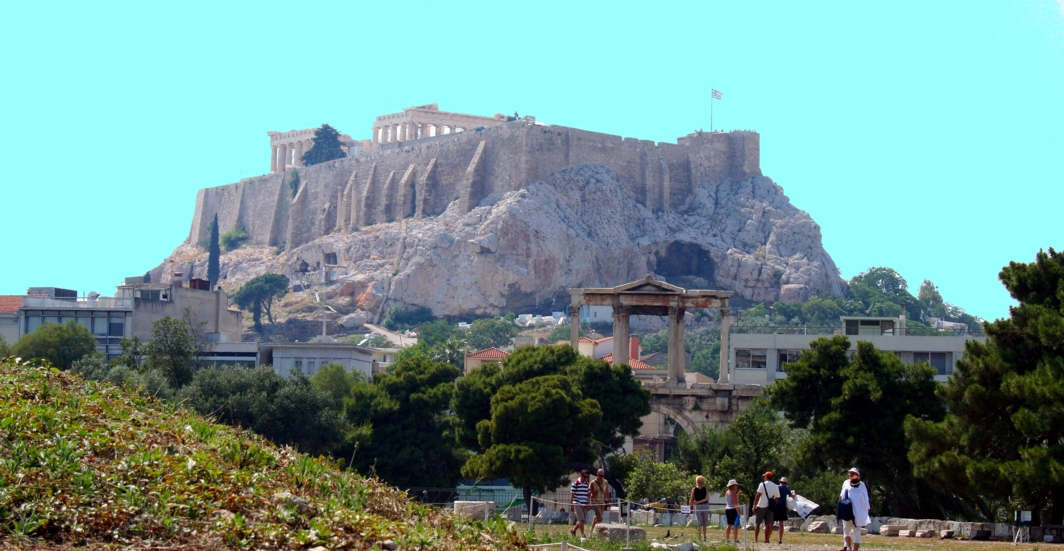
Atenas, Grécia

Foto: Erich Ettensperger

Maribor, Eslovênia

Viena, Áustria

Foto: Erich Ettensperger

Cittadella, Itália

Essen, Alemanha

Veszprem, Hungria

Londres, Reino Unido

Grenoble Alpes, França

Mannheim, Alemanha

Foto: https://www.mannheim.de/en

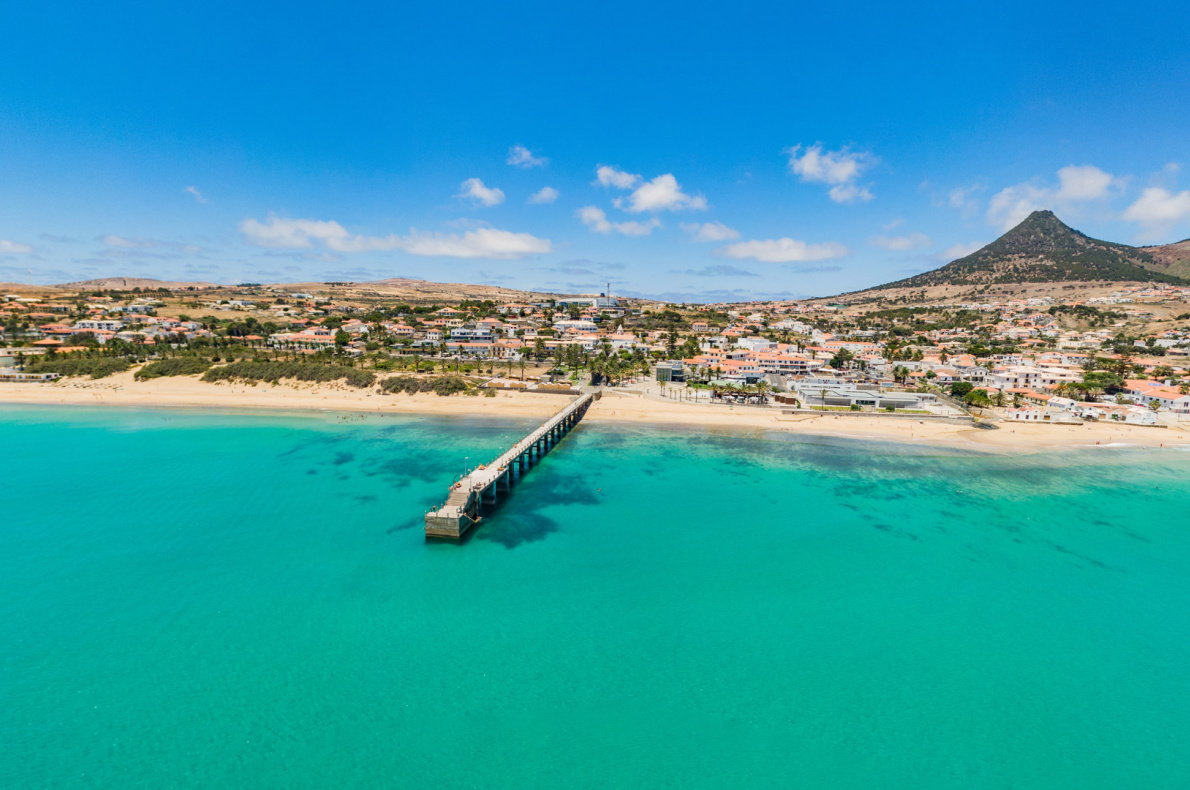
Porto-Santo, Ilha da Madeira

Toledo, Espanha

Faial, Açores

Rodes, Grécia

Foto: Erich Ettensperger

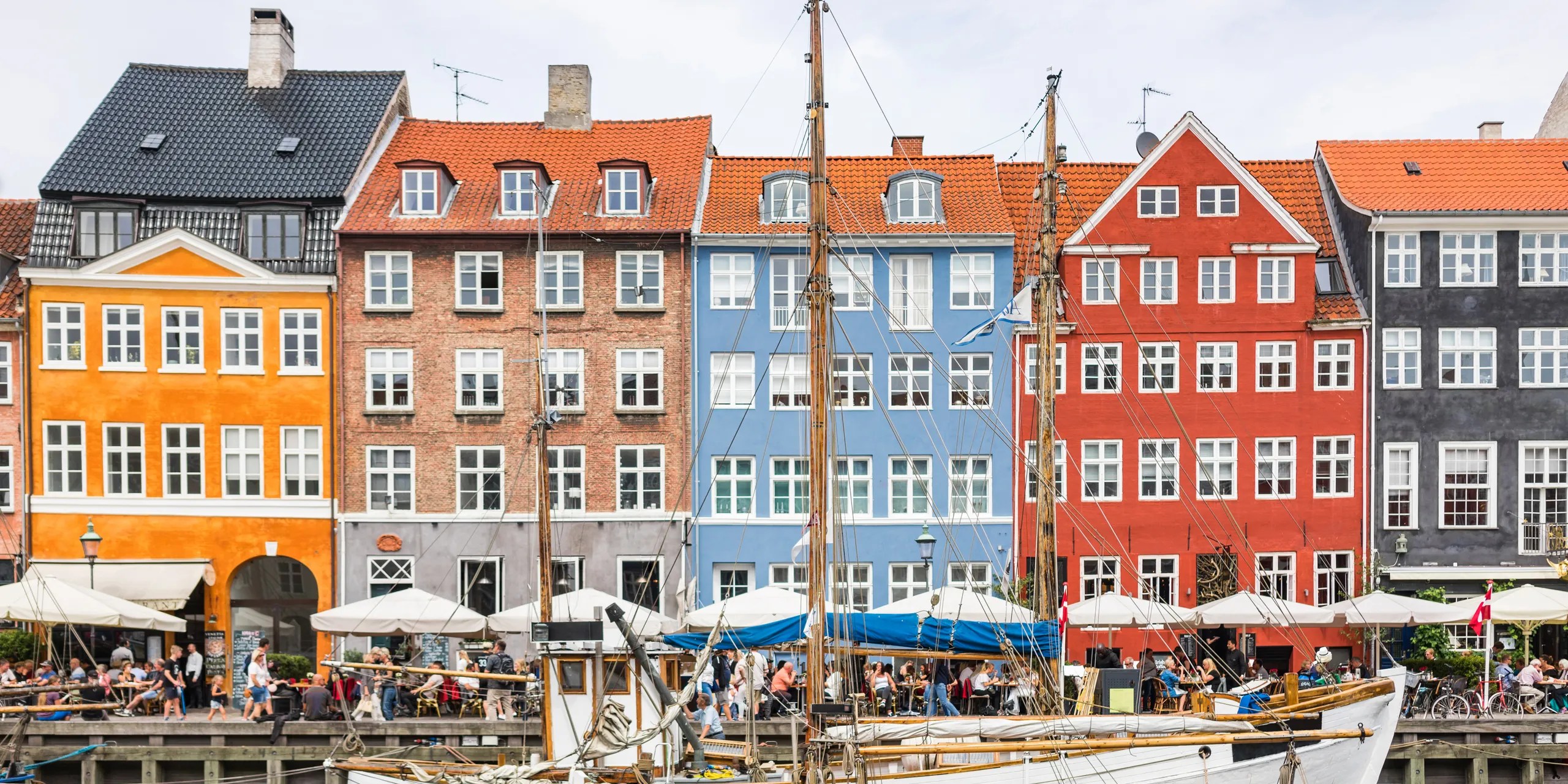
Copenhage, Dinamarca

Foto: Getty Images

Tossa de Mar, Espanha

Ascona-Locarno, Suíça

Milos, Grécia

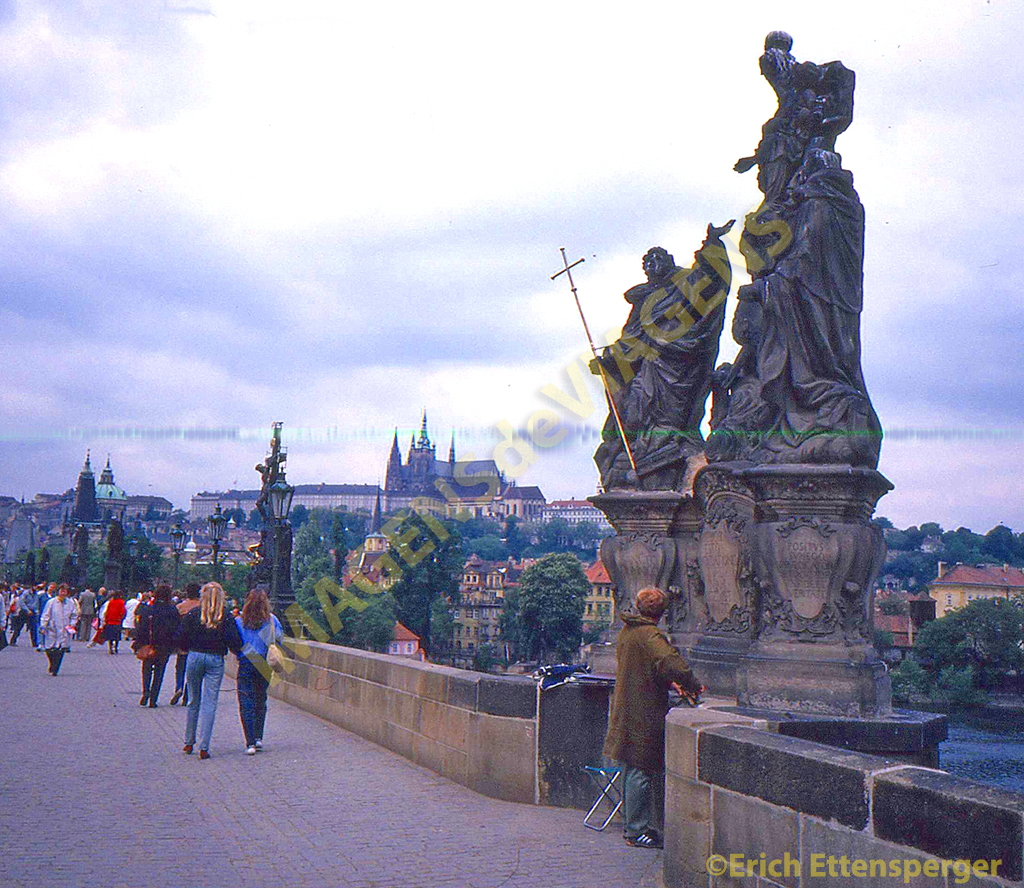
Praga, República Tcheca

Foto: Erich Ettensperger

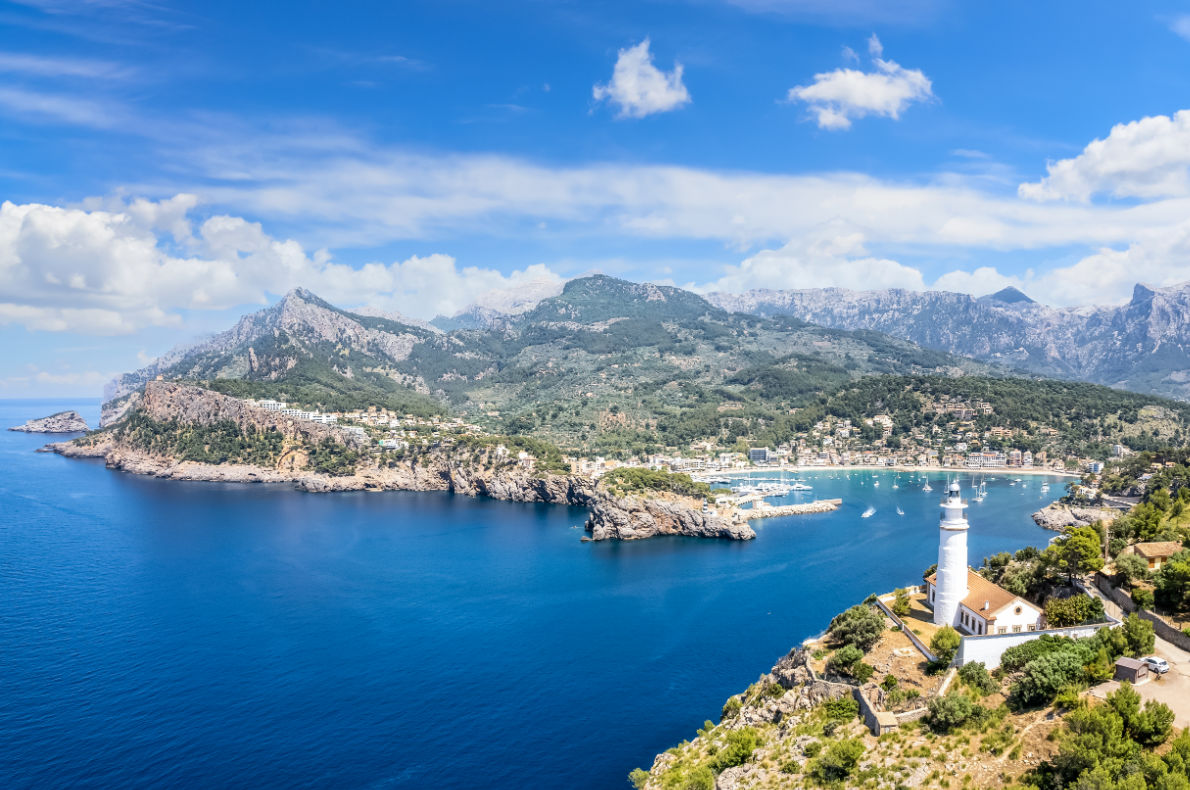
Sóller, Espanha

Quer conhecer mais sobre esses destinos? Visite o site “Best Destinations in Europe” aqui.

ATENÇÃO: Todas as fotos sem legendas foram retiradas do site “Best Destinations in Europe.

Beste europäische Reiseziele 2023

Best Destinations in Europe ist eine Website, die mit mehr als 300 europäischen Tourismusbüros zusammenarbeitet, darunter 80 nachhaltige Tourismusdestinationen. Diese Seite hat thematische Rankings ausgearbeitet, die auf der Grundlage der Meinungen von Reisenden aus verschiedenen Teilen der Welt erstellt wurden. Basierend auf dem von „Best Destinations in Europe“ veröffentlichten Ranking präsentieren wir die 20 besten europäischen Reiseziele im Jahr 2023, die von Touristen aus 178 Ländern ausgewählt wurden. Es sind:

Warschau, Polen

Foto: from the site Best Destinations in Europe.

Athen, Griechenland

Foto: Erich Ettensperger

Maribor, Slowenien

Foto: from the site Best Destinations in Europe.

Wien, Österreich

Foto: Erich Ettensperger

Cittadella, Italien

Foto: from the site Best Destinations in Europe.

Essen, Deutschland

Foto: from the site Best Destinations in Europe.

Veszprem, Ungarn

Foto: from the site Best Destinations in Europe.

London, Vereinigtes Königreich

Foto: Erich Ettensperger

Grenoble-Alpen, Frankreich

Foto: from the site Best Destinations in Europe.

Mannheim, Deutschland

Foto: https://www.mannheim.de/en

Porto Santo, Insel Madeira

Foto: from the site Best Destinations in Europe.

Toledo, Spanien

Foto: from the site Best Destinations in Europe.

Faial, Azoren

Foto: from the site Best Destinations in Europe.

Rhodos, Griechenland

Foto: Erich Ettensperger

Kopenhagen, Dänemark

Foto: Getty Images

Tossa de Mar, Spanien

Foto: from the site Best Destinations in Europe.

Ascona-Locarno, Schweiz

Foto: from the site Best Destinations in Europe.

Milos, Griechenland

Foto: from the site Best Destinations in Europe.

Prag, Tschechische Republik

Foto: Erich Ettensperger

Soller, Spanien

Foto: from the site Best Destinations in Europe.

Möchten Sie mehr über diese Reiseziele erfahren? Besuchen Sie die Website „Beste Reiseziele in Europa“ hier.

Best European Destinations 2023

Best Destinations in Europe is a website that partners with more than 300 European tourism offices, including 80 sustainable tourism destinations. This site elaborated thematic rankings created based on the vote of travelers from different parts of the world. Based on the ranking published by “Best Destinations in Europe”, we present the 20 best European destinations in 2023 chosen by tourists from 178 countries. They are:

Warsaw, Poland

Foto: from the site Best Destinations in Europe.

Athens, Greece

Foto: Erich Ettensperger

Maribor, Slovenia

Foto: from the site Best Destinations in Europe.

Vienna, Austria

Foto: Erich Ettensperger

Cittadella, Italy

Foto: from the site Best Destinations in Europe.

Essen, Germany

Foto: from the site Best Destinations in Europe.

Veszprem, Hungary

Foto: from the site Best Destinations in Europe.

London, United Kingdom

Foto: Erich Ettensperger

Grenoble Alps, France

Foto: from the site Best Destinations in Europe.

Mannheim, Germany

Foto: https://www.mannheim.de/en

Porto Santo, Madeira Island

Foto: from the site Best Destinations in Europe.

Toledo, Spain

Foto: from the site Best Destinations in Europe.

Faial, Azores

Rhodes, Greece

Foto: Erich Ettensperger

Copenhagen, Denmark

Foto: Getty Images

Tossa de Mar, Spain

Foto: from the site Best Destinations in Europe.

Ascona-Locarno, Switzerland

Foto: from the site Best Destinations in Europe.

Milos, Greece

Foto: from the site Best Destinations in Europe.

Prague, Czech Republic

Foto: Erich Ettensperger

Soller, Spain

Foto: from the site Best Destinations in Europe.

Want to know more about these destinations? Visit the “Best Destinations in Europe” website here.

Museu Accademia em Florença, local de tesouros de arte/Accademia Museum in Florenz – Ort der Kunstschätze/Accademia Museum in Florence – Place of Art Treasures

Florença na Itália é o berço do movimento artístico denominado Renascimento e abriga museus com coleções de arte de grande relevância mundial. Sendo assim, Florença é um roteiro obrigatório para os amantes de arte que viajam à Itália.

Eu havia visitado Florença há muitos anos atrás, numa viagem muito rápida à trabalho e guardei na memória a imagem do David de Michelângelo como uma das mais belas esculturas que apreciei na minha vida. Tive o prazer de retornar à Florença com Erich e dessa vez apreciar a cidade com tranquilidade. Incluímos no nosso roteiro uma visita à Galleria dell’Accademia di Firenze ou também conhecida popularmente como a Galeria da Academia. Ela foi fundada em 1794 com o objetivo de servir de local de estudo para os alunos da Academia de Belas Artes localizada próxima. Se você gosta de apreciar esse tipo de beleza, a Galeria da Academia é visita obrigatória quando você visitar Florença.

Dentre as peças as mais famosas desse museu destacam-se o David de Michelangelo, datado de 1501, as esculturas Prisioneiros, o São Mateus e a Pietá Palestrina, de autoria do mesmo artista. Além dessas, vale ressaltar que se encontra na Accademia a famosa escultura Rapto das Sabinas de Giambologna, a Madonna e Filho e Madonna do Mar, de Botticelli. Além dessas obras de arte há também pinturas de Bronzino, Pontormo, Filippino Lippi, dentre outros.

O acervo desse museu está organizado em sete salas. Elas são as seguintes: Sala Colosso, Galeria dos Cativos, A Tribuna (é a sala mais famosa onde encontra-se a escultura do David de Michelangelo), Gipsoteca Bartolini, Salão Gótico, Museu de Instrumentos Musicais (que abriga um violino Stradivarius e também o mais antigo piano vertical preservado) e no andar superior está a sala denomina Florença entre 1370 e 1430.

Se você é daquelas pessoas que gostam de apreciar tudo com muita tranquilidade reserve uma manhã ou tarde completa para essa visita. Para conhecer mais sobre essas salas clique aqui.

Outro aspecto importantíssimo é que você deve comprar os ingressos com antecedência, caso contrário vai enfrentar filas imensas. Aliás, esse é um cuidado que você deve ter quando quiser visitar os museus mais famosos da Europa. Caso você queira reservar e comprar seus ingressos, clique aqui.

E por último vale ressaltar que a cidade de Florença atrai milhares de visitantes anualmente e a maioria das atrações turísticas estão sempre lotadas! Por isso, comprar ingressos com antecedência é definitivamente fundamental.

Para conhecer mais sobre a cidade de Florença clique aqui e sobre a Galeria Accademia clique aqui.

Accademia Museum in Florenz – Ort der Kunstschätze

Florenz in Italien ist der Geburtsort der künstlerischen Bewegung namens Renaissance und beherbergt Museen mit Kunstsammlungen von großer weltweiter Bedeutung. Daher ist Florenz eine obligatorische Reiseroute für Kunstliebhaber, die nach Italien reisen.

Ich habe Florenz vor vielen Jahren auf einer sehr kurzen Arbeitsreise  besucht, und ich behielt das Bild von Michelangelos David als eine der schönsten Skulpturen, die ich in meinem Leben gesehen habe, in Erinnerung. Ich hatte nun das Vergnügen, mit Erich nach Florenz zurückzukehren und dieses mal die Stadt in Ruhe zu genießen. Wir schlossen in unsere Reiseroute einen Besuch der Galleria dell’Accademia di Firenze ein, die im Volksmund auch als Accademia-Galerie bekannt ist. Sie wurde 1794 mit dem Ziel gegründet, den Studenten der nahegelegenen Akademie der Bildenden Künste als Studienstätte zu dienen. Falls Sie diese Art von Kunst-Schönheit zu schätzen wissen, ist die Accademia Galleria ein Muss bei einem Besuch in Florenz.

Zu den berühmtesten Stücken in diesem Museum gehören der David von Michelangelo aus dem Jahr 1501, die Skulpturen Prisoneiros, São Mateus und Pietá Palestrina desselben Künstlers. Darüber hinaus ist es erwähnenswert, dass sich in der Accademia die berühmten Skulpturen Entführung der Sabinerinnen von Giambologna, Madonna mit Kind und Madonna des Meeres von Botticelli befinden. Neben diesen Kunstwerken gibt es unter anderem Gemälde von Bronzino, Pontormo, Filippino Lippi.

Die Sammlung des Museums ist in sieben Räumen organisiert. Dies sind die folgenden: Sala Colosso, Galeria dos Captivos, La Tribuna (es ist der berühmteste Raum, in dem die David-Skulptur von Michelangelo gefunden wird), Gipsoteca Bartolini, Salón Gótico, Museum für Musikinstrumente (in dem sich eine Stradivarius-Geige befindet und auch das älteste erhaltene Klavier) und im Obergeschoss befindet sich der Raum Florenz zwischen 1370 und 1430.

Wenn Sie zu den Menschen gehören, die gerne alles in Ruhe genießen, reservieren Sie einen ganzen Vormittag oder Nachmittag für diesen Besuch. Um mehr über diese Zimmer zu erfahren, klicken Sie hier.

Ein weiterer sehr wichtiger Aspekt ist, dass Sie Tickets im Voraus kaufen müssen, da Sie sonst mit riesigen Warteschlangen konfrontiert werden. Darauf sollten Sie übrigens achten, wenn Sie die berühmtesten Museen Europas besuchen möchten. Wenn Sie Ihre Tickets buchen und kaufen möchten, klicken Sie hier.

Und schließlich ist es erwähnenswert, dass die Stadt Florenz jährlich Tausende von Besuchern anzieht und die meisten Touristenattraktionen immer überfüllt sind! Der Kauf von Tickets im Voraus ist also definitiv der Schlüssel.

Um mehr über die Stadt Florenz zu erfahren, klicken Sie hier und über die Galerie der Accademia klicken Sie hier.

Accademia Museum in Florence – Place of Art Treasures

Florence, Italy is the birthplace of the artistic movement called the Renaissance and is home to museums with art collections of great global importance. Hence, Florence is a must-do itinerary for art lovers traveling to Italy.

I visited Florence many years ago on a very short work trip and I remember the image of Michelangelo’s David as one of the most beautiful sculptures I have seen in my life. I have now had the pleasure of returning to Florence with Erich and this time enjoying the city at leisure. We included in our itinerary a visit to the Galleria dell’Accademia di Firenze, also popularly known as the Accademia Gallery. It was founded in 1794 with the aim of serving as a place of study for students at the nearby Academy of Fine Arts. If you appreciate this kind of artistic beauty, the Accademia Galleria is a must-see when visiting Florence.

Among the most famous pieces in this museum are Michelangelo’s David from 1501, the sculptures Prisoneiros, São Mateus and Pietá Palestrina by the same artist. In addition, it is worth noting that the Accademia houses the famous sculptures The Abduction of the Sabines by Giambologna, Madonna and Child and Madonna of the Sea by Botticelli. In addition to these works of art, there are paintings by Bronzino, Pontormo, Filippino Lippi, among others.

The museum’s collection is organized into seven rooms. They are the following: Sala Colosso, Galeria dos Captivos, La Tribuna (it is the most famous room where the sculpture of David by Michelangelo is found), Gipsoteca Bartolini, Salón Gótico, Museum of Musical Instruments (which houses a Stradivarius violin and also the oldest preserved upright piano) and on the upper floor is the room called Florence between 1370 and 1430.
If you are one of those people who like to enjoy everything in peace, reserve a full morning or afternoon for this visit. To learn more about these rooms click here.
Another very important aspect is that you must buy tickets in advance, otherwise you will face huge queues. By the way, this is something you should be careful about when you want to visit the most famous museums in Europe. If you want to book and buy your tickets, click here.
And finally, it is worth mentioning that the city of Florence attracts thousands of visitors annually and most tourist attractions are always crowded! So buying tickets in advance is definitely key.


To learn more about the city of Florence click here and about the Accademia Gallery click here.


San Gimignano, a cidade das belas torres/San Gimignano – Stadt der schönen Türme/San Gimignano – city of beautiful towers

San Gimignano é uma cidade italiana localizada na Região da Toscana e muito visitada pelos turistas que passeiam por Florença e Siena. Essa pitoresca cidade, com uma população aproximada de 7000 mil habitantes, surgiu entre os séculos XI e XII perto da Via Francigena, uma das estradas principais da Idade Média que era percorrida por peregrinos que se destinavam à Roma.

Ela é conhecida por possuir belas torres e também por ser uma das mais preservadas cidades medievais da Itália. Alguns a chamam da “Manhatan medieval”. Existiam cerca de 72 torres na sua época áurea e elas simbolizavam o poder das famílias mais importantes da Idade Média. Para se ter uma ideia da relevância dessas torres, a cidade aprovou uma lei em 1282 que proibia a demolição dos prédios que tivessem uma torre, a não ser que outro edifício mais belo fosse construído no local. Atualmente apenas 15 torres ainda estão em pé.

Foi no século XVIII que San Gimignano construiu as muralhas para a sua proteção e se embelezou com construções muito bonitas. O declínio econômico de San Gimignano se deu quando foi modificada a rota dos peregrinos e também devido à peste em 1348. Mas, mesmo assim, a cidade se manteve bem preservada.

Erich e eu visitamos essa cidade durante o mês de setembro e ela se encontrava com muitos turistas. Entramos pela Porta de San Giovanni (o ônibus para quase em frente a ela) e caminhamos pelas suas ruas estreitas e ladeiras ladeadas por casas de pedras medievais. San Gimignano é uma cidade para se caminhar sem rumo, apenas admirando seus edifícios. O centro da cidade é marcado por possuir duas praças principais: a Piazza del Duomo e a Piazza dela Cisterna. É nessa área onde você vai encontrar as construções mais importantes. No passado a Piazza da Cisterna era o local onde acontecia as festas e as feiras. Ainda é possível observar o poço, que ainda existe no local e lhe dá o nome e também o piso original.

Erich e eu ficamos impressionados com o tamanho da fila para comprar um sorvete vendido na Piazza da Cisterna, considerado “o melhor do mundo”.

É na Piazza del Duomo onde se encontra a Collegiata, uma igreja de estilo românico, com magnifícios afrescos dos séculos XIV e XV e com uma escadaria lateral bem interessante. Outro prédio importante nessa praça é o Palacio del Popolo com sua suntuosa galeria de arte. É nessa praça onde se encontra as duas torres que simbolizam San Gimignano: a Torre Rognosa, a mais antiga, localizada ao lado do Palácio del Popolo e a mais alta, a Torre Grossa, com quase 55 metros, que possui um belo mirante no seu topo, alcançado por uma escadaria cansativa.

Como chegar em San Gimignano a partir de Siena:

O ônibus sai da Piazza Gramsci a cada hora e param na Porta San Giovanni, a principal de San Gimignano, a 2 minutos a pé do centro da cidade. Ônibus da linha 130. A viagem dura em média 1h e 15 minutos, o bilhete custa 6 euros (setembro/2022) para ir e 6 para voltar.

Informação importante: O centro histórico de San Gimignano é fechado ao tráfego.

Para conhecer mais sobre San Gimignano, clique aqui.  

San Gimignano – Stadt der schönen Türme

San Gimignano ist eine italienische Stadt in der Toskana und sehr beliebt bei Touristen, die Florenz und Siena besuchen. Diese malerische Stadt mit etwa 7.000.000 Einwohnern entstand zwischen dem 11. und 12. Jahrhundert in der Nähe der Via Francigena, eine der Hauptstraßen im Mittelalter, die von Pilgern auf ihrem Weg nach Rom befahren wurde.

Es ist bekannt für seine schönen Türme und auch dafür, dass es eine der am besten erhaltenen mittelalterlichen Städte Italiens ist. Manche nennen es „mittelalterliches Manhattan“. In ihrer Blütezeit gab es etwa 72 Türme, die die Macht der bedeutendsten Geschlechter des Mittelalters symbolisierten. Um sich ein Bild von der Relevanz dieser Türme zu machen, erließ die Stadt 1282 ein Gesetz, das den Abriss von Gebäuden, die einen Turm hatten, untersagte, es sei denn, an der Stelle wurde ein anderes, schöneres Gebäude errichtet. Derzeit stehen nur noch 15 Türme.

Im 18. Jahrhundert errichtete San Gimignano Schutzmauern und verschönerte es mit wunderschönen Gebäuden. Der wirtschaftliche Niedergang von San Gimignano erfolgte durch die Änderung des Pilgerwegs und auch durch die Pest im Jahr 1348. Trotzdem ist die Stadt gut erhalten geblieben.

Erich und ich besuchten diese Stadt im September und sie war voller Touristen. Wir traten durch die Porta de San Giovanni ein (der Bus hält fast davor) und gehen durch die engen Gassen und Anstiege, die von mittelalterlichen Steinhäusern gesäumt sind. San Gimignano ist eine Stadt, in der man ziellos umherwandern und nur ihre Gebäude bewundern kann. Das Stadtzentrum wird von zwei Hauptplätzen geprägt: Piazza del Duomo und Piazza della Cisterna. In diesem Bereich befinden sich die wichtigsten Gebäude. In der Vergangenheit war die Piazza da Cisterna der Ort, an dem Feste und Messen stattfanden. Es ist noch möglich, den Brunnen zu sehen, der noch auf dem Gelände existiert und ihm seinen Namen gibt, sowie den ursprünglichen Boden.

Erich und ich waren beeindruckt von der Länge der Schlange, um ein Eis zu kaufen, das auf der Piazza da Cisterna verkauft wird und als „das beste der Welt“ gilt.

An der Piazza del Duomo befindet sich die Collegiata, eine Kirche im romanischen Stil mit prächtigen Fresken aus dem 14. und 15. Jahrhundert und einer sehr interessanten Seitentreppe. Ein weiteres wichtiges Gebäude an diesem Platz ist der Palacio del Popolo mit seiner prächtigen Kunstgalerie. Auf diesem Platz befinden sich die beiden Türme, die San Gimignano symbolisieren: der Torre Rognosa, der älteste, der sich neben dem Palacio del Popolo befindet, und der höchste, der Torre Grossa, mit fast 55 Metern Höhe, der oben einen schönen Aussichtspunkt bietet, der über eine anstrengende Treppe erreicht werden kann.

So erreichen Sie San Gimignano von Siena aus:

Die Busse fahren stündlich von der Piazza Gramsci ab und halten an der Porta San Giovanni, dem Haupteingang in San Gimignano, 2 Gehminuten vom Stadtzentrum entfernt. Buslinie 130. Die Fahrt dauert durchschnittlich 1 Stunde und 15 Minuten, das Ticket kostet jeweils 6 Euro (September 2022) für die Hin- und Rückfahrt.

Wichtige Information: Das historische Zentrum von San Gimignano ist für den Verkehr gesperrt.

Um mehr über San Gimignano zu erfahren, klicken Sie hier.

San Gimignano – city of beautiful towers

San Gimignano is an Italian town in Tuscany and very popular with tourists visiting Florence and Siena. This picturesque town of about 7,000 inhabitants arose between the 11th and 12th centuries near the Via Francigena, one of the main roads used by pilgrims on their way to Rome in the Middle Ages.

It is known for its beautiful towers and also for being one of the best preserved medieval towns in Italy. Some call it “medieval Manhattan”. In its heyday there were around 72 towers, symbolizing the power of the most important families of the Middle Ages. To get an idea of the relevance of these towers, the city passed a law in 1282 that forbade the demolition of any building that had a tower unless another, more beautiful building was erected in its place. Currently only 15 towers remain.

In the 18th century, San Gimignano built defensive walls and embellished it with beautiful buildings. The economic decline of San Gimignano was caused by the change in the pilgrimage route and also by the plague of 1348. Despite this, the town has been well preserved.

Erich and I visited this city in September and it was full of tourists. We entered through the Porta de San Giovanni (the bus stops almost in front of it) and walk through the narrow streets and hills lined with medieval stone houses. San Gimignano is a city where you can wander aimlessly and only admire its buildings. The city center is characterized by two main squares: Piazza del Duomo and Piazza della Cisterna. The most important buildings are located in this area. In the past, the Piazza da Cisterna was the place where festivals and fairs were held. It is still possible to see the fountain that still exists on the site and gives it its name, as well as the original floor.

Erich and I were impressed by the length of the line to buy an ice cream sold in Piazza da Cisterna, which is said to be ‘the best in the world’.

In the Piazza del Duomo there is the Collegiata, a Romanesque style church with splendid 14th and 15th century frescoes and a very interesting side staircase. Another important building in this square is the Palacio del Popolo with its magnificent art gallery. In this square there are the two towers that symbolize San Gimignano: the Torre Rognosa, the oldest, located next to the Palacio del Popolo, and the tallest, the Torre Grossa, almost 55 meters high, which offers a beautiful viewpoint at the top, which can be reached via a strenuous staircase.

How to reach San Gimignano from Siena:

Buses leave every hour from Piazza Gramsci and stop at Porta San Giovanni, the main entrance in San Gimignano, a 2-minute walk from the city center. Bus line 130. The journey takes an average of 1 hour and 15 minutes, the ticket costs 6 euros (September 2022) each way.

Important information: The historic center of San Gimignano is closed to traffic.

To find out more about San Gimignano click here.

Mikulov e arredores/Mikulov und Umgebung/Mikulov and surroundings

Mukulov é uma bela cidade localizada em torno de 247 km de Praga, o equivale a quase duas horas e meia da carro. Ele possui aproximadamente 7400 habitantes . Ela está situada no distrito de Břeclav na Região Sul da Moravia.

Essa bela cidade é caracterizada por possuir um lindo centro histórico, com seus edifícios renascentistas oriundos do século XVI, e por ser circundada por vinícolas. O monumento de maior destaque em Mikulov é o seu castelo denominado Zámek Mikulov, que domina a paisagem do seu centro histórico e de onde se pode apreciar uma bela vista da parte antiga da cidade. Outra edificação interessante é a Casa Grafite (U Rytířů [Knights´) construída em 1591.

Principais atrativos de Mikulov: Lom Janicuv vrch (lago com águas verdes), Kozi Hradek, ruínas de um antigo castelo de onde se descortina uma bela vista da cidade; Dietrichsteinska Hrobka , igreja com traços arquitetônicos de grande beleza. Além destes vale também destacar a Sinagoga, a Galerie Závodný, para os amantes de arte, os antigos cemitério Židovský hřbitov e o Cemitério Prussiano, Casino Admial e a Reserva Natural Turold, com sua grande caverna com 2.5 km de corredores e habitat da espécie de morcego denominada Lesser Horseshoe. Nessa reserva há também um geoparque.No centro da cidade é possível seguir a “Trilha Educacional nas Pegadas dos Batistas” que se integraram à população de Mikulov.Vale a visita ao Bairro Judeu.

Passeios que você pode fazer a partir de Mikulov: visita aos Castelos de Lednice e Valtice, tombados pela Unesco, sendo que no último você pode degustar vinhos na adega Valtice. Outro monumento interessante é a residência de verão do Cardeal Franz von Dietrichstein (1570-1636), localizada a quatro quilômetros do centro de Mikulov, denominado Portz Insel.Há também a Ponte de Tijolos barroca também localizada na área de Portz Insel com cem metros de extensão. Além destes vale destacar também à visitação Monte Sagrado com os Passos da Paixão de Cristo. No topo desse pequeno monte há uma igreja consagrada São Wenceslau.Desse ponto descortina-se uma vista espetacular de Mikulov e seus arredores.

Para conhecer mais sobre Mikulov, clique aqui.

Mikulov und Umgebung

Mikulov ist eine wunderschöne Stadt, die etwa 247 km von Prag entfernt liegt, was fast zweieinhalb Stunden mit dem Auto entspricht. Es hat ungefähr 7400 Einwohner. Es liegt im Bezirk Břeclav in der südlichen Region Mährens und sehr Nahe an der österreichischen Grenze.

Diese schöne Stadt zeichnet sich durch ein wunderschönes historisches Zentrum mit Renaissancegebäuden aus dem 16. Jahrhundert aus und ist von Weingütern umgeben. Das herausragendste Denkmal in Mikulov ist das Schloss Zámek Mikulov, das die Landschaft des historischen Zentrums dominiert und von dem aus Sie einen wunderschönen Blick auf die Altstadt genießen können. Ein weiteres interessantes Gebäude ist das Graffiti-Haus (U Rytířů) aus dem Jahr 1591.

Die Hauptattraktionen von Mikulov: Lom Janicuv Vrch (See mit grünem Wasser), Kozi Hradek, Ruinen einer alten Burg, von der aus Sie einen schönen Blick auf die Stadt genießen können; Dietrichsteinska Hrobka, Kirche mit architektonischen Besonderheiten von großer Schönheit. Darüber hinaus sind die Synagoge, die Galerie Závodný für Kunstliebhaber, der alte Friedhof Židovský Hřbitov und der preußische Friedhof, das Admiral Casino und das Naturschutzgebiet Turold mit seiner großen Höhle mit 2,5 km Gängen und Lebensraum für Fledermäuse, erwähnenswert. In dem Turold Naturschutzgebiet befindet sich auch ein Geopark. In der Innenstadt kann man dem „Lehrpfad auf den Spuren der Baptisten“ folgen, die sich in die Bevölkerung von Mikulov integriert haben. Es lohnt sich, das Judenviertel zu besuchen.

Touren, die Sie von Mikulov aus unternehmen können: Besuch der UNESCO-geschützten Schlösser Lednice und Valtice, wo Sie in letzterem Wein im Valtice-Keller probieren können. Ein weiteres interessantes Denkmal ist die vier Kilometer vom Zentrum von Mikulov entfernte Sommerresidenz von Kardinal Franz von Dietrichstein (1570-1636), genannt Portz Insel. Neben diesen ist auch der Besuch desSvatý Kopeček (heiliger Berg/Tanzberg) mit dem Kreuzweg erwähnenswert. Auf der Spitze dieses kleinen Hügels steht die Kirche St. Sebastian, von der aus man einen spektakulären Blick auf Mikulov und seine Umgebung hat.

Um mehr über Mikulov zu erfahren, klicken Sie hier.

Mikulov and surroundings

Mikulov is a beautiful town located about 247 km from Prague, which is almost two and a half hours by car. It has about 7,400 inhabitants. It is located in the Břeclav district in the southern region of Moravia and very close to the Austrian border.

This beautiful city is characterized by a beautiful historical center with Renaissance buildings from the 16th century and is surrounded by wineries. The most outstanding monument in Mikulov is the Zámek Mikulov Castle, which dominates the landscape of the historical center and from which you can enjoy a beautiful view of the old town. Another interesting building is the Graffiti House (U Rytířů) from 1591.

The main attractions of Mikulov: Lom Janicuv Vrch (lake with green water), Kozi Hradek, ruins of an old castle from which you can enjoy a beautiful view of the city; Dietrichsteinska Hrobka, church with architectural features of great beauty.

In addition, the Synagogue, the Závodný Gallery for art lovers, the old Židovský Hřbitov Cemetery and the Prussian Cemetery, the Admiral Casino and the Turold Nature Reserve with its large cave with 2.5 km of corridors and a habitat for bats are worth mentioning.

There is also a Geopark in the Turold Nature Reserve. In the city center you can follow the “Educational trail in the footsteps of the Baptists” who have integrated into the Mikulov population. It is worth visiting the Jewish Quarter.

Tours you can do from Mikulov: visiting the UNESCO-protected castles Lednice and Valtice, where you can taste wine in the Valtice cellar in the latter. Another interesting monument is the summer residence of Cardinal Franz von Dietrichstein (1570-1636), called Portz Island, four kilometers from the center of Mikulov. Besides these, a visit to Svatý Kopeček (Holy Hill/Dancing Hill) with the Way of the Cross is also worth mentioning. On the top of this small hill stands the Church of St. Sebastian, from which there is a spectacular view of Mikulov and its surroundings.

To learn more about Mikulov, click here.

Siena, a bela cidade medieval italiana/Siena – die schöne mittelalterliche italienische Stadt/Siena – the beautiful medieval Italian city

Siena é uma bela cidade medieval italiana localizada na região da Toscana, na Itália. Ela possui uma população de aproximadamente de 53.000 habitantes e está distante cerca de 76 quilômetros de Florença.

Siena teve seu apogeu e chegou a rivalizar com Florença no período de 1260 e 1348.

Erich e eu visitamos Siena no mês de agosto e chegamos de trem, proveniente de Florença e a viagem teve duração de uma hora e meia. Nós tivemos o prazer de conhecer essa simpática cidade e usá-la também para ser nossa base para conhecermos San Giminiano, Montelpulciano, Montalcino e Pienza, mas, isso é assunto para outro post.

É fácil caminhar pelo centro histórico de Siena, os monumentos são muito bem-sinalizados e há uma riqueza de construções arquitetônicas brilhantes. Os grandes destaques dessa área são o Duomo e a Piazza del Campo.

O Duomo, ou seja, a Catedral foi construída entre 1136 e 1382, é um exemplo da arquitetura românica gótica e possui verdadeiros tesouros no seu interior como esculturas de Pisano, Donatello e Michelângelo, um belíssimo piso de mármore e uma coleção de afrescos de Pinturicchio, importantes nomes da história da arte mundial. No interior dessa catedral está localizada a Biblioteca Piccolomini, uma maravilha para os amantes de arte. Recomendo fortemente comprar o ingresso antecipado pela Internet para visitar esse monumento.

A Piazza del Campo é deslumbrante devido ao seu formato que lembra um leque, circundada por antigos prédios. As atrações principais dessa praça são o Palácio Público, Museu Cívico de Siena (funciona em uma das salas desse palácio) e a Torre del Mangia. Foi muito agradável almoçar em um dos restaurantes localizados nessa praça, beber um bom vinho italiano e apreciá-la. Vale destacar também que a Piazza del Campo é palco do mais importante evento de Siena conhecido como “Pálio de Siena”. Trata-se de uma das mais famosas festas da Toscana, acontece sempre no dia 2 de julho e 16 de agosto, sendo que o primeiro registro desse evento data de 1283. Há nessa praça também a Fonte Gaia, que é alimentada, através de canais subterrâneos, por uma fonte situada a 25 quilômetros de distância do local. A fonte original está no Palácio Público.

Além desses monumentos impressionantes e as movimentadas ruas do centro histórico, vale visitar a Fortezza Medicea, de onde se tem uma bela vista do centro histórico, o Museo Delll´Opera Metropolitana, o Baptistério e a Pinacoteca Nazionale, instalada desde 1930 no Palazzo Buonsignori.

Para conhecer mais sobre Siena, clique aqui.

Siena – die schöne mittelalterliche italienische Stadt

Siena ist eine wunderschöne mittelalterliche italienische Stadt in der Toskana in Italien. Sie hat etwa 53.000 Einwohner und liegt etwa 76 Kilometer von Florenz entfernt.

Siena erlebte zwischen 1260 und 1348 seine Blütezeit und konkurrierte sogar mit Florenz.

Erich und ich besuchten Siena im August und kamen mit dem Zug aus Florenz an und die Fahrt dauerte anderthalb Stunden. Wir hatten das Vergnügen, diese schöne Stadt kennenzulernen und sie auch als Basis zu nutzen, um San Giminiano, Montelpulciano, Montalcino und Pienza kennenzulernen, aber das ist ein Thema für einen anderen Beitrag.

Das historische Zentrum von Siena ist leicht zu Fuß zu erkunden, die Denkmäler sind sehr gut ausgeschildert und es gibt eine Fülle brillanter architektonischer Gebäude. Die wichtigsten Highlights der Stadt sind der Dom und die Piazza del Campo.

Der Duomo, das heißt die Kathedrale, die zwischen 1136 und 1382 erbaut wurde, ist ein Beispiel gotischer romanischer Architektur und hat im Inneren echte Schätze wie Skulpturen von Pisano, Donatello und Michelangelo, einen schönen Marmorboden und eine Sammlung von Fresken von Pinturicchio, wichtig Namen in der Geschichte der Weltkunst. Im Inneren dieser Kathedrale befindet sich auch die Piccolomini-Bibliothek, eine Freude für Kunstliebhaber. Ich empfehle dringend, die Tickets im Voraus über das Internet zu kaufen, um dieses Bauwerk zu besuchen.

Die Piazza del Campo ist atemberaubend wegen ihrer Form, die einem Fächer ähnelt, umgeben von alten Gebäuden. Die Hauptattraktionen dieses Platzes sind der öffentliche Palast, das Stadtmuseum von Siena (es befindet sich in einem der Räume dieses Palastes) und der Torre del Mangia. Es war sehr angenehm, in einem der Restaurants auf diesem Platz zu Mittag zu essen, einen guten italienischen Wein zu trinken und ihn zu genießen. Es ist auch erwähnenswert, dass die Piazza del Campo die Bühne für das wichtigste Ereignis in Siena ist, das als „Pallium von Siena“ bekannt ist. Dies ist eines der berühmtesten Feste in der Toskana, es findet immer am 2. Juli und 16. August statt, und die erste Aufzeichnung dieser Veranstaltung stammt aus dem Jahr 1283.

Auf diesem Platz, der durch Kanäle gespeist wird, befindet sich auch der Gaia-Brunnen. unterirdisch gespeist aus einer 25 Kilometer vom Standort entfernten Quelle. Der ursprüngliche Brunnen befindet sich im öffentlichen Palast.

Neben diesen beeindruckenden Denkmälern und den belebten Straßen des historischen Zentrums lohnt sich ein Besuch der Fortezza Medicea, von wo aus Sie einen wunderschönen Blick auf das historische Zentrum haben, das Museo Dell’Opera Metropolitana, das Baptisterium und die Pinacoteca Nazionale, installiert seit 1930 im Palazzo Buonsignori.

Um mehr über Siena zu erfahren, klicken Sie hier.

Siena – the beautiful medieval Italian city

Siena is a beautiful medieval Italian city in Tuscany, Italy. It has about 53,000 inhabitants and is about 76 kilometers from Florence.

Siena experienced its heyday between 1260 and 1348 and even rivaled Florence.

Erich and I visited Siena in August and we arrived by train from Florence and the journey took an hour and a half. We had the pleasure of getting to know this beautiful town and also using it as a base to explore San Giminiano, Montelpulciano, Montalcino and Pienza, but that’s a topic for another post.

The historic center of Siena is easy to explore on foot, the monuments are very well signposted and there is an abundance of brilliant architectural buildings. The main highlights of the city are the Duomo and the Piazza del Campo.

The Duomo, that is the cathedral, built between 1136 and 1382, is an example of Gothic Romanesque architecture and inside it has real treasures such as sculptures by Pisano, Donatello and Michelangelo, a beautiful marble floor and a collection of frescoes by Pinturicchio, important names in the history of world art. Also inside this cathedral is the Piccolomini Library, an art lover’s delight. I strongly recommend buying the tickets in advance via the internet to visit this structure.

Piazza del Campo is stunning for its fan-like shape surrounded by ancient buildings. The main attractions of this square are the Public Palace, the Civic Museum of Siena (it is located in one of the rooms of this palace) and the Torre del Mangia. It was very pleasant to have lunch in one of the restaurants in this square, drinking and enjoying a good Italian wine. It is also worth noting that the Piazza del Campo is the stage for the most important event in Siena, known as the “Pallium of Siena”. This is one of the most famous festivals in Tuscany, always taking place on July 2nd and August 16th, and the first record of this event dates back to 1283.

On this square, which is fed by canals, is also the Gaia Fountain. Fed via underground from a source 25 kilometers from the site. The original fountain is in the public palace.

In addition to these impressive monuments and the lively streets of the historic center, it is worth visiting the Fortezza Medicea, from where you can enjoy a beautiful view of the historic center, the Museo Dell’Opera Metropolitana, the Baptistery and the Pinacoteca Nazionale, installed since 1930 in the Palazzo Buonsignori.

To learn more about Siena, click here.


Frankfurt am Main, a cidade de Goethe/Frankfurt am Main – die Stadt Goethes/Frankfurt am Main – the city of Goethe

Frankfurt am Main, a cidade de Goethe

Frankfurt é o centro financeiro da Alemanha. Ela é famosa devido seus arranha-céus e também por ser a cidade onde nasceu Goethe, um dos mais importantes representantes da literatura alemã.

Ela é chamada de “Mainhattan da Alemanha”.

Frankfurt possui em torno de 777 mil habitantes sendo que 30 por cento da população são oriundos de 180 países. Ela está localizada as margens do Rio Main. O aeroporto de Frankfurt é o terceiro mais movimentado da Europa. A cidade é um relevante centro cultural.

Frankfurt possui muitos museus, com destaque para o Museu Städel-Museum, que apresenta uma retrospectiva da arte europeia dos últimos 700 anos.

Um passeio confortável e agradável para se realizar em Frankfurt o de barco no Rio Main, onde é possível apreciar a cidade a partir do rio. A duração do passeio é de aproximadamente 100 minutos e ele oferece uma boa e geral impressão da cidade. Há também a opção de passeio com uma duração menor. Nós gostamos muito da primeira opção.

Visitamos Frankfurt durante o mês de agosto e aproveitamos para curtirmos o Festival do Vinho de Maçã (Apfelweinfestival) que acontece no centro da cidade, na Frankfurter Roßmarkt. O vinho de maçã, o „Apfelwein „ é também chamado „Ebbelwoi“, no dialeto local (hessisch) é uma bebida típica de Frankfurt.

Outro passeio agradável é caminhar nas margens do rio em um dia de verão.

Depois de se curtira cidade a partir do rio foi muito agradável ver Frankfurt a partir da Main Tower, ver como ela se espalha nas margens do rio e observar os arranha-céus. Depois da Main Tower caminhamos pela movimentada Große Bockenheimer Straße, com suas muitas lojas.

Também foi muito interessante caminhar na parte antiga que foi reconstruída nos moldes dos velhos prédios que existiam no local. (Nova Cidade Velha)

Jantamos duas vezes no Restaurante Klosterhof , próximo ao nosso hotel, nos hospedamos no Motel One Römer, o qual possui uma excelente localização. Também jantamos em um restaurante nos arredores da cidade, um típico “Biergarten” localizado numa área verde, muito agradável. O endereço desse restaurante: Oberschweinstiege-Schneise 65. A garçonete do nosso hotel nos recomendou também conhecer o restaurante Friedberg Warte, localizado dentro da área urbana, mas, esse não tivemos tempo de conhecer.

Para conhecer mais sobre Frankfurt am Main, clique aqui.

Frankfurt am Main – die Stadt Goethes

Frankfurt ist das Finanzzentrum Deutschlands. Sie ist berühmt für ihre Wolkenkratzer und auch als Geburtsort von Goethe, einem der wichtigsten Vertreter der deutschen Literatur.

Sie wird auch das „Mainhattan Deutschlands“ genannt.

Frankfurt hat rund 777.000 Einwohner, wobei 30 Prozent der Bevölkerung aus 180 Ländern stammen. Es liegt am Ufer des Mains. Der Frankfurter Flughafen ist der drittgrößte in Europa. Die Stadt ist ein wichtiges kulturelles Zentrum.

Frankfurt hat viele Museen, allen voran das Städel-Museum, das eine Retrospektive der europäischen Kunst der letzten 700 Jahre präsentiert.

Eine bequeme und angenehme Tour in Frankfurt ist die mit dem Schiff auf dem Main, wo Sie die Stadt vom Fluss aus genießen können. Die Tour dauert ungefähr 100 Minuten und vermittelt einen guten und allgemeinen Eindruck von der Stadt. Es besteht auch die Möglichkeit einer kürzeren Tour. Die erste Option gefiel uns jedoch sehr gut.

Wir besuchten Frankfurt im August und nutzten die Gelegenheit, um auch das Apfelweinfest zu genießen, das in der Innenstadt auf dem Frankfurter Roßmarkt stattfindet. Apfelwein, auch „Ebbelwoi“ genannt, ist im hiesigen Dialekt (hessisch) ein typisches Getränk aus Frankfurt.

Ein weiterer angenehmer Ausflug ist ein Spaziergang am Ufer des Flusses an einem Sommertag.

Nachdem ich die Stadt vom Fluss aus genossen hatte, war es sehr angenehm, Frankfurt vom Main Tower aus zu sehen, zu sehen, wie es sich am Flussufer ausbreitet und um die Wolkenkratzer zu beobachten. Nach dem Main Tower spazierten wir die belebte Große Bockenheimer Straße mit ihren vielen Geschäften entlang.

Es war auch sehr interessant, in den alten Teil der Altstadt zu gehen, der in der Form der alten Gebäude, die auf dem Gelände hier existierten, wieder aufgebaut wurde. (Neue Altstadt)

Wir haben zweimal im Restaurant Klosterhof zu Abend gegessen, direkt neben unserem Hotel Motel One Römer mit seiner ausgezeichneten Lage.

Wir aßen auch in einem Restaurant am Rande der Stadt zu Abend, einem typischen „Biergarten“ mit einer sehr angenehmen grünen Atmosphäre. Die Adresse dieses Restaurants:Oberschweinstiege-Schneise 65. Die Kellnerin unseres Hotels empfahl uns auch, das im Stadtgebiet gelegene Restaurant Friedberg Warte zu besuchen, aber leider  hatten wir keine Zeit mehr hierfür.

Um mehr über Frankfurt am Main zu erfahren, klicken Sie hier.

Frankfurt am Main – the city of Goethe

Frankfurt is the financial center of Germany. It is famous for its skyscrapers and also as the birthplace of Goethe, one of the most important figures in German literature.

It is also called the “Mainhattan of Germany”.

Frankfurt has around 777,000 inhabitants, with 30 percent of the population coming from 180 countries. It is on the banks of the Main. Frankfurt Airport is the third busiest in Europe. The city is an important cultural center.

Frankfurt has many museums, most notably the Städel Museum, which presents a retrospective of European art from the last 700 years.

A convenient and enjoyable tour in Frankfurt is by boat on the Main, where you can enjoy the city from the river. The tour lasts approximately 100 minutes and gives a good and general impression of the city. There is also the possibility of a shorter tour. However, we really liked the first option.

We visited Frankfurt in August and took the opportunity to also enjoy the apple wine festival that takes place downtown at Frankfurt’s Roßmarkt. Apple wine, also called “Ebbelwoi”, is a typical drink from Frankfurt in the local dialect (Hessian).

Another pleasant excursion is a walk along the river bank on a summer day.

After enjoying the city from the river, it was very pleasant to see Frankfurt from the Main Tower, seeing it spread out along the riverbank and observing the skyscrapers. After the Main Tower we walked along the lively Große Bockenheimer Straße with its many shops.

It was also very interesting to go to the old part of the old town, rebuilt in the shape of the old buildings that existed on the site here. (New Old Town)

We had dinner twice in the Klosterhof restaurant, right next to our hotel Motel One Römer with its excellent location.

We also had dinner in a restaurant on the outskirts of town, a typical “beer garden” with a very pleasant green atmosphere. The address of this restaurant: Oberschweinstiege-Schneise 65. The waitress of our hotel also recommended us to visit the Friedberg Warte restaurant, which is located in the city area, but unfortunately we didn’t have time for this anymore.

To find out more about Frankfurt am Main, click here.