Arquivo da categoria: Ásia

Posts e imagens sobre lugares na Ásia.

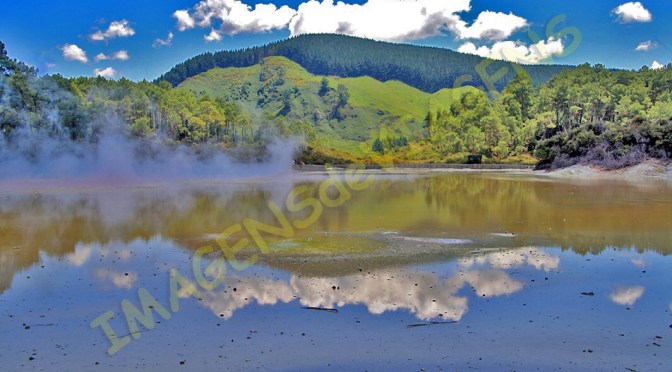
Way-O-Tapu, maravilha da natureza/Wunder der Natur/wonder of nature

  • Wai-O-Tapu está localizado na Ilha Norte da Nova Zelândia, ao sul de Rotorua.
  • É uma maravilha geotérmica com fenômenos naturais espetaculares.
  • A área faz parte do campo vulcânico de Taupō, muito ativo geologicamente.
  • O nome “Wai-O-Tapu” significa “água sagrada” na língua Māori.
  • Os visitantes encontram fontes termais coloridas, poças de lama e crateras fumegantes.
  • Uma das atrações mais famosas é a Champagne Pool.
  • A piscina tem cerca de 65 metros de diâmetro e cores vibrantes.
  • A borda laranja é causada por depósitos de arsênio e antimônio.
  • O cheiro de enxofre é constante e típico das áreas geotérmicas.
  • O gêiser Lady Knox é outra atração popular.
  • Ele entra em erupção todos os dias por volta das 10:15 – com ajuda humana.
  • O jato pode atingir até 20 metros de altura.
  • Poças de lama borbulhante também ficam nas proximidades.
  • É um paraíso para fotógrafos e amantes da natureza.
  • Trilhas conduzem por paisagens coloridas.
  • Lagos de enxofre, piscinas verdes e fendas fumegantes criam visões únicas.
  • A atividade termal resulta de processos vulcânicos profundos.
  • Wai-O-Tapu é um parque natural protegido.
  • Os turistas devem permanecer nas trilhas sinalizadas.
  • Algumas piscinas atingem temperaturas acima de 100 graus Celsius.
  • As cores dos lagos vão de verde fluorescente a amarelo brilhante.
  • Minerais como enxofre, óxido de ferro e silício causam essa diversidade.
  • O ambiente é áspero, mas fascinante.
  • A fauna também se adaptou às condições quentes.
  • O centro de visitantes oferece informações sobre a geologia local.
  • A entrada é paga, mas vale a pena.
  • Wai-O-Tapu é uma das atrações naturais mais visitadas da Nova Zelândia.
  • A atmosfera parece quase extraterrestre.
  • Uma visita é inesquecível.
  • Wai-O-Tapu mostra a força bruta da natureza em uma beleza colorida.

  • Wai-O-Tapu liegt auf der Nordinsel Neuseelands, südlich von Rotorua.
  • Es ist ein geothermisches Wunderland mit spektakulären Naturphänomenen.
  • Das Gebiet gehört zum Taupō-Vulkanfeld, das geologisch sehr aktiv ist.
  • Der Name “Wai-O-Tapu” bedeutet „heiliges Wasser“ in der Sprache der Māori.
  • Besucher erleben farbenfrohe heiße Quellen, Schlammtümpel und dampfende Krater.
  • Eine der bekanntesten Attraktionen ist der Champagne Pool.
  • Der Pool ist rund 65 Meter im Durchmesser und hat leuchtende Farben.
  • Die orangefarbene Umrandung entsteht durch Ablagerungen von Arsen und Antimon.
  • Der Schwefelgeruch ist allgegenwärtig und typisch für geothermische Gebiete.
  • Der Lady Knox Geysir ist eine weitere beliebte Attraktion.
  • Er bricht täglich um ca. 10:15 Uhr aus – durch menschliche Auslösung.
  • Die Fontäne kann bis zu 20 Meter hoch sprühen.
  • In der Nähe befinden sich auch brodelnde Schlammtümpel.
  • Das Gebiet ist ein Paradies für Fotografen und Naturfreunde.
  • Wanderwege führen durch farbenprächtige Landschaften.
  • Schwefelseen, grüne Wasserbecken und dampfende Spalten bieten einzigartige Eindrücke.
  • Die Thermalaktivität ist das Ergebnis vulkanischer Prozesse tief unter der Erde.
  • Wai-O-Tapu ist ein geschützter Naturpark.
  • Touristen sind angehalten, die markierten Wege nicht zu verlassen.
  • Die Temperaturen mancher Becken erreichen über 100 Grad Celsius.
  • Die Farben der Seen reichen von giftgrün bis leuchtend gelb.
  • Mineralien wie Schwefel, Eisenoxid und Silizium verursachen die Farbvielfalt.
  • Die Umgebung ist rau, aber faszinierend.
  • Auch Vögel und Insekten haben sich an die heißen Bedingungen angepasst.
  • Das Besucherzentrum bietet interessante Informationen zur Geologie der Region.
  • Eintritt wird erhoben, aber es lohnt sich.
  • Wai-O-Tapu ist eine der meistbesuchten Naturattraktionen Neuseelands.
  • Die Atmosphäre wirkt fast außerirdisch.
  • Ein Besuch bleibt unvergesslich.
  • Wai-O-Tapu zeigt die rohe Kraft der Natur in farbenfroher Schönheit.

  • Wai-O-Tapu is located on New Zealand’s North Island, south of Rotorua.
  • It is a geothermal wonderland with spectacular natural phenomena.
  • The area is part of the geologically active Taupō Volcanic Zone.
  • The name “Wai-O-Tapu” means “sacred water” in the Māori language.
  • Visitors see colorful hot springs, mud pools, and steaming craters.
  • One of the most famous attractions is the Champagne Pool.
  • The pool is about 65 meters wide and displays vibrant colors.
  • The orange edge is caused by deposits of arsenic and antimony.
  • The smell of sulfur is ever-present and typical for geothermal sites.
  • The Lady Knox Geyser is another popular attraction.
  • It erupts daily around 10:15 a.m. with human assistance.
  • The water jet can reach up to 20 meters in height.
  • Bubbling mud pools are also found nearby.
  • It’s a paradise for photographers and nature lovers.
  • Walking tracks lead through colorful landscapes.
  • Sulfur lakes, green pools, and steaming fissures create unique sights.
  • The thermal activity results from volcanic processes deep underground.
  • Wai-O-Tapu is a protected natural park.
  • Tourists are asked to stay on marked paths.
  • Some pools reach temperatures over 100 degrees Celsius.
  • The lake colors range from neon green to bright yellow.
  • Minerals like sulfur, iron oxide, and silica cause the color diversity.
  • The environment is harsh but fascinating.
  • Birds and insects have adapted to the hot conditions.
  • The visitor center provides geological information about the region.
  • There is an entrance fee, but it’s worth it.
  • Wai-O-Tapu is one of New Zealand’s most visited natural sites.
  • The atmosphere feels almost otherworldly.
  • A visit is truly unforgettable.
  • Wai-O-Tapu showcases the raw power of nature in vibrant beauty.

30 Aspectos sobre Singapura/30 Fakten über Singapur/30 Facts about Singapore

  1. Singapura é uma cidade-estado no Sudeste Asiático.
  2. Fica ao sul da Malásia.
  3. Singapura tem cerca de 5,9 milhões de habitantes.
  4. A moeda oficial é o Dólar de Singapura.
  5. Singapura é conhecida por sua limpeza.
  6. O chiclete é fortemente regulado lá.
  7. A cidade é um importante centro financeiro.
  8. Há quatro línguas oficiais: inglês, mandarim, malaio e tâmil.
  9. O inglês é a principal língua de ensino.
  10. Singapura é marcada pelo multiculturalismo.
  11. A comida é diversificada e deliciosa.
  12. A comida de rua nos “hawker centres” é muito popular.
  13. O Aeroporto de Changi é um dos melhores do mundo.
  14. Marina Bay Sands é um hotel famoso.
  15. O Jardim Botânico é Patrimônio Mundial da UNESCO.
  16. Singapura é um país muito seguro.
  17. Existem leis e regras rigorosas.
  18. O transporte público é muito eficiente.
  19. A cidade é moderna e limpa.
  20. O horizonte urbano é impressionante.
  21. Singapura está localizada perto do equador.
  22. O clima é quente e úmido o ano todo.
  23. Chove com frequência, especialmente à tarde.
  24. O feriado nacional é em 9 de agosto.
  25. Singapura tornou-se independente em 1965.
  26. Há muitos arranha-céus e parques.
  27. A população é bem-educada.
  28. A educação tem grande importância.
  29. Muitas empresas internacionais estão sediadas lá.
  30. O turismo é uma importante fonte de renda.

  1. Singapur ist ein Stadtstaat in Südostasien.
  2. Er liegt südlich von Malaysia.
  3. Singapur hat etwa 5,9 Millionen Einwohner.
  4. Die offizielle Währung ist der Singapur-Dollar.
  5. Singapur ist bekannt für seine Sauberkeit.
  6. Kaugummi ist dort streng reguliert.
  7. Die Stadt ist ein bedeutendes Finanzzentrum.
  8. Es gibt vier Amtssprachen: Englisch, Mandarin, Malaiisch und Tamil.
  9. Englisch ist die Hauptunterrichtssprache.
  10. Singapur ist multikulturell geprägt.
  11. Das Essen ist vielfältig und lecker.
  12. Der Hawker-Street-Food-Stil ist sehr beliebt.
  13. Der Flughafen Changi ist einer der besten der Welt.
  14. Die Marina Bay Sands ist ein berühmtes Hotel.
  15. Der botanische Garten gehört zum UNESCO-Welterbe.
  16. Singapur ist ein sehr sicheres Land.
  17. Es gibt strenge Gesetze und Regeln.
  18. Der öffentliche Nahverkehr ist sehr effizient.
  19. Die Stadt ist sehr modern und sauber.
  20. Die Skyline ist beeindruckend.
  21. Singapur liegt fast am Äquator.
  22. Es ist ganzjährig warm und feucht.
  23. Es regnet häufig, besonders am Nachmittag.
  24. Der Nationalfeiertag ist am 9. August.
  25. Singapur wurde 1965 unabhängig.
  26. Es gibt viele Wolkenkratzer und Parks.
  27. Die Bevölkerung ist gut ausgebildet.
  28. Bildung hat einen hohen Stellenwert.
  29. Es gibt viele internationale Unternehmen.

Tourismus ist eine wichtige Einkommensquelle

  1. Singapore is a city-state in Southeast Asia.
  2. It lies south of Malaysia.
  3. Singapore has about 5.9 million inhabitants.
  4. The official currency is the Singapore Dollar.
  5. Singapore is known for its cleanliness.
  6. Chewing gum is strictly regulated there.
  7. The city is a major financial hub.
  8. There are four official languages: English, Mandarin, Malay, and Tamil.
  9. English is the main language of instruction.
  10. Singapore is shaped by multiculturalism.
  11. The food is diverse and delicious.
  12. Hawker street food is very popular.
  13. Changi Airport is one of the best in the world.
  14. Marina Bay Sands is a famous hotel.
  15. The Botanic Gardens are a UNESCO World Heritage Site.
  16. Singapore is a very safe country.
  17. There are strict laws and rules.
  18. Public transportation is very efficient.
  19. The city is modern and clean.
  20. The skyline is impressive.
  21. Singapore is located near the equator.
  22. It is warm and humid all year round.
  23. It rains frequently, especially in the afternoon.
  24. The national holiday is on August 9.
  25. Singapore became independent in 1965.
  26. There are many skyscrapers and parks.
  27. The population is well educated.
  28. Education is highly valued.
  29. Many international companies are based there.
  30. Tourism is an important source of income.

UDAIPUR

Udaipur, frequentemente chamada de “Cidade dos Lagos”, fica no estado de Rajastão, na Índia, e é conhecida por sua atmosfera encantadora, seus palácios e lagos circundantes. A cidade foi fundada no século XVI pelo Maharana Udai Singh II e já serviu como capital do Reino de Mewar. Cercada pelas montanhas Aravalli e com o brilhante Lago Pichola no coração da cidade, Udaipur oferece uma combinação única de natureza e arquitetura.

A cidade velha de Udaipur é um labirinto de ruas estreitas, edifícios históricos e templos magníficos. É aqui que fica o famoso mercado, um local vibrante cheio de cores, aromas e artesanato. O mercado atrai tanto moradores locais quanto turistas em busca de lembranças, tecidos artesanais, joias e produtos de couro. O mercado é especialmente conhecido por seus tecidos decorados e pelas pinturas em miniatura típicas que retratam cenas da vida real e da mitologia hindu.

Passear pelo mercado é uma experiência para os sentidos. Somos acompanhados pelo aroma de especiarias, incensos e comidas de rua. Os vendedores promovem seus produtos em voz alta e muitas vezes estão dispostos a uma conversa amigável.

Outro destaque é o Templo Jagdish, localizado nas proximidades do mercado. Este templo é um impressionante exemplo de arquitetura hindu e atrai visitantes com suas esculturas delicadas e atmosfera espiritual.

O mercado de Udaipur é um símbolo da rica cultura do Rajastão e permite um vislumbre da vida cotidiana e das tradições da região. Aqui, é possível comprar produtos autênticos feitos com muito amor e habilidade artesanal. A pechincha faz parte da experiência de compra. À noite, quando os postes de luz iluminam as ruas com uma luz quente, o mercado ganha um charme especial, fazendo com que a história e o encanto da cidade se tornem palpáveis.

Para conhecer mais sobre Udaipur, clique aqui.

Udaipur, oft als “Stadt der Seen” bezeichnet, liegt im indischen Bundesstaat Rajasthan und ist bekannt für seine märchenhafte Atmosphäre, seine Paläste und die umliegenden Seen. Die Stadt wurde im 16. Jahrhundert von Maharana Udai Singh II. gegründet und diente einst als Hauptstadt des Königreichs Mewar. Umgeben von den Aravalli-Bergen und mit dem glitzernden Pichola-See im Herzen, bietet Udaipur ein einzigartiges Zusammenspiel von Natur und Architektur.

Die Altstadt von Udaipur ist ein Labyrinth aus engen Gassen, historischen Gebäuden und prächtigen Tempeln. Hier liegt auch der berühmte Markt, ein lebendiger Ort voller Farben, Aromen und Handwerkskunst. Der Markt zieht Einheimische und Touristen gleichermaßen an, die auf der Suche nach Souvenirs, handgefertigten Textilien, Schmuck und Lederwaren sind. Besonders bekannt ist der Markt für die kunstvoll verzierten Stoffe und für die typischen Miniaturmalereien, die Szenen aus dem königlichen Leben und der Hindu-Mythologie darstellen.

Ein Spaziergang durch den Markt ist ein Erlebnis für die Sinne. Man wird von dem Duft von Gewürzen, Räucherstäbchen und Street Food begleitet. Verkäufer preisen lautstark ihre Waren an und sind oft zu einem Plausch bereit. Ein weiteres Highlight ist der Jagdish-Tempel, der sich in unmittelbarer Nähe des Marktes befindet. Er ist ein beeindruckendes Beispiel der hinduistischen Architektur und zieht Besucher mit seinen fein gemeißelten Skulpturen und seiner spirituellen Atmosphäre an.

Der Markt von Udaipur ist ein Symbol für die reiche Kultur Rajasthans und ermöglicht einen Einblick in das alltägliche Leben und die Traditionen der Region. Hier kann man authentische Produkte erwerben, die mit viel Liebe und Handarbeit hergestellt wurden. Auch das Feilschen gehört dazu und ist Teil des Einkaufserlebnisses. Am Abend, wenn die Straßenlaternen die Gassen in warmes Licht tauchen, entfaltet der Markt einen besonderen Charme und lässt die Geschichte und den Zauber der Stadt spürbar werden.

Um mehr über Udaipur zu erfahren, klicken Sie hier.

Udaipur, often called the “City of Lakes,” is located in the Indian state of Rajasthan and is known for its fairy-tale atmosphere, palaces, and surrounding lakes. The city was founded in the 16th century by Maharana Udai Singh II and once served as the capital of the Kingdom of Mewar. Surrounded by the Aravalli Mountains and with the shimmering Lake Pichola at its heart, Udaipur offers a unique blend of nature and architecture.

The old city of Udaipur is a labyrinth of narrow lanes, historic buildings, and splendid temples. Here lies the famous market, a lively place full of colors, aromas, and handicrafts. The market attracts locals and tourists alike who come in search of souvenirs, handcrafted textiles, jewelry, and leather goods. It is especially known for its intricately decorated fabrics and traditional miniature paintings that depict scenes from royal life and Hindu mythology.

Walking through the market is a sensory experience. You are accompanied by the scent of spices, incense, and street food. Vendors loudly promote their goods and are often up for a friendly chat. Another highlight is the Jagdish Temple, located close to the market. It is an impressive example of Hindu architecture, attracting visitors with its finely carved sculptures and spiritual ambiance.

The Udaipur market is a symbol of Rajasthan’s rich culture and provides a glimpse into the everyday life and traditions of the region. Here, you can purchase authentic items made with love and artisanal skill. Bargaining is part of the shopping experience, too. In the evening, when the street lights cast a warm glow over the alleys, the market takes on a special charm, bringing the city’s history and magic to life.

To know more about Udaipur, click here.

Mumbai

Mumbai, anteriormente conhecida como Bombaim, é a cidade mais populosa da Índia e uma das maiores metrópoles do mundo. Localizada na costa oeste da Índia, no Mar da Arábia, é a capital do estado de Maharashtra. Com mais de 20 milhões de habitantes, Mumbai é o coração econômico da Índia, abrigando várias instituições financeiras importantes, como a Bolsa de Valores de Bombaim e o Banco da Reserva da Índia.

A cidade é conhecida por sua cultura e história diversas, refletidas em sua arquitetura, arte e culinária. Desde edifícios coloniais como o Portal da Índia e o Chhatrapati Shivaji Maharaj Terminus, um Patrimônio Mundial da UNESCO, até arranha-céus modernos e shoppings – Mumbai combina tradição e modernidade de forma fascinante.

Mani Bhavan, também conhecida como Casa de Gandhi, é um edifício histórico em Mumbai que serviu como base para as atividades políticas de Mahatma Gandhi de 1917 a 1934. Foi aqui que Gandhi planejou muitas ações significativas para o movimento de independência da Índia, como a famosa Marcha do Sal. Hoje, Mani Bhavan é um museu e memorial que documenta a vida de Gandhi e seu trabalho pela promoção da paz e liberdade na Índia. O museu abriga uma impressionante coleção de fotografias, documentos, cartas e objetos pessoais de Gandhi, oferecendo aos visitantes um profundo insight sobre sua vida e legado.

Mumbai também é o centro da indústria cinematográfica indiana, mais conhecida como Bollywood. Centenas de filmes são produzidos aqui anualmente, ganhando popularidade em toda a Índia e no mundo. A cidade atrai muitos artistas e mentes criativas, e tem uma cena teatral vibrante, muitas galerias de arte e festivais de música.

Apesar de sua riqueza e dinamismo, Mumbai também é conhecida por seus desafios sociais, incluindo grandes disparidades de renda e um número significativo de favelas. A mais famosa delas, Dharavi, é uma das maiores favelas da Ásia, onde milhões de pessoas vivem em condições precárias. No entanto, Dharavi também é um centro de empreendedorismo e artesanato, com muitas pequenas indústrias produzindo têxteis, artigos de couro e cerâmica.

A cidade é um importante centro de transporte, com um dos aeroportos mais movimentados da Índia, o Aeroporto Internacional Chhatrapati Shivaji Maharaj, e uma rede densa de ligações ferroviárias utilizadas diariamente por milhões de passageiros. Mumbai enfrenta fortes chuvas anuais durante a monção, frequentemente causando inundações, o que representa um dos maiores desafios para a administração da cidade.

Mumbai é uma cidade de contrastes: combina riqueza e pobreza, tradição e modernidade, caos e ordem. A cidade é conhecida por sua energia incansável e sua ética de “nunca desistir”, expressa pelo apelido de “Maximum City”. É um lugar que está sempre em movimento e um centro de oportunidades econômicas, diversidade cultural e resistência humana.

Para conhecer mais sobre Mumbai, clique aqui.

Mumbai, früher bekannt als Bombay, ist die bevölkerungsreichste Stadt Indiens und eine der größten Metropolen der Welt. Sie liegt an der Westküste Indiens am Arabischen Meer und ist die Hauptstadt des Bundesstaates Maharashtra. Mit über 20 Millionen Einwohnern ist Mumbai das wirtschaftliche Herz Indiens und beheimatet zahlreiche wichtige Finanzinstitutionen, darunter die Bombay Stock Exchange und die Reserve Bank of India.

Die Stadt ist bekannt für ihre vielfältige Kultur und Geschichte, die sich in ihrer Architektur, Kunst und Gastronomie widerspiegelt. Von Kolonialbauten wie dem Gateway of India und dem Chhatrapati Shivaji Maharaj Terminus, einem UNESCO-Weltkulturerbe, bis hin zu modernen Wolkenkratzern und Einkaufszentren – Mumbai vereint Tradition und Moderne auf faszinierende Weise.

Das Mani Bhavan, auch bekannt als Gandhi-Haus, ist ein historisches Gebäude in Mumbai, das Mahatma Gandhi als Basis für seine politischen Aktivitäten von 1917 bis 1934 diente. Hier plante Gandhi viele bedeutende Aktionen für die Unabhängigkeitsbewegung Indiens, wie den berühmten Salzmarsch. Heute ist Mani Bhavan ein Museum und eine Gedenkstätte, die Gandhis Leben und seine Arbeit zur Förderung von Frieden und Freiheit in Indien dokumentiert. Das Museum beherbergt eine beeindruckende Sammlung von Fotografien, Dokumenten, Briefen und persönlichen Gegenständen Gandhis, die Besuchern einen tiefen Einblick in sein Leben und Erbe bieten.

Mumbai ist auch das Zentrum der indischen Filmindustrie, besser bekannt als Bollywood. Jährlich werden hier hunderte von Filmen produziert, die in ganz Indien und weltweit große Popularität genießen. Die Stadt zieht zahlreiche Künstler und kreative Köpfe an und hat eine lebendige Theaterszene, viele Kunstgalerien und Musikfestivals.

Trotz ihres Reichtums und ihrer Dynamik ist Mumbai auch für ihre sozialen Herausforderungen bekannt, darunter große Einkommensunterschiede und eine erhebliche Anzahl von Slums. Das bekannteste von ihnen, Dharavi, ist eines der größten Slums Asiens, in dem Millionen Menschen in beengten Verhältnissen leben. Trotzdem ist Dharavi auch ein Zentrum für Unternehmertum und Handwerk, mit zahlreichen kleinen Industrien, die Textilien, Lederwaren und Töpferwaren herstellen.

Die Stadt ist auch ein wichtiger Verkehrsknotenpunkt mit einem der verkehrsreichsten Flughäfen Indiens, dem Chhatrapati Shivaji Maharaj International Airport, und einem dichten Netz von Zugverbindungen, die Millionen von Pendlern täglich nutzen. Mumbai erlebt jedes Jahr während des Monsuns starke Regenfälle, die oft zu Überschwemmungen führen, was eine der großen Herausforderungen für die Stadtverwaltung darstellt.

Mumbai ist eine Stadt der Kontraste: Sie vereint Reichtum und Armut, Tradition und Moderne, Chaos und Ordnung. Die Stadt ist bekannt für ihre unermüdliche Energie und ihr „Nie-sagen-sterben“-Ethos, das in dem Spitznamen „Maximum City“ zum Ausdruck kommt. Sie ist ein Ort, der immer in Bewegung ist und ein Zentrum für wirtschaftliche Chancen, kulturelle Vielfalt und menschliche Ausdauer.

Um mehr über Mumbai zu erfahren, klicken Sie hier.

Mumbai, formerly known as Bombay, is the most populous city in India and one of the largest metropolises in the world. Located on the west coast of India along the Arabian Sea, it is the capital of the state of Maharashtra. With over 20 million inhabitants, Mumbai is the economic heart of India, home to several major financial institutions, including the Bombay Stock Exchange and the Reserve Bank of India.

The city is known for its diverse culture and history, reflected in its architecture, art, and cuisine. From colonial buildings like the Gateway of India and Chhatrapati Shivaji Maharaj Terminus, a UNESCO World Heritage Site, to modern skyscrapers and shopping malls, Mumbai blends tradition and modernity in a fascinating way.

Mani Bhavan, also known as the Gandhi House, is a historic building in Mumbai that served as the base for Mahatma Gandhi’s political activities from 1917 to 1934. It was here that Gandhi planned many significant actions for India’s independence movement, such as the famous Salt March. Today, Mani Bhavan is a museum and memorial that documents Gandhi’s life and his work to promote peace and freedom in India. The museum houses an impressive collection of photographs, documents, letters, and personal belongings of Gandhi, providing visitors with a deep insight into his life and legacy.

Mumbai is also the center of the Indian film industry, better known as Bollywood. Hundreds of films are produced here annually, gaining popularity throughout India and worldwide. The city attracts numerous artists and creative minds and boasts a vibrant theater scene, many art galleries, and music festivals.

Despite its wealth and dynamism, Mumbai is also known for its social challenges, including significant income disparities and a considerable number of slums. The most famous of these, Dharavi, is one of the largest slums in Asia, where millions of people live in cramped conditions. Nonetheless, Dharavi is also a hub of entrepreneurship and craftsmanship, with numerous small industries producing textiles, leather goods, and pottery.

The city is also a major transportation hub, with one of the busiest airports in India, the Chhatrapati Shivaji Maharaj International Airport, and a dense network of train connections used daily by millions of commuters. Mumbai experiences heavy rainfall each year during the monsoon, often leading to flooding, which is one of the major challenges for the city administration.

Mumbai is a city of contrasts: it combines wealth and poverty, tradition and modernity, chaos and order. The city is known for its relentless energy and “never say die” ethos, encapsulated in the nickname “Maximum City.” It is a place that is always on the move and a center for economic opportunities, cultural diversity, and human resilience.

To learn more about Mumbai, click here.
Jaipur

Jaipur, conhecida como a “Cidade Rosa” devido aos seus edifícios cor-de-rosa na cidade velha, é a capital do estado indiano de Rajasthan. Esta cidade é rica em história, cultura e arquitetura, e suas raízes remontam ao século XVIII, quando foi fundada pelo Maharaja Sawai Jai Singh II.

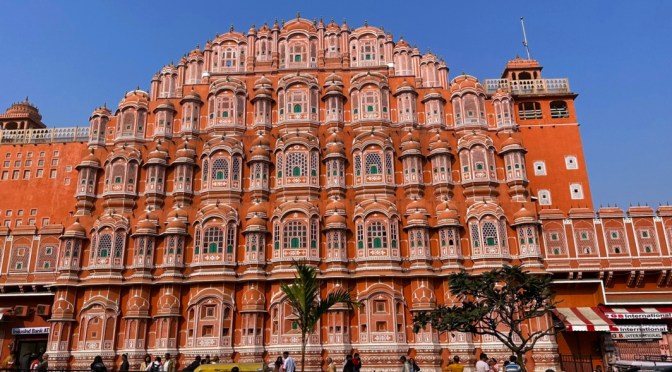
A cidade é famosa por seus magníficos palácios, templos, jardins e mercados. Um dos marcos mais distintivos de Jaipur é o Hawa Mahal, também conhecido como “Palácio dos Ventos”, que é uma obra-prima arquitetônica com centenas de pequenas janelas.

A Fortaleza Amber, também conhecida como Forte Amer, está localizada um pouco fora de Jaipur e é outra estrutura impressionante. Ela se ergue majestosamente em uma colina e oferece uma vista deslumbrante da paisagem circundante. O forte foi construído no século XVI por Raja Man Singh I e é um notável exemplo da arquitetura Rajput com seus palácios de mármore, arcos elaborados e pátios intrincados.

O Jantar Mantar observatório e um dos maiores e mais bem preservados observatórios de sua espécie e foi declarado Patrimônio Mundial da UNESCO. O Jantar Mantar é composto por uma série de instrumentos astronômicos usados para observar fenômenos celestes como a posição do sol, estrelas e medição do tempo.

Um passeio pelas estreitas ruas da cidade velha de Jaipur oferece vislumbres da vida urbana vibrante, onde a arte tradicional, como têxteis, joias e cerâmica, floresce. Os coloridos bazares são um paraíso para os amantes das compras que procuram tesouros feitos à mão.

A culinária de Jaipur também é uma experiência sensorial, com uma abundância de curry picante, sobremesas doces e especiarias aromáticas que satisfazem o paladar.

No geral, Jaipur é um destino fascinante que oferece história, cultura e beleza em abundância, encantando os visitantes com seu charme e hospitalidade.

Para conhecer mais sobre Jaipur, clique aqui.

Jaipur, bekannt als die “Pink City” aufgrund der rosafarbenen Gebäude in der Altstadt, ist die Hauptstadt des indischen Bundesstaates Rajasthan. Diese Stadt ist reich an Geschichte, Kultur und Architektur, und ihre Wurzeln reichen bis ins 18. Jahrhundert zurück, als sie von Maharaja Sawai Jai Singh II gegründet wurde.

Die Stadt ist berühmt für ihre prächtigen Paläste, Tempel, Gärten und Märkte. Eines der markantesten Wahrzeichen von Jaipur ist der Hawa Mahal, auch als “Palast der Winde” bekannt, der mit seinen hunderten von kleinen Fenstern ein architektonisches Meisterwerk ist.

Die Festung Amber, auch bekannt als Amer Fort, liegt etwas außerhalb von Jaipur und ist ein weiteres beeindruckendes Bauwerk. Sie thront majestätisch auf einem Hügel und bietet einen atemberaubenden Blick auf die umliegende Landschaft. Die Festung wurde im 16. Jahrhundert von Raja Man Singh I erbaut und ist ein bemerkenswertes Beispiel für die Rajputen-Architektur mit ihren Marmorpalästen, kunstvollen Torbögen und kunstvollen Innenhöfen.

Die Jantar Mantar Sternwarte ist ein historisches Observatorium, es ist eines der größten und am besten erhaltenen Observatorien seiner Art und wurde zum UNESCO-Weltkulturerbe erklärt. Es besteht aus einer Reihe von astronomischen Instrumenten, die zur Beobachtung von Himmelsphänomenen wie Sonnenstand, Sternpositionen und Zeitmessung verwendet wurden. Die Präzision und Komplexität dieser Instrumente sind beeindruckend.

Ein Spaziergang durch die schmalen Gassen der Altstadt von Jaipur bietet Einblicke in das lebendige städtische Leben, wo traditionelle Handwerkskunst, wie Textilien, Schmuck und Keramik, floriert. Die bunten Basare sind ein Paradies für Einkaufsliebhaber, die nach handgefertigten Schätzen suchen.

Die Küche von Jaipur ist ebenfalls ein Erlebnis für die Sinne, mit einer Fülle von würzigen Currys, süßen Desserts und aromatischen Gewürzen, die die Geschmacksknospen verwöhnen.

Insgesamt ist Jaipur ein faszinierendes Reiseziel, das Geschichte, Kultur und Schönheit in reichem Maße bietet und Besucher mit seinem Charme und seiner Gastfreundschaft verzaubert.

Um mehr über Jaipur zu erfahren, klicken Sie hier.

Jaipur, known as the “Pink City” due to its pink buildings in the old city, is the capital of the Indian state of Rajasthan. This city is rich in history, culture, and architecture, with its roots dating back to the 18th century when it was founded by Maharaja Sawai Jai Singh II.

The city is famous for its magnificent palaces, temples, gardens, and markets. One of Jaipur’s most distinctive landmarks is the Hawa Mahal, also known as the “Palace of Winds,” which is an architectural masterpiece with hundreds of small windows.

The Amber Fort, also known as Amer Fort, is located just outside Jaipur and is another impressive structure. It majestically perches on a hill and offers stunning views of the surrounding landscape. Built in the 16th century by Raja Man Singh I, the fort is a remarkable example of Rajput architecture with its marble palaces, intricate archways, and ornate courtyards.

The Jantar Mantar is a historic observatory built by Maharaja Sawai Jai Singh II in the 18th century. It is one of the largest and best-preserved observatories of its kind and has been declared a UNESCO World Heritage Site. The Jantar Mantar consists of a series of astronomical instruments used to observe celestial phenomena such as the position of the sun, stars, and time measurement.

A stroll through the narrow streets of Jaipur’s old city provides glimpses of vibrant urban life, where traditional crafts such as textiles, jewelry, and ceramics flourish. The colorful bazaars are a shopper’s paradise, offering handcrafted treasures.

Jaipur’s cuisine is also a sensory experience, with an abundance of spicy curries, sweet desserts, and aromatic spices that tantalize the taste buds.

Overall, Jaipur is a fascinating destination that offers history, culture, and beauty in abundance, enchanting visitors with its charm and hospitality.

To know more about Jaipur, click here.

Taj Mahal e Forte Vermelho de Agra: maravilhas arquitetônicas da Índia/Taj Mahal and Agra Red Fort: Architectural Marvels of India/Taj Mahal und Agra Rote Fort: Architektonische Wunder Indiens

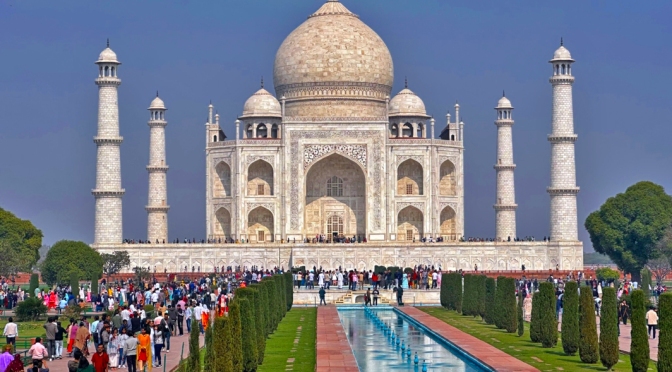
O Taj Mahal e o Forte Vermelho em Agra são duas notáveis obras arquitetônicas intimamente ligadas à história da Índia. O Taj Mahal, um ícone mundialmente famoso do amor e da beleza, foi construído no século XVII por Shah Jahan, o imperador mogol, em memória de sua amada esposa Mumtaz Mahal. É um impressionante exemplo de arquitetura indo-islâmica e hoje é reconhecido como Patrimônio Mundial da UNESCO.

Localizado às margens do rio Yamuna, o Taj Mahal é construído em mármore branco adornado com intrincados trabalhos em marchetaria de pedras semipreciosas. A simetria e a precisão de sua estrutura são impressionantes, assim como os jardins e as piscinas que o cercam. Visitantes de todo o mundo vêm aqui para admirar a beleza do monumento ao nascer ou pôr do sol.

Ao lado do Taj Mahal está o Forte Vermelho de Agra, outro local historicamente significativo. Este imenso forte, construído em arenito vermelho, serviu como residência real e fortaleza dos imperadores mogóis. É um notável exemplo de arquitetura mogol com suas imponentes muralhas, magníficos palácios e extensos jardins.

O Forte Vermelho de Agra também é um Patrimônio Mundial da UNESCO e atrai visitantes interessados em conhecer a rica história e o esplendor arquitetônico da era mogol. A vista do Taj Mahal a partir do forte é particularmente impressionante, oferecendo um vislumbre fascinante do legado deste período culturalmente rico da Índia.

Das Taj Mahal und das Rote Fort in Agra sind zwei bemerkenswerte architektonische Meisterwerke, die eng mit der Geschichte Indiens verbunden sind. Das Taj Mahal, eine weltberühmte Ikone der Liebe und Schönheit, wurde im 17. Jahrhundert von Shah Jahan, dem Mogul-Kaiser, in Erinnerung an seine geliebte Frau Mumtaz Mahal erbaut. Es ist ein atemberaubendes Beispiel für die indo-islamische Architektur und steht heute als UNESCO-Weltkulturerbe.

Das Taj Mahal liegt am Ufer des Flusses Yamuna und besteht aus weißem Marmor, der mit kunstvollen Einlegearbeiten aus Halbedelsteinen verziert ist. Die Symmetrie und Präzision seiner Struktur sind beeindruckend, ebenso wie die Gärten und Wasserbecken, die es umgeben. Besucher aus aller Welt strömen hierher, um die Schönheit dieses Denkmals bei Sonnenaufgang oder Sonnenuntergang zu bewundern.

Ganz in der Nähe des Taj Mahal befindet sich das Rote Fort von Agra, eine weitere historische Stätte von großer Bedeutung. Dieses massive Fort, das aus rotem Sandstein erbaut wurde, diente als königliche Residenz und Festung der Mogulkaiser. Es ist ein bemerkenswertes Beispiel für die Mogul-Architektur mit seinen imposanten Mauern, prächtigen Palästen und ausgedehnten Gärten.

Das Rote Fort von Agra ist ebenfalls ein UNESCO-Weltkulturerbe und zieht Besucher an, die die reiche Geschichte und die architektonische Pracht der Mogulzeit erleben möchten. Der Blick auf das Taj Mahal vom Fort aus ist besonders eindrucksvoll und vermittelt einen faszinierenden Einblick in das Erbe dieser kulturell reichen Ära Indiens.

The Taj Mahal and the Red Fort in Agra are two remarkable architectural masterpieces closely intertwined with India’s history. The Taj Mahal, a world-famous icon of love and beauty, was built in the 17th century by Shah Jahan, the Mughal emperor, in memory of his beloved wife Mumtaz Mahal. It is a stunning example of Indo-Islamic architecture and stands today as a UNESCO World Heritage Site.

Located on the banks of the Yamuna River, the Taj Mahal is constructed of white marble adorned with intricate inlay work of semi-precious stones. The symmetry and precision of its structure are awe-inspiring, as are the gardens and water pools that surround it. Visitors from around the globe flock here to admire the monument’s beauty at sunrise or sunset.

Adjacent to the Taj Mahal lies the Agra Red Fort, another historically significant site. This massive fort, built of red sandstone, served as the royal residence and fortress of the Mughal emperors. It is a remarkable specimen of Mughal architecture with its imposing walls, magnificent palaces, and expansive gardens.

The Agra Red Fort is also a UNESCO World Heritage Site and attracts visitors keen to experience the rich history and architectural splendor of the Mughal era. The view of the Taj Mahal from the fort is particularly striking, offering a fascinating glimpse into the legacy of this culturally rich period of India.

Varanasi: uma joia espiritual e cultural às margens do Ganges/Varanasi: Ein spirituelles und kulturelles Juwel am Ufer des Ganges/Varanasi: A Spiritual and Cultural Gem on the Banks of the Ganges

Varanasi, também conhecida como Kashi ou Benares, é uma das cidades habitadas mais antigas do mundo e uma das sete cidades sagradas do hinduísmo. Localizada às margens do sagrado rio Ganges, no estado de Uttar Pradesh, Índia, Varanasi é um lugar de importância espiritual e esplendor cultural.

A cidade pulsa com vida; suas ruas estreitas estão cheias de cores, cheiros e sons. Peregrinos se dirigem aos numerosos ghats, os degraus de pedra que levam às margens do Ganges, para experimentar purificação espiritual e realizar suas orações. Aqui, os fiéis tomam banhos rituais, realizam rituais de oração e acendem lamparinas de óleo como oferendas.

A antiga cidade de Varanasi é um labirinto de vielas sinuosas, ladeadas por templos antigos, locais sagrados, mercados vibrantes e oficinas de artesãos. Cada passo é uma descoberta, um encontro com a cultura vibrante e a espiritualidade desta cidade.

Os ghats de Varanasi são o coração da vida urbana. Aqui, encontra-se todo o espectro das atividades humanas – desde ritos sagrados até as atividades cotidianas de lavar roupas, banhar-se e remar.

Os ghats mais famosos são Dashashwamedh Ghat, Assi Ghat, Manikarnika Ghat e o Burning Ghat, onde os mortos são cremados, considerado uma libertação do renascimento no hinduísmo.

A atmosfera de Varanasi é difícil de descrever – é um lugar de contrastes, onde o espiritual e o mundano se misturam de maneiras únicas. É uma cidade que sobrecarrega os sentidos e toca a alma.

Varanasi, auch bekannt als Kashi oder Benares, ist eine der ältesten bewohnten Städte der Welt und eine der sieben heiligen Städte des Hinduismus. Gelegen am Ufer des heiligen Flusses Ganges im Bundesstaat Uttar Pradesh, Indien, ist Varanasi ein Ort von spiritueller Bedeutung und kultureller Pracht.

Die Stadt pulsiert mit Leben, die engen Gassen sind voller Farben, Gerüche und Klänge. Pilger strömen zu den zahlreichen Ghats, den steinernen Treppen, die zum Ufer des Ganges führen, um spirituelle Reinigung zu erfahren und ihre Gebete zu verrichten. Hier nehmen Gläubige rituelle Bäder, führen Gebetsrituale durch und zünden Öllampen als Opfergaben an.

Die Altstadt von Varanasi ist ein Labyrinth aus verwinkelten Gassen, gesäumt von alten Tempeln, heiligen Stätten, bunten Märkten und handwerklichen Werkstätten. Jeder Schritt ist eine Entdeckung, eine Begegnung mit der lebendigen Kultur und Spiritualität dieser Stadt.

Die Ghats von Varanasi sind das Herzstück des städtischen Lebens. Hier findet man das ganze Spektrum menschlicher Aktivitäten – von den heiligen Riten bis hin zu den alltäglichen Tätigkeiten des Wäsche waschens, Badens und Bootsfahrens.

Die berühmtesten Ghats sind Dashashwamedh Ghat, Assi Ghat, Manikarnika Ghat und das Burning Ghat, wo die Toten eingeäschert werden, was als eine Erlösung von der Wiedergeburt im Hinduismus betrachtet wird.

Die Atmosphäre von Varanasi ist schwer zu beschreiben – es ist ein Ort der Kontraste, wo das Spirituelle und das Weltliche auf einzigartige Weise verschmelzen. Es ist eine Stadt, die die Sinne überwältigt und die Seele berührt.

Varanasi, also known as Kashi or Benares, is one of the oldest inhabited cities in the world and one of the seven holy cities of Hinduism. Located on the banks of the sacred Ganges River in the state of Uttar Pradesh, India, Varanasi is a place of spiritual significance and cultural splendor.

The city pulsates with life; its narrow lanes are filled with colors, smells, and sounds. Pilgrims flock to the numerous ghats, the stone steps leading to the banks of the Ganges, to experience spiritual cleansing and perform their prayers. Here, believers take ritual baths, perform prayer rituals, and light oil lamps as offerings.

Varanasi’s old city is a labyrinth of winding lanes, lined with ancient temples, holy sites, vibrant markets, and artisan workshops. Every step is a discovery, an encounter with the vibrant culture and spirituality of this city.

The ghats of Varanasi are the heart of urban life. Here, one finds the full spectrum of human activities – from sacred rites to the everyday activities of washing clothes, bathing, and boating.

The most famous ghats are Dashashwamedh Ghat, Assi Ghat, Manikarnika Ghat, and the Burning Ghat, where the dead are cremated, considered a liberation from rebirth in Hinduism.

The atmosphere of Varanasi is hard to describe – it is a place of contrasts, where the spiritual and the worldly blend in unique ways. It is a city that overwhelms the senses and touches the soul.


Darjeeling

Darjeeling é uma cidade pitoresca no estado indiano de Bengala Ocidental. Situada nas encostas dos Himalaias, é famosa por sua deslumbrante paisagem, jardins de chá e diversidade cultural. A cidade é cercada por colinas verdejantes cobertas de plantações de chá, oferecendo vistas espetaculares das montanhas ao redor. Darjeeling também é conhecida por seu chá fino, altamente estimado em todo o mundo. As pessoas aqui são hospitaleiras e orgulhosas de sua rica história e tradições. As atrações populares incluem o Tiger Hill, de onde se pode testemunhar um nascer do sol espetacular sobre o Himalaia, e o Darjeeling Himalayan Railway, um Patrimônio Mundial da UNESCO. Darjeeling é um lugar que oferece tanto aventura quanto relaxamento, encantando cada visitante com sua beleza.

Darjeeling ist eine malerische Stadt im indischen Bundesstaat Westbengalen. Sie liegt in den Ausläufern des Himalaya und ist berühmt für ihre atemberaubende Landschaft, ihre Teegärten und ihre kulturelle Vielfalt. Die Stadt ist von grünen Hügeln umgeben, die mit Teeplantagen bedeckt sind, und bietet spektakuläre Ausblicke auf die umliegenden Berge. Darjeeling ist auch für seinen feinen Tee bekannt, der weltweit geschätzt wird. Die Menschen hier sind gastfreundlich und stolz auf ihre reiche Geschichte und Traditionen. Zu den beliebten Sehenswürdigkeiten gehören der Tiger Hill, von dem aus man einen spektakulären Sonnenaufgang über dem Himalaya erleben kann, sowie das Darjeeling Himalayan Railway, eine UNESCO-Welterbestätte. Darjeeling ist ein Ort, der sowohl Abenteuer als auch Entspannung bietet und jeden Besucher mit seiner Schönheit verzaubert.

Darjeeling is a picturesque town in the Indian state of West Bengal. Situated in the foothills of the Himalayas, it is famous for its stunning scenery, tea gardens, and cultural diversity. The town is surrounded by verdant hills covered with tea plantations, offering spectacular views of the surrounding mountains. Darjeeling is also renowned for its fine tea, highly esteemed worldwide. The people here are hospitable and proud of their rich history and traditions. Popular attractions include Tiger Hill, from where one can witness a spectacular sunrise over the Himalayas, and the Darjeeling Himalayan Railway, a UNESCO World Heritage Site. Darjeeling is a place that offers both adventure and relaxation, enchanting every visitor with its beauty.

Calcutá/Kaklutta/Kolkata

Calcutá, também conhecida como Kolkata, é uma metrópole agitada na parte oriental da Índia. Situada às margens do rio Hooghly, esta cidade é um caldeirão de culturas, tradições e estilos de vida. Com uma rica história que remonta ao século XVII, Kolkata é um lugar de grande importância histórica. Foi uma vez o centro do domínio colonial britânico na Índia e serviu como capital do país até 1911.

A cidade é conhecida por sua vibrante cena artística, tradição literária e diversidade cultural. Muitos escritores, poetas e artistas renomados viveram e trabalharam aqui, incluindo Rabindranath Tagore, o primeiro laureado com o Prêmio Nobel de Literatura asiático. Kolkata também é conhecida por suas celebrações festivas, especialmente durante o Durga Puja, quando a cidade é envolta em um mar de luzes, cores e sons.

A paisagem urbana de Kolkata é caracterizada por uma mistura de arquitetura colonial, arranha-céus modernos e edifícios tradicionais bengalis. Pontos de referência proeminentes incluem o Memorial Victoria, a Ponte Howrah e o Templo Belur Math. As ruas de Kolkata estão cheias de vida, com mercados animados, lojas movimentadas e vendedores ambulantes oferecendo uma variedade de produtos e delícias culinárias.

A cidade também abriga algumas das instituições educacionais e de pesquisa mais prestigiadas da Índia, incluindo a Universidade de Calcutá, o Museu Indiano e o Instituto Indiano de Estatística. Kolkata é um importante centro econômico e um porto significativo, facilitando o comércio e o comércio na região.

Calcutá atrai muitos peregrinos que visitam a casa  onde viveu a  a religiosa Madre Teresa.

Nos últimos anos, Kolkata experimentou um desenvolvimento econômico constante e se tornou um polo chave para empresas de TI e tecnologia. Apesar de seu progresso moderno, Kolkata continua a preservar seu rico patrimônio cultural e atmosfera única, atraindo visitantes de todo o mundo.

Kalkutta, auch bekannt als Kolkata, ist eine pulsierende Metropole im östlichen Teil Indiens. Diese Stadt am Ufer des Hooghly-Flusses ist ein Schmelztiegel der Kulturen, Traditionen und Lebensstile. Mit einer reichen Geschichte, die bis ins 17. Jahrhundert zurückreicht, ist Kolkata ein Ort von großer historischer Bedeutung. Es war einst das Zentrum der britischen Kolonialherrschaft in Indien und diente als Hauptstadt des Landes bis 1911.

Die Stadt ist bekannt für ihre lebendige Kunstszene, ihre literarische Tradition und ihre kulturelle Vielfalt. Hier haben viele renommierte Schriftsteller, Dichter und Künstler gelebt und gearbeitet, darunter Rabindranath Tagore, der erste asiatische Nobelpreisträger für Literatur. Kolkata ist auch für seine festlichen Feiern, insbesondere während Durga Puja, bekannt, wenn die Stadt in ein Meer von Lichtern, Farben und Klängen gehüllt ist.

Das Stadtbild von Kolkata ist geprägt von einer Mischung aus kolonialer Architektur, modernen Wolkenkratzern und traditionellen bengalischen Gebäuden. Zu den markanten Sehenswürdigkeiten gehören der Victoria Memorial, das Howrah-Brücke und der Belur-Math-Tempel. Die Straßen von Kolkata sind voller Leben, mit lebhaften Märkten, geschäftigen Geschäften und Straßenhändlern, die eine Vielzahl von Waren und kulinarischen Köstlichkeiten anbieten.

Die Stadt beherbergt auch einige der renommiertesten Bildungs- und Forschungseinrichtungen Indiens, darunter die University of Calcutta, das Indian Museum und das Indian Statistical Institute. Kolkata ist ein wichtiges wirtschaftliches Zentrum und ein bedeutender Hafen, der Handel und Handel in die Region bringt.

Kalkutta zieht viele Pilger an, die das Haus besuchen, in dem die religiöse Mutter Teresa lebte.

In den letzten Jahren hat Kolkata eine stetige wirtschaftliche Entwicklung erlebt und ist zu einem wichtigen Standort für IT- und Technologieunternehmen geworden. Trotz seines modernen Fortschritts bewahrt Kolkata jedoch weiterhin seine reiche kulturelle Erbe und seine einzigartige Atmosphäre, die Besucher aus aller Welt anzieht.

Kolkata, also known as Calcutta, is a bustling metropolis in the eastern part of India. Situated on the banks of the Hooghly River, this city is a melting pot of cultures, traditions, and lifestyles. With a rich history dating back to the 17th century, Kolkata is a place of great historical significance. It was once the center of British colonial rule in India and served as the country’s capital until 1911.

The city is renowned for its vibrant art scene, literary tradition, and cultural diversity. Many renowned writers, poets, and artists have lived and worked here, including Rabindranath Tagore, the first Asian Nobel laureate in Literature. Kolkata is also known for its festive celebrations, especially during Durga Puja, when the city is enveloped in a sea of lights, colors, and sounds.

The cityscape of Kolkata is characterized by a mix of colonial architecture, modern skyscrapers, and traditional Bengali buildings. Prominent landmarks include the Victoria Memorial, Howrah Bridge, and Belur Math Temple. The streets of Kolkata are bustling with life, featuring lively markets, bustling shops, and street vendors offering a variety of goods and culinary delights.

The city is also home to some of India’s most prestigious educational and research institutions, including the University of Calcutta, the Indian Museum, and the Indian Statistical Institute. Kolkata is a major economic center and a significant port, facilitating trade and commerce in the region.

Calcutta attracts many pilgrims who visit the house where the religious Mother Teresa lived.

In recent years, Kolkata has experienced steady economic development and has become a key hub for IT and technology companies. Despite its modern progress, Kolkata continues to preserve its rich cultural heritage and unique atmosphere, attracting visitors from around the world.

Nepal – cultura, natureza e diversidade/Nepal – Kultur, Natur und Vielfalt /Nepal – culture, nature and diversity 

Nepal – cultura, natureza e diversidade 

Nepal, um país no sul da Ásia, é conhecido pela sua deslumbrante paisagem, pelas majestosas montanhas do Himalaia e pela rica diversidade cultural. A capital, Catmandu, é uma mistura de tradição e modernidade. Nepal é lar de muitos grupos étnicos e línguas. 

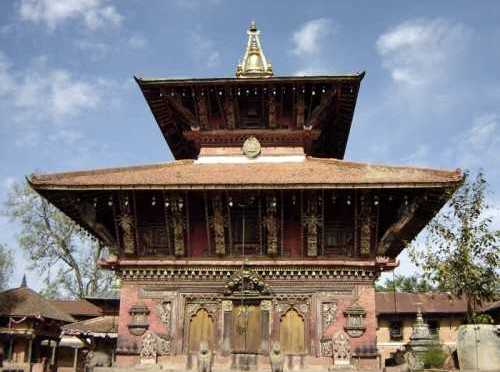
O Monte Everest, a montanha mais alta do mundo, está localizado no Nepal e atrai aventureiros e alpinistas de todo o mundo. Além de trekking e alpinismo, Nepal também oferece uma riqueza de experiências espirituais com seus inúmeros templos e locais sagrados. 

A culinária nepalesa oferece uma variedade de sabores que cativam as papilas gustativas. Dal Bhat, Momos e iguarias Newari são apenas alguns dos pratos deliciosos que se deve experimentar. 

A cultura nepalesa é caracterizada por danças tradicionais, música e artesanato. Festivais como Dashain e Tihar são celebrações coloridas que refletem o patrimônio cultural do país. 

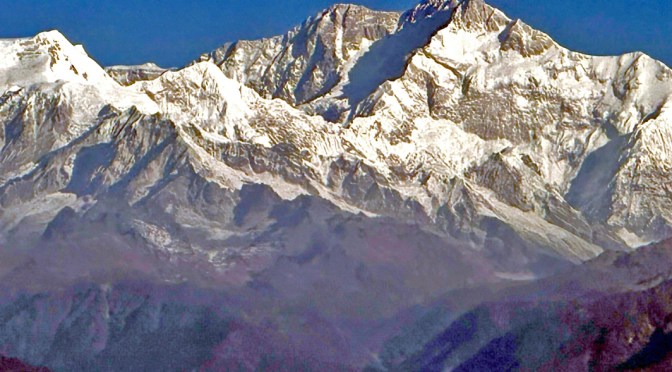
Porém, o destaque da nossa curtíssima estadia de 5 dias no Nepal, além de todas as impressões religiosas, culturais e paisagísticas, foi um voo para a região montanhosa do Himalaia com vistas incríveis. 

Para conhecer mais sobre o Nepal, clique aqui.

Nepal – Kultur, Natur und Vielfalt

Nepal, ein Land in Südasien, ist bekannt für seine atemberaubende Landschaft, die majestätischen Himalaya-Berge und die reiche kulturelle Vielfalt. Die Hauptstadt Kathmandu ist ein Schmelztiegel der Tradition und Moderne. Nepal ist die Heimat vieler ethnischer Gruppen und Sprachen.

Der Mount Everest, der höchste Berg der Welt, befindet sich in Nepal und zieht Abenteurer und Bergsteiger aus der ganzen Welt an. Neben Trekking und Bergsteigen bietet Nepal auch eine Fülle von spirituellen Erfahrungen mit seinen zahlreichen Tempeln und heiligen Stätten.

Nepals Küche bietet eine Vielzahl von Aromen, die die Geschmacksknospen ansprechen. Dal Bhat, Momos und Newari-Köstlichkeiten sind nur einige der köstlichen Gerichte, die man probieren sollte.

Die nepalesische Kultur wird durch traditionelle Tänze, Musik und Kunsthandwerk geprägt. Feste wie Dashain und Tihar sind farbenfrohe Feiern, die das kulturelle Erbe des Landes widerspiegeln.

Höhepunkt unseres sehr kurzen 5-tägigen Aufenthaltes in Nepal war jedoch neben all den  Eindrücken religiöser, kultureller und landschaftlicher Art ein Flug in die Himalaya-Gebirgsregion mit unglaublichen Ausblicken.

Um mehr über Nepal zu erfahren, klicken Sie hier.

Nepal – culture, nature and diversity

Nepal, a country in South Asia, is renowned for its stunning landscape, majestic Himalayan mountains, and rich cultural diversity. The capital city, Kathmandu, is a blend of tradition and modernity. Nepal is home to many ethnic groups and languages.

Mount Everest, the tallest mountain in the world, is situated in Nepal, drawing adventurers and climbers from across the globe. Besides trekking and mountaineering, Nepal also offers an abundance of spiritual experiences with its numerous temples and sacred sites.

Nepal’s cuisine offers a variety of flavors that tantalize the taste buds. Dal Bhat, Momos, and Newari delicacies are just some of the delicious dishes one should try.

Nepalese culture is characterized by traditional dances, music, and craftsmanship. Festivals such as Dashain and Tihar are colorful celebrations that reflect the country’s cultural heritage

However, the highlight of our very short 5-day stay in Nepal, in addition to all the religious, cultural and scenic impressions, was a flight to the Himalayan mountain region with incredible views.

To learn more about Nepal, click here.