O que eu lembro hoje do Vietnã: estava muito quente, estávamos suando muito, muito e o trânsito era impressionante
e não se via nenhum acidente. O que para nós parecia um caos, para os vietnamitas, acostumados com esse trânsito, eram apenas ruas superlotadas.
Um passeio panorâmico nos trouxe
para Hue. Hue é um Patrimônio Mundial da Humanidade, a antiga capital imperial e hoje uma atração muito popular para explorar a Cidadela Imperial, concebidacomo a Cidade Proibida de Pequim.
A família imperial morava aqui desde o início dos anos 1800 até meados dos anos 1900.
Cercado por um fosso e paredes com dois quilômetros de comprimento em cada lado,
a cidade imperial contém mais uma fortaleza interna, murada chamada “Cidade Proibida”, onde apenas a família do imperador vietnamita era permitida.
No caminho para nossa próxima parada, pudemos observar cenas exóticas como o vietnamita na sua bicicleta
ou essa senhora na rua. Uma outra realidade.
Depois da Cidade Imperial, , visitamos o Pagode Thien Meu.
Este Pagode, com sete pavimentos, é o símbolo oficial de Hue,
construído em 1601 com vista para o Rio Perfume e funciona como um mosteiro budista.
Portões enormes, levam a um complexo de edifícios e bonsais de jardim.
Finalmente, neste dia quente e muito úmido, visitamos também o túmulo do Imperador Tu Duc, que abriga um palácio em miniatura.
Nós terminamos este longo dia cansados, mas felizes por captar tantas impressões diferentes de um lugar tão exótico e especial.
Observação: se você quiser continuar “viajando” com o nosso blog, clique no botão “seguir” localizado no canto inferior direito dessa página.
Hue in Vietnam – kaiserlich und heiß
Was ich von diesem Tag in Vietnam erinnere: Es war sehr, sehr heiß, wir schwitzten viel, sehr beeindruckend auch dieser Verkehr
und wir sehen keinen Unfall in diesem für uns wie ein Chaos anmutenden Bewegungen auf den überfüllten Straßen.
Eine schöne landschaftliche Fahrt brachte uns
nach Hue. Hue ist Weltkulturerbe, die alte kaiserliche Hauptstadt und heute eine sehr beliebte Attraktion in Vietnam, um die kaiserliche Zitadelle nach Vorbild der verbotenen Stadt Pekings erbaut zu erkunden.
Die kaiserliche Familie lebte hier vom frühen 19. Jahrhundert bis in die Mitte des 20. Jahrhunderts.
Umgeben von einem Wassergraben und zwei Kilometer langen Mauern auf jeder Seite,
beherbergte die kaiserliche Stadt eine weitere, innere, ummauerte Festung, die sogenannte “Verbotene Stadt”, in der nur die Familie des vietnamesischen Kaisers erlaubt war sich aufzuhalten.
Auf dem Weg zu unserem nächsten Stop konnten wir immer für uns exotisch anmutende Beobachtungen machen wie z.B. ihn auf seinem Fahrrad
Oder sie auf der Straβe. Eine andere Realität.
Als nächstes besuchten wir dann die Thien Meu Pagode.
Diese Pagode ist das offizielle Symbol von Hue, diese siebenstufigen Pagode
wurde 1601 erbaut Haus und überblickt den Parfümfluss. Sie dient als buddhistisches Kloster.
Groβe Tore führen zu einem Gebäudekomplex und einem Bonsai-Garten.
Schließlich besuchten wir an diesem heißen und sehr schwülen Tag auch das Grabmal des Kaisers Tu Duc mit einem Miniaturpalast.
Wir beendeten diesen Tag müde und erschöpft, aber auch sehr glücklich über die so vielen sehr verschiedenen gewonnenen Eindrücke.
Hinweis: Falls Sie unseren “Seguir” auf dem Blog folgen wollen, dann klicken Sie unten rechts einfach auf “Weiter”, Sie werden dann zukünftig automatisch informiert.
Hue in Vietnam – imperial and hot
What I remember from this day in Vietnam: it was very very hot, we were sweating a lot, very impressive also this traffic
and seeing no one accident in this for us like a chaos appearing movements on the overcrowded streets.
A scenic drive brought us
to Hue. Hue is a World Heritage Site, the old imperial capital and today a very popular attraction to explore the Imperial Citadel, modeled on Beijing’s Forbidden City.
The imperial family lived here from the early 1800s until the mid-1900s.
Surrounded by a moat and walls that are two kilometers long on each side,
the imperial city within contains yet another, inner, walled fortress called the “Forbidden City,” where only the Vietnamese emperor’s family was allowed.
The Imperial Citadel was home to the imperial family from the early 1800s until the mid 1900s, this huge complex, surrounded by a mote is comprised of three circles of ramparts and spans 1300 acres of relics of royal life.
On the way to our next stop we always could make for us exotic looking observations like him on his bike
or her in the street. A other reality.
Then next we visieted the Thien Meu Pagoda.
This Pagoda is the official symbol of Hue, this seven-tiered pagoda
built in 1601 overlooks the Perfume River and functions as a Buddhist monastery.
Huge gates, lead to a complex of buildings and bonsai garden.
Finally at this hot and very humid day we visited also the tomb of the Emperor Tu Duc, which features a palace in miniature.
We finished this day tired but very happy about this so many different impressions we could collect and gain.
Note: If you want to follow our “Travels” on the blog, simply click on “Seguir” in the lower right corner, you will be then automatically informed in the future.
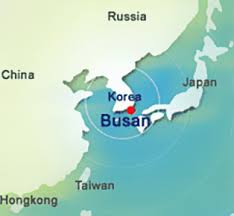
A cidade de Busan é o segundo maior centro urbano da Coréia do Sul, tem, aproximadamente 4 milhões de habitantes e é famosa devido as suas belas praias, além de possuir o maior porto do país de cargas internacionais e também de onde partem navios de passageiros para o Japão e para a Ilha de Jeju, menor província do país.
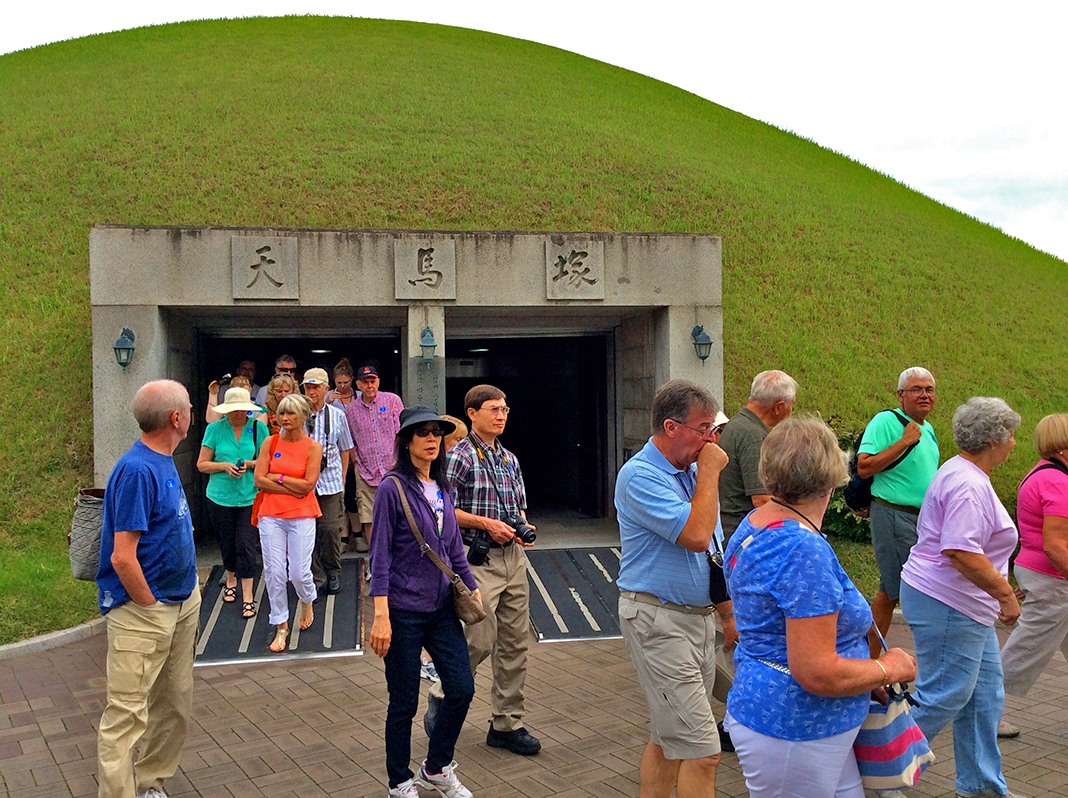
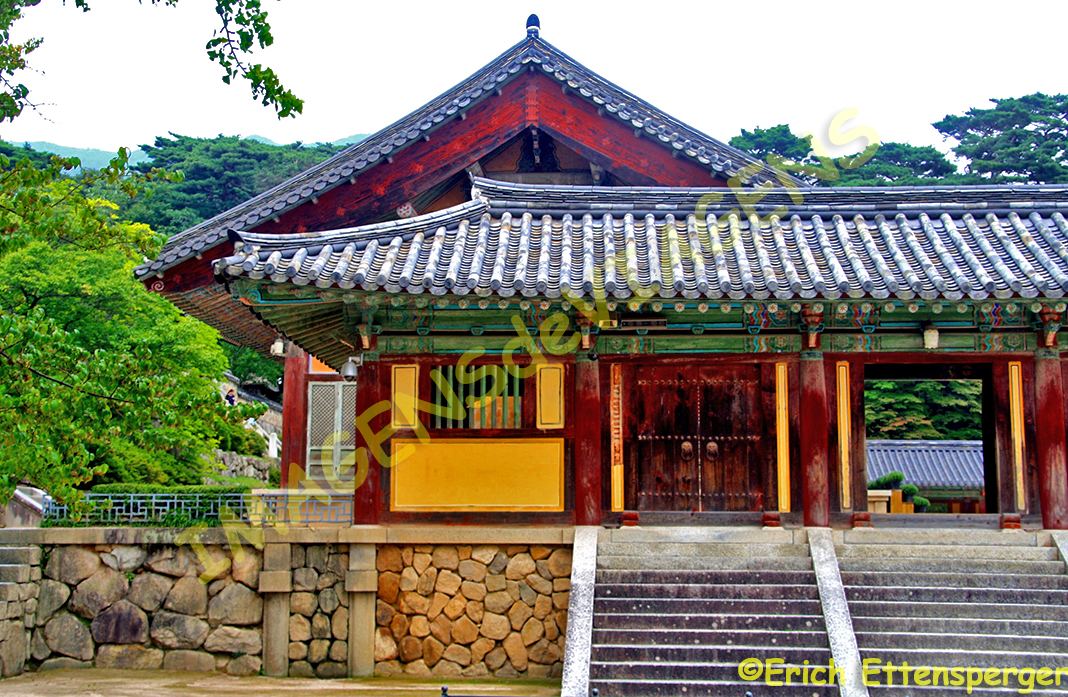
De Busan pegamos um ônibus para o Gyeongju, próximo, conhecida como “Seorabol”, a capital do antigo Reino Unido de Silla, com muitos locais históricos: tais como, parque Tumuli, impressionante, com cerca de 20 tumbas reais da dinastia Silla do século I, integrante da lista de lugares considerados Patrimônio Cultural da Humanidade da UNESCO.
Um dos destaques desse parque é o “túmulo do cavalo celeste”, que mede 27 metros de diâmetro e 13 metros de altura.
Em síntese, nas câmaras funerárias foram encontrados jóias valiosas e vasos.
A visita ao Museu Nacional Gyeongju foi muito interessante. No caminho, pudemos avistar belas paisagens, sendo algumas, com muitas cores, que lembravam uma pintura impressionista.
O museu apresenta uma riqueza de tesouros culturais coreanos,
incluindo o famoso “Sino Divino do Rei Songdok”
Outro destaque neste dia foi a visita ao tranquilo Templo de Bulguksa, que integra a lista da UNESCO, desde 1995,
situado nas encostas do monte Tohamsan. Este oásis de tranquilidade é outro exemplo da assim chamada arquitectura Sila. A beleza do próprio templo e o desenho artístico das relíquias de pedra são famosos em todo o mundo. O Templo de Bulguksa foi construído em 528 d.C., durante o Reino Unido de Silla.
Aqui está uma série de impressões coloridas deste complexo do templo fantástico
Nós realmente aproveitamos muito esse dia divertido em Busan e nas suas proximidades, sua cultura, história e seu povo, com suas tradições e atmosfera, tão distantes da mentalidade ocidental.
Observação: se você quiser continuar “viajando” com o nosso blog, clique no botão “seguir” localizado no canto inferior direito dessa página. Você receberá um email com um link para confirmar a assinatura desse blog (não paga nada). Quando clicar no link, você será direcionado para uma página em inglês (essa página explica o procedimento no caso de você desejar um dia parar de seguir o blog). A partir daí, você já está “seguindo” o blog.
Busan ist die zweitgrößte Stadt in Südkorea mit etwa 4 Millionen Einwohnern und ist berühmt wegen seinen schönen Strände. Busan verfügt über einen der gröβten internationalen Frachthäfen weltweit und auch Fahrgastschiffe verkehren nach Japan und der Jeju Insel, der kleinsten Provinz des Landes.
Es war einer der Austragungsorte der Fußball-Weltmeisterschaft 2002. Zu den wichtigsten Sehenswürdigkeiten zählen: die Strände von Haeundae, Gwangalli, Songjeong, der Geungan Park, der Gukje Markt, Gwangbok-dong & Nampo-dong, der PIFF Platz, die Texas Street, der Jagalchi Fischmarkt und vieles mehr.
Da wir nicht die Zeit hatten, all das genannte zu besuchen, konzentrierten wir uns auf die historischen UNESCO Sehenswürdigkeiten von Gyeongju, dem National Museum von Gyeongju und der Tempelanlage Bulguksa. Erich wird das Gesehene beschreiben und mit Fotos visualisieren.
Von Busan fuhren wir mit einem Bus in das nahegelegene Gyeongju, auch bekannt als “Seorabol”, die Hauptstadt des alten Silla-Königreichs mit vielen historischen Stätten wie z.B. dem beeindruckenden Tumuli Park mit seinen etwa 20 Königsgräbern der Silla Dynastie aus dem 1. Jh. und UNESCO Weltkulturerbe.
Besonders interessant in diesem Park ist das “Grab des himmlischen Pferdes”, das 27 Meter im Durchmesser und 13 Meter in der Höhe misst.
In diesen Grabkammern fand man Grabbeigaben wie wertvolle Schmuckstücke und Gefäße.
Beeindruckend war für uns auch der Besuch des Gyeongju National Museum, schon die Fahrt dorthin eröffnete uns manch farbenprächtigen, fast schon impressionistisch anmutenden Ausblick.
Das Museum präsentiert eine Fülle koreanischer Kulturgüter,
darunter auch die berühmte „Göttliche Glocke des Königs Songdok“.
Ein weiterer Höhepunkt an diesem Tag war für uns der Besuch des friedvoll gelegenen Bulguksa Tempels (seit 1995 UNESCO Liste),
eingebettet in die Hänge des Berges Tohamsan. Diese Oase der Ruhe ist ein weiteres Beispiel für die sogenannte Silla-Architektur. Die Schönheit des Tempels selbst und die künstlerische Ausgestaltung der steinernen Reliquien sind auf der ganzen Welt berühmt. Der Bulguksa Tempel wurde 528 während des Silla-Königreichs gebaut.
Hier nun eine Reihe von farbenprächtigen Eindrücken dieser fantastischen Tempelanlage.
Wir genossen diesen sehr kurzweiligen Tag in und um Busan, diese Kultur, Geschichte und die Menschen mit ihren Traditionen fernöstlicher Mentalität und Atmosphäre.
Hinweis: Falls Sie unseren “Reisen” auf dem Blog folgen wollen, dann klicken Sie unten rechts einfach auf “Weiter”, Sie werden dann zukünftig automatisch informiert.
The city of Busan is the second largest city in South Korea with about 4 million inhabitants and is famous for its beautiful beaches. Busan has one of the largest international shipping ports in the world, and passenger ships operate to Japan and Jeju Island, the smallest province in the country.
It was one of the host cities of the World Cup in 2002. The main attractions include the beaches of Haeundae, Gwangalli, Songjeong, Geungan Park, Gukje Market, Gwangbok-dong & Nampo-dong, the PIFF Square, the Texas Street, the Jagalchi fish market and much more. Since we did not have the time to visit all this, we concentrated on the historical UNESCO sites of Gyeongju, the National Museum of Gyeongju and the Bulguksa Temple. Erich will describe what is seen and visualize with photos.
From Busan we took a bus to the nearby Gyeongju also known as “Seorabol”, the capital of the ancient Silla Kingdom with many historical sites such as the impressive Tumuli Park with its about 20 royal tombs from the 1st century Silla dynasty and UNESCO World Cultural Heritage.
Particularly interesting in this park is the “tomb of the heavenly horse” measuring 27 meters in diameter and 13 meters in height.
In these burial chambers, burial objects were found, such as valuable jewelery and vessels.
The visit to the Gyeongju National Museum was also impressive and the journey to it opened up some colorful, almost impressionistic views.
The museum presents a wealth of Korean cultural treasures,
including the famous “Divine Bell of King Songdok”
Another highlight on this day was the visit to the peaceful located Bulguksa Temple (UNESCO list since 1995),
nestled in the slopes of Mount Tohamsan. This oasis of tranquility is another example of the so-called Silla architecture. The beauty of the temple itself and the artistic design of the stone relics are famous all over the world. The Bulguksa Temple was built in 528 during the Silla Kingdom. Here now a series of colorful impressions of this fantastic temple complex
We really enjoyed this very entertaining day in and around Busan, this culture, history and the people with their traditions of far-eastern mentality and atmosphere.
Note: If you want to follow our “Travels” on the blog, simply click on “Continue” in the lower right corner, you will be then automatically informed in the future.
Na “Avenida das Estrelas” / An der “Avenue of Stars”/ At the „Avenue of Stars“
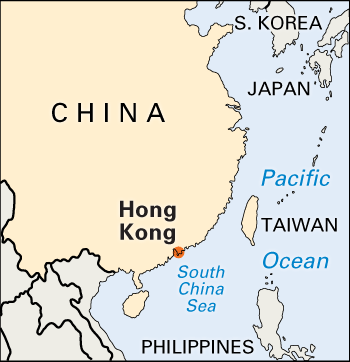
Hong Kong (conhecida como “porto perfumado”) é uma metrópole e zona especial administrativa localizada na costa sul da República Popular da China, no delta do Rio das Pérolas, importante centro financeiro
Com mais de sete milhões de habitantes distribuídos em 1.104 km2, Hong Kong está entre as principais metrópoles do mundo. 95 % dos residentes de Hong Kong são de origem chinesa e o idioma predominante é o cantonês. Hong Kong foi até 1997 uma colônia britânica.
As áreas mais densamente povoadas são a Península de Kowloon e a área norte da ilha Hong Kong, separadas braço de mar do Porto Victoria. O enorme crescimento da população e a pequena área edificável disponível em Hong Kong ocasionou a execução de projeto de aterramento de parte do mar onde foram construídos arranha-céus.
Hong Kong é uma das cidades com maior custo de vida no mundo.
No entanto, Hong Kong emana um fascínio eterno, que agora queremos apresentar com palavras e imagens através de um passeio à noite e outro durante o dia.
Hong Kong fascinante /Faszination Hong Kong / Fascination Hong Kong
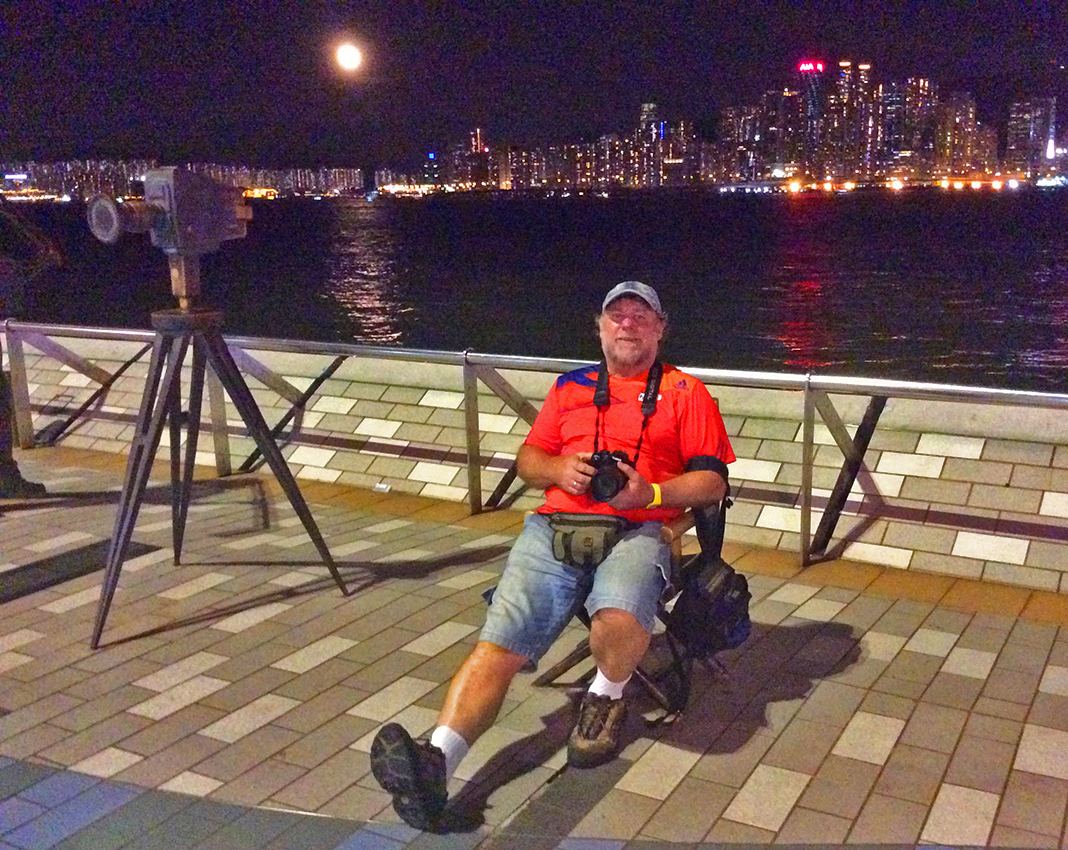
Nós começamos nosso passeio noturno sobre a “Avenida das Estrelas”, o equivalente à Calçada da Fama de Hollywood, onde estão cunhadas as mãos de várias estrelas do cinema asiático (para nós ocidentais, os mais conhecidos são Bruce Lee e Jack Chan).
“Avenida das Estrelas” / “Avenue of Stars”/ „Avenue of Stars“
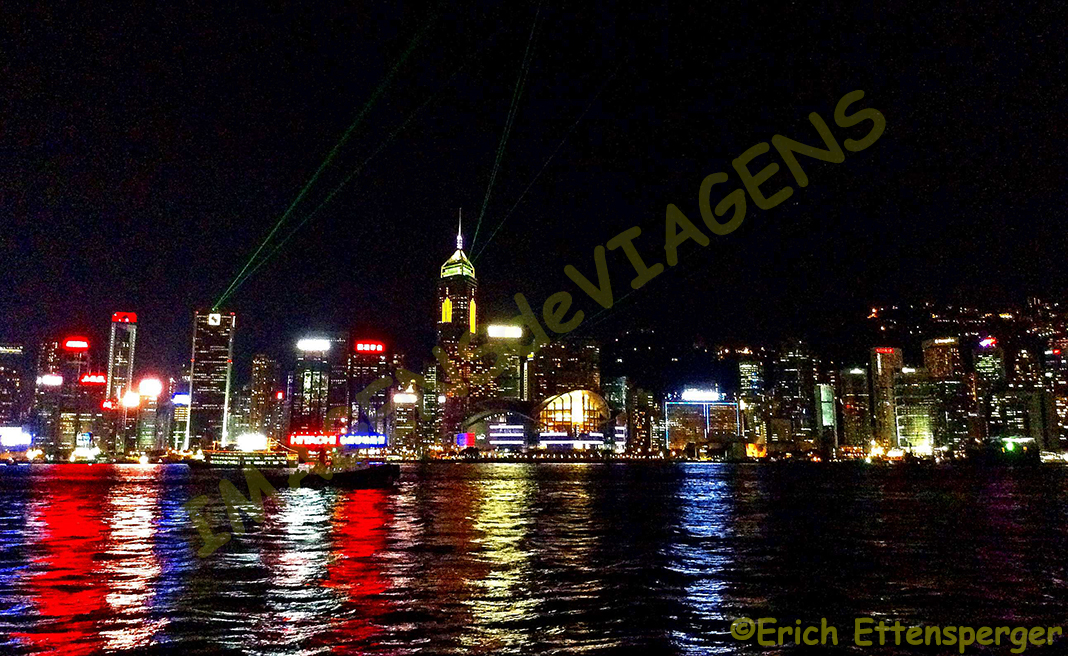
A partir daí você pode admirar o espetáculo “Symphony of Light” (Sinfonia das luzes), que transforma com efeitos visuais e música sincronizada 33 edifícios ao longo do porto de Victoria em um mundo único de Luz.
Espetáculo “Sinfonia das luzes”/ “Symphony of Light” Spektakel / “Symphony of Light” spectacle
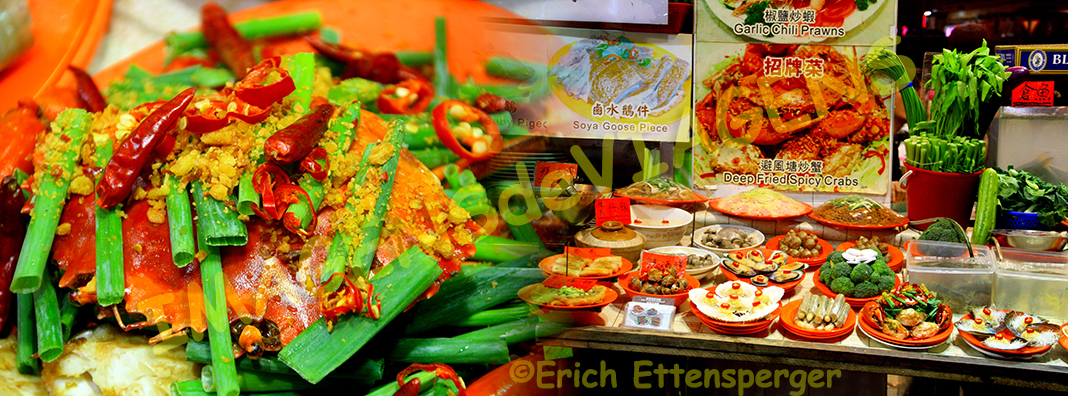
Em seguida, mergulhar nos mercados de rua da Temple Street e Jade,
que oferecem em suas inúmeras barracas o imaginável e inimaginável para venda,
além dos quiosques de comida que deixam seus aromas exóticos flutuar por toda a área de mercado (outros mercados de Hong Kong: o de Pássaros e Flores e o de Sheung Wan).
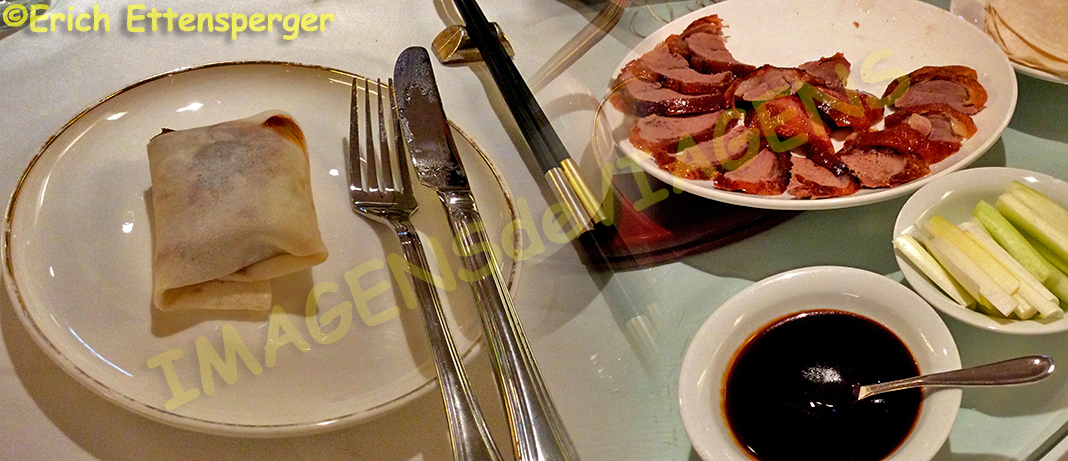
Ou entrar em um dos até agora conhecidos restaurantes com um tradicional menu com oito pratos, conhecido popularmente como “Peking Duck Dinner”.
A nossa viagem de um dia que começou com um passeio de barco do porto de Victoria com vistas inesquecíveis da cidade e suas paisagens do horizonte.
Cruzeiro pelo porto de Victoria / Bootsfahrt im Victoria Hafen / Cruise through Victoria Harbour
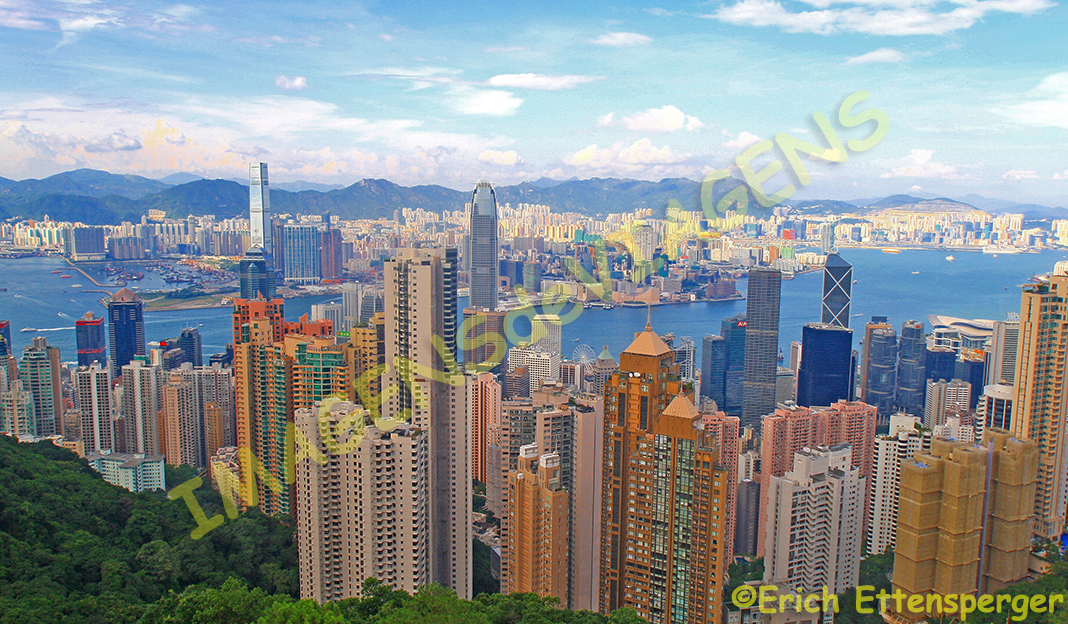
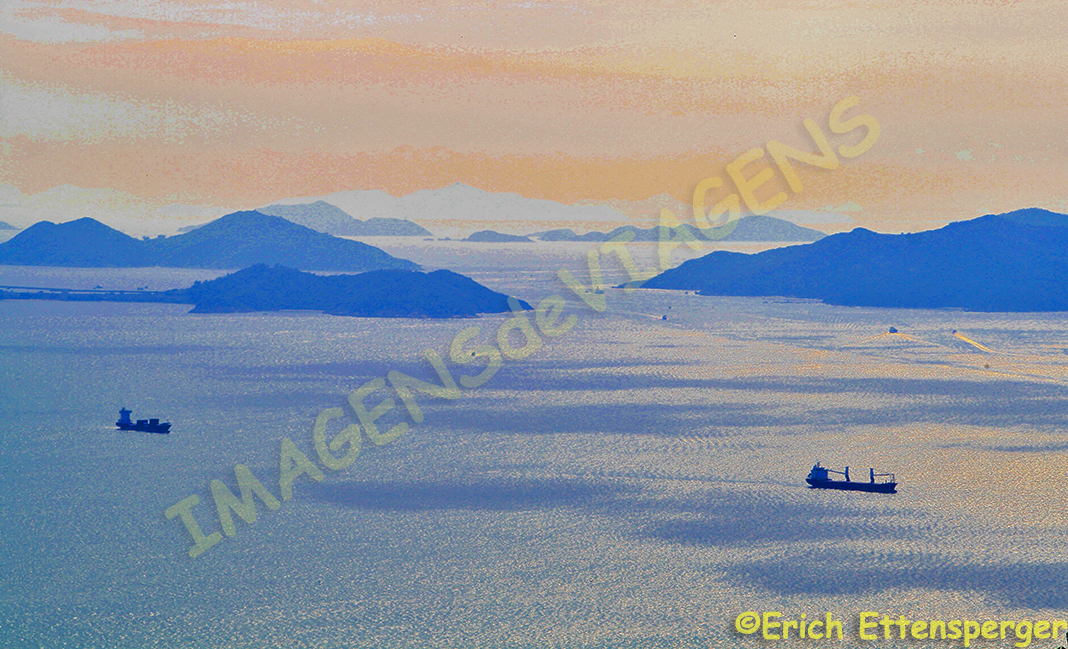
De cima do pico de Victoria com de 400 metros de altitude, com vistas maravilhosas e panoramas da cidade, a ilha, o porto, Península de Kowloon e do Mar do Sul da China.
Victoria Peak – vista panorâmica / Victoria Peak – Panorama / Victoria Peak – panoramic view
Vista do Mar do Sul da China / Blick auf das Südchinesische Meer / View of the South China Sea
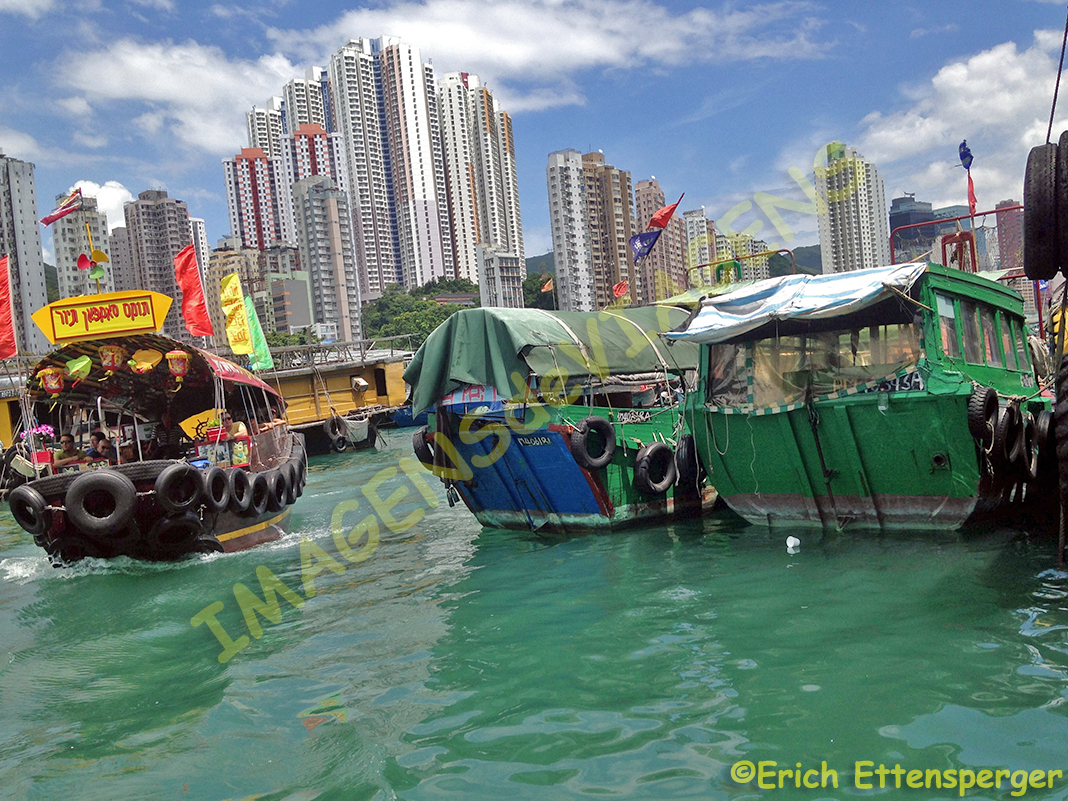
De volta para o nível do mar, visitamos a pitoresca Aberdeen Village (aldeia), que abriga os chamados “boat people” (pessoas de barcos), que vivem suas vidas em seus barcos (Junks). Aberdeen era uma vila tranquila de pescadores, é hoje a maior cidade da Ilha de Hong Kong, cujo porto é sua maior atração.
Aldeia de Aberdeen / Aberdeen Dorf / Aberdeen village
Nós incluímos nesse passeio um almoço típico chinês chamado “Chinese Dim Sum almoço” no maior restaurante flutuante do mundo, o “JUMBO”, que impressiona pela decoração magnifica.
Da última vez que visitei Hong Kong, visitei Macau, distante uma hora de catamarã da cidade. Macau oferece uma mistura exótica de culturas chinesa e portuguesa.
Desejamos-lhe muita diversão quando desfrutar do “fascínio de Hong Kong … !!”
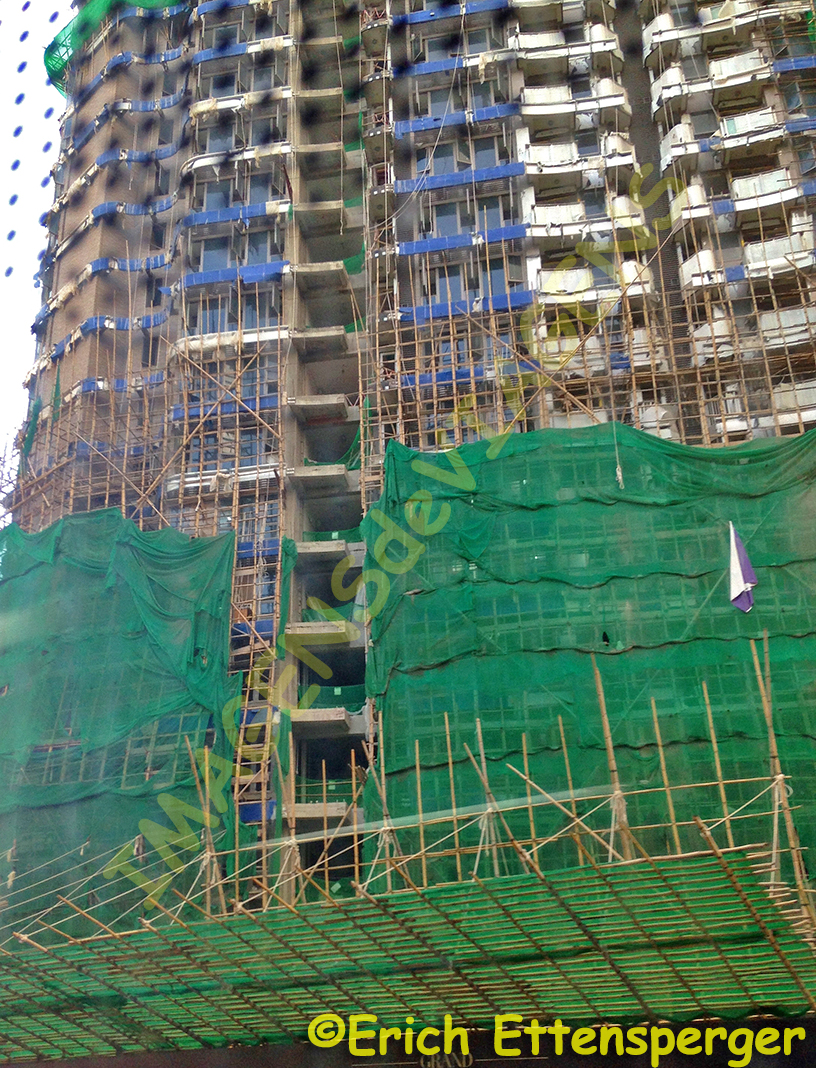
E finalmente, mais uma informação. O que me impressiona em Hong Kong, é que os arranhas-céus construídos de forma cada vez mais rápida e mais altos, ainda utilizam, durante os seus processos construtivos, andaimes feitos com varas de bambus amarradas.
Observação: se você quiser continuar “viajando” com o nosso blog, clique no botão “seguir” localizado no canto inferior direito dessa página. Você receberá um email com um link para confirmar a assinatura desse blog (não paga nada). Quando clicar no link, você será direcionado para uma página em inglês (essa página explica o procedimento no caso de você desejar um dia parar de seguir o blog). A partir daí, você já está “seguindo” o blog.
Faszination Hongkong
Na “Avenida das Estrelas” / An der “Avenue of Stars”/ At the „Avenue of Stars“
Hongkong, (“DuftenderHafen”) ist eine Metropole und Sonderverwaltungszone an der Südküste der Volksrepublik China im Mündungsgebiet des Perlflusses. Mit über sieben Millionen Einwohnern auf 1.104 Quadratkilometern zählt Hongkong zu den Weltstädten. 95 Prozent der Einwohner Hongkongs sind chinesischer Abstammung mit überwiegend kantonesischer Muttersprache. Es war bis 1997 britische Kronkolonie.
Die am dichtesten besiedelten Gebiete sind die Halbinsel Kowloon und der Norden von Hongkong Island, die durch die schmale Meerenge Victoria Harbour getrennt sind. Das gewaltige Bevölkerungswachstum und die geringe bebaubare Fläche Hongkongs führte zu großflächiger Landgewinnung durch Aufschüttung im Meer und zur Entstehung einer Skyline aus Wolkenkratzern.
Hongkong gilt als eine der Städte mit den weltweit höchsten Lebenshaltungskosten.
Trotzdem strahlt Hongkong eine immerwährende Faszination aus, die wir nun durch eine Tour nachts und einer eintägigen Tour bei Tageslicht mit Wort und Bild beleuchten wollen.
Hong Kong fascinante /Faszination Hong Kong / Fascination Hong Kong
Wir beginnen unsere Nachttour an der „Avenue der Stars“, Hongkongs Gegengewicht zu Hollywood mit Hand- und Fuβabdrücken der Stars der Kinowelt.
“Avenida das Estrelas” / “Avenue of Stars”/ „Avenue of Stars“
Von hier aus können Sie dann auch das einzigartige Medienspektakel „Symphonie des Lichts“ bewundern, das mit visuellen Effekten und synchronisierter Musik 33 Gebäude entlang des Viktoria Hafens in eine einzigartige Lichterwelt transformiert.
Espetáculo “Sinfonia das luzes”/ “Symphony of Light” Spektakel / “Symphony of Light” spectacle
Tauchen Sie dann ein in die nächtlichen Straβenmärkte nahe der Temple Street
Temple Street e famoso mercado noturno / Temple Street mit bekanntem Nachtmarkt /Temple Street with famous night market
mit ihren zahllosen Ständen, die alles vorstellbare und unvorstellbare zum Verkauf anbieten
und den Imbissständen, die ihre exotischen Gerüche durch den gesamten Marktbereich wabern lassen.
Oder lassen Sie sich in einem der hierfür bekannten Restaurants mit einem 8 gängigen traditionellen „Peking-Ente-Dinner“ verwöhnen.
Unsere Tagestour starteten wir mit einer Bootstour durch den Victoria Hafen mit unvergesslichen Ausblicken auf die City und ihre Skyline-Landschaften.
Cruzeiro pelo porto de Victoria / Bootsfahrt im Victoria Hafen / Cruise through Victoria Harbour
Von oben dem Victoria Peak auf etwa 400 Metern Höhe eröffnen sich wunderbare Aussichten und Panoramas auf die Stadt, die Insel, den Hafen, die Kowloon-Halbinsel und das Südchinesische Meer.
Victoria Peak – vista panorâmica / Victoria Peak – Panorama / Victoria Peak – panoramic viewVista do Mar do Sul da China / Blick auf das Südchinesische Meer / View of the South China Sea
Wieder unten auf Meereshöhe besuchten wir dann das pittoreske Aberdeen Village (Dorf), die Heimat der sogenannten „Boat people“ (Bootsmenschen), die ihr Leben lang auf ihren Junk-Booten leben.
Aldeia de Aberdeen / Aberdeen Dorf / Aberdeen village
Wir verbanden diese Tour mit einem typischen chinesischen Mittagessen namens „Chinese Dim Sum Lunch“ auf dem prächtig dekorierten grössten schwimmendem „JUMBO“ Restaurant unseres Planeten.
Das letzte Mal in Hongkong konnte ich auch noch Macau besuchen, in 1 Stunde mit einem Katamaran zu erreichen. Macau offeriert eine exotische Mischung chinesischer und portugiesischer Kulturen.
Wir wünschen Ihnen nun viel Spaβ beim Genuss der „Faszination Hongkongs…!!“
Und zum Schluss noch eines! Was mich immer wieder in Hongkong zum Erstaunen bringt, ist die Tatsache, daβ die obwohl immer schneller und höher in den Himmel wachsenden Wolkenkratzer, gerüstbaumäβig immer noch ihre Basisstruktur in einfach zusammengebundenen Bambusstangen wiederfinden.
Hinweis: Falls Sie unseren “Reisen” auf dem Blog folgen wollen, dann klicken Sie unten rechts einfach auf “Weiter”, Sie werden dann zukünftig automatisch informiert.
Fascination of Hong Kong
Na “Avenida das Estrelas” / An der “Avenue of Stars”/ At the „Avenue of Stars“
Hong Kong, (“Fragrant Harbour “) is a metropolis and special administrative zone on the south coast of the People’s Republic of China in the mouth of the Pearl River. With over 7 million inhabitants on 1,104 square kilometers, Hong Kong is one of the world’s cities. Ninety-five percent of Hong Kong’s inhabitants are of Chinese descent, with predominantly Cantonese mother tongue. It was until 1997 British Crown Colony.
The most densely populated areas are the Kowloon peninsula and the north of Hong Kong Island, separated by the narrow seagulls of Victoria Harbor. The huge population growth and the low build-up area of Hong Kong resulted in large-scale land reclamation by landfill in the sea and the emergence of a skyline of skyscrapers.
Hong Kong is considered one of the cities with the world’s highest living costs.
Hong Kong, on the other hand, exudes a never-ending fascination, which we want to illuminate now by word and image through a tour at night and a one-day tour in daylight.
Hong Kong fascinante /Faszination Hong Kong / Fascination Hong Kong
We are starting our night tour at the “Avenue of Stars”, Hong Kong’s counterweight to Hollywood with hand- and footprints of the stars of the world of cimema.
“Avenida das Estrelas” / “Avenue of Stars”/ „Avenue of Stars“
From here you also can admire the unique media spectacle “Symphony of Light”, which transforms the buildings along the Victoria Harbor into a unique world of lights with visual effects and synchronized music.
Espetáculo “Sinfonia das luzes”/ “Symphony of Light” Spektakel / “Symphony of Light” spectacle
Then dive into the nightly street markets near Temple Street
Temple Street e famoso mercado noturno / Temple Street mit bekanntem Nachtmarkt /Temple Street with famous night market
with its countless stands, which offer all imaginable and unimaginable for sale
and the food bars, which exhilarate their exotic smells throughout the whole market.
Or indulge in one of the famous restaurants with an 8-course traditional “Peking Duck Dinner”.
We started our day trip with a boat journey through Victoria Harbor with unforgettable views of the city and its skyline landscapes.
Cruzeiro pelo porto de Victoria / Bootsfahrt im Victoria Hafen / Cruise through Victoria Harbour
From the top of Victoria Peak at about 400 meters altitude wonderful views and panoramas open up on the city, the island, the harbor, the Kowloon peninsula and the South China Sea.
Victoria Peak – vista panorâmica / Victoria Peak – Panorama / Victoria Peak – panoramic viewVista do Mar do Sul da China / Blick auf das Südchinesische Meer / View of the South China Sea
Back down to the sea we then visited the picturesque Aberdeen Village, home to the so-called “boat people” who live their lives on their junk boats.
Aldeia de Aberdeen / Aberdeen Dorf / Aberdeen village
We combined this tour with a typical Chinese lunch called “Chinese Dim Sum Lunch” on the magnificently decorated largest floating “JUMBO” restaurant on our planet.
Last time in Hong Kong I could also visit Macau to reach in 1 hour with a catamaran boat. Macau offers an exotic mixture of Chinese and Portuguese cultures.
We hope you enjoy the “fascination of Hong Kong… !!”
And finally one more thing! What always astonishes me in Hong Kong is the fact that although the skyscrapers, which are growing ever faster and higher in the sky, still have their basic structure in bundled bambus.
Note: If you want to follow our “Travels” on the blog, simply click on “Continue” in the lower right corner, you will be then automatically informed in the future.
Quando a gente lembra desse lugar, imediatamente nos recordamos da explosão da bomba atômica durante a Segunda Guerra Mundial nessa localidade. Porém, além da visita ao Memorial da Paz de Nagasaki, nós tivemos a oportunidade de visitar outros lugares interessantes localizados no entorno da cidade.
Percorremos de ônibus 65 km a nordeste da cidade de Nagasaki e
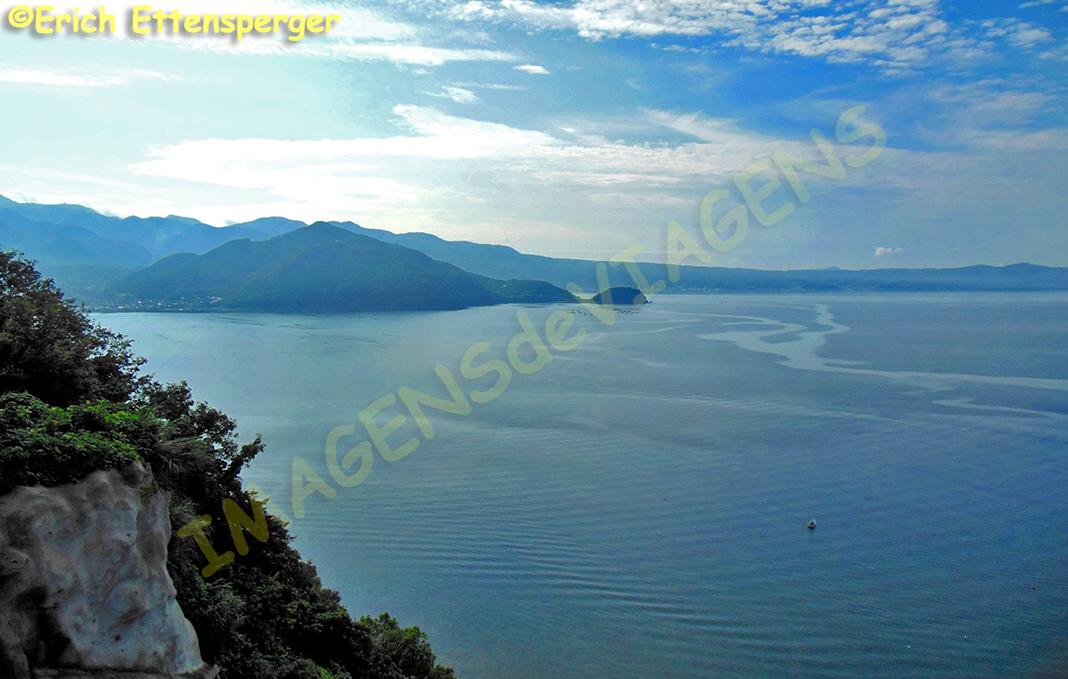
passamos na cênica Baía de Ariake na direção das montanhas da península de Shimabara com o objetivo de visitarmos o Castelo de Shimabara, localizado no centro da antiga cidade de mesmo nome.
Baía de Ariake / Ariake Bucht / Ariake BayLocation of Shimabara. Source: http://www.weather-forecast.com/locations/ShimabaraCastelo de Shimabara / BurgShimabara / Castle ShimabaraRecepção no castelo / Empfang bei der Burg / Reception at the castle
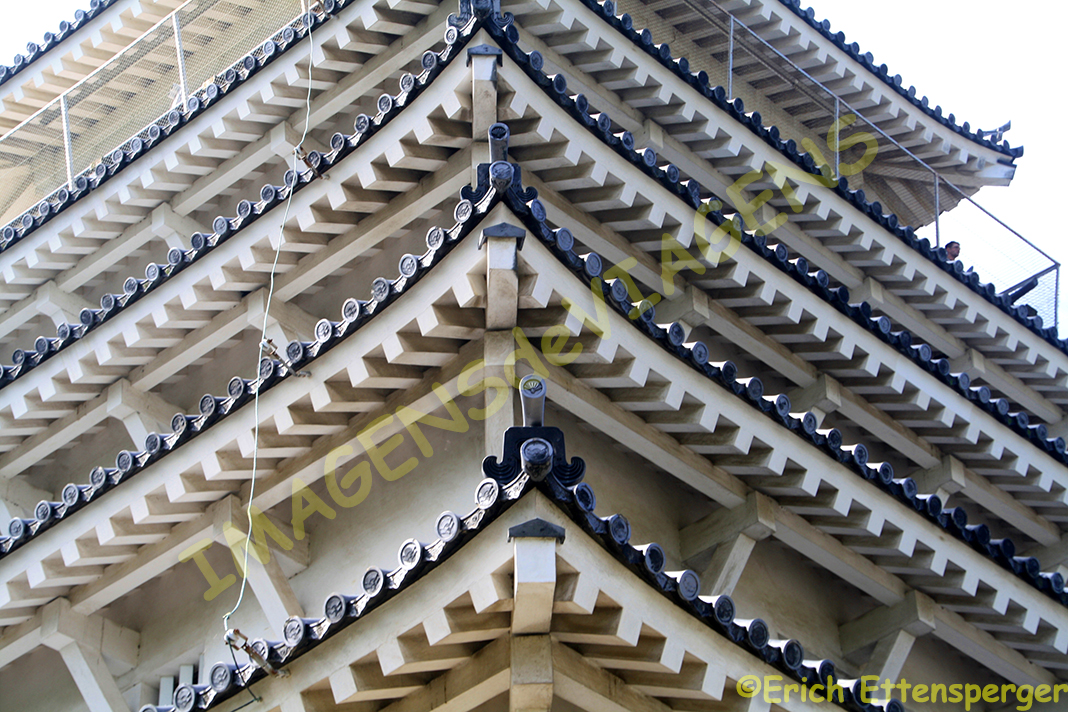
Essa construção é um exemplo superlativo da clássica arquitetura de castelos conhecido como estilo de planícies. A construção do Castelo de Shimabara foi iniciada em 1618 e durou 6 anos para ser concluída.
A beleza do castelo / Die Schönheit der Burg / The beauty of the castleDetalhe construtivo do castelo / Detail Konstruktion / Construction detail
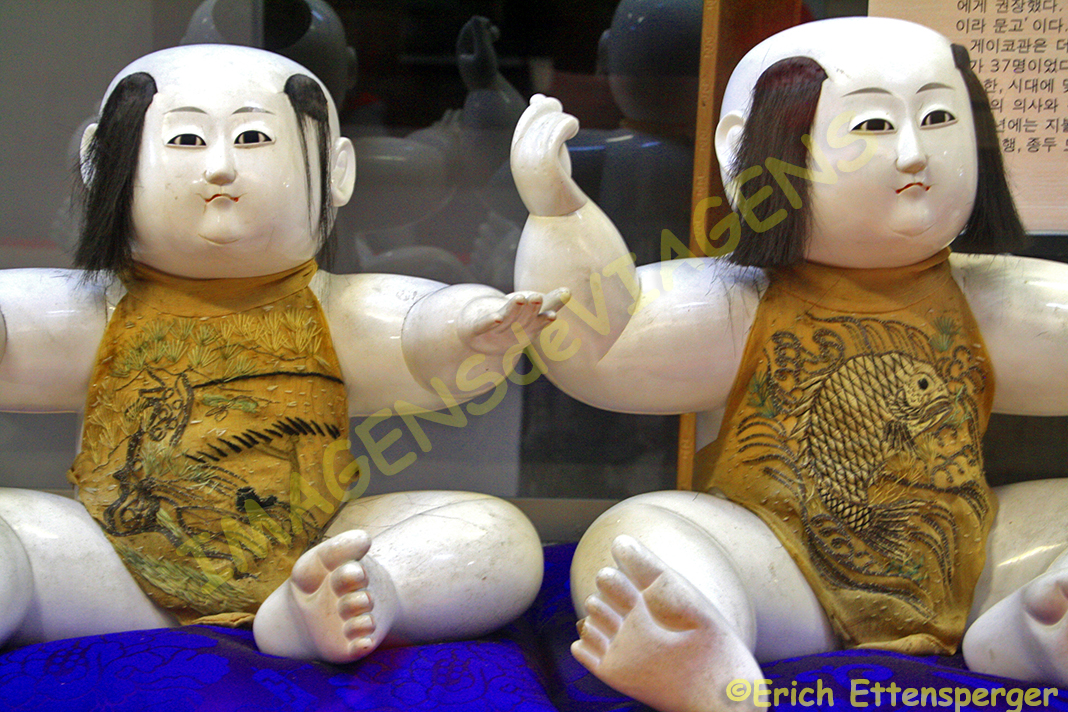
O castelo é atualmente usado como um museu histórico que enfoca a Batalha de Shimabara de 1637. O acervo é constituído de coleção de espadas, armaduras e artefatos culturais, sendo que as exposições enfocam o início do Cristianismo no Japão.
Armadura de samurai / Samurai-Rüstung / Samurai armorBonecas antigas / antike Puppen / Old dolls
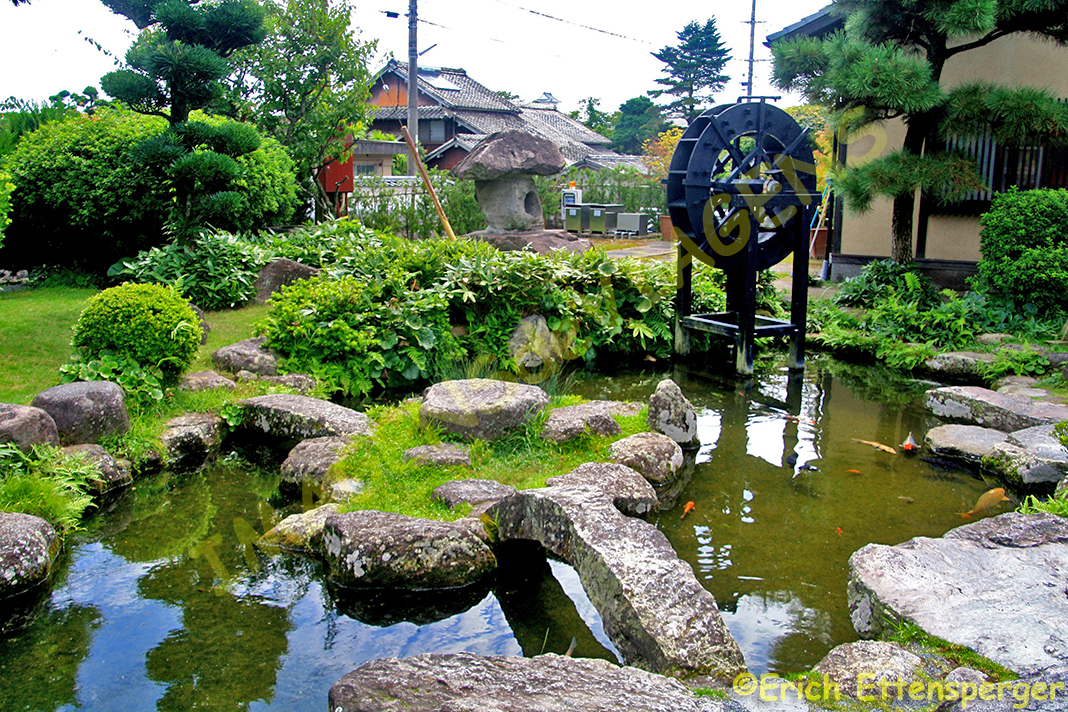
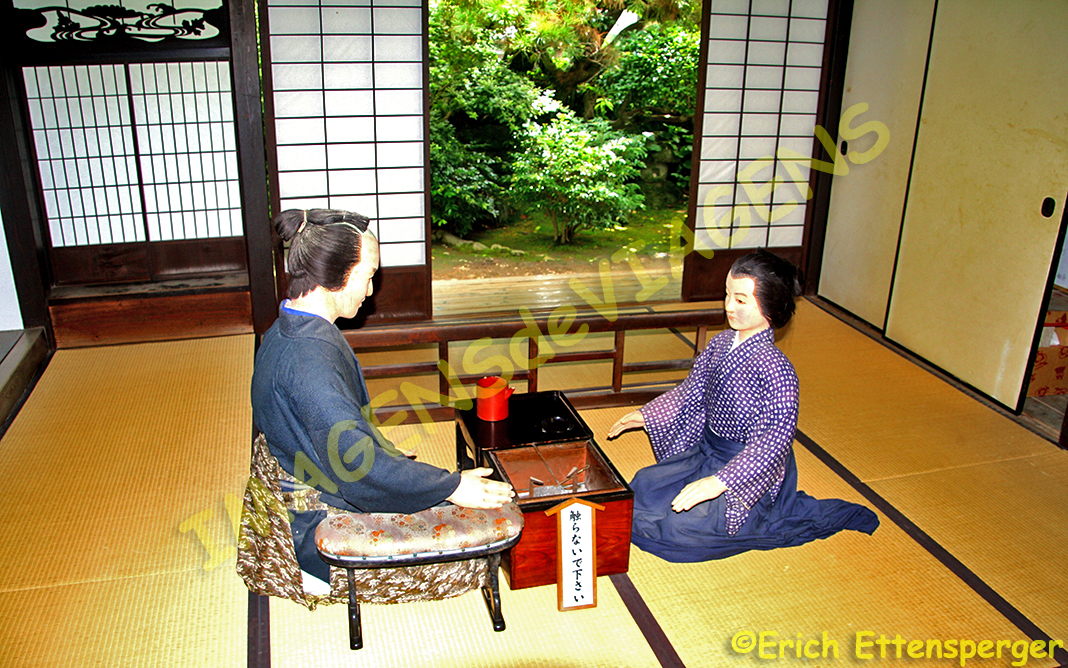
Uma caminhada nas ruas de paralelepípedos de Shimabara é uma oportunidade para aprender mais sobre a área histórica e visitar a tradicional “aldeia samurai”, que apresenta um pouco da forma de viver dos samurais do Japão.
Jardim japonês / Japanischer Garten / Japanese garden
Peixe coi / Coi Fisch / Coi fishAldeia do Samurai / Samurai Dorf / Samurai village
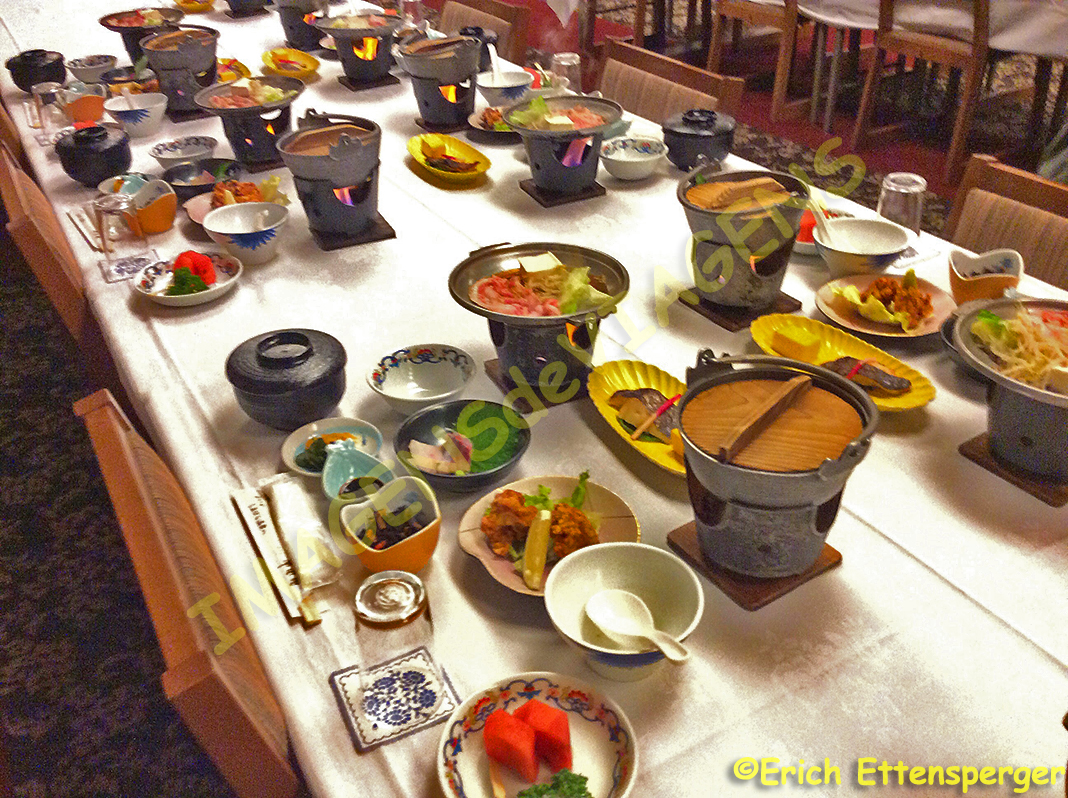
No dia de nossa visita, nós nos deliciamos com um belo e exótico almoço em um restaurante local.
Mesa posta para os vistante / Mittagstisch wartend / Table ready for lunch
Nosso tour nos levou até Mizunashi Honjin.Esta pequena cidade sofreu graves consequências da erupção do vulcão Mt. Fugen em 1991.
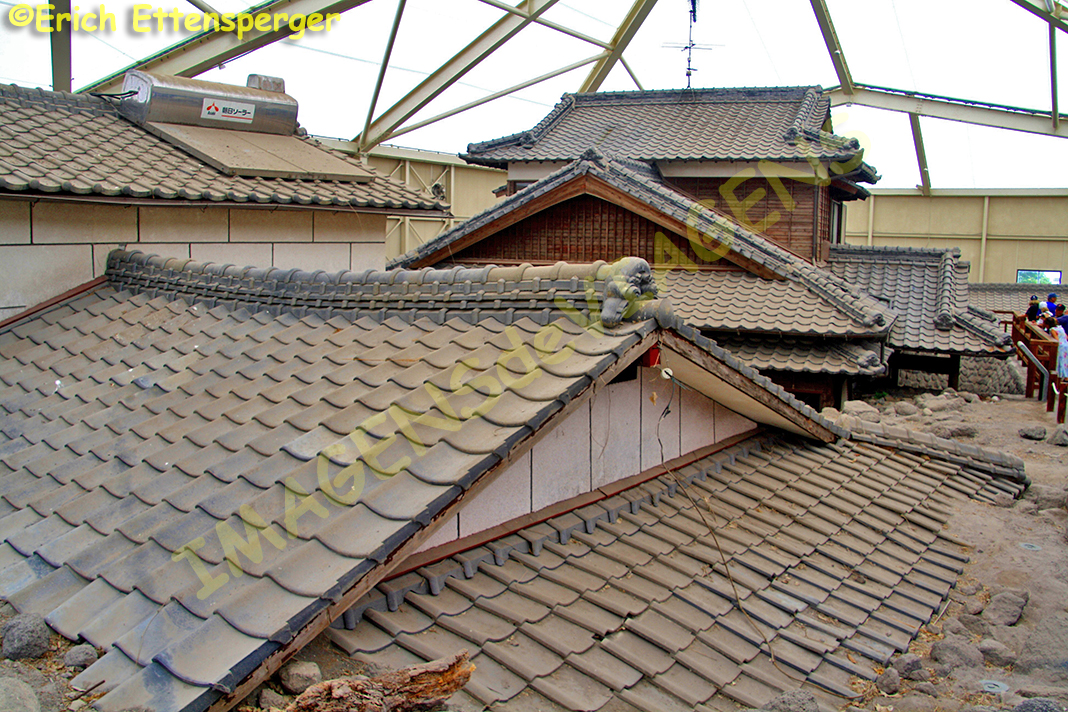
Alguns telhados permanecem visíveis acima das cinzas e detritos e a área é agora um memorial onde a devastação do vulcão é preservada.
Telhado de casas soterradas pelas cinzas do vulcão / Dächer von Häusern mit Asche vom Vulkan begraben / Roofs of houses buried by the ashes of the volcano
Durante nosso tour pudemos aproveitar a paisagem pitoresca e também tivemos momentos divertidos com nossa guia. どうもありがとう „Arigatō“…nós agradecemos…!!!
Observação: se você quiser continuar “viajando” com o nosso blog, clique no botão “seguir” localizado no canto inferior direito dessa página. Você receberá um email com um link para confirmar a assinatura desse blog (não paga nada). Quando clicar no link, você será direcionado para uma página em inglês (essa página explica o procedimento no caso de você desejar um dia parar de seguir o blog). A partir daí, você já está “seguindo” o blog.
EIN HAUCH VON JAPAN
Nagasaki ist eine Provinz von Japan auf der Insel Kyushu im südwestlichen Teil des Landes gelegen und dessen Hauptstadt ist Nagasaki.
Hört man den Namen dieses Ortes erinnert man sich unweigerlich an die Explosion der Atombombe während des Zweiten Weltkriegs. Doch neben dem Besuch des Nagasaki Peace Memorial Denkmales hatten wir die Möglichkeit weitere interessante Orte in der Nähe zu besuchen.
Mit dem Bus fuhren wir 65 km in nordöstliche Richtung von Nagasaki
vorbei an der malerischen Ariake Bucht zur bergigen Halbinsel Shimabara.
Baía de Ariake / Ariake Bucht / Ariake BayLocation of Shimabara. Source: http://www.weather-forecast.com/locations/ShimabaraCastelo de Shimabara / BurgShimabara / Castle ShimabaraRecepção no castelo / Empfang bei der Burg / Reception at the castle
Shimabara Castle befindet sich im Zentrum dieser historischen Stadt und ist ein hervorragendes Beispiel für das klassische japanische Burg-Design als Flatland-Stil (Flachland-Stil) bekannt. Der Bau der Burg Shimabara wurde im Jahre 1618 eingeleitet und es dauerte sechs Jahre, um sie zu vollenden.
Vista da Shimabara / Blick auf Shimabara / View of ShimabaraA beleza do castelo / Die Schönheit der Burg / The beauty of the castleDetalhe construtivo do castelo / Detail Konstruktion / Construction detail
Das Schloss dient heute als historisches Museum basierend auf die Schlacht von Shimabara 1637. Die Exponate konzentrieren sich auf das frühe Christentum in Japan sowie eine Sammlung von Schwertern, Rüstungen und kulturellen Artefakten.
Armadura de samurai / Samurai-Rüstung / Samurai armorBonecas antigas / antike Puppen / Old dolls
Ein Spaziergang durch die bezaubernde Altstadt von Shimabara mit seinem Kopfsteinpflaster bietet die Gelegenheit, mehr über die Geschichte des Ortes zu erfahren, und ein Besuch in einem traditionellen “Samurai-Dorf” gewährt einen Einblick in die Lebensweise dieser japanischen Kriegerklasse.
Jardim japonês / Japanischer Garten / Japanese gardenPeixe coi / Coi Fisch / Coi fishAldeia do Samurai / Samurai Dorf / Samurai village
Während dieses Tages genossen wir auch in einem lokalen Restaurant ein wundervolles, typisches, delikates und gleichzeitig exotisch anmutendes japanisches Mittagessen.
Mesa posta para os vistante / Mittagstisch wartend / Table ready for lunch
Unsere Tour führte uns dann weiter nach Mizunashi Honjin. Dieses kleine Dorf wurde von der Asche des Ausbruches des Vulkanes Mt. Fugen 1991 begraben. Ein paar Dächer blieben über der Asche und den Trümmern sichtbar, und das Ganze ist heute eine Gedenkstätte, welche diese ganze schreckliche Verwüstung durch den Vulkan widerspiegelt.
Telhado de casas soterradas pelas cinzas do vulcão / Dächer von Häusern mit Asche vom Vulkan begraben / Roofs of houses buried by the ashes of the volcano
Während der ganzen Tour heute mit dem Bus durften wir malerische Landschaften und einen sehr unterhaltsamen, informativen und sehr freundlichen Tourguide genieβen. ど う も あ り が と う “Arigatō”…Vielen Dank hierfür…!!!
Hinweis: Falls Sie unseren “Reisen” auf dem Blog folgen wollen, dann klicken Sie unten rechts einfach auf “Weiter”, Sie werden dann zukünftig automatisch informiert.
A TASTE OF JAPAN
Nagasaki is a province of Japan located on the island of Kyushu in the southwestern part of the country, whose capital is Nagasaki.
When hearing the name of this place we immediately remember the explosion of the atomic bomb during World War II in that locality. However, in addition to the visit to the Nagasaki Peace Memorial, we had the opportunity to visit other interesting places located around the city.
By bus we traveled 65 km northeast of Nagasaki
passing scenic Ariake Bay en route to the mountainous Shimabara Peninsula.
Baía de Ariake / Ariake Bucht / Ariake BayLocation of Shimabara. Source: http://www.weather-forecast.com/locations/ShimabaraVista da Shimabara / Blick auf Shimabara / View of ShimabaraCastelo de Shimabara / BurgShimabara / Castle ShimabaraRecepção no castelo / Empfang bei der Burg / Reception at the castle
Shimabara Castle is situated in the center of this historic old town, and is a superlative example of the classic Japanese castle design known as the Flatland-Style. The construction of Shimabara Castle was initiated in 1618 and it took six years to complete it.
A beleza do castelo / Die Schönheit der Burg / The beauty of the castleDetalhe construtivo do castelo / Detail Konstruktion / Construction detail
The castle is now used as a historical museum centering on the 1637 Battle of Shimabara. Exhibits focus on early Christianity in Japan as well as a collection of swords, armor and cultural artifacts.
Armadura de samurai / Samurai-Rüstung / Samurai armorBonecas antigas / antike Puppen / Old dolls
A walking tour through the charming cobblestone streets of Shimabara is an opportunity to learn more about the historic area, and a visit to a traditional “samurai village” offers a glimpse into the ways of the Japan’s warrior class.
Jardim japonês / Japanischer Garten / Japanese gardenPeixe coi / Coi Fisch / Coi fishAldeia do Samurai / Samurai Dorf / Samurai village
During this day we enjoyed at a local restaurant a wonderful delicous and exotic looking Japanese lunch.
Mesa posta para os vistante / Mittagstisch wartend / Table ready for lunch
Our tour brought us then to Mizunashi Honjin. This small village was buried by ash during an eruption of Mt. Fugen in 1991. A few roofs remain visible above the ash and debris, and the area is now a memorial site where the volcano’s devastation is preserved.
Telhado de casas soterradas pelas cinzas do vulcão / Dächer von Häusern mit Asche vom Vulkan begraben / Roofs of houses buried by the ashes of the volcano
During the all tour today by bus we enjoyed the picturesque landscapes and a very entertaining and informative friendly tourguide. どうもありがとう „Arigatō“…many Thanks for this…!!!
Note: If you want to follow our “Travels” on the blog, simply click on “Continue” in the lower right corner, you will be then automatically informed in the future.
Nós quisemos visitar, pelo menos, os pontos turísticos de Taipei. Nós chegamos de navio, no porto de Keelung e de ônibus fomos para o centro administrativo de Taiwan, localizado cerca de 30 km de distância.
A metrópole com aproximadamente 2.7 milhões de habitantes tem um sistema de metro muito bom, mas, mesmo assim, as ruas são cheias de automóveis e motocicletas.
motoneta/motorroller/motor scooter
Você vai encontrar impressionantes templos, santuários, complexos de palácios, monumentos, parques e museus, além de edifícios modernos e fascinantes mercados noturnos, uma mistura charmosa, um sabor exótico.
O Templo de Confúcio de Qu Fu, Shantung, é um dos maiores e mais antigos dos templos chineses que homenageia esse filosofo. Localizado no local original da residência de Confúcio, ele cresceu ao longo de cerca de 2000 anos para se tornar magnífico. O local reverenda Confúcio, um dos grandes filosofos e professores de todos os tempos.
É impressionante a simplicidade desse templo quando comparado com tantos outros exageradamente decorados.
Templo de Confúcio/ Konfuzius Tempel/Confucius temple
O esplendor das cores, a decoração, os odores, e a agitação das pessoas ao redor do templo Longshan são muito impressionantes. É uma visita obrigatória para quem visita Taipei. Eu, particularmente, gostei muito do telhado com dragões coloridos. A fachada colorida do templo é espetacular.
Lugar famoso para cultos/ populärer Gebetsort /famous worship placeTemplo do esplendor/ Tempelpracht/temple splendorDetalhe decorativo com um dragão/Drachendekoration/dragon decoration
Muito próximo, em seguida, um dos muitos mercados noturnos, que é muito frequentado por nativos nos finais de semana.
O National Martyrs’ Shrine é enorme memorial de guerra. Durante o dia, a mudança da cerimônia de guarda é realizada a cada hora.
Mudança da guarda/ Wachablösung/changing of guard
Nas proximidades, visitamos o imponente Grand Hotel, de aspecto colossal, construído em estilo chinês, com vista para a cidade, onde se o arranha-céu Taipei 101, considerado o prédio mais alto do mundo em 2007, com uma altura de 508 metros.
Grande Hotel/Grand HotelVista do rio e da cidade/Blick auf Fluss und Stadt view of river and cityVista de Taipé 101/Blick auf das Taipeh 101 view of the Taipei 101
O Chiang Kai-Shek Memorial Hall é um lugar muito espaçoso no meio da cidade. A parte central desse complexo é a praça Liberty Square que assemelha-se com a concepção espacial do Memorial Lincoln em Washington.
Chiang Kai-Shek Memorial HallPraça da Liberdade/Liberty Square
A fim de experimentar e explorar toda a beleza de Taiwan, certamente teremos de planejar mais tempo para uma próxima visita … vale a pena!
Observação: se você quiser continuar “viajando” com o nosso blog, clique no botão “seguir” localizado no canto inferior direito dessa página. Você receberá um email com um link para confirmar a assinatura desse blog (não paga nada). Quando clicar no link, você será direcionado para uma página em inglês (essa página explica o procedimento no caso de você desejar um dia parar de seguir o blog). A partir daí, você já está “seguindo” o blog.
Taiwan – berührt Ihr Herz
Auf unserer Asienreise 2014 ergab sich für uns die Gelegenheit, auch der Insel Taiwan einen sehr kurzen Besuch abstatten zu können.
Wir wollten v.a. die Sehenwürdigkeiten von Taipeh kennenlernen, also machten wir uns vom Hafen Keelung aus per Bus auf den Weg in den etwa 30 km entfernten Verwaltungssitz Taiwans.
Die Metrople mit etwa 2,7 Millionen Einwohnern verfügt über ein sehr gutes Metro-System, dennoch sind die Straßen verstopft und voll mit Autos und Motorrollern in allen Varianten.
motoneta/motorroller/motor scooter
Man findet eindrucksvolle Tempel, Schreine, Palastanlagen, Monumente, Parks und Museen, moderne Gebäude und faszinierende Nachtmärkte, ein bezaubernder Mix, ein exotisches Flair.
Der Konfuzius Tempel wurde seinem Original in Qufu, Shantung in China nachempfunden. Der Tempel verehrt Konfuzius als einen der großen Philosophen und Lehrer aller Zeiten.
Auffallend die Schlichtheit dieses Tempels im Kontrast zu so vielen anderen überbordend intensiv dekorierten Tempeln.
Templo de Confúcio/ Konfuzius Tempel/Confucius temple
Im Gegensatz hierzu erschlägt einen fast die Farbenpracht, Dekoration, die Gerüche, Ausstattung und der Trubel der Menschen in und um den Longshan Tempel. Ein Muss für jeden Taipeh-Besucher. Mir gefiel besonders der Blick auf das Dach mit den farbenprächtigen Drachenverzierungen.
Lugar famoso para cultos/ populärer Gebetsort /famous worship placeTemplo do esplendor/ Tempelpracht/temple splendorDetalhe decorativo com um dragão/Drachendekoration/dragon decoration
Ganz in der Nähe dann einer der vielen sehenswerten Nachtmärkte, die alle an den Wochenenden auch sehr stark von den Einheimischen frequentiert werden.
Beim National Martyrs’ Shrine handelt es sich um eine riesige Anlage, ein Kriegerdenkmal. Tagsüber wird zur vollen Stunde eine Wachablösung zelebriert. Beeindruckend die farbenprächtige Außenfassade des Schreins.
Mudança da guarda/ Wachablösung/changing of guard
Ganz in der Nähe besuchten wir das imposante, kolossal wirkende und ganz im chinesischen Stil gehaltene Grand Hotel, von wo aus sich ein Blick auf die Stadt mit seinem markantem ehemals höchsten Wolkenkratzer der Welt eröffnet. Das Taipeh 101 mit 508 Metern Höhe.
Grande Hotel/Grand HotelVista do rio e da cidade/Blick auf Fluss und Stadt/ view of river and cityVista de Taipé 101/Blick auf das Taipeh 101 view of the Taipei 101
Die Chiang Kai Shek Memorial Hall befindet sich auf einem sehr weitläufigen Platz und Komplex in der Mitte der Stadt. Den Mittelpunkt hierbei bildet eine dem Lincoln Memorial in Washington nachempfundene Halle die den früheren Präsidenten sitzend aus weißem Marmor verewigt.
Chiang Kai-Shek Memorial HallPraça da Liberdade/der Liberty Platz/Liberty Square
Um die ganze Schönheit Taiwans zu erfahren und zu erforschen würden wir bei einem nächsten Besuch sicherlich mehr Zeit einplanen…es lohnt sich !!!
Hinweis: Falls Sie unseren “Reisen” auf dem Blog folgen wollen, dann klicken Sie unten rechts einfach auf “Weiter”, Sie werden dann zukünftig automatisch informiert.
Taiwan – touch your heart
On our Asia trip in 2014 we had the opportunity for a short visit of the island of Taiwan.
We wanted to know at least the sights of Taipei, so we headed from Keelung harbor by bus to the administrative center of Taiwan about 30 km away.
The metropolis with about 2.7 million inhabitants has a very good metro system, yet the streets are clogged and full of cars and motor scooters in all variations.
motoneta/motorroller/motor scooter
You will find impressive temples, shrines, palace complexes, monuments, parks and museums, modern buildings and fascinating night markets, a charming mix, an exotic flair.
The Confucius Temple follows its original in Qufu, Shantung in China. The temple reveres Confucius as one of the great philosophers and teachers of all times.
Impressing is the simplicity of this temple in contrast to so many other overbrowthfully decorated temples.
Templo de Confúcio/ Konfuzius Tempel/Confucius temple
The color splendor, decoration, the odors, decor and the hustle and bustle of the people in and around the Longshan temple are very impressive. It is a must for every Taipei visitor. I especially liked the view of the roof with the colorful dragon decorations.
Lugar famoso para cultos/ populärer Gebetsort /famous worship placeTemplo do esplendor/ Tempelpracht/temple splendorDetalhe decorativo com um dragão/Drachendekoration/dragon decoration
Very close then one of the many night markets, which are also very frequented by the locals at the weekends.
The National Martyrs’ Shrine is a huge facility, a war memorial. During the day the changing of the guard ceremony is held at each full hour. Impressive the colorful exterior facade of the shrine.
Mudança da guarda/ Wachablösung/changing of guard
Nearby we visited the imposing, colossal-looking Grand Hotel, which was built in the Chinese style with a view of the city, with its striking former world’s (2007) tallest skyscraper. The Taipei 101 with a height of 508 meters.
Grande Hotel/Grand HotelVista do rio e da cidade/Blick auf Fluss und Stadt/ view of river and cityVista de Taipé 101/Blick auf das Taipeh 101 view of the Taipei 101
The Chiang Kai-Shek Memorial Hall is located on a very spacious square and complex in the middle of the city. The centerpiece of this is a hall, which is modeled after the Lincoln Memorial in Washington, which immortalizes the former president sitting formed in white marble.
Chiang Kai-Shek Memorial HallPraça da Liberdade/Liberty-Platz/Liberty Square
In order to experience and explore all the beauty of Taiwan we would certainly have to plan more time for a next visit … it is worth it!
Note: If you want to follow our “Travels” on the blog, simply click on “Continue” in the lower right corner, you will be then automatically informed in the future.
Mapa de localização de Varanasi na Índia/Varanasi Lageplan Indien/Varanasi Location map India. Fonte: http://www.world-guides.com/asia/india/uttar-pradesh/varanasi/varanasi_maps.html
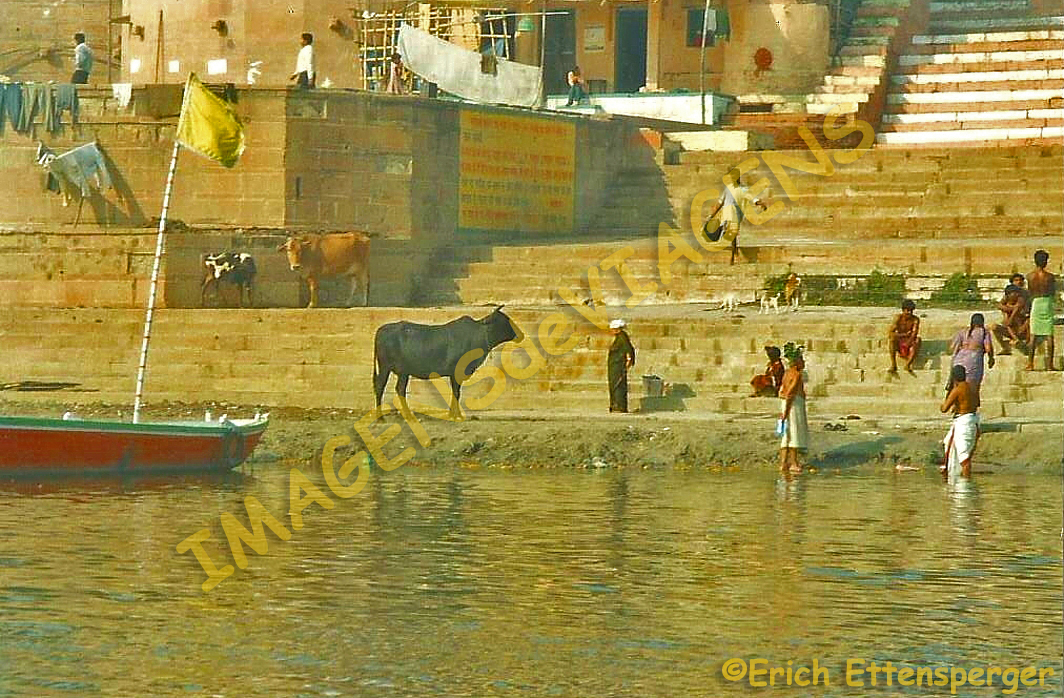
Quem não sabe que a vaca na Índia é reverenciada como um animal sagrado, e, portanto, pode ser vista em toda parte, nas estradas, nas linhas ferroviárias, nos mercados, nos locais públicos e nas cidades santas, como por exemplo em Varanasi. As vacas são para os hindus, na Índia, sagradas, porque elas fornecem as pessoas os cinco fundamentos, chamados os cinco presentes sagrados. Visitei a India à trabalho e no final, depois de ter estado em muitas cidades, estava em Nova Déli e decidi visitar Varanasi, a cidade de qual eu tinha ouvido falar muito! Meus amigos me advertiram: “esse passeio não é para pessoas com os nervos fracos”.
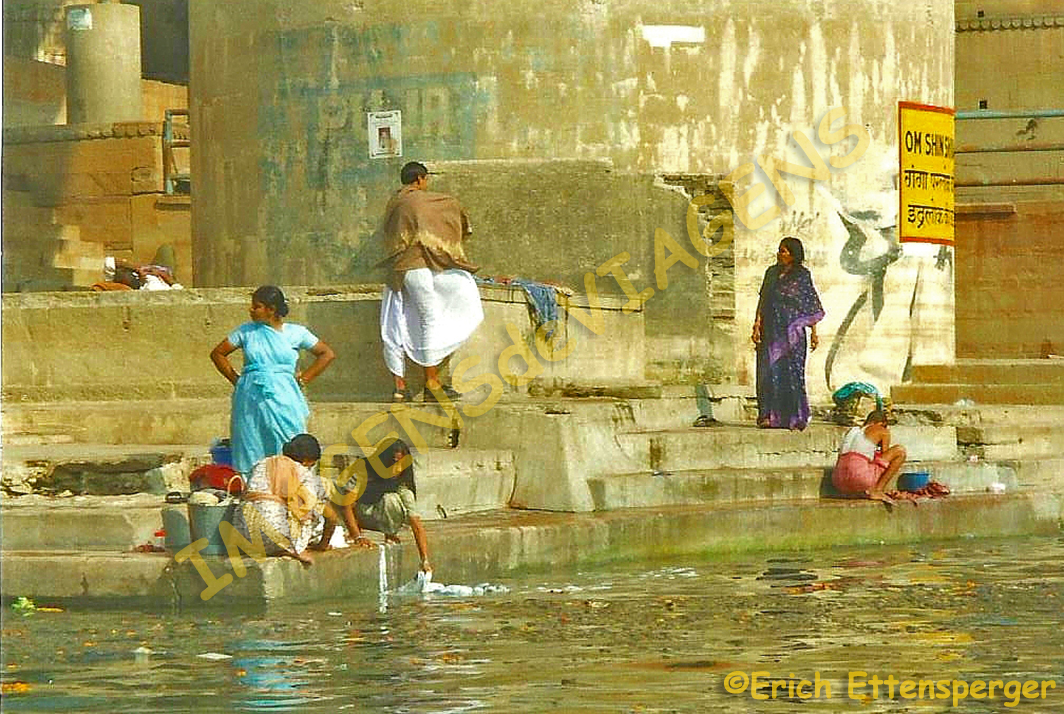
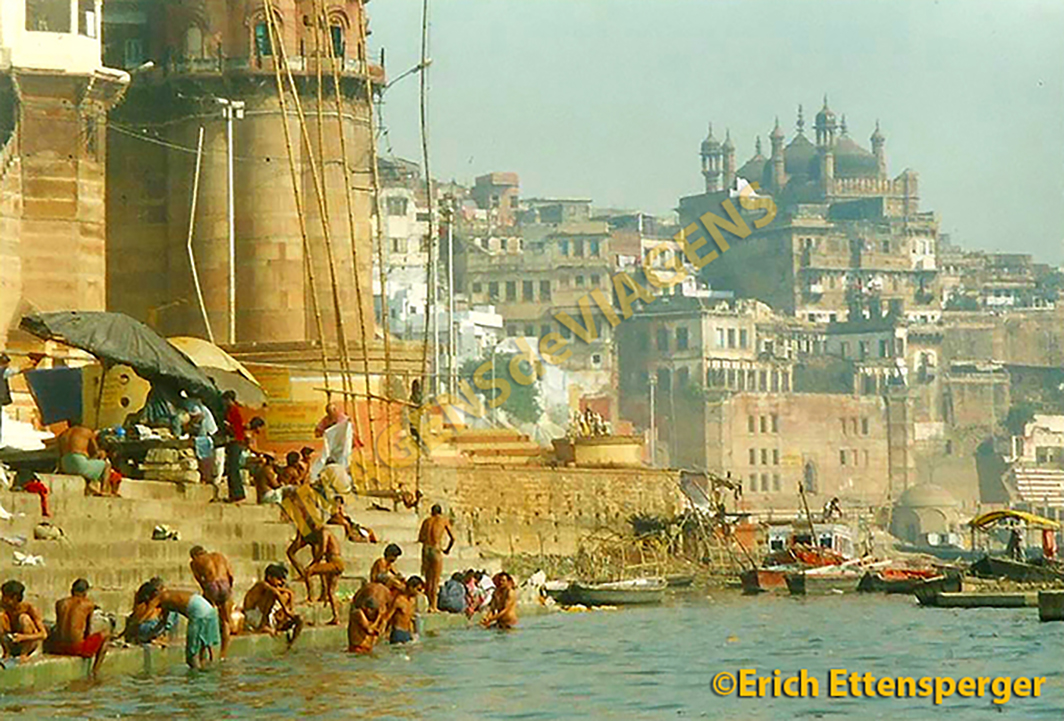
Varanasi ou Varanassi, vulgarmente conhecida como Benares, está situada nas margens do Ganges, o rio sagrado, e tem mais de 3 milhões de habitantes. É uma das cidades mais antigas da Índia e é considerada como a cidade mais sagrada do hinduísmo. As escadarias do Ganges conhecidas como (Ghats) é uma marca de Varanasi, é onde um hindu toma seu banho ao lado de corpos que serão cremados e suas cinzas espalhadas no rio.
Essas visões, esses cheiros, a sujeira, a proximidade da vida e da morte me impressionaram muito, pois tudo isso estava bem distante dos padrões de higiene da minha cultura, mas isso não deve ser esperado de quem visita Varanasi.A cidade de Benares e suas tradicionais cerimônias religiosas não são atrativos para pessoas sensíveis…!
Todo devoto da religião hindu sonha em tomar banho nas águas do rio Ganges e também morrer e ser cremado em Benares.
Um passeio de barco no Ganges ao amanhecer, a luz, os banhos rituais, as cremações, a música e sons no ar constituem cenários inesquecíveis!
Varanasi – Extrem beeindruckende Szenarien
Mapa de localização de Varanasi na Índia/Varanasi Lageplan Indien/Varanasi Location map India. Quelle: http://www.world-guides.com/asia/india/uttar-pradesh/varanasi/varanasi_maps.html
Wer kennt sie nicht, die Kuh in Indien, als heiliges Tier verehrt und somit überall zu sehen, auf Strassen, Bahngleisen, Märkten, öffentlichen Plätzen und heiligen Städten wie z.B natürlich auch in Varanasi. Die Kühe sind den Hindus in Indien deswegen heilig, weil sie die Menschen mit fünf lebensnotwendigen Dingen versorgen, den sogenannten fünf heiligen Gaben. Eines Tages nun, als ich meine Arbeit in Neu Dehli und anderen Orten beendet hatte, beschloss ich, Varanasi zu besuchen, die Stadt von der ich schon so viel gehört hatte und mich Freunde sogar davor gewarnt hatten mit den Worten: „Das ist nichts für schwache Nerven“!
Varanasi oder Varanassi, allgemein bekannt als Benares, liegt an den Ufern des Ganges, dem heiligen Fluss, und hat mehr als 3 Millionen Einwohner. Sie ist eine der ältesten Städte Indiens und gilt als die heiligste Stadt des Hinduismus. Auffällig sind in der Stadt die stufenartig ansteigenden Uferanlagen (die Ghats), wo die einen Hindus ihr Bad nehmen und direkt nebenan die Leichen der Verstobenen verbrannt werden und deren Asche dann anschliessend in den Ganges gestreut wird. Für mich waren diese Anblicke, waren diese Gerüche, der Schmutz, diese Enge, diese Nähe von Leben und Tod sehr beeindruckend und in keinster Weise mit den hygienischen Normen meiner Zivilisation in Einklang zu bringen, das soll aber auch nicht so sein.
Ja, Ja, Benares, das ist wahrlich kein Ort und auch seine religiös-traditionellen Zeremonien sind wahrlich NICHTS für schwache Nerven…!! Jeder strenggläubige Hindu träumt davon, im Ganges ein Bad zu nehmen und dort auch zu sterben und verbrannt zu werden.
Eine Bootsfahrt auf dem Ganges in der Morgendämmerung, das Licht, die Baderituale, die Feuerbestattungen, die Musik und Geräusche in der Luft liefern starke unvergessliche Szenarien!
Varanasi – Extremely impressive scenarios
Mapa de localização de Varanasi na Índia/Varanasi Lageplan Indien/Varanasi Location map India.Source: http://www.world-guides.com/asia/india/uttar-radesh/varanasi/varanasi_maps.html
Who does not know, the cow in India, revered as a sacred animal, and thus can be seen everywhere, on roads, railway lines, markets, public places and holy cities as for example in Varanasi. The cows are for the Hindus in India so sacred because they provide people with five essentials, called the five holy gifts. One day, when I had finished my work in New Delhi and other places, I decided to visit Varanasi, the city of which I had heard so much and had my friends even warned me with the words: “This is not for weak nerves”!
Varanasi or Varanassi, commonly known as Benares, situated on the banks of the Ganges, the holy river, has more than 3 million inhabitants. It is one of India’s oldest cities and is regarded as the holiest city of Hinduism. Striking are in the city, the step-like rising bank facilities (the Ghats), where a Hindu take his bath, and right next door the bodies of who passed away to be burned and their ashes are then subsequently scattered into the Ganges. For me these visions, these smells, the dirt, this narrowness, this closeness of life and death were very impressive and had nothing to do in harmony with all the hygienic standards of my civilization, but that should not be even so expected.
Yes, Yes, Benares, which is truly no place for and his religious-traditional ceremonies are truly NOTHING for the faint of heart … !! Every devout Hindu dreams of taking a bath in the river Ganges and also to die here and to be burned here in Benares.
A boat trip on the Ganges at dawn, the light, the bathing rituals, the cremations, the music and sounds in the air provide strong unforgettable scenarios!
Saigon ou Ho Chi Minh City: a cidade das motocicletas
A imagem que tinha de Saigon era de uma cidade efervescente, com cantoras asiáticas que cantavam nas casas noturnas durante a Segunda Guerra Mundial, quando muitos estrangeiros circulavam por lá, essa era a imagens que eu tinha da Saigon dos filmes. Visitei a cidade, que continua efervescente, mas devido ao transito caótico. Ho Chi Minh City, o novo nome para Saigon tem uma população de aproximadamente sete milhões de habitantes e é famosa pelo papel que desempenhou na Guerra do Vietnã.
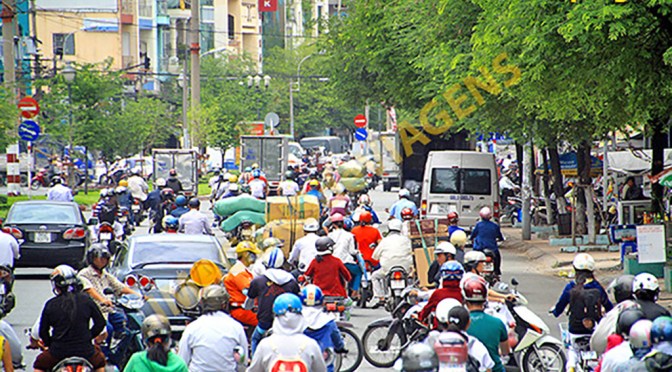
São cinco milhões e meio de motocicletas que circulam entre os quinhentos mil automóveis. Além das motocicletas tem também as bicicletas. Para nós, ocidentais, a circulação de motocicletas é impressionante. Você vê motos que transportam tubos metálicos para construção com seis metros, moto que transporta grande coroa de flores para funeral, moto que transporta móveis, moto que transporta galinha amarrada pelos pés pendurada no volante da moto e até moto que transporta pequeno santuário de madeira (é comum ver esse tipo de santuário, que se assemelha pequenos templos, nas varandas das casas). Vi motos com um passageiro, com dois, com até quatro passageiros. Vi também uma mãe amamentando um bebê na garupa de uma moto. Segundo informações prestadas pelo que guia que nos mostrava a cidade, são poucos acidentes que ocorrem nas ruas de Saigon. Mais acidentes ocorrem nas rodovias, onde as pessoas morrem por dirigir embriagadas. Os motoristas apressados que dirigem esses veículos buzinam bastante e dirigem rápido. Todos usam capacete, sem exceção. As mulheres, além do capacete, usam óculos e lenços que cobrem o rosto nas partes onde os óculos do sol não protegem. Usam também proteção de tecido, para os braços, de forma de nenhuma parte fique exposta no sol. Elas se parecem com ninjas.
No meio da confusão do trânsito, você ver pessoas atravessando a rua com bastante tranquilidade. Apesar do aparente caos, eles respeitam os pedestres.
Dessa forma, concluímos que mesmo caótico para nós, o trânsito flui muito bem entre os vietnamitas, que sabem administrar aquele trânsito sem regras.
Com toda essa movimentação de motos e carros, observamos uma cidade que encontra-se crescendo e melhorando sua infraestrutura. Ainda é preciso muitos anos para que Ho Chi Min possa alcançar o patamar de desenvolvimento de Xangai e Hong Kong.
Para conhecer mais sobre Ho Chi Minh City, clique aqui.
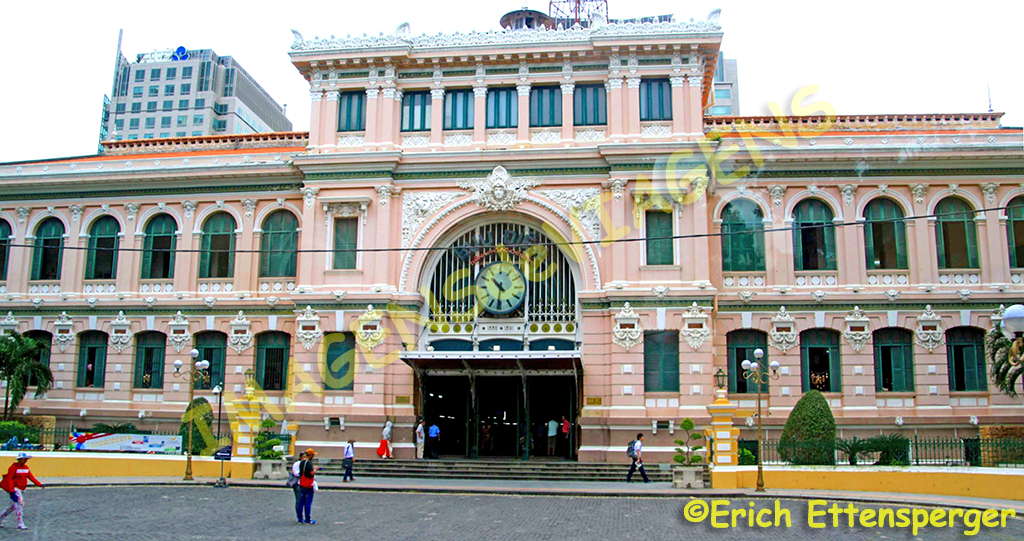
Incensos oferecidos aos deuses em um templo vietnamitaMotos e bicicletasInterior do prédio dos CorreiosCatedral de Notre DameCentral dos Correios de SaigonO barcoHo Chi Min City e as motosSaigon ou Ho Chi Minh City
Visitar o Mercado Noturno de Pequim é mergulhar numa atmosfera de cores e exotismo, o que contrasta com seu entorno.
A Rua Wangfujing Dajie, onde acontece o mercado noturno está encravada numa área caracterizada pela presença de arrojados e luxuosos shopping centers e edifícios comerciais, cravejados por anúncios luminosos e atrativos.
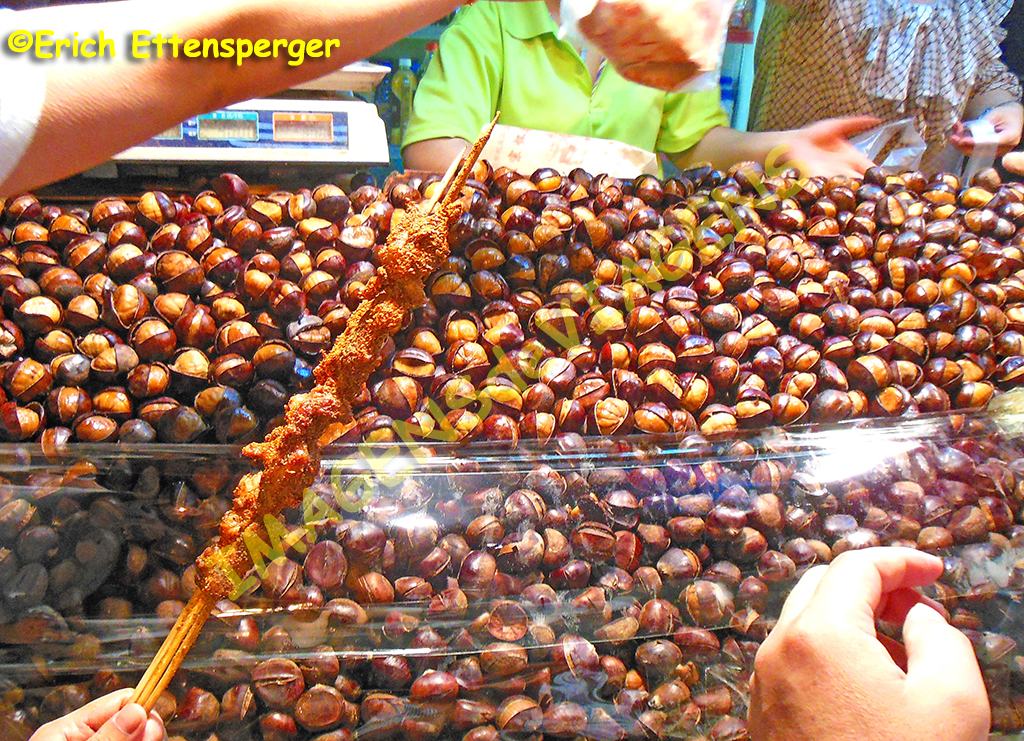
O pórtico de entrada da Rua Wangfujing Dajie é colorido e chama a atenção de quem passa. O mercado atrai pelas suas cores e seu cheiro. São várias as lojinhas que vendem artesanato, bijuterias, comidas e bebidas. É enorme quantidade de pessoas que visita esse mercado, são habitantes de Pequim e os turistas. Você caminha com dificuldade. As fotos que ilustram esse post foram feitas com muito esforço.
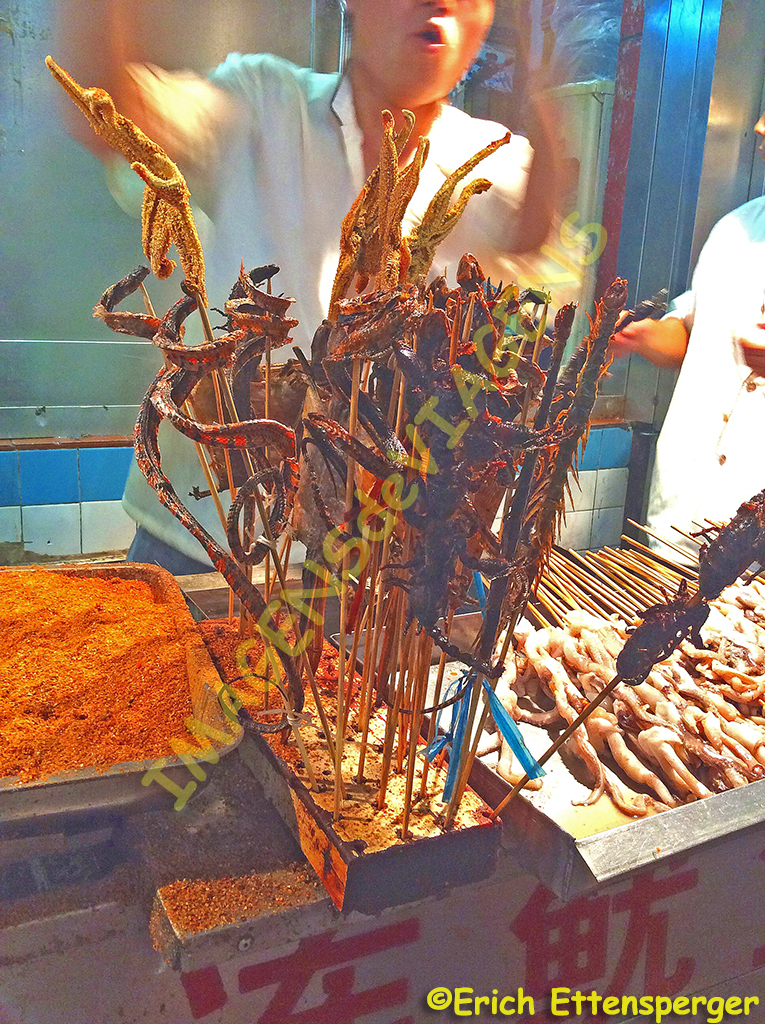
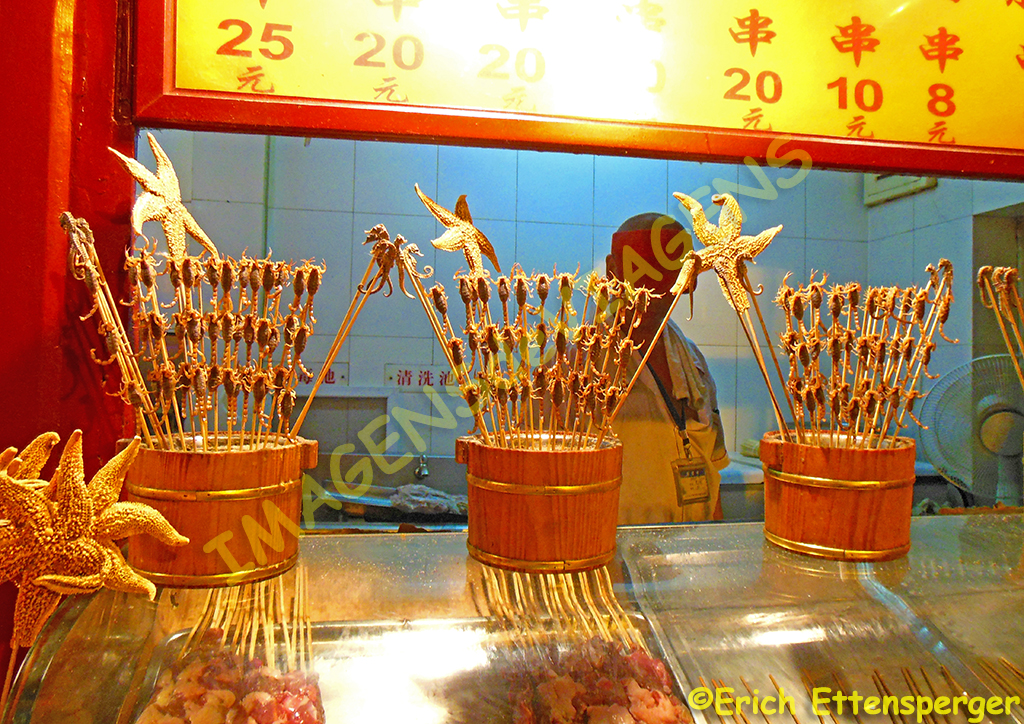
Mas, o que chama mesmo atenção de todos são os quiosques que vendem os churrasquinhos de escorpião e de serpentes. Eles ficam espetados na varinha ainda com vida, você pode optar com comprar o churrasquinho com o escorpião já frito ou esperar que ele seja frito na hora. Existe aquele turista que gosta de provar, degustar tudo e outros que são mais cautelosos. Eu olhei os escorpiões (tenho pavor deles), vi pessoas saboreando-os, porém, não arrisquei e quando cheguei no hotel não quis mais jantar. Cada um tem um gosto, não é mesmo? Uma amiga minha disse que provaria…
Visitar o Mercado Noturno de Pequim é sem dúvida uma experiência inesquecível para pessoas que apreciam conhecer novas culturas e visitar a China é realmente uma experiência inesquecível!
Besuchen Sie den Night Market in Peking ist tauchen in einer Atmosphäre von Farbe und Exotik, die mit der Umgebung kontrastiert.
Die Wangfujing Dajie Street, wo passiert, den Nachtmarkt ist in einem Bereich, gekennzeichnet durch das Vorhandensein von mutigen und luxuriöse Einkaufszentren und gewerbliche Gebäude stecken, durch helle und eingängigen Anzeigen besetzt.
Die Eingangshalle der Wangfujing Dajie Straße ist bunt und lenkt die Aufmerksamkeit der Passanten. Der Markt zieht durch seine Farbe und seinen Geruch. Es gibt mehrere Läden mit Kunsthandwerk, Schmuck, Essen und Trinken. Es ist riesige Menge von Menschen, die in diesen Markt besuchen, sind Peking Einwohner und Touristen. Sie gehen nur mit Mühe. Die Fotos, die diesen Posten zu veranschaulichen mit viel Mühe gemacht.
Aber was macht darauf aufmerksam, auch von allen sind die Kioske, die Kebabs Skorpionen und Schlangen zu verkaufen. Sie stecken in der Zauberstab noch am Leben ist, können Sie wählen, um den Grill mit dem Skorpion bereits gebratene kaufen oder zu erwarten, dass es vor Ort gebraten werden. Es gibt ein Tourist, der zu schmecken, probieren alles, was gefällt und andere sind vorsichtiger. Ich schaute Skorpione (bin von ihnen erschrocken), sah ich Menschen genießen, sie aber wollte ich nicht riskieren, und als ich im Hotel ankam wollte nicht bis zum Abendessen. Jeder hat einen Geschmack, nicht wahr? Ein Freund von mir, sagte er zu beweisen wäre …
Besuchen Sie den Night Market, Peking ist zweifellos ein unvergessliches Erlebnis für Menschen, die das Lernen über neue Kulturen zu genießen und China ist wirklich ein unvergessliches Erlebnis!
Visit the Night Market in Beijing is immerse in an atmosphere of color and exoticism, which contrasts with its surroundings.
The Wangfujing Dajie Street, where happens the night market is stuck in an area characterized by the presence of bold and luxurious shopping malls and commercial buildings, studded by bright and catchy ads.
The entrance porch of Wangfujing Dajie street is colorful and draws the attention of passers by. The market attracts by its color and its smell. There are several shops selling handicrafts, jewelry, food and drink. It’s huge amount of people who visit this market are Beijing residents and tourists. You walk with difficulty. The photos that illustrate this post were made with much effort.
But what draws attention even of all are the kiosks that sell kebabs scorpions and snakes. They get stuck in the wand still alive, you can choose to buy the barbecue with the scorpion already fried or expect it to be fried on the spot. There is one tourist who likes to taste, taste everything and others are more cautious. I looked scorpions (‘m terrified of them), I saw people enjoying them, however, I did not risk and when I arrived at the hotel did not want to dinner. Each has a taste, is not it? A friend of mine said he would prove …
Visit the Night Market, Beijing is undoubtedly an unforgettable experience for people who enjoy learning about new cultures and visit China is truly an unforgettable experience!
A variedade de objetos comercializados é grandeMáscaras chinesasOutras iguarias são vendidas no mercadoMuita gente visitando o mercadoChurrasquinho de escorpiãoChurrasquinho de escorpiãoMercado noturno de Pequim
Sempre gostei de viajar e conhecer novos lugares. À medida que o tempo foi passando, as viagens foram se destinando para locais mais distantes. Até que chegou o momento de conhecer o outro lado do mundo: a China e outros países localizados naquela parte do planeta. Na proporção que a ansiedade ia aumentando para o dia da viagem, eu ia começando a sentir um medo de ficar tanto tempo em um avião, afinal seriam quase 35 horas de voos, conexões e esperas nos aeroportos São Paulo, Barcelona, Cingapura e Pequim. Confesso que essas horas passaram de forma não tão difícil quanto eu esperava. O segredo foi tomar muita água, caminhar, ficar em pé, ir ao banheiro muitas vezes (você precisa se levantar para se deslocar até o toalete), fazer alongamentos e aproveitar para ver aqueles filmes que você não teve tempo para ver nos últimos tempos (o voo para entre São Paulo e Barcelona oferecia um catálogo com 278 filmes de vários países do mundo). Como passamos muito tempo sentados, acho importante se usar uma meia elástica. Eu e Erich usamos uma com média compressão.
Viajar para o outro lado do mundo não é tão assustador quanto eu pensava. Erich e eu decidimos quando formos viajar para o outro lado do mundo novamente, talvez para Austrália, Nova Zelândia, vamos voar até Santiago e de lá seguir viagem, fica mais perto. Vale muito a pena conhecer essa outra parte do planeta!
Ein Flug auf die andere Seite der Welt
Ich liebe es zu reisen und neue Orte zu sehen. Im Laufe der Zeit macht man dann Reisen in immer weiter entferntere Länder. Bis es dann schliesslich an der Zeit ist, die andere Seite der Welt kennenzulernen wie z.B.China und weitere Länder auf diesem Teil unseres Planeten. Mit dem Tag der Reise kam auch die Angst und die Frage, wie man wohl so eine lange Zeit in Flugzeugen überstehen würde. Unsere 35-stündige Reise brachte uns vom Airport São Paulo via Barcelona und Singapur schliesslich nach Peking. Ich gebe zu, dass diese vielen langen Stunden leichter vergingen als ich das erwartet hatte. Das Geheimnis war, viel Wasser zu trinken, oft gehen, sich dehnen und stretchen, viel stehen, um z.B. die Toilette aufzusuchen. Das Filmprogramm war super und hilfreich, auf dem Flug zwischen Sao Paulo und Barcelona konnte man z.B. aus einem Katalog von 278 Filmen aus verschiedenen Ländern der Welt seinen Film aussuchen. Da man so viele Stunden sitzend verbringt erschienen uns elastische Strümpfe mit einer mittleren Kompression als sehr hilfreich.
Die Reise auf die andere Seite der Welt war weniger anstrengend und auch weniger gefährlich als ich dachte. Erich und ich entschieden uns, dass, falls wir wieder auf die andere Seite der Welt reisen werden, vielleicht nach Australien und Neuseeland, dass wir dann zunächst nach Santiago fliegen, um von dort dann unsere Reise nach Neuseeland in nur 12 Stunden fortzusetzen. Fazit: es lohnt sich allemal, andere Teile unseres Planeten kennenzulernen!
Flying across the world
I always liked to travel and see new places. With the time passing the trips were being intended for more distant locations. Until it was time to know the other side of the world: China and other countries located in that part of the planet. The proportion of anxiety was rising to the day of travel, I was starting going to feel a fear of being so long on a plane, almost 35 hours of flights, connections and delays at airports from Sao Paulo via Barcelona and Singapore to Beijing. I confess that these hours passed less difficult as I expected. The secret was to drink plenty of water, to walk, to stand, to stretch and to enjoy seeing movies. The flight between Sao Paulo and Barcelona offered a catalog of 278 films from various countries of the world. As to spend a lot of time sitting, I find it also important to use an elastic stocking. Me and Erich used one with medium compression.
Travel to the other side of the world is not as scaring as I thought. Erich and I decided, that when we travel to the other side of the world again, perhaps to Australia and New Zealand, that then we will fly first to Santiago and from there the following trip to New Zealand is only 12 hours. Anyhow, it is very worthwhile to see other parts of our planet!
Ich hatte dieses Bild seit meinen Kindheitstagen vor Augen, ich wusste nicht, wann genau und woher ich es kannte, war es aus einem Schulbuch, war es ein Gemälde, ein Stich, eine Gravur, der Besuch eines Museums, ich wusste nur seit jener Zeit, ich möchte diesen Ort, diese Landschaft einmal sehen, und zwar in live…!!!
Etwa 50 Jahre später war es dann endlich soweit, Marcia und ich planten anlässlich meines Geburtstages eine Asienreise einschliesslich China. Also ging ich daran diesen Ort, ich wusste inzwischen aus meinen Recherchen, dass es sich um Guilin handelte, in unsere Reiseplanungen einzubeziehen.
Die Reise in China führte uns dann von Peking zunächst nach Xi’an, dann via Guilin nach Shanghai, später auch noch nach Hongkong.
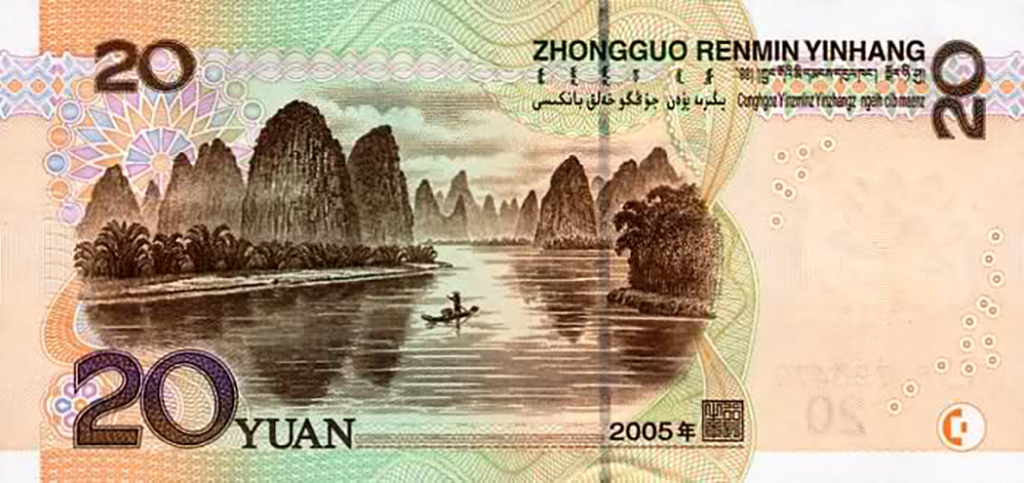
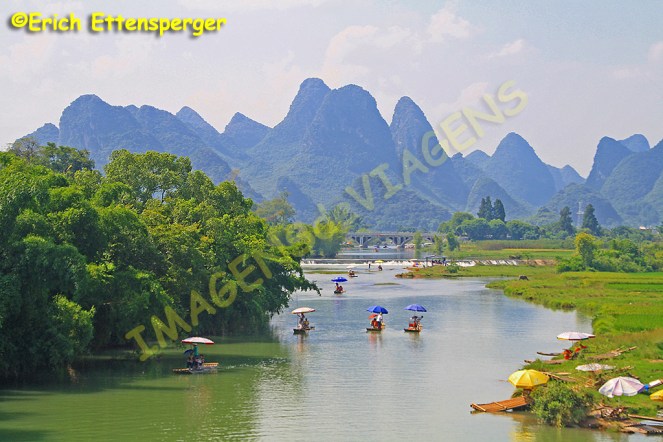
Guilin übertraf dann alle meine Erwartungen trotz der Tatsache, dass es auf und neben dem Fluss nur so von chinesischen Touristen wimmelte, es war laut, farbenprächtig und spektakulär. Unsere Bootsfahrt auf dem Li-Fluss von Guilin nach Yangshuo dauerte etwa 4 Stunden und führte uns 80 km lang durch eine atemberaubende Landschaft, eine Karstlandschaft mit hohen grünbewachsenen Bergen, welche die skurrilsten Formen in den blauen Sommerhimmel und die Flusslandschaft zeichneten. Ich begann zu verstehen, dass diese Natur schon immer seit vielen Jahrhunderten Maler und Dichter in ihren Künsten stark inspirierte.
In einem Dorf ganz in der Nähe von Yangshuo gab es dann noch die Möglichkeit, auf dem Fluss Yulong eine kleine Spazierfahrt auf kleinen Bambus-Flossen zu machen, noch eine tolle Erfahrung, auf dem Floss entlang romantischen Reisfeldern und vor den schroffen Karstbergen friedlich auf dem Fluss dahinzugleiten.
Mit dem Bus ging es dann wieder zurück nach Guilin, für mich ein perfekter Tag in China, ein Tag, der mir das Erlebnis bescherte, das zu sehen und zu geniessen, wovon ich ein halbes Leben geträumt hatte. Fantastisch!
Guilin – realização de um sonho da infância
Eu não sei exatamente onde e quando vi aquela paisagem, se foi em um livro ou em uma pintura ou se foi uma gravura, ou se foi em uma visita num museu, desde criança tinha aquela paisagem na minha mente e queria conhece-la, apreciá-la.
Depois de cinquenta anos, esse sonho tornou-se realidade. Marcia e eu planejamos uma viagem para a Ásia, com o intuito de comemorar meu aniversário. A China estava incluída no nosso roteiro e eu já sabia que aquele lugar que eu tinha em mente desde minha infância, era Guilin.
A viagem na China começou por Pequim e de lá para Xi’an, em seguida visitamos Guilin, Xangai e por último, seguimos para Hong Kong.
Guilin, superou todas as minhas expectativas, apesar da grande quantidade de turistas chineses que estavam nos barcos que navegavam no rio, nas margens do rio, mais a belíssima paisagem, tudo isso criou um cenário colorido, barulhento e espetacular!
A nossa viagem de barco no rio Li de Guilin para Yangshuo nos levou cerca de 4 horas, percorremos 80 km através de uma paisagem deslumbrante com altas montanhas verdes, um relevo cárstico, constituído por formas estranhas debaixo de um céu azul de verão e um belo rio.
Eu gostei muito, muito dessa viagem. Eu entendi o porquê dessa paisagem, desde muitos séculos, ter inspirado muitos pintores e poetas em suas artes.
Depois desse passeio, em uma aldeia perto de Yangshuo, ainda havia a possibilidade de fazer no rio Yulong um pequeno passeio em uma balsa de bambu, flutuando ao lado de românticos arrozais, onde ainda foi possível ver novamente as montanhas escarpadas cársticas. De ônibus, em seguida, voltamos para Guilin.
Fiquei muito feliz com aquele dia quando eu pude desfrutar daquela paisagem que eu tinha sonhado em conhecer quando eu era criança. Um dia fantástico na China!
Guilin – fulfillment of a childhood dream
I had this dream since my childhood days in mind, I did not know exactly when and where I saw it, it was out of a textbook, it was a painting, an engraving, a visit to a museum, I knew only since that time I want to see this place, enjoy this landscape, and off course in live … !!!
About 50 years later, it finally took place, Marcia and I planned on the occasion of my birthday a trip to Asia, including China. So I knew now from my research meanwhile, that the place was Guilin in China and so I started to include it in our final travel arrangements for our Asia-trip.
The trip within China led us from Beijing to Xi’an first, then via Guilin to Shanghai, later also to Hong Kong.
Guilin then surpassed all my expectations in spite of the fact that on and alongside the river all was swarmed of Chinese tourists, it was loud, colorful and spectacular. Our boat trip on the Li River from Guilin to Yangshuo took us about 4 hours and took us 80 km long through a breathtaking scenery, a karst landscape with high green mountains, which formed the most bizarre shapes into the blue summer sky and the river landscape. I enjoyed this trip very very much. I began to understand that this nature has since many centuries always greatly inspired painters and poets in their arts.
In a village close to Yangshuo, there was still the possibility to make on the river Yulong a small ride on a bamboo raft, floating alongside romantic looking rice-fields and seeing again the craggy karst mountains. By bus then we went back to Guilin.
I was very happy about this day, which gave me the experience to enjoy strongly, what I had dreamed about half a lifetime. A fantastic day in China!
Guilin, ChinaGuilin, ChinaGuilin, ChinaGuilin, China20 Yuan-Banknote/Cédula de 20 yuan/20 yuan banknoteGuilin, China
Apresentar lugares visitados ao redor do mundo e proporcionar um intercâmbio de informações com nossos visitantes./Display places visited around the world and provide an exchange of information with our visitors./Weltweit besuchte Orte vorstellen und einen Informationsaustausch mit unseren Besuchern anregen.