
Arquivo da categoria: Brasil

Posts sobre localidades no Brasil.

Belém

Belém, capital do estado brasileiro do Pará, está situada na foz do grandioso rio Amazonas e é conhecida como a porta de entrada para a maior floresta tropical do mundo.

Fundada em 1616 pelos colonizadores portugueses, a cidade é hoje uma fascinante mistura de história, cultura e vitalidade tropical. O bairro antigo, a Cidade Velha, impressiona com seus edifícios coloniais, igrejas e ruas estreitas que revelam o passado glorioso da cidade.

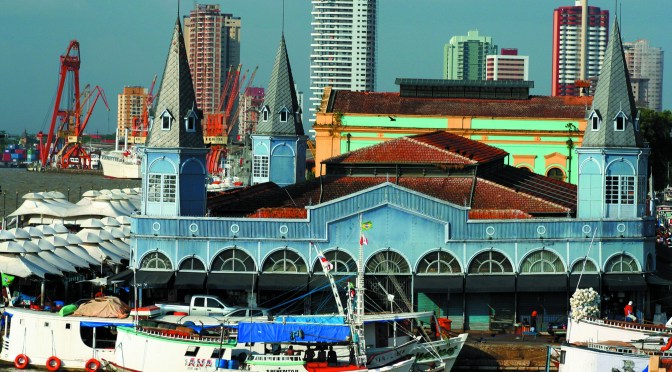
Um dos principais pontos turísticos é o Mercado Ver-o-Peso, um dos maiores mercados a céu aberto da América do Sul, onde se encontram frutas exóticas, ervas, especiarias e plantas medicinais. Ali se sente o verdadeiro espírito amazônico.

À beira do rio, o moderno complexo Estação das Docas oferece restaurantes, bares e eventos culturais.

Belém é também famosa por sua culinária, fortemente influenciada pelos sabores da Amazônia – pratos como Tacacá, Pato no Tucupi e Açaí são verdadeiros símbolos regionais.

Todos os anos, em outubro, ocorre o Círio de Nazaré, uma das maiores procissões católicas do mundo, que atrai milhões de fiéis. Apesar do calor e da umidade, Belém possui um encanto único que conquista os visitantes. A combinação de herança colonial, influências indígenas e natureza amazônica torna a cidade uma experiência inesquecível.

Belém, capital do estado do Pará, é não apenas a porta de entrada para a Amazônia, mas também um centro crescente de eventos internacionais. Um dos mais importantes é a Conferência COP 30 Trata-se a 30ª edição da Conferência das Partes, um órgão decisório da Convenção-Quadro das Nações Unidas sobre a Mudança do Clima (UNFCCC). Esse evento reúne governos de quase todo o mundo para  para implementar tratados da ONU sobre o clima.  É considerada um dos eventos globais mais importantes para discutir a crise climática.

Esse evento foca no desenvolvimento sustentável, proteção do clima e inovações na região amazônica. Todos os anos, cientistas, autoridades, empresários e especialistas ambientais do mundo inteiro se reúnem. A conferência serve como plataforma para o intercâmbio de ideias e projetos voltados à preservação da floresta e à melhoria das condições de vida na região. Entre os principais temas estão as energias renováveis, a biodiversidade e os direitos dos povos indígenas. Com sua localização estratégica e diversidade cultural, Belém oferece o cenário ideal para esse encontro internacional. A COP 30 tornou-se um símbolo importante do diálogo global sobre as mudanças climáticas. Para saber mais sobre a COP 30, clique aqui.

Belém, die Hauptstadt des brasilianischen Bundesstaates Pará, liegt an der Mündung des mächtigen Amazonas und gilt als Tor zum größten Regenwald der Welt. Die Stadt wurde 1616 von portugiesischen Kolonialherren gegründet und ist heute ein faszinierender Mix aus Geschichte, Kultur und tropischer Lebendigkeit. Besonders eindrucksvoll ist der alte Stadtteil Cidade Velha mit seinen kolonialen Gebäuden, Kirchen und engen Gassen, die von der glorreichen Vergangenheit zeugen. Ein Highlight ist der Ver-o-Peso-Markt, einer der größten Freiluftmärkte Südamerikas, wo exotische Früchte, Gewürze, Kräuter und Heilpflanzen angeboten werden. Hier spürt man den wahren Geist des Amazonas. Direkt am Flussufer lockt das modernisierte Hafenviertel Estação das Docas mit Restaurants, Bars und Kulturveranstaltungen. Belém ist auch bekannt für seine Küche, die stark von den Aromen des Amazonas geprägt ist – Gerichte wie Tacacá, Pato no Tucupi und Açaí sind kulinarische Symbole der Region. Jedes Jahr im Oktober findet das religiöse Fest Círio de Nazaré statt, das Millionen Pilger anzieht und zu den größten katholischen Prozessionen der Welt gehört. Trotz tropischer Hitze und feuchtem Klima besitzt Belém ein einzigartiges Flair, das Besucher sofort in seinen Bann zieht. Die Mischung aus kolonialem Erbe, indianischen Einflüssen und amazonischer Natur macht die Stadt zu einem unvergesslichen Erlebnis.

Belém, die Hauptstadt des Bundesstaates Pará, ist nicht nur das Tor zum Amazonas, sondern auch ein wachsendes Zentrum internationaler Veranstaltungen. Eine der wichtigsten ist die COP 30-Konferenz. Dies ist die 30. Ausgabe der Vertragsstaatenkonferenz (Conference of the Parties, COP), dem Beschlussorgan des Rahmenübereinkommens der Vereinten Nationen über Klimaänderungen (UNFCCC). Die Konferenz bringt Regierungen aus fast aller Welt zusammen, um die UN-Klimaabkommen umzusetzen. Sie gilt als eine der wichtigsten globalen Veranstaltungen zur Erörterung der Klimakrise.

Im Mittelpunkt der Konferenz stehen nachhaltige Entwicklung, Klimaschutz und Innovationen in der Amazonasregion. Jedes Jahr treffen sich Wissenschaftler, Behördenvertreter, Wirtschaftsvertreter und Umweltexperten aus aller Welt. Die Konferenz dient als Plattform für den Austausch von Ideen und Projekten zur Erhaltung des Regenwaldes und zur Verbesserung der Lebensbedingungen in der Region. Zu den Hauptthemen gehören erneuerbare Energien, Biodiversität und die Rechte indigener Völker. Mit ihrer strategischen Lage und kulturellen Vielfalt bietet Belém den idealen Rahmen für dieses internationale Treffen. Die COP 30 ist zu einem wichtigen Symbol des globalen Dialogs über den Klimawandel geworden.Um mehr über COP 30 zu erfahren, klicken Sie hier.

Belém, the capital of the Brazilian state of Pará, lies at the mouth of the mighty Amazon River and is known as the gateway to the world’s largest rainforest. Founded in 1616 by Portuguese colonizers, the city today is a fascinating blend of history, culture, and tropical vitality. The old district, Cidade Velha, stands out with its colonial buildings, churches, and narrow streets that reflect a glorious past. A must-see attraction is the Ver-o-Peso Market, one of the largest open-air markets in South America, offering exotic fruits, spices, herbs, and medicinal plants. Here, the true spirit of the Amazon comes alive. Along the river, the renovated Estação das Docas waterfront features restaurants, bars, and cultural events. Belém is also famous for its cuisine, strongly influenced by Amazonian flavors—dishes such as Tacacá, Pato no Tucupi, and Açaí are regional icons. Every October, the Círio de Nazaré religious festival attracts millions of pilgrims, making it one of the largest Catholic processions in the world. Despite the tropical heat and humidity, Belém has a unique charm that captivates visitors. The combination of colonial heritage, indigenous influence, and Amazonian nature makes the city a truly unforgettable experience.

Belém, the capital of the state of Pará, is not only the gateway to the Amazon, but also a growing center for international events. One of the most important is the COP 30 Conference. This is the 30th edition of the Conference of the Parties, a decision-making body of the United Nations Framework Convention on Climate Change (UNFCCC). This event brings together governments from almost all over the world to implement UN climate treaties. It is considered one of the most important global events to discuss the climate crisis.
This event focuses on sustainable development, climate protection, and innovations in the Amazon region. Every year, scientists, authorities, business people, and environmental experts from around the world gather. The conference serves as a platform for the exchange of ideas and projects aimed at preserving the forest and improving living conditions in the region. Among the main themes are renewable energies, biodiversity, and the rights of indigenous peoples. With its strategic location and cultural diversity, Belém offers the ideal setting for this international meeting. COP 30 has become an important symbol of the global dialogue on climate change.To learn more about COP 30, click here.

Rio Quente Resort

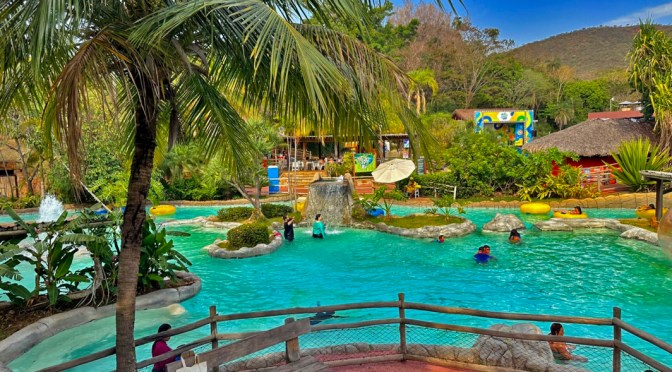
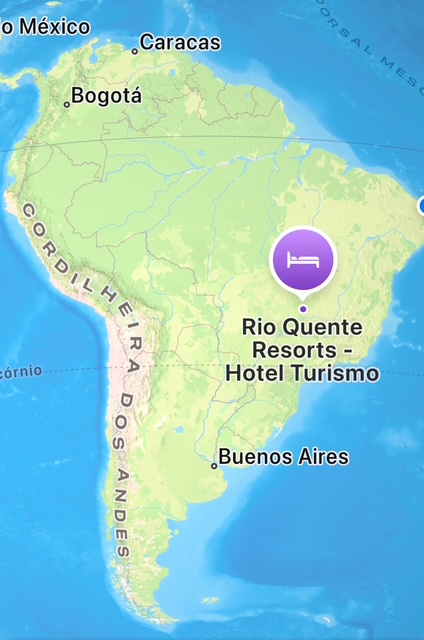
O Rio Quente Resorts, localizado em Goiás, Brasil, estão entre os complexos turísticos mais famosos do país.

Inseridos na bela paisagem do Cerrado, oferecem uma experiência única em meio à natureza. O grande destaque são as fontes termais, que mantêm durante todo o ano uma temperatura agradável de cerca de 37 graus Celsius. Essas águas alimentam diversas piscinas, lagos e parques aquáticos do complexo. O resort é formado por vários hotéis de diferentes categorias, atendendo a todos os perfis de visitantes e orçamentos. Famílias, casais e grupos encontram condições ideais para relaxar. Um dos pontos altos é o Hot Park, um enorme parque aquático com toboáguas, rios de correnteza e uma grande piscina de ondas. Lá também está localizado o único rio de águas naturalmente quentes do mundo. Os hóspedes podem escolher entre atividades esportivas, opções de bem-estar e experiências gastronômicas variadas. A culinária vai desde pratos típicos brasileiros até especialidades internacionais. Para as crianças, há áreas exclusivas de recreação e animação. À noite, apresentações musicais e shows de dança animam o ambiente. Os Rio Quente Resorts também priorizam a sustentabilidade e a preservação ambiental. A flora e a fauna locais são protegidas, e os visitantes podem participar de passeios ecológicos. Os amantes do golfe contam com um campo de 18 buracos de alto padrão. Graças à localização central no Brasil, o acesso é fácil e prático. O complexo é um verdadeiro refúgio de descanso em meio à natureza. Seja aventura, relaxamento ou férias em família – os Rio Quente Resorts têm algo para todos. Para muitos visitantes, a estadia se torna uma lembrança inesquecível.

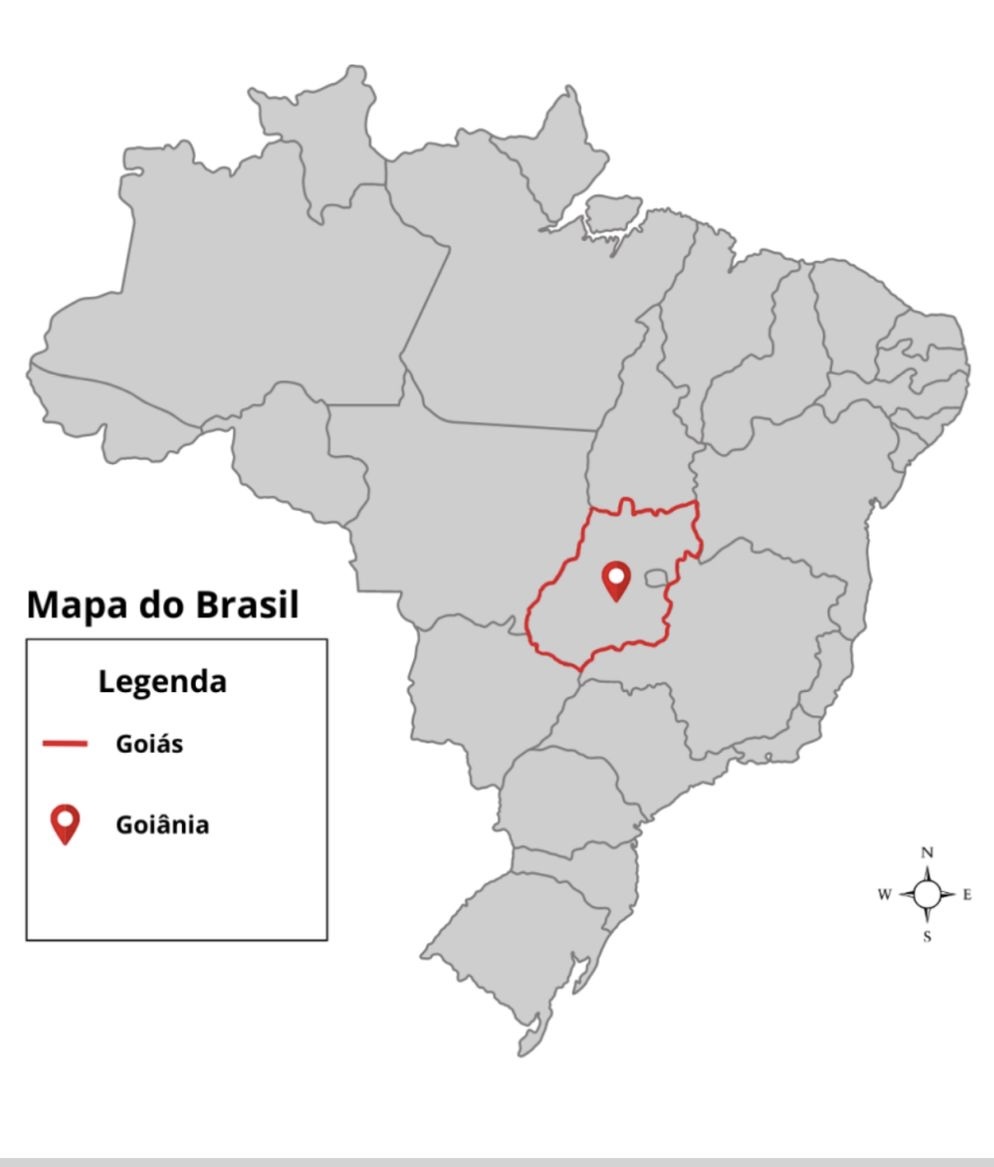
Informações complementares:Rio Quente Resorts está localizado a aproximadamente 172,90 km de Goiânia, capital de Goiás;

Evite ir nos feriados, final de semana e férias escolares (julho, dezembro e janeiro), pois o local fica muito cheio;

Dentro da área do resort há a Pousada Rio Quente (é o hotel mais antigo), o Hotel Turismo e o Hotel Crystal. Nós nos hospedamos no Hotel Turismo. A partir dos dois primeiros, pé possível caminhar até o Parque das Fontes e o Hot Park.

Die Rio Quente Resorts in Goiás, Brasilien, gehören zu den bekanntesten Ferienanlagen des Landes.

Eingebettet in die malerische Landschaft des Cerrado bieten sie ein einzigartiges Naturerlebnis. Besonders berühmt sind die heißen Thermalquellen, die das ganze Jahr über eine angenehme Wassertemperatur von rund 37 Grad Celsius haben. Diese Quellen speisen zahlreiche Pools, Lagunen und Wasserparks in der Anlage. Das Resort besteht aus mehreren Hotels unterschiedlicher Kategorien, sodass für jedes Budget passende Angebote verfügbar sind. Familien, Paare und Gruppen finden hier gleichermaßen ideale Bedingungen für einen erholsamen Aufenthalt. Ein Highlight ist der Hot Park, ein riesiger Wasserpark mit Rutschen, Strömungskanälen und einem großen Wellenbad. Dort befindet sich auch der einzige natürliche Fluss mit warmem Wasser weltweit. Gäste können zwischen sportlichen Aktivitäten, Wellness-Angeboten und kulinarischen Erlebnissen wählen. Das gastronomische Angebot reicht von brasilianischen Spezialitäten bis hin zu internationaler Küche. Für Kinder gibt es spezielle Spiel- und Animationsbereiche, die viel Abwechslung bieten. Abends locken Shows und Veranstaltungen mit Musik und Tanz. Die Rio Quente Resorts legen zudem Wert auf Nachhaltigkeit und Naturschutz. Die umgebende Flora und Fauna wird sorgfältig geschützt, und Besucher können an ökologischen Touren teilnehmen. Auch Golfliebhaber kommen auf einem gepflegten 18-Loch-Golfplatz auf ihre Kosten. Durch die zentrale Lage in Brasilien sind die Resorts gut erreichbar. Sie stellen eine Oase der Erholung inmitten der Natur dar. Ob Abenteuer, Entspannung oder Familienurlaub – Rio Quente Resorts bieten für jeden etwas. Ein Aufenthalt hier bleibt für viele Besucher ein unvergessliches Erlebnis.

Weitere Informationen: Das Rio Quente Resort liegt etwa 172,9 km von Goiânia, der Hauptstadt von Goiás, entfernt. Vermeiden Sie einen Besuch an Feiertagen, Wochenenden und in den Schulferien (Juli, Dezember und Januar), da es dort sehr voll sein kann. Auf dem Resortgelände befinden sich die Pousada Rio Quente (das älteste Hotel), das Hotel Turismo und das Hotel Crystal. Wir übernachteten im Hotel Turismo. Von den ersten beiden Hotels aus können Sie den Parque das Fontes und den Hot Park bequem zu Fuß erreichen.

The Rio Quente Resorts in Goiás, Brazil, are among the country’s most famous vacation complexes.

Surrounded by the scenic Cerrado landscape, they provide a unique experience in close contact with nature. The main attraction is the natural hot springs, which maintain a pleasant temperature of about 37 degrees Celsius throughout the year. These thermal waters feed numerous pools, lagoons, and water parks within the resort. The complex is composed of several hotels of different categories, catering to a wide range of budgets. Families, couples, and groups all find ideal conditions for a relaxing stay. A major highlight is the Hot Park, a huge water park with slides, lazy rivers, and a large wave pool. It also features the world’s only naturally warm-water river. Guests can choose from sports activities, wellness programs, and diverse culinary experiences. Dining options range from Brazilian specialties to international cuisine. Children enjoy dedicated play areas and animation programs. In the evenings, live shows and musical performances bring entertainment to all. The Rio Quente Resorts also place strong emphasis on sustainability and environmental preservation. The surrounding flora and fauna are carefully protected, and visitors can join ecological tours. Golf enthusiasts will appreciate the well-maintained 18-hole golf course. Thanks to its central location in Brazil, the resort is easy to reach. It represents a true oasis of relaxation in the heart of nature. Whether you are looking for adventure, leisure, or family holidays – Rio Quente Resorts has something for everyone. For many guests, a stay here becomes an unforgettable memory.

Additional Information: Rio Quente Resorts is located approximately 172.90 km from Goiânia, the capital of Goiás. Avoid visiting on holidays, weekends, and school vacations (July, December, and January), as it gets very crowded. Within the resort grounds are Pousada Rio Quente (the oldest hotel), Hotel Turismo, and Hotel Crystal. We stayed at Hotel Turismo. From the first two, you can walk to Parque das Fontes and Hot Park.

As cidades históricas de Minas Gerais/Die historischen Städte von Minas Gerais/The historic cities of Minas Gerais

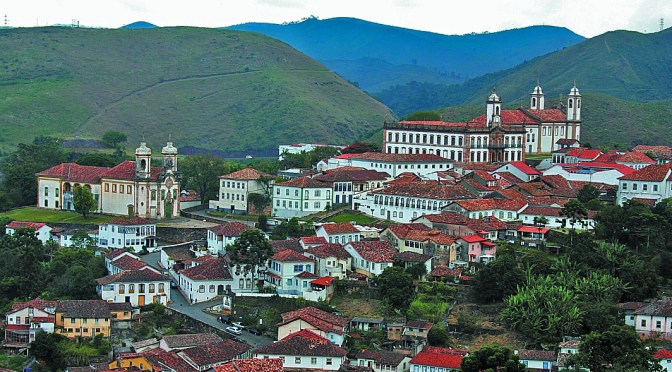
As cidades históricas de Minas Gerais estão entre os maiores tesouros culturais do Brasil e atraem todos os anos inúmeros visitantes que seguem os passos da era do ouro e dos diamantes. Ouro Preto, Tiradentes, Diamantina e Congonhas preservam de maneira impressionante a memória do período colonial. Suas igrejas majestosas, praças e casarões testemunham a riqueza, a fé e a criatividade artística da época.

Ouro Preto foi a cidade do ouro mais importante do século XVIII e chegou a ser capital da província. Suas ruas estreitas e íngremes, calçadas de pedras, são ladeadas por igrejas barrocas, entre elas a famosa Igreja de São Francisco de Assis, obra do genial escultor Aleijadinho. O conjunto arquitetônico da cidade é considerado um patrimônio único e faz parte da lista da UNESCO. Hoje, muitos casarões abrigam museus, lojas de artesanato e aconchegantes pousadas.

Tiradentes, por sua vez, é menor e mais tranquila, mas igualmente encantadora. Nomeada em homenagem ao herói nacional Joaquim José da Silva Xavier, conhecido como Tiradentes, a cidade mantém um inconfundível charme colonial. A Matriz de Santo Antônio, decorada com talhas douradas, é considerada uma das mais belas igrejas do Brasil. Suas ruas de pedras transmitem a atmosfera de séculos passados, enquanto restaurantes e ateliês conferem à cidade um toque contemporâneo e acolhedor.

Diamantina, como o nome indica, prosperou com o ciclo dos diamantes. Também reconhecida pela UNESCO, encanta com suas casas brancas de janelas azuis, perfeitamente integradas à paisagem montanhosa. Foi em Diamantina que viveu Chica da Silva, figura marcante cuja história reflete tanto a opulência quanto as desigualdades da época. As serestas que ainda ecoam pelas ruas dão à cidade um caráter romântico e musical.

Congonhas, por fim, é célebre pelo Santuário do Bom Jesus de Matosinhos, igualmente tombado pela UNESCO. Ali, Aleijadinho criou as famosas esculturas dos doze profetas em pedra-sabão, consideradas um auge da arte barroca brasileira. Além das estátuas, as capelas que retratam as cenas da Paixão de Cristo completam o impacto do conjunto. Juntas, Ouro Preto, Tiradentes, Diamantina e Congonhas formam um verdadeiro museu vivo do período colonial brasileiro. Visitar essas cidades é viajar no tempo, descobrindo uma era marcada por contrastes: riqueza e exploração, arte e opressão, fé e poder. Hoje, são locais de memória cultural onde o passado e o presente se encontram de forma grandiosa.

Die historischen Städte Minas Gerais’ gehören zu den bedeutendsten Kulturschätzen Brasiliens und ziehen jedes Jahr unzählige Besucher an, die auf den Spuren der Gold- und Diamantenära wandeln. Besonders Ouro Preto, Tiradentes, Diamantina und Congonhas bewahren eindrucksvoll die Erinnerung an die Kolonialzeit, ihre prächtigen Kirchen, Plätze und Bürgerhäuser zeugen von Reichtum, Glauben und künstlerischem Schaffen.

Ouro Preto war einst die wichtigste Goldstadt des 18. Jahrhunderts und zeitweise sogar Hauptstadt der Provinz. Die engen, steilen Kopfsteinpflasterstraßen sind von barocken Kirchen gesäumt, darunter die weltberühmte Igreja de São Francisco de Assis, die vom genialen Bildhauer Aleijadinho gestaltet wurde. Das Stadtbild ist ein einzigartiges Gesamtkunstwerk und UNESCO-Weltkulturerbe. In den alten Häusern befinden sich heute Museen, Kunsthandwerksläden und gemütliche Pensionen.

Tiradentes hingegen ist kleiner und beschaulicher, doch nicht weniger charmant. Benannt nach dem Nationalhelden Joaquim José da Silva Xavier, besser bekannt als Tiradentes, bewahrt die Stadt ein unvergleichliches koloniales Flair. Die Hauptkirche Matriz de Santo Antônio ist mit reich vergoldeten Schnitzereien verziert und gilt als eine der schönsten Kirchen Brasiliens. In den kopfsteingepflasterten Straßen spürt man die Ruhe und Gelassenheit vergangener Jahrhunderte, und die vielen kleinen Restaurants und Ateliers machen den Ort zu einem beliebten Ziel für Kunstliebhaber und Gourmets.

Diamantina, wie der Name schon sagt, wurde durch den Diamantenboom groß. Die Stadt ist ebenfalls UNESCO-Weltkulturerbe und bezaubert durch ihre weißen Häuser mit blauen Fenstern, die sich harmonisch in die hügelige Landschaft einfügen. Hier lebte die berühmte Sängerin Chica da Silva, deren Geschichte eng mit dem Reichtum und den sozialen Gegensätzen der damaligen Zeit verbunden ist. Die lebendigen Serenaden, die noch heute in den Straßen von Diamantina gespielt werden, geben der Stadt einen romantischen und musikalischen Charakter.

Congonhas schließlich ist vor allem für das Heiligtum Bom Jesus de Matosinhos bekannt, das ebenfalls auf der UNESCO-Liste steht. Dort schuf Aleijadinho seine berühmten zwölf Prophetenstatuen aus Speckstein, die als Höhepunkt der barocken Bildhauerkunst in Brasilien gelten. Die Anlage beeindruckt nicht nur durch die Skulpturen, sondern auch durch die Kapellen mit Szenen des Leidenswegs Christi. Zusammen bilden Ouro Preto, Tiradentes, Diamantina und Congonhas eine Art lebendiges Museum der brasilianischen Kolonialzeit. Wer diese Städte besucht, reist zurück in eine Zeit voller Gegensätze: Reichtum und Ausbeutung, Kunst und Unterdrückung, Glauben und Macht. Heute sind sie Orte des kulturellen Gedächtnisses, in denen sich Vergangenheit und Gegenwart auf eindrucksvolle Weise begegnen.

The historic cities of Minas Gerais are among Brazil’s greatest cultural treasures and attract countless visitors each year who retrace the steps of the gold and diamond era. Ouro Preto, Tiradentes, Diamantina and Congonhas preserve the memory of the colonial period in an impressive way. Their majestic churches, squares and mansions testify to the wealth, faith and artistic creativity of the time.

Ouro Preto was once the most important gold city of the 18th century and even served as the provincial capital. Its narrow, steep cobblestone streets are lined with baroque churches, including the world-famous Church of Saint Francis of Assisi, designed by the genius sculptor Aleijadinho. The city as a whole is a unique architectural ensemble and a UNESCO World Heritage Site. Today, many old houses host museums, craft shops and charming guesthouses.

Tiradentes, in contrast, is smaller and quieter, but equally enchanting. Named after the national hero Joaquim José da Silva Xavier, known as Tiradentes, the town retains an unmistakable colonial charm. The Main Church of Santo Antônio, richly decorated with golden carvings, is considered one of the most beautiful in Brazil. Its cobbled streets convey the calm atmosphere of centuries past, while restaurants and art studios add a welcoming contemporary flair.

Diamantina, as its name suggests, flourished during the diamond boom. Also recognized by UNESCO, it fascinates with its white houses with blue windows, harmoniously set against the hilly landscape. It was here that the famous singer Chica da Silva lived, whose story reflects both the wealth and the inequalities of the time. The serenades still performed in its streets give Diamantina a romantic and musical character.

Congonhas, finally, is renowned for the Sanctuary of Bom Jesus de Matosinhos, also listed by UNESCO. Here, Aleijadinho created his famous soapstone sculptures of the twelve prophets, considered the pinnacle of Brazilian baroque sculpture. In addition to the statues, the chapels depicting the Passion of Christ complete the ensemble’s striking impact. Together, Ouro Preto, Tiradentes, Diamantina and Congonhas form a living museum of Brazil’s colonial period. Visiting these cities means traveling back in time to an era of contrasts: wealth and exploitation, art and oppression, faith and power. Today, they are places of cultural memory where past and present meet in a powerful way.

Jalapão, paisagens deslumbrantes/Jalapão, atemberaubende Landschaften/stunning landscapes/

Jalapão é uma região remota e deslumbrante no estado do Tocantins, Brasil, reconhecida por sua natureza intocada e paisagens impressionantes. Savanas, dunas, rios cristalinos e cachoeiras magníficas formam um cenário que encanta tanto aventureiros quanto amantes da natureza. A área é conhecida pelos fervedouros – nascentes naturais onde a pressão da água impede que a pessoa afunde, proporcionando uma sensação de leveza e flutuação. Longe do turismo de massa, Jalapão oferece encontros autênticos com os habitantes locais, artesanato tradicional e experiências sustentáveis de viagem. Os pores do sol são especialmente memoráveis, tingindo o céu com tons alaranjados e ressaltando a tranquilidade dessa paisagem selvagem. Apesar do isolamento, Jalapão tem se tornado um destino cada vez mais procurado por entusiastas do ecoturismo e do trekking. A viagem exige resistência e planejamento – geralmente feita com veículos 4×4 em estradas não asfaltadas –, mas proporciona uma conexão profunda com a natureza e uma aventura inesquecível no coração do Brasil.

A melhor época para visitar o Jalapão é de maio a setembro, durante a estação seca. O clima é ensolarado, as estradas estão mais acessíveis e as atrações naturais são especialmente impressionantes.

A nossa viagem ao Jalapão foi feita a partir da capital do Tocantins, Palmas. Contratamos o serviço de uma agência local  (Nortetur) que nos levou para conhecer a beleza dessa região magnífica.

Jalapão ist eine abgelegene und beeindruckende Region im Bundesstaat Tocantins, Brasilien, die sich durch ihre unberührte Natur und ihre spektakulären Landschaften auszeichnet. Hier vereinen sich Savannen, Dünen, kristallklare Flüsse und beeindruckende Wasserfälle zu einer Kulisse, die sowohl Abenteuerlustige als auch Naturliebhaber begeistert. Die Region ist bekannt für ihre Fervedouros – natürliche Quellen, deren Wasserdruck das Einsinken verhindert und ein schwereloses Schweben ermöglicht. Fernab vom Massentourismus erleben Besucher in Jalapão authentische Begegnungen mit der lokalen Bevölkerung, traditionelle Handwerkskunst und nachhaltigen Tourismus. Besonders beeindruckend sind die Sonnenuntergänge, die den Himmel in warme Orangetöne tauchen und die Stille dieser wilden Landschaft unterstreichen. Trotz der abgeschiedenen Lage ist Jalapão ein wachsendes Reiseziel für Ökotourismus und Trekking. Die Reise dorthin erfordert Ausdauer und Organisation – meist mit Geländewagen über nicht asphaltierte Straßen –, doch die Belohnung ist eine tiefgehende Verbindung zur Natur und ein einzigartiges Abenteuer im Herzen Brasiliens.

Die beste Reisezeit für Jalapão ist von Mai bis September,           während der Trockenzeit. Das Wetter ist sonnig, die Straßen sind gut befahrbar und die natürlichen Attraktionen sind  besonders  eindrucksvoll.

Unsere Reise nach Jalapão startete in Palmas, der Hauptstadt von Tocantins. Wir beauftragten eine lokale Agentur (Nortetur), uns die Schönheit dieser herrlichen Region näherzubringen.

Jalapão is a remote and stunning region in the state of Tocantins, Brazil, celebrated for its pristine nature and breathtaking landscapes. Savannas, sand dunes, crystal-clear rivers, and majestic waterfalls come together to create a setting that fascinates both adventure-seekers and nature lovers. The area is famous for its fervedouros – natural springs where water pressure keeps visitors afloat, offering a sensation of weightlessness. Far from mass tourism, Jalapão offers authentic interactions with locals, traditional crafts, and sustainable travel experiences. Particularly memorable are the sunsets, which paint the sky in warm shades of orange and accentuate the quiet beauty of the wilderness. Although isolated, Jalapão is becoming increasingly popular among ecotourism and trekking enthusiasts. Reaching this destination demands endurance and planning – typically by 4×4 vehicles across unpaved roads – but the reward is a profound connection to nature and a unique adventure in the heart of Brazil.

The best time to visit Jalapão is from May to September, during  the dry season.

Our trip to Jalapão departed from Palmas, the capital of Tocantins. We hired a local agency (Nortetur) to take us on a tour of the beauty of this magnificent region.

Chapada Diamantina

A Chapada Diamantina está localizada no estado da Bahia, no nordeste do Brasil, e é famosa por suas paisagens montanhosas, cachoeiras espetaculares e grutas impressionantes. O Parque Nacional da Chapada Diamantina cobre cerca de 152 mil hectares e protege uma rica biodiversidade.

O nome “Diamantina” vem da corrida dos diamantes no século XIX, quando a região atraiu garimpeiros de todo o país. Hoje, cidades como Lençóis, Vale do Capão, Igatu e Mucugê são pontos de partida para trilhas incríveis e aventuras na natureza.

Entre as atrações mais famosas estão:

  • Cachoeira da Fumaça (com 340 metros de altura)
  • Poço Encantado e Poço Azul (com águas cristalinas e flutuantes)
  • Morro do Pai Inácio, com vista panorâmica
  • Gruta da Lapa Doce e Pratinha

A região oferece também cultura local rica, culinária típica, artesanato e hospitalidade acolhedora. É ideal para ecoturismo, trilhas, fotografia e experiências autênticas no interior do Brasil.

Die Chapada Diamantina liegt im Bundesstaat Bahia im Nordosten Brasiliens und ist bekannt für ihre atemberaubenden Landschaften mit Bergen, Höhlen und spektakulären Wasserfällen. Der Nationalpark Chapada Diamantina erstreckt sich über etwa 152.000 Hektar und schützt eine einzigartige Flora und Fauna.

Der Name “Diamantina” stammt aus dem 19. Jahrhundert, als dort Diamanten gefunden wurden und viele Glückssucher in die Region strömten. Heute sind Orte wie Lençóis, Vale do Capão, Mucugê und Igatu beliebte Ausgangspunkte für Wanderungen und Naturerlebnisse.

Highlights der Region sind:

  • Der Cachoeira da Fumaça, mit 340 Metern einer der höchsten Wasserfälle Brasiliens
  • Der Poço Encantado und Poço Azul, mit glasklarem, schwebendem Wasser
  • Der Morro do Pai Inácio, mit spektakulärem Rundblick
  • Tropfsteinhöhlen wie die Gruta da Lapa Doce

Die Chapada ist ein Paradies für Wanderer, Naturfreunde, Fotograf:innen und alle, die authentische brasilianische Kultur erleben möchten – samt lokaler Küche, Musik und Gastfreundschaft.

Chapada Diamantina is located in the state of Bahia, in northeastern Brazil. It’s famous for its dramatic landscapes, high waterfalls, mystical caves, and rich biodiversity. The Chapada Diamantina National Park spans around 152,000 hectares and is a prime destination for ecotourism.

The name “Diamantina” comes from the diamond rush of the 1800s, when miners flocked to the area. Today, towns like Lençóis, Vale do Capão, Igatu, and Mucugê serve as gateways to some of Brazil’s most stunning natural attractions.

Top highlights include:

  • The Cachoeira da Fumaça, a 340-meter waterfall
  • The magical Poço Encantado and Poço Azul, with crystal-clear water
  • The iconic Morro do Pai Inácio, offering panoramic views
  • Limestone caves like Gruta da Lapa Doce

Visitors can enjoy hiking, swimming, cave exploring, and soaking in local culture through food, music, and artisan crafts. Chapada Diamantina is a true hidden gem for nature lovers and adventurers alike.

Fernando de Noronha

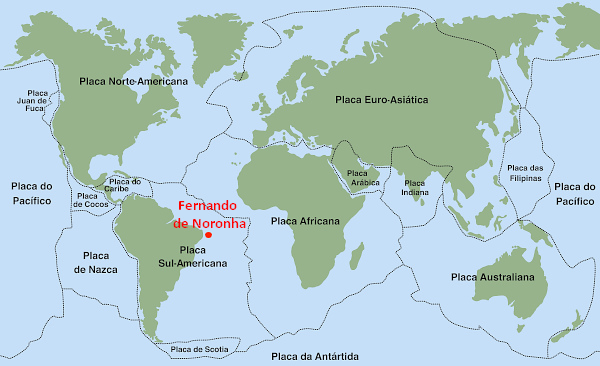
Fernando de Noronha é um lindo arquipélago no Oceano Atlântico, conhecido por suas praias deslumbrantes, águas cristalinas e rica vida selvagem.

Fonte/Quelle/Source: https://igeologico.com.br/geologia-de-fernando-de-noronha-uma-historia-vulcanica-de-milhoes-de-anos/

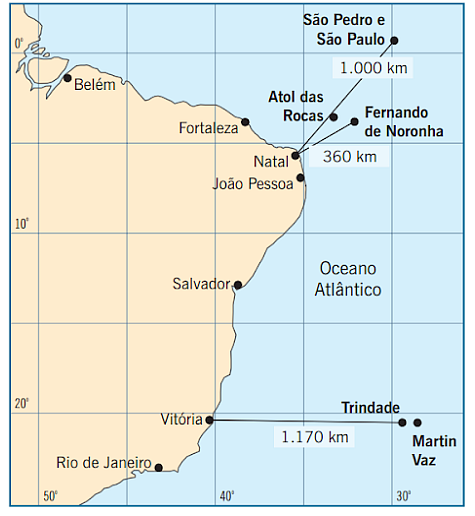
O grupo de ilhas pertence ao Brasil e é um destino popular para amantes da natureza e mergulhadores. A ilha principal está a cerca de 354 km da costa de Pernambuco. Para chegar lá, a maioria dos visitantes voa de Recife ou Natal para Fernando de Noronha. Os voos são relativamente curtos, cerca de 1,5 horas.

Fonte/Quelle/Source:https://igeologico.com.br/geologia-de-fernando-de-noronha-uma-historia-vulcanica-de-milhoes-de-anos/

É importante reservar os voos com antecedência, pois o número de passageiros é limitado para proteger o meio ambiente. Na ilha, há várias opções de acomodação, desde albergues simples até resorts luxuosos. Recomenda-se alugar um veículo para chegar facilmente às diferentes praias e atrações. As atividades populares incluem snorkeling, mergulho e trilhas na natureza intocada. O acesso à ilha é pago e os visitantes devem pagar uma taxa ambiental. Fernando de Noronha é um verdadeiro paraíso para aqueles que apreciam a beleza da natureza e desejam relaxar.

Em Fernando de Noronha, há muitas praias deslumbrantes que valem a pena visitar.

O Praia do Sancho é considerado uma das praias mais bonitas do mundo, com sua areia fina e água cristalina, ideal para snorkeling. O Praia do Leão é conhecido por sua paisagem impressionante e é um local popular para observar tartarugas. O Praia das Conchas oferece uma atmosfera tranquila e é perfeito para relaxamento e piqueniques. A Baía dos Porcos também oferece vistas espetaculares e é um lugar favorito para fotógrafos. Cada uma dessas praias tem seu próprio charme e é imperdível para quem visita a ilha.

Para conhecer mais sobre Feranando de Noronha, clique aqui e aqui.

Fernando de Noronha ist ein wunderschöner Archipel im Atlantischen Ozean, bekannt für seine atemberaubenden Strände, kristallklares Wasser und reiche Tierwelt.

Fonte/Quelle/Source: https://igeologico.com.br/geologia-de-fernando-de-noronha-uma-historia-vulcanica-de-milhoes-de-anos/

Die Inselgruppe gehört zu Brasilien und ist ein beliebtes Ziel für Naturliebhaber und Taucher. Die Hauptinsel ist nur etwa 354 km von der Küste Pernambuco entfernt. Um dorthin zu gelangen, fliegen die meisten Besucher von Recife oder Natal nach Fernando de Noronha. Die Flüge sind relativ kurz, etwa 1,5 Stunden.

Fonte/Quelle/Source:https://igeologico.com.br/geologia-de-fernando-de-noronha-uma-historia-vulcanica-de-milhoes-de-anos/

Es ist wichtig, die Flüge im Voraus zu buchen, da die Anzahl der Passagiere begrenzt ist, um die Umwelt zu schützen. Auf der Insel gibt es verschiedene Unterkünfte, von einfachen Hostels bis hin zu luxuriösen Resorts. Es wird empfohlen, ein Fahrzeug zu mieten, um die verschiedenen Strände und Sehenswürdigkeiten bequem erreichen zu können. Beliebte Aktivitäten sind Schnorcheln, Tauchen und Wandern in der unberührten Natur. Der Zugang zur Insel ist kostenpflichtig, und Besucher müssen eine Umweltgebühr entrichten. Fernando de Noronha ist ein wahres Paradies für diejenigen, die die Schönheit der Natur schätzen und sich entspannen möchten.

In Fernando de Noronha gibt es zahlreiche atemberaubende Strände, die einen Besuch wert sind.

Der Praia do Sancho gilt als einer der schönsten Strände der Welt, mit seinem feinen Sand und klarem Wasser, ideal zum Schnorcheln. Der Praia do Leão ist bekannt für seine beeindruckende Kulisse und ist ein beliebter Ort für Schildkrötenbeobachtungen. Der Praia das Conchas bietet eine ruhige Atmosphäre und eignet sich perfekt für Entspannung und Picknicks. Auch der Baía dos Porcos bietet spektakuläre Ausblicke und ist ein beliebter Spot für Fotografen. Jeder dieser Strände hat seinen eigenen Charme und ist ein Muss für Besucher der Insel.

Um mehr über Fernando de Noronha zu erfahren, klicken Sie hier und hier.

Fernando de Noronha is a beautiful archipelago in the Atlantic Ocean, known for its stunning beaches, crystal-clear waters, and rich wildlife.

Fonte/Quelle/Source: https://igeologico.com.br/geologia-de-fernando-de-noronha-uma-historia-vulcanica-de-milhoes-de-anos/

The island group belongs to Brazil and is a popular destination for nature lovers and divers. The main island is about 354 km from the coast of Pernambuco. To get there, most visitors fly from Recife or Natal to Fernando de Noronha. The flights are relatively short, about 1.5 hours.

Fonte/Quelle/Source:https://igeologico.com.br/geologia-de-fernando-de-noronha-uma-historia-vulcanica-de-milhoes-de-anos/

It is important to book flights in advance, as the number of passengers is limited to protect the environment. On the island, there are various accommodations ranging from simple hostels to luxurious resorts. It is recommended to rent a vehicle to easily reach the different beaches and attractions. Popular activities include snorkeling, diving, and hiking in the pristine nature. Access to the island is subject to a fee, and visitors must pay an environmental fee. Fernando de Noronha is a true paradise for those who appreciate the beauty of nature and wish to relax.

In Fernando de Noronha, there are many stunning beaches worth visiting.

Praia do Sancho is considered one of the most beautiful beaches in the world, with its fine sand and clear water, ideal for snorkeling. Praia do Leão is known for its impressive scenery and is a popular spot for turtle watching. Praia das Conchas offers a tranquil atmosphere and is perfect for relaxation and picnics. Baía dos Porcos also provides spectacular views and is a favorite spot for photographers. Each of these beaches has its own charm and is a must for visitors to the island.

To learn more about Fernando de Noronha click here and here.

A histórica Quedlinburg/Historisches Quedlinburg/Historic Quedlinburg

Quedlinburg é uma cidade histórica na Saxônia-Anhalt, Alemanha.
Está situada de forma pitoresca no extremo norte das montanhas Harz.


A cidade tem cerca de 24.000 habitantes.
Quedlinburg faz parte do Patrimônio Mundial da UNESCO.
A cidade é famosa pelo seu centro histórico bem preservado.
Mais de 2.000 casas em enxaimel moldam a paisagem urbana.
A maioria das casas data da Idade Média.
A praça do mercado é um ponto de encontro central.
Lá está a impressionante prefeitura do século XIV.
A colina do castelo domina a paisagem urbana.
Ali encontra-se a Igreja Colegiada de São Servácio.
Ela abriga o famoso Tesouro de Quedlinburg.
Quedlinburg já foi a residência dos Otonianos.
O rei Henrique I acredita-se estar enterrado aqui.
A cidade foi um centro importante na Idade Média.
Hoje, atrai muitos turistas.
Há inúmeros museus e pontos turísticos.
O mercado de Natal de Quedlinburg é particularmente popular.
A cidade também é conhecida por seus jardins e parques.
Um passeio por suas ruas é como uma viagem no tempo.
O rio Bode atravessa Quedlinburg.
Existem muitos cafés e restaurantes aconchegantes.
As especialidades locais incluem queijo Harz e bolo Bienenstich.
Quedlinburg é facilmente acessível de trem.
A região ao redor convida para caminhadas.
A primavera é especialmente bela com jardins floridos.
O Castelo de Quedlinburg também merece uma visita.
No verão, ocorrem muitos eventos culturais.
Quedlinburg combina história e modernidade de forma única.

Quedlinburg ist eine historische Stadt in Sachsen-Anhalt, Deutschland.
Sie liegt malerisch am Nordrand des Harzes.


Die Stadt hat etwa 24.000 Einwohner.
Quedlinburg gehört zum UNESCO-Weltkulturerbe.
Die Stadt ist für ihre gut erhaltene Altstadt bekannt.
Über 2.000 Fachwerkhäuser prägen das Stadtbild.
Die meisten Häuser stammen aus dem Mittelalter.
Der Marktplatz ist ein zentraler Treffpunkt.
Dort steht das imposante Rathaus aus dem 14. Jahrhundert.
Der Schlossberg dominiert das Stadtbild.
Dort befindet sich die Stiftskirche St. Servatius.
Sie beherbergt den berühmten Domschatz.
Quedlinburg war einst die Residenz der Ottonen.
König Heinrich I. soll hier begraben sein.
Die Stadt war im Mittelalter ein bedeutendes Zentrum.
Heute zieht sie viele Touristen an.
Es gibt zahlreiche Museen und Sehenswürdigkeiten.
Der Quedlinburger Weihnachtsmarkt ist besonders beliebt.
Die Stadt ist auch für ihre Gärten und Parks bekannt.
Ein Spaziergang durch die Gassen ist wie eine Zeitreise.
Die Bode fließt durch Quedlinburg.
Es gibt viele gemütliche Cafés und Restaurants.
Regionale Spezialitäten sind Harzer Käse und Bienenstich.
Quedlinburg ist gut mit dem Zug erreichbar.
Die Umgebung lädt zum Wandern ein.
Besonders schön ist der Frühling mit blühenden Gärten.
Auch das Quedlinburger Schloss ist sehenswert.
Im Sommer finden viele kulturelle Veranstaltungen statt.
Quedlinburg vereint Geschichte und Moderne auf einzigartige Weise.

Quedlinburg is a historic town in Saxony-Anhalt, Germany.
It is picturesquely located at the northern edge of the Harz Mountains.


The town has about 24,000 inhabitants.
Quedlinburg is part of the UNESCO World Heritage.
The town is famous for its well-preserved old town.
More than 2,000 half-timbered houses shape the cityscape.
Most houses date back to the Middle Ages.
The market square is a central meeting point.
There stands the impressive town hall from the 14th century.
The castle hill dominates the cityscape.
There, you find the Collegiate Church of St. Servatius.
It houses the famous Quedlinburg treasure.
Quedlinburg was once the residence of the Ottonians.
King Henry I is said to be buried here.
The town was an important center in the Middle Ages.
Today, it attracts many tourists.
There are numerous museums and sights.
The Quedlinburg Christmas market is particularly popular.
The town is also known for its gardens and parks.
A walk through its alleys feels like a journey through time.
The Bode River flows through Quedlinburg.
There are many cozy cafés and restaurants.
Local specialties include Harz cheese and Bienenstich cake.
Quedlinburg is easily accessible by train.
The surrounding area invites visitors to go hiking.
Spring is particularly beautiful with blooming gardens.
Quedlinburg Castle is also worth a visit.
In summer, many cultural events take place.
Quedlinburg uniquely combines history and modernity.

Lençóis Maranhenses

O Parque Nacional dos Lençóis Maranhenses está localizado no estado brasileiro do Maranhão e é uma das paisagens naturais mais impressionantes do país. O parque cobre uma área de cerca de 1.550 km² e é famoso por suas espetaculares dunas de areia branca e lagoas turquesas, que se enchem de água durante a estação chuvosa, entre junho e setembro.

Apesar de sua aparência desértica, a região recebe uma grande quantidade de chuva anualmente, resultando na formação de diversas lagoas de água doce. Essas lagoas são alimentadas pela água da chuva e servem de habitat para várias espécies de peixes e outros animais.

As dunas do parque nacional podem atingir alturas de até 40 metros e estão em constante mudança devido ao vento. As lagoas mais famosas são Lagoa Azul e Lagoa Bonita, que atraem turistas com suas águas cristalinas.

O parque nacional foi criado em 1981 para proteger essa paisagem única. Ele faz parte do ecossistema do Cerrado e abriga uma flora e fauna diversificadas, incluindo animais selvagens como raposas, tartarugas e aves raras.

Embora a área seja protegida como parque nacional, algumas comunidades tradicionais vivem dentro dela, dedicando-se à pesca e à criação de gado. A cidade de Barreirinhas é o principal ponto de partida para passeios no parque.

As atividades para os visitantes incluem passeios de buggy, caminhadas, passeios de barco no Rio Preguiças e banhos nas lagoas. O parque nacional é considerado um dos destinos mais espetaculares do Brasil e é frequentemente descrito como uma das paisagens desérticas mais belas do mundo.

O Parque Nacional dos Lençóis Maranhenses é reconhecido como Patrimônio Natural da Organização das Nações Unidas para a Educação, a Ciência e a Cultura – UNESCO.

Der Nationalpark Lençóis Maranhenses liegt im brasilianischen Bundesstaat Maranhão und ist eine der beeindruckendsten Naturlandschaften des Landes. Der Park erstreckt sich über eine Fläche von etwa 1.550 km² und ist bekannt für seine spektakulären weißen Sanddünen und die türkisen Lagunen, die sich in der Regenzeit zwischen Juni und September mit Wasser füllen.

Trotz seines wüstenähnlichen Aussehens erhält die Region jährlich eine hohe Niederschlagsmenge, was zur Entstehung der zahlreichen Süßwasserlagunen führt. Diese sind von Regenwasser gespeist und bieten Lebensraum für verschiedene Fischarten und andere Tiere.

Die Dünen des Nationalparks können Höhen von bis zu 40 Metern erreichen und verändern sich ständig durch den Wind. Die bekanntesten Lagunen sind Lagoa Azul und Lagoa Bonita, die Touristen mit ihrem kristallklaren Wasser anlocken.

Der Nationalpark wurde 1981 gegründet, um diese einzigartige Landschaft zu schützen. Er ist Teil des Cerrado-Ökosystems und beherbergt eine vielfältige Flora und Fauna, darunter Wildtiere wie Füchse, Schildkröten und seltene Vögel.

Obwohl das Gebiet als Nationalpark unter Schutz steht, leben einige traditionelle Gemeinden darin, die sich dem Fischfang und der Viehzucht widmen. Besonders die Stadt Barreirinhas dient als Ausgangspunkt für Touren in den Park.

Aktivitäten für Besucher umfassen Buggy-Touren, Wanderungen, Bootsfahrten auf dem Rio Preguiças sowie Schwimmen in den Lagunen. Der Nationalpark zählt zu den spektakulärsten Reisezielen Brasiliens und wird oft als eine der schönsten Wüstenlandschaften der Welt beschrieben.

Der Parque Nacional dos Lençóis Maranhenses wurde als natürliches Kulturerbe der UNESCO für Bildung, Wissenschaft und Kultur anerkannt.

The Lençóis Maranhenses National Park is located in the Brazilian state of Maranhão and is one of the country’s most impressive natural landscapes. The park covers an area of about 1,550 km² and is famous for its spectacular white sand dunes and turquoise lagoons, which fill with water during the rainy season between June and September.

Despite its desert-like appearance, the region receives a high amount of annual rainfall, leading to the formation of numerous freshwater lagoons. These are fed by rainwater and provide habitat for various fish species and other animals.

The dunes of the national park can reach heights of up to 40 meters and are constantly shifting due to the wind. The most famous lagoons are Lagoa Azul and Lagoa Bonita, which attract tourists with their crystal-clear water.

The national park was established in 1981 to protect this unique landscape. It is part of the Cerrado ecosystem and is home to diverse flora and fauna, including wildlife such as foxes, turtles, and rare birds.

Although the area is protected as a national park, some traditional communities live within it, engaging in fishing and cattle raising. The town of Barreirinhas serves as the main gateway for tours into the park.

Activities for visitors include buggy tours, hiking, boat trips on the Rio Preguiças, and swimming in the lagoons. The national park is considered one of Brazil’s most spectacular destinations and is often described as one of the world’s most beautiful desert landscapes.

The Lençóis Maranhenses National Park is recognized as a Natural Heritage Site by the United Nations Educational, Scientific and Cultural Organization – UNESCO.

25 Dicas para aproveitar o Navio Grandiosa/25 Tipps, um das Grandiosa-Kreuz-Fahrt-Schiff zu genießen/25 Tips to enjoy the Grandiosa Ship/

O MSC Grandiosa é um dos maiores e mais modernos navios de cruzeiro da companhia italiana MSC Cruzeiros. Pertence à classe Meraviglia-Plus e foi batizado em 31 de outubro de 2019, em Hamburgo. Com 331 metros de comprimento, o navio tem capacidade para até 6.334 passageiros e 1.704 tripulantes.

O design do MSC Grandiosa combina elegância moderna com tecnologia inovadora. Um dos destaques é a cúpula LED de 93 metros na “Galleria Grandiosa”, uma avenida (chamada de promenade) coberta com restaurantes, lojas e opções de entretenimento.

A bordo, há diversas opções de lazer e relaxamento, incluindo várias piscinas, um parque aquático, um spa luxuoso e um centro de fitness. Para o entretenimento, há shows ao estilo da Broadway no teatro e apresentações exclusivas do Cirque du Soleil.

Gastronomicamente, os hóspedes podem desfrutar de até 12 restaurantes que oferecem uma grande variedade de pratos internacionais. O serviço é complementado por vários bares e lounges.

O MSC Grandiosa também é ecologicamente avançado, com tecnologia ambiental de última geração. O navio conta com um sistema híbrido de purificação de gases, um sistema inovador de tratamento de águas residuais e soluções de eficiência energética.

O navio opera em várias rotas, principalmente no Mediterrâneo, proporcionando aos passageiros uma experiência de cruzeiro inesquecível, cheia de luxo, conforto e aventura.

Embarcamos no Grandiosa em dezembro de 2024 com o propósito principal de apreciar a queima de fogos em Copacabana, no Rio de Janeiro. A nossa rota foi a seguinte:

Viajamos na categoria Áurea. Abaixo apresentamos nossas impressões e algumas dicas para quem pretende viajar nesse navio:

  1. Comprar a categoria Áurea ajuda muito, desde o check in. Ficamos pouco tempo na fila para embarque e desembarque;
  2. A academia é cheia, mas se você tiver paciência é possível conseguir bicicleta, elíptico em poucos minutos nos dias quando o navio está só navegando. Para conseguir uma esteira leva mais tempo;
  3. O melhor horário de ir para a academia é entre 12-13 horas, tem menos gente;
  4. As áreas das piscinas são sempre superlotadas, barulhentas e algumas com animações e música alta. Depende do seu gosto pessoal;
  5. A categoria Áurea permite o acesso à área termal do spa Áurea, mas você precisa agendar;
  6. A categoria Áurea oferece um restaurante exclusivo, mas é somente para o jantar;
  7. Evite o restaurante Marketing Place é lotado quase o tempo todo;
  8. Com a categoria Áurea você pode solicitar o café da manhã na cabine, mas é um café da manhã reduzido, porém você pode ir ao grande e barulhento Buffet, no restaurante Marketing Place e  pegar um complemento para seu café da manhã na cabine;
  9. Na categoria Áurea você janta no horário que quiser;
  10. O navio é imenso;
  11. A Galeria Grandiosa é linda, com um teto impressionante onde são projetadas imagens lindas quase o tempo todo!
  12. A qualidade da comida é boa nos restaurantes de cortesia, aliás eles são imensos e quando lotados, muito barulhentos;
  13. A área termal do spa Áurea é boa;
  14. Os shows são bons, você deve sempre agendar na noite da véspera, através do aplicativo MSC For  Me ou nos telões espalhados nas principais áreas do navio;
  15. É fundamental ter o aplicativo Msc For Me no seu telefone. Com ele você pode reservar lugar no teatro, nos restaurantes de especialidade, comprar excursões, dentre outros;
  16. Se você tiver uma cabine com varanda, é possível escutar claramente a conversa das pessoas que estão nas varandas das cabines vizinhas;
  17. A cabine da categoria Áurea é muito boa. Tem um sofá, o banheiro tem um tamanho bom;
  18. Se você sair para alguma excursão lembre-se que para voltar para o navio, nos locais onde é usado os tender boats, existe uma fila imensa para pegá-los e a fila continua no interior do navio para apresentar o cartão e escanear as bolsas e compras. Há também uma fiscalização com um cachorro antes de entrar no tender boat em Búzios;
  19. Nos dias quando há excursões do navio é possível encontrar a academia e outros espaços mais vazios;
  20. Planeje com cuidado seu desembarque para que você possa pegar seu avião, seu ônibus para voltar para casa;
  21. A qualidade da Internet para ver vídeos é ruim;
  22. Sugiro comprar os pacotes de bebidas, de restaurantes especiais, excursões, antes da viagem, pois você pode escolher com tranquilidade e dividir o pagamento em parcelas. Se você deixar para comprar as bebidas quando já estiver no navio, vai sempre pagar os 15% de serviço;
  23. Para quem comprou a categoria Áurea, o desembarque ocorreu às 7:45 e todo o processo, incluindo pegar as malas durou em torno de uns 30 minutos;
  24. Existem 2 tipos de tomadas na cabine. Se você precisar usar todas as tomadas, então recomendo levar um adaptador. Veja abaixo os modelos:


25. Não é possível saber como vai ser a posição do navio quando ele chegar em Copacabana, ou seja, você não vai saber com antecedência se você vai ter a sorte de ter sua cabine voltada para a praia para ver melhor a queima dos fogos porque isso depende das condições do mar. Sendo assim, no dia 31/12, caso você precise ir para o deck aberto onde vão estar a grande parte dos hóspedes para ver os fogos, se programe para ir cedo para pegar um bom lugar. Nós fomos tarde, quase meia-noite, não pegamos mais um lugar na primeira fila de pessoas, mas mesmo assim, conseguimos ver o lindo espetáculo!

Obs.: Para voltar para São Paulo tomamos o ônibus da Empresa Expresso Luxo, que sai da plataforma 23 do Terminal de Passageiros de Santos que nos levou até ao Aeroporto de Congonhas, em São Paulo.

Die MSC Grandiosa ist eines der größten und modernsten Kreuzfahrtschiffe der italienischen Reederei MSC Cruises. Sie gehört zur Meraviglia-Plus-Klasse und wurde am 31. Oktober 2019 in Hamburg getauft. Mit einer Länge von 331 Metern bietet das Schiff Platz für bis zu 6.334 Passagiere und 1.704 Besatzungsmitglieder.

Das Design der MSC Grandiosa kombiniert moderne Eleganz mit innovativer Technologie. Ein Highlight ist die 93 Meter lange LED-Himmelskuppel im “Galleria Grandiosa”, einem überdachten Promenadenbereich mit Restaurants, Boutiquen und Unterhaltungsmöglichkeiten.

An Bord gibt es zahlreiche Freizeit- und Entspannungsangebote, darunter mehrere Pools, ein Aqua-Park, ein luxuriöses Spa und ein Fitnesscenter. Für Unterhaltung sorgen Broadway-ähnliche Shows im Theater sowie exklusive Cirque du Soleil-Shows.

Kulinarisch werden Gäste in bis zu 12 Restaurants verwöhnt, die eine Vielfalt von internationalen Gerichten anbieten. Ergänzt wird das Angebot durch zahlreiche Bars und Lounges.

Besonders umweltfreundlich ist die MSC Grandiosa durch ihre Ausstattung mit modernster Umwelttechnologie. Sie verfügt über ein hybrides Abgasreinigungssystem, eine innovative Abwasseraufbereitungsanlage und energieeffiziente Lösungen.

Das Schiff bedient verschiedene Routen, vor allem im Mittelmeer, und bietet seinen Gästen ein unvergessliches Kreuzfahrterlebnis voller Luxus, Komfort und Abenteuer.

Wir gingen im Dezember 2024 an Bord der Grandiosa, hauptsächlich um das Feuerwerk in Copacabana in Rio de Janeiro zu genießen. Unsere Erfahrungen an Bord waren wie folgt:

Wir reisten in der Kategorie Áurea. Nachfolgend präsentieren wir unsere Eindrücke und einige Tipps für diejenigen, die eine Reise mit diesem Schiff beabsichtigen:

  1. Der Kauf der Kategorie Áurea ist bereits beim Check-in eine große Hilfe. Wir verbrachten nur relativ kurze Zeit zum Ein- und Auschecken;
  2. Das Fitnessstudio ist immer relativ voll, aber mit ein bisschen Geduld können Sie an Abfahrtstagen des Schiffs in wenigen Minuten ein Fahrrad oder einen Crosstrainer bekommen. Es dauert länger, ein Laufband zu bekommen;
  3. Die beste Zeit, um ins Fitnessstudio zu gehen, ist zwischen 12 und 13 Uhr, da sind immer weniger Leute da;
  4. Die Poolbereiche sind immer überfüllt und sehr laut. Dies hängt von Ihrem persönlichen Geschmack ab;
  5. Die Kategorie Áurea ermöglicht den Zugang zum Thermalbereich des Áurea-Spas, allerdings ist eine Reservierung erforderlich;
  6. Die Kategorie Áurea bietet ein exklusives Restaurant, allerdings nur zum Abendessen;
  7. Vermeiden Sie das Restaurant „Marketing Place“, es ist fast immer überfüllt.
  8. In der Kategorie Áurea können Sie Frühstück auch in der Kabine bestellen, allerdings handelt es sich dabei um ein sehr reduziertes Frühstück. Sie können jedoch zum großen und lauten Buffet im Restaurant „Marketing Place“ gehen, um ihr Frühstück in der Kabine zu ergänzen.
  9. In der Kategorie Áurea können Sie speisen, wann immer Sie möchten;
  10. Das Schiff ist riesig;
  11. Die Grand Gallery ist wunderschön und hat eine beeindruckende Decke, an die fast ständig wunderschöne Bilder projiziert werden!
  12. Die Qualität des Essens in den kostenlosen Restaurants ist gut, sie sind tatsächlich riesig und, wenn sie voll sind auch sehr laut;
  13. Der Thermalbereich des Áurea-Spas ist gut;
  14. Die Shows sind gut, Sie sollten sie immer am Vorabend buchen, über die „MSC For Me-App“ oder auf den großen Bildschirmen, die in den Hauptbereichen des Schiffs vorfindbar sind;
  15. Es ist wichtig, dass Sie die „MSC For Me-App“ auf Ihrem Telefon haben. Damit können Sie unter anderem Sitzplätze im Theater oder in Spezialitätenrestaurants reservieren oder Ausflüge buchen.
  16. Falls Sie eine Kabine mit Balkon haben, können oder müssen Sie die Gespräche  auf den Balkonen der Nachbarkabinen leider deutlich mithören;
  17. Die Kabine der Kategorie Áurea ist sehr gut. Es gibt ein Sofa, das Badezimmer hat eine sehr angenehme Größe;
  18. Falls Sie einen Ausflug machen, denken Sie daran, dass sich bei der Rückkehr zum Schiff an den Orten, wo die Tenderboote ablegen sehr große Warteschlangen bilden. Diese Warteschlange setzt sich auch auf dem Schiff fort, um die Bord-Karte vorzuzeigen und die Taschen und Einkäufe zu scannen. Auch in Búzios erfolgt vor dem Betreten des Tenderbootes eine Kontrolle mit Hunden;
  19. An Tagen mit Exkursionen können das Fitnessstudio und andere Räumlichkeiten wesentlich leerer sein.
  20. Planen Sie Ihren Abreisetag  sorgfältig, damit Sie Ihr Flugzeug und/oder Ihren Bus für die Heimreise erreichen.
  21. Die Qualität des Internets zum Ansehen von Videos ist schlecht;
  22. Ich empfehle, Getränkepakete, spezielle Restaurants und Ausflüge vor der Reise zu buchen, damit Sie bequem auswählen und die Zahlung in Raten aufteilen können. Sollten Sie mit dem Kauf von Getränken erst auf dem Schiff beginnen, zahlen Sie grundsätzlich 15 % Service-Aufschlag;
  23. Für diejenigen, die die Kategorie Áurea gebucht hatten, begann die Ausschiffung um 7:45 Uhr und der gesamte Vorgang, einschließlich der Abholung des Gepäcks, dauerte etwa 30 Minuten;
  24. In der Kabine gibt es zwei Arten von Steckdosen. Falls Sie alle Steckdosen nutzen wollen, empfehle ich Ihnen, einen Adapter mitzubringen. Sehen Sie sich die Modelle unten an:

25. Es ist nicht möglich, die Position des Schiffes bei seiner Ankunft in Copacabana vorherzusagen. Das heißt, Sie werden nicht im Voraus wissen, ob Sie das Glück haben werden, eine Kabine mit Blick auf den Strand zu haben, um das Feuerwerk besser sehen zu können, denn das hängt von den jeweiligen Seeverhältnissen ab. Falls Sie also am 31.12. zum offenen Deck möchten, wo sich die meisten Gäste aufhalten, um das Feuerwerk anzuschauen, sollten Sie früh kommen, um einen guten Platz zu bekommen. Wir waren spät da, es war schon fast Mitternacht, und wir haben keinen Platz in der ersten Reihe bekommen, aber trotzdem konnten wir die wunderschöne Feuerwerks-Show genießen!

Hinweis: Für die Rückfahrt nach São Paulo nahmen wir den Bus Expresso Luxo, der vom Bahnsteig 23 des Santos Passenger Terminal abfährt und uns zum Flughafen Congonhas in São Paulo brachte.

MSC Grandiosa is one of the largest and most modern cruise ships of the Italian company MSC Cruises. It belongs to the Meraviglia-Plus class and was christened on October 31, 2019, in Hamburg. At 331 meters long, the ship can accommodate up to 6,334 passengers and 1,704 crew members.

MSC Grandiosa’s design combines modern elegance with innovative technology. One of the highlights is the 93-meter LED dome in the “Galleria Grandiosa”, a covered promenade with restaurants, shops and entertainment options.

On board, there are numerous leisure and relaxation options, including several swimming pools, a water park, a luxurious spa and a fitness center. For entertainment, there are Broadway-style shows in the theater and exclusive performances by Cirque du Soleil.

Guests can enjoy up to 12 restaurants offering a wide variety of international dishes. The service is complemented by several bars and lounges.

The MSC Grandiosa is also environmentally advanced, with state-of-the-art environmental technology. The ship has a hybrid gas purification system, an innovative wastewater treatment system and energy efficiency solutions.

The ship operates on several routes, mainly in the Mediterranean, providing passengers with an unforgettable cruise experience, full of luxury, comfort and adventure.

We embarked on the Grandiosa in December 2024 with the main purpose of enjoying the fireworks display in Copacabana, Rio de Janeiro. Our route was as follows:

We traveled in the Áurea category. Below are our impressions and some tips for those who intend to travel on this ship:

  1. Buying the Áurea category helps a lot, right from check-in. We didn’t wait long in line to board and disembark;
  2. The gym is full, but if you’re patient, you can get a bike or elliptical in a few minutes on days when the ship is only sailing. It takes longer to get a treadmill;
  3. The best time to go to the gym is between 12-1 pm, when there are fewer people;
  4. The pool areas are always overcrowded, noisy and some have loud music and entertainment. It depends on your personal taste;
  5. The Áurea category allows access to the thermal area of ​​the Áurea spa, but you need to make a reservation;
  6. The Áurea category offers an exclusive restaurant, but it is only for dinner;
  7. Avoid the Marketing Place restaurant, which is packed almost all the time;
  8. With the Áurea category you can order breakfast in your cabin, but it is a reduced breakfast, however you can go to the large and noisy Buffet, in the Marketing Place restaurant and get a complement to your breakfast in your cabin;
  9. In the Áurea category you can dine at whatever time you want;
  10. The ship is huge;
  11. The Grand Gallery is beautiful, with an impressive ceiling where beautiful images are projected almost all the time!
  12. The quality of the food is good in the complimentary restaurants, in fact they are huge and when crowded, very noisy;
  13. The thermal area of ​​the Áurea spa is good;
  14. The shows are good, you should always book them the night before, through the MSC For Me app or on the big screens spread throughout the main areas of the ship;
  15. It is essential to have the MSC For Me app on your phone. With it, you can reserve a seat in the theater, specialty restaurants, buy excursions, among others;
  16. If you have a cabin with a balcony, you can clearly hear the conversations of people on the balconies of neighboring cabins;
  17. The Áurea category cabin is very good. It has a sofa, and the bathroom is a good size;
  18. If you go on an excursion, remember that to return to the ship, in the areas where the tender boats are used, there is a huge line to catch them and the line continues inside the ship to present your card and scan your bags and purchases. There is also a dog inspection before boarding the tender boat in Búzios;
  19. On days when the ship has excursions, you may find the gym and other areas more empty;
  20. Plan your disembarkation carefully so that you can catch your plane and your bus to return home;
  21. The quality of the Internet for watching videos is poor;
  22. I suggest purchasing beverage packages, special restaurants, and excursions before the trip, so you can choose with ease and split the payment into installments. If you leave the purchase of beverages until you are already on the ship, you will always pay the 15% service fee;
  23. For those who purchased the Áurea category, disembarkation took place at 7:45 and the entire process, including picking up the luggage, took about 30 minutes;
  24. There are 2 types of outlets in the cabin. If you need to use all the outlets, then I recommend bringing an adapter. See the models below:

25. It is not possible to know what the position of the ship will be when it arrives in Copacabana, that is, you will not know in advance if you will be lucky enough to have your cabin facing the beach to better see the fireworks because this depends on the sea conditions.Therefore, on 12/31, if you need to go to the open deck where most of the guests will be to watch the fireworks, plan to go early to get a good spot. We went late, almost midnight, and we didn’t get a spot in the front row, but we still managed to see the beautiful spectacle!

Note: To return to São Paulo, we took the Expresso Luxo bus, which leaves from platform 23 of the Santos Passenger Terminal and took us to Congonhas Airport in São Paulo.