Boas Festas/Schöne Feiertage/Happy Holidays


San Gimignano, a cidade das belas torres/San Gimignano – Stadt der schönen Türme/San Gimignano – city of beautiful towers
San Gimignano é uma cidade italiana localizada na Região da Toscana e muito visitada pelos turistas que passeiam por Florença e Siena. Essa pitoresca cidade, com uma população aproximada de 7000 mil habitantes, surgiu entre os séculos XI e XII perto da Via Francigena, uma das estradas principais da Idade Média que era percorrida por peregrinos que se destinavam à Roma.
Ela é conhecida por possuir belas torres e também por ser uma das mais preservadas cidades medievais da Itália. Alguns a chamam da “Manhatan medieval”. Existiam cerca de 72 torres na sua época áurea e elas simbolizavam o poder das famílias mais importantes da Idade Média. Para se ter uma ideia da relevância dessas torres, a cidade aprovou uma lei em 1282 que proibia a demolição dos prédios que tivessem uma torre, a não ser que outro edifício mais belo fosse construído no local. Atualmente apenas 15 torres ainda estão em pé.
Foi no século XVIII que San Gimignano construiu as muralhas para a sua proteção e se embelezou com construções muito bonitas. O declínio econômico de San Gimignano se deu quando foi modificada a rota dos peregrinos e também devido à peste em 1348. Mas, mesmo assim, a cidade se manteve bem preservada.
Erich e eu visitamos essa cidade durante o mês de setembro e ela se encontrava com muitos turistas. Entramos pela Porta de San Giovanni (o ônibus para quase em frente a ela) e caminhamos pelas suas ruas estreitas e ladeiras ladeadas por casas de pedras medievais. San Gimignano é uma cidade para se caminhar sem rumo, apenas admirando seus edifícios. O centro da cidade é marcado por possuir duas praças principais: a Piazza del Duomo e a Piazza dela Cisterna. É nessa área onde você vai encontrar as construções mais importantes. No passado a Piazza da Cisterna era o local onde acontecia as festas e as feiras. Ainda é possível observar o poço, que ainda existe no local e lhe dá o nome e também o piso original.
Erich e eu ficamos impressionados com o tamanho da fila para comprar um sorvete vendido na Piazza da Cisterna, considerado “o melhor do mundo”.
É na Piazza del Duomo onde se encontra a Collegiata, uma igreja de estilo românico, com magnifícios afrescos dos séculos XIV e XV e com uma escadaria lateral bem interessante. Outro prédio importante nessa praça é o Palacio del Popolo com sua suntuosa galeria de arte. É nessa praça onde se encontra as duas torres que simbolizam San Gimignano: a Torre Rognosa, a mais antiga, localizada ao lado do Palácio del Popolo e a mais alta, a Torre Grossa, com quase 55 metros, que possui um belo mirante no seu topo, alcançado por uma escadaria cansativa.
Como chegar em San Gimignano a partir de Siena:
O ônibus sai da Piazza Gramsci a cada hora e param na Porta San Giovanni, a principal de San Gimignano, a 2 minutos a pé do centro da cidade. Ônibus da linha 130. A viagem dura em média 1h e 15 minutos, o bilhete custa 6 euros (setembro/2022) para ir e 6 para voltar.
Informação importante: O centro histórico de San Gimignano é fechado ao tráfego.
Para conhecer mais sobre San Gimignano, clique aqui.

San Gimignano – Stadt der schönen Türme
San Gimignano ist eine italienische Stadt in der Toskana und sehr beliebt bei Touristen, die Florenz und Siena besuchen. Diese malerische Stadt mit etwa 7.000.000 Einwohnern entstand zwischen dem 11. und 12. Jahrhundert in der Nähe der Via Francigena, eine der Hauptstraßen im Mittelalter, die von Pilgern auf ihrem Weg nach Rom befahren wurde.
Es ist bekannt für seine schönen Türme und auch dafür, dass es eine der am besten erhaltenen mittelalterlichen Städte Italiens ist. Manche nennen es „mittelalterliches Manhattan“. In ihrer Blütezeit gab es etwa 72 Türme, die die Macht der bedeutendsten Geschlechter des Mittelalters symbolisierten. Um sich ein Bild von der Relevanz dieser Türme zu machen, erließ die Stadt 1282 ein Gesetz, das den Abriss von Gebäuden, die einen Turm hatten, untersagte, es sei denn, an der Stelle wurde ein anderes, schöneres Gebäude errichtet. Derzeit stehen nur noch 15 Türme.
Im 18. Jahrhundert errichtete San Gimignano Schutzmauern und verschönerte es mit wunderschönen Gebäuden. Der wirtschaftliche Niedergang von San Gimignano erfolgte durch die Änderung des Pilgerwegs und auch durch die Pest im Jahr 1348. Trotzdem ist die Stadt gut erhalten geblieben.
Erich und ich besuchten diese Stadt im September und sie war voller Touristen. Wir traten durch die Porta de San Giovanni ein (der Bus hält fast davor) und gehen durch die engen Gassen und Anstiege, die von mittelalterlichen Steinhäusern gesäumt sind. San Gimignano ist eine Stadt, in der man ziellos umherwandern und nur ihre Gebäude bewundern kann. Das Stadtzentrum wird von zwei Hauptplätzen geprägt: Piazza del Duomo und Piazza della Cisterna. In diesem Bereich befinden sich die wichtigsten Gebäude. In der Vergangenheit war die Piazza da Cisterna der Ort, an dem Feste und Messen stattfanden. Es ist noch möglich, den Brunnen zu sehen, der noch auf dem Gelände existiert und ihm seinen Namen gibt, sowie den ursprünglichen Boden.
Erich und ich waren beeindruckt von der Länge der Schlange, um ein Eis zu kaufen, das auf der Piazza da Cisterna verkauft wird und als „das beste der Welt“ gilt.
An der Piazza del Duomo befindet sich die Collegiata, eine Kirche im romanischen Stil mit prächtigen Fresken aus dem 14. und 15. Jahrhundert und einer sehr interessanten Seitentreppe. Ein weiteres wichtiges Gebäude an diesem Platz ist der Palacio del Popolo mit seiner prächtigen Kunstgalerie. Auf diesem Platz befinden sich die beiden Türme, die San Gimignano symbolisieren: der Torre Rognosa, der älteste, der sich neben dem Palacio del Popolo befindet, und der höchste, der Torre Grossa, mit fast 55 Metern Höhe, der oben einen schönen Aussichtspunkt bietet, der über eine anstrengende Treppe erreicht werden kann.
So erreichen Sie San Gimignano von Siena aus:
Die Busse fahren stündlich von der Piazza Gramsci ab und halten an der Porta San Giovanni, dem Haupteingang in San Gimignano, 2 Gehminuten vom Stadtzentrum entfernt. Buslinie 130. Die Fahrt dauert durchschnittlich 1 Stunde und 15 Minuten, das Ticket kostet jeweils 6 Euro (September 2022) für die Hin- und Rückfahrt.
Wichtige Information: Das historische Zentrum von San Gimignano ist für den Verkehr gesperrt.
Um mehr über San Gimignano zu erfahren, klicken Sie hier.

San Gimignano – city of beautiful towers
San Gimignano is an Italian town in Tuscany and very popular with tourists visiting Florence and Siena. This picturesque town of about 7,000 inhabitants arose between the 11th and 12th centuries near the Via Francigena, one of the main roads used by pilgrims on their way to Rome in the Middle Ages.
It is known for its beautiful towers and also for being one of the best preserved medieval towns in Italy. Some call it “medieval Manhattan”. In its heyday there were around 72 towers, symbolizing the power of the most important families of the Middle Ages. To get an idea of the relevance of these towers, the city passed a law in 1282 that forbade the demolition of any building that had a tower unless another, more beautiful building was erected in its place. Currently only 15 towers remain.
In the 18th century, San Gimignano built defensive walls and embellished it with beautiful buildings. The economic decline of San Gimignano was caused by the change in the pilgrimage route and also by the plague of 1348. Despite this, the town has been well preserved.
Erich and I visited this city in September and it was full of tourists. We entered through the Porta de San Giovanni (the bus stops almost in front of it) and walk through the narrow streets and hills lined with medieval stone houses. San Gimignano is a city where you can wander aimlessly and only admire its buildings. The city center is characterized by two main squares: Piazza del Duomo and Piazza della Cisterna. The most important buildings are located in this area. In the past, the Piazza da Cisterna was the place where festivals and fairs were held. It is still possible to see the fountain that still exists on the site and gives it its name, as well as the original floor.
Erich and I were impressed by the length of the line to buy an ice cream sold in Piazza da Cisterna, which is said to be ‘the best in the world’.
In the Piazza del Duomo there is the Collegiata, a Romanesque style church with splendid 14th and 15th century frescoes and a very interesting side staircase. Another important building in this square is the Palacio del Popolo with its magnificent art gallery. In this square there are the two towers that symbolize San Gimignano: the Torre Rognosa, the oldest, located next to the Palacio del Popolo, and the tallest, the Torre Grossa, almost 55 meters high, which offers a beautiful viewpoint at the top, which can be reached via a strenuous staircase.
How to reach San Gimignano from Siena:
Buses leave every hour from Piazza Gramsci and stop at Porta San Giovanni, the main entrance in San Gimignano, a 2-minute walk from the city center. Bus line 130. The journey takes an average of 1 hour and 15 minutes, the ticket costs 6 euros (September 2022) each way.
Important information: The historic center of San Gimignano is closed to traffic.
To find out more about San Gimignano click here.

Parques Villa-Lobos e Cândido Portinari em São Paulo/Die Parks Villa-Lobos und Cândido Portinari in São Paulo/Villa-Lobos and Cândido Portinari parks in São Paulo
A cidade de São Paulo é uma das maiores áreas urbanas do mundo, com uma população de 12.396.372 pessoas (IBGE/2021) distribuída numa área territorial de
1.521,202km² (IBGE/2021). São muitas as razões pelas quais São Paulo atrai tantos visitantes anualmente. Dentre os seus atrativos, destacam-se os eventos, os muitos teatros, cinemas, restaurantes de diversas especialidades, os museus, dentre outros. Vale ressaltar também o turismo de negócios.
Erich e eu gostamos de visitar São Paulo para apreciar exposições de arte, assistir shows e outros eventos. Da última vez que estivemos nessa cidade foi para visitar a exposição “Monet à Beira d´Água” e assistir a apresentação “Bazzar” do Cirque du Soleil e tivemos uma satisfatória surpresa. Esses dois eventos estavam sendo realizados no Parque Villa-Lobos. Não conhecíamos essa bela área verde, pois quando se fala sobre parque urbanos em São Paulo sempre vem à mente o Parque Ibirapuera.
O Parque Villa-Lobos possui uma área de 732 mil hectares, foi aberto ao público em 1995 e está localizado na Região Oeste da cidade no bairro de Alto do Pinheiros, ao lado da Marginal Pinheiros e ao lado do seu estacionamento principal encontra-se o Parque Cândido Portinari, cuja grande atração do último é a imensa roda gigante inaugurada em 9 de dezembro de 2022. Esses dois parques estão interligados por uma praça de lazer.
O Parque Cândido Portinari foi inaugurado em 2013 e possui 121.670 m2.
O Parque Villa-Lobos começou a ser implantado pelo Departamento de Águas e Energia Elétrica – DAEE em 1989 e para isso forma removidas famílias que habitavam na área. Para se ter uma ideia da grandeza desse projeto, de acordo com o site do parque, foram retirados “500 mil m³ de entulho com mais de 1 metro de diâmetro, e movimentados 2 milhões de m³ de entulho e terra para acerto das elevações existentes”.
O Parque Villa-Lobos é um local para a realização de atividades de cultura, lazer e esportes. Para você ter uma ideia das atrações existentes nessa área, cito a seguir algumas delas: anfiteatro, área de eventos, biblioteca, playground, quadras de esporte, pistas para a prática de skate, ciclovias, dentre outros. Há obras de artes espalhadas pelo parque. Além disso, o parque abriga áreas onde podem ser montadas estruturas temporárias como foi o caso das tendas do Circo du Soleil e da Exposição sobre Monet. Se você pretender visitar esse parque fique atento sobre os seus acessos, o parque possui sete portarias.
Esse parque também oferece atividades gratuitas e permanentes como aula de tênis, yoga, exercícios terapêuticos e yoga. Quando estivemos lá, em um domingo, havia uma área com profissionais de educação física que orientavam pessoas numa atividade física acompanhados de uma música bem animada.
Como estivemos lá no mês de dezembro pudemos também apreciar a linda e grande Árvore de Natal.
Os dois parques mencionados são administrados pela Secretaria do Meio Ambiente do Governo do Estado de São Paulo.
Para conhecer mais sobre essa bela área, visite aqui o site do Parque Villa-Lobos. Mais informações sobre o Parque Cândido Portinari aqui.
Die Parks Villa-Lobos und Cândido Portinari in São Paulo
Die Stadt São Paulo ist eines der größten Ballungsgebiete der Welt mit einer Bevölkerung von 12.396.372 Menschen (IBGE/2021), die sich auf ein Gebiet von 1.521,202 km² (IBGE/2021) verteilen.
Es gibt viele Gründe, warum São Paulo jährlich so viele Besucher anzieht. Unter seinen Attraktionen heben sich unter anderem die Veranstaltungen, die vielen Theater, Kinos, Restaurants mit verschiedenen Spezialitäten und die Museen hervor. Erwähnenswert ist auch der Geschäftstourismus.
Erich und ich besuchen São Paulo gerne, um uns Kunstausstellungen, Konzerte und andere Veranstaltungen anzusehen. Das letzte Mal, als wir in dieser Stadt waren, war es, um die Ausstellung „Monet à Beira d´Água“ zu besuchen und die Präsentation „Bazzar“ von Cirque du Soleil zu sehen, und wir waren angenehm überrascht. Diese beiden Veranstaltungen fanden im Parque Villa-Lobos statt. Diese schöne Grünanlage kannten wir noch nicht, denn wenn man von Stadtparks in São Paulo spricht, fällt einem immer nur der Ibirapuera Park ein.
Der Villa-Lobos-Park hat eine Fläche von 732.000 Hektar, wurde 1995 für die Öffentlichkeit zugänglich gemacht und befindet sich in der Westregion der Stadt im Viertel Alto do Pinheiros, neben Marginal Pinheiros und neben seinem Hauptparkplatz Parque Cândido Portinari, dessen große Attraktion in letzterem das gewaltige Riesenrad ist, das am 9. Dezember 2022 eingeweiht wurde. Diese beiden Parks sind durch einen Freizeitplatz verbunden.
Parque Cândido Portinari wurde 2013 eröffnet und hat 121.670 m2.
Der Villa-Lobos-Park wurde 1989 vom Ministerium für Wasser und elektrische Energie – DAEE angelegt und aus diesem Grund wurden Familien, die in der Gegend lebten, umgesiedelt. Um sich ein Bild von der Größenordnung dieses Projekts zu machen, wurden laut Website des Parks „500.000 m³ Schutt mit einem Durchmesser von über 1 Meter entfernt und 2 Millionen m³ Schutt und Erde bewegt, um die bestehenden Erhebungen anzupassen“.
Der Villa-Lobos-Park ist ein Ort für kulturelle, Freizeit- und Sportaktivitäten. Damit Sie sich ein Bild von den Attraktionen in dieser Gegend machen können, zitiere ich im Folgenden einige davon: Amphitheater, Veranstaltungsgelände, Bibliothek, Spielplatz, Sportplätze, Eislaufbahnen, Radwege und andere. Überall im Park sind Kunstwerke verstreut. Darüber hinaus beherbergt der Park Bereiche, in denen temporäre Strukturen errichtet werden können, wie die Zelte des Circus du Soleil und die Monet-Ausstellung. Falls Sie beabsichtigen, diesen Park zu besuchen, achten Sie auf seine Zugänge, der Park hat sieben Eingänge.
Dieser Park bietet auch kostenlose und dauerhafte Aktivitäten wie Tenniskurse, Yoga, therapeutische Übungen und Yoga. Als wir an einem Sonntag dort waren, gab es einen Bereich mit Sportlehrern, die die Menschen bei einer körperlichen Aktivität anleiteten, begleitet von sehr lebhafter Musik.
Da wir im Dezember dort waren, konnten wir uns auch an dem schönen und großen Weihnachtsbaum erfreuen.
Die beiden genannten Parks werden vom Umweltminister der Regierung des Bundesstaates São Paulo verwaltet.
Um mehr über dieses wunderschöne Areal zu erfahren, besuchen Sie die Website des Parque Villa-Lobos hier. Weitere Informationen zum Parque Cândido Portinari finden Sie hier.
Villa-Lobos and Cândido Portinari parks in São Paulo
The city of São Paulo is one of the largest metropolitan areas in the world with a population of 12,396,372 people (IBGE/2021) spread over an area of 1,521.202 km² (IBGE/2021). There are many reasons why São Paulo attracts so many visitors each year. Among its attractions stand out the events, the many theatres, cinemas, restaurants with various specialties and the museums.
Business tourism is also worth mentioning.
Erich and I like to visit São Paulo to see art exhibitions, concerts and other events. The last time we were in this city was to visit the “Monet à Beira d´Água” exhibition and to see the Cirque du Soleil presentation “Bazzar” and we were pleasantly surprised. These two events took place in Parque Villa-Lobos. We didn’t know this beautiful green area, because when one talks about city parks in São Paulo, Ibirapuera Park always comes to mind.
Villa Lobos Park has an area of 732,000 hectares, opened to the public in 1995 and is located in the west region of the city in the Alto do Pinheiros neighborhood, next to Marginal Pinheiros and next to its main car park, Parque Cândido Portinari, whose great attraction is the latter is the giant ferris wheel that was inaugurated on December 9, 2022. These two parks are connected by a recreation area.
Parque Cândido Portinari opened in 2013 and has 121,670 m2.
Villa Lobos Park was created in 1989 by the Ministry of Water and Electricity – DAEE and for this reason families living in the area were removed. To get an idea of the scale of this project, according to the park’s website, “500,000 m³ of debris over 1 meter in diameter was removed and 2 million m³ of rubble and soil was moved to accommodate the
existing elevations”.
Villa Lobos Park is a place for cultural, recreational and sports activities. So that you can get an idea of the attractions in this area, I will quote some of them below: amphitheater, event area, library, playground, sports fields, ice rinks, bike paths and others. Artwork is scattered throughout the park. In addition, the park is home to areas where temporary structures can be erected, such as the Circus du Soleil tents and the Monet exhibition. If you intend to visit this park, pay attention to its entrances, the park has seven entrances.
This park also offers free and permanent activities such as tennis classes, yoga, therapeutic exercise and yoga. When we were there on a Sunday, there was an area with physical education teachers guiding people in a physical activity accompanied by very lively music.
Since we were there in December, we were also able to enjoy the beautiful and large Christmas tree.
The two parks mentioned are managed by the Environment Minister of the State of Sao Paulo government.
To find out more about this beautiful area visit the Parque Villa-Lobos website here. More information about the Parque Cândido Portinari can be found here.
Mikulov e arredores/Mikulov und Umgebung/Mikulov and surroundings
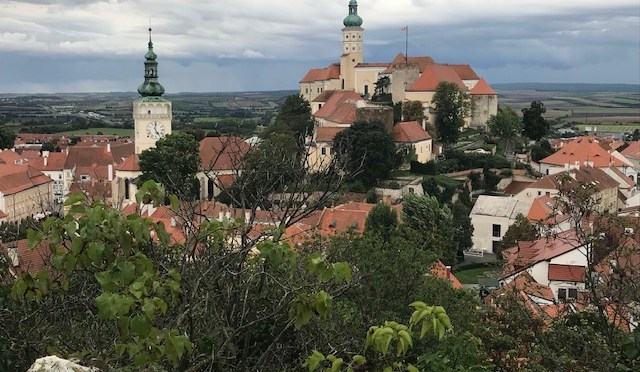
Mukulov é uma bela cidade localizada em torno de 247 km de Praga, o equivale a quase duas horas e meia da carro. Ele possui aproximadamente 7400 habitantes . Ela está situada no distrito de Břeclav na Região Sul da Moravia.
Essa bela cidade é caracterizada por possuir um lindo centro histórico, com seus edifícios renascentistas oriundos do século XVI, e por ser circundada por vinícolas. O monumento de maior destaque em Mikulov é o seu castelo denominado Zámek Mikulov, que domina a paisagem do seu centro histórico e de onde se pode apreciar uma bela vista da parte antiga da cidade. Outra edificação interessante é a Casa Grafite (U Rytířů [Knights´) construída em 1591.
Principais atrativos de Mikulov: Lom Janicuv vrch (lago com águas verdes), Kozi Hradek, ruínas de um antigo castelo de onde se descortina uma bela vista da cidade; Dietrichsteinska Hrobka , igreja com traços arquitetônicos de grande beleza. Além destes vale também destacar a Sinagoga, a Galerie Závodný, para os amantes de arte, os antigos cemitério Židovský hřbitov e o Cemitério Prussiano, Casino Admial e a Reserva Natural Turold, com sua grande caverna com 2.5 km de corredores e habitat da espécie de morcego denominada Lesser Horseshoe. Nessa reserva há também um geoparque.No centro da cidade é possível seguir a “Trilha Educacional nas Pegadas dos Batistas” que se integraram à população de Mikulov.Vale a visita ao Bairro Judeu.
Passeios que você pode fazer a partir de Mikulov: visita aos Castelos de Lednice e Valtice, tombados pela Unesco, sendo que no último você pode degustar vinhos na adega Valtice. Outro monumento interessante é a residência de verão do Cardeal Franz von Dietrichstein (1570-1636), localizada a quatro quilômetros do centro de Mikulov, denominado Portz Insel.Há também a Ponte de Tijolos barroca também localizada na área de Portz Insel com cem metros de extensão. Além destes vale destacar também à visitação Monte Sagrado com os Passos da Paixão de Cristo. No topo desse pequeno monte há uma igreja consagrada São Wenceslau.Desse ponto descortina-se uma vista espetacular de Mikulov e seus arredores.
Para conhecer mais sobre Mikulov, clique aqui.
Mikulov und Umgebung
Mikulov ist eine wunderschöne Stadt, die etwa 247 km von Prag entfernt liegt, was fast zweieinhalb Stunden mit dem Auto entspricht. Es hat ungefähr 7400 Einwohner. Es liegt im Bezirk Břeclav in der südlichen Region Mährens und sehr Nahe an der österreichischen Grenze.
Diese schöne Stadt zeichnet sich durch ein wunderschönes historisches Zentrum mit Renaissancegebäuden aus dem 16. Jahrhundert aus und ist von Weingütern umgeben. Das herausragendste Denkmal in Mikulov ist das Schloss Zámek Mikulov, das die Landschaft des historischen Zentrums dominiert und von dem aus Sie einen wunderschönen Blick auf die Altstadt genießen können. Ein weiteres interessantes Gebäude ist das Graffiti-Haus (U Rytířů) aus dem Jahr 1591.
Die Hauptattraktionen von Mikulov: Lom Janicuv Vrch (See mit grünem Wasser), Kozi Hradek, Ruinen einer alten Burg, von der aus Sie einen schönen Blick auf die Stadt genießen können; Dietrichsteinska Hrobka, Kirche mit architektonischen Besonderheiten von großer Schönheit. Darüber hinaus sind die Synagoge, die Galerie Závodný für Kunstliebhaber, der alte Friedhof Židovský Hřbitov und der preußische Friedhof, das Admiral Casino und das Naturschutzgebiet Turold mit seiner großen Höhle mit 2,5 km Gängen und Lebensraum für Fledermäuse, erwähnenswert. In dem Turold Naturschutzgebiet befindet sich auch ein Geopark. In der Innenstadt kann man dem „Lehrpfad auf den Spuren der Baptisten“ folgen, die sich in die Bevölkerung von Mikulov integriert haben. Es lohnt sich, das Judenviertel zu besuchen.
Touren, die Sie von Mikulov aus unternehmen können: Besuch der UNESCO-geschützten Schlösser Lednice und Valtice, wo Sie in letzterem Wein im Valtice-Keller probieren können. Ein weiteres interessantes Denkmal ist die vier Kilometer vom Zentrum von Mikulov entfernte Sommerresidenz von Kardinal Franz von Dietrichstein (1570-1636), genannt Portz Insel. Neben diesen ist auch der Besuch desSvatý Kopeček (heiliger Berg/Tanzberg) mit dem Kreuzweg erwähnenswert. Auf der Spitze dieses kleinen Hügels steht die Kirche St. Sebastian, von der aus man einen spektakulären Blick auf Mikulov und seine Umgebung hat.
Um mehr über Mikulov zu erfahren, klicken Sie hier.
Mikulov and surroundings
Mikulov is a beautiful town located about 247 km from Prague, which is almost two and a half hours by car. It has about 7,400 inhabitants. It is located in the Břeclav district in the southern region of Moravia and very close to the Austrian border.
This beautiful city is characterized by a beautiful historical center with Renaissance buildings from the 16th century and is surrounded by wineries. The most outstanding monument in Mikulov is the Zámek Mikulov Castle, which dominates the landscape of the historical center and from which you can enjoy a beautiful view of the old town. Another interesting building is the Graffiti House (U Rytířů) from 1591.
The main attractions of Mikulov: Lom Janicuv Vrch (lake with green water), Kozi Hradek, ruins of an old castle from which you can enjoy a beautiful view of the city; Dietrichsteinska Hrobka, church with architectural features of great beauty.
In addition, the Synagogue, the Závodný Gallery for art lovers, the old Židovský Hřbitov Cemetery and the Prussian Cemetery, the Admiral Casino and the Turold Nature Reserve with its large cave with 2.5 km of corridors and a habitat for bats are worth mentioning.
There is also a Geopark in the Turold Nature Reserve. In the city center you can follow the “Educational trail in the footsteps of the Baptists” who have integrated into the Mikulov population. It is worth visiting the Jewish Quarter.
Tours you can do from Mikulov: visiting the UNESCO-protected castles Lednice and Valtice, where you can taste wine in the Valtice cellar in the latter. Another interesting monument is the summer residence of Cardinal Franz von Dietrichstein (1570-1636), called Portz Island, four kilometers from the center of Mikulov. Besides these, a visit to Svatý Kopeček (Holy Hill/Dancing Hill) with the Way of the Cross is also worth mentioning. On the top of this small hill stands the Church of St. Sebastian, from which there is a spectacular view of Mikulov and its surroundings.
To learn more about Mikulov, click here.

Impressões gerais sobre Alagoas/Eindrücke über Alagoas/Impressions about Alagoas
Alagoas é um estado brasileiro localizado na Região Nordeste do Brasil cuja capital é Maceió. Sua população é de aproximadamente dois milhões e setecentos mil habitantes, cujo um milhão vivem em Maceió.
Este estado é caracterizado por possuir uma costa pontilhada por praias espetaculares com suas águas esverdeadas e mornas, além de serem emolduradas por coqueirais verdejantes.
Erich já visitamos Alagoas mais de uma vez. Já visitamos as praias das partes nortes e sul.
Maceió possui um orla marítima bem estruturada com ciclovia, quiosques, mercado de artesanato, restaurantes, dentre outros. A Poder público de Maceió promove uma animação na Avenida Beira-mar nos domingos quando ela é fechada e acontecem shows, roda de capoeira, há aluguel de carrinhos para a criançada, dentre outros atrativos.
A ideia desse post é apresentar, através de imagens, impressões gerais sobre esse estado tão cheio de belezas, de sol e de gente hospitaleira.
Se você quiser conhecer mais sobre Alagoas, clique aqui.
Eindrücke über Alagoas
Alagoas ist ein brasilianischer Bundesstaat im Nordosten Brasiliens dessen Hauptstadt Maceió ist. Seine Bevölkerung beträgt ungefähr 2,7 Millionen Einwohner, von denen eine Million in Maceió leben.
Dieser Bundesstaat zeichnet sich durch eine Küste aus, die mit spektakulären Stränden mit grünlichem und warmem Wasser aufwartet und von grünen Kokospalmen eingerahmt wird.
Erich hat Alagoas schon mehrmals besucht. Wir haben bereits die Strände des nördlichen und südlichen Bereiches besucht.
Maceió selbst offeriert eine gut strukturierte Strandpromenade mit Radwegen, Kiosken, Kunsthandwerksmarkt, Restaurants und vielem mehr. Die Stadterwaltung von Maceió fördert Animation auf der Avenida Beira-mar sonntags, wenn sie dann für den Verkehr gesperrt ist, dann gibt es hier Konzerte, Capoeira-Kreise, Kinderspielwagenverleih, die Menschen treiben Sport, radeln, geniessen die Promenade und vieles mehr.
Die Idee dieses Beitrags ist es, mittels einiger Bilder die Eindrücke über diesen Staat voller Schönheiten, Sonne und gastfreundlicher Menschen zu präsentieren.
Wenn Sie mehr über Alagoas erfahren möchten, klicken Sie hier.
Impressions about Alagoas
Alagoas is a Brazilian state in northeastern Brazil whose capital is Maceió. Its population is approximately 2.7 million inhabitants, one million of whom live in Maceió.
This state is characterized by a coast that offers spectacular beaches with greenish and warm water and is framed by many green coconut trees.
Erich has visited Alagoas several times. We have already visited the beaches of the northern and southern areas.
Maceió itself offers a well-structured beach promenade with cycle paths, kiosks, a handicraft market, restaurants and much more.
The Municipality of Maceió promotes animation on the Avenida Beira-mar on Sundays, when it is closed to traffic, there are then concerts, capoeira circles, stroller rentals, people play sports, bike, enjoy the promenade and much more.
The idea of this article is to present the impressions of this state full of beauties, sun and hospitable people by means of some pictures.
If you want to learn more about Alagoas, click here.

Siena, a bela cidade medieval italiana/Siena – die schöne mittelalterliche italienische Stadt/Siena – the beautiful medieval Italian city
Siena é uma bela cidade medieval italiana localizada na região da Toscana, na Itália. Ela possui uma população de aproximadamente de 53.000 habitantes e está distante cerca de 76 quilômetros de Florença.
Siena teve seu apogeu e chegou a rivalizar com Florença no período de 1260 e 1348.
Erich e eu visitamos Siena no mês de agosto e chegamos de trem, proveniente de Florença e a viagem teve duração de uma hora e meia. Nós tivemos o prazer de conhecer essa simpática cidade e usá-la também para ser nossa base para conhecermos San Giminiano, Montelpulciano, Montalcino e Pienza, mas, isso é assunto para outro post.
É fácil caminhar pelo centro histórico de Siena, os monumentos são muito bem-sinalizados e há uma riqueza de construções arquitetônicas brilhantes. Os grandes destaques dessa área são o Duomo e a Piazza del Campo.
O Duomo, ou seja, a Catedral foi construída entre 1136 e 1382, é um exemplo da arquitetura românica gótica e possui verdadeiros tesouros no seu interior como esculturas de Pisano, Donatello e Michelângelo, um belíssimo piso de mármore e uma coleção de afrescos de Pinturicchio, importantes nomes da história da arte mundial. No interior dessa catedral está localizada a Biblioteca Piccolomini, uma maravilha para os amantes de arte. Recomendo fortemente comprar o ingresso antecipado pela Internet para visitar esse monumento.
A Piazza del Campo é deslumbrante devido ao seu formato que lembra um leque, circundada por antigos prédios. As atrações principais dessa praça são o Palácio Público, Museu Cívico de Siena (funciona em uma das salas desse palácio) e a Torre del Mangia. Foi muito agradável almoçar em um dos restaurantes localizados nessa praça, beber um bom vinho italiano e apreciá-la. Vale destacar também que a Piazza del Campo é palco do mais importante evento de Siena conhecido como “Pálio de Siena”. Trata-se de uma das mais famosas festas da Toscana, acontece sempre no dia 2 de julho e 16 de agosto, sendo que o primeiro registro desse evento data de 1283. Há nessa praça também a Fonte Gaia, que é alimentada, através de canais subterrâneos, por uma fonte situada a 25 quilômetros de distância do local. A fonte original está no Palácio Público.
Além desses monumentos impressionantes e as movimentadas ruas do centro histórico, vale visitar a Fortezza Medicea, de onde se tem uma bela vista do centro histórico, o Museo Delll´Opera Metropolitana, o Baptistério e a Pinacoteca Nazionale, instalada desde 1930 no Palazzo Buonsignori.
Para conhecer mais sobre Siena, clique aqui.
Siena – die schöne mittelalterliche italienische Stadt
Siena ist eine wunderschöne mittelalterliche italienische Stadt in der Toskana in Italien. Sie hat etwa 53.000 Einwohner und liegt etwa 76 Kilometer von Florenz entfernt.
Siena erlebte zwischen 1260 und 1348 seine Blütezeit und konkurrierte sogar mit Florenz.
Erich und ich besuchten Siena im August und kamen mit dem Zug aus Florenz an und die Fahrt dauerte anderthalb Stunden. Wir hatten das Vergnügen, diese schöne Stadt kennenzulernen und sie auch als Basis zu nutzen, um San Giminiano, Montelpulciano, Montalcino und Pienza kennenzulernen, aber das ist ein Thema für einen anderen Beitrag.
Das historische Zentrum von Siena ist leicht zu Fuß zu erkunden, die Denkmäler sind sehr gut ausgeschildert und es gibt eine Fülle brillanter architektonischer Gebäude. Die wichtigsten Highlights der Stadt sind der Dom und die Piazza del Campo.
Der Duomo, das heißt die Kathedrale, die zwischen 1136 und 1382 erbaut wurde, ist ein Beispiel gotischer romanischer Architektur und hat im Inneren echte Schätze wie Skulpturen von Pisano, Donatello und Michelangelo, einen schönen Marmorboden und eine Sammlung von Fresken von Pinturicchio, wichtig Namen in der Geschichte der Weltkunst. Im Inneren dieser Kathedrale befindet sich auch die Piccolomini-Bibliothek, eine Freude für Kunstliebhaber. Ich empfehle dringend, die Tickets im Voraus über das Internet zu kaufen, um dieses Bauwerk zu besuchen.
Die Piazza del Campo ist atemberaubend wegen ihrer Form, die einem Fächer ähnelt, umgeben von alten Gebäuden. Die Hauptattraktionen dieses Platzes sind der öffentliche Palast, das Stadtmuseum von Siena (es befindet sich in einem der Räume dieses Palastes) und der Torre del Mangia. Es war sehr angenehm, in einem der Restaurants auf diesem Platz zu Mittag zu essen, einen guten italienischen Wein zu trinken und ihn zu genießen. Es ist auch erwähnenswert, dass die Piazza del Campo die Bühne für das wichtigste Ereignis in Siena ist, das als „Pallium von Siena“ bekannt ist. Dies ist eines der berühmtesten Feste in der Toskana, es findet immer am 2. Juli und 16. August statt, und die erste Aufzeichnung dieser Veranstaltung stammt aus dem Jahr 1283.
Auf diesem Platz, der durch Kanäle gespeist wird, befindet sich auch der Gaia-Brunnen. unterirdisch gespeist aus einer 25 Kilometer vom Standort entfernten Quelle. Der ursprüngliche Brunnen befindet sich im öffentlichen Palast.
Neben diesen beeindruckenden Denkmälern und den belebten Straßen des historischen Zentrums lohnt sich ein Besuch der Fortezza Medicea, von wo aus Sie einen wunderschönen Blick auf das historische Zentrum haben, das Museo Dell’Opera Metropolitana, das Baptisterium und die Pinacoteca Nazionale, installiert seit 1930 im Palazzo Buonsignori.
Um mehr über Siena zu erfahren, klicken Sie hier.
Siena – the beautiful medieval Italian city
Siena is a beautiful medieval Italian city in Tuscany, Italy. It has about 53,000 inhabitants and is about 76 kilometers from Florence.
Siena experienced its heyday between 1260 and 1348 and even rivaled Florence.
Erich and I visited Siena in August and we arrived by train from Florence and the journey took an hour and a half. We had the pleasure of getting to know this beautiful town and also using it as a base to explore San Giminiano, Montelpulciano, Montalcino and Pienza, but that’s a topic for another post.
The historic center of Siena is easy to explore on foot, the monuments are very well signposted and there is an abundance of brilliant architectural buildings. The main highlights of the city are the Duomo and the Piazza del Campo.
The Duomo, that is the cathedral, built between 1136 and 1382, is an example of Gothic Romanesque architecture and inside it has real treasures such as sculptures by Pisano, Donatello and Michelangelo, a beautiful marble floor and a collection of frescoes by Pinturicchio, important names in the history of world art. Also inside this cathedral is the Piccolomini Library, an art lover’s delight. I strongly recommend buying the tickets in advance via the internet to visit this structure.
Piazza del Campo is stunning for its fan-like shape surrounded by ancient buildings. The main attractions of this square are the Public Palace, the Civic Museum of Siena (it is located in one of the rooms of this palace) and the Torre del Mangia. It was very pleasant to have lunch in one of the restaurants in this square, drinking and enjoying a good Italian wine. It is also worth noting that the Piazza del Campo is the stage for the most important event in Siena, known as the “Pallium of Siena”. This is one of the most famous festivals in Tuscany, always taking place on July 2nd and August 16th, and the first record of this event dates back to 1283.
On this square, which is fed by canals, is also the Gaia Fountain. Fed via underground from a source 25 kilometers from the site. The original fountain is in the public palace.
In addition to these impressive monuments and the lively streets of the historic center, it is worth visiting the Fortezza Medicea, from where you can enjoy a beautiful view of the historic center, the Museo Dell’Opera Metropolitana, the Baptistery and the Pinacoteca Nazionale, installed since 1930 in the Palazzo Buonsignori.
To learn more about Siena, click here.
Frankfurt am Main, a cidade de Goethe/Frankfurt am Main – die Stadt Goethes/Frankfurt am Main – the city of Goethe
Frankfurt am Main, a cidade de Goethe
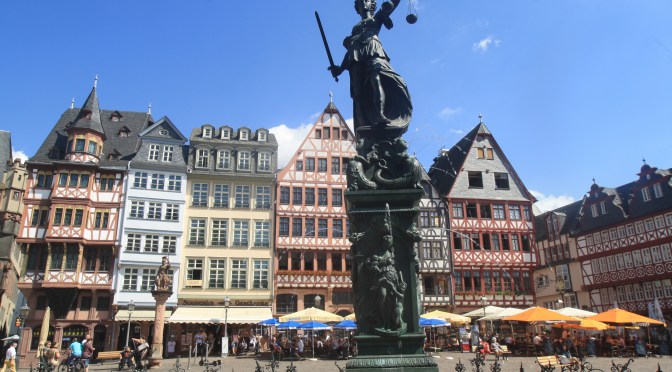
Frankfurt é o centro financeiro da Alemanha. Ela é famosa devido seus arranha-céus e também por ser a cidade onde nasceu Goethe, um dos mais importantes representantes da literatura alemã.
Ela é chamada de “Mainhattan da Alemanha”.
Frankfurt possui em torno de 777 mil habitantes sendo que 30 por cento da população são oriundos de 180 países. Ela está localizada as margens do Rio Main. O aeroporto de Frankfurt é o terceiro mais movimentado da Europa. A cidade é um relevante centro cultural.
Frankfurt possui muitos museus, com destaque para o Museu Städel-Museum, que apresenta uma retrospectiva da arte europeia dos últimos 700 anos.
Um passeio confortável e agradável para se realizar em Frankfurt o de barco no Rio Main, onde é possível apreciar a cidade a partir do rio. A duração do passeio é de aproximadamente 100 minutos e ele oferece uma boa e geral impressão da cidade. Há também a opção de passeio com uma duração menor. Nós gostamos muito da primeira opção.
Visitamos Frankfurt durante o mês de agosto e aproveitamos para curtirmos o Festival do Vinho de Maçã (Apfelweinfestival) que acontece no centro da cidade, na Frankfurter Roßmarkt. O vinho de maçã, o „Apfelwein „ é também chamado „Ebbelwoi“, no dialeto local (hessisch) é uma bebida típica de Frankfurt.
Outro passeio agradável é caminhar nas margens do rio em um dia de verão.
Depois de se curtira cidade a partir do rio foi muito agradável ver Frankfurt a partir da Main Tower, ver como ela se espalha nas margens do rio e observar os arranha-céus. Depois da Main Tower caminhamos pela movimentada Große Bockenheimer Straße, com suas muitas lojas.
Também foi muito interessante caminhar na parte antiga que foi reconstruída nos moldes dos velhos prédios que existiam no local. (Nova Cidade Velha)
Jantamos duas vezes no Restaurante Klosterhof , próximo ao nosso hotel, nos hospedamos no Motel One Römer, o qual possui uma excelente localização. Também jantamos em um restaurante nos arredores da cidade, um típico “Biergarten” localizado numa área verde, muito agradável. O endereço desse restaurante: Oberschweinstiege-Schneise 65. A garçonete do nosso hotel nos recomendou também conhecer o restaurante Friedberg Warte, localizado dentro da área urbana, mas, esse não tivemos tempo de conhecer.
Para conhecer mais sobre Frankfurt am Main, clique aqui.
Frankfurt am Main – die Stadt Goethes
Frankfurt ist das Finanzzentrum Deutschlands. Sie ist berühmt für ihre Wolkenkratzer und auch als Geburtsort von Goethe, einem der wichtigsten Vertreter der deutschen Literatur.
Sie wird auch das „Mainhattan Deutschlands“ genannt.
Frankfurt hat rund 777.000 Einwohner, wobei 30 Prozent der Bevölkerung aus 180 Ländern stammen. Es liegt am Ufer des Mains. Der Frankfurter Flughafen ist der drittgrößte in Europa. Die Stadt ist ein wichtiges kulturelles Zentrum.
Frankfurt hat viele Museen, allen voran das Städel-Museum, das eine Retrospektive der europäischen Kunst der letzten 700 Jahre präsentiert.
Eine bequeme und angenehme Tour in Frankfurt ist die mit dem Schiff auf dem Main, wo Sie die Stadt vom Fluss aus genießen können. Die Tour dauert ungefähr 100 Minuten und vermittelt einen guten und allgemeinen Eindruck von der Stadt. Es besteht auch die Möglichkeit einer kürzeren Tour. Die erste Option gefiel uns jedoch sehr gut.
Wir besuchten Frankfurt im August und nutzten die Gelegenheit, um auch das Apfelweinfest zu genießen, das in der Innenstadt auf dem Frankfurter Roßmarkt stattfindet. Apfelwein, auch „Ebbelwoi“ genannt, ist im hiesigen Dialekt (hessisch) ein typisches Getränk aus Frankfurt.
Ein weiterer angenehmer Ausflug ist ein Spaziergang am Ufer des Flusses an einem Sommertag.
Nachdem ich die Stadt vom Fluss aus genossen hatte, war es sehr angenehm, Frankfurt vom Main Tower aus zu sehen, zu sehen, wie es sich am Flussufer ausbreitet und um die Wolkenkratzer zu beobachten. Nach dem Main Tower spazierten wir die belebte Große Bockenheimer Straße mit ihren vielen Geschäften entlang.
Es war auch sehr interessant, in den alten Teil der Altstadt zu gehen, der in der Form der alten Gebäude, die auf dem Gelände hier existierten, wieder aufgebaut wurde. (Neue Altstadt)
Wir haben zweimal im Restaurant Klosterhof zu Abend gegessen, direkt neben unserem Hotel Motel One Römer mit seiner ausgezeichneten Lage.
Wir aßen auch in einem Restaurant am Rande der Stadt zu Abend, einem typischen „Biergarten“ mit einer sehr angenehmen grünen Atmosphäre. Die Adresse dieses Restaurants:Oberschweinstiege-Schneise 65. Die Kellnerin unseres Hotels empfahl uns auch, das im Stadtgebiet gelegene Restaurant Friedberg Warte zu besuchen, aber leider hatten wir keine Zeit mehr hierfür.
Um mehr über Frankfurt am Main zu erfahren, klicken Sie hier.
Frankfurt am Main – the city of Goethe
Frankfurt is the financial center of Germany. It is famous for its skyscrapers and also as the birthplace of Goethe, one of the most important figures in German literature.
It is also called the “Mainhattan of Germany”.
Frankfurt has around 777,000 inhabitants, with 30 percent of the population coming from 180 countries. It is on the banks of the Main. Frankfurt Airport is the third busiest in Europe. The city is an important cultural center.
Frankfurt has many museums, most notably the Städel Museum, which presents a retrospective of European art from the last 700 years.
A convenient and enjoyable tour in Frankfurt is by boat on the Main, where you can enjoy the city from the river. The tour lasts approximately 100 minutes and gives a good and general impression of the city. There is also the possibility of a shorter tour. However, we really liked the first option.
We visited Frankfurt in August and took the opportunity to also enjoy the apple wine festival that takes place downtown at Frankfurt’s Roßmarkt. Apple wine, also called “Ebbelwoi”, is a typical drink from Frankfurt in the local dialect (Hessian).
Another pleasant excursion is a walk along the river bank on a summer day.
After enjoying the city from the river, it was very pleasant to see Frankfurt from the Main Tower, seeing it spread out along the riverbank and observing the skyscrapers. After the Main Tower we walked along the lively Große Bockenheimer Straße with its many shops.
It was also very interesting to go to the old part of the old town, rebuilt in the shape of the old buildings that existed on the site here. (New Old Town)
We had dinner twice in the Klosterhof restaurant, right next to our hotel Motel One Römer with its excellent location.
We also had dinner in a restaurant on the outskirts of town, a typical “beer garden” with a very pleasant green atmosphere. The address of this restaurant: Oberschweinstiege-Schneise 65. The waitress of our hotel also recommended us to visit the Friedberg Warte restaurant, which is located in the city area, but unfortunately we didn’t have time for this anymore.
To find out more about Frankfurt am Main, click here.
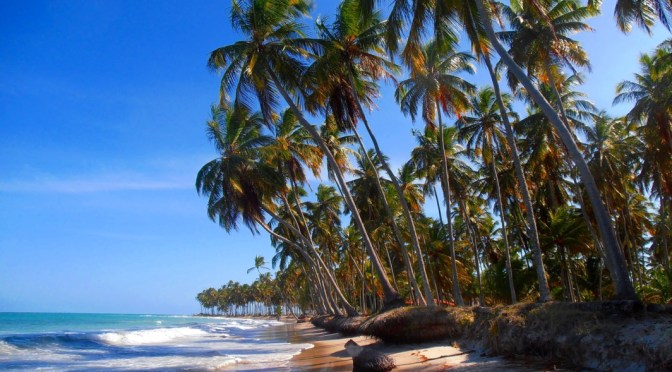
A bela Praia dos Carneiros/Der wunderschöne Praia dos Carneiros/The beautiful Praia dos Carneiros
O Brasil possui aproximadamente 8 000 km de praias paradisíacas. A região nordeste foi contemplada por muitas dessas belas praias. É por isso que muitas pessoas a visitam, principalmente nos meses das férias de janeiro e fevereiro.
Dentre esses lugares espetaculares destaca-se a Praia dos Carneiros. Ela está localizada no município pernambucano de Tamandaré, integra a Área de Proteção Ambiental Costa dos Corais e está distante cerca de 100 km de Recife e 45 km da famosa Praia de Porto de Galinhas.
Erich e eu estivemos em Carneiros há muitos anos atrás (2013) quando ela não era tão conhecida como hoje em dia. Era o tempo em que a famosa igrejinha de Carneiros reinava solitária naquela bela paisagem.
Retornamos recentemente e observamos que o cenário continua lindo, porém novos equipamentos turísticos foram implantados, além de novos meios de hospedagem.
A Praia de Carneiros é caracterizada por possuir um braço de mar que se encontra com o Rio Goicana. Nas áreas próximas à igrejinha e ao restaurante Bora Bora há muita gente nos dias feriados e nos finais de semana. Parece até que cada visitante tem um barco…
Nós nos hospedamos na Pousada Sítio da Prainha que está localizada em frente ao braço de mar, na parte chamada de Prainha. É um local mais tranquilo. É nessa área que se localiza também o Carneiros Beach Clube.
Em Carneiros há locais que você pode passar o dia, como o restaurante Bora Bora, o Carneiros Beach Clube, Divisa dos Carneiros, além de outros.
Se você for para passar o final de semana vale destacar que provavelmente você vai jantar no restaurante da sua pousada, pois não há restaurantes abertos a noite na praia, com exceção dos restaurantes dos meios de hospedagem, que aceitam hóspedes de outras pousadas e o famoso Restaurante Beijupirá integrado à Pousada Pontal dos Carneiros, que para jantar somente atende com reservas.
Para você ter uma ideia de preço, pagamos R$ 70,00 (outubro/22), da Pousada Sítio da Prainha ao Restaurante Beijupirá.
Na Praia dos Carneiros é possível realizar um passeio de barco pelo braço de mar. Esse passeio é oferecido para quem está na praia. Também é possível praticar o stand up paddle.
Nós preferimos caminhar na praia e depois curtir nossa pousada.
A Praia de Carneiros é uma sugestão de destino para quem ama beleza natural e quer passar um final de semana junto do mar.
Para chegar em Carneiros utilizamos o excelente serviço de Recife Translado Agência de Turismo: 55 81 89927971 e serviço de táxi em Carneiros: Cícero 55 81 998152335
Der wunderschöne Praia dos Carneiros
Brasilien hat ungefähr 8.000 km paradiesische Strände. Vor allem die nordöstliche Region muss hier in Betracht gezogen werden. Deshalb besuchen diese Stränd viele Menschen, besonders in den Ferienmonaten Januar und Februar.
Unter diesen spektakulären Orten sticht Praia dos Carneiros hervor. Er liegt in der Gemeinde Tamandaré in Pernambuco, Teil des Umweltschutzgebiets Costa dos Corais und ist etwa 100 km von Recife und 45 km vom berühmten Strand Porto de Galinhas entfernt.
Erich und ich waren vor vielen Jahren (2013) in Carneiros, als es noch nicht so bekannt war wie heute. Es war die Zeit, als die berühmte kleine Kirche von Carneiros allein in dieser wunderschönen Landschaft dominierte.
Wir sind vor kurzem zurückgekehrt und haben festgestellt, dass die Landschaft immer noch schön ist, aber neben neuen Unterkunftsmöglichkeiten wurden auch viele neue touristische Einrichtungen eingeführt.
Der Strand Praia de Carneiros zeichnet sich dadurch aus, dass er einen Meeresarm hat, der auf den Fluss Goicana trifft. In der Nähe der kleinen Kirche und des Restaurants Bora Bora gibt es an Feiertagen und Wochenenden sehr viele Menschen. Es scheint sogar, als ob jeder Besucher ein eigenes Boot hat…
Wir übernachteten in der Pousada Sítio da Prainha, die direkt am Meer im Stadtteil Prainha liegt. Es ist ein friedlicher Ort. In dieser Gegend befindet sich auch der Carneiros Beach Club.
In Carneiros gibt es Orte, an denen Sie den ganzen Tag verbringen können, wie unter anderem das Restaurant Bora Bora, Carneiros Beach Clube, Divisa dos Carneiros.
Falls Sie hier ein Wochenende verbringen sollten Sie wissen, dass Sie wahrscheinlich im Restaurant Ihrer Unterkunft zu Abend essen werden, da am Strand nachts keine Restaurants geöffnet sind, mit Ausnahme der Hotelrestaurants, die auch Gäste aus anderen Unterkünften empfangen wie z.B. das berühmte Restaurant Beijupirá, das in die Pousada Pontal dos Carneiros integriert ist und nur mit Reservierung zum Abendessen operiert.
Um Ihnen eine Vorstellung vom Taxipreis zu geben, wir haben R$ 70,00 (22. Oktober 2022) von der Pousada Sítio da Prainha bis zum Restaurant Beijupirá bezahlt.
Am Praia dos Carneiros ist es auch möglich, eine Bootsfahrt entlang der Bucht zu unternehmen. Diese Tour wird für diejenigen angeboten, die momentan am Strand sind. Es ist auch möglich, Stand Up Paddle zu üben.
Wir gehen lieber am Strand spazieren und genießen dann unsere Unterkunft.
Praia de Carneiros ist ein Ausflugstipp für Naturliebhaber, die ein Wochenende am Meer verbringen möchten.
Um nach Carneiros zu gelangen, nutzten wir den ausgezeichneten Service der Recife Transfer Tourism Agency: 55 81 89927971 und den Taxiservice in Carneiros: Cícero 55 81 998152335
The beautiful Praia dos Carneiros
Brazil has about 8,000 km of paradisiacal beaches. The north-eastern region in particular must be taken into account here. Therefore, this beach is visited by many people, especially during the holiday months of January and February.
Among these spectacular places Praia dos Carneiros stands out. Located in the municipality of Tamandaré in Pernambuco, part of the Costa dos Corais Environmental Protection Area, it is about 100 km from Recife and 45 km from the famous Porto de Galinhas beach.
Erich and I were in Carneiros many years ago (2013) when it wasn’t as well known as it is today. It was the time when the famous little church of Carneiros alone dominated in this beautiful landscape.
We have recently returned and found that the countryside is still beautiful but many new tourist facilities have been introduced alongside new accommodation options.
The Praia de Carneiros beach is characterized by having an estuary that meets the Goicana river. Near the small church and the Bora Bora restaurant, there are a lot of people on holidays and weekends. It even seems as if every visitor has their own boat…
We stayed at the Pousada Sítio da Prainha, which is located on the seafront in the Prainha district. It’s a peaceful place. The Carneiros Beach Club is also located in this area.
In Carneiros there are places where you can spend the whole day such as Bora Bora Restaurant, Carneiros Beach Clube, Divisa dos Carneiros, among others.
If you spend a weekend here, you should know that you will probably have dinner at the restaurant of your accommodation, since no restaurants are open at night on the beach, except for the hotel restaurants, which also welcome guests from other accommodations, such as the famous Beijupirá restaurant, which is integrated into the Pousada Pontal dos Carneiros and operates by reservation only for dinner.
To give you an idea of the taxi price, we paid R$ 70.00 (October 22, 2022) from Pousada Sítio da Prainha to Beijupirá restaurant.
At Praia dos Carneiros it is also possible to take a boat trip along the bay. This tour is offered for those who are currently on the beach. It is also possible to practice Stand Up Paddle.
We prefer to walk on the beach and then enjoy our accommodation.
Praia de Carneiros is a tip for nature lovers who want to spend a weekend by the sea.
To get to Carneiros we used the excellent service of the Recife Transfer Tourism Agency: 55 81 89927971 and the taxi service in Carneiros: Cícero 55 81 998152335

Erfurt – experiência da Idade Média/Erfurt – Mittelalter Erfahrung/Erfurt – Middle Ages experience
Erfurt tem cerca de 215.000 habitantes e é a capital do Estado Livre da Turíngia. Erich visitou a cidade pela primeira vez na década de 1980 como parte de um programa de estágio intitulado “Nas pegadas de Schiller e Goethe”. Naquela época Erfurt ainda integrava a Republica Democrática da Alemanha. Ele ficou realmente curioso durante a visita à essa cidade para comparar com a cidade que ele viu no passado e agora no ano de 2022.
Decidimos fazer uma parada de um dia em Erfurt em nossa viagem de trem de Berlim a Friburgo, um plano do qual não nos arrependemos.
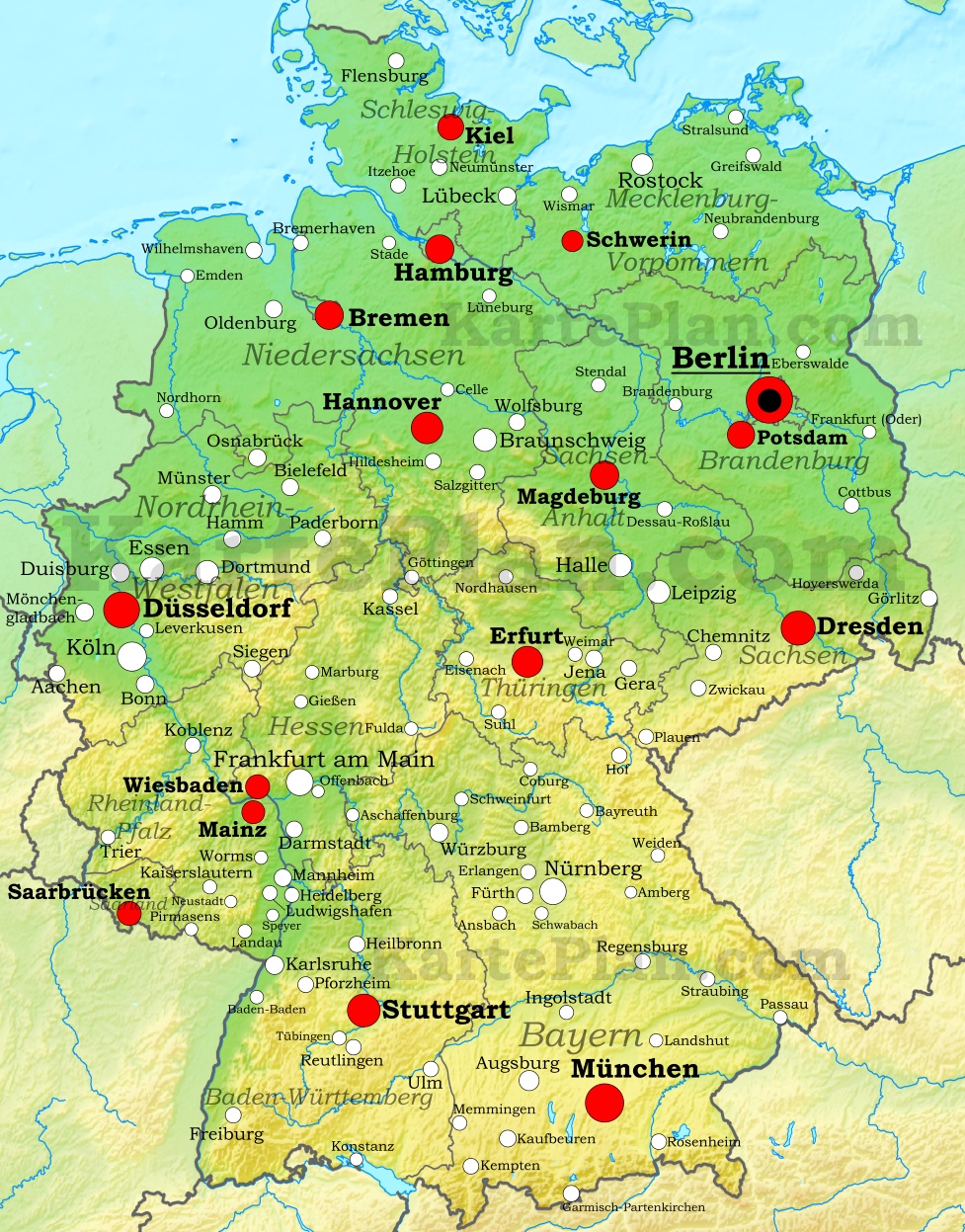
Como tínhamos apenas um dia disponível, nos concentramos principalmente em passeios pela cidade velha medieval com muitas igrejas, casas geminadas e casas em enxaimel.
Os seguintes pontos devem ser definitivamente mencionados como destaques para uma visita curta como a nossa:
Catedral de Erfurt
Catedral
Praça da Catedral
Ponte Krämer
Igreja Severi
Cidade velha histórica
Mercado de Peixe
Egapark
Escultura “Bernd e o pão”
…e muito mais
O centro histórico da cidade com todos os seus edifícios, casas, igrejas, mercados, cafés, restaurantes e lojas e o seu charme convidam a um passeio relaxante, e também vale a pena investir nas oportunidades fotográficas.
Também gostamos muito do passeio divertido de 45 minutos com um ônibus articulado pequeno e manobrável pelas ruas de Erfurt.
Obs.: Quando visitar Erwurft prove a típica salsicha Thüriben.
Erfurt – Mittelalter Erfahrung
Erfurt hat etwa 215.000 Einwohner und fungiert als Hauptstadt des Freistaates Thüringen. Erich besuchte die Stadt das erste Mal in den 80er Jahren im Rahmen eines Studienreferendars Programmes mit dem Titel „Auf den Spuren Schillers und Goethes“, damals war Erfurt noch DDR, umso mehr war er nun darauf gespannt, in welchem Gewande sich die Stadt wohl nun im Jahr 2022 präsentieren würde.
Wir entschlossen uns, bei unserer Zugreise von Berlin nach Freiburg einen eintägigen Stopp in Erfurt einzulegen, ein Plan, den wir ganz und gar nicht bereuen sollten.
Da wir nur einen Tag zur Verfügung hatten, konzentrierten wir uns v.a. auf Spaziergänge in der Altstadt mittelalterlicher Prägung mit sehr vielen Kirchen, Bürger-und Fachwerkhäusern.
Als Highlights für einen kurzen Besuch wie eben der unsere wären unbedingt folgende Punkte zu benennen:
Erfurter Dom
Kathedrale
Domplatz
Krämerbrücke
Severikirche
Historische Altstadt
Fischmarkt
Egapark
Skulptur „Bernd und das Brot“
…und vieles mehr
Der Altstadtkern mit all seinen Gebäuden, Häusern, Kirchen, Märkten, Cafes, Restaurants und Läden und seinem Flair laden zu entspannten Spaziergängen ein, auch was Fotomotive angeht werden Sie voll auf Ihre Kosten kommen.
Uns gefiel auch sehr die 45-minütige, kurzweilige Stadtrundfahrt mit einem kleinen, wendigen Gelenkbus durch die Gassen Erfurts.
Probieren Sie bei einem Besuch in Erwurft die typische Thüriber Wurst.
Um mehr über Erfurt zu erfahren, klicken Sie hier.
Erfurt – Middle Ages experience
Erfurt has around 215,000 inhabitants and is the capital of the Free State of Thuringia. Erich visited the city for the first time in the 1980s as part of a traineeship program entitled “In the footsteps of Schiller and Goethe”. At that time Erfurt was still part of the GDR, so he was all the more curious to see what the city would wear would now present in 2022.
We decided to make a one-day stop in Erfurt on our train journey from Berlin to Freiburg, a plan we shouldn’t regret at all.
Since we only had one day available we focused primarily on walks in the medieval old town with many churches, town houses and half-timbered houses.
The following points should definitely be mentioned as highlights for a short visit like ours:
Erfurt Cathedral
Cathedral
Cathedral Square
Krämer Bridge
Severi Church
Historical old city
Fish market
Egapark
Sculpture “Bernd and the bread”
…and much more
The old town center with all its buildings, houses, churches, markets, cafes, restaurants and shops and its flair invite you to take a relaxing walk and you will also get your money’s worth when it comes to photo opportunities.
We also really liked the 45-minute, entertaining city tour with a small, manoeuvrable articulated bus through the streets of Erfurt.
When visiting Erwurft, try the typical Thüriben sausage.
 imagenseviagens.com.br/travelandimages.com