Belém, capital do estado brasileiro do Pará, está situada na foz do grandioso rio Amazonas e é conhecida como a porta de entrada para a maior floresta tropical do mundo.
Fundada em 1616 pelos colonizadores portugueses, a cidade é hoje uma fascinante mistura de história, cultura e vitalidade tropical. O bairro antigo, a Cidade Velha, impressiona com seus edifícios coloniais, igrejas e ruas estreitas que revelam o passado glorioso da cidade.
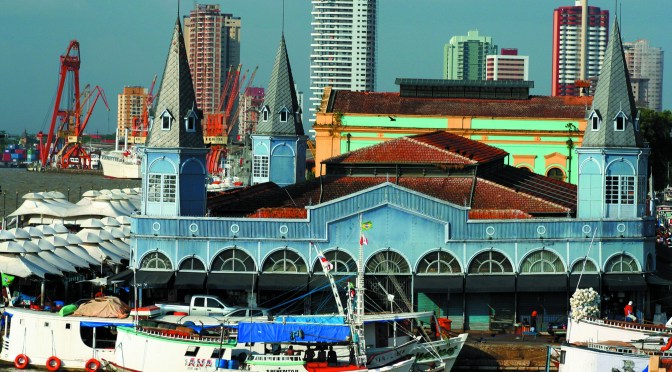
Um dos principais pontos turísticos é o Mercado Ver-o-Peso, um dos maiores mercados a céu aberto da América do Sul, onde se encontram frutas exóticas, ervas, especiarias e plantas medicinais. Ali se sente o verdadeiro espírito amazônico.
À beira do rio, o moderno complexo Estação das Docas oferece restaurantes, bares e eventos culturais.
Belém é também famosa por sua culinária, fortemente influenciada pelos sabores da Amazônia – pratos como Tacacá, Pato no Tucupi e Açaí são verdadeiros símbolos regionais.
Todos os anos, em outubro, ocorre o Círio de Nazaré, uma das maiores procissões católicas do mundo, que atrai milhões de fiéis. Apesar do calor e da umidade, Belém possui um encanto único que conquista os visitantes. A combinação de herança colonial, influências indígenas e natureza amazônica torna a cidade uma experiência inesquecível.
Belém, capital do estado do Pará, é não apenas a porta de entrada para a Amazônia, mas também um centro crescente de eventos internacionais. Um dos mais importantes é a Conferência COP 30 Trata-se a 30ª edição da Conferência das Partes, um órgão decisório da Convenção-Quadro das Nações Unidas sobre a Mudança do Clima (UNFCCC). Esse evento reúne governos de quase todo o mundo para para implementar tratados da ONU sobre o clima. É considerada um dos eventos globais mais importantes para discutir a crise climática.
Esse evento foca no desenvolvimento sustentável, proteção do clima e inovações na região amazônica. Todos os anos, cientistas, autoridades, empresários e especialistas ambientais do mundo inteiro se reúnem. A conferência serve como plataforma para o intercâmbio de ideias e projetos voltados à preservação da floresta e à melhoria das condições de vida na região. Entre os principais temas estão as energias renováveis, a biodiversidade e os direitos dos povos indígenas. Com sua localização estratégica e diversidade cultural, Belém oferece o cenário ideal para esse encontro internacional. A COP 30 tornou-se um símbolo importante do diálogo global sobre as mudanças climáticas. Para saber mais sobre a COP 30, clique aqui.
Belém, die Hauptstadt des brasilianischen Bundesstaates Pará, liegt an der Mündung des mächtigen Amazonas und gilt als Tor zum größten Regenwald der Welt. Die Stadt wurde 1616 von portugiesischen Kolonialherren gegründet und ist heute ein faszinierender Mix aus Geschichte, Kultur und tropischer Lebendigkeit. Besonders eindrucksvoll ist der alte Stadtteil Cidade Velha mit seinen kolonialen Gebäuden, Kirchen und engen Gassen, die von der glorreichen Vergangenheit zeugen. Ein Highlight ist der Ver-o-Peso-Markt, einer der größten Freiluftmärkte Südamerikas, wo exotische Früchte, Gewürze, Kräuter und Heilpflanzen angeboten werden. Hier spürt man den wahren Geist des Amazonas. Direkt am Flussufer lockt das modernisierte Hafenviertel Estação das Docas mit Restaurants, Bars und Kulturveranstaltungen. Belém ist auch bekannt für seine Küche, die stark von den Aromen des Amazonas geprägt ist – Gerichte wie Tacacá, Pato no Tucupi und Açaí sind kulinarische Symbole der Region. Jedes Jahr im Oktober findet das religiöse Fest Círio de Nazaré statt, das Millionen Pilger anzieht und zu den größten katholischen Prozessionen der Welt gehört. Trotz tropischer Hitze und feuchtem Klima besitzt Belém ein einzigartiges Flair, das Besucher sofort in seinen Bann zieht. Die Mischung aus kolonialem Erbe, indianischen Einflüssen und amazonischer Natur macht die Stadt zu einem unvergesslichen Erlebnis.
Belém, die Hauptstadt des Bundesstaates Pará, ist nicht nur das Tor zum Amazonas, sondern auch ein wachsendes Zentrum internationaler Veranstaltungen. Eine der wichtigsten ist die COP 30-Konferenz. Dies ist die 30. Ausgabe der Vertragsstaatenkonferenz (Conference of the Parties, COP), dem Beschlussorgan des Rahmenübereinkommens der Vereinten Nationen über Klimaänderungen (UNFCCC). Die Konferenz bringt Regierungen aus fast aller Welt zusammen, um die UN-Klimaabkommen umzusetzen. Sie gilt als eine der wichtigsten globalen Veranstaltungen zur Erörterung der Klimakrise.
Im Mittelpunkt der Konferenz stehen nachhaltige Entwicklung, Klimaschutz und Innovationen in der Amazonasregion. Jedes Jahr treffen sich Wissenschaftler, Behördenvertreter, Wirtschaftsvertreter und Umweltexperten aus aller Welt. Die Konferenz dient als Plattform für den Austausch von Ideen und Projekten zur Erhaltung des Regenwaldes und zur Verbesserung der Lebensbedingungen in der Region. Zu den Hauptthemen gehören erneuerbare Energien, Biodiversität und die Rechte indigener Völker. Mit ihrer strategischen Lage und kulturellen Vielfalt bietet Belém den idealen Rahmen für dieses internationale Treffen. Die COP 30 ist zu einem wichtigen Symbol des globalen Dialogs über den Klimawandel geworden.Um mehr über COP 30 zu erfahren, klicken Sie hier.
Belém, the capital of the Brazilian state of Pará, lies at the mouth of the mighty Amazon River and is known as the gateway to the world’s largest rainforest. Founded in 1616 by Portuguese colonizers, the city today is a fascinating blend of history, culture, and tropical vitality. The old district, Cidade Velha, stands out with its colonial buildings, churches, and narrow streets that reflect a glorious past. A must-see attraction is the Ver-o-Peso Market, one of the largest open-air markets in South America, offering exotic fruits, spices, herbs, and medicinal plants. Here, the true spirit of the Amazon comes alive. Along the river, the renovated Estação das Docas waterfront features restaurants, bars, and cultural events. Belém is also famous for its cuisine, strongly influenced by Amazonian flavors—dishes such as Tacacá, Pato no Tucupi, and Açaí are regional icons. Every October, the Círio de Nazaré religious festival attracts millions of pilgrims, making it one of the largest Catholic processions in the world. Despite the tropical heat and humidity, Belém has a unique charm that captivates visitors. The combination of colonial heritage, indigenous influence, and Amazonian nature makes the city a truly unforgettable experience.
Belém, the capital of the state of Pará, is not only the gateway to the Amazon, but also a growing center for international events. One of the most important is the COP 30 Conference. This is the 30th edition of the Conference of the Parties, a decision-making body of the United Nations Framework Convention on Climate Change (UNFCCC). This event brings together governments from almost all over the world to implement UN climate treaties. It is considered one of the most important global events to discuss the climate crisis.
This event focuses on sustainable development, climate protection, and innovations in the Amazon region. Every year, scientists, authorities, business people, and environmental experts from around the world gather. The conference serves as a platform for the exchange of ideas and projects aimed at preserving the forest and improving living conditions in the region. Among the main themes are renewable energies, biodiversity, and the rights of indigenous peoples. With its strategic location and cultural diversity, Belém offers the ideal setting for this international meeting. COP 30 has become an important symbol of the global dialogue on climate change.To learn more about COP 30, click here.
Erich e eu já visitamos muitos lugares no mundo e vimos paisagens deslumbrantes. Porém, uma coisa posso lhe dizer, o nosso Brasil tem definitivamente uma grande diversidade de cenários que atraem turistas nacionais e internacionais. Tem opção de cenários para todos os gostos, para aqueles que querem aventura, para os que querem somente descansar, para os que se interessam por natureza e por aí vai.
Eu, particularmente, sou muito encantada pela Região Norte do Brasil, pelos atrativos naturais, pela gastronomia, pelo seu povo. Essa região, composta pelos estados do Acre, Amapá, Amazonas, Pará, Rondônia, Roraima e Tocantins é muito interessante. Uma cidade que sempre chama minha atenção é Belém.
Vista de Belém/Ansicht von Bèlem/View of Belém
A primeira coisa que vem a minha mente quando penso em Belém é a vista aérea da Baia de Guajará, no Rio Guamá e o Mercado Ver-o-Peso, tão lindo!
Barcos no Rio Guamá e o mercado Ver -o-Peso ao fundo/Boote auf dem Guamá und der Markt Ver-o-Peso im Hintergrund
Erich e eu visitamos Belém na época em que estávamos percorrendo o Brasil para captar imagens para nosso livro 66 x Brasil. Nesse trabalho, visitamos 66 lugares especiais nesse país de dimensões continentais e muitos desses destinos, voltamos, porque sempre tem algo que queremos ver novamente. Belém é um desses lugares.
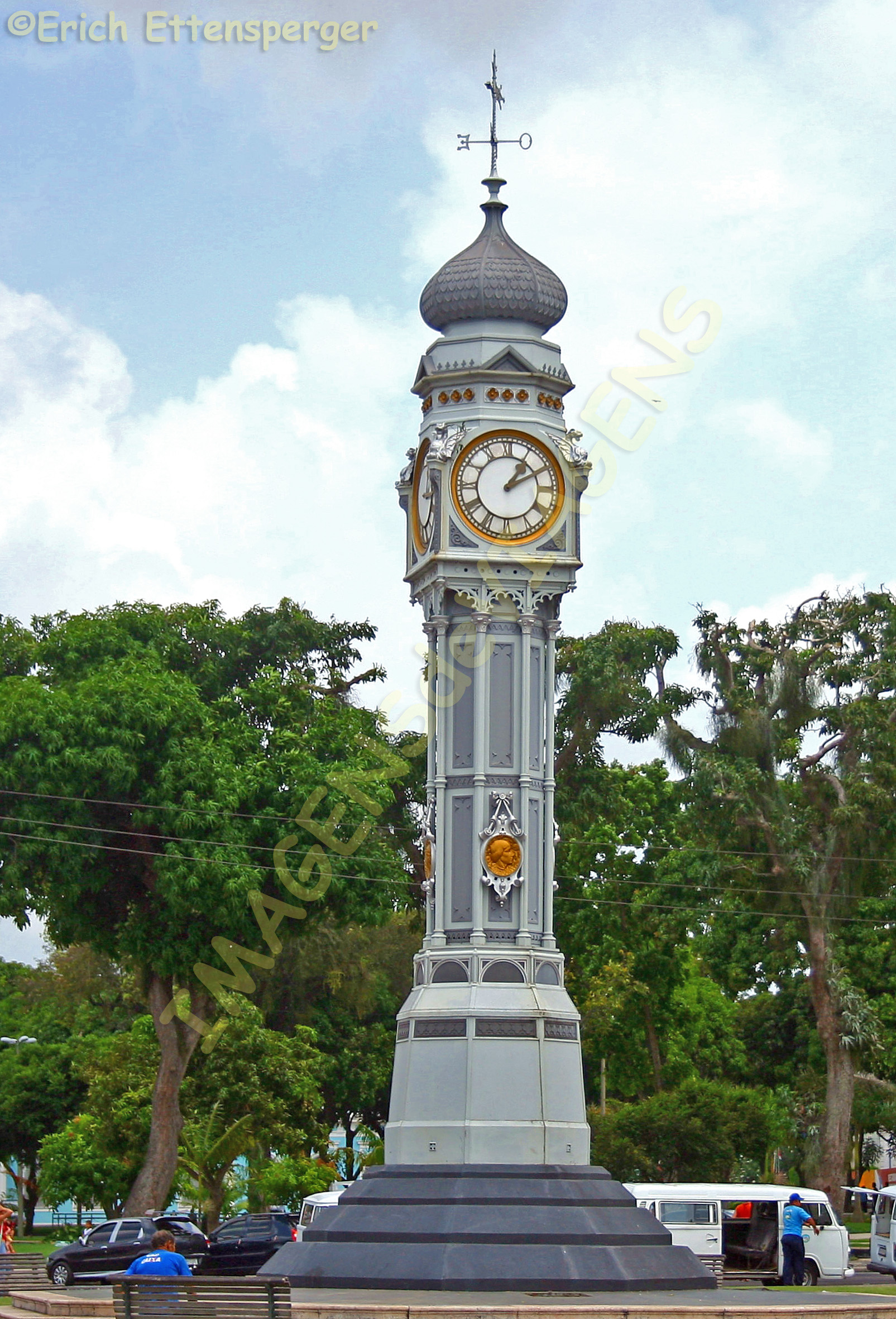
Antigo relógio localizado próximo ao mercado Ver-o-Peso/Alte Uhr in der Nähe des Marktes Ver-o-Peso/Old clock located near the Ver-o-Peso market
Belém, capital do estado do Pará, tem quase um milhão e meio de habitantes, também chamada “Cidade Morena”, devido a miscigenação do povo português com os índios Tupinambás, habitantes do lugar na época da colonização. Belém tem muita história para contar. Belém foi fundada pelos portugueses em 1616 e foi a primeira capital da região norte do Brasil. Durante o “ciclo da borracha” Belém foi o local de exportação do látex. A cidade é um importante polo de desenvolvimento portuário, comercial e turístico, além de relevante centro industrial da Região Norte.
Barcos na área do Ver-o-Peso com o casario antigo em segundo plano/Boote gegeUber des Ver-o-Peso Marktes mit alten Häusernim Hintergrund/Boats in the area of Ver-o-Peso with old houses in the background
Quando eu penso em Belém, me lembro de muitos cheiros, ruas cheias de gente, frutas exóticas, a influência dos índios na cultura local. Também me lembro da mistura das raças, de ver muita gente descendente de índios, com aqueles cabelos negros tão bonitos!
Se você quiser conhecer um pouco mais do nosso país e não ficar restrito a visitar apenas as praias do Nordeste, os grandes centros do Sudeste, as belezas naturais do Sul e do Centro Oeste, vale a pena visitar Belém.
A cidade de Belém tem muitos atrativos. O passeio ao Mangal das Garças, com sua torre e o viveiro de pássaros é uma visita obrigatória!
Aves no Mangal das Garças/Vögel in Mangal das GarçasBorboleta no Borboletário do Mangal das Garças/Schnetterling im Schnetterlingsgarten Magal das Garças/Butterfly at the Mangal das Garças Butterfly House
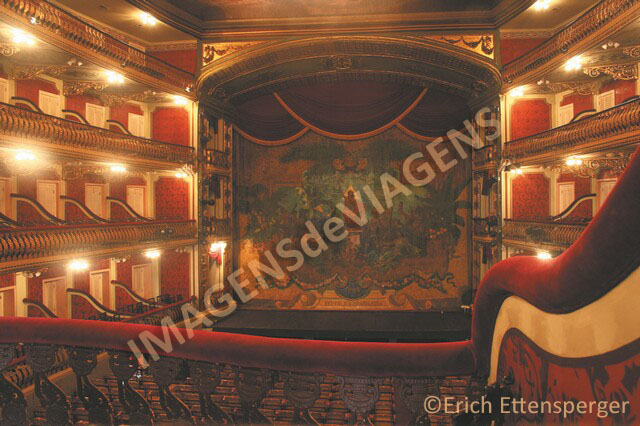
O Teatro da Paz é um símbolo da época áurea da borracha, é uma pérola da arquitetura, seu projeto arquitetônico foi inspirado no Teatro alla Scala, de Milão.
Interior do Teatro da Paz/Inneres des Theatro da Paz/Interior of the Teatro da Paz.
Visitar o Mercado Ver-o-Peso é mergulhar em um mundo de cheiros, cores e sabores.
Remédios populares e ervas medicinais encontrados no Mercado Ver-o-Peso/Beliebte Heilmittel und Heilkräuter im Ver-o-Peso-Markt/Popular remedies and medicinal Herbs found in the Ver-o-Peso Market
O Museu Paraense Emílio Goeldi é uma atração para quem aprecia a natureza, você vai conhecer um pouco da flora amazônica e se encantar com ela.
Vitória-régia/Victoria regia/Victoria regia
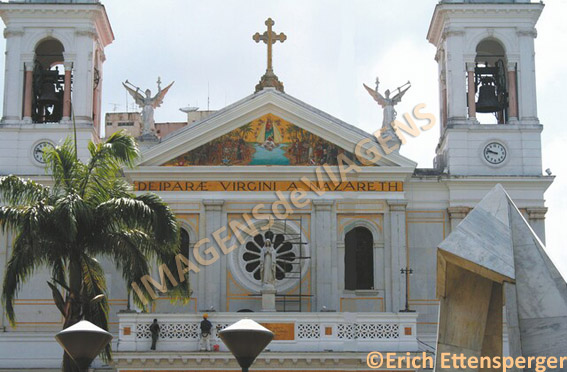
A Basílica de Nossa Senhora de Nazaré é o local dos peregrinos que vão pagar promessas a padroeira de Belém. A cidade se enche de peregrinos no período do Círio de Nazaré, na segunda domingo de outubro.
Parte da fachada principal da Basílica de Nazaré/Teil der Hauptfassade der Basilika Nazaré/Part of the main façade of Basilica of Nazaré
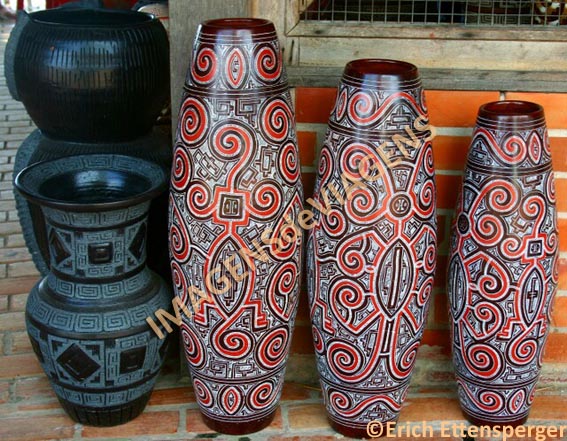
É da Estação das Docas, localizada nas margens da Baía do Guajará, de onde saem os passeios de barco pela baía e é também o local que concentra bares, restaurantes e lojas, é um complexo turístico muito apreciado pelos que visitam Belém e pelos nativos. O Forte do Presépio é um marco da fundação da cidade. É possível fazer passeios a partir de Belém, como visitar Icoaraci, para comprar cerâmica Marajoara, almoçar no famoso restaurante “Maloca do Orlando”, ver post sobre esse lugar. São muitos os atrativos em Belém.
Observação: se você quiser continuar “viajando” com o nosso blog, clique no botão “seguir” localizado no canto inferior direito dessa página.
BELÉM – EINGANGSHAFEN ZUM AMAZONAS
Erich und ich haben viele Orte in der Welt besucht und wir haben atemberaubende Landschaften gesehen. Aber eines ist sicher, unser Brasilien bietet definitiv eine große Vielfalt von Szenarien, die sowohl nationale als auch internationale Touristen anziehen. Es offeriert eine Auswahl von Landschaften für jeden Geschmack, für diejenigen, die Abenteuer wollen, für diejenigen, die einfach nur ausruhen wollen, für diejenigen, die sich für Natur und so weiter interessieren.
Besonders begeistert bin ich von der nördlichen Region Brasiliens, von den Naturattraktionen, von der Gastronomie, von ihren Leuten. Diese Region, die sich aus den Bundesstaaten Acre, Amapá, Amazonas, Pará, Rondônia, Roraima und Tocantins zusammensetzt, ist sehr interessant. Eine Stadt, die mir dabei immer wieder ins Auge sticht, ist Belem.
Vista de Belém/Ansicht von Bèlem/View of Belém
Das erste, was mir in den Sinn kommt, wenn ich an Belém denke, ist die Luftaufnahme der Guajará-Bucht, des Guamá-Flusses und desVer-O-Peso-Marktes, wunderschön!
Barcos no Rio Guamá e o mercado Ver -o-Peso ao fundo/Boote auf dem Guamá und der Markt Ver-o-Peso im Hintergrund
Erich und ich besuchten Belem in der Zeit, in welcher wir sehr viel in Brasilien reisten, um die Fotos für unser66 x BrasilienBuch zu machen. Für dieses Projekt besuchten wir 66 besondere Orte in diesem Land der kontinentalen Dimensionen und zu vielen dieserOrte kehren wir immer wieder zurück, weil es immer etwas Neues gibt, was wir uns ansehen wollen. Belem ist wahrlich einer dieser Orte.
Antigo relógio localizado próximo ao mercado Ver-o-Peso/Alte Uhr in der Nähe des Marktes Ver-o-Peso/Old clock located near the Ver-o-Peso market
Belém, Hauptstadt des Staates Pará, hat fast eine Million Einwohner, sie wird auch die “Morena-Stadt” genannt werden, wegen der Mischung des portugiesischen Volkes mit den Tupinambás-Indianern, den Bewohnern zum Zeitpunkt der Kolonisation. Bethlehem hat viel Geschichte zu erzählen. Belém wurde 1616 von den Portugiesen gegründet und war die erste Hauptstadt der nördlichen Region Brasiliens. Während des“Gummi-Zyklus”war Belém der Ort des Exportes von Latex. Die Stadt ist eine wichtige Drehscheibe für Hafen-, Handels- und Touristenentwicklung sowie ein relevantes Industriezentrum in dieser nördlichen Region.
Barcos na área do Ver-o-Peso com o casario antigo em segundo plano/Boote gegeUber des Ver-o-Peso Marktes mit alten Häusernim Hintergrund/Boats in the area of Ver-o-Peso with old houses in the background
Wenn ich an Belem denke, erinnere ich mich an viele Gerüche, überfüllte Straßen, exotische Früchte, den indianischen Einfluss auf die lokale Kultur. Ich erinnere mich auch an den Mix von Rassen, die vielen Nachkommen von Indios mit ihren so sehr schönen schwarzen Haaren!
Falls Sie ein wenig mehr von unserem Land kennenlernen wollen und sich nicht nur auf die Strände im Nordosten beschränken wollen, die großen Zentren des Südostens, die Naturschönheiten des Südens und des Mittleren Westens, dann ist Belém immer einen Besuch wert.
Die Stadt Belém offeriert viele Attraktionen. Der Spaziergang zum Mangal das Garças mit seinem Aussichtsturm und dem Vogel-Kindergarten ist dabei ein Muss!
Aves no Mangal das Garças/Vögel in Mangal das GarçasBorboleta no Borboletário do Mangal das Garças/Schnetterling im Schnetterlingsgarten Magal das Garças/Butterfly at the Mangal das Garças Butterfly House
Das Teatro da Paz (Theater des Friedens) ist ein Symbol der goldenen Ära des Gummis, es ist eine Perle der Architektur, seine architektonische Gestaltung wurde vom Scala Theater in Mailand inspiriert.
Interior do Teatro da Paz/Inneres des Theatro da Paz/Interior of the Teatro da Paz.
Beim Besuch des Ver-o-Peso-Marktes taucht man in eine Welt voller Gerüche, Farben und Aromen ein.
Remédios populares e ervas medicinais encontrados no Mercado Ver-o-Peso/Beliebte Heilmittel und Heilkräuter im Ver-o-Peso-Markt/Popular remedies and medicinal Herbs found in the Ver-o-Peso Market
Das Museum Paraense Emílio Goeldi ist eine Attraktion für all diejenigen, die die Natur schätzen, man lernt etwas über Amazonas-Flora kennen und wird davon bezaubert.
Vitória-régia/Victoria regia/Victoria regia
Die Basilika „Unserer Lieben Frau von Nazareth“ ist der Ort der Pilger, die hier ihre Versprechen für ihre Schirmherrschaft in Belem einlösen. Die Stadt ist während der Zeit des Círio de Nazaré am zweiten Sonntag im Oktober mit Pilgern überfüllt.
Parte da fachada principal da Basílica de Nazaré/Teil der Hauptfassade der Basilika Nazaré/Part of the main façade of Basilica of Nazaré
An der Estação das Docas, (ehemalige Docks) am Ufer der Bucht von Guajará gelegen, von wo aus die Boote in die Bucht auslaufen, konzentrieren sich die Bars, Restaurants und Geschäfte, es ist ein Touristenkomplex, der sowohl von den Touristen als auch den Einheimischen sehr geschätzt wird.
Das Forte do Presépio (Festung) ist das Wahrzeichen der Stadtgründung.
Es ist möglich, von Belém aus Touren zu unternehmen, besuchen Sie Icoaraci, um Produkte der Marajoara-Töpferkultur zu kaufen und essen Sie im berühmten Restaurant “Maloca do Orlando” zu Mittag, siehe den Post über diesen Ort.
Jedenfalls lohnt es sich Belem zu besuchen und wieder zu kommen. Die Stadt ist in meiner Liste der 10 brasilianischen Städte, die es wert sind, besucht zu werden , siehe hier die anderen.
Hinweis: Falls Sie unseren “Seguir/Reisen” auf dem Blog folgen wollen, dann klicken Sie unten rechts einfach auf “Weiter”, Sie werden dann zukünftig automatisch informiert.
BELÉM – ENTRANCE TO THE AMAZON
Erich and I have visited many places in the world and we have seen stunning landscapes. But one thing is certain, our Brazil definitely offers a wide variety of scenarios that attract both national and international tourists. It offers a selection of landscapes for every taste, for those who want adventure, for those who just want to rest, for those who are interested in nature and so on.
I am particularly enthusiastic about the northern region of Brazil, the nature attractions, the gastronomy and the people. This region, which is composed of the states of Acre, Amapá, Amazonas, Pará, Rondônia, Roraima and Tocantins, is very interesting. A city, which always catches my eye, is Belem.
Vista de Belém/Ansicht von Bèlem/View of Belém
The first thing that comes to my mind when I think of Belém is the AERIAL VIEW of the Guajará Bay, the Guamá River and the Ver-O-Peso market, beautiful!
Barcos no Rio Guamá e o mercado Ver -o-Peso ao fundo/Boote auf dem Guamá und der Markt Ver-o-Peso im Hintergrund
Erich and I visited Belem in the time when we traveled very much in Brazil to make the photos for our 66 x Brazil book. For this project we visited 66 special places in this land with ist continental dimensions and to many of these places we return again and again because there is always something new to look at. Belem is truly one of these places.
Antigo relógio localizado próximo ao mercado Ver-o-Peso/Alte Uhr in der Nähe des Marktes Ver-o-Peso/Old clock located near the Ver-o-Peso market
Belém, capital of the state of Pará, has almost one million inhabitants, it is also be called the “Morena city” because of the mixture of the Portuguese people with the Tupinambás Indians, the inhabitants at the time of colonization. Belém has a lot of history to tell. Belém was founded by the Portuguese in 1616 and was the first capital of the northern region of Brazil. During the “rubber cycle” Belém was the place of the export of latex. The city is an important hub for port, trade and tourist development as well as a relevant industrial center in this northern region.
Barcos na área do Ver-o-Peso com o casario antigo em segundo plano/Boote gegeUber des Ver-o-Peso Marktes mit alten Häusernim Hintergrund/Boats in the area of Ver-o-Peso with old houses in the background
When I think of Belem I remember many smells, crowded streets, exotic fruits, the Indian influence on local culture. I also remember the mix of races, the many descendants of Indios with their very beautiful black hair!
If you want to get to know a little more about our country and do not want to limit yourself to the beaches in the north-east, the great centers of the south-east, the natural beauty of the South and the Midwest, Belém is always worth a visit.
The city of Belém offers many attractions. The visit of Mangal das Garças with its view tower and the bird nursery station is a must!
Aves no Mangal das Garças/Vögel in Mangal das GarçasBorboleta no Borboletário do Mangal das Garças/Schnetterling im Schnetterlingsgarten Magal das Garças/Butterfly at the Mangal das Garças Butterfly House
The Teatro da Paz (Theater of Peace) is a symbol of the golden era of rubber, a pearl of architecture, its architectural design is inspired by the Scala Theater in Milan.
Interior do Teatro da Paz/Inneres des Theatro da Paz/Interior of the Teatro da Paz.
When visiting the Ver-o-Peso market you are immersed in a world full of smells, colors and aromas.
Remédios populares e ervas medicinais encontrados no Mercado Ver-o-Peso/Beliebte Heilmittel und Heilkräuter im Ver-o-Peso-Markt/Popular remedies and medicinal Herbs found in the Ver-o-Peso Market
The Museum Paraense Emílio Goeldi is an attraction for those who appreciate the natural beauty, learn about Amazon’s flora and be enchanted by it.
Vitória-régia/Victoria regia/Victoria regia
The Basilica “Our Lady of Nazareth” is the place of the pilgrims who make their promises for their patronage here in Belem. The city is crowded with pilgrims during the Círio de Nazaré on the second Sunday of October.
Parte da fachada principal da Basílica de Nazaré/Teil der Hauptfassade der Basilika Nazaré/Part of the main façade of Basilica of Nazaré
Where the boats run into the bay many bars, restaurants and shops are concentrated. They are located on the Estação das Docas (former docks), on the shores of Guajará Bay, it is a tourist complex that is popular both by tourists and locals, it is a very much appreciated place.
The Forte do Presépio (fortress) is the landmark for the city’s foundation.
It is possible to go on excursions from Belém, you may visit Icoaraci to buy products of the Marajoara pottery culture and lunch at the famous “Maloca do Orlando“ restaurant, see the post about this place.
Anyhow, Belem is definitely a place to visit and to come back. The city is in my list of the 10 Brazilian cities worth the visit, see here the others.
Note: If you want to follow our “Travels” on the blog, simply click on “/Seguir/Continue” in the lower right corner, you will be then automatically informed in the future.
O Brasil é um país de grandes dimensões, com grandes contrastes e rico em cultura e paisagens. São muitas as cidades interessantes desse país continental. O Blog Imagens e Viagens elaborou uma lista de 10 cidades que vale a pena a visita devido a razões diversas. São as seguintes:
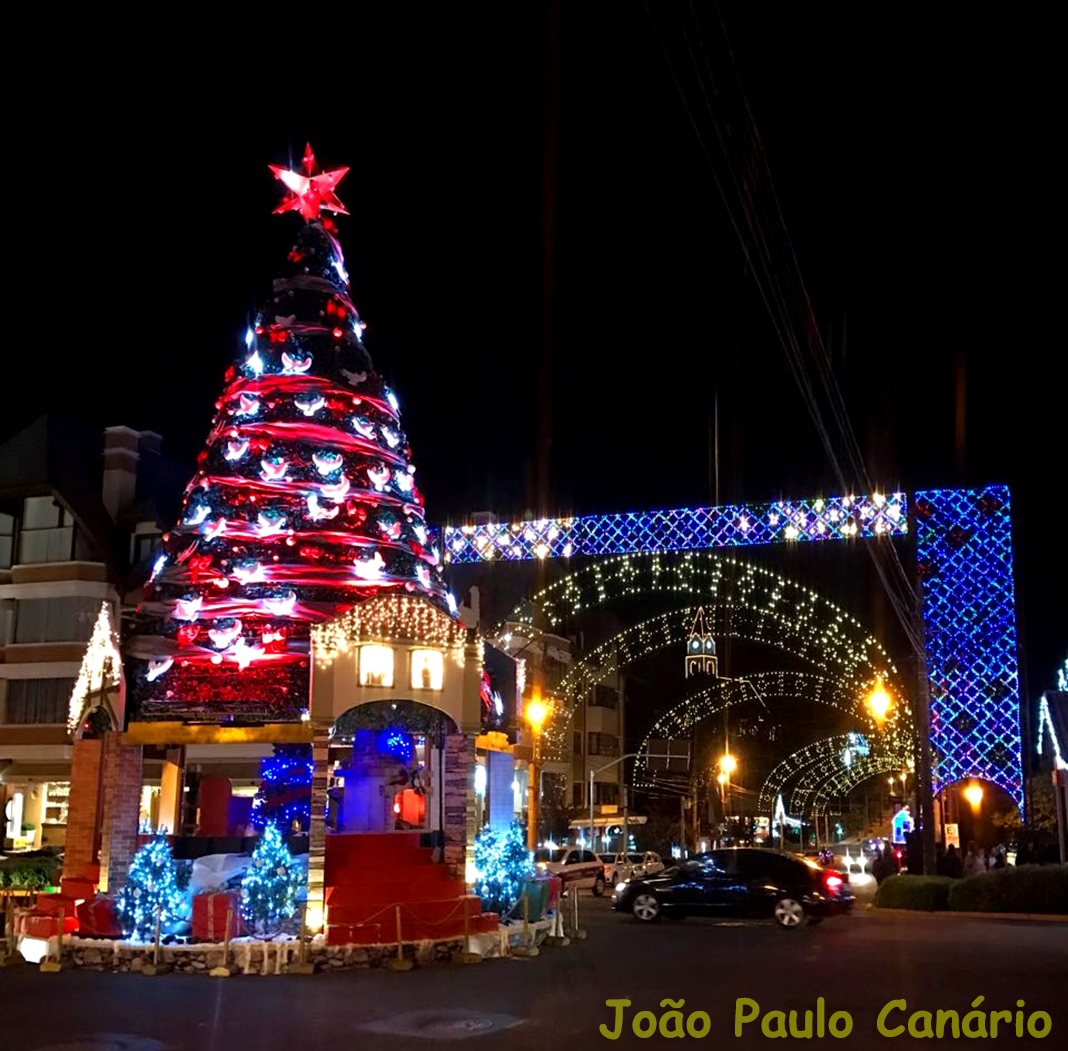
Gramado: cidade localizada na Serra Gaúcha, atrai milhares de visitantes devido, principalmente, o evento chamado “Natal Luz” quando a cidade é decorada com motivos natalinos e se enche de luz e cores. Por que vale a visita? Para conhecer a belíssima decoração natalina e aproveitar os eventos especiais dessa época do ano, além apreciar uma bela cidade.
Gramado
Ouro Preto: cidade localizada em Minas Gerais desempenhou papel relevante na corrida do ouro brasileira. A cidade possui um conjunto arquitetônico e artístico espetaculares representantes do Barroco Mineiro. Por que vale a pena conhecer? Para mergulhar na história do Brasil.
Ouro Preto
Rio de Janeiro: é a cidade brasileira mais conhecida no exterior, é famosa pela sua paisagem natural, que atraia milhares de turistas todo ano. É Patrimônio da Humanidade da UNESCO como “Patrimônio Cultural Urbano”. Por que vale a pena conhecer? Para apreciar paisagens espetaculares de vários pontos da cidade.
Rio de Janeiro
Florianópolis: localizada na região sul do Brasil, colonizada por portugueses oriundos da Ilha dos Açores, a cidade é rica em belezas naturais Por que vale a pena visitar? Para conhecer belas praias e apreciar paisagens especiais.
Florianópolis
Brasília: cidade idealizada por Juscelino Kubitschek, planejada por Lúcio Costa (autor do projeto urbanístico do Plano Piloto) e com projetos arquitetônicos de autoria de Oscar Niemeyer, Brasília é a capital do Brasil. Por que vale a pena visitar? Para conhecer a capital do Brasil e conhecer de perto a obra de Niemeyer e Lúcio Costa.
Brasília
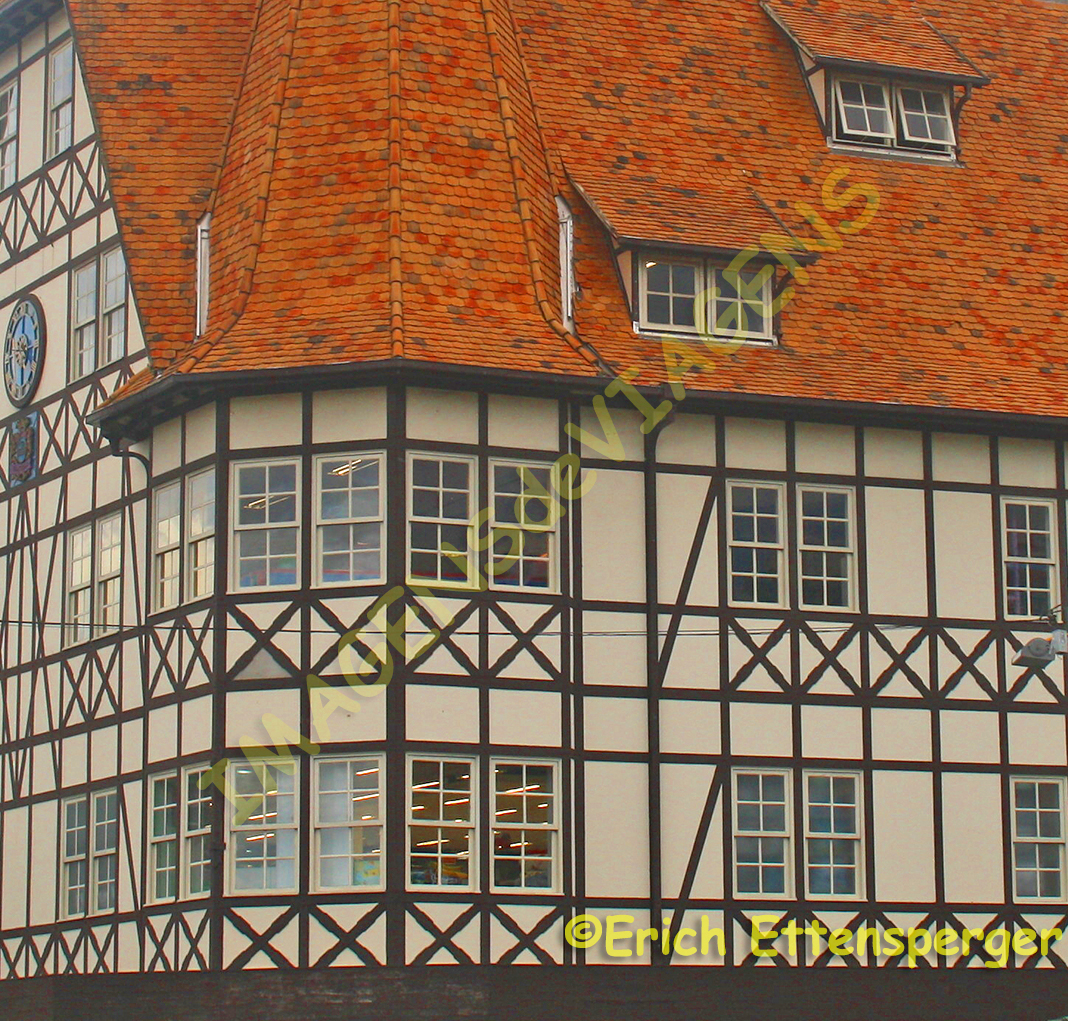
Blumenau: cidade localizada em Santa Catarina, é símbolo da imigração alemã no Brasil. Por que conhecer Blumenau? Para conhecer as influências dos imigrantes alemães na cultura brasileira e participara da Oktoberfest, a maior festa da cultura alemã na América do Sul.
Blumenau
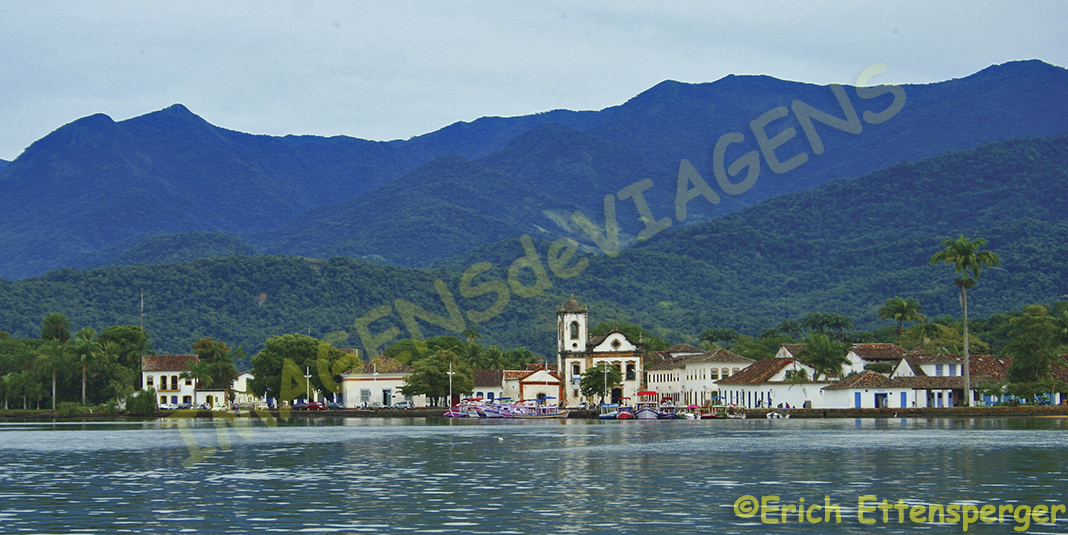
Paraty: localizada no estado do Rio de Janeiro, era o local onde o ouro e pedras preciosas, oriundos das Minas Gerais, era embarcado para o Rio de Janeiro e de lá, para Lisboa. Possui um casario arquitetônico que representa a arquitetura daquela época. Por que vale a pena conhecer? Para conhecer uma cidade com um conjunto arquitetônico valioso e apreciar paisagens naturais com grande beleza.
Paraty
Belém: localizada na região norte do Brasil, é o portão de entrada para a região amazônica. Por que vale a pena conhecer Belém? Para mergulhar nos cheiros, sabores, crendices e belezas da Amazônia Brasileira.
Belém
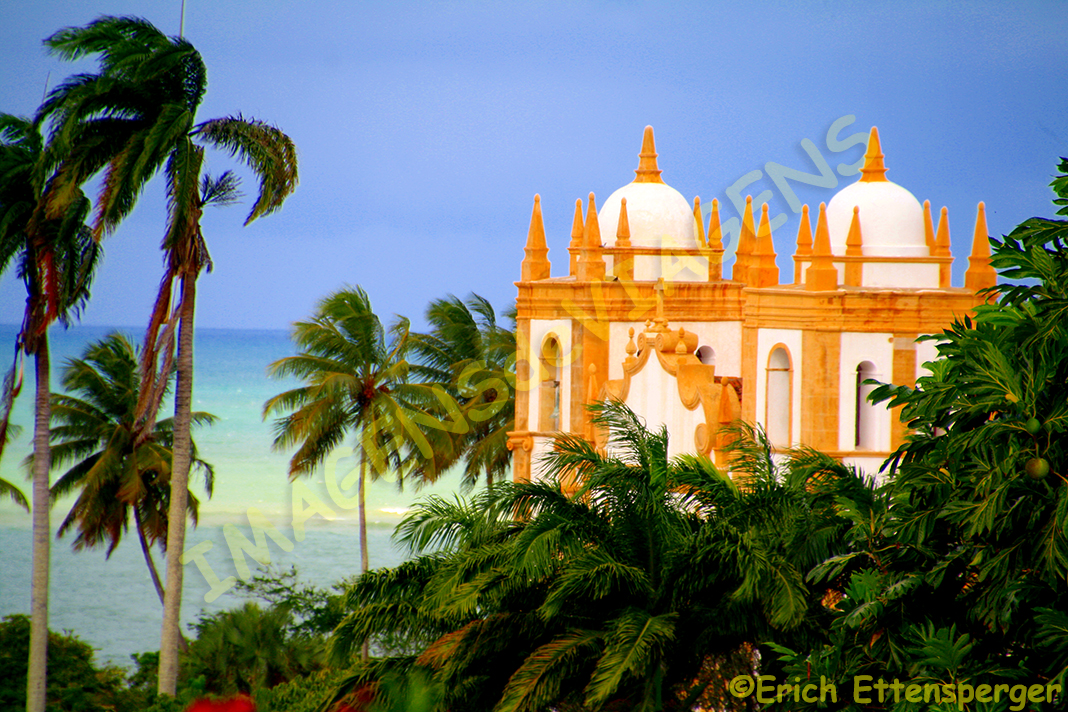
Olinda: com seus casarões, igrejas e ladeiras contém tesouros arquitetônicos como a Igreja e Convento Franciscano de Nossa Senhora das Neves. Essa cidade é famosa também por ter um Carnaval bem animado, atraindo turistas de todo o mundo. Por que vale a pena conhecer Olinda? Para conhecer mais sobre a colonização portuguesa no Brasil e saborear as iguarias nordestinas, como comer tapioca no Alto da Sé.
Olinda
Curitiba: cidade pioneira em projetos ecológicos no Brasil, sempre à frente com os cuidados com o meio ambiente, foi criada com influências dos imigrantes alemães, poloneses, italianos. É conhecida como a “cidade verde” do Brasil. Por que vale a pena conhecer Curitiba? Para conhecer mais sobre as influências dos imigrantes na formação das cidades brasileiras e conhecer uma cidade que está sempre a frente nas inovações que favorecem o meio ambiente, além de ser um exemplo da experiência brasileira na área urbanística.
Curitiba
Para conhecer mais sobre as belezas brasileiras, clique aqui.
Observação: se você quiser continuar “viajando” com o nosso blog, clique no botão “seguir” localizado no canto inferior direito dessa página. Você receberá um email com um link para confirmar a assinatura desse blog (não paga nada). Quando clicar no link, você será direcionado para uma página em inglês (essa página explica o procedimento no caso de você desejar um dia parar de seguir o blog). A partir daí, você já está “seguindo” o blog.
10 BESUCHENSWERTE BRASILIANISCHE STÄDTE
Brasilien ist ein riesiges Land mit gewaltigen Kontrasten und reich an Kultur und Landschaften. Es gibt viele interessante Städte dieses einem Kontinent gleichenden Landes. Unser Blog „travel and images“ hat eine Liste von 10 Städten vorbereitet, die einen Besuch aus verschiedenen Gründen lohnenswert macht. Es sind dies:
Gramado: Stadt in der Serra Gaucha, sie zieht Tausende von Besuchern vor allem wegen des Festivals “Weihnachtslicht” an, wenn die Stadt mit Weihnachtsmotiven dekoriert ist und in weihnachtlichen Licht und Farben erstrahlt. Warum lohnt der Besuch? Um die fantastische Weihnachtsdekoration und die besonderen Events dieser Zeit des Jahres zu genießen und auch die schöne Stadt selbst.
Gramado
Ouro Preto: die Stadt in Minas Gerais spielte eine wichtige Rolle während des brasilianischen Goldrausches. Die Stadt offeriert ein spektakuläres architektonisches und künstlerisches Ensemble des „Barock Mineiro“. Warum ein Besuch? Um tiefer in die Geschichte Brasiliens einzutauchen.
Ouro Preto
Rio de Janeiro: ist die bekannteste brasilianische Stadt im Ausland, sie ist berühmt für seine landschaftliche Lage, die jedes Jahr Millionen von Touristen anzieht. Sie ist ein UNESCO-Weltkulturerbe. Warum ein Besuch? Um in den Genuss der spektakulären Landschaften an verschiedenen Punkten der Stadt zu kommen.
Rio de Janeiro
Florianopolis: im Süden Brasiliens gelegen, von den Portugiesen von den Azoreninseln kommend kolonisiert, ist die Stadt reich an natürlicher Schönheit. Warum ein Besuch? Um die wunderschönen Stränden zu genießen und ganz besondere Landschaften.
Florianópolis
Brasilia: die idealisierte Stadt von Juscelino Kubitschek, geplant von Lúcio Costa (Autor des Pilot-Planes dieses Stadtprojektes) und den architektonische Entwürfen des Oscar Niemeyer, Brasilia ist die Hauptstadt von Brasilien. Warum ein Besuch? Um die Hauptstadt von Brasilien kennenzulernen und die Werke von Niemeyer und Lucio Costa.
Brasília
Blumenau: Stadt in Santa Catarina gelegen, ist sie ein Symbol der deutschen Einwanderung in Brasilien. Warum ein Besuch in Blumenau? Um die Einflüsse der deutschen Einwanderer bezüglich der brasilianischen Kultur kennenzulernen und an der Wies´n, dem Oktoberfest, der größten Party deutscher Kultur in Südamerika teilzunehmen.
Blumenau
Paraty: im Bundesstaat Rio de Janeiro, war der Ort, von wo Gold und Edelsteinen von Minas Gerais kommend weiter nach Rio de Janeiro verschifft wurden und von dort dann weiter nach Lissabon. Es verfügt über historische Altstadt, welche die Architektur jener Epoche widerspiegelt. Warum ein Besuch? Um eine Stadt mit ihrem wertvollen architektonischen Ensemble und ihre angrenzenden Naturlandschaften von sehr großer Schönheit genießen zu können.
Paraty
Belém: im Norden von Brasilien, ist das Tor zur Amazonas-Region. Warum ein Besuch in Belem? Um einzutauchen in die Gerüche, Aromen, Farben, religiösen Bräuche und den Schönheiten des brasilianischen Amazonas.
Belém
Olinda: enthält mit seinen Villen, Kirchen und Hügeln architektonische Schätze wie z.B. die Kirche und das Franziskanerkloster „de Nossa Senhora das Neves“. Die Stadt ist auch berühmt für seinen sehr lebendigen Karneval, ein Anziehungspunkt für Touristen aus der ganzen Welt. Warum Olinda besuchen? Um mehr über die portugiesische Kolonisation in Brasilien kennenzulernen und die nordöstlichen Spezialitäten wie „Tapioka“ oben im „Alto da Sé“ zu genießen.
Olinda
Curitiba: Stadt mit Pioniercharakter bezüglich ökologischen Projekten in Brasilien, immer einen Schritt voraus mit Sorge um die Umwelt, mit Einflüssen deutscher, polnischer und italienischen Einwanderern gegründet. Die Stadt ist als die “grüne Stadt” in Brasilien bekannt. Warum ein Besuch in Curitiba? Um mehr über die Einflüsse von Immigranten hinsichtlich der Gründung brasilianischer Städte kennenzulernen und um eine Stadt zu erfahren, die immer nach Innovationen strebt und hierbei immer die Umwelt begünstigt. Curitiba ist ein sehr gutes Beispiel für brasilianische Erfahrung im Bereich urbaner Stadtentwicklung.
Curitiba
Um mehr über brasilianische Attraktionen zu erfahren, klick hier.
Hinweis: Falls Sie unseren “Reisen” auf dem Blog folgen wollen, dann klicken Sie unten rechts einfach auf “Weiter”, Sie werden dann zukünftig automatisch informiert.
10 SPECIAL CITIES IN BRAZIL
Brazil is a huge country with huge contrasts and rich in culture and landscapes. There are many interesting cities of this continent-like country. Our “travel and images” blog has prepared a list of 10 cities that make a visit worthwhile for a variety of reasons. These are:
Gramado: town in the Serra Gaucha, attracts thousands of visitors mainly because of the “Christmas light” festival when the city is decorated with Christmas motifs and shines in Christmas lights and colors. Why is the visit worthwhile? To enjoy the fantastic Christmas decoration and the special events during this time of the year and also the beautiful city itself.
Gramado
Ouro Preto: the city in Minas Gerais played an important role during the Brazilian gold rush. The city offers a spectacular architectural and artistic ensemble of the “Baroque Mineiro”. Why visit? To dive deeper into the history of Brazil.
Ouro Preto
Rio de Janeiro: the most famous Brazilian city abroad is famous for its scenic location which attracts millions of tourists every year. It is a UNESCO World Heritage site. Why visit? To enjoy the spectacular landscapes at different points of the city.
Rio de Janeiro
Florianopolis: located in the south of Brazil, colonized by the Portuguese from the Azores islands, the city is rich in natural beauty. Why visit? To enjoy the beautiful beaches and very special landscapes.
Florianópolis
Brasilia: the idealized city of Juscelino Kubitschek, designed by Lúcio Costa (author of the pilot plan of this city project) and the architectural designs of Oscar Niemeyer, Brasilia is the capital of Brazil. Why visit? To get to know the capital of Brazil and the works of Niemeyer and Lucio Costa.
Brasília
Blumenau: located in Santa Catarina it is a symbol of German immigration in Brazil. Why visit Blumenau? To get to know the influences of the German immigrants with regard to the Brazilian culture and to participate in the Wies’n, the Oktoberfest, the largest party of German culture in South America.
Blumenau
Paraty: in the state of Rio de Janeiro was the place where gold and precious stones from Minas Gerais were shipped to Rio de Janeiro, and from there then to Lisbon. It has a historic old town, which reflects the architecture of that epoch. Why visit? To be able to enjoy a city with its valuable architectural ensemble and its adjacent natural landscapes of very great beauty.
Paraty
Belém: in the north of Brazil it is the gateway to the Amazon region. Why visit Belem? To dive into the smells, aromas, colors, religious customs and the beauties of the Brazilian Amazon.
Belém
Olinda: with its villas, churches and hills, architectural treasures such as the The church and the Franciscan monastery of „Nossa Senhora das Neves”. The city is also famous for its very lively carnival, an attraction for tourists from all over the world. Why visit Olinda? To learn more about the Portuguese colonization in Brazil and enjoy the northeastern specialties like “Tapioka” at the “Alto da Sé”.
Olinda
Curitiba: a pioneering town in ecological projects in Brazil, always one step ahead with concern for the environment, with the influence of German, Polish and Italian immigrants. The city is known as the “green city” in Brazil. Why visit Curitiba? To learn more about the influence of immigrants about the founding of Brazilian cities and to learn about a city that always strives for innovation and always favors the environment. Curitiba is a very good example of Brazilian experience in urban development.
Curitiba
To learn more about Brazilian attractions, click here.
Note: If you want to follow our “Travels” on the blog, simply click on “Continue” in the lower right corner, you will be then automatically informed in the future.
OS BARCOS, O FURO DE ARAPARI E A MALOCA DO ORLANDO
Texto e fotos: Zenilda Cartaxo, advogada e viajante
Cunha e Zenilda: se preparando para o próximo destino!/ Cunha und Zenilda: Vorbereitung auf das nächste Reiseziel!/ Cunha and Zenilda: preparing for the next destination!
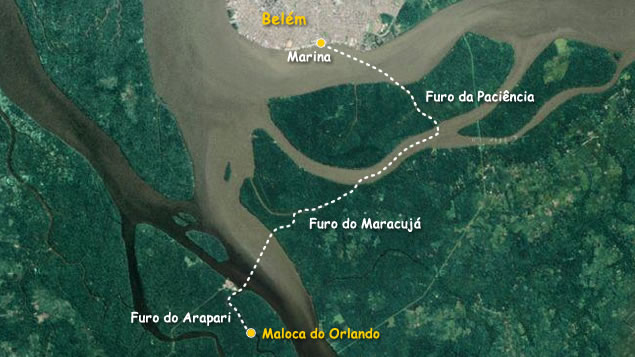
Atravessando a baia de Guajará, formada pelos rios Guamá, Acará e Moju, chegamos ao Porto de Arapari, em plena selva amazônica.
Fonte/Source: Google Map
Esse porto dá acesso ao importante município paraense de Barcarena, onde é feita a industrialização, beneficiamento e exportação de caulim, alumina, alumínio e cabos para transmissão de energia elétrica.
Ferry boat / FähreParece que o rio engoliu o barco / Der Fluß scheint die Fähre zu schlucken / It seems that the river swallow the ferry boat
Do porto, antes de pegar a lancha para o restaurante Maloca do Orlando, passamos à pé, por um povoado, onde fotografamos uma rua calçada apenas com caroços de açaí.
Esta rua foi pavimentada com caroço de açaí / Dieser Weg wurde mit den Kernen der Açaí-Beere gepflastert / This way was paved with the stones of the açaí fruit
Navegamos pelo furo do Arapari e, em poucos minutos, chegamos ao Restaurante Maloca do Orlando, um complexo ribeirinho típico, adaptado ao ambiente verde da floresta, sem nenhuma ostentação, mas capaz de cativar e atender ao gosto de tantos quanto visitam o local.
A comida é preparada pela filha do Sr. Orlando, um caboclo pai’dégua. Os pratos principais são: peixe, camarão, açaí, farinha de tapioca, etc.
Meu almoço de aniversário: açaí e peixe / Mein Geburtstags-Mittagessen: Acai und Fisch / My birthday lunch: Acai and fishPaneiros de açaí / Körbe voll. mit Açai / Baskets with açai
Lá, o falecido Paulo Martins, embaixador-mor da culinária paraense, fez um dos seus encontros com os maiores chefes de cozinha do planeta. Funciona apenas aos sábados e domingos. Personagens famosas já comeram na Maloca do Orlando. Os clientes ali chegam pilotando suas confortáveis lanchas, ou esnobando com seus jet sky.
Fomos recebidos pessoalmente pelo proprietário, até porque estávamos acompanhados da Prof. Maria das Dores, uma das “autoridades” do local.
A professora / Die Lehrerin / The teacher
Era um dia de semana, portanto, com o restaurante fechado, mas nem assim, deixamos de apreciar as iguarias da casa. Entretanto, o bom mesmo é ficar bicorando da varanda do restaurante os barcos passando em frente. São embarcações de todo tipo: barcos, lanchas, barco escola, catamarãs, canoas, rabetas, tudo que flutua, não deixando sossegadas as águas do rio.
Restaurante Maloca do Orlando / Restaurant Maloca do Orlando
Como disse um poeta paraense, esse rio é a minha rua que une os ribeirinhos das redondezas. Diferente dos restaurante da Ilha do Combu, o Maloca do Orlando reina absoluto naquela imensidão de verde e não decepciona quem o visita.
Essa é a seringueira / Dies ist ein Gummibaum / This is a rubber tree
Observação: se você quiser continuar “viajando” com o nosso blog, clique no botão “seguir” localizado no canto inferior direito dessa página. Você receberá um email com um link para confirmar a assinatura desse blog (não paga nada). Quando clicar no link, você será direcionado para uma página em inglês (essa página explica o procedimento no caso de você desejar um dia parar de seguir o blog). A partir daí, você já está “seguindo” o blog.
BOOTE, DER KLEINE FLUSS ARAPARI UND DAS MALOCA DO ORLANDO
Cunha e Zenilda: se preparando para o próximo destino!/ Cunha und Zenilda: Vorbereitung auf das nächste Reiseziel!/ Cunha and Zenilda: preparing for the next destination!
Text und fotos: Zenilda Cartaxo
Überquert man die Bucht von Guajará, geformt von den Flüssen Guama, Acara und Moju , so kommt man im Hafen von Arapari an, Amazonas-Dschungel pur.
Fonte/Source: Google Map
Dieser Hafen ermöglicht den Zugang von Barcarena, ein Industriestandort für die Verarbeitung und den Export von Kaolin, Aluminiumoxid, Aluminium und Stromkabeln.
Ferry boat / FähreParece que o rio engoliu o barco / Der Fluß scheint die Fähre zu schlucken / It seems that the river swallow the ferry boat
Vom Hafen aus nehmen wir ein Boot zum Restaurant Maloca do Orlando, zuvor jedoch spazieren wir für einen Moment durch ein Dorf und fotografieren einen schmalen Weg bepflastert mit den Kernen der Açaí-Beere.
Esta rua foi pavimentada com caroço de açaí / Dieser Weg wurde mit den Kernen der Açaí-Beere gepflastert / This way was paved with the stones of the açaí fruit
Nach ein paar Minuten sind wir dann am Langhaus Restaurant von Orlando angekommen, einem typischen Flußufer-Komplex, eingepasst zum Grün des Dschungels, ohne Prunk, aber von der Lage her fesselnd und den Geschmack der so vielen Besucher treffend.
Das Essen wird von der Tochter des allseits beliebten Herrn Orlando zubereitet. Die Hauptgerichte sind: Fisch, Garnelen, Acaifrüchte, Tapioka usw.
Meu almoço de aniversário: açaí e peixe / Mein Geburtstags-Mittagessen: Acai und Fisch / My birthday lunch: Acai and fishPaneiros de açaí / Körbe voll. mit Açai / Baskets with açai
Dort hatte der verstorbene Paulo Martins, Chef-Botschafter der Paráense-Küche, eines seiner Treffen mit den größten Küchenchefs dieser Welt. Das Restaurant ist nur an Samstagen und Sonntagen geöffnet. Berühmte Persönlichkeiten haben im Maloca do Orlando gegessen. Gäste kommen mit ihren komfortablen Jachten an oder ganz snobistisch gar auf Jet-Skies. Wir wurden vom Besitzer persönlich begrüßt, weil wir in Begleitung von Prof. Maria das Dores waren, einer der örtlichen Persönlichkeiten.
A professora e seu aluno / Die Lehrerin und ihr Schüler / The teacher and her student
Obwohl es ein Tag war, an dem das Restaurant geschlossen war, durften wir die Köstlichkeiten des Hauses vollauf genießen. Von der Terrasse des Restaurant bietet sich ein schöner Blick auf den Mix der passierenden Schiffe: Boote, Schnellboote, Bootsfahrschulen, Katamarane, Kanus, alle schwimmen im unruhigen Flußwasser dahin.
Restaurante Maloca do Orlando / Restaurant Maloca do Orlando
Ein Poet aus Para sagte einmal: dieser Fluß ist meine Straße, der am Flußufer die Nachbarschaften verbindet. Im Gegensatz zum Restaurant auf der Insel Combu, das Maloca do Orlando dominiert in dieser Unendlichkeit des Grün und niemand wird von einem Besuch enttäuscht werden.
Essa é a seringueira / Dies ist ein Gummibaum / This is a rubber tree
Hinweis: Falls Sie unseren “Reisen” auf dem Blog folgen wollen, dann klicken Sie unten rechts einfach auf “Weiter”, Sie werden dann zukünftig automatisch informiert.
BOATS, THE SMALL RIVER ARAPARI AND THE MALOCA DO ORLANDO
Cunha e Zenilda: se preparando para o próximo destino!/ Cunha und Zenilda: Vorbereitung auf das nächste Reiseziel!/ Cunha and Zenilda: preparing for the next destination!
Text and photos: |Zenilda Cartaxo
Crossing the bay of Guajará formed by the rivers Guama, Acara and Moju, you arrive at the port of Arapari, Amazon jungle pure.
Fonte/Source: Google Map
This port provides access to Barcarena, an industrial site for processing and exporting kaolin, alumina, aluminum and power cables.
Ferry boat / FähreParece que o rio engoliu o barco / Der Fluß scheint die Fähre zu schlucken / It seems that the river swallow the ferry boat
From the harbor we take a boat to the Restaurant Maloca do Orlando, before, however, we walk for a moment through a village and photograph a small street paved only with stones of the Açaí-fruit.
Esta rua foi pavimentada com caroço de açaí / Dieser Weg wurde mit den Kernen der Açaí-Beere gepflastert / This way was paved with the stones of the açaí fruit
After a few minutes then we arrived at the Restaurant of Orlando, a typical riverfront complex, fitted out to the green of the jungle, without pomposity but captivating from the location and meeting the taste of so many visitors.
The food is prepared by the daughter of the very liked Mr. Orlando. The main dishes are: fish, prawns, acai, tapioca flour, etc.
Meu almoço de aniversário: açaí e peixe / Mein Geburtstags-Mittagessen: Acai und Fisch / My birthday lunch: Acai and fishPaneiros de açaí / Körbe voll. mit Açai / Baskets with açai
There, the deceased Paulo Martins, chief ambassador of the Paráense kitchen, had one of his meetings with the world’s largest kitchen chefs. The restaurant is only open on Saturdays and Sundays. Famous people have eaten at the Maloca do Orlando. Guests come relaxed with their comfortable yachts or in snob-style on jet skies. We were personally welcomed by the owner because we were accompanied by Prof. Maria the Dores, one expert of the region.
A professora e seu aluno / Die Lehrerin und ihr Schüler / The teacher and her student
Although it was a day when the restaurant was closed, we were able to fully enjoy the delights of the house. From the terrace of the restaurant there is a nice view of the passing ships: boats, speedboats, boat driving schools, catamarans, canoes, all are contributing to the waves of the river.
Restaurante Maloca do Orlando / Restaurant Maloca do Orlando
A poet from Para once said: this river is my road connecting the neighborhoods on the river banks. Unlike the restaurant on the island of Combu, the Maloca do Orlando reigns in this infinity of greenery and no one will be disappointed by a visit.
Essa é a seringueira / Dies ist ein Gummibaum / This is a rubber tree
Note: If you want to follow our “Travels” on the blog, simply click on “Continue” in the lower right corner, you will be then automatically informed in the future.
Apresentar lugares visitados ao redor do mundo e proporcionar um intercâmbio de informações com nossos visitantes./Display places visited around the world and provide an exchange of information with our visitors./Weltweit besuchte Orte vorstellen und einen Informationsaustausch mit unseren Besuchern anregen.
 Belém, capital do estado brasileiro do Pará, está situada na foz do grandioso rio Amazonas e é conhecida como a porta de entrada para a maior floresta tropical do mundo.
 Belém, die Hauptstadt des brasilianischen Bundesstaates Pará, liegt an der Mündung des mächtigen Amazonas und gilt als Tor zum größten Regenwald der Welt. Die Stadt wurde 1616 von portugiesischen Kolonialherren gegründet und ist heute ein faszinierender Mix aus Geschichte, Kultur und tropischer Lebendigkeit. Besonders eindrucksvoll ist der alte Stadtteil Cidade Velha mit seinen kolonialen Gebäuden, Kirchen und engen Gassen, die von der glorreichen Vergangenheit zeugen. Ein Highlight ist der Ver-o-Peso-Markt, einer der größten Freiluftmärkte Südamerikas, wo exotische Früchte, Gewürze, Kräuter und Heilpflanzen angeboten werden. Hier spürt man den wahren Geist des Amazonas. Direkt am Flussufer lockt das modernisierte Hafenviertel Estação das Docas mit Restaurants, Bars und Kulturveranstaltungen. Belém ist auch bekannt für seine Küche, die stark von den Aromen des Amazonas geprägt ist – Gerichte wie Tacacá, Pato no Tucupi und Açaí sind kulinarische Symbole der Region. Jedes Jahr im Oktober findet das religiöse Fest Círio de Nazaré statt, das Millionen Pilger anzieht und zu den größten katholischen Prozessionen der Welt gehört. Trotz tropischer Hitze und feuchtem Klima besitzt Belém ein einzigartiges Flair, das Besucher sofort in seinen Bann zieht. Die Mischung aus kolonialem Erbe, indianischen Einflüssen und amazonischer Natur macht die Stadt zu einem unvergesslichen Erlebnis.
 Belém, the capital of the Brazilian state of Pará, lies at the mouth of the mighty Amazon River and is known as the gateway to the world’s largest rainforest. Founded in 1616 by Portuguese colonizers, the city today is a fascinating blend of history, culture, and tropical vitality. The old district, Cidade Velha, stands out with its colonial buildings, churches, and narrow streets that reflect a glorious past. A must-see attraction is the Ver-o-Peso Market, one of the largest open-air markets in South America, offering exotic fruits, spices, herbs, and medicinal plants. Here, the true spirit of the Amazon comes alive. Along the river, the renovated Estação das Docas waterfront features restaurants, bars, and cultural events. Belém is also famous for its cuisine, strongly influenced by Amazonian flavors—dishes such as Tacacá, Pato no Tucupi, and Açaí are regional icons. Every October, the Círio de Nazaré religious festival attracts millions of pilgrims, making it one of the largest Catholic processions in the world. Despite the tropical heat and humidity, Belém has a unique charm that captivates visitors. The combination of colonial heritage, indigenous influence, and Amazonian nature makes the city a truly unforgettable experience.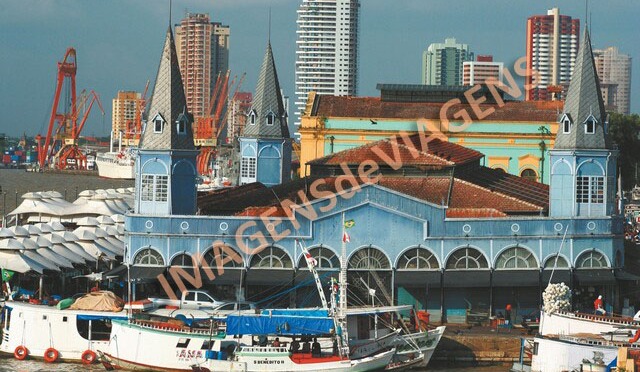















 imagenseviagens.com.br/travelandimages.com