Galinhos, uma pérola no litoral potiguar

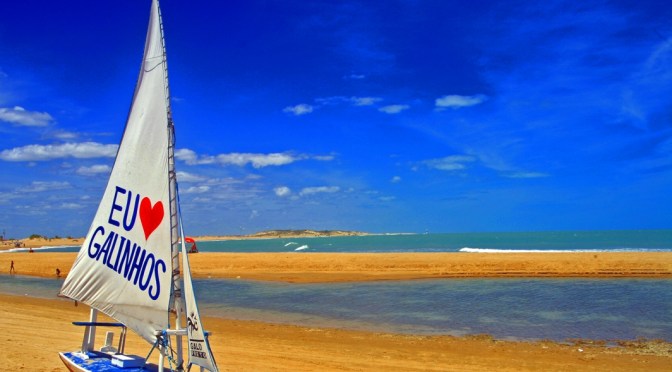
Galinhos é uma pequena vila de pescadores no estado do Rio Grande do Norte, no nordeste do Brasil. Está localizada em uma península, acessível apenas por barco ou veículos com tração nas quatro rodas, o que confere à vila um caráter isolado e encantador. A paisagem ao redor é marcada por praias intocadas, águas cristalinas e dunas deslumbrantes. Em Galinhos vivem cerca de 2.000 pessoas, que dependem principalmente da pesca e do turismo.

O farol de Galinhos é um marco famoso e oferece uma vista espetacular do mar e das salinas próximas, que desempenham um papel importante na economia local. A vila tem uma atmosfera tranquila e relaxante, ideal para os visitantes que desejam escapar do agito das grandes cidades. 

Um dos maiores destaques de Galinhos são os passeios de barco pelos manguezais e pelo delta do Rio Aratuá. Esses passeios permitem explorar a rica flora e fauna da região, incluindo muitas espécies de aves e peixes. Os visitantes também podem desfrutar das piscinas naturais, formadas durante a maré baixa, que são perfeitas para nadar. 

Os habitantes de Galinhos são conhecidos por sua hospitalidade. Embora o turismo tenha crescido nos últimos anos, a vila preserva seu caráter autêntico. Existem algumas pequenas pousadas e restaurantes que servem frutos do mar frescos e especialidades regionais. 

No geral, Galinhos oferece uma mistura perfeita de natureza, tranquilidade e isolamento, sendo uma joia escondida do nordeste brasileiro que espera ser descoberta. 

Galinhos ist ein kleines Fischerdorf im Bundesstaat Rio Grande do Norte im Nordosten Brasiliens. Es liegt auf einer Halbinsel, die nur mit dem Boot oder speziellen Geländefahrzeugen erreichbar ist, was dem Ort einen abgelegenen und charmanten Charakter verleiht. Die Umgebung ist geprägt von unberührten Stränden, kristallklarem Wasser und einer atemberaubenden Dünenlandschaft. In Galinhos leben etwa 2.000 Menschen, die hauptsächlich vom Fischfang und Tourismus leben.

Der Leuchtturm von Galinhos ist ein bekanntes Wahrzeichen und bietet einen spektakulären Ausblick auf das Meer und die umliegenden Salzpfannen, die eine wichtige Rolle in der lokalen Wirtschaft spielen. Das Dorf hat eine ruhige und entspannte Atmosphäre, die sich perfekt für Besucher eignet, die dem Trubel der großen Städte entfliehen möchten.

Eines der größten Highlights von Galinhos sind die Bootstouren durch die Mangrovenwälder und das Delta des Rio Aratuá. Diese Touren ermöglichen es, die reiche Flora und Fauna der Region zu erkunden, darunter viele Vogelarten und Fische. Besucher können auch die natürlichen Pools (Piscinas Naturais) genießen, die bei Ebbe entstehen und eine wunderbare Gelegenheit zum Schwimmen bieten.

Die Einwohner von Galinhos sind bekannt für ihre Gastfreundschaft. Obwohl der Tourismus in den letzten Jahren zugenommen hat, hat der Ort seinen authentischen Charakter bewahrt. Es gibt einige kleine Pensionen und Restaurants, die frische Meeresfrüchte und regionale Spezialitäten anbieten.

Insgesamt bietet Galinhos eine perfekte Mischung aus Natur, Ruhe und Abgeschiedenheit und ist ein verstecktes Juwel im brasilianischen Nordosten, das darauf wartet, entdeckt zu werden.

Galinhos is a small fishing village in the state of Rio Grande do Norte, in northeastern Brazil. It is located on a peninsula, accessible only by boat or four-wheel drive vehicles, which gives the place a secluded and charming character. The surrounding area is characterized by pristine beaches, crystal-clear waters, and stunning sand dunes. About 2,000 people live in Galinhos, mostly relying on fishing and tourism.

The Galinhos lighthouse is a famous landmark and offers a spectacular view of the sea and the nearby salt pans, which play an important role in the local economy. The village has a quiet and relaxing atmosphere, ideal for visitors seeking to escape the hustle and bustle of big cities.

One of the main highlights of Galinhos is the boat tours through the mangroves and the delta of the Rio Aratuá. These tours allow you to explore the rich flora and fauna of the region, including many species of birds and fish. Visitors can also enjoy the natural pools, formed at low tide, which are perfect for swimming.

The residents of Galinhos are known for their hospitality. Although tourism has increased in recent years, the village has maintained its authentic character. There are a few small guesthouses and restaurants serving fresh seafood and regional specialties.

Overall, Galinhos offers a perfect blend of nature, tranquility, and seclusion, and is a hidden gem in northeastern Brazil waiting to be discovered.


Mumbai

Mumbai, anteriormente conhecida como Bombaim, é a cidade mais populosa da Índia e uma das maiores metrópoles do mundo. Localizada na costa oeste da Índia, no Mar da Arábia, é a capital do estado de Maharashtra. Com mais de 20 milhões de habitantes, Mumbai é o coração econômico da Índia, abrigando várias instituições financeiras importantes, como a Bolsa de Valores de Bombaim e o Banco da Reserva da Índia.

A cidade é conhecida por sua cultura e história diversas, refletidas em sua arquitetura, arte e culinária. Desde edifícios coloniais como o Portal da Índia e o Chhatrapati Shivaji Maharaj Terminus, um Patrimônio Mundial da UNESCO, até arranha-céus modernos e shoppings – Mumbai combina tradição e modernidade de forma fascinante.

Mani Bhavan, também conhecida como Casa de Gandhi, é um edifício histórico em Mumbai que serviu como base para as atividades políticas de Mahatma Gandhi de 1917 a 1934. Foi aqui que Gandhi planejou muitas ações significativas para o movimento de independência da Índia, como a famosa Marcha do Sal. Hoje, Mani Bhavan é um museu e memorial que documenta a vida de Gandhi e seu trabalho pela promoção da paz e liberdade na Índia. O museu abriga uma impressionante coleção de fotografias, documentos, cartas e objetos pessoais de Gandhi, oferecendo aos visitantes um profundo insight sobre sua vida e legado.

Mumbai também é o centro da indústria cinematográfica indiana, mais conhecida como Bollywood. Centenas de filmes são produzidos aqui anualmente, ganhando popularidade em toda a Índia e no mundo. A cidade atrai muitos artistas e mentes criativas, e tem uma cena teatral vibrante, muitas galerias de arte e festivais de música.

Apesar de sua riqueza e dinamismo, Mumbai também é conhecida por seus desafios sociais, incluindo grandes disparidades de renda e um número significativo de favelas. A mais famosa delas, Dharavi, é uma das maiores favelas da Ásia, onde milhões de pessoas vivem em condições precárias. No entanto, Dharavi também é um centro de empreendedorismo e artesanato, com muitas pequenas indústrias produzindo têxteis, artigos de couro e cerâmica.

A cidade é um importante centro de transporte, com um dos aeroportos mais movimentados da Índia, o Aeroporto Internacional Chhatrapati Shivaji Maharaj, e uma rede densa de ligações ferroviárias utilizadas diariamente por milhões de passageiros. Mumbai enfrenta fortes chuvas anuais durante a monção, frequentemente causando inundações, o que representa um dos maiores desafios para a administração da cidade.

Mumbai é uma cidade de contrastes: combina riqueza e pobreza, tradição e modernidade, caos e ordem. A cidade é conhecida por sua energia incansável e sua ética de “nunca desistir”, expressa pelo apelido de “Maximum City”. É um lugar que está sempre em movimento e um centro de oportunidades econômicas, diversidade cultural e resistência humana.

Para conhecer mais sobre Mumbai, clique aqui.

Mumbai, früher bekannt als Bombay, ist die bevölkerungsreichste Stadt Indiens und eine der größten Metropolen der Welt. Sie liegt an der Westküste Indiens am Arabischen Meer und ist die Hauptstadt des Bundesstaates Maharashtra. Mit über 20 Millionen Einwohnern ist Mumbai das wirtschaftliche Herz Indiens und beheimatet zahlreiche wichtige Finanzinstitutionen, darunter die Bombay Stock Exchange und die Reserve Bank of India.

Die Stadt ist bekannt für ihre vielfältige Kultur und Geschichte, die sich in ihrer Architektur, Kunst und Gastronomie widerspiegelt. Von Kolonialbauten wie dem Gateway of India und dem Chhatrapati Shivaji Maharaj Terminus, einem UNESCO-Weltkulturerbe, bis hin zu modernen Wolkenkratzern und Einkaufszentren – Mumbai vereint Tradition und Moderne auf faszinierende Weise.

Das Mani Bhavan, auch bekannt als Gandhi-Haus, ist ein historisches Gebäude in Mumbai, das Mahatma Gandhi als Basis für seine politischen Aktivitäten von 1917 bis 1934 diente. Hier plante Gandhi viele bedeutende Aktionen für die Unabhängigkeitsbewegung Indiens, wie den berühmten Salzmarsch. Heute ist Mani Bhavan ein Museum und eine Gedenkstätte, die Gandhis Leben und seine Arbeit zur Förderung von Frieden und Freiheit in Indien dokumentiert. Das Museum beherbergt eine beeindruckende Sammlung von Fotografien, Dokumenten, Briefen und persönlichen Gegenständen Gandhis, die Besuchern einen tiefen Einblick in sein Leben und Erbe bieten.

Mumbai ist auch das Zentrum der indischen Filmindustrie, besser bekannt als Bollywood. Jährlich werden hier hunderte von Filmen produziert, die in ganz Indien und weltweit große Popularität genießen. Die Stadt zieht zahlreiche Künstler und kreative Köpfe an und hat eine lebendige Theaterszene, viele Kunstgalerien und Musikfestivals.

Trotz ihres Reichtums und ihrer Dynamik ist Mumbai auch für ihre sozialen Herausforderungen bekannt, darunter große Einkommensunterschiede und eine erhebliche Anzahl von Slums. Das bekannteste von ihnen, Dharavi, ist eines der größten Slums Asiens, in dem Millionen Menschen in beengten Verhältnissen leben. Trotzdem ist Dharavi auch ein Zentrum für Unternehmertum und Handwerk, mit zahlreichen kleinen Industrien, die Textilien, Lederwaren und Töpferwaren herstellen.

Die Stadt ist auch ein wichtiger Verkehrsknotenpunkt mit einem der verkehrsreichsten Flughäfen Indiens, dem Chhatrapati Shivaji Maharaj International Airport, und einem dichten Netz von Zugverbindungen, die Millionen von Pendlern täglich nutzen. Mumbai erlebt jedes Jahr während des Monsuns starke Regenfälle, die oft zu Überschwemmungen führen, was eine der großen Herausforderungen für die Stadtverwaltung darstellt.

Mumbai ist eine Stadt der Kontraste: Sie vereint Reichtum und Armut, Tradition und Moderne, Chaos und Ordnung. Die Stadt ist bekannt für ihre unermüdliche Energie und ihr „Nie-sagen-sterben“-Ethos, das in dem Spitznamen „Maximum City“ zum Ausdruck kommt. Sie ist ein Ort, der immer in Bewegung ist und ein Zentrum für wirtschaftliche Chancen, kulturelle Vielfalt und menschliche Ausdauer.

Um mehr über Mumbai zu erfahren, klicken Sie hier.

Mumbai, formerly known as Bombay, is the most populous city in India and one of the largest metropolises in the world. Located on the west coast of India along the Arabian Sea, it is the capital of the state of Maharashtra. With over 20 million inhabitants, Mumbai is the economic heart of India, home to several major financial institutions, including the Bombay Stock Exchange and the Reserve Bank of India.

The city is known for its diverse culture and history, reflected in its architecture, art, and cuisine. From colonial buildings like the Gateway of India and Chhatrapati Shivaji Maharaj Terminus, a UNESCO World Heritage Site, to modern skyscrapers and shopping malls, Mumbai blends tradition and modernity in a fascinating way.

Mani Bhavan, also known as the Gandhi House, is a historic building in Mumbai that served as the base for Mahatma Gandhi’s political activities from 1917 to 1934. It was here that Gandhi planned many significant actions for India’s independence movement, such as the famous Salt March. Today, Mani Bhavan is a museum and memorial that documents Gandhi’s life and his work to promote peace and freedom in India. The museum houses an impressive collection of photographs, documents, letters, and personal belongings of Gandhi, providing visitors with a deep insight into his life and legacy.

Mumbai is also the center of the Indian film industry, better known as Bollywood. Hundreds of films are produced here annually, gaining popularity throughout India and worldwide. The city attracts numerous artists and creative minds and boasts a vibrant theater scene, many art galleries, and music festivals.

Despite its wealth and dynamism, Mumbai is also known for its social challenges, including significant income disparities and a considerable number of slums. The most famous of these, Dharavi, is one of the largest slums in Asia, where millions of people live in cramped conditions. Nonetheless, Dharavi is also a hub of entrepreneurship and craftsmanship, with numerous small industries producing textiles, leather goods, and pottery.

The city is also a major transportation hub, with one of the busiest airports in India, the Chhatrapati Shivaji Maharaj International Airport, and a dense network of train connections used daily by millions of commuters. Mumbai experiences heavy rainfall each year during the monsoon, often leading to flooding, which is one of the major challenges for the city administration.

Mumbai is a city of contrasts: it combines wealth and poverty, tradition and modernity, chaos and order. The city is known for its relentless energy and “never say die” ethos, encapsulated in the nickname “Maximum City.” It is a place that is always on the move and a center for economic opportunities, cultural diversity, and human resilience.

To learn more about Mumbai, click here.

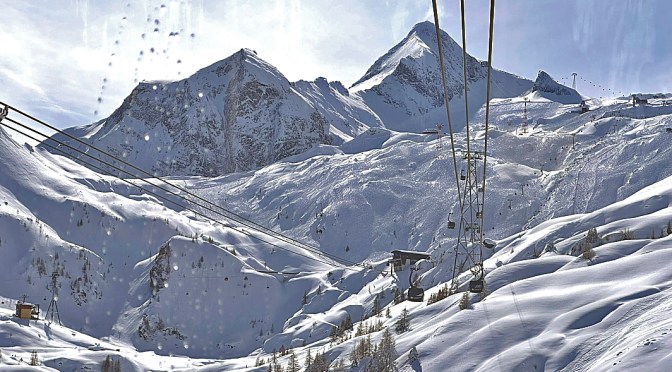
Kitzsteinhorn, paisagem espetacular/Kitzsteinhorn, spektakuläre Landschaft/Kitzsteinhorn, spectacular landscape

Partindo de Zell am See, uma viagem de um dia até o Kitzsteinhorn é uma excelente opção. Este majestoso pico nos Alpes austríacos oferece uma experiência única. Saindo de manhã cedo, você aproveitará ao máximo o seu dia. A viagem através da deslumbrante paisagem já é uma experiência incrível enquanto você se aproxima das montanhas. Chegando lá, você embarcará no moderno teleférico que o levará rapidamente ao topo.

Ao chegar lá em cima, você será presenteado com uma vista panorâmica que tirará o seu fôlego. Os picos cobertos de neve, o céu azul claro e o ar fresco das montanhas se combinam para criar uma visão inesquecível. Para os mais aventureiros, o Kitzsteinhorn oferece uma variedade de atividades, como esqui, snowboard e até mesmo caminhadas em geleiras.

Se preferir algo mais tranquilo, você pode simplesmente desfrutar da vista e experimentar a tradicional culinária austríaca em um dos acolhedores restaurantes de montanha. Não se esqueça de levar a sua câmera para capturar os momentos inesquecíveis.

À tarde, você pode fazer uma caminhada para explorar a natureza ao redor ou visitar o informativo Gipfelwelt 3000 para aprender mais sobre a formação geológica desta região majestosa.

Quando o sol começar a se pôr atrás das montanhas, você retornará a Zell am See. O dia no Kitzsteinhorn certamente será um destaque de suas férias, e as lembranças dele o acompanharão por muito tempo.

Para conhecer mais sobre essa deslumbrante atração na Áustria, clique aqui.

Von Zell am See aus bietet sich ein Tagesausflug auf das Kitzsteinhorn an, ein majestätischer Gipfel in den österreichischen Alpen. Frühmorgens brechen Sie auf, um das Beste aus Ihrem Tag zu machen. Die Fahrt durch die atemberaubende Landschaft ist bereits ein Erlebnis für sich, während Sie sich den Bergen nähern. Angekommen, steigen Sie in die moderne Gletscherbahn ein, die Sie schnell auf den Gipfel bringt.

Oben angekommen eröffnet sich Ihnen eine Panoramaaussicht, die Ihnen den Atem rauben wird. Die schneebedeckten Gipfel, das klare Blau des Himmels und die frische Bergluft verschmelzen zu einem unvergesslichen Anblick. Für Abenteuerlustige bietet das Kitzsteinhorn eine Vielzahl von Aktivitäten wie Skifahren, Snowboarden und sogar Gletscherwandern.

Wenn Sie es lieber ruhiger angehen möchten, können Sie einfach die Aussicht genießen und in einem der gemütlichen Bergrestaurants traditionelle österreichische Küche probieren. Vergessen Sie nicht, Ihre Kamera mitzubringen, um die unvergesslichen Momente festzuhalten.

Am Nachmittag können Sie eine Wanderung unternehmen und die umliegende Natur erkunden oder das informative Gipfelwelt 3000 besuchen, um mehr über die geologische Entstehung dieser majestätischen Region zu erfahren.

Wenn die Sonne langsam hinter den Bergen verschwindet, treten Sie Ihre Rückfahrt nach Zell am See an. Der Tag auf dem Kitzsteinhorn wird zweifellos zu einem Highlight Ihres Urlaubs werden, und die Erinnerungen daran werden Sie noch lange begleiten.

Um mehr über diese atemberaubende Attraktion in Österreich zu erfahren, klicken Sie hier.

Leaving from Zell am See, a day trip to the Kitzsteinhorn is an excellent choice. This majestic peak in the Austrian Alps offers a unique experience. Setting off early in the morning, you will make the most of your day. The journey through the stunning landscape is already an amazing experience as you approach the mountains. Upon arrival, you will board the modern cable car that will quickly take you to the top.

Once there, you will be greeted with a panoramic view that will take your breath away. The snow-covered peaks, the clear blue sky, and the fresh mountain air combine to create an unforgettable sight. For the more adventurous, the Kitzsteinhorn offers a variety of activities such as skiing, snowboarding, and even glacier hiking.

If you prefer something more tranquil, you can simply enjoy the view and try traditional Austrian cuisine at one of the cozy mountain restaurants. Don’t forget to bring your camera to capture the unforgettable moments.

In the afternoon, you can take a hike to explore the surrounding nature or visit the informative Gipfelwelt 3000 to learn more about the geological formation of this majestic region.

As the sun begins to set behind the mountains, you will return to Zell am See. The day at the Kitzsteinhorn will surely be a highlight of your vacation, and the memories of it will stay with you for a long time.

To learn more about this stunning attraction in Austria, click here.

Portofino

Portofino é uma pitoresca vila de pescadores na Riviera Italiana, conhecida por sua beleza deslumbrante e charme. Situada na região da Ligúria, Portofino se destaca pelas fachadas coloridas das casas que se alinham ao longo das margens do cintilante Mediterrâneo. O pequeno porto é ladeado por iates e barcos elegantes que cruzam as águas turquesa.

A vila é famosa por seus edifícios históricos, como a Igreja de San Giorgio, que fica em uma colina sobre o porto e oferece uma vista fantástica. As ruas de paralelepípedos são cercadas por boutiques chiques, restaurantes requintados e cafés aconchegantes que oferecem especialidades locais. O aroma de ervas frescas e pratos de frutos do mar paira no ar, dando um toque especial à atmosfera.

Portofino não é apenas conhecida por sua beleza, mas também por sua exclusividade e como ponto de encontro de ricos e famosos. Apesar de sua reputação luxuosa, a vila mantém seu charme original e oferece aos visitantes uma sensação de tranquilidade e serenidade.

Trilhas na área ao redor oferecem vistas espetaculares da costa e da natureza circundante, incluindo o Parque Natural de Portofino, que abriga uma rica flora e fauna. As águas cristalinas ao redor convidam ao nado e ao snorkel, enquanto as colinas suaves oferecem ótimas oportunidades para passeios relaxantes.

A história de Portofino remonta à época romana, o que se reflete na arquitetura e nos sítios históricos. Hoje, é um destino popular para viajantes que buscam uma mistura de beleza natural, patrimônio histórico e luxo. Portofino é um lugar que oferece experiências inesquecíveis com suas vistas pitorescas, atmosfera relaxante e charme.

Para conhecer mais sobre Portofino clique aqui.

Portofino ist ein malerisches Fischerdorf an der italienischen Riviera, bekannt für seine atemberaubende Schönheit und seinen Charme. Eingebettet in die Region Ligurien, zeichnet sich Portofino durch seine bunte Häuserfassaden, die sich an den Ufern des glitzernden Mittelmeers entlangreihen, aus. Der kleine Hafen ist von eleganten Yachten und Booten gesäumt, die das türkisfarbene Wasser durchkreuzen.

Das Dorf ist berühmt für seine historischen Gebäude, wie die Kirche San Giorgio, die auf einem Hügel über dem Hafen thront und einen fantastischen Ausblick bietet. Die gepflasterten Straßen sind gesäumt von schicken Boutiquen, exquisiten Restaurants und gemütlichen Cafés, die lokale Spezialitäten anbieten. Der Duft von frischen Kräutern und Meeresspezialitäten liegt in der Luft und verleiht der Atmosphäre eine besondere Note.

Portofino ist nicht nur für seine Schönheit bekannt, sondern auch für seine Exklusivität und als Treffpunkt der Reichen und Berühmten. Trotz seines luxuriösen Rufes behält das Dorf seinen ursprünglichen Charme und bietet Besuchern ein Gefühl von Ruhe und Gelassenheit.

Wanderwege in der Umgebung bieten spektakuläre Ausblicke auf die Küste und die umliegende Natur, darunter den Naturpark von Portofino, der eine reiche Flora und Fauna beherbergt. Das klare Wasser der Umgebung lädt zum Schwimmen und Schnorcheln ein, während die sanften Hügel hervorragende Möglichkeiten für entspannte Spaziergänge bieten.

Die Geschichte von Portofino reicht bis in die Römerzeit zurück, was sich in der Architektur und den historischen Stätten widerspiegelt. Heute ist es ein beliebtes Ziel für Reisende, die eine Mischung aus natürlicher Schönheit, historischem Erbe und luxuriösem Flair suchen. Portofino ist ein Ort, der mit seinen malerischen Ausblicken, seiner entspannten Atmosphäre und seinem Charme unvergessliche Erlebnisse bietet.

Um mehr über Portofino zu erfahren, klicken Sie hier.

Portofino is a picturesque fishing village on the Italian Riviera, known for its stunning beauty and charm. Nestled in the Liguria region, Portofino is characterized by its colorful facades that line the shores of the sparkling Mediterranean. The small harbor is lined with elegant yachts and boats that glide through the turquoise waters.

The village is famous for its historic buildings, such as the Church of San Giorgio, which sits on a hill overlooking the harbor and offers fantastic views. The cobblestone streets are lined with chic boutiques, exquisite restaurants, and cozy cafés offering local specialties. The scent of fresh herbs and seafood wafts through the air, adding a special touch to the atmosphere.

Portofino is not only known for its beauty but also for its exclusivity and as a meeting place for the rich and famous. Despite its luxurious reputation, the village retains its original charm and provides visitors with a sense of tranquility and serenity.

Surrounding trails offer spectacular views of the coastline and surrounding nature, including the Portofino Natural Park, which is home to a rich flora and fauna. The clear waters in the area invite swimming and snorkeling, while the gentle hills provide excellent opportunities for relaxed walks.

The history of Portofino dates back to Roman times, which is reflected in its architecture and historical sites. Today, it is a popular destination for travelers seeking a blend of natural beauty, historical heritage, and luxury. Portofino is a place that offers unforgettable experiences with its picturesque views, relaxed atmosphere, and charm.

To learn more about Portofino click here.


Jaipur

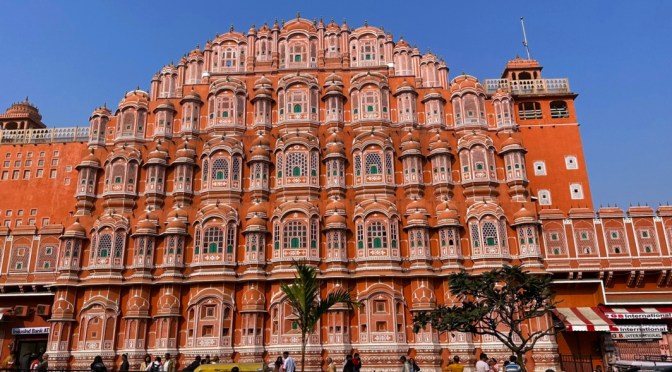
Jaipur, conhecida como a “Cidade Rosa” devido aos seus edifícios cor-de-rosa na cidade velha, é a capital do estado indiano de Rajasthan. Esta cidade é rica em história, cultura e arquitetura, e suas raízes remontam ao século XVIII, quando foi fundada pelo Maharaja Sawai Jai Singh II.

A cidade é famosa por seus magníficos palácios, templos, jardins e mercados. Um dos marcos mais distintivos de Jaipur é o Hawa Mahal, também conhecido como “Palácio dos Ventos”, que é uma obra-prima arquitetônica com centenas de pequenas janelas.

A Fortaleza Amber, também conhecida como Forte Amer, está localizada um pouco fora de Jaipur e é outra estrutura impressionante. Ela se ergue majestosamente em uma colina e oferece uma vista deslumbrante da paisagem circundante. O forte foi construído no século XVI por Raja Man Singh I e é um notável exemplo da arquitetura Rajput com seus palácios de mármore, arcos elaborados e pátios intrincados.

O Jantar Mantar observatório e um dos maiores e mais bem preservados observatórios de sua espécie e foi declarado Patrimônio Mundial da UNESCO. O Jantar Mantar é composto por uma série de instrumentos astronômicos usados para observar fenômenos celestes como a posição do sol, estrelas e medição do tempo.

Um passeio pelas estreitas ruas da cidade velha de Jaipur oferece vislumbres da vida urbana vibrante, onde a arte tradicional, como têxteis, joias e cerâmica, floresce. Os coloridos bazares são um paraíso para os amantes das compras que procuram tesouros feitos à mão.

A culinária de Jaipur também é uma experiência sensorial, com uma abundância de curry picante, sobremesas doces e especiarias aromáticas que satisfazem o paladar.

No geral, Jaipur é um destino fascinante que oferece história, cultura e beleza em abundância, encantando os visitantes com seu charme e hospitalidade.

Para conhecer mais sobre Jaipur, clique aqui.

Jaipur, bekannt als die “Pink City” aufgrund der rosafarbenen Gebäude in der Altstadt, ist die Hauptstadt des indischen Bundesstaates Rajasthan. Diese Stadt ist reich an Geschichte, Kultur und Architektur, und ihre Wurzeln reichen bis ins 18. Jahrhundert zurück, als sie von Maharaja Sawai Jai Singh II gegründet wurde.

Die Stadt ist berühmt für ihre prächtigen Paläste, Tempel, Gärten und Märkte. Eines der markantesten Wahrzeichen von Jaipur ist der Hawa Mahal, auch als “Palast der Winde” bekannt, der mit seinen hunderten von kleinen Fenstern ein architektonisches Meisterwerk ist.

Die Festung Amber, auch bekannt als Amer Fort, liegt etwas außerhalb von Jaipur und ist ein weiteres beeindruckendes Bauwerk. Sie thront majestätisch auf einem Hügel und bietet einen atemberaubenden Blick auf die umliegende Landschaft. Die Festung wurde im 16. Jahrhundert von Raja Man Singh I erbaut und ist ein bemerkenswertes Beispiel für die Rajputen-Architektur mit ihren Marmorpalästen, kunstvollen Torbögen und kunstvollen Innenhöfen.

Die Jantar Mantar Sternwarte ist ein historisches Observatorium, es ist eines der größten und am besten erhaltenen Observatorien seiner Art und wurde zum UNESCO-Weltkulturerbe erklärt. Es besteht aus einer Reihe von astronomischen Instrumenten, die zur Beobachtung von Himmelsphänomenen wie Sonnenstand, Sternpositionen und Zeitmessung verwendet wurden. Die Präzision und Komplexität dieser Instrumente sind beeindruckend.

Ein Spaziergang durch die schmalen Gassen der Altstadt von Jaipur bietet Einblicke in das lebendige städtische Leben, wo traditionelle Handwerkskunst, wie Textilien, Schmuck und Keramik, floriert. Die bunten Basare sind ein Paradies für Einkaufsliebhaber, die nach handgefertigten Schätzen suchen.

Die Küche von Jaipur ist ebenfalls ein Erlebnis für die Sinne, mit einer Fülle von würzigen Currys, süßen Desserts und aromatischen Gewürzen, die die Geschmacksknospen verwöhnen.

Insgesamt ist Jaipur ein faszinierendes Reiseziel, das Geschichte, Kultur und Schönheit in reichem Maße bietet und Besucher mit seinem Charme und seiner Gastfreundschaft verzaubert.

Um mehr über Jaipur zu erfahren, klicken Sie hier.

Jaipur, known as the “Pink City” due to its pink buildings in the old city, is the capital of the Indian state of Rajasthan. This city is rich in history, culture, and architecture, with its roots dating back to the 18th century when it was founded by Maharaja Sawai Jai Singh II.

The city is famous for its magnificent palaces, temples, gardens, and markets. One of Jaipur’s most distinctive landmarks is the Hawa Mahal, also known as the “Palace of Winds,” which is an architectural masterpiece with hundreds of small windows.

The Amber Fort, also known as Amer Fort, is located just outside Jaipur and is another impressive structure. It majestically perches on a hill and offers stunning views of the surrounding landscape. Built in the 16th century by Raja Man Singh I, the fort is a remarkable example of Rajput architecture with its marble palaces, intricate archways, and ornate courtyards.

The Jantar Mantar is a historic observatory built by Maharaja Sawai Jai Singh II in the 18th century. It is one of the largest and best-preserved observatories of its kind and has been declared a UNESCO World Heritage Site. The Jantar Mantar consists of a series of astronomical instruments used to observe celestial phenomena such as the position of the sun, stars, and time measurement.

A stroll through the narrow streets of Jaipur’s old city provides glimpses of vibrant urban life, where traditional crafts such as textiles, jewelry, and ceramics flourish. The colorful bazaars are a shopper’s paradise, offering handcrafted treasures.

Jaipur’s cuisine is also a sensory experience, with an abundance of spicy curries, sweet desserts, and aromatic spices that tantalize the taste buds.

Overall, Jaipur is a fascinating destination that offers history, culture, and beauty in abundance, enchanting visitors with its charm and hospitality.

To know more about Jaipur, click here.

Ilha de Boipeba/Boipeba Insel/Boipeba Island

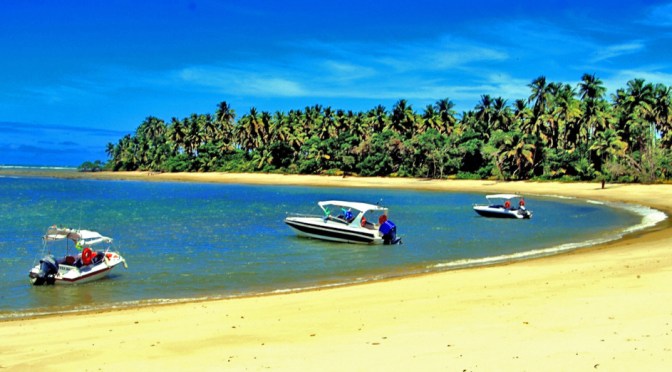
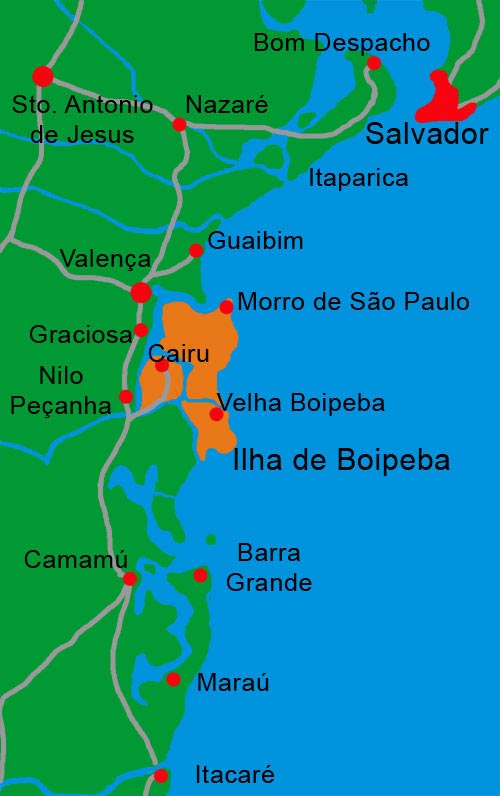
A Ilha de Boipeba é uma ilha idílica na costa do Brasil, pertencente ao município de Cairu, no estado da Bahia.

Fonte/Quelle/Source: https://www.ilhaboipeba.org.br/boipeba.html

Ela é conhecida por suas praias intocadas, águas claras e turquesas, e vegetação exuberante. A ilha faz parte da zona de proteção do arquipélago Tinharé-Boipeba, famoso por sua rica biodiversidade e importância para a conservação ambiental.

Boipeba é um destino popular para amantes da natureza e para aqueles que procuram tranquilidade, já que a ilha é relativamente remota e de difícil acesso. Não há carros na ilha, e o transporte é feito principalmente a pé ou por barcos. Isso contribui para a atmosfera tranquila e relaxante que muitos visitantes apreciam.

As praias de Boipeba, como Boca da Barra, Moreré e Ponta dos Castelhanos, são ladeadas por palmeiras e oferecem condições perfeitas para mergulho com snorkel, mergulho e natação. Os recifes de corais na região são ricos em vida marinha e convidam à exploração.

Além das praias, Boipeba também oferece experiências culturais. A vila de Velha Boipeba, o principal povoado da ilha, encanta com sua arquitetura rústica e charmosa e a calorosa hospitalidade dos moradores. Pratos tradicionais com frutos do mar frescos são um destaque culinário.

A ilha se esforçou para evitar o turismo de massa, a fim de preservar sua beleza natural e autenticidade cultural. Por isso, há um número limitado de acomodações, geralmente operadas por moradores locais. Isso cria um modelo de turismo sustentável, que beneficia tanto os visitantes quanto os residentes.

No geral, Ilha de Boipeba é um paraíso escondido, que encanta os visitantes com sua beleza natural, rica cultura e estilo de vida descontraído.

Para conhecer mais sobre a Ilha de Boipeba, clique aqui e  clique aqui.

Ilha de Boipeba ist eine idyllische Insel an der brasilianischen Küste, die zur Gemeinde Cairu im Bundesstaat Bahia gehört. Sie ist bekannt für ihre unberührten Strände, das klare, türkisfarbene Wasser und die üppige Vegetation. Die Insel ist Teil des Schutzzonen-Archipels Tinharé-Boipeba, das für seine reiche Artenvielfalt und die Bedeutung für den Umweltschutz bekannt ist.

Boipeba ist ein beliebtes Reiseziel für Naturfreunde und Ruhesuchende, da die Insel relativ abgelegen und nur schwer erreichbar ist. Es gibt keine Autos auf der Insel, und der Transport erfolgt hauptsächlich zu Fuß oder mit Booten. Dies trägt zur ruhigen und entspannten Atmosphäre bei, die viele Besucher schätzen.

Die Strände von Boipeba, wie Boca da Barra, Moreré und Ponta dos Castelhanos, sind von Palmen gesäumt und bieten perfekte Bedingungen zum Schnorcheln, Tauchen und Schwimmen. Die Korallenriffe in der Umgebung sind reich an Meeresleben und laden zum Entdecken ein.

Neben den Stränden bietet Boipeba auch kulturelle Erlebnisse. Das Dorf Velha Boipeba, der Hauptort der Insel, besticht durch seine charmante, rustikale Architektur und die herzliche Gastfreundschaft der Einwohner. Traditionelle Gerichte mit frischen Meeresfrüchten sind ein kulinarisches Highlight.

Die Insel hat sich bemüht, den Massentourismus zu vermeiden, um ihre natürliche Schönheit und kulturelle Authentizität zu bewahren. Deshalb gibt es eine begrenzte Anzahl an Unterkünften, die meist von Einheimischen betrieben werden. Dies sorgt für ein nachhaltiges Tourismusmodell, das sowohl den Besuchern als auch den Bewohnern zugutekommt.

Insgesamt ist Ihla de Boipeba ein verstecktes Paradies, das Besucher mit seiner natürlichen Schönheit, der reichen Kultur und der entspannten Lebensart begeistert.

Ilha de Boipeba is an idyllic island on the Brazilian coast, belonging to the municipality of Cairu in the state of Bahia. It is known for its pristine beaches, clear turquoise waters, and lush vegetation. The island is part of the Tinharé-Boipeba protected archipelago, famous for its rich biodiversity and environmental conservation significance.

Boipeba is a popular destination for nature lovers and those seeking tranquility, as the island is relatively remote and difficult to access. There are no cars on the island, and transportation is mainly on foot or by boat. This contributes to the peaceful and relaxing atmosphere that many visitors appreciate.

The beaches of Boipeba, such as Boca da Barra, Moreré, and Ponta dos Castelhanos, are lined with palm trees and offer perfect conditions for snorkeling, diving, and swimming. The coral reefs in the area are rich in marine life and invite exploration.

Besides the beaches, Boipeba also offers cultural experiences. The village of Velha Boipeba, the main settlement on the island, charms with its rustic architecture and the warm hospitality of its residents. Traditional dishes featuring fresh seafood are a culinary highlight.

The island has made efforts to avoid mass tourism to preserve its natural beauty and cultural authenticity. As a result, there is a limited number of accommodations, mostly run by locals. This creates a sustainable tourism model that benefits both visitors and residents.

Overall, Ihla de Boipeba is a hidden paradise that delights visitors with its natural beauty, rich culture, and relaxed lifestyle.


Camogli

Camogli é uma pitoresca cidade costeira na Ligúria, Itália, conhecida por suas casas coloridas e seu charmoso porto. Está localizada no Golfo Paradiso, a cerca de 20 quilômetros a leste de Gênova. Camogli tem uma longa história como vila de pescadores, refletida na arquitetura e no estilo de vida dos habitantes.

O calçadão ao longo da praia é ladeado por cafés e restaurantes que oferecem frutos do mar frescos e pratos tradicionais da Ligúria. A praia em si é de seixos e oferece águas cristalinas, ideais para nadar e mergulhar com snorkel.

Uma das principais atrações da cidade é a Basílica de Santa Maria Assunta, situada em uma pequena colina com vista para o porto. Seu interior é ricamente decorado e oferece vistas deslumbrantes do mar.

Camogli também é o ponto de partida para caminhadas no Parque Regional de Portofino, uma área protegida com trilhas que serpenteiam por florestas mediterrâneas e ao longo de penhascos íngremes. Este parque é um paraíso para os amantes da natureza, oferecendo vistas espetaculares da costa da Ligúria.

A cidade é famosa por seus festivais anuais, especialmente o Sagra del Pesce, um festival de peixe realizado todo mês de maio. Durante este festival, peixe fresco é frito em uma enorme frigideira na praça e distribuído aos visitantes.

A atmosfera em Camogli é descontraída e autêntica, ideal para umas férias tranquilas, longe dos centros turísticos lotados. As ruas estreitas e pavimentadas convidam a passeios relaxantes e oferecem várias pequenas lojas vendendo artesanato local e lembranças.

Camogli é bem conectada por trem, tornando-se um destino popular para passeios de um dia a partir de Gênova e outras cidades próximas. Os arredores cênicos e a atmosfera relaxada fazem de Camogli um lugar ideal para experimentar a beleza da costa da Ligúria.

Para conhecer mais sobre Camogli, clique aqui.

Camogli ist eine malerische Küstenstadt in Ligurien, Italien, bekannt für ihre farbenfrohen Häuser und den charmanten Hafen. Sie liegt am Golfo Paradiso, etwa 20 Kilometer östlich von Genua. Camogli hat eine lange Geschichte als Fischerdorf, was sich in der Architektur und dem Lebensstil der Einwohner widerspiegelt.

Die Promenade entlang des Strandes ist gesäumt von Cafés und Restaurants, die frische Meeresfrüchte und traditionelle ligurische Gerichte anbieten. Der Strand selbst ist kieselig und bietet kristallklares Wasser, ideal zum Schwimmen und Schnorcheln.

Eine der Hauptattraktionen der Stadt ist die Basilika Santa Maria Assunta, die auf einem kleinen Hügel über dem Hafen thront. Ihre Inneneinrichtung ist prächtig verziert und bietet einen atemberaubenden Blick auf das Meer.

Camogli ist auch der Ausgangspunkt für Wanderungen im nahegelegenen Regionalpark Portofino, einem geschützten Gebiet mit Wanderwegen, die durch mediterrane Wälder und entlang steiler Klippen führen. Dieser Park ist ein Paradies für Naturliebhaber und bietet spektakuläre Ausblicke auf die ligurische Küste.

Die Stadt ist berühmt für ihre jährlichen Feste, insbesondere das Sagra del Pesce, ein Fischfest, das jedes Jahr im Mai stattfindet. Während dieses Festes wird in einer riesigen Pfanne auf dem Platz frischer Fisch gebraten und an die Besucher verteilt.

Die Atmosphäre in Camogli ist entspannt und authentisch, ideal für einen ruhigen Urlaub abseits der überlaufenen Touristenzentren. Die engen, gepflasterten Gassen laden zum Bummeln ein und bieten zahlreiche kleine Läden, die lokale Kunsthandwerke und Souvenirs verkaufen.

Camogli ist gut mit dem Zug erreichbar, was es zu einem beliebten Ziel für Tagesausflüge von Genua und anderen nahegelegenen Städten macht. Die malerische Umgebung und die entspannte Atmosphäre machen Camogli zu einem idealen Ort, um die Schönheit der ligurischen Küste zu erleben.

Um mehr über Camogli zu erfahren, klicken Sie hier.

Camogli is a picturesque coastal town in Liguria, Italy, known for its colorful houses and charming harbor. It is located on the Golfo Paradiso, about 20 kilometers east of Genoa. Camogli has a long history as a fishing village, reflected in the architecture and lifestyle of its inhabitants.

The promenade along the beach is lined with cafés and restaurants offering fresh seafood and traditional Ligurian dishes. The beach itself is pebbly and offers crystal-clear water, ideal for swimming and snorkeling.

One of the main attractions of the town is the Basilica of Santa Maria Assunta, perched on a small hill overlooking the harbor. Its interior is lavishly decorated and offers breathtaking views of the sea.

Camogli is also the starting point for hikes in the nearby Portofino Regional Park, a protected area with trails winding through Mediterranean forests and along steep cliffs. This park is a paradise for nature lovers, offering spectacular views of the Ligurian coast.

The town is famous for its annual festivals, especially the Sagra del Pesce, a fish festival held every May. During this festival, fresh fish is fried in a giant pan in the square and distributed to visitors.

The atmosphere in Camogli is relaxed and authentic, ideal for a quiet vacation away from the crowded tourist centers. The narrow, cobblestone streets invite leisurely strolls and offer numerous small shops selling local crafts and souvenirs.

Camogli is well-connected by train, making it a popular destination for day trips from Genoa and other nearby cities. The scenic surroundings and relaxed atmosphere make Camogli an ideal place to experience the beauty of the Ligurian coast.

To learn more about Camogli, click here.

Oppenau, uma peróla do Vale Renchtal/eine Perle im Renchtal /a pearl in the Renchtal Valley

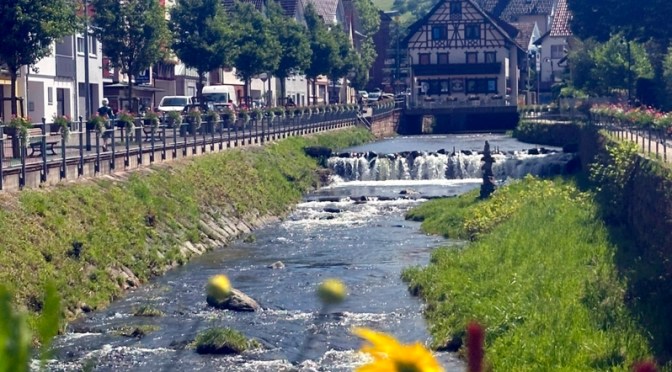
Oppenau é uma cidade pitoresca na Floresta Negra, no sudoeste da Alemanha. A cidade está localizada no Vale Renchtal e é cercada por florestas densas e colinas onduladas.

Fonte/Quelle/Source: https://www.black-forest-travel.com/oppenau/

Oppenau é conhecida por sua natureza idílica, edifícios históricos e inúmeras trilhas para caminhadas que atraem entusiastas do ar livre. Um destaque especial para os caminhantes é a Rosi Rotkelchenweg.

A Rosi Rotkelchenweg é uma trilha temática especialmente projetada para famílias e crianças. A trilha leva o nome do pisco-de-peito-ruivo, um pássaro comumente encontrado na região, e leva os caminhantes pela bela natureza ao redor de Oppenau. A trilha tem cerca de cinco quilômetros de extensão e é bem sinalizada, tornando-a fácil de seguir para caminhantes inexperientes e famílias com crianças.

Ao longo do Rosi Rotkelchenweg, há inúmeras estações onde os caminhantes podem aprender informações interessantes sobre a flora e fauna locais. Essas estações são interativas e oferecem às crianças a oportunidade de aprender mais sobre a natureza de maneira lúdica. Por exemplo, há estações onde você pode ouvir o canto dos pássaros ou identificar várias espécies de animais através de ilustrações.

Além das estações educativas, o Rosi Rotkelchenweg também oferece muitos pontos de vista bonitos de onde se pode admirar a paisagem deslumbrante da Floresta Negra. Especialmente na primavera e no verão, quando a natureza está em plena floração, a trilha é um verdadeiro deleite. A trilha de caminhada também passa por pequenos riachos e lagoas, que podem ser utilizados para uma pausa refrescante.

O Rosi Rotkelchenweg é um ótimo destino de excursão para famílias, amantes da natureza e qualquer pessoa que queira desfrutar de uma caminhada relaxante na natureza. A combinação de exercício, ar fresco e informações interessantes torna essa trilha popular na região. Além disso, há inúmeras outras atividades e atrações em Oppenau e na área circundante que fazem a visita valer a pena, incluindo igrejas históricas, museus e casas tradicionais da Floresta Negra.

No geral, Oppenau, com o Rosi Rotkelchenweg, oferece uma maneira perfeita de descobrir a beleza e a diversidade da Floresta Negra de maneira divertida e educativa. É um lugar que oferece tanto relaxamento quanto aventura, tornando-o igualmente atraente para jovens e idosos.

Para conhecer mais sobre Oppenau, clique aqui.

Oppenau ist eine malerische Stadt im Schwarzwald im Südwesten Deutschlands. Die Stadt liegt im Renchtal und ist von dichten Wäldern und hügeligen Landschaften umgeben.

Fonte/Quelle/Source: https://www.black-forest-travel.com/oppenau/

Oppenau ist bekannt für seine idyllische Natur, historischen Gebäude und zahlreiche Wanderwege, die Outdoor-Enthusiasten anziehen. Ein besonderes Highlight für Wanderer ist der Rosi Rotkelchenweg.

Der Rosi Rotkelchenweg ist ein thematischer Wanderweg, der speziell für Familien und Kinder gestaltet wurde. Der Weg ist nach dem Rotkehlchen, einem in der Region häufig anzutreffenden Vogel, benannt und führt die Wanderer durch die wunderschöne Natur rund um Oppenau. Der Weg ist etwa fünf Kilometer lang und gut ausgeschildert, sodass auch ungeübte Wanderer und Familien mit Kindern problemlos folgen können.

Auf dem Rosi Rotkelchenweg gibt es zahlreiche Stationen, an denen die Wanderer interessante Informationen über die heimische Tier- und Pflanzenwelt erfahren können. Diese Stationen sind interaktiv gestaltet und bieten Kindern die Möglichkeit, spielerisch mehr über die Natur zu lernen. Beispielsweise gibt es Stationen, an denen man Vogelstimmen hören oder verschiedene Tierarten anhand von Abbildungen identifizieren kann.

Neben den lehrreichen Stationen bietet der Rosi Rotkelchenweg auch viele schöne Aussichtspunkte, von denen aus man die atemberaubende Landschaft des Schwarzwaldes bewundern kann. Besonders im Frühling und Sommer, wenn die Natur in voller Blüte steht, ist der Weg ein wahres Erlebnis. Der Wanderweg führt auch an einigen kleinen Bächen und Teichen vorbei, die für eine erfrischende Pause genutzt werden können.

Der Rosi Rotkelchenweg ist ein großartiges Ausflugsziel für Familien, Naturliebhaber und alle, die eine entspannte Wanderung in der Natur genießen möchten. Die Kombination aus Bewegung, frischer Luft und interessanten Informationen macht diesen Wanderweg zu einem beliebten Ziel in der Region. Zudem gibt es in Oppenau und der Umgebung zahlreiche weitere Aktivitäten und Sehenswürdigkeiten, die den Besuch lohnenswert machen. Dazu zählen unter anderem historische Kirchen, Museen und traditionelle Schwarzwaldhäuser.

Insgesamt bietet Oppenau mit dem Rosi Rotkelchenweg eine perfekte Möglichkeit, die Schönheit und Vielfalt des Schwarzwaldes auf eine unterhaltsame und lehrreiche Weise zu entdecken. Es ist ein Ort, der sowohl Entspannung als auch Abenteuer bietet und somit für Jung und Alt gleichermaßen attraktiv ist.

Um mehr über Oppenau zu erfahren, klicken Sie hier.

Oppenau is a picturesque town in the Black Forest in southwestern Germany. The town is located in the Renchtal Valley and is surrounded by dense forests and rolling hills.

Fonte/Quelle/Source: https://www.black-forest-travel.com/oppenau/

Oppenau is known for its idyllic nature, historic buildings, and numerous hiking trails that attract outdoor enthusiasts. A particular highlight for hikers is the Rosi Rotkelchenweg.

The Rosi Rotkelchenweg is a thematic hiking trail specially designed for families and children. The trail is named after the European robin, a bird commonly found in the region, and takes hikers through the beautiful nature around Oppenau. The trail is about five kilometers long and well-signposted, making it easy for inexperienced hikers and families with children to follow.

Along the Rosi Rotkelchenweg, there are numerous stations where hikers can learn interesting information about the local flora and fauna. These stations are interactive and offer children the opportunity to learn more about nature in a playful way. For example, there are stations where you can listen to bird calls or identify various animal species through illustrations.

In addition to the educational stations, the Rosi Rotkelchenweg also offers many beautiful viewpoints from which to admire the breathtaking landscape of the Black Forest. Especially in spring and summer, when nature is in full bloom, the trail is a true delight. The hiking trail also passes by small streams and ponds, which can be used for a refreshing break.

The Rosi Rotkelchenweg is a great excursion destination for families, nature lovers, and anyone who wants to enjoy a relaxing hike in nature. The combination of exercise, fresh air, and interesting information makes this hiking trail a popular destination in the region. Additionally, there are numerous other activities and attractions in Oppenau and the surrounding area that make the visit worthwhile, including historic churches, museums, and traditional Black Forest houses.

Overall, Oppenau, with the Rosi Rotkelchenweg, offers a perfect way to discover the beauty and diversity of the Black Forest in an entertaining and educational manner. It is a place that offers both relaxation and adventure, making it equally attractive for young and old alike.

To learn more about Oppenau, click here.

Cinque Terre

Cinque Terre é uma pitoresca região costeira na região italiana da Ligúria, composta por cinco encantadoras aldeias: Monterosso al Mare, Vernazza, Corniglia, Manarola e Riomaggiore.
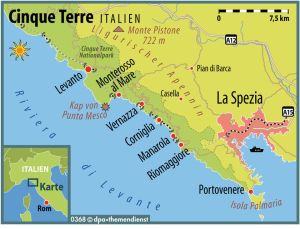
A região é conhecida por suas paisagens deslumbrantes, penhascos íngremes e águas cristalinas. Cada aldeia tem seu charme e caráter únicos, atraindo viajantes de todo o mundo.

Monterosso al Mare é a maior das cinco aldeias e oferece belas praias de areia, perfeitas para relaxar e nadar. As casas coloridas e as ruas estreitas dão ao lugar uma atmosfera acolhedora.

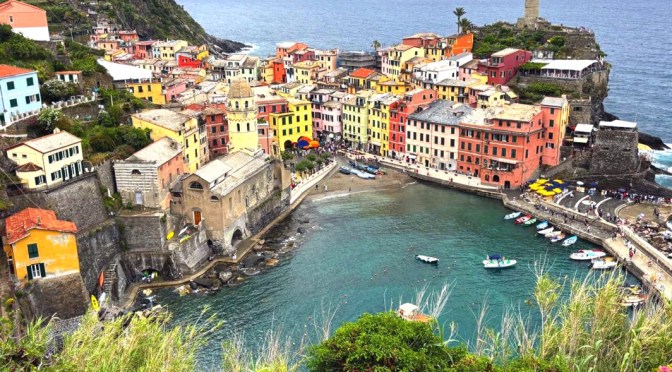
Vernazza é considerada uma das mais belas aldeias de Cinque Terre. Com seu porto natural, casas de cores pastel e o impressionante Castelo Doria, oferece um cenário pitoresco para fotos e passeios.

Corniglia, a única aldeia sem acesso direto ao mar, fica em uma rocha alta e oferece uma vista espetacular da costa circundante. As ruas estreitas e a atmosfera tranquila fazem dela um lugar ideal para uma visita relaxante.

Manarola, conhecida por sua produção de vinho, impressiona com suas casas coloridas que se agarram a penhascos íngremes. A atmosfera romântica e os pores-do-sol deslumbrantes atraem muitos casais.

Riomaggiore, a aldeia mais ao sul, é famosa por suas cores vibrantes e vinhedos em terraços. A Via dell’Amore, um pitoresco trilho de caminhada ao longo da costa, liga Riomaggiore a Manarola e oferece vistas espetaculares.

Cinque Terre é também um paraíso para caminhantes, com muitos trilhos que conectam as cinco aldeias. O caminho mais famoso é o Sentiero Azzurro, que oferece vistas deslumbrantes do mar e da costa.

A região é conhecida não apenas pela sua beleza cênica, mas também pelas suas especialidades culinárias. Peixe fresco, massas caseiras e o famoso pesto da Ligúria são apenas algumas das delícias que os visitantes podem desfrutar.

Cinque Terre é um Patrimônio Mundial da UNESCO e uma área protegida para preservar sua beleza natural e herança cultural. A melhor forma de chegar lá é de trem, pois as aldeias são em grande parte livres de carros. Uma visita a Cinque Terre promete experiências inesquecíveis em uma das mais belas paisagens costeiras da Itália.

Gostaríamos de dividir com vocês algumas dicas, caso você planeje visitar essa região da Itália:

– Reserve o hotel com muita antecedência. Para nos hospedar no final de maio, reservamos em março e mesmo assim, não encontramos muitas opções disponíveis;

– Quando chegar lá, compre o Cartão Cinq Terre. Com ele você pode circular entre as “terres” de trem (com esse cartão é possível se deslocar de Levanto a Spezzia), oferece acesso às trilhas e também é possível acessar os banheiros das estações de trem. É possível comprar esse cartão on line, mas, o site somente aceita cartão Visa ou Mastercard. Ou você também pode comprar o Centro de Informações Turísticas das estações de trem;

– Se você pensa em realizar uma trilha (percorremos a Trilha Vernazza – Monterosso al Mare, mas isso é assunto de outro post), é de fundamental importância levar sapatos apropriados. Isso vai evitar acidentes;

– Se quiser conhecer mais cidades nas proximidades das Cinque Terre reserve mais um tempo extra na sua viagem. De lá, você pode conhecer também outras cidadezinhas lindas, como Camogli, Santa Marguerita  Lingure, Portovenere, Portofino, dentre outras.

Para conhecer mais sobre Cinque Terre, clique aqui.

Cinque Terre ist eine malerische Küstenregion in der italienischen Region Ligurien und besteht aus fünf charmanten Dörfern: Monterosso al Mare, Vernazza, Corniglia, Manarola und Riomaggiore.

Die Region ist bekannt für ihre atemberaubenden Landschaften, steilen Klippen und kristallklaren Gewässer. Jeder Ort hat seinen eigenen einzigartigen Charme und Charakter, der Reisende aus der ganzen Welt anzieht.

Monterosso al Mare ist das größte der fünf Dörfer und bietet schöne Sandstrände, die sich perfekt zum Entspannen und Schwimmen eignen. Die farbenfrohen Häuser und engen Gassen verleihen dem Ort eine gemütliche Atmosphäre.

Vernazza gilt als eines der schönsten Dörfer der Cinque Terre. Mit seinem natürlichen Hafen, den pastellfarbenen Häusern und der beeindruckenden Burg Doria bietet es eine malerische Kulisse für Fotos und Spaziergänge.

Corniglia, das einzige Dorf ohne direkten Zugang zum Meer, liegt auf einem hohen Felsen und bietet einen spektakulären Blick auf die umliegende Küste. Die schmalen Gassen und die ruhige Atmosphäre machen es zu einem idealen Ort für einen entspannten Besuch.

Manarola, bekannt für seine Weinproduktion, beeindruckt mit seinen bunten Häusern, die sich an steile Klippen schmiegen. Die romantische Atmosphäre und die atemberaubenden Sonnenuntergänge ziehen viele Paare an.

Riomaggiore, das südlichste Dorf, ist berühmt für seine lebendige Farbenpracht und die terrassierten Weinberge. Die Via dell’Amore, ein malerischer Wanderweg entlang der Küste, verbindet Riomaggiore mit Manarola und bietet spektakuläre Ausblicke.

Die Cinque Terre ist auch ein Paradies für Wanderer, mit vielen Wanderwegen, die die fünf Dörfer verbinden. Der bekannteste Pfad ist der Sentiero Azzurro, der atemberaubende Ausblicke auf das Meer und die Küste bietet.

Die Region ist nicht nur wegen ihrer landschaftlichen Schönheit bekannt, sondern auch für ihre kulinarischen Spezialitäten. Frischer Fisch, hausgemachte Pasta und der berühmte ligurische Pesto sind nur einige der Köstlichkeiten, die Besucher genießen können.

Cinque Terre ist ein UNESCO-Weltkulturerbe und ein Schutzgebiet, um die natürliche Schönheit und das kulturelle Erbe zu bewahren. Die Anreise erfolgt am besten mit dem Zug, da die Dörfer größtenteils autofrei sind. Ein Besuch der Cinque Terre verspricht unvergessliche Erlebnisse in einer der schönsten Küstenlandschaften Italiens.

Wir möchten Ihnen einige Tipps geben, falls Sie planen diese Region Italiens zu besuchen:

– Buchen Sie ihr Hotel frühzeitig. Um Ende Mai dort übernachten zu können buchten wir im März und selbst dann fanden wir nicht mehr viele Optionen;

– Wenn Sie dann dort ankommen, kaufen Sie die Cinq Terre Card. Mit ihr können Sie mit dem Zug zwischen den „Terres“ reisen (mit dieser Karte können Sie von Levanto bis nach Spezzia reisen), sie bietet Zugang zu den Wanderwegen und offeriert auch Zugang zu den Toiletten an den Bahnhöfen. Es ist möglich, diese Karte online zu kaufen, die Website akzeptiert jedoch nur Visa oder Mastercard. Alternativ können Sie die Karte auch im Touristeninformationszentrum des Bahnhofs erwerben;

– Falls Sie eine Wanderung unternehmen möchten (wir sind den Wanderweg Vernazza – Monterosso al Mare gelaufen, aber das ist Thema eines anderen Beitrags), so ist es äußerst wichtig, geeignetes Schuhwerk zu benutzen, um Unfälle zu vermeiden;

– Falls Sie weitere Städte in der Nähe der Cinque Terre besuchen möchten, planen Sie ausreichend Zeit für Ihre Reise ein. Beispiele hierfür wären Camogli, Santa Marguerita  Lingure, Portovener, Portofino und andere.

Um mehr über Cinque Terre zu erfahren, klicken Sie hier.

Cinque Terre is a picturesque coastal region in the Italian region of Liguria, consisting of five charming villages: Monterosso al Mare, Vernazza, Corniglia, Manarola, and Riomaggiore.

The region is known for its breathtaking landscapes, steep cliffs, and crystal-clear waters. Each village has its unique charm and character, attracting travelers from all over the world.

Monterosso al Mare is the largest of the five villages and offers beautiful sandy beaches, perfect for relaxing and swimming. The colorful houses and narrow streets give the place a cozy atmosphere.

Vernazza is considered one of the most beautiful villages of Cinque Terre. With its natural harbor, pastel-colored houses, and impressive Doria Castle, it offers a picturesque setting for photos and walks.

Corniglia, the only village without direct access to the sea, sits on a high rock and offers a spectacular view of the surrounding coast. The narrow streets and quiet atmosphere make it an ideal place for a relaxed visit.

Manarola, known for its wine production, impresses with its colorful houses clinging to steep cliffs. The romantic atmosphere and stunning sunsets attract many couples.

Riomaggiore, the southernmost village, is famous for its vibrant colors and terraced vineyards. The Via dell’Amore, a picturesque hiking trail along the coast, connects Riomaggiore with Manarola and offers spectacular views.

Cinque Terre is also a paradise for hikers, with many trails connecting the five villages. The most famous path is the Sentiero Azzurro, which offers breathtaking views of the sea and the coast.

The region is not only known for its scenic beauty but also for its culinary specialties. Fresh fish, homemade pasta, and the famous Ligurian pesto are just some of the delicacies that visitors can enjoy.

Cinque Terre is a UNESCO World Heritage Site and a protected area to preserve its natural beauty and cultural heritage. The best way to get there is by train, as the villages are mostly car-free. A visit to Cinque Terre promises unforgettable experiences in one of th e most beautiful coastal landscapes in Italy.

We would like to give you some tips if you are planning to visit this region of Italy:

– Book your hotel early. To be able to stay there at the end of May we booked in March and even then we didn’t find many options;

– Once you get there, buy the Cinq Terre Card. It allows you to travel by train between the “Terres” (with this card you can travel from Levanto to Spezia), it gives access to the hiking trails and also offers access to the toilets at the train stations. It is possible to buy this card online, but the website only accepts Visa or Mastercard. Alternatively, you can buy the card at the tourist information center at the train station;

– If you want to go hiking (we did the Vernazza – Monterosso al Mare trail, but that is the subject of another post), it is extremely important to use suitable footwear to avoid accidents;

– If you want to visit other towns near the Cinque Terre, plan enough time for your trip. Examples of this would be Camogli, Santa Marguerita Lingure, Portovener, Portofino and others.

To learn more about Cinque Terre click here.
Taj Mahal e Forte Vermelho de Agra: maravilhas arquitetônicas da Índia/Taj Mahal and Agra Red Fort: Architectural Marvels of India/Taj Mahal und Agra Rote Fort: Architektonische Wunder Indiens

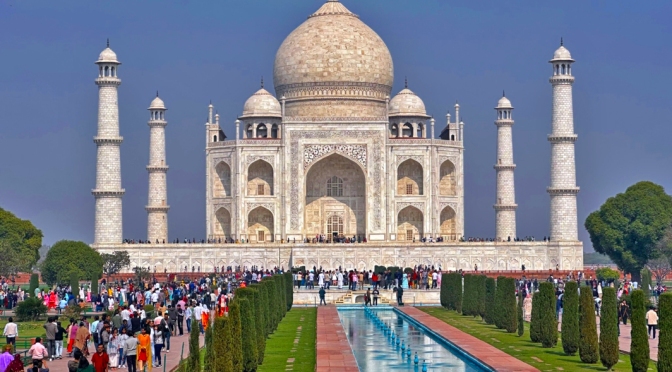
O Taj Mahal e o Forte Vermelho em Agra são duas notáveis obras arquitetônicas intimamente ligadas à história da Índia. O Taj Mahal, um ícone mundialmente famoso do amor e da beleza, foi construído no século XVII por Shah Jahan, o imperador mogol, em memória de sua amada esposa Mumtaz Mahal. É um impressionante exemplo de arquitetura indo-islâmica e hoje é reconhecido como Patrimônio Mundial da UNESCO.

Localizado às margens do rio Yamuna, o Taj Mahal é construído em mármore branco adornado com intrincados trabalhos em marchetaria de pedras semipreciosas. A simetria e a precisão de sua estrutura são impressionantes, assim como os jardins e as piscinas que o cercam. Visitantes de todo o mundo vêm aqui para admirar a beleza do monumento ao nascer ou pôr do sol.

Ao lado do Taj Mahal está o Forte Vermelho de Agra, outro local historicamente significativo. Este imenso forte, construído em arenito vermelho, serviu como residência real e fortaleza dos imperadores mogóis. É um notável exemplo de arquitetura mogol com suas imponentes muralhas, magníficos palácios e extensos jardins.

O Forte Vermelho de Agra também é um Patrimônio Mundial da UNESCO e atrai visitantes interessados em conhecer a rica história e o esplendor arquitetônico da era mogol. A vista do Taj Mahal a partir do forte é particularmente impressionante, oferecendo um vislumbre fascinante do legado deste período culturalmente rico da Índia.

Das Taj Mahal und das Rote Fort in Agra sind zwei bemerkenswerte architektonische Meisterwerke, die eng mit der Geschichte Indiens verbunden sind. Das Taj Mahal, eine weltberühmte Ikone der Liebe und Schönheit, wurde im 17. Jahrhundert von Shah Jahan, dem Mogul-Kaiser, in Erinnerung an seine geliebte Frau Mumtaz Mahal erbaut. Es ist ein atemberaubendes Beispiel für die indo-islamische Architektur und steht heute als UNESCO-Weltkulturerbe.

Das Taj Mahal liegt am Ufer des Flusses Yamuna und besteht aus weißem Marmor, der mit kunstvollen Einlegearbeiten aus Halbedelsteinen verziert ist. Die Symmetrie und Präzision seiner Struktur sind beeindruckend, ebenso wie die Gärten und Wasserbecken, die es umgeben. Besucher aus aller Welt strömen hierher, um die Schönheit dieses Denkmals bei Sonnenaufgang oder Sonnenuntergang zu bewundern.

Ganz in der Nähe des Taj Mahal befindet sich das Rote Fort von Agra, eine weitere historische Stätte von großer Bedeutung. Dieses massive Fort, das aus rotem Sandstein erbaut wurde, diente als königliche Residenz und Festung der Mogulkaiser. Es ist ein bemerkenswertes Beispiel für die Mogul-Architektur mit seinen imposanten Mauern, prächtigen Palästen und ausgedehnten Gärten.

Das Rote Fort von Agra ist ebenfalls ein UNESCO-Weltkulturerbe und zieht Besucher an, die die reiche Geschichte und die architektonische Pracht der Mogulzeit erleben möchten. Der Blick auf das Taj Mahal vom Fort aus ist besonders eindrucksvoll und vermittelt einen faszinierenden Einblick in das Erbe dieser kulturell reichen Ära Indiens.

The Taj Mahal and the Red Fort in Agra are two remarkable architectural masterpieces closely intertwined with India’s history. The Taj Mahal, a world-famous icon of love and beauty, was built in the 17th century by Shah Jahan, the Mughal emperor, in memory of his beloved wife Mumtaz Mahal. It is a stunning example of Indo-Islamic architecture and stands today as a UNESCO World Heritage Site.

Located on the banks of the Yamuna River, the Taj Mahal is constructed of white marble adorned with intricate inlay work of semi-precious stones. The symmetry and precision of its structure are awe-inspiring, as are the gardens and water pools that surround it. Visitors from around the globe flock here to admire the monument’s beauty at sunrise or sunset.

Adjacent to the Taj Mahal lies the Agra Red Fort, another historically significant site. This massive fort, built of red sandstone, served as the royal residence and fortress of the Mughal emperors. It is a remarkable specimen of Mughal architecture with its imposing walls, magnificent palaces, and expansive gardens.

The Agra Red Fort is also a UNESCO World Heritage Site and attracts visitors keen to experience the rich history and architectural splendor of the Mughal era. The view of the Taj Mahal from the fort is particularly striking, offering a fascinating glimpse into the legacy of this culturally rich period of India.

Apresentar lugares visitados ao redor do mundo e proporcionar um intercâmbio de informações com nossos visitantes./Display places visited around the world and provide an exchange of information with our visitors./Weltweit besuchte Orte vorstellen und einen Informationsaustausch mit unseren Besuchern anregen.

Mochila Raiz

Experiências (e dicas) de um mochileiro pão-duro que já passou por 51 países

UMA PORTUGUESA NO BRASIL

Ter coração nas 2 pontas do Atlântico

Isabela Boscov

Blog de Cinema e TV da jornalista Isabela Boscov.

nicexplorer

Um site com relatos de viagens, de experiências e vivências, cheiros e paladares. Uma janela para o mundo através do meu olhar.

Sinal Link - Consultoria Treinamento e Sinalização

Juntos podemos criar um mundo sem limites

GLOBO TERRESTRE TUR

Marketing digital para hotel e notícias sobre destinos turísticos.

Histórias, fotografias e significados das igrejas mais bonitas do Brasil

Histórias, fotografias e significados das igrejas mais bonitas do Brasil

LoveGod Travells

Falando sobre AMOR, DEUS e VIAGENS!

Blog da Sil

Moda - Beleza - Tendências - Dicas

sirpa mononen

paintings, resinworks, sculptures

Diário da Inclusão Social

A inclusão como ferramenta de transformação social

Viagem e Turismo

Sonhe. Planeje. Embarque.

Little Nugget

by Joana Morais

VEJA

Principais informações sobre política, economia, saúde, tecnologia, esporte e cultura.

Suti

Casa com amor.