Complexo Hidrelétrico de Paulo Afonso, a força das águas
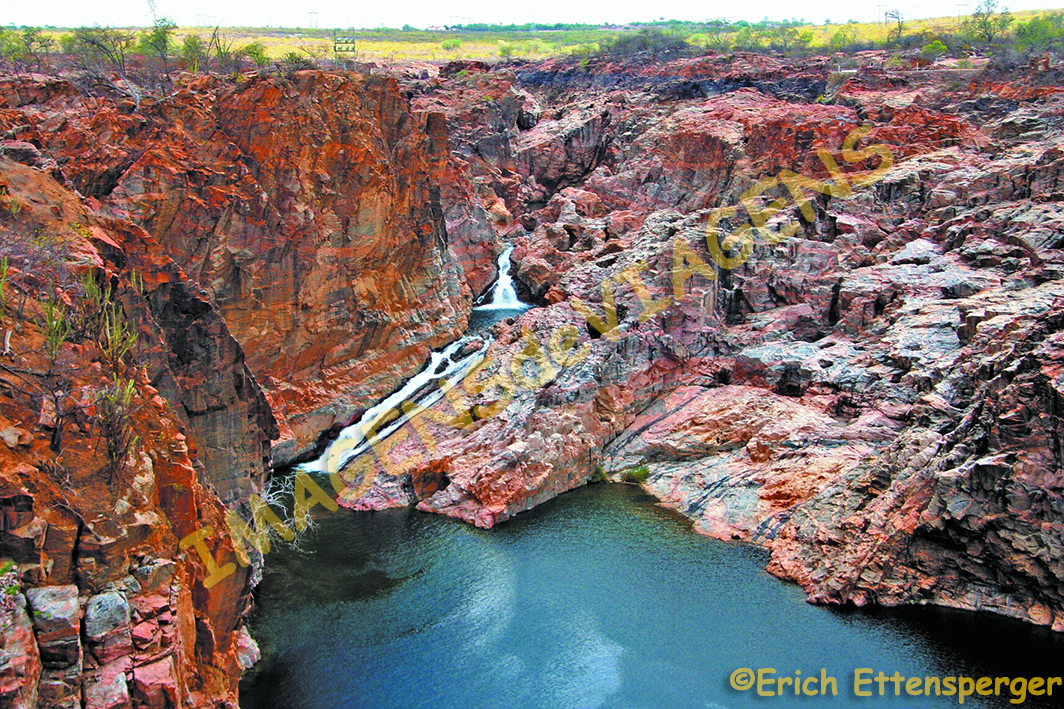
A cidade de Paulo Afonso está distante 480 km de Salvador, 460 km de Recife e 380 km de Maceió. Eu lembro que quando criança, minha mãe sempre falava da “energia que vinha de Paulo Afonso”. Acho que mesmo que você não conheça Paulo Afonso, já ouviu falar dela. Ela se tornou famosa devido a Cachoeira de Paulo Afonso, conhecida desde o século XVI quando era chamada de “Sumidouro” ou “Forquilha”.
A grande atração turística desse lugar é o Complexo Hidrelétrico de Paulo Afonso, também conhecido como o Complexo Paulo Afonso e cuja construção iniciou-se no ano de 1949.
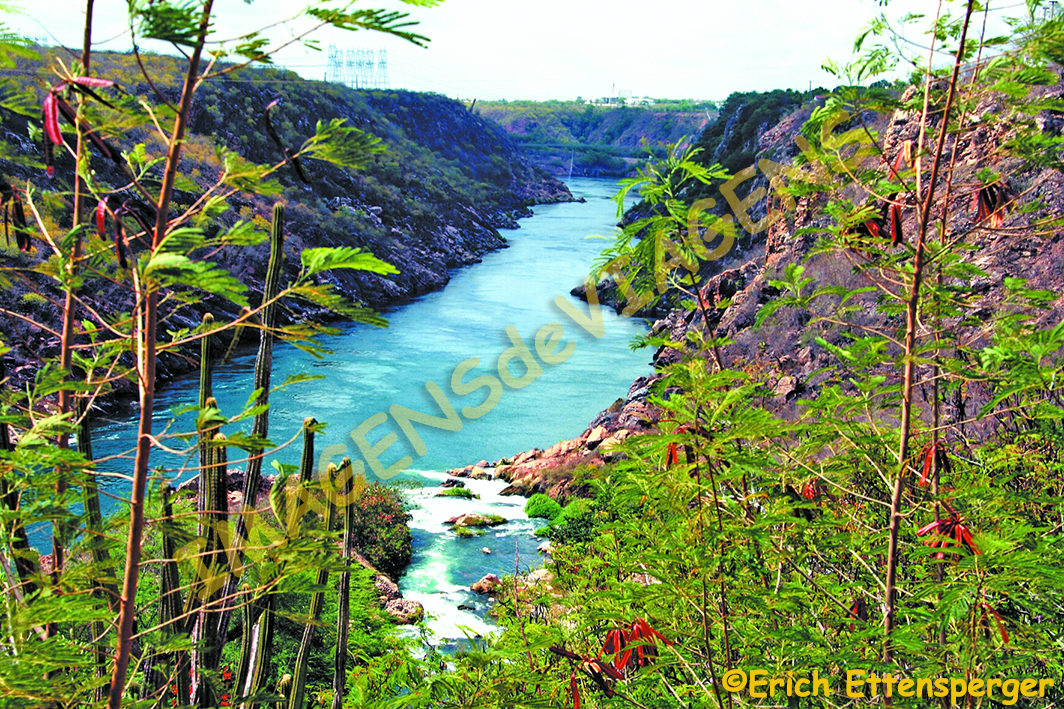
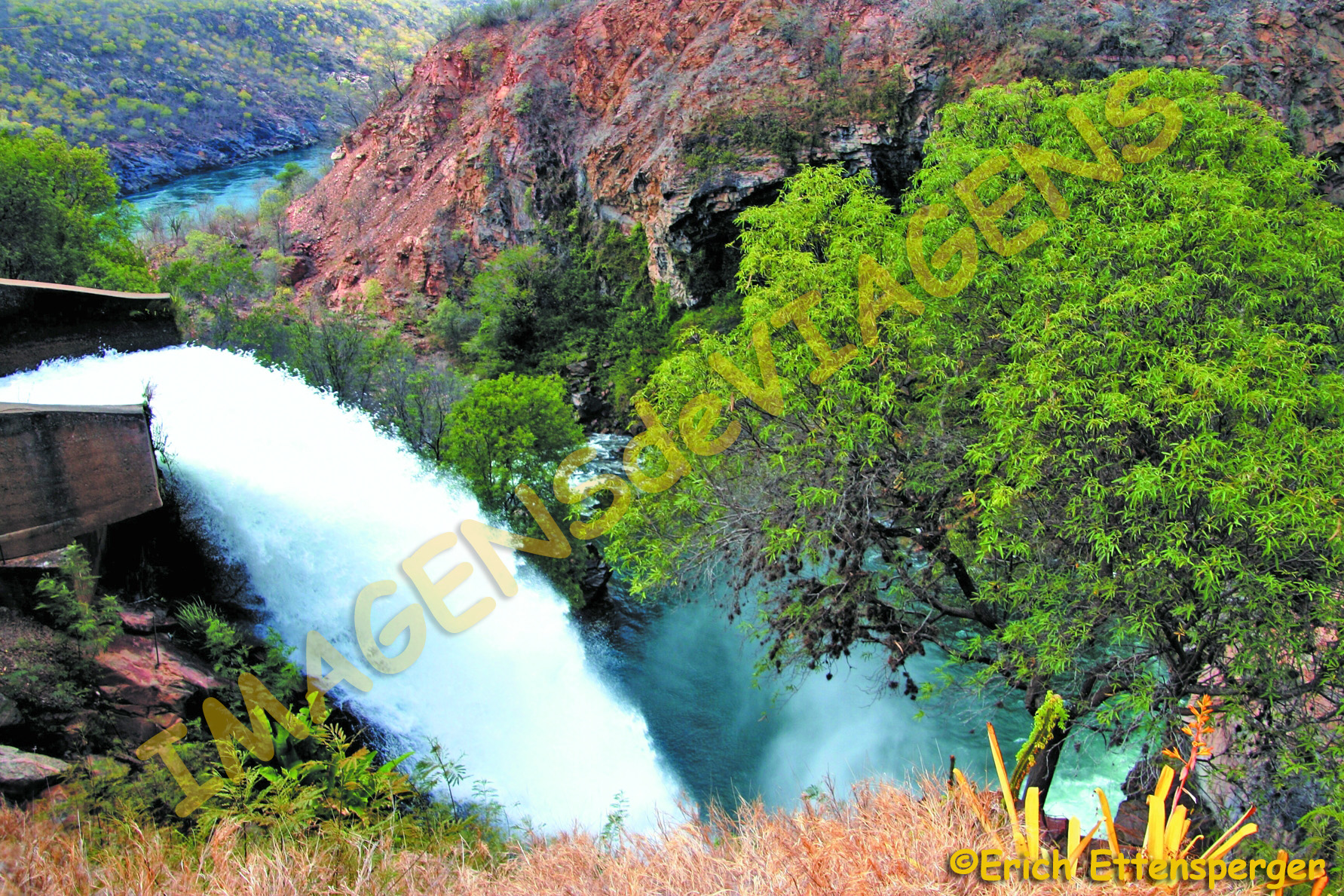
Quando Erich e eu estávamos viajando para captar imagens para nosso livro 66 x Brasil, tivemos o prazer de visitar Paulo Afonso e o mencionado Complexo. Você somente tem acesso a área da Hidroelétrica se for acompanhado com um guia de turismo. No passeio é possível contemplar belas paisagens, quedas d’ água, lagos, pontes estreitas, é realmente muito interessante!
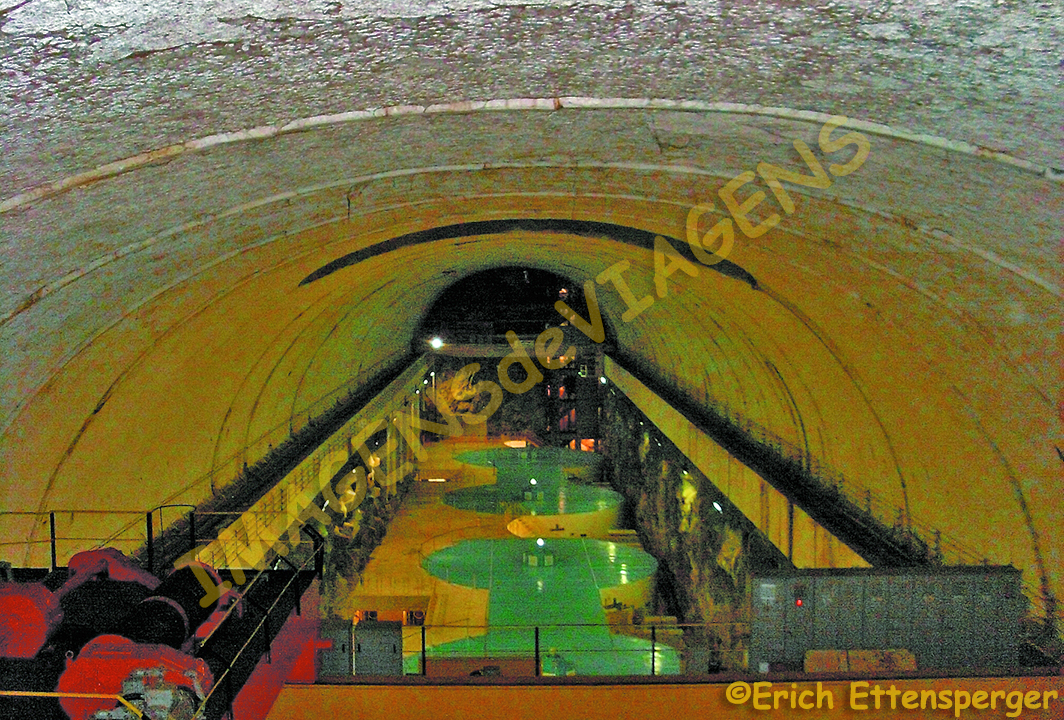
O Complexo Hidrelétrico do São Francisco é formado por um sistema de três barragens e pelas usinas de Paulo Afonso – I, II, III, IV – e Apolônio Sales (Moxotó) no rio São Francisco. A Usina IV tem uma das maiores cavernas do planeta, com 210 metros de extensão e 55 de altura. Esse complexo produz, aproximadamente, 4.300 MW (megawatts) de energia elétrica.
Além de visitar esse complexo, você também tem outras atrações para conhecer em Paulo Afonso como fazer passeios de catamarã pelo cânion do rio São Francisco (os tours saem do Povoado do Rio do Sal, distante 15 km de Paulo Afonso), visitar o Raso da Catarina, maior reserva de caatinga do mundo, que também serviu de abrigo a Lampião, o Rei do Cangaço, conhecer a Casa de Maria Bonita, escalar a Serra do Umbuzeiro.
Cachoeira de Paulo Afonso/Paulo Afonso Wasserfall/Paulo Afonso WaterfallVista a partir do mirante da Usina de Paulo Afonso I/Sehen Sie aus der Sicht der Anlage Paulo Afonso I /View from the viewpoint of plant Paulo Afonso I /Vista a partir do mirante da Usina de Paulo Afonso I/Sehen Sie aus der Sicht der Anlage Paulo Afonso I /View from the viewpoint of plant Paulo Afonso I /Acesso às turbinas de Paulo Afonso I/Der Zugang zu Paulo Afonso I Turbinen/Access to Paulo Afonso I turbinesTurbinas/Turbinen/TurbinesAntiga ponte de funcionários, Paulo Afonso I/Alte Brücke Beamten, Paulo Afonso I/ld bridge officials, Paulo Afonso I
Das Paulo Afonso Wasserkraftwerk – die Kraft des Wassers
Die Stadt Paulo Afonso ist 480 km von Salvador, 460 km von Recife und 380 km von Maceio entfernt. Ich erinnere mich als Kind, dass meine Mutter immer gesagt hat: “unsere Energie kommt aus Paulo Afonso.” Ich denke, auch wenn Sie Paulo Afonso nicht kennen, Sie haben zumindest davon gehört,
es wurde berühmt seit dem sechzehnten Jahrhundert wegen des Paulo Afonso Wasserfalles bekannt als die “Felslücke” oder “die Gabel”.
Die große Touristenattraktion des Ortes ist der Paulo Afonso Wasserkomplex, mit dessen Bau im Jahr 1949 begonnen wurde.
Als Erich und ich dort waren, um Fotos für unser Buch “66 x Brasilien” zu machen, besuchten wir natürlich auch diesen riesigen Wasserkomplex. Sie können den hydroelektrischen Bereich nur mit einem lokalen Reiseführer besuchen. Auf der Tour können Sie schöne Landschaften, Wasserfälle, Seen, schmale Brücken bewundern, ein Besuch lohnt sich wirklich!
Das Paulo Afonso hydroelektrische Wasserkraftwerk ist ein System von drei Dämmen und fünf Wasserkraftwerken auf dem Rio São Francisco. Die Dämme unterstützen die Paulo Afonso I, II, III, IV und Apollonius Sales (Moxotó) Kraftwerke, die insgesamt 23 Generatoren mit einer installierten Leistung von 4.300 Megawatt aufweisen. Das Werk IV verfügt über eine der größten Höhlen der Welt, 210 Meter lang und 55 hoch!
Weitere Attraktionen in Paulo Afonso sind Fahrten durch die Schlucht des Flusses auf einem Katamaran, Startpunkt hierfür ist die Stadt Salt River, 15 km von Paulo Afonso entfernt!
Besuchen Sie auch die “Raso da Catherine” das größte Savannenreservat der Welt, das auch als Unterschlupf des Banditen Lampião`s diente, dem König von Cangaceiro;
besuchen Sie weiterhin das “Maria Bonita House” und klettern Sie in den Bergen der “Serra do Umbuzeiro”.
Vista a partir do mirante da Usina de Paulo Afonso I/Sehen Sie aus der Sicht der Anlage Paulo Afonso I /View from the viewpoint of plant Paulo Afonso I /Cachoeira de Paulo Afonso/Paulo Afonso Wasserfall/Paulo Afonso WaterfallVista a partir do mirante da Usina de Paulo Afonso I/Sehen Sie aus der Sicht der Anlage Paulo Afonso I /View from the viewpoint of plant Paulo Afonso I /Acesso às turbinas de Paulo Afonso I/Der Zugang zu Paulo Afonso I Turbinen/Access to Paulo Afonso I turbinesTurbinas/Turbinen/TurbinesAntiga ponte de funcionários, Paulo Afonso I/Alte Brücke Beamten, Paulo Afonso I/ld bridge officials, Paulo Afonso I
The Paulo Afonso hydroelectric plant – the power of water
The distance of the city Paulo Afonso from Salvador is 480 km, 460 km from Recife and 380 km from Maceio. When I was a child I remember that my mother used to say: “our energy comes from Paulo Afonso.” I think even if you do not know Paulo Afonso, you have at least heard about, it became famous since the sixteenth century because of the Paulo Afonso waterfall known as the “rock gap” or “fork”.
The major tourist attraction of the place is the Paulo Afonso water complex, which was begun to build up in the year 1949.
When Erich and I were there to make photos for our book “66 x Brazil“, we also visited this immense complex. You can visit the hydroelectric field only with a local guide. On the tour you can admire beautiful landscapes, waterfalls, lakes, narrow bridges, a visit is really worthfile!
The Paulo Afonso hydroelectric hydropower plant is a system of three dams and five hydroelectric power plants on the Rio São Francisco. The dams support the Paulo Afonso I, II, III, IV and Apollonius Sales (Moxotó) power plants, which have a total of 23 generators with an installed capacity of 4,300 megawatts. The work IV has one of the largest caves in the world, 210 meters long and 55 high!
Other attractions in Paulo Afonso are rides through the canyon of the river on a catamaran, the starting point for this is the city of Salt River, 15 km from Paulo Afonso away!
Visit also the “Raso da Catherine”, the largest savanna reserve in the world, which also served as the hideout of Lampião`s bandits, king of Cangaceiro;
Visit also the “Maria Bonita House” and climb in the mountains of the “Serra do Umbuzeiro”.
Vista a partir do mirante da Usina de Paulo Afonso I/Sehen Sie aus der Sicht der Anlage Paulo Afonso I /View from the viewpoint of plant Paulo Afonso I /Cachoeira de Paulo Afonso/Paulo Afonso Wasserfall/Paulo Afonso WaterfallVista a partir do mirante da Usina de Paulo Afonso I/Sehen Sie aus der Sicht der Anlage Paulo Afonso I /View from the viewpoint of plant Paulo Afonso I /Acesso às turbinas de Paulo Afonso I/Der Zugang zu Paulo Afonso I Turbinen/Access to Paulo Afonso I turbinesTurbinas/Turbinen/TurbinesAntiga ponte de funcionários, Paulo Afonso I/Alte Brücke Beamten, Paulo Afonso I/ld bridge officials, Paulo Afonso I
Mapa de localização de Varanasi na Índia/Varanasi Lageplan Indien/Varanasi Location map India. Fonte: http://www.world-guides.com/asia/india/uttar-pradesh/varanasi/varanasi_maps.html
Quem não sabe que a vaca na Índia é reverenciada como um animal sagrado, e, portanto, pode ser vista em toda parte, nas estradas, nas linhas ferroviárias, nos mercados, nos locais públicos e nas cidades santas, como por exemplo em Varanasi. As vacas são para os hindus, na Índia, sagradas, porque elas fornecem as pessoas os cinco fundamentos, chamados os cinco presentes sagrados. Visitei a India à trabalho e no final, depois de ter estado em muitas cidades, estava em Nova Déli e decidi visitar Varanasi, a cidade de qual eu tinha ouvido falar muito! Meus amigos me advertiram: “esse passeio não é para pessoas com os nervos fracos”.
Varanasi ou Varanassi, vulgarmente conhecida como Benares, está situada nas margens do Ganges, o rio sagrado, e tem mais de 3 milhões de habitantes. É uma das cidades mais antigas da Índia e é considerada como a cidade mais sagrada do hinduísmo. As escadarias do Ganges conhecidas como (Ghats) é uma marca de Varanasi, é onde um hindu toma seu banho ao lado de corpos que serão cremados e suas cinzas espalhadas no rio.
Essas visões, esses cheiros, a sujeira, a proximidade da vida e da morte me impressionaram muito, pois tudo isso estava bem distante dos padrões de higiene da minha cultura, mas isso não deve ser esperado de quem visita Varanasi.A cidade de Benares e suas tradicionais cerimônias religiosas não são atrativos para pessoas sensíveis…!
Todo devoto da religião hindu sonha em tomar banho nas águas do rio Ganges e também morrer e ser cremado em Benares.
Um passeio de barco no Ganges ao amanhecer, a luz, os banhos rituais, as cremações, a música e sons no ar constituem cenários inesquecíveis!
Varanasi – Extrem beeindruckende Szenarien
Mapa de localização de Varanasi na Índia/Varanasi Lageplan Indien/Varanasi Location map India. Quelle: http://www.world-guides.com/asia/india/uttar-pradesh/varanasi/varanasi_maps.html
Wer kennt sie nicht, die Kuh in Indien, als heiliges Tier verehrt und somit überall zu sehen, auf Strassen, Bahngleisen, Märkten, öffentlichen Plätzen und heiligen Städten wie z.B natürlich auch in Varanasi. Die Kühe sind den Hindus in Indien deswegen heilig, weil sie die Menschen mit fünf lebensnotwendigen Dingen versorgen, den sogenannten fünf heiligen Gaben. Eines Tages nun, als ich meine Arbeit in Neu Dehli und anderen Orten beendet hatte, beschloss ich, Varanasi zu besuchen, die Stadt von der ich schon so viel gehört hatte und mich Freunde sogar davor gewarnt hatten mit den Worten: „Das ist nichts für schwache Nerven“!
Varanasi oder Varanassi, allgemein bekannt als Benares, liegt an den Ufern des Ganges, dem heiligen Fluss, und hat mehr als 3 Millionen Einwohner. Sie ist eine der ältesten Städte Indiens und gilt als die heiligste Stadt des Hinduismus. Auffällig sind in der Stadt die stufenartig ansteigenden Uferanlagen (die Ghats), wo die einen Hindus ihr Bad nehmen und direkt nebenan die Leichen der Verstobenen verbrannt werden und deren Asche dann anschliessend in den Ganges gestreut wird. Für mich waren diese Anblicke, waren diese Gerüche, der Schmutz, diese Enge, diese Nähe von Leben und Tod sehr beeindruckend und in keinster Weise mit den hygienischen Normen meiner Zivilisation in Einklang zu bringen, das soll aber auch nicht so sein.
Ja, Ja, Benares, das ist wahrlich kein Ort und auch seine religiös-traditionellen Zeremonien sind wahrlich NICHTS für schwache Nerven…!! Jeder strenggläubige Hindu träumt davon, im Ganges ein Bad zu nehmen und dort auch zu sterben und verbrannt zu werden.
Eine Bootsfahrt auf dem Ganges in der Morgendämmerung, das Licht, die Baderituale, die Feuerbestattungen, die Musik und Geräusche in der Luft liefern starke unvergessliche Szenarien!
Varanasi – Extremely impressive scenarios
Mapa de localização de Varanasi na Índia/Varanasi Lageplan Indien/Varanasi Location map India.Source: http://www.world-guides.com/asia/india/uttar-radesh/varanasi/varanasi_maps.html
Who does not know, the cow in India, revered as a sacred animal, and thus can be seen everywhere, on roads, railway lines, markets, public places and holy cities as for example in Varanasi. The cows are for the Hindus in India so sacred because they provide people with five essentials, called the five holy gifts. One day, when I had finished my work in New Delhi and other places, I decided to visit Varanasi, the city of which I had heard so much and had my friends even warned me with the words: “This is not for weak nerves”!
Varanasi or Varanassi, commonly known as Benares, situated on the banks of the Ganges, the holy river, has more than 3 million inhabitants. It is one of India’s oldest cities and is regarded as the holiest city of Hinduism. Striking are in the city, the step-like rising bank facilities (the Ghats), where a Hindu take his bath, and right next door the bodies of who passed away to be burned and their ashes are then subsequently scattered into the Ganges. For me these visions, these smells, the dirt, this narrowness, this closeness of life and death were very impressive and had nothing to do in harmony with all the hygienic standards of my civilization, but that should not be even so expected.
Yes, Yes, Benares, which is truly no place for and his religious-traditional ceremonies are truly NOTHING for the faint of heart … !! Every devout Hindu dreams of taking a bath in the river Ganges and also to die here and to be burned here in Benares.
A boat trip on the Ganges at dawn, the light, the bathing rituals, the cremations, the music and sounds in the air provide strong unforgettable scenarios!
Texto e fotos: Eric Hodama, engenheiro mecânico, viajante, mochileiro e trilheiro 4×4.
Fiquei lisonjeado quando recebi o pedido do Erich e da Marcia para escrever um relato de viagem para o site www.imagenseviagens.com.br. Afinal, não sou jornalista, não escalei o Everest, não dei a volta ao mundo de barco. Sou somente um engenheiro que gosta de viajar. Após muito pensar não consegui escolher uma viagem específica, durante o texto explicarei a razão. Decidi então escrever sobre algumas percepções e atitudes que me fizeram aproveitar e curtir muito mais as viagens e espero que possa servir de guia rápido e inspiração para os leitores do site. Segue então as dicas:
#1 – A viagem começa meses antes. Tirando a viagem em si, o momento de planejamento é o mais importante e não economizo tempo pesquisando, aprendendo sobre o local, cultura e coisas interessantes. Divirto-me muito nessa fase e é ai que minha viagem começa. Um bom roteiro básico otimiza a viagem, evitando perda de tempo e as clássicas “roubadas”.
#2 – Saia da zona de conforto, a antítese do item anterior. Apesar de sempre ter um roteiro de coisas interessantes que gostaria de ver e fazer, imprevistos e mudanças sempre acontecerão durante a jornada. Porém um mochileiro sabe que mudanças inesperadas podem virar um roteiro melhor, uma aventura ou ao menos um “perrengue” que se transforma numa história engraçada para contar no bar. O importante é não perder o otimismo e o bom humor.
#3 – Bons companheiros. No quesito viagem, o ditado “os opostos se atraem” não funciona, portanto, encontrar companheiros de viagem que tenha afinidade e gostos em comum é importante. Costumo fazer o planejamento do roteiro básico em conjunto respeitando os interesses individuais de cada um.
#4 – Viajar sozinho é ótimo, é o “plano B” ao item anterior. Ao contrário dos europeus, viagem solo não é uma característica muito comum dos mochileiros latinos. Neste caso, hotel e pousada nem pensar, o melhor de viajar solo é interagir com pessoas diferentes e fazer novas amizades, e para isso nada melhor que um albergue. Dicas de viagem e ótimos passeios não faltarão num ambiente de intercambio com tanta diversidade cultural.
#5 – Respeito à cultura local. Conhecer previamente sobre a cultura local evitará mal entendidos. Muitas pessoas deixam de se divertir em viagens, por não se adaptar a comida, costumes e entender a religião local. Nós brasileiros que vivemos num lugar tão caloroso com os turistas esperamos tratamento do mesmo nível quando estamos em outros países, porém nem sempre isso é recíproco. Portanto, é muito importante saber identificar o que é costume local relevando o que, para nós, parece distrato ou falta de educação.
#6 – Experimente os sabores locais. Conheça o centro histórico, experimente a comida de rua, e para noite escolha um restaurante tradicional. Muitos restaurantes oferecem o menu degustação, onde pode-se provar vários pratos locais em pequenas porções. No meu caso, não vou embora sem provar a cerveja artesanal local. Deixo pra tomar Heineken, Budweiser e Stella em casa.
#7 – Trilha sonora de viagem. Sentimos uma grande sensação de prazer quando ouvimos uma musica que ficou conectada a um lugar ou momento especial, quase conseguimos nos transportar novamente aquele lugar. No meu caso, sempre escolho algumas poucas musicas, de preferência classic rock, que escutarei durante a viagem e que se transformarão na minha “trilha sonora da viagem”. Meses ou mesmo anos depois, quando escutamos as músicas recuperamos as boas sensações daquela viagem quase esquecida.
#8 – A melhor viagem é sempre a próxima viagem. Este tópico explica a razão de não ter escolhido um relato de viagem específico, pois a minha melhor e inesquecível viagem ainda acontecerá. A partir do momento em que pensamos que estamos realizando a “viagem da minha” perdemos o propósito de avançar e programar a próxima aventura. Cada lugar que visitamos guarda sua magia e sua beleza. Atitudes como comparar lugares e culturas, pode acabar com uma viagem que poderia ser muito bem aproveitada. Um passeio de final de semana à praia próxima de casa pode ser tão encantador quanto um mochilão de 60 dias pela Europa.
Espero que possa ter inspirado outros viajantes a enxergar a vida por uma ótica mais simples e positiva. E que esses conceitos básicos ajudem a planejar e se preparar para sua próxima, porém não última, “melhor e inesquecível viagem”.
Machu Picchu – PeruEscalada do Vulcão Villa Rica – Puccon – Chile/Vulkan Villa Rica Klettern – Puccon – Chile/ Volcano clibing Villa Rica – Puccon – ChilePatagonia – Argentina
Eindrücke und Tipps eines normalen Reisenden
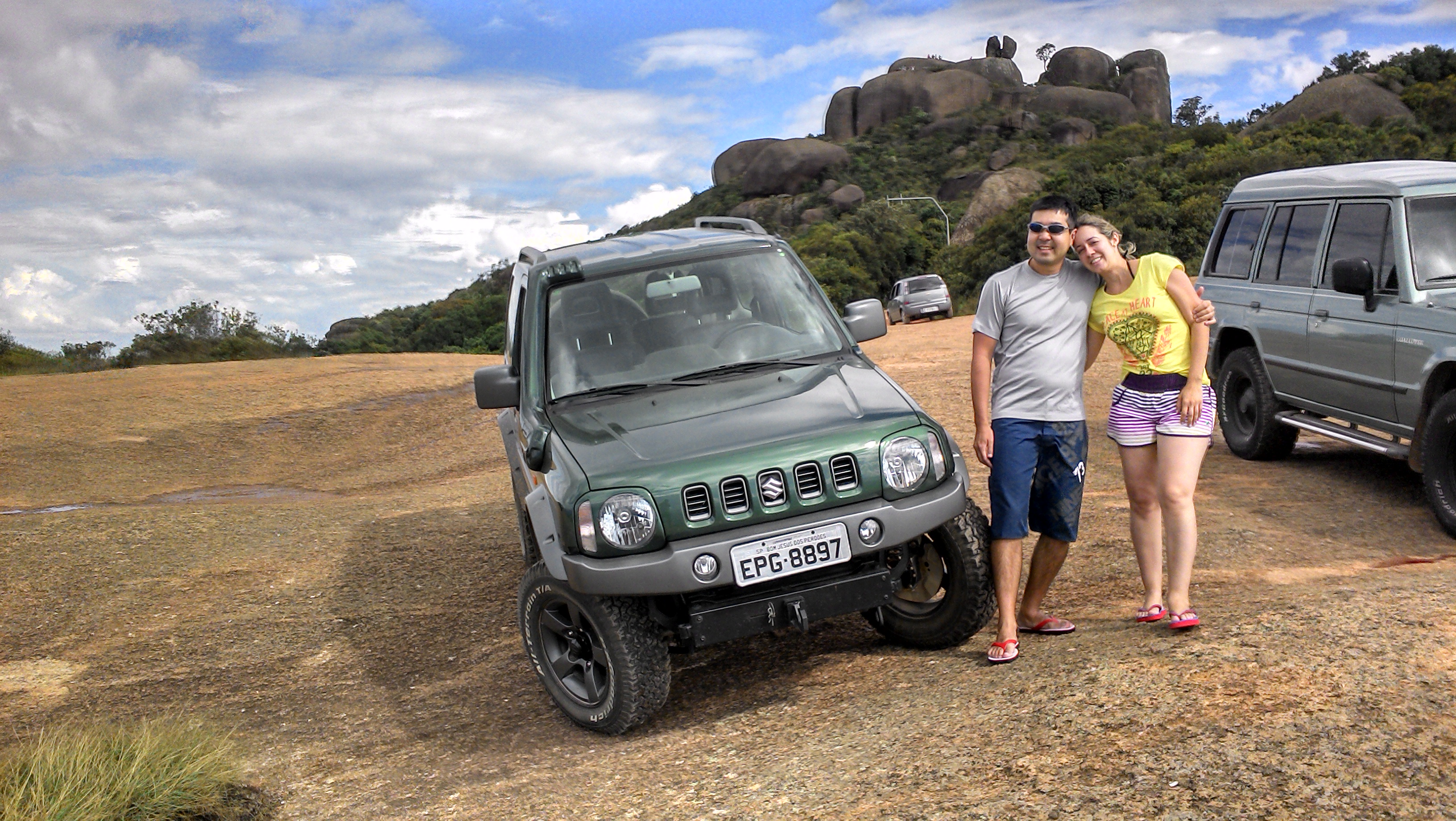
Pedra Grande, Atibaia, São Paulo
Text und fotos: Eric Hodama, Maschinenbauingenieur, Reisender, Wanderer und Liebhaber von Exkursionen mit einem 4×4 Gefährt.
Ich fühlte mich geschmeichelt als ich die Anfrage von Erich und Marcia erhielt, einen Reisebericht für den BLOG http://www.imagenseviagens.com.br zu schreiben. Immerhin, ich bin kein Journalist, ich habe nicht den Everest bestiegen und auch nicht mit einem Boot die Welt umrundet. Ich bin nur ein Ingenieur, der es liebt, zu reisen. Nach reiflicher Überlegung konnte ich mich nicht für eine bestimmte Reise entscheiden, im Text erkläre ich den Grund hierfür. Ich beschloss hingegen einige Wahrnehmungen und Einstellungen zu beschreiben, die mich die Reisen intensiver genießen lassen. Ich hoffe, dass diese als eine kurze Anleitung und Inspiration für die Leser der Website dienen können. Es folgen also dann die Tipps:
# 1 – Die Reise beginnt schon Monate vorher. Für die Reise selbst ist die Zeitplanung das wichtigste und ich spare nicht an Zeit, um zu forschen und um von dem Zielort, der Kultur und anderen interessanten Dingen zu lernen. Diese Phase gefällt mir sehr, da es genau dieser Zeitpunkt ist, an dem meine Reise beginnt. Ein gutes, einfaches Skript optimiert die Reise, um keine Zeit zu verlieren, die klassischen ” Zeitverschwendungen ” eben.
# 2 – Heraus aus der Komfort-Zone, das Gegenteil des vorherigen Punktes. Trotz eines Reiseplanes tauchen immer interessante Dinge auf, die Sie gerne sehen würden, die Sie gerne tun würden, immer kommt es zu unvorhergesehenen Änderungen während der Reise. Aber ein Backpacker weiß, dass unerwartete Änderungen den Reiseplan sogar verbessern können, ein Abenteuer oder zumindest ein “Zwischenfall”, eine lustige Geschichte, die es wert sind, an der Bar zu erzählen. Das Wichtigste ist, nicht den Optimismus und die gute Laune zu verlieren.
# 3 – Gute Begleiter. Beim Thema Reise funktioniert das Sprichwort “Gegensätze ziehen sich an” nicht, daher ist es wichtig, Mitreisende mit gemeinsamer Affinität und Geschmack zu finden. Ich mache oft das initiale Reiseskript zusammen mit den Mitreisenden, um die individuellen Interessen bei der Planung respektieren zu können.
# 4 – Allein Reisen ist optimal, es ist der “Plan B” zum vorherigen Punkt. Im Gegensatz zu den Europäern ist die „Solo-Reise“ ein nicht sehr häufiges Merkmal beim Latin-Backpacker. In diesem Fall verfolgt Solo-Reisen das Ziel, mit anderen Menschen zu interagieren und neue Freundschaften zu schliessen. Der beste Ort hierfür ist ein Hostel, eine Herberge eben, wo Reisetipps und Reiseerfahrungen in einem Ambiente voller kultureller Vielfalt ausgetauscht werden können.
# 5 – Respektieren Sie die lokale Kultur. Vorkenntnisse über die lokale Kultur helfen, Missverständnisse zu vermeiden. Viele Menschen können ihre Reise nicht geniessen, weil Sie sich nicht an das Essen, die lokalen Gewohnheiten anpassen können oder die lokale Religion nicht verstehen können. Wir Brasilianer, die in einem so warmen Land mit den Touristen leben, erwarten das gleiche Niveau der Behandlung, wenn wir in anderen Ländern unterwegs sind, aber dies ist nicht immer (reziprok) der Fall. So ist es sehr wichtig zu wissen und zu erkennen, was und wofür dieser oder jener lokaler Brauch steht, selbst wenn uns das als widersprüchlich oder gar unhöflich erscheint.
# 6 – Erleben Sie die lokalen Aromen. Entdecken Sie das historische Zentrum, probieren Sie das Essen auf der Straße und wählen Sie am Abend ein traditionelles Restaurant. Viele Restaurants bieten ein leckeres Menü, bei dem Sie verschiedene lokale Gerichte in kleinen Portionen probieren können. In meinem Fall verpasse ich es nicht das lokale gezapfte Bier zu probieren. Dafür lasse ich dann Heineken, Budweiser und Stella für den Konsum zuhause.
# 7 – Soundtrack Reise. Wir empfinden ein großes Gefühl der Freude, wenn wir ein Lied hören, das uns an einen besonderen Ort oder einen besonderen Moment erinnert, fast trägt es uns wieder an diesen Ort zurück. In meinem Fall wählen wir immer ein paar Songs, vorzugsweise klassischen Rock, und hören diese während der Reise und das wird dann sozusagen mein gewordener “Soundtrack der Reise.” Monate oder sogar Jahre später, wenn wir dann diese Songs wieder hören, kommen dann wieder die guten Gefühle dieser fast schon vergessenen Reise in den Sinn.
# 8 – Die beste Reise ist immer die nächste Reise. Dieser Punkt erklärt den Grund, wieso ich nicht gezielt einen Reisebericht auswählte, alle meine besten und unvergesslichen Reisen basieren auf diesem Prinzip. Von dem Moment an, von dem wir denken, dass das “die Reise meines Lebens“ war verlieren wir den Zweck…. das nächste Abenteuer zu fördern und zu planen. Jeder Ort, den wir besuchten offeriert seine Magie und Schönheit. Einstellungen wie der Vergleich von Orten und Kulturen können eine Reise, die ansonsten sehr positiv verlaufen könnte, negativ beeinflussen. Eine Wanderung am Wochenende zuhause zum nächsten Strand kann ebenso charmant sein wie eine 60tägige Rucksack-Reise in Europa.
Ich hoffe andere Reisende dahingehend inspiriert haben zu können, das Leben in einem einfacheren, positiven Licht zu sehen. Mögen diese grundsätzlichen Gedanken Ihnen bei Ihrer nächsten Planung und Vorbereitung ihrer nicht letzten, aber “besten und unvergesslichen Reise” helfen.
Machu Picchu – PeruEscalada do Vulcão Villa Rica – Puccon – Chile/Vulkan Villa Rica Klettern – Puccon – Chile/ Volcano clibing Villa Rica – Puccon – ChilePatagonia – Argentina
Impressions and tips from a common traveler
Pedra Grande, Atibaia
Text and photos: Eric Hodama, mechanical engineer, traveler, backpacker and a person who likes excursions with a 4×4 vehicle.
I was flattered when I received the request from Erich and Marcia to write a travelogue for the site http://www.imagenseviagens.com.br. After all, I am not a journalist, I did not climb the Everest, I did not surround the world by boat. I’m just an engineer who loves to travel. After much thought I could not choose a specific trip, during the text I explain the reason. I decided to write about some perceptions and attitudes that made me enjoy and enjoy much travel and I hope it can serve as a quick guide and inspiration for readers of the site. Now follow my thoughts:
# 1 – The journey starts months before. Taking the trip itself, the time planning is the most important and not I save time researching, learning about the local culture and other interesting things. This stage amuses me a lot at and that ist he moment where my journey begins. A good basic script optimizes the journey, avoiding waste of time and the classic “stolen”.
# 2 – Get out of the comfort zone, the antithesis of the previous item. Despite always having a script with interesting things you would like to see and to do, always unforeseen changes take place during the journey. But a backpacker knows that unexpected changes can turn into a better travel-plan, an adventure or at least one “incident” that turns into a funny story to tell later at the bar. The important thing is not to lose optimism and good humor.
# 3 – Good companions. On this issue of travel, the saying “opposites attract” does not fit. Therefore it is important to find fellow travelers who have common affinity and taste. I often make planning the basic script together respecting the individual interests of each one.
# 4 – Travelling alone is great, it is the “plan B” to the previous item. Unlike Europeans travelling alone is not a very common feature of Latin backpackers. In this case traveling solo hast he objective to interact with different people and make new friends, and for that there is no better place than a hostel. The exchange environment there for tips and travel information with a such immense cultural diversity is unbelievable .
# 5 – Respect the local culture. Prior knowledge about the local culture will avoid misunderstandings. Many people fail to have fun when traveling as they do not adapt to the food, customs and do not understand the local religion. We Brazilians who live in a place so warm with tourists expect the same level of treatment when we are in other countries, but this is not always reciprocative. So it’s very important to know how to identify what is local custom and what for it is, for us it even might seem contradictive or impolite.
# 6 – Experience the local flavors. Discover the historic center, try the street food, and at night choose a traditional restaurant. Many restaurants offer the tasting menu, where you can taste various local dishes in small portions. In my case I will not leave without sampling the local draft beer. I leave to take Heineken, Budweiser and Stella at home.
# 7 – Soundtrack trip. We feel a great sense of pleasure when we hear a song that was connected to a place or special moment, almost able to carry us back to that place again. In my case we always choose a few songs, preferably classic rock, listen to during the trip and that will become my “soundtrack of the trip.” Months or even years later, when we hear the songs we remember the good feelings of that almost forgotten trip.
# 8 – The best trip is always the next trip. This topic explains the reason for not choosing a specific travel report because my best and unforgettable trip might even happen. From the moment we think we are doing the “journey of my life” the purpose to advance and schedule the next adventure is lost. Each place we visit keeps its magic and beauty. Attitudes like comparing places and cultures might have a negative effect to a trip that could be normally a fine one. One weekend walking to the next beach close to our home can be as charming as a 60 days Backpackertrip in Europe.
I hope I could have inspired other travelers to see life in a simpler, more positive light. These basic thoughts hopefully may help you to plan and prepare your next, but not the last, but the “best and unforgettable trip.”
Escalada do Vulcão Villa Rica – Puccon – Chile/Vulkan Villa Rica Klettern – Puccon – Chile/ Volcano clibing Villa Rica – Puccon – ChileMachu Picchu – PeruPatagonia – Argentina
Texto: Valderice Nóbrega, advogada brasiliense e potiguar de coração
Brasília é a capital federal do Brasil. A mudança da capital do nosso país para o planalto central foi por questão de segurança nacional e interiorização do poder central. Sabe-se que a data de sua inauguração (21 de abril de 1960), em que marcava o dia da morte de Tiradentes, fora um simbolismo para referendar a ideia de liberdade de um povo e da nação, defendida pelos inconfidentes.
Pois bem, eu tive o privilégio de nascer e crescer nesta cidade, uma cidade planejada, organizada, mística e de muitas peculiaridades. A verdade, é que nós, os brasilienses e candangos, amamos muito Brasília, ao ponto de nos faltar palavras para explicá-lo, preferindo mostrar aos amigos todos os seus encantamentos e curiosidades.
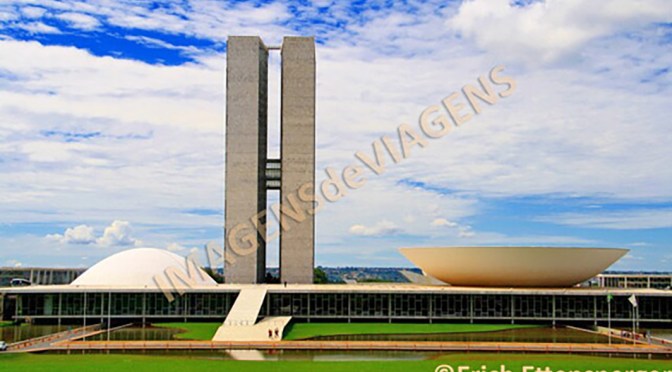
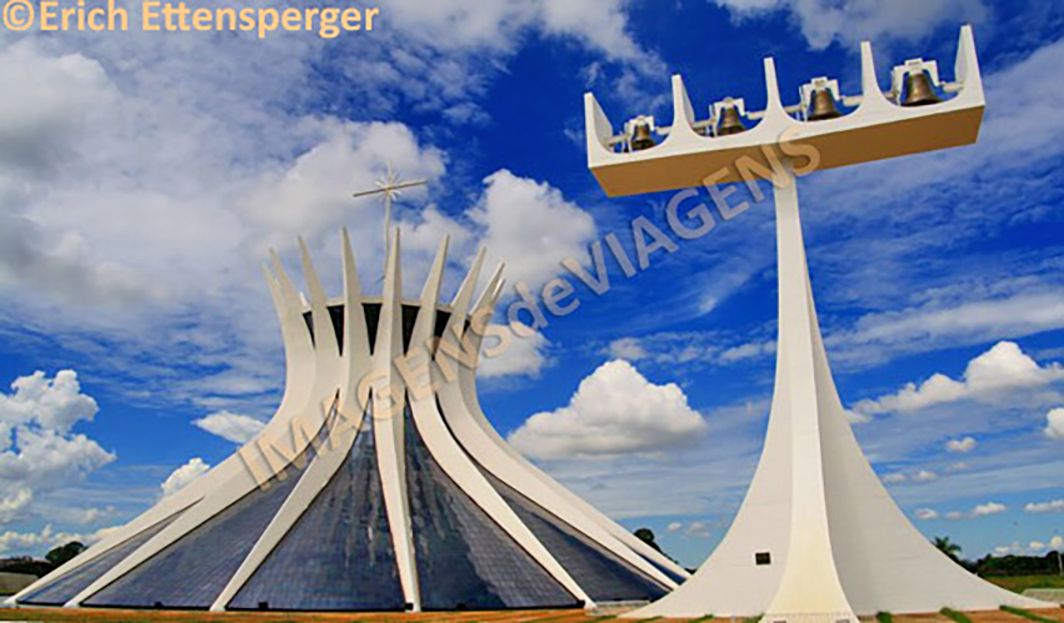
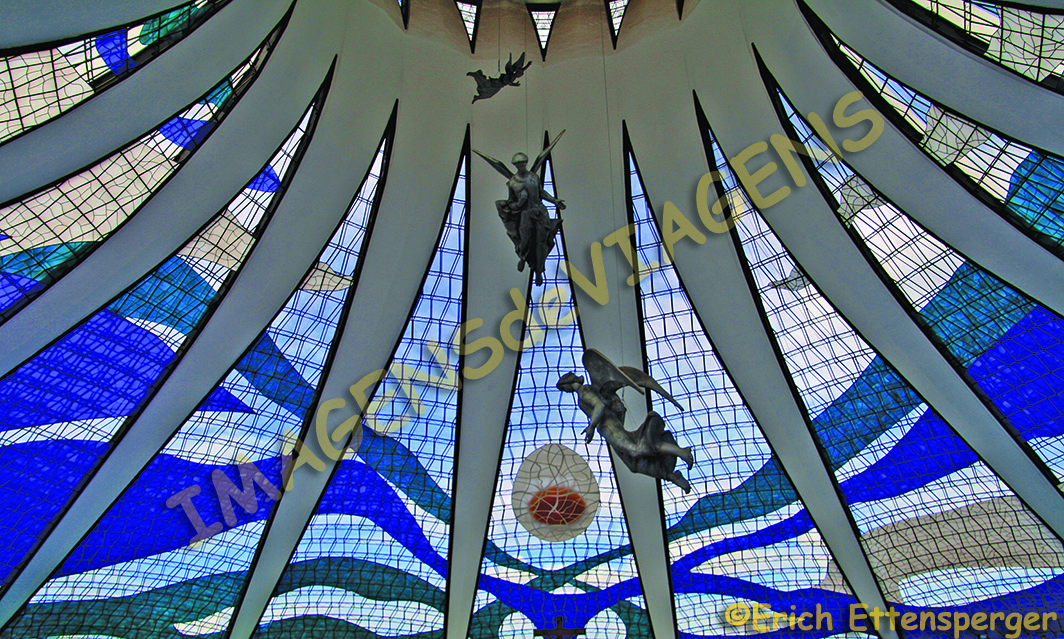
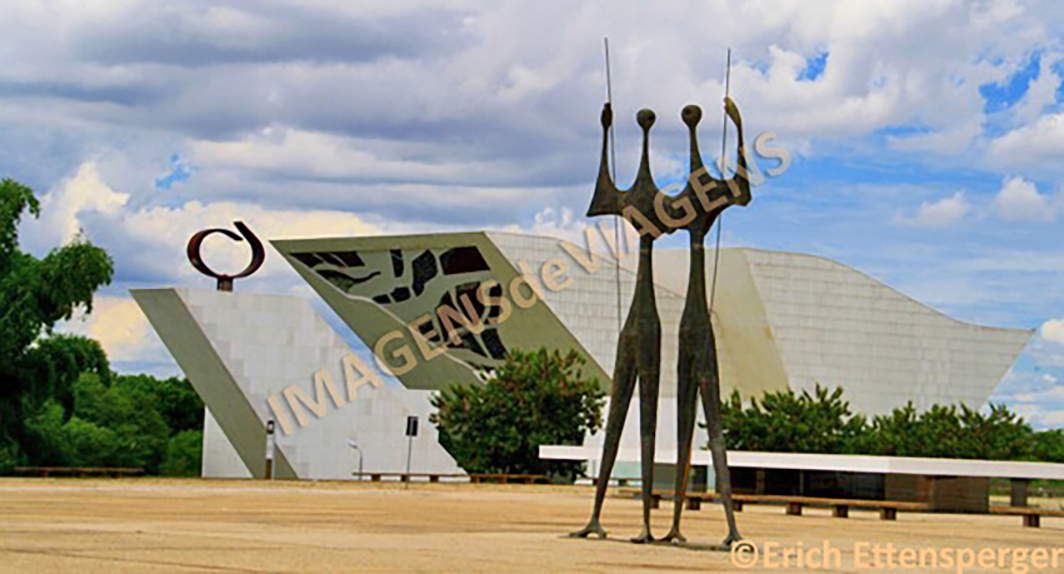
Brasília vista de cima, tem o formato de um avião, conforme fora projetada por Lúcio Costa, e é conhecida, por muitos que a visita, como um grande museu ao céu aberto, com monumentos localizados a maioria no Eixo Monumental e planejados pelo arquiteto Oscar Niemeyer, como: o Panteão da Pátria e da Liberdade (com o formato de uma pomba), o Memorial JK, o Memorial dos Indígenas, a Biblioteca Nacional de Brasília, o Museu Nacional da República, a Esplanada dos Ministérios, a Torre de TV, o Congresso Nacional, o Palácio do Itamaraty, a Catedral de Brasília (destacando-se as esculturas de três anjos e dos quatro evangelistas), o Palácio do Planalto (onde localiza o Gabinete do Presidente do Brasil), além dos famosos painéis de azulejos, de Athos Bulcão e os jardins e praças, de Burle Marx.
Fora do Eixo Monumental encontram-se outros prédios de uma arquitetura moderna e inovadora, dentre eles: o Palácio da Alvorada (residência oficial do Presidente do Brasil), o Teatro Nacional Cláudio Santoro (com formato de pirâmide), a Igreja Dom Bosco, o Catetinho, a Ermida Dom Bosco, a Igreja Nossa Senhora de Fátima, o Parque da Cidade Sarah Kubitschek e a Ponte JK.
O meu encantamento por Brasília não se limita somente aos belíssimos monumentos culturais, mas, também, na exuberância e variedade de sua vegetação, reunindo 150 espécies, como a pindaíba, os belos ipês-roxo e ipês-amarelo, paineira, pau-brasil e buriti. Destacando-se, ainda, a beldade do céu, parafraseado por Lúcio Costa como o mar de Brasília, conhecido como um dos mais bonitos do Brasil, emoldurando toda a arquitetura e imponência natural da paisagem e do Lago Paranoá.
O melhor de tudo era e é, eu e minhas amigas, podermos andar, de bicicleta, por Brasília e percorrer todos os monumentos da cidade, sentindo o prazer de contemplar tanta beleza e a felicidade de viver em uma cidade com um dos melhores índice de qualidade de vida do paíse considerada, desde 1987, um patrimônio cultural da humanidade. Venha visitar Brasília!
Brasilia ist die Bundeshauptstadt von Brasilien
Brasilia ist die Bundeshauptstadt von Brasilien. Die Verlegung der Hauptstadt unserer Nation auf die zentrale Hochebene war eine Frage der nationalen Sicherheit und der Internalisierung der Zentralgewalt. Es ist bekannt, dass der Tag seiner Inauguration (21. April 1960), den Tag des Todes von Tiradentes markiert, eine Symbolik an die Idee der Freiheit des Volkes und der Nation billigend und verteidigt von den Verschwörern.
Nun hatte ich das Privileg, in dieser Stadt, einer Stadt geplant, organisiert, mystisch und mit vielen Besonderheiten, geboren und aufgewachsen zu sein. Die Wahrheit ist, dass wir „Brasilianenser“ und die „Candangos“ (all die Menschen, die Brasilia erbaut haben), Brasilia sehr lieben, bis zu dem Punkt hin, wo uns die Worte dafür fehlen, dies zu erklären. Wir zeigen es lieber unseren Freunden, zeigen es mit all seinen Reizen und Kuriositäten.
Brasilia von oben gesehen hat die Form eines Flugzeugs, von Lúcio Costa entworfen, und von vielen wird der Besuch wie ein riesiges Open-Air-Museum empfunden, mit Gebäuden v. a. in der Monumentalachse entworfen vom Architekten Oscar Niemeyer wie z.B. das Pantheon des Vaterlandes und der Freiheit (in Gestalt einer Taube), das JK(Juscelino Kubitschek) Memorial, das Denkmal der Indigenen, die Nationalbibliothek von Brasilia, das Nationalmuseum der Republik, die Esplanade der Ministerien, der Fernsehturm, der Nationale Kongress, der Itamaraty Palast, die Kathedrale von Brasilia (mit den Skulpturen dreier Engel und den vier Evangelisten), der Planalto-Palast (Amtssitz des Präsidenten), die berühmten Kacheln von Athos und die Gärten und Plätze von Burle Marx.
Außerhalb der Monumentalachse sind weitere Gebäude einer modernen und innovativen Architektur sehenswert, darunter u.a. der Alvorada Palast (die offizielle Residenz des Präsidenten von Brasilien), das Nationaltheater Claudio Santoro (mit Pyramidenform), die Kirche des Dom Bosco, die Catetinho, die Don Bosco-Kapelle, die Kirche unserer Lieben Frau von Fatima, der City Park Sarah Kubitschek und die JK-Brücke.
Der Zauber von Brasilia beschränkt sich nicht nur auf schöne Kulturdenkmäler, sondern bezieht sich auch auf die Ausgelassenheit und Vielfalt der Vegetation und die Zusammenführung von 150 Arten von Bäumen mit all ihrer Farbenpracht. Auch die Schönheit des Himmels ist bemerkenswert, von Lúcio Costa als das Meer von Brasilia umschrieben, als einer der schönsten Himmel in Brasilien bekannt, diese ganze Architektur und natürliche Pracht der Landschaft und den See Paranoá einrahmend.
Das Beste von allem war und ist es, dass meine Freunde und ich alle Sehenswürdigkeiten von Brasilia leicht zu Fuß und/oder mit dem Fahrrad erreichen können. Es bereitet auch grosse Freude, in einer Stadt zu leben, die mit einem hohen Index an Lebensqualität ausgezeichnet ist. Seit 1987 gilt Brasilia auch als kulturelles Erbe der Menschheit. Also, besuchen Sie Brasilia!
Brasilia is the federal capital of Brazil
Brasilia is the federal capital of Brazil. The change in our nation’s capital to the central plateau was a matter of national security and internalization of the central power. It is known that the date of its opening (21 April 1960), which marked the day of the death of Tiradentes, was a symbolism to endorse the idea of freedom of the people and the nation, defended by the conspirators.
Well, I had the privilege of being born and grown up in this city, a city planned, organized, mystical and with many peculiarities. The truth is that we „Brasilianenses“ and „candangos“ (all the persons who built up the City), love Brasilia very much even up to the point of lacking the words to explain this. We prefer to show our friends all its charm and curiosities.
Brasilia, seen from above is shaped like an airplane, was designed by Lúcio Costa, and is known by many that visited it as a great outdoor museum with monuments located mostly in the Monumental Axis designed by architect Oscar Niemeyer, such as the Pantheon of the Fatherland and Freedom (in the shape of a dove), the JK (Juscelino Kubitschek) Memorial, the Memorial of Indigenous, the National Library of Brasilia, the National Museum of the Republic, the Esplanade of Ministries, the TV Tower, the National Congress, the Itamaraty Palace, the Brasilia Cathedral (highlighting the sculptures of three angels and the four evangelists), the Planalto Palace (where is located the Office of the President of Brazil), the famous tile panels of Athos and the gardens and squares of Burle Marx.
Outside the Monumental Axis are other buildings of a modern and innovative architecture, among them: the Alvorada Palace (the official residence of the President of Brazil), the National Theatre Claudio Santoro (with pyramid shape), the Dom Bosco Church, the Catetinho, the Don Bosco Chapel, the Church of Our Lady of Fatima, Park City Sarah Kubitschek and the JK Bridge.
My enchantment with Brasilia is not limited only to beautiful cultural monuments, but also in the exuberance and variety of vegetation, bringing together more than150 species. Standing out also is the beauty of the sky, paraphrased by Lúcio Costa as the sea of Brasilia, known as one of the most beautiful skies in Brazil, framing all the architecture and natural grandeur of the landscape including Lake Paranoá.
Best of all was and is that me and my friends can walk and bike through Brasilia to go to see all the monuments of the city, feeling the pleasure of contemplating such beauty and the joy of living in a city with one of the best quality index of life, since 1987 Brasilia is also considered as a cultural heritage of humanity. So, come to visit Brasilia!
Palácio do Itamaraty à noite/Palast Itamaraty bei Nacht/Itamaraty Palace at nightCatedral Metropolitana de Brasília/Kathedrale Metropolitana de Brasília/Brasilia Metropolitan CathedralInterior da Catedral Metropolitana de Brasília/Inneres der Kathedrale Metropolitana de Brasília/Interior of the Brasilia Metropolitana CathedralCongresso Nacional/Nationaler Kongress/National CongressPanteão da Pátriae da Liberdade Tancredo Neves/Pantheon von Vaterland und Freiheit Tancredo Neves/Tancredo Neves Pantheon of the Fatherland and FreedomEsplanada dos Ministérios/Esplanade der Ministerien/Ministries EsplanadePonte Juscelino Kubitschek/ Juscelino KubitschekBrücke/ Juscelino Kubitschek BridgeFoto: Valderice Nóbrega
Parque Nacional Kruger, uma experiência fascinante na África
O Parque Nacional Kruger está localizado no nordeste da África do Sul, estende-se por 352 km ao longo da fronteira com Moçambique e o Zimbabwe.
Localização do Parque Kruger na África do Sul/Lage von Kruger Park in Südafrika/Location of Kruger Park in South Africa
O nome do Parque foi dado em homenagem a Paul Kruger, último presidente da República da África do Sul no período de 1883 – 1900. A área tem sete rios e o maior deles é o Olifants River. Esse parque é o paraíso para as pessoas que desejam apreciar animais selvagens. Erich e eu tivemos o prazer de visitar esse parque em setembro de 2010, escolhemos essa época do ano por se tratar do período que sucedeu a Copa do Mundo de Futebol de 2010, o que fez com que o país tivesse recebido melhorias devido ao grande evento.
Para se chegar à África, voamos de São Paulo até Johanesburgo. Depois de duas semanas, nós viajamos de Pretória para um lodge*, meio de hospedagem situado na selva e/ou neve, localizado próximo ao Parque Nacional Kruger. No dia da visita ao parque, levantamos cedo, por volta das 4 horas da manhã, saímos ainda escuro e muito frio, porém, à medida que o dia ia clareando e o sol brilhando cada vez mais, a temperatura ia subindo para alcançar mais de 30 graus por volta do meio dia. Nessa época do ano, os passeios começam cedo devido ao forte calor durante o dia.
Antes de entrar no parque recebemos orientações precisas do guia: de forma nenhuma poderíamos descer do carro durante o passeio, a não ser que fosse permitido por ele.Em alguns momentos ficamos tão próximos dos animais de uma forma que não imaginávamos que fosse possível.No parque existem 22 locais para se fazer piquenique e nos 13 maiores acampamentos. Nosso guia nos informou que enquanto estamos fazendo fotos de dentro do carro, estamos seguros, porém, se sairmos do automóvel, provavelmente seríamos atacados e mortos, literalmente devorados! Quando você observa os leões e leopardos descansando, eles parecem tão cansados e sonolentos devido ao calor, você sente até vontade de descer do carro para acaricia-los como fazemos com gatos domésticos, porém, esse comportamento pode ser mortal!
As pessoas dizem que quem participa de um passeio no continente africano tem sorte se conseguir ver os “5 grandes animais da África”, que são: elefante, leopardo, rinoceronte, leão, búfalo e nós tivemos, vimos todos eles! Porém, há outros animais muito interessantes e que me impressionaram muito, como as zebras e as girafas. Além desses, é possível ver: antílopes, impala, gnu, ruão, dentre outros. A quantidade de animais sempre varia, pois alguns sofrem e até morrem nas épocas de grande estiagem, como os búfalos e os antílopes.
Foi muito bom voltar para nossa hospedagem, depois de sentir muito calor, mergulhamos na piscina e celebramos o passeio tomando um drink gelado! Definitivamente participar de um tour no Parque Kruger é uma experiência fascinante para quem gosta de estar perto da natureza e observar animais os quais não existem no seu país.
Krüger National Park, eine faszinierende Erfahrung in Afrika
Der Krüger Nationalpark befindet sich im Nordosten von Südafrika, er erstreckt sich für 352 km entlang der Grenze zu Mosambik und Simbabwe.
Localização do Parque Kruger na África do Sul/Lage von Kruger Park in Südafrika/Location of Kruger Park in South Africa
Der Name des Parks ist zu Ehren von Paul Krüger, letzter Präsident der Republik Südafrika in der Zeit von 1883 bis 1900. Der Park verfügt über sieben Flüsse und der größte davon ist der Olifants River. Der Krüger-Park ist ein Paradies für Menschen, die diese Tierwelt genießen wollen. Erich und ich hatten das Vergnügen, diesen Park im September 2010 zu besuchen, wir wählten diese Zeit des Jahres, weil es die Zeit nach der Fußball-Weltmeisterschaft 2010 war und wir uns somit viele Verbesserungen hinsichtlich der Infrastruktur wegen dieses Groß-Ereignisses versprachen.
Wir flogen von São Paulo nach Johannesburg und gleich weiter nach Kapstadt. Nach zwei Wochen Herumreisen im Land fuhren wir dann von Pretoria zu einer Safari-Lodge ganz in der Nähe des Krüger Nationalparks. Frühmorgens um 4.00 Uhr, es war noch dunkel und sehr kalt, brachen wir dann auf, aber im Laufe des Tages klarte es auf und mit der Sonne stieg die Temperatur dann über 30 Grad zur Mittagszeit. In dieser Zeit des Jahres beginnen die Touren sehr früh wegen der aufkommenden Hitze dann während des Tages.
Vor dem Eintritt in den Park gab unser Guide klare Anweisungen: in keinster Weise ist es erlaubt während der Fahrt auszusteigen, wenn es nicht ausdrücklich erlaubt wird.Manchmal waren wir den Tieren unglaublich nahe.Im Park gibt es 22 Picknickplätze und 13 Campingplätze. Unser Führer versicherte uns, dass solange wir Fotos von unserem Wagen aus machen würden, sind wir sicher, würden wir unser Vehikel jedoch verlassen, dann wäre das buchstäblich mortal. Wenn Sie die Löwen und Leoparden sehen, wie sie so herumliegen, sie sehen wegen der Hitze so müde und schläfrig aus, dann empfinden sie den Wunsch auszusteigen und sie zu streicheln wie wir es mit unseren Hauskatzen tun, aber wie schon gesagt, dieses Verhalten wäre höchstwahrscheinlich ein tödliches!
Man sagt, dass diejenigen, die auf einer Safari auf dem afrikanischen Kontinent sich glücklich schätzen können, wenn Sie die “Big 5 Tiere Afrikas” zu sehen bekommen, die da sind: Elefant, Leopard, Nashorn, Löwe, Büffel und wir sahen sie alle! Es gibt jedoch noch viele andere sehr interessante Tiere, die mich sehr beeindruckten wie z.B. die Zebras und Giraffen. Neben diesen können Sie u.a. sehen: Antilopen, Impalas, Gnus, Rotschimmel. Die Zahl der Tiere variiert immer, weil einige leiden unter der großen Trockenheit und sterben sogar wie z.B. Büffel und Antilopen.
Es war nach der Hitze des Tages wunderschön, zurück zu unserer Safari-Lodge zu kommen, in den Pool einzutauchen und einen eiskalten Drink zu genießen. Jedenfalls ist eine Safari im Krüger-Park ein faszinierendes Erlebnis für all diejenigen, die die Nähe zur Natur genießen und Tiere beobachten möchten, die in unseren Heimatländern so nicht existieren.
Um mehr über Afrika zu erfahren, klicken Sie hier.
Kruger National Park, a fascinating experience in Africa
The Kruger National Park is located in the northeast of South Africa, it extends for 352 km along the border with Mozambique and Zimbabwe.
Localização do Parque Kruger na África do Sul/Lage von Kruger Park in Südafrika/Location of Kruger Park in South Africa
The name of the park was given in honor of Paul Kruger, last president of the Republic of South Africa in the period 1883 – 1900. The area has seven rivers and the biggest one is the Olifants River. This park is a paradise for people who enjoy wildlife. Erich and I had the pleasure of visiting this park in September 2010, we chose this time of the year because it was the period following the Football World Cup 2010, which meant that the country had received improvements due to the big event .
To get to Africa we flew from São Paulo to Johannesburg and continuing straight to Capetown. After two weeks travelling around we then went from Pretoria to a safari-lodge located close to the National Park Kruger. On the visit to the park we get up early, around 4 am, still left dark and very cold, but as the day was clearing and the sun shining more and more, the temperature was rising to reach over 30 degrees C around noon. This time of year the tours start very early because of the intense heat during the day.
Before entering the Park we received clear instructions through our guide: in NO way we could get off the car during the ride unless it was allowed by him.We got so close sometimes to the animals, what we never expected like this. In the Park there are 22 places for picnic and the 13 largest camps. Our guide informed us that while we are taking pictures from the car we are safe, however, if we leave the car, we would most probably being attacked and killed, literally devoured! When you look at the lions and leopards resting, they look so tired and sleepy from the heat, you feel even to want to get off the car to caress them as we do with our domestic cats, but this conduct definetely would be deadly!
People say that those who participate in a safari on the African continent are lucky if you can see the “big 5 animals of Africa”, which are: elephant, leopard, rhino, lion, buffalo and we had this luck, we saw them all! However, there are other very interesting animals and that impressed me a lot like zebras and giraffes. Beside these ones you can see: antelope, impala, wildebeest and roan among others. The number of animals always varies because some suffer and even die in the dry periods like buffaloes and antelopes.
It was very nice to come back to our safari-lodge after feeling very hot during this day. We plunged into the pool and enjoyed an icecold drink! Definitely a tour in the Kruger Park is a fascinating experience for those who enjoy being close to nature and observing animals that do not exist in our homecountries.
Elefante/Elefant/ElephantO passeio foi feito neste tipo de carro/Die Tour war in dieser Art von Auto getan/The tour was done in this type of carZebraLeopardo/LeopardBúfalos/Büffeln/ buffalosLeão/Löwe/Lion
Fazia muito tempo que Erich e eu visitamos Buenos Aires. Somente me lembrava da Av. 9 de Julho com seu imponente Obelisco, a Casa Rosada e nada mais. Aliás, criei uma regra que diz o seguinte: se você visitou um lugar e já faz 10 anos, então você já pode retornar a esse lugar porque a viagem já perdeu a validade. Para relembrar os principais pontos turísticos de Buenos Aires, usamos o ônibus tipo “Hop on Hop off,” é uma forma interessante de visitar os principais pontos turísticos de uma cidade. Sempre fazemos isso no primeiro dia de uma viagem.
Ônibus de turismo de Buenos AiresO Obelisco da Av. 9 de JulhoQuase todo turista gosta de ter uma foto em frente a Casa Rosada
Buenos Aires, a velha senhora, continua com um charme especial. Para muitos, Buenos Aires é a cidade com traços europeus da América do Sul. É um destino próximo ao Brasil e os brasileiros são sempre bem recebidos por lá. A rivalidade entre Brasil e Argentina só existe no futebol. Fora isso, os “hermanos” recebem bem os brasileiros.
O centro da cidade, com a Rua Florida, com seus edifícios antigos, alguns bem especiais como o edifício da Galeria Pacífico (famoso centro comercial), da Galeria Güemes com seu mirante, a tradicional e esplêndida livraria Ateneo são exemplares arquitetônicos elegantes e que vale a pena a visita. Sou suspeita para comentar sobre livrarias, pois, faço parte daquele grupo de pessoas que adoram visitar livrarias.
Rua FloridaTeto da Galeria PacíficoVista do mirante da Galeria GüemesLivraria Ateneo
Buenos Aires é uma cidade que tem várias facetas. Tem o lado antigo tradicional, mas tem também os bairros modernos como Puerto Madeiro com seus altos edifícios de linhas arrojadas. A cidade surpreende com a mistura do tradicional com o moderno.
Puerto Madeiro
Um lugar agradável, que me encantou, foi o bairro de Santelmo, tranquilo, com praças embelezadas por frondosas árvores onde se pode ver um show de tango ao ar livre enquanto você se delicia com um café ou uma cerveja bem gelada quando é verão.
Buenos Aires é também uma cidade vibrante, como o Bairro do Retiro, com Terminal Rodoviário, Ferroviário. São muitos os transeuntes nessa área.
Há também os passeios tradicionais para o turista, que quem já foi, sempre vale a pena retornar como é o caso de Caminito (rua considerada “museu” localizada no bairro La Boca), que concentra casas coloridas, com lojinhas e restaurantes cheios de turistas e de vida.
Edificação colorida no CaminitoVaranda colorida no Caminito
Outro passeio agradável é visitar o Cemitério da Recoleta onde estão os túmulos de personalidades argentinas como o de Evita Perón, ainda muito visitado por todos.
Igreja da Recoleta
Buenos Aires, é uma cidade para você voltar várias vezes e cada vez descobrir um pouco mais. Eu, por exemplo, não visitei a área de Palermo (composta por Palermo Chico, Palermo Hollywood, Bosques de Palermo e Palermo Soho), muito famosa pelos restaurantes e bares.
Se quiser conhecer mais sobre Buenos Aires, clique aqui.
Buenos Aires, eine reizende alte Dame
Für lange Zeit waren Erich und ich nicht mehr in Buenos Aires. Ich erinnere mich nur an die Avenida. 9. Juli mit ihrem imposanten Obelisken und die Casa Rosada. In der Tat habe ich eine Regel, die folgendes besagt: wenn Sie einen Ort besucht haben und das ist nun schon 10 Jahre her, so ist es an der Zeit, dass man nun an diesen Ort zurückkehren sollte, weil quasi das Haltbarkeitsdatum für diese Reise bereits abgelaufen ist. Um die wichtigsten Sehenswürdigkeiten von Buenos Aires zu sehen, können Sie u.a. den “Hop on Hop off” Bus verwenden, es ist eine interessante Art und Weise, um an die wichtigsten Sehenswürdigkeiten der Stadt zu gelangen. Wir tun dies immer am ersten Tag unserer Reisen.
Sightseeing BusDer Obelisk auf der Avenida 9. JuliFast jeder Tourist will von sich, ein Foto vor der Casa Rosada haben
Buenos Aires, die alte Dame, versprüht einen ganz besonderen Charme. Für viele ist Buenos Aires die Stadt mit den meisten europäischen Merkmalen in Südamerika. Es ist ein Reiseziel Brasilien sehr nahe und die Brasilianer sind immer gut aufgenommen. Die Rivalität zwischen Brasilien und Argentinien gibt es nur im Fußball, ansonsten sind wir wie Brüder…!!
Das Stadtzentrum mit der Straße Florida zeigt alte Gebäuden, einige besondere darunter wie das Gebäude von Pacific Gallery (berühmtes Einkaufszentrum), die Guemes-Galerie mit seinem Pavillon, die traditionelle und prächtige Buchhandlung Ateneo sind elegante und beispielhafte Architektur und einen Besuch wert. Ich gehöre zu der Gruppe von Menschen, die es lieben Buchhandlungen zu besuchen.
Florida StraßeDie Decke der Pacific GalleryDie Belvedere Aussicht von der Guemes GalerieAteneo Buchhandlung
Buenos Aires ist eine Stadt mit vielen Facetten hat. Es hat die traditionelle, alte Seite aber auch die modernen Viertel wie Puerto Madero mit seinen hohen Gebäuden geprägt von starken architektonischen Linien. Die Stadt überrascht mit dem Mix aus Tradition und Moderne.
Puerto Madeiro
Ein Ort, der mich faszinierte, war das schöne St. Elmo Viertel, ruhig, mit Plätzen voller schattiger Bäume, wo Sie im Freien eine Tango-Show sehen können während Sie sich eines Kaffees oder eines kühlen Bieres erfreuen v.a. im Sommer.
Buenos Aires ist auch eine sehr lebendige Stadt wie z.B. das Retiro Viertel mit Bussen, Zügen und sehr viele Passanten.
Es gibt traditionelle Touren für Touristen in die Vergangenheit wie es z.B. im Fall von Caminito ist (ein „Straßen-Museum”, das sich im La Boca Viertel befindet), mit seinen farbenfreudigen Häusern, Geschäften und Restaurants voller Touristen und Leben.
Farbige Häuser in der CaminitoVaranda colorida no Caminito
Ein weiterer angenehmer Spaziergang ist der Friedhof von Recoleta, wo die Gräber argentinischen Persönlichkeiten wie z.B. das der Evita Peron immer noch von vielen Menschen besucht werden.
Recoleta Kirche
Buenos Aires ist immer wieder einen Besuch wert, das nächste Mal möchte ich gerne die Gegend von Palermo (bestehend aus Palermo Chico, Palermo Hollywood, Palermo Soho und Palermo Woods) besuchen, sehr berühmt für seine Restaurants und Bars.
Wenn Sie mehr über Buenos Aires wissen wollen, klicken Sie hier.
Buenos Aires, a charming old lady
For a long time ago Erich and I visited Buenos Aires. I only remember the 9th July Avenue with its impressive Obelisk, the Casa Rosada and nothing else. In fact I created a rule for me that says the following: If you visited a place and it’s been 10 years ago, so you can now return to this place because that trip already has expired. To remember the main sights of Buenos Aires use the bus “Hop on Hop off,” it is an interesting way to visit the main sights of a city. We always do it on the first day of a trip.
Sightseeing BusThe Obelisk on Av.July 9Almost every tourist likes to have a picture in front of the Casa Rosada
Buenos Aires, the old lady, continues with a special charm. For many people Buenos Aires is the most European City in South America. It is a destination close to Brazil and the Brazilians are always well received there. The rivalry between Brazil and Argentina only exists in football, beside this our “brothers” receive the Brazilians very well.
The city center is the Florida Street with its old buildings, some very special like the building of Pacific Gallery (famous shopping center), the Guemes Gallery with its gazebo and the traditional and splendid bookstore Ateneo, these are elegant architectural exemples and worthfile to visit. I like to comment on bookstores, because I am part of that group of people who loves visiting bookstores.
Buenos Aires is a city that has several facets. It has the traditional old side, but also modern neighborhoods like Puerto Madero with its tall buildings of bold lines. The city surprises with mixing the traditional with the modern.
Puerto Madeiro
A nice place that fascinated me was the St. Elmo neighborhood, quiet with squares embellished by shady trees where you can see a tango show outdoors while you delight with a coffee or a cold beer when it’s summer.
Buenos Aires is also a vibrant city such as the Retiro neighborhood with buses, trains and many passers-by in the all area.
There are also traditional tours for tourists like the case of Caminito (considered a street “museum” located in the La Boca neighborhood), which concentrates many colorful houses with many shops and restaurants full of tourists and life.
Colored building in CaminitoColorful balcony in Caminito
Another pleasant walk is to visit the Recoleta Cemetery where the graves of Argentine personalities like Evita Peron still is visited by everyone.
Recoleta church
Buenos Aires is a city for you to come back several times and each time to find out a little more. I did not visit the area of Palermo yet (composed of Palermo Chico, Palermo Hollywood, Palermo Soho and Palermo Woods), very famous for restaurants and bars.
If you want to know more about Buenos Aires, click here.
O Rio Grande do Norte é um estado brasileiro localizado no nordeste do Brasil. Quando você olha o mapa brasileiro, você pode ver que esse estado está situado onde o país faz uma curva. É um estado pequeno com 52.796,791 km2, corresponde a 0,62% do Brasil e tem um formato que lembra um elefante. No nosso livro “Guia das Belezas do Rio Grande do Norte”, Erich e eu o chamamos de “o elefantinho do Brasil”. Esse estado é famoso por possuir belas praias, pois tem um litoral com 399 (aproximadamente) km de extensão.
Ponta do Madeiro, localizada entre as Praias de Cacimbinhas e a da Ponta do Madeiro, Tibau do Sul
A capital do Rio Grande do Norte é Natal e é o portão de entrada para se visitar muitas belezas desse estado.
A maioria dos turistas que visitam o Rio Grande do Norte vem em busca de sol e mar. Esses são os principais atrativos desse estado.
O mar de águas mornas
O sol está presente aqui quase todo o ano, afinal o astro-rei brilha por volta de 320 dias por ano. As pessoas que nascem nesse estado são chamadas de potiguares, que significa na língua tupi-guarani de “comedores de camarão”. Também são denominadas de norte-rio-grandenses. Eu sou potiguar com muito orgulho.
A capital do Rio Grande do Norte é famosa desde o período entre as duas grandes Guerras Mundiais, quando Natal recebeu pioneiros da aviação, como Ferrarim e del Pretti, italianos que fizeram a travessia Roma-Touros (RN), num voo que é lembrado em Natal pela Coluna Capitolina, presente do governo italiano na época. Há relatos que Saint-Exupéry, o autor do famoso livro “O Pequeno Príncipe” passou por aqui (existe uma controvérsia sobre esse assunto). Além disso, Natal ficou famosa durante a Segunda Guerra Mundial por abrigar uma Base Aérea construída pelos americanos.
Coluna Capitolina
Natal é a cidade do folclorista Luís da Câmara Cascudo, famoso no Brasil pela sua vasta obra. O Dicionário do Folclore Brasileiro é um dos seus livros mais conhecidos. É também potiguar Nísia Floresta, pioneira na defesa dos Direitos da Mulher, ela nasceu em Nísia Floresta, município distante 35 km da capital. O Rio Grande do Norte se destaca também por possuir o maior cajueiro do mundo localizado no município vizinho denominado Parnamirim.
Cajueiro de Pirangi localizado na Praia de Pirangi do Norte, município de Parnamirim
Mas, voltando às belezas do Rio Grande do Norte, posso dizer que além da Praia de Pipa, em Tibau do Sul, que é a praia mais conhecida internacionalmente, existem praias muito belas, como a distante Galinhos, que fica localizada em um istmo. Além dela, existem no município de São Miguel do Gostoso, praias que atraem esportistas praticantes de windsurf e kitesurf de várias partes do mundo. Devido sua posição geográfica, há ventos abundantes para a prática desses esportes náuticos.
Além das praias, o Rio Grande do Norte possui outros atrativos como a estátua de Santa Rita de Cássia, dizem que é a maior estátua religiosa católica do mundo, localizada no município de Santa Cruz.
Grande estátua de Santa Rita de Cássia localizada no município de Santa Cruz
Há também cidades serranas como a Serra de São Bento, Martins e Portalegre onde faz um friozinho durante os meses de julho e agosto, onde você pode inclusive se deliciar com “fondues”.
Vista das serras a partir do Mirante do Canto, Martins
Esse estado potiguar também possui atrativos curiosos, como por exemplo, o Castelo de Zé dos Montes, localizado na Serra da Tapuia, no município de Sítio Novo.
O exótico Castelo de Zé-dos-Montes em Sítio Novo
O Rio Grande do Norte tem também o Lajedo de Soledade, que consiste em uma das mais antigas formações rochosas de calcário do Brasil e possui gravuras e inscrições rupestres.
Pinturas e gravuras rupestres do Lajedo de Soledade, Soledade, Apodi
Rio Grande do Norte ist ein brasilianisches Bundesland im Nordosten Brasiliens. Auf der brasilianischen Landkarte ist es genau dort , wo der Kontinent eine Kurve macht. Es ist ein kleines Bundesland mit 52.796,791 km2, das 0,62% der Fläche Brasiliens entspricht und hat eine Form, das der eines Elefanten ähnelt. In unserem Reiseführer “Guia das Belezas do Rio Grande do Norte”, nennen Erich und ich es “den kleinen Elefanten Brasiliens.” Das Bundesland ist bekannt für seine wunderschönen Strände, es verfügt über eine Küste von 399 km.
Ponta do Madeiro, das zwischen dem Strand Cacimbinhas und dem Strand Ponta de Madeiro in Tibau do Sul liegt.
Die Hauptstadt von Rio Grande do Norte ist Natal, das Portal zu den vielen Schönheiten dieses Bundeslandes.
Die meisten Touristen besuchen Rio Grande do Norte wegen der Sonne und dem Meer, es sind seine Hauptattraktionen.
Das warme Meer
Die Sonne scheint hier fast das ganze Jahr an 320 Tagen. Die hier geborenen Menschen werden Potiguar genannt, was in der Tupi-Guarani-Sprache so viel bedeutet wie “der Garnelen Esser.” Sie werden auch „Rio Grande de Nortenser“ genannt. Ich bin stolz, ein Potiguar zu sein.
Die Hauptstadt von Rio Grande do Norte ist seit der Zeit zwischen den beiden Weltkriegen berühmt, als Natal die italienischen Flugpioniere Ferrarim und del Pretti empfing, welche die Flugtravesie Rom-Touros (RN) realisierten, ein Flug, an den in Natal die „Coluna Capitolina“ Säule erinnert, ein Geschenk der italienischen Regierung zu jener Zeit. Es gibt auch Berichte, dass Saint-Exupéry, der Autor des berühmten Buches “Der kleine Prinz” hier in Natal war (zu diesem Thema gibt es eine geführte Kontroverse). Natal wurde auch berühmt während des Zweiten Weltkriegs als Luftwaffenbasis für die USA.
Die Säule Coluna Capitolina
Natal ist auch die Stadt des Volkskundlers Luís da Cascudo, berühmt in Brasilien für seine geleistete Arbeit. Das brasilianische Folklore Wörterbuch ist eines seiner bekanntesten Bücher. Auch Nísia Floresta, eine Pionierin bezüglich der Frauenrechte, wurde in Nísia Floresta, etwa 35 Kilometer von der Hauptstadt potiguar entfernt, geboren. Rio Grande do Norte zeichnet sich auch durch den weltweit größten Cashewnuss-Baum in der Nachbargemeinde Parnamirim aus.
Der Cashew-Nuss-Baum befindet sich Pirangi am Nord Pirangi Strand
Aber zurück zu den Schönheiten von Rio Grande do Norte. Ich kann sagen, dass es zusätzlich zu Pipa in Tibau do Sul, das ist der international bekannteste Strand, es weitere sehr schöne Strände gibt wie z.B. Galinhos, das sich auf einem Isthmus befindet. Neben diesen gibt es in São Miguel do Gostoso Strände, die Sportler zum Windsurfen und Kitesurfen aus der ganzen Welt anziehen. Aufgrund seiner geographischen Lage gibt es hier reichlich Wind zur Ausübung dieser Wassersportarten.
Neben den Stränden von Rio Grande do Norte gibt es weitere Sehenswürdigkeiten wie z.B. die Statue der Heiligen Rita von Cascia, es ist die größte katholische religiöse Statue in der Welt und befindet sich in Santa Cruz.
Große Statue der Heiligen Rita von Cascia in der Gemeinde Santa Cruz
Es gibt auch Städte in der bergigen Serra de São Bento, wie Martins und Portalegre, wo es in den Monaten Juli und August recht frisch werden kann und wo man dann auch diversen “Fondues” frönen darf.
Blick auf die Berge vom Aussichtspunkt Mirante do Canto, Martins
Das „potiguar“ Bundesland offeriert auch kuriose Attraktionen, wie z.B. die Burg „Castelo de Zé dos Montes“, sie befindet sich in den Bergen der „Serra da Tapuia“ in der Gemeinde Sitio Novo.
Die exotische Burg Ze of Montes, Sitio Novo
Rio Grande do Norte verfügt auch über die Lajedo de Soledade, eine der ältesten Gesteinsformationen aus Kalkstein in Brasilien bestehend aus Gravuren und Felsmalereien.
Felsmalereien und Gravuren von Lajedo de Soledade, Soledad, Apodi
Rio Grande do Norte is a Brazilian state located in northeastern Brazil. When you look at the Brazilian map, you can see that this state is situated there where the continent makes a curve. It is a small state with 52,796.791 km2, corresponding to 0.62% of Brazil and has a format that resembles an elephant. In our book “Guide of the Rio Grande do Norte Beauties”, Erich and I call it the “the small elephant of Brazil .” This state is famous for having beautiful beaches, it has a coastline with 399 km.
Ponta do Madeiro, located between the Cacimbinhas Beach and the Ponta de Madeiro Beach , Tibau do Sul
The capital of Rio Grande do Norte is Natal and it is the gateway to visit many beauties of this state.
Most tourists visiting Rio Grande do Norte in search for sun and sea. These are the main attractions of this state.
The warm sea
The sun is present here almost all year around shining around 320 days a year. People who are born in this state are called „Potiguar“, which means in Tupi-Guarani language “shrimp eater.” They are also called North Rio Grandense. I am very proud to be potiguar.
The capital of Rio Grande do Norte is famous since the period between the two World Wars, when Natal received the aviation pioneers such as Ferrarim and del Pretti, Italians who made the Rome-Touros crossing (RN), a flight which is remembered in Natal by the Capitolina Column, a presente of the Italian government at that time. There are reports also, that Saint-Exupéry, the author of the famous book “The Little Prince” went through here (there is a controversy on this subject). Also, Natal became famous during the Second World War hosting an air base built by the USA Americans.
Coluna Capitolina
Natal is the city of the folklorist Luís da Cascudo, famous in Brazil for its vast work. The Brazilian Folklore Dictionary is one of his best known books. It is also a potiguar Nísia Florest, a pioneer in the defense of Women’s Rights, she was born in Nísia Floresta, a distant town 35 kilometers from the capital. Rio Grande do Norte also stands out for having the largest cashew tree in the world located in the neighboring municipality of Parnamirim.
The Cashew tree of Pirangi is located in North Pirangi Beach, municipality of Parnamirim
But back to the beauties of Rio Grande do Norte, I can say that in addition to Pipa Beach in Tibau do Sul, which is the best-known beach internationally, there are very beautiful beaches for example Galinhos, which is located on an isthmus. In addition to it, there are in São Miguel do Gostoso, beaches that attract sportsmen from around the world practicing windsurfing and kitesurfing. Due to its geographical position, there are abundant winds to practice these water sports.
Besides the beaches, Rio Grande do Norte has other attractions such as the statue of Saint Rita of Cascia, they say it is the largest Catholic religious statue in the world, located in Santa Cruz.
Great statue of Saint Rita of Cascia in the municipality of Santa Cruz
There are also cities such as mountainous Serra de São Bento, Martins and Portalegre where does a chill during the months of July and August, where you can even indulge in “fondues”.
View onto the mountains from Mirante do Canto, Martins
This potiguar state also has curious attractions such as the Castle Ze-of-Montes, located in the Serra da Tapuia in Sitio Novo municipality.
O exótico Castelo de Zé-dos-Montes em Sítio Novo
The Rio Grande do Norte state also has the Lajedo de Soledade, which consists of one of the oldest rock formations of limestone in Brazil and has engravings and rock paintings.
Rock paintings and engravings in Lajedo de Soledade, Soledade, Apodi
As Ilhas Falkland consiste em um grupo compacto de 778 ilhas situadas a 400 milhas do extremo sudeste da América do Sul. As principais ilhas são a Ilha Falkland do Leste e a do Oeste. Elas são lembradas mundialmente devido a Guerra das Malvinas (são chamadas assim pela Argentina) em 1982.
Localização das Ilhas Falkland em relação ao continente americanoIlhas Falklands
A primeira imagem que tive das Ilhas Falkland foi de uma paisagem cinzenta com casas de madeira com telhados coloridos. Senti uma grata surpresa ao encontrar uma pequena cidade limpa e organizada. Port Stanley é a capital da ilha e possui quase 3000 habitantes. Tem um governador e é controlada pelo Reino Unido. Quando você visita o lugar, se tem a impressão que se está em uma pequena cidade do interior do Reino Unido, com suas habitações típicas, cabine telefônica vermelha (como em Londres) e até mesmos com os famosos “pubs” (bares) ingleses.
Casas típicas britânicas
As principais atrações turísticas das ilhas são os atrativos naturais, pode-se observar a fauna silvestre e fazer belas caminhadas onde se aprecia paisagens deslumbrantes como a Baía do Surf, a colônia de pinguins (somente no verão) na Baía dos Ciganos. Por falar em pinguim, a palavra está presente de forma acentuada na vida dos nativos, tem até um jornal chamado “Penguin News”.
A beleza da flora localBaía dos CiganosErich na frente do Jornal Penguin News em Port Stanley
Mas, voltando aos atrativos da ilha e continuando com o assunto pinguim, alguns dos lugares onde você pode ver os mesmos: Bluff Cove Lagoon, Volunteer Point (ambos na East Falkland),Rockhopper são lugares onde você pode ver diferente tipos de pinguins. Nas Ilhas Falkland é possível ver, na época apropriada, os pinguins das espécies King, Gentoo, Rockhopper, Magellanic, Macaroni.
Pinguim
Os principais atrativos em Port Stanley são: Igreja Cristã e o Arco de Osso da Baleia, o Museu de História Dockyard, onde existem relíquias marítimas. A área do porto é a parte onde se encontra lojinhas, cafés, bares e restaurantes. Nas Ilhas Falkland é possível se pescar salmão e truta. Há também campos de golfe. Além disso, há uma maratona no mês de março, jogos nos campos de golfe, pesca de salmão e truta.
Fiz uma caminhada onde foi possível observar uma vegetação diferente, com caminhos floridos (era verão) e ladeados por belos cenários, além de observar ninhos com pinguins recém-nascidos.
Trilha da Ilha Falkland Leste
Quem pensa em visitar as Falklands deve levar roupas que protejam do vento, mesmo no verão, senti necessidade disso.
Para se chegar nas Ilhas vindo da América do Sul, é necessário voar de Santiago com escala em Puntarenas, no Chile. O voo demora 6 horas e é operado pela Lan Chile.
Falkland-Inseln, Land der Pinguine
Die Falkland-Inseln bestehen aus einer kompakten Gruppe von 778 Inseln 400 Meilen südöstlich von der Spitze Südamerikas gelegen. Die Hauptinseln sind die Inseln Ost-Falkland und West-Falkland. Sie sind weltweit wegen des Falkland-Krieges im Jahr 1982 bekannt (Guerra das Malvinas so von Argentinien genannt).
Lage der Falkland-InselnLage der Falkland-Inseln
Das erste Bild, das ich von den Falklandinseln hatte, war eine graue Landschaft mit Holzhäusern mit bunten Dächern. Ich empfand es als eine angenehme Überraschung, eine kleine, saubere und organisierte Stadt vorzufinden. Port Stanley ist die Hauptstadt der Insel mit fast 3.000 Einwohnern. Es gibt einen Gouverneur und ist vom Vereinigten Englischen Königreich kontrolliert. Wenn Sie den Ort zu besuchen, haben Sie den Eindruck, dass Sie sich in einem kleinen Ort in Großbritannien befinden mit seinen typischen Häusern, den roten Telefonzellen und sogar auch den berühmt-typischen “Pubs”.
Typisch britische Häuser
Die wichtigsten touristischen Attraktionen der Inseln sind die Attraktionen der Natur, Sie können Wildtiere beobachten und schöne ausgedehnte Spaziergänge machen mit atemberaubender Landschaft wie z.B. die Bucht „Baia de Surf“, einer Pinguinkolonie (nur im Sommer) oder die Bucht “Baía dos Ciganos“. Apropos Pinguin, das Wort ist allseits präsent im Leben der Einheimischen, z.B. gibt es die Zeitung namens “Penguin News”.
Die Schönheit der lokalen FloraBay of GypsiesErich vor der Zeitung Penguin News in Port Stanley
Aber zurück zu den Attraktionen der Insel und weiteren Infos zum Thema Pinguin: Bluff Cove Lagoon, Volunteer Point (beide in Ostfalkland), sind Orte, wo man verschiedene Arten von Pinguinen beobachten kann. Auf den Falkland-Inseln können Sie zu gegebener Zeit, die Pinguine der Spezie King, Gentoo, Rockhopper, Magellanic, Macaroni observieren.
Pinguin
Zu den wichtigsten Sehenswürdigkeiten in Port Stanley zählen: die Kirche Christian Church und der Wal-Knochen-Bogen und das Dockyard History Museum mit maritimen Reliquien. Der Hafen ist der Bereich mit Geschäften, Cafés, Bars und Restaurants. Auf den Falklandinseln ist es möglich, Lachse und Forellen zu angeln. Es gibt auch Golfplätze. Außerdem gibt es im März einen Marathon und Spiele auf den Golfplätzen.
Auf unserem langen Spaziergang war es möglich eine für uns ganz andere Vegetation zu beobachten, Pfade in voller Blüte (es war Sommer) flankiert von einer wunderschönen Landschaft, zusätzlich konnten wir Nester mit neugeborenen Pinguinen beobachten.
Insel Ostfalkland – Wanderweg
Jeder, der daran denkt, die Falkland-Inseln zu besuchen, sollte Kleidung mitbringen, die vor dem allgegenwärtigen Wind schützt, auch im Sommer!!
Die Inseln von Südamerika aus erreichen Sie von Santiago aus mit Zwischenstop in Puntarenas, Chile. Dieser Flug von Lan Chile dauert 6 Stunden.
Falkland Islands, a land of penguins
The Falkland Islands consists of a compact group of 778 islands located 400 miles southeast of the tip of South America. The main islands are East Falkland Island and the West Falkland Island. They are remembered worldwide due to the Falklands War in 1982 (also called Guerra das Malvinas by Argentina).
Location of the Falkland IslandsMap of Falkland Islands
The first image I had of the Falkland Islands was a gray landscape with wooden houses with colorful roofs. I felt a pleasant surprise to find a small clean and organized city. Port Stanley is the capital of the island and has almost 3000 inhabitants. It has a governor and is controlled by the United Kingdom. When you visit the place you have the impression that you’re in a small town in the UK, with its typical houses, red telephone booth and even with the famous typical “pubs”.
Typical British houses
The main tourist attractions of the islands are the natural ones, you can observe wildlife and make beautiful walks where you enjoy breathtaking scenery as the „Bay of Surf“, the penguin colony (in summer only) and the Bay „Baía dos Ciganos“. Speaking about penguin, the word is strongly present in the life of the natives, even has a newspaper called “Penguin News”.
The beauty of the local floraBay “Baía dos Ciganos”Erich in front of the office of the newspaper „Penguin News“ in Port Stanley
But back to the attractions of the island and continuing with the Penguin subject, some of the places where you can see them: Bluff Cove Lagoon, Volunteer Point (both in East Falkland) and Rockhopper are places where you can observe different types of penguins. On the Falkland Islands you can see at the appropriate time the penguins of the species King, Gentoo, Rockhopper, Magellanic, Macaroni.
Penguin
The main attractions in Port Stanley are: Christian Church and the Whale Bone Arch and the Dockyard History Museum, where there are maritime relics. The harbor area is the part with shops, cafes, bars and restaurants. on the Falkland Islands it is possible to fish for salmon and trout. There are also golf courses. Also, there is a marathon in March and games on the golf courses.
I took a walk where and it was possible to observe a very different vegetation with flowering paths (it was summer), all flanked by beautiful scenery, in addition it was possible to observe nests with newborn penguins.
East Falkland Island Trail
Anyone thinking of visiting the Falklands should take clothes to protect from the wind, even in the summer, you need that.
To reach the islands from South America, it is necessary to fly from Santiago with stopover in Puntarenas, Chile. The flight takes 6 hours and is operated by Lan Chile.
Como vocês sabem, o propósito desse blog é compartilhar experiências de viagens, apresentando impressões dos lugares que Erich, eu e nossos convidados visitamos.
Hoje, resolvi escrever um texto diferente, vou tratar sobre dicas para a sua primeira viagem internacional, pode ser um destino aqui da América do Sul ou quem sabe, do outro lado do Oceano Atlântico para se deliciar com as belezas do velho continente (é importante dizer que o Brasil tem paisagens incríveis, veja nosso 66 x Brasil, estamos considerando que você já conhece um pouco das maravilhas brasileiras).
Eu tenho observado que alguns amigos e amigas, nunca fizeram uma viagem internacional. Essas pessoas não viajaram até agora porque não tiveram tempo, dinheiro, ficaram receosas de se aventurar por outras terras, não tiveram interesse ou até mesmo devido à dificuldade do idioma e assim, se acomodaram. Amigo(a)s, conhecer outros lugares torna seu horizonte maior, o aprendizado que se faz quando se viaja é imenso, se adquire informações sobre geografia, história, sociologia, dentre outras disciplinas, falando francamente, amplia sua visão global. Por isso, para quem se interessa em conhecer mais sobre este belo e maravilhoso mundo, vale muito a pena viajar.
Enumerei abaixo algumas dicas para você considerar quando estiver pensando em planejar sua viagem:
Procure uma agência de viagem e veja quais são as excursões (e respectivos preços) oferecidas por ela. Você pode pesquisar em sites de agências de viagens na Internet para começar. Quando você tiver uma ideia mais clara, então procure uma agência de sua cidade e que você tenha referências (talvez você conheça alguém que já usou os serviços de uma agência de viagens e ficou satisfeito com o serviço);
Se não gosta de excursão, pense em viajar com um ou mais amigos, porém, a outra ou outras pessoas devem ter alguma experiência de viagens internacionais;
Considere a possibilidade de usar trens para se locomover na Europa, são confortáveis e transportam você até o centro da cidade, na maioria dos casos. Você pode inclusive, comprar os tickets pela Internet.
Para começar, eu sugeriria uma viagem curta, entre 14 a 18dias;
Se for viajar em uma excursão, evite aquelas excursões longas, de mais de vinte dias e que inclui muitos países. No final da viagem, você já esqueceu o que visitou no primeiro dia;
Pesquise antecipadamente sobre o destino a ser visitado, não espere obter informações somente quando estiver viajando, leia antes, a viagem se torna mais proveitosa. Hoje em dia a Internet facilita muito as pesquisas;
Estude sua disponibilidade financeira e faça apenas o que cabe no bolso. Você precisa se planejar. Se pensa em viajar para a Europa, comece a comprar euros antecipadamente, um pouquinho a cada mês. É só ir numa casa de câmbio.
Verifique se há necessidade de tomar alguma vacina e obter vistos para entrar nos países. Se você for viajar em uma excursão, a agência de viagens vai lhe advertir sobre isso;
Outro ponto importante a se considerar é a época do ano. No período de alta estação turística os preços são mais caros, porém o clima, em alguns casos, é mais agradável, não chove, por exemplo;
Esteja aberto para novas emoções, novas experiências. Experimente uma comida típica, diferente, quem sabe beber uma bebida que você não conhece, tentar conversar com as pessoas do lugar, tentar dizer algumas palavras no idioma local, como “obrigado”, “bom dia”, isso tudo vai fazer sua viagem mais agradável e inesquecível;
Conheça e respeite a cultura do país a ser visitado, seja sempre educado(a) e gentil, pois, boas maneiras, todo mundo reconhece, sente.
Depois que você fizer a primeira viagem internacional numa excursão ou com um amigo ou com um grupo de amigos, então você pode avaliar como quer continuar descobrindo o mundo, através de excursão ou de uma outra forma. Pense nisso, o mundo é belo e paisagens deslumbrantes esperam por você!
Paris, FrançaDumpling, um tipo de bolinho servido no café da manhã em Pequim, ChinaMosteiro de Montserrat, próximo à cidade de Barcelona, EspanhaBretzel, salsicha e fleiskäse, típica comida alemãPraia na região de Algarve, Portugal
Marco Emerenciano é natural de Natal e um entusiasta da vida.
Viajar até Barcelona estava na pauta. Naquela época a opção mais fácil partindo do nordeste era um vôo da extinta VASP. De Salvador com destino a Madri e, desde lá em vôo regular, hora e pouco depois em Barcelona.
Me refiro aqui ao inverno de 1999, mas devo dizer que o frio dessa estação no Mediterrâneo é muito discreto. Guardo na mente a imagem dos Pirineus cobertos de neve quando a aeronave fazia a aproximação da “Ciudad Condal” – assim era conhecida a Barcelona dos Condes – até alcançar o lendário Mar Mediterrâneo. Foi possível ver os Pirineus e a Costa Brava lado a lado. Arriscaria até em dizer numa linguagem surrealista, como a de Salvador Dali, que pareciam “siameses”.
E veja você, caro leitor, como a cidade é multicultural. No terminal “B” do aeroporto “del Prat”, um mural de Miró, catalão de fina cepa, decorava uma de suas fachadas. No saguão, uma imponente escultura em bronze de Botero, aqui da Colômbia, também dava as boas vindas.
Decidimos nos alojar num apartamento no bairro gótico, la na “ciutat vella”, ao lado da emblemática “Las Ramblas”. Região onde é possível sentir o cotidiano da cidade, seja turisticamente falando ou não. O lugar tem muita vida, as ruas são estreitas e a opção gastronômica, para usar um termo da moda, é infinita.
Barcelona foi cercada por muralhas. Com o passar do tempo, a antiga fortificação ganhava novos horizontes. Mais adiante, foi traçado um ambicioso projeto de urbanização da cidade denominado de expansão, ou “eixample”, em catalão. O desenho previa quarteirões simétricos e edifícios baixos. Época de auge do movimento literário e cultural que teve inicio no final do século XIX e começo do seguinte em toda a Europa, espalhando-se para o mundo: o modernismo.
Queríamos ver o Modernismo. Não exitamos em “descer” uma das mais emblemáticas avenidas de Barcelona, o “Paseo de Gracia”, e apreciar a beleza. Na Espanha, o Modernismo teve uma fantástica expansão, sobretudo na Catalunha. A tendência iniciada por Viollet-lhe-Duc de recuperação do passado arquitetônico medieval foi seguida em várias comunidades autônomas (são 17 na Espanha) e complementada com contribuições islâmicas. Um grande número de arquitetos deixou magníficos depoimentos em edifícios
Doménech i Montaner foi expoente chave na definição do ‘Modernismo arquitetônico’ na Catalunha. Mostrou a via para que a arquitetura refletisse o caráter nacional catalão. Suas obras se caracterizam por uma mistura de racionalismo construtivo e uma fabulosa ornamentação inspirada na arquitetura hispano-árabe e no desenho curvilíneo. O Palácio da Música Catalã e o Hospital de Sant Pau são exemplos.
Antoni Gaudí é o principal expoente. Suas primeiras obras, nas que reinterpreta estilos artísticos do passado, evoluíram a outras mais naturalistas cheias de liberdade formal e decorativa. Sua fonte de inspiração foi sempre a natureza, de onde extraiu as formas vivas e onduladas. Fundiu o novo e o antigo, o original e o tradicional, o belo e o útil, o pessoal e o coletivo, o catalão e o universal. É só observar a “Sagrada Família”.
Mas Barcelona não é unicamente Modernismo. A cidade cosmopolita tem encantos mil. Mas sobre eles, pretendo falar outro dia, se assim o leitor permitir.
Text und fotos: Marco Emerenciano ist geborener Natalenser und liebt das Leben.
Die Reise nach Barcelona stand auf dem Programm. Zu jener Zeit war es das beste, mit der VASP von Salvador im Nordosten Brasiliens zu fliegen. Also Salvador – Madrid und dann noch eine Stunde nach Barcelona.
Ich beziehe mich hier auf den Winter 1999, aber ich muss sagen, dass sich die Kälte in dieser Saison im Mittelmeer sehr diskret zeigte. Stellen sie sich die Pyrenäen schneebedeckt, wenn sich das Flugzeug der “Ciudad Condal” nähert – so wurde sie vom Grafen von Barcelona benannt. Es war möglich, die Pyrenäen und die Costa Brava nebeneinander zu sehen. Ich wage es in einer surrealistischen Sprache wie Salvador Dali zu sagen, es schien eine “Siamese” zu sein.
Und die Stadt ist multikulturell ist. Im Terminal “B” des Flughafens “del Prat” verziert ein riesiges Wandbild des Katalanen Miró eine seiner Fassaden. In der Lobby dann heisst sie eine imposante Bronzeskulptur des Kolumbianers Botero ebenfalls willkommen.
Wir entschieden uns für eine Wohnung im Gotischen Viertel “Ciutat Vella” direkt neben der unverkennbaren “Las Ramblas. der Bereich, in dem Sie das Leben der Stadt fühlen können, die Straßen sind schmal und die gastronomischen Optionen, um einen modischen Begriff zu verwenden, sind infinete – unendlich.
Barcelona war einmal von Mauern umgeben. Im Laufe der Zeit gewann die alte Festung neue Horizonte. Später wurde es ein ehrgeiziges Projekt der Urbanisierung der Stadterweiterung mit dem Namen “eixample” auf Katalanisch. Das Design war geprägt von symmetrische Blöcken und niedrigen Gebäuden. Höhepunkt der literarischen und kulturellen Bewegung dieser Epoche, die im späten neunzehnten Jahrhundert und zu Beginn des nächsten begann, sich in ganz Europa und der Welt zu verbreiten: die Moderne.
Wir wollten die Moderne sehen. Verpassen Sie es nicht, den “Paseo de Gracia” hinunterzugehen, eine der bedeutendsten Straßen von Barcelona und ihre Schönheit zu genießen. In Spanien hatte die Moderne eine fantastische Expansion, vor allem in Katalonien. Der Trend begann mit Viollet-ihn-Duc in der mittelalterlichen architektonische Vergangenheit gefolgt vom Aufschwung in mehreren autonomen Gemeinschaften (es gibt 17 in Spanien) und ergänzt durch islamische Beiträge. Eine große Anzahl von Architekten liefern prächtige Zeugnisse von Gebäuden ab.
Domenech i Montaner war eine Schlüsselfigur hinsichtlich der Definition der “architektonischen Moderne” in Katalonien. Er zeigte den Weg auf wie Architektur den nationalen katalanischen Charakter widerspiegelte. Seine Arbeiten zeichnen sich durch eine Mischung aus konstruktiven Rationalismus aus und fabelhafte Verzierungen inspiriert von der spanisch-maurischen Architektur und kurvenreichem Design. Der Palau de la Música Catalana und das Hospital de Sant Pau sind Beispiele.
Antoni Gaudí ist der Hauptvertreter. Seine ersten Arbeiten, die die künstlerischen Stile der Vergangenheit neu interpretieren, haben sich weiterentwickelt zu anderen naturalistischeren Stile voller formaler und dekorative Freiheit. Seine Quelle der Inspiration war schon immer die Natur, woraus man die lebenden und welligen Formen extrahiert. Es verschmolz das Alte und das Neue, das Ursprüngliche und Traditionelle, das Schöne und das Nützlich, das Persönliche und das Kollektive, das Katalanische und Universelle. Schaut euch einfach die “Sagrada Familia”an.
Aber Barcelona ist nicht nur die Moderne. Die kosmopolitische Stadt hat tausend Reize. Aber über die möchte ich an einem anderen Tag sprechen, wenn der Leser dies so zulässt.
Text and photos: Marco Emerenciano is born in Natal and loves life
Travel to Barcelona was on the agenda. At that time the easiest option starting from the northeast was a flight of the former VASP. Salvador bound for Madrid and from there on a regular flight, time and shortly after in Barcelona.
I refer here to the winter of 1999, but I must say that the this cold season in the Mediterranean was very discrete. Keep in mind the image of the Pyrenees covered in snow when the aircraft was approaching the “Ciudad Condal” – so was known to the Counts Barcelona – to reach the legendary Mediterranean Sea. It was possible to see the Pyrenees and the Costa Brava side by side. I would venture to say in a surrealistic language, such as Salvador Dali, it seemed “Siamese”.
And you see the city is multicultural. In the terminal “B” of the airport “del Prat” a Miró mural, Catalan, fine strain, decorated one of its facades. In the lobby, an imposing bronze sculpture of Botero, here Colombia also gave a welcome.
We decided to stay in an apartment in the Gothic quarter in “Ciutat Vella”, next to the emblematic “Las Ramblas” an area where you can feel the life of the city touristically speaking or not. The place has a lot of life, the streets are narrow and the gastronomic option, to use a fashionable term, is infinite.
Barcelona was surrounded by walls. Over time, the old fortification gained new horizons. Later, it was drawn an ambitious project called urbanization of city expansion, or “eixample” in Catalan. The design provided symmetrical blocks and low rise buildings. Pinnacle of literary and cultural movement of time that began in the late nineteenth century and the next start in all Europe, spreading to the world: modernism.
We wanted to see Modernism. Do not hesitate to go “down” one of the most emblematic avenues of Barcelona, the “Paseo de Gracia”, and enjoy the beauty. In Spain, Modernism had a fantastic expansion, especially in Catalonia. The trend started by Viollet-him-Duc in the medieval architectural past recovery, it was followed in several autonomous communities (there are 17 in Spain) and supplemented by Islamic contributions. A large number of architects left magnificent testimonials buildings
Domenech i Montaner was a key exponent in the definition of ‘architectural Modernism’ in Catalonia. He showed the way to the architecture reflecting the Catalan national character. His works are characterized by a mixture of constructive rationalism and fabulous ornamentation inspired by the Hispano-Moorish architecture and curvaceous design. The Palau de la Música Catalana and the Hospital de Sant Pau are examples.
Antoni Gaudí is the main exponent. His first works, which reinterprets the artistic styles of the past, have evolved to other more naturalistic styles full of formal and decorative freedom. His source of inspiration has always been the nature from where are extracted the living and wavy shapes. Merged the old and the new, the original and traditional, the beautiful and the useful, the personal and the collective, Catalan and universal. Just watch the “Sagrada Familia”.
But Barcelona is not only Modernism. The cosmopolitan city has thousand charms. But about them, I want to talk another day, if the reader permits.
Apresentar lugares visitados ao redor do mundo e proporcionar um intercâmbio de informações com nossos visitantes./Display places visited around the world and provide an exchange of information with our visitors./Weltweit besuchte Orte vorstellen und einen Informationsaustausch mit unseren Besuchern anregen.