A região do Douro, também conhecida como Vale do Douro, é uma impressionante região vinícola no norte de Portugal. Estende-se ao longo do rio Douro e é caracterizada pela sua paisagem deslumbrante, rica tradição vitivinícola e vinhas históricas.
O Vale do Douro é famoso pelas suas vinhas em socalcos íngremes, que foram tradicionalmente projetados para cultivar uvas para a produção do vinho do Porto. A região também é renomada pelos seus vinhos tintos, feitos a partir de variedades de uvas locais como Touriga Nacional, Tinta Roriz e Touriga Franca. A produção de vinho na região do Douro combina técnicas de ponta com experiência centenária, refletindo as condições climáticas e solos únicos da área.
Além das vinhas, o Vale do Douro também oferece aldeias pitorescas, quintas históricas e uma variedade de atividades para entusiastas do vinho e turistas.
Graças ao contacto de um amigo, conseguimos organizar um passeio a partir do Porto, incluindo um cruzeiro no Douro e almoço numa quinta, o que pagamos separado. Contato: Sr. Antônio – Tel.: 351 932 280 202
Saímos de Porto as 9 horas da manhã e inicialmente visitamos o Mirante do Ujo, um dos muitos mirantes (ou miradouros) localizados na Concelho de Alijó, na região do Alto Douro Vinhateiro. Desse ponto se avista o vale e a represa do rio Tua. Desse lugar, seguimos com o propósito de realizar o passeio de barco que parte do Pinhão. Aliás, um lindo passeio pelo Rio Douro onde se aprecia os vinhedos e a paisagem repousante. Após esse passeio fomos almoçar no Restaurante Terraçu´s com vista deslumbrante para o Vale do Douro.
As fotos a seguir podem lhe dar impressões sobre este dia muito divertido.
Region Douro – Paradies für Weinliebhaber
Die Region Douro, auch bekannt als Douro-Tal, ist eine beeindruckende Weinregion im Norden Portugals. Sie erstreckt sich entlang des Flusses Douro und zeichnet sich durch ihre atemberaubende Landschaft, ihre reiche Weinbautradition und ihre historischen Weinberge aus. Das Douro-Tal ist berühmt für seine steilen Terrassenweinberge, die auf traditionelle Weise angelegt wurden, um den Anbau von Trauben für die Herstellung von Portwein zu ermöglichen. Die Region ist auch für ihre Rotweine bekannt, die aus lokalen Rebsorten wie Touriga Nacional, Tinta Roriz und Touriga Franca hergestellt werden. Die Weinherstellung in der Region Douro kombiniert modernste Techniken mit jahrhundertealter Erfahrung und spiegelt die einzigartigen klimatischen Bedingungen und Böden der Region wider. Neben den Weinbergen bietet das Douro-Tal auch malerische Dörfer, historische Quintas (Weingüter) und eine Vielzahl von Aktivitäten für Weinliebhaber und Touristen.
Dank des Kontakts eines Freundes konnten wir eine maßgeschneiderte Tour ab Porto organisieren, inklusive einer Bootsfahrt auf dem Douro und Mittagessen auf einem Weingut, beides nicht teil des Preises für den Ausflug. Kontakt: Herr Antônio – Tel.: 351 932 280 202
Wir verließen Porto um 9 Uhr morgens und besuchten zunächst den Mirante do Ujo, einen der vielen Aussichtspunkte in der Gemeinde Alijó in der Region Alto Douro Vinhateiro. Von hier aus können Sie das Tal und den Staudamm des Tua-Flusses sehen. Von hier aus machten wir eine Bootsfahrt, Ausgangspunkt Pinhão. Eine wunderschöne Spazierfahrt auf dem Fluss Douro, bei dem Sie die Weinberge und die erholsame Landschaft genießen können. Nach dieser Tour genossen wir ein Mittagessen in Terraçu’s Restaurant mit atemberaubendem Blick auf das Douro-Tal.
Die folgenden Fotos möchten Ihnen Eindrücke von diesem sehr unterhaltsamen Tag vermitteln.
Douro region – paradise for wine lovers
The Douro region, also known as the Douro Valley, is an impressive wine region in northern Portugal. It stretches along the Douro River and is characterized by its breathtaking landscape, rich winemaking tradition, and historic vineyards. The Douro Valley is famous for its steep terraced vineyards, which were traditionally designed to cultivate grapes for the production of Port wine. The region is also renowned for its red wines, made from local grape varieties such as Touriga Nacional, Tinta Roriz, and Touriga Franca. Winemaking in the Douro region combines state-of-the-art techniques with centuries-old expertise, reflecting the unique climatic conditions and soils of the area. In addition to the vineyards, the Douro Valley also offers picturesque villages, historic quintas (wine estates), and a variety of activities for wine enthusiasts and tourists.
Thanks to a friend’s contact, we were able to organize a tailor-made tour from Porto, including a cruise on the Douro and lunch at a winery, both of which were not included in the price of the excursion. Contact: Mr. Antônio – Tel.: 351 932 280 202
We left Porto at 9 AM and first visited the Mirante do Ujo, one of the many viewpoints in the municipality of Alijó in the Alto Douro Vinhateiro region. From here you can see the valley and dam of the Tua River. From there we took a boat trip, starting point Pinhão. A beautiful cruise on the Douro River enjoying the vineyards and relaxing countryside. After this tour we enjoyed lunch at Terraçu’s Restaurant with breathtaking views of the Douro Valley.
The following photos can give you impressions of this very interesting day.
Texto e vídeo: Liliana Borges em Portugal, Conhecendo os Cantos e Recantos pelo Mundo…
Campo de Ourique é uma freguesia do município de Lisboa inserida na Zona do Centro Histórico que foi criado na altura da reorganização administrativa da capital em 2012, fruto da fusão de Santa Isabel e Santo Condestável.
O bairro é gracioso, tranquilo e residencial com um forte comércio diversificado, marcando sua presença com traços modernos e tradicionais, harmonicamente, no coração da cidade entre as Amoreiras, Estrela e Prazeres.
É muito agradável caminhar por suas ruas, pois aproveitei a oportunidade da companhia de bons amigos para curtir e conhecer o lugar. Logo que chegamos fomos ao “Mercado de Campo de Ourique”. Visitar mercados é sempre uma ótima pedida, pois conhecemos uma porção da região recheada de cultura, história, culinária, economia e seus produtos regionais, enfim suas tradições.
Uma das entradas está afixada o “Manifesto do Mercado”, forma adorável de descrever e sentir o ambiente em poesia: “…é para quem tem olho na barriga. É assim desde 1934. É um lugar ameno e fresco, popular e charmoso, caricato e formal, arejado e resguardado, novo e antigo, onde se come bem e se é bem servido para comer em casa…”
É exatamente como mencionam: “São os frescos de Lisboa”, pois suas frutas, legumes e produtos estão sempre frescos com excelente qualidade. A estrutura é composta por peixarias, floristas, tapas, petiscos, bebidas, gelados, iguarias portuguesas, frescura e tradição, além de tudo isto é ponto de encontro de amigos.
Passeando por seus corredores tive o privilégio de conhecer a linda senhorinha Fernanda Mota quem é florista no mercado há 50 anos e sua encantadora loja. Mais adiante os “Frutos Secos do Mercado” com seus saborosos produtos com atenção do Senhor Felipe Lopes, entre muitos outros.
A culinária é uma de suas preciosidades. Saboreamos “Berbigão à Bulhão Pato”. É uma espécie de molusco em uma concha formado por duas valvas. O nome do petisco provavelmente é um tributo ao poeta português Raimundo Antônio de Bulhão Pato após ter mencionado um cozinheiro nos seus escritos.
Não paramos por aí, saboreamos um suculento “Pica Pau de Porco”, é semelhante nossa carne picadinha, porém temperada a base de alho, louro e vinho branco, ainda, petiscamos batatas fritas crocantes com oréganos e queijo da ilha, acompanhamos com os preciosos vinhos portugueses e cervejas especiais. E por fim o Moscatel Roxo de Setúbal Superior da José Maria da Fonseca.
Vale destacar que há grande variedades de sabores, incluído deliciosos sanduiches, petiscos e muito mais. Minha filha preferiu um italiano, “espaguete à carbonara”, como sobremesa um gelado artesanal de morango, “Artisani”. Simplesmente tudo que experimentamos estava espetacular…
Continuando a caminhada nas redondezas nos deparamos com a suntuosa Igreja do Santo Condestável projetada pelo arquiteto português Vasco Regaleira, inaugurada em 1951. Sua denominação foi em honra a D. Nuno Álvares Pereira (1360-1431), conhecido como Santo Condestável, foi um general português do século XIV, considerado génio militar que comandou exércitos na sua maioria com número de soldados inferior ao inimigo e venceu todas as batalhas.
Nas proximidades o comércio floresce, entre eles a “Gleba, Moagem e Padaria” que enchem nossos olhos e paladar, bela decoração e produtos de dar água na boca. Saboreamos um delicioso panetone com frutas secas e chocolate. “É dos Deuses!”
Vale salientar que compartilhamos tudo, é uma forma de apreciar diversos sabores da culinária em uma região. Um pouco de tudo…
E assim passamos uma tarde agradabilíssima, falamos muitas bobagens, risadas e gargalhadas, momentos que levamos como boas recordações por toda vida…
Observação: se você quiser continuar “viajando” com o nosso blog, clique no botão “seguir” localizado no canto inferior direito dessa página. Você também pode “viajar” pelo Brasil conhecendo nosso livro impresso 66 x Brasil e sua versão digital 66 Belezas do Brasil.
Der MARKT – Campo de Ourique…
Text und video: Liliana Borges em Portugal, Kennt die Ecken und Winkel der Welt…
Campo de Ourique ist eine Teilgemeinde in der Gemeinde Lissabon, die sich in der Zone des historischen Zentrums befindet, die zum Zeitpunkt der administrativen Neuordnung der Hauptstadt im Jahr 2012 durch den Zusammenschluss von Santa Isabel und Santo Condestável entstand.
Die Nachbarschaft ist freundlich, friedlich und wohnhaft mit einem stark diversifizierten Handel, der seine Präsenz mit modernen und traditionellen Elementen harmonisch im Herzen der Stadt zwischen Amoreiras, Estrela und Prazeres unterstreicht.
Es ist sehr angenehm, durch die Straßen zu schlendern, da ich die Gelegenheit der Gesellschaft guter Freunde genutzt habe, um den Ort zu genießen und kennenzulernen. Gleich nach unserer Ankunft ging es zum „Mercado de Campo de Ourique“. Der Besuch von Märkten ist immer eine gute Option, da wir so einen Teil der Region voller Kultur, Geschichte, Küche, Wirtschaft und seinen regionalen Produkten, kurz seine Traditionen, kennenlernen.
Einer der Einträge ist das „Marktmanifest“, eine schöne Art, die Umwelt in Gedichten zu beschreiben und zu fühlen: „… es ist für diejenigen, die ein Auge im Bauch haben. Das ist schon seit 1934 so. Es ist ein warmer und frischer Ort, beliebt und charmant, karikiert und formell, luftig und abgeschieden, neu und alt, wo man gut isst und gut zu Hause serviert …”
Es ist genau so, wie sie sagen: „Sie sind frisch aus Lissabon“, denn ihr Obst, Gemüse und ihre Produkte sind immer frisch und in hervorragender Qualität. Die Struktur besteht aus Fischhändlern, Floristen, Tapas, Snacks, Getränken, Eis, portugiesischen Köstlichkeiten, Frische und Tradition, außerdem ist dies ein Treffpunkt für Freunde.
Als ich durch die Marktgänge schlenderte, hatte ich das Privileg, die schöne Dame Fernanda Mota zu treffen, die seit 50 Jahren Floristin auf dem Markt in ihrem charmantem Geschäft ist. Weiterhin die „Trockenfrüchte des Marktes“ mit ihren leckeren Produkten unter der Aufsicht von Herrn Felipe Lopes und vieles mehr.
Kochen ist einer seiner Schätze. Wir probieren „Berbigão à Bulhão Pato“. Es ist eine Weichtierart in einer Schale, die aus zwei Klappen besteht. Der Name der Vorspeise ist wahrscheinlich eine Hommage an den portugiesischen Dichter Raimundo Antônio de Bulhão Pato, nachdem er in seinen Schriften einen Koch erwähnt hatte.
Wir haben hier nicht aufgehört, wir genossen ein saftiges „Pica Pau de Porco“, ähnlich unserem Hackfleisch, aber gewürzt mit Knoblauch, Lorbeer und Weißwein, portugiesischen Weinen und speziellen Bieren. Und schließlich das Moscatel Roxo de Setúbal Superior von José Maria da Fonseca.
Es ist erwähnenswert, dass es eine große Auswahl an Geschmacksrichtungen gibt, darunter köstliche Sandwiches, Snacks und vieles mehr. Meine Tochter bevorzugte einen Italiener, „Spaghetti à Carbonara“, zum Nachtisch ein handwerkliches Erdbeereis, „Artisani“. Alles, was wir erlebt haben, war spektakulär…
Wenn wir dann den Spaziergang in der Umgebung fortsetzen, stoßen wir auf die prächtige Kirche Santo Condestável, die vom portugiesischen Architekten Vasco Regaleira entworfen wurde und 1951 eingeweiht wurde. Ihr Name wurde zu Ehren von D. Nuno Álvares Pereira (1360-1431), bekannt als Santo Condestável, benannt nach einem portugiesischen General aus dem 14. Jahrhundert, der als ein militärisches Genie galt und Armeen meist mit weniger Soldaten als der Feind befehligte und dennoch jede Schlacht gewann.
In der Nähe floriert der Handel, darunter die „Gleba, Grinding and Bakery“, die unsere Augen und unseren Gaumen bezauberten, schöne Dekorationen und köstliche Produkte. Wir probieren einen leckeren Panettone mit Trockenfrüchten und Schokolade. “Es ist einfach göttlich!”
Es ist auch erwähnenswert, dass wir alles teilen, es ist eine Möglichkeit, verschiedene Geschmacksrichtungen der Küche einer Region zu genießen. Ein bisschen von allem…
Und so verbrachten wir einen sehr angenehmen Nachmittag, wir haben viel Unsinn geredet, gelacht und gelacht, Momente, die wir für ein Leben lang als schöne Erinnerung behalten…
Hinweis: Falls Sie unserem Blog folgen wollen, dann klicken Sie unten rechts einfach auf “Weiter”, Sie werden dann zukünftig automatisch informiert. Sie können auch durch Brasilien reisen und unser Buch 66 SEHENSWÜRDIGKEITEN IN BRASILIEN kennenlernen und 66 x Brazil – A Mosaic of Beauties.
The MARKET – Campo de Ourique …
Text and video: Liliana Borges, Knowing the Nooks and crannies around the world…
Campo de Ourique is a sub-municipality in the municipality of Lisbon, located in the area of the historic center, created at the time of the administrative reorganization of the capital in 2012 through the merger of Santa Isabel and Santo Condestável.
The neighborhood is friendly, peaceful and residential with a highly diversified trade, which harmoniously underlines its presence with modern and traditional elements in the heart of the city between Amoreiras, Estrela and Prazeres.
It is very pleasant to stroll through the streets as I took the opportunity of the company of good friends to enjoy and get to know the place. Immediately after our arrival we went to the “Mercado de Campo de Ourique”. Visiting markets is always a good option as we get to know a part of the region full of culture, history, cuisine, economy and its regional products, in short, its traditions.
One of the entries is the “market manifesto”, a beautiful way of describing and feeling the environment in poetry: “… it is for those who have an eye in their stomach. This has been the case since 1934. It’s a warm and fresh place, popular and charming, caricatured and formal, airy and secluded, new and old, where you can eat well and serve well at home … ”
It is exactly as they say: “You are fresh from Lisbon”, because their fruit, vegetables and products are always fresh and of excellent quality. The structure consists of fishmongers, florists, tapas, snacks, drinks, ice cream, Portuguese delicacies, freshness and tradition, besides, this is a meeting point for friends.
As I strolled through the market aisles, I had the privilege of meeting the lovely lady Fernanda Mota, who has been a florist in the market in her charming shop for 50 years. Furthermore, the “dried fruits of the market” with their delicious products under the supervision of Mr. Felipe Lopes and much more.
Cooking is one of his treasures. We try “Berbigão à Bulhão Pato”. It is a species of mollusc in a shell that has two flaps. The name of the starter probably pays homage to the Portuguese poet Raimundo Antônio de Bulhão Pato, after mentioning a chef in his writings.
We didn’t stop there, we enjoyed a juicy “Pica Pau de Porco”, similar to our minced meat, but flavored with garlic, bay leaves and white wine, Portuguese wines and special beers. And finally the Moscatel Roxo de Setúbal Superior by José Maria da Fonseca.
It’s worth noting that there is a wide variety of flavors to choose from, including delicious sandwiches, snacks, and more. My daughter preferred an Italian, “Spaghetti à Carbonara”, for dessert an artisanal strawberry ice cream, “Artisani”. Everything we experienced was spectacular …
If we then continue the walk in the area, we come across the magnificent Santo Condestável Church, designed by the Portuguese architect Vasco Regaleira and inaugurated in 1951. The name was given in honor of D. Nuno Álvares Pereira (1360-1431), known as Santo Condestável, named after a 14th century Portuguese general who was considered a military genius and usually commanded armies with fewer soldiers than the Enemy, yet won every battle.
Trade is flourishing nearby including the “Gleba, Grinding and Bakery” that charmed our eyes and palate, beautiful decorations and delicious products. We try a delicious panettone with dried fruit and chocolate. “It’s just divine!”
It’s also worth noting that we share everything, it’s a way to enjoy different flavors of a region’s cuisine. A little bit of everything …
And so we spent a very pleasant afternoon, we talked a lot of nonsense, laughed and laughed, moments that we will keep as beautiful memories for a lifetime …
Note: If you want to follow our “Travels” on the blog, simply click on “Seguir” in the lower right corner, you will be then automatically informed in the future. You can continue traveling with us with our book Brazil´s 66 Beautiful Sites and 66 x Brazil – A Mosaic of Beauties.
Texto e vídeo : LILIANA BORGES EM PORTUGAL, Conhecendo os Cantos e Recantos pelo Mundo…
Monsaraz é uma aldeia medieval situada no Concelho de Reguengos de Monsaraz, Distrito de Évora no Alentejo a cerca de 53 km de sua capital que leva o mesmo nome e a 185 km de Lisboa com 782 habitantes (2011), aos seus pés o Rio Guadiana e a fronteira com Espanha, considerada o berço do município.
É um museu ao céu aberto, a vila tem vida própria onde vivem dentro de suas muralhas cerca de 20 famílias, além disso, o comércio, restaurantes e cafeterias funcionam a todo vapor. É realmente uma autêntica viagem no tempo.
O Castelo de Monsaraz possui uma localização estratégica no alto de uma colina, região fronteiriça que na época da Guerra da Restauração, entre o Reino de Portugal e a Coroa de Castela no século XVII, representou um importante papel. Atualmente é uma linda vila com seus cantos e recantos em harmonia com a paisagem agraciada pelo “Grande Lago” do Alqueva.
Tivemos a oportunidade de almoçar no “Café e Restaurante Xarez” onde saboreamos “Bife de Atum com Molho de Salsa”, minha filha optou pelo “menu infantil” hambúrguer crocante no prato, arroz e batata frita. Como sobremesa apreciei a “Siricaia”, tipicamente alentejana, doce conventual a base de ovos e canela regado com uma deliciosa compota de ameixa e, a miúda um “gelado de morango” artesanal. Além de tudo isso, uma belíssima vista panorâmica.
Caminhando por suas ruas nos deparamos com graciosas lojas, entre elas a “XarazArte” com lindas peças de cerâmica trabalhada e pintada a mão, fabricação própria. Ainda, vislumbramos as charmosas residências, igrejas, monumentos, sua muralha e o precioso piso ao longo da cidade muito bem conservados.
Reguengos de Monsaraz é a sede do concelho, ou seja, é a cidade mais moderna que por lá vivem a maioria das pessoas que trabalham na antiga fortaleza com aproximadamente 7.200 habitantes, dista 17 km de Monsaraz. É uma região recheada de história desde a pré-história aos romanos, visigodos e árabes, sendo conquistada definitivamente por D. Sancho II com auxílio dos Templários em 1232.
Na localidade há muitos vestígios de civilizações que a habitaram por mais de 6000 anos, deixando suntuosos monumentos pré-históricos considerados três tipos: os “Cromeleques do Xerez” que são várias pedras dispostas em círculo com uma ao centro, espécie de relógio solar que na sequência da mudança da posição do sol vai surgindo nova sobra, os quais foram erguidos entre o início do 4º e meados do 3º milênio a.C.
O segundo, “Anta” é um conjunto megalítico que são formados por pedras ordenadamente por duas na posição vertical e uma no topo na horizontal, era utilizada como câmara mortuária datadas por volta de 3500 a 3000 a.C.; o terceiro são os “Menires”, pedra de granito cilíndrica com aproximadamente 4 m de altura e um de diâmetro, quando encontrada está geralmente sozinha e na sua volta sempre há resquícios de atividades humana, sua forma está associada a fertilidade e sexualidade.
Quanto a sua economia se destaca a vinicultura e o turismo. Existem várias vinícolas renomadas na região entre elas a “José de Souza”, a qual conhecemos e tivemos a honra da vista guiada por Sofia Lima, ao final com as tradicionais provas de vinhos, como também, as crianças têm direito a prova de sucos. Seus vinhos vão dos jovens, puro talha, premium ao renomado “J”.
Esta é uma das adegas mais antigas da região desde 1878, seus fundadores foram o Senhor José de Sousa e sua Senhora Dona Julieta, posteriormente herdada pelo irmão de sua esposa, mais adiante em 1986 foi vendida para José Maria da Fonseca que decidiu manter a tradição de produzir vinho em talhas, grandes jarros de cerâmicas, suas vinhas estão aproximadamente a 2 km da adega na propriedade Monte da Ribeira com cerca de 70 hectares.
Entre os cantos e encantos estão as praias fluviais como a “Praia de Monsaraz” a qual por sinal é linda, organizada como todas portuguesas e na temporada de verão, também, é concorridíssima.
Vale muito conhecer, um passeio por dentro de um ilustrado livro de história ao vivo e a cores com direito a retornar ao mundo contemporâneo…
Observação: se você quiser continuar “viajando” com o nosso blog, clique no botão “seguir” localizado no canto inferior direito dessa página. Você também pode “viajar” pelo Brasil conhecendo nosso livro impresso 66 x Brasil e sua versão digital 66 Belezas do Brasil.
MITTELALTERLICHE STADT, von Monsaraz bis Reguengos…
Text und Video: LILIANA BORGES IN PORTUGAL, Kennt die Ecken und Winkel der Welt…
Monsaraz ist ein mittelalterliches Dorf in der Gemeinde Reguengos de Monsaraz, Distrikt Évora im Alentejo, etwa 53 km von seiner gleichnamigen Hauptstadt und 185 km von Lissabon entfernt mit 782 Einwohnern (2011), zu seinen Füßen der Fluss Guadiana und die Grenze zu Spanien, die als Geburtsort der Gemeinde gilt.
Es ist ein Freilichtmuseum, das Dorf hat ein Eigenleben, in dessen Mauern rund 20 Familien leben, dazu kommen Handel, Restaurants und Cafés in vollem Gange. Es ist wirklich eine authentische Zeitreise.
Die Burg von Monsaraz hat eine strategische Lage auf einem Hügel, einer Grenzregion, die zur Zeit des Restaurationskrieges zwischen dem Königreich Portugal und der Krone von Kastilien im 17. Jahrhundert eine wichtige Rolle spielte. Heute ist es ein wunderschönes Dorf mit seinen Ecken und Winkeln im Einklang mit der Landschaft des „Grande Lago“ von Alqueva.
Wir hatten die Gelegenheit im „Café e Restaurante Xarez“ zu Mittag zu essen, wo wir „Thunfischsteak mit Petersiliensauce“ probierten, meine Tochter entschied sich für das „Kindermenü“ knuspriger Hamburger auf dem Teller, Reis und Pommes. Zum Nachtisch genoss ich die „Siricaia“, typisch aus dem Alentejo, eine Klostersüße auf der Basis von Eiern und Zimt, die mit einer köstlichen Pflaumenmarmelade heruntergespült wird, und, das Mädchen, ein handwerkliches „Erdbeereis“. Dazu noch ein wunderschönes Panorama.
Bei einem Spaziergang durch die Gassen stoßen wir auf charmante Geschäfte, darunter die „XarazArte“ mit wunderschönen handgefertigten und bemalten Keramikstücken aus eigener Herstellung. Dennoch erblicken wir die charmanten Residenzen, Kirchen, Denkmäler, ihre Mauern mit dem kostbaren Boden entlang der Stadt, die sehr gut erhalten sind.
Reguengos de Monsaraz ist die Kreisstadt, also die modernste Stadt, in der die meisten Menschen, die in der alten Festung arbeiten, leben, mit ca. 7.200 Einwohnern, 17 km von Monsaraz entfernt. Es ist eine Region voller Geschichte von der Vorgeschichte bis zu den Römern, Westgoten und Arabern, die 1232 von D. Sancho II. mit Hilfe der Templer endgültig erobert wurde.
In der Ortschaft gibt es viele Spuren von Zivilisationen, die sie über 6000 Jahre lang bewohnt haben, und hinterlassen prächtige prähistorische Denkmäler, die in drei Arten eingeteilt werden: die „Cromeleques do Xerez“, mehrere Steine in einem Kreis mit einem in der Mitte angeordnet, eine Art Sonnenuhr, sodass in der Folge der Veränderung des Sonnenstandes neue Reste erscheinen, die zwischen Anfang des 4. und Mitte des 3. Jahrtausends v. Chr. aufgestellt wurden
Die zweite, “Anta”, ist eine megalithische Anlage, die aus vertikal und oben horizontal angeordneten Steinen besteht. Sie wurde um 3500 bis 3000 v. Chr. als Grabkammer verwendet; die dritte sind die „Menires“, ein zylindrischer Granitstein mit einer Höhe von etwa 4 m und einem Durchmesser, der beim Auffinden meist allein ist und in seiner Umgebung immer wieder Spuren menschlicher Aktivitäten findet, seine Form wird mit Fruchtbarkeit und Sexualität in Verbindung gebracht.
Was die Wirtschaft betrifft, so stechen der Weinbau und der Tourismus hervor. Es gibt mehrere renommierte Weingüter in der Region, darunter „José de Souza“, den wir kennengelernt haben und die Ehre der Führung durch Sofia Lima hatten, zum Abschluss mit der traditionellen Weinprobe, sowie den Kindern einen Saft zur Verkostung zusteht. Seine Weine reichen von jung, puro talha, Premium bis zum renommierten „J“.
Dies ist eines der ältesten Weingüter der Region seit 1878 mit der Tradition, Wein in Töpfen, großen Keramikkrügen zu haben, seine Weinberge sind ca. 2 km vom Weingut auf dem Gut Monte da Ribeira mit ca. 70 Hektar.
Zwischen den Ecken und Winkeln befinden sich Flussstrände wie „Praia de Monsaraz“, die alleübrigens wunderschön organisiert sind und auch in der Sommersaison sehr beliebt sind.
Es ist wie eine Führung durch ein bebildertes Live-Geschichtsbuch in Farbe mit dem Anrecht dann wieder in die zeitgenössische Welt zurückzukehren
Hinweis: Falls Sie unserem Blog folgen wollen, dann klicken Sie unten rechts einfach auf “Weiter”, Sie werden dann zukünftig automatisch informiert. Sie können auch durch Brasilien reisen und unser Buch 66 SEHENSWÜRDIGKEITEN IN BRASILIEN kennenlernen und 66 x Brazil – A Mosaic of Beauties.
MEDIEVAL CITY, from Monsaraz to Reguengos …
Text and video: LILIANA BORGES IN PORTUGAL, Knowing the Nooks and crannies around the World…
Monsaraz is a medieval village in the municipality of Reguengos de Monsaraz, Évora district in the Alentejo, about 53 km from its capital of the same name and 185 km from Lisbon with 782 inhabitants (2011), at its feet the Guadiana river and the border with Spain, the considered birthplace of the community.
It is an open-air museum, the village has a life of its own, around 20 families live within its walls, plus trade, restaurants and cafes are in full swing. It really is an authentic journey through time.
Monsaraz Castle has a strategic position on top of a hill, a border region that played an important role at the time of the Restoration War between the Kingdom of Portugal and the Crown of Castile in the 17th century. Today it is a beautiful village with its nooks and crannies in harmony with the landscape of the “Grande Lago” of Alqueva.
We had the opportunity to have lunch in the “Café e Restaurante Xarez”, where we tried “Tuna steak with parsley sauce”, my daughter opted for the “children’s menu” of crispy hamburgers on the plate, rice and French fries. For dessert I enjoyed the “Siricaia”, typical from the Alentejo, a monastery sweet based on eggs and cinnamon, washed down with a delicious plum jam, and, the girl, an artisanal “strawberry ice cream”. In addition, a wonderful panorama.
While strolling through the alleys we come across charming shops, including the “XarazArte” with beautiful handmade and painted ceramic pieces from own production. Nevertheless, we see the charming residences, churches, monuments, their walls with the precious soil along the city, which are very well preserved.
Reguengos de Monsaraz is the county seat, i.e. the most modern city where most of the people who work in the old fortress live, with about 7,200 inhabitants, 17 km from Monsaraz. It is a region full of history from prehistory to the Romans, Visigoths and Arabs, which was finally conquered in 1232 by D. Sancho II with the help of the Templars.
The village has many traces of civilizations that have inhabited it for over 6000 years, leaving behind magnificent prehistoric monuments that are divided into three types: the “Cromeleques do Xerez”, several stones arranged in a circle with one in the middle , a kind of sundial, so that as a result of the change in the position of the sun, new remnants appear, between the beginning of the 4th and middle of the 3rd millennium BC. Were established
The second, “Anta”, is a megalithic complex consisting of stones arranged vertically and horizontally at the top. It was established around 3500 to 3000 BC. Used as a burial chamber; the third are the “Menires”, a cylindrical granite stone with a height of about 4 m and a diameter that is usually alone when found and repeatedly finds traces of human activity in its surroundings; its shape is associated with fertility and sexuality.
As for the economy, viticulture and tourism stand out. There are several well-known wineries in the region, including “José de Souza”, whom we met and had the honor of guided tour through Sofia Lima, ending with the traditional wine tasting and the children being entitled to a juice for tasting. His wines range from young, puro talha, premium to the renowned “J”.
This is is one of the oldest wineries in the region since 1878 with the tradition of having wine in pots, large ceramic jugs, its vineyards are approx. 2 km from the winery on the Monte da Ribeira estate with approx. 70 hectares.
Between the nooks and crannies there are river beaches such as “Praia de Monsaraz”, which by the way are all beautifully organized and are also very popular in the summer season.
It is like a guided tour through a live, illustrated history book in color with the right to return back to the contemporary world.
Note: If you want to follow our “Travels” on the blog, simply click on “Seguir” in the lower right corner, you will be then automatically informed in the future. You can continue traveling with us with our book Brazil´s 66 Beautiful Sites and 66 x Brazil – A Mosaic of Beauties.
Portugal definitivamente é um país com muitos atrativos que encantam os turistas que o visitam. A sua capital tem um conjunto de atrações naturais e histórico-culturais que encantam a todos. A Torre de Belém e o Mosteiro dos Jerônimos são caracterizados por grande beleza e simbolismo histórico. É sobre esses dois monumentos que vamos tratar nesse post.
A Torre de Belém foi erigida para celebrar a expedição de Vasco da Gama e simboliza as grandes descobertas marítimas. No século XV os portugueses descobriram as Ilhas da Madeira, Cabo Verde, Açores sendo que os mais relevantes fatos foram a descoberta do caminho marítimo para as Índias por Vasco da Gama em 1498, o descobrimento do Brasil e a consolidação do Império Colonial no Ocidente através da conquista de Goa, Ormuz e Malaca por Afonso de Albuquerque.
A Torre de Belém foi construída entre os anos de 1515 e 1521, está situada próxima ao Mosteiros dos Jerônimos e surge sobre as águas do Rio Tejo como a proa de uma embarcação. O desenho original do prédio é atribuído a Garcia de Resende, que foi cronista do rei D. João II (1455-1495) e seu objetivo principal era ser uma fortificação para defender o porto de Lisboa. A concepção arquitetônica do prédio lembra os tradicionais castelos da Europa medieval e seu estilo arquitetônico caracteriza-se por se enquadrar no estilo manuelino, estilo artístico que se desenvolveu no reinado do Rei Manuel I, também conhecido como “gótico português”. A cruz da Ordem de Cristo esculpida nas ameias está presente nos monumentos desse período, ressalta a relevância que essa associação religiosa tinha em Portugal.
O Mosteiro dos Jerônimos é outra pérola da arquitetura portuguesa. Ele foi construído por iniciativa do Rei D. Manuel I para celebrar os grandes descobrimentos. O nome completo desse monumento é Mosteiro de Santa Maria de Belém e ele foi doado à Ordem dos Jerônimos, tendo sua origem numa pequena capela fundada pelo Infante D. Henrique, o Navegador que criou a Escola de Sagres, ele foi o principal promotor dos descobrimentos marítimos, atraiu para essa escola os mais famosos cosmógrafos da época.
A sua construção iniciou-se em 1502 e se prolongou até 1551.
Esse edifício é um exemplo máximo do estilo manuelino com elementos tradicionais da decoração gótica misturados com elementos novos como rendilhados que enfeitavam principalmente portais e janelas.
A igreja e o mosteiro estão ligados de uma forma que parece ser apenas um edifício. O interior da igreja tornou-se espetacular com o acréscimo de belíssimos vitrais.
FONTE: Patrimônio do Mundo, Editora Nova Cultural e sites indicados nos links desse texto.
Observação: se você quiser continuar “viajando” com o nosso blog, clique no botão “seguir” localizado no canto inferior direito dessa página. Você também pode “viajar” pelo Brasil conhecendo nosso livro impresso 66 x Brasil e sua versão digital 66 Belezas do Brasil.Turm von Belém und Hieronymus-Kloster
Portugal ist definitiv ein Land mit vielen Attraktionen, welche die Touristen begeistern. Seine Hauptstadt bietet eine Reihe von natürlichen und kulturhistorischen Attraktionen. Der Turm von Belém und das Kloster Mosteiro dos Jerônimos zeichnen sich durch große Schönheit und historische Symbolik aus. Über diese beiden Denkmäler wollen wir in diesem Beitrag sprechen.
Der Torre de Belém und das Mosteiro dos Jerônimos wurden 1983 in die UNESCO-Liste als Weltkulturerbe aufgenommen, was ihre Bedeutung für die Welt beweist.
Der Turm von Belém wurde zur Feier der Expedition von Vasco da Gama errichtet und symbolisiert die großen maritimen Entdeckungen, die zum Fundament der modernen Welt geworden sind. Im 15. Jahrhundert entdeckten die Portugiesen die Inseln Madeira, Kap Verde, die Azoren, wobei die wichtigsten Fakten die Entdeckung des Seewegs nach Indien durch Vasco da Gama im Jahr 1498, die Entdeckung Brasiliens und die Konsolidierung des Kolonialreiches im Westen durch die Eroberung von Goa, Ormuz und Malakka durch Afonso de Albuquerque, waren.
Er wurde zwischen 1515 und 1521 erbaut, liegt in der Nähe des Mosteiros dos Jerônimos und erhebt sich wie der Bug eines Schiffes über den Gewässern des Tejo.
Der ursprüngliche Entwurf des Gebäudes wird Garcia de Resende zugeschrieben, einem Chronisten von König João II (1455-1495), dessen Hauptziel es war, eine Festung zur Verteidigung des Hafens von Lissabon zu sein. Die architektonische Gestaltung des Gebäudes erinnert an die traditionellen Burgen des mittelalterlichen Europas und sein Baustil ist durch die Anpassung an den manuelinischen Stil gekennzeichnet, ein künstlerischer Stil, der sich während der Regierungszeit von König Manuel I entwickelte, auch bekannt als „portugiesische Gotik“. Das auf den Zinnen geschnitzte Kreuz des Christusordens ist in den Denkmälern dieser Zeit zu sehen und unterstreicht die Bedeutung, die diese religiöse Vereinigung in Portugal hatte.
Das Mosteiro dos Jerônimos ist eine weitere Perle der portugiesischen Architektur. Es wurde auf Initiative von König D. Manuel I. gebaut, um die großen Entdeckungen zu feiern. Der vollständige Name dieses Denkmals ist Kloster Santa Maria de Belém und es wurde dem Jerónimos-Orden gestiftet und fand seinen Ursprung in einer kleinen Kapelle, die von Infante D. Henrique, dem Seefahrer gegründet wurde, der auch die Schule von Sagres erschuf, er war somit der Hauptförderer der maritimen Entdeckungen und zog die berühmtesten Kosmographen der Zeit an diese Schule
Sein Bau begann im Jahr 1502 und dauerte bis 1551.
Dieses Gebäude ist ein Paradebeispiel für den manuelinischen Stil mit traditionellen Elementen der gotischen Dekoration, gemischt mit neuen Elementen wie Spitzenarbeiten, die hauptsächlich Portale und Fenster schmückten.
Falls Sie einmal Lissabon besuchen, dann sollten Sie einen Besuch einplanen, um diese beiden historischen Denkmäler kennen zu lernen.
QUELLE: Welterbe, Editora Nova Cultural und Stätten, die in den Links in diesem Text angegeben sind.
Hinweis: Falls Sie unserem Blog folgen wollen, dann klicken Sie unten rechts einfach auf “Weiter”, Sie werden dann zukünftig automatisch informiert. Sie können auch durch Brasilien reisen und unser Buch 66 SEHENSWÜRDIGKEITEN IN BRASILIEN kennenlernen und 66 x Brazil – A Mosaic of Beauties.
Belém Tower and Jeronimos Monastery
Portugal is definitely a country with many attractions for tourists. Its capital offers a number of natural and cultural-historical attractions. The Belém Tower and the Mosteiro dos Jerônimos Monastery are characterized by great beauty and historical symbolism. We want to talk about these two monuments in this post.
The Torre de Belém and the Mosteiro dos Jerônimos were added to the UNESCO World Heritage List in 1983, which proves their importance to the world.
The Tower of Belém was built to celebrate the Vasco da Gama expedition and symbolizes the great maritime discoveries that have become the foundation of the modern world. In the 15th century the Portuguese discovered the islands of Madeira, Cape Verde, the Azores, the most important facts being the discovery of the sea route to India by Vasco da Gama in 1498, the discovery of Brazil and the consolidation of the colonial empire in the west through the conquest of Goa, Ormuz and Malacca by Afonso de Albuquerque, were.
It was built between 1515 and 1521, it is located near the Mosteiros dos Jerônimos and rises like the bow of a ship over the waters of the Tagus.
The original design of the building is attributed to Garcia de Resende, a chronicler of King João II (1455-1495) whose main aim was to be a fortress in defense of the port of Lisbon. The architectural design of the building is reminiscent of the traditional castles of medieval Europe and its architectural style is characterized by adapting it to the Manueline style, an artistic style that developed during the reign of King Manuel I, also known as “Portuguese Gothic”. The Cross of the Order of Christ carved on the battlements can be seen in the monuments of this period and highlights the importance that this religious association had in Portugal.
The Mosteiro dos Jerônimos is another pearl of Portuguese architecture. It was built on the initiative of King D. Manuel I to celebrate the great discoveries. The full name of this monument is Santa Maria de Belém Monastery and it was donated to the Jerónimos Order and had its origin in a small chapel founded by Infante D. Henrique, the navigator who also created the Sagres School, he was thus the main promoter of maritime discoveries and attracted the most famous cosmographers of the time to this school.
Its construction began in 1502 and lasted until 1551.
This building is a prime example of the Manueline style with traditional elements of Gothic decoration mixed with new elements such as lace work that mainly adorned portals and windows.
Church and monastery are connected in what appears to be a single building. The interior of the church was designed spectacularly with beautiful stained glass.
If you once visit Lisbon, then you should plan a visit to get to know these two historical monuments.
SOURCE: World Heritage, Editora Nova Cultural and sites indicated in the links in this text.
Note: If you want to follow our “Travels” on the blog, simply click on “Seguir” in the lower right corner, you will be then automatically informed in the future. You can continue traveling with us with our book Brazil´s 66 Beautiful Sites and 66 x Brazil – A Mosaic of Beauties.
Cascais é um balneário charmoso, situado no sul da península de Lisboa e localizado a 30 km dessa capital, é integrante da região metropolitana de Lisboa.
É um destino que recebeu reis e rainhas portugueses que escolheram Cascais para passar o verão e também é um lugar para os amantes de praia e sol e por isso, a melhor época para visitá-lo é durante o verão europeu. Se você gosta de caminhar pela praia e apreciar a gastronomia portuguesa,
claro, pode ir em qualquer época do ano, pois a cidade possui muitos restaurantes charmosos com comida deliciosa, o que constitui um dos grandes atrativos de Portugal.
são algumas das belas praias emolduradas por paisagens muito bonitas!
A cidade tem um centro histórico charmoso com restaurantes e lojas que atraem muitos turistas que fazem um bate e volta a partir de Lisboa.
A parte histórica de Cascais é caracterizada por possuir ruas estreitas e sinuosas com residências e prédios antigos. A Frederico Arouca é uma das mais visitadas pelos turistas, com muitas lojas, restaurantes e artistas de rua.
Cascais tem belas praias, algumas com águas tranquilas e vala a pena caminhar pelo calçadão. Um passeio legal é visitar Cidadela de Cascais com o Forte de Nossa Senhora da Luz de Cascais, a Torre de Santo Antônio de Cascais e o Palácio da Cidadela de Cascais.Visitar a marina de Cascais, ver o farol e voltar pela orla no sentido a estação de trem é uma sugestão de caminhada tranquila emoldurada por belo cenário.
A formação rochosa conhecida como “Boca do Inferno” é uma das atrações naturais mais belas dessa cidade litorânea.
Outro atrativo é o Farol de Santa Marta localizado na Ponta do Salmodo.Se você gosta de visitar mercados, recomendamos conhecer o Mercado da Vila de Cascais, bem charmoso!
Outro lugar para tomar um café e apreciar uma bela paisagem e jardins bem cuidados, vale a visita a Hotel Casa da Guia.
Há trens para Cascais saindo do Cais de Sodré em Lisboa com ótima frequência. A duração da viagem é de aproximadamente 40 minutos. No sentido Lisboa -Cascais sente do lado esquerdo para apreciar a vista do Rio Tejo.
Cascais é definitivamente uma opção de passeio para ser realizado em um dia ou se você tem mais tempo, vale a pena passar um final de semana por lá.
Observação: se você quiser continuar “viajando” com o nosso blog, clique no botão “seguir” localizado no canto inferior direito dessa página. Você também pode “viajar” pelo Brasil conhecendo nosso livro impresso 66 x Brasil e sua versão digital66 Belezas do Brasil.
Cascais – ein portugiesisches Juwel ganz in der Nähe von Lissabon
Cascais ist ein charmantes Strandresort im Süden der Halbinsel Lissabon. Es liegt 30 km von der Hauptstadt entfernt und ist Teil der Metropolregion Lissabon.
Es ist ein Reiseziel, das portugiesische Könige und Königinnen empfing, die sich für Cascais entschieden haben, um dort den Sommer zu verbringen. Es ist auch ein Ort für Strand- und Sonnenliebhaber. Daher ist die beste Zeit für einen Besuch der europäische Sommer.
Falls Sie gerne am Strand spazieren gehen und die portugiesische Küche genießen wollen, dann können Sie Cascais natürlich zu jeder Jahreszeit besuchen, da die Stadt viele charmante Restaurants mit leckerem Essen offeriert, also somit eine der großen Attraktionen Portugals darstellt.
sind einige der wunderschönen Strände, die von sehr schönen Landschaften eingerahmt werden!
Die Stadt hat ein charmantes historisches Zentrum mit Restaurants und Geschäften, die viele Touristen anziehen, die eine Rundreise von Lissabon aus unternehmen.
Der historische Kern von Cascais ist geprägt von engen und verwinkelten Gassen mit alten Häusern und Gebäuden. Der Bereich Frederico Arouca ist einer der am meistbesuchten von Touristen mit vielen Geschäften, Restaurants und Straßenkünstlern.
Cascais hat wunderschöne Strände, einige mit ruhigem Wasser und immer einen Spaziergang auf der Promenade wert. Ein schöner Spaziergang ist auch ein Besuch der Cidadela de Cascais mit dem Fort von Nossa Senhora da Luz de Cascais, dem Torre de Santo Antônio de Cascais und dem Zitadellenpalast von Cascais.
Der Besuch des Yachthafens von Cascais, die Besichtigung des Leuchtturms und die Rückkehr entlang der Uferpromenade zum Bahnhof sind ein Vorschlag für einen schönen Spaziergang inmitten einer wunderschönen Landschaft.
Die als „Boca do Inferno“ bekannte Felsformation ist eine der schönsten Naturattraktionen dieser Küstenstadt.
Eine weitere Attraktion ist der Leuchtturm Santa Marta in Ponta do Salmodo.
Falls Sie gerne Märkte besuchen, empfehlen wir Ihnen den Cascais-Markt zu besuchen, sehr pittoresk!
Ein weiterer Ort, um einen Kaffee zu trinken und die wunderschöne Umgebung und die gepflegten Gärten zu genießen, ist ein Besuch in der Hotel Casa da Guia.
Es gibt Züge nach Cascais von Cais de Sodré in Lissabon mit großer Häufigkeit. Die Fahrt dauert ca. 40 Minuten. In Richtung Lissabon – Cascais sitzen Sie auf der linken Seite, um den Blick auf den Fluss Tejo zu genießen.
Cascais ist definitiv eine Tagesausflugoption oder falls Sie mehr Zeit haben, lohnt es sich auch, ein Wochenende dort zu verbringen.
Möchten Sie mehr über Cascais erfahren? Klicken Sie hier.
Hinweis: Falls Sie unserem Blog folgen wollen, dann klicken Sie unten rechts einfach auf “Weiter”, Sie werden dann zukünftig automatisch informiert. Sie können auch durch Brasilien reisen und unser Buch 66 SEHENSWÜRDIGKEITEN IN BRASILIEN kennenlernen und 66 x Brazil – A Mosaic of Beauties.
Cascais – a Portuguese gem very close to Lisbon
Cascais is a charming beach resort in the south of the Lisbon peninsula. It is located 30 km from the capital and is part of the Lisbon metropolitan area.
It is a destination that welcomed Portuguese kings and queens who chose Cascais to spend the summer there. It’s also a place for beach and sun lovers. Therefore the best time to visit is the European summer.
If you like to walk on the beach and enjoy the Portuguese cuisine, then you can of course visit Cascais at any time of the year, as the city offers many charming restaurants with delicious food, making it one of the great attractions of Portugal.
are some of the wonderful beaches framed by very beautiful landscapes!
The city has a charming historical center with restaurants and shops that attract many tourists who tour around Lisbon.
The historic core of Cascais is characterized by narrow and winding streets with old houses and buildings. The Frederico Arouca area is one of the most visited by tourists with many shops, restaurants and street performers.
Cascais has beautiful beaches, some with calm water and always worth a stroll on the boardwalk. A nice walk is also a visit to the Cidadela de Cascais with the Fort of Nossa Senhora da Luz de Cascais, the Torre de Santo Antônio de Cascais and the Citadel Palace of Cascais.
A visit to the marina of Cascais, a tour of the lighthouse and the return along the waterfront to the train station are a suggestion for a nice walk in the middle of a beautiful landscape.
The rock formation known as “Boca do Inferno” is one of the most beautiful natural attractions of this coastal city.
Another attraction is the Santa Marta lighthouse in Ponta do Salmodo.
If you like to visit markets, we recommend you to visit the Cascais market, very picturesque!
Another place to have a coffee and enjoy the beautiful surroundings and manicured gardens is to visit Hotel Casa da Guia.
There are trains to Cascais from Cais de Sodré in Lisbon with great frequency. The journey takes about 40 minutes. In the direction of Lisbon – Cascais, sit on the left to enjoy the view of the Tejo River.
Cascais is definitely a day trip option, or if you have more time it is worth spending a weekend there as well.
Note: If you want to follow our “Travels” on the blog, simply click on “Seguir” in the lower right corner, you will be then automatically informed in the future. You can continue traveling with us with our book Brazil´s 66 Beautiful Sites and 66 x Brazil – A Mosaic of Beauties.
Lisboa é a capital de Portugal, possui, aproximadamente, 560 mil habitantes e a grande Lisboa tem em torno de 2 milhões pessoas. A cidade é atualmente um destino que atrai milhares de visitantes. Há muito o que se ver em Lisboa,
além de uma ótima infraestrutura turística.
Se você vai visitar Lisboa pela primeira vez, sugiro que use o ônibus tipo Hop on Hop offpara ter uma visão geral do lugar.
Visitamos Lisboa novamente em janeiro, durante o inverno, os dias eram cinzentos e choveu de vez em quando. Enquanto não chovia, aproveitamos para rever e caminhar na área da Praça dos Restauradores,
da Av. da Liberdade, Rua Augusta, Praça do Comércio,
o Elevador Santa Justa,
Bairro Alto,
a Igreja de Santa Maria Maior Sé Patriarcal de Lisboa,
que faz itinerário pelos bairros de Graça, Alfama, Baixa e Estrela, passeio famoso entre os turistas. A dica é fazer esse passeio cedo e embarcar na praça Martim Moniz, onde começamos ou no Campo de Ourique, porque há chances de conseguir um lugar sentado (a).
Lisboa tem vários mirantes, aliás, em português de Portugal, miradouros, que são sempre ótimos locais para se apreciar a cidade do alto.
Dessa vez, visitamos os Mirantes das Portas do Sol e o do Monte, de onde apreciamos belos cenários de Lisboa.
Outro passeio agradável é caminhar nas margens do Rio Tejo e visitar a Torre de Belém, o Monumento aos Navegadores Portugueses,
com sua arquitetura em estilo manuelino, muito rebuscado e grandioso. Esses atrativos localizam-se na mesma área, portanto, quando estiver planejando sua viagem, reserve uma tarde completa nessa área.
Lisboa é uma cidade que vale ser visitada várias vezes, para cada visita, se conhece melhor e se descobre um cantinho especial.
Além disso, é possível fazer excursões de um dia a partir de Lisboa para lugares bem interessantes, como Sintra, Cascais, Azenhas do Mar, dentre outros.
Nos hospedamos no Altis Avenida Hotel, muito bem localizado no centro da cidade e muito perto da Estação Ferroviária do Rossio.
Jantamos em um restaurante que vale a visita: Solar dos Presuntos.
Observação: se você quiser continuar “viajando” com o nosso blog, clique no botão “seguir” localizado no canto inferior direito dessa página. Você também pode “viajar” pelo Brasil conhecendo nosso livro impresso 66 Brasil e sua versão digital 66 Belezas do Brasil.
Lissabon – die Stadt der 7 Hügel
Lissabon ist die Hauptstadt von Portugal mit ca. 560.000 Einwohnern, Groß-Lissabon hat ca. 2 Millionen Einwohner. Die Stadt ist derzeit das Ziel Tausender von Besuchern. Neben einer großartigen touristischen Infrastruktur gibt es in Lissabon viel zu sehen.
Wenn Sie Lissabon zum ersten Mal besuchen, empfehle ich Ihnen, den Hop-on-Hop-off-Bus zu benutzen, um sich einen Überblick über die Stadt verschaffen zu können.
Im Januar, also im Winter, waren wir wieder einmal in Lissabon, die Tage waren grau und es regnete von Zeit zu Zeit. Da es nicht regnete nutzten wir die Gelegenheit, die Gegend um den Praça dos Restauradores,
die Avenida da Liberdade, die Rua Augusta und den Praça do Comércio
zu Fuß zu besichtigen, den Santa Justa Lift,
die Altstadt Bairro Alto,
die Kirche Santa Maria Maior, die Patriarchalische Kathedrale von Lissabon,
und eine Ausstellung im Graça Kloster zu besuchen, Orte, immer wieder interessant.
Wir benutzen auch wieder die berühmte Straßenbahn bonde 28,
die durch die Stadtteile Graça, Alfama, Baixa und Estrela fährt, eine berühmte Tour unter den Touristen. Unser Rat ist, diese Fahrt frühzeitig am Tag zu machen und am Martim-Moniz-Platz, an dem wir begonnen haben, oder am Campo de Ourique einzusteigen, da dann die Chance besteht, einen Sitzplatz zu bekommen.
Lissabon offeriert mehrere Aussichtspunkte, in der Tat großartige Orte, um die Stadt von oben zu genießen.
Dieses Mal besuchen wir die Miradouros (Aussichtspunkte) Portas do Sol und Monte mit wunderschönen Blicken auf Lissabon.
Ein weiterer angenehmer Spaziergang führt am Ufer des Tejo entlang zum Turm Torre de Belém, zum Denkmal Monumento dos Navegantes,
zum Dock Doca de Belém,
und zum Kloster Mosteiro dos Jerônimos
mit seiner sehr raffinierten und großartigen manuelinischen Architektur. Diese Sehenswürdigkeiten befinden sich alle in der gleichen Ecke, dies sollten Sie bei der Planung ihres Aufenthaltes berücksichtigen und hierfür also einen ganzen Nachmittag reservieren.
Lissabon ist eine Stadt, die es wert ist, sie mehrmals zu besuchen. Bei jedem Besuch kennen Sie sich besser aus und entdecken Neues.
Darüber hinaus ist es möglich, Tagesausflüge von Lissabon aus zu sehr interessanten Orten wie Sintra, Cascais, und Azenhas do Mar u.a. zu unternehmen.
Wir übernachteten im Altis Avenida Hotel, sehr gut im Stadtzentrum gelegen und sehr nahe beim Rossio Bahnhof. Wir aßen in einem Restaurant zu Abend, das seinen Besuch wert war: Solar dos Presuntos.
Um mehr über Lissabon zu erfahren, klicken Sie hier.
Hinweis: Falls Sie unserem Blog folgen wollen, dann klicken Sie unten rechts einfach auf “Weiter”, Sie werden dann zukünftig automatisch informiert. Sie können auch durch Brasilien reisen und unser Buch 66 SEHENSWÜRDIGKEITEN IN BRASILIEN kennenlernen und 66 x Brazil – A Mosaic of Beauties.
Lisbon – the city of 7 hills
Lisbon is the capital of Portugal with about 560,000 inhabitants, Greater Lisbon has about 2 million inhabitants. The city is currently the destination of thousands of visitors. In addition to a great tourist infrastructure, there is much to see in Lisbon.
If you are visiting Lisbon for the first time I recommend that you use the hop-on hop-off bus to get an overview of the city.
In January, in winter, we were in Lisbon again, the days were gray and it rained from time to time. As it was not raining at that moment we used the opportunity to visit the area around the Praça dos Restauradores,
the Avenida da Liberdade, the Rua Augusta and the Praça do Comércio
on foot, the Santa Justa Lift,
the Bairro Alto,
the Church of Santa Maria Maior ,Patriarchal Cathedral of Lisbon,
and an exhibition at the Graça Convent, places always interesting.
which runs through the districts Graça, Alfama, Baixa and Estrela, a famous tour among the tourists. Our advice is to make this trip early in the day and to enter at the Martim Moniz Square, where we started, or the Campo de Ourique, because then there is a chance to get a seat.
Lisbon offers several vantage points, indeed great places to enjoy the city from above.
This time we visit the Miradouros (viewpoints) Portas do Sol and Monte with beautiful views of Lisbon.
Another pleasant walk along the RiverTejo leads to Torre de Belém, Monumento dos Navegantes
to the Dock Doca de Belém
and Mosteiro dos Jerônimos Monastery
with its very refined and magnificent Manueline architecture. These sights are all in the same corner, so be sure to take this into account when planning your stay, so reserve a full afternoon for all this.
Lisbon is a city worth visiting several times. Every time you visit it you get better acquainted with and discover new things.
Moreover, it is possible to make day trips from Lisbon to very interesting places like Sintra, Cascais, and Azenhas do Mar among others.
We stayed at the Altis Avenida Hotel, very well located in the city center and very close to Rossio train station. We ate dinner in a restaurant that was worth a visit: Solar dos Presuntos.
Note: If you want to follow our “Travels” on the blog, simply click on “Seguir” in the lower right corner, you will be then automatically informed in the future. You can continue traveling with us with our book Brazil´s 66 Beautiful Sites and 66 x Brazil – A Mosaic of Beauties.
Azenhas do Mar é uma pérola do litoral português. Trata-se de um vilarejo pertencente ao conselho de Sintra, freguesia de Colares, com aproximadamente 800 habitantes e distante em torno de 40 km de Lisboa.
O que torna Azenhas do Mar especial? É a sua implantação. A cidadezinha está localizada na borda de um penhasco, nas margens do Oceano Atlântico, se destacando na paisagem com suas casinhas brancas.
Essa aldeia se assemelha com pequenas cidades gregas localizadas nas ilhas.
Azenhas do Mar é um destino que atrai os lisboetas durante o final de semana que gostam de ir saborear as delícias do restaurante “Piscinas” situado de frente ao mar. Durante o verão as mesinhas do lado de fora, ficam todas ocupadas e devem sempre ser reservadas.
Estivemos no “Piscinas” durante o inverno, mas, mesmo assim, a paisagem é espetacular. Na área onde está localizado o restaurante tem uma piscina na praia, que fica cheia d´água quando a maré está alta. No verão é possível que você veja peixinhos quando estiver se deliciando nessa piscina.
Se você estiver em Lisboa, vale a pena reservar um dia para visitar a bela Azenhas do Mar!
Como chegar lá? De carro, saindo de Lisboa, você vai gastar em torno de 40 minutos. No nosso caso, usamos o trem (comboio) com destino a Sintra e descemos na penúltima parada (paragem) antes de Sintra. É a parada da estação chamada Portela de Sintra. Nessa estação, você pega o ônibus 440 ou 441 e dentro de uns 20 minutos você chega a Azenhas do Mar. É a oitava parada. Você compra o bilhete direto com o motorista e em janeiro/19 custou R$ 3,80 euros. Saímos da estação do Rossio, mas, há trem que sai da Oriente.
DICA: Antes ou depois da visita à Azenhas do Mar, vale visitar a cidade de Sintra, cujo um dos maiores destaques é o colorido Castelo da Penha, que tem um ar mágico e misterioso.
Observação: se você quiser continuar “viajando” com o nosso blog, clique no botão “seguir” localizado no canto inferior direito dessa página. Você também pode “viajar” pelo Brasil conhecendo nosso livro impresso 66 Brasil e sua versão digital 66 Belezas do Brasil.
AZENHAS DO MAR – EINE PERLE PORTUGALS
Azenhas do Mar ist eine Perle an der portugiesischen Küste. Es ist ein Dorf des Gemeindeverbandes von Sintra, der Gemeinde Colares, mit ca. 800 Einwohnern und ist ca. 40 km von Lissabon entfernt.
Was macht Azenhas do Mar so besonders? Es ist seine auβergewöhnliche Lage. Die kleine Stadt liegt am Rande einer Klippe am Ufer des Atlantischen Ozeans und sticht hervor mit seinen weißen Häusern.
Dieses Ort ähnelt kleinen griechischen Dörfern auf ihren Inseln.
Azenhas do Mar ist ein Reiseziel, das die Einheimischen am Wochenende anzieht, die die Köstlichkeiten des am Meer gelegenen Restaurants “Piscinas” genießen möchten. Während des Sommers sind auch alle Tische im Freien besetzt und sollten immer vorreserviert werden.
Wir waren im Winter an den “Piscinas” (Pools), aber trotzdem ist die Landschaft spektakulär. Ganz in der Nähe des Restaurants befindet sich am Strand eine Art Pool, der sich dann bei Flut mit Wasser füllt. Im Sommer ist es dann möglich, auch Fische zu sehen, wenn Sie sich in diesem Pool aufhalten und erfrischen.
Wenn Sie in Lissabon sind, lohnt es sich, einen Kurzausflug zum schönen Azenhas do Mar zu planen!
Wie komme ich dorthin? Wenn Sie Lissabon mit dem Auto verlassen, benötigen Sie ungefähr 40 Minuten. In unserem Fall fuhren wir mit dem Zug nach Sintra und stiegen an der vorletzten Haltestelle vor Sintra aus. Es ist die Haltestelle des Bahnhofs Portela de Sintra. An dieser Station nehmen Sie dann den Bus 440 oder 441 und kommen in etwa 20 Minuten in Azenhas do Mar an. Es ist die achte Haltestelle. Sie kaufen das Direktticket beim Fahrer und im Januar 2019 kostete es R $ 3,80 Euro. Wir kamen vom Bahnhof Rossio in Lissabon, aber es gibt auch einen Zug, der vom Oriente Bahnhof abfährt.
TIPP: Vor oder nach dem Besuch von Azenhas do Mar lohnt es sich, die Stadt Sintra zu besuchen. Ein Höhepunkt dort ist die farbenfrohe Burg von Penha, die eine magische und mysteriöse Atmosphäre offeriert.
Möchten Sie mehr über Portugal erfahren? Klicken Sie hier.
Falls Sie unserem Blog folgen wollen, dann klicken Sie unten rechts einfach auf “Weiter”, Sie werden dann zukünftig automatisch informiert. Sie können auch durch Brasilien reisen und unser Buch 66 SEHENSWÜRDIGKEITEN IN BRASILIEN kennenlernen und 66 x Brazil – A Mosaic of Beauties.
AZENHAS DO MAR – A PEARL PORTUGUESE
Azenhas do Mar is a pearl on the Portuguese coast. It is a village of the Municipal Association of Sintra, the municipality of Colares, with about 800 inhabitants and is located about 40 km from Lisbon.
What makes Azenhas do Mar so special? It is his extraordinary location. The small town sits on the edge of a cliff on the shores of the Atlantic Ocean and stands out with its white houses.
This place resembles small Greek villages on their islands.
Azenhas do Mar is a destination that attracts locals on weekends who want to enjoy the delights of the seaside restaurant “Piscinas”. During the summer all outdoor tables are occupied and should always be pre-reserved.
We were at the “Piscinas” (pools) in the winter, but still the scenery was spectacular. Very close to the restaurant is a kind of pool on the beach, which then fills with water at high tide. In the summer it is also possible to see fish when you are in this pool and refresh.
If you are in Lisbon, it is worth planning a short trip to the beautiful Azenhas do Mar!
How do I get there? If you leave Lisbon by car, you will need about 40 minutes. In our case we took the train to Sintra and got off at the penultimate stop before Sintra. It is the stop of the Portela de Sintra train station. At this station then take bus 440 or 441 and arrive at Azenhas do Mar in about 20 minutes. It is the eighth stop. You buy the direct ticket from the driver on the bus and in January 2019 it cost R $ 3.80 EURO.
We left from the Rossio station in Lisbon but there is also a train that leaves from the Oriente Station.
TIP: Before or after visiting Azenhas do Mar, it is worth visiting the city of Sintra. A highlight is the colorful castle of Penha, which offers a magical and mysterious atmosphere.
Do you want to know more about Portugal? Click here.
Note: If you want to follow our “Travels” on the blog, simply click on “Seguir” in the lower right corner, you will be then automatically informed in the future. You can continue traveling with us with our book Brazil´s 66 Beautiful Sites and 66 x Brazil – A Mosaic of Beauties.
Portugal é definitivamente um país com uma variedade de atrações turísticas que recebe anualmente milhões de visitantes atraídos pela sua beleza natural, pela sua história, gastronomia, dentre outros. Erich e eu também fomos atraídos pelas terras portuguesas e ficamos encantados pelos belos cenários do Parque Natural da Serra da Estrela, considerada por muitos, a mais bela serra portuguesa.
Fonte/Quelle/Source: Google Maps.
Por incrível que pareça ser, a Serra da Estrela é mais famosa pelo seu queijo delicioso (com casquinha dura por fora e cremoso por dentro)
do que pelas paisagens cinematográficas que atraem os visitantes para curtirem a neve no inverno e as lagoas, praias fluviais,
trilhas e cachoeiras no verão. Na primavera, então nem se fala, a serra se cobre com um manto de flores!
Depois de alguns dias na incrível cidade de Porto, nos deslocamos, de ônibus, para Covilhã, cidade escolhida para ser nossa base para visitar a Serra da Estrela, distante aproximadamente, 250 km (em torno de 3 horas e meia), com muitas ladeiras e recantos onde é possível apreciar a paisagem verdejante dos arredores.
Após uma viagem tranquila chegamos na pacata Covilhã. Preferimos não alugar carro lá e por isso, resolvemos percorrer nosso roteiro, de táxi (pagamos 100 euros).
Em um dia, subimos a Serra da Estrela apreciando a beleza natural e chegamos até a Torre, com 1993 metros de altitude.
O percurso é pontilhado por pequenas aldeias. No caminho visitamos duas atrações imperdíveis: o Poço do Inferno, que é uma cachoeira que finaliza em um lago de águas límpidas
e o Covão d´Ametade, que é a nascente do rio Zêzere.
Em seguida visitamos, Manteigas, de onde se tem belas vistas da serra
e que possui um centro bem charmoso. Depois de Manteigas, visitamos Sabugueiro, com belas vistas na subida de acesso à cidade.
Por onde você anda, é possível encontrar restaurantes simples com comida deliciosa.
Por isso, optamos por não alugar carro e poder parar aqui e acolá para saborear as delicias do lugar (enchidos típicos da região, o famoso queijo, além de outras comidinhas) e tomar uma taça de vinho…
No caminho, visitamos a praia fluvial de Loriga,
Ponte da praia fluvial de Loriga, pertencente ao Concelho de Seia, do distrito de Guarda/Brücke des Flussstrandes von Loriga, gehört zur Gemeinde von Seia, des Bezirks von Guarda/Bridge of the fluvial beach of Loriga, belonging to the Municipality of Seia, of the district of Guarda.
Continuando nosso roteiro, visitamos Belmonte, famosa por ser a cidade onde nasceu o famoso navegador português Pedro Álvares Cabral. Eu, como brasileira, fiz questão de conhecer a terra do descobridor do Brasil.
Nesse mesmo dia, incluímos no nosso roteiro, a aldeia histórica de Piodão, localizada em outra serra, nas proximidades, a Serra do Açôr, considerada em Portugal como “Imóvel de Interesse Público”.
Fonte/Quelle/Source: Google Earth
Essa pequena vila caracteriza-se por possuir um conjunto urbano constituído de edificações construídas com a pedra xisto,
de cor escura, que tornam o lugar realmente especial e muito, muito charmoso com suas ruas íngremes e tortuosos. Se você for viajar para àquela área, vale a visita!
O nosso roteiro foi realmente espetacular porque a região é encantadora e tem realmente muitas belezas para se apreciar. No final desse dia, retornamos à Covilhã felizes por ter apreciado tantas paisagens inesquecíveis e fomos celebrar o passeio em um restaurante simples, mas como comida muito especial e preço modesto: a Taberna A Laranjinha. De Covilhã, guardamos a lembrança desse restaurante e da bela igreja de Santa Maria, toda revestida com azulejos.
Da Serra da Estrela, guardamos a lembrança de ter visto paisagens espetaculares de grande beleza e quietude!
Observação: se você quiser continuar “viajando” com o nosso blog, clique no botão “seguir” localizado no canto inferior direito dessa página. Você também pode “viajar” pelo Brasil conhecendo nosso livro impresso 66 Brasil e sua versão digital 66 Belezas do Brasil.
SERRA DA ESTRELA – SPEKTAKULÄRE LANDSCHAFTEN
Portugal ist auf jeden Fall ein Land mit einer Vielzahl von touristischen Attraktionen, die jährlich Millionen von Besuchern anziehen, ein Land überzeugend durch seine natürliche Schönheit, seine Geschichte, Gastronomie unter anderem.
Erich und ich waren auch von diesen portugiesischen Landschaften angesogen worden und wurden von dem wunderschönen Bergszenario des Naturparks Serra da Estrela belohnt, von vielen als die schönste portugiesische Berglandschaft betrachtet.
Fonte/Quelle/Source: Google Maps.
Erstaunlich, die Serra da Estrela ist berühmt für seinen köstlichen Käse (mit hartem Rand außen und innen wunderbar cremig),
für seine kinohaften Landschaften, welche die Besucher im Winter wegen des Schnees anziehen und im Sommer wegen der Flussstrände,
den Seeen, den Wanderwegen und Wasserfällen.
Ganz zu schweigen vom Frühling, wenn dann die Berge mit einem unglaublichen farbigen Blumenmantel überzogen sind!
Nach ein paar Tagen in der wunderschönen Stadt Porto fuhren wir mit einem Bus nach Covilha, die Stadt von uns als Basis für den Besuch der Serra da Estrela ausgewählt, etwa 250 km (ca. 3 Stunden) von Porto entfernt, mit vielen Anstiegen und Kurven.
Nach einer ruhigen Reise kamen wir in Covilhã an. Wir bevorzugten es, dort kein Auto zu mieten, sondern ein Taxi für unsere Route zu nehmen, wofür wir 100 Euro zahlten, dafür aber die gesamte Route genieβen konnten.
An einem Tag fuhren wir die Serra da Estrela hinauf, genossen die natürliche Schönheit und erreichten den Turm auf dem Gipfel auf 1993 Metern Höhe.
Die Route ist mit kleinen Dörfern übersät. Auf dem Weg besuchen wir zwei sehenswerte Attraktionen: Poço do Inferno, ein Wasserfall, der in einem sehr klaren See endet
und Covão d’Ammetade, die Quelle des Flusses Zêzere.
Dann besuchen wir Manteigas mit einem wunderschönen Blick auf die Berge hat und das auch über ein sehr charmantes Ortszentrum verfügt.
Nach Manteigas besuchten wir Sabugueiro mit schönen Aussichten auf den Weg in die Stadt. Wo immer Sie unterwegs sind, überall finden Sie einfache Restaurants mit leckerem Essen mit typischen Würsten der Region, dem berühmten Käse und natürlich einem Glas Wein.
Auf dem Weg besuchten wir den Fluvialstrand von Loriga.
Ponte da praia fluvial de Loriga, pertencente ao Concelho de Seia, do distrito de Guarda/Brücke des Flussstrandes von Loriga, gehört zur Gemeinde von Seia, des Bezirks von Guarda/Bridge of the fluvial beach of Loriga, belonging to the Municipality of Seia, of the district of Guarda.
In Fortsetzung unserer Reiseroute besuchten wir Belmonte, berühmt als die Stadt, in der der berühmte portugiesische Seefahrer Pedro Álvares Cabral geboren wurde. Für mich als Brasilianerin war es wichtig, die Heimat des Entdeckers Brasiliens kennenzulernen.
Am gleichen Tag besuchten wir das historische Dorf Piodão , das auf einem anderen Berg ganz in der Nähe liegt, der Serra do Açôr, das in Portugal als “Eigentum des öffentlichem Interesses” gilt.
Fonte/Quelle/Source: Google Earth
Diese kleine Stadt zeichnet sich durch einen urbanen Komplex aus, der aus Gebäuden besteht gebaut mit dunklem Schieferstein, die somit dem Ort mit seinen steilen und gewundenen Gassen einen ganz besonderen Charme verleiht.
Wenn Sie in dieser Gegend unterwegs sein sollten, dieser Ort ist unbedingt einen Besuch wert!
Unsere Rundreise war wirklich spektakulär, weil die Region sehr viele Schönheiten offeriert. Am Ende dieses Tages kehrten wir nach Covilhã zurück, glücklich, so viele unvergessliche Landschaften genossen zu haben, und wir feierten unseren Ausflug in einem einfachen Restaurant, aber mit ganz besonderem Essen und angenehmen Preis: die Taverne Taberna A Laranjinha.
Bezüglich Covilhã erinnern wir uns an dieses Restaurant und die wunderschöne Kirche Santa Maria mit all ihren blauen Fliesen.
Von der Serra da Estrela behalten wir die Erinnerung daran, spektakuläre Landschaften von großer Schönheit und Stille gesehen zu haben!
Hinweis: Falls Sie unserem Blog folgen wollen, dann klicken Sie unten rechts einfach auf “Weiter”, Sie werden dann zukünftig automatisch informiert. Sie können auch durch Brasilien reisen und unser Buch 66 SEHENSWÜRDIGKEITEN IN BRASILIEN kennenlernen.
SERRA DA ESTRELA – SPECTACULAR LANDSCAPES
Portugal is definitely a country with a multitude of tourist attractions that brings millions of visitors each year, it is a country convincing by its natural beauty, its history and gastronomy among others.
Erich and I were also drawn to these Portuguese landscapes and were rewarded by the beautiful mountain scenery of the Serra da Estrela Natural Park, regarded by many people as the most beautiful Portuguese mountain landscape.
Fonte/Quelle/Source: Google Maps.
Amazing, the Serra da Estrela is famous for its delicious cheeses (with a hard edge outside and inside wonderfully creamy),
for its cinema-like landscapes, which attract visitors in the winter for the snow and in summer for river beaches,
the lakes, the trails, river beaches and waterfalls.
Not to mention spring, when the mountains are covered with an incredible colored flower coat!
After a few days in the beautiful city of Porto we went by bus to Covilha, the city chosen by us as the base for the visit to the Serra da Estrela, about 250 km (about 3 hours) from Porto, with many ascents and bends.
After a quiet journey we arrived in Covilhã. We preferred not to rent a car there, but to take a taxi for our route for which we paid 100 euros, but could so enjoy the whole route.
One day we drove up the Serra da Estrela, enjoying the natural beauty and reaching on the top the tower at an altitude of 1993 meters.
The route is dotted with small villages. On the way we visit two interesting attractions: Poço do Inferno, a waterfall that ends in a very clear lake
and Covão d’Ammetade, the source of the river Zêzere.
Then we visit Manteigas with a beautiful view of the mountains and also offering a very charming town center.
After Manteigas we visited Sabugueiro with beautiful views on the way to the city. Wherever you go everywhere you will find simple restaurants serving delicious food with typical local sausages, the famous cheeses and, of course, a glass of wine…
On the way, we visited the fluvial beach of Loriga.
Ponte da praia fluvial de Loriga, pertencente ao Concelho de Seia, do distrito de Guarda/Brücke des Flussstrandes von Loriga, gehört zur Gemeinde von Seia, des Bezirks von Guarda/Bridge of the fluvial beach of Loriga, belonging to the Municipality of Seia, of the district of Guarda.
Continuing our itinerary we visited Belmonte, famous as the city where the famous Portuguese sailor Pedro Álvares Cabral was born. For me as a Brazilian, it was important to get to know the home of the discoverer of Brazil.
On the same day, we visited the historic village of Piodão, which is very close to another mountain, the Serra do Açôr, which in Portugal is considered a “property of public interest”.
Fonte/Quelle/Source: Google Earth
This small town is characterized by an urban complex made up of buildings built with dark slate stone, giving the place a special charm with its steep and winding streets.
If you are traveling in this area, this place is definitely worth a visit!
Our tour was really spectacular because the region offers many beauties. At the end of the day we returned to Covilhã, happy to have enjoyed so many unforgettable landscapes, and we celebrated our trip in a simple restaurant but with very special food and pleasant price: the Tavern Taberna A Laranjinha.
Regarding Covilhã we remember this restaurant and the beautiful church of Santa Maria with all its blue tiles.
From the Serra da Estrela we keep the memory of having seen spectacular landscapes of great beauty and silence!
Note: If you want to follow our “Travels” on the blog, simply click on “Seguir” in the lower right corner, you will be then automatically informed in the future. You can continue traveling with us with our book Brazil´s 66 Beautiful Sites.
Guimarães, cidade de origem medieval, é famosa por ser considerada o berço de Portugal. Ela tem suas origens no século X. Foi nesse lugar onde nasceu Afonso I, conhecido como D. Afonso Henriques, que se proclamou o primeiro rei de Portugal. Guimarães está localizada na região norte de Portugal, no distrito de Braga e está distante em torno de 366 km de Lisboa.
Fonte/Quelle/Source: Google MapsFonte/Quelle/Source: Google Maps
Mas, se você estiver em Porto, sugiro que faça um bate-volta, pois a cidade está distante apenas 57 km de Porto.
A cidade tem 170.000 habitantes e o turistas a visitam com o intuito de usufruir da atmosfera antiga do seu centro histórico com seus largos, como o da Oliveira,
com a Igreja da Oliveira, do Toural e da República do Brasil. Essa área foi tombado como Patrimônio da Humanidade da UNESCO desde 2001.
Erich e eu vistamos Guimarães e gostamos muito de passear pela cidade, de usufruir dos restaurantes e a tranquilidade do lugar. Nos hospedamos no Hotel das Oliveiras, no coração da parte antiga. Muito bem localizado. Preferimos nos hospedar na cidade e curtir os charmosos restaurantes e cafés do centro histórico no final do dia.
Na área do centro histórico visitamos as ruínas do Castelo de Guimarães localizado no Monte Largo,
a Igreja de São Miguel (onde foi batizado o Infante D. Afonso Henriques),
o Poço das Duquesas, a Praça de Santiago e as Igrejas da Oliveira e da Misericórdia. O Paço dos Duques de Bragança é também outro atrativo interessante. Tudo isso pode ser visitado com tranquilidade na charmosa Guimarães.
Além do centro histórico, um outro passeio interessante é usar o teleférico que conduz o visitante até o Monte da Penha, com o Santuário com o mesmo nome,
além de um parque que atrai muita gente nos finais de semana para fazerem piqueniques.
Nessa área, tem até um hotel para quem se hospedar lá, é muito agradável. O valor do ticket para usar o teleférico custa 5 euros, ida e volta.
Guimarães é uma cidade para você apreciar sentado em um restaurante localizado nos seus largos, degustando um bom vinho.
Aliás, a região norte de Portugal é definitivamente rica em atrativos naturais e culturais.
GUIMARES – DIE WIEGE PORTUGALS
Guimarães, eine Stadt mittelalterlichen Ursprungs, ist berühmt dafür, die Wiege Portugals zu sein. Es hat seine Ursprünge im 10. Jahrhundert. Es ist in dem Ort, wo Afonso I. geboren wurde, bekannt als D. Afonso Henriques, der sich als den ersten König von Portugal proklamierte.
Guimarães liegt in der nördlichen Region von Portugal, im Bezirk Braga und ist etwa 366 km von Lissabon entfernt.
Fonte/Quelle/Source: Google MapsFonte/Quelle/Source: Google Maps
Aber, falls Sie in Porto sind, schlage ich vor, dass Sie eine Rundreise machen, weil die Stadt nur 57 km von Porto entfernt ist.
Die Stadt beherbergt 170.000 Einwohner und die Touristen besuchen sie mit dem Ziel, die alte Atmosphäre seines historischen Zentrums mit seinen Sehenswürdigkeiten zu genießen wie Oliveira,
Oliveira Kirche, Toural und die Republik Brasilien. Dieser Bereich wurde 2001 von der UNESCO zum Weltkulturerbe erklärt.
Erich und ich besuchten Guimarães und genossen es sehr, die Stadt zu erkunden, die Restaurants zu besuchen und die Ruhe des Ortes.
Wir waren im Hotel das Oliveiras im Herzen der Altstadt untergebracht, sehr gut gelegen. Wir genossen sehr die charmanten Restaurants und Cafés des historischen Zentrums und das v.a. am Ende eines Tages.
In der historischen Innenstadt befinden sich auch die Ruinen des Schlosses von Guimarães (Castelo de Guimarães) auf dem Monte Largo,
die Kirche Igreja de São Miguel (wo als Kind D. Afonso Henriques getauft wurde),
der Brunnen Poço das Duquesas, der Platz Plaza de Santiago und die Kirchen Igrejas da Oliveira und daMisericórdia.
Der Palast der Herzöge von Braganza ist auch eine weitere sehenswerte Attraktion.
All dies kann ganz gemütlich im charmanten Guimarães besichtigt werden.
Neben dem historischen Zentrum lohnt auch die Tour mit der Seilbahn auf den Monte da Penha mit der gleichnamigen Wallfahrtskirche
und einem an Wochenenden vielbesuchten Park zum Picknicken.
In diesem Bereich lädt auch ein Hotel zum Verweilen ein, es ist sehr schön.
Das Ticket für die Seilbahn kostet 5 Euro für die Hin- und Rückfahrt.
Guimarães ist eine Stadt, in der es sich lohnt in einem schönen Restaurant zu sitzen und einen guten Wein probieren und geniessen zu können.
In der Tat ist diese nördliche Region Portugals sehr reich mit natürlichen und kulturellen Sehenswürdigkeiten gesegnet.
GUIMARES – THE CRADLE PORTUGUESE
Guimarães, a city of medieval origins, is famous for being the cradle of Portugal. It has its origins in the 10th century. It is in the place where Afonso I. was born, known as D. Afonso Henriques, who proclaimed himself the first king of Portugal.
Guimarães is located in the northern region of Portugal in the district of Braga and is about 366 km from Lisbon.
Fonte/Quelle/Source: Google MapsFonte/Quelle/Source: Google Maps
But, if you are in Porto, I suggest that you make a round trip from there as it is only 57 km from Porto.
The city is home to 170,000 inhabitants and tourists visit it with the aim of enjoying the old atmosphere of its historic center with its sights such as Oliveira,
Oliveira Church, Toural and the Republic of Brazil. This area was declared a World Heritage Site by UNESCO in 2001.
Erich and I visited Guimarães and really enjoyed it exploring the city, visiting the restaurants and the tranquility of the place.
We stayed at the Hotel Oliveiras in the heart of the old town, very well located. We really enjoyed the charming restaurants and cafes of the historic center and this mainly at the end of a day.
In the historic city center you find also the ruins of the castle of Guimarães (Castelo de Guimarães) on Monte Largo,
the church Igreja de São Miguel (where as a child D. Afonso Henriques was baptized),
the fountain Poço das Duquesas, the square Plaza de Santiago and the churches Igrejas da Oliveira and da Misericórdia.
The Palace of the Dukes of Braganza is also another interesting attraction.
All this can be comfortably visited in the charming Guimarães.
In addition to the historic center the tour by cable car to Monte da Penha with the pilgrimage church of the same name
and a park strongly frequented for picnics at weekends is also worthwhile.
In this área also a hotel invites you to linger, it is very nice.
The ticket for the cable car costs 5 euros for the round trip.
Guimarães is really a city where it is worthwhile to sit in a nice restaurant and taste and enjoy a good wine.
Indeed this northern region of Portugal is very rich with natural and cultural attractions.
Nesse post, trato sobre o Vale do Douro, uma das paisagens mais espetaculares que Erich e eu já vimos nas nossas andanças pelo mundo.
Se você planejar uma viagem à cidade de Porto, recomendo que inclua no seu roteiro o Vale do Douro. Trata-se de uma região denominada “Alto Douro Vinhateiro”considerada Patrimônio da Humanidade pela UNESCO.
Há passeios de um dia a essa região, tipo “bate-volta”, saindo do Porto. Porém, o melhor, em minha opinião, é alugar um carro e descobrir a região devagar, parando onde você achar conveniente, pois a área é pontilhada por muitos vilarejos charmosos.
As estradas são estreitas e ladeadas pelo verde da vegetação e pelo colorido das flores que são abundantes na primavera (viajamos no final de maio), começo da alta estação turística.
Chegamos na região através da cidade de Vila Real e a partir daí começamos a apreciar paisagens deslumbrantes.
O grande cenário é constituído pelo vale formado pelas montanhas, que abrigam muitas quintas e pequenas cidades. Algumas dessas quintas também recebem hóspedes, para quem busca um cenário de paz e beleza, é um destino recomendado.
Se você alugar um carro, fique atento (a) quando estiver conduzindo o veículo, as estradas são estreitas, com muitas curvas. Há mirantes de onde se descortina vistas espetaculares. Há um sobe e desce contínuo. Pinhão e Peso da Régua são cidades recomendadas para se hospedar. É de lá que saem os passeios de barco pelo Rio Douro.
O passeio principal nessa região é o que inclui visita à quinta, com degustação de vinho, passeio de barco e almoço. Pode se fazer o passeio de meio ou um dia completo que custa em torno de 40 a 80 euros por pessoa. A região é propícia para quem busca tranquilidade, bons vinhos e comidas deliciosas. Os portugueses do norte de Portugal são simpáticos e recebem muito bem os turistas.
Se quiser conhecer mais sobre o Vale do Douro, clique aqui.
Observação: se você quiser continuar “viajando” com o nosso blog, clique no botão “seguir” localizado no canto inferior direito dessa página.
VALE DO DOURO – BLUMEN UND WEIN
Portugal ist ein Touristenziel mit großartigen Möglichkeiten für angenehme Ausflüge.
Das Land offeriert fünf touristische Regionen auf dem Kontinent: der Norden, das Zentrum, Lissabon, Alentejo und Algarve.
In diesem Beitrag beschäftige ich mich mit dem Douro-Tal, einer der spektakulärsten Landschaften, die Erich und ich auf unseren Reisen rund um die Welt gesehen haben.
Falls Sie eine Reise in die Stadt Porto planen, dann empfehle ich Ihnen, das Vale do Douro -Tal unbedingt in Ihre Reiseroute mitaufzunehmen. Es ist die Region namens “Alto Douro Vinhateiro”, von der UNESCO zum Weltkulturerbe erklärt.
Es gibt Tagesausflüge in diese Region von Porto ausgehend. Aber meiner Meinung nach ist es das Beste, ein Auto zu mieten und diese Landschaft in aller Ruhe zu erkunden, um dort anzuhalten wo Sie es wollen, dieser Gegend mit den vielen bezaubernden Dörfern.
Die Straßen sind schmal und flankiert vom Grün der Vegetation und all den bunten Blumen, die im Frühling so reichlich vorhanden sind, wir sind Ende Mai gereist zu Beginn der Hochsaison.
Wir erreichten diese Region via die Stadt Vila Real und fortan begannen wir diese atemberaubenden Landschaften zu genieβen.
Das groβartige Szenario setzt sich aus dem Tal, den Bergen, den vielen Bauernhöfen und kleinen Dörfern zusammen. Einige dieser Farmen beherbergen auch Gäste, für diejenigen, die eine Atmosphäre von Frieden, Ruhe und Schönheit suchen, ist es ein wirklich empfehlenswertes Ziel.
Falls Sie ein Auto mieten, bleiben Sie aufmerksam beim Fahren, die Straßen sind eng und mit vielen Kurven. Unterwegs gibt es immer wieder Rastmöglichkeiten mit spektakulären Aussichten. Die Fahrt führt ständig bergauf und bergab. Pinhão und Peso da Régua sind empfehlenswerte kleine Städtchen. Von dort starten dann auch die Ausflugsschiffe auf dem Fluss Douro.
Die Haupttour in dieser Regio beinhaltet den Besuch eines Bauernhofes/Winzers mit Weinproben, Bootsfahrten und Mittagessen. Sie können einen Halbtages- oder Ganztagesausflug buchen, was dann etwa 40 bis 80 Euro pro Person kostet. Diese Regio ist ideal für diejenigen, die Ruhe, gute Weine und leckeres Essen suchen. Die Portugiesen hier im Norden des Landes sind auβerdem sehr freundlich und empfangen die Touristen sehr herzlich.
Wenn Sie mehr über das Vale do Douro erfahren möchten, klicken Sie hier.
Hinweis: Falls Sie unseren “Seguir” auf dem Blog folgen wollen, dann klicken Sie unten rechts einfach auf “Weiter”, Sie werden dann zukünftig automatisch informiert.
VALE DO DOURO – FLOWERS AND WINE
Portugal is a tourist destination with great opportunities for pleasant trips.
The country offers five tourist regions in the continent: the north, the center, Lisbon, Alentejo and Algarve.
In this article I will talk about the Douro Valley, one of the most spectacular landscapes Erich and I have seen on our travels around the world.
If you are planning a trip to the city of Porto I recommend to you to take the Vale do Douro into your travel route. It is the region called “Alto Douro Vinhateiro“, declared a UNESCO World Heritage Site.
There are one day trips going out into this region from Porto. But in my opinion it is best to rent a car and explore this countryside in peace, to stop where you want, in this area with so many charming villages.
The streets are narrow and flanked by the greenery of the vegetation and all the colorful flowers that are so abundant in spring, we have traveled in late May at the beginning of the high season.
We reached in this region via the city of Vila Real and from then on we began to enjoy these breathtaking landscapes.
The great scenario is composed of the valley, the mountains, the many farms and small villages. Some of these farms also accommodate guests, this is for those seeking for an atmosphere of peace, tranquility and beauty, it is a truly recommended destination.
If you rent a car stay attentive while driving as the roads are narrow and with lots of curves. On the way around there are always resting places with spectacular views. The trip is going constantly uphill and downhill. Pinhão and Peso da Régua are recommended small towns. From there the excursion boats on the River Douro start.
The main tour in this region includes a visit to a farm / winery with some wine tasting, boat trip and lunch. You can book a half-day or full-day excursion which costs of about 40 to 80 € per person. This region is ideal for those seeking for rest, good wines and delicious food.
The Portuguese people here in the north of the country are also very friendly and welcome the tourists very warmly.
If you want to know more about Vale do Douro, click here.
Note: If you want to follow our “Travels” on the blog, simply click on “Seguir” in the lower right corner, you will be then automatically informed in the future.
Apresentar lugares visitados ao redor do mundo e proporcionar um intercâmbio de informações com nossos visitantes./Display places visited around the world and provide an exchange of information with our visitors./Weltweit besuchte Orte vorstellen und einen Informationsaustausch mit unseren Besuchern anregen.
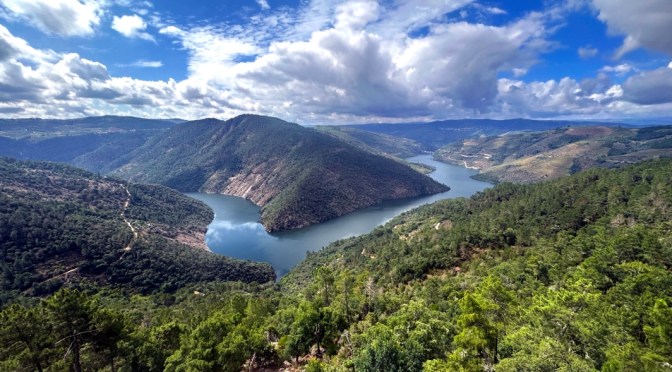










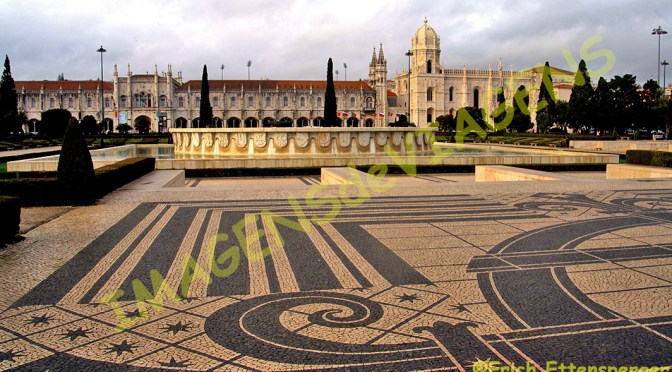


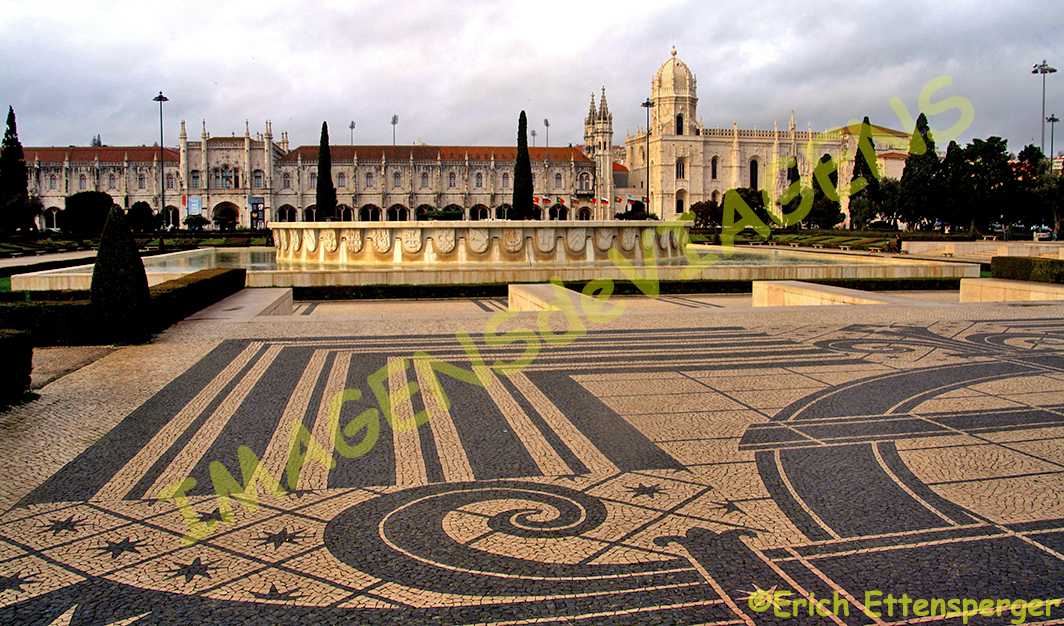

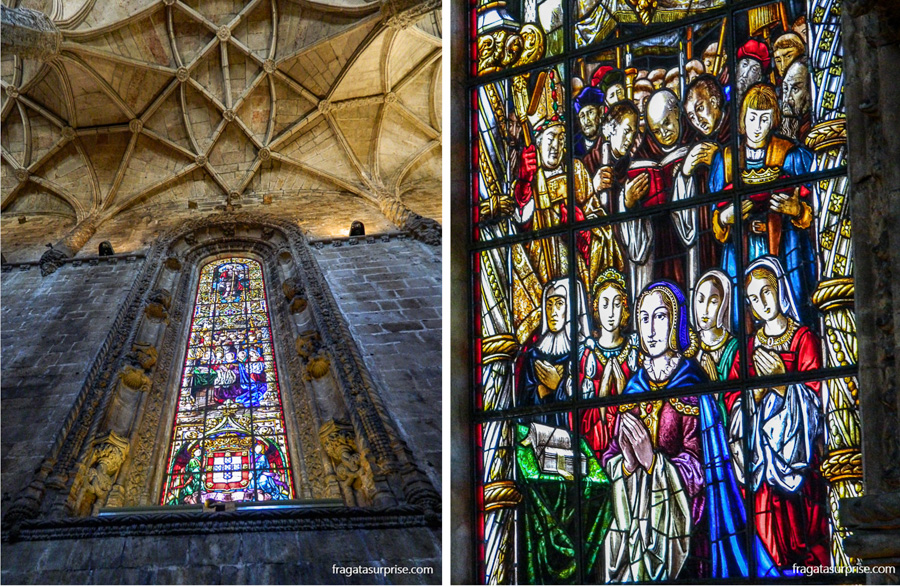


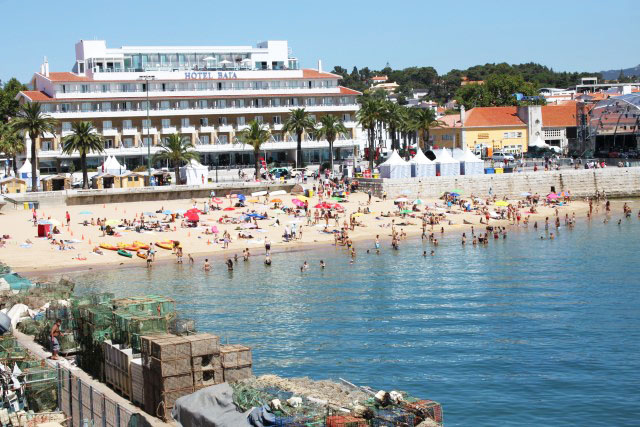

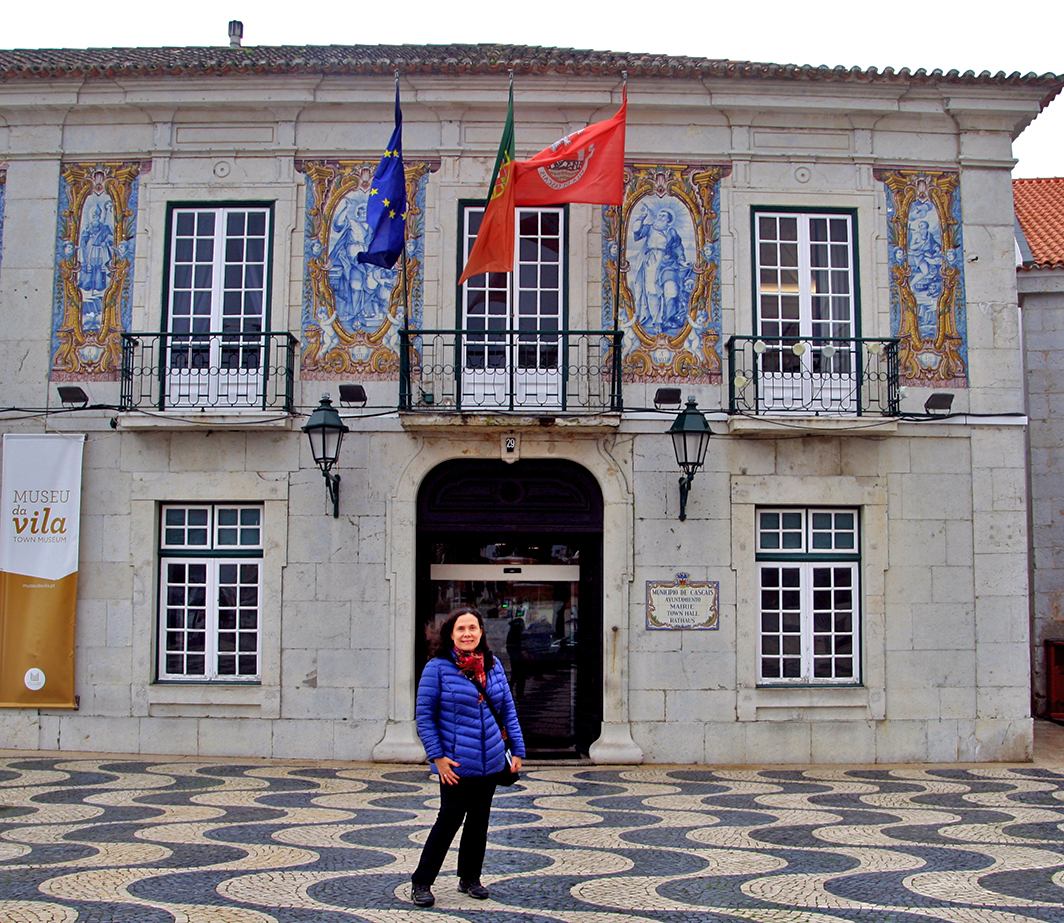



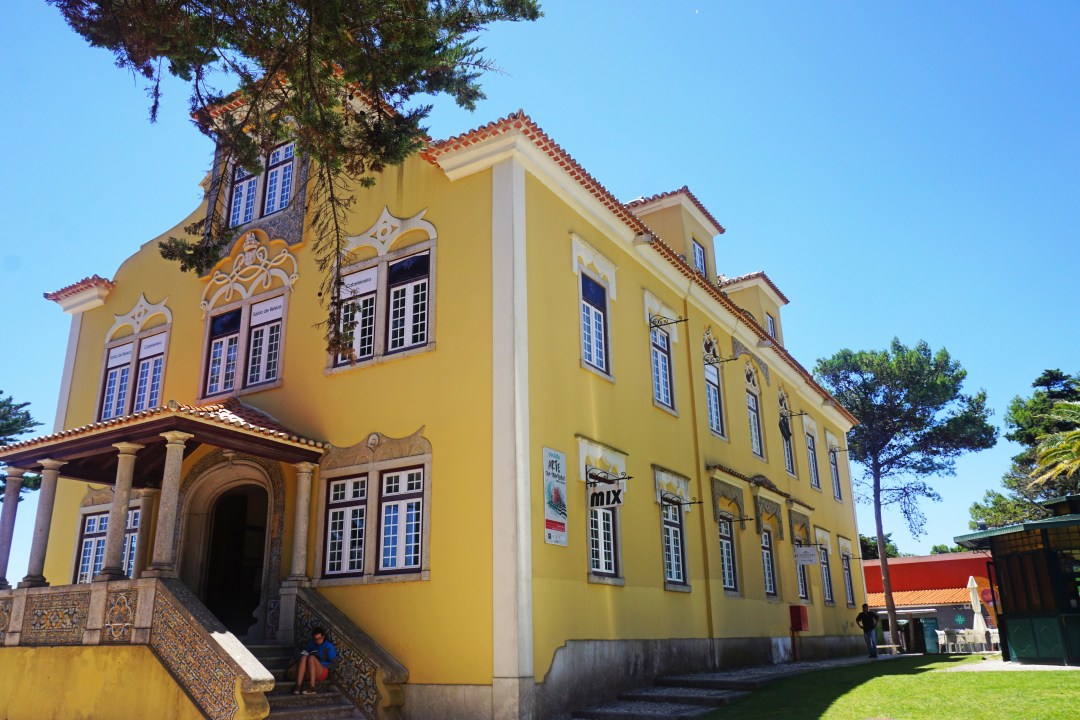

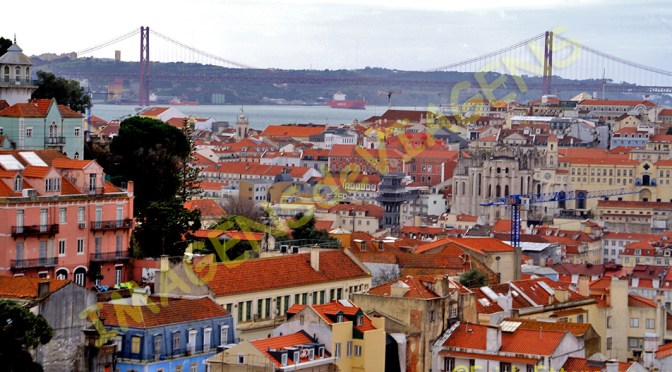

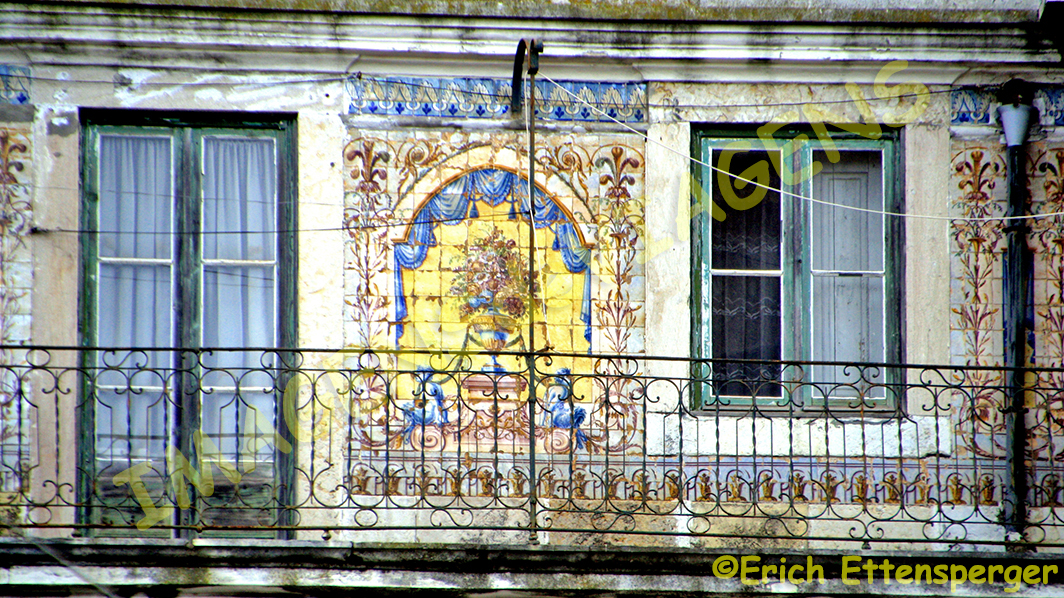

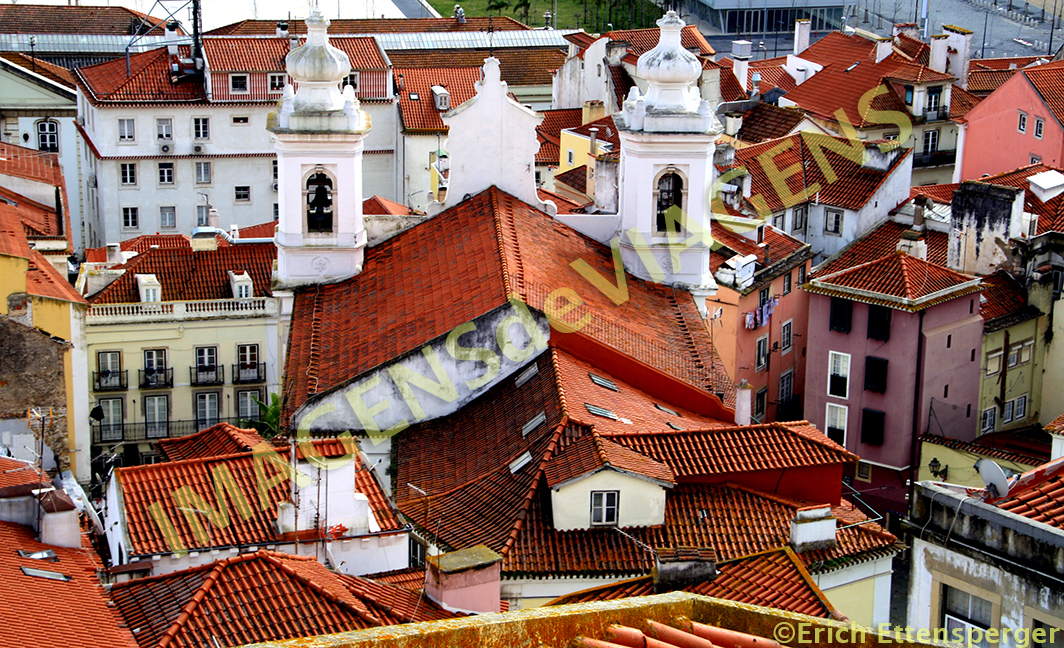


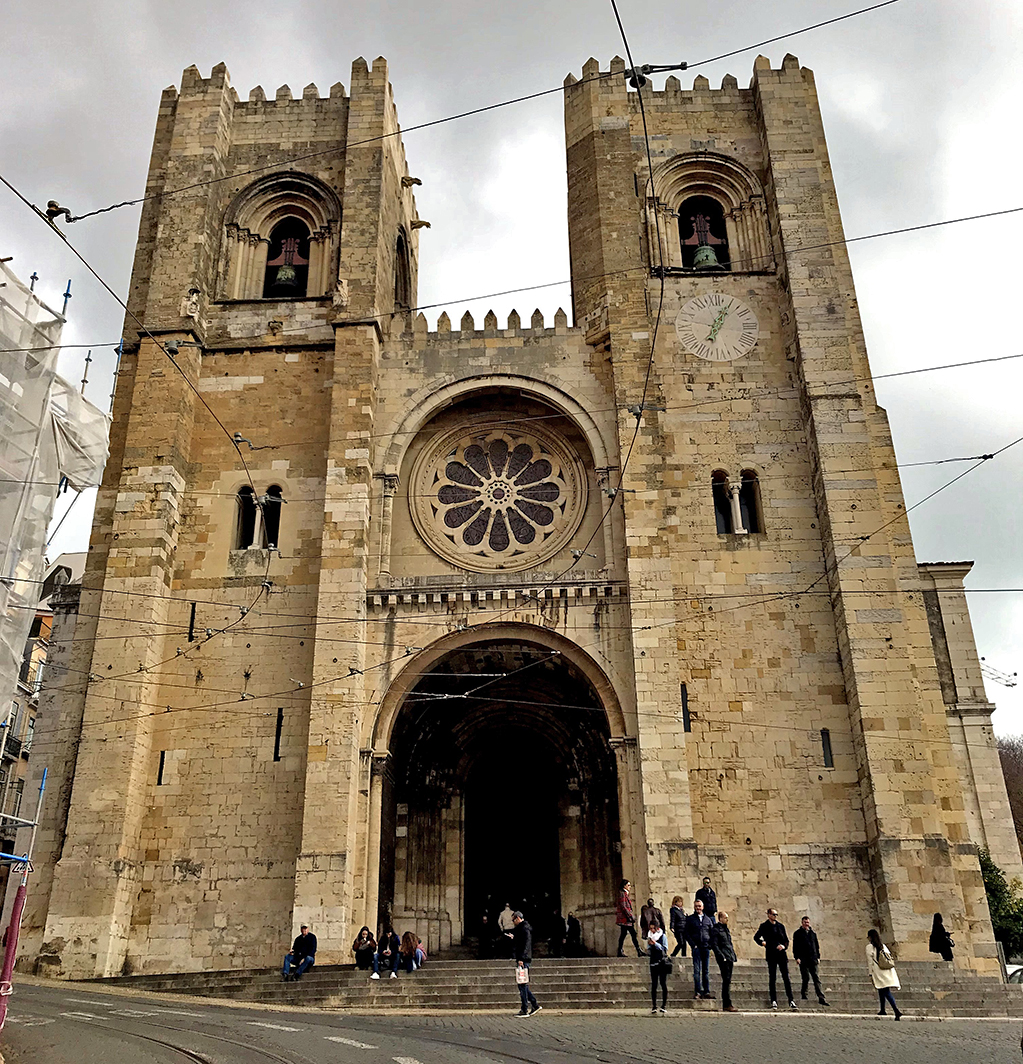


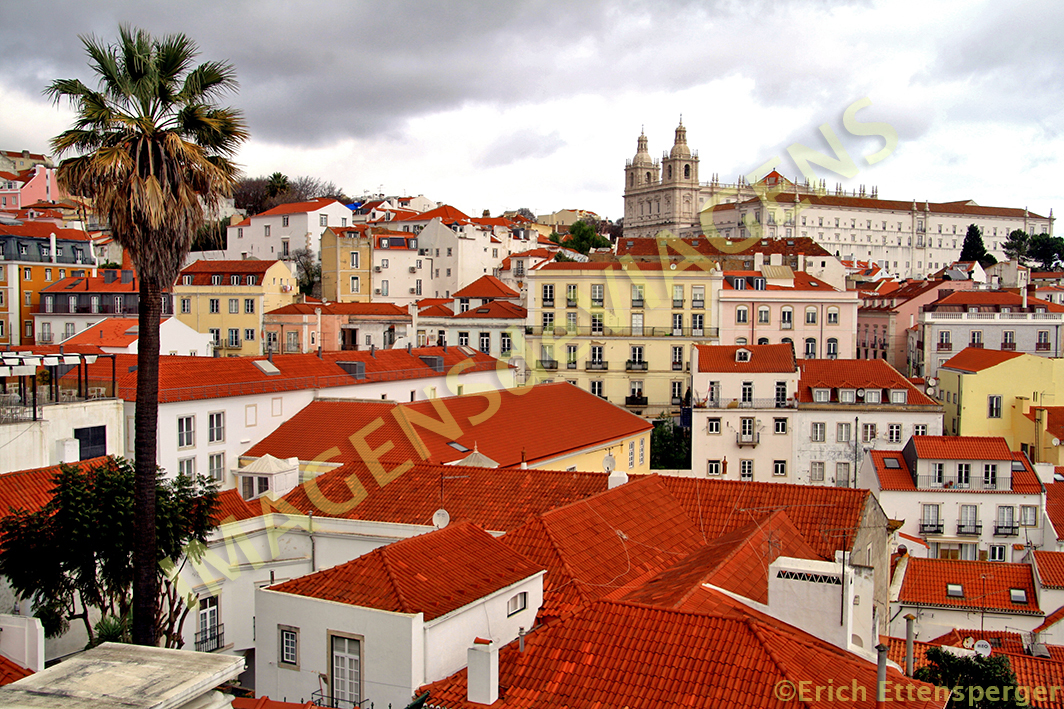
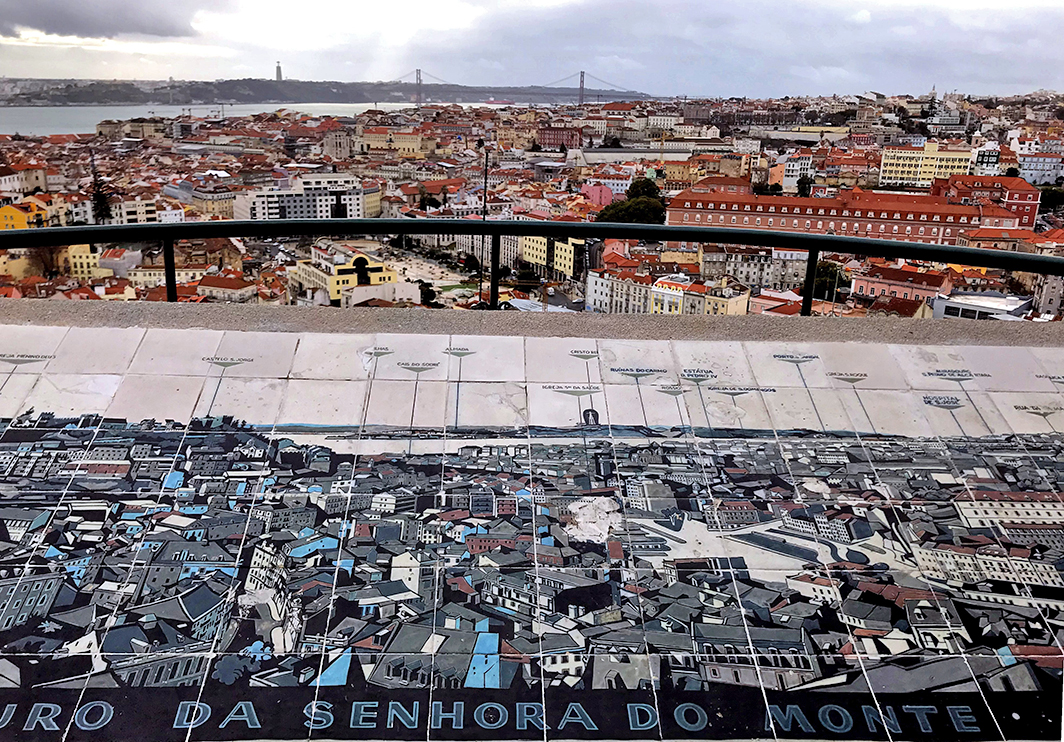
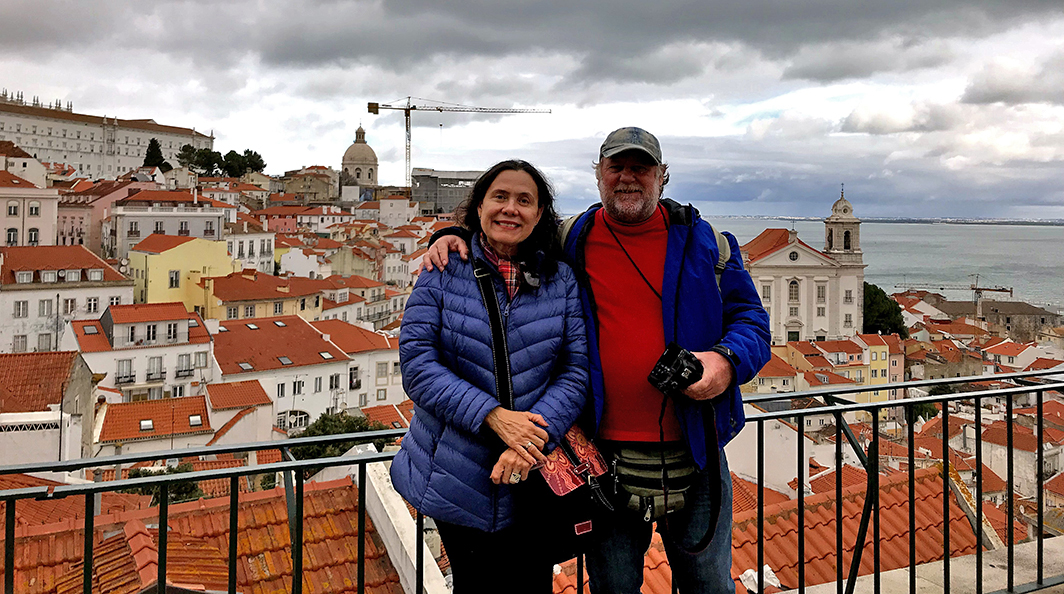







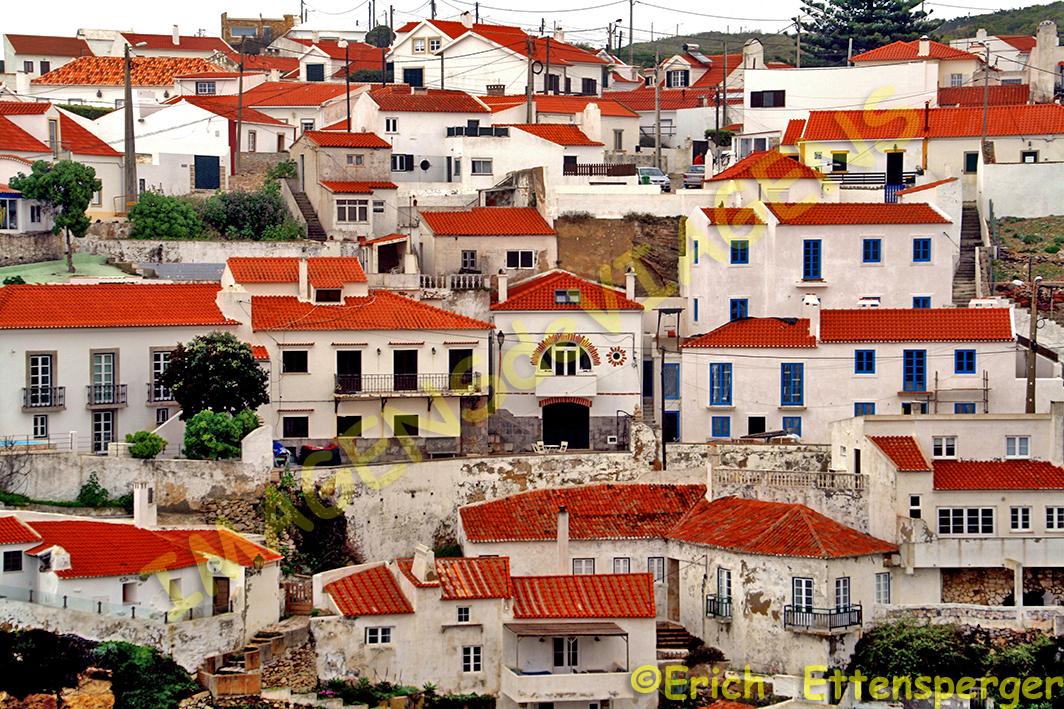
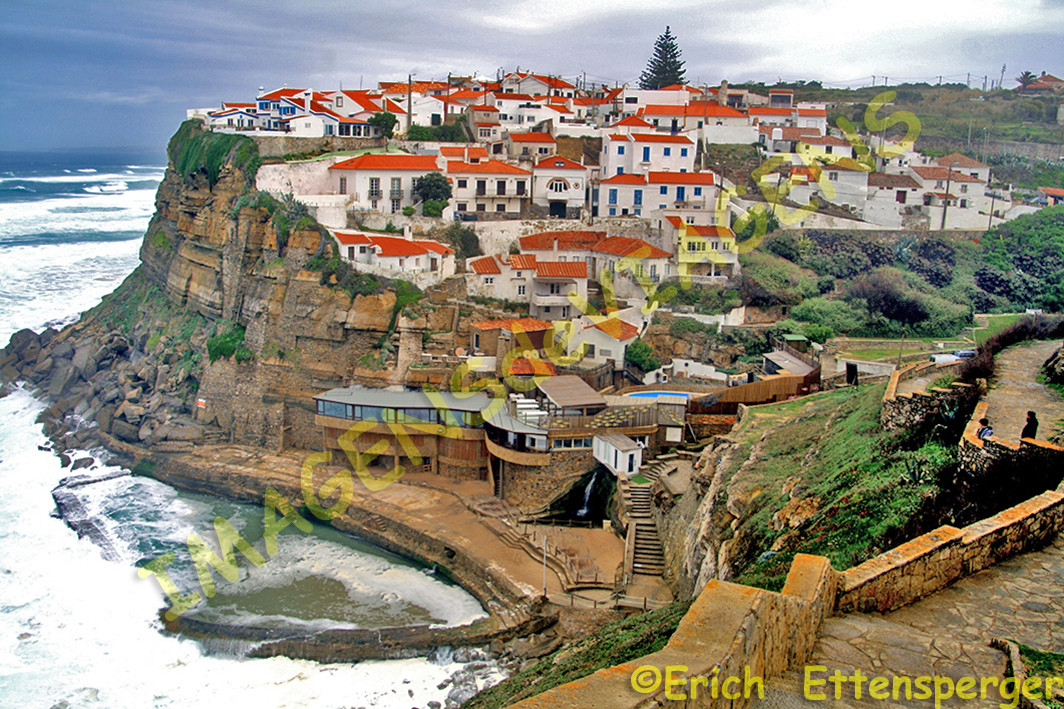

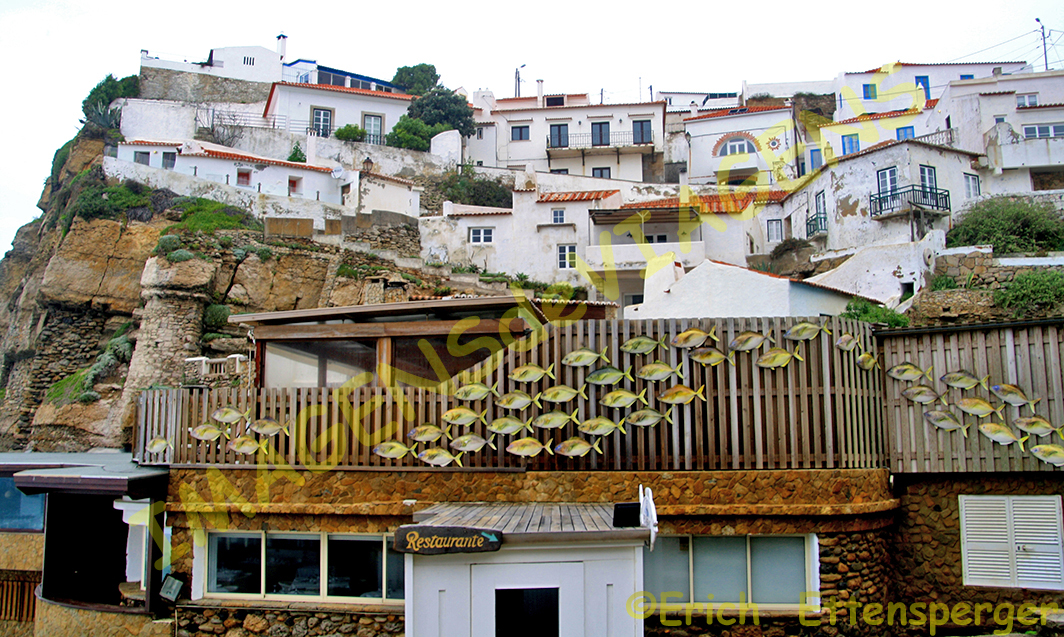
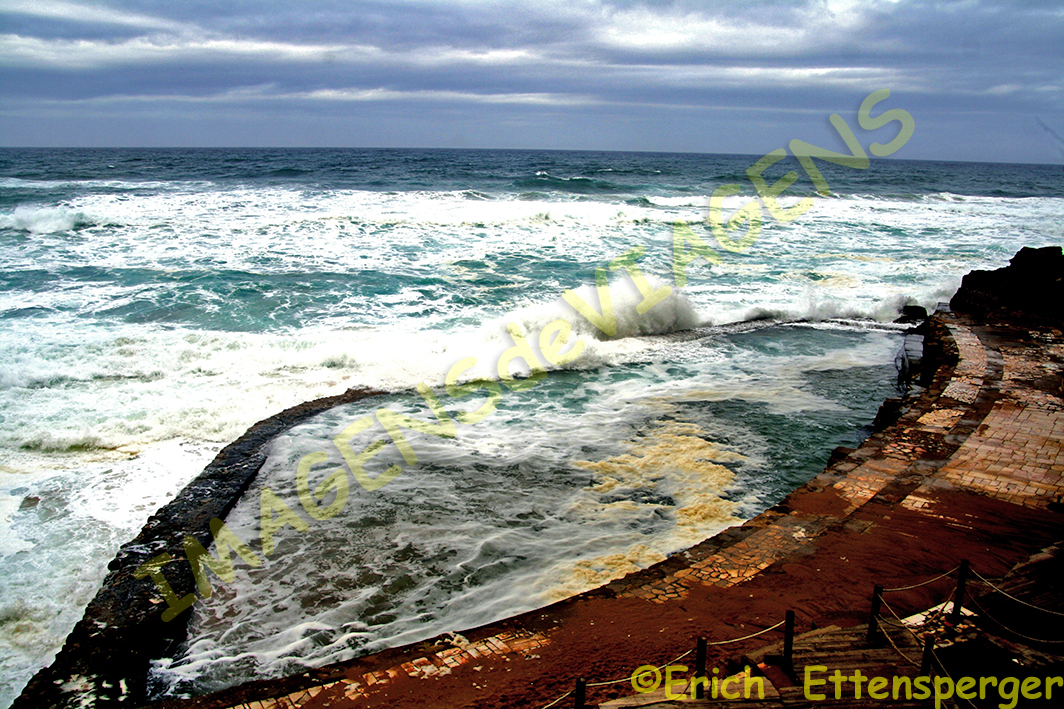
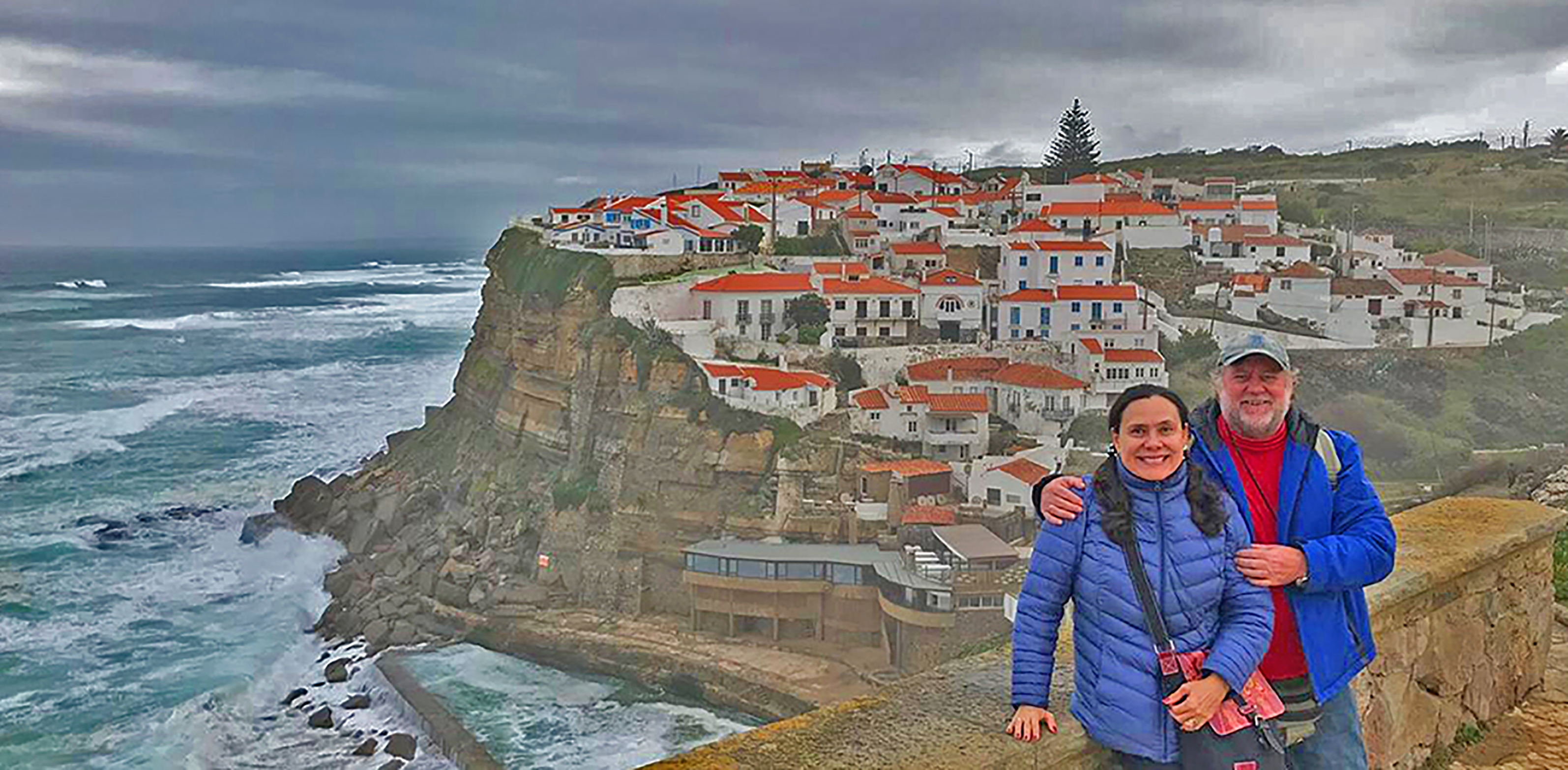







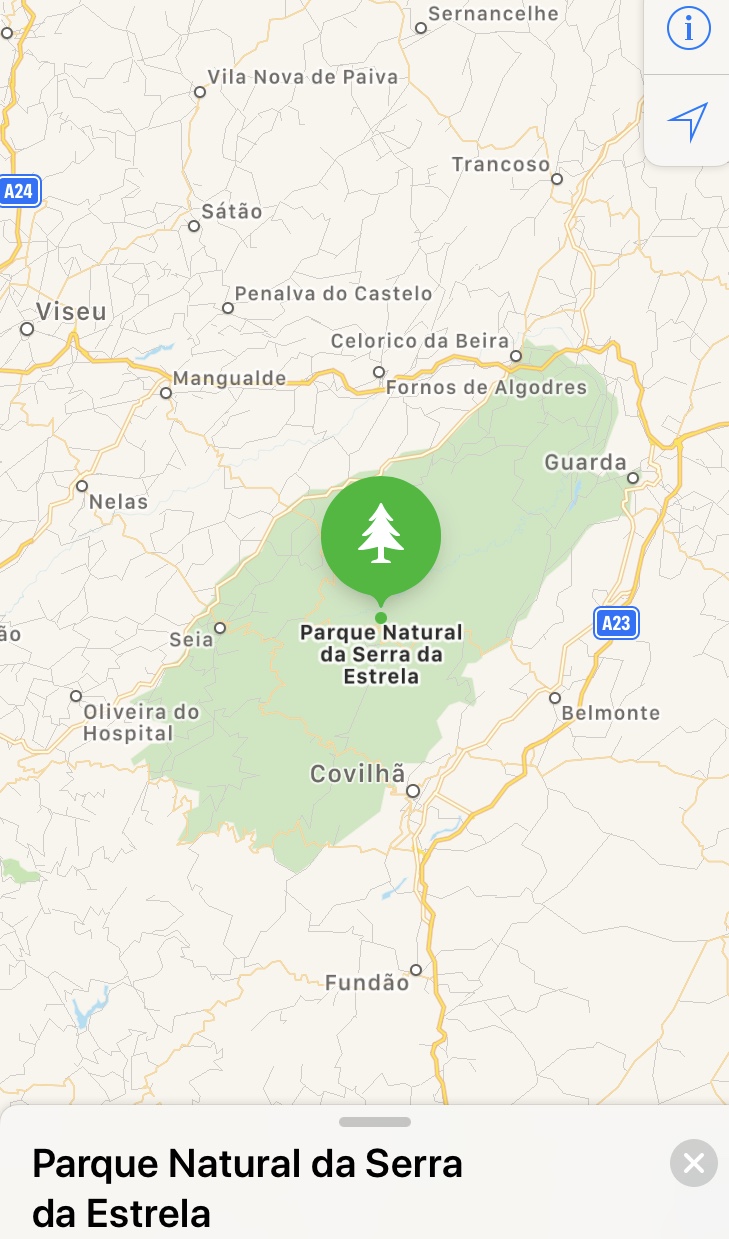


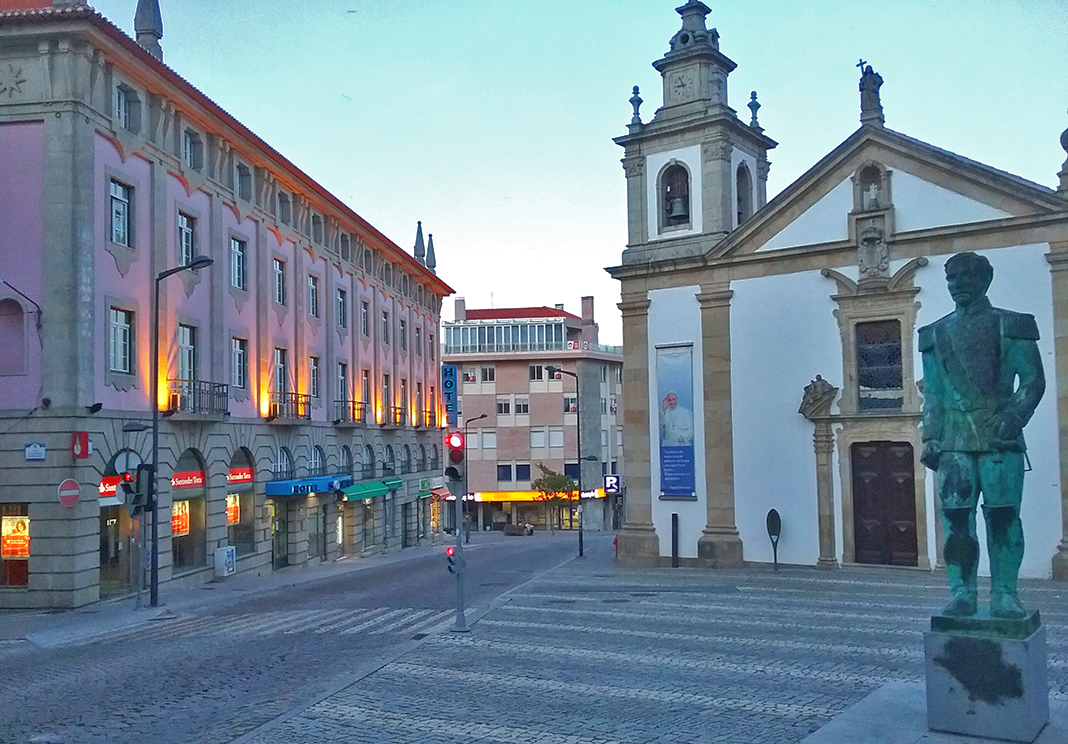


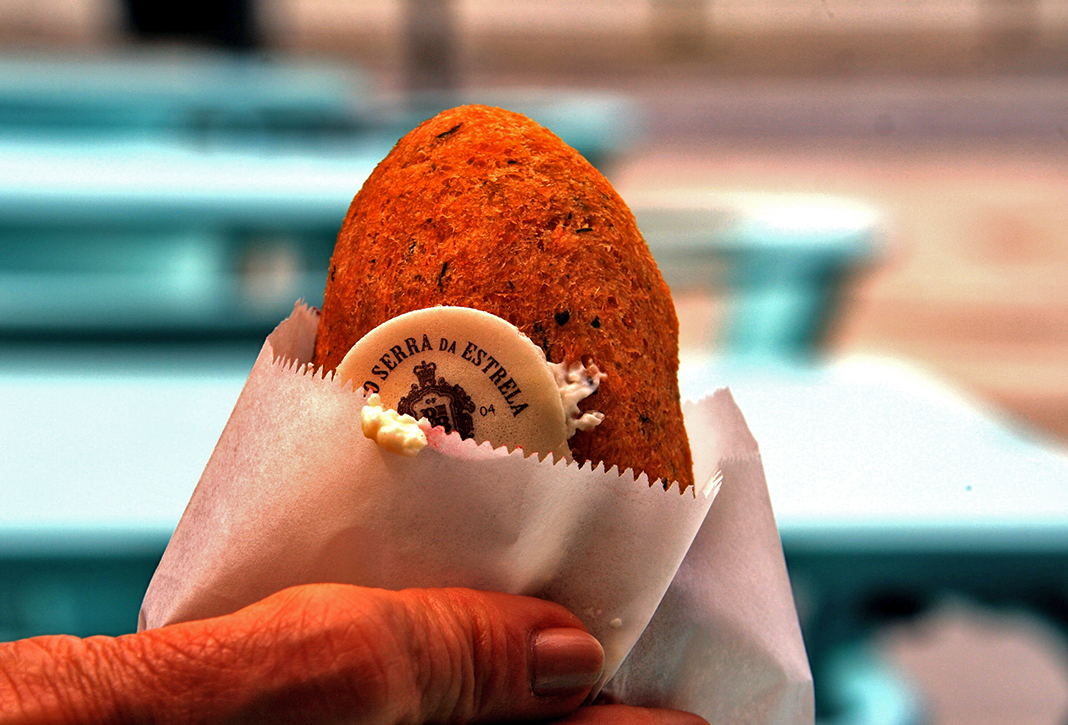
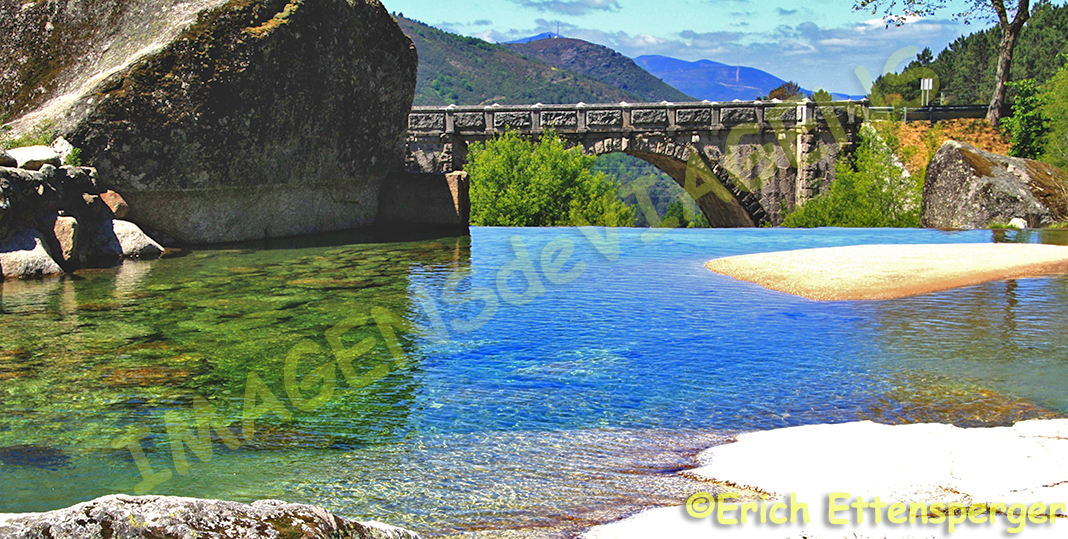


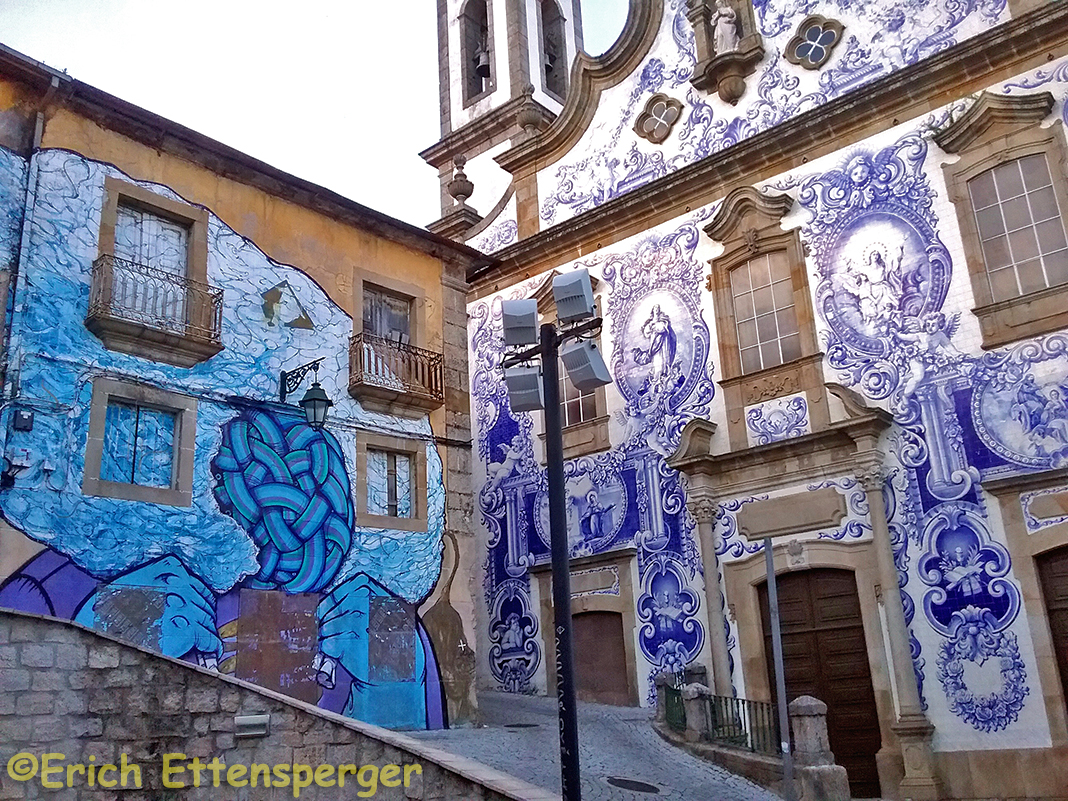


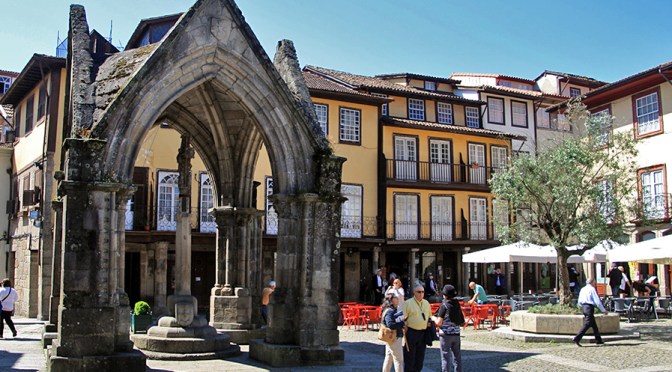
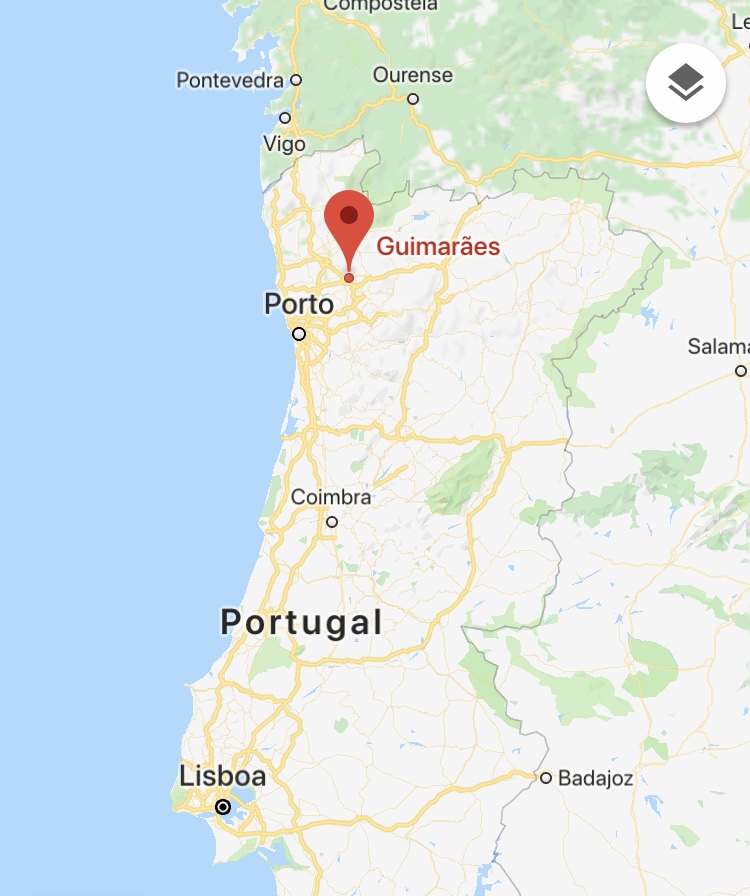

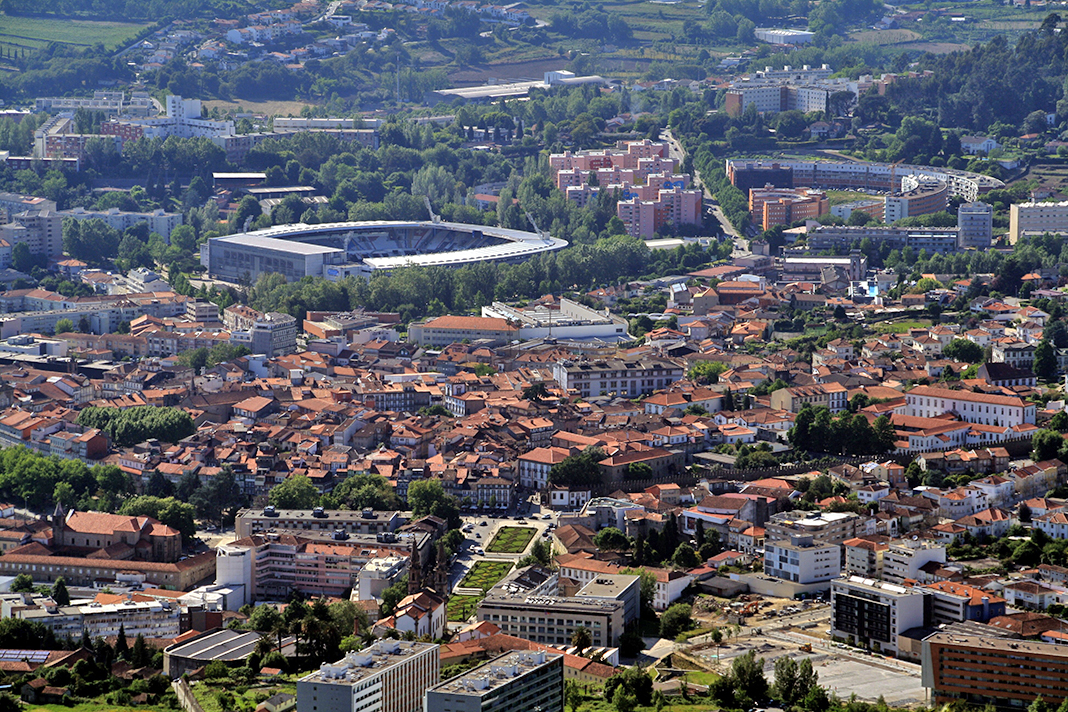


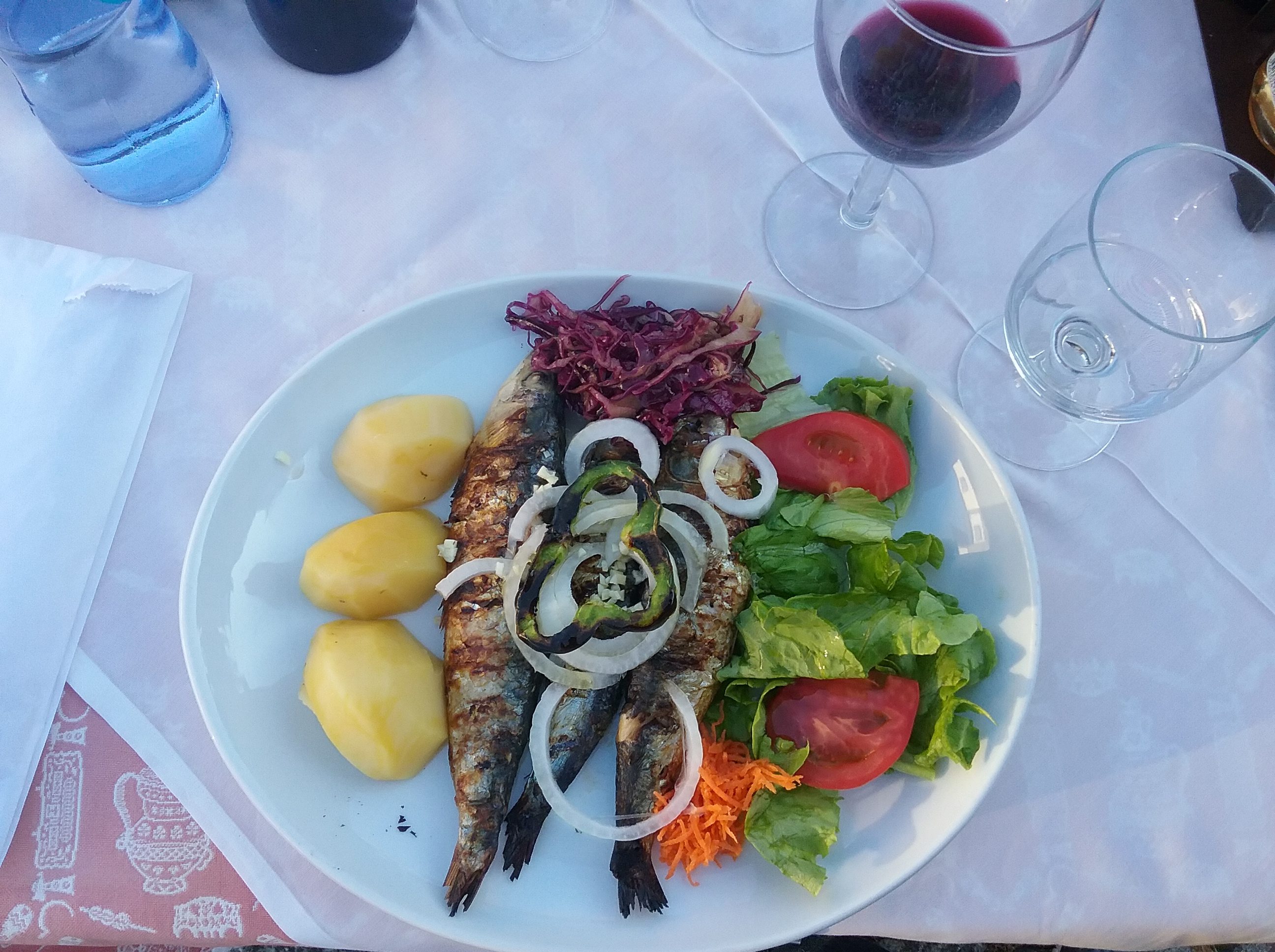


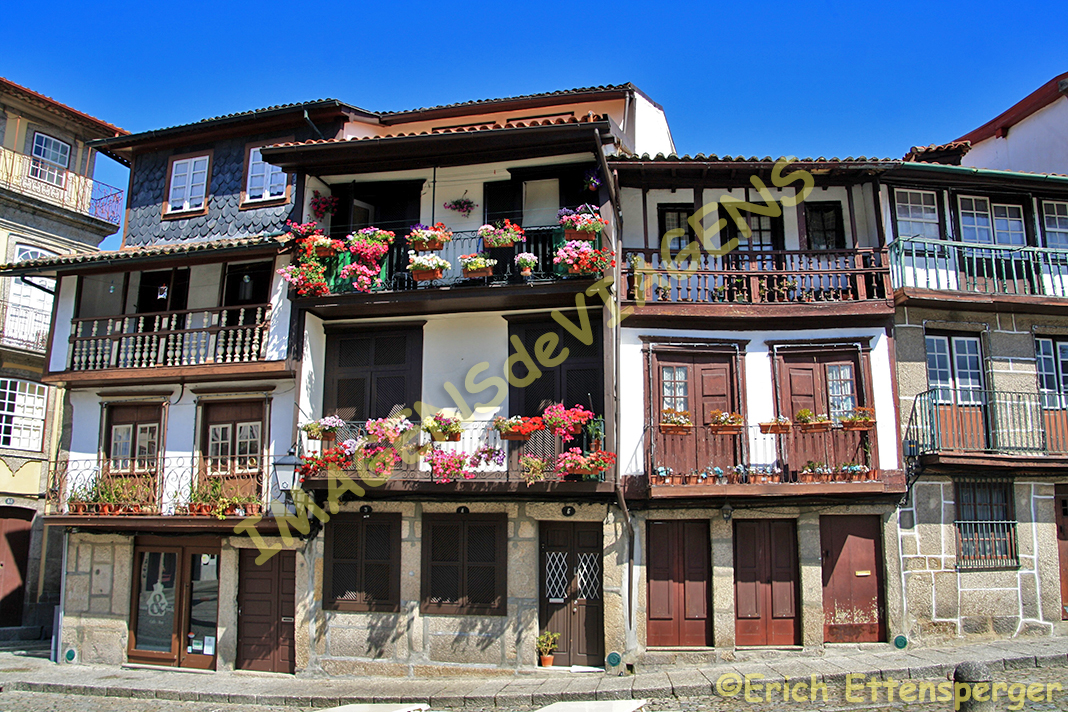


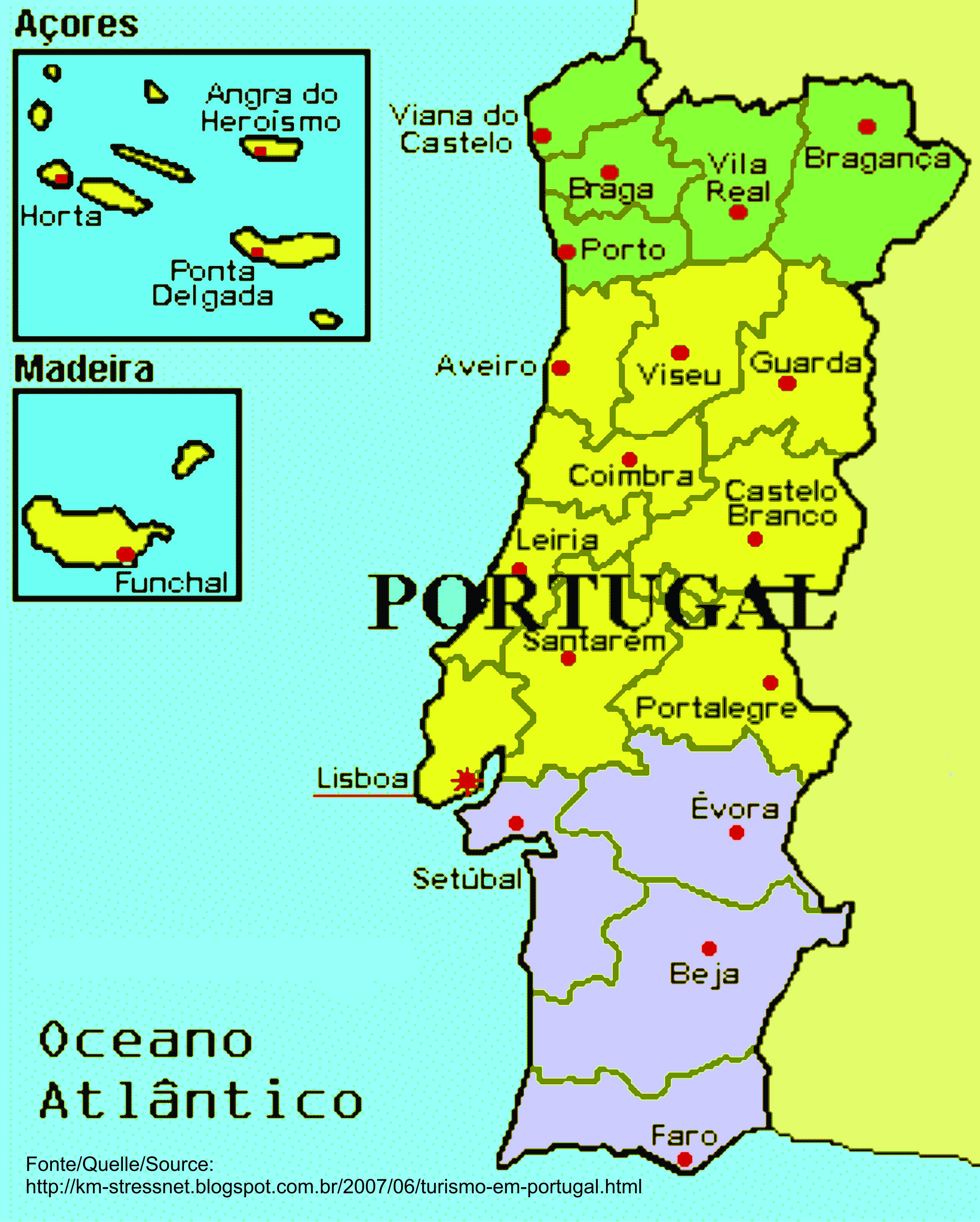


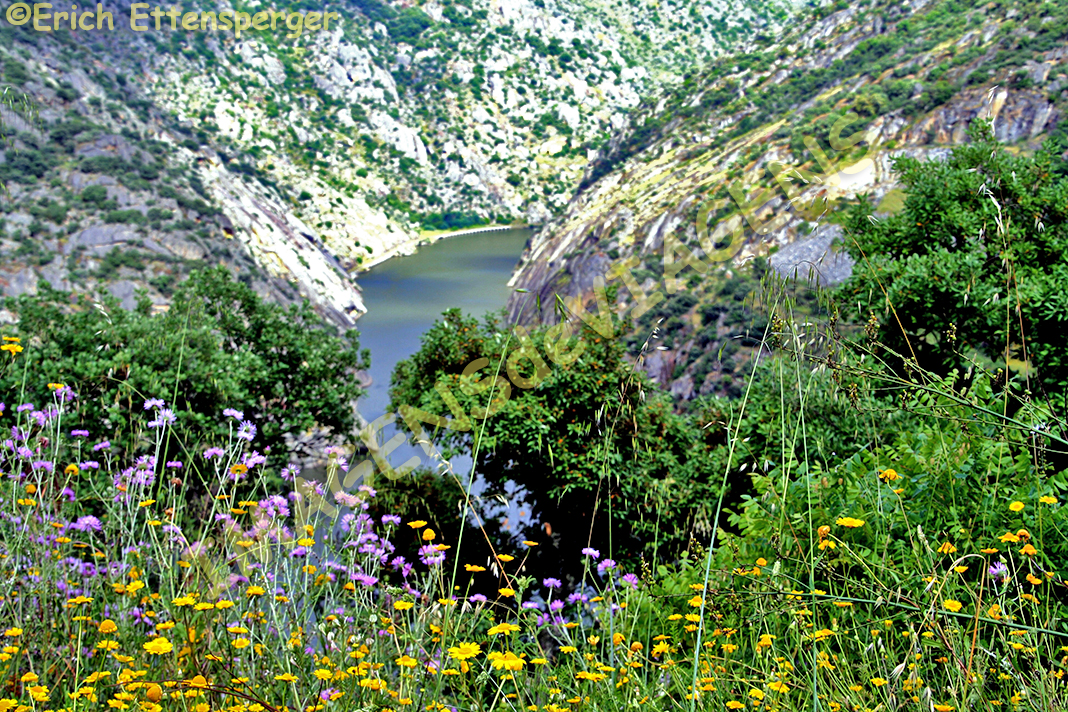
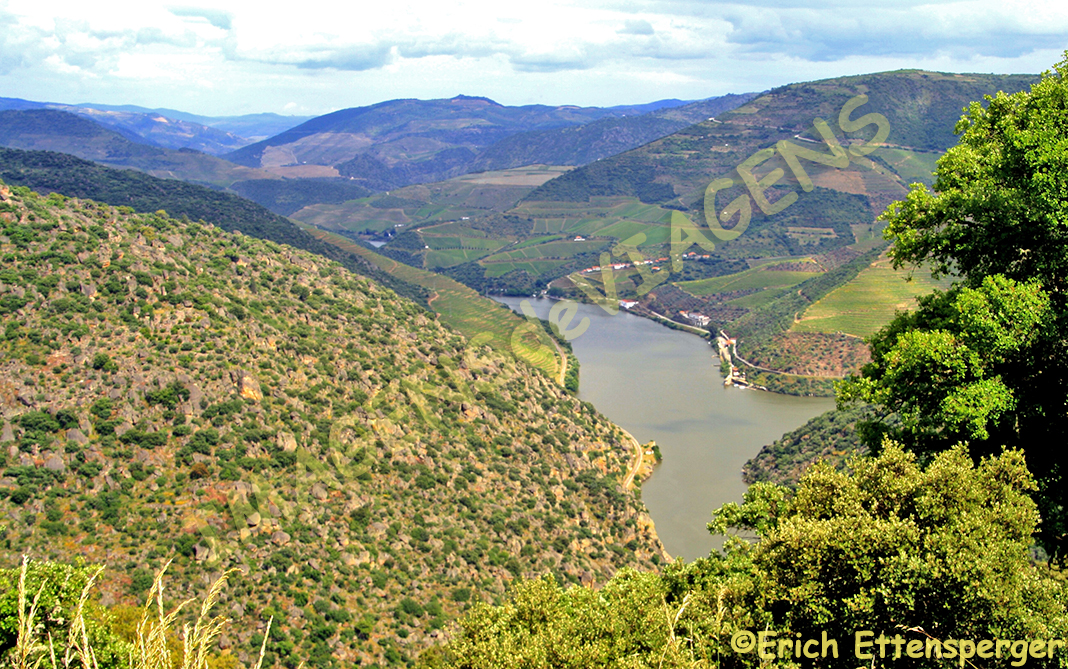


 imagenseviagens.com.br/travelandimages.com