As festas juninas tem origem em Portugal e nasceram da devoção a Santo Antônio, São João e São Pedro. A cidade de Porto, por exemplo, tem uma grande festa , que anima a cidade de muitas cores e sabores.
As pessoas nascidas no nordeste brasileiro aprendem desde criança sobre as tradições das festas juninas. Quando lembro de festas juninas, logo vem à mente as deliciosas comidas de milho, as quadrilhas, as músicas.
Eu lembro bem que comecei a participar das quadrilhas de São João desde quando estava no jardim de infância. Como nasci e me criei na capital do Rio Grande do Norte, sempre escutei comentários que as grandes celebrações das festas juninas ocorrem mais nas cidades do interior do estado e dentre esses eventos, o blog Imagens e Viagens vai se concentrar mais nos eventos que ocorrem em Caruaru (Pernambuco), Campina Grande (Paraíba) e em Mossoró (Rio Grande do Norte). Essas festas possuem componentes tradicionais e também forte acento da modernidade dos dias atuais. Vale também destacar as grandes festas que acontecem nos outros estados da região nordeste do Brasil. Todas essas celebrações atraem uma quantidade imensa de pessoas.
Caruaru, cidade localizada a 138 km de Recife é famosa pela Feira de Caruaru e também pelos famosos festejos juninos. O evento ocorre em seis polos, localizados em diferentes pontos da cidade: Pátio do Forró, Polo Juarez Santiago, Polo Forró do Candeeiro, Polo Azulão, Polo Galdino e Polo das Quadrilhas.
Campina Grande, está localizada a 132 km de João Pessoa e seus festejos juninos também atraem milhares de turistas. O evento ocorre no Parque do Povo, espaço com 43 mil metros quadrados, onde está localizada a Pirâmide, espaço coberto, além da grande fogueira cenográfica. Quem vai para Campina Grande nessa época do ano, pode viajar no Expresso do Forró (funciona apenas nos finais de semana), que faz a rota entre a Estação Velha, em Campina Grande e o distrito de Galante, lugarejo animado com muita música e dança nas suas ruas.
Tanto Campina Grande e Caruaru promovem seus eventos como o “Maior São João do Mundo”.
O Mossoró Cidade Junina é o nome da grande festa realizada na “capital do oeste” potiguar, distante 280 km. É tradição nesse evento a apresentação teatral “Chuva de Bala no país de Mossoró”, que retrata a resistência do povo mossoroense ao bando do cangaceiro Lampião. além de muita animação, festival de quadrilhas, há o “Pingo da Mei Dia”, grande parada junina que percorre o Corredor Cultura de Mossoró e que somente acontece lá.
Observação: se você quiser continuar “viajando” com o nosso blog, clique no botão “seguir” localizado no canto inferior direito dessa página. Você receberá um email com um link para confirmar a assinatura desse blog (não paga nada). Quando clicar no link, você será direcionado para uma página em inglês (essa página explica o procedimento no caso de você desejar um dia parar de seguir o blog). A partir daí, você já está “seguindo” o blog.
Drei Juni-Feste im Nordosten Brasiliens
Die Juni-Festivals entstanden in Portugal mit der Hingabe an die Heiligen St. Johannes und Peter und Paul. Die Stadt Porto zum Beispiel feiert alljährlich eine große Partei, die die Stadt mit vielen Farben und Aromen beseelt.
Wenn ich an die Juni-Feste denke, dann kommen mir die leckeren Mais-Speisen in den Sinne, die Banden (Tanzgruppen), die Musik.
Ich erinnere mich gut, dass schon zu meinen Kindergartenzeiten immer diese Juni-Feierlichkeiten zelebriert wurden. Unser Reise – Blog wird sich auf die Festivitäten in Caruaru (Pernambuco), Campina Grande (Paraíba) und Mossoro (Rio Grande do Norte) konzentrieren.
Diese Parties zeigen all die traditionellen Komponenten, offerieren aber auch die starken Akzente der Moderne von heute. All diese Feierlichkeiten im Nordosten von Brasilien ziehen riesige Menschenmengen an.
Caruaru, eine Stadt 138 km von Recife entfernt, ist berühmt für seinen Open-Air-Markt (der gröβte in Südamerika) und auch für seine berühmten Juni-Feste, die in sechs verschiedenen Örtlichkeiten der Stadt stattfinden.
Campina Grande ist 132 km von João Pessoa entfernt und seine Juni- Feierlichkeiten locken auch Tausende von Touristen an. Die Veranstaltung findet im Volkspark statt mit einer Fläche von 43.000 Quadratmetern, wo sich die Pyramide befindet und das große szenografische Feuer.
Sowohl Campina Grande und Caruaru bewerben ihre Veranstaltungen als die gröβte “São João Veranstaltung der Welt“.
Mossoro, die City der großen Junina-Parties, ist die Hauptstadt im Westen 280 km von Natal entfernt. Es ist hier Tradition, das Theaterstück “Chuva de Bala no país de Mossoró” („Kugelhagel in Mossoro“) aufzuführen, das den Widerstand der Menschen gegen die Banditen der Bande Lampião in Mossoro zeigen. Es gibt sehr viel Unterhaltung, ein Festival der Tanzgruppen und es gibt den „Pingo Mei Day“, eine große Junina-Parade im sogenannten kultur-Korridor von Mossoro und dieses geschieht nur hier.
Falls Sie Animation mögen und Juni-Festivals mögen, dann lohnt es sich, eines dieser Feste zu besuchen, Sie werden es nicht bereuen. Anarrie! Alavantu!
Hinweis: Falls Sie unseren “Reisen” auf dem Blog folgen wollen, dann klicken Sie unten rechts einfach auf “Weiter”, Sie werden dann zukünftig automatisch informiert.
Three June festivals in North-East Brazil
The June festivals originated in Portugal with the devotion to the Saints St. John and Peter and Paul. The city of Porto for example celebrates a large party every year, which inspires the city with many colors and aromas.
When I think of the June festivals, I get the delicious corn dishes in the sense, the gangs (dance groups), the music.
I remember well that these June celebrations have always been celebrated at my kindergarten times. Our travel blog will focus on the festivals in Caruaru (Pernambuco), Campina Grande (Paraíba) and Mossoro (Rio Grande do Norte).
These parties display all the traditional components, but also offer the strong accents of today’s modernity. All these festivities in the north-east of Brazil attract huge crowds.
Caruaru, a city 138 km from Recife, is famous for its open air market (the largest in South America) and also for its famous June festivals taking place in six different locations of the city.
Campina Grande is located 132 km from João Pessoa and its June festivities attract thousands of tourists. The event takes place in the Volkspark with an area of 43,000 square meters, where the pyramid is located and the great scenographic fire.
Both Campina Grande and Caruaru are promoting their events as the largest “São João event in the world”.
Mossoro, the city of the major june parties, is the capital in the west 280 km from Natal. It is a tradition here to perform the play “Chuva de Bala no país de Mossoró”, which shows the resistance of the people against the bandits of the band Lampião in Mossoro. There is a lot of entertainment, a festival of dance groups and there is the “Pingo Mei Day”, a great Junina parade in the so-called cultural corridor of Mossoro and this is only happening here.
If you like animation and June festivals, then it is worth visiting one of these festivals, you will not regret it. Anarrie! Alavantu!
Note: If you want to follow our “Travels” on the blog, simply click on “Continue” in the lower right corner, you will be then automatically informed in the future
Você sabia que a Finlândia é o país mais seguro do mundo? E que a Suíça é o mais sustentável? E Moçambique é o mais sujo?
Erich é um estudioso do Turismo mundial desde quando trabalhava na área do turismo juvenil e teve a oportunidade de visitar muitos países do mundo. Durante suas pesquisas, ele destaca a publicação anual denominada Relatório de Competitividade de Viagens e Turismo 2017, trata-se de um documento onde são apresentadas análises sobre a competitividade de viagens e turismo em 136 países do mundo. Esse estudo é publicado desde 11 anos pelo Fórum Econômico Mundial.
O documento contém 14 “pilares”( ambiente de negócios, segurança, saúde e higiene, recursos humanos e mercado de trabalho, a capacidade dos países explorem as oportunidades oferecidas pelas tecnologias de informação e comunicação, priorização de viagens e turismo, abertura Internacional, competitividade de preços, sustentabilidade ambiental, infraestrutura de transporte aéreo, infraestrutura terrestre e portuária, serviço de infraestrutura turística, recursos naturais, recursos culturais e viagens de negócios), que na realidade são tabelas onde estão apresentadas a lista dos países e sua colocação e respectiva nota atribuída a cada aspecto abordado. Além desses pilares, a publicação apresenta textos de renomados pesquisadores.
Depois de ler o documento, achei que seria interessante compartilhar com vocês, os pilares relacionados diretamente com viagens, pois, apresentam dados importantes sobre o universo do turismo. Sempre no final de cada lista, há a posição do Brasil e em seguida, o último colocado na avaliação.
Observação: se você quiser continuar “viajando” com o nosso blog, clique no botão “seguir” localizado no canto inferior direito dessa página. Você receberá um email com um link para confirmar a assinatura desse blog (não paga nada). Quando clicar no link, você será direcionado para uma página em inglês (essa página explica o procedimento no caso de você desejar um dia parar de seguir o blog). A partir daí, você já está “seguindo” o blog.
Wussten Sie, daβ Finnland das sicherste Land der Welt ist? Und dass die Schweiz das nachhaltigste ist? Und Mosambik das schmutzigste?
Erich als ehemaliger Fachmann des internationalen Jugendtourismus hatte die Möglichkeit, viele Länder dieser Welt zu besuchen. Während seines Beruflebens stieβ er auch auf die jährliche Veröffentlichung des sogenannten Travel und Tourism Competitiveness Reports, ein Dokument, das weltweit in 136 Ländern die Analyse der Reise-und Tourismus- wettbewerbsfähigkeit umreißt. Diese Studie wird nun auch seit 11 Jahren durch das Weltwirtschaftsforum veröffentlicht.
Das Dokument enthält 14 „Rubriken“, tatsächlich handelt es sich um Tabellen, Listen, in denen die Platzierung der jeweiligen Länder bezüglich den in der Fußnote genannten Aspekten präsentiert werden wie z.B.: Sicherheit, Hygiene, Gesundheit, Infrastruktur des Landes, Häfen usw.
Zusätzlich zu diesen Rubriken werden Texte renommierter Forscher vorgestellt.
Nach dem Lesen dieses Dokumentes, dachte ich, daβ es interessant wäre, Ihnen die Rubriken vorzustellen, die in einem direkten Zusammenhang zum Universum des Tourismus stehen. Am Ende jeder Rubrik finden Sie die Position von Brasilien und schlieβlich dann auch das Land, das den letzten Platz in der jeweiligen Thematik einnimmt.
Hinweis: Falls Sie unseren “Reisen” auf dem Blog folgen wollen, dann klicken Sie unten rechts einfach auf “Weiter”, Sie werden dann zukünftig automatisch informiert.
Did you know that Finland is the safest country in the world? And that Switzerland is the most sustainable? And Mozambique the dirtiest?
Erich as a former expert in international youth tourism had the opportunity to visit many countries in the world. During his professional life he also drew attention to the annual publication of the so-called Travel and Tourism Competitiveness Report, a document that outlines 136 countries worldwide the analysis of travel and tourism competitiveness. This study has now been published for 11 years also by the World Economic Forum.
The document contains 14 “headings”, in fact they are tables, lists, showing the ranking of the countries concerned with regard to the aspects mentioned in the footnote, such as: security, hygiene, health, infrastructure of the country, ports, etc.
In addition to these categories, texts from renowned researchers are presented.
After reading this document, I thought it would be interesting to present to you the rubrics that are directly related to the universe of tourism. At the end of each section, you will find the position of Brazil, and finally the country that takes the last place in the respective topic.
Note: If you want to follow our “Travels” on the blog, simply click on “Continue” in the lower right corner, you will be then automatically informed in the future.
Existem pessoas que já nascem com o dom de empreender e uma delas, se chamou Joaquim Rolla, nome que deveria ser mais conhecido dos brasileiros por ter sido um dos grandes empreendedores da nossa nação. Nasceu pobre, no interior de Minas Gerais e alcançou uma grande notoriedade durante as décadas de 30 e 40, foi proprietário dos cassinos da Urca, no Rio de Janeiro e o Icaraí, em Niterói. Eu, particularmente, nunca tinha escutado ou lido alguma coisa sobre ele. Porém, tive o imenso prazer de saber sobre sua carreira empreendedora quando visitei Petrópolis e tive a felicidade de participar de um espetacular tour, conduzido pela guia Glaúcia, funcionária do SESC Quitandinha, atual proprietário das áreas sociais do colossal prédio onde funcionou o luxuoso hotel-cassino Quitandinha.
Quitandinha com o lago que lembra o formato do mapa do Brasil/Quitandinha mit dem See davor erinnert an die Landkarte von Brasilien / Quitandinha with the lake in front that resembles the shape the map of Brazil
Para quem se interessa por história, arquitetura, decoração, a visita ao Quitandinha torna-se quase um passeio obrigatório para quem viaja a Petrópolis. Porém, recomendo que você opte por fazer um tour guiado, pois a visita ao prédio sem ele, perde quase que completamente o encanto.
Durante 1 hora e meia, Erich e eu aprendemos muito sobre Joaquim Rolla e a construção do Quitandinha. Tudo se torna ainda mais incrível quando se imagina que o edifício foi construído na década de 40, no alto de uma serra, com um acesso difícil.
O Hotel Quitandinha, projeto do arquiteto Luís Fossati, foi inaugurado em 1944, parcialmente, para ser o maior e mais luxuoso hotel-cassino da América Latina. O prédio foi construído em um estilo neo-normando, tem 50 mil metros quadrados de área, 6 pavimentos, 440 apartamentos, 13 grandes salões.
A beleza do edifício no estilo neo-normando/Die Schönheit des Gebäudes im neo-normannischen Stil / The beauty of the building in the neo-Norman style
A área projetada para ser o cassino, o Salão Mauá, com 30 metros de altura e 51 metros de diâmetro, tem a segunda maior cúpula do mundo depois da cúpula da Basílica de São Pedro no Vaticano!!!
O lugar ainda guarda traços do seu esplendor. Há uma área, denominada Galeria das Estrelas, cujo lustres foram confeccionados pela fábrica americana Tiffany.
Lustre fabricado pela Tiffany/Kronleuchter, hergestellt von Tiffany/Chandelier made by Tiffany
São tantas as curiosidades sobre esse lugar. A piscina do hotel, em forma de piano de cauda, com profundidade que varia entre 1 e 5 metros, cuja parte mais profunda tem o objetivo de refletir com mais volume, a decoração pintada nas paredes em volta dela. A inauguração dela foi feita com grande festa e show da estrela de Hollywood Esther Williams.
Piscina térmica em formato de um piano de cauda/Thermalbecken in Form eines Flügels / Thermal pool in the shape of a grand piano
Carmen Miranda, Oscarito, dentre outros, fizeram grandes shows no teatro do hotel que tem três palcos giratórios e capacidade para 1000 espectadores.
Teatro/Theater/TheaterMarcia na Galeria das Estrelas / Marcia in der Galerie der Stars / Marcia at the stars Gallery
O projeto de decoração do interior do edifício foi Dorothy Draper, uma das mais famosas decoradoras americanas, que criou espaços verdadeiramente hollywoodianos.
Galeria Brasil/Galerie Brasilien / Gallery BrazilErich na Galeria das Estrelas/ Erich in der Galerie der Stars / Erich at the stars GalleryÂnforas concebidas exclusivamente para a decoração do Quitandinha na Sala dos Correspondentes/Amphoren als Dekoration im Saal für Korrespondenten / Amphoras designed exclusively for the decoration of Quitandinha in the área of CorrespondentsFonte decorada com motivos marinhos na sala denominada Pátio da Fonte/Brunnen dekoriert mit maritimen Motiven im sogenannten Brunnenhof / Fountain decorated with marine motifs in the room called Pátio da FonteLustre refletido no espelho da Biblioteca/Kronleuchter im Spiegel der Bibliothek / Chandelier reflected in the Library mirror
O Quitandinha foi palco de muitos eventos, dentre os quais, a eleição de Martha Rocha com Miss Brasil em 23 de julho de 1954.
Foi também no Quitandinha onde foi assinada declaração de guerra dos países americanos às Potencias do Eixo, durante a Segunda Guerra Mundial.
Varanda da Área de Eventos/Balkonbereich Veranstaltungen / Balcony Area Events
Joaquim Rolla construiu o prédio realmente para ser o melhor, o mais grandioso e imaginava que seu hotel-cassino teria vida longa. O que não aconteceu. Em abril de 1946, o Presidente Eurico Gaspar Dutra assinou o decreto que proibia o jogo no Brasil. A partir daí, começou a decadência do lugar, que não conseguiu sobreviver apenas com shows e hospedagem. Para “salvar a situação”, Joaquim começou a vender os apartamentos individualizados e separou a parte social. Hoje em dia, a parte dos apartamentos integra um condomínio residencial e a área do cassino e suas dependências foram adquiridos pelo SESC RJ que restaurou e revitalizou de forma brilhante o que restou dos tempos áureos.
Visitar o Quitandinha é fazer um mergulho aos tempos gloriosos desse magnifico prédio e conhecer particularidades da história do Brasil que estão diretamente relacionadas com esse antigo hotel-cassino.
Erich e Marcia no Jardim de Inverno/Erich und Marcia im Wintergarten / Erich and Marcia in the Winter Garden
Observação: se você quiser continuar “viajando” com o nosso blog, clique no botão “seguir” localizado no canto inferior direito dessa página. Você receberá um email com um link para confirmar a assinatura desse blog (não paga nada). Quando clicar no link, você será direcionado para uma página em inglês (essa página explica o procedimento no caso de você desejar um dia parar de seguir o blog). A partir daí, você já está “seguindo” o blog.
QUITANDINHA – das kolossale Hotel-Casino in Brasilien
Es gibt Menschen, die mit dem Geschenk des Unternehmertums geboren zu sein scheinen und einer von ihnen wurde Joaquim Rolla genannt, einer, der den Brasilianern mehr bekannt sein sollte, war er doch einer der ganz großen Unternehmer unserer Nation.
Er wurde in Minas Gerais arm geboren und erzielte große Bekanntheit in den 30er und 40er Jahren, er wurde der Besitzer der Casinos Urca in Rio de Janeiro und Icaraí in Niterói. Ich persönlich hatte noch nie etwas von ihm gehört oder gelesen.
Es war eine große Überraschung für mich während unserer Reise nach Petropolis von seiner groβen unternehmerischen Karriere zu hören bei einer wirklich spektakulären geführten Tour von Glaucia durch die sozialen Bereiche des riesigen kolossalen Gebäudes, in dem sich auch das luxuriöse Hotel Quitandinha-Casino befindet.
Quitandinha
Für Interessenten an Geschichte, Architektur und Dekoration ist der Besuch von „Quitandinha“ ein fast obligatorischer Spaziergang beim Besuch von Petrópolis.
Während der 90minütigen Führung haben Erich und ich viel gelernt über Joaquim Rolla und den Bau von Quitandinha. Alles wird noch erstaunlicher, wenn man bedenkt, dass das Gebäude in den 40er Jahren gebaut wurde hoch oben in den Bergen mit seinem sehr schwierigen Zugang.
Das Quitandinha Hotel wurde von dem Architekten Luís Fossati entworfen und öffnete im Jahr 1944 teilweise, um das größte und luxuriöseste Hotel-Casino in Lateinamerika zu sein. Das Gebäude wurde in einem neo-normannischen Stil gebaut mit 50.000 m2, 6 Etagen, 440 Apartments und 13 große Hallen.
A beleza do edifício no estilo neo-normando/Die Schönheit des Gebäudes im neo-normannischen Stil / The beauty of the building in the neo-Norman style
Die Fläche für das Casino, die Mauá Halle, hatte 51m im Durchmesser und war 30 Meter hoch, somit also die zweitgrößte Kuppel der Welt nach dem Vatikan!!!
Der Ort zeigt noch Spuren seiner ehemaligen Pracht. Es gibt einen Bereich, die Galerie der Stars, deren Kronleuchter durch die amerikanische Fabrik Tiffany angefertigt wurden.
Lustre fabricado pela Tiffany/Kronleuchter, hergestellt von Tiffany/Chandelier made by Tiffany
Es gibt so viele Kuriositäten an diesen Ort. Der Pool im Hotel in Flügelform mit einer Tiefe von 1 bis 5 Metern. Der tiefste Teil des Pools sollte so einfach mehr Volumen der bemalten Wanddekoration reflektieren. Die Eröffnung wurde mit einer großen Feier und Show von Hollywood-Star Esther Williams zelebriert.
Piscina térmica em formato de um piano de cauda/Thermalbecken in Form eines Flügels / Thermal pool in the shape of a grand piano
Der Theatersaal des Hotels verfügt über drei Drehbühnen und eine Kapazität für 1000 Zuschauer.
Teatro/Theater/TheaterMarcia na Galeria das Estrelas / Marcia in der Galerie der Stars / Marcia at the stars Gallery
Das Innere des Gebäudes war ein Projekt von Dorothy Draper, einer der berühmtesten amerikanischen Dekorateure, die hier wirkliche „cineastische“ Hollywoodräume geschaffen hat.
Galeria Brasil/Galerie Brasilien / Gallery BrazilErich na Galeria das Estrelas/ Erich in der Galerie der Stars / Erich at the stars GalleryÂnforas concebidas exclusivamente para a decoração do Quitandinha na Sala dos Correspondentes/Amphoren als Dekoration im Saal für Korrespondenten / Amphoras designed exclusively for the decoration of Quitandinha in the área of CorrespondentsFonte decorada com motivos marinhos na sala denominada Pátio da Fonte/Brunnen dekoriert mit maritimen Motiven im sogenannten Brunnenhof / Fountain decorated with marine motifs in the room called Pátio da FonteLustre refletido no espelho da Biblioteca/Kronleuchter im Spiegel der Bibliothek / Chandelier reflected in the Library mirror
Die Quitandinha war Gastgeber für viele groβe Veranstaltungen, darunter auch die Wahl von Martha Rocha zur Miss Brasilien am 23. Juli 1954.
In Quitandinha wurde auch die Kriegserklärung der amerikanischen Länder gegenüber den Achsenmächte im Zweiten Weltkrieg unterzeichnet.
Varanda da Área de Eventos/Balkonbereich Veranstaltungen / Balcony Area Events
Joaquim Rolla wollte, dass dieses Gebäude wirklich das Beste und das Größte sein sollte und er stellte sich vor, dass sein Hotel-Casino eine sehr lange Lebensdauer haben würde. Das ist jedoch nicht geschehen.
Im April 1946 unterzeichnete Präsident Eurico Gaspar Dutra das Dekret, welches das „Casino-Spielen“ in Brasilien verbot. Das war der Beginn des Abstieges dieses Ortes, der nicht nur mit Shows und Hotelerie allein überleben konnte.
Um „die Situation zu retten“, begann Joaquim einzelne Wohnungen zu verkaufen und trennte sie von den gesellschaftlichen Bereichen ab. Heute formen die Wohnungen ein riesiges Kondominium und das Casino und seine Einrichtungen wurden von der SESC Rio de Janeiro erworben, brillant restauriert und revitalisiert, was von den goldenen Zeiten übrig geblieben ist.
Der Besuch von Quitandinha bedeutet ein Eintauchen in die glorreichen Tage dieses Prachtbautes und präsentiert Besonderheiten der Geschichte Brasiliens, die zu diesem alten Hotel-Casino in direkter Verwandtschaft stehen.
Erich e Marcia no Jardim de Inverno/Erich und Marcia im Wintergarten / Erich and Marcia in the Winter Garden
Hinweis: Falls Sie unseren “Reisen” auf dem Blog folgen wollen, dann klicken Sie unten rechts einfach auf “Weiter”, Sie werden dann zukünftig automatisch informiert.
Quitandinha, the colossal hotel-casino in Brazil
There are people who seem to be born with the gift of entrepreneurship, and one of them was named Joaquim Rolla, one of the Brazilians, who was one of the great entrepreneurs of our nation.
He was born poor in the interior of Minas Gerais and achieved great notoriety during the 30s and 40s when he was the owner of Urca’s casinos in Rio de Janeiro and Icaraí in Niterói.
I had never heard or read anything about him. However, I had the great pleasure of knowing about his entrepreneurial career when I visited Petropolis and had the pleasure of participating in a spectacular tour led by the guide Glaúcia through the social areas of the colossal building where also the luxurious hotel Casino-Quitandinha is accomodated.
Quitandinha
For those interested in history, architecture and decoration the visit to the “Quitandinha” is an almost obligatory walk whilst visiting Petrópolis.
During the 90 minute tour Erich and I learned a lot about Joaquim Rolla and the construction of Quitandinha. Everything will be even more amazing when you consider that the building was built in the 40s high up in the mountains with its very difficult access.
The Quitandinha Hotel was designed by the architect Luís Fossati and opened in 1944 partially to be the largest and most luxurious hotel casino in Latin America. The building was built in a neo-Norman style with 50,000 m2, 6 floors, 440 apartments and 13 large halls.
A beleza do edifício no estilo neo-normando/Die Schönheit des Gebäudes im neo-normannischen Stil / The beauty of the building in the neo-Norman style
The area for the casino, the Mauá Hall, was 51m in diameter and was 30 meters high, thus the second largest dome in the world after the Vatican !!!
The place still shows traces of its former splendor. There is an area, the gallery of the stars whose chandeliers were made by the American factory Tiffany.
Lustre fabricado pela Tiffany/Kronleuchter, hergestellt von Tiffany/Chandelier made by Tiffany
There are so many curiosities at this place. The pool in the hotel is in wing form with a depth from 1 to 5 meters. The deepest part of the pool should simply reflect more volume of painted wall decoration.
The opening was celebrated with a great celebration and show by Hollywood star Esther Williams.
Piscina térmica em formato de um piano de cauda/Thermalbecken in Form eines Flügels / Thermal pool in the shape of a grand piano
The hotel’s theater hall has three stages and a capacity for 1000 spectators.
Teatro/Theater/TheaterMarcia na Galeria das Estrelas / Marcia in der Galerie der Stars / Marcia at the stars Gallery
The interior of the building was a project by Dorothy Draper, one of the most famous American decorators who created real “cineastic” Hollywood spaces.
Galeria Brasil/Galerie Brasilien / Gallery BrazilErich na Galeria das Estrelas/ Erich in der Galerie der Stars / Erich at the stars GalleryÂnforas concebidas exclusivamente para a decoração do Quitandinha na Sala dos Correspondentes/Amphoren als Dekoration im Saal für Korrespondenten / Amphoras designed exclusively for the decoration of Quitandinha in the área of CorrespondentsFonte decorada com motivos marinhos na sala denominada Pátio da Fonte/Brunnen dekoriert mit maritimen Motiven im sogenannten Brunnenhof / Fountain decorated with marine motifs in the room called Pátio da FonteLustre refletido no espelho da Biblioteca/Kronleuchter im Spiegel der Bibliothek / Chandelier reflected in the Library mirror
The Quitandinha hosted many major events including the election of Martha Rocha to Miss Brazil on July 23, 1954.
In Quitandinha also the war declaration of the American countries against the Axis powers in the Second World War was signed.
Varanda da Área de Eventos/Balkonbereich Veranstaltungen / Balcony Area Events
Joaquim Rolla wanted this building to be the best and the greatest, and he imagined that his hotel casino would have a very long life. But this has not happened.
In April 1946, President Eurico Gaspar Dutra signed the decree prohibiting casino gambling in Brazil. This was the beginning of the descent of this place, which could not only survive with shows and hotel services.
To “save the situation”, Joaquim began to sell individual apartments and separated them from the social areas. Today, the apartments form a huge condominium and the casino and its facilities have been acquired by the SESC Rio de Janeiro, brilliantly restored and revitalized and nowadays showing what is left from the golden age.
The visit of Quitandinha means a dip into the glorious days of this splendid building and presents special features of the history of Brazil, which are directly related to this old hotel casino.
Erich e Marcia no Jardim de Inverno/Erich und Marcia im Wintergarten / Erich and Marcia in the Winter Garden
Note: If you want to follow our “Travels” on the blog, simply click on “Continue” in the lower right corner, you will be then automatically informed in the future.
Imagine você, alguém que vive em uma cidade que pode atingir os 40 graus durante o verão, como seria maravilhoso, “escapar” para um refúgio nas montanhas, onde o clima é ameno, com temperaturas agradáveis, no topo de uma serra?
Pois é, D. Pedro II, Imperador do Brasil, e sua família descobriram um lugar assim para “veranear” de outubro a março, fugindo assim, do calor do Rio de Janeiro. Petrópolis foi fundada por D. Pedro II em 1843, quando ele tinha 18 anos!!
Sim, ele mandou construir um palácio para passar o verão e com ele, muitos integrantes da corte construíram belos e grandiosos palacetes. Durante 40 anos D. Pedro II e sua família veranearam em Petrópolis. A partir daí, enquanto a capital do Brasil era o Rio de Janeiro, muitos presidentes da República, continuaram a “tradição” e continuaram veraneando em Petrópolis.
A “cidade de Pedro” está distante 72 km do Rio de Janeiro, numa altitude de 838 metros e possui cerca de 300 mil habitantes e é uma ótima opção para se passar o final de semana “nas alturas”,
além de se ter uma aula ilustrada da história do Brasil durante as visitas ao Museu Imperial de Petrópolis (antigo palácio de veraneio de D. Pedro II),
Museu Imperial de Petrópolis/ Kaiser-Museum Petrópolis/ Imperial Museum of Petrópolis
ao Hotel Cassino Quitandinha (ver post da próxima semana sobre ele)
Antigo Hotel Cassino Quitandinha/ Altes Hotel Casino Quitandinha/ Old Hotel Casino Quitandinha
e no passeio a pé pelo centro histórico da cidade. A Av. Köeler tem muitos palacetes e cada um deles possui uma placa com explicações sobre os mesmos!
Solar Dom Afonso, hoje funciona como um hotel/Solar Dom Afonso funktioniert heute als Hotel/Solar Dom Afonso, today functions as a hotelPlacas explicativas nos palacetes/ Informationstafeln vor den Villen / Explanatory plaques in palacetes /
Outra visita interessante é o Tour Cervejeiro na Cervejaria Bohemia, interativo, que apresenta uma exposição sobre a história da cerveja, desde a antiguidade, onde também estão inseridos aspectos históricos da cidade de Petrópolis. A exposição é muito bem apresentada e muitos dizem que nada fica a dever ao tour da cervejaria Heineken, em Amsterdam.
Tour na Cervejaria Bohemia/Brauerei-Tour Bohemia/Tour in the Bohemia Brewery/Erich e Marcia/Erich und Marcia/Erich e Marcia
Durante a visita, você pode criar um brasão da sua própria cerveja!!!
Durante o Tour Cervejeiro, li que Petrópolis foi a primeira cidade planejada no Brasil e no mundo contemporâneo. O seu plano urbanístico é de autoria do engenheiro alemão Júlio Frederico Köeller,
Avenida Köeller/Allee Köeller/ Köeller Avenue
aliás, os alemães desempenharam importante papel na construção a cidade e deixaram marcas profundas lá! Quando visitamos a cidade, observamos que muitas lojas e ruas com nomes em alemão.
Além disso, Petrópolis tem outros monumentos e museus que vale a visita: a Casa Stefan Zweig, Museu Casa de Santos Dumont Centro Cultural 14 Bis, Palácio de Cristal, dentre outros.
Casa de Santos Dumont/Haus Santos Dumont/Santos Dumont HousePalácio de Cristal/ Kristallpalast / Crystal PalaceInterior do Palácio de Cristal/ Innenansicht des Kristallpalastes / Interior of the Crystal Palace
Petrópolis também tem a Rua Teresa, considerada o maior polo de moda serrana.
Você também pode fazer outros passeios saindo de Petrópolis: visitar Itaipava, localizada a 18 km do centro da cidade, polo gastronômico e com muitas lojas de decoração e roupas e também pode visitar o Parque Nacional Serra dos Órgãos, é de Petrópolis que sai um trekking até Teresópolis, considerado “um clássico do montanhismo”.
Petrópolis é um destino que você pode aproveitar para conhecer quando você for visitar o Rio de Janeiro. Na nossa opinião, dois dias são suficientes para visitar a cidade. Caso você não tenha esse tempo, as agências de turismo oferecem um tour de um dia.
Boa viagem e aproveite bem a Cidade Imperial!
Observação: se você quiser continuar “viajando” com o nosso blog, clique no botão “seguir” localizado no canto inferior direito dessa página. Você receberá um email com um link para confirmar a assinatura desse blog (não paga nada). Quando clicar no link, você será direcionado para uma página em inglês (essa página explica o procedimento no caso de você desejar um dia parar de seguir o blog). A partir daí, você já está “seguindo” o blog.
PETRÓPOLIS – DIE KAISER-STADT
Stellen Sie sich vor in einer Stadt zu leben, in der im Sommer die Temperaturen 40 Grad erreichen können, wie wäre es dann wunderbar, Zuflucht in den Bergen zu finden, dort wo das Klima mild ist mit angenehmen Temperaturen.
Nun, Dom Pedro II, Kaiser von Brasilien, und seine Familie haben diesen Ort gefunden, dort wo sie „den Sommer verbringen können“ von Oktober bis März, um so der Hitze von Rio de Janeiro zu entfliehen. Petrópolis wurde 1843 von D. Pedro II gegründet, als er 18 Jahre alt war!!
Ja, er baute dort einen Palast für den Sommer und mit ihm errichteten dort viele Mitglieder des Hofes ihre beeindruckenden Villen.
40 Jahre lang war für Dom Pedro II und seine Familie Petrópolis die Sommerresidenz. Da Rio de Janeiro damals die Hauptstadt von Brasilien war, fuhren danach viele Präsidenten der Republik mit dieser „Tradition“ fort und „sommerresidenzten“ in Petrópolis.
Die „Stadt des Pedro“ ist 72 km von Rio de Janeiro entfernt, liegt auf einer Höhe von 838 Metern und hat etwa 300.000 Einwohner.
Sie offeriert einerseits die große Möglichkeit, das Wochenende „oben“ zu verbringen,
aber andererseits auch eine sehr illustrierte Geschichtsklasse über Brasilien zu geniessen beim Besuch des Imperial Museums in Petrópolis (ehemaliger Sommerpalast des D. Pedro II),
Museu Imperial de Petrópolis/ Kaiser-Museum Petrópolis/ Imperial Museum of Petrópolis
bei dem Besuch des Hotels Cassino Quitandinha (siehe Post nächste Woche)
Antigo Hotel Cassino Quitandinha/ Altes Hotel Casino Quitandinha/ Old Hotel Casino Quitandinha
und beim Spaziergang durch das historische Stadtzentrum. Die Avenida KOELER zeigt viele Villen und jede verfügt über eine eigene Informationstafel!
Solar Dom Afonso, hoje funciona como um hotel/Solar Dom Afonso funktioniert heute als Hotel/Solar Dom Afonso, today functions as a hotelPlacas explicativas nos palacetes/ Informationstafeln vor den Villen / Explanatory plaques in palacetes /
Ein weiterer interessanter Besuch ist die Tour in der Brauerei Bohemia, interaktiv, es ist eine Ausstellung über die Geschichte des Bieres und zeigt auch historische Aspekte der Stadt Petrópolis zu diesem Thema. Die Ausstellung ist sehr modern präsentiert und durchaus vergleichbar mit der der Brauerei Heineken in Amsterdam.
Tour na Cervejaria Bohemia/Brauerei-Tour Bohemia/Tour in the Bohemia BreweryErich e Marcia/Erich und Marcia/Erich e Marcia
Während des Rundganges können Sie ein Wappen ihres eigenen Bieres kreieren!!!
Während der Brauereitour las ich, daβ Petrópolis die erste geplante Stadt in Brasilien und in der heutigen Welt war.
Urheber des städtischen Bebauungsplanes war der deutsche Ingenieur Júlio Frederico KOELER
Vista da Catedral/Blick auf die Kathedrale/View of the Cathedral
und überhaupt spielten die Deutschen eine wichtige Rolle beim Bau der Stadt und hinterlieβen tiefe Spuren! Als wir die Stadt besuchten konnten wir beobachten, daβ viele Geschäfte und Straßen mit deutschen Namen versehen waren.
Weitere besuchenswerte Denkmäler und Museen in Petrópolis sind: das Haus von Stefan Zweig, das Museum und Haus von Santos Dumont Kulturzentrum 14 Bis, der Crystal Palace…
Casa de Santos Dumont/Haus Santos Dumont/Santos Dumont HousePalácio de Cristal/ Kristallpalast / Crystal PalaceInterior do Palácio de Cristal/ Innenansicht des Kristallpalast / Interior of the Crystal Palace
Zu erwähnen auch die Teresa Street, groβes Modezentrum für Kleidung in den Bergen.
Von Petrópolis aus können Sie auch das 18 km vom Stadtzentrum entfernt Itaipava besuchen, ein gastronomisches Zentrum mit vielen Design-Shops und Kleidung oder auch den Nationalpark Serra dos Órgãos.
Von Petrópolis kann auch eine Trekking-Tour nach Teresopolis unternommen werden, ein sogenannter„Klassiker des Bergwanderns“.
Petrópolis ist ein Ziel, das Sie einplanen können, wenn Sie Rio de Janeiro besuchen. Unserer Meinung nach sind zwei Tage ausreichend, um die Stadt zu besuchen.
Falls Sie nicht diese Zeit haben, es bieten Reisebüros auch Eintagestouren von Rio aus an.
Wir wünschen Ihnen eine gute Fahrt zur Kaiserstadt!
Hinweis: Falls Sie unseren “Reisen” auf dem Blog folgen wollen, dann klicken Sie unten rechts einfach auf “Weiter”, Sie werden dann zukünftig automatisch informiert.
PETRÓPOLIS – THE IMPERIAL CITY
Imagine living in a city where the temperatures can reach 40 degrees in the summer, how would it be then wonderful to find refuge in the mountains, where the climate is mild with pleasant temperatures.
Well, Dom Pedro II, Emperor of Brazil and his family have found this place where they can spend “the summer” from October to March, their escape from the heat of Rio de Janeiro.
Petrópolis was founded in 1843 by D. Pedro II when he was 18 years old!!
Yes, he built a palace there for the summer and with him many members of the court constructed there also their impressive mansions.
For 40 years Petrópolis was for Dom Pedro II and his family the summer residency. Since Rio de Janeiro was at that time the capital of Brazil, many presidents of the republic continued with this “tradition” to have the “summer-residence” in Petrópolis.
The “City of Pedro” is located 72 km from Rio de Janeiro on an altitude of 838 meters and has about 300,000 inhabitants.
On the one handside it offers you the great opportunity to spend the weekend “up”,
but also to enjoy a very illustrated history class on Brazil by visiting the Imperial Museum in Petrópolis (former summer palace of D. Pedro II),
Museu Imperial de Petrópolis/ Kaiser-Museum Petrópolis/ Imperial Museum of Petrópolis
visiting the HotelCassino Quitandinha (see the blog-post next week)
Antigo Hotel Cassino Quitandinha/ Altes Hotel Casino Quitandinha/ Old Hotel Casino Quitandinha
and walking through the historic city center. The Avenida KOELER shows many villas and each one has its own information board!
Solar Dom Afonso, hoje funciona como um hotel/Solar Dom Afonso funktioniert heute als Hotel/Solar Dom Afonso, today functions as a hotelPlacas explicativas nos palacetes/ Informationstafeln vor den Villen / Explanatory plaques in palacetes /
Another interesting visit is the tour in the brewery Bohemia, interactive, it is an exhibition about the history of the beer and also shows historical aspects of the town of Petrópolis on this subject. The exhibition is presented very modern and can be compared with that of the Heineken brewery in Amsterdam.
Tour na Cervejaria Bohemia/Brauerei-Tour Bohemia/Tour in the Bohemia BreweryErich e Marcia/Erich und Marcia/Erich e Marcia
During the tour you can create a crest logo of your own beer !!!
During the brewery tour I read that Petrópolis was the first planned city in Brazil and the modern world.
The German engineer Júlio Frederico KOELER was responsible for the urban development plan
Vista da Catedral/Blick auf die Kathedrale/View of the Cathedral
and the Germans played an important role in the construction of the city and left deep traces! When we visited the city we could observe that many shops and streets were given German names.
Other interesting monuments and museums in Petrópolis are: the house of Stefan Zweig, the Museum & House of Santos Dumont Cultural Center 14 Bis, the Crystal Palace …
Casa de Santos Dumont/Haus Santos Dumont/Santos Dumont HousePalácio de Cristal/ Kristallpalast / Crystal PalaceInterior do Palácio de Cristal/ Innenansicht des Kristallpalast / Interior of the Crystal Palace
To mention also the Teresa Street, great fashion center for clothing in the mountains.
Only 18 km from Petrópolis you can also visit Itaipava, a gastronomic center with many design shops and clothing, as well as the national park Serra dos Órgãos.
From Petrópolis a trekking trip to Teresopolis can be undertaken, a so-called “classic of mountain hiking”.
Petrópolis is a destination that you can include when you visit Rio de Janeiro. In our opinion, two days are enough to visit the city.
If you do not have this time, travel agencies also offer one-day tours from Rio.
We wish you now a nice trip to the Imperial City!
Note: If you want to follow our “Travels” on the blog, simply click on “Continue” in the lower right corner, you will be then automatically informed in the future.
Na semana anterior publiquei um texto que trata sobre os principais itens que devem estar na sua bagagem de mão, a documentação que você deve levar quando vai para o exterior, além de informar sobre os acessórios que você não deve esquecer na sua bagagem. Além disso, também escrevi sobre as novas regras adotadas pelas companhias aéreas para o transporte de bagagem.
No post de hoje, vou apresentar algumas dicas para você lembrar quando for preparar sua mala, além de informar os principais itens que devem entrar nas malas de um homem e de uma mulher. Mais uma vez, ressalto que sempre vou melhorando esses “itens obrigatórios” das malas e que isso depende de vários aspectos. É importante enfatizar que antes de escolher as roupas, você deve considerar: o destino da viagem, a estação do ano, o propósito (viagem de férias, de trabalho ou outro), a duração da viagem, quando for separar as roupas, já pense como e quando elas serão usadas. Para uma viagem onde você vai caminhar bastante, pense no seu conforto. Depois de pensar nisso, você vai saber calcular as quantidades. Não informo as quantidades das peças porque isso vai depender das considerações acima.
Primeiro, as dicas:
– Evite as sacolas e malinhas, você pode acabar esquecendo algumas delas no meio do caminho;
– Escolha duas ou três malas maiores e acomode a roupa de toda a família;
– Mala de mão funciona melhor se você vai pernoitar em algum lugar e precisa ter roupa e objetos de toalete;
– Selecione roupas que não precisam passar e que são fáceis de lavar e secam logo;
– Coloque peças maiores como bolsas, por exemplo, no fundo da mala (você pode até guardar objetos pequenos dentro dela). Eu por exemplo, quando levo botas, coloco meias dentro delas;
– Tente deixar tudo bem compacto, caso a mala fique em pé, o seu conteúdo não vai ficar tão amontoadas;
– Se for levar vidros entre as roupas, use uma fita adesiva em torno da tampa e coloque o vidro em um saco plástico;
– Não exceda a capacidade da mala, deixar espaço para poder guardar algumas comprinhas.
– Identifique sua mala com uma fita colorida ou outro tipo de detalhe, de forma que seja fácil identifica-la na esteira de bagagens. Fotografe sua bagagem antes de ir para o aeroporto e inclua uma foto da etiqueta do fabricante da mala, no caso extravio.
– Se você tiver roupas que pretende jogar fora, por exemplo, calcinhas e cuecas antigas, leve na viagem e vá descartando a medida que vai usando;
– Organize a mala com embalagens separadoras de roupas, ajuda para manter tudo organizado.
Mala do homem: calças, camisas, camisetas ou camisas de malha, paletós, gravatas, camisetas, cuecas, meias, meias de lã, lenços, luvas, sapatos, tênis, sandálias, botas, cintos, pijamas, jaquetas, chapéus, cachecol, gorros, boné, capas, guarda-chuvas, sunga de praia, bermudas, suéteres, cintos, sapatos e tênis.
A mala da mulher: calcinhas, sutiãs, bermuda, calças compridas, camisetas, vestidos esportes, jaquetas, suéteres de meia estação, echarpes, roupa de dormir, sandália tipo havaiana, sandália rasteira, sapato, saia, saída de praia, maiôs ou biquínis.
Se a viagem incluir um cruzeiro, que sempre tem, pelo menos uma noite formal, considere: vestido de festa, echarpe, sandália alta, bolsa pequena, acessórios como brinco, colares e pulseiras, maquiagem.
Se você leu esse post, gostou das minhas sugestões, mas, acho que faltou algo, fique à vontade para completar, sugerir.
Para finalizar, ria um pouquinho com a charge que um amigo enviou para Erich…Boa viagem!
*correção na charge acima, no texto em português: Onde está escrito “Penas” ler “Pensa”.
Erich e eu realizamos muitas viagens durante nossa vida para diferentes destinos, propósitos nas quatro estações do ano. Por isso, amigos nos procuram e perguntam sobre como preparar uma mala de viagem.
Eu tenho uma lista pronta para viagens internacionais (inclui a bagagem de mão e a mala), que vou adaptando de acordo com o destino e o clima que vou encontrar naquele lugar. É uma lista “inacabada”, pois sempre vou procurando atualiza-la, melhorá-la. Não é uma lista definitiva. Talvez você possa completá-la com sua experiência. Cada um tem suas necessidades específicas. Hoje vou apresentar uma parte dessa lista, a que trata apenas dos itens relativos à documentação, bagagem de mão e acessórios. Em outro post vou publicar uma lista de roupas para um casal.
Antes de apresentar uma parte dessa lista, vale lembrar que há novas regras sobre bagagens, é muito importante visitar o site das companhias aéreas para conhecer os detalhes e como elas se aplicam a você. A partir de 20 de junho vai começar as novas regras das bagagens despachadas, que serão cobradas e em alguns casos não, por exemplo, para quem tem cartão de fidelidade como SMILES, MULTIPLUS, dentre oturos. A primeira coisa importante para ressaltar é que as dimensões da bagagem de mão mudaram, ela deve ter as seguintes dimensões máximas, incluindo bolsos, rodas e alças: 40 cm (comprimento) x 25 cm (largura) x 55 cm (altura), essa é a recomendação da Gol. A dimensões da LATAM são as seguintes: 35 cm (comprimento) x 25 cm (largura) x 55 cm (altura).
Bagagem de mão: remédios, no caso de você precisar tomar algum diariamente, óculos de grau e de sol, chaves, colírio, batom, pente/escova, telefone e carregador (se for fazer muitas fotos, cartões de memória), tablet/Ipad ou um livro ou revista, documentos, jóias, cartões de crédito, carteira de habilitação (se você for dirigir), caneta (para escrever nos cartões de entrada de país ou notas, se você prefere escrever à mão).É na bagagem de mão que você leva as coisas frágeis, importantes e de valor.
Documentação: passaporte (coloque uma cópia do passaporte e outros documentos na mala e envie também para seu e-mail), carteira de vacinas, cartão de embarque e reserva de hotel, aluguel de carro, ingresso para shows (arquivado no telefone, se você preferir pode levar impresso), dinheiro em real, dólar ou euro ou a moeda do destino, cartão de crédito (lembre-se de ligar – tem alguns que você libera nas máquinas do banco – para a administradora do cartão de crédito para liberar o uso dele no exterior, mesmo que ele seja um cartão de crédito internacional), receitas de médicos (no caso você tome algum remédio diariamente, apenas por precaução, nunca nenhuma autoridade alfandegária me pediu), comprovante de seguro de viagem, lista dos contatos importantes (família, contatos de emergência, seguro, hotel) – hoje em dia temos tudo no celular, dicionário de bolso/guia de conversação/aplicativos de conversação no celular – tem aplicativo para traduzir e me foi bastante útil quando viajei para a China.
Acessórios: óculos de sol, óculos de grau, (tem no telefone: despertador, relógio – caso você não use smarthphones, você vai levar os itens individuais), livros e revistas (isso eu levo no tablet, depende de cada um), bolsa para moedas, sombrinha/guarda-chuva, saco para roupa suja, pequeno kit de costura (imprescindível: agulha, linha e 2 alfinetes), cinto porta-dinheiro (aquele que a gente coloca na cintura) adaptadores de tomadas elétricas, elas são diferentes das usadas aqui no Brasil na maioria dos países que visitei.
Para finalizar, gostaria de dizer que preparar uma bagagem é algo que devemos fazer com tranquilidade e sem pressa, quando podemos pensar com cuidado sobre os itens que vamos levar. É importante lembrar que quanto mais leve é sua bagagem, melhor para quem vai carrega-la e que além disso, há limitações de peso das companhias aéreas. O excesso de peso de uma mala é caro! Ficarei agradecida, se você achar necessário, quiser completar algo nessa lista. Boa viagem!
Se quiser conhecer mais sobre bagagens, visite os sites: GOL, LATAM e AZUL.
São Miguel das Missões, testemunho da obra jesuítica no Brasil
Assisti ao filme “A Missão” em 1986 e lembro bem que, além de me encantar com a fantástica trilha sonora de Ennio Morricone , a temática do filme chamou minha atenção. A película trata sobre os conflitos entre os jesuítas, as Coroas Ibéricas com o Vaticano e que apresenta um pouco sobre a obra que os jesuítas realizaram, junto aos índios guaranis, na região conhecida como os “Sete Povos das Missões”, localizados no Brasil e Argentina. Foi a primeira vez que vi as Ruínas de São Miguel das Missões.
Quando Erich e eu selecionamos os lugares que integram nosso livro 66 x Brasil, lembro que fiz questão de visitar um dos locais das antigas missões para captar imagens para a mencionada publicação. Assim, alugamos um carro e fomos a São Miguel das Missões, localizada a noroeste do Rio Grande do Sul, distante 524 km de Porto Alegre.
Entrada de São Miguel das Missões/Tor von San Miguel Mission/Entrance of São Miguel das Missões.
As Ruínas de São Miguel Arcanjo Sítio Arqueológico, juntamente com as de San Ignacio Miní, Santa Ana, Nuestra Señhora de Loreto e Santa María la Mayor, na Argentina são tombadas pela UNESCO como as Missões Jesuíticas Guaranis desde 1983. Se você se interessar pelo assunto, pode fazer o roteiro conhecido como Iguassu-Missiones. Veja aqui mais informações sobre esse roteiro.
A nossa chegada à São Miguel ocorreu já no final do dia e logo descobrimos que a pousada onde ficamos hospedados, estava localizada a uns 300 metros das ruínas da antiga igreja, assim, quando chegamos, já passamos em frente a elas e vimos como as ruínas são imponentes e grandiosas.
Fachada da igreja de São Miguel/Fassade der Kirche São Miguel/Façade of the São Miguel Church.
Na mesma noite, fomos assistir ao espetáculo Som e Luz que acontece em frente as ruínas da igreja diariamente, dependendo do dia da semana, o espetáculo é apresentado em inglês ou espanhol ou português. A noite estava muito fria e pudemos ver claramente o teto de estrelas sob nossas cabeças, magnífico. O show é muito bonito, eu diria que é emocionante.
O show the Luzes e Som/Die Ton und Licht Show/The Lights and Sound show.Fachada da igreja iluminada a noite/Illuminierte Fassade der Kirche bei Nacht/Façade of the church lit up at night.
No dia seguinte visitamos as ruínas com a luz do dia e também lá, visitamos o interessante Museu das Missões.
Fachada da igreja de São Miguel/Fassade der Kirche São Miguel/Façade of the São Miguel Church.Sino forjado em 1726, de bronze, de origem missioneira/Bronzene Missionarsglocke von 1726/Beil cast in bronze in 1727.Arremate de coluna com capitel/Endstück einer Säule mit Kapitell/Coluna Capital.
Se você me perguntar se valeu a pena dirigir mais de quinhentos quilômetros para visitar o local, eu lhe digo que se você é daquelas pessoas que apreciam bens culturais e quer conhecer um pouco desse momento da história do Brasil, vale a pena sim! Mas, lembre-se, se for na época de frio, leve agasalhos quentinhos, pois você vai precisar deles quando for assistir ao show. Boa viagem!
Observação: se você quiser continuar “viajando” com o nosso blog, clique no botão “seguir” localizado no canto inferior direito dessa página. Você receberá um email com um link para confirmar a assinatura desse blog (não paga nada). Quando clicar no link, você será direcionado para uma página em inglês (essa página explica o procedimento no caso de você desejar um dia parar de seguir o blog). A partir daí, você já está “seguindo” o blog.
São Miguel das Missões – Zeugnis der Arbeit der Jesuiten in Brasilien
Ich habe den Film „The Mission“ im Jahr 1986 gesehen und ich erinnere mich gut, dass ich von dem Thema des Films beeindruckt war. Es geht um die Konflikte zwischen den Jesuiten, der spanischen Krone und dem Vatikan und präsentiert auch ein wenig die Arbeit, die die Jesuiten zusammen mit den Guarani-Indianern in der in Brasilien und Argentinien gelegenen Region, die als die „Sieben Völker der Missionen“ bekannt ist, realisiert haben. Es war das erste Mal, daβ ich die Ruinen von San Miguel Mission sah, unvergesslich auch die Filmmusik von Ennio Morricone.
Als Erich und ich die Orte auswählten, die Bestandteil unseres Buches 66 x Brasilien werden sollten, trafen wir die Entscheidung, einen dieser Standorte der alten Missionen zu integrieren. Also mieteten wir in Porto Alegre in Rio Grande do Sul ein Auto und fuhren zum 524 km entfernten und im Nordwesten gelegenen São Miguel das Missões.
Entrada de São Miguel das Missões/Tor von San Miguel Mission/Entrance of São Miguel das Missões.
Die Ruinen von São Miguel Arcanjo Sítio Arqueológico zusammen mit denen von San Ignacio Miní, Santa Ana, Nuestra Señhora de Loreto und Santa María la Mayor in Argentinien sind seit 1983 UNESCO Weltkulturerbe zusammengefasst unter dem NamenMissões Jesuíticas Guaranis.
Bei unserer Ankunft in São Miguel am Ende des Tages erkannten wir, daβ unser Hotel nur etwa 300 Meter von den Ruinen der alten Kirche gelegen war, ein imposanter und grandioser Anblick.
Fachada da igreja de São Miguel/Fassade der Kirche São Miguel/Façade of the São Miguel Church.
Noch am gleichen Abend genossen wir die Licht & Ton Show, die täglich vor den Ruinen der Kirche je nach Wochentag in Englisch, Spanisch oder Portugiesisch präsentiert wirdDie Nacht war sehr kalt und wir konnten deutlich den Sternenhimmel über uns erkennen. Die Show ist sehr schön und spannend.
O show the Luzes e Som/Die Licht und Ton Show/The Lights and Sound show.Fachada da igreja iluminada a noite/Illuminierte Fassade der Kirche bei Nacht/Façade of the church lit up at night.
Am nächsten Tag besuchten wir die Ruinen und das dazugehörige Museum bei Tageslicht.
Fachada da igreja de São Miguel/Fassade der Kirche São Miguel/Façade of the São Miguel Church.Sino forjado em 1726, de bronze, de origem missioneira/Bronzene Missionarsglocke von 1726/Beil cast in bronze in 1727.Arremate de coluna com capitel/Endstück einer Säule mit Kapitell/Coluna Capital.
Wenn Sie mich fragen, ob es das wert war, mehr als fünfhundert Kilometer zu fahren, um diesen Ort zu besuchen, dann antworte ich Ihnen mit einem klaren JA, vorausgesetzt Sie gehören zu den Menschen, die Kulturgüter zu schätzen wissen und diesen Teil der Geschichte Brasiliens kennenlernen wollen!
Aber denken Sie daran, in der kalten Jahreszeit warme Kleidung mitzubringen, Sie werden diese benötigen, wenn Sie die Show sehen und geniessen wollen. Gute Reise!
Hinweis: Falls Sie unseren “Reisen” auf dem Blog folgen wollen, dann klicken Sie unten rechts einfach auf “Weiter”, Sie werden dann zukünftig automatisch informiert.
São Miguel das Missões, testimony of the work of the Jesuits in Brazil
I have seen the movie “The Mission” in 1986 and I remember well that I was impressed by the theme of the movie. It is about the conflicts between the Jesuits, the Spanish Crown and the Vatican. It presents also the work that the Jesuits together with the Guarani Indians realized in the region of Brazil and Argentina, known as the “Seven Peoples of Missions”. It was the first time I saw the ruins of San Miguel Mission, unforgettable also the film music of Ennio Morricone.
When Erich and I chose the places that were to be part of our book 66 x Brazil, we made the decision to integrate one of these sites of the old missions. So we hired a car at Porto Alegre in Rio Grande do Sul and drove to São Miguel das Missões, located 524 km away in the north-west.
Entrada de São Miguel das Missões/Tor von San Miguel Mission/Entrance of São Miguel das Missões.
The ruins of São Miguel Arcanjo Sítio Arqueológico together with those of San Ignacio Miní, Santa Ana, Nuestra Señhora de Loreto and Santa María la Mayor in Argentina have been a UNESCO World Heritage Site since 1983 under the name Missões Jesuíticas Guaranis.
On our arrival in São Miguel at the end of the day, we realized that our hotel was only about 300 meters from the ruins of the old church, an imposing and grandiose sight.
Fachada da igreja de São Miguel/Fassade der Kirche São Miguel/Façade of the São Miguel Church.
On the same evening, we enjoyed the Sound & Light Show, which is presented daily in front of the ruins of the church in English, Spanish or Portuguese depending on the day of the week. The night was very cold and we could clearly see the stars above us. The show is very nice and exciting.
O show the Luzes e Som/Licht und Ton Show/The Lights and Sound show.Fachada da igreja iluminada a noite/Illuminierte Fassade der Kirche bei Nacht/Façade of the church lit up at night.
The next day we visited the ruins and the museum in daylight.
Fachada da igreja de São Miguel/Fassade der Kirche São Miguel/Façade of the São Miguel Church.Sino forjado em 1726, de bronze, de origem missioneira/Bronzene Missionarsglocke von 1726/Beil cast in bronze in 1727.Arremate de coluna com capitel/Endstück einer Säule mit Kapitell/Coluna Capital.
If you ask me if it was worth to drive more than five hundred kilometers to visit this place, I will answer you with a clear YES, provided you belong to the people who appreciate cultural treasures and you want to know more about this part of the history of Brazil!
But remember to bring warm clothing in the cold season, you will need it if you want to see and enjoy the show at night.
Good Trip!
Note: If you want to follow our “Travels” on the blog, simply click on “Continue” in the lower right corner, you will be then automatically informed in the future.
A África é um imenso continente, de povoamento humano mais antigo que se tem notícias, constituída por 54 países, composta por uma população de mais um bilhão de habitantes de diversas etnias e que falam diferentes línguas. O continente africano foi berço de diversas civilizações e eu era louca para colocar meus pés nessa parte do mundo.
Quando a gente pensa sobre a África, logo vem à mente safari, animais selvagens, subdesenvolvimento econômico e social, pelo menos comigo era assim, antes de conhecer a Cidade do Cabo, linda e sofisticada.
Voamos para a África do Sul em um voo direto de São Paulo até Johannesburgo (cerca de 9 horas) e de lá, tomamos outro voo (em torno de duas horas) até a Cidade do Cabo.
A cidade do Cabo está localizada numa península no extremo sul do continente e quando você a visita, é possível se sentir claramente as influências britânica e holandesa misturadas com o sabor africano.
Nativo simpático/freundlicher Einheimischer / friendly nativeDecoração colorida em uma rua da Cidade do Cabo/Bunte Dekoration auf einer Straße von Kapstadt/Colorful decoration on a street in Cape Town
A cidade é o ponto turístico mais importante da África do Sul, além de ser o quarto maior centro urbano do país e está assentada aos pés da Table Moutain (Montanha da Mesa), seu marco mais famoso.
Waterfront com a Table Moutain ao fundo/Waterfront mit dem Tafelberg im Hintergrund/Waterfront with Table Mountain in Backgroun
Por que considero a Cidade do Cabo deslumbrante? Devido a sua implantação entre cadeias de montanhas e o Oceano Atlântico.
O que tem para fazer por lá? Chegamos de manhã e não fomos mais dormir. Quando chego em um lugar novo, estou sempre tão ansiosa que nem sinto cansaço, deixo para dormir somente à noite para já ir me acostumando com a hora local. Assim, depois de guardarmos a bagagem, fomos ao Victoria & AlfredWaterfront, a área do cais, projeto bem-sucedido, que enriqueceu essa parte da cidade.Na realidade trata-se de um grande shopping, com lojas de grife, salões de beleza, muitas opções de restaurantes e bares, hotéis de luxo, anfiteatro e é também de onde partem diversos passeios de barco, entre os quais, o para Ilha de Robben, onde Nelson Mandela passou uma parte de sua vida, preso.
Vista da Cidade do Cabo a partir da Table Moutain com a Ilha de Robben ao fundo/Blick vom Tafelberg auf Robben Island im Hintergrund/View of Cape Town from Table Mountain with Robben Island in backgroundErich no camino da Ilha de Robben/Erich auf dem Weg zu Robben Island/Erich on the way to Robben Island
É também no Waterfront onde está localizado o Aquário dos Dois Oceanos (Two Oceans Aquarium).
O Aquário dos Dois Oceanos tem muitas belezas/ Das Aquarium der zwei Ozeane zeigt viel schönes/ The Aquarium of the Two Oceans has many beauties
A cidade do Cabo possui um centro compacto e vale a pena fazer uma caminhada para apreciá-lo com tranquilidade. Uma das ruas com construções históricas vitorianas conservadas é a Long Street. Há monumentos históricos bem preservados como a Antiga Prefeitura, o Castelo da Boa Esperança, além da praça do mercado conhecida como Greenmarket Square, onde está localizada a mencionada prefeitura.
Prefeitura da Cidade do Cabo/Rathaus von Kapstadt/Cape Town City Hall
Há também museus e galerias de arte para quem quer conhecer um pouco da arte produzida por lá. Gostei muito de uma área chamada Gardens, trata-se de uma área verde, tranquila, com um restaurante. Em torno dessa área estão localizadas a Biblioteca Nacional, o gabinete do Presidente do país, a Catedral de São George, o museu Sul Africano e Planetário, a Government Avenue, dentre outros edifícios interessantes.
Um passeio que todos que visitam a Cidade do Cabo devem fazer é visitar a Table Moutain, de onde pode se apreciar uma vista deslumbrante do lugar.
Vista grandiosa / fantastische Aussicht / fantastic view
Vista espetacular a partir da Table Mountain/Spektakuläre Aussicht vom Tafelberg/Spectacular view from Table Mountain
Você pode subir de bondinho ou caminhar nas diversas trilhas bem sinalizadas. Visitamos a Cidade do Cabo em setembro, nessa época, a Table Moutain fica encoberta por nuvens durante à tarde, por isso, se programe para visita-la pela manhã.
Erich no alto da Table Mountain/Erich auf dem Tafelberg/Erich at the top of Table Mountain
Para conhecer a cidade de forma confortável, também participamos de um city tour que percorreu as áreas mais afastadas da cidade, como a conhecida Cape Riviera, onde estão localizados os endereços mais procurados e caros, com bela vistas, Llandudno, Clifton e Bantry Bay. O passeio pela via litorânea continua até a Hout Bay, onde avistamos as Montanhas dos Doze Apóstolos. A Cidade do Cabo tem realmente cenários deslumbrantes.
Via Litorânea pontilhada com bons restaurantes/Küstenstrasse mit guten Restaurants/ Via Litorânea dotted with good restaurantsA cadeia de montanhas conhecida como os Doze Apóstolos/Die Kette der Berge, wie die Zwölf Apostel bekannt/he mountain range known as the Twelve ApostlesCidade do Cabo foi sediou jogos da Copa do Mundo de Futebol de 2010/Kapstadt hatte Spiele der Fußball-WM 2010/Cape Town has hosted matches of the 2010 FIFA World Cup
Há diversos passeios que você pode fazer saindo da Cidade do Cabo. Preferimos fazer o passeio da Península do Cabo, passamos por várias praias, lindas,
Uma das muitas espetaculares praias localizadas na península do Cabo/einer der vielen spektakulären Strände auf der Kap-Halbinsel/One of the many spectacular beaches located on the Cape PeninsulaCasas coloridas em Muizenberg Beach/Bunte Häuser am Muizenberg Strand/Colorful houses at Muizenberg Beach
até chegar ao Cabo da Boa Esperança (lembra das aulas de história, antes ele era chamado Cabo das Tormentas), que fica localizado a 72 km do centro.
Marcia no Cabo da Boa Esperança/Marcia am Kap der Guten Hoffnung/Marcia at the Cape of Good Hope
No caminho paramos na praia chamada Boulders (distante 30 km da cidade) onde há uma colônia de pinguins, eles estão lá durante todo o ano! No percurso, eu avistei uma baleia, foi a primeira vez que vi esse animal tão fascinante!
Os pinguins na praia de Boulders/Pinguine am Strand Boulders /The Penguins at Boulders BeachPinguim na praia de Bolders/Pinguin am Strand Bolders/Penguin on Bolders Beach
Enfim, posso dizer que a Cidade do Cabo é realmente uma ótima opção para começar sua viagem pela África do Sul. De lá, você viajar para outros destinos, como por exemplo percorrer a Rota do Jardim, percurso pontilhado por belas praias, lagoas, montanhas, florestas ou quem sabe visitar o Parque Kruger, pode também visitar as vinícolas…
Para conhecer mais sobre as belezas da África do Sul, clique aqui.
Observação: se você quiser continuar “viajando” com o nosso blog, clique no botão “seguir” localizado no canto inferior direito dessa página. Você receberá um email com um link para confirmar a assinatura desse blog (não paga nada). Quando clicar no link, você será direcionado para uma página em inglês (essa página explica o procedimento no caso de você desejar um dia parar de seguir o blog). A partir daí, você já está “seguindo” o blog.
KAPSTADT, EIN BEZAUBERNDER ORT
Afrika ist ein riesiger Kontinent mit der ältesten menschlichen Ansiedlung überhaupt bestehend aus 54 Ländern mit einer Bevölkerung von mehr als einer Milliarde Menschen unterschiedlichster ethnischer Herkunft und verschiedenste Sprachen sprechend.
Der afrikanische Kontinent war die Wiege verschiedener Zivilisationen und ich war begierig danach mit meinen Füßen diesen Teil der Welt zu betreten.
Wenn wir an Afrika denken, kommen uns sofort Gedanken wie wirtschaftliche und soziale Unterentwicklung oder Safari in den Sinn, zumindest für mich war es so bevor ich in Kapstadt eintraf, schön und anspruchsvoll.
Wir flogen mit einem Direktflug von São Paulo nach Johannesburg in Südafrika (ca. 9 Stunden) und von dort gleich weiter (etwa zwei Stunden) nach Kapstadt.
Kapstadt liegt auf einer Halbinsel im Süden des Kontinents und wenn Sie es besuchen können Sie deutlich den Mix von britischen und niederländischen Einflüssen mit afrikanischen verspüren.
Nativo simpático/freundlicher Einheimischer / friendly nativeDecoração colorida em uma rua da Cidade do Cabo/Bunte Dekoration auf einer Straße von Kapstadt/Colorful decoration on a street in Cape Town
Die Stadt ist der wichtigste Ort für Touristen in Südafrika, und ist die viertgrößte Stadt des Landes am Fuße des Tafelberges gelegen, dem Wahrzeichen.
Waterfront com a Table Moutain ao fundo/Waterfront mit dem Tafelberg im Hintergrund/Waterfront with Table Mountain in Background
Diese Lage Kapstadts zwischen Gebirge und dem Atlantischen Ozean ist wirklich einzigartig.
Wir kamen am Morgen an und wie immer machten wir uns sofort daran, diesen neuen Ort zu erkunden, um uns erste Eindrücke zu verschaffen und um uns so schnell als möglich an die lokale Uhrzeit und das Klima zu gewöhnen.
Also machten wir uns nach dem Check-In im Hotel zu Fuβ auf den Weg zur Victoria & Alfred Waterfront, ein erfolgreiches Projekt der Piersanierung, eine wirkliche Bereicherung für die Stadt mit guten Einkaufsmöglichkeiten, mit Designerläden, Schönheitssalons, vielen Restaurants und Bars, Luxushotels, einem Amphitheater. Auch Bootsfahrten können unternommen werden einschließlich dem Besuch der Insel Robben, wo Nelson Mandela einen Teil seines Lebens im Gefängnis verbrachte.
Vista da Cidade do Cabo a partir da Table Moutain com a Ilha de Robben ao fundo/Blick vom Tafelberg auf Robben Island im Hintergrund/View of Cape Town from Table Mountain with Robben Island in backgroundErich no camino da Ilha de Robben/Erich auf dem Weg zu Robben Island/Erich on the way to Robben Island
Es ist auch hier an der Waterfront, wo sich das lohnenswerte Two Oceans Aquarium (Aquarium der zwei Ozeane) befindet.
O Aquário dos Dois Oceanos tem muitas belezas/ Das Aquarium der zwei Ozeane zeigt viel schönes/ The Aquarium of the Two Oceans has many beauties
Kapstadt verfügt über ein kompaktes Zentrum und es lohnen sich, Spaziergänge in Frieden zu genießen.
Eine der Straßen mit erhaltenen viktorianischen historischen Gebäuden ist die Long Street. Es gibt historische Denkmäler wie das Alte Rathaus, das Castle of Good Hope neben dem Marktplatz auch als Greenmarket Square bekannt.
Prefeitura da Cidade do Cabo/Rathaus von Kapstadt/Cape Town City Hall
Mir gefiel ein Viertel „Gardens“ genannt, ruhig, mit einer Grünfläche und einem Restaurant. Um diesen Bereich gruppieren sich die Nationalbibliothek, das Präsidentenamt, die Sankt-Georgs-Kathedrale, das Südafrika-Planetarium und -Museum, die Government Avenue und andere interessante Gebäude.
Ein Muβ für jeden Kapstadtbesuch ist ein Ausflug auf den Tafelberg mit atemberaubenden Aussichten.
Vista grandiosa / fantastische Aussicht / fantastic viewVista espetacular a partir da Table Mountain/Spektakuläre Aussicht vom Tafelberg/Spectacular view from Table Mountain
Sie können hierzu die Seilbahn nutzen oder auch auf gut markierten Wegen hinaufwandern. Wir besuchten Kapstadt im September wo dann im Laufe des Nachmittags der Tafelberg in Wolken gehüllt war, also diesen Ausflug für einen Vormittag planen.
Erich no alto da Table Mountain/Erich auf dem Tafelberg/Erich at the top of Table Mountain
Mit einer Stadtrundfahrt lässt sich die Stadt am besten erkunden, auch die eher entlegenen Gegenden wie das bekannte Cape Riviera mit den begehrtesten und teuersten Adressen mit schöner Aussicht, Llandudno, Clifton und Bantry Bay.
Die Spazierfahrt entlang der Küstenstraße führt weiter nach Hout Bay, wo wir die Berge der Zwölf Apostel sahen. Kapstadt offeriert wirklich beeindruckende Landschaften.
Via Litorânea pontilhada com bons restaurantes/Küstenstrasse mit guten Restaurants/ Via Litorânea dotted with good restaurantsA cadeia de montanhas conhecida como os Doze Apóstolos/Die Kette der Berge, wie die Zwölf Apostel bekannt/he mountain range known as the Twelve ApostlesCidade do Cabo foi sediou jogos da Copa do Mundo de Futebol de 2010/Kapstadt hatte Spiele der Fußball-WM 2010/Cape Town has hosted matches of the 2010 FIFA World Cup
Es gibt verschiedene Touren, die Sie von Kapstadt aus machen können. Wir machten die Tour der Kap-Halbinsel entlang schöner Strände bis zum Kap der Guten Hoffnung (früher auch Kap der Stürme genannt), 72 km von Kapstadt entfernt.
Uma das muitas espetaculares praias localizadas na península do Cabo/einer der vielen spektakulären Strände auf der Kap-Halbinsel/One of the many spectacular beaches located on the Cape PeninsulaCasas coloridas em Muizenberg Beach/Bunte Häuser in Muizenberg Strand/Colorful houses in Muizenberg BeachMarcia no Cabo da Boa Esperança/Marcia am Kap der Guten Hoffnung/Marcia at the Cape of Good Hope
Auf dem Weg dorthin besuchten wir am Boulders Strand (30 km von der Stadt entfernt) eine Kolonie von Pinguinen, sie sind das ganze Jahr hier!
Os pinguins na praia de Boulders/Pinguine am Strand Boulders /The Penguins at Boulders BeachPinguim na praia de Bolders/Pinguin am Strand Bolders/Penguin on Bolders Beach
Auf dem Weg habe ich auch einen Wal gesichtet, es war das erste Mal, dass ich dieses Tier sah, sehr faszinierend!
Ich kann wirklich sagen, dass Kapstadt ein großartiger Ort ist, um eine Reise nach Südafrika zu beginnen. Von dort aus können Sie dann zu anderen Zielen weiterreisen wie z.B. der Garden Route mit wunderschönen Stränden, Lagunen, Bergen und Wäldern oder vielleicht auch zum Krüger Nationalpark, berühmten Weingütern…usw. usw.
Hinweis: Falls Sie unseren “Reisen” auf dem Blog folgen wollen, dann klicken Sie unten rechts einfach auf “Weiter”, Sie werden dann zukünftig automatisch informiert.
CAPE TOWN, A CHARMING PLACE
Africa is a giant continent with the oldest human settlement ever consisting of 54 countries with a population of more than a billion people of diverse ethnic origin and diverse languages.
The African continent was the cradle of different civilizations and I was eager to enter this part of the world with my feet.
When we think of Africa, we immediately get to mind such as economic and social underdevelopment or safari, at least for me it was so before I arrived in Cape Town, beautiful and ambitious.
We flew with a direct flight from São Paulo to Johannesburg in South Africa (about 9 hours) and from there onwards (about two hours) to Cape Town.
Cape Town is located on a peninsula in the south of the continent and when you visit it you can clearly feel the mix of British and Dutch influences with African ones.
Nativo simpático/freundlicher Einheimischer / friendly nativeDecoração colorida em uma rua da Cidade do Cabo/Bunte Dekoration auf einer Straße von Kapstadt/Colorful decoration on a street in Cape Town
The city is the most important place for tourists in South Africa and is the fourth largest city in the country at the foot of Table Mountain, the landmark.
Waterfront com a Table Moutain ao fundo/Waterfront mit dem Tafelberg im Hintergrund/Waterfront with Table Mountain in Background
This location of Cape Town between mountains and the Atlantic Ocean is truly unique.
We arrived in the morning and, as always, we immediately went to explore this new place, to give us first impressions and to get used to the local time and the climate as quickly as possible.
So after the check-in in our hotel we went to the Victoria & Alfred Waterfront, a successful project of piers renovation, a real enrichment for the city with good shopping, designer shops, beauty salons, many restaurants and bars, Luxushotels, an amphitheater. Boat trips can also be undertaken, including the visit of the Robben Island, where Nelson Mandela spent part of his life in prison.
Vista da Cidade do Cabo a partir da Table Moutain com a Ilha de Robben ao fundo/Blick vom Tafelberg auf Robben Island im Hintergrund/View of Cape Town from Table Mountain with Robben Island in backgroundErich no camino da Ilha de Robben/Erich auf dem Weg zu Robben Island/Erich on the way to Robben Island
It is also here at the waterfront where the worthwhile Two Oceans Aquarium (aquarium of the two oceans) is located.
O Aquário dos Dois Oceanos tem muitas belezas/ Das Aquarium der zwei Ozeane zeigt viel schönes/ The Aquarium of the Two Oceans has many beauties
Cape Town has a compact center and it is worthwhile to enjoy walks in peace.
One of the streets with preserved Victorian historic buildings is the Long Street. There are historic monuments such as the Old Town Hall, the Castle of Good Hope adjacent to the market square also known as Greenmarket Square.
Prefeitura da Cidade do Cabo/Rathaus von Kapstadt/Cape Town City Hall
I liked a neighborhood called “Gardens”, quiet, with a green area and a restaurant. Around this area are grouped the National Library, the Presidency, St. George Cathedral, the South Africa Planetarium and Museum, Government Avenue and other interesting buildings.
A visit to the Table Mountain with breathtaking views is a must for every Cape Town visit.
Vista grandiosa / fantastische Aussicht / fantastic viewVista espetacular a partir da Table Mountain/Spektakuläre Aussicht vom Tafelberg/Spectacular view from Table Mountain
You can use the cableway or walk up well-marked trails. We visited Cape Town in September where in the course of the afternoon the Table Mountain was wrapped in clouds, so plan this trip for a morning.
Erich no alto da Table Mountain/Erich auf dem Tafelberg/Erich at the top of Table Mountain
The best way to explore the city is by taking a city tour including the more remote areas such as the famous Cape Riviera with the most sought-after and expensive addresses with beautiful views, Llandudno, Clifton and Bantry Bay.
The drive along the coast road continues to Hout Bay where we saw the mountains of the Twelve Apostles. Cape Town offers really impressive landscapes.
Via Litorânea pontilhada com bons restaurantes/Küstenstrasse mit guten Restaurants/ Via Litorânea dotted with good restaurantsA cadeia de montanhas conhecida como os Doze Apóstolos/Die Kette der Berge, wie die Zwölf Apostel bekannt/he mountain range known as the Twelve ApostlesCidade do Cabo foi sediou jogos da Copa do Mundo de Futebol de 2010/Kapstadt hatte Spiele der Fußball-WM 2010/Cape Town has hosted matches of the 2010 FIFA World Cup
There are different tours that you can take from Cape Town. We made the tour of Cape Peninsula along beautiful beaches to the Cape of Good Hope (formerly the Cape of Storms), 72 km from Cape Town.
Uma das muitas espetaculares praias localizadas na península do Cabo/einer der vielen spektakulären Strände auf der Kap-Halbinsel/One of the many spectacular beaches located on the Cape PeninsulaCasas coloridas em Muizenberg Beach/Bunte Häuser in Muizenberg Strand/Colorful houses in Muizenberg BeachMarcia no Cabo da Boa Esperança/Marcia am Kap der Guten Hoffnung/Marcia at the Cape of Good Hope
On the way we visited Boulders Beach (30 km from the town) a colony of penguins, they are here all year!
Os pinguins na praia de Boulders/Pinguine am Strand Boulders /The Penguins at Boulders BeachPinguim na praia de Bolders/Pinguin am Strand Bolders/Penguin on Bolders Beach
On the way I also saw a whale, it was the first time I saw this animal, very fascinating!
I can really say that Cape Town is a great place to start a trip to South Africa. From there you can then travel to other destinations, such as: the Garden Route with beautiful beaches, lagoons, mountains and forests, or perhaps the Kruger National Park, famous vineyards … etc. etc.
Note: If you want to follow our “Travels” on the blog, simply click on “Continue” in the lower right corner, you will be then automatically informed in the future.
* Emanuel Neri é jornalista, trabalhou em importantes veículos de comunicação do pais, como Folha de S. Paulo e Veja. Escritor, é autor do livro “Cabeças do Vento”. Natural de São Miguel do Gostoso, onde é proprietário da Pousada dos Ponteiros.
Quem sabe, sobe o litoral norte a partir de Natal e chega rapidinho a São Miguel do Gostoso, a nova sensação do turismo do Brasil. Apenas 100 km – em torno de uma hora de carro – separam Natal desta belíssima praia do litoral norte/oeste do Rio Grande do Norte.
São Miguel do Gostoso já tem algum tempo que vem navegando nas águas do turismo potiguar. Há pelo menos 10 anos a cidade se transformou no terceiro pólo do turismo do Rio Grande do Norte, perdendo apenas para Pipa e Natal.
Mas, nos últimos anos, a demanda pelo turismo de São Miguel do Gostoso se incrementou muitíssimo.
A cidade já conta com uma excelente infra-estrutura turística. São em torno de 70 pousadas e flats, para todos os gostos e bolsos, além de cerca de 100 estabelecimentos, entre os quais excelentes restaurantes, como opções para comer. E come-se muito bem em São Miguel do Gostoso. A gastronomia aqui é de primeiríssima linha.
Restaurantes charmosos – Genesis/Restaurants mit Charm – Genesis/Charming restaurants – GenesisErich na piscina da Pousada Ponteiros/Erich im Pool des Hotels Ponteiros/Erich at the Ponteiros inn
Mas o que é mesmo que encanta em São Miguel do Gostoso? O que levou esta pacata beira de praia a ser uma excelente opção de turismo, encantando turistas do Brasil e todas as partes do mundo?
Lugar de tranquilidade/Ort der Ruhe/Place of tranquility
Os turistas, sejam os de gosto mais simples aos mais sofisticados, todos vão adorar conhecer esta cidade. E vão descobrir que o encanto de São Miguel do Gostoso é sua simplicidade. E, claro, a magia da sua natureza.
São Miguel do Gostoso está localizada numa enseada de águas mornas e mansas banhada por praias lindíssimas. São quatro praias na área urbana da cidade – Maceió, Xepa, Cardeiro e Santo Cristo. Cada uma delas conta com atrações especiais para encher os olhos de quem visita a cidade.
E as praias urbanas tem de tudo para agradar. Dunas branquinhas, lagoas, barreira de coqueiros gigante e um mar verdinho, irresistível para um mergulho. No mar de São Miguel do Gostoso, você é capaz de esquecer a vida.
A jangada e o mar/ Floß und Meer/The raft and the sea
Fora da área urbana, há muitas outras praias, mas uma delas, a do Tourinhos, é muito especial. Tourinhos é considerada uma das praias mais bonitas do Brasil. Também instalada em uma enseada, Tourinhos conta com uma falésia de dunas petrificadas que existe ali há pelo menos dois mil anos.
Falésias da Praia de Tourinhos/Strandklippen Tourinhos/Tourinhos beach cliffs
A natureza em São Miguel do Gostoso é exuberante. Mas tem uma opção à parte que encanta os olhos dos visitantes. É o santuário de reprodução de tartarugas marinha espalhado por quase 30 km de toda a extensão da orla de São Miguel do Gostoso.
Na temporada de desova, que vai de dezembro a maio, são centenas de ninhos que reproduzem milhares de tartaruguinhas. O momento do nascimento destes animais é mágico e emocionante. As tartaruguinhas saem dos ovos e saem, lentamente, em busca do mar. E é ali que elas dão continuidade à espécie.
A eclosão dos ninhos de tartarugas (o momento em que elas saem dos ovos e abandonam os ninhos em busca do mar) é uma grande atração do turismo-ecológico de São Miguel do Gostoso.
O vento é outra grande atração da cidade. São Miguel do Gostoso a maior temporada de ventos em todo o mundo, mais de seis meses. O vento farto é considerado excelente para o velejo, em especial o windsurf e kitsurf. Velejadores de todo o mundo vem à cidade para esta prática de esporte.
O vento atrai muitos esportistas/der Wind zieht viele Sportler an /The wind attracts many sportspeoplePraticantes de Windsurf e Kitesurf/Kite- und Windsurfer/Windsurfing and Kitesurfing Practitioners
São Miguel do Gostoso é tudo isso – e muito mais. Mas o “muito mais” fica por sua conta e sua curiosidade na descoberta do encanto e do charme da cidade. E só sua presença aqui vai levar você a descobrir a magia do “muito mais” que esta bela praia pode te oferecer.
O mar prateado/Das silberne Meer/The silver sea
Interessado(a) no Rio Grande do Norte? Conheça nossas publicações:
Guia das Belezas do Rio Grande do Norte, disponível nas livrarias de Natal e no Mercado Livre.E-book disponível na iBooks Store, da Apple.
Observação: se você quiser continuar “viajando” com o nosso blog, clique no botão “seguir” localizado no canto inferior direito dessa página. Você receberá um email com um link para confirmar a assinatura desse blog (não paga nada). Quando clicar no link, você será direcionado para uma página em inglês (essa página explica o procedimento no caso de você desejar um dia parar de seguir o blog). A partir daí, você já está “seguindo” o blog.
ALLE WEGE FÜHREN NACH SÃO MIGUEL DO GOSTOSO
Text: Emanuel Neri * / Fotos: Erich Ettensperger
* Emanuel Neri ist Journalist, er hat für wichtige Medien der Kommunikation wie Folha de S. Paulo und Veja gearbeitet. Als Schriftsteller ist er Autor des Buches „Köpfe des Windes.“ Er wurde in Sao Miguel do Gostoso geboren und betreibt dort die „Pousada dos Ponteiros“.
Wer die Nordküste von Natal kennt stöβt schnell auf São Miguel do Gostoso, das neue Gefühl von Tourismus in Brasilien. Nur 100 km – und somit nur eine Stunde Autofahrt – trennen diesen wunderschönen Strand an der Nordküste Rio Grande do Nortes von Natal.
Schon seit langer Zeit sind die Gewässer von São Miguel do Gostoso Anziehungspunkt für Segelsport aller Art, seit 10 Jahren jedoch entwickelte es sich zu einem dritten Pol des Tourismus neben Natal und Pipa.
In den letzten Jahren hat die Nachfrage für São Miguel do Gostoso im Tourismusbereich stark zugenommen.
Die Stadt verfügt bereits über eine hervorragende touristische Infrastruktur. So gibt es rund 70 Pousadas und Apartments für jeden Geschmack und Geldbeutel. Unter den 100 touristischen Betrieben finden sich auch ausgezeichnete Restaurants mit vielen Optionen. Und Essen kann man sehr gut in Sao Miguel do Gostoso mit Küchen der besten Kategorien.
Restaurantes charmosos – Genesis/Restaurant mit Charm – Genesis/Charming restaurants – GenesisErich na piscina da Pousada Ponteiros/Erich im Pool des Hotels Ponteiros/Erich at the Ponteiros inn
Aber was ist es, was Sao Miguel do Gostoso zu solch einem attraktiven Reiseziel für Touristen aus Brasilien und der ganzen Welt werden lässt?
Lugar de tranquilidade/Ort der Ruhe/Place of tranquility
Alle Touristen, vom einfachsten bis zum anspruchsvollsten Geschmack, mögen es sehr, diesen Ort kennen zu lernen. Sie werden feststellen, dass der Charme von Sao Miguel do Gostoso seine Einfachheit ist. Und natürlich die Magie der Natur.
São Miguel do Gostoso ist in einer Bucht von warmen und ruhigen Gewässern eingebettet und umspült von wunderschönen Stränden. Es gibt vier Strände im Stadtbereich – Maceió, Xepa, Cardeiro und Santo Cristo. Jeder von ihnen offeriert den Augen der Besucher seine eigenen besonderen Attraktionen und Reize.
Die städtischen Strände gefallen mit weiβen Dünen, Lagunen, riesigen Palmen und dem grün-blauen Meer, das unwiderstehlich zum Baden einlädt. In den Gewässern von São Miguel do Gostoso werden Sie in der Lage sein, für einen Moment ihr Leben einfach zu vergessen.
A jangada e o mar/ Floß und Meer/The raft and the sea
Außerhalb des Stadtgebiets gibt es viele weitere Strände, aber einer von ihnen, Tourinhos, ist etwas ganz besonderes. Tourinhos wird als einer der schönsten Strände in Brasilien betrachtet. Ebenfalls in eine kleine Bucht eingerahmt wartet Tourinhos mit Klippen versteinerten Dünen auf, die seit mindestens 2.000 Jahren existieren.
Falésias da Praia de Tourinhos/Strandklippen Tourinhos/Tourinhos beach cliffs
Die Natur in Sao Miguel do Gostoso ist sehr üppig. Aber es gibt eine weitere Option, die das Auge der Besucher erfreut. Es ist das Schutzgebiet für die Aufzucht von Meeresschildkröten verstreut auf fast 30 km Länge der Küste von São Miguel Gostoso.
In der Laichzeit, die von Dezember bis Mai dauert, werden in Hunderten von Nestern Tausende von Schildkröten reproduziert. Die Geburt dieser Tiere ist magisch und spannend. Die Schildkröten kriechen aus den Eiern und machen sich langsam auf die Suche nach dem Meer, welches so das Überleben dieser Spezie garantiert.
Dieser Ausbruch aus den Schildkrötennestern ist eine große Attraktion des Öko-Tourismus in São Miguel Gostoso.
Der Wind ist eine weitere Attraktion der Stadt. São Miguel do Gostoso verzeichnet die längste Wind-Saison weltweit mit mehr als sechs Monaten. Der starke Wind eignet sich hervorragend zum Segeln, Windsurfen und v.a. auch dem Kitesurfen. Segler aus der ganzen Welt kommen in die Stadt, um diesen Sport zu praktizieren.
O vento atrai muitos esportistas/der Wind zieht viele Sportler an/The wind attracts many sportspeoplePraticantes de Windsurf e Kitesurf/Kite- und Windsurfer/Windsurfing and Kitesurfing Practitioners
São Miguel do Gostoso hat all dies – und vieles mehr. Aber dieses „viel mehr“ liegt an Ihnen und ihrer Neugier, um den ganzen Zauber und Charme dieser Stadt zu entdecken. Und nur Ihre persönliche Präsenz hier wird Sie zu dieser Magie des „viel mehr“ führen, die dieser schöne Strand zu bieten hat.
O mar prateado/Das silberne Meer/The silver sea
Hinweis: Falls Sie unseren “Reisen” auf dem Blog folgen wollen, dann klicken Sie unten rechts einfach auf “Weiter”, Sie werden dann zukünftig automatisch informiert.
ALL THE WAYS LEAD TO SÃO MIGUEL DO GOSTOSO
Text: Emanuel Neri * / Photos: Erich Ettensperger
* Emanuel Neri is a journalist, he has worked for important communication media such as Folha de S. Paulo and Veja. As a writer he is the author of the book “Heads of the Wind.” He was born in Sao Miguel do Gostoso and runs there the “Pousada dos Ponteiros”.
Those who are familiar with the northern coast of Natal can quickly get to São Miguel do Gostoso, the new feeling of tourism in Brazil. Only 100 km – and thus only an hour drive – separate this beautiful beach on the north coast of Rio Grande do Norte from Natal.
For a long time already the waters of São Miguel do Gostoso have been an attraction for all types of sailing, but for the last 10 years it has developed into a third pole of tourism alongside Natal and Pipa.
In recent years, the demand for São Miguel do Gostoso has grown strongly in the tourism sector.
The city already has an excellent tourist infrastructure. So are there about 70 pousadas and apartments for every taste and purse. Among the 100 tourist establishments there are also excellent restaurants with many options. And food can be very good in Sao Miguel do Gostoso with kitchens of the best categories.
Restaurantes charmosos – Genesis/Restaurants charmant – Genesis/Charming restaurants – GenesisErich na piscina da Pousada Ponteiros/Erich im Pool des Hotel Ponteiros/Erich at the Ponteiros inn
But what is it that makes Sao Miguel do Gostoso such an attractive destination for tourists from Brazil and around the world?
Lugar de tranquilidade/Ort der Ruhe/Place of tranquility
All tourists, from the simplest to the most demanding taste, like to get to know this place. You will find that the charm of Sao Miguel do Gostoso is its simplicity. And, of course, the magic of nature.
São Miguel do Gostoso is nestled in a bay of warm and calm waters and is surrounded by beautiful beaches. There are four beaches in the urban area – Maceió, Xepa, Cardeiro and Santo Cristo. Each of them offers the visitor its own special attractions and charm.
The urban beaches are liked with white dunes, lagoons, giant palm trees and the green-blue sea, which invites you irresistibly to bathe. In the waters of São Miguel do Gostoso you will be able to forget your life for a moment.
A jangada e o mar/Floß und Meer/The raft and the sea
Outside the urban area there are many other beaches, but one of them, Tourinhos, is something special. Tourinhos is considered one of the most beautiful beaches in Brazil. Also framed in a small bay, Tourinhos is waiting with cliffs of petrified dunes that have existed for at least 2,000 years.
Falésias da Praia de Tourinhos/Strandklippen Tourinhos/Tourinhos beach cliffs
The nature in Sao Miguel do Gostoso is very lush. But there is another option that will delight the eye of the visitors. It is the protected area for the rearing of sea turtles scattered on almost 30 km of the coast of São Miguel Gostoso.
In the spawning season, which runs from December to May, thousands of turtles are reproduced in hundreds of nests. The birth of these animals is magical and exciting. The turtles crawl out of the eggs and slowly begin to search for the sea, which guarantees the survival of this species.
This eruption from the turtle nests is a great attraction for the eco-tourism in São Miguel Gostoso.
The wind is another attraction of the city. São Miguel do Gostoso has the longest wind season worldwide with more than six months. The strong wind is ideal for sailing, windsurfing and nowadays the kitesurfing. Sailors from all over the world come to the city to practice this sport.
O vento atrai muitos esportistas/der Wind zieht viele Sportler an/The wind attracts many sportspeoplePraticantes de Windsurf e Kitesurf/Kite- und Windsurfer/Windsurfing and Kitesurfing Practitioners
São Miguel do Gostoso has all this – and much more. But this “much more” is up to you and your curiosity to discover all the magic and charm of this city. And only your personal presence here will lead you to this magic of the “much more” that this beautiful beach has to offer.
O mar prateado/Das silberne Meer/The silver sea
Note: If you want to follow our “Travels” on the blog, simply click on “Continue” in the lower right corner, you will be then automatically informed in the future.
A cidade de Busan é o segundo maior centro urbano da Coréia do Sul, tem, aproximadamente 4 milhões de habitantes e é famosa devido as suas belas praias, além de possuir o maior porto do país de cargas internacionais e também de onde partem navios de passageiros para o Japão e para a Ilha de Jeju, menor província do país.
De Busan pegamos um ônibus para o Gyeongju, próximo, conhecida como “Seorabol”, a capital do antigo Reino Unido de Silla, com muitos locais históricos: tais como, parque Tumuli, impressionante, com cerca de 20 tumbas reais da dinastia Silla do século I, integrante da lista de lugares considerados Patrimônio Cultural da Humanidade da UNESCO.
Um dos destaques desse parque é o “túmulo do cavalo celeste”, que mede 27 metros de diâmetro e 13 metros de altura.
Em síntese, nas câmaras funerárias foram encontrados jóias valiosas e vasos.
A visita ao Museu Nacional Gyeongju foi muito interessante. No caminho, pudemos avistar belas paisagens, sendo algumas, com muitas cores, que lembravam uma pintura impressionista.
O museu apresenta uma riqueza de tesouros culturais coreanos,
incluindo o famoso “Sino Divino do Rei Songdok”
Outro destaque neste dia foi a visita ao tranquilo Templo de Bulguksa, que integra a lista da UNESCO, desde 1995,
situado nas encostas do monte Tohamsan. Este oásis de tranquilidade é outro exemplo da assim chamada arquitectura Sila. A beleza do próprio templo e o desenho artístico das relíquias de pedra são famosos em todo o mundo. O Templo de Bulguksa foi construído em 528 d.C., durante o Reino Unido de Silla.
Aqui está uma série de impressões coloridas deste complexo do templo fantástico
Nós realmente aproveitamos muito esse dia divertido em Busan e nas suas proximidades, sua cultura, história e seu povo, com suas tradições e atmosfera, tão distantes da mentalidade ocidental.
Observação: se você quiser continuar “viajando” com o nosso blog, clique no botão “seguir” localizado no canto inferior direito dessa página. Você receberá um email com um link para confirmar a assinatura desse blog (não paga nada). Quando clicar no link, você será direcionado para uma página em inglês (essa página explica o procedimento no caso de você desejar um dia parar de seguir o blog). A partir daí, você já está “seguindo” o blog.
Busan ist die zweitgrößte Stadt in Südkorea mit etwa 4 Millionen Einwohnern und ist berühmt wegen seinen schönen Strände. Busan verfügt über einen der gröβten internationalen Frachthäfen weltweit und auch Fahrgastschiffe verkehren nach Japan und der Jeju Insel, der kleinsten Provinz des Landes.
Es war einer der Austragungsorte der Fußball-Weltmeisterschaft 2002. Zu den wichtigsten Sehenswürdigkeiten zählen: die Strände von Haeundae, Gwangalli, Songjeong, der Geungan Park, der Gukje Markt, Gwangbok-dong & Nampo-dong, der PIFF Platz, die Texas Street, der Jagalchi Fischmarkt und vieles mehr.
Da wir nicht die Zeit hatten, all das genannte zu besuchen, konzentrierten wir uns auf die historischen UNESCO Sehenswürdigkeiten von Gyeongju, dem National Museum von Gyeongju und der Tempelanlage Bulguksa. Erich wird das Gesehene beschreiben und mit Fotos visualisieren.
Von Busan fuhren wir mit einem Bus in das nahegelegene Gyeongju, auch bekannt als “Seorabol”, die Hauptstadt des alten Silla-Königreichs mit vielen historischen Stätten wie z.B. dem beeindruckenden Tumuli Park mit seinen etwa 20 Königsgräbern der Silla Dynastie aus dem 1. Jh. und UNESCO Weltkulturerbe.
Besonders interessant in diesem Park ist das “Grab des himmlischen Pferdes”, das 27 Meter im Durchmesser und 13 Meter in der Höhe misst.
In diesen Grabkammern fand man Grabbeigaben wie wertvolle Schmuckstücke und Gefäße.
Beeindruckend war für uns auch der Besuch des Gyeongju National Museum, schon die Fahrt dorthin eröffnete uns manch farbenprächtigen, fast schon impressionistisch anmutenden Ausblick.
Das Museum präsentiert eine Fülle koreanischer Kulturgüter,
darunter auch die berühmte „Göttliche Glocke des Königs Songdok“.
Ein weiterer Höhepunkt an diesem Tag war für uns der Besuch des friedvoll gelegenen Bulguksa Tempels (seit 1995 UNESCO Liste),
eingebettet in die Hänge des Berges Tohamsan. Diese Oase der Ruhe ist ein weiteres Beispiel für die sogenannte Silla-Architektur. Die Schönheit des Tempels selbst und die künstlerische Ausgestaltung der steinernen Reliquien sind auf der ganzen Welt berühmt. Der Bulguksa Tempel wurde 528 während des Silla-Königreichs gebaut.
Hier nun eine Reihe von farbenprächtigen Eindrücken dieser fantastischen Tempelanlage.
Wir genossen diesen sehr kurzweiligen Tag in und um Busan, diese Kultur, Geschichte und die Menschen mit ihren Traditionen fernöstlicher Mentalität und Atmosphäre.
Hinweis: Falls Sie unseren “Reisen” auf dem Blog folgen wollen, dann klicken Sie unten rechts einfach auf “Weiter”, Sie werden dann zukünftig automatisch informiert.
The city of Busan is the second largest city in South Korea with about 4 million inhabitants and is famous for its beautiful beaches. Busan has one of the largest international shipping ports in the world, and passenger ships operate to Japan and Jeju Island, the smallest province in the country.
It was one of the host cities of the World Cup in 2002. The main attractions include the beaches of Haeundae, Gwangalli, Songjeong, Geungan Park, Gukje Market, Gwangbok-dong & Nampo-dong, the PIFF Square, the Texas Street, the Jagalchi fish market and much more. Since we did not have the time to visit all this, we concentrated on the historical UNESCO sites of Gyeongju, the National Museum of Gyeongju and the Bulguksa Temple. Erich will describe what is seen and visualize with photos.
From Busan we took a bus to the nearby Gyeongju also known as “Seorabol”, the capital of the ancient Silla Kingdom with many historical sites such as the impressive Tumuli Park with its about 20 royal tombs from the 1st century Silla dynasty and UNESCO World Cultural Heritage.
Particularly interesting in this park is the “tomb of the heavenly horse” measuring 27 meters in diameter and 13 meters in height.
In these burial chambers, burial objects were found, such as valuable jewelery and vessels.
The visit to the Gyeongju National Museum was also impressive and the journey to it opened up some colorful, almost impressionistic views.
The museum presents a wealth of Korean cultural treasures,
including the famous “Divine Bell of King Songdok”
Another highlight on this day was the visit to the peaceful located Bulguksa Temple (UNESCO list since 1995),
nestled in the slopes of Mount Tohamsan. This oasis of tranquility is another example of the so-called Silla architecture. The beauty of the temple itself and the artistic design of the stone relics are famous all over the world. The Bulguksa Temple was built in 528 during the Silla Kingdom. Here now a series of colorful impressions of this fantastic temple complex
We really enjoyed this very entertaining day in and around Busan, this culture, history and the people with their traditions of far-eastern mentality and atmosphere.
Note: If you want to follow our “Travels” on the blog, simply click on “Continue” in the lower right corner, you will be then automatically informed in the future.
Apresentar lugares visitados ao redor do mundo e proporcionar um intercâmbio de informações com nossos visitantes./Display places visited around the world and provide an exchange of information with our visitors./Weltweit besuchte Orte vorstellen und einen Informationsaustausch mit unseren Besuchern anregen.
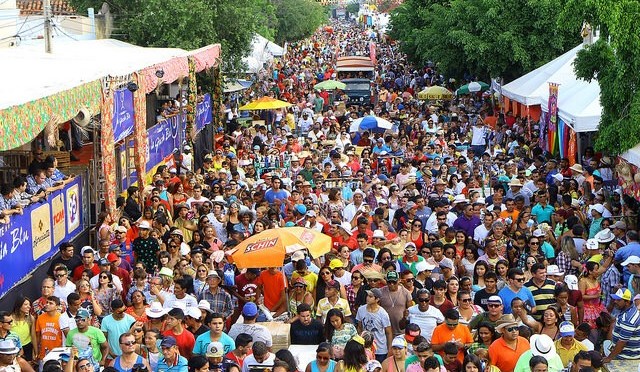


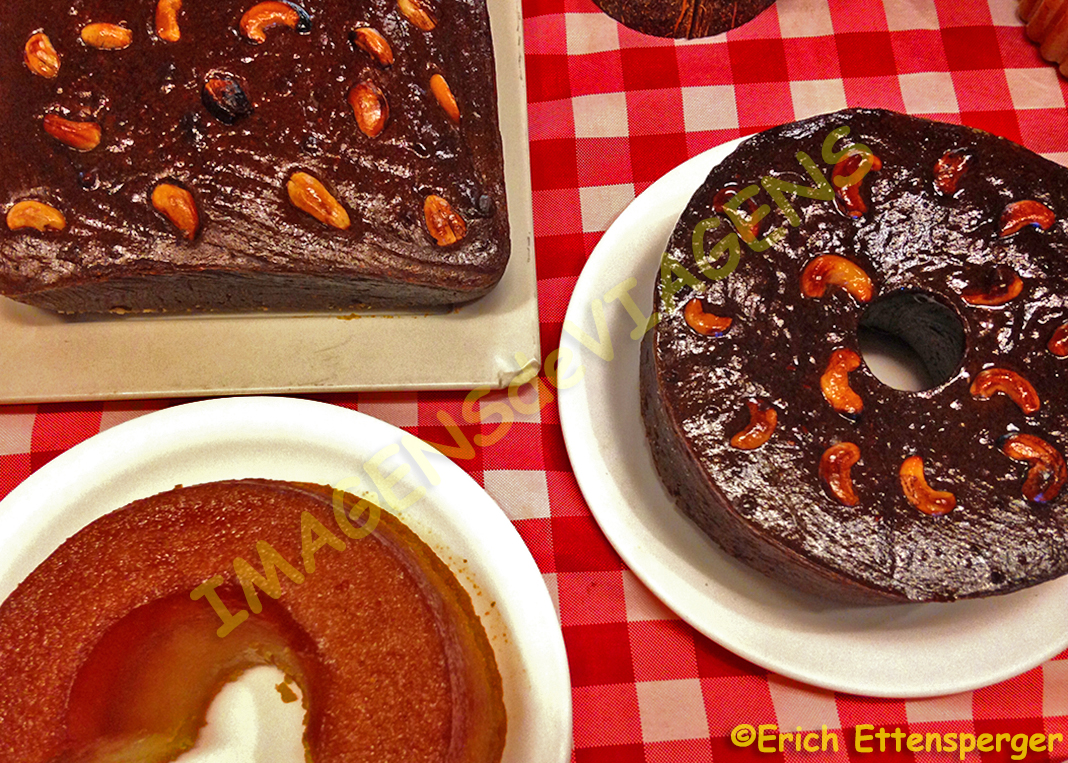


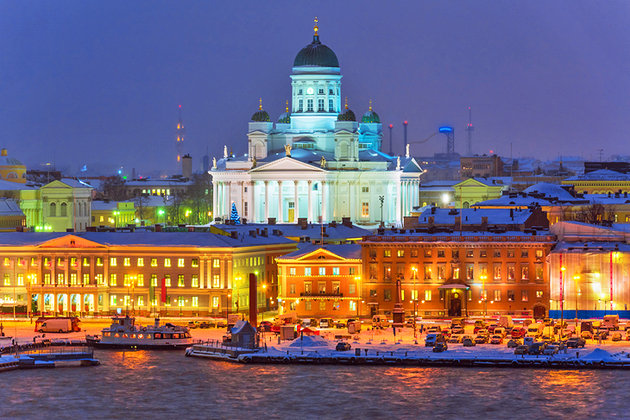


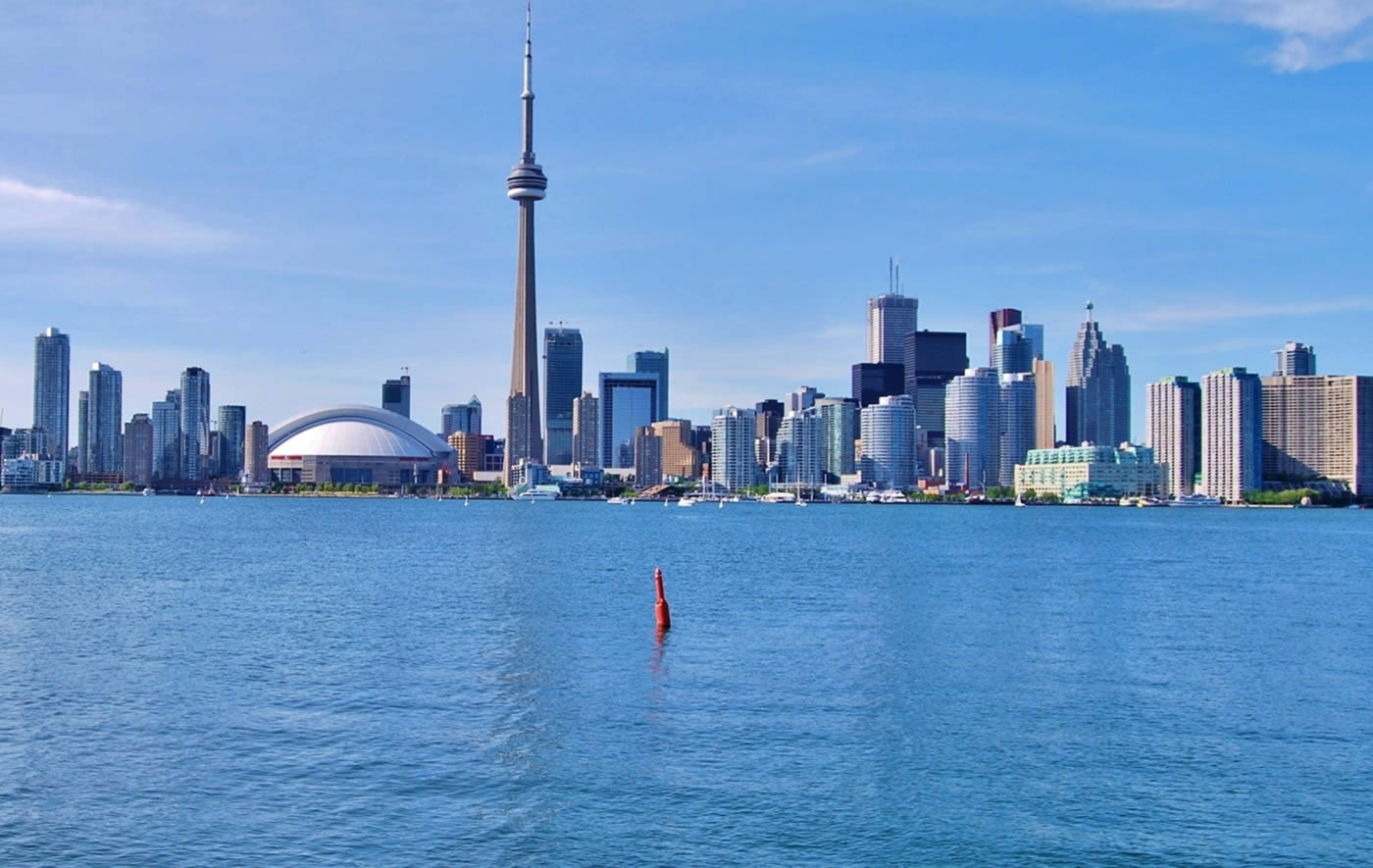


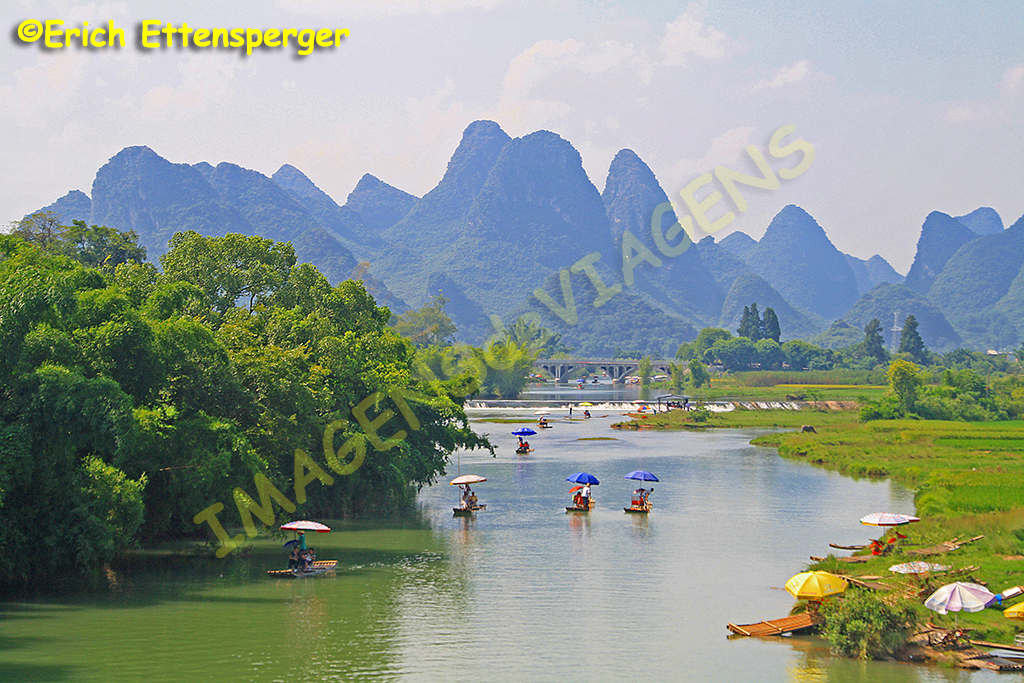

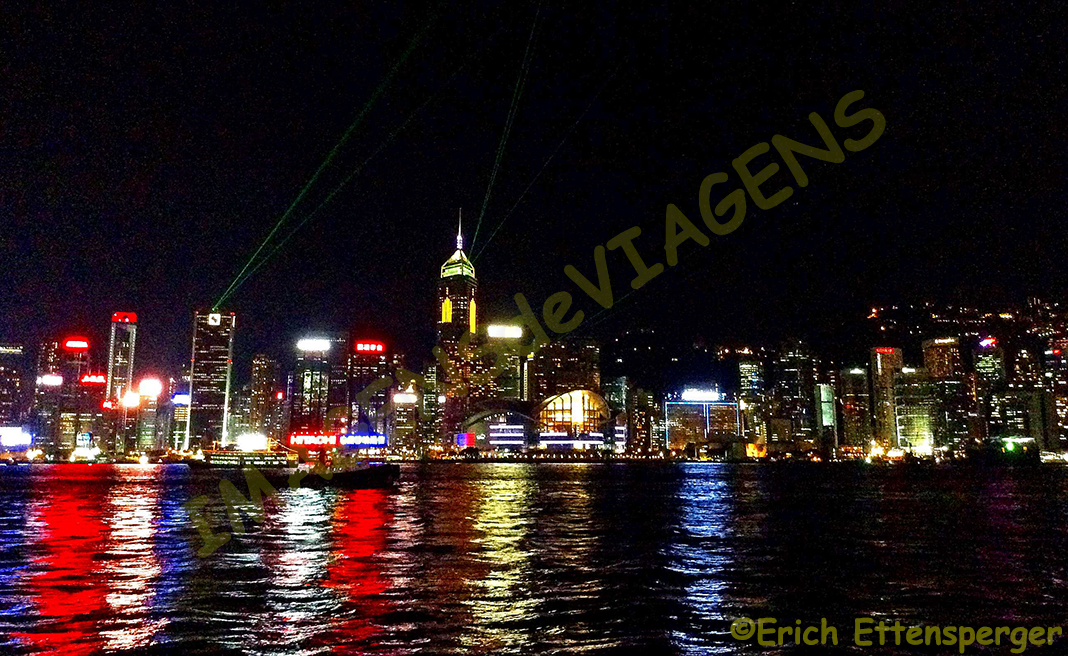
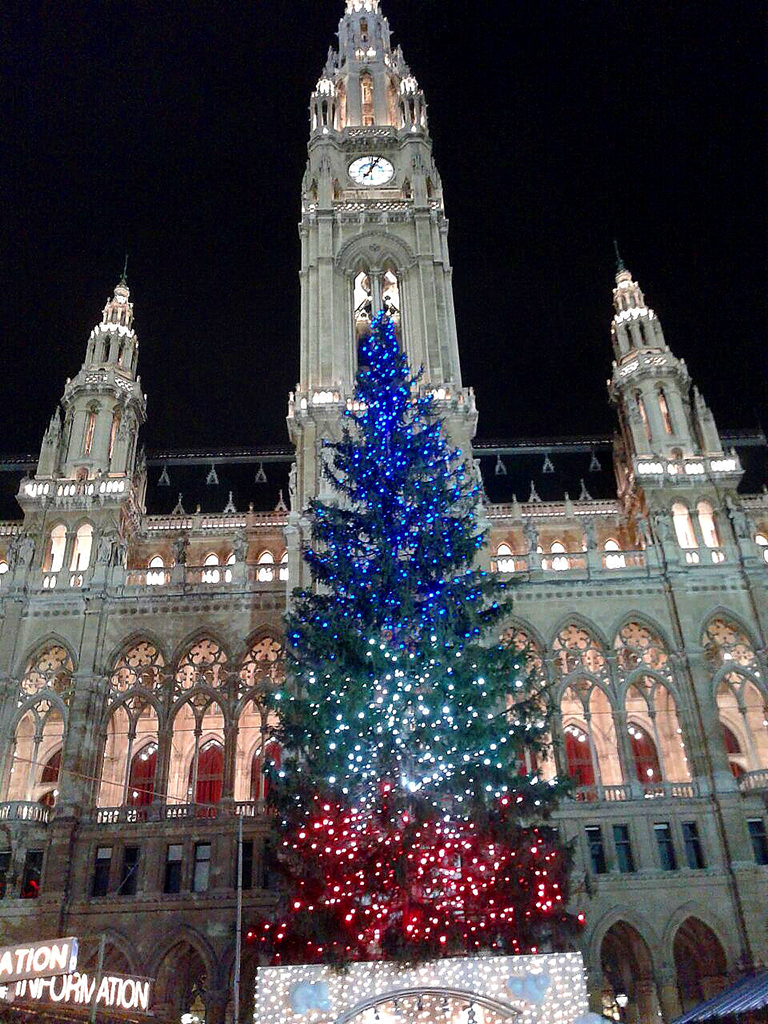
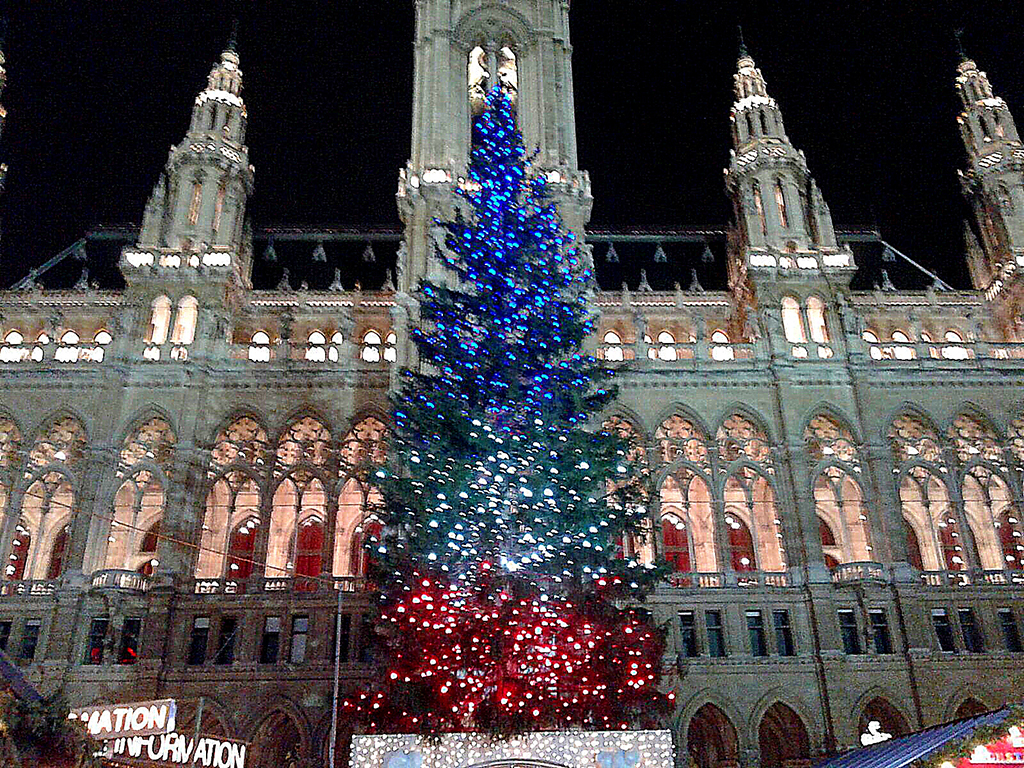

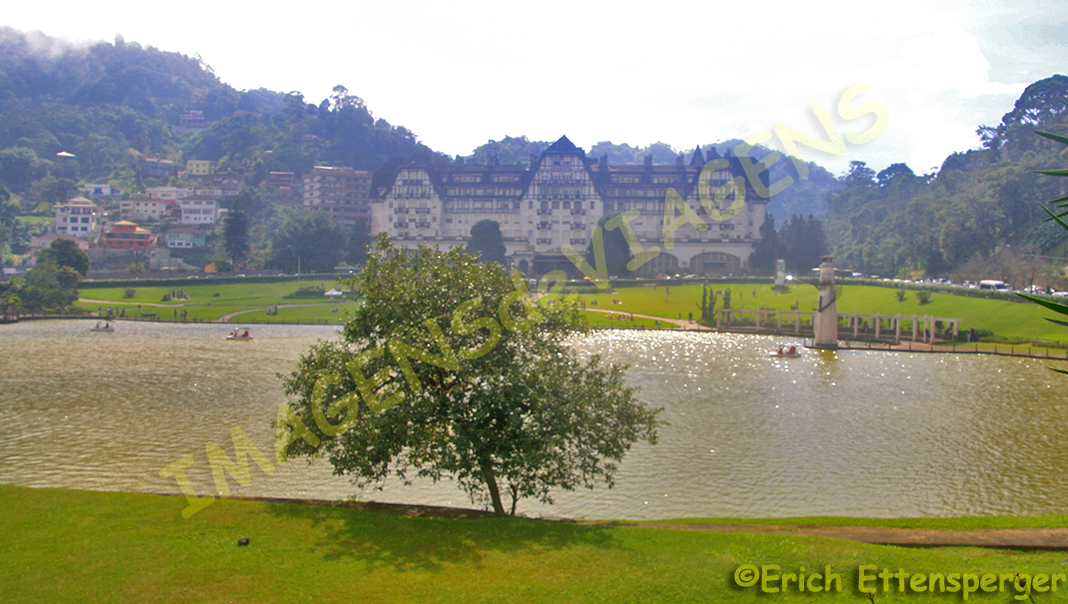


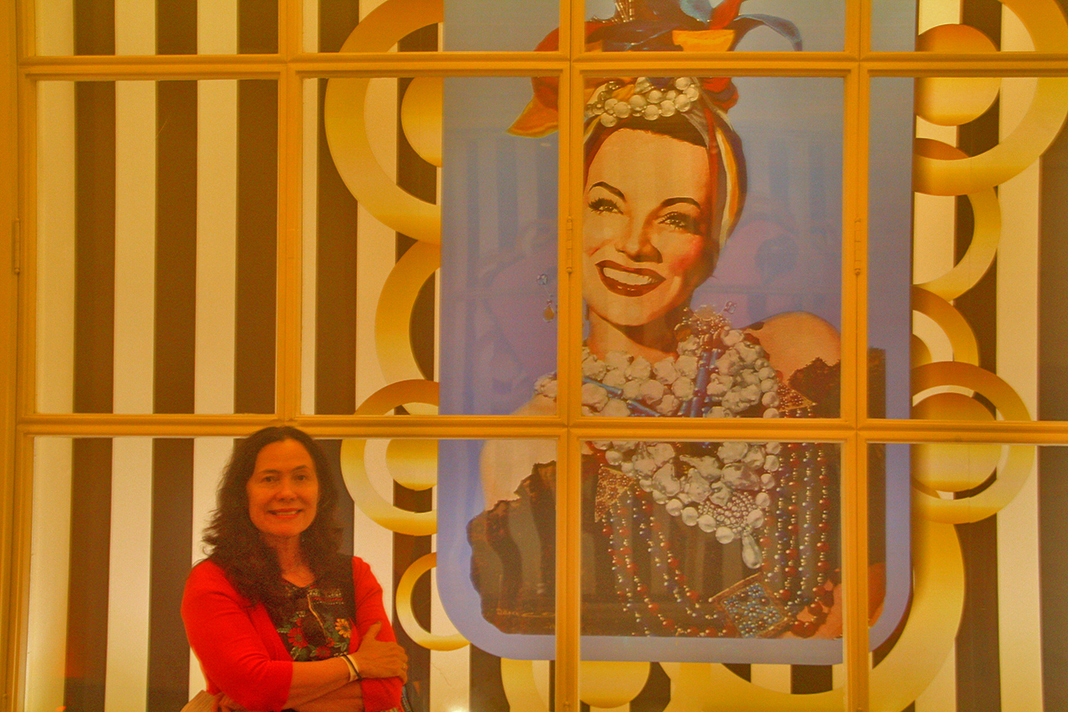

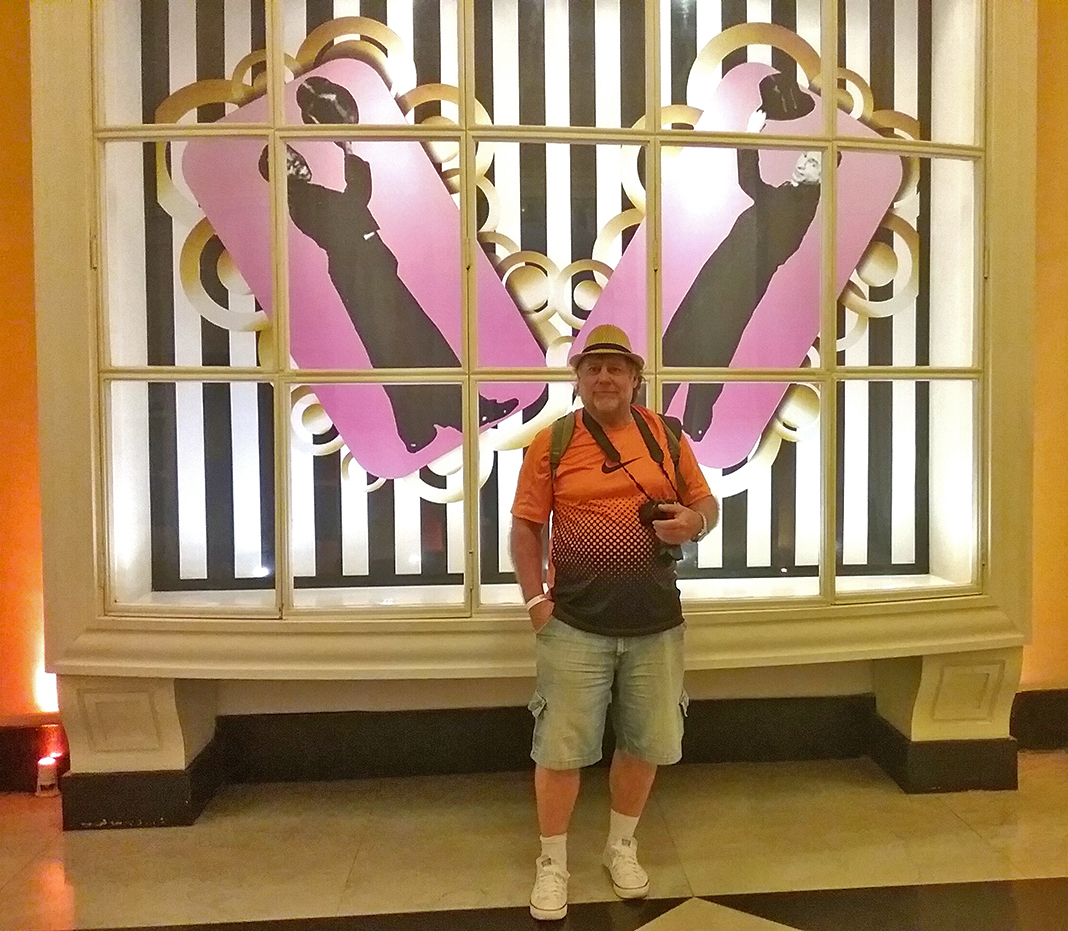
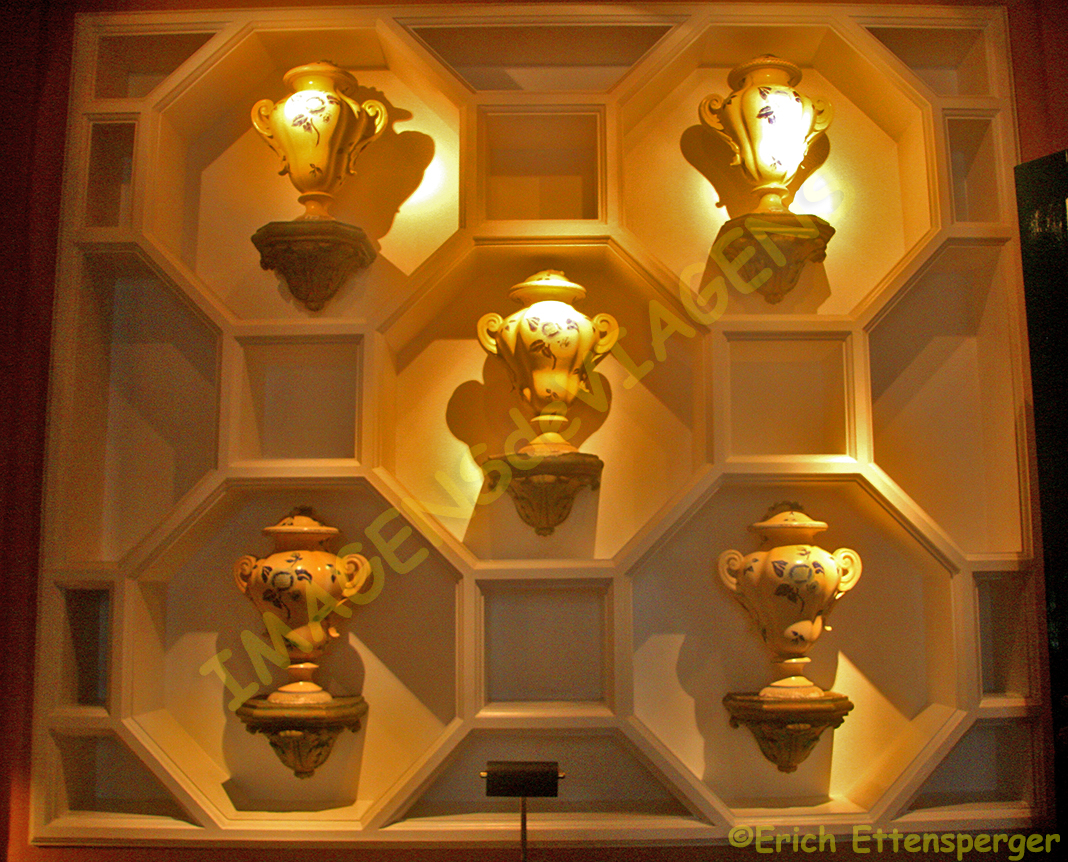
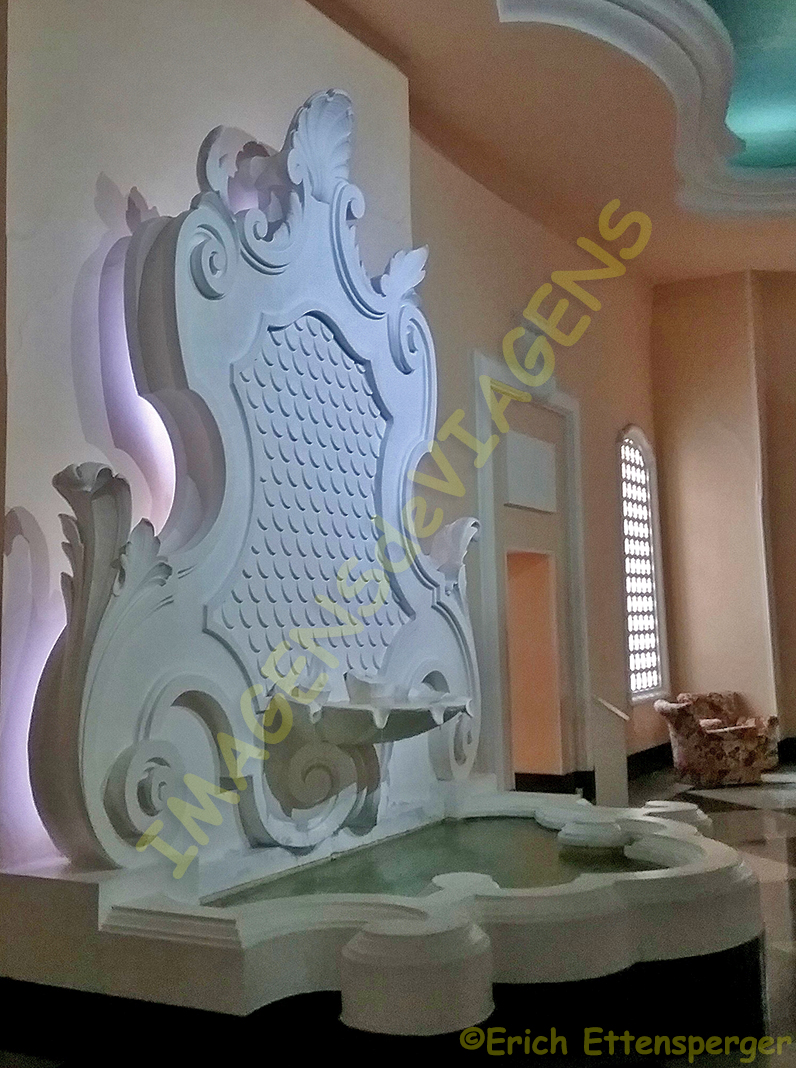


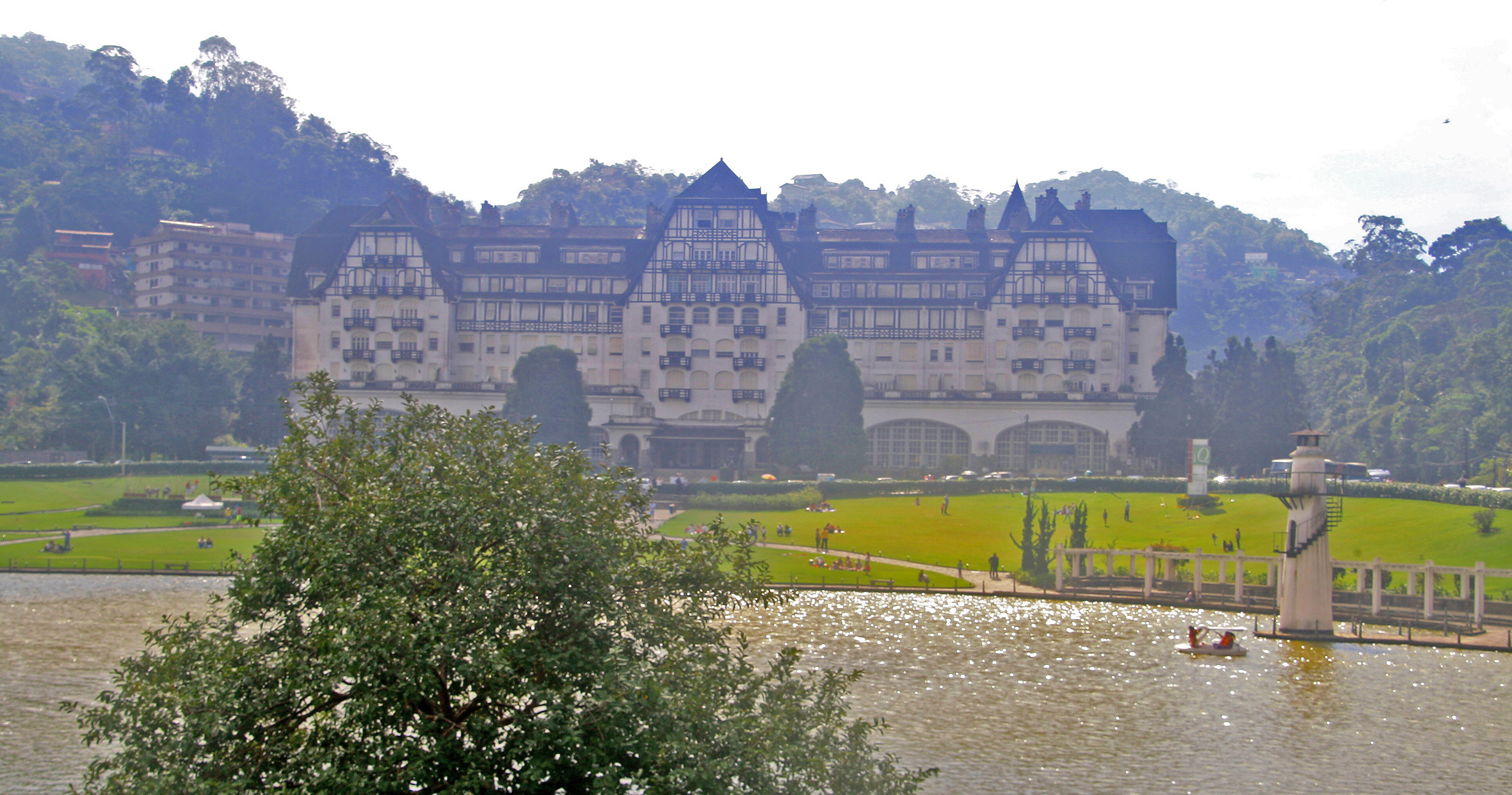
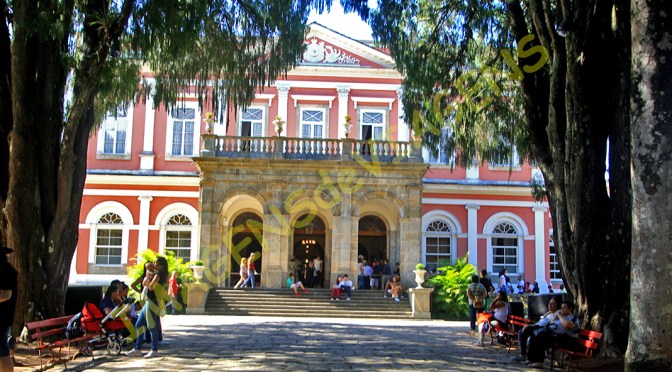
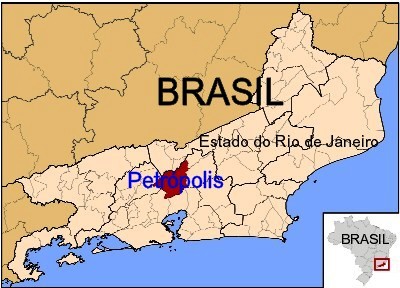
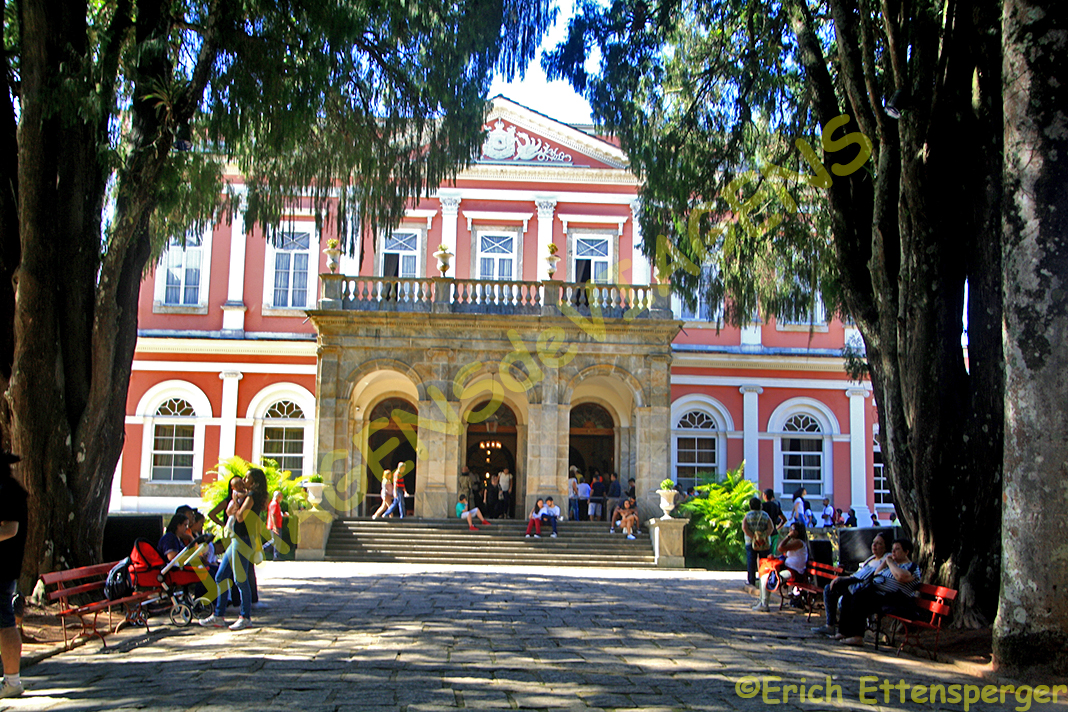

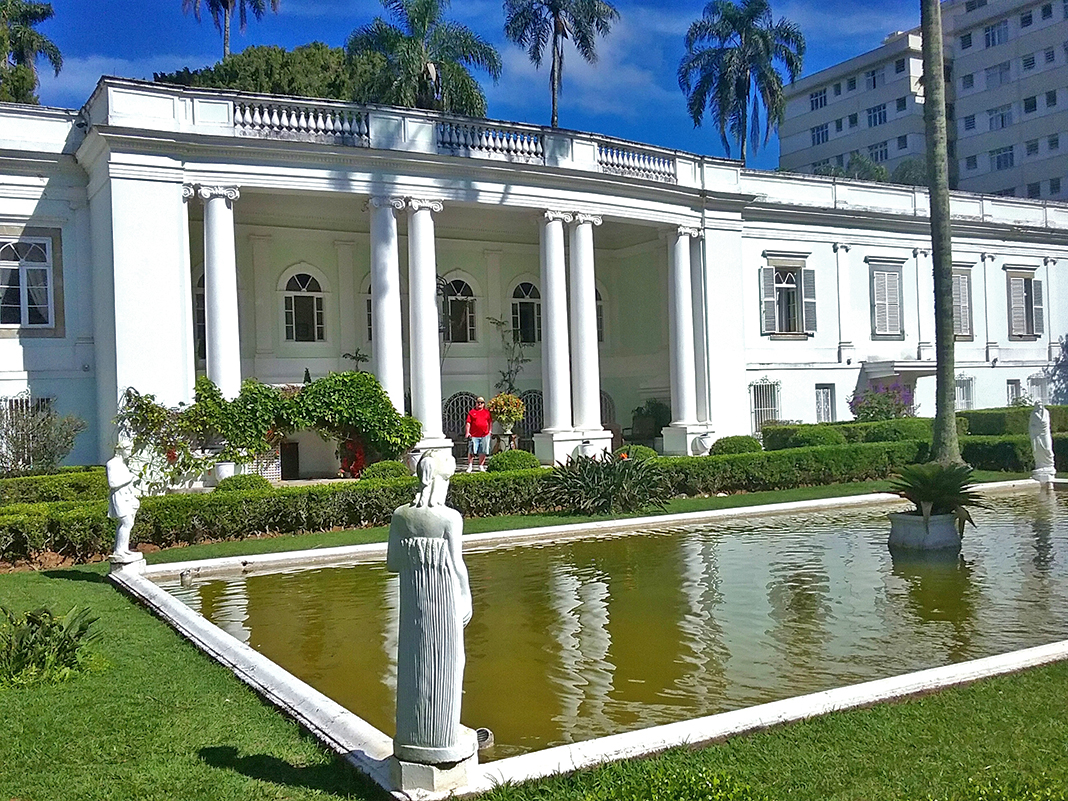

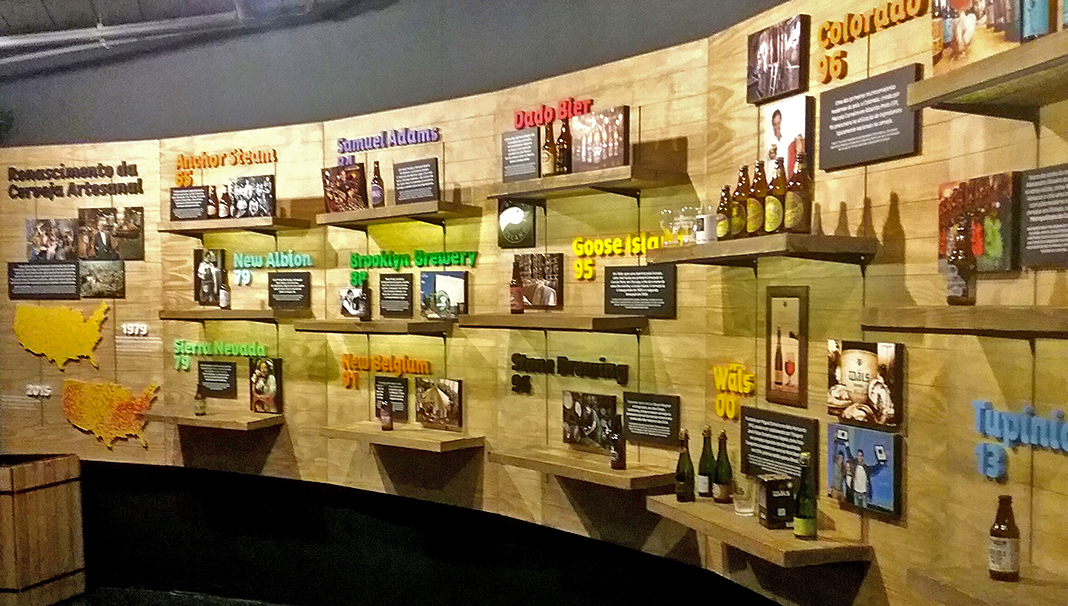
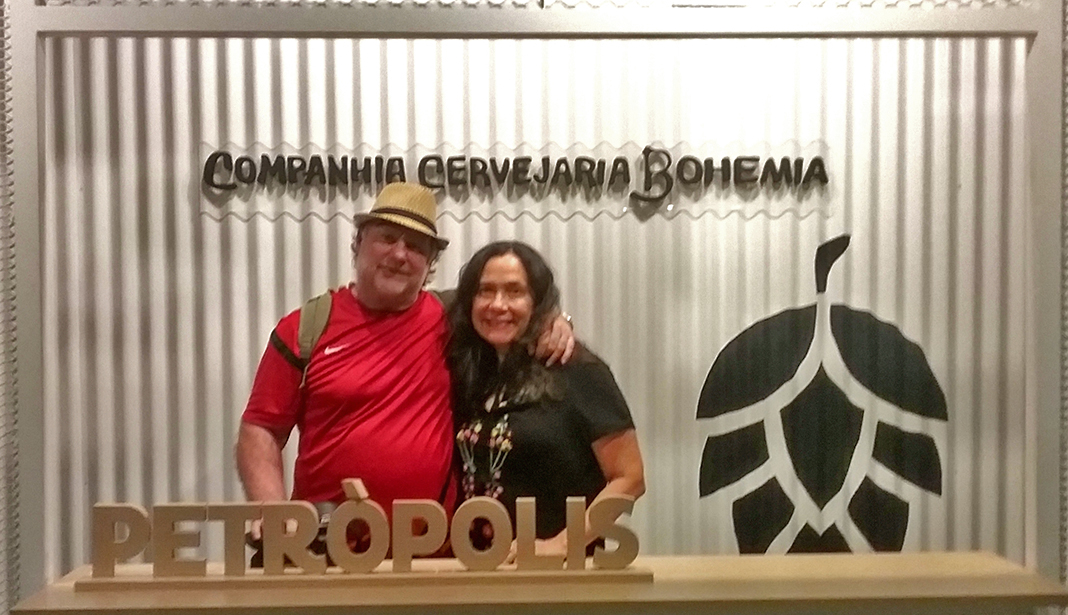

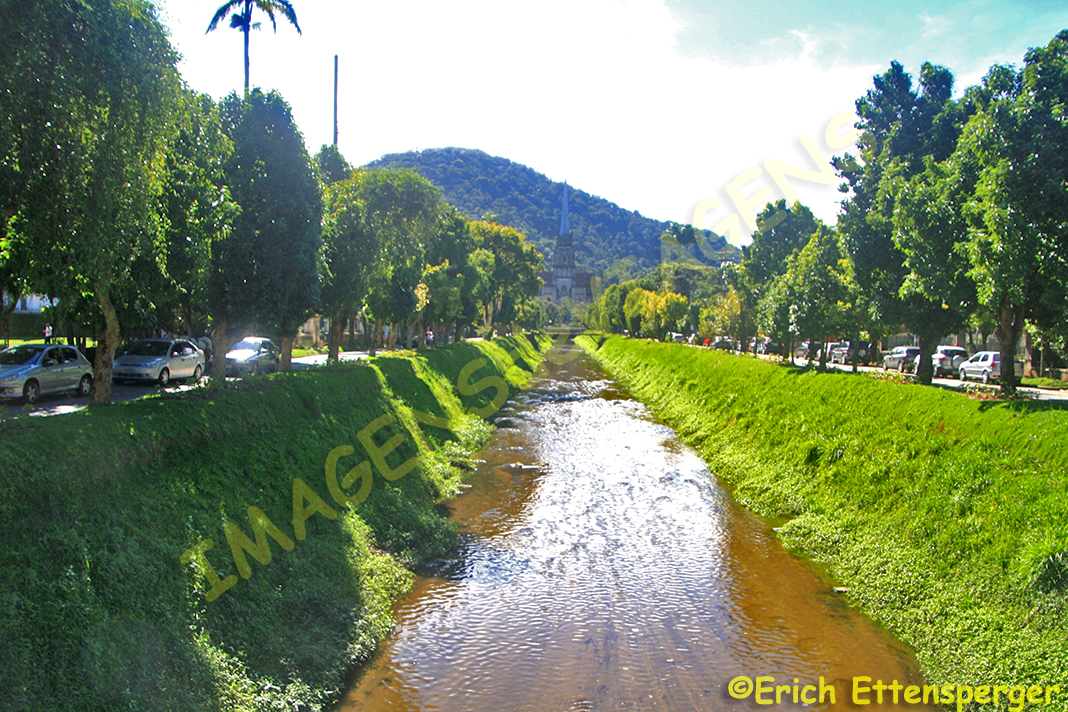
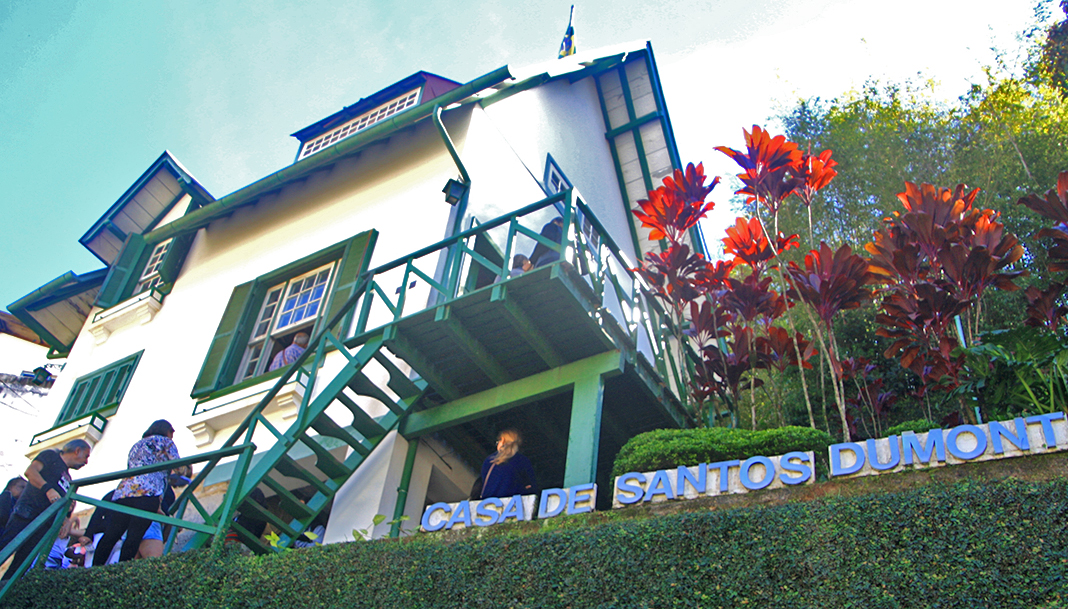

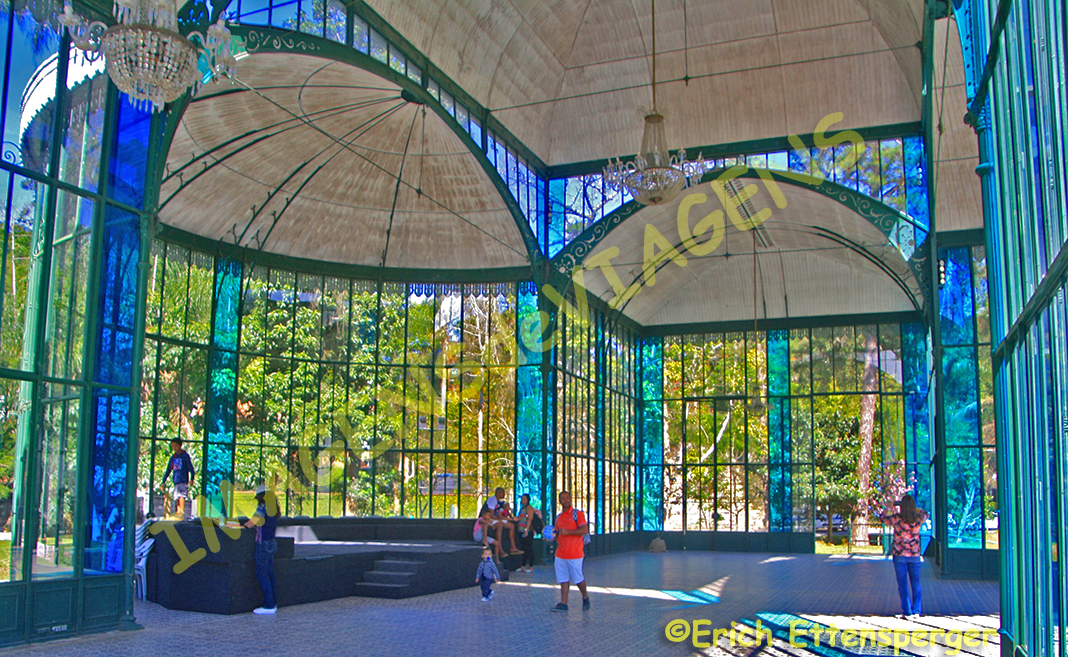
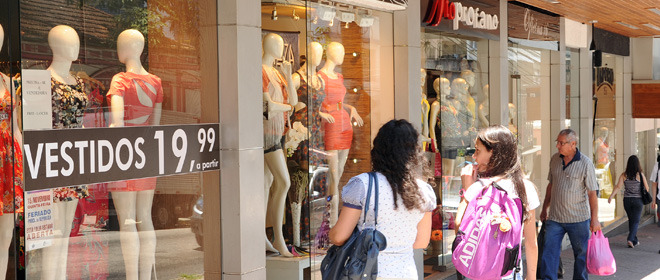

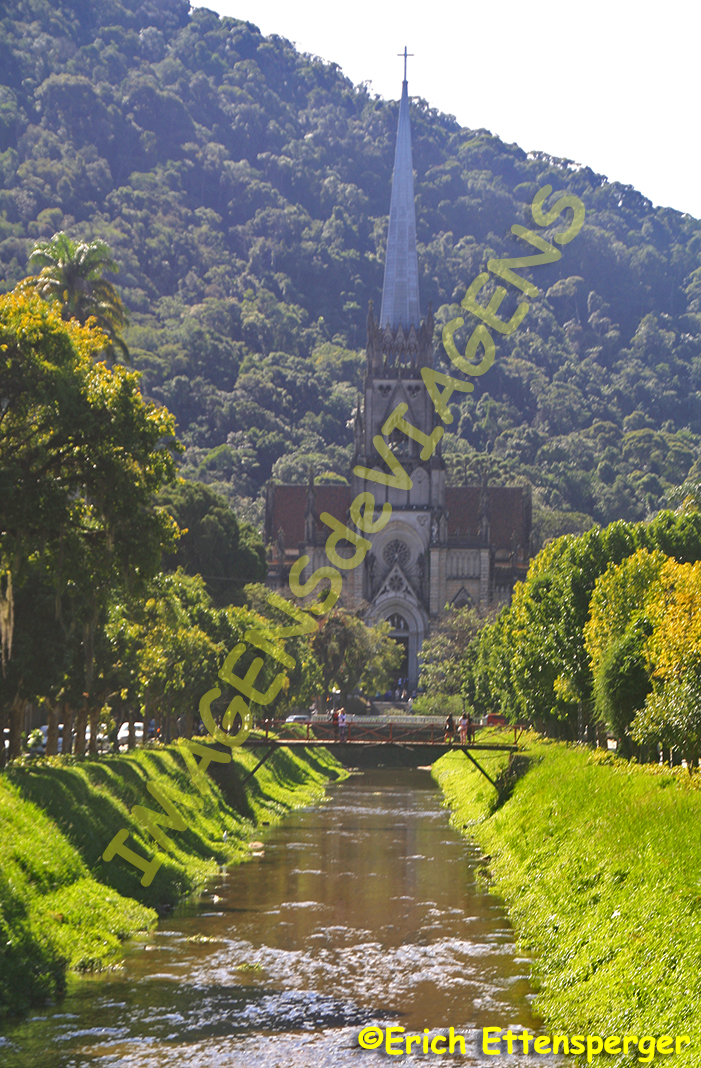
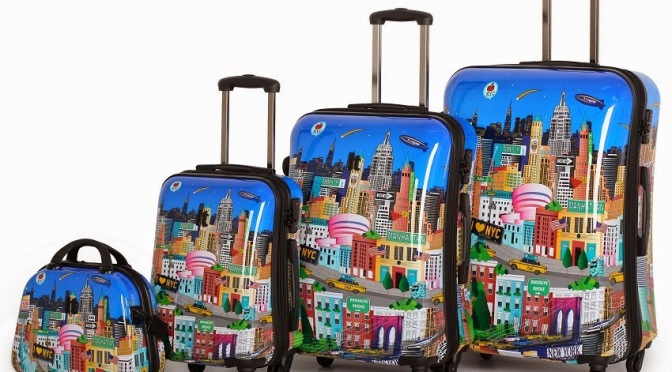
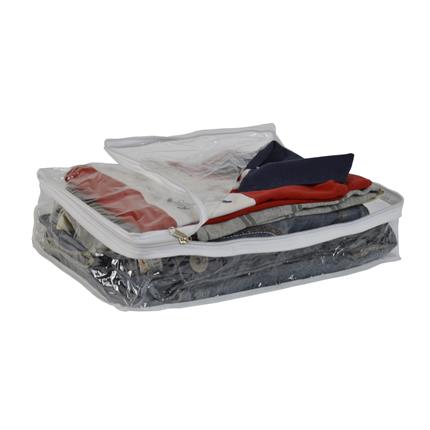
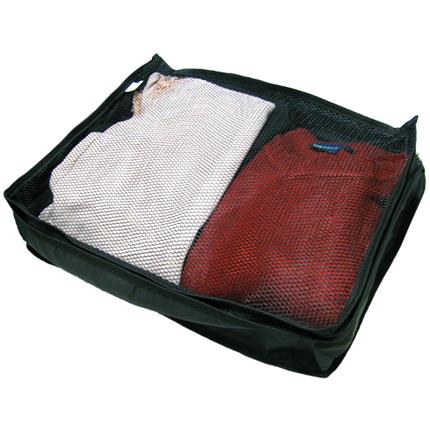




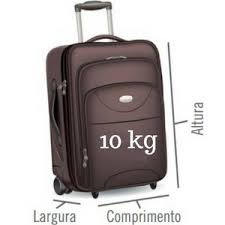

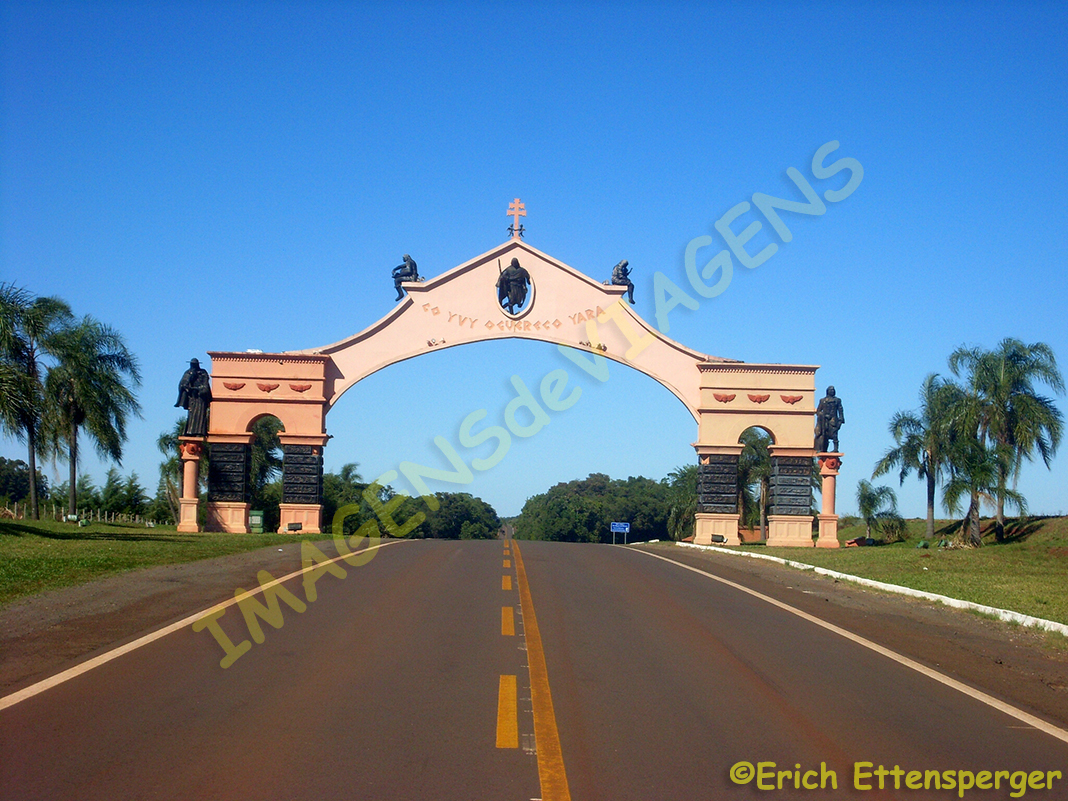
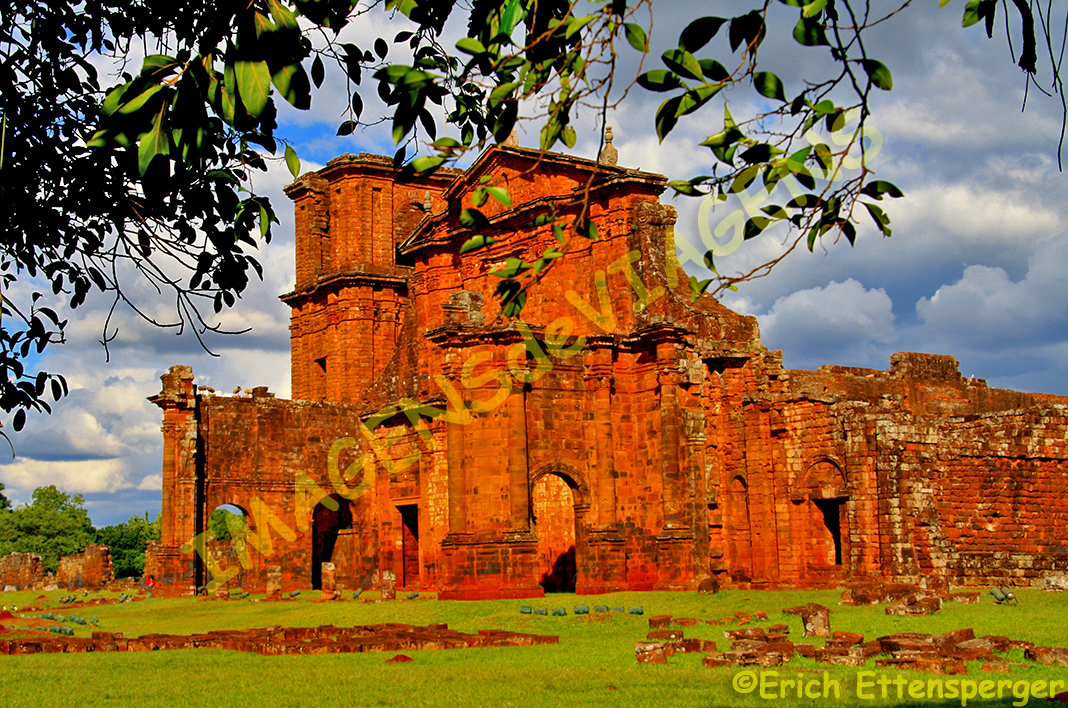


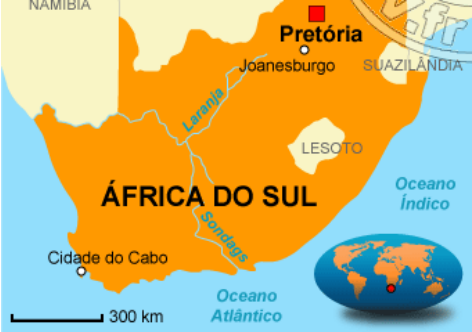


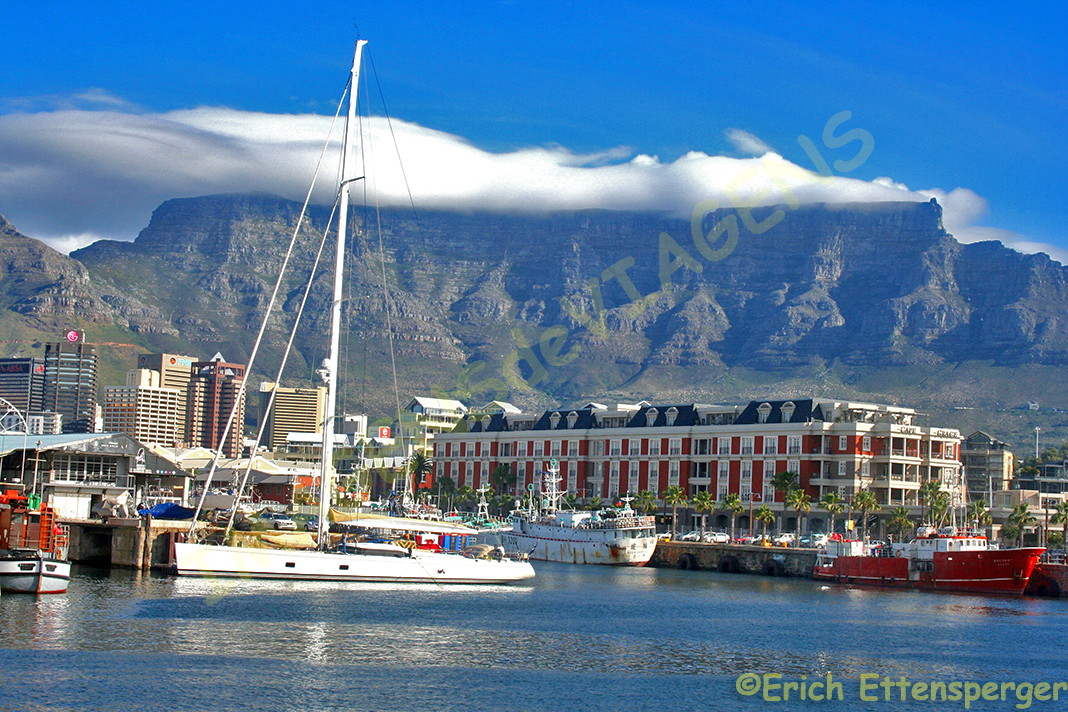


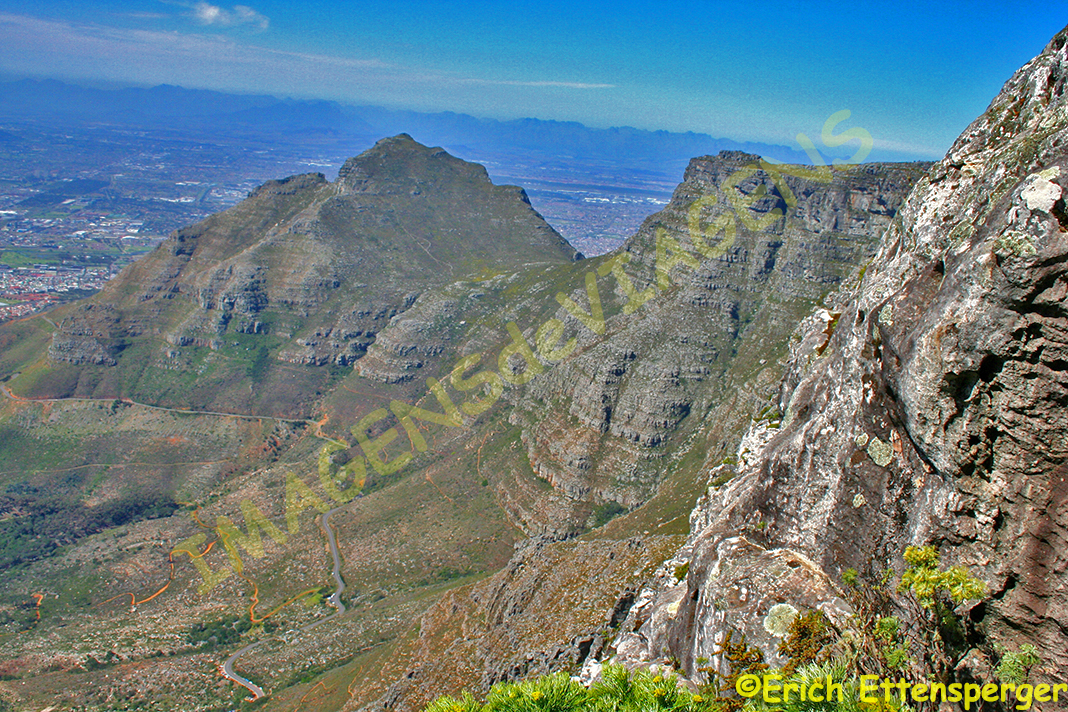
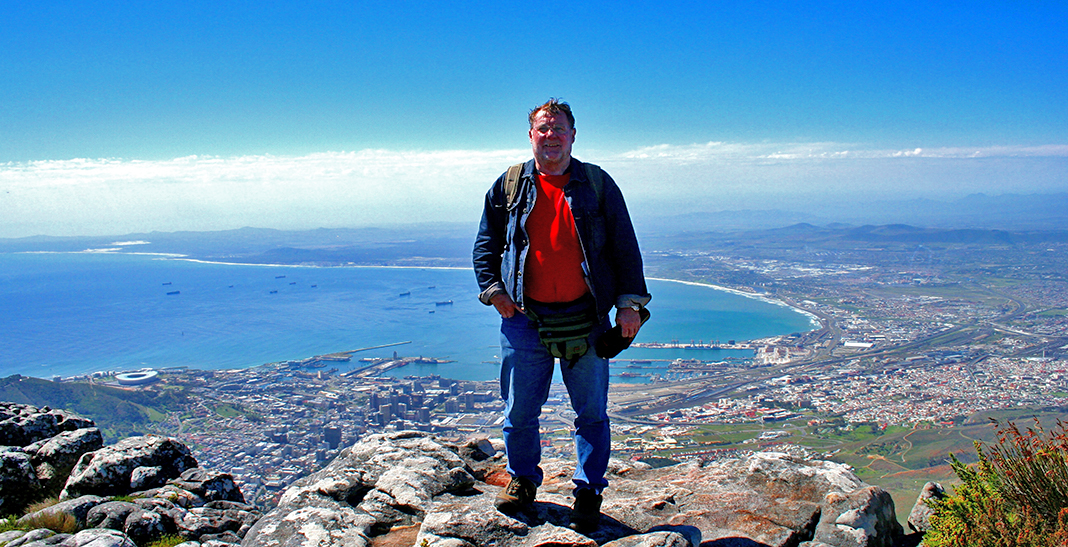

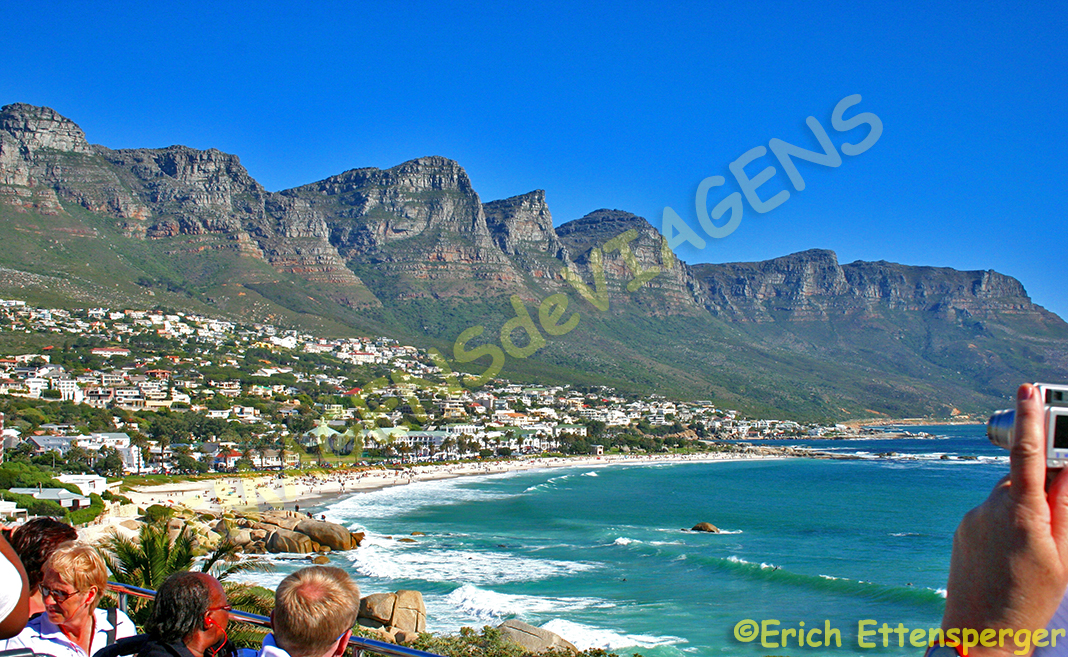
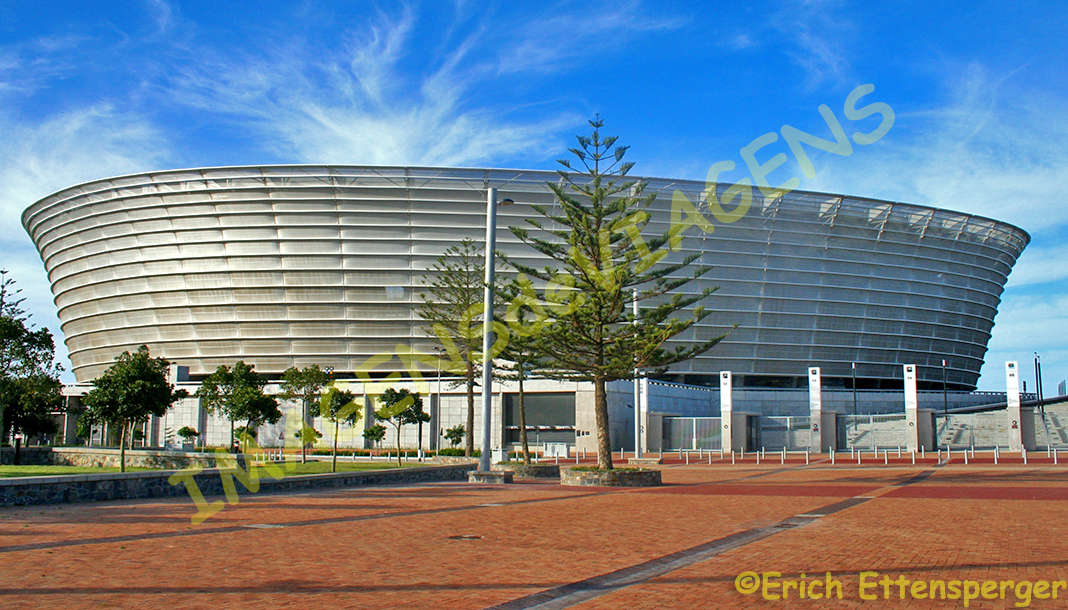

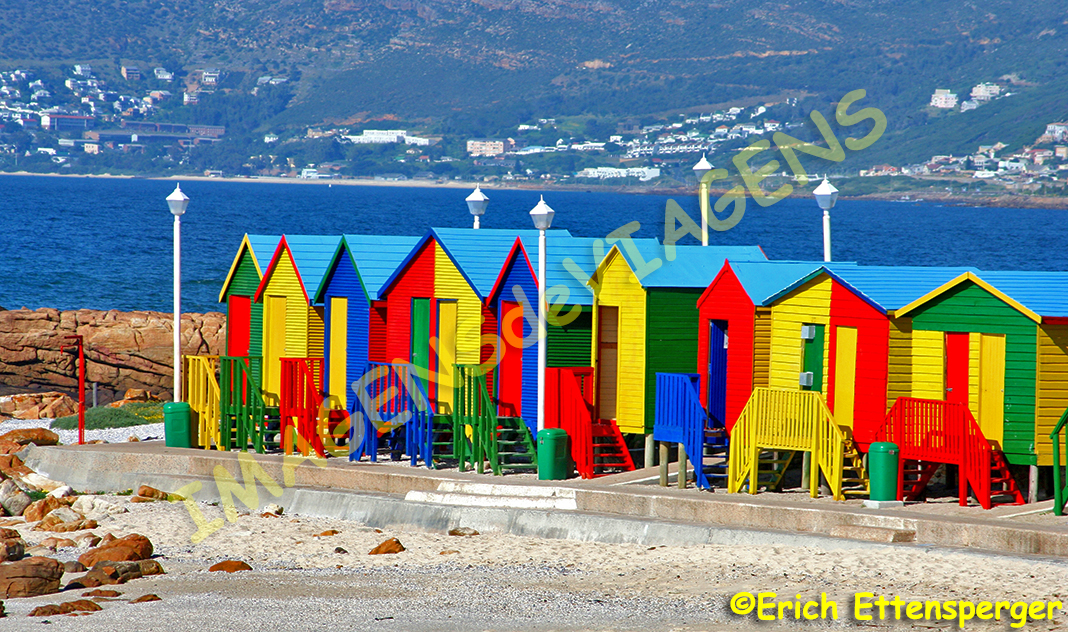

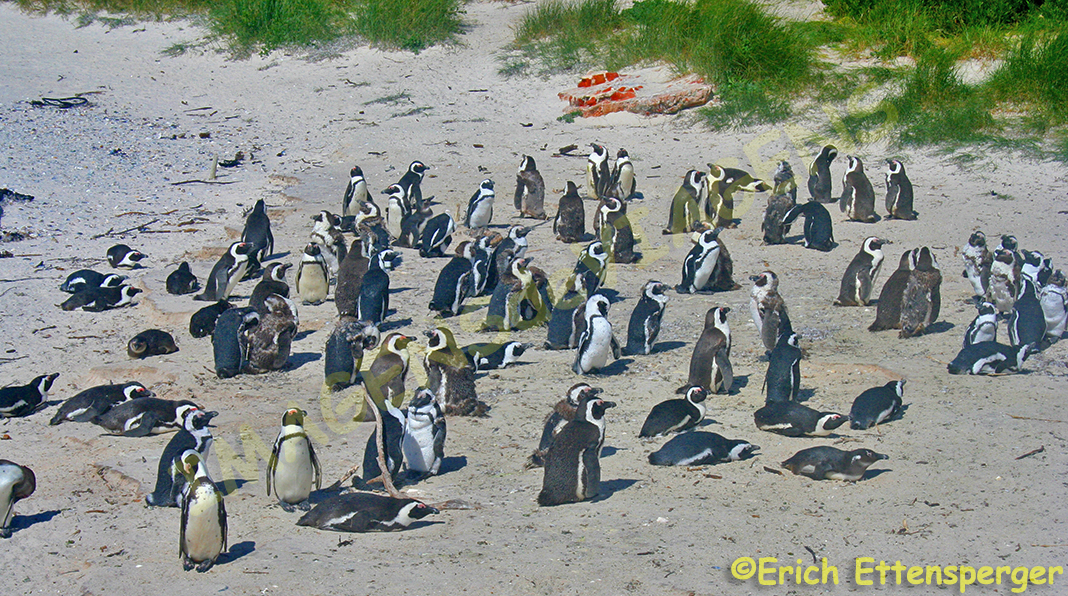

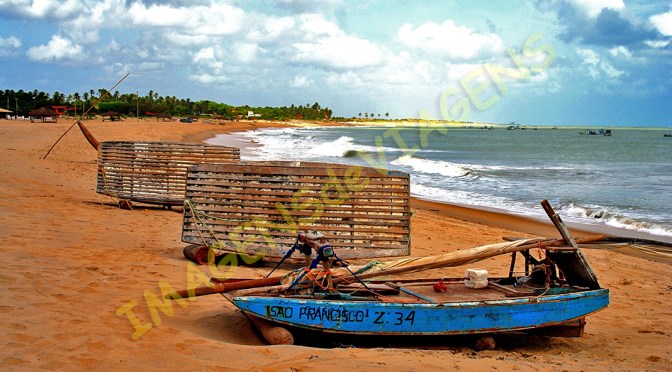


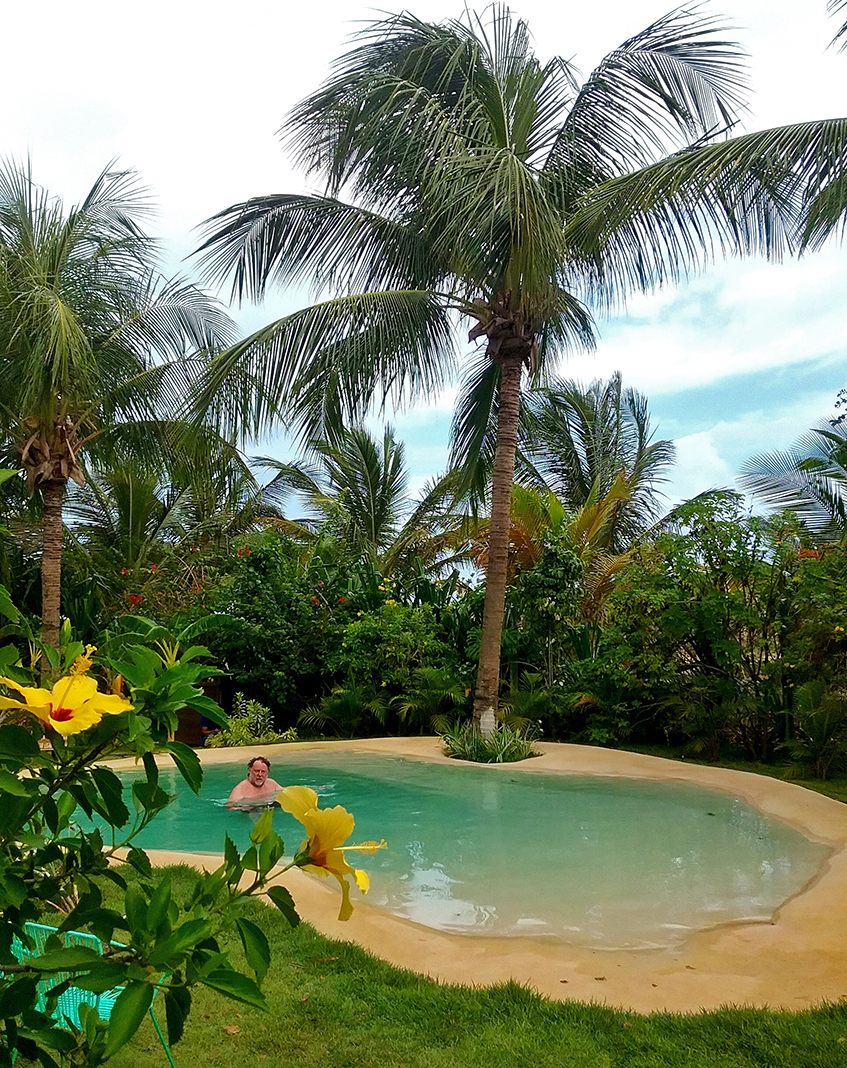

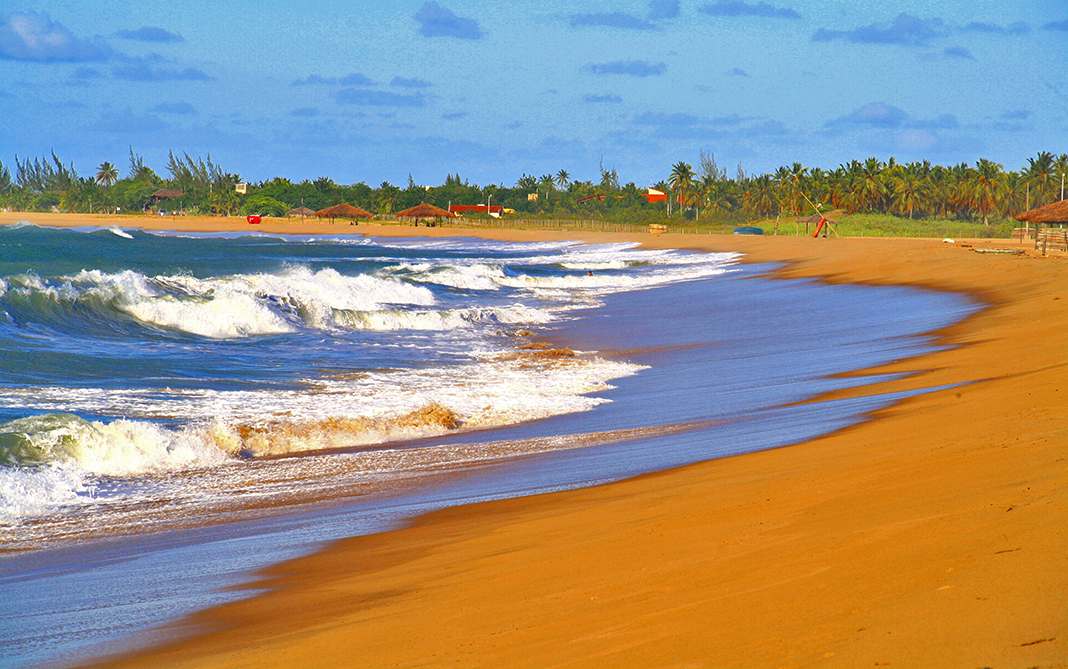


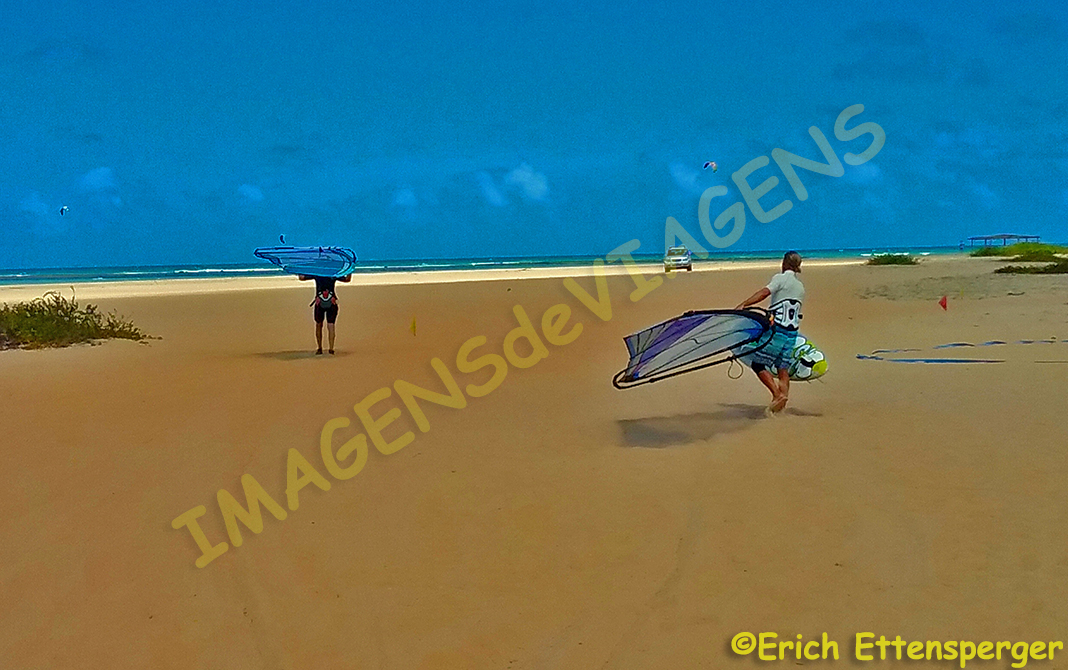



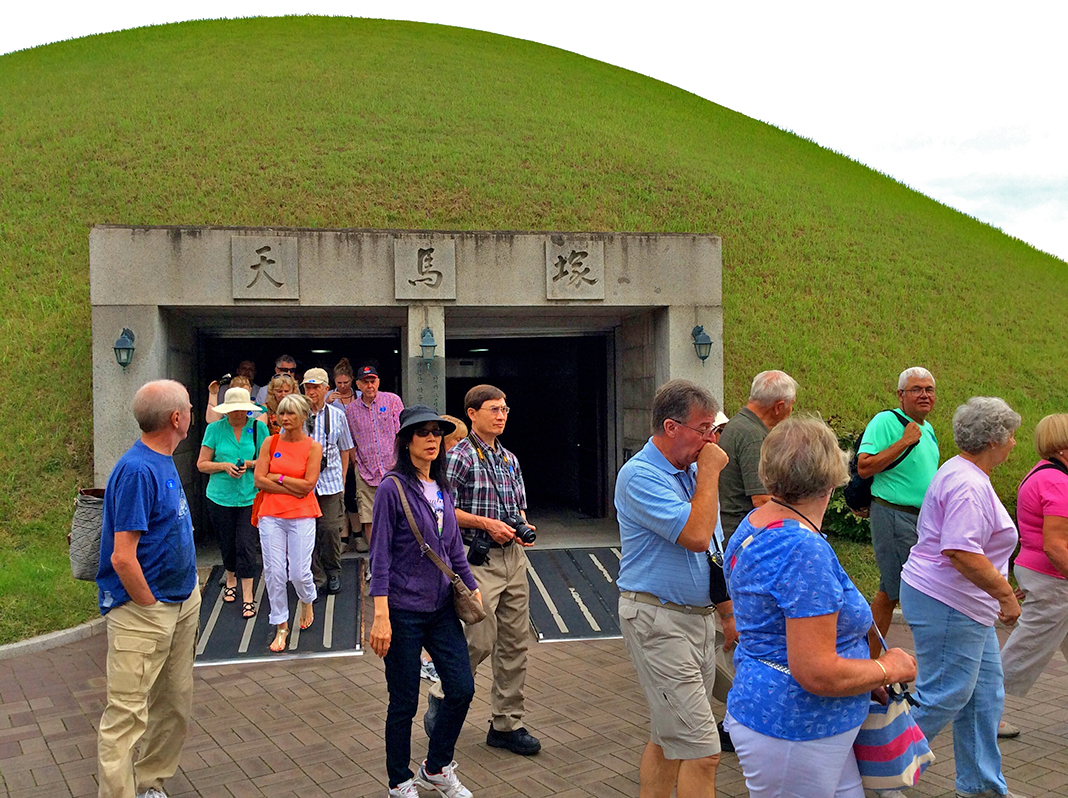


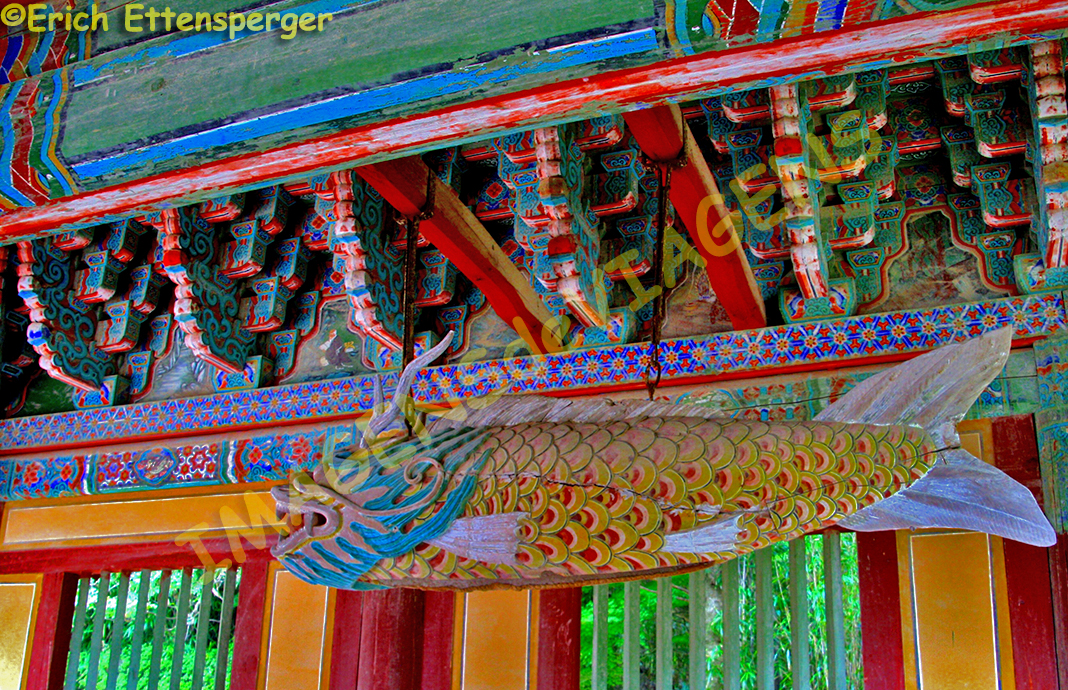


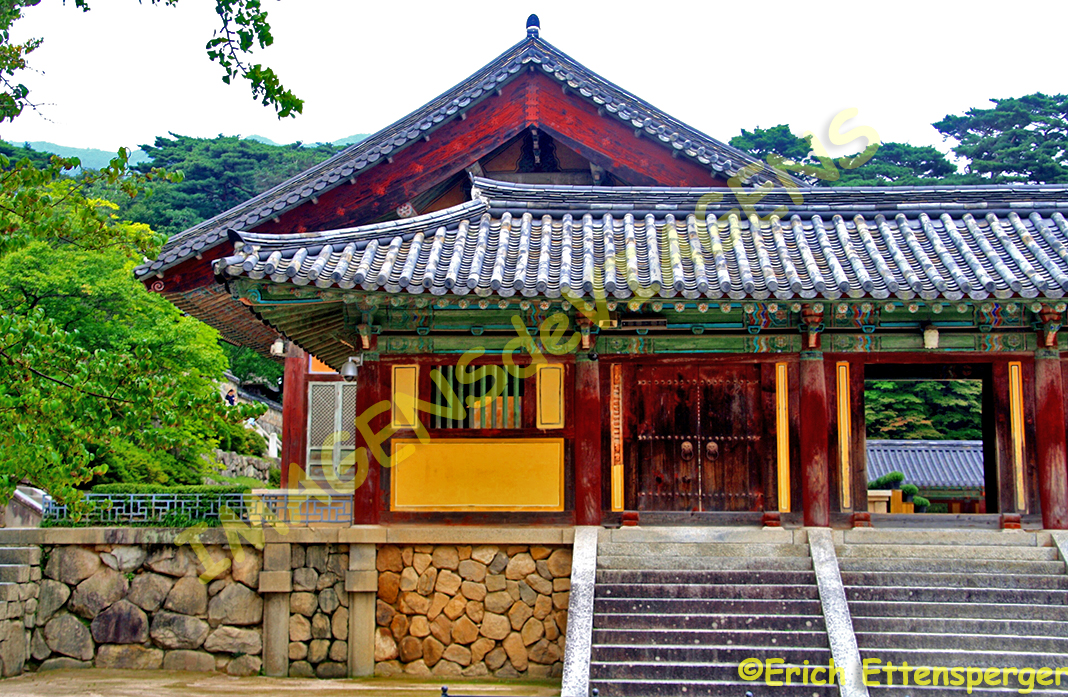


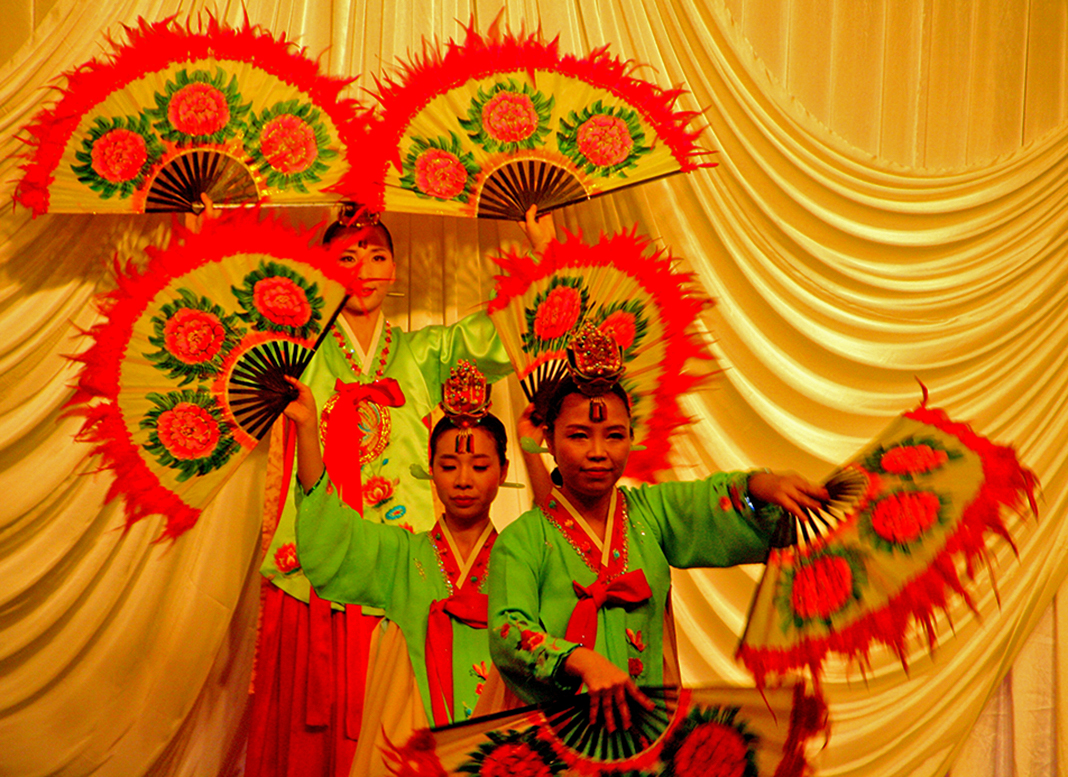
 imagenseviagens.com.br/travelandimages.com