Arquivo da categoria: Brasil

Posts sobre localidades no Brasil.

Caicó, lugar pitoresco e místico/Caico, ein malerischer und mystischer Ort/Caico, a picturesque and mystical place

Texto: Alan de Araújo Roque & Maria Socorro de Araújo Lopes


Alan é biólogo e Maria do Socorro é pedagoga, contadora de histórias, eles são caiocoenses.

Conhecida por ser uma cidade quente, de culinária marcante e pela hospitalidade de seus habitantes, Caicó é uma cidade de muitas paisagens, que surpreende e encanta até mesmo os mais atentos olhos.

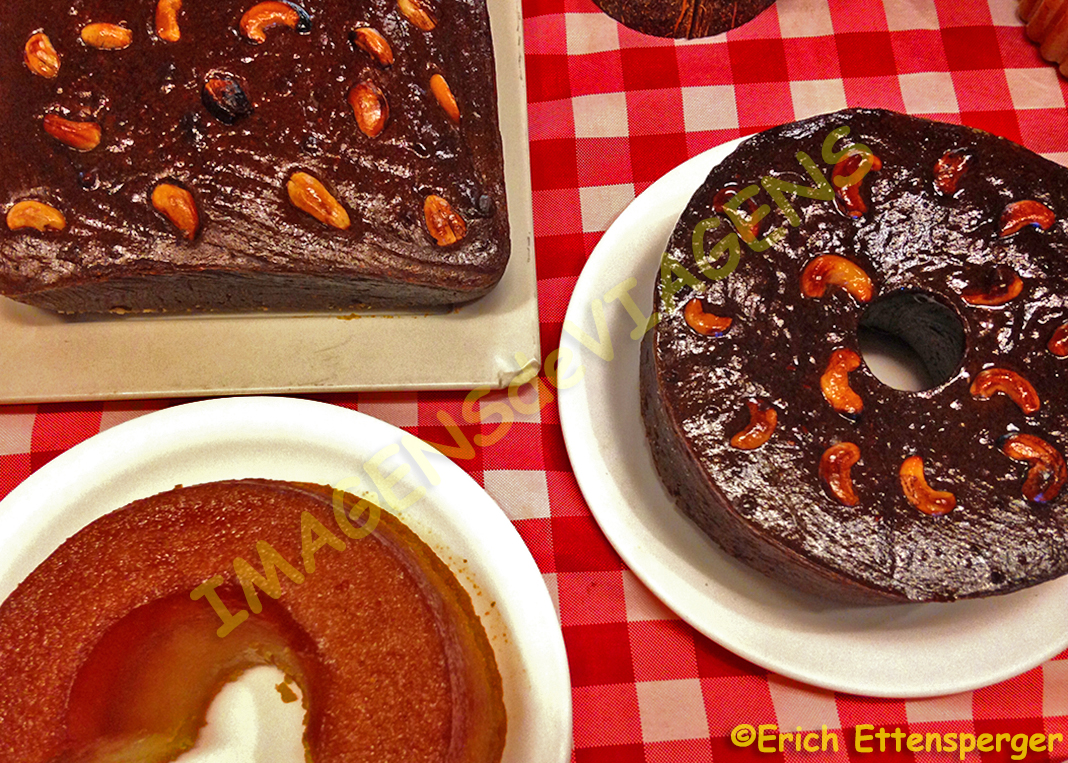
Delícias da cozinha regional/Delights der regionalen Küche/Delights of regional cuisine. Foto/photo: Erich Ettensperger

Saindo de Natal, distando 274 km e com aproximadamente 4 horas de viagem de carro, as estradas que levam até Caicó estão em boas condições.

Mapa de localização de Caicó no Rio Grande do Norte/Mapa de localização de Caicó kein Rio Grande do Norte/Location map for Caicó in Rio Grande do Norte

É possível admirar a beleza da vegetação de caatinga pela janela do carro em sua paisagem desoladora porém forte, seca mas cheia de vida. Galhos retorcidos de uma vegetação que sofre com a falta de chuva, casas de fazenda seculares com uma arquitetura singular, diversos cactos. Tudo isso associada a um clima bucólico praticamente desprovido da inquietude das cidades grandes.

A beleza da caatinga/Die Schönheit der Savanne/The beauty of the caatinga.Foto/photo: Erich Ettensperger

Caicó, cidade conhecida e cantada em versos, lembrada em poesias. Tão arcaico quanto o ar que respiramos, imortalizada na voz do cantor Chico César. Terra de lendas, mitos e causos, impregnados no imaginário riquíssimo de sua população de pouco mais de 67 mil habitantes.

Vista da cidade. Foto: Jorge Luiz de Araújo

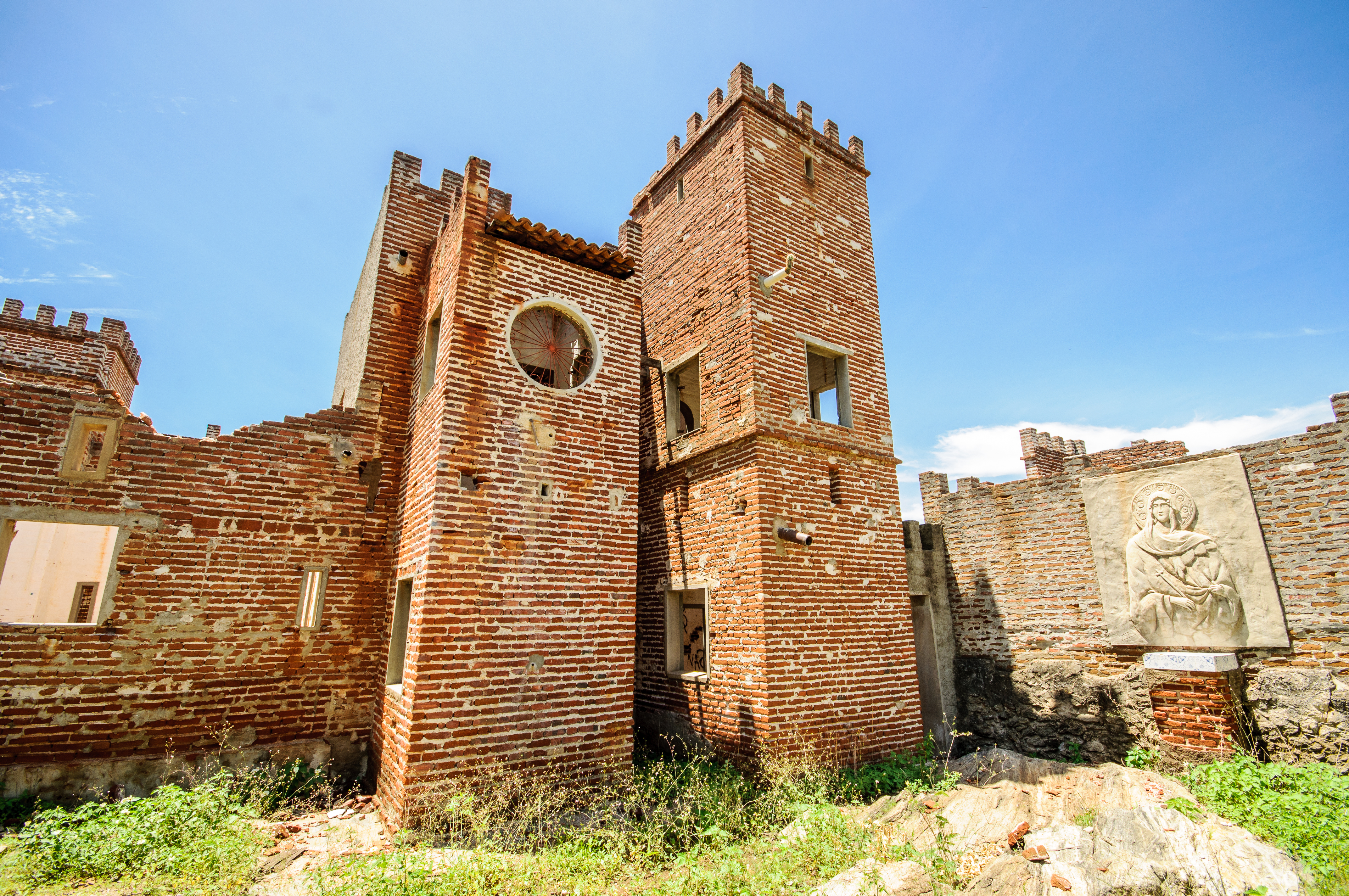
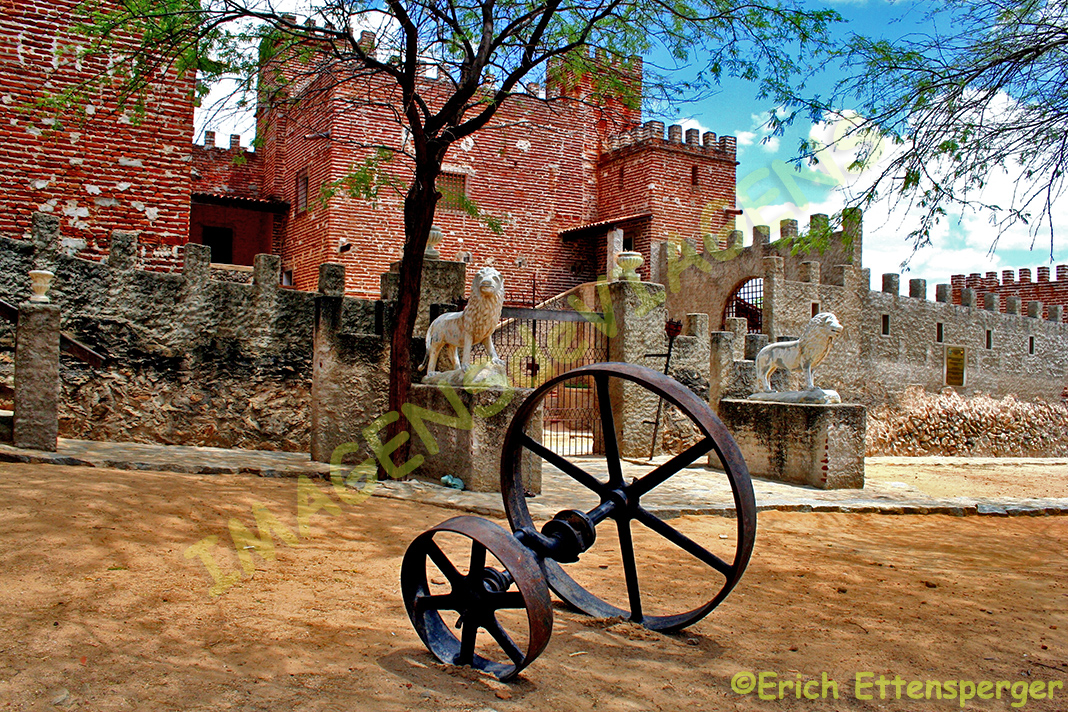
A cidade oferece encantos escondidos em paisagens sertanejas: o Forte do Cuó, importante palco de nossa história; o Poço de Santana e a lenda do vaqueiro; a Casa de Pedra onde a cidade começou a existir; as ruínas do fabuloso Castelo de Engady;

Castelo de Engady. Foto: Jorge Luiz de Araújo
Castelo de Engady/Schloss Engady/Engady Castle. Foto: Erich Ettensperger

o silêncio do Erimitério de São Sabas, o Arco do Triunfo como sendo o seu principal cartão postal e a imponente arquitetura dos casarões da Avenida Seridó. Lugares que proporcionam aos visitantes uma viagem ao tempo, ou quem sabe, a uma paisagem digna de um bom filme.

Arco do Triunfo. Foto: Jorge Luiz de Araújo

É a terra de um dos maiores carnavais do nordeste, do Bloco do Magão, das burrinhas-de-padre, de muita folia, algazarra e uma alegria sem motivo aparente.

Caicó tem de tudo: uma feira livre multicolorida, esbanjando os frutos da terra, raízes e ervas medicinais e todo tipo de cacareco multiuso que se possa imaginar. A carne de sol como destaque nacional, os queijos com um sabor inigualável, a manteiga da terra, as tapiocas, e os principais pratos regionais: arroz de leite, paçoca, feijão com torresmo, canjica, galinha caipira, coalhada, filhós com mel rapadura… Deixam qualquer um com água na boca.

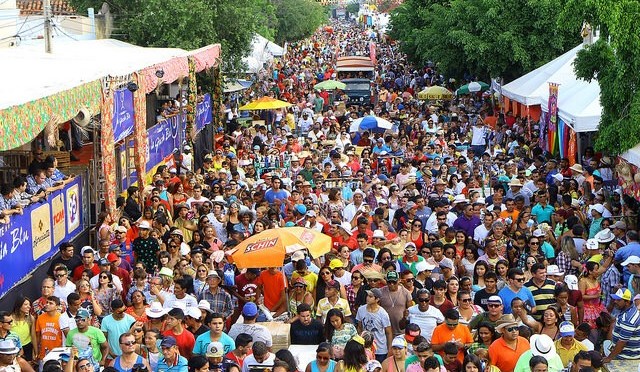
O sertão do Seridó tem devoção fervorosa a Nossa Senhora de Santana, uma fé contagiante e de uma beleza sem igual. Durante todo mês de Julho os caicoenses comemoram as graças e proteção dadas pela sua padroeira e toda a cidade se enfeita para a época mais memorável do ano: A Festa de Santana. A cidade recebe pessoas de todas as regiões. Sempre há lugar para mais um. É tempo de muita fé e uma multidão de fiéis percorrem os principais bairros da cidade levando a imagem da padroeira em uma grande procissão, abençoando os lares e seus habitantes. Um momento sem igual e de muita emoção. É também quando o homem do campo vem até a cidade, desfilar em cavalos, burros, tratores e caminhonetes. Mostrando a todos a dignidade de seu trabalho e quão é grande o orgulho de ser sertanejo.

Nossa Senhora de Santana/Unsere Liebe Frau von Santana/Our Lady of Santana. Foto: Erich Ettensperger

A Festa de Santana é ainda uma enorme celebração. O baile dos coroas esbanjando toda elegância e tradição é esperado o ano todo. As melhores costureiras de Caicó ficam encarregadas de produzirem os vestidos que irão abrilhantar a noite. Noite essa onde se pode reviver os bailes de outrora e dançar ao som de orquestras. Existem ainda as festas de rua, os inúmeros parques de diversão para as crianças e a tradicional feirinha de Santana- ponto máximo das comemorações, onde é possível encontrar os velhos amigos e comer as melhores comidas regionais.

O calor humano e o sorriso largo de seus habitantes atraem gente de todos os cantos, tão grande é o encanto de sua gente simples e dedicada. Terra de grandes poetas, músicos e contadores de histórias.

Vale à pena, colocar no roteiro de viagem a cidade de Caicó – RN.  Sem sombra de dúvidas não há como não se apaixonar por um lugar tão pitoresco e místico.

Se quiser conhecer a programação da Festa de Santana, clique aqui.

Observação: se você quiser continuar “viajando” com o nosso blog, clique no botão “seguir” localizado no canto inferior direito dessa página. Você receberá um email com um link para confirmar a assinatura desse blog (não paga nada). Quando clicar no link, você será direcionado para uma página em inglês (essa página explica o procedimento no caso de você desejar um dia parar de seguir o blog). A partir daí, você já está “seguindo” o blog.

Caico, ein malerischer und mystischer Ort


Text: Alan Roque Araújo & Maria Socorro de Araújo Lopes

Alan ist Biologe und Maria do Socorro ist Pädagogin,     Erzählerin von Geschichten, sie sind beide aus Caico

Bekannt dafür eine heiße Stadt zu sein, die bemerkenswerte Küche und die Gastfreundschaft seiner Bewohner, ist Caico eine Stadt mit vielen Landschaften, die überrascht und selbst wachsame Augen begeistert.

Delícias da cozinha regional/Delights der regionalen Küche/Delights of regional cuisine. Foto/photo: Erich Ettensperger

Natal verlassend erreichen Sie das 274 km entfernte Caico in etwa 4 Stunden auf Strassen in gutem Zustand.

Mapa de localização de Caicó no Rio Grande do Norte/Mapa de localização de Caicó kein Rio Grande do Norte/Location map for Caicó in Rio Grande do Norte

Durch das Autofenster können Sie die typische Landschaft, die Kaatinga, eine extrem trockene Landschaft und dennoch voller Leben vorbeiziehen sehen.

A beleza da caatinga/Die Schönheit der Savanne/The beauty of the caatinga.Foto/photo: Erich Ettensperger

Ausgedorrte Vegetation zeugen von dem Mangel an Regen, profane Bauernhöfe mit einer einzigartigen Architektur, verschiedene Kakteen kreieren jedoch schon fast eine idyllische Atmosphäre frei von der Unruhe der großen Städte.

Caico, eine Stadt bekannt und in Versen besungen, in der Poesie erinnert. Archaisch wie die Luft, die wir atmen, verewigt  durch die Stimme von Sänger Chico César. Land der Legenden, Mythen und Geschichten geprägt von der reichen Phantasie seiner Bevölkerung von knapp über 67.000 Einwohnern.

Vista da cidade. Foto: Jorge Luiz de Araújo

Die Stadt offeriert verborgene Reize des Seridor: das CuO Fort, eine wichtige Etappe in unserer Geschichte; der Santana Teich und Cowboy-Legende; das Steinhaus, wo die Stadt zu existieren begann; die Ruinen der fabelhaften Burg Engady;

Castelo de Engady. Foto: Jorge Luiz de Araújo
Castelo de Engady/Schloss Engady/Engady Castle. Foto: Erich Ettensperger

die Stille des Erimitério von St. Sabas, der „Arc de Triomphe“ als Hauptsehenswürdigkeit und die imposante Architektur der Villen an der Seridó Avenue. Es sind Orte, die den Besucher mit auf eine Zeitreise nehmen oder vielleicht durch eine Landschaft wie in einem guten Film führen.

Arco do Triunfo. Foto: Jorge Luiz de Araújo

Es ist das Land eines der größten Karnevale im Nordosten, die Magão- und die Burrinhas-de-Padre-Zunft, viel Heiterkeit, Rummel und einer Freude ohne ersichtlichen Grund.~

Caico hat von Allem etwas: einen bunten Straβenmarkt mit Früchten der Erde, Wurzeln und heilenden Kräutern und alles erdenkliche an Mehrzweckdingen. Das Fleisch (Carne de Sol) von nationaler Bedeutung, der Käse mit einem einzigartigen Geschmack, Butter der Regio, Tapioka und die wichtigsten regionalen Gerichte: Milchreis, Pacoca (Erdnuss-Süßigkeiten), Bohnen mit Schweineschwarte , Grütze, Landhuhn, Quark, Krapfen mit Honig und braunen Zucker … es lässt einem das Wasser im Munde zusammenlaufen.

Die Bewohner des Seridó empfinden eine glühende Verehrung für „Unsere Liebe Frau von Santana“, einem ansteckenden Glauben von unvergleichlicher Schönheit.

Nossa Senhora de Santana/Unsere Liebe Frau von Santana/Our Lady of Santana. Foto: Erich Ettensperger

Im Juli feiern die „Caicoenses“ die erhaltenen Gnaden und den Schutz von ihrer Schutzpatronin  und die ganze Stadt ist für diese denkwürdigste Zeit des Jahres festlich geschmückt ist: Das Fest von Santana.

Die Stadt begrüßt Menschen aus allen Regionen. Es gibt immer noch Raum für eine weitere Person. Es ist Zeit, in der in tiefem Glauben eine Menge von Gläubigen durch die wichtigsten Bezirke der Stadt ziehen und dabei die Statue der Jungfrau der Stadt in einer großen Prozession tragend, Haus und Bewohner segnend.

Es ist ein einzigartiger Moment mit viel Emotion. Es ist auch der Zeitpunkt, wenn die Bauern in die Stadt kommen und auf ihren Pferden, Eseln, Traktoren und Lastwagen durch die Stadt paradieren, dabei allen die Würde ihrer Arbeit und den Stolz zeigend, Sertanejo zu sein.

Das Fest von Santana ist immer eine sehr große Feier. Der „Ball der Kronen“ übertrifft alle Eleganz und Tradition und  wird das ganze Jahr erwartet. Die besten Näherinnen von Caico sind verantwortlich für die Kleider, die die Nacht erhellen.

In dieser Nacht kann man die Tänze von einst erleben zur Musik der Orchester tanzen. Es gibt auch Straßenfeste, die zahlreichen Vergnügungsparks für Kinder und die traditionelle Handwerksmesse von Santana, Höhepunkt der Feierlichkeiten, wo man alte Freunde treffen kann und das Beste der regionalen  Küche genieβen kann.

Die menschliche Wärme und das breite Lächeln seiner Bewohner zieht Menschen aus allen Ecken an, so groß ist der Reiz seiner einfachen und engagierten Menschen. Das Land der großen Dichter, Musiker und Geschichtenerzähler.

Es lohnt sich, Caico-RN in ihre Reiseroute aufzunehmen. Es gibt keinen Zweifel daran, dass man so leicht keinem anderen pittoresken und mystischen Ort so leicht verfallen kann.

Hinweis: Falls Sie unseren “Reisen” auf dem Blog folgen wollen, dann klicken Sie unten rechts einfach auf “Weiter”, Sie werden dann zukünftig automatisch informiert.

Caico, a picturesque and mystical place


Text: Alan Roque Araújo & Maria Socorro de Araújo Lopes

Alan is a biologist and Maria do Socorro is an educator, narrator of stories, they are both from Caico

Known for being a hot city, the remarkable cuisine and the hospitality of its inhabitants, Caico is a city with many landscapes that amazes  even wary eyes.

Delícias da cozinha regional/Delights der regionalen Küche/Delights of regional cuisine. Foto/photo: Erich Ettensperger

From Natal  Caico is 274 km away and  can be reached on roads in good condition in about 4 hours.

Mapa de localização de Caicó no Rio Grande do Norte/Mapa de localização de Caicó kein Rio Grande do Norte/Location map for Caicó in Rio Grande do Norte

Through the car Windows you can see the typical landscape, the Kaatinga, an extremely dry landscape and still full of life.

A beleza da caatinga/Die Schönheit der Savanne/The beauty of the caatinga.Foto/photo: Erich Ettensperger

The vegetation is characterized by a lack of rain, profane farms with a unique architecture, but various cacti create almost an idyllic atmosphere free from the unrest of the big cities.

Caico, a city known and sung in verses, recalls in poetry. Archaic as the air we breathe, immortalized by the voice of singer Chico César. Land of legends, myths and stories characterized by the rich imagination of its population of just over 67,000 inhabitants.

Vista da cidade. Foto: Jorge Luiz de Araújo

The city offers hidden charms of the Seridor: the CuO Fort, an important stage in our history; The Santana pond and cowboy legend; The stone house, where the city began to exist; The ruins of the fabulous castle Engady;

Castelo de Engady. Foto: Jorge Luiz de Araújo
Castelo de Engady/Schloss Engady/Engady Castle. Foto: Erich Ettensperger

The silence of the Erimitério of St. Sabas, the “Arc de Triomphe” as the main attraction and the imposing architecture of the villas on Seridó Avenue. There are places that take the visitor on a time trip or perhaps through a landscape like in a good movie.

Arco do Triunfo. Foto: Jorge Luiz de Araújo

It is the country of one of the largest carnivals in the north-east, the Magão and the Burrinhas de Padre guild, a lot of cheerfulness, romance and a joy for no apparent reason

Caico has something of everything: a colorful street market with fruits of the earth, roots and healing herbs and everything imaginable at multi-purpose. The Carne de Sol meat, the cheese with a unique taste, regional butter, tapioca and the most important regional dishes: milk rice, Pacoca (peanut sweets), beans with pork, groats, country chicken, quark, donuts Honey and brown sugar … it makes the mouth watering.

The inhabitants of the Seridó feel a glowing reverence for “Our Lady of Santana,” a contagious faith of incomparable beauty.

Nossa Senhora de Santana/Unsere Liebe Frau von Santana/Our Lady of Santana. Foto: Erich Ettensperger

In July, the “Caicoenses” celebrate the graces received and the protection of their patron saint and the whole city is festively decorated for this most memorable time of the year: The Feast of Santana.

The city welcomes people from all regions. There is still room for one more person. It is time when, in deep faith, a lot of believers move through the most important districts of the city, while carrying the statue of the Virgin of the city in a great procession blessing the house and the inhabitants.

It is a unique moment with lots of emotion. It is also the time when the peasants come to the city and paradise on their horses, donkeys, tractors and trucks through the city, showing all the dignity of their work and the pride of being Sertanejo.

The feast of Santana is always a very big celebration. The “ball of the crowns” surpasses all elegance and tradition and is expected all year. Caico’s best seamstresses are responsible for the clothes that illuminate the night.

This night you can dance the dances of the past to the music of the orchestra. There are also street festivals, the numerous amusement parks for children and the traditional handicraft fair of Santana, the highlight of the festivities where you can meet old friends and enjoy the best of the regional cuisine.

The human warmth and wide smile of its inhabitants attracts people from all corners, so great is the charm of its simple and committed people. The land of great poets, musicians and story-tellers.

It is worth taking Caico-RN into your tour plans. There is no doubt that one can not easily fall into love to any other picturesque and mystical place.

Note: If you want to follow our “Travels” on the blog, simply click on “Continue” in the lower right corner, you will be then automatically informed in the future.


Três festas juninas no Nordeste Brasileiro

Três festas juninas no Nordeste Brasileiro

As festas juninas tem origem em Portugal e nasceram da devoção a Santo Antônio, São João e São Pedro. A cidade de Porto, por exemplo, tem uma grande festa , que anima a cidade de muitas cores e sabores.

As pessoas nascidas no nordeste brasileiro aprendem desde criança sobre as tradições das festas juninas. Quando lembro de festas juninas, logo vem à mente as deliciosas comidas de milho, as quadrilhas, as músicas.

Canjica. comida típica/typisches Essen/typical food
Delícias juninas/delikate juninas/Junin delicacies

Eu lembro bem que comecei a participar das quadrilhas de São João desde quando estava no jardim de infância. Como nasci e me criei na capital do Rio Grande do Norte, sempre escutei comentários que as grandes celebrações das festas juninas ocorrem mais nas cidades do interior do estado e dentre esses eventos, o blog Imagens e Viagens vai se concentrar mais nos eventos que ocorrem em Caruaru (Pernambuco), Campina Grande (Paraíba) e em Mossoró (Rio Grande do Norte). Essas festas possuem componentes tradicionais e também forte acento da modernidade dos dias atuais. Vale também destacar as grandes festas que acontecem nos outros estados da região nordeste do Brasil. Todas essas celebrações atraem uma quantidade imensa de pessoas.

Caruaru, cidade localizada a 138 km de Recife é famosa pela Feira de Caruaru e também pelos famosos festejos juninos. O evento ocorre em seis polos, localizados em diferentes pontos da cidade: Pátio do Forró, Polo Juarez Santiago, Polo Forró do Candeeiro, Polo Azulão, Polo Galdino e Polo das Quadrilhas.

Foto: Rafael Lima/ Site Oficial São João de Caruaru (21/06/2015)
Fonte: http://fotospublicas.com/sao-joao-de-caruaru-2015/

Campina Grande, está localizada a 132 km de João Pessoa e seus festejos juninos também atraem milhares de turistas. O evento ocorre no Parque do Povo, espaço com 43 mil metros quadrados, onde está localizada a Pirâmide, espaço coberto, além da grande fogueira cenográfica. Quem vai para Campina Grande nessa época do ano, pode viajar no Expresso do Forró (funciona apenas nos finais de semana), que faz a rota entre a Estação Velha, em Campina Grande e o distrito de Galante, lugarejo animado com muita música e dança nas suas ruas.

São João de Campina Grande. Fonte: http://www.paraiba.com.br/2017/06/18/19981-artistas-usam-poesia-para-protestar-contra-sertanejo-no-sao-joao-de-campina-grande

Tanto Campina Grande e Caruaru promovem seus eventos como o “Maior São João do Mundo”.

O Mossoró Cidade Junina é o nome da grande festa realizada na “capital do oeste” potiguar, distante 280 km. É tradição nesse evento a apresentação teatral “Chuva de Bala no país de Mossoró”, que retrata a resistência do povo mossoroense ao bando do cangaceiro Lampião.   além de muita animação, festival de quadrilhas, há o “Pingo da Mei Dia”, grande parada junina que percorre o Corredor Cultura de Mossoró e que somente acontece lá.

Evento Pingo da Mei Dia.Fonte: http://mossorocidadejunina.hospedagemdesites.ws/2017/05/30/pingo-da-mei-dia-e-unico-e-e-do-mossoro-cidade-junina/

Se você gosta de animação e curte festa junina, vale a pena participar de um desses eventos, quem vai, não se arrepende!Anarriê! Alavantu!

Para saber mais sobre esses eventos, clique nas cidades: Mossoró, Campina Grande e Caruaru.

Observação: se você quiser continuar “viajando” com o nosso blog, clique no botão “seguir” localizado no canto inferior direito dessa página. Você receberá um email com um link para confirmar a assinatura desse blog (não paga nada). Quando clicar no link, você será direcionado para uma página em inglês (essa página explica o procedimento no caso de você desejar um dia parar de seguir o blog). A partir daí, você já está “seguindo” o blog.

Drei Juni-Feste im Nordosten Brasiliens

Die Juni-Festivals entstanden in Portugal mit der Hingabe an die  Heiligen St. Johannes und Peter und Paul. Die Stadt Porto zum Beispiel feiert alljährlich eine große Partei, die die Stadt mit vielen Farben und Aromen beseelt.

Wenn ich an die Juni-Feste denke, dann kommen mir die leckeren Mais-Speisen in den Sinne, die Banden (Tanzgruppen), die Musik.

Canjica. comida típica/typisches Essen/typical food
Delícias juninas/delikate juninas/Junin delicacies

Ich erinnere mich gut, dass schon zu meinen Kindergartenzeiten immer diese Juni-Feierlichkeiten zelebriert wurden.  Unser Reise – Blog wird sich auf die Festivitäten in Caruaru (Pernambuco), Campina Grande (Paraíba) und Mossoro (Rio Grande do Norte) konzentrieren.

Diese Parties zeigen all die traditionellen Komponenten, offerieren aber auch die starken Akzente der Moderne von heute. All diese Feierlichkeiten im Nordosten von Brasilien ziehen riesige Menschenmengen an.

Caruaru, eine Stadt 138 km von Recife entfernt, ist berühmt für seinen Open-Air-Markt (der gröβte in Südamerika) und auch für seine berühmten Juni-Feste, die in sechs verschiedenen Örtlichkeiten der Stadt stattfinden.

Foto: Rafael Lima/ Site Oficial São João de Caruaru (21/06/2015)
Fonte: http://fotospublicas.com/sao-joao-de-caruaru-2015/

Campina Grande ist 132 km von João Pessoa entfernt und seine Juni- Feierlichkeiten locken auch Tausende von Touristen an. Die Veranstaltung findet im Volkspark statt mit einer  Fläche von 43.000 Quadratmetern, wo sich die Pyramide befindet und das  große szenografische Feuer.

São João de Campina Grande. Fonte: http://www.paraiba.com.br/2017/06/18/19981-artistas-usam-poesia-para-protestar-contra-sertanejo-no-sao-joao-de-campina-grande

Sowohl Campina Grande und Caruaru bewerben ihre Veranstaltungen als die gröβte “São João Veranstaltung der Welt“.

Mossoro, die City der großen Junina-Parties, ist die Hauptstadt im Westen 280 km von Natal entfernt. Es ist hier Tradition, das Theaterstück  “Chuva de Bala no país de Mossoró” („Kugelhagel in Mossoro“) aufzuführen, das den Widerstand der Menschen gegen die Banditen der Bande Lampião in Mossoro zeigen. Es gibt sehr viel Unterhaltung, ein Festival der Tanzgruppen und es gibt den „Pingo Mei Day“, eine große Junina-Parade im sogenannten kultur-Korridor von Mossoro und dieses geschieht nur hier.

Evento Pingo da Mei Dia.Fonte: http://mossorocidadejunina.hospedagemdesites.ws/2017/05/30/pingo-da-mei-dia-e-unico-e-e-do-mossoro-cidade-junina/

Falls Sie Animation mögen und Juni-Festivals mögen, dann lohnt es sich, eines dieser Feste zu besuchen, Sie werden es nicht bereuen. Anarrie! Alavantu!

Hinweis: Falls Sie unseren “Reisen” auf dem Blog folgen wollen, dann klicken Sie unten rechts einfach auf “Weiter”, Sie werden dann zukünftig automatisch informiert.

Three June festivals in North-East Brazil

The June festivals originated in Portugal with the devotion to the Saints St. John and Peter and Paul. The city of Porto for example celebrates a large party every year, which inspires the city with many colors and aromas.

When I think of the June festivals, I get the delicious corn dishes in the sense, the gangs (dance groups), the music.

Canjica. comida típica/typisches Essen/typical food
Delícias juninas/Delikate Juninas/Junin delicacies

I remember well that these June celebrations have always been celebrated at my kindergarten times. Our travel blog will focus on the festivals in Caruaru (Pernambuco), Campina Grande (Paraíba) and Mossoro (Rio Grande do Norte).

These parties display all the traditional components, but also offer the strong accents of today’s modernity. All these festivities in the north-east of Brazil attract huge crowds.

Caruaru, a city 138 km from Recife, is famous for its open air market (the largest in South America) and also for its famous June festivals taking place in six different locations of the city.

Foto: Rafael Lima/ Site Oficial São João de Caruaru (21/06/2015)
Fonte: http://fotospublicas.com/sao-joao-de-caruaru-2015/

Campina Grande is located 132 km from João Pessoa and its June festivities attract thousands of tourists. The event takes place in the Volkspark with an area of ​​43,000 square meters, where the pyramid is located and the great scenographic fire.

São João de Campina Grande. Fonte: http://www.paraiba.com.br/2017/06/18/19981-artistas-usam-poesia-para-protestar-contra-sertanejo-no-sao-joao-de-campina-grande

Both Campina Grande and Caruaru are promoting their events as the largest “São João event in the world”.

Mossoro, the city of the major june parties, is the capital in the west 280 km from Natal. It is a tradition here to perform the play “Chuva de Bala no país de Mossoró”, which shows the resistance of the people against the bandits of the band Lampião in Mossoro. There is a lot of entertainment, a festival of dance groups and there is the “Pingo Mei Day”, a great Junina parade in the so-called cultural corridor of Mossoro and this is only happening here.

Evento Pingo da Mei Dia.Fonte: http://mossorocidadejunina.hospedagemdesites.ws/2017/05/30/pingo-da-mei-dia-e-unico-e-e-do-mossoro-cidade-junina/

If you like animation and June festivals, then it is worth visiting one of these festivals, you will not regret it. Anarrie! Alavantu!

Note: If you want to follow our “Travels” on the blog, simply click on “Continue” in the lower right corner, you will be then automatically informed in the future


Quitandinha, o colossal hotel-cassino do Brasil/QUITANDINHA – das kolossale Hotel-Casino in Brasilien/Quitandinha, the colossal hotel-casino in Brazil

Quitandinha, o colossal hotel-cassino do Brasil

Existem pessoas que  já nascem com o dom de empreender e uma delas, se chamou Joaquim Rolla, nome que deveria ser mais conhecido dos brasileiros por ter sido um dos grandes empreendedores da nossa nação. Nasceu pobre, no interior de Minas Gerais e alcançou uma grande notoriedade durante as décadas de 30 e 40, foi proprietário dos cassinos da Urca, no Rio de Janeiro e o Icaraí, em Niterói. Eu, particularmente, nunca tinha escutado ou lido alguma coisa sobre ele. Porém, tive o imenso prazer de saber sobre sua carreira empreendedora quando visitei Petrópolis e tive a felicidade de participar de um espetacular tour, conduzido pela guia Glaúcia, funcionária do SESC Quitandinha, atual proprietário das áreas sociais do colossal prédio onde funcionou o luxuoso hotel-cassino Quitandinha.

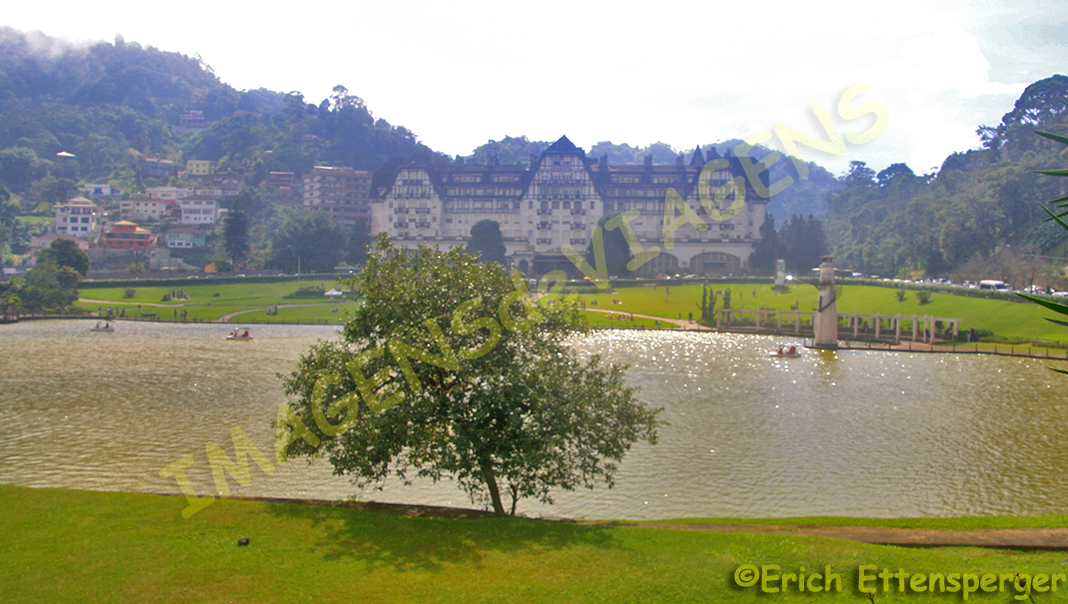
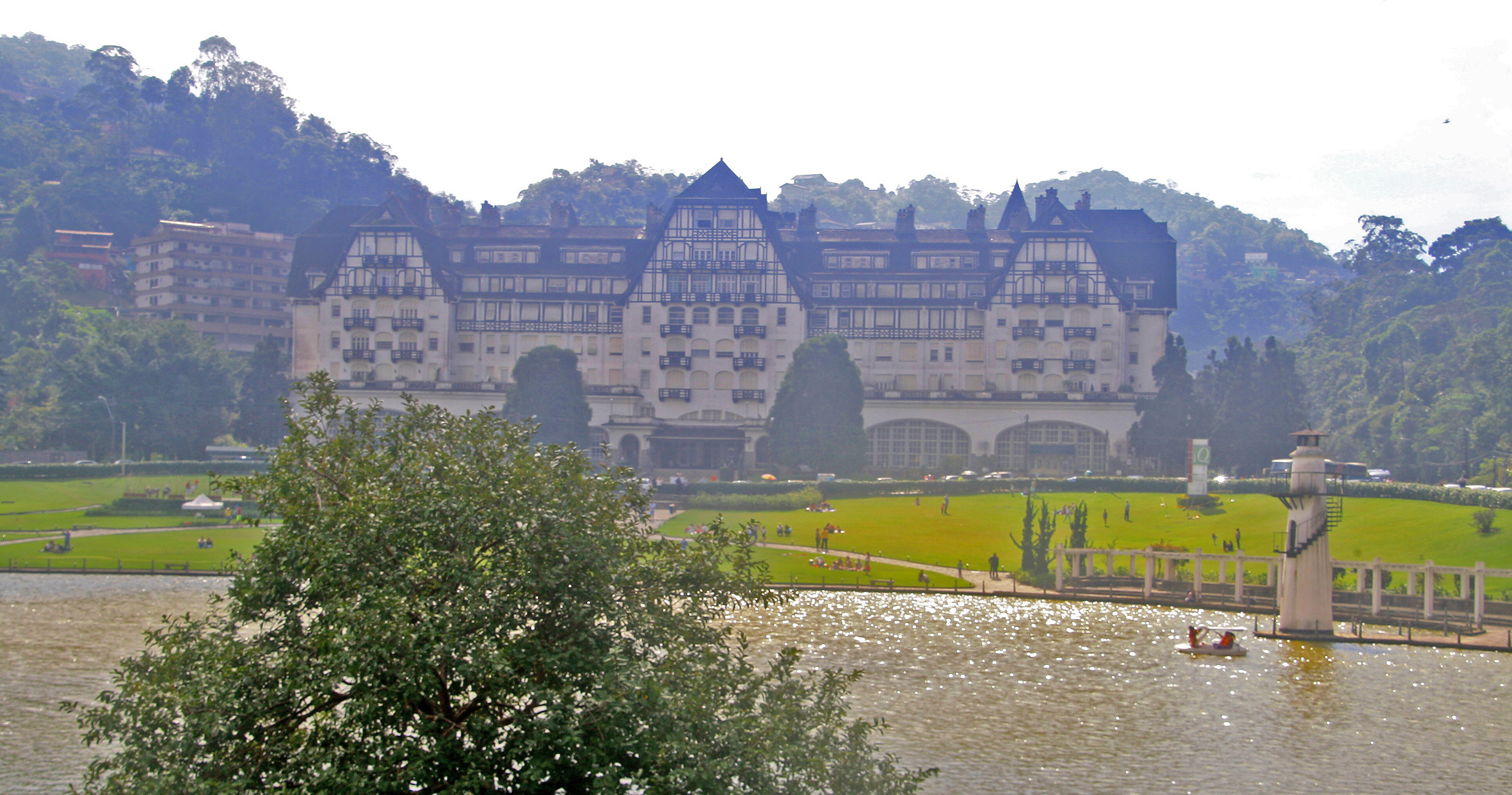
Quitandinha com o lago que lembra o formato do mapa do Brasil/Quitandinha mit dem See davor erinnert an die Landkarte von Brasilien / Quitandinha with the lake in front that resembles the shape the map of Brazil

Para quem se interessa por história, arquitetura, decoração, a visita ao Quitandinha torna-se quase um passeio obrigatório para quem viaja a Petrópolis. Porém, recomendo que você opte por fazer um tour guiado, pois a visita ao prédio sem ele, perde quase que completamente o encanto.

Durante 1 hora e meia, Erich e eu aprendemos muito sobre Joaquim Rolla e a construção do Quitandinha. Tudo se torna ainda mais incrível quando se imagina que o edifício foi construído na década de 40, no alto de uma serra, com um acesso difícil.

O Hotel Quitandinha, projeto do arquiteto Luís Fossati, foi inaugurado em 1944, parcialmente, para ser o maior e mais luxuoso hotel-cassino da América Latina.  O prédio foi construído em um estilo neo-normando, tem 50 mil metros quadrados de área, 6 pavimentos, 440 apartamentos, 13 grandes salões.

A beleza do edifício no estilo neo-normando/Die Schönheit des Gebäudes im neo-normannischen Stil / The beauty of the building in the neo-Norman style

A área projetada para ser o cassino, o Salão Mauá, com 30 metros de altura e 51 metros de diâmetro, tem a segunda maior cúpula do mundo depois da cúpula da Basílica de São Pedro no Vaticano!!!

O lugar ainda guarda traços do seu esplendor. Há uma área, denominada Galeria das Estrelas, cujo lustres foram confeccionados pela fábrica americana Tiffany.

Lustre fabricado pela Tiffany/Kronleuchter, hergestellt von Tiffany/Chandelier made by Tiffany

São tantas as curiosidades sobre esse lugar. A piscina do hotel, em forma de piano de cauda, com profundidade que varia entre 1 e 5 metros, cuja parte mais profunda tem o objetivo de refletir com mais volume, a decoração pintada nas paredes em volta dela. A inauguração dela foi feita com grande festa e show da estrela de Hollywood Esther Williams.

Piscina térmica em formato de um piano de cauda/Thermalbecken in Form eines Flügels / Thermal pool in the shape of a grand piano

Carmen Miranda, Oscarito, dentre outros, fizeram grandes shows no teatro do hotel que tem três palcos giratórios e capacidade para 1000 espectadores.

Teatro/Theater/Theater
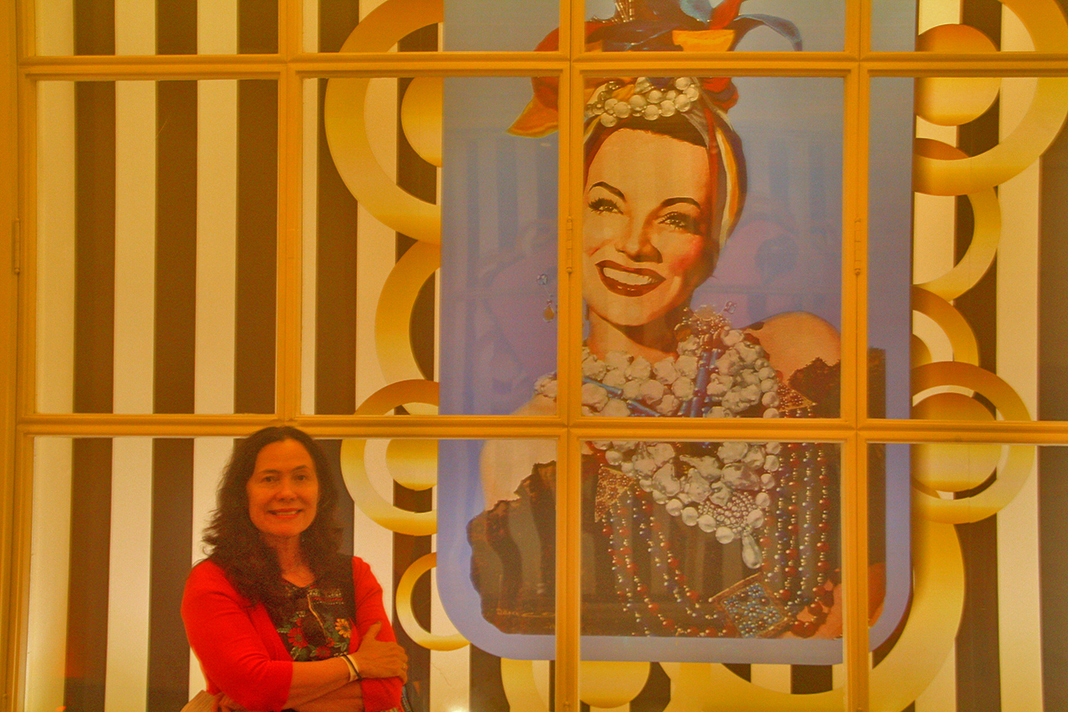
Marcia na Galeria das Estrelas / Marcia in der Galerie der Stars / Marcia at the stars Gallery

O projeto de decoração do interior do edifício foi Dorothy Draper, uma das mais famosas decoradoras americanas, que criou espaços verdadeiramente hollywoodianos.

Galeria Brasil/Galerie Brasilien / Gallery Brazil
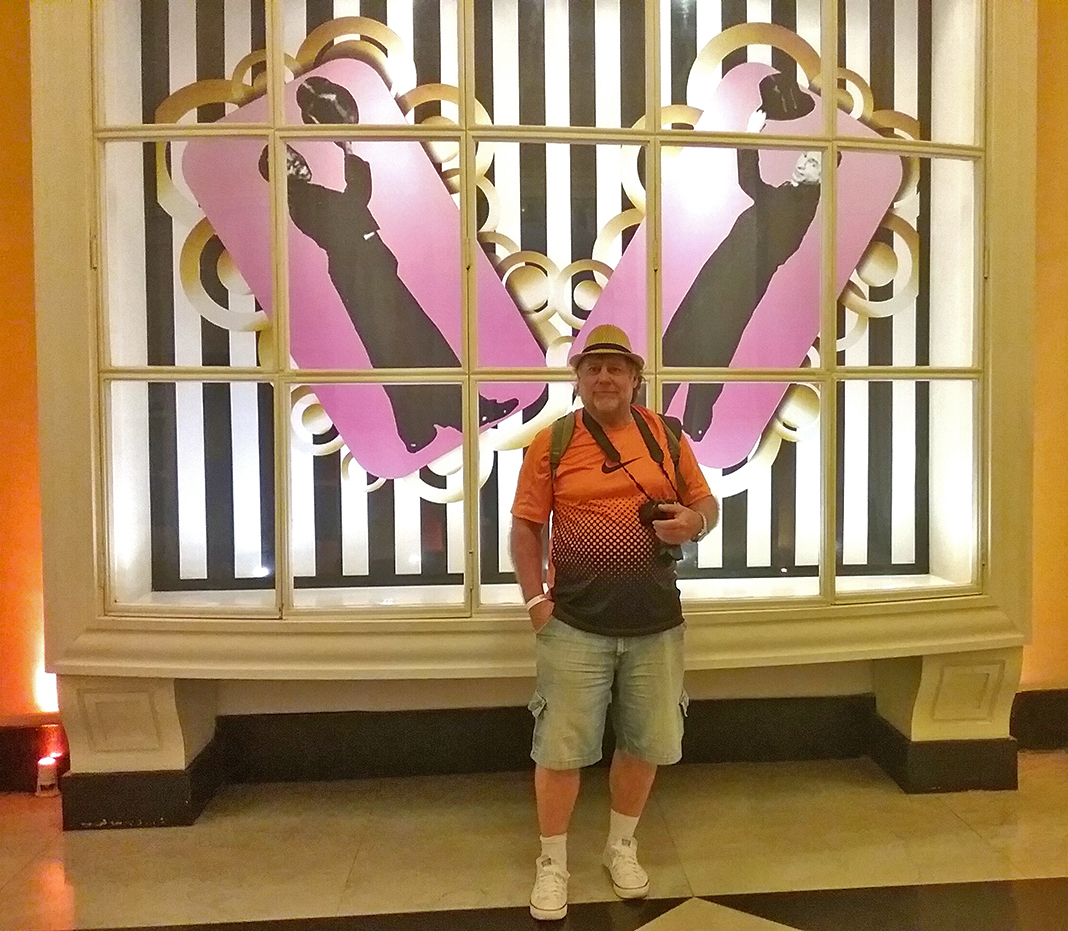
Erich na Galeria das Estrelas/ Erich in der Galerie der Stars / Erich at the stars Gallery
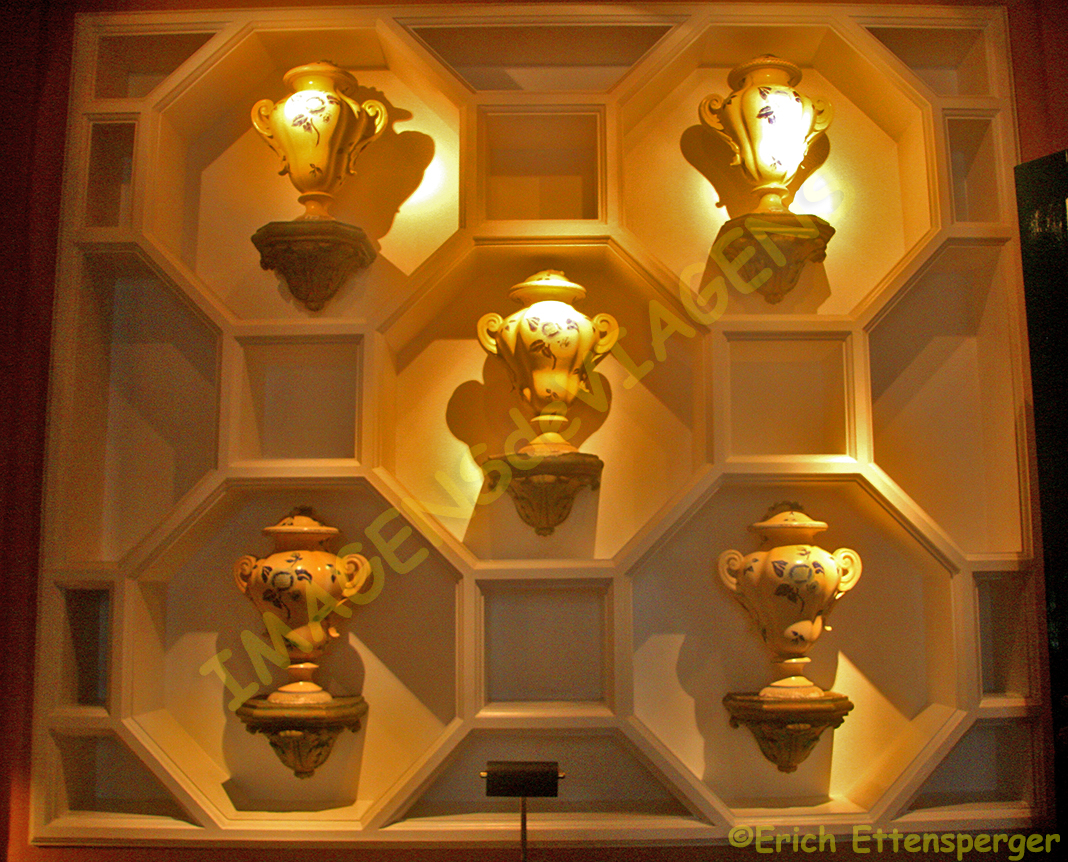
Ânforas concebidas exclusivamente para a decoração do Quitandinha na Sala dos Correspondentes/Amphoren als Dekoration im Saal für Korrespondenten / Amphoras designed exclusively for the decoration of Quitandinha in the área of Correspondents
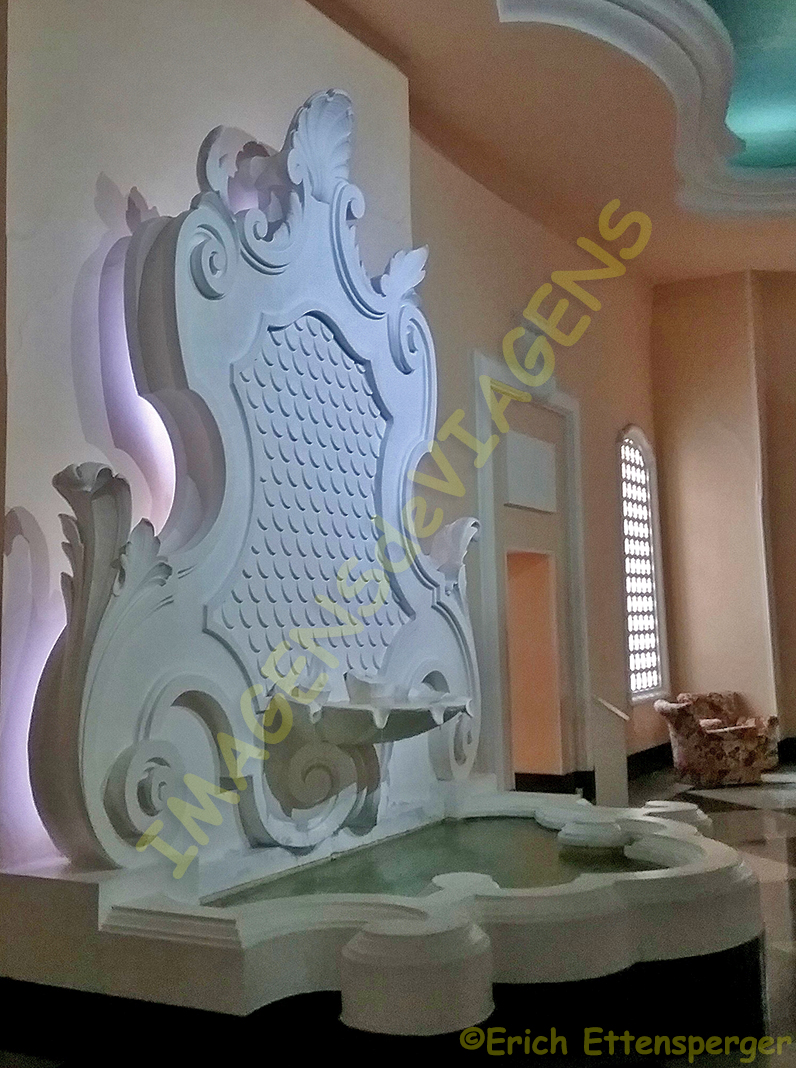
Fonte decorada com motivos marinhos na sala denominada Pátio da Fonte/Brunnen dekoriert mit maritimen Motiven im sogenannten Brunnenhof / Fountain decorated with marine motifs in the room called Pátio da Fonte
Lustre refletido no espelho da Biblioteca/Kronleuchter im Spiegel der Bibliothek / Chandelier reflected in the Library mirror

O Quitandinha foi palco de muitos eventos, dentre os quais, a eleição de Martha Rocha com Miss Brasil em 23 de julho de 1954.

Foto de jornal antigo com fotos de Martha Rocha e Miriam Jacqueline Stevenson/ Foto von alter Zeitung mit Bildern von Martha Rocha und Miriam Jacqueline Stevenson / Photo of old newspaper with photos of Martha Rocha and Miriam Jacqueline Stevenson. Fonte/Quelle/source: https://efemeridesdoefemello.com/2014/07/23/por-duas-polegadas-martha-rocha-perde-o-miss-universo/

Foi também no Quitandinha onde foi assinada declaração de guerra dos países americanos às Potencias do Eixo, durante a Segunda Guerra Mundial.

Varanda da Área de Eventos/Balkonbereich Veranstaltungen / Balcony Area Events

Joaquim Rolla construiu o prédio realmente para ser o melhor, o mais grandioso e imaginava que seu hotel-cassino teria vida longa. O que não aconteceu. Em abril de 1946, o Presidente Eurico Gaspar Dutra assinou o decreto que proibia o jogo no Brasil. A partir daí, começou a decadência do lugar, que não conseguiu sobreviver apenas com shows e hospedagem. Para “salvar a situação”, Joaquim começou a vender os apartamentos individualizados e separou a parte social. Hoje em dia, a parte dos apartamentos integra um condomínio residencial e  a área do cassino e suas dependências  foram adquiridos  pelo SESC RJ que restaurou e revitalizou de forma brilhante o que restou dos tempos áureos.

Visitar o Quitandinha é fazer um mergulho aos tempos gloriosos desse magnifico prédio e conhecer particularidades da história do Brasil que estão diretamente relacionadas com esse antigo hotel-cassino.

Erich e Marcia no Jardim de Inverno/Erich und Marcia im Wintergarten / Erich and Marcia in the Winter Garden

Observação: se você quiser continuar “viajando” com o nosso blog, clique no botão “seguir” localizado no canto inferior direito dessa página. Você receberá um email com um link para confirmar a assinatura desse blog (não paga nada). Quando clicar no link, você será direcionado para uma página em inglês (essa página explica o procedimento no caso de você desejar um dia parar de seguir o blog). A partir daí, você já está “seguindo” o blog.

QUITANDINHA – das kolossale Hotel-Casino in Brasilien

Es gibt Menschen, die mit dem Geschenk des Unternehmertums geboren zu sein scheinen und einer von ihnen wurde Joaquim Rolla genannt, einer, der den Brasilianern mehr bekannt sein sollte, war er doch einer der ganz großen Unternehmer unserer Nation.

Er wurde in Minas Gerais arm geboren und erzielte große Bekanntheit in den 30er und 40er Jahren, er wurde der Besitzer der Casinos Urca in Rio de Janeiro und Icaraí in Niterói. Ich persönlich hatte noch nie etwas von ihm gehört oder gelesen.

Es war eine große Überraschung für mich während unserer Reise nach Petropolis von seiner groβen unternehmerischen Karriere zu hören bei einer wirklich spektakulären geführten Tour von Glaucia durch die sozialen Bereiche des riesigen kolossalen Gebäudes, in dem sich auch das luxuriöse Hotel Quitandinha-Casino befindet.

Quitandinha

Für Interessenten an Geschichte, Architektur und Dekoration ist der Besuch von „Quitandinha“ ein fast obligatorischer Spaziergang beim Besuch von Petrópolis.  

Während der 90minütigen Führung haben Erich und ich viel gelernt über Joaquim Rolla und den Bau von Quitandinha. Alles wird noch erstaunlicher, wenn man bedenkt, dass das Gebäude in den 40er Jahren gebaut wurde hoch oben in den Bergen mit seinem sehr schwierigen Zugang.

Das Quitandinha Hotel wurde von dem Architekten Luís Fossati entworfen und öffnete im Jahr 1944 teilweise, um das größte und luxuriöseste Hotel-Casino in Lateinamerika zu sein. Das Gebäude wurde in einem neo-normannischen Stil gebaut mit 50.000 m2, 6 Etagen, 440 Apartments und 13 große Hallen.

A beleza do edifício no estilo neo-normando/Die Schönheit des Gebäudes im neo-normannischen Stil / The beauty of the building in the neo-Norman style

Die Fläche für das Casino, die Mauá Halle, hatte 51m im Durchmesser und war 30 Meter hoch, somit also die zweitgrößte Kuppel der Welt nach dem Vatikan!!!

Der Ort zeigt noch Spuren seiner ehemaligen Pracht. Es gibt einen Bereich, die Galerie der Stars, deren Kronleuchter durch die amerikanische Fabrik Tiffany angefertigt wurden.

Lustre fabricado pela Tiffany/Kronleuchter, hergestellt von Tiffany/Chandelier made by Tiffany

Es gibt so viele Kuriositäten an diesen Ort. Der Pool im Hotel in Flügelform mit einer Tiefe von 1 bis 5 Metern. Der tiefste Teil des Pools sollte so einfach mehr Volumen der bemalten Wanddekoration reflektieren. Die Eröffnung wurde mit einer großen Feier und Show von Hollywood-Star Esther Williams zelebriert.

Piscina térmica em formato de um piano de cauda/Thermalbecken in Form eines Flügels / Thermal pool in the shape of a grand piano

Der Theatersaal des Hotels verfügt über drei Drehbühnen und eine Kapazität für 1000 Zuschauer.

Teatro/Theater/Theater
Marcia na Galeria das Estrelas / Marcia in der Galerie der Stars / Marcia at the stars Gallery

Das Innere des Gebäudes war ein Projekt von Dorothy Draper, einer der berühmtesten amerikanischen Dekorateure, die hier wirkliche „cineastische“ Hollywoodräume geschaffen hat.

Galeria Brasil/Galerie Brasilien / Gallery Brazil
Erich na Galeria das Estrelas/ Erich in der Galerie der Stars / Erich at the stars Gallery
Ânforas concebidas exclusivamente para a decoração do Quitandinha na Sala dos Correspondentes/Amphoren als Dekoration im Saal für Korrespondenten / Amphoras designed exclusively for the decoration of Quitandinha in the área of Correspondents
Fonte decorada com motivos marinhos na sala denominada Pátio da Fonte/Brunnen dekoriert mit maritimen Motiven im sogenannten Brunnenhof / Fountain decorated with marine motifs in the room called Pátio da Fonte
Lustre refletido no espelho da Biblioteca/Kronleuchter im Spiegel der Bibliothek / Chandelier reflected in the Library mirror

Die Quitandinha war Gastgeber für viele groβe Veranstaltungen, darunter auch die Wahl von Martha Rocha zur Miss Brasilien am 23. Juli 1954.

Foto de jornal antigo com fotos de Martha Rocha e Miriam Jacqueline Stevenson/ Foto von alter Zeitung mit Bildern von Martha Rocha und Miriam Jacqueline Stevenson / Photo of old newspaper with photos of Martha Rocha and Miriam Jacqueline Stevenson. Fonte/Quelle/source: https://efemeridesdoefemello.com/2014/07/23/por-duas-polegadas-martha-rocha-perde-o-miss-universo/

In Quitandinha wurde auch die Kriegserklärung der amerikanischen Länder gegenüber den Achsenmächte im Zweiten Weltkrieg unterzeichnet.

Varanda da Área de Eventos/Balkonbereich Veranstaltungen / Balcony Area Events

Joaquim Rolla wollte, dass dieses Gebäude wirklich das Beste und das Größte sein sollte und er stellte sich vor, dass sein Hotel-Casino eine sehr lange Lebensdauer haben würde. Das ist jedoch nicht geschehen.

Im April 1946 unterzeichnete Präsident Eurico Gaspar Dutra das Dekret, welches das „Casino-Spielen“ in Brasilien verbot. Das war der Beginn des Abstieges dieses Ortes, der nicht nur mit Shows und Hotelerie allein überleben konnte.

Um „die Situation zu retten“, begann Joaquim einzelne Wohnungen zu verkaufen und trennte sie von den gesellschaftlichen Bereichen ab. Heute formen die Wohnungen ein riesiges Kondominium und das Casino und seine Einrichtungen wurden von der SESC Rio de Janeiro erworben, brillant restauriert und revitalisiert, was von den goldenen Zeiten übrig geblieben ist.

Der Besuch von Quitandinha bedeutet ein Eintauchen in die glorreichen Tage dieses Prachtbautes und präsentiert Besonderheiten der Geschichte Brasiliens, die zu diesem alten Hotel-Casino in direkter Verwandtschaft stehen.

Erich e Marcia no Jardim de Inverno/Erich und Marcia im Wintergarten / Erich and Marcia in the Winter Garden

Hinweis: Falls Sie unseren “Reisen” auf dem Blog folgen wollen, dann klicken Sie unten rechts einfach auf “Weiter”, Sie werden dann zukünftig automatisch informiert.

Quitandinha, the colossal hotel-casino in Brazil

There are people who seem to be born with the gift of entrepreneurship, and one of them was named Joaquim Rolla, one of the Brazilians, who was one of the great entrepreneurs of our nation.

He was born poor in the interior of Minas Gerais and achieved great notoriety during the 30s and 40s when he was the owner of Urca’s casinos in Rio de Janeiro and Icaraí in Niterói.

I had never heard or read anything about him. However, I had the great pleasure of knowing about his entrepreneurial career when I visited Petropolis and had the pleasure of participating in a spectacular tour led by the guide Glaúcia through the social areas of the colossal building where also the luxurious hotel Casino-Quitandinha is accomodated.

Quitandinha

For those interested in history, architecture and decoration the visit to the “Quitandinha” is an almost obligatory walk whilst visiting Petrópolis.

During the 90 minute tour Erich and I learned a lot about Joaquim Rolla and the construction of Quitandinha. Everything will be even more amazing when you consider that the building was built in the 40s high up in the mountains with its very difficult access.

The Quitandinha Hotel was designed by the architect Luís Fossati and opened in 1944 partially to be the largest and most luxurious hotel casino in Latin America. The building was built in a neo-Norman style with 50,000 m2, 6 floors, 440 apartments and 13 large halls.

A beleza do edifício no estilo neo-normando/Die Schönheit des Gebäudes im neo-normannischen Stil / The beauty of the building in the neo-Norman style

The area for the casino, the Mauá Hall, was 51m in diameter and was 30 meters high, thus the second largest dome in the world after the Vatican !!!

The place still shows traces of its former splendor. There is an area, the gallery of the stars whose chandeliers were made by the American factory Tiffany.

Lustre fabricado pela Tiffany/Kronleuchter, hergestellt von Tiffany/Chandelier made by Tiffany

There are so many curiosities at this place. The pool in the hotel is in wing form with a depth from 1 to 5 meters. The deepest part of the pool should simply reflect more volume of painted wall decoration.

The opening was celebrated with a great celebration and show by Hollywood star Esther Williams.

Piscina térmica em formato de um piano de cauda/Thermalbecken in Form eines Flügels / Thermal pool in the shape of a grand piano

The hotel’s theater hall has three stages and a capacity for 1000 spectators.

Teatro/Theater/Theater
Marcia na Galeria das Estrelas / Marcia in der Galerie der Stars / Marcia at the stars Gallery

The interior of the building was a project by Dorothy Draper, one of the most famous American decorators who created real “cineastic” Hollywood spaces.

Galeria Brasil/Galerie Brasilien / Gallery Brazil
Erich na Galeria das Estrelas/ Erich in der Galerie der Stars / Erich at the stars Gallery
Ânforas concebidas exclusivamente para a decoração do Quitandinha na Sala dos Correspondentes/Amphoren als Dekoration im Saal für Korrespondenten / Amphoras designed exclusively for the decoration of Quitandinha in the área of Correspondents
Fonte decorada com motivos marinhos na sala denominada Pátio da Fonte/Brunnen dekoriert mit maritimen Motiven im sogenannten Brunnenhof / Fountain decorated with marine motifs in the room called Pátio da Fonte
Lustre refletido no espelho da Biblioteca/Kronleuchter im Spiegel der Bibliothek / Chandelier reflected in the Library mirror

The Quitandinha hosted many major events including the election of Martha Rocha to Miss Brazil on July 23, 1954.

Foto de jornal antigo com fotos de Martha Rocha e Miriam Jacqueline Stevenson/ Foto von alter Zeitung mit Bildern von Martha Rocha und Miriam Jacqueline Stevenson / Photo of old newspaper with photos of Martha Rocha and Miriam Jacqueline Stevenson. Fonte/Quelle/source: https://efemeridesdoefemello.com/2014/07/23/por-duas-polegadas-martha-rocha-perde-o-miss-universo/

In Quitandinha also the war declaration of the American countries against the Axis powers in the Second World War was signed.

Varanda da Área de Eventos/Balkonbereich Veranstaltungen / Balcony Area Events

Joaquim Rolla wanted this building to be the best and the greatest, and he imagined that his hotel casino would have a very long life. But this has not happened.

In April 1946, President Eurico Gaspar Dutra signed the decree prohibiting casino gambling in Brazil. This was the beginning of the descent of this place, which could not only survive with shows and hotel services.

To “save the situation”, Joaquim began to sell individual apartments and separated them from the social areas. Today, the apartments form a huge condominium and the casino and its facilities have been acquired by the SESC Rio de Janeiro, brilliantly restored and revitalized and nowadays showing what is left from the golden age.

The visit of Quitandinha means a dip into the glorious days of this splendid building and presents  special features of the history of Brazil, which are directly related to this old hotel casino.

Erich e Marcia no Jardim de Inverno/Erich und Marcia im Wintergarten / Erich and Marcia in the Winter Garden

Note: If you want to follow our “Travels” on the blog, simply click on “Continue” in the lower right corner, you will be then automatically informed in the future.


PETROPOLIS, CIDADE IMPERIAL/PETRÓPOLIS – DIE KAISER-STADT/PETRÓPOLIS – THE IMPERIAL CITY

Imagine você, alguém que vive em uma cidade que pode atingir os 40 graus durante o verão, como seria maravilhoso, “escapar” para um refúgio nas montanhas, onde o clima é ameno, com temperaturas agradáveis, no topo de uma serra?

Pois é, D. Pedro II, Imperador do Brasil, e sua família descobriram um lugar assim para “veranear” de outubro a março, fugindo assim, do calor do Rio de Janeiro. Petrópolis foi fundada por D. Pedro II em 1843, quando ele tinha 18 anos!!

Sim, ele mandou construir um palácio para passar o verão e com ele, muitos integrantes da corte construíram belos e grandiosos palacetes. Durante 40 anos D. Pedro II e sua família veranearam em Petrópolis. A partir daí, enquanto a capital do Brasil era o Rio de Janeiro, muitos presidentes da República, continuaram a “tradição” e continuaram veraneando em Petrópolis.

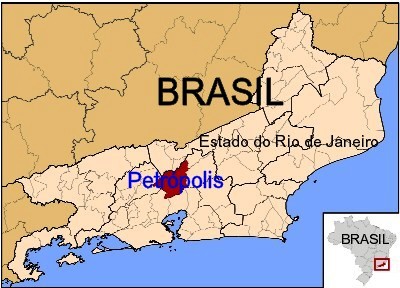
A “cidade de Pedro” está distante 72 km do Rio de Janeiro, numa altitude de 838 metros e possui cerca de 300 mil habitantes e é uma ótima opção para se passar o final de semana “nas alturas”,

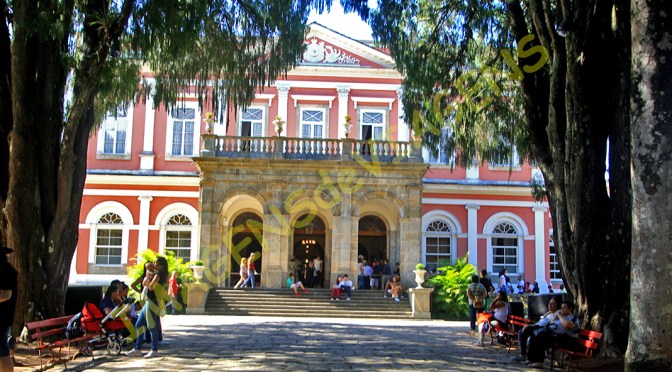
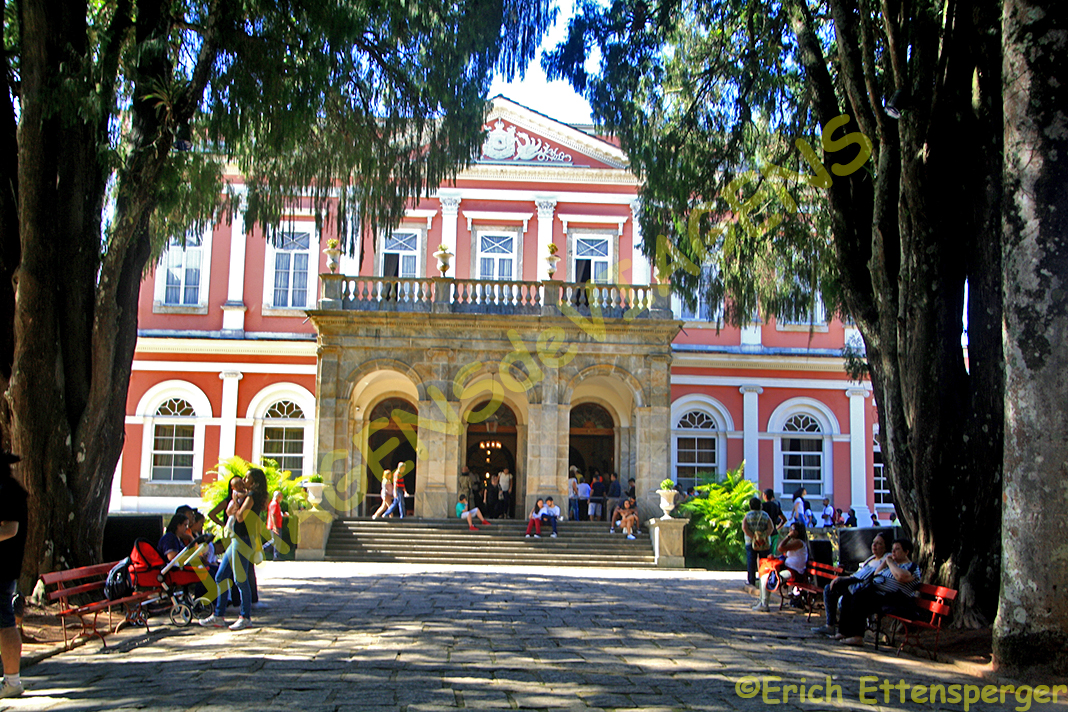
além de se ter uma aula ilustrada da história do Brasil durante as visitas ao Museu Imperial de Petrópolis (antigo palácio de veraneio de D. Pedro II),

Museu Imperial de Petrópolis/ Kaiser-Museum Petrópolis/ Imperial Museum of Petrópolis

ao Hotel Cassino Quitandinha (ver post da próxima semana sobre ele)

Antigo Hotel Cassino Quitandinha/ Altes Hotel Casino Quitandinha/ Old Hotel Casino Quitandinha

e no passeio a pé pelo centro histórico da cidade. A Av. Köeler tem muitos palacetes e cada um deles possui uma placa com explicações sobre os mesmos!

Solar Dom Afonso, hoje funciona como um hotel/Solar Dom Afonso funktioniert heute als Hotel/Solar Dom Afonso, today functions as a hotel
Placas explicativas nos palacetes/ Informationstafeln vor den Villen / Explanatory plaques in palacetes /

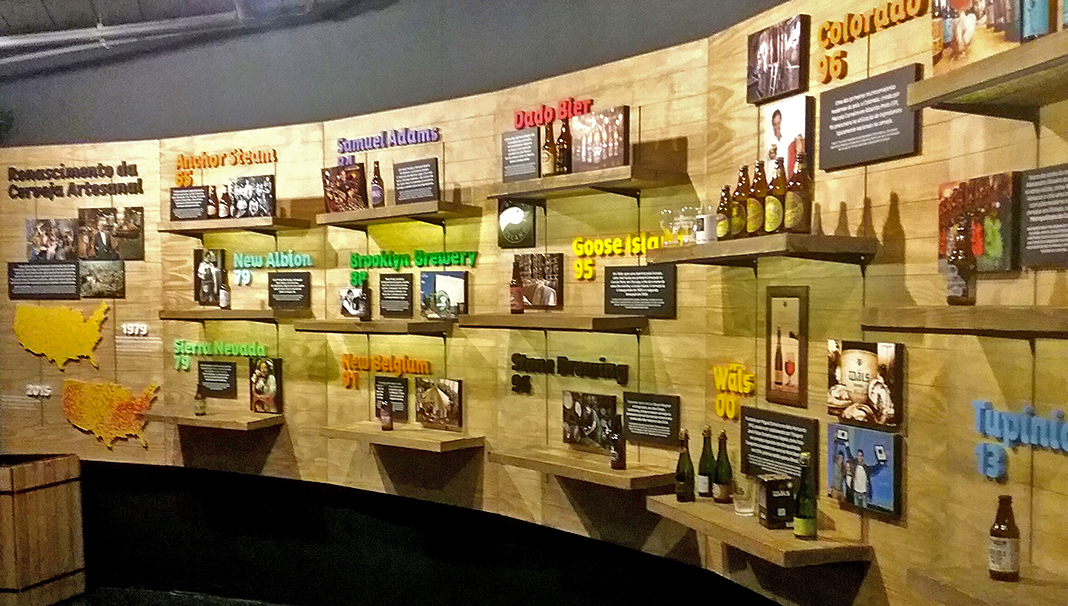
Outra visita interessante é o Tour Cervejeiro na Cervejaria Bohemia, interativo, que apresenta uma exposição sobre a história da cerveja, desde a antiguidade, onde também estão inseridos aspectos históricos da cidade de Petrópolis. A exposição é muito bem apresentada e muitos dizem que nada fica a dever ao tour da cervejaria Heineken, em Amsterdam.

Tour na Cervejaria Bohemia/Brauerei-Tour Bohemia/Tour in the Bohemia Brewery/
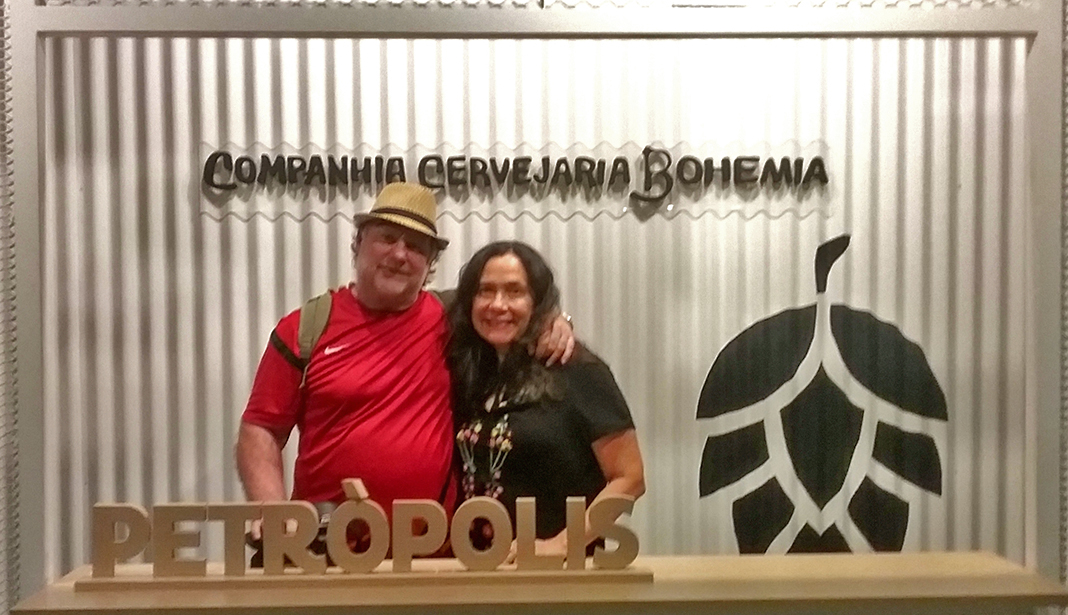
Erich e Marcia/Erich und Marcia/Erich e Marcia

Durante a visita, você pode criar um brasão da sua própria cerveja!!!

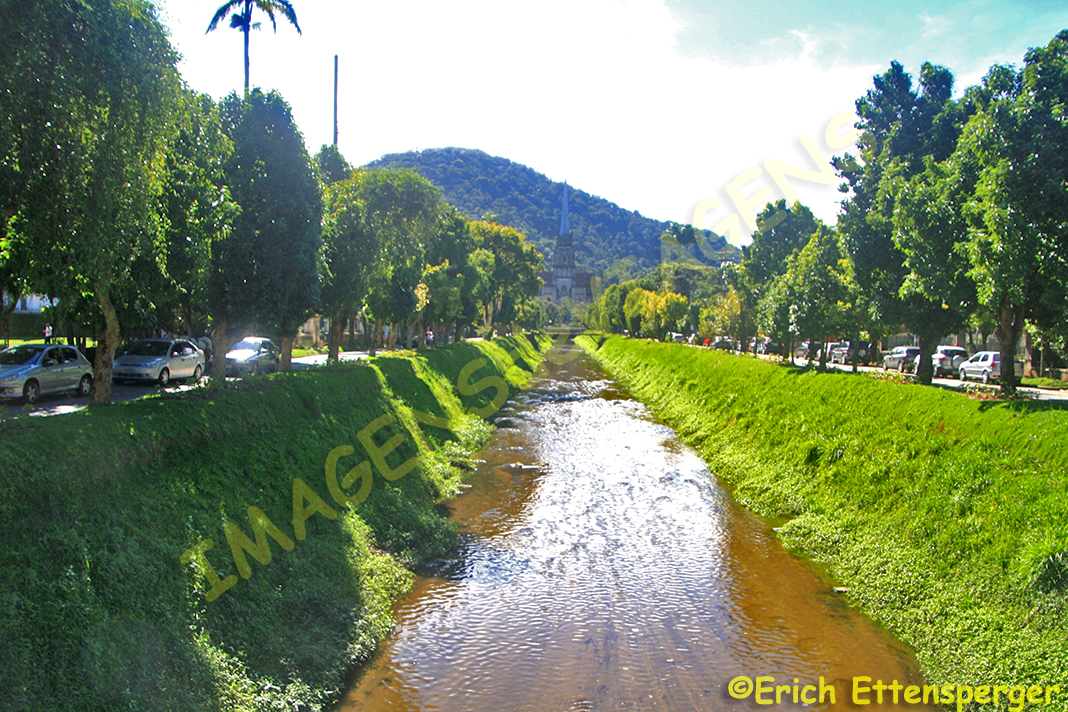
Durante o Tour Cervejeiro, li que Petrópolis foi a primeira cidade planejada no Brasil e no mundo contemporâneo. O seu plano urbanístico é de autoria do engenheiro alemão Júlio Frederico Köeller,

Avenida Köeller/Allee Köeller/ Köeller Avenue

aliás, os alemães desempenharam importante papel na construção a cidade e deixaram marcas profundas lá! Quando visitamos a cidade, observamos que muitas lojas e ruas com nomes em alemão.

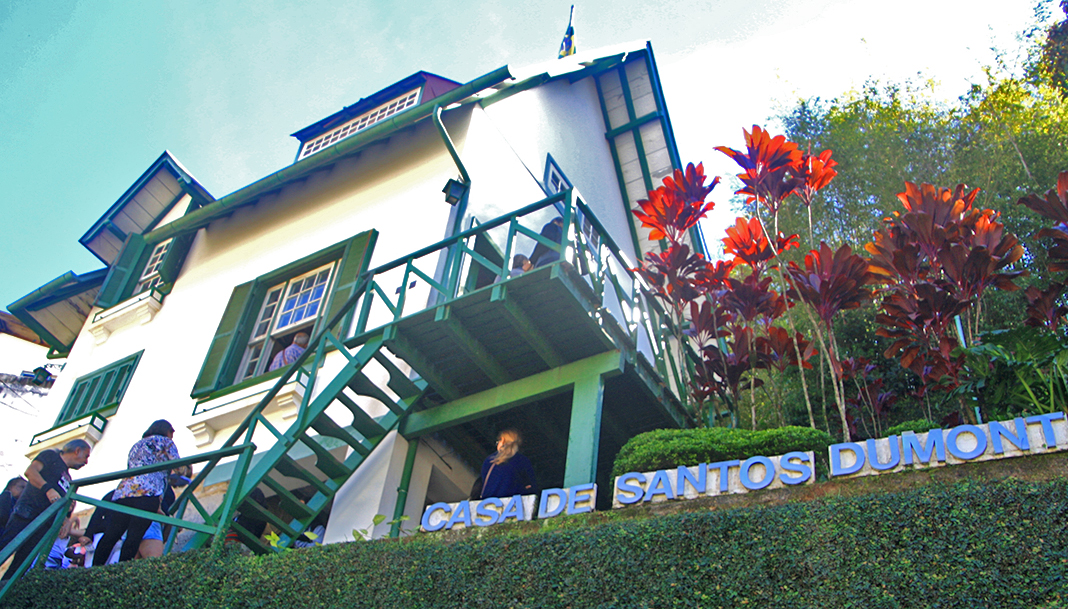
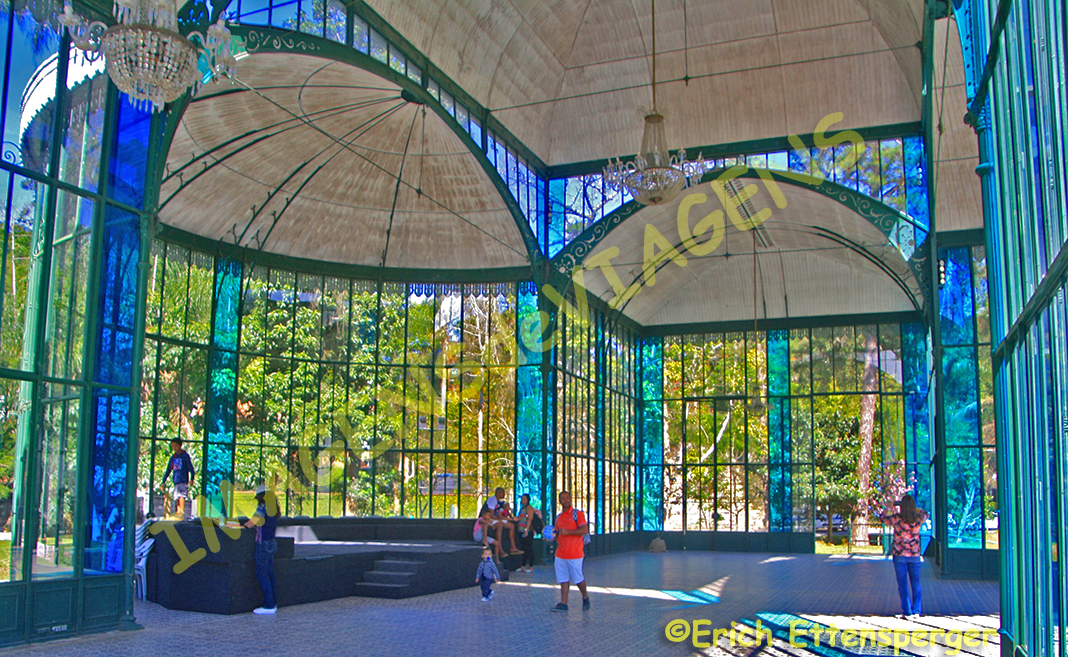
Além disso, Petrópolis tem outros monumentos e museus que vale a visita: a Casa Stefan Zweig, Museu Casa de Santos Dumont Centro Cultural 14 Bis, Palácio de Cristal, dentre outros.

Casa de Santos Dumont/Haus Santos Dumont/Santos Dumont House
Palácio de Cristal/ Kristallpalast / Crystal Palace
Interior do Palácio de Cristal/ Innenansicht des Kristallpalastes / Interior of the Crystal Palace

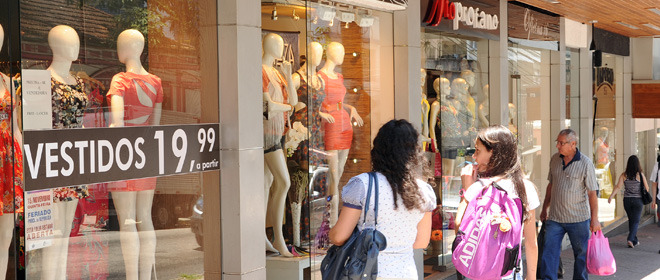
Petrópolis também tem a Rua Teresa, considerada o maior polo de moda serrana.

http://www.ruateresa.com/

Você também pode fazer outros passeios saindo de Petrópolis: visitar Itaipava, localizada a 18 km do centro da cidade, polo gastronômico e com muitas lojas de decoração e roupas e também pode visitar o Parque Nacional Serra dos Órgãos, é de Petrópolis que sai um trekking até Teresópolis, considerado “um clássico do montanhismo”.

http://www.icmbio.gov.br/parnaserradosorgaos/guia-do-visitante.html

Petrópolis é um destino que você pode aproveitar para conhecer quando você for visitar o Rio de Janeiro. Na nossa opinião, dois dias são suficientes para visitar a cidade. Caso você não tenha esse tempo, as agências de turismo oferecem um tour de um dia.

Boa viagem e aproveite bem a Cidade Imperial!

Observação: se você quiser continuar “viajando” com o nosso blog, clique no botão “seguir” localizado no canto inferior direito dessa página. Você receberá um email com um link para confirmar a assinatura desse blog (não paga nada). Quando clicar no link, você será direcionado para uma página em inglês (essa página explica o procedimento no caso de você desejar um dia parar de seguir o blog). A partir daí, você já está “seguindo” o blog.

PETRÓPOLIS – DIE KAISER-STADT

Stellen Sie sich vor in einer Stadt zu leben, in der im Sommer die Temperaturen 40 Grad erreichen können, wie wäre es dann wunderbar, Zuflucht in den Bergen zu finden, dort wo das Klima mild ist mit angenehmen Temperaturen.

Nun, Dom Pedro II, Kaiser von Brasilien, und seine Familie haben diesen Ort gefunden, dort wo sie „den Sommer verbringen können“ von Oktober bis März, um so der Hitze von Rio de Janeiro zu entfliehen. Petrópolis wurde 1843 von D. Pedro II gegründet, als er 18 Jahre alt war!!

Ja, er baute dort einen Palast für den Sommer und mit ihm errichteten dort viele Mitglieder des Hofes ihre beeindruckenden Villen.

40 Jahre lang war für Dom Pedro II und seine Familie Petrópolis die Sommerresidenz. Da Rio de Janeiro damals die Hauptstadt von Brasilien war,  fuhren danach viele Präsidenten der Republik mit dieser „Tradition“ fort und „sommerresidenzten“ in Petrópolis.

Die „Stadt des Pedro“ ist 72 km von Rio de Janeiro entfernt, liegt auf einer Höhe von 838 Metern und hat etwa 300.000 Einwohner.

Sie offeriert einerseits die große Möglichkeit, das Wochenende „oben“ zu verbringen,

aber andererseits auch eine sehr illustrierte Geschichtsklasse über Brasilien zu geniessen beim Besuch des Imperial Museums in Petrópolis (ehemaliger Sommerpalast des D. Pedro II),

Museu Imperial de Petrópolis/ Kaiser-Museum Petrópolis/ Imperial Museum of Petrópolis

bei dem Besuch des Hotels Cassino Quitandinha (siehe Post nächste Woche)

Antigo Hotel Cassino Quitandinha/ Altes Hotel Casino Quitandinha/ Old Hotel Casino Quitandinha

und beim Spaziergang durch das historische Stadtzentrum. Die Avenida KOELER zeigt viele Villen und jede verfügt über eine eigene Informationstafel!

Solar Dom Afonso, hoje funciona como um hotel/Solar Dom Afonso funktioniert heute als Hotel/Solar Dom Afonso, today functions as a hotel
Placas explicativas nos palacetes/ Informationstafeln vor den Villen / Explanatory plaques in palacetes /

Ein weiterer interessanter Besuch ist die Tour in der Brauerei Bohemia, interaktiv, es ist eine Ausstellung über die Geschichte des Bieres und zeigt auch historische Aspekte der Stadt Petrópolis zu diesem Thema. Die Ausstellung ist sehr modern präsentiert   und durchaus vergleichbar mit der der Brauerei Heineken in Amsterdam.

Tour na Cervejaria Bohemia/Brauerei-Tour Bohemia/Tour in the Bohemia Brewery
Erich e Marcia/Erich und Marcia/Erich e Marcia

Während des Rundganges können Sie ein Wappen ihres eigenen Bieres kreieren!!!

Während der Brauereitour las ich, daβ Petrópolis die erste geplante Stadt in Brasilien und in der heutigen Welt war.

Urheber des städtischen Bebauungsplanes war der deutsche Ingenieur Júlio Frederico KOELER

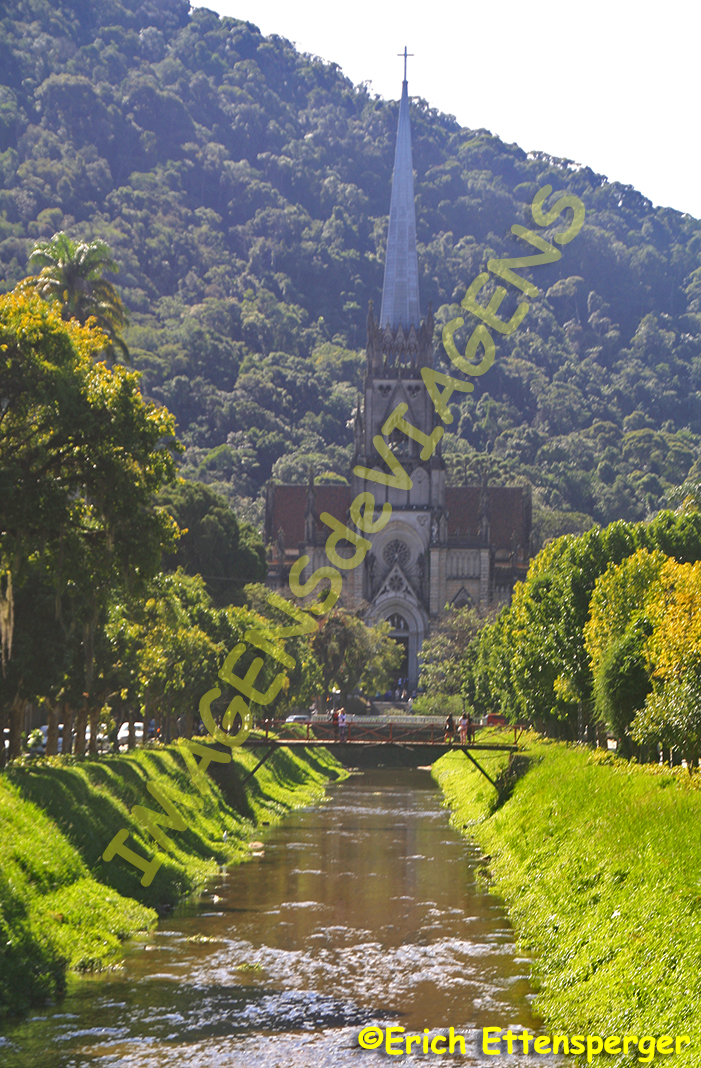
Vista da Catedral/Blick auf die Kathedrale/View of the Cathedral

und überhaupt spielten die Deutschen eine wichtige Rolle beim Bau der Stadt  und hinterlieβen tiefe Spuren! Als wir die Stadt besuchten konnten wir beobachten, daβ viele Geschäfte und Straßen mit deutschen Namen versehen waren.

Weitere besuchenswerte Denkmäler und Museen in Petrópolis sind: das Haus von Stefan Zweig, das Museum und Haus von Santos Dumont Kulturzentrum 14 Bis, der Crystal Palace…

Casa de Santos Dumont/Haus Santos Dumont/Santos Dumont House
Palácio de Cristal/ Kristallpalast / Crystal Palace
Interior do Palácio de Cristal/ Innenansicht des Kristallpalast / Interior of the Crystal Palace

Zu erwähnen auch die Teresa Street, groβes Modezentrum für Kleidung in den Bergen.

http://www.ruateresa.com/

Von Petrópolis aus können Sie auch das 18 km vom Stadtzentrum entfernt Itaipava besuchen, ein gastronomisches Zentrum mit vielen Design-Shops und Kleidung oder auch den Nationalpark Serra dos Órgãos.

Von Petrópolis kann auch eine Trekking-Tour nach Teresopolis unternommen werden, ein sogenannter„Klassiker des Bergwanderns“.

http://www.icmbio.gov.br/parnaserradosorgaos/guia-do-visitante.html

Petrópolis ist ein Ziel, das Sie einplanen können, wenn Sie Rio de Janeiro besuchen. Unserer Meinung nach sind zwei Tage ausreichend, um die Stadt zu besuchen.

Falls Sie nicht diese Zeit haben, es bieten Reisebüros auch Eintagestouren von Rio aus an.

Wir wünschen Ihnen eine gute Fahrt zur Kaiserstadt!

 Hinweis: Falls Sie unseren “Reisen” auf dem Blog folgen wollen, dann klicken Sie unten rechts einfach auf “Weiter”, Sie werden dann zukünftig automatisch informiert.

PETRÓPOLIS – THE IMPERIAL CITY

Imagine living in a city where the temperatures can reach 40 degrees in the summer, how would it be then wonderful to find refuge in the mountains, where the climate is mild with pleasant temperatures.

Well, Dom Pedro II, Emperor of Brazil and his family have found this place where they can spend “the summer” from October to March, their escape from the heat of Rio de Janeiro.

Petrópolis was founded in 1843 by D. Pedro II when he was 18 years old!!

Yes, he built a palace there for the summer and with him many members of the court constructed there also their impressive mansions.

For 40 years Petrópolis was for Dom Pedro II and his family the summer residency. Since Rio de Janeiro was at that time the capital of Brazil, many presidents of the republic continued with this “tradition” to have the “summer-residence” in Petrópolis.

The “City of Pedro” is located 72 km from Rio de Janeiro on an altitude of 838 meters and has about 300,000 inhabitants.

On the one handside it offers you the great opportunity to spend the weekend “up”,

but also to enjoy a very illustrated history class on Brazil by visiting the Imperial Museum in Petrópolis (former summer palace of D. Pedro II),

Museu Imperial de Petrópolis/ Kaiser-Museum Petrópolis/ Imperial Museum of Petrópolis

visiting the Hotel Cassino Quitandinha (see the blog-post next week)

Antigo Hotel Cassino Quitandinha/ Altes Hotel Casino Quitandinha/ Old Hotel Casino Quitandinha

and walking through the historic city center. The Avenida KOELER shows many villas and each one has its own information board!

Solar Dom Afonso, hoje funciona como um hotel/Solar Dom Afonso funktioniert heute als Hotel/Solar Dom Afonso, today functions as a hotel
Placas explicativas nos palacetes/ Informationstafeln vor den Villen / Explanatory plaques in palacetes /

Another interesting visit is the tour in the brewery Bohemia, interactive, it is an exhibition about the history of the beer and also shows historical aspects of the town of Petrópolis on this subject. The exhibition is presented very modern and can be compared with that of the Heineken brewery in Amsterdam.

Tour na Cervejaria Bohemia/Brauerei-Tour Bohemia/Tour in the Bohemia Brewery
Erich e Marcia/Erich und Marcia/Erich e Marcia

During the tour you can create a crest logo of your own beer !!!

During the brewery tour I read that Petrópolis was the first planned city in Brazil and the modern world.

The German engineer Júlio Frederico KOELER was responsible for the urban development plan

Vista da Catedral/Blick auf die Kathedrale/View of the Cathedral

and the Germans played an important role in the construction of the city and left deep traces! When we visited the city we could observe that many shops and streets were given German names.

Other interesting monuments and museums in Petrópolis are: the house of Stefan Zweig, the Museum & House of Santos Dumont Cultural Center 14 Bis, the Crystal Palace …

Casa de Santos Dumont/Haus Santos Dumont/Santos Dumont House
Palácio de Cristal/ Kristallpalast / Crystal Palace
Interior do Palácio de Cristal/ Innenansicht des Kristallpalast / Interior of the Crystal Palace

To mention also the Teresa Street, great fashion center for clothing in the mountains.

http://www.ruateresa.com/

Only 18 km from Petrópolis you can also visit   Itaipava, a gastronomic center with many design shops and clothing, as well as the national park Serra dos Órgãos.

From Petrópolis a trekking trip to Teresopolis can be undertaken, a so-called “classic of mountain hiking”.

http://www.icmbio.gov.br/parnaserradosorgaos/guia-do-visitante.html

Petrópolis is a destination that you can include when you visit Rio de Janeiro. In our opinion, two days are enough to visit the city.

If you do not have this time, travel agencies also offer one-day tours from Rio.

We wish you now a nice trip to the Imperial City!

Note: If you want to follow our “Travels” on the blog, simply click on “Continue” in the lower right corner, you will be then automatically informed in the future.

PREPARANDO SUA BAGAGEM – (Parte I)

PREPARANDO SUA BAGAGEM – (Parte I)

Erich e eu realizamos muitas viagens durante nossa vida para diferentes destinos, propósitos nas quatro estações do ano. Por isso, amigos nos procuram e perguntam sobre como preparar uma mala de viagem.

Eu tenho uma lista pronta para viagens internacionais (inclui a bagagem de mão e a mala), que vou adaptando de acordo com o destino e o clima que vou encontrar naquele lugar. É uma lista “inacabada”, pois sempre vou procurando atualiza-la, melhorá-la. Não é uma lista definitiva. Talvez você possa completá-la com sua experiência. Cada um tem suas necessidades específicas. Hoje vou apresentar uma parte dessa lista, a que trata apenas dos itens relativos à documentação, bagagem de mão e acessórios. Em outro post vou publicar uma lista de roupas para um casal.

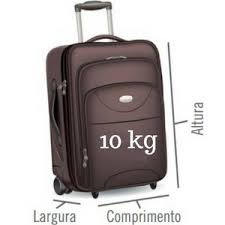
Antes de apresentar uma parte dessa lista, vale lembrar que há novas regras sobre bagagens, é muito importante visitar o site das companhias aéreas para conhecer os detalhes e como elas se aplicam a você. A partir de 20 de junho vai começar as novas regras das bagagens despachadas, que serão cobradas e em alguns casos não, por exemplo, para quem tem cartão de fidelidade como SMILES, MULTIPLUS, dentre oturos. A primeira coisa importante para ressaltar é que as dimensões da bagagem de mão mudaram, ela deve ter as seguintes dimensões máximas, incluindo bolsos, rodas e alças: 40 cm (comprimento) x 25 cm (largura) x 55 cm (altura), essa é a recomendação da Gol. A dimensões da  LATAM são as seguintes: 35 cm (comprimento) x 25 cm (largura) x 55 cm (altura).

Fonte: https://br.pinterest.com/pin/672654894314248802

Bom, vamos a lista:

Bagagem de mão: remédios, no caso de você precisar tomar algum diariamente, óculos de grau e de sol, chaves, colírio, batom, pente/escova, telefone e carregador (se for fazer muitas fotos, cartões de memória), tablet/Ipad ou um livro ou revista, documentos, jóias, cartões de crédito, carteira de habilitação (se você for dirigir), caneta (para escrever nos cartões de entrada de país ou notas, se você prefere escrever à mão).É na bagagem de mão que você leva as coisas frágeis, importantes e de valor.

Documentação: passaporte (coloque uma cópia do passaporte e outros documentos na mala e envie também para seu e-mail), carteira de vacinas, cartão de embarque e reserva de hotel, aluguel de carro, ingresso para shows (arquivado no telefone, se você preferir pode levar impresso), dinheiro em real, dólar ou euro ou a moeda do destino, cartão de crédito (lembre-se de ligar – tem alguns que você libera nas máquinas do banco –  para a administradora do cartão de crédito para liberar o uso dele no exterior, mesmo que ele seja um cartão de crédito internacional), receitas de médicos (no caso você tome algum remédio diariamente, apenas por precaução, nunca nenhuma autoridade alfandegária me pediu), comprovante de seguro de viagem, lista dos contatos importantes (família, contatos de emergência, seguro, hotel) – hoje em dia temos tudo no celular, dicionário de bolso/guia de conversação/aplicativos de conversação no celular – tem aplicativo para traduzir e me foi bastante útil quando viajei para a China.

Acessórios: óculos de sol, óculos de grau, (tem no telefone: despertador, relógio – caso você não use smarthphones, você vai levar os itens individuais), livros e revistas (isso eu levo no tablet, depende de cada um), bolsa para moedas, sombrinha/guarda-chuva, saco para roupa suja, pequeno kit de costura (imprescindível: agulha, linha e 2 alfinetes), cinto porta-dinheiro (aquele que a gente coloca na cintura) adaptadores de tomadas elétricas, elas são diferentes das usadas aqui no Brasil na maioria dos países que visitei.

Para finalizar, gostaria de dizer que preparar uma bagagem é algo que devemos fazer com tranquilidade e sem pressa, quando podemos pensar com cuidado sobre os itens que vamos levar. É importante lembrar que quanto mais leve é sua bagagem, melhor para quem vai carrega-la e que além disso, há limitações de peso das companhias aéreas. O excesso de peso de uma mala é caro! Ficarei agradecida, se você achar necessário, quiser completar algo nessa lista. Boa viagem!

Se quiser conhecer mais sobre bagagens, visite os sites: GOL, LATAM e AZUL.

São Miguel das Missões, testemunho da obra jesuítica no Brasil/São Miguel das Missões, Zeugnis der Arbeit der Jesuiten in Brasilien/São Miguel das Missões, testimony of the work of the Jesuits in Brazil

São Miguel das Missões, testemunho da obra jesuítica no Brasil

Assisti ao filme “A Missão” em 1986 e lembro bem que, além de me encantar com a fantástica trilha sonora de Ennio Morricone , a temática do filme chamou minha atenção. A película trata sobre os conflitos entre os jesuítas, as Coroas Ibéricas com o Vaticano e que apresenta um pouco sobre a obra que os jesuítas realizaram, junto aos índios guaranis, na região conhecida como os “Sete Povos das Missões”, localizados no Brasil e Argentina. Foi a primeira vez que vi as Ruínas de São Miguel das Missões.

Quando Erich e eu selecionamos os lugares que integram nosso livro 66 x Brasil, lembro que fiz questão de visitar um dos locais das antigas missões para captar imagens para a mencionada publicação. Assim, alugamos um carro e fomos a São Miguel das Missões, localizada a noroeste do Rio Grande do Sul, distante 524 km de Porto Alegre.

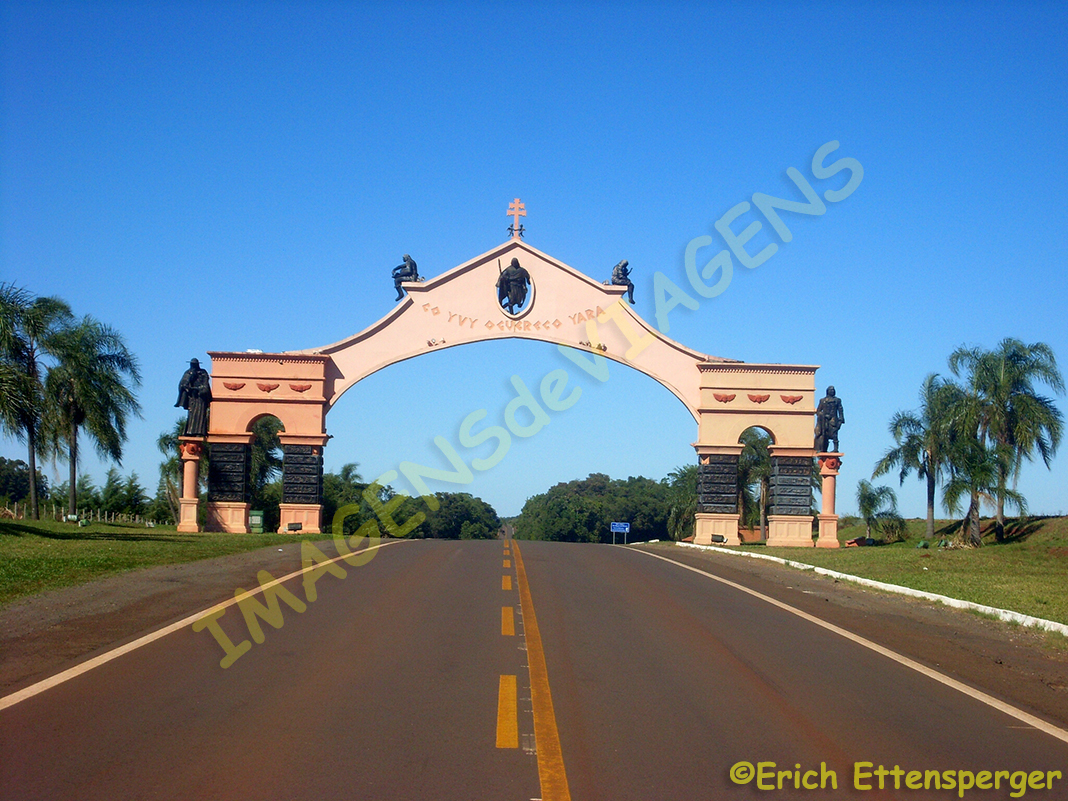
Entrada de São Miguel das Missões/Tor von San Miguel Mission/Entrance of São Miguel das Missões.

As Ruínas de São Miguel Arcanjo Sítio Arqueológico, juntamente com as de San Ignacio Miní, Santa Ana, Nuestra Señhora de Loreto e Santa María la Mayor, na Argentina são tombadas pela UNESCO como as Missões Jesuíticas Guaranis desde 1983. Se você se interessar pelo assunto, pode fazer o roteiro conhecido como Iguassu-Missiones. Veja aqui mais informações sobre esse roteiro.

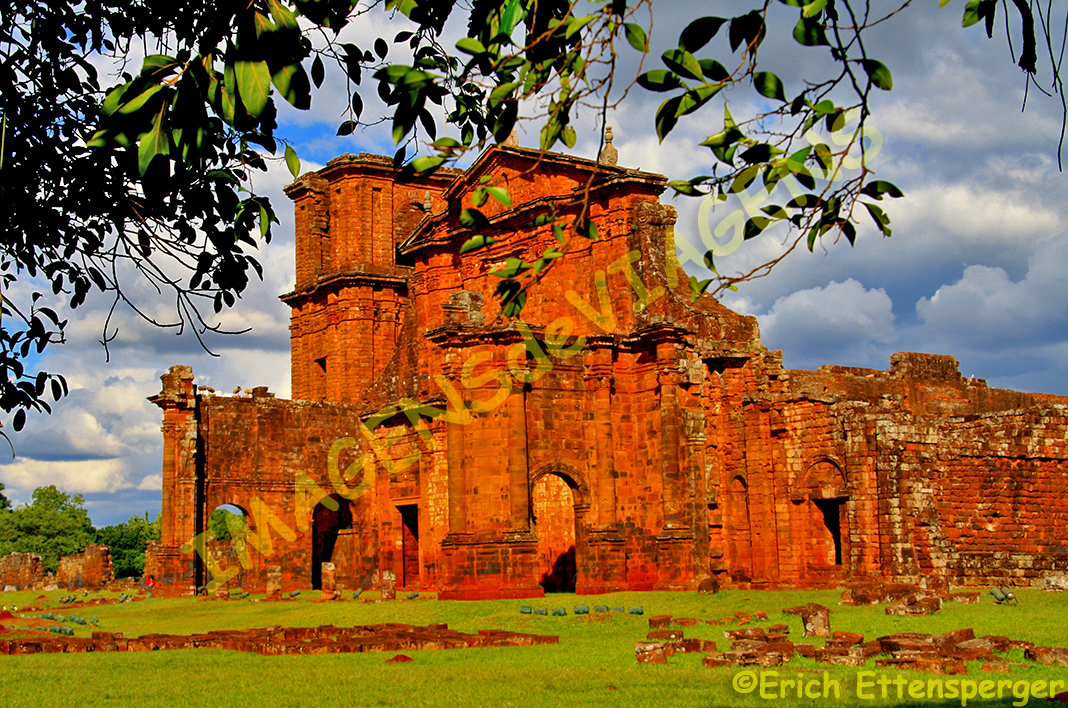
A nossa chegada à São Miguel ocorreu já no final do dia e logo descobrimos que a pousada onde ficamos hospedados, estava localizada a uns 300 metros das ruínas da antiga igreja, assim, quando chegamos, já passamos em frente a elas e vimos como as ruínas são imponentes e grandiosas.

Fachada da igreja de São Miguel/Fassade der Kirche São Miguel/Façade of the São Miguel Church.

Na mesma noite, fomos assistir ao espetáculo Som e Luz que acontece em frente as ruínas da igreja diariamente, dependendo do dia da semana, o espetáculo é apresentado em inglês ou espanhol ou português. A noite estava muito fria e pudemos ver claramente o teto de estrelas sob nossas cabeças, magnífico. O show é muito bonito, eu diria que é emocionante.

O show the Luzes e Som/Die Ton und Licht Show/The Lights and Sound show.
Fachada da igreja iluminada a noite/Illuminierte Fassade der Kirche bei Nacht/Façade of the church lit up at night.

No dia seguinte visitamos as ruínas com a luz do dia e também lá, visitamos o interessante Museu das Missões.

Fachada da igreja de São Miguel/Fassade der Kirche São Miguel/Façade of the São Miguel Church.
Sino forjado em 1726, de bronze, de origem missioneira/Bronzene Missionarsglocke von 1726/Beil cast in bronze in 1727.
Arremate de coluna com capitel/Endstück einer Säule mit Kapitell/Coluna Capital.

Se você me perguntar se valeu a pena dirigir mais de quinhentos quilômetros para visitar o local, eu lhe digo que se você é daquelas pessoas que apreciam bens culturais e quer conhecer um pouco desse momento da história do Brasil, vale a pena sim! Mas, lembre-se, se for na época de frio, leve agasalhos quentinhos, pois você vai precisar deles quando for assistir ao show. Boa viagem!

Observação: se você quiser continuar “viajando” com o nosso blog, clique no botão “seguir” localizado no canto inferior direito dessa página. Você receberá um email com um link para confirmar a assinatura desse blog (não paga nada). Quando clicar no link, você será direcionado para uma página em inglês (essa página explica o procedimento no caso de você desejar um dia parar de seguir o blog). A partir daí, você já está “seguindo” o blog.

São Miguel das Missões – Zeugnis der Arbeit der Jesuiten in Brasilien

Ich habe den Film „The Mission“ im Jahr 1986 gesehen und ich erinnere mich gut, dass ich von dem Thema des Films beeindruckt war. Es geht um die Konflikte zwischen den Jesuiten, der spanischen Krone und dem Vatikan und präsentiert auch ein wenig die Arbeit, die die Jesuiten zusammen mit den Guarani-Indianern in der in Brasilien und Argentinien gelegenen Region, die als die „Sieben Völker der Missionen“ bekannt ist, realisiert haben. Es war das erste Mal, daβ ich die Ruinen von San Miguel Mission sah, unvergesslich auch die Filmmusik von Ennio Morricone.

Als Erich und ich die Orte auswählten, die Bestandteil unseres Buches 66 x Brasilien werden sollten, trafen wir die Entscheidung, einen dieser Standorte der alten Missionen zu integrieren. Also mieteten wir in Porto Alegre in Rio Grande do Sul ein Auto und fuhren zum 524 km entfernten und im Nordwesten gelegenen São Miguel das Missões.

Entrada de São Miguel das Missões/Tor von San Miguel Mission/Entrance of São Miguel das Missões.

Die Ruinen von São Miguel Arcanjo Sítio Arqueológico zusammen mit denen von San Ignacio Miní, Santa Ana, Nuestra Señhora de Loreto und Santa María la Mayor in Argentinien sind seit 1983   UNESCO Weltkulturerbe zusammengefasst unter dem Namen Missões Jesuíticas Guaranis

Bei unserer Ankunft in São Miguel am Ende des Tages erkannten wir, daβ unser Hotel nur etwa 300 Meter von den Ruinen der alten Kirche gelegen war, ein imposanter und grandioser Anblick.

Fachada da igreja de São Miguel/Fassade der Kirche São Miguel/Façade of the São Miguel Church.

Noch am gleichen Abend genossen wir die Licht & Ton Show, die täglich vor den Ruinen der Kirche je nach Wochentag in Englisch, Spanisch oder Portugiesisch präsentiert wirdDie Nacht war sehr kalt und wir konnten deutlich den Sternenhimmel über uns erkennen. Die Show ist sehr schön und spannend.

O show the Luzes e Som/Die Licht und Ton Show/The Lights and Sound show.
Fachada da igreja iluminada a noite/Illuminierte Fassade der Kirche bei Nacht/Façade of the church lit up at night.

Am nächsten Tag besuchten wir die Ruinen und das dazugehörige Museum bei Tageslicht.

Fachada da igreja de São Miguel/Fassade der Kirche São Miguel/Façade of the São Miguel Church.
Sino forjado em 1726, de bronze, de origem missioneira/Bronzene Missionarsglocke von 1726/Beil cast in bronze in 1727.
Arremate de coluna com capitel/Endstück einer Säule mit Kapitell/Coluna Capital.

Wenn Sie mich fragen, ob es das wert war, mehr als fünfhundert Kilometer zu fahren, um diesen Ort zu besuchen, dann antworte ich Ihnen mit einem klaren JA, vorausgesetzt Sie gehören zu den Menschen, die Kulturgüter zu schätzen wissen und diesen Teil   der Geschichte Brasiliens kennenlernen wollen!

Aber denken Sie daran, in der kalten Jahreszeit warme Kleidung mitzubringen, Sie werden diese benötigen, wenn Sie die Show sehen und geniessen wollen. Gute Reise!

Hinweis: Falls Sie unseren “Reisen” auf dem Blog folgen wollen, dann klicken Sie unten rechts einfach auf “Weiter”, Sie werden dann zukünftig automatisch informiert.

São Miguel das Missões, testimony of the work of the Jesuits in Brazil

I have seen the movie “The Mission” in 1986 and I remember well that I was impressed by the theme of the movie. It is about the conflicts between the Jesuits, the Spanish Crown and the Vatican. It presents also  the work that the Jesuits together with the Guarani Indians realized in the region of Brazil and Argentina, known as the “Seven Peoples of Missions”. It was the first time I saw the ruins of San Miguel Mission, unforgettable also the film music of Ennio Morricone.

When Erich and I chose the places that were to be part of our book 66 x Brazil, we made the decision to integrate one of these sites of the old missions. So we hired a car at Porto Alegre in Rio Grande do Sul and drove to São Miguel das Missões, located 524 km away in the north-west.

Entrada de São Miguel das Missões/Tor von San Miguel Mission/Entrance of São Miguel das Missões.

The ruins of São Miguel Arcanjo Sítio Arqueológico together with those of San Ignacio Miní, Santa Ana, Nuestra Señhora de Loreto and Santa María la Mayor in Argentina have been a UNESCO World Heritage Site since 1983 under the name Missões Jesuíticas Guaranis. 

On our arrival in São Miguel at the end of the day, we realized that our hotel was only about 300 meters from the ruins of the old church, an imposing and grandiose sight.

Fachada da igreja de São Miguel/Fassade der Kirche São Miguel/Façade of the São Miguel Church.

On the same evening, we enjoyed the Sound & Light Show, which is presented daily in front of the ruins of the church in English, Spanish or Portuguese depending on the day of the week.  The night was very cold and we could clearly see the stars above us. The show is very nice and exciting.

O show the Luzes e Som/Licht und Ton Show/The Lights and Sound show.
Fachada da igreja iluminada a noite/Illuminierte Fassade der Kirche bei Nacht/Façade of the church lit up at night.

The next day we visited the ruins and the museum in daylight.

Fachada da igreja de São Miguel/Fassade der Kirche São Miguel/Façade of the São Miguel Church.
Sino forjado em 1726, de bronze, de origem missioneira/Bronzene Missionarsglocke von 1726/Beil cast in bronze in 1727.
Arremate de coluna com capitel/Endstück einer Säule mit Kapitell/Coluna Capital.

If you ask me if it was worth to drive more than five hundred kilometers to visit this place, I will answer you with a clear YES, provided you belong to the people who appreciate cultural treasures and you want to know more about this part of the history  of Brazil!

But remember to bring warm clothing in the cold season, you will need it if you want to see and enjoy the show at night.

Good Trip!

Note: If you want to follow our “Travels” on the blog, simply click on “Continue” in the lower right corner, you will be then automatically informed in the future.


TODOS OS CAMINHOS LEVAM A SÃO MIGUEL DO GOSTOSO/ALLE WEGE FÜHREN NACH SÃO MIGUEL DO GOSTOSO/ALL THE WAYS LEAD TO SÃO MIGUEL DO GOSTOSO

TODOS OS CAMINHOS LEVAM A SÃO MIGUEL DO GOSTOSO

Texto: Emanuel Neri*/ Fotos: Erich Ettensperger

* Emanuel Neri é jornalista, trabalhou em importantes veículos de comunicação do pais, como Folha de S. Paulo e Veja. Escritor, é autor do livro “Cabeças do Vento”. Natural de São Miguel do Gostoso, onde é proprietário da Pousada dos Ponteiros.

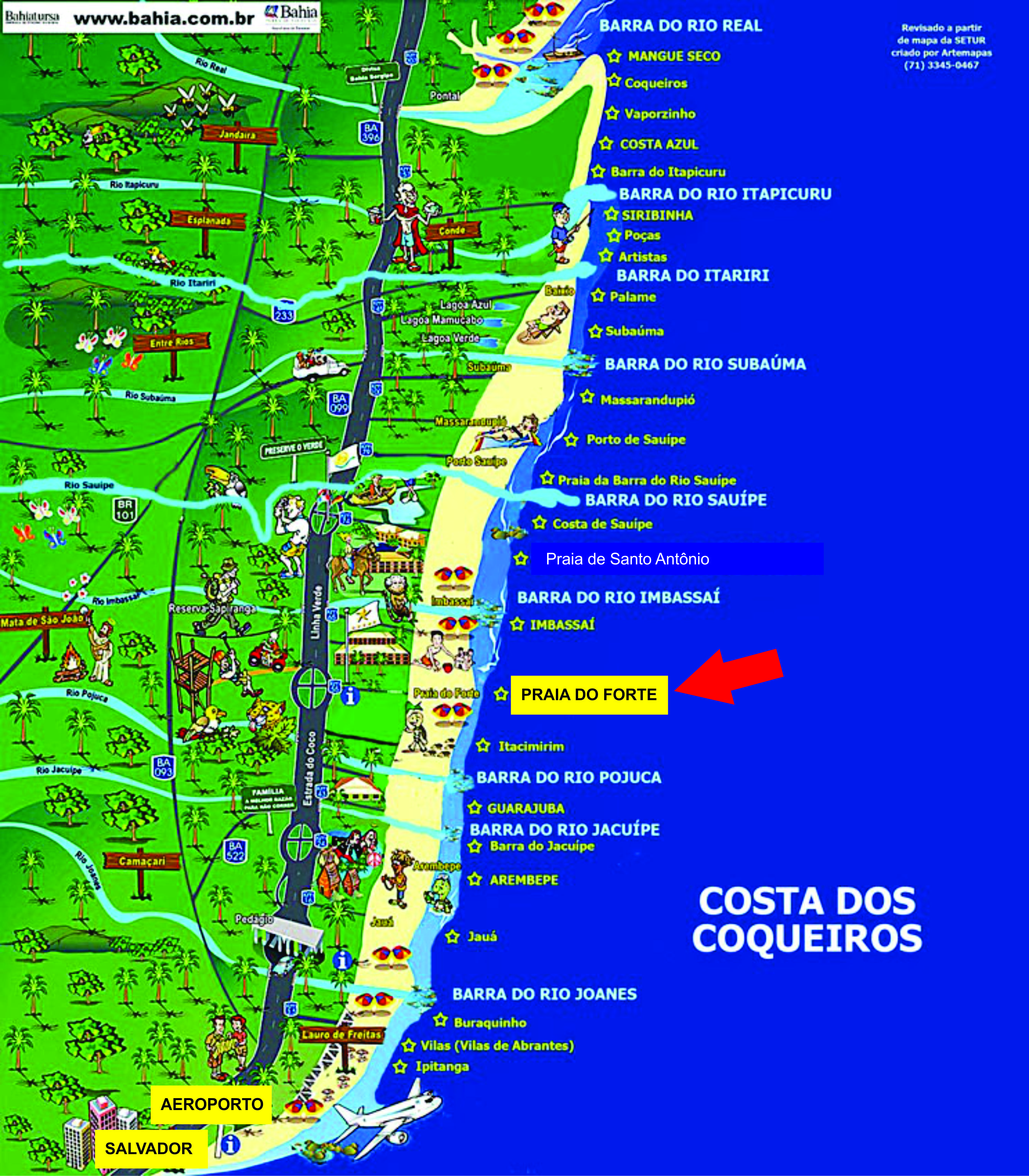
Quem sabe, sobe o litoral norte a partir de Natal e chega rapidinho a São Miguel do Gostoso, a nova sensação do turismo do Brasil. Apenas 100 km – em torno de uma hora de carro – separam Natal desta belíssima praia do litoral norte/oeste do Rio Grande do Norte.

Fonte/Quelle/Source: http://www.oportalsaomigueldogostoso.com.br/pt/sao_miguel_do_gostoso_como_chegar.html

São Miguel do Gostoso já tem algum tempo que vem navegando nas águas do turismo potiguar. Há pelo menos 10 anos a cidade se transformou no terceiro pólo do turismo do Rio Grande do Norte, perdendo apenas para Pipa e Natal.

Mas, nos últimos anos, a demanda pelo turismo de São Miguel do Gostoso se incrementou muitíssimo.

A cidade já conta com uma excelente infra-estrutura turística. São em torno de 70 pousadas e flats, para todos os gostos e bolsos, além de cerca de 100 estabelecimentos, entre os quais excelentes restaurantes, como opções para comer. E come-se muito bem em São Miguel do Gostoso. A gastronomia aqui é de primeiríssima linha.

Restaurantes charmosos – Genesis/Restaurants mit Charm – Genesis/Charming restaurants – Genesis
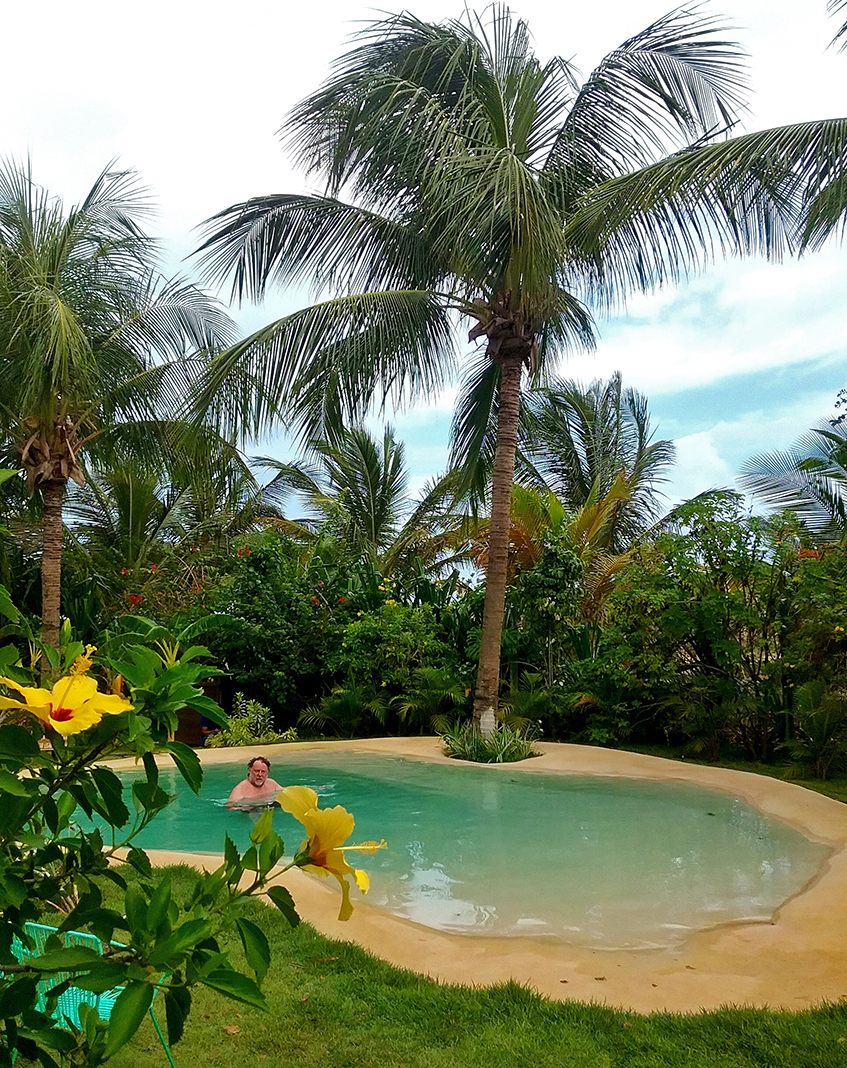
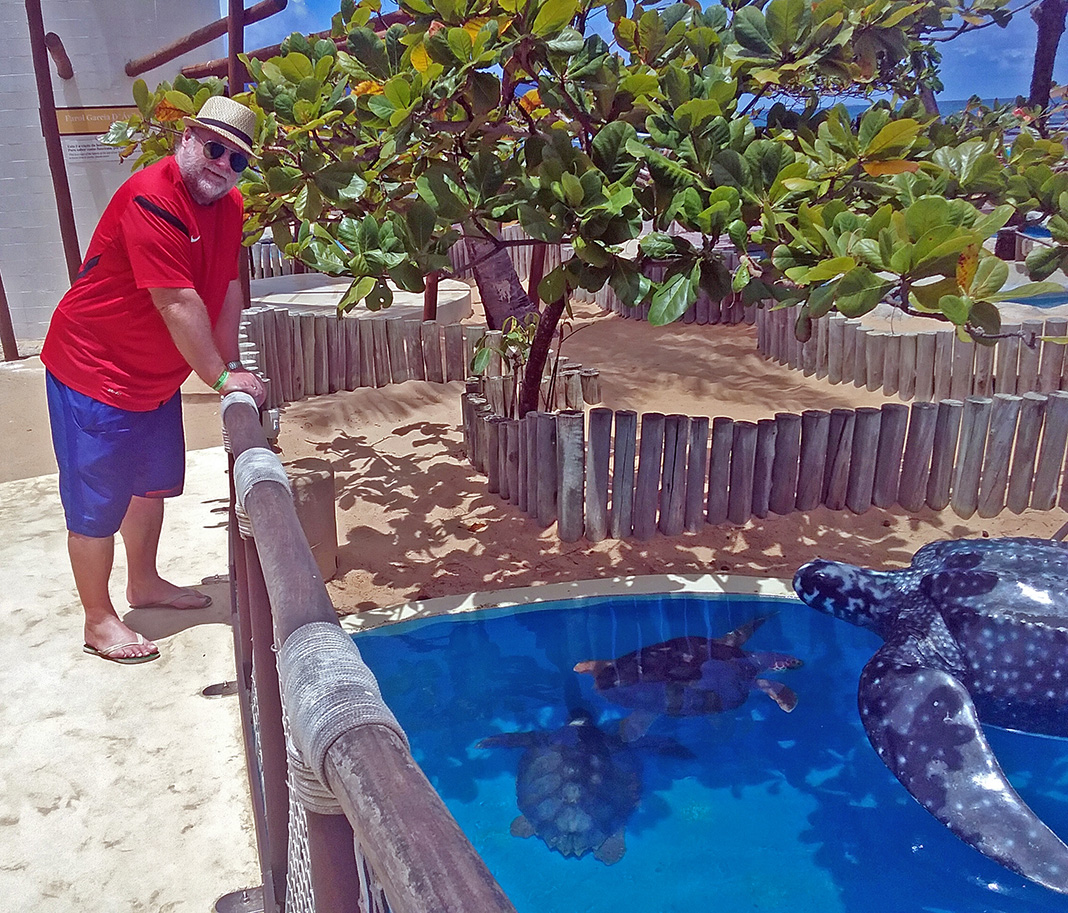
Erich na piscina da Pousada Ponteiros/Erich im Pool  des Hotels Ponteiros/Erich at the Ponteiros inn

Mas o que é mesmo que encanta em São Miguel do Gostoso? O que levou esta pacata beira de praia a ser uma excelente opção de turismo, encantando turistas do Brasil e todas as partes do mundo?

Lugar de tranquilidade/Ort der Ruhe/Place of tranquility

Os turistas, sejam os de gosto mais simples aos mais sofisticados, todos vão adorar conhecer esta cidade. E vão descobrir que o encanto de São Miguel do Gostoso é sua simplicidade. E, claro, a magia da sua natureza.

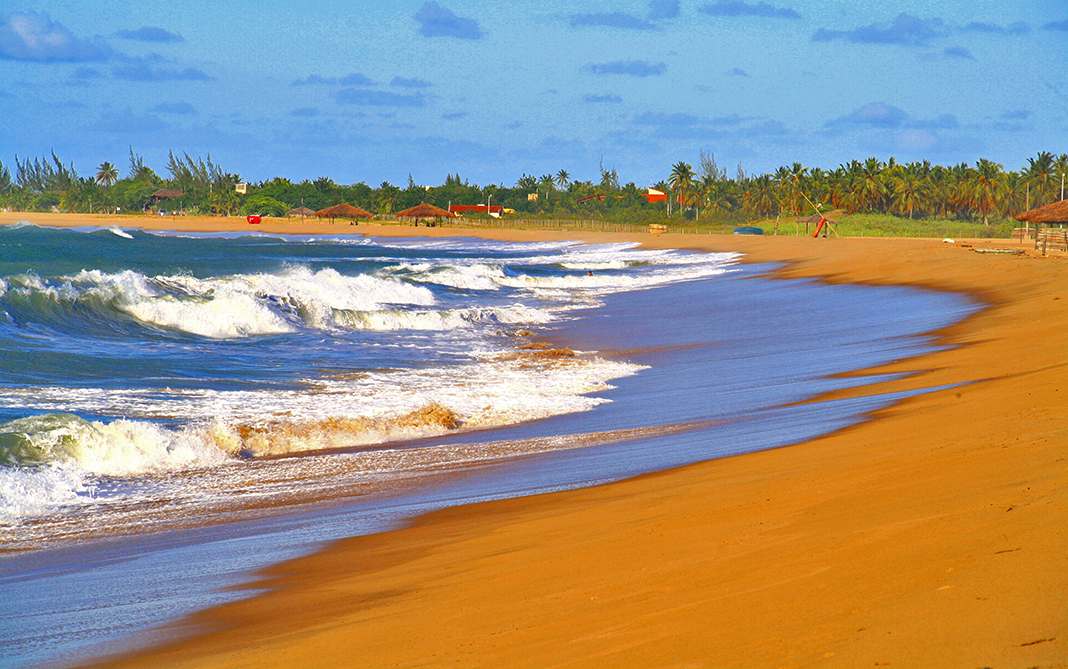
São Miguel do Gostoso está localizada numa enseada de águas mornas e mansas banhada por praias lindíssimas. São quatro praias na área urbana da cidade – Maceió, Xepa, Cardeiro e Santo Cristo. Cada uma delas conta com atrações especiais para encher os olhos de quem visita a cidade.

Praias belíssimas/Schöne Strände/Beautiful beaches

E as praias urbanas tem de tudo para agradar. Dunas branquinhas, lagoas, barreira de coqueiros gigante e um mar verdinho, irresistível para um mergulho.  No mar de São Miguel do Gostoso, você é capaz de esquecer a vida.

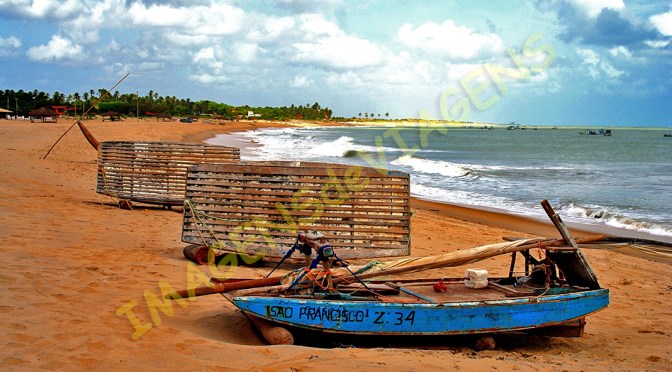
A jangada e o mar/ Floß und  Meer/The raft and the sea

Fora da área urbana, há muitas outras praias, mas uma delas, a do Tourinhos, é muito especial. Tourinhos é considerada uma das praias mais bonitas do Brasil.  Também instalada em uma enseada, Tourinhos conta com uma falésia de dunas petrificadas que existe ali há pelo menos dois mil anos.

Falésias da Praia de Tourinhos/Strandklippen Tourinhos/Tourinhos beach cliffs

A natureza em São Miguel do Gostoso é exuberante. Mas tem uma opção à parte que encanta os olhos dos visitantes. É o santuário de reprodução de tartarugas marinha espalhado por quase 30 km de toda a extensão da orla de São Miguel do Gostoso.

Na temporada de desova, que vai de dezembro a maio, são centenas de ninhos que reproduzem milhares de tartaruguinhas. O momento do nascimento destes animais é mágico e emocionante. As tartaruguinhas saem dos ovos e saem, lentamente, em busca do mar. E é ali que elas dão continuidade à espécie.

Desova de tartarugas/Nistplatz/Turtle spawning – Fonte/Quelle/Source: http://rtc.cv/index.php?paginas=21&id_cod=12943

A eclosão dos ninhos de tartarugas (o momento em que elas saem dos ovos e abandonam os ninhos em busca do mar) é uma grande atração do turismo-ecológico de São Miguel do Gostoso.

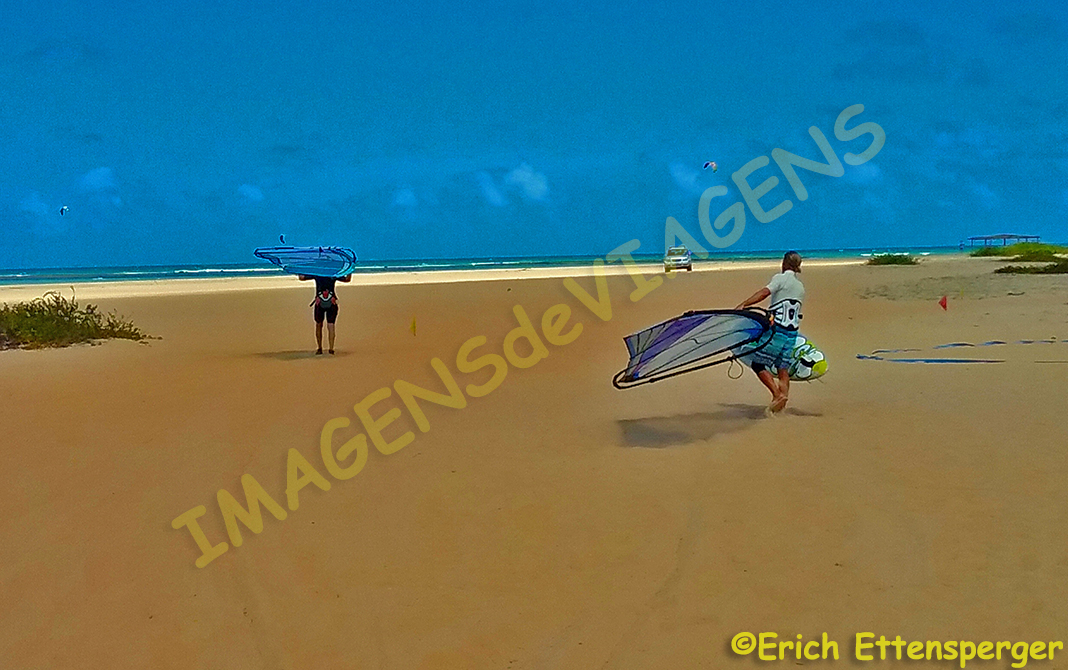
O vento é outra grande atração da cidade. São Miguel do Gostoso a maior temporada de ventos em todo o mundo, mais de seis meses. O vento farto é considerado excelente para o velejo, em especial o windsurf e kitsurf. Velejadores de todo o mundo vem à cidade para esta prática de esporte.

O vento atrai muitos esportistas/der Wind zieht viele Sportler an /The wind attracts many sportspeople
Praticantes de Windsurf e Kitesurf/Kite- und Windsurfer/Windsurfing and Kitesurfing Practitioners

São Miguel do Gostoso é tudo isso – e muito mais. Mas o “muito mais” fica por sua conta e sua curiosidade na descoberta do encanto e do charme da cidade.  E só sua presença aqui vai levar você a descobrir a magia do “muito mais” que esta bela praia pode te oferecer.

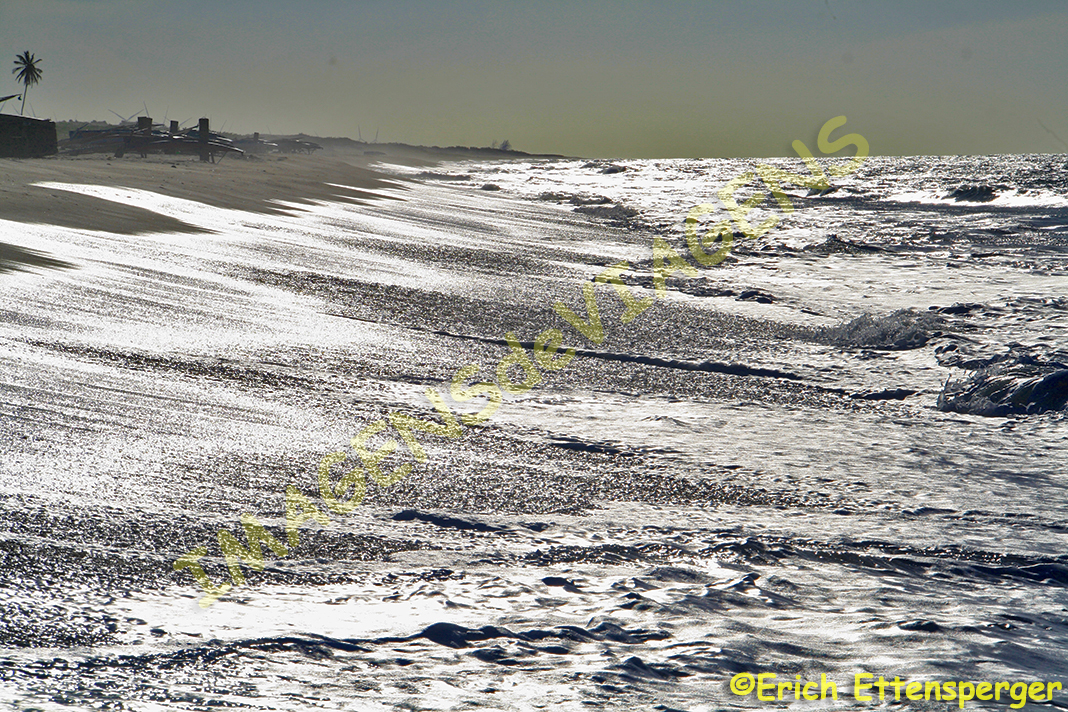
O mar prateado/Das silberne Meer/The silver sea

Interessado(a) no Rio Grande do Norte? Conheça nossas publicações:

Guia das Belezas do Rio Grande do Norte, disponível nas livrarias de Natal e no Mercado Livre.
E-book disponível na iBooks Store, da Apple.

Observação: se você quiser continuar “viajando” com o nosso blog, clique no botão “seguir” localizado no canto inferior direito dessa página. Você receberá um email com um link para confirmar a assinatura desse blog (não paga nada). Quando clicar no link, você será direcionado para uma página em inglês (essa página explica o procedimento no caso de você desejar um dia parar de seguir o blog). A partir daí, você já está “seguindo” o blog.

ALLE WEGE FÜHREN NACH SÃO MIGUEL DO GOSTOSO

Text: Emanuel Neri * / Fotos: Erich Ettensperger

* Emanuel Neri ist Journalist, er hat für wichtige Medien der Kommunikation wie Folha de S. Paulo und Veja gearbeitet. Als Schriftsteller ist er Autor des Buches „Köpfe des Windes.“ Er wurde in Sao Miguel do Gostoso geboren und betreibt dort die „Pousada dos Ponteiros“.

Wer die Nordküste von Natal kennt stöβt schnell auf São Miguel do Gostoso, das neue Gefühl von Tourismus in Brasilien. Nur 100 km – und somit nur eine Stunde Autofahrt – trennen  diesen wunderschönen Strand an der Nordküste Rio Grande do Nortes von Natal.

Fonte/Quelle/Source: http://www.oportalsaomigueldogostoso.com.br/pt/sao_miguel_do_gostoso_como_chegar.html


Schon seit langer Zeit sind die Gewässer von São Miguel do Gostoso Anziehungspunkt für Segelsport aller Art, seit  10 Jahren jedoch entwickelte es sich zu einem dritten Pol des Tourismus neben Natal und Pipa.

In den letzten Jahren hat die Nachfrage für São Miguel do Gostoso im Tourismusbereich stark zugenommen.

Die Stadt verfügt bereits über eine hervorragende touristische Infrastruktur. So gibt es rund 70 Pousadas und Apartments für jeden Geschmack und Geldbeutel. Unter den 100 touristischen Betrieben finden sich auch ausgezeichnete Restaurants mit vielen Optionen. Und Essen kann man sehr gut in Sao Miguel do Gostoso mit Küchen der besten Kategorien.

Restaurantes charmosos – Genesis/Restaurant mit  Charm – Genesis/Charming restaurants – Genesis
Erich na piscina da Pousada Ponteiros/Erich im Pool des Hotels Ponteiros/Erich at the Ponteiros inn

Aber was ist es, was Sao Miguel do Gostoso zu solch einem attraktiven Reiseziel für Touristen aus Brasilien und der ganzen Welt werden lässt?

Lugar de tranquilidade/Ort der Ruhe/Place of tranquility

Alle Touristen, vom einfachsten bis zum anspruchsvollsten Geschmack, mögen es sehr, diesen Ort kennen zu lernen. Sie werden feststellen, dass der Charme von Sao Miguel do Gostoso  seine Einfachheit ist. Und natürlich die Magie der Natur.

São Miguel do Gostoso ist in einer Bucht von warmen und ruhigen Gewässern eingebettet und umspült von wunderschönen Stränden. Es gibt vier Strände im Stadtbereich – Maceió, Xepa, Cardeiro und Santo Cristo. Jeder von ihnen offeriert den Augen der Besucher seine eigenen besonderen Attraktionen und Reize.

Praias belíssimas/Schöne Strände/Beautiful beaches

Die städtischen Strände gefallen mit weiβen Dünen, Lagunen, riesigen Palmen und dem grün-blauen Meer, das unwiderstehlich zum Baden einlädt. In den Gewässern von São Miguel do Gostoso werden Sie in der Lage sein, für einen Moment ihr Leben einfach zu vergessen.

A jangada e o mar/ Floß und  Meer/The raft and the sea

Außerhalb des Stadtgebiets gibt es viele weitere Strände, aber einer von ihnen, Tourinhos, ist etwas ganz besonderes. Tourinhos wird als einer der schönsten Strände in Brasilien betrachtet. Ebenfalls in eine kleine Bucht eingerahmt  wartet Tourinhos mit Klippen versteinerten Dünen auf, die seit mindestens 2.000 Jahren existieren.

Falésias da Praia de Tourinhos/Strandklippen Tourinhos/Tourinhos beach cliffs

Die Natur in Sao Miguel do Gostoso ist sehr üppig. Aber es gibt eine weitere Option, die das Auge der Besucher erfreut. Es ist das Schutzgebiet für die Aufzucht von Meeresschildkröten verstreut auf fast 30 km Länge der Küste von São Miguel Gostoso.

Desova de tartarugas/Nistplatz/Turtle spawning – Fonte/Quelle/Source: http://rtc.cv/index.php?paginas=21&id_cod=12943

In der Laichzeit, die von Dezember bis Mai dauert, werden in Hunderten von Nestern Tausende von Schildkröten reproduziert. Die Geburt dieser Tiere ist magisch und spannend. Die Schildkröten kriechen aus den Eiern und machen sich langsam auf die Suche nach dem Meer, welches so das Überleben dieser Spezie garantiert.

Dieser Ausbruch aus den Schildkrötennestern ist eine große Attraktion des Öko-Tourismus in São Miguel Gostoso.

Der Wind ist eine weitere Attraktion der Stadt. São Miguel do Gostoso verzeichnet die längste Wind-Saison weltweit mit mehr als sechs Monaten. Der starke Wind eignet sich hervorragend zum Segeln, Windsurfen und v.a. auch dem Kitesurfen. Segler aus der ganzen Welt kommen in die Stadt, um diesen Sport zu praktizieren.

O vento atrai muitos esportistas/der Wind zieht viele Sportler an/The wind attracts many sportspeople
Praticantes de Windsurf e Kitesurf/Kite- und Windsurfer/Windsurfing and Kitesurfing Practitioners

São Miguel do Gostoso hat all dies – und vieles mehr. Aber dieses „viel mehr“ liegt an Ihnen und ihrer Neugier, um den ganzen Zauber und Charme dieser Stadt zu entdecken. Und nur Ihre persönliche Präsenz hier wird Sie zu dieser Magie des „viel mehr“ führen, die dieser schöne Strand zu bieten hat.

O mar prateado/Das silberne Meer/The silver sea

Hinweis: Falls Sie unseren “Reisen” auf dem Blog folgen wollen, dann klicken Sie unten rechts einfach auf “Weiter”, Sie werden dann zukünftig automatisch informiert.

ALL THE WAYS LEAD TO SÃO MIGUEL DO GOSTOSO

Text: Emanuel Neri * / Photos: Erich Ettensperger

* Emanuel Neri is a journalist, he has worked for important communication media such as Folha de S. Paulo and Veja. As a writer he is the author of the book “Heads of the Wind.” He was born in Sao Miguel do Gostoso and runs there the “Pousada dos Ponteiros”.

Those who are familiar with the northern coast of Natal can quickly get to São Miguel do Gostoso, the new feeling of tourism in Brazil. Only 100 km – and thus only an hour drive – separate this beautiful beach on the north coast of Rio Grande do Norte from Natal.

Fonte/Quelle/Source: http://www.oportalsaomigueldogostoso.com.br/pt/sao_miguel_do_gostoso_como_chegar.html


For a long time already the waters of São Miguel do Gostoso have been an attraction for all types of sailing, but for the last 10 years it has developed into a third pole of tourism alongside Natal and Pipa.

In recent years, the demand for São Miguel do Gostoso has grown strongly in the tourism sector.

The city already has an excellent tourist infrastructure. So are there about 70 pousadas and apartments for every taste and purse. Among the 100 tourist establishments there are also excellent restaurants with many options. And food can be very good in Sao Miguel do Gostoso with kitchens of the best categories.

Restaurantes charmosos – Genesis/Restaurants charmant – Genesis/Charming restaurants – Genesis
Erich na piscina da Pousada Ponteiros/Erich im Pool des Hotel Ponteiros/Erich at the Ponteiros inn

But what is it that makes Sao Miguel do Gostoso such an attractive destination for tourists from Brazil and around the world?

Lugar de tranquilidade/Ort der Ruhe/Place of tranquility

All tourists, from the simplest to the most demanding taste, like to get to know this place. You will find that the charm of Sao Miguel do Gostoso is its simplicity. And, of course, the magic of nature.

São Miguel do Gostoso is nestled in a bay of warm and calm waters and is surrounded by beautiful beaches. There are four beaches in the urban area – Maceió, Xepa, Cardeiro and Santo Cristo. Each of them offers the visitor its own special attractions and charm.

Praias belíssimas/schöne Strände/Beautiful beaches

The urban beaches are liked  with white dunes, lagoons, giant palm trees and the green-blue sea, which invites you irresistibly to bathe. In the waters of São Miguel do Gostoso you will be able to forget your life for a moment.

A jangada e o mar/Floß und  Meer/The raft and the sea

Outside the urban area there are many other beaches, but one of them, Tourinhos, is something special. Tourinhos is considered one of the most beautiful beaches in Brazil. Also framed in a small bay, Tourinhos is waiting with cliffs of petrified dunes that have existed for at least 2,000 years.

Falésias da Praia de Tourinhos/Strandklippen Tourinhos/Tourinhos beach cliffs

The nature in Sao Miguel do Gostoso is very lush. But there is another option that will delight the eye of the visitors. It is the protected area for the rearing of sea turtles scattered on almost 30 km of the coast of São Miguel Gostoso.

Desova de tartarugas/Nistplatz/Turtle spawning – Fonte/Quelle/Source: http://rtc.cv/index.php?paginas=21&id_cod=12943

In the spawning season, which runs from December to May, thousands of turtles are reproduced in hundreds of nests. The birth of these animals is magical and exciting. The turtles crawl out of the eggs and slowly begin to search for the sea, which guarantees the survival of this species.

This eruption from the turtle nests is a great attraction for the eco-tourism in São Miguel Gostoso.

The wind is another attraction of the city. São Miguel do Gostoso has the longest wind season worldwide with more than six months. The strong wind is ideal for sailing, windsurfing and  nowadays the kitesurfing. Sailors from all over the world come to the city to practice this sport.

O vento atrai muitos esportistas/der Wind zieht viele Sportler an/The wind attracts many sportspeople
Praticantes de Windsurf e Kitesurf/Kite- und Windsurfer/Windsurfing and Kitesurfing Practitioners

São Miguel do Gostoso has all this – and much more. But this “much more” is up to you and your curiosity to discover all the magic and charm of this city. And only your personal presence here will lead you to this magic of the “much more” that this beautiful beach has to offer.

O mar prateado/Das silberne Meer/The silver sea

Note: If you want to follow our “Travels” on the blog, simply click on “Continue” in the lower right corner, you will be then automatically informed in the future.
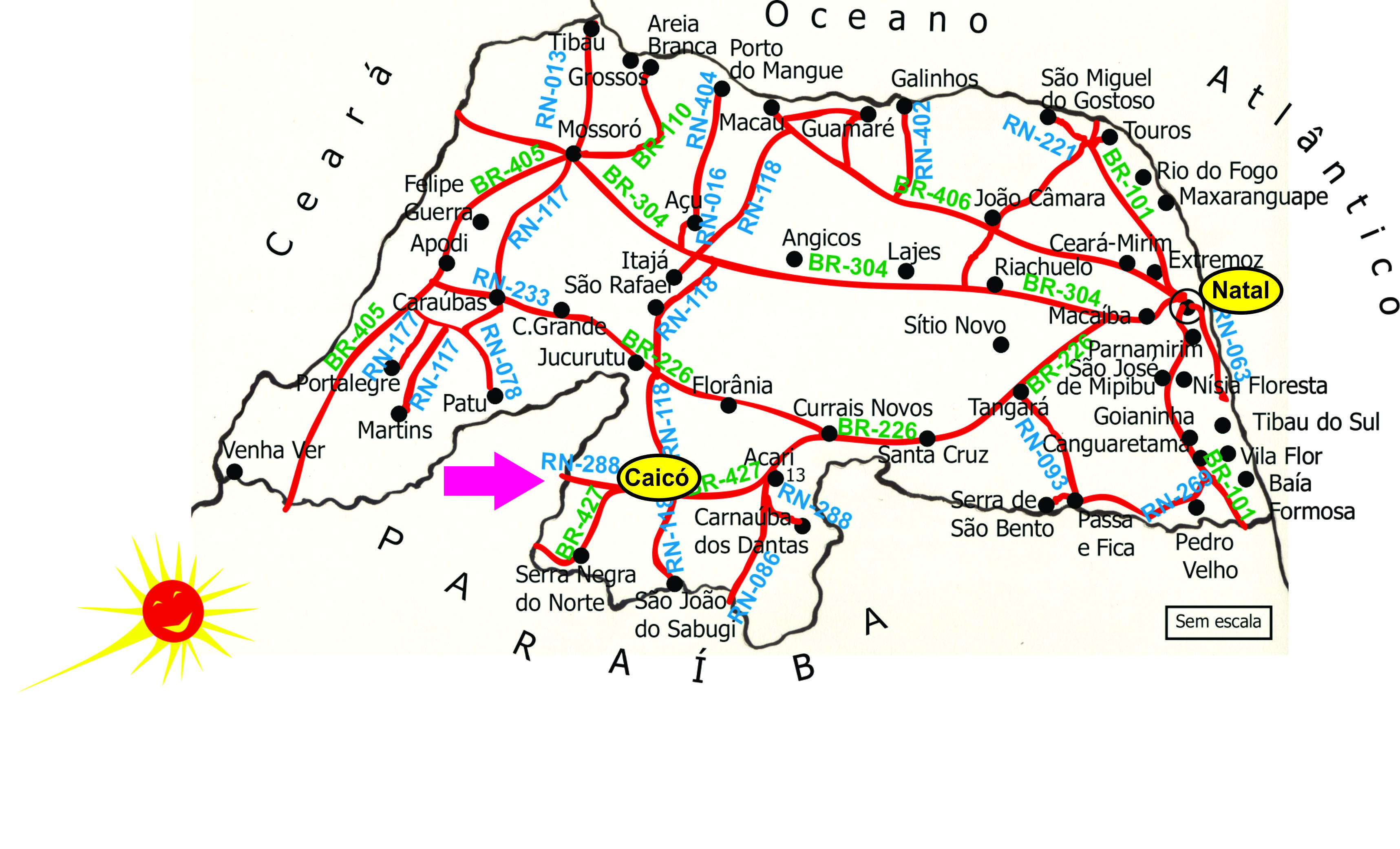


Praia do Forte, simpático destino nordestino/Praia do Forte, ein sympathisches Reiseziel im Nordosten Brasiliens/Praia do Forte, a friendly destination in the north-east of Brazil

Erich e Marcia/Erich und Marcia/Erich and Marcia

O Brasil tem um litoral com, aproximadamente,8.000 km recheado com praias lindas e com águas mornas. Dentre essas praias, para quem gosta de um mar calminho, ótimo para banho e também para quem se preocupa e se interessa em preservação do meio ambiente, vale a pena visitar a Praia do Forte localizada no litoral norte da costa baiana.

Mapa do litoral norte da Bahia/Karte Nordküste von Bahia/Map of the north coast of Bahia. Fonte/Quelle/source: http://www.bahia.com.br
Mar tranquilo/ruhiger See/Calm see

Essa praia está situada na Estrada do Coco (rodovia BA-099, entre Lauro de Freitas e Praia do Forte), no município de Mata de São João, distante em torno de 55 km do aeroporto Antônio Carlos Magalhães e aproximadamente 80 km de Salvador.

Quando a gente lembra da Praia do Forte, imediatamente, vem à mente o Projeto Tamar. É nessa praia onde está localizada a sede desse belo projeto que faz tanto pela preservação das tartarugas no Brasil.

Projeto Tamar/Tamar-Projekt/Tamar project
Erich no Projeto Tamar/Erich in Tamar/Erich at Tamar Project

A praia possui um vilarejo com pousadas, resorts, condomínios de casas de veraneio também possui um centrinho com muitas lojas e restaurantes, além de uma singela igreja localizada a beira-mar.

Alameda do Sol, a rua de pedestres/ Alameda do Sol, die Fußgängerzone/ Alameda do Sol, the pedestrian street
Paróquia de São Francisco do Litoral/Pfarrei St. Francis/Parish of São Francisco

Tive a oportunidade de visitar a Praia do Forte quando a maré estava baixa e achei o banho de mar ótimo, com águas calmas, ideal para tomar banho com crianças. Observei que o centrinho da Praia do Forte é organizado, é zona para pedestres, e vi que apenas um transporte especial, um tipo de “bicicleta riquixá” é permitido circular pelo centro, veja na foto abaixo.

“Bicicleta riquixá”/”Rikscha Fahrrad”/”Bicycle Rickshaw”

Há sinalização turística e também observei a presença de vegetação como árvores e plantas nos canteiros centrais da avenida principal.

Além da praia, da avenida principal, onde estão localizadas os principais restaurantes e lojas, o Projeto Tamar, que está bem acessível, no final da avenida principal, ao lado da igreja, a Reserva de Sapiranga, a Praia do Forte também oferece um atrativo histórico: as ruínas do Castelo de Garcia D´Ávila, uma das primeiras edificações militares erguidas no Brasil pelos portugueses.

Ruínas do castelo de Garcia D´Ávila/Ruinen von Garcia D’Ávila/Ruins of the castle of Garcia D’Ávila.Fonte/Quelle/Source: http://praiadoforte.org.br/atrativos-turisticos/castelo-garcia-davila/

Vale a pena visitar também o Instituto Baleia Jubarte e o Parque Klaus Peters. Da Praia do Forte é possível fazer passeios para outras praias e vilarejos nas proximidades, além de também ser possível visitar Salvador.

Enfim, a Praia do Forte é um destino recomendado para todos, casais, famílias com crianças e pessoas desacompanhadas.

Praia do Portinho/Praia do Portinho Strand/Praia do Portinho Beach

Para conhecer mais sobre a Praia do Forte, clique aqui.

p.s. Visitamos a Praia do Forte com Diego, que presta serviço de translado do aeroporto e faz passeios no litoral norte da Bahia. Telefone (071)996529622

Observação: se você quiser continuar “viajando” com o nosso blog, clique no botão “seguir” localizado no canto inferior direito dessa página. Você receberá um email com um link para confirmar a assinatura desse blog (não paga nada). Quando clicar no link, você será direcionado para uma página em inglês (essa página explica o procedimento no caso de você desejar um dia parar de seguir o blog). A partir daí, você já está “seguindo” o blog.

Praia do Forte, ein sympathisches Reiseziel im Nordosten Brasiliens

Erich e Marcia/Erich und Marcia/Erich and Marcia

Brasilien verfügt über eine Küste von etwa 8000 km mit schönen Stränden und warmem Wasser. Für all diejenigen, die nach ruhigem Meer suchen, ideal zum Schwimmen und auch Interesse am Schutz der Umwelt bekunden, lohnt sich ein Besuch in „Praia do Forte“ an der Nordküste von Bahia.

Mapa do litoral norte da Bahia/Karte Nordküste von Bahia/Map of the north coast of Bahia. Fonte/Quelle/source: http://www.bahia.com.br
Mar tranquilo/ruhiger See/Calm see

Dieser Strand befindet sich an der Estrada do Coco (Kokosnuss-Straβe BA-099) etwa 55 km vom Flughafen Antonio Carlos Magalhães und ca. 80 km von Salvador entfernt.

Wenn wir uns an Praia do Forte erinnern, dann denken wir sofort an das Tamar-Projekt. Es ist dieser Strand, an dem sich das Hauptquartier dieses schönen Projektes befindet, das sich so sehr für die Erhaltung der Schildkröten in Brasilien engagiert.

Projeto Tamar/Tamar-Projekt/Tamar project
Erich no Projeto Tamar/Erich in Tamar/Erich at Tamar Project

Am Strand entlang sind ein Dorf mit Hotels, Resorts und Ferienhäuser gelegen, es gibt auch eine kleine Fuβgängerzone mit vielen Geschäften und Restaurants sowie einer einfachen Kirche direkt am Meer gelegen.

Alameda do Sol, a rua de pedestres/ Alameda do Sol, die Fußgängerzone/ Alameda do Sol, the pedestrian street
Paróquia de São Francisco do Litoral/Pfarrei St. Francis/Parish of São Francisco

Ich konnte Praia do Forte bei Ebbe besuchen mit ruhigem Wasser ideal für Familien mit Kindern.  Das kleine Zentrum ist sehr gut organisiert, nur Fahrrad-Rikschas sind erlaubt, alles ist sehr gut ausgeschildert und Bäume und Pflanzen bieten angenehmen Schatten.

“Bicicleta riquixá”/”Rikscha Fahrrad”/”Bicycle Rickshaw”

Das Tamar-Projekt, hier das Sapiranga Reservat, ist leicht zugänglich am Ende der Fuβgängerzone direkt am Meer neben der Kirche.

Praia do Forte bietet auch eine historische Attraktion: die Ruinen der Bastion Garcia D’Avila, eine der ersten Militäreinrichtungen in Brasilien errichtet von den Portugiesen.

Ruínas do castelo de Garcia D´Ávila/Ruinen von Garcia D’Ávila/Ruins of the castle of Garcia D’Ávila.Fonte/Quelle/Source: http://praiadoforte.org.br/atrativos-turisticos/castelo-garcia-davila/

Es lohnt sich auch das Buckelwal-Institut und Klaus Peters Park besuchen.

Praia do Forte ermöglicht Ausflüge zu weiteren Stränden und Dörfern in der Nähe, aber selbst Salvador können Sie von hier aus besuchen.

Wie auch immer, Praia do Forte ist ein empfehlenswertes Reiseziel für alle, also für Paare, Familien mit Kindern, Gruppen und Singles.

Für weitere Informationen über Praia do Forte klicken Sie hier.

Praia do Portinho/Praia do Portinho Strand/Praia do Portinho Beach

P.S.  Wir besuchten Praia do Forte mit Diego, der den Flughafen-Transfer-Service anbietet und auch Touren an der Nordküste von Bahia realisiert. Telefon (071) 996 529 622

Hinweis: Falls Sie unseren “Reisen” auf dem Blog folgen wollen, dann klicken Sie unten rechts einfach auf “Weiter”, Sie werden dann zukünftig automatisch informiert.

Praia do Forte, a friendly destination in the north-east of Brazil

Erich e Marcia/Erich und Marcia/Erich and Marcia

Brazil has a coastline of about 8000 km with beautiful beaches and warm water. For those who are looking for a calm sea, ideal for swimming and also being interested in the protection of the environment, it is worth visiting Praia do Forte on the north coast of Bahia.

Mapa do litoral norte da Bahia/Karte Nordküste von Bahia/Map of the north coast of Bahia. Fonte/Quelle/source: http://www.bahia.com.br
Mar tranquilo/ruhiger See/Calm see

This beach is located at the Estrada do Coco (coconut road BA-099) about 55 km from Antonio Carlos Magalhães airport and about 80 km from Salvador.

When we remember Praia do Forte we immediately think of the Tamar project. It is this beach where the headquarters of this beautiful project is located dedicated to the conservation of turtles in Brazil.

Projeto Tamar/Tamar-Projekt/Tamar project
Erich no Projeto Tamar/Erich in Tamar/Erich at Tamar Project

Along the beach are a village with hotels, resorts and holiday houses, there is also a small pedestrian zone with many small shops and restaurants as well as a simple church at the beach.

Alameda do Sol, a rua de pedestres/ Alameda do Sol, die Fußgängerzone/ Alameda do Sol, the pedestrian street
Paróquia de São Francisco do Litoral/Pfarrei St. Francis/Parish of São Francisco

I could visit Praia do Forte at low tide with calm water ideal for families with children. The small center is very well organized, only bicycle rickshaws are allowed, everything is very well signposted and trees and plants offer pleasant shade.

“Bicicleta riquixá”/”Rikscha Fahrrad”/”Bicycle Rickshaw”

The Tamar Project, here the Sapiranga Reserve, is easily accessible at the pedestrian zone right next to the church at the beach.

Praia do Forte also offers a historical attraction: the ruins of Bastion Garcia D’Avila, one of the first military facilities built in Brazil by the Portuguese.

Ruínas do castelo de Garcia D´Ávila/Ruinen von Garcia D’Ávila/Ruins of the castle of Garcia D’Ávila.Fonte/Quelle/Source: http://praiadoforte.org.br/atrativos-turisticos/castelo-garcia-davila/

Also worth visiting are the Humpback Whale Institute and Klaus Peters Park.

Praia do Forte allows excursions to further beaches and villages nearby, but even Salvador you can visit from here.

However, Praia do Forte is a recommended destination for all, so for couples, families with children, groups and singles.

Praia do Portinho/Praia do Portinho Strand/Praia do Portinho Beach

For more information about Praia do Forte click here. 

P.S. We visited Praia do Forte with Diego, who offers the airport transfer service and also tours on the north coast of Bahia. Telephone (071) 996 529 622

Note: If you want to follow our “Travels” on the blog, simply click on “Continue” in the lower right corner, you will be then automatically informed in the future.


Oficina de Francisco Brennand: universo de fantasia e sonho ou realidade surreal

Oficina de Francisco Brennand: universo de fantasia e sonho ou realidade surreal 

Já visitei Recife várias vezes e sempre quis incluir uma visita à Oficina de Francisco Brennand. Nunca deu certo porque o lugar é afastado. Está distante cerca de 20 km do centro, localizado em uma área chamada Várzea. Dessa vez deu certo e visitamos a oficina.

O lugar é afastado sim, mas vale a pena para as pessoas que são amantes de visitar exposições de arte. Estávamos hospedados em Boa Viagem e de lá, o percurso nos custou cerca de R$ 30,00 (trinta reais) de Uber.

Bom, primeiro vamos conhecer um pouco sobre Francisco Brennand: é um artista pernambucano que nasceu em 1927, em Recife. Em 1971 ele começou a reconstruir a velha cerâmica São João da Várzea, fundada por seu pai em 1917.

Brennand criou um mundo mágico caracterizado por figuras fantásticas que mesclam sensualidade e fantasia. Para os olhos puritanos, a visita à Oficina é obscena em alguns momentos. Para as pessoas com uma visão de arte mais abrangente, o lugar transporta o visitante a um universo imaginário.

Ficamos impressionados com a imensidão do trabalho do artista. Compartilho a opinião de Erich que diz: “não gosto das peças individuais, mas o conjunto da obra é impressionante” e ele completa: “talvez até eu não tenha a capacidade de entender a complexidade da obra”.

O que nos fascina nessa visita é perceber a habilidade do artista de dominar o desenho, a pintura e a escultura, além da arte da olaria cerâmica. Em certos momentos, sente-se a influência de Salvador Dali e sua realidade surreal.

O lugar é composto pelo templo central, salão de esculturas, anfiteatro, praça Burle Marx, Academia, Templo do Sacrifício e pela loja-café.

Em média você vai gastar entre 2 – 3 horas para visitar tudo em paz e mergulhar num mundo de sonhos. Finalizamos esse post com uma citação, de autoria de Carlo Levi, (escritor e artista plástico italiano), exposta em um dos painéis da oficina onde se lê: “O futuro tem um coração antigo”.

Se quiser conhecer mais sobre a Oficina de Francisco Brennand, clique aqui.

Observação: se você quiser continuar “viajando” com o nosso blog, clique no botão “seguir” localizado no canto inferior direito dessa página. Você receberá um email com um link para confirmar a assinatura desse blog (não paga nada). Quando clicar no link, você será direcionado para uma página em inglês (essa página explica o procedimento no caso de você desejar um dia parar de seguir o blog). A partir daí, você já está “seguindo” o blog.

Park der Skulpturen Francisco Brennand: Fantasy-Universum und Traum, surreale Realität

Ich habe Recife schon oft besucht und wollte immer einen Besuch im Francisco Brennand Skulpturenpark einbinden. Es funktionierte nie, weil der Ort ca. 20 km vom Zentrum entfernt ist, in einer Gegend namens Várzea. Dieses Mal klappte es und ich konnte die Werkstatt dieses Künstlers besuchen.

Trotz der Lage lohnt sich der Besuch für Liebhaber von Kunstausstellungen.  Von unserem Hotel in Boa Viagen kostete uns der Trip zum Park mit UBER-Taxi etwa 30 R$.

Nun, einige Informationen über Francisco Brennand : er ist ein Künstler aus Pernambuco  und wurde im Jahr 1927 in Recife geboren. Im Jahr 1971 begann er mit dem Wiederaufbau der alten Töpferei São João da Várzea, die von seinem Vater im Jahr 1917 gegründet wurde.

Brennand konstruiert eine magische Welt von fantastischen Figuren charakterisiert durch den Mix von Sinnlichkeit und Phantasie. Für Besucher mit etwaigen „puritanischen Augen“ mag ein Besuch in der Werkstatt zuweilen obszön erscheinen. Menschen/Besucher mit einem „weitumfassenderen Blick“ auf Kunst schlechthin versetzt der Ort in ein beeindruckendes imaginäres Universum.

Wir waren von der Unermesslichkeit seiner Arbeit beeindruckt. Ich teile die Ansicht von Erich, der wie folgt das Gesehene zusammenfasste: „Auch wenn mir nicht alle individuellen Ausstellungsstücke gefallen mögen, das Gesamtwerk dagegen ist extrem beeindruckend“ und weiter fügt er hinzu, „vielleicht verfüge ich aber einfach nicht über die künstlerische Kompetenz, alle Möglichkeiten der Komplexität dieses Gesamtwerkes interpretieren und huldigen zu können“.

Was uns an diesem Besuch sehr faszinierte, war es, die diversen Fähigkeiten des Künstlers zu sehen, sowohl Zeichnungen, Malerei, Skulptur und die Kunst der Keramik auf beeindruckende Weise zu meistern. Manchmal spürt man den Einfluss von Salvador Dali und seiner surrealen Wirklichkeit.

Der gesamte Skulpturen-Park besteht aus der zentralen Tempelhalle, den Skulpturen, dem Amphitheater, dem Burle-Marx-Platz, der Akademie, dem Opfer-Tempel und dem Laden-Café.

Kalkulieren Sie zwischen 2 bis 3 Stunden für ihren Besuch, ohne an einer Führung teilzunehmen, und seien sie bereit, in eine Welt der Kunst, eine Welt der Träume und Fantasien einzutauchen. Uns gefiel am meisten diese Aussage von Carlo Levi: “Die Zukunft hat ein antikes Herz”.

Hinweis: Falls Sie unseren “Reisen” auf dem Blog folgen wollen, dann klicken Sie unten rechts einfach auf “Weiter”, Sie werden dann zukünftig automatisch informiert.

Park of sculptures Francisco Brennand: fantasy universe and dreams, surreal reality

I have often visited Recife and always wanted to include a visit to the sculpture park of the Francisco Brennand. It never worked because the place is about 20 km from the center, in a region called Várzea.

This time it functioned and I could visit the exhibition area of this artist.

Despite the far away location for lovers of art exhibitions it is worth visiting. From our hotel in Boa Viagen the trip to the Park with a “Uber”-taxi cost us about 30 R$.

Well, now  some information about Francisco Brennand: he is an artist from Pernambuco and was born 1927 in Recife. In 1971 he began to rebuild the old pottery São João da Várzea founded by his father in 1917.

Brennand constructed a magical world of fantastic characters characterized by the mix of sensuality and imagination. For visitors with somehow “puritan eyes”, a visit to the place might seem obscene. People / visitors with a More comprehensive view” to art simply put the place into an impressive imaginary universe.

We were impressed by the immensity of his work. I share Erich’s view who summarized as follows: “Although I do not like all the individual pieces of art, the overall work is extremely impressive,” and he adds, “but perhaps I do not have the artistic competence to interpret and to pay homage to all the possibilities of the complexity of this whole complete works.”

What fascinated us on this visit was to see the various skills of the artist to master both drawings, painting, sculpture and the art of ceramics in an impressive way. Sometimes one feels the influence of Salvador Dali and his surreal reality.

The entire sculpture park consists of the central temple hall, the sculptures, the amphitheater, the Burle-Marx-Square, the academy, the sacrificial temple and the shop-café.


Calculate between 2 to 3 hours for your visit without taking part in a guided tour and be ready to dive into a world of art, a world of dreams and fantasies. We liked most the statement of Carlo Levi: “the future has a antique heart”.

Note: If you want to follow our “Travels” on the blog, simply click on “Continue” in the lower right corner, you will be then automatically informed in the future.
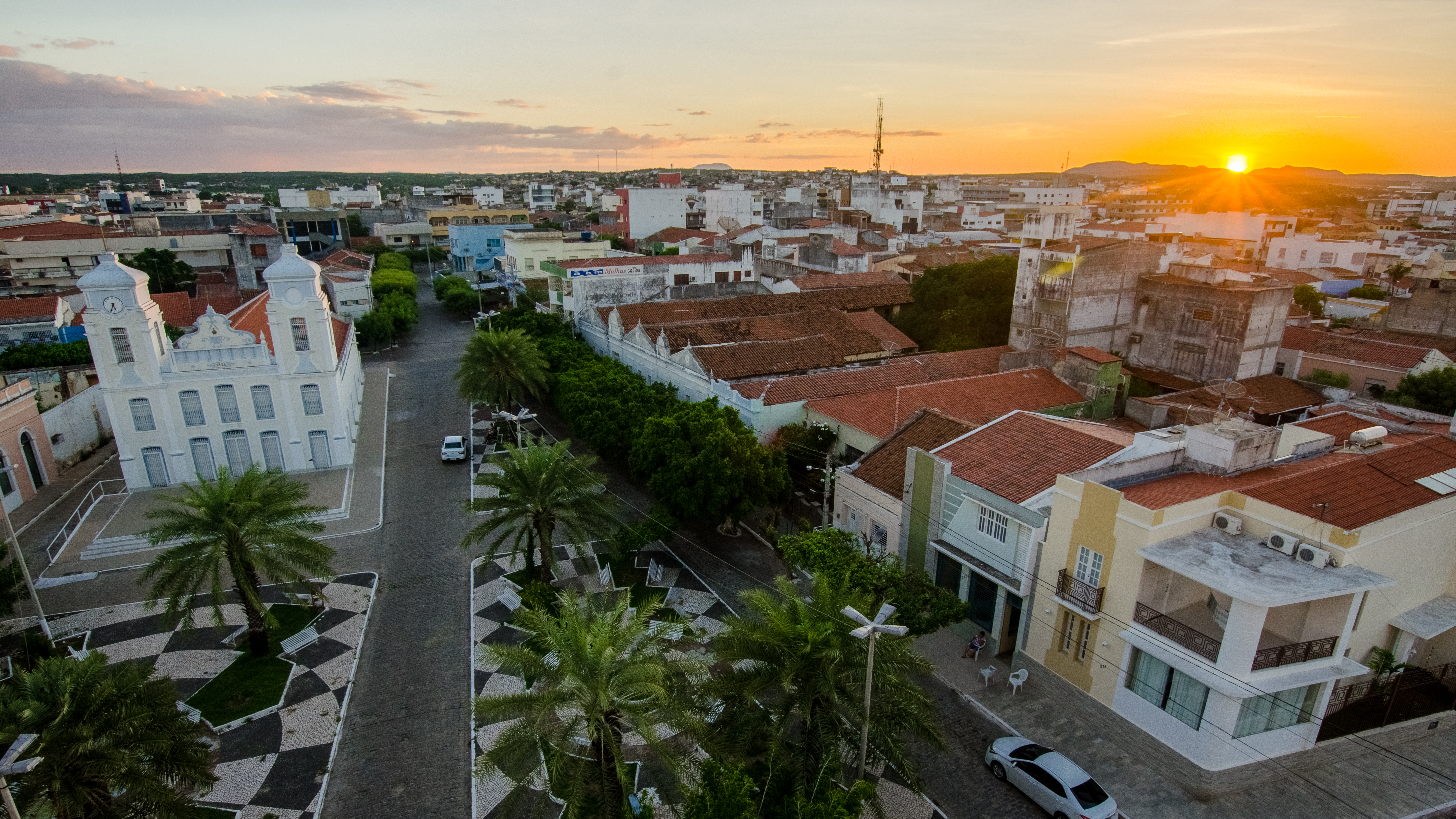


Vale a pena se hospedar em um resort com o sistema tudo incluído?Lohnt sich ein Aufenthalt in einem „ALLES INKLUSIVE“ Resort?Is it worth staying in an “ALL INCLUSIVE” resort?

Erich e/und/and Marcia

Para quem gosta de viajar, descansar, se desligar de tudo, se hospedar em um resort com tudo incluído, conhecido também como “all inclusive” é uma boa escolha. Ou não? Neste post vou apresentar aqui minhas impressões sobre esse assunto.

Vale a pena se hospedar em um resort com tudo incluído?

Primeiro, é bom esclarecer que o sistema de tudo incluído não significa luxo nos serviços. Não. Substitua a palavra luxo pela palavra self-service. É isso mesmo. Você vai se servir de bebidas, comidas, você vai se levantar da sua espreguiçadeira a beira da piscina e vai buscar seu cocktail, nenhum garçom vai trazer o cardápio, a carta de bebidas, tem horas que dá uma vontade de ter um garçom por perto…
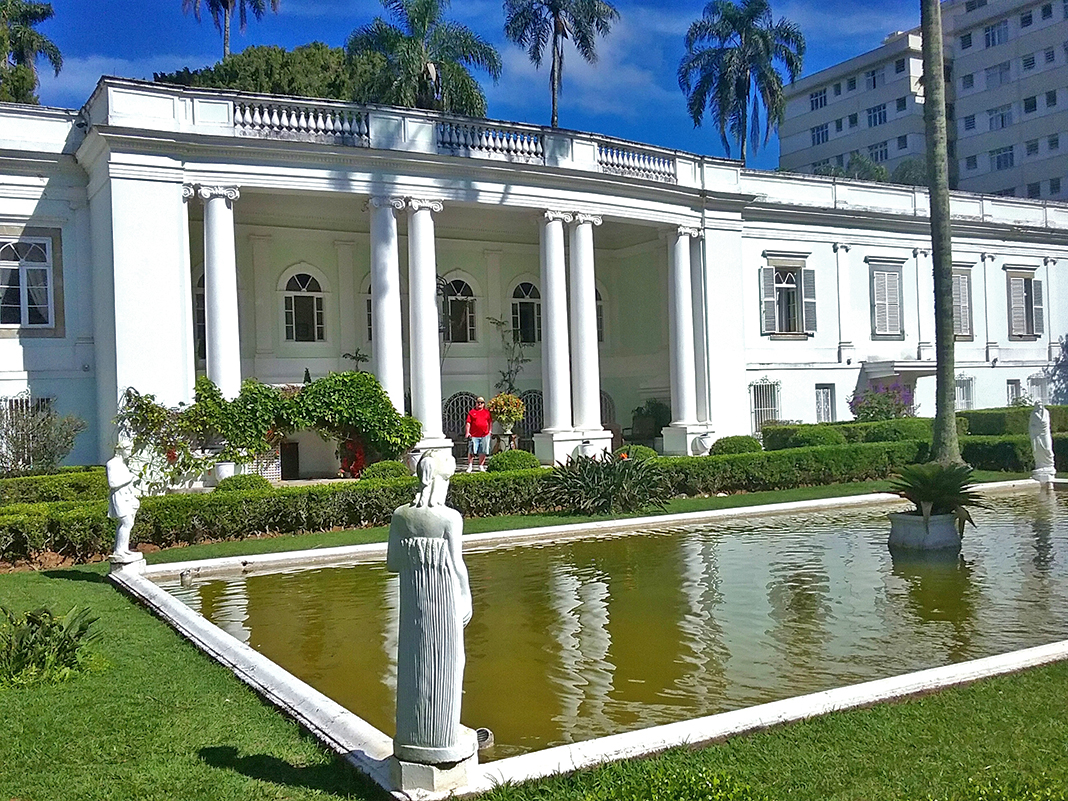
Em relação a aspectos físicos, a estrutura de um resort pode ter edifícios com muitos apartamentos e também os bangalôs, com casas independentes ou estruturas geminadas com categoria luxo, superluxo, dentre outras.

Blocos com apartamentos tipo standard/Apartments Standard-Typ /Blocks with standard apartments
Bangalô com apartamentos geminados/Bungalows mit je zwei  Apartments/Bungalow with twin apartments

Bom baseada nessas considerações e nas experiências que vivi com o Erich em resorts pelo Brasil, cheguei às seguintes conclusões:

Se hospede em um resort com tudo incluído, se você procura:

  • Um lugar seguro;
  • Que todas as despesas estejam incluídas, que você não precise estar assinando contas, é confortável;
  • Se você quer realmente relaxar, se esquecer do mundo, somente curtir a piscina,os restaurantes, as praias, o parquinho para crianças, atividades com animadores (como ginástica na água, aulas de dança, dentre outros);
Observe a pulseira verde que recebi no check in, passaporte para todos os serviços/Beachten Sie das grüne Armband, das  ich beim Check erhielt, der Pass für alle Services/Note the green bracelet I received at check in, passport for all services
Piscina convidativa de um resort no Brasil / einladender Pool in einem Resort in Brasilien  / Inviting pool of a resort in Brazil
Jardim do resort de frente para a praia/ der Strand-Garten mit Blick auf das Meer /Resort garden facing the beach
Playground/Spielplatz
  • Se você gosta de um hotel onde existe uma flexibilidade de horários para os serviços de alimentação;
Restaurante/Restaurant/restaurant
  • Se você não estiver preocupado em “ganhar uns quilinhos extras”, pois comida e bebidas estão disponíveis quase 24 horas;
  • Se você não se importa de ser mais um no hotel e não quer atenção especial;
  • Se você quer usufruir de piscina e de praia, geralmente os resorts estão sempre bem localizados (tem alguns que estão situados próximos de áreas de preservação ambiental e por isso, é possível ver animais nos jardins dos mesmos), mas, isso não significa dizer que as praias são sempre ótimas para banho;
Costa do Sauípe
Praia do Sauípe/Strand Sauípe/Sauípe Beach
Iguana nos jardins de um resort/Leguan auf dem Gelände eines Resorts/Iguana in the gardens of a resort
  • Há uma grande diversidade de comida, os buffets são grandes devido a grande quantidade de hóspedes;
  • Se você não se importa em ficar na fila para quase tudo: fila para tapioca, fila omelete, fila para pedir uma caipirinha no bar da piscina…

Não vá, se:

  • Gosta de uma atenção especial. O serviço é quase “anônimo” considerando que você não desenvolve uma relação pessoal com os empregados;
  • Está fazendo reeducação alimentar e quer perder peso ou é uma pessoa que vive contando as calorias dos alimentos que come e das bebidas que ingere;
  • Se tem alguma coisa contra turismo de massa, pois os resorts recebem uma grande quantidade de hóspedes;
  • Se gosta de sentar na beira da piscina e da praia e esperar ser sempre servido por um garçom;
  • Você gosta de bater um papinho com garçom para saber particularidades do lugar, eles estão sempre ocupados e servem bem rápido porque sempre tem alguém esperando;
  • Você não tem a opção de escolhas. Por exemplo: eu não gostei do vinho tinto servido no restaurante e não pude trocar por outro, pois o hotel somente oferecia aquele tipo, branco ou tinto;
  • Gosta de comida variada. Os buffets de almoço e jantar são grandes, porém, são os mesmos todos os dias com pequenas variações;
  • Se você não gosta de “gueto”.

Outro aspecto importante é que o sistema tudo incluído não significa que tudo está realmente incluído. Por isso, quando for fazer sua reserva peça a lista do que está e não está incluído. Por exemplo, há hotéis que informam que somente está incluído o que for servido nas áreas comuns do resort, que a internet não está incluída…

E aí? Que tal alguns dias em um resort com sistema tudo incluído?

Observação: se você quiser continuar “viajando” com o nosso blog, clique no botão “seguir” localizado no canto inferior direito dessa página. Você receberá um email com um link para confirmar a assinatura desse blog (não paga nada). Quando clicar no link, você será direcionado para uma página em inglês (essa página explica o procedimento no caso de você desejar um dia parar de seguir o blog). A partir daí, você já está “seguindo” o blog.

Marcia e/und/and Erich

Lohnt sich ein Aufenthalt in einem „ALLES INKLUSIVE“ Resort?

Für all diejenigen, die reisen und dabei total abschalten wollen, könnte ein Aufenthalt in einem sogenannten „Alles Inklusive Resort“ eine durchaus gute Wahl sein. Oder auch nicht? In diesem Beitrag werde ich meine Eindrücke diesbezüglich  präsentieren.

Also, lohnt es sich, in einem ein Alles-Inklusive-Resort Urlaub zu machen?

Erstens ist es wichtig, klarzustellen, dass Alles-Inklusive nicht unbedingt Luxus bedeutet. Nein. Ersetzen Sie das Wort Luxus einfach für das Wort Selbstbedienung. Es wird keinen Kellner geben, der Ihnen Speisen, Getränke oder Cocktails am Pool an Ihrem Liegestuhl servieren wird…sie werden dies manchmal vermissen.

Die physischen Aspekte betreffend kann es viele unterschiedliche Kategorien mit unterschiedlichen Luxus- und Preis-Strukturen geben vom einfachen Zimmer ausgehend bis hin zum eigenen kleinen Bungalow im Grünen.

Blocos com apartamentos tipo standard /Apartments Standard-Typ /Blocks with standard apartments
Bangalô com apartamentos geminados/Bungalows mit je zwei  Apartments/Bungalow with twin apartments

Nun, auf der Grundlage solcher Überlegungen und den Erfahrungen, die ich mit Erich in verschiedenen Resorts in Brasilien gemacht habe, kam ich zu folgenden Schlussfolgerungen:

Buchen Sie ein Alles-Inklusive-Resort, wenn Sie Folgendes suchen:

Einen sicheren Ort;

Alle Kosten enthalten sind, so werden Sie nicht dauernd Rechnungen unterschreiben müssen – bequem;

Wenn Sie wirklich nur entspannen wollen, die Welt vergessen wollen, nur den/die Pools, die Restaurants, Strände, Spielplätze für Kinder, Aktivitäten mit Animateuren wie z.B. Wasser-Gymnastik, Tanzkurse usw. genieβen wollen;

Observe a pulseira verde que recebi no check in, passaporte para todos os serviços/Beachten Sie das grüne Armband, das  ich beim Check erhielt, der Pass für alle Services/Note the green bracelet I received at check in, passport for all services
Piscina maravilhosa/wunderbarer Pool/Wonderful pool (Vila Galé Mares, Bahia)
Playground/Spielplatz
Jardim do resort de frente para a praia/ Garden Resort Blick auf den Strand /Resort garden facing the beach

Flexibilität bei der Verpflegung, Essenszeiten;

Wenn Sie sich keine Sorgen über „ein paar Pfunde mehr” machen wollen/müssen, weil Essen und Getränke fast 24 Stunden zur Verfügung stehen;

Restaurante/Restaurant/restaurant

Wenn Sie nicht wollen, daβ Ihnen eine ganz besondere Aufmerksamkeit entgegengebracht wird;

Wenn Sie v.a. die Pools und den Strand genießen wollen, dann sind in der Regel Resorts immer sehr gut gelegen (es gibt einige sogar nahe Umweltschutzbereichen und so können durchaus Tiere  daraus erscheinen), aber das bedeutet nicht immer, dass die Strände zum Schwimmen immer optimal geeignet sind;

Costa do Sauípe
Praia do Sauípe/Strand Sauípe/Sauípe Beach
Iguana nos jardins de um resort/Leguan auf dem Gelände eines Resorts/Iguana in the gardens of a resort

Wegen der großen Anzahl der Gäste ist die Vielfalt von Lebensmitteln und das Angebot an den Buffets riesig;

Wenn Sie nichts dagegen haben für Vieles oft in einer Warteschlange zu stehen: z.B. für Tapioka, Omeletts beim Frühstück oder einen Caipirinha an der Poolbar

Buchen Sie NICHT ein All-Inclusive-Resort, wenn Sie Folgendes suchen:

Besondere persönliche Aufmerksamkeit. Der Service ist fast “anonym”. Sie werden keine persönliche Beziehung zum Personal entwickeln können;

Sie Gewicht verlieren wollen, sich in einer Diätphase befinden, wo dann letztendlich jede Kalorie zählt;

Wenn Sie etwas gegen Massentourismus haben, da die Resorts ja bekanntlich sehr viele Gäste anziehen;

Wenn Sie am Pool und am Strand sitzen mögen und Sie erwarten, immer von einem Kellner bedient zu werden;

Falls Sie einen kleinen Plausch mit dem Kellner haben möchten, um mehr Informationen zu sammeln, sie sind immer beschäftigt, weil schon immer jemand wartet;

Sie haben keine Möglichkeiten für Alternativen. Ich mochte den Rotwein im Restaurant nicht, konnte aber keinen anderen bekommen, da nur je ein Sorte Rot- oder Weiβwein serviert wurde;

Wenn Sie abwechslungsreiches Essen mögen. Mittagessen und Abendessen sind sehr vielfältig, aber es ist dennoch jeden Tag das gleiche mit kleineren Variationen;

Wenn Sie nicht wie in einem “Ghetto” Urlauben wollen.

Ein letzter weiterer wichtiger Aspekt ist, dass Alles Inklusive  nicht bedeutet , dass alles in Alles Inklusive enthalten ist. Also, wenn Sie buchen, fragen Sie nach der Liste, was bei Alles Inklusive   enthalten ist und was nicht. Es gibt Hotels, da ist im Preis alles inbegriffen, was in den öffentlichen Bereichen des Resorts serviert wird, unter Umständen das Internet aber nicht!

“Und nun? Wie wäre es nun mit ein paar Tagen in einem Resort mit ALLES-INKLUSIVE?”

Hinweis: Falls Sie unseren “Reisen” auf dem Blog folgen wollen, dann klicken Sie unten rechts einfach auf “Weiter”, Sie werden dann zukünftig automatisch informiert.

Is it worth staying in an “ALL INCLUSIVE” resort?

Marcia e/und/and Erich

 For those who travel and want to relax totally , a stay in a so-called “All Inclusive Resort” could be quite a good choice. Or not? In this article I will present my impressions about this subject.

Firstly, it is important to clarify that all-inclusive does not mean necessarily luxury. No. Replace the word luxury simply for the word self-service. There will be no waiter who will serve you food, drinks or cocktails by the pool on your deck chair … this you will miss sometimes.

In terms of physical aspects there exist many different categories with different luxury and price structures ranging from a simple room to a small bungalow in the green.

sBlocos com apartamentos tipo standard /Apartments Standard-Typ /Blocks with standard apartments
Bangalô com apartamentos geminados/Bungalows mit je zwei  Apartments/Bungalow with twin apartments

Well, on the basis of such considerations and the experiences I have had with Erich at various resorts in Brazil, I came to the following conclusions:

Book an All-inclusive Resort if you are looking for:

A safe place;All costs are included, so you will not need  constantly sign bills – convenient;

If you really just want to relax, to forget the world, only to enjoy the pool (s), restaurants, beaches, playgrounds for children, activities with entertainers like water-gymnastics, dance-classes, etc.;

Observe a pulseira verde que recebi no check in, passaporte para todos os serviços/Beachten Sie das grüne Armband, das  ich beim Check erhielt, der Pass für alle Services/Note the green bracelet I received at check in, passport for all services
Piscina convidativa de um resort no Brasil / einladender Pool in einem Resort in Brasilien  /Inviting pool of a resort in Brazil
Playground/Spielplatz
Jardim do resort de frente para a praia/ Garden Resort Blick auf den Strand /Resort garden facing the beach

Flexibility of meal times and the meals;If you do not have to worry about “a few extra pounds” because food and drinks are available for almost 24 hours;If you do not want a special attention to you;

Restaurante/Restaurant/restaurant

If you are using mainly the pools and the beaches then usually resorts are always very well located (there are some even close to environmental protection areas and so animals even might appear), but that does not mean that the beaches are always suitable for swimming;

Because of the large number of guests the variety of food and the offer at the buffets is huge;

If you do not mind to be for many things in a queue often: e.g. for tapioca, omelets at breakfast or a caipirinha at the pool bar

Do NOT book an All-inclusive Resort if you are looking for:

Particular personal attention. The service is almost “anonymous”. You will not be able to develop a personal relationship with staff;

You want to lose weight, you are in a dietary phase, where ultimately every calorie counts;

If you have something against mass tourism, since the resorts are known to attract a lot of guests;

If you like sitting by the pool and the beach and you expect to be always served by a waiter;

If you want to have a little chat with the waiter to collect more information, they are always busy because someone is already always waiting;

You have no options for alternatives. I did not like the red wine in the restaurant, but I could not get another one because only one variety of red or white wine was served;

If you like variation in food. Lunch and dinner are very varied, but it is the same every day with smaller changes;

If you do not like to go in a “ghetto” feeling holiday.

Another final important aspect is that the all-inclusive system does not mean that everything is actually included. So when you make your reservation ask for the list of what is and what is not included. For example, there are hotels that report that only what is served in the public areas of the resort is included, in certain circumstances even the internet is not included!

And now? “What about a few days in an all-inclusive resort?”

Note: If you want to follow our “Travels” on the blog, simply click on “Continue” in the lower right corner, you will be then automatically informed in the future.