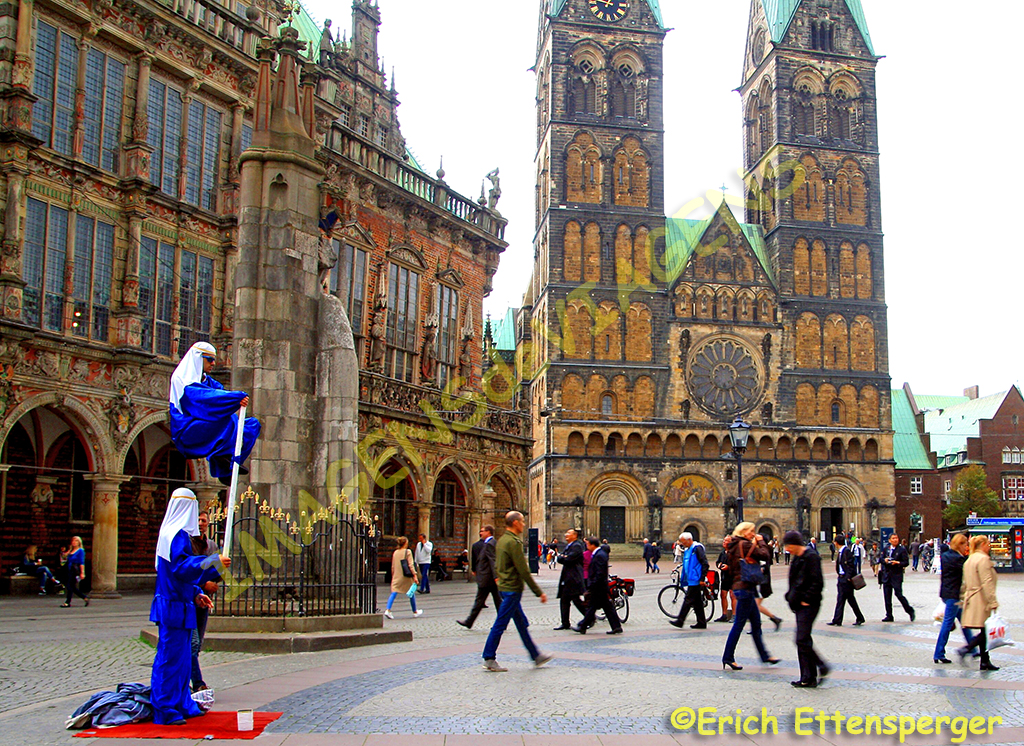
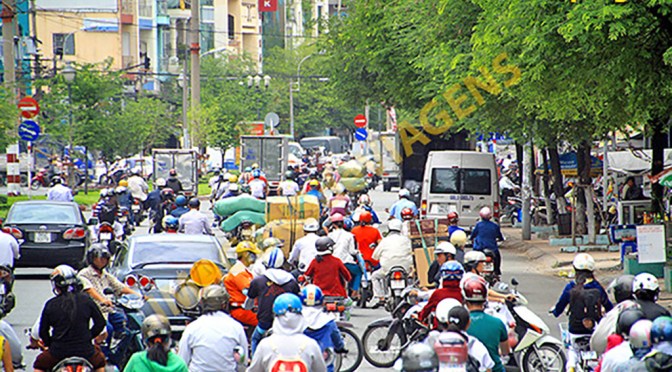
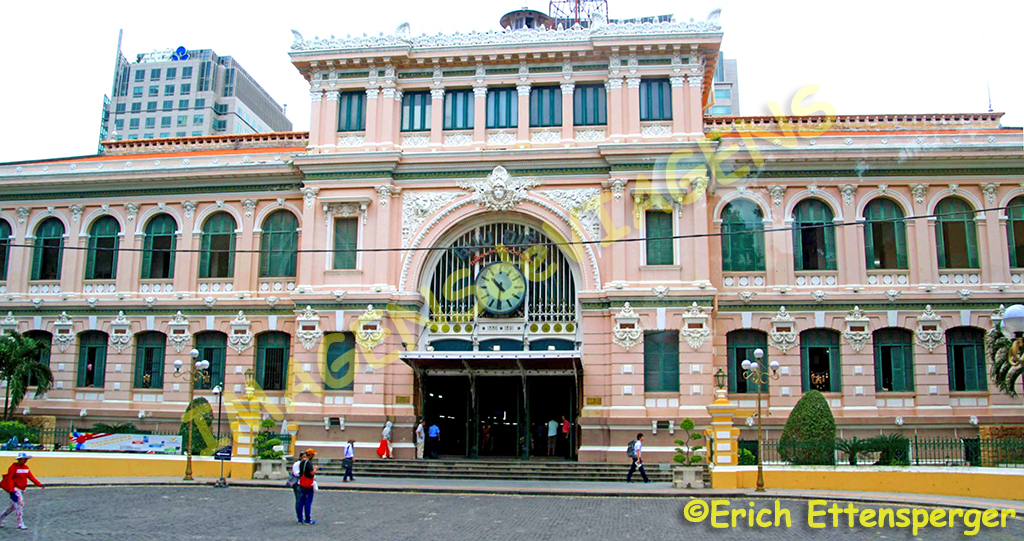
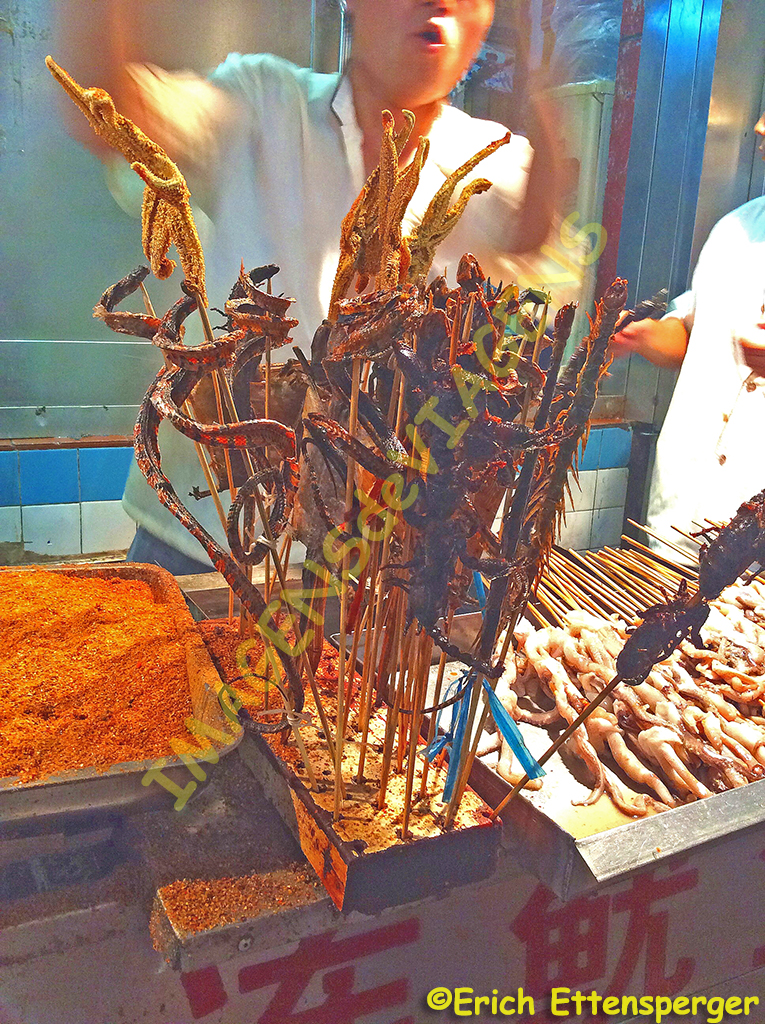
Erich é alemão, editor e fotógrafo, e eu sou arquiteta. Desenvolvemos uma parceria de trabalho e, em consequência, já publicamos três livros impressos e cinco digitais. Dois dos impressos versam sobre o estado do Rio Grande do Norte (66 Razões para descobrir o Rio Grande do Norte e deliciar-se com ele e Guia das Belezas do Rio Grande do Norte com exemplos de conservação ambiental), e o terceiro sobre o Brasil (66 x Brasil). Os livros digitais são: 66 x Brazil (somente em inglês), Natal e as belas praias do Rio Grande do Norte, Deserto do Atacama –Neve e Céu Azul, 66 Belezas do Brasil, 66 Sehenswürdigkeiten in Brasilien e Aventuras e Impressões de Viagens.Os três primeiros estão disponíveis na Ibooks da Apple e os outros na Amazon.com.São livros informativos e de fotografias, alguns dos quais contêm textos explicativos, em várias línguas, sobre os locais retratados. Viajamos muito para fotografar e conhecer os lugares que enfocamos em nossos livros.
Sempre gostei de viajar e conhecer novos lugares. À medida que o tempo foi passando, as viagens foram se destinando para locais mais distantes. Até que chegou o momento de conhecer o outro lado do mundo: a China e outros países localizados naquela parte do planeta. Na proporção que a ansiedade ia aumentando para o dia da viagem, eu ia começando a sentir um medo de ficar tanto tempo em um avião, afinal seriam quase 35 horas de voos, conexões e esperas nos aeroportos São Paulo, Barcelona, Cingapura e Pequim. Confesso que essas horas passaram de forma não tão difícil quanto eu esperava. O segredo foi tomar muita água, caminhar, ficar em pé, ir ao banheiro muitas vezes (você precisa se levantar para se deslocar até o toalete), fazer alongamentos e aproveitar para ver aqueles filmes que você não teve tempo para ver nos últimos tempos (o voo para entre São Paulo e Barcelona oferecia um catálogo com 278 filmes de vários países do mundo). Como passamos muito tempo sentados, acho importante se usar uma meia elástica. Eu e Erich usamos uma com média compressão.
Viajar para o outro lado do mundo não é tão assustador quanto eu pensava. Erich e eu decidimos quando formos viajar para o outro lado do mundo novamente, talvez para Austrália, Nova Zelândia, vamos voar até Santiago e de lá seguir viagem, fica mais perto. Vale muito a pena conhecer essa outra parte do planeta!
Ein Flug auf die andere Seite der Welt
Ich liebe es zu reisen und neue Orte zu sehen. Im Laufe der Zeit macht man dann Reisen in immer weiter entferntere Länder. Bis es dann schliesslich an der Zeit ist, die andere Seite der Welt kennenzulernen wie z.B.China und weitere Länder auf diesem Teil unseres Planeten. Mit dem Tag der Reise kam auch die Angst und die Frage, wie man wohl so eine lange Zeit in Flugzeugen überstehen würde. Unsere 35-stündige Reise brachte uns vom Airport São Paulo via Barcelona und Singapur schliesslich nach Peking. Ich gebe zu, dass diese vielen langen Stunden leichter vergingen als ich das erwartet hatte. Das Geheimnis war, viel Wasser zu trinken, oft gehen, sich dehnen und stretchen, viel stehen, um z.B. die Toilette aufzusuchen. Das Filmprogramm war super und hilfreich, auf dem Flug zwischen Sao Paulo und Barcelona konnte man z.B. aus einem Katalog von 278 Filmen aus verschiedenen Ländern der Welt seinen Film aussuchen. Da man so viele Stunden sitzend verbringt erschienen uns elastische Strümpfe mit einer mittleren Kompression als sehr hilfreich.
Die Reise auf die andere Seite der Welt war weniger anstrengend und auch weniger gefährlich als ich dachte. Erich und ich entschieden uns, dass, falls wir wieder auf die andere Seite der Welt reisen werden, vielleicht nach Australien und Neuseeland, dass wir dann zunächst nach Santiago fliegen, um von dort dann unsere Reise nach Neuseeland in nur 12 Stunden fortzusetzen. Fazit: es lohnt sich allemal, andere Teile unseres Planeten kennenzulernen!
Flying across the world
I always liked to travel and see new places. With the time passing the trips were being intended for more distant locations. Until it was time to know the other side of the world: China and other countries located in that part of the planet. The proportion of anxiety was rising to the day of travel, I was starting going to feel a fear of being so long on a plane, almost 35 hours of flights, connections and delays at airports from Sao Paulo via Barcelona and Singapore to Beijing. I confess that these hours passed less difficult as I expected. The secret was to drink plenty of water, to walk, to stand, to stretch and to enjoy seeing movies. The flight between Sao Paulo and Barcelona offered a catalog of 278 films from various countries of the world. As to spend a lot of time sitting, I find it also important to use an elastic stocking. Me and Erich used one with medium compression.
Travel to the other side of the world is not as scaring as I thought. Erich and I decided, that when we travel to the other side of the world again, perhaps to Australia and New Zealand, that then we will fly first to Santiago and from there the following trip to New Zealand is only 12 hours. Anyhow, it is very worthwhile to see other parts of our planet!
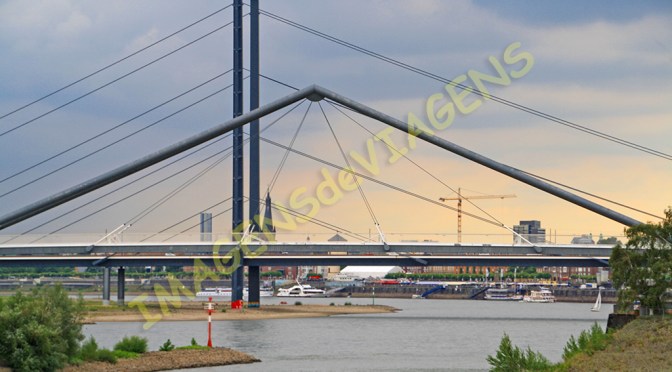
Sofisticação, arte, cultura e modernidade caracterizam Düsseldorf, cidade localizada no noroeste da Alemanha, banhada pelo rio Reno e que possui algumas pontes marcantes na sua paisagem: a Rheinkniebrücke e a Oberkasselerbrücke. Düsseldorf é famosa por ter o bar mais longo do mundo. Não, não pense que é um único bar, longo. Quando eles, os alemães dizem “die längste Bar die Welt” (o bar mais longo do mundo), eles estão se referindo a parte antiga da cidade onde estão concentrados em meio km2 em torno de 260 bares e restaurantes. Além disso, Dusseldorf é a capital da moda alemã e tem um Carnaval muito animado e bastante conhecido. Os festejos carnavalescos em Düsseldorf são tão famosos quanto em Mainz e Colônia!
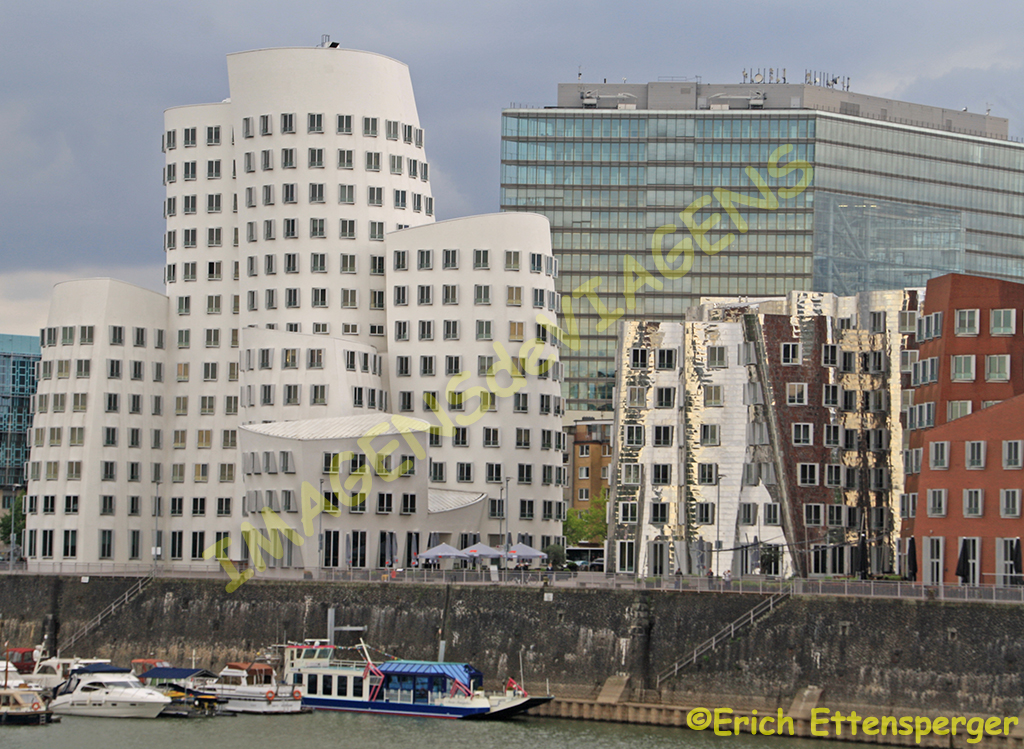
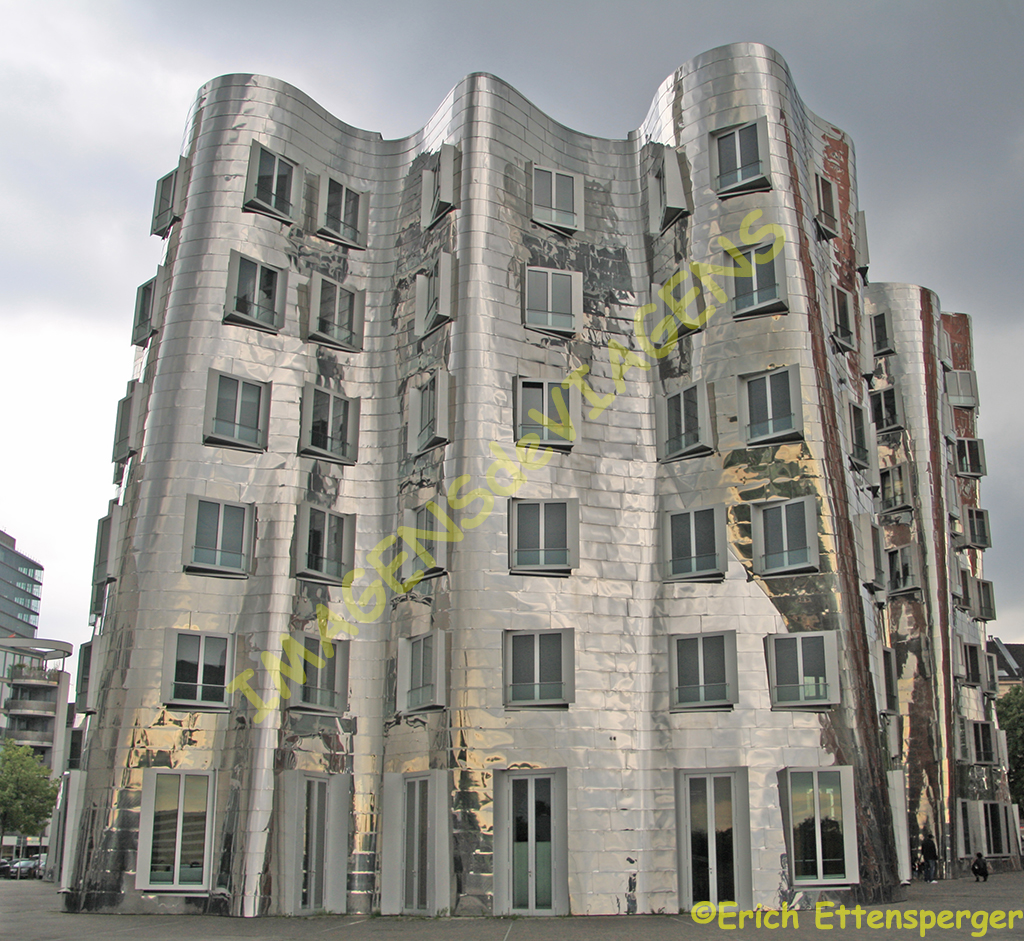
Outra faceta de Düsseldorf é sua modernidade. A parte conhecida como MedienHafen é fruto de um ousado projeto urbanístico que utilizou uma parte da área portuária para criar novas áreas urbanas. Nesta parte da cidade, observa-se complexos arquitetônicos caracterizados por linhas arrojadas, inesperadas e muito criativas, como é o caso de um edifício revestido com metal brilhante.
Nas proximidades do centro histórico, na margem do rio, existe uma concentração de bares onde os nativos vão passear nas horas livres e os turistas vão curtir a bela paisagem. Düsseldorf possui também mais de vinte museus que abrigam importante acervo das artes moderna e contemporânea.
Enfim, se você é amante de arte, modernidade e quer aproveitar para fazer compras, dê uma passadinha na elegante e animada Düsseldorf e procure tomar uma cerveja nos locais chamados “Brauerei”, são locais que produzem a própria cerveja, servem comidas típicas e geralmente funcionam em prédios históricos, sempre muito interessantes!
Raffinesse, Kultur und Moderne prägen Düsseldorf, eine Stadt im Nordwesten von Deutschland am Rhein gelegen mit einigen markanten Brücken wie die Rheinkniebrücke und Oberkasselerbrücke. Düsseldorf ist bekannt für “die längste Theke der Welt”. Gemeint ist damit die hohe Konzentration der 260 Bars und Restaurants auf engstem Raum in der Altstadt. Darüber hinaus ist Düsseldorf auch als die deutsche Modehauptstadt bekannt, berühmt auch sein grosser Rosenmontagskarnevalumzug, ähnlich lebenslustig wie der Karneval in Mainz und Köln!
Eine weitere Facette von Düsseldorf ist seine Modernität. Der MedienHafen ist das Ergebnis eines gewagten städtischen Projektes, das einen Teil des Hafengebietes neu und modern gestaltete und aufwertete. Dieser Teil der Stadt offeriert architektonische Komplexe gekennzeichnet durch mutige, unerwartete und sehr kreativ Linien wie z.B. im Fall eines Gebäudes mit geschwungener glänzender Metallfassade.
Nahe dem historischen Zentrum direkt am Rheinufer gibt es auf der Promenade eine Vielzahl von Bars, in denen Einheimische und Touristen die schöne Landschaft genießen. Düsseldorf bietet auch mehr als zwanzig Museen u.a. eine bedeutende Sammlung moderner und zeitgenössischer Kunst.
Wie auch immer, falls Sie Kunstliebhaber sind, Modernität und attraktive Einkaufsmöglichkeiten schätzen, nehmen Sie sich die Zeit für einen Stop im eleganten und lebhaften Düsseldorf und besuchen sie eine der “Brauereigaststätten” mit ihren selbst gebrauten Bieren, urigen Speisen und ihrer tollen Atmosphäre in meist historischen Gebäuden. Ein Besuch lohnt sich!!
Um mehr über Düsseldorf zu erfahren, klicken Sie hier.
Düsseldorf, lively and vibrant
Sophistication, culture and modernity characterize Düsseldorf, a city in northwest Germany located at the River Rhein with some striking bridges like the Rheinkniebrücke and Oberkasselerbrücke. Düsseldorf is famous for having the “longest bar in the world”. This is referring to the old town and its high concentration of around 260 bars and restaurants. Furthermore, Düsseldorf is the capital of the german fashion and has a very lively well known carnival. The carnival parade in Düsseldorf is as famous as in Mainz and Cologne!
Another facet of Düsseldorf is its modernity. The part known as MedienHafen is the result of a daring urban project that used a part of the port area to create new urban areas. There are architectural complexes characterized by bold, unexpected and very creative lines, as in the case of a building covered with curved shiny metal.
Near the historic center, on the waterfront, there is a concentration of bars on the promenade where natives and tourists enjoy the beautiful scenery. Düssedorf also has more than twenty museums, one of them with an important collection of modern and contemporary arts.
Anyway, if you like art, modernity and want to enjoy shopping, make a stop in the elegant and lively Düsseldorf and look for a beer in the Pubs called “Brauerei”, that are places that produce their own beer, offer typical food in a rustic atmosphere and usually work in historic buildings, always very interesting!
Medien-HafenCentro de Düsseldorf/Düsseldorf Zentrum/Düsseldorf CenterMedien-HafenUma das pontes marcantes sobre o Rio Reno/Eine der markanten Brücken über den Rhein/One of the striking bridges over the Rhine
Ich hatte dieses Bild seit meinen Kindheitstagen vor Augen, ich wusste nicht, wann genau und woher ich es kannte, war es aus einem Schulbuch, war es ein Gemälde, ein Stich, eine Gravur, der Besuch eines Museums, ich wusste nur seit jener Zeit, ich möchte diesen Ort, diese Landschaft einmal sehen, und zwar in live…!!!
Etwa 50 Jahre später war es dann endlich soweit, Marcia und ich planten anlässlich meines Geburtstages eine Asienreise einschliesslich China. Also ging ich daran diesen Ort, ich wusste inzwischen aus meinen Recherchen, dass es sich um Guilin handelte, in unsere Reiseplanungen einzubeziehen.
Die Reise in China führte uns dann von Peking zunächst nach Xi’an, dann via Guilin nach Shanghai, später auch noch nach Hongkong.
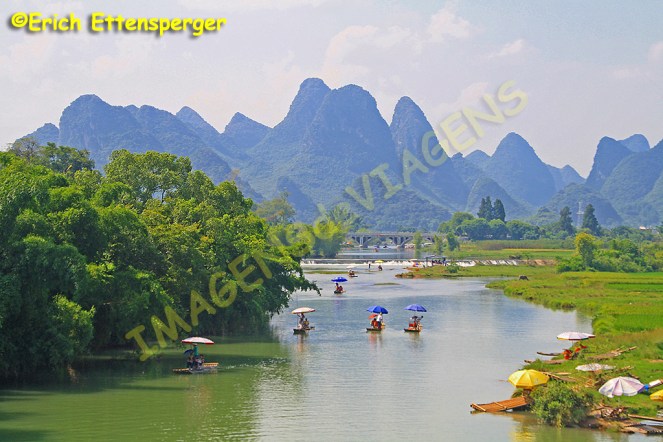
Guilin übertraf dann alle meine Erwartungen trotz der Tatsache, dass es auf und neben dem Fluss nur so von chinesischen Touristen wimmelte, es war laut, farbenprächtig und spektakulär. Unsere Bootsfahrt auf dem Li-Fluss von Guilin nach Yangshuo dauerte etwa 4 Stunden und führte uns 80 km lang durch eine atemberaubende Landschaft, eine Karstlandschaft mit hohen grünbewachsenen Bergen, welche die skurrilsten Formen in den blauen Sommerhimmel und die Flusslandschaft zeichneten. Ich begann zu verstehen, dass diese Natur schon immer seit vielen Jahrhunderten Maler und Dichter in ihren Künsten stark inspirierte.
In einem Dorf ganz in der Nähe von Yangshuo gab es dann noch die Möglichkeit, auf dem Fluss Yulong eine kleine Spazierfahrt auf kleinen Bambus-Flossen zu machen, noch eine tolle Erfahrung, auf dem Floss entlang romantischen Reisfeldern und vor den schroffen Karstbergen friedlich auf dem Fluss dahinzugleiten.
Mit dem Bus ging es dann wieder zurück nach Guilin, für mich ein perfekter Tag in China, ein Tag, der mir das Erlebnis bescherte, das zu sehen und zu geniessen, wovon ich ein halbes Leben geträumt hatte. Fantastisch!
Guilin – realização de um sonho da infância
Eu não sei exatamente onde e quando vi aquela paisagem, se foi em um livro ou em uma pintura ou se foi uma gravura, ou se foi em uma visita num museu, desde criança tinha aquela paisagem na minha mente e queria conhece-la, apreciá-la.
Depois de cinquenta anos, esse sonho tornou-se realidade. Marcia e eu planejamos uma viagem para a Ásia, com o intuito de comemorar meu aniversário. A China estava incluída no nosso roteiro e eu já sabia que aquele lugar que eu tinha em mente desde minha infância, era Guilin.
A viagem na China começou por Pequim e de lá para Xi’an, em seguida visitamos Guilin, Xangai e por último, seguimos para Hong Kong.
Guilin, superou todas as minhas expectativas, apesar da grande quantidade de turistas chineses que estavam nos barcos que navegavam no rio, nas margens do rio, mais a belíssima paisagem, tudo isso criou um cenário colorido, barulhento e espetacular!
A nossa viagem de barco no rio Li de Guilin para Yangshuo nos levou cerca de 4 horas, percorremos 80 km através de uma paisagem deslumbrante com altas montanhas verdes, um relevo cárstico, constituído por formas estranhas debaixo de um céu azul de verão e um belo rio.
Eu gostei muito, muito dessa viagem. Eu entendi o porquê dessa paisagem, desde muitos séculos, ter inspirado muitos pintores e poetas em suas artes.
Depois desse passeio, em uma aldeia perto de Yangshuo, ainda havia a possibilidade de fazer no rio Yulong um pequeno passeio em uma balsa de bambu, flutuando ao lado de românticos arrozais, onde ainda foi possível ver novamente as montanhas escarpadas cársticas. De ônibus, em seguida, voltamos para Guilin.
Fiquei muito feliz com aquele dia quando eu pude desfrutar daquela paisagem que eu tinha sonhado em conhecer quando eu era criança. Um dia fantástico na China!
Guilin – fulfillment of a childhood dream
I had this dream since my childhood days in mind, I did not know exactly when and where I saw it, it was out of a textbook, it was a painting, an engraving, a visit to a museum, I knew only since that time I want to see this place, enjoy this landscape, and off course in live … !!!
About 50 years later, it finally took place, Marcia and I planned on the occasion of my birthday a trip to Asia, including China. So I knew now from my research meanwhile, that the place was Guilin in China and so I started to include it in our final travel arrangements for our Asia-trip.
The trip within China led us from Beijing to Xi’an first, then via Guilin to Shanghai, later also to Hong Kong.
Guilin then surpassed all my expectations in spite of the fact that on and alongside the river all was swarmed of Chinese tourists, it was loud, colorful and spectacular. Our boat trip on the Li River from Guilin to Yangshuo took us about 4 hours and took us 80 km long through a breathtaking scenery, a karst landscape with high green mountains, which formed the most bizarre shapes into the blue summer sky and the river landscape. I enjoyed this trip very very much. I began to understand that this nature has since many centuries always greatly inspired painters and poets in their arts.
In a village close to Yangshuo, there was still the possibility to make on the river Yulong a small ride on a bamboo raft, floating alongside romantic looking rice-fields and seeing again the craggy karst mountains. By bus then we went back to Guilin.
I was very happy about this day, which gave me the experience to enjoy strongly, what I had dreamed about half a lifetime. A fantastic day in China!
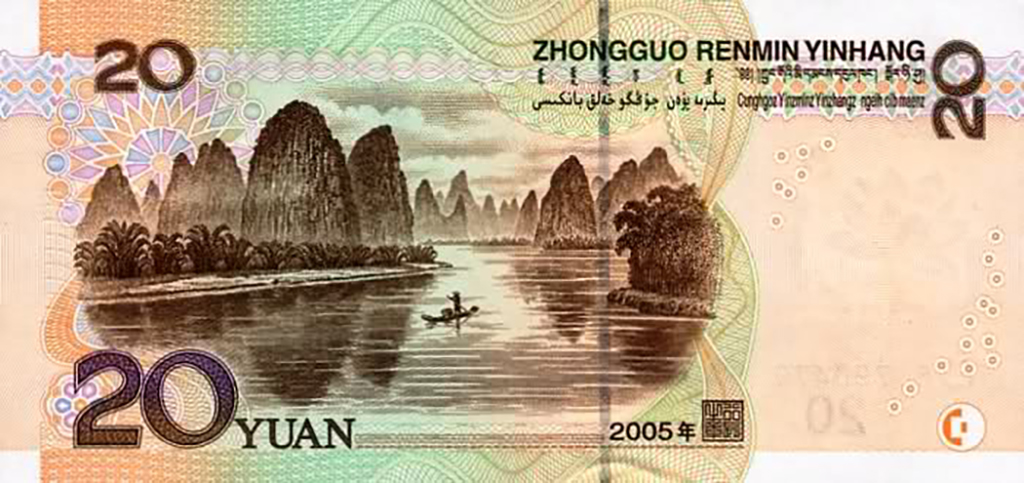
Guilin, ChinaGuilin, ChinaGuilin, ChinaGuilin, China20 Yuan-Banknote/Cédula de 20 yuan/20 yuan banknoteGuilin, China
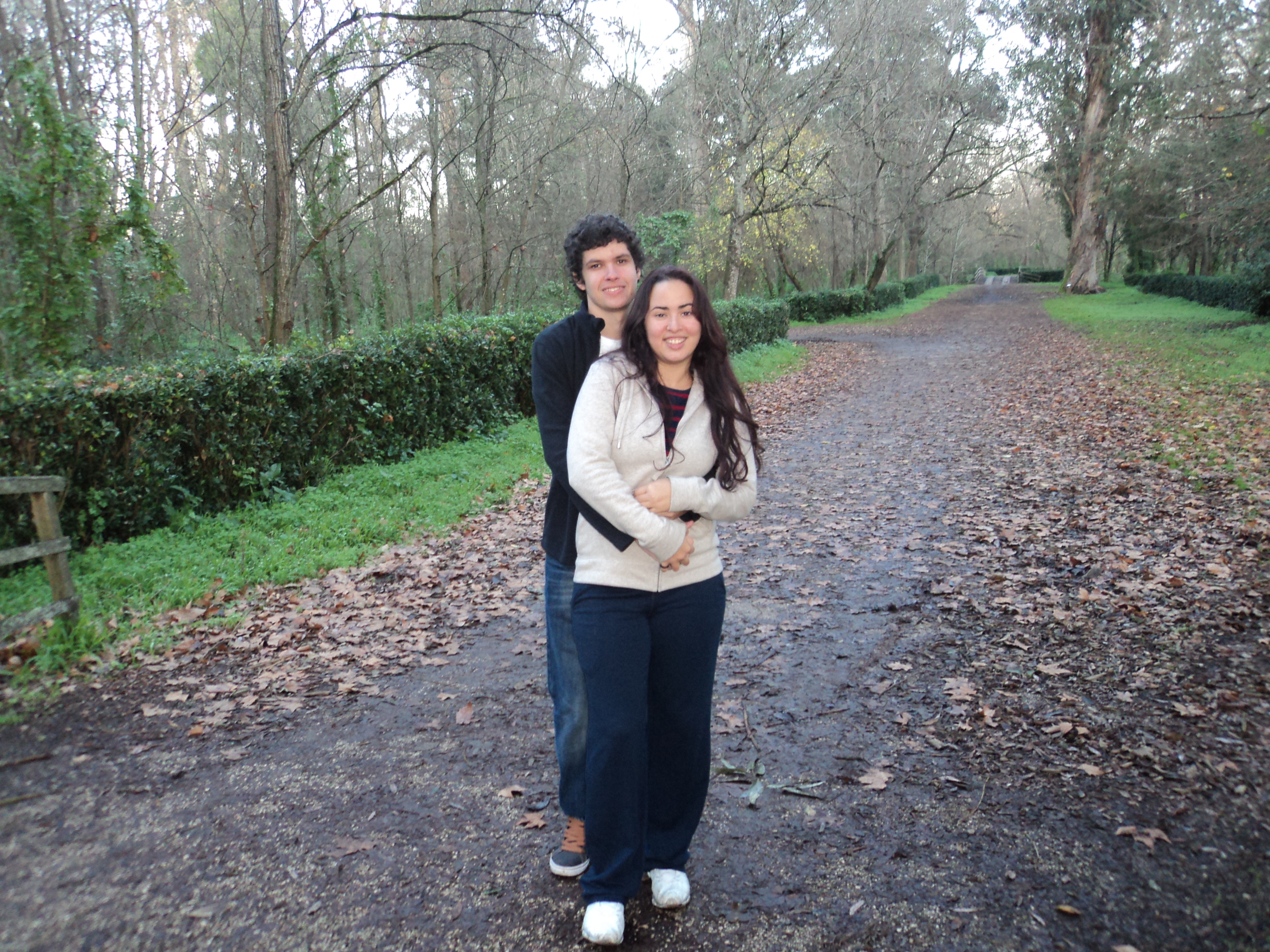
Texto e fotos: Layana Alves de Morais, Graduada em Ciências Biológicas – UFRN, Mestranda em Desenvolvimento e Meio Ambiente – PRODEMA/UFRN, fez intercâmbio em Coimbra – Portugal (2012-2013)
Tive a oportunidade de realizar um intercâmbio na Universidade de Coimbra, em Portugal e fiquei imensamente grata, pois foi uma experiência incrível. Logo quando desembarquei em Lisboa, já percebo uma realidade completamente diferente da nossa no Brasil, desde o clima, transporte à alimentação. Embarco em um ônibus para a tão esperada Coimbra e vou me encantando com o caminho, conhecendo um pouco das belezas do país.
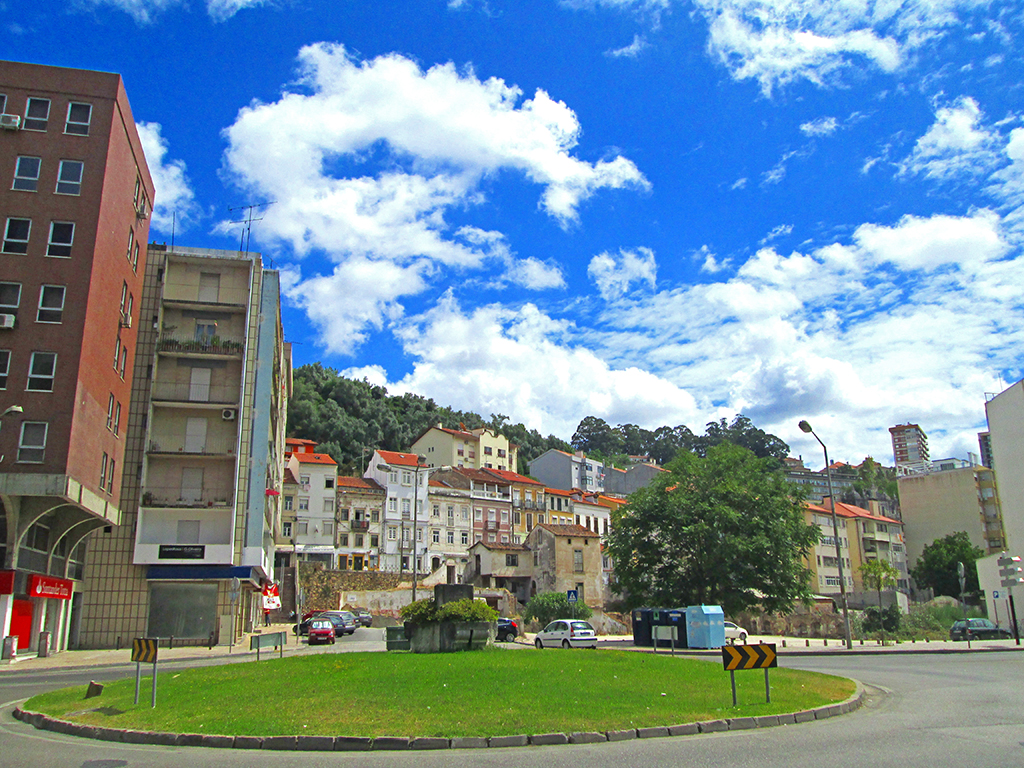
A cidade de Coimbra é historicamente universitária, devido à Universidade de Coimbra, umas das maiores e melhores de Portugal, a qual tive o imenso prazer de estudar Biologia de 2012 a 2013 e conhecer quão bem estruturada ela é, com professores bem capacitados, laboratórios equipados e belos prédios. Fazendo-os conhecer um pouco sobre o cotidiano baseado no tempo em que morei na cidade: As ruas eram limpas, os motoristas respeitavam o trânsito e as faixas de pedestres, era seguro andar pelas ruas de dia ou de noite sem correr o risco de assaltos, os ônibus dispuseram de aquecedor no inverno e condicionador de ar no verão, os supermercados apresentavam preços bem acessíveis e o hospital universitário apresentava atendimento de qualidade.
O país tem as quatro estações bem definidas, o que é maravilhoso, entretanto, presenciei no verão a temperatura chegar a 45ºC e no inverno a 0ºC, o qual se fez difícil de se adaptar inicialmente, para quem é de um lugar com o clima tropical. Pelo fato de falar o Português, facilita a vida do brasileiro, mas muitas expressões e traduções, diferem do nosso Português e também requer adaptação.
A alimentação de Portugal é realmente diferente, saborosa e equilibrada, mas eu sentia falta da nossa brasileira. A cultura portuguesa é muito bonita e respeitada, apresentando, por exemplo: O Fado, estilo musical português; o teatro, muito valorizado e com o público bem variado; as festas de tradição da Universidade de Coimbra, como a Queima das Fitas, quando os alunos passam a ser veteranos, com festividades que envolvem toda a cidade.
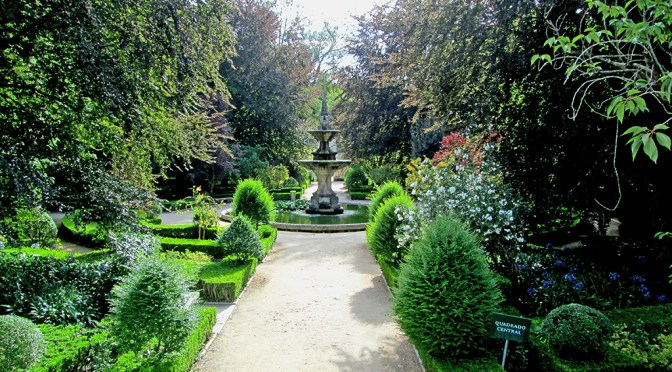
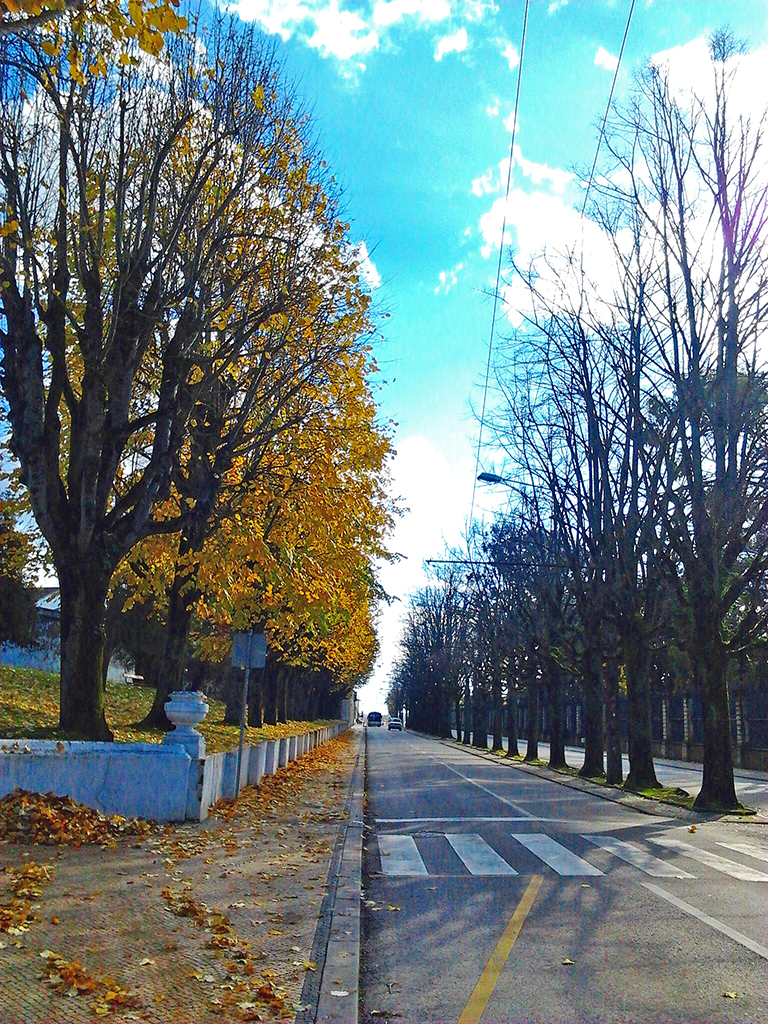
Coimbra é banhada pelo rio Mondego, rodeada por bosques, jardins, parques verdes e monumentos que contam um pouco da história da cidade.
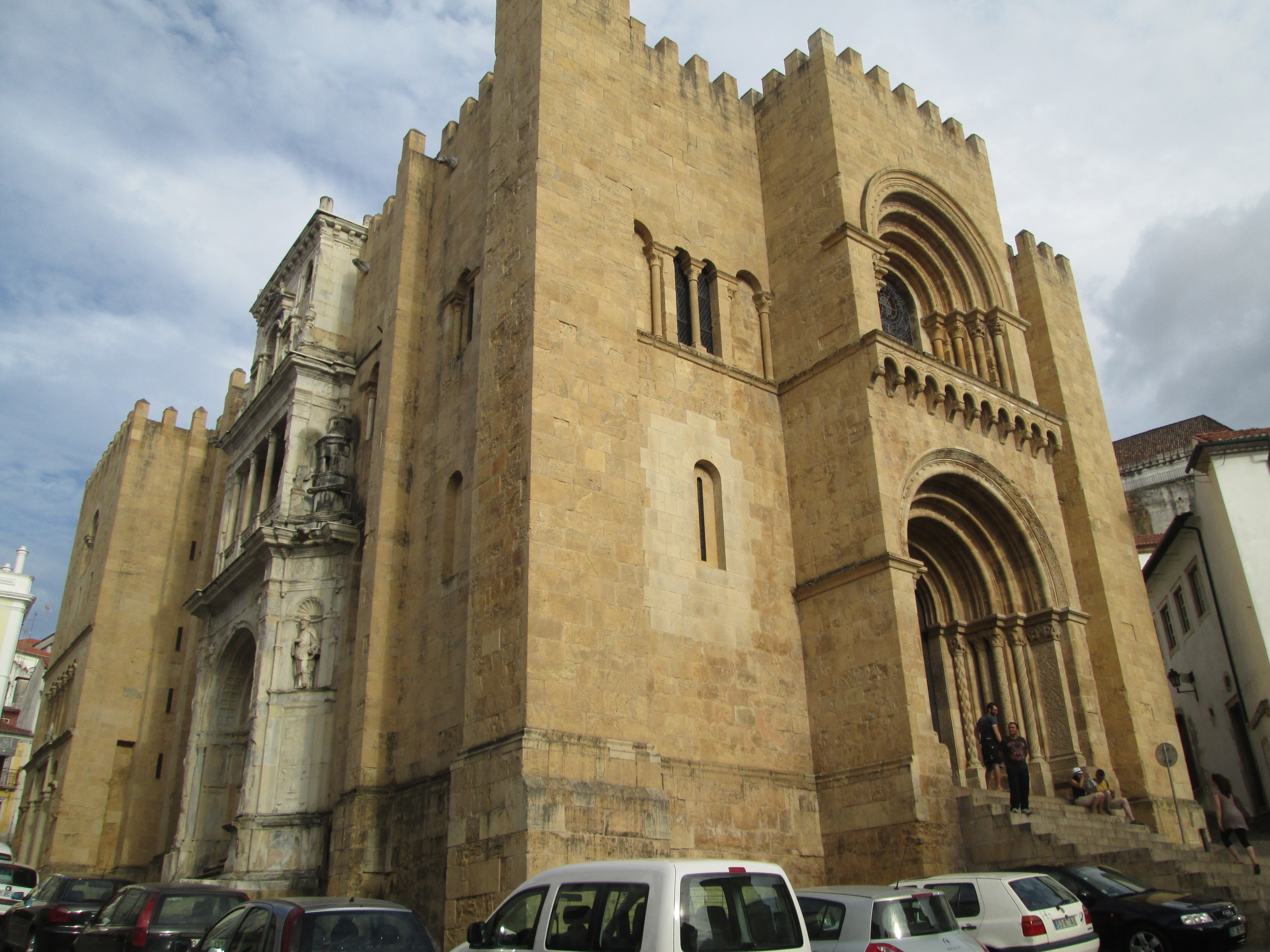
Coimbra no verãoRio MondegoCoimbra, outono.Jardim BotânicoCentro de CoimbraAqueduto de São Sebastião ou Arcos do Jardim (Jardim Botânico da Universidade de Coimbra)Praça 8 de MaioIgreja da Sé Velha de CoimbraMuseu Nacional de CastroEscadarias monumentais da Universidade de Coimbra
No meu livro 66 x Brasil, Ouro Preto constitui um dos 66 pontos em destaque no Brasil. Para quem se interessa em conhecer um pouco do passado brasileiro, deve visitar Ouro Preto e conhecer a cidade que foi o palco da Inconfidência Mineira (revolta ocorrida em 1789) e abriga importantes exemplares do período artístico conhecido como Barroco Mineiro. Ouro Preto, localizada na Serra do Espinhaço, em Minas Gerais, surgiu como consequência das bandeiras, aquelas expedições que adentravam pelo interior do Brasil em busca de ouro, pedras preciosas. O descobrimento de jazidas atraiu uma grande quantidade de pessoas vindas diretamente de Portugal e de outros lugares do Brasil Colônia. Ouro Preto é tombada pela UNESCO.
A estrada que liga Belo Horizonte a Ouro Preto é verdejante, tem uma parte montanhosa, é bonita, existem muitos atrativos naturais localizadas nos arredores de Ouro Preto. Erich e eu passamos três dias lá. A cidade é emoldurada por montanhas, o que confere um charme especial ao lugar. É um núcleo urbano caracterizado por possuir muitas ladeiras e cheia de recantos que faz com que você tenha a impressão que voltou ao passado. São muitas as igrejas, cada uma delas com sua beleza peculiar, há antigos e belos chafarizes. O casario colonial impressiona pela beleza dos antigos casarões e sobrados, exemplares típicos da arquitetura civil produzida na época colonial. O trabalho do Aleijadinho, Antônio Francisco Lisboa, pode ser visto em várias igrejas de Ouro Preto, de Minas Gerais. Suas imagens de profetas e santos, as obras de entalhe existentes nas igrejas de Ouro Preto e de outras localidades mineiras constituem um grande patrimônio para o povo brasileiro. O trabalho desse inigualável artista é reconhecido internacionalmente. Além de Aleijadinho, destaca-se também o nome do Mestre Ataíde, cujas pinturas podem ser vistas em muitas igrejas de Ouro Preto.
A cidade possui muitas repúblicas com jovens que vão para lá cursar o ensino superior. Ouro Preto tem um carnaval muito famoso no Brasil.
Além de andar bastante pela cidade, Erich e eu alugamos um carro e visitamos os arredores. Dentre os locais visitados, fomos a uma antiga mina de exploração de ouro. Mais uma vez, ressalto, que para quem quer conhecer sobre a história do Brasil, a visita a Ouro Preto é recomendada. Se você, que está lendo esse post, se interessar em visitar essa cidade, recomendo que aproveite para fazer um giro pelas cidades históricas de Minas Gerais. Nessa viagem, visitamos, além de Ouro Preto, Congonhas do Campo, São João Del Rey, Tiradentes e Mariana.
In meinem Buch “66 x Brasilien”, ist Ouro Preto eine der 66 vorgestellten Reiseziele in Brasilien. Diejenigen, die an der brasilianischen Vergangenheit Interesse bekunden, sollten Ouro Preto besuchen, die Stadt, bekannt für den Aufstand im Jahre 1789, ist auch die Heimat der künstlerischen Periode des “Barock Mineiro”.
Ouro Preto, in der Serra do Espinhaço in Minas Gerais gelegen, ist das Ergebnis von Expeditionen weit in das Innere Brasiliens auf der Suche nach Gold und Edelsteinen. Die Entdeckung dieser Fundstätten zog viele Menschen aus Portugal und anderen Teilen des kolonialen Brasiliens an. Ouro Preto ist von der UNESCO als Weltkulturerbe aufgelistet.
Die Straße zwischen Belo Horizonte nach Ouro Preto führt durch grüne Natur und schöne bergige Landschaft mit einigen natürlichen Sehenswürdigkeiten am Stadtrand von Ouro Preto. Erich und ich verbrachten drei Tage dort. Die Stadt ist umgeben von Hügeln, die dem Ort einen besonderen Charme verleihen. Das Zentrum ist gekennzeichnet durch viele Hügel und es gibt Ecken, die sie sich in die Vergangenheit zurückversetzt fühlen lassen. Es gibt viele Kirchen, jede mit ihrer eigenen Schönheit ausgestattet, es gibt viele alte und schöne Brunnen. Die Kolonialhäuser mit der Schönheit alter Villen beeindrucken als typische Beispiele der zivilen Architektur der Kolonialzeit.
Die Arbeiten des Aleijadinho, Antonio Francisco Lisboa, können in verschiedenen Kirchen von Ouro Preto und Minas Gerais bewundert werden. Seine Bilder der Propheten und Heiligen, seine Werke in den Kirchen von Ouro Preto und anderen Bergbaustädten stellen eine große Bereicherung für das brasilianische Volk das. Die Arbeit dieses unvergleichlichen Künstlers ist international anerkannt. Neben Aleijadinho ist auch der Name des Meister-Athayde zu benennen, dessen Bilder auch in vielen Kirchen von Ouro Preto besichtigt werden können.
Die Stadt offeriert viele sogenannte “Republiken” (Studentenunterkünfte). Der Karneval in Ouro Preto zählt zu den berühmten in Brasilien.
Neben unseren Spaziergängen in der Stadt haben Erich und ich ein Auto gemietet für unsere Besuche in der Umgebung, u.a.. ein altes Bergwerk der Goldexploration. Wir empfehlen ihnen, eine Tour durch die historischen Städte von Minas Gerais zu machen. Auf dieser Reise besuchten wir neben Ouro Preto, Congonhas do Campo, São João Del Rey, Tiradentes und Mariana. Tauchen sie ein in die barocke Vergangenheit Brasiliens!
Um mehr über Ouro Preto zu erfahren, klicken Sie hier.
Ouro Preto, the old Vila Rica
In my book 66 x Brazil, Ouro Preto is one of 66 featured destinations in Brazil. For those interested in knowing more about the Brazilian past, should visit Ouro Preto, to know the city that was the scene of Minas Conspiracy (uprising occurred in 1789) and is home of important examples of artistic period known as the Baroque Mineiro. Ouro Preto, located in the Serra do Espinhaço in Minas Gerais, has emerged as a result of those expeditions far into the interior of Brazil in search for gold and precious stones. The discovery of deposits attracted a lot of people coming directly from Portugal and other parts of colonial Brazil. Ouro Preto is registered by UNESCO as worldheritage.
The road connecting Belo Horizonte to Ouro Preto leads through green nature and has a mountainous part, beautiful. There are many natural attractions located in the outskirts of Ouro Preto. Erich and I spent three days there. The city is encircled by hills, which gives a special charm to the place. It is an urban center characterized by having many hills and full of corners that makes you have the impression that you turned into the past. There are many churches, each with its peculiar beauty, there are old and beautiful fountains. The colonial houses impressed by the beauty of the old mansions and houses, typical examples of civil architecture produced in colonial times. The work of Aleijadinho, Antonio Francisco Lisboa, can be seen in various churches of Ouro Preto, Minas Gerais. His images of prophets and saints, his works in the churches of Ouro Preto and other mining towns are a major asset for the Brazilian people. The work of this incomparable artist is internationally recognized. In addition to Aleijadinho also stands out the name of Master Athayde, whose paintings can be seen in many churches of Ouro Preto.
The city has many “republics” (student-houses) full with many young people studying. Ouro Preto celebrates a very famous carnival in Brazil.
Beside our walking-tours in the city, Erich and I rented a car and visited the surrounding area. Among the places visited, we went to an old mine of gold exploration.
If you, who are reading this post and being interested in visiting this city, I recommend you take the time to make a tour through the historic cities of Minas Gerais. On this trip we visited beside Ouro Preto, Congonhas do Campo, São João Del Rey, Tiradentes and Mariana.
Centro Comercial/Einkaufsstrasse/Commercial centerIgreja de São Francisco de Assis/Kirche São Francisco de Assis/ São Francisco de Assis Church.Ouro PretoPraça Tiradentes, com a Casa de Câmara e Cadeia/Platz Tiradentes mit Rathaus und dem Gëfangnis/Tiradentes Square, with Chamber House and Jail.Ouro PretoDetalhes arquitetônicos/architektonische Details/Architectural detailsDetalhes arquitetônicos/architektonische Details/Architectural details
Texto e fotos: Ana Mendonça, arquiteta, viajante convidada
Quando uns amigos nos convidaram para um “verão na Croácia”, 7 anos atrás, nunca havia imaginado aquele país como destino turístico! De imediato pensei: “com tantos destinos interessantes no mundo, vou gastar minhas férias neste lugar tão estranho, que viveu guerras intensas e bárbaras em épocas tão recentes?” Mas meu lado aventureiro respondeu: “porque não?”
E assim, partimos para um dos passeios mais maravilhosos que já fizemos, e que, por sinal, não deixamos de repetir a cada ano, desde então.
A Croácia é riquíssima em história e monumentos arquitetônicos, o povo é extremamente cordial e receptivo, e a natureza realmente é uma das mais privilegiadas do nosso planeta. O turismo, apesar de hoje ser uma de suas principais fontes de renda depois da pesca, ainda não se tornou muito selvagem. Assim, ainda é possível conhecer a região em toda a sua pureza cultural. Nativos se mesclam aos turistas com muita naturalidade.
Obviamente que a “Old Town” de Dubrovnik é, sem dúvida, o principal destino. Uma cidadela medieval, que nos faz viajar no tempo! Mas não é a única. Hvar, Trogir e Korčula, entre outros, são imperdíveis. O Parque nacional de Kornati, com suas incontáveis ilhotas totalmente preservadas da ação humana, e suas águas azuis e transparentes são um verdadeiro santuário. Os parques de “Jazeros” com seus lagos e cascatas também não podem ficar de fora. A Croácia pode ser visitada por mar ou por terra igualmente, mas os cruzeiros são memoráveis. São navegadores por natureza!
A culinária baseia-se em frutos do mar da mais alta variedade, qualidade e frescor, mas também são excelentes com churrasco de carneiro. O azeite e demais derivados da Oliva estão incluídos na sua riqueza gastronômica.
Apesar da língua deles ser ininteligível para nós, a comunicação é facilitada pelo fato de que praticamente todos falam inglês fluente.
O clima é predominantemente quente e seco no período de maio a agosto, época ideal para visitação. Fora desse período há alta incidência de chuvas e fortes ventos, podendo estragar a qualidade do passeio.
Fato é que, qualquer roteiro que se escolha na Croácia é a escolha certa!
Kroatien, ein Reisezielziel voller spektakulärer Schönheit
Als uns Freunde vor sieben Jahren zu einem “Sommer in Kroatien” einluden, hatte ich niemals zuvor an Kroatien als Reiseland gedacht ! Ich dachte sofort, “bei so vielen interessanten Destinationen in der Welt, werde ich meinen Urlaub nicht an solch einem seltsamen Ort verbringen geprägt von intensiven und barbarischen Kriegen in der jüngeren Geschichte?” Aber der Abenteurer in mir antwortete mir auch, “warum eigentlich nicht?”
Und so gingen wir auf eine der schönsten Reisen, die wir jemals unternommen haben!
Kroatien ist reich an Geschichte und Baudenkmälern, die Leute sind sehr freundlich und einladend, und die Natur ist wirklich eine der privilegiertesten auf unserem Planeten. Der Tourismus, obwohl heute eine der Haupteinnahmequellen neben der Fischindustrie, ist noch immer nicht zu massiv geworden. So können Sie immer noch viele Bereiche in ihrer kulturellen Reinheit betrachten. Die Einheimischen mischen sich auf natürliche Weise unter die Touristen.
Zweifellos ist die “Altstadt” von Dubrovnik das Hauptreiseziel. Eine mittelalterliche Zitadelle, die uns eine Zeitreise machen lässt! Aber das sind nicht die einzigen Ziele, Hvar, Korcula und Trogir, unter anderen, sind ein Muss. Der Nationalpark Kornati ist mit seinen unzähligen Inseln, vollständig erhalten durch Menschenhand, seine blauen Gewässer, ein Heiligtum. Der Park “Jazeros” mit seinen Seen und Wasserfällen sollte auch nicht verpasst werden. Kroatien kann vom Meer aus oder auf dem Lande besucht werden, Kreuzfahrten sind unvergesslich, Navigatoren durch die Natur!
Die Küche basiert auf Meeresfrüchten von höchster Vielfalt, Qualität und Frische, hervorragend sind aber auch Lammvom Grill. Olivenöl und andere Derivate Oliva verfeinern den kulinarischen Reichtum.
Obwohl die Sprache für uns unverständlich ist, ist die Kommunikation durch die Tatsache, dass praktisch alle fließend Englisch sprechen, sehr einfach.
Das Klima ist von Mai bis August überwiegend heiß und trocken, die ideale Zeit für einen Besuch. Außerhalb dieses Zeitraumes überwiegen starke Regenfälle und heftige Winde, die den Reisegenuss beeinträchtigen können.
Tatsache ist, dass jede Entscheidung für Kroatien, die richtige Wahl ist!
Croatia is a destination full of spectacular beauty
When our friends seven years ago invited us for a “Summer in Croatia”, I had never thought of Croatia as a tourist destination! I immediately thought, “with so many interesting destinations in the world, I will spend my holidays in such a strange place marked by intense and barbaric wars in recent history?” But the adventurer in me asked too “why not?”
And so we went to one of the best trips we have ever taken!
Croatia is rich in history and monuments, the people are very friendly and welcoming, and the nature is truly one of the most privileged on our planet. Tourism, although still one of the main sources of income in addition to the fishing industry is still not become massive. So you can still look at many areas in its cultural purity. The locals mingle naturally among the tourists.
Undoubtedly, the “Old Town” of Dubrovnik is the main destination. A medieval citadel, which can make us a journey through time! But these are not the only targets, Hvar, Korcula and Trogir, among others, are a must. The Kornati National Park, with its myriad of islands, completely preserved by human hand, its blue waters, is a sanctuary. The Park “Jazeros” with its lakes and waterfalls should not be missed. Croatia can be visited from the sea or through the countryside, cruises are unforgettable, navigators through the nature!
The cuisine is based on seafood of the highest variety, quality and freshness, but there is also excellent lamb barbecue. Olive oil and other derivatives Oliva refine the culinary wealth.
Although the language is incomprehensible to us, the fact that virtually everybody speaks fluent English, makes communication very easy.
The climate is from May to August mainly hot and dry, the ideal time to visit. Outside this period dominate heavy rains and strong winds, which may affect the travel delight.
The fact is, that every decision for Croatia, is the right choice!
Rua principal da Old Town – Dubrovnik/ Hauptstraße in der Altstadt – Dubrovnik/ Main street of the Old Town – Dubrovnik.Vista da Marina da Old Town – Dubrovnik/ Yachthafen – Dubrovnik/ Marina View of the Old Town – Dubrovnik.Cais da cidade histórica de Trogir/ Anlegestelle der historischen Stadt Trogir/ Pier of the historic town of Trogir/ Pier of the historic town of Trogir.Vista da simpática cidade de Primosten/ Blick auf die freundliche Stadt Primosten/ View of the friendly town of Primosten.Mix da gastronomia Croata – frutos do mar/ Mix kroatischer Küche – Meeresfrüchte/ Mix of Croatian cuisine – seafood.Primeira visão da Croácia – chegando ao Aeroporto de Dubrovnik/ Erster Blick auf Kroatien – Ankunft am Dubrovnik Flughafen/ First view of Croatia – coming to Dubrovnik Airport.
Viajar a Salvador é sempre um prazer. A primeira capital do Brasil, fundada por Tomé de Souza em 1549, é um caldeirão cultural e a cidade em si, é muito interessante. Salvador é famosa pelo seu centro histórico, considerada Patrimônio da Humanidade pela UNESCO, pelo seu Carnaval grandioso, pelos eventos religiosos relacionados com a Umbanda, Candomblé, dentre outros.
Salvador hoje em dia é uma grande metrópole do nordeste, com quase três milhões de habitantes. O coração da cidade, que atrai uma grande quantidade de visitantes é dividido na parte alta, onde está localizado o Pelourinho e a cidade baixa, onde está o famoso Mercado Modelo. O elemento de ligação principal dessas duas partes de Salvador, é o elevador Lacerda, um dos cartões postais da cidade. Da área onde está localizado esse elevador, na parte alta, há um mirante de onde descortina-se uma bela vista da Baía de Todos os Santos. Salvador tem uma longa orla marítima onde é possível se deliciar com as águas mornas de suas praias, sendo que uma das mais famosas, é a do Farol, onde são realizados inúmeros eventos.
Já visitei Salvador várias vezes. Já me hospedei em hotel afastado do centro e da última vez, fiquei em um hotel simpático localizado no centro histórico. Se você vai pela primeira vez à Salvador e se interessa em conhecer os atrativos históricos da cidade, vale a pena se hospedar lá porque assim, você poderá visita a pé o centro e seus principais atrativos, como suas belas igrejas! A Igreja de São Francisco é deslumbrante, com seu altar dourado e detalhes refinados da arquitetura barroca. Dependendo de seu interesse pessoal, Salvador oferece muitas opções, é só escolher a época apropriada para visitá-la!
Nach Salvador zu reisen ist immer ein Vergnügen. Die erste Hauptstadt von Brasilien, von Tomé de Souza 1549 gegründet, ist ein Schmelztiegel (v.a. Afrika) der Kulturen und die Stadt selbst ist sehr interessant. Die Altstadt von Salvador ist Weltkulturerbe der UNESCO, es ist berühmt für seinen Karneval und seine religiösen Veranstaltungen bezogen auf Umbanda, Candomblé unter anderem.
Salvador ist heute eine große Stadt im Nordosten mit fast drei Millionen Einwohner. Das Herz der Stadt, das viele Besucher anzieht, ist die Oberstadt, wo sich der Pelourinho-Platz befindet und auch die Unterstadt, wo sich der berühmte Mercado Modelo befindet. Das Hauptverbindungselement dieser beiden Stadteile Salvadors ist der Aufzug Lacerda, eine der Postkartenansichten der Stadt. Oben beim Aufzug gibt es einen Aussichtspunkt mit einem schönen Blick auf die Bucht von “Baía de Todos os Santos”. Salvador verfügt über eine lange Küste mit Stränden warmen Wassers, die bekanntesten sind die am Leuchtturm, wo Jahr für Jahr zahlreiche Veranstaltungen stattfinden.
Wenn Sie zum ersten Mal Salvador besuchen und die historischen Sehenswürdigkeiten der Altstadt besuchen wollen, lohnt eine Unterkunft in derselben von wo aus sie dann alles bequem zu Fuß erkunden können. Die Kirche San Francisco ist atemberaubend mit ihrem goldenen Altar und raffinierten Details der barocken Architektur. Je nach ihrer persönlichen Interessenslage bietet Salvador viele Optionen, wählen Sie einfach die entsprechende Jahreszeit, um es zu besuchen! Es lohnt wahrhaftig!
Um mehr über Salvador zu erfahren, klicken Sie hier.
Salvador, the first capital of Brazil
Travel to Salvador is always a pleasure. The first capital of Brazil, founded by Tomé de Souza in 1549, is a cultural melting pot with Strong influence from Africa and the city itself is very interesting. Salvador is famous for its historical center, a World Heritage Site of UNESCO. It is famous for its great Carnival and the religious events related to Umbanda, Candomblé, among others.
Salvador today is a big city in the northeast with almost three million inhabitants. The heart of the city, which attracts a lot of visitors is divided into the upper town, where is located the Pelourinho and the lower town, where you find the famous Mercado Modelo.
The main binding element of these two parts of Salvador is the elevator Lacerda, one of the postcards of the city. The area where it is located this elevator, at the high end, there is a viewpoint from which unfolds-a beautiful view onto the “Bay of All Saints”. Salvador has a long coastline where you can relish in the warm waters of its beaches, of which the most famous is the Lighthouse, which hosts numerous events.
Salvador we have visited several times If you go for the first time to Salvador and you are interested in knowing the historical attractions of the city, it is worthfile staying there as well, you can visit on foot the center and its main attractions, such as its beautiful churches! The Church of San Francisco is stunning with its golden altar and refined details of baroque architecture. Depending on your personal interests, Salvador offers many options, just choose the appropriate time to visit it! It is worthfile!
Farol da Barra/Leuchtturm Farol da Barra/Farol da Barra LighthouseVista da Cidade Alta e da Cidade Baixa/Blick auf die Ober – und Unterstadt/View of Upper Town and Lower TownLargo do PelourinhoCasario do centro histórico de Salvador/Häuser im historischen Zentrum Salvador/Houses in the historical center of SalvadorIgreja de São Francisco/Kirche São Francisco/São Francisco ChurchTípica baiana/Typische einer Baiana/A typical baianaElevador Lacerda e Baía de Todos os Santos
Cartagena das Índias é uma cidade colombiana banhada pelo Mar dos Caraíbas ou das Antilhas, foi fundada em 1533 por Pedro de Heredia.
A cidade tem em torno de um milhão de habitantes e é muito visitada por turistas durante todo o ano que vão a Cartagena para desfrutar da atmosfera poética e romântica do centro histórico, Patrimônio Mundial da Humanidade da UNESCO. Erich e eu fomos a Cartagena para desfrutar desse cenário.
Essa bela cidade nos remete a época colonial, ao tempo das carruagens. Aliás, recomendo fazer o passeio noturno nesse tipo de transporte, o que é muito agradável. Um ponto interessante de Cartagena é que o centro histórico, pontilhado com muitas praças, muda de “cara” literalmente do dia para a noite. De dia existe uma agitação do comércio, dos transeuntes, de vendedores ambulantes. A medida que vai anoitecendo, a iluminação especial vai se acendendo (toda a fiação é embutida, você não ver cabos de energia) e essa área vai se transformando em um cenário bucólico, romântico, como se fosse um cenário da época dos senhores coloniais.
Se você pretende visitar Cartagena, sugiro que se hospede no centro histórico para poder aproveitar o clima antigo que emana do lugar. Os sobrados com suas varandas floridas tornam Cartagena um lugar muito especial, são muitos os hotéis e restaurantes que funcionam nesses edifícios. Passear a pé ou de carruagem à noite, desfrutar dos bares e restaurantes que colocam suas mesas nas calçadas, nas praças, são programas imperdíveis.
Fiz um passeio no ônibus hop on hop off e, dessa forma, foi possível conhecer a parte moderna da cidade. Adorei passear em cima da muralha que envolve o centro e foi lindo ver o pôr do sol bebendo um belo cocktail em um bar localizado numa parte do muro. O único atrativo, na minha opinião, que vale a pena visitar fora da área tombada, é a Fortaleza de San Felipe de Barajas, uma das maiores das Américas. Também é o possível fazer passeios de barcos e visitar algumas praias, como a Playa Blanca, perto das Islas do Rosário, a ilha de San Martin de Pajarales, onde existe um Oceanário.
Cartagena é sedia vários eventos, dentro os quais, destaca-se os Festivais Internacional de Cinema e o de Música Clássica.
Ah, antes que eu me esqueça, se você for a Cartagena, não deixe de provar as “arepas de queso”, são vendidas nas ruas, nas praças e são deliciosas e os ceviches, quase todo restaurante serve! Delícia!
Cartagena ist eine kolumbianische Stadt umgeben von Karibik und den Antillen und wurde 1533 von Pedro de Heredia gegründet.
Die Stadt hat rund eine Million Einwohner und wird von den Touristen während des ganzen Jahres besucht, um die poetische und romantische Atmosphäre der Altstadt, ein UNESCO-Weltkulturerbe zu genießen. Erich und ich besuchten Cartagena, um in dieses Szenario einzutauchen.
Diese schöne Stadt führt uns zurück in die Kolonialzeit, die Zeit der Kutschen und Droschken. Ich empfehle eine Droschkenrundfahrt am Abend , wunderschön. Interessant das historische Zentrum von Cartagena mit vielen Plätzen , ihr “Gesicht” ändert sich buchstäblich über Nacht. Tagsüber überbordender Handel, Fußgänger, Straßenverkäufer. Mit der Dämmerung erglimmt dann eine spezielle Beleuchtung, (sie sehen keinerlei Stromkabel) und verwandelt alles in eine rustikal-romantische Atmosphäre, eine Szene wie aus der Zeit der Kolonialherren.
Falls Sie Cartagena besuchen wollen, empfehle ich Ihnen, ihre Unterkunft im historischen Zentrum zu wählen, um die Vorteile dieser Altstadtatmosphäre voll geniessen zu können. Die Häuser mit ihren blumengeschmückten Balkonen machen Cartagena zu einem ganz besonderen Ort, es gibt viele Hotels und Restaurants in diesen historischen Gebäuden. Spazieren sie durch die Altstadt per pedes oder mit einer Droschke und genießen sie die Bars und Restaurants mit ihren Tischen auf den Gehsteigen und Plätzen, ein nicht zu verpassendes Programm.
Ich habe den “Hop-on-Hop-off Bus” benutzt, um auch den modernen Teil der Stadt kennenzulernen. Ich genoss es, an und auf der alten Stadtmauer, die das Zentrum umgibt, zu spazieren und es war wunderschön, auf der Stadtmauer in einer Bar mit toller Musik einen schönen Cocktail zu trinken, um den Sonnenuntergang zu geniessen. Meiner Meinung lohnt sich auch außerhalb der Altstadt ein Besuch die Festung von San Felipe de Barajas, eine der größten in ganz Amerika. Bootsausflüge zu einigen Stränden wie Playa Blanca in der Nähe der Rosenkranz-Inseln und der Insel San Martin de Pajarales, wo es ein Ozeanarium gibt, können ihr Programm in Cartagena perfekt abrunden.
Cartagena ist Gastgeber verschiedenster Events, darunter u.a. Internationale Filmfestspiele und Klassische Musik.
Oh, bevor ich es vergesse, falls sie Cartagena besuchen, probieren sie auf der Strasse und den Plätzen die “arepas de queso”, (“Käsemaisfladen”), einfach köstlich, und auch die delikaten “Ceviches” finden sie fast jedem Restaurant! Ein Genuss!
Um mehr über Cartagena zu erfahren klicken sie hier.
Cartagena de Indias, the pearl of Colombia
Cartagena is a Colombian city surrounded by the Caribbean sea and the West Indies and was founded in 1533 by Pedro de Heredia.
The city has more than a million inhabitants and is visited by tourists throughout the year to enjoy the poetic and romantic atmosphere of the old town, a UNESCO World Heritage Site. Erich and I visited Cartagena to dive into this scenario.
This beautiful town takes us back to the colonial era, the era of carriages and cabs. I recommend a tour by a horse-cab in the evening, beautiful. Interesting the historic center of Cartagena with many piazzas, their “face” changes literally overnight. During the day exuberant trade, pedestrians, street vendors. With dusk then appear special lighting, (you see no power cord) and transform everything into a rustic-romantic atmosphere, a scene like from the time of the colonial masters.
If you want to visit Cartagena, I recommend to choose your accommodation in the historical center in order to fully enjoy the benefits of this old town atmosphere. The houses with their flowered balconies make Cartagena a very special place, there are many hotels and restaurants in these historic buildings. Stroll through the historic center on foot or in a cab and enjoy the bars and restaurants with their tables on the sidewalks and squares, an unmissable program.
I have used the “hop-on-hop-off bus” to know also the modern part of town. I enjoyed it very much to walk along or on the old city walls surrounding the center, and it was beautiful to drink on the city wall in a bar with great music a nice cocktail to enjoy the sunset. In my opinion it is also worth to visit outside the old town the fortress of San Felipe de Barajas, one of the largest in the Americas. Boat trips to some beaches like Playa Blanca near the Rosary Islands and the island of San Martin de Pajarales, where there is an oceanarium, can round up your program perfectly in Cartagena.
Cartagena hosts various events including an International Film Festival and Classical Music Event.
Oh, before I forget, if you are visiting Cartagena, then test on the streets and the squares the “arepas de queso” (“cheese corn tortillas”), simply delicious, and also the delicious “ceviches” you can find almost in every restaurant! A pleasure!
Vendedoras de frutas com roupas típicas/Obstverkäuferinnen in typischer Tracht/Fruit sellers in typical costumePrédios bens conservados/Gut konservierte Gebäude/Well preserved buildingsVarandas e a torre da igreja/Balkone und Kirchturm/Balconies and steepleCeviches maravilhosos/Köstliche Ceviches (Fisch in Limettensaft)/Carruagem/Pferdedroschke/Horse carriageArepas de queso/Maiskäsefladen/cheese corn pattiesChapéus/Hüte/HatsVarandas floridas/Mit Blumen gezierte Balkone/Flower-decked balconiesBarco na Playa Blanca/Fischerboot am Strand Playa Blanca/Fishing boat on the beach Playa BlancaPlaya Blanca/Strand Playa Blanca/Playa Blanca beach
O Brasil é um país rico de cores e paisagens espetaculares. São inúmeros os cenários fascinantes dessa terra tropical. Essas afirmações fizeram parte das muitas reuniões que tive com o Erich para selecionar os atrativos nacionais que iriam ser destacados no nosso livro 66 x Brasil. Acho que o mais difícil, durante o processo de criação desse livro, foi escolher que destinos entrariam na publicação, considerando-se a imensidão do nosso país e a grande quantidade de lugares fantásticos. Depois que trocamos muitas ideias, escolhemos 66 lugares para enfocar no livro, mas, visitamos mais que os 66. Por falar nesse livro, além da publicação impressa, lançamos na livraria Amazon, as66 Belezas do Brasil em português, inglês, alemão e estamos finalizando a publicação em espanhol. Mas, voltando ao assunto pertinente desse post, gostaria de explicar de onde surgiu a ideia de listar as 10 belezas do Brasil. Um amigo, Marcos Sá, que tinha uma coluna no Novo Jornal (periódico de circulação diária em Natal), pediu-me para criar essa lista.
Antes de apresentar a lista, gostaria de dizer que ao lado dos clássicos, belos e tradicionais destinos brasileiros, como as cidades do Rio de Janeiro, Gramado, com a beleza de sua celebração natalina, Foz do Iguaçu, com as cataratas fantásticas, Ouro Preto, uma preciosidade mineira e muitos outros (você pode conhecer outros no livro 66 x Brasil, distribuído nacionalmente). Depois de muito pensar e refletir, Erich e eu elegemos como as 10 BELEZAS DO BRASIL, os seguintes lugares que mais nos impressionaram:
Alter do Chão, distrito de Santarém, no Pará, possui praias de rio maravilhosas (você tem escolher a época certa para visitá-las):
Alter do Chão, Pará
2. Jalapão, localizado no estado do Tocantins, tem paisagens espetaculares (você tem que ter um espírito de aventura para encarar uma expedição por estradas propícias para um rali):
Famosa duna do Jalapão
3. Serra do Rio do Rastro, uma das mais bonitas paisagens de Santa Catarina (você aluga um carro em Florianópolis e sobe a serra):
Rio do Rastro, Santa Catarina
4. Parque Nacional da Serra da Capivara, simplesmente espetacular (tem opção para quem gosta de fazer trilha, quem não pode caminhar muito, cadeirantes):
Pinturas rupestres no Boqueirão da Pedra Furada, Piauí
5. Chapada Diamantina, na Bahia, a diversidade de belas paisagens é grande:
6. Ilha Grande, no Rio de Janeiro, tem uma grande quantidade de praias deslumbrantes:
Ilha Grande, Rio de Janeiro
7. Bonito, localizado no Mato Grosso do Sul, é um santuário ecológico. A flutuação nos Rios da Prata e Sucuri é um programa impressionante:
8. Chapada dos Veadeiros, localizada em Goiás, tem cenários caracterizados por grande beleza, tombada pela Organização das Nações Unidas para a Educação, a Ciência e a Cultura- UNESCO, juntamente com o Parque das Emas no mesmo estado (vale a pena conhecer uma das trilhas – nível de dificuldade de médio a difícil) do Parque Nacional da Chapada dos Veadeiros):
Chapada dos Veadeiros, Goiás
9. Paraty, exemplo de preservação e uso consciente de uma cidade tombada pelo IPHAN (para conhecer esse destino, você somente precisa viajar até o Rio de Janeiro e de lá pegar um ônibus até Paraty, a cidade é um museu a céu aberto emoldurada por uma natureza generosa):
Paraty, Rio de Janeiro
10. Fernando de Noronha, o arquipélago impressiona pela beleza de suas praias paradisíacas e pela importância ambiental, a ilha é tombada pela UNESCO, juntamente com o Atol das Rocas (existem voos diretos de Natal a ilha, recomendo que você compre um pacote que inclua o voo, a hospedagem e os passeios):
Fernando de Noronha, Pernambuco
Depois que você leu essa lista, talvez você tenha se lembrado de outros lugares que também poderiam fazer parte dessa lista ou quem sabe, você poderia até criar outra lista ou sugerir lugares que você visitou e considera magníficos no Brasil. Fique à vontade de dê sua contribuição. Vamos ficar felizes em conhecer sua opinião.
Espero que essa lista lhe estimule a viajar pelo nosso belo e grandioso Brasil.
Unsere 10 Top Sehenswürdigkeiten von BRASILIEN
Brasilien ist ein Land reich an Farben und spektakulären Landschaften. Es gibt unzählige faszinierende Sehenswürdigkeiten in diesem tropischen Land. Dieser Umstand war das Hauptproblem in den vielen Gesprächen mit Erich, nämlich exakt die nationalen Attraktionen auszuwählen, die in unserem Buch “66 x Brasilien” letztendlich Eingang finden sollten und das in anbetracht der gewaltigen Grösse des Landes und der Vielzahl an fantastischen Orten.
Natürlich besuchten wir viele mehr als die 66 genannten, die dann in der Druckversion dieses Buches in 6 Sprachen erschienen. Neben der Druckversion existieren beim Amazon-Store die e-Bücher von ¨66 Sehenswürdigkeiten Brasiliens¨ auf Portugiesisch, Englisch, Deutsch und wir sind kurz vor der Fertigstellung der Publikation in Spanisch. Aber zurück zum Thema dieses Posts. Ein Freund, Marcos Sá, Journalist einer Tageszeitung hier in Natal, bat mich, eine solche Liste zu erstellen.
Mit dem Bewusstsein, dass es neben den Klassikern, den schönen und traditionellen brasilianischen Destinationen wie den Städten Rio de Janeiro, Gramado, mit seinen Weihnachtszenarien, Foz do Iguaçu, mit den fantastischen Wasserfällen, Ouro Preto, mit seinen Barockkostbarkeiten und vielen, vielen anderen mehr, kamen wir nach reiflicher Überlegung und Reflexion zu der Schlussfolgerung, die 10 Orte zu benennen, die UNS auf unseren Reisen ganz subjektiv am meisten beeindruckten.
Alter do Chão, Santarém Distrikt in Pará, mit schönen Flussstränden (man muss den richtigen Zeitpunkt wählen, um sie besuchen zu können):
Alter do Chão, Pará
2. Jalapão im Bundesstaat Tocantins gelegen, verfügt über spektakuläre Landschaften (Sie sollten über einen gewissen Abenteuergeist verfügen für eine Expedition auf Straßen wie bei einer Rally):
Die berühmte Düne in Jalapão
3 . Serra do Rio do Rastro, eine der schönsten Landschaften von Santa Catarina (Mieten Sie ein Auto in Florianopolis und fahren Sie in die Berge):
Chapada Diamantina, Bahia, die Vielfalt schöner Landschaften ist enorm:
A espetacular cachoeira/Die spektakulären Wasserfall/The spectacular waterfall
Die Insel Ilha Grande, im Bundesstaat Rio de Janeiro, verfügt über viele wunderschöne Strände:
Ilha Grande, Rio de Janeiro
Bonito, in Mato Grosso do Sul gelegen, ist ein ökologisches Schutzgebiet. (Die Fluktuation (das sich im Fluss schnorchelnd-hinunter-treiben-lassen) in den beiden Flüssen Rio de la Plata und Sucuri ist hierbei eines der eindrucksvollsten Programme):
Die Nationalparks Chapada dos Veadeiros und „Das Emas“ sind internati onal als UNESCO Weltkulturerbe anerkannt. Das als „brasilianische Savanne” bekannte Ökosystem ist reich an biologischer und landschaftlicher Vielfalt. (es lohnt sich, einen der Wanderwege kennenzulernen – Schwierigkeitsgrad mittel bis hoch):
Chapada dos Veadeiros, Goiás
Paraty ist ein sehr gutes Beispiel für die bewusste Erhaltung einer historischen Stadt auf der IPHAN-Liste. (Von Rio de Janeiro gelangen Sie bequem per Bus nach Paraty, die Stadt ist quasi ein Freilichtmuseum eingebettet in wunderschöne Natur):
Paraty, Rio de Janeiro
Das Archipel Fernando de Noronha beeindruckt durch die Schönheit seiner paradiesischen Strände und ökologischen Bedeutung. Zusammen mit dem Atoll das Rocas ist Fernando de Noronha UNESCO Weltnaturerbe (es gibt Direktflüge von Natal zu der Insel, empfehlenwert ist Paket, das Flug, Unterkunft und die Ausflüge umfasst):
Fernando de Noronha, Pernambuco
Our top 10 attractions of BRAZIL
Brazil is a country rich in colors and spectacular landscapes. There are countless fascinating attractions in this tropical country. This circumstance was the biggest problem we faced to select the places which should finally find their way into our book “66 x Brazil”.
Of course we visited many more than the 66 mentioned destinations, which then appeared in the print version of this book in 6 languages. In addition to the print version at the Amazon store exist the e-books of “66 attractions in Brazil” in Portuguese, English, German and we are close to the completion of the publication in Spanish. But back to the topic of this post. A friend, Marcos Sá, a journalist of a daily newspaper here in Natal, asked me to draw up such a list.
With the awareness that in addition to the classics, the beautiful and traditional Brazilian destinations such as the cities of Rio de Janeiro, Gramado, with its Christmas scenarios, Foz do Iguaçu, with the fantastic waterfalls, Ouro Preto, with its Barockchurches and many, many others, we came after careful consideration and reflection to the conclusion to designate the 10 places, which subjectively impressed us most during our travels.
Alter do Chão, Santarém district in Pará, with beautiful river beaches (you have to choose the right time of the year to be able to visit, see and enjoy them):
Alter do Chão, Pará
Jalapão located in the state of Tocantins, has spectacular sceneries (you should have a certain spirit of adventure for an expedition on roads like on a rally):
Die berühmte Düne in Jalapão
Serra do Rio do Rastro, one of the most beautiful landscapes of Santa Catarina (Rent a car in Florianopolis and and drive into the mountains):
Rio do Rastro, Santa Catarina
National Park Serra da Capivara, simply spectacular (there are hiking opportunities, as well as some wheelchair access):
Serra da Capivara National Park
Chapada Diamantina, Bahia, the variety of beautiful landscapes is enormous:
Cachoeira do Buracão/Wasserfall Buracão/Waterfall Buracão
The island “Ilha Grande”, in the state of Rio de Janeiro, has many beautiful beaches:
Ilha Grande, Rio de Janeiro
Bonito, located in Mato Grosso do Sul, is an ecological reserve. (The let you floating down in the two rivers Rio de la Plata and Sucuri is one of the most impressive unforgetable programs):
In the river
The National Park Chapada dos Veadeiros and “The Emas”Park are considered as UNESCO Nature World Heritage. Known as the “Brazilian savannah” its ecosystem is rich in biological and landscape diversity. (it is worthfile to get to know one of the many trails – medium to high level of difficulty):
Chapada dos Veadeiros, Goiás, the garden “Jardim de Matreya”
Paraty is a very good example of the conscious preservation of a historic town of the IPHAN list. (From Rio de Janeiro with easy access by bus to Paraty, the city is almost an open air museum nestled in beautiful nature):
Paraty, Rio de Janeiro
The archipelago Fernando de Noronha impresses through the beauty of its idyllic beaches and ecological importance. Together with the Atoll das Rocas is Fernando de Noronha UNESCO World Heritage (there are direct flights from Natal to the island, we recomend a package that includes flights, accommodation and excursions):
Fernando de Noronha, Pernambuco
Now that you’ve seen our personal subjective list, we ask you, if you want to add to this list the one or other location or to customize even a new list. If you want to mention any other fantastic destination to visit, feel free to do so!
We shall be very happy about any feedback from you!! May be such a list motivates you to discover more beautiful places in this huge and colorful country. See you then here somewhere in BRAZIL!
The Portuguese south west coast: rough, covetously beauty!
Text and photos: Jurgen Gross*, projectmanager for Hostelling International, invited guest
Take an old Campingbus, two grown up ‘children of the fifties / sixties’, take some weeks time and the never ending passion for traveling… and you will find the South West coast of Portugal an ideal destination to discover natural, rough beauty.
Natural sites
Ideal for long walks along the unspoiled sea carved cliffs, beaches in between, ideal for surfing and swimming in small bay’s. Villages are still authentic, locals are ever so friendly.
Villages are still authentic
The bakery often still sells wood baked bread, a tasty meal at a small restaurant near the beach is not costing a fortune either. Safety is not an issue. Neither is wild camping anywhere with your Van. Life is still old fashion good in that part of Portugal. No big business centers, no Algarve mass tourism. This entire part of Portugal’s south west coast is a well preserved Natural Park, just ideal for rural tourism.
Beautiful beaches
We started from Sagres in the far south of the west point with its dramatic scenery from the old fortres and the light house, watching sailors for centuries high above the sea.
Amado beach is one of the Mekka’s for surfers in that part of unspoiled Portugal, not even an hour north. Rocks in front of the many cliffs, sometimes suddenly appear in the regularly misty sea (cold, upcoming mist is a phenomena during several weeks in July) and look like castles of historic times. Arrifana and Aljezur, small places along your way up, offering lovely walks and good, priceless accommodation. There is excellent hiking all along the coastline! Spectacular is the Rota Vicentina Trail with about 340 km from Sagres to Santiago do Cacem in the Alentejo, or the other way around.
Amado Beach
It took us 14 days to slowly make our way up to Lisbon and down, to see the stork’s nests on the chimneys
The stork’s nests on the chimneys
or electricity pals, the greeneries, the old agricultural machinery, friendly fishermen in their white, blue and green boats,
Fishermen boats
the small churches and walk within the narrow streets of the slow and authentic life in the villages. Lisbon itself was an award of its own and worth lot’s of more extra days. We need to come back and explore more of that city! If you wish to take a step back from rushing life and relax within Europe: discover the Portuguese South West coast yourself!
Two “children”
*Jurgen Gross, Dutchmen from German origin, is travelling ever since he is 18. As a former journalist and current projectmanager for Hostelling International, he has visited more than 80 countries. He still is on the road 5 to 6 months a year.
If you want to read more about Portugual, click here.
Die Portugiesische Süd-West Küste: rauhe, begehrliche Schönheit!
Text und fotos: Jurgen Gross*, Projektmanager bei Hostelling International, erfahrener Reisender
Nimm einen alten Campingbus, zwei inzwischen erwachsene Kids der 50er/ 60er Jahre, nimm dir einige Wochen Zeit und deine nie endende Leidenschaft für das Reisen … und du findest an der Südwestküste von Portugal ein ideales Ziel, um natürliche, rauhe Schönheit zu entdecken.
Natürliche, rauhe Schönheit
Ideal für lange Spaziergänge entlang dem unberührten Meer, steilaufragenden Klippen, dazwischen Strände ideal zum Surfen und Schwimmen und kleinen Buchten.
Die Dörfer sind immer noch authentisch, die Einheimischen immer sehr freundlich.
Die Dörfer sind immer noch authentisch
Die Bäckerei verkauft oft noch Holzofenbrot, ein leckeres Essen in einem kleinen Restaurant in der Nähe des Strandes kostet auch nicht ein Vermögen. Sicherheit ist kein Thema und auch das “wilde Campen” mit dem Van ist überall kein Problem. Das Leben in diesem Teil von Portugal ist immer noch gute alte Tradition. Keine großen Geschäftszentren, kein Algarve Massentourismus. Dieser gesamte Teil der portugiesischen Südwestküste ist ein gut erhaltenes Naturpark, geradezu ideal für ländlichen Tourismus.
Schöne Strände
Wir begannen unsere Reise in Sagres im äußersten Süden am westlichsten Punkt mit seiner beeindruckenden Landschaft, dem alten Fort und dem Leuchtturm, von wo aus seit Jahrhunderten Matrosen auf hoher See beobachtet werden konnten.
Der Amado Strand ist ein Mekka für Surfer in diesem Teil des unberührten Portugals nicht einmal eine Stunde weiter nördlich. Manchmal erscheinen urplötzlich aus dem nebligen Meer Felsen vor den vielen Klippen, (ein durch Kälte verursachtes Phänomen während mehrerer Wochen im Juli), und sie schauen aus wie Burgen aus historischen Zeiten.
Der Amado Strand
Arrifana und Aljezur sind kleine Orte auf dem Weg nach Norden und sie bieten schöne Wanderrouten und gute, bezahlbare Unterkünfte. Es gibt ausgezeichnete Wanderwege entlang der Küste! Spektakulär ist der Rota Vicentina Trail mit etwa 340 km von Sagres nach Santiago do Cacem im Alentejo, oder umgekehrt.
Wir brauchten 14 Tage für unsere gemächliche Reise von und nach Lissabon, um die Storchennester auf den Schornsteinen, die Strommasten, die Grünflächen, die alten Landmaschinen, die freundlichen Fischer in ihren weißen, blauen und grünen Booten, die kleinen Kirchen zu sehen und durch die engen Gassen in den Dörfern mit ihrem gemächlichen und authentisches Leben zu spazieren.
Lissabon selbst war dann wie eine spezielle Belohnung für sich und lohnt zusätzliche Tage. Wir müssen wiederkommen und mehr von dieser Stadt entdecken! Falls Sie von ihrem stressigen Leben eine Auszeit nehmen wollen und Sie innerhalb Europas entspannen möchten, dann machen Sie sich auf und “Entdecken” Sie die portugiesische Südwestküste für sich selbst!
Zwei inzwischen erwachsene Kids der 50er/60er Jahre
*Jürgen Gross, Holländer mit deutschen Wurzeln, reist seit seinem 18. Lebensjahr. Der ehemalige Journalist ist aktuell Projektmanager bei Hostelling International. Er besuchte mehr als 80 Länder dieser Erde. Immer noch ist er 5-6 Monate pro Jahr auf Achse.
Jurgen Gross, gerente de projetos do Hostelling International, viajante convidado*
Pegue um velho motorhome, dois adultos que eram crianças nascidas nas décadas de cinquenta e sessenta , tire algumas semanas livres e uma paixão sem fim por viagens…e você vai achar o Sudoeste de Portugal um destino ideal para descobrir belezas rústicas e naturais.
Belezas naturais
É ideal para se fazer longas caminhadas nas falésias esculpidas pelo mar, nas praias existentes entre essas falésias, para a pratica do surf e natação nas pequenas baías. As cidadezinhas são ainda autênticas e os habitantes são muito simpáticos.
Vilarejos autênticos
A padaria ainda vende pão assado em forno de lenha, uma saborosa refeição perto da praia não custa uma fortuna. Segurança não é um problema. Você pode estacionar seu veículo em qualquer lugar, não é obrigatório utilizar áreas destinadas a estacionamento de motorhomes. Não tem grandes shoppings centers, nem turismo de massa como o praticado no Algarve.
Esta parte inteira do sudoeste da costa de Portugal é um Parque Natural bem preservado, propício ao turismo rural.
Praias encantadoras
Partimos de Sagres, no extremo sul do ponto ocidental, com seu cenário dramático a partir do velho forte e do farol, que observam de cima, desde séculos, os marinheiros.
Praia do Amado é uma Meca para surfistas naquela parte intocada de Portugal, menos de uma hora ao norte de Sagres. Rochas na frente dos muitos penhascos, às vezes aparecem subitamente no mar regularmente enevoado (frio, uma névoa próxima do mar é um fenômeno durante várias semanas em Julho), parecem velhos castelos de tempos históricos.
Praia do Amado
Arrifana e Aljezur, pequenas cidades localizadas na subida, oferecem agradáveis caminhadas e boas acomodações com preços justos.
Há excelentes caminhadas ao longo da costa! A trilha da Rota Vicentina é espetacular, com cerca de 340 km de Sagres para Santiago do Cacem, no Alentejo, ou no sentido contrário.
Levamos 14 dias para fazer lentamente o nosso caminho até Lisboa e descer, para ver os ninhos de cegonha sobre as chaminés,
Ninho de cegonhas
os espaços verdes, a velha maquinaria agrícola, os pescadores simpáticos em seus barcos brancos, azuis e verdes,
Os barcos dos pescadores
as pequenas igrejas e caminhar entre as ruas estreitas de vida lenta e autêntica dos vilarejos.
Lisboa em si era um prêmio, por isso valeu a pena acrescentar mais uns dias extras. Precisamos voltar e explorar mais daquela cidade! Se você quiser diminuir seu ritmo de vida agitada e relaxar na Europa: descubra a costa sudoeste de Portugal!
Os dois adultos que eram crianças nascidas nas décadas de cinquenta e sessenta
*Jurgen Gross, holandês, com origem alemã, viaja desde os 18 anos. Ex-jornalista, atualmente trabalha como gerente de projetos do Hostelling International, já visitou mais de 80 países. Ele continua viajando durante 5 a 6 meses no ano.
Apresentar lugares visitados ao redor do mundo e proporcionar um intercâmbio de informações com nossos visitantes./Display places visited around the world and provide an exchange of information with our visitors./Weltweit besuchte Orte vorstellen und einen Informationsaustausch mit unseren Besuchern anregen.