Todos os posts de Erich e Marcia

Erich é alemão, editor e fotógrafo, e eu sou arquiteta. Desenvolvemos uma parceria de trabalho e, em consequência, já publicamos três livros impressos e cinco digitais. Dois dos impressos versam sobre o estado do Rio Grande do Norte (66 Razões para descobrir o Rio Grande do Norte e deliciar-se com ele e Guia das Belezas do Rio Grande do Norte com exemplos de conservação ambiental), e o terceiro sobre o Brasil (66 x Brasil). Os livros digitais são: 66 x Brazil (somente em inglês), Natal e as belas praias do Rio Grande do Norte, Deserto do Atacama –Neve e Céu Azul, 66 Belezas do Brasil, 66 Sehenswürdigkeiten in Brasilien e Aventuras e Impressões de Viagens.Os três primeiros estão disponíveis na Ibooks da Apple e os outros na Amazon.com.São livros informativos e de fotografias, alguns dos quais contêm textos explicativos, em várias línguas, sobre os locais retratados. Viajamos muito para fotografar e conhecer os lugares que enfocamos em nossos livros.

Matera

Matera, uma cidade fascinante no sul da Itália, é conhecida por sua arquitetura única em cavernas. As grutas de Sassi, designadas como Patrimônio Mundial da UNESCO, testemunham uma história milenar. A cidade é dividida em dois distritos, Sasso Caveoso e Sasso Barisano, ambos esculpidos nas rochas, oferecendo vistas deslumbrantes. Matera é uma das cidades continuamente habitadas mais antigas do mundo, com uma rica herança cultural. A Catedral de Matera e inúmeras igrejas contribuem para sua impressionante arquitetura. Experimentando uma renascença nos últimos anos, a cidade atrai visitantes com seu charme, ruas estreitas sinuosas e lojas de artesanato tradicionais.

Foi realmente uma experiência inesquescível se hospedar em hotel que funciona em uma das impressionantes cavernas de Matera.

Matera foi considerada a Capital Européia da Cultura em 2019 juntamente com Plovdiv, na Bulgária.

A cidade ficou mais famosa porque foram filmadas algumas cenas do filme “007 Sem Tempo para Morrer” lançado em 2021.

Para conhecer mais sobre Matera, clique aqui.

Matera, eine faszinierende Stadt im Süden Italiens, ist bekannt für ihre einzigartige Höhlenarchitektur. Die Sassi-Höhlen, die zum UNESCO-Weltkulturerbe gehören, zeugen von einer jahrtausendealten Geschichte. Die Stadt besteht aus zwei Stadtteilen, Sasso Caveoso und Sasso Barisano, die in die Felsen gehauen sind und ein atemberaubendes Panorama bieten. Matera ist eine der ältesten bewohnten Städte der Welt und hat eine reiche kulturelle Tradition. Die Kathedrale von Matera und die vielen Kirchen tragen zur beeindruckenden Architektur bei. Die Stadt hat in den letzten Jahren eine Renaissance erlebt und zieht Besucher mit ihrem Charme, den engen Gassen und den traditionellen Handwerksläden an.

Es war wirklich eine unheimliche Erfahrung, in einem Hotel zu übernachten, das in einer der beeindruckenden Höhlen von Matera funktionierte.

Matera wurde 2019 zusammen mit Plovdiv, in Bulgarien, als Kulturhauptstadt Europas in Betracht gezogen.

Eine weitere große Berühmtheit aufgrund der vielen Filme, die im Jahr 2021 für den Film „007 Sem Tempo para Morrer“ veröffentlicht wurden.

Um mehr über Matera zu erfahren, klicken Sie hier.

Matera, a captivating city in southern Italy, is renowned for its unique cave architecture. The Sassi caves, designated as a UNESCO World Heritage site, bear witness to a millennia-old history. The city is divided into two districts, Sasso Caveoso and Sasso Barisano, both carved into the rocks, offering breathtaking views. Matera stands as one of the oldest continuously inhabited cities globally, boasting a rich cultural heritage. The Cathedral of Matera and numerous churches contribute to its impressive architecture. Experiencing a renaissance in recent years, the city attracts visitors with its charm, narrow winding streets, and traditional artisan shops.

For a truly unforgettable experience, you will be hosted in a hotel that works in the impressive caves of Matera.

Matera foi considerada a Capital Européia da Cultura em 2019 jutamente com Plovdiv, na Bulgária.

A famous film that has already been released in 2021.

Para conhecer mais sobre Matera, clique aqui.

Parque Nacional Torre del Paine/Nationalpark Torre del Paine/Torre del Paine National Park

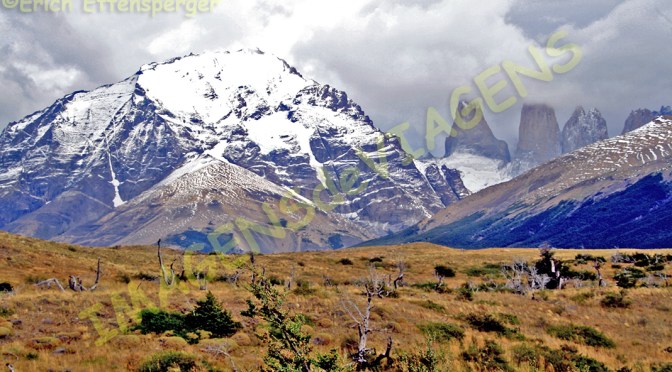
O Parque Nacional Torres del Paine, no Chile, é uma paisagem natural deslumbrante conhecida por suas formações rochosas espetaculares, lagos turquesa e glaciares majestosos. Localizado no sul do Chile, na região de Magallanes e Antártica Chilena, os distintos picos de granito das Torres del Paine são a característica icônica do parque, atraindo caminhantes e entusiastas da natureza de todo o mundo.

Abrangendo uma área de aproximadamente 2.400 quilômetros quadrados, o parque nacional possui uma vida selvagem diversificada, incluindo guanacos, pumas, raposas e inúmeras espécies de aves. Trilhas para caminhadas percorrem paisagens pitorescas, passando por lagos verde-esmeralda, como o Lago Nordenskjöld e o Lago Pehoé. O parque é um paraíso para os entusiastas de trekking que desejam vivenciar a flora e fauna únicas da região patagônica.

As instalações de acampamento dentro do parque nacional permitem que os visitantes se aprofundem na natureza intocada. As condições climáticas sempre variáveis e a paisagem impressionante tornam o Parque Nacional Torres del Paine um destino inesquecível para os aventureiros e amantes da natureza.

Para conhecer mais sobre o Parque Nacional Torre del Paine, clique aqui.

Der Torre del Paine Nationalpark in Chile ist eine atemberaubende Naturlandschaft, die für ihre spektakulären Felsformationen, türkisfarbenen Seen und majestätischen Gletscher bekannt ist. Dieser Nationalpark befindet sich im Süden Chiles, in der Region Magallanes und der Antarktis. Die markanten Granitzacken der Torres del Paine sind das Wahrzeichen des Parks und ziehen Wanderer und Naturliebhaber aus der ganzen Welt an.

Der Nationalpark erstreckt sich über eine Fläche von etwa 2.400 Quadratkilometern und bietet eine vielfältige Tierwelt, darunter Guanakos, Pumas, Füchse und zahlreiche Vogelarten. Wanderwege führen durch malerische Landschaften, vorbei an smaragdgrünen Seen wie dem Lago Nordenskjöld und dem Lago Pehoé. Der Park ist ein Paradies für Trekking-Enthusiasten, die die einzigartige Flora und Fauna der patagonischen Region erleben möchten.

Campingmöglichkeiten im Nationalpark ermöglichen es Besuchern, die unberührte Natur hautnah zu erleben. Die wechselnden Wetterbedingungen und die beeindruckende Szenerie machen den Torre del Paine Nationalpark zu einem unvergesslichen Reiseziel für Abenteuerlustige und Naturliebhaber gleichermaßen.

Um mehr über den Nationalpark Torres del Paine zu erfahren, klicken Sie hier.

The Torre del Paine National Park in Chile is a breathtaking natural landscape known for its spectacular rock formations, turquoise lakes, and majestic glaciers. Situated in southern Chile, in the Magallanes and Chilean Antarctica region, the distinctive granite peaks of the Torres del Paine are the park’s iconic feature, attracting hikers and nature enthusiasts from around the world.

Covering an area of approximately 2,400 square kilometers, the national park boasts diverse wildlife, including guanacos, pumas, foxes, and numerous bird species. Hiking trails wind through picturesque landscapes, passing by emerald-green lakes such as Lake Nordenskjöld and Lake Pehoé. The park is a paradise for trekking enthusiasts seeking to experience the unique flora and fauna of the Patagonian region.

Camping facilities within the national park allow visitors to immerse themselves in untouched nature. The ever-changing weather conditions and impressive scenery make Torre del Paine National Park an unforgettable destination for adventure seekers and nature lovers alike.

To learn more about Torres del Paine National Park, click here.

Alaska, um mosaico de atrações/Alaska, ein Mosaik aus Attraktionen/Alaska, a mosaic of attractions

O Alaska é um estado integrante dos Estados Unidos da América. Ele possui paisagens deslumbrantes e atrai anualmente milhares de turistas. Sempre tivemos o sonho de realizar uma viagem ao Alaska. Escolhemos visitar o Alaska através de uma viagem de trem, quando visitamos o Parque Denali e de cruzeiro, o que tornou tudo muito fácil e confortável. Esse post apresenta de forma geral as principais atrações do Alaska.

Anchorage, a maior cidade do Alasca, cativa com sua mistura de charme urbano e natureza intocada. Cercada por montanhas majestosas, a cidade oferece museus, parques e uma rica vida selvagem.

O majestoso Glaciar Hubbard impressiona com sua enorme frente de gelo que se estende até o mar. Acompanhado por sons crepitantes, este espetáculo natural é um destaque para os visitantes que desejam vivenciar a beleza gelada do Alasca.

O Parque Nacional Denali abriga o pico mais alto da América do Norte, o Denali. Com prados intermináveis de flores silvestres, montanhas majestosas e uma abundância de vida selvagem, o parque é um paraíso para os amantes da natureza.

A Glacier Bay fascina com seus glaciares cintilantes, águas geladas e uma paisagem deslumbrante. Esta região oferece uma oportunidade única de vivenciar de perto o poder da natureza na forma de glaciares.

A capital do Alasca, Juneau, encanta com sua localização entre montanhas e o mar. Com locais históricos, atividades ao ar livre e avistamento de baleias, a cidade é um destino versátil para os visitantes.

Skagway, uma cidade histórica da Corrida do Ouro, atrai com prédios bem preservados da era da Corrida do Ouro. A cidade conta a história dos buscadores de ouro e oferece vistas pitorescas.

Ketchikan, conhecida como a “Capital Mundial do Salmão”, oferece uma rica cultura dos povos indígenas do Alasca. Com deslumbrantes corridas de salmão e arte fascinante, a cidade é um destino animado.

Para conhecer mais sobre o Alaska, clique aqui.

Alaska, ein Mosaik aus Attraktionen

Alaska ist ein Bundesstaat in den Vereinigten Staaten von Amerika. Es verfügt über atemberaubende Landschaften und zieht jährlich Tausende von Touristen an. Wir hatten schon immer den Traum, eine Reise nach Alaska zu machen. Wir entschieden uns dafür, Alaska per Zug, als wir den Denali Park besuchten, und per Kreuzfahrt zu besuchen, was alles sehr einfach und bequem machte. Dieser Beitrag bietet einen allgemeinen Überblick über die Hauptattraktionen Alaskas.

Anchorage, Alaska:  Anchorage, Alaskas größte Stadt, beeindruckt mit seiner Mischung aus städtischem Flair und unberührter Natur. Umgeben von majestätischen Bergen bietet die Stadt Museen, Parks und eine reiche Tierwelt.

Hubbard Glacier, Alaska: Der majestätische Hubbard-Gletscher beeindruckt mit seiner riesigen Eisfront, die ins Meer reicht. Das Naturspektakel, von knarrenden Geräuschen begleitet, ist ein Höhepunkt für Besucher, die die eisige Schönheit Alaskas erleben möchten.

Denali National Park, Alaska: Der Denali-Nationalpark beherbergt den höchsten Gipfel Nordamerikas, den Denali. Mit endlosen Wildblumenwiesen, majestätischen Bergen und einer Fülle von Wildtieren ist der Park ein Paradies für Naturliebhaber.

Glacier Bay, Alaska: Die Glacier Bay fasziniert mit schimmernden Gletschern, eisigen Gewässern und einer atemberaubenden Kulisse. Diese Region bietet eine einzigartige Gelegenheit, die Kraft der Natur in Form von Gletschern hautnah zu erleben.

Juneau, Alaska: Die Hauptstadt Alaskas, Juneau, besticht durch ihre Lage zwischen Bergen und Meer. Mit historischen Stätten, Outdoor-Aktivitäten und Walsichtungen ist die Stadt ein vielseitiges Ziel für Besucher.

Skagway, Alaska: Skagway, ein historisches Goldrausch-Städtchen, lockt mit gut erhaltenen Gebäuden aus der Goldrausch-Ära. Die Stadt erzählt die Geschichte der Goldsucher und bietet malerische Ausblicke.

Ketchikan, Alaska: Ketchikan, bekannt als “Lachshauptstadt der Welt”, bietet eine reiche Kultur der Ureinwohner Alaskas. Mit bunten Lachsläufen und faszinierender Kunst ist die Stadt ein lebendiges Ziel.

Um mehr über Alaska zu erfahren, klicken Sie hier.

Alaska, a mosaic of attractions

Alaska is a state in the United States of America. It has stunning landscapes and attracts thousands of tourists annually. We always had the dream of taking a trip to Alaska. We chose to visit Alaska through a train trip, when we visited Denali Park and by cruise, which made everything very easy and comfortable. This post presents a general overview of Alaska’s main attractions.

Anchorage, Alaska’s largest city, captivates with its blend of urban flair and untouched nature. Surrounded by majestic mountains, the city boasts museums, parks, and abundant wildlife.

The majestic Hubbard Glacier impresses with its massive ice front reaching into the sea. Accompanied by creaking sounds, this natural spectacle is a highlight for visitors seeking to experience the icy beauty of Alaska.

Denali National Park hosts North America’s tallest peak, Denali. With endless wildflower meadows, majestic mountains, and abundant wildlife, the park is a paradise for nature enthusiasts.

Glacier Bay captivates with glistening glaciers, icy waters, and a breathtaking backdrop. This region provides a unique opportunity to experience the power of nature in the form of glaciers up close.

Alaskas capital, Juneau, charms with its location nestled between mountains and the sea. Featuring historical sites, outdoor activities, and whale sightings, the city is a versatile destination for visitors.

Skagway, a historic Gold Rush town, entices with well-preserved buildings from the Gold Rush era. The town tells the story of gold seekers and provides picturesque views.

Ketchikan, known as the “Salmon Capital of the World,” offers a rich culture of Alaska’s indigenous people. With vibrant salmon runs and fascinating art, the city is a lively destination.

To learn more about Alaska, click here.

Parque Ibirapuera em São Paulo/Ibirapuera-Park in São Paulo/Ibirapuera Park in São Paulo

O Parque Ibirapuera, localizado na cidade de São Paulo, é um dos mais emblemáticos e queridos espaços públicos da metrópole. Inaugurado em 1954 em comemoração ao quarto centenário da cidade, o parque foi projetado pelo renomado arquiteto Oscar Niemeyer e pelo paisagista Roberto Burle Marx, resultando em um ambiente que mescla harmoniosamente a natureza com a arquitetura moderna.

Com uma extensão de aproximadamente 1,6 milhão de metros quadrados, o Ibirapuera oferece uma variedade de opções de lazer e cultura para os visitantes. Possui lagos, amplas áreas verdes, trilhas para caminhadas e ciclovias, proporcionando um refúgio urbano para quem busca escapar do agito da cidade. As alamedas arborizadas e os jardins bem cuidados criam um ambiente propício para atividades ao ar livre, como piqueniques, prática de esportes e relaxamento.

Fonte/Quelle/Source:https://ibirapuera.org/parque-ibirapuera/mapas-do-parque-ibirapuera/mapa-caminhada/

Além da beleza natural, o parque abriga diversos espaços culturais e instituições importantes. O Museu de Arte Moderna de São Paulo (MAM) e o Museu Afro Brasil são exemplos de instituições que enriquecem a experiência dos visitantes com exposições de arte e cultura. O Auditório Ibirapuera, outro destaque arquitetônico, recebe eventos culturais e apresentações artísticas, tornando-se um ponto de encontro para apreciadores de música e teatro.

O Pavilhão Japonês, com seu jardim típico e arquitetura tradicional, é uma atração única que destaca a diversidade cultural presente no parque. Além disso, o Obelisco Mausoléu aos Heróis de 32 e o Monumento às Bandeiras são marcos históricos que remetem ao passado da cidade e do país.

O Parque Ibirapuera não é apenas um local de lazer, mas também um espaço democrático que atrai pessoas de diferentes idades, classes sociais e origens. Nos fins de semana, é comum ver famílias, praticantes de esportes, estudantes e turistas desfrutando da atmosfera única que o parque proporciona.

Em resumo, o Parque Ibirapuera é uma joia verde no coração de São Paulo, combinando natureza, cultura e história de maneira singular. Sua importância vai além do aspecto paisagístico, sendo um ponto de encontro para a diversidade, celebração da arte e preservação do patrimônio histórico da cidade.

Quando visitamos o Parque Ibirapuera também visitamos a 35ª Bienal de Arte em São Paulo. É um evento importante na cena artística internacional. Realizada no Parque Ibirapuera, um dos maiores parques urbanos de São Paulo, proporciona um cenário deslumbrante para a exposição. Artistas de todo o mundo apresentam suas obras aqui, e a Bienal tornou-se um importante fórum para a arte contemporânea.

O Parque Ibirapuera em si é um local impressionante, com gramados verdes, lagos e arquitetura moderna, que permite aos visitantes experimentar a natureza e a arte em conjunto.

Primeiro exploramos o enorme parque em um passeio divertido com um veículo elétrico e muita informação divertida, depois aproveitamos a 35ª Bienal de Arte com uma grande variedade de exposições e formas de arte contemporâneas.

Para conhecer mais sobre o Parque Ibirapuera, clique aqui.

Nota: O parque dispõe de um serviço de um carrinho elétrico que faz um tour guiado no parque. Para mais informações sobre esse serviço, clique aqui.

Der Ibirapuera-Park, gelegen in der Stadt São Paulo, ist einer der emblematischsten und beliebtesten öffentlichen Plätze in der Metropole. Er wurde 1954 zur Feier des vierhundertjährigen Bestehens der Stadt eröffnet und wurde vom renommierten Architekten Oscar Niemeyer und dem Landschaftsarchitekten Roberto Burle Marx entworfen, was zu einer Umgebung führte, die Natur harmonisch mit moderner Architektur verbindet.

Mit einer Fläche von etwa 1,6 Millionen Quadratmetern bietet der Ibirapuera eine Vielzahl von Freizeit- und Kulturmöglichkeiten für Besucher. Er verfügt über Seen, ausgedehnte Grünflächen, Wanderwege und Radwege, die einen städtischen Rückzugsort für diejenigen bieten, die dem Trubel der Stadt entkommen möchten. Die baumbestandenen Alleen und gepflegten Gärten schaffen eine Atmosphäre, die sich gut für Outdoor-Aktivitäten wie Picknicks, Sport und Entspannung eignet.

Fonte/Quelle/Source:https://ibirapuera.org/parque-ibirapuera/mapas-do-parque-ibirapuera/mapa-caminhada/

Neben seiner natürlichen Schönheit beherbergt der Park verschiedene Kulturräume und wichtige Institutionen. Das Museum für Moderne Kunst von São Paulo (MAM) und das Afro-Brasilianische Museum sind Beispiele für Institutionen, die die Erfahrungen der Besucher mit Kunst und Kultur bereichern. Das Ibirapuera-Auditorium, ein weiteres architektonisches Highlight, beherbergt kulturelle Veranstaltungen und künstlerische Aufführungen und wird zu einem Treffpunkt für Musik- und Theaterliebhaber.

Der Japanische Pavillon mit seinem typischen Garten und seiner traditionellen Architektur ist eine einzigartige Attraktion, die die kulturelle Vielfalt im Park hervorhebt. Darüber hinaus sind der Obelisk Mausoleum der Helden von 32 und das Monument für die Bandeiras historische Wahrzeichen, die an die Vergangenheit der Stadt und des Landes erinnern.

Der Ibirapuera-Park ist nicht nur ein Freizeitziel, sondern auch ein demokratischer Raum, der Menschen unterschiedlichen Alters, sozialen Klassen und Hintergründen anzieht. An Wochenenden ist es üblich, Familien, Sportbegeisterte, Studenten und Touristen zu sehen, die die einzigartige Atmosphäre des Parks genießen.

Zusammenfassend ist der Ibirapuera-Park eine grüne Perle im Herzen von São Paulo, die Natur, Kultur und Geschichte auf einzigartige Weise kombiniert. Seine Bedeutung geht über die Landschaft hinaus und dient als Treffpunkt für Vielfalt, als Feier der Kunst und als Bewahrung des historischen Erbes der Stadt.

Wenn wir den Ibirapuera-Park besuchen, besuchen wir auch den Die 35. Kunst-Biennale in São Paulo ist eine bedeutende Veranstaltung in der internationalen Kunstszene. Sie findet im Parque Ibirapuera statt, einem der größten Stadtparks in São Paulo, der eine atemberaubende Kulisse für die Ausstellung bietet. Künstler aus aller Welt präsentieren hier ihre Werke, und die Biennale hat sich zu einem wichtigen Forum für zeitgenössische Kunst entwickelt. Der Parque Ibirapuera selbst ist ein beeindruckender Ort mit grünen Wiesen, Seen und moderner Architektur, der die Besucher inmitten der Natur und Kunst erleben lässt.

Wir erkundeten zunächst den riesigen Park auf einer kurzweiligen Tour mit einem Elektromobil und vielen auch lustigen Informationen, danach genossen wir die 35. Kunstbiennale mit den unterschiedlichsten zeitgenössischen Ausstellungs- und Kunstformen.

Um mehr über den Ibirapuera-Park zu erfahren, klicken Sie hier.

Hinweis: Der Park bietet einen Elektrokarren-Service an, der eine geführte Tour durch den Park ermöglicht. Weitere Informationen zu diesem Service finden Sie hier.

The Ibirapuera Park, located in the city of São Paulo, is one of the most emblematic and beloved public spaces in the metropolis. Inaugurated in 1954 to commemorate the city’s quadricentennial, the park was designed by the renowned architect Oscar Niemeyer and landscape designer Roberto Burle Marx, resulting in an environment that harmoniously blends nature with modern architecture.

With an extension of approximately 1.6 million square meters, Ibirapuera offers a variety of leisure and cultural options for visitors. It features lakes, extensive green areas, walking trails, and bike paths, providing an urban refuge for those seeking to escape the hustle and bustle of the city. The tree-lined avenues and well-maintained gardens create a conducive environment for outdoor activities such as picnics, sports, and relaxation.

Fonte/Quelle/Source:https://ibirapuera.org/parque-ibirapuera/mapas-do-parque-ibirapuera/mapa-caminhada/

In addition to its natural beauty, the park houses various cultural spaces and important institutions. The São Paulo Museum of Modern Art (MAM) and the Afro Brazil Museum are examples of institutions that enrich visitors’ experiences with art and culture. The Ibirapuera Auditorium, another architectural highlight, hosts cultural events and artistic performances, becoming a meeting point for music and theater enthusiasts.

The Japanese Pavilion, with its typical garden and traditional architecture, is a unique attraction that highlights the cultural diversity present in the park. Furthermore, the Obelisk Mausoleum of the Heroes of 32 and the Monument to the Bandeiras are historical landmarks that evoke the city’s and the country’s past.

Ibirapuera Park is not only a leisure destination but also a democratic space that attracts people of different ages, social classes, and backgrounds. On weekends, it is common to see families, sports enthusiasts, students, and tourists enjoying the unique atmosphere that the park provides.

In summary, Ibirapuera Park is a green gem in the heart of São Paulo, combining nature, culture, and history in a unique way. Its significance goes beyond the landscape, serving as a meeting point for diversity, a celebration of art, and the preservation of the city’s historical heritage.

When we visit this park, we visit too the 35th Art Biennial in São Paulo is a significant event in the international art scene. It takes place in Parque Ibirapuera, one of the largest urban parks in São Paulo, providing a breathtaking setting for the exhibition. Artists from around the world showcase their works here, and the Biennial has become a crucial forum for contemporary art. Parque Ibirapuera itself is an impressive location with green lawns, lakes, and modern architecture, immersing visitors in the midst of nature and art.

We first explored the huge park on an entertaining tour with an electric vehicle and lots of fun information, then we enjoyed the 35th Art Biennale with a wide variety of contemporary exhibitions and art forms.

To learn more about Ibirapuera Park, click here.

Note: The park offers an electric cart service that provides a guided tour of the park. For more information about this service, click here.

Nepal – cultura, natureza e diversidade/Nepal – Kultur, Natur und Vielfalt /Nepal – culture, nature and diversity 

Nepal – cultura, natureza e diversidade 

Nepal, um país no sul da Ásia, é conhecido pela sua deslumbrante paisagem, pelas majestosas montanhas do Himalaia e pela rica diversidade cultural. A capital, Catmandu, é uma mistura de tradição e modernidade. Nepal é lar de muitos grupos étnicos e línguas. 

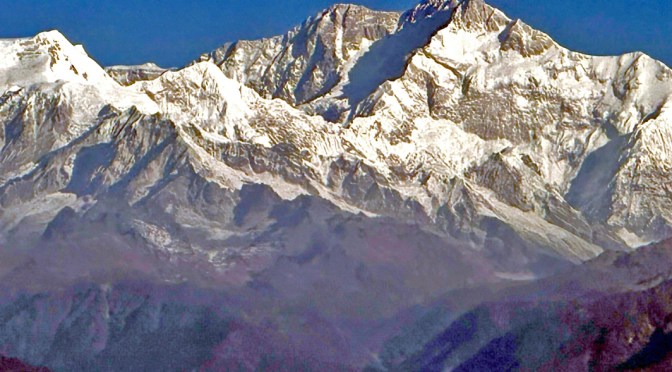
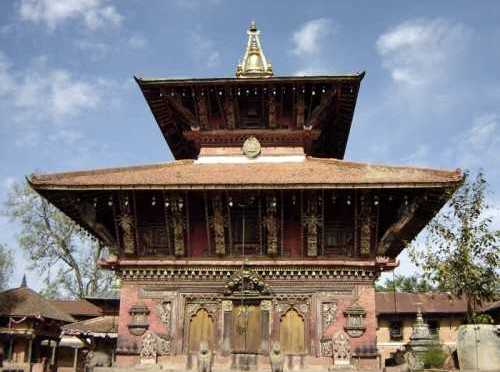
O Monte Everest, a montanha mais alta do mundo, está localizado no Nepal e atrai aventureiros e alpinistas de todo o mundo. Além de trekking e alpinismo, Nepal também oferece uma riqueza de experiências espirituais com seus inúmeros templos e locais sagrados. 

A culinária nepalesa oferece uma variedade de sabores que cativam as papilas gustativas. Dal Bhat, Momos e iguarias Newari são apenas alguns dos pratos deliciosos que se deve experimentar. 

A cultura nepalesa é caracterizada por danças tradicionais, música e artesanato. Festivais como Dashain e Tihar são celebrações coloridas que refletem o patrimônio cultural do país. 

Porém, o destaque da nossa curtíssima estadia de 5 dias no Nepal, além de todas as impressões religiosas, culturais e paisagísticas, foi um voo para a região montanhosa do Himalaia com vistas incríveis. 

Para conhecer mais sobre o Nepal, clique aqui.

Nepal – Kultur, Natur und Vielfalt

Nepal, ein Land in Südasien, ist bekannt für seine atemberaubende Landschaft, die majestätischen Himalaya-Berge und die reiche kulturelle Vielfalt. Die Hauptstadt Kathmandu ist ein Schmelztiegel der Tradition und Moderne. Nepal ist die Heimat vieler ethnischer Gruppen und Sprachen.

Der Mount Everest, der höchste Berg der Welt, befindet sich in Nepal und zieht Abenteurer und Bergsteiger aus der ganzen Welt an. Neben Trekking und Bergsteigen bietet Nepal auch eine Fülle von spirituellen Erfahrungen mit seinen zahlreichen Tempeln und heiligen Stätten.

Nepals Küche bietet eine Vielzahl von Aromen, die die Geschmacksknospen ansprechen. Dal Bhat, Momos und Newari-Köstlichkeiten sind nur einige der köstlichen Gerichte, die man probieren sollte.

Die nepalesische Kultur wird durch traditionelle Tänze, Musik und Kunsthandwerk geprägt. Feste wie Dashain und Tihar sind farbenfrohe Feiern, die das kulturelle Erbe des Landes widerspiegeln.

Höhepunkt unseres sehr kurzen 5-tägigen Aufenthaltes in Nepal war jedoch neben all den  Eindrücken religiöser, kultureller und landschaftlicher Art ein Flug in die Himalaya-Gebirgsregion mit unglaublichen Ausblicken.

Um mehr über Nepal zu erfahren, klicken Sie hier.

Nepal – culture, nature and diversity

Nepal, a country in South Asia, is renowned for its stunning landscape, majestic Himalayan mountains, and rich cultural diversity. The capital city, Kathmandu, is a blend of tradition and modernity. Nepal is home to many ethnic groups and languages.

Mount Everest, the tallest mountain in the world, is situated in Nepal, drawing adventurers and climbers from across the globe. Besides trekking and mountaineering, Nepal also offers an abundance of spiritual experiences with its numerous temples and sacred sites.

Nepal’s cuisine offers a variety of flavors that tantalize the taste buds. Dal Bhat, Momos, and Newari delicacies are just some of the delicious dishes one should try.

Nepalese culture is characterized by traditional dances, music, and craftsmanship. Festivals such as Dashain and Tihar are colorful celebrations that reflect the country’s cultural heritage

However, the highlight of our very short 5-day stay in Nepal, in addition to all the religious, cultural and scenic impressions, was a flight to the Himalayan mountain region with incredible views.

To learn more about Nepal, click here.

Museu Paulista

O Museu Paulista, também conhecido como Museu do Ipiranga, é um dos museus mais importantes de São Paulo, Brasil. Foi fundado em 7 de setembro de 1895 e está localizado no bairro do Ipiranga. O museu abriga uma rica coleção que abrange a história do Brasil desde o século XVI até os dias atuais.

A arquitetura do Museu Paulista é impressionante, refletindo o neoclassicismo. O edifício distintivo com suas colunas e entrada imponente é um marco da cidade.

A coleção inclui artefatos, pinturas, esculturas e muito mais que retratam a história do Brasil. Os visitantes podem admirar artefatos da época do império, como móveis, roupas e pertences pessoais de figuras históricas importantes.

O Museu Paulista é especialmente famoso pela pintura “Independência ou Morte” de Pedro Américo, que retrata a independência do Brasil de Portugal.

O parque e jardins circundantes do Museu Paulista convidam os visitantes a apreciar a beleza da natureza enquanto vislumbram a história do Brasil.

O Edifício monumental do Museu Paulista foi projetado pelo arquiteto italiano Tommaso Gaudencio Bezzi com o propósito de destacar o local onde D. Pedro, o príncipe regente, disse a famosa frase: “É tempo! Independência ou Morte”, declarando a emancipação das terras brasileiros de Portugal.

Esse prédio passou por uma grandiosa restauração (o prédio esteve fechado por nove anos) e foi reaberto ao público em setembro de 2022 em comemoração ao Bicentenário da Independência do Brasil. O prédio foi restaurado e ampliado, cujo projeto foi resultado de um Concurso Nacional de Arquitetura promovido pela Universidade de São Paulo em 2017. O escritório H+F, liderado pelos arquitetos Eduardo Ferroni e Pablo Hereñu ganhou o certame. Foram investidos em torno de 235 milhões de reais e o projeto de restauro inclui também a recuperação do jardim francês, do entorno e das pontes. O prédio foi ampliado em de 6.800 m². O novo projeto expográfico é de autoria do escritório Metrópole Arquitetos tendo à frente as Ana Paula Pontes e Anna Helena Villela.

Para conhecer mais sobre o Museu Paulista, clique aqui.


Dica: Nós começamos a visita ao Museu a partir do terraço panorâmico na sua cobertura e fomos descendo e visitando cada pavimento. Quando terminamos já estávamos no andar da saída do prédio.

Das Museu Paulista, auch bekannt als das Museu do Ipiranga, ist eines der bedeutendsten Museen in São Paulo, Brasilien. Es wurde am 7. September 1895 gegründet und befindet sich im Stadtviertel Ipiranga. Das Museum beherbergt eine reichhaltige Sammlung, die die Geschichte Brasiliens vom 16. Jahrhundert bis zur Gegenwart umfasst.

Die Architektur des Museu Paulista ist beeindruckend und spiegelt den Neoklassizismus wider. Das markante Gebäude mit seinen Säulen und dem imposanten Eingangsbereich ist ein Wahrzeichen der Stadt.

Die Sammlung umfasst Artefakte, Gemälde, Skulpturen und vieles mehr, die die Geschichte Brasiliens darstellen. Besucher können Artefakte aus der Zeit des Kaiserreichs, wie beispielsweise Mobiliar, Kleidung und persönliche Gegenstände von bedeutenden historischen Persönlichkeiten, bestaunen.

Besonders bekannt ist das Museu Paulista für das Gemälde “Independência ou Morte” (Unabhängigkeit oder Tod) von Pedro Américo, das die Unabhängigkeit Brasiliens von Portugal darstellt.

Der umliegende Park und die Gärten des Museu Paulista laden Besucher dazu ein, die Schönheit der Natur zu genießen und einen Blick auf die Geschichte Brasiliens zu werfen.

Das monumentale Gebäude des Museu Paulista wurde vom italienischen Architekten Tommaso Gaudencio Bezzi mit dem Ziel entworfen, den Ort hervorzuheben, an dem D. Pedro, der Prinzregent, den berühmten Satz sagte: „Es ist Zeit!“ Unabhängigkeit oder Tod“, in dem die Emanzipation brasilianischer Länder von Portugal erklärt wurde.

Dieses Gebäude wurde einer umfassenden Restaurierung unterzogen (das Gebäude war neun Jahre lang geschlossen) und wurde im September 2022 anlässlich des 200. Jahrestages der Unabhängigkeit Brasiliens wieder für die Öffentlichkeit geöffnet. Das Gebäude wurde restauriert und erweitert, dessen Projekt das Ergebnis eines nationalen Architekturwettbewerbs war, der 2017 von der Universität São Paulo gefördert wurde. Das Büro H+F unter der Leitung der Architekten Eduardo Ferroni und Pablo Hereñu gewann den Wettbewerb. Rund 235 Millionen Reais wurden investiert und das Restaurierungsprojekt umfasst auch die Wiederherstellung des französischen Gartens, der Umgebung und der Brücken. Das Gebäude wurde um 6.800 m² erweitert. Das neue Ausstellungsprojekt wurde von Metrópole Arquitetos unter der Leitung von Ana Paula Pontes und Anna Helena Villela entworfen.

Um mehr über das Museu Paulista zu erfahren, klicken Sie hier.

Tipp: Wir begannen unseren Museumsbesuch von der Panoramaterrasse auf dem Dach aus und gingen dann hinunter, um jede Etage zu besichtigen. Als wir fertig waren, befanden wir uns bereits im Ausgangsgeschoss des Gebäudes.

The Museu Paulista, also known as the Museu do Ipiranga, is one of the most significant museums in São Paulo, Brazil. It was founded on September 7, 1895, and is located in the Ipiranga neighborhood. The museum houses a rich collection that spans Brazil’s history from the 16th century to the present day.

The architecture of the Museu Paulista is impressive, reflecting neoclassicism. The distinctive building with its columns and imposing entrance is a landmark of the city.

The collection includes artifacts, paintings, sculptures, and more that depict Brazil’s history. Visitors can marvel at artifacts from the time of the empire, such as furniture, clothing, and personal belongings of significant historical figures.

The Museu Paulista is particularly famous for the painting “Independência ou Morte” (Independence or Death) by Pedro Américo, portraying Brazil’s independence from Portugal.

The surrounding park and gardens of the Museu Paulista invite visitors to enjoy the beauty of nature while glimpsing into Brazil’s history.

The monumental building of the Museu Paulista was designed by the Italian architect Tommaso Gaudencio Bezzi with the purpose of highlighting the place where D. Pedro, the prince regent, said the famous phrase: “It’s time! Independence or Death”, declaring the emancipation of Brazilian lands from Portugal.

This building underwent a major restoration (the building was closed for nine years) and was reopened to the public in September 2022 in celebration of the Bicentennial of Brazil’s Independence. The building was restored and expanded, whose project was the result of a National Architecture Competition promoted by the University of São Paulo in 2017. The H+F office, led by architects Eduardo Ferroni and Pablo Hereñu, won the competition. Around 235 million reais were invested and the restoration project also includes the recovery of the French garden, the surrounding area and the bridges. The building was expanded by 6,800 m². The new expographic project is designed by Metrópole Arquitetos, led by Ana Paula Pontes and Anna Helena Villela.

To learn more about the Museu Paulista, click here.

Tip: We started our visit to the Museum from the panoramic terrace on its roof and went down and visited each floor. When we finished we were already on the exit floor of the building.

Butão, Terra da Felicidade/Bhutan, Land des Glücks/Bhutan, Land of Happiness

Fotos: Maria Helena Vieira de Melo

Butão, a Terra do Dragão Trovão, está situado nas encostas orientais do Himalaia. É conhecido por sua paisagem deslumbrante, espiritualidade profunda e cultura única.

A capital, Thimphu, oferece insights sobre as tradições do país com seus mosteiros, mercados e o impressionante Tashichho Dzong.

Uma das principais atrações do Butão é o Mosteiro de Taktsang, também conhecido como Ninho do Tigre. Ele se ergue espetacularmente em um penhasco, oferecendo uma vista incrível. O mercado do Vale de Paro é outro lugar para experimentar a cultura local e a arte artesanal.

O Butão é famoso por seus festivais, especialmente o Paro Tsechu, onde danças mascaradas vibrantes e rituais são celebrados. A rica flora e fauna do país o tornam um paraíso para os amantes da natureza, com parques nacionais como o Parque Nacional Jigme Dorji.

Os butaneses dão grande importância à preservação do seu ambiente e promovem o turismo sustentável. Os visitantes são obrigados a pagar uma taxa diária, contribuindo para a preservação da cultura e do ambiente únicos.

NOTA: O blog Imagens e Viagens agradece a médica  Maria Helena Vieira de Melo, que adora visitar belas paisagens no planeta,  pela gentileza de nos ceder as belas  fotos que ilustram este post.

Para conhecer mais sobre o Butão, clique aqui.

Bhutan, Land des Glücks

Bhutan, das Land des Donnerdrachens, liegt eingebettet in den östlichen Ausläufern des Himalayas. Es ist bekannt für seine atemberaubende Landschaft, tiefe Spiritualität und einzigartige Kultur.

Die Hauptstadt Thimphu bietet einen Einblick in die Traditionen des Landes mit ihren Klöstern, Märkten und dem imposanten Tashichho Dzong.

Eine der Hauptattraktionen Bhutans ist das Taktsang-Kloster, auch bekannt als Tiger’s Nest. Es thront spektakulär auf einer Klippe und bietet einen unglaublichen Ausblick. Der Paro-Talmarkt ist ein weiterer Ort, an dem man die lokale Kultur und Handwerkskunst erleben kann.

Bhutan ist berühmt für seine Feste, insbesondere das Paro-Tsechu, bei dem farbenfrohe Maskentänze und Rituale zelebriert werden. Die reichhaltige Flora und Fauna des Landes machen es zu einem Paradies für Naturliebhaber, mit Nationalparks wie dem Jigme-Dorji-Nationalpark.

Die Bhutaner legen großen Wert auf den Schutz ihrer Umwelt und fördern einen nachhaltigen Tourismus. Besucher müssen eine tägliche Gebühr zahlen, die dazu beiträgt, die einzigartige Kultur und Umwelt zu erhalten.

HINWEIS: Der Blog Imagens e Viagens dankt der Ärztin Maria Helena Vieira de Melo, die gerne wunderschöne Landschaften auf dem Planeten besucht, für die freundliche Bereitstellung der wunderschönen Fotos, die diesen Beitrag illustrieren.

Um mehr über Bhutan zu erfahren, klicken Sie hier.

Bhutan, Land of Happiness

Bhutan, the Land of the Thunder Dragon, is nestled in the eastern slopes of the Himalayas. It’s renowned for its stunning landscape, profound spirituality, and unique culture.

The capital city Thimphu offers insights into the country’s traditions with its monasteries, markets, and the impressive Tashichho Dzong.

One of Bhutan’s main attractions is the Taktsang Monastery, also known as Tiger’s Nest. It spectacularly perches on a cliff, offering an incredible view. The Paro Valley market is another place to experience local culture and craftsmanship.

Bhutan is famous for its festivals, especially the Paro Tsechu, where vibrant masked dances and rituals are celebrated. The country’s rich flora and fauna make it a haven for nature enthusiasts, with national parks like the Jigme Dorji National Park.

Bhutanese people place a strong emphasis on preserving their environment and promote sustainable tourism. Visitors are required to pay a daily fee, contributing to the preservation of the unique culture and environment.

NOTE: The Imagens e Viagens blog thanks doctor Maria Helena Vieira de Melo, who loves visiting beautiful landscapes on the planet, for kindly giving us the beautiful photos that illustrate this post.

To learn more about Bhutan, click here.

Rudesheim

Em maio de 2022 realizamos um cruzeiro pelo Rio Rhein, embarcarmos em Amsterdã e desembarcamos na Basiléia. Rudesheim foi uma das paradas dessa linda viagem.
Rüdesheim am Rhein é uma cidade pitoresca na Alemanha conhecida por sua paisagem deslumbrante, vinhas e cidade antiga histórica. Localizada às margens do rio Reno, é um destino turístico popular.
A Drosselgasse, uma charmosa rua de paralelepípedos, é repleta de aconchegantes tabernas de vinho, restaurantes e lojas. A cidade também é famosa por sua vinícola, que produz alguns dos melhores vinhos da região. Pegar o teleférico até o Niederwald oferece vistas deslumbrantes do rio e das paisagens ao redor. O Monumento Niederwald ergue-se majestosamente no Niederwald, acima de Rüdesheim. Foi construído entre 1871 e 1883 para comemorar a fundação do Império Alemão após a Guerra Franco-Prussiana. O monumento simboliza o renascimento do sentimento nacional alemão e representa liberdade e unidade.  
Rüdesheim combina perfeitamente história, cultura e vinho, tornando-se um destino imperdível. Para conhecer mais sobre essa bela cidade, clique aqui.

Im Mai 2022 unternahmen wir eine Kreuzfahrt auf dem Rhein mit Einschiffung in Amsterdam und Ausschiffung in Basel. Rüdesheim war eine der Stationen dieser schönen Reise.

Rüdesheim am Rhein ist eine malerische Stadt in Deutschland, die für ihre atemberaubende Landschaft, ihre Weinberge und ihre historische Altstadt bekannt ist. Die Stadt liegt am Ufer des Rheins und ist ein beliebtes Touristenziel.

Die Drosselgasse, eine charmante Kopfsteinpflasterstraße, ist mit gemütlichen Weinstuben, Restaurants und Geschäften gesäumt. Die Stadt ist auch für ihr Weingut bekannt, das einige der besten Weine der Region produziert. Mit der Seilbahn kann man auf den Niederwald fahren, um einen atemberaubenden Blick auf den Fluss und die umliegende Landschaft zu genießen. Das Niederwalddenkmal thront majestätisch auf dem Niederwald über Rüdesheim. Es wurde zwischen 1871 und 1883 erbaut, um an die Gründung des Deutschen Reiches nach dem Deutsch-Französischen Krieg zu erinnern. Das Denkmal symbolisiert die Wiedergeburt des deutschen Nationalgefühls und repräsentiert Freiheit und Einheit.

Rüdesheim ist ein Ort, der Geschichte, Kultur und Wein perfekt miteinander verbindet.Um mehr über diese wunderschöne Stadt zu erfahren, klicken Sie hier.

In May 2022 we took a cruise along the Rhein River, embarking in Amsterdam and disembarking in Basel. Rudesheim was one of the stops on this beautiful trip.

Rüdesheim am Rhein is a picturesque town in Germany known for its stunning scenery, vineyards, and historic old town. Situated along the banks of the Rhine River, it is a popular tourist destination. The Drosselgasse, a charming cobblestone street, is lined with cozy wine taverns, restaurants, and shops. The town is also renowned for its winery, producing some of the finest wines in the region. Taking the cable car up to the Niederwald offers breathtaking views of the river and surrounding landscapes. The Niederwald Monument stands majestically on the Niederwald above Rüdesheim. It was built between 1871 and 1883 to commemorate the founding of the German Empire after the Franco-Prussian War. The monument symbolizes the revival of German national sentiment and represents freedom and unity.

Rüdesheim seamlessly combines history, culture, and wine, making it a must-visit destination.To learn more about this beautiful city, click here.