Arquivo da categoria: Américas

Posts e imagens sobre lugares na Américas.

Ilha de Páscoa/Die Osterinsel/Easter Island

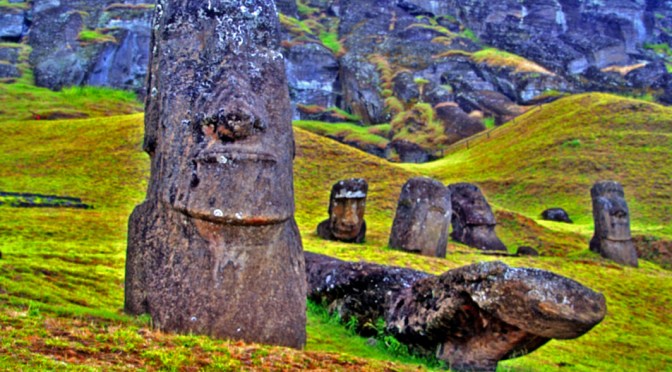
A Ilha de Páscoa, chamada Rapa Nui em espanhol, está localizada no sudeste do Pacífico e pertence politicamente ao Chile. Ela é famosa por suas misteriosas estátuas Moai, esculpidas em rocha vulcânica e espalhadas pela ilha. Essas enormes esculturas continuam sendo um mistério e encantam visitantes do mundo inteiro. A ilha tem origem vulcânica e apresenta uma paisagem impressionante, com colinas verdes, falésias rochosas e um mar azul profundo. Um dos locais mais fascinantes é o vulcão Rano Raraku, onde os Moai foram esculpidos na pedreira de pedra. Também destaca-se Ahu Tongariki, com seus quinze Moai restaurados que observam o oceano, uma das imagens mais emblemáticas da ilha. A cultura de Rapa Nui tem raízes profundas na história polinésia e conta a história de navegadores que cruzaram milhares de quilômetros de oceano. Tradições como o festival cultural Tapati mostram o orgulho e a vitalidade do povo local. Quem visita a ilha explora sítios arqueológicos enquanto descobre um mundo cheio de mitos e lendas. Além dos Moai, há praias paradisíacas como Anakena, com areia branca e coqueiros criando um cenário tropical. O clima é ameno e a atmosfera é tranquila e isolada. A Ilha de Páscoa oferece relaxamento e descoberta. Muitos viajantes relatam sentir uma conexão espiritual com a natureza e com o passado antigo. É um destino mágico, cheio de história, mistérios e belezas naturais, que permanece inesquecível. 

Die Osterinsel, auf Spanisch Rapa Nui genannt, liegt isoliert im südöstlichen Pazifik und gehört politisch zu Chile. Bekannt ist sie vor allem für ihre mystischen Moai-Statuen, die aus vulkanischem Gestein gehauen wurden und majestätisch über die Insel wachen. Diese riesigen Skulpturen geben bis heute Rätsel auf und faszinieren Besucher aus aller Welt. Die Insel selbst ist vulkanischen Ursprungs und bietet eine raue, fast magische Landschaft mit grünen Hängen, zerklüfteten Felsen und tiefblauem Meer. Besonders beeindruckend ist der Vulkan Rano Raraku, in dessen Steinbruch die Moai entstanden sind. Ebenso eindrucksvoll ist Ahu Tongariki mit seinen 15 aufgerichteten Moai, die den Ozean überblicken und zu den berühmtesten Fotomotiven der Insel gehören. Die Kultur von Rapa Nui ist eng mit der polynesischen Geschichte verwoben und erzählt von Seefahrern, die einst Tausende Kilometer über den Ozean segelten. Traditionen wie der Tapati-Kulturfestival zeigen bis heute die Lebendigkeit und den Stolz der Bevölkerung. Besucher lernen hier nicht nur archäologische Stätten kennen, sondern tauchen auch in eine faszinierende Welt voller Mythen und Legenden ein. Neben den Moai gibt es traumhafte Strände wie Anakena, wo weißer Sand und Palmen ein tropisches Paradies schaffen. Das Klima ist angenehm mild, und die Atmosphäre ruhig und friedlich. Die Osterinsel ist ein Ort, der sowohl Entspannung als auch Entdeckungen ermöglicht. Wer hierher reist, spürt die spirituelle Energie und den tiefen kulturellen Reichtum, der die Insel einzigartig macht. Viele Reisende berichten von einem besonderen Gefühl der Verbundenheit mit der Natur und der Vergangenheit. Die Osterinsel bleibt ein magisches Ziel voller Geschichte, Geheimnisse und Naturschönheiten, das man nie vergisst.

Easter Island, called Rapa Nui in Spanish, is located in the southeastern Pacific and politically belongs to Chile. It is best known for its mysterious Moai statues, carved from volcanic rock and standing proudly across the island. These enormous sculptures continue to puzzle researchers and fascinate visitors from around the world. The island itself is of volcanic origin, with a rugged, mystical landscape of green slopes, rocky cliffs, and deep blue ocean. One of the most impressive sites is the Rano Raraku volcano, where the Moai were carved from the stone quarry. Also remarkable is Ahu Tongariki, with fifteen restored Moai overlooking the ocean, one of the island’s most iconic sights. Rapa Nui culture is deeply rooted in Polynesian history, telling the story of seafarers who crossed the vast ocean thousands of kilometers. Traditions like the Tapati cultural festival showcase the island’s living heritage and proud identity. Visitors explore archaeological sites while immersing themselves in a world full of myths and legends. In addition to the Moai, there are beautiful beaches such as Anakena, with white sand and palm trees creating a tropical atmosphere. The climate is mild, and the island feels peaceful and remote. Easter Island offers both relaxation and discovery. Travelers often speak of feeling a spiritual connection to the land and its ancient past. It remains a magical place of culture, mystery, and natural beauty that leaves lasting memories.

Cidade do Panamá/Panama-Stadt/Panama City

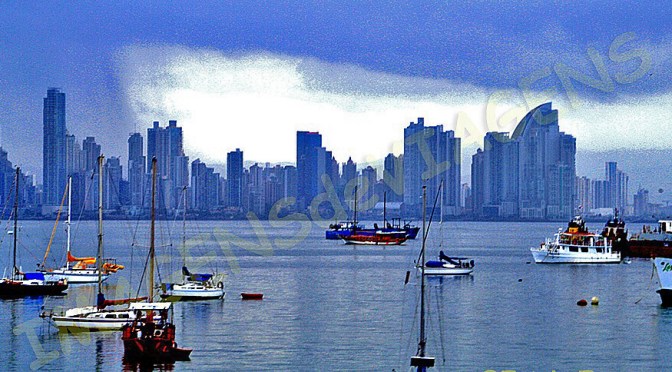
Cidade do Panamá é a capital do Panamá e está localizada na costa do Pacífico da América Central.

Foi fundada em 1519 pelos espanhóis e foi um ponto de partida importante para expedições à América do Sul. Hoje, é uma metrópole moderna com arranha-céus impressionantes, centros comerciais, museus e bairros coloniais como o Casco Viejo, que é Patrimônio Mundial da UNESCO.

Cidade do Panamá é um centro econômico, político e cultural significativo na região. O horizonte da cidade lembra Miami ou Dubai. A arquitetura moderna mistura-se com o patrimônio histórico. Turistas apreciam o contraste entre tradição e inovação.

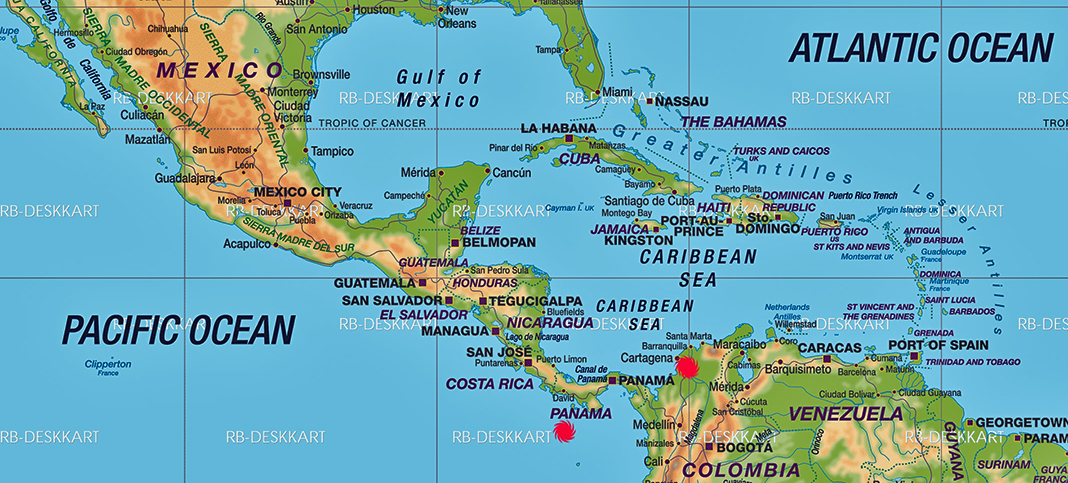
A cidade é especialmente conhecida pelo Canal do Panamá, que fica a poucos quilômetros do centro. O canal é uma via navegável artificial que liga o Atlântico (pelo Mar do Caribe) ao Pacífico. Foi construído entre 1904 e 1914 sob liderança dos EUA e é considerado uma das maiores obras de engenharia do século XX.

O Canal do Panamá tem cerca de 82 quilômetros de comprimento e economiza aos navios a longa e perigosa viagem ao redor do Cabo Horn, no sul da América. Cerca de 14.000 navios passam pelo canal a cada ano. O melhor lugar para observá-lo é a Eclusa de Miraflores, onde os visitantes podem ver o funcionamento ao vivo.

A importância econômica do canal é enorme – tanto para o Panamá quanto para o comércio mundial. Desde a transferência do canal dos EUA para o Panamá em 1999, ele é administrado pela Autoridade do Canal do Panamá (ACP).

No geral, a Cidade do Panamá é uma mistura fascinante de história, desenvolvimento moderno e importância internacional – com o Canal do Panamá como seu coração.

Para conhecer mais sobre o Panamá, clique aqui.

Panama-Stadt ist die Hauptstadt von Panama und liegt an der Pazifikküste Mittelamerikas.

Sie wurde 1519 von den Spaniern gegründet und war einst ein wichtiger Ausgangspunkt für die Expeditionen nach Südamerika. Heute ist die Stadt eine moderne Metropole mit beeindruckenden Hochhäusern, Einkaufszentren, Museen und kolonialen Vierteln wie Casco Viejo, das zum UNESCO-Weltkulturerbe gehört.

Panama-Stadt ist ein bedeutendes wirtschaftliches, politisches und kulturelles Zentrum in der Region. Die Skyline erinnert an Städte wie Miami oder Dubai. In der Stadt mischen sich moderne Architektur mit historischer Substanz. Touristen genießen den Kontrast zwischen Tradition und Innovation.

Besonders bekannt ist Panama-Stadt wegen des Panama-Kanals, der nur wenige Kilometer vom Stadtzentrum entfernt liegt. Der Kanal ist eine künstliche Wasserstraße, die den Atlantik (über das Karibische Meer) mit dem Pazifik verbindet. Er wurde zwischen 1904 und 1914 unter der Leitung der USA gebaut und gilt als eines der größten technischen Meisterwerke des 20. Jahrhunderts.

Der Panama-Kanal ist etwa 82 Kilometer lang und spart Schiffen den langen und gefährlichen Weg um das Kap Hoorn in Südamerika. Jährlich durchqueren rund 14.000 Schiffe den Kanal. Der wichtigste Ort zur Besichtigung ist die Miraflores-Schleuse, wo Besucher den Betrieb live beobachten können.

Die wirtschaftliche Bedeutung des Kanals ist enorm – für Panama selbst, aber auch für den weltweiten Handel. Seit der Übergabe des Kanals von den USA an Panama im Jahr 1999 wird er vollständig von der Autoridad del Canal de Panamá (ACP) verwaltet.

Insgesamt ist Panama-Stadt eine faszinierende Mischung aus Geschichte, moderner Entwicklung und internationaler Bedeutung – mit dem Panama-Kanal als Herzstück.

Um mehr über Panama zu erfahren, klicken Sie hier.

Panama City is the capital of Panama and is located on the Pacific coast of Central America.

It was founded in 1519 by the Spanish and was once an important starting point for expeditions to South America. Today, it is a modern metropolis with impressive skyscrapers, shopping malls, museums, and colonial districts like Casco Viejo, which is a UNESCO World Heritage Site.

Panama City is a significant economic, political, and cultural hub in the region. Its skyline resembles cities like Miami or Dubai. Modern architecture blends with historic charm. Tourists enjoy the contrast between tradition and innovation.

The city is especially famous for the Panama Canal, which is just a few kilometers from the city center. The canal is an artificial waterway that connects the Atlantic Ocean (via the Caribbean Sea) with the Pacific Ocean. It was built between 1904 and 1914 under U.S. leadership and is considered one of the greatest engineering achievements of the 20th century.

The Panama Canal is about 82 kilometers long and saves ships the long and dangerous journey around Cape Horn in South America. Around 14,000 ships pass through the canal every year. The best place to see it in action is the Miraflores Lock, where visitors can watch operations live.

The canal’s economic importance is immense – both for Panama and for global trade. Since its transfer from the U.S. to Panama in 1999, it has been managed entirely by the Panama Canal Authority (ACP).

All in all, Panama City is a fascinating blend of history, modern development, and international significance – with the Panama Canal as its heart.

To learn more about Panama, click hier.

Parque Nacional Torre del Paine/Nationalpark Torre del Paine/Torre del Paine National Park

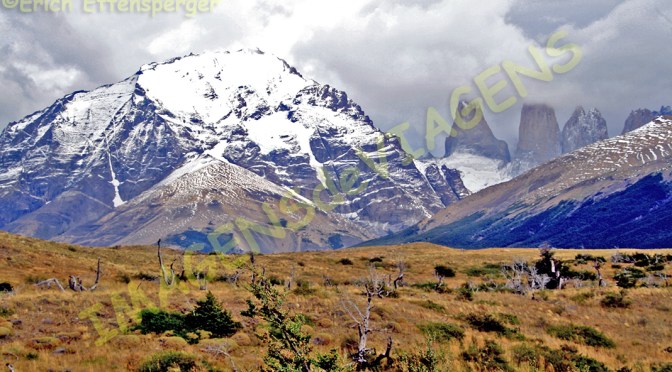
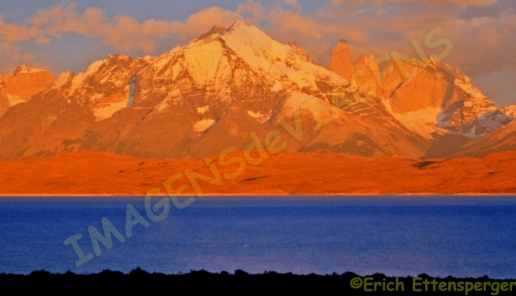
O Parque Nacional Torres del Paine, no Chile, é uma paisagem natural deslumbrante conhecida por suas formações rochosas espetaculares, lagos turquesa e glaciares majestosos. Localizado no sul do Chile, na região de Magallanes e Antártica Chilena, os distintos picos de granito das Torres del Paine são a característica icônica do parque, atraindo caminhantes e entusiastas da natureza de todo o mundo.

Abrangendo uma área de aproximadamente 2.400 quilômetros quadrados, o parque nacional possui uma vida selvagem diversificada, incluindo guanacos, pumas, raposas e inúmeras espécies de aves. Trilhas para caminhadas percorrem paisagens pitorescas, passando por lagos verde-esmeralda, como o Lago Nordenskjöld e o Lago Pehoé. O parque é um paraíso para os entusiastas de trekking que desejam vivenciar a flora e fauna únicas da região patagônica.

As instalações de acampamento dentro do parque nacional permitem que os visitantes se aprofundem na natureza intocada. As condições climáticas sempre variáveis e a paisagem impressionante tornam o Parque Nacional Torres del Paine um destino inesquecível para os aventureiros e amantes da natureza.

Para conhecer mais sobre o Parque Nacional Torre del Paine, clique aqui.

Der Torre del Paine Nationalpark in Chile ist eine atemberaubende Naturlandschaft, die für ihre spektakulären Felsformationen, türkisfarbenen Seen und majestätischen Gletscher bekannt ist. Dieser Nationalpark befindet sich im Süden Chiles, in der Region Magallanes und der Antarktis. Die markanten Granitzacken der Torres del Paine sind das Wahrzeichen des Parks und ziehen Wanderer und Naturliebhaber aus der ganzen Welt an.

Der Nationalpark erstreckt sich über eine Fläche von etwa 2.400 Quadratkilometern und bietet eine vielfältige Tierwelt, darunter Guanakos, Pumas, Füchse und zahlreiche Vogelarten. Wanderwege führen durch malerische Landschaften, vorbei an smaragdgrünen Seen wie dem Lago Nordenskjöld und dem Lago Pehoé. Der Park ist ein Paradies für Trekking-Enthusiasten, die die einzigartige Flora und Fauna der patagonischen Region erleben möchten.

Campingmöglichkeiten im Nationalpark ermöglichen es Besuchern, die unberührte Natur hautnah zu erleben. Die wechselnden Wetterbedingungen und die beeindruckende Szenerie machen den Torre del Paine Nationalpark zu einem unvergesslichen Reiseziel für Abenteuerlustige und Naturliebhaber gleichermaßen.

Um mehr über den Nationalpark Torres del Paine zu erfahren, klicken Sie hier.

The Torre del Paine National Park in Chile is a breathtaking natural landscape known for its spectacular rock formations, turquoise lakes, and majestic glaciers. Situated in southern Chile, in the Magallanes and Chilean Antarctica region, the distinctive granite peaks of the Torres del Paine are the park’s iconic feature, attracting hikers and nature enthusiasts from around the world.

Covering an area of approximately 2,400 square kilometers, the national park boasts diverse wildlife, including guanacos, pumas, foxes, and numerous bird species. Hiking trails wind through picturesque landscapes, passing by emerald-green lakes such as Lake Nordenskjöld and Lake Pehoé. The park is a paradise for trekking enthusiasts seeking to experience the unique flora and fauna of the Patagonian region.

Camping facilities within the national park allow visitors to immerse themselves in untouched nature. The ever-changing weather conditions and impressive scenery make Torre del Paine National Park an unforgettable destination for adventure seekers and nature lovers alike.

To learn more about Torres del Paine National Park, click here.

Alaska, um mosaico de atrações/Alaska, ein Mosaik aus Attraktionen/Alaska, a mosaic of attractions

O Alaska é um estado integrante dos Estados Unidos da América. Ele possui paisagens deslumbrantes e atrai anualmente milhares de turistas. Sempre tivemos o sonho de realizar uma viagem ao Alaska. Escolhemos visitar o Alaska através de uma viagem de trem, quando visitamos o Parque Denali e de cruzeiro, o que tornou tudo muito fácil e confortável. Esse post apresenta de forma geral as principais atrações do Alaska.

Anchorage, a maior cidade do Alasca, cativa com sua mistura de charme urbano e natureza intocada. Cercada por montanhas majestosas, a cidade oferece museus, parques e uma rica vida selvagem.

O majestoso Glaciar Hubbard impressiona com sua enorme frente de gelo que se estende até o mar. Acompanhado por sons crepitantes, este espetáculo natural é um destaque para os visitantes que desejam vivenciar a beleza gelada do Alasca.

O Parque Nacional Denali abriga o pico mais alto da América do Norte, o Denali. Com prados intermináveis de flores silvestres, montanhas majestosas e uma abundância de vida selvagem, o parque é um paraíso para os amantes da natureza.

A Glacier Bay fascina com seus glaciares cintilantes, águas geladas e uma paisagem deslumbrante. Esta região oferece uma oportunidade única de vivenciar de perto o poder da natureza na forma de glaciares.

A capital do Alasca, Juneau, encanta com sua localização entre montanhas e o mar. Com locais históricos, atividades ao ar livre e avistamento de baleias, a cidade é um destino versátil para os visitantes.

Skagway, uma cidade histórica da Corrida do Ouro, atrai com prédios bem preservados da era da Corrida do Ouro. A cidade conta a história dos buscadores de ouro e oferece vistas pitorescas.

Ketchikan, conhecida como a “Capital Mundial do Salmão”, oferece uma rica cultura dos povos indígenas do Alasca. Com deslumbrantes corridas de salmão e arte fascinante, a cidade é um destino animado.

Para conhecer mais sobre o Alaska, clique aqui.

Alaska, ein Mosaik aus Attraktionen

Alaska ist ein Bundesstaat in den Vereinigten Staaten von Amerika. Es verfügt über atemberaubende Landschaften und zieht jährlich Tausende von Touristen an. Wir hatten schon immer den Traum, eine Reise nach Alaska zu machen. Wir entschieden uns dafür, Alaska per Zug, als wir den Denali Park besuchten, und per Kreuzfahrt zu besuchen, was alles sehr einfach und bequem machte. Dieser Beitrag bietet einen allgemeinen Überblick über die Hauptattraktionen Alaskas.

Anchorage, Alaska:  Anchorage, Alaskas größte Stadt, beeindruckt mit seiner Mischung aus städtischem Flair und unberührter Natur. Umgeben von majestätischen Bergen bietet die Stadt Museen, Parks und eine reiche Tierwelt.

Hubbard Glacier, Alaska: Der majestätische Hubbard-Gletscher beeindruckt mit seiner riesigen Eisfront, die ins Meer reicht. Das Naturspektakel, von knarrenden Geräuschen begleitet, ist ein Höhepunkt für Besucher, die die eisige Schönheit Alaskas erleben möchten.

Denali National Park, Alaska: Der Denali-Nationalpark beherbergt den höchsten Gipfel Nordamerikas, den Denali. Mit endlosen Wildblumenwiesen, majestätischen Bergen und einer Fülle von Wildtieren ist der Park ein Paradies für Naturliebhaber.

Glacier Bay, Alaska: Die Glacier Bay fasziniert mit schimmernden Gletschern, eisigen Gewässern und einer atemberaubenden Kulisse. Diese Region bietet eine einzigartige Gelegenheit, die Kraft der Natur in Form von Gletschern hautnah zu erleben.

Juneau, Alaska: Die Hauptstadt Alaskas, Juneau, besticht durch ihre Lage zwischen Bergen und Meer. Mit historischen Stätten, Outdoor-Aktivitäten und Walsichtungen ist die Stadt ein vielseitiges Ziel für Besucher.

Skagway, Alaska: Skagway, ein historisches Goldrausch-Städtchen, lockt mit gut erhaltenen Gebäuden aus der Goldrausch-Ära. Die Stadt erzählt die Geschichte der Goldsucher und bietet malerische Ausblicke.

Ketchikan, Alaska: Ketchikan, bekannt als “Lachshauptstadt der Welt”, bietet eine reiche Kultur der Ureinwohner Alaskas. Mit bunten Lachsläufen und faszinierender Kunst ist die Stadt ein lebendiges Ziel.

Um mehr über Alaska zu erfahren, klicken Sie hier.

Alaska, a mosaic of attractions

Alaska is a state in the United States of America. It has stunning landscapes and attracts thousands of tourists annually. We always had the dream of taking a trip to Alaska. We chose to visit Alaska through a train trip, when we visited Denali Park and by cruise, which made everything very easy and comfortable. This post presents a general overview of Alaska’s main attractions.

Anchorage, Alaska’s largest city, captivates with its blend of urban flair and untouched nature. Surrounded by majestic mountains, the city boasts museums, parks, and abundant wildlife.

The majestic Hubbard Glacier impresses with its massive ice front reaching into the sea. Accompanied by creaking sounds, this natural spectacle is a highlight for visitors seeking to experience the icy beauty of Alaska.

Denali National Park hosts North America’s tallest peak, Denali. With endless wildflower meadows, majestic mountains, and abundant wildlife, the park is a paradise for nature enthusiasts.

Glacier Bay captivates with glistening glaciers, icy waters, and a breathtaking backdrop. This region provides a unique opportunity to experience the power of nature in the form of glaciers up close.

Alaskas capital, Juneau, charms with its location nestled between mountains and the sea. Featuring historical sites, outdoor activities, and whale sightings, the city is a versatile destination for visitors.

Skagway, a historic Gold Rush town, entices with well-preserved buildings from the Gold Rush era. The town tells the story of gold seekers and provides picturesque views.

Ketchikan, known as the “Salmon Capital of the World,” offers a rich culture of Alaska’s indigenous people. With vibrant salmon runs and fascinating art, the city is a lively destination.

To learn more about Alaska, click here.

México/Mexiko/Mexico

O México, um país fascinante na América do Norte, é rico em diversidade cultural e beleza natural deslumbrante. A capital, Cidade do México, é um verdadeiro caldeirão de culturas, onde a arquitetura moderna se encontra com ruínas históricas. O Museu Nacional de Antropologia e o centro histórico são apenas algumas das atrações impressionantes.

No sudeste do México, encontra-se Tulum, um paraíso costeiro com ruínas deslumbrantes à beira-mar. Este lugar mágico combina a história da civilização maia com as belas praias do Caribe.

Acapulco, na costa do Pacífico, é conhecido por seus penhascos impressionantes e mergulhadores corajosos. A Baía de Acapulco é um destino popular para esportes aquáticos e vida noturna. Infelizmente, um furacão em outubro de 2023 causou grande devastação em Acapulco.

Xoximilco, ao sul da Cidade do México, é um lugar onde você pode experimentar a vida mexicana tradicional nas vias navegáveis. Aqui, você pode ouvir música tradicional e saborear iguarias mexicanas em trajineras coloridas.

A paisagem do México é marcada por vulcões, sendo o Popocatépetl e o Iztaccíhuatl os mais famosos. Esses vulcões majestosos oferecem vistas deslumbrantes e fazem parte da cultura e mitologia mexicanas.

Cancún, localizado na costa do Caribe, é um paraíso para os amantes do sol e entusiastas de esportes aquáticos. As praias de areia branca e as águas cristalinas de cor turquesa o tornam um destino dos sonhos para viajantes de todo o mundo.

O México é um país de contrastes, desde metrópoles movimentadas até pitorescas cidades litorâneas e vulcões majestosos. Ele oferece uma rica experiência cultural e uma beleza natural deslumbrante que cativa todos os viajantes.

Para saber mais sobre o México, clique aqui.

MEXIKO

Mexiko, ein faszinierendes Land in Nordamerika, ist reich an kultureller Vielfalt und atemberaubender Natur. Die Hauptstadt Mexiko-Stadt ist ein wahrer Schmelztiegel der Kulturen, in der moderne Architektur auf historische Ruinen trifft. Das Nationalmuseum für Anthropologie und das historische Zentrum sind nur einige der beeindruckenden Sehenswürdigkeiten.

Im Südosten Mexikos liegt Tulum, ein Küstenparadies mit beeindruckenden Ruinen am Meer. Dieser magische Ort verbindet die Geschichte der Maya-Zivilisation mit den wunderschönen Stränden der Karibik.

Acapulco an der Pazifikküste ist für seine atemberaubenden Klippen und waghalsigen Klippenspringer bekannt. Die Bucht von Acapulco ist ein beliebtes Reiseziel für Wassersport und Nachtleben. Leider kam es in Acapulco durch einen Hurrikan im Oktober 2023 zu sehr großen Verwüstungen.

Xoximilco, südlich von Mexiko-Stadt, ist ein Ort, an dem Sie das traditionelle mexikanische Leben auf den Wasserwegen erleben können. Hier können Sie auf bunten Trajineras traditionelle Musik hören und mexikanische Köstlichkeiten genießen.

Mexikos Landschaft ist von Vulkanen geprägt, wobei der Popocatépetl und der Iztaccíhuatl die bekanntesten sind. Diese majestätischen Vulkane bieten atemberaubende Ausblicke und sind Teil der mexikanischen Kultur und Mythologie.

Cancún, an der Karibikküste gelegen, ist ein Paradies für Sonnenanbeter und Wassersportler. Die weißen Sandstrände und das klare, türkisfarbene Wasser machen es zu einem Traumziel für Urlauber aus aller Welt.

Mexiko ist ein Land voller Kontraste, von pulsierenden Metropolen bis zu malerischen Küstenorten und majestätischen Vulkanen. Es bietet eine reiche kulturelle Erfahrung und eine atemberaubende natürliche Schönheit, die jeden Reisenden in ihren Bann zieht.

Um mehr über Mexiko zu erfahren, klicken Sie hier.

MEXICO

Mexico, a fascinating country in North America, is rich in cultural diversity and breathtaking natural beauty. The capital, Mexico City, is a true melting pot of cultures where modern architecture meets historic ruins. The National Museum of Anthropology and the historic center are just some of the impressive attractions.

In the southeast of Mexico lies Tulum, a coastal paradise with stunning seaside ruins. This magical place combines the history of the Maya civilization with the beautiful beaches of the Caribbean.

Acapulco on the Pacific coast is known for its stunning cliffs and daring cliff divers. Acapulco Bay is a popular destination for water sports and nightlife. Unfortunately, a hurricane in October 2023 caused great devastation in Acapulco.

Xoximilco, south of Mexico City, is a place where you can experience traditional Mexican life on the waterways. Here, you can listen to traditional music and savor Mexican delicacies on colorful trajineras.

Mexico’s landscape is marked by volcanoes, with Popocatépetl and Iztaccíhuatl being the most famous. These majestic volcanoes offer breathtaking views and are part of Mexican culture and mythology.

Cancun, located on the Caribbean coast, is a paradise for sun-seekers and water sports enthusiasts. The white sandy beaches and crystal-clear turquoise waters make it a dream destination for travelers from around the world.

Mexico is a country of contrasts, from bustling metropolises to picturesque coastal towns and majestic volcanoes. It offers a rich cultural experience and stunning natural beauty that captivates every traveler.

To learn more about Mexico, click here.

Cartagena das Índias

Cartagena, também conhecida como Cartagena das Índias, é uma cidade histórica na costa caribenha da Colômbia.

Fonte/Source/Quelle: Google Maps

A cidade foi fundada pelos espanhóis em 1533 e possui uma rica história colonial. Cartagena é famosa por suas muralhas bem preservadas e fortificações do século XVI.

A cidade antiga de Cartagena é um Patrimônio Mundial da UNESCO e um destino turístico popular. A cidade oferece uma fascinante mistura de história, cultura e praias deslumbrantes. O clima em Cartagena é quente e ensolarado durante todo o ano, ideal para os amantes da praia. A culinária local é diversificada e conhecida por seus pratos de frutos do mar.

O Carnaval de Cartagena é um dos eventos culturais mais importantes da região. Os habitantes locais são conhecidos por sua hospitalidade e simpatia. A cidade também tem uma cena artística e musical vibrante. Cartagena é um porto importante para o comércio na Colômbia. As praias ao redor de Cartagena são deslumbrantes, incluindo Playa Blanca e Islas del Rosario.

Castillo de San Felipe de Barajas é uma impressionante fortaleza que domina a cidade. A Plaza de Bolívar é uma praça central na cidade antiga, cercada por edifícios históricos. O Museu de Arte Moderna em Cartagena é imperdível para os entusiastas de arte. A cidade também é conhecida por sua animada vida noturna, com inúmeros bares e clubes. O idioma falado em Cartagena é o espanhol.

Cartagena atrai turistas de todo o mundo e é um caldeirão cultural. A cidade possui uma rica herança afro-colombiana expressa através da música e da dança. Cartagena é uma cidade cheia de charme e história, que vale a pena explorar.

Para conhecer mais sobre Cartagena, clique aqui.

Cartagena, auch als Cartagena de Indias bekannt, ist eine historische Stadt an der kolumbianischen Karibikküste.

Fonte/Source/Quelle: Google Maps

Die Stadt wurde 1533 von den Spaniern gegründet und hat eine reiche koloniale Geschichte. Cartagena ist für seine gut erhaltenen Stadtmauern und Festungen aus dem 16. Jahrhundert bekannt.

Die Altstadt von Cartagena ist ein UNESCO-Weltkulturerbe und ein beliebtes Touristenziel. Die Stadt bietet eine faszinierende Mischung aus Geschichte, Kultur und atemberaubenden Stränden. Das Wetter in Cartagena ist das ganze Jahr über warm und sonnig, ideal für Strandliebhaber. Die lokale Küche ist vielfältig und bekannt für ihre Meeresfrüchtegerichte. Der Karneval von Cartagena ist eines der wichtigsten kulturellen Ereignisse in der Region. Die Einheimischen sind bekannt für ihre Gastfreundschaft und Herzlichkeit. Die Stadt hat auch eine blühende Kunst- und Musikszene.

Cartagena ist ein wichtiger Hafen für den Handel in Kolumbien. Die Strände in der Umgebung von Cartagena sind atemberaubend, darunter Playa Blanca und Islas del Rosario. Das Castillo de San Felipe de Barajas ist eine beeindruckende Festung, die die Stadt überragt. Der Plaza de Bolívar ist ein zentraler Ort in der Altstadt, umgeben von historischen Gebäuden. Das Museum für moderne Kunst in Cartagena ist ein Muss für Kunstliebhaber. Die Stadt ist auch für ihr lebhaftes Nachtleben bekannt, mit zahlreichen Bars und Clubs.

Die Sprache, die in Cartagena gesprochen wird, ist Spanisch. Cartagena zieht Touristen aus der ganzen Welt an und ist ein Schmelztiegel der Kulturen. Die Stadt hat eine reiche afrokolumbianische Tradition, die sich in Musik und Tanz ausdrückt.

Cartagena ist eine Stadt voller Charme und Geschichte, die es zu erkunden lohnt.

Um mehr über Cartagena zu erfahren, klicken Sie hier.

Cartagena, also known as Cartagena de Indias, is a historic city on the Colombian Caribbean coast.

Fonte/Source/Quelle: Google Maps

The city was founded by the Spanish in 1533 and has a rich colonial history. Cartagena is famous for its well-preserved city walls and 16th-century fortifications.

The old town of Cartagena is a UNESCO World Heritage site and a popular tourist destination. The city offers a fascinating blend of history, culture, and stunning beaches. The weather in Cartagena is warm and sunny year-round, making it ideal for beach lovers. The local cuisine is diverse and known for its seafood dishes. The Carnival of Cartagena is one of the region’s most important cultural events. Locals are known for their hospitality and warmth. The city also has a thriving art and music scene.

Cartagena is a major port for trade in Colombia. The beaches around Cartagena are breathtaking, including Playa Blanca and Islas del Rosario. Castillo de San Felipe de Barajas is an impressive fortress overlooking the city. Plaza de Bolívar is a central square in the old town, surrounded by historic buildings. The Museum of Modern Art in Cartagena is a must-visit for art enthusiasts.

The city is also known for its vibrant nightlife, with numerous bars and clubs. The language spoken in Cartagena is Spanish. Cartagena attracts tourists from around the world and is a cultural melting pot. The city has a rich Afro-Colombian heritage expressed through music and dance.

Cartagena is a city full of charm and history, worth exploring.

To know more Cartagena, click here.


Atacama

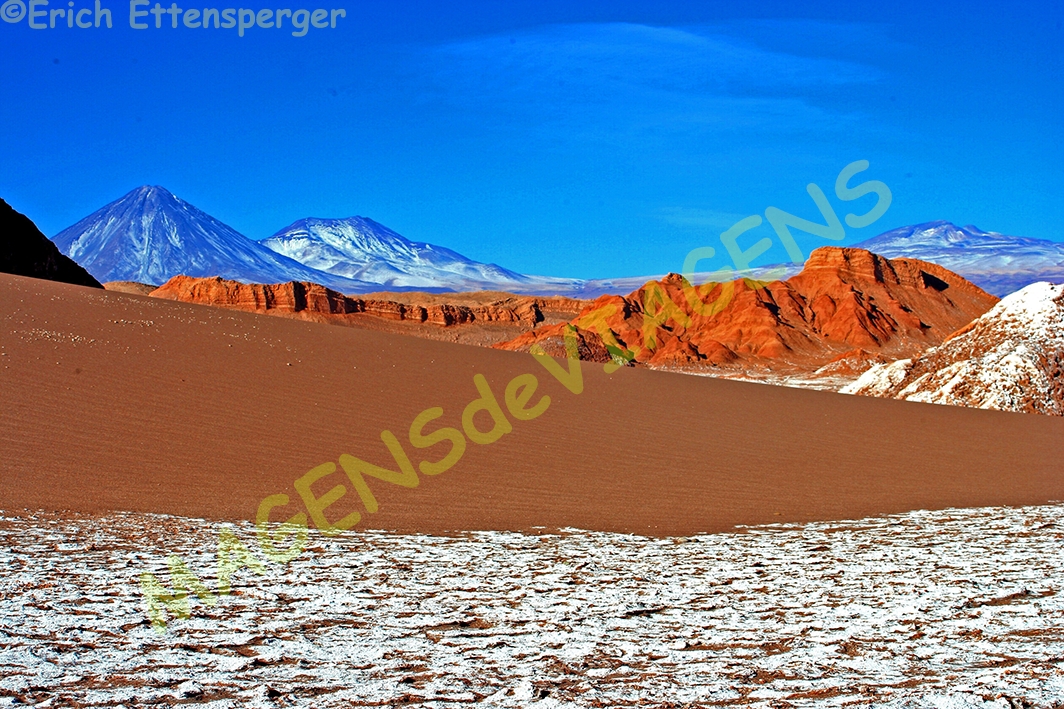
O Deserto do Atacama é uma região única com uma rica história e cultura. Aqui estão alguns dos pontos imperdíveis no deserto:

  1. Valle de la Luna: Este vale leva o nome de sua paisagem lunar, que lembra a superfície da lua. É um destino turístico popular e oferece vistas deslumbrantes sobre as montanhas circundantes e o deserto.
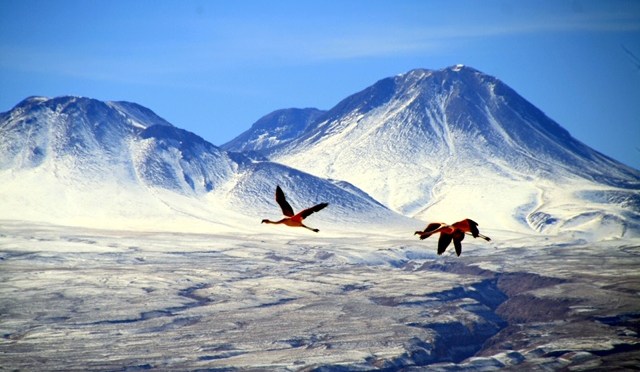
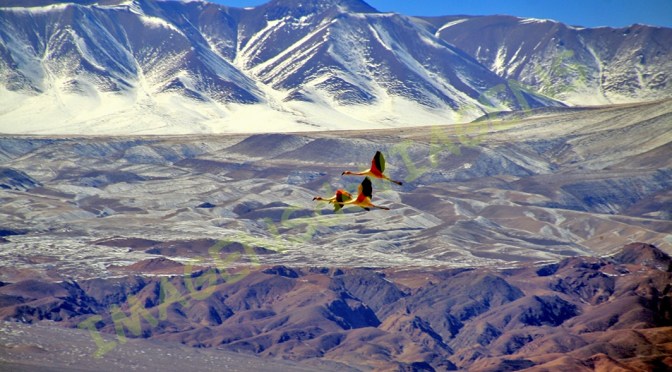
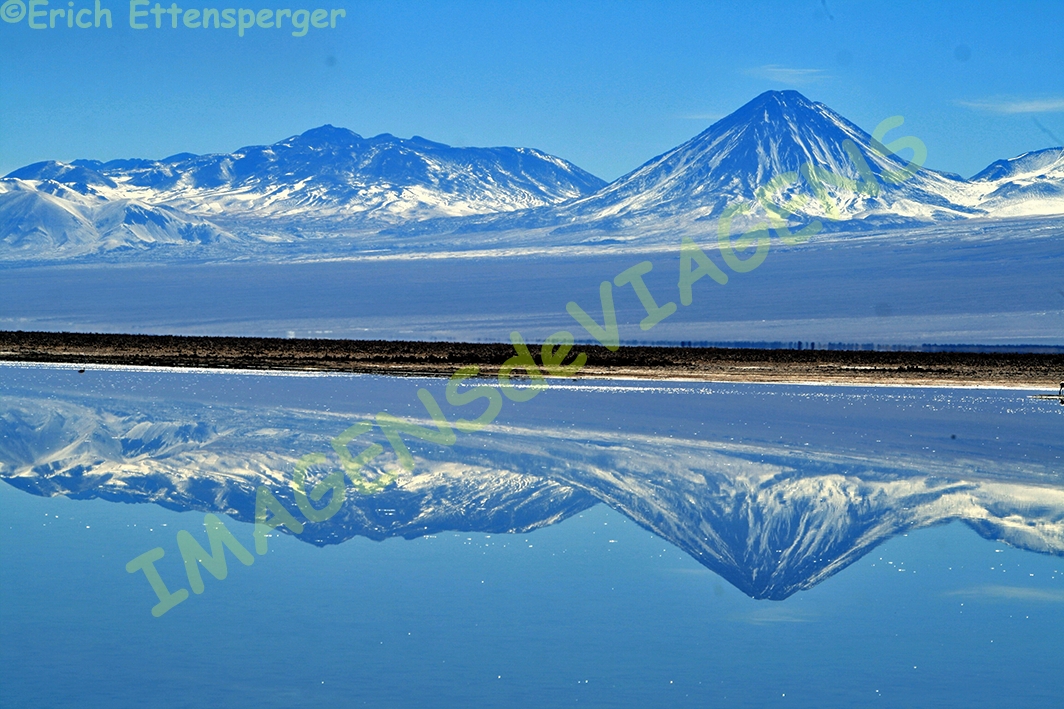
  2. Salar de Atacama: O lago de sal é o maior do Chile e oferece uma paisagem fascinante de formações de sal e uma infinidade de flamingos que vivem nas águas rasas do lago.
  3. Gêiseres do Tatio: Localizados perto de San Pedro de Atacama, esses impressionantes gêiseres são um fenômeno natural inspirador de se vivenciar.
  4. El Tatio: O gêiser mais alto do mundo está localizado no deserto e oferece um espetáculo espetacular quando as fontes termais brotam do chão.
  5. Piedras Rojas: Localizadas perto do Salar de Atacama, essas impressionantes rochas vermelhas oferecem vistas deslumbrantes das montanhas e do deserto ao redor.
  6. El Valle de la Muerte: Este vale oferece uma paisagem que lembra o Velho Oeste e é conhecido por suas dunas e falésias.
  7. Laguna Cejar: Esta lagoa de água salgada oferece uma experiência única de banho enquanto você flutua na água salgada, semelhante ao Mar Morto.
  8. Catarpe: Este vale oferece paisagens incríveis com rochas vermelhas e abundância de cactos e plantas.

O súbito início da queda de neve quando visitamos em 2014 nos impediu de visitar todos os locais acima, mas experimentar o deserto com neve foi uma experiência única e inspiradora.

Die Atacama-Wüste ist eine einzigartige Region mit einer reichen Geschichte und Kultur. Hier sind einige der sehenswertesten Orte in der Wüste:

  1. Valle de la Luna: Dieses Tal hat seinen Namen von seiner Mondlandschaft, die an die Oberfläche des Mondes erinnert. Es ist ein beliebtes Ziel für Touristen und bietet eine atemberaubende Aussicht auf die umliegenden Berge und die Wüste.
  2. Salar de Atacama: Der Salzsee ist der größte in Chile und bietet eine faszinierende Landschaft aus Salzformationen und einer Vielzahl von Flamingos, die im flachen Wasser des Sees leben.
  3. Geysire von Tatio: Diese beeindruckenden Geysire befinden sich in der Nähe von San Pedro de Atacama und sind ein beeindruckendes Naturphänomen, das man erleben sollte.
  4. El Tatio: Der höchste Geysir der Welt befindet sich in der Wüste und bietet ein spektakuläres Schauspiel, wenn die heißen Quellen aus dem Boden schießen.
  5. Piedras Rojas: Diese atemberaubenden roten Felsen befinden sich in der Nähe von Salar de Atacama und bieten eine atemberaubende Aussicht auf die umliegenden Berge und die Wüste.
  6. El Valle de la Muerte: Dieses Tal bietet eine Landschaft, die an den Wilden Westen erinnert und ist bekannt für seine Sanddünen und Klippen.
  7. Laguna Cejar: Diese Salzwasserlagune bietet ein einzigartiges Badeerlebnis, da man in dem salzhaltigen Wasser schwebt, ähnlich wie im Toten Meer.
  8. Catarpe: Dieses Tal bietet eine unglaubliche Landschaft mit roten Felsen und einer Fülle von Kakteen und Pflanzen.

Der plötzliche einsetzende Schneefall bei unserem Besuch im Jahr 2014 führte dazu, dass wir nicht alle oben genannten Orte besuchen konnten, aber die Wüste mit Schnee zu erleben war eine beeindruckende einzigartige Erfahrung.

The Atacama Desert is a unique region with a rich history and culture. Here are some of the must-see spots in the desert:

  1. Valle de la Luna: This valley takes its name from its lunar landscape, reminiscent of the moon’s surface. It is a popular tourist destination and offers stunning views of the surrounding mountains and desert.
  2. Salar de Atacama: The salt lake is the largest in Chile and offers a fascinating landscape of salt formations and a multitude of flamingos that live in the shallow waters of the lake.
  3. Tatio Geysers: Located near San Pedro de Atacama, these impressive geysers are an awe-inspiring natural phenomenon to experience.
  4. El Tatio: The highest geyser in the world is located in the desert and offers a spectacular spectacle when the hot springs shoot up from the ground.
  5. Piedras Rojas: Located near Salar de Atacama, these stunning red rocks offer stunning views of the surrounding mountains and desert.
  6. El Valle de la Muerte: This valley offers a landscape reminiscent of the Wild West and is known for its sand dunes and cliffs.
  7. Laguna Cejar: This saltwater lagoon offers a unique bathing experience as you float in the salty water, similar to the Dead Sea.
  8. Catarpe: This valley offers incredible scenery with red rocks and an abundance of cacti and plants.

The sudden onset of snowfall when we visited in 2014 meant that we were unable to visit all of the above sites, but experiencing the desert with snow was an awe-inspiring unique experience.

05 Atrativos Espetaculares na América do Sul/5 Spektakuläre Attraktionen in Südamerika/5 Spectacular Attractions in South America

O planeta é vasto e possui inúmeras paisagens deslumbrantes. Erich e eu, principalmente Erich, tivemos a oportunidade de realizar várias viagens e apreciar paisagens inesquecíveis devido as suas belezas e devido à sua importância ambiental, histórica e/ou social.

A América do Sul é rica em belos atrativos que atraíam milhares de visitantes antes da pandemia do Coronavírus. Erich e eu tivemos a oportunidade de visitar muitos deles.

Nesse post destacamos 05 atrativos localizados na América do Sul, que de acordo com nossa opinião, são atrativos definitivamente espetaculares! Eles são os seguintes:

Deserto de Atacama – Ele está localizado no norte do Chile, numa altitude de aproximadamente 3.000 metros de altura. Leia mais sobre esse destino aqui.

Parque Nacional Torres del Paine –Ele está  localizado na Patagônia Chilena, com 227.298 hectares, na província da Última Esperança, na Região de Magalhães e Antártica Chilena. Leia mais sobre esse belo atrativo aqui. 

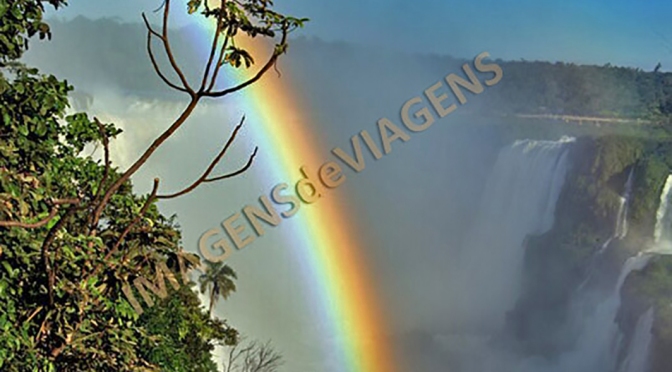
Parque Nacional do Iguaçu – Ele está localizado no estado do Paraná e sua área abrange terras dos municípios de Céu Azul, Matelândia, Serranópolis do Iguaçu, São Miguel do Iguaçu, Foz do Iguaçu, Capanema, Capitão Leonidas Marques, Lindoeste, Santa Tereza do Oeste e Santa Terezinha do Itaipu, totalizando uma área de 169.697,06 hectares.Leia mais sobre essa maravilha do mundo aqui. 

Amazônia Brasileira – “A floresta Amazônica possui aproximadamente 5,5 milhões de km², sendo que 60% no Brasil, e o restante (40%) na Colômbia, Equador, Bolívia, Guiana, Guiana Francesa, Peru, Suriname e Venezuela. No Brasil, a floresta é chamada de Amazônia Legal e abrange os Estados do Amazonas, Amapá, Mato Grosso, oeste do Maranhão, Pará, Rondônia, Roraima, Acre e Tocantins” (FONTE: Site Brasil Escola) .

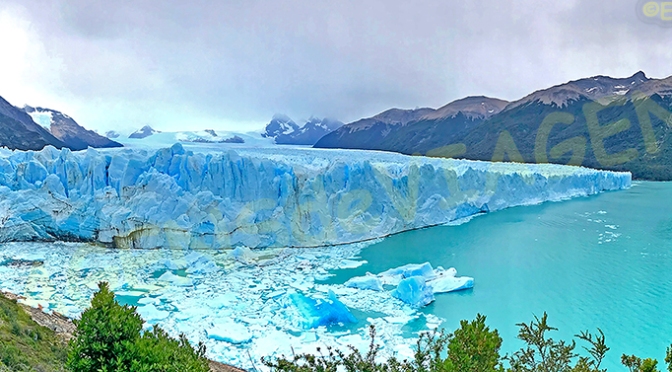
Perito Moreno – Esse famoso glaciar faz parte do Parque Nacional dos Glaciares e está localizado na Argentina, em torno de 80 km da cidade de Calafate. Parque conhecer mais sobre esse belo atrativo, clique aqui. 

Observação: se você quiser continuar “viajando” com o nosso blog, clique no botão “seguir” localizado no canto inferior direito dessa página. Você também pode “viajar” pelo Brasil conhecendo nosso  livro impresso  66 x Brasil e sua versão digital 66 Belezas do Brasil.

5 Spektakuläre Attraktionen in Südamerika

Unser Planet ist riesig und offeriert unzählige atemberaubende Landschaften. Erich und ich, insbesondere Erich, hatten die Gelegenheit, viele Reisen zu unternehmen und unvergessliche Landschaften aufgrund ihrer Schönheit und ihrer ökologischen, historischen und/oder sozialen Bedeutung zu genießen.

Südamerika ist reich an wunderschönen Attraktionen, die vor der Coronavirus-Pandemie Tausende von Besuchern angezogen haben.

In diesem Beitrag möchten wir 5 Natur-Attraktionen in Südamerika hervorheben, die unserer Meinung nach absolut einzigartig sind!

Es sind dies wie folgt:

Atacama-Wüste – sie liegt im Norden Chiles auf einer Höhe von etwa 3.000 Metern. Lesen Sie hier mehr über dieses Reiseziel.

Nationalpark Torres del Paine – er liegt im chilenischen Patagonien mit 227.298 Hektar in der Provinz Last Hope, in der Region Magellan und der chilenischen Antarktis. Lesen Sie hier mehr über diese schöne Attraktion.

Iguaçu-Nationalpark – er befindet sich im Bundesstaat Paraná und sein Gebiet umfasst Ländereien in den Gemeinden Céu Azul, Matelândia, Serranópolis do Iguaçu, São Miguel do Iguaçu, Foz do Iguaçu, Capanema, Capitão Leonidas Marques, Lindoeste, Santa Tereza do Oeste und Santa Terezinha do Itaipu mit einer Gesamtfläche von 169.697,06 ha. Lesen Sie hier mehr über dieses Weltwunder.

Brasilianischer Amazonas – „Der Amazonaswald bedeckt ungefähr 5,5 Millionen km², davon 60 % in Brasilien und der Rest (40 %) in Kolumbien, Ecuador, Bolivien, Guyana, Französisch-Guayana, Peru, Suriname und Venezuela. In Brasilien wird der Wald legaler Amazonas genannt und umfasst die Bundesstaaten Amazonas, Amapá, Mato Grosso, West-Maranhão, Pará, Rondônia, Roraima, Acre und Tocantins“ (Quelle: Brasil Escola Site).

Perito Moreno – dieser berühmte Gletscher ist Teil des Nationalparks Glaciares und liegt in Argentinien, etwa 80 km von der Stadt Calafate entfernt. Um mehr über diese tolle Nationalpark-Attraktion zu erfahren, klicken Sie hier. 

Hinweis: Falls Sie unserem  Blog folgen wollen, dann klicken Sie unten rechts einfach auf “Weiter”, Sie werden dann zukünftig automatisch informiert. Sie können auch durch Brasilien reisen und unser Buch 66 SEHENSWÜRDIGKEITEN IN BRASILIEN  kennenlernen und 66 x Brazil – A Mosaic of Beauties.

5 Spectacular Attractions in South America

Our planet is huge and offers countless breathtaking landscapes. Erich and I, especially Erich, have had the opportunity to make many trips and enjoy unforgettable landscapes for their beauty and their ecological, historical and/or social importance.

South America is rich in beautiful attractions that drew thousands of visitors before the coronavirus pandemic.

In this post we would like to highlight 5 natural attractions in South America that we think are absolutely unique!

They are as follows:

Atacama Desert – It is located in northern Chile at an altitude of about 3,000 meters. Read more about this travel destination here.

Torres del Paine National Park – Located in Chilean Patagonia with 227,298 hectares in Last Hope Province, Magellan Region and Chilean Antarctica. Read more about this beautiful attraction here. 

Iguaçu National Park – It is located in the state of Paraná and its territory includes lands in the municipalities of Céu Azul, Matelândia, Serranópolis do Iguaçu, São Miguel do Iguaçu, Foz do Iguaçu, Capanema, Capitão Leonidas Marques, Lindoeste, Santa Tereza do Oeste and Santa Terezinha do Itaipu with a total area of 169,697.06 ha. Read more about this wonder of the world here.

Brazilian Amazon – “The Amazon forest covers approximately 5.5 million km², 60% of which is in Brazil and the remainder (40%) in Colombia, Ecuador, Bolivia, Guyana, French Guiana, Peru, Suriname and Venezuela. In Brazil, the forest is called the legal Amazon and includes the states of Amazonas, Amapá, Mato Grosso, West Maranhão, Pará, Rondônia, Roraima, Acre and Tocantins”(Source: Brasil Escola Site) .

Perito Moreno – this famous glacier is part of the Glaciares National Park and is located in Argentina, about 80 km from the city of Calafate. To learn more about this amazing national park attraction, click here. 

Note: If you want to follow our “Travels” on the blog, simply click on “Seguir” in the lower right corner, you will be then automatically informed in the future. You can continue traveling with us with our book Brazil´s 66 Beautiful Sites and 66 x Brazil – A Mosaic of Beauties.  


Gêiser Del Tatio, o poder das águas/Geysir Del Tatio – die Kraft des Wassers/Geyser Del Tatio – the power of water

O mundo é cheio de belezas que fazem com que as pessoas circulem pelo planeta para apreciar diversos atrativos. A pandemia do coronavirus ocasionou uma parada nesses movimentos das pessoas, mas, agora, pouco a pouco os turistas voltam a realizar as viagens.

São diversificados os tipos de atrativos que levam as pessoas a saírem de suas casas para irem apreciá-las. Erich e eu gostamos muito de conhecer as belezas naturais. Uma dessas belezas, considerada um verdadeiro fenômeno da natureza é o Gêiser Del Tatio localizado no Vale do El Tatio, no Chile.

Para se entender melhor, vale à pena explicar de forma simples o conceito de “gêiser”, palavra de origem islandesa. Trata-se de uma pequena abertura no solo de onde a terra expele um jorro de água e vapor quentes, cujas temperaturas podem chegar até aos 200º C e o jorro pode alcançar mais de cem metros de altura. Isso ocorre em áreas vulcânicas. Segundo a revista Superinteressante, existem no mundo menos de mil áreas com gêiseres, sendo a maioria deles localizados nos Estados Unidos (o Parque Nacional de Yellowstone tem cerca de 400), Rússia e no Chile. O “Old Faithful” (Estados Unidos), o “Great Geysir” (Islândia), o Vale dos Gêiseres (Rússia) são alguns exemplos.

A visita ao Gêiser Del Tatio foi um dos passeios que realizamos quando visitamos o Deserto do Atacama. Nos hospedamos em São Pedro de Atacama e de lá fomos visitar esse gêiser. Uma informação importante, caso você se interesse em conhecer esse atrativo é que no dia anterior você deve fazer refeições leves, não comer carne vermelha e nem ingerir bebidas alcoólicas. Essas foram algumas das instruções recebidas. O ônibus da excursão nos pegou as 04h30min h, ainda era escuro quando seguimos para o Vale Del Tatio. Antes de sair, o hotel disponibilizou chá de coca, o que também nos ajudou a não sentir problemas com a altitude, pois a área dos gêiseres está localizada a mais de 4000 mil metros de altitude. Esse passeio não é indicado para gestantes, hipertenso (a)s e crianças abaixo de seis anos de idade.

Chegamos lá quando o dia estava amanhecendo e nos deparamos com um cenário de grande beleza, eu diria uma paisagem espetacular! O Gêiser Del Tatio é uma das maiores áreas com gêiseres no hemisfério sul do planeta com cerca de 80 colunas de vapores e água. Nós também tivemos a oportunidade de visitar outra área com gêiseres na Nova Zelândia, Wai-O-Tapu (você pode ler sobre essa outra experiência aqui).

Se você planejar uma viagem para o Deserto do Atacama, vale incluir no seu roteiro uma excursão ao Gêiser Del Tatio, um passeio deslumbrante!

Observação: se você quiser continuar “viajando” com o nosso blog, clique no botão “seguir” localizado no canto inferior direito dessa página. Você também pode “viajar” pelo Brasil conhecendo nosso  livro impresso  66 x Brasil e sua versão digital 66 Belezas do Brasil.

Geysir Del Tatio – die Kraft des Wassers

Die Welt ist voller Schönheiten, die Menschen dazu bringen, sich auf der ganzen Welt zu bewegen, um verschiedene Attraktionen zu erleben. Die Coronavirus-Pandemie hat die Bewegungen dieser Menschen zum Erliegen gebracht, aber jetzt kehren nach und nach Touristen zum Reisen zurück.

Die Arten von Attraktionen, die Menschen dazu bringen, ihr Zuhause zu verlassen, um diese zu genießen, sind vielfältig. Erich und ich lieben es sehr, die Schönheit der Natur kennenzulernen. Eine dieser Schönheiten, die als wahres Naturphänomen gelten, ist der Geyser Del Tatio im El Tatio-Tal in Chile.

Um es besser zu verstehen, lohnt es sich, das Konzept des „Geysirs“, ein Wort isländischen Ursprungs, auf einfache Weise zu erklären. Es ist eine kleine Öffnung im Boden, aus der die Erde einen heißen Wasser- und Dampfstrahl ausstößt, dessen Temperaturen bis zu 200 ° C erreichen und der Strahl eine Höhe von über hundert Metern erreichen kann. Dies geschieht in vulkanischen Gebieten. Laut der Zeitschrift Superinteressante gibt es weltweit weniger als tausend Gebiete mit Geysiren, die meisten davon in den Vereinigten Staaten (der Yellowstone-Nationalpark hat etwa 400), Russland und Chile. Der „Old Faithful“ (USA), der „Great Geysir“ (Island), das „Valley of Geysers“ (Russland) sind nur einige Beispiele.

Der Besuch des Del Tatio Geyser war eine der Touren, die wir bei unserem Besuch in der Atacama-Wüste gemacht haben. Wir übernachteten in São Pedro de Atacama und besuchten von dort aus diesen Geysir. Eine wichtige Information, wenn Sie diese Attraktion kennenlernen möchten, ist, dass Sie am Vortag leichte Mahlzeiten zu sich nehmen sollten, kein rotes Fleisch essen oder alkoholische Getränke konsumieren sollten. Dies waren einige der Tipps bei der Buchung. Der Tourbus holte uns dann um 4:30 Uhr morgens ab, es war noch dunkel als wir nach Vale Del Tatio fuhren.

Vor der Abreise stellte das Hotel Coca-Tee zur Verfügung, was uns auch half, keine Probleme mit der Höhe zu haben, da das Geysirgebiet auf mehr als 4000 Metern über dem Meeresspiegel liegt. Diese Tour ist nicht geeignet für Schwangere, Hypertoniker und Kinder unter sechs Jahren.

Wir kamen dort an, als der Tag anbrach, und wir standen vor einem Panorama von großer Schönheit, ich würde sagen, eine spektakuläre Landschaft! Der Del Tatio Geyser ist mit rund 80 Dampf- und Wassersäulen eines der größten Geysirgebiete auf der Südhalbkugel des Planeten. Wir hatten auch die Gelegenheit, ein weiteres Geysir-Gebiet in Neuseeland, Wai-O-Tapu, zu besuchen (Sie können hier über dieses andere Erlebnis lesen).

Falls Sie einen Ausflug in die Atacama-Wüste planen, lohnt es sich jedenfalls, einen Ausflug zum Geyser Del Tatio miteinzubeziehen, eine atemberaubende Tour!

Hinweis: Falls Sie unserem  Blog folgen wollen, dann klicken Sie unten rechts einfach auf “Weiter”, Sie werden dann zukünftig automatisch informiert. Sie können auch durch Brasilien reisen und unser Buch 66 SEHENSWÜRDIGKEITEN IN BRASILIEN  kennenlernen und 66 x Brazil – A Mosaic of Beauties.

Geyser Del Tatio – the power of water

The world is full of beauties that make people move around the world to experience the different attractions. The coronavirus pandemic has halted the movements of these people, but now tourists are gradually returning to travel.

The types of attractions that encourage people to leave their homes to enjoy them are many. Erich and I love getting to know the beauty of nature very much.

One of those beauties that are considered a true natural phenomenon is the Geyser Del Tatio in the El Tatio Valley in Chile.

To understand it better, it is worth explaining in a simple way the concept of “geyser”, a word of Icelandic origin. It is a small opening in the ground from which the earth emits a jet of hot water and steam, the temperatures of which can reach up to 200 ° C and the jet can reach a height of over a hundred meters. This happens in volcanic areas. There are fewer than a thousand geyser areas in the world, according to Superinteressante magazine, most of them in the United States (Yellowstone National Park has about 400), Russia and Chile. The “Old Faithful” (USA), the “Great Geyser” (Iceland), the “Valley of Geysers“ (Russia) are just a few examples.

Visiting the Del Tatio Geyser was one of the tours we did during our visit to the Atacama Desert. We stayed in São Pedro de Atacama and visited this geyser from there. An important piece of information in getting to know this attraction is that you should have light meals the day before, avoid eating red meat or consume alcoholic beverages. These were some of the tips when booking.

The tour bus picked us up then at 4:30 in the morning, it was still dark when we drove to Vale Del Tatio. Before leaving, the hotel provided coca tea which also helped us not have any problems with the altitude as the geyser area is at more than 4000 meters above sea level. This tour is not suitable for pregnant women, hypertensive persons and children under six years of age.

We got there when day broke and we were faced with a panorama of great beauty, I would say spectacular scenery! With around 80 columns of steam and water, the Del Tatio Geyser is one of the largest geyser areas in the southern hemisphere of the planet. We also had the opportunity to visit another geyser area in New Zealand, Wai-O-Tapu (you can read about this other experience here).

If you are planning a trip to the Atacama Desert, it is definitely worth including a trip to the Geyser Del Tatio, a breathtaking tour!

Note: If you want to follow our “Travels” on the blog, simply click on “Seguir” in the lower right corner, you will be then automatically informed in the future. You can continue traveling with us with our book Brazil´s 66 Beautiful Sites and 66 x Brazil – A Mosaic of Beauties.  

18 Parques Naturais na América Central tombados pela UNESCO/18 von der UNESCO gelistete Naturparks in Mittelamerika/18 UNESCO-listed natural parks in Central America

Parques Naturais são áreas ricas em flora e fauna, dependendo de seu bioma, algumas possuem mais diversidade de plantas e outras de animais. A América Central possui 18 Parques Naturais que integram a lista do Patrimônio Mundial da UNESCO. São definitivamente lugares especiais que merecem ser visitados por quem se interessa pela natureza e pela vida animal. O objetivo desse post é destacar essas 18 áreas localizadas em diferentes países da América Central. Elas são as seguintes:

Sistema de Reserva da Barreira de Corais de Belize (Belize)

Fonte/Source/Quelle: https://whc.unesco.org/en/news/1838

Área de Conservação Guanacaste (Costa Rica)

Fonte/Quelle/Source: https://peakvisor.com/park/guanacaste-national-park-costa-rica.html

Parque Nacional da Ilha de Cocos (Costa Rica)

Cordilheira Talamanca-Reservas La Amistad / Parque Nacional La Amistad * (Costa Rica)

Parque Nacional Alejandro de Humboldt (Cuba)

Fonte/source/Quelle: http://cubajournal.co/here-is-the-largest-protected-biosphere-in-the-caribbean/

Parque Nacional Desembarco del Granma (Cuba)

Parque Nacional Morne Trois Pitons (Cuba)

Parque Nacional Tikal (Guatemala)

Fonte/Quelle/Source: https://passportexplored.com/tikal-guatemala/

Sítio maia de Copan (Honduras)

Fonte/Source/Quelle: https://www.visitcentroamerica.com/en/visitar/ruins-of-copan/

Reserva da Biosfera do Río Plátano (Honduras)

Montanhas Blue e John Crow (Jamaica)

Fonte/Quelle/Source: https://naturalworldheritagesites.org/sites/blue-and-john-crow-mountains/

Antiga cidade maia e florestas tropicais protegidas de Calakmul, Campeche (México)

Fonte/source/Quelle: https://worldheritageoutlook.iucn.org/node/1184

Arquipélago de Revillagigedo (México)

Reserva da Biosfera El Pinacate e Gran Desierto de Altar (México)

Reserva da biosfera da borboleta monarca (México)

Fonte/Quelle/Source: https://whc.unesco.org/en/list/1290/

Sian Ka’an (México)

Fonte/Quelle/Source: https://dicasdecancun.com.br/tulum/reserva-sian-kaan-em-tulum/

Vale Tehuacán-Cuicatlán: habitat originário da Mesoamérica (México)

Santuário de Baleias de El Vizcaino (México)

Fonte/Quelle/Source: https://www.worldheritagesite.org/list/Whale+Sanctuary+of+El+Vizcaino

Parque Nacional Coiba e sua Zona Especial de Proteção Marinha (Panamá)

Fonte/Quelle/Source: https://whc.unesco.org/en/list/1138/

Parque Nacional Darien (Panamá)

Cordilheira Talamanca-Reservas La Amistad / Parque Nacional La Amistad * (Panamá)

Área de Gestão de Pitons (Santa Lúcia)

Fonte/Quelle/source: https://naturalworldheritagesites.org/sites/pitons-management-area/

Se quiser conhecer mais sobre esses lugares tão ricos em biodiversidade, clique aqui.

Observação: se você quiser continuar “viajando” com o nosso blog, clique no botão “seguir” localizado no canto inferior direito dessa página. Você também pode “viajar” pelo Brasil conhecendo nosso  livro impresso  66 x Brasil e sua versão digital 66 Belezas do Brasil.

18 von der UNESCO gelistete Naturparks in Mittelamerika

Naturparks sind Gebiete, die reich an Flora und Fauna sind, je nach ihrem Biom haben einige eine größere Vielfalt an Pflanzen und andere an Tieren. In Mittelamerika gibt es 18 Naturparks, die auf der Liste des UNESCO-Welterbes stehen. Es sind definitiv besondere Orte, die es wert sind, von jedem besucht zu werden, der sich für Natur und Tierleben interessiert. Der Zweck dieses Beitrags ist es, diese 18 Gebiete in verschiedenen Ländern Mittelamerikas vorzustellen. Sie sind wie folgt:

Belize Barrier Reef Reserve System (Belize)

Fonte/Source/Quelle: https://whc.unesco.org/en/news/1838

Guanacaste-Schutzgebiet (Costa Rica)

Fonte/Quelle/Source: https://peakvisor.com/park/guanacaste-national-park-costa-rica.html

Nationalpark Kokosinsel (Costa Rica)

Talamanca-Gebirge-La Amistad-Reservate / La Amistad-Nationalpark * (Costa Rica)

Alejandro de Humboldt-Nationalpark (Kuba)

Fonte/source/Quelle: http://cubajournal.co/here-is-the-largest-protected-biosphere-in-the-caribbean/

Nationalpark Desembarco del Granma (Kuba)

Nationalpark Morne Trois Pitons (Kuba)

Tikal-Nationalpark (Guatemala)

Fonte/Quelle/Source: https://passportexplored.com/tikal-guatemala/

Maya-Stätte von Copan (Honduras)

Fonte/Source/Quelle: https://www.visitcentroamerica.com/en/visitar/ruins-of-copan/

Biosphärenreservat Río Plátano (Honduras)

Blue Mountains und John Crow (Jamaika)

Fonte/Quelle/Source: https://naturalworldheritagesites.org/sites/blue-and-john-crow-mountains/

Alte Maya-Stadt und geschützte Regenwälder von Calakmul, Campeche (Mexiko)

Fonte/source/Quelle: https://worldheritageoutlook.iucn.org/node/1184

Revillagigedo-Archipel (Mexiko)

Biosphärenreservat El Pinacate und Gran Desierto de Altar (Mexiko)

Monarchfalter-Biosphärenreservat (Mexiko)

Fonte/Quelle/Source: https://whc.unesco.org/en/list/1290/

Sian Ka’an (Mexiko)

Fonte/Quelle/Source: https://dicasdecancun.com.br/tulum/reserva-sian-kaan-em-tulum/

Tehuacán-Cuicatlán-Tal: Lebensraum mit Ursprung in Mesoamerika (Mexiko)

Walschutzgebiet El Vizcaino (Mexiko)

Fonte/Quelle/Source: https://www.worldheritagesite.org/list/Whale+Sanctuary+of+El+Vizcaino

Coiba-Nationalpark und seine besondere Meeresschutzzone (Panama)

Fonte/Quelle/Source: https://whc.unesco.org/en/list/1138/

Darien-Nationalpark (Panama)

Talamanca-Gebirge-La Amistad-Reservate / La Amistad-Nationalpark * (Panama)

Piton Management Area (St. Lucia)

Fonte/Quelle/source: https://naturalworldheritagesites.org/sites/pitons-management-area/

Falls Sie mehr über diese artenreichen Orte erfahren möchten, dann klicken Sie hier.

Hinweis: Falls Sie unserem  Blog folgen wollen, dann klicken Sie unten rechts einfach auf “Weiter”, Sie werden dann zukünftig automatisch informiert. Sie können auch durch Brasilien reisen und unser Buch 66 SEHENSWÜRDIGKEITEN IN BRASILIEN  kennenlernen und 66 x Brazil – A Mosaic of Beauties.

18 UNESCO-listed natural parks in Central America

Natural parks are areas that are rich in flora and fauna, depending on their biome, some have a greater diversity of plants and others of animals. There are 18 natural parks in Central America that are on the UNESCO World Heritage List. They are definitely special places that are worth visiting by anyone interested in nature and wildlife. The purpose of this post is to introduce these 18 areas in different countries in Central America. They are as follows:

Belize Barrier Reef Reserve System (Belize)

Fonte/Source/Quelle: https://whc.unesco.org/en/news/1838

Area de Conservación Guanacaste (Costa Rica)

Fonte/Quelle/Source: https://peakvisor.com/park/guanacaste-national-park-costa-rica.html

Cocos Island National Park (costa Rica)

Talamanca Range-La Amistad Reserves / La Amistad National Park * (Costa Rica)

Alejandro de Humboldt National Park (Cuba)

Fonte/source/Quelle: http://cubajournal.co/here-is-the-largest-protected-biosphere-in-the-caribbean/

Desembarco del Granma National Park (Cuba)

Morne Trois Pitons National Park (Cuba)

Tikal National Park (Guatemala)

Fonte/Quelle/Source: https://passportexplored.com/tikal-guatemala/

Maya Site of Copan (Honduras)

Fonte/Source/Quelle: https://www.visitcentroamerica.com/en/visitar/ruins-of-copan/

Río Plátano Biosphere Reserve (Honduras)

Blue and John Crow Mountains (Jamaica)

Fonte/Quelle/Source: https://naturalworldheritagesites.org/sites/blue-and-john-crow-mountains/

Ancient Maya City and Protected Tropical Forests of Calakmul, Campeche (México)

Fonte/source/Quelle: https://worldheritageoutlook.iucn.org/node/1184

Archipiélago de Revillagigedo (México)

El Pinacate and Gran Desierto de Altar Biosphere Reserve (México)

Monarch Butterfly Biosphere Reserve (México)

Fonte/Quelle/Source: https://whc.unesco.org/en/list/1290/

Sian Ka’an (México)

Fonte/Quelle/Source: https://dicasdecancun.com.br/tulum/reserva-sian-kaan-em-tulum/

Tehuacán-Cuicatlán Valley: originary habitat of Mesoamerica (México)

Whale Sanctuary of El Vizcaino (México)

Fonte/Quelle/Source: https://www.worldheritagesite.org/list/Whale+Sanctuary+of+El+Vizcaino

Coiba National Park and its Special Zone of Marine Protection (Panama)

Fonte/Quelle/Source: https://whc.unesco.org/en/list/1138/

Darien National Park (Panama)

Talamanca Range-La Amistad Reserves / La Amistad National Park * (Panama)

Pitons Management Area (Saint Lucia)

Fonte/Quelle/source: https://naturalworldheritagesites.org/sites/pitons-management-area/

More information here.

Note: If you want to follow our “Travels” on the blog, simply click on “Seguir” in the lower right corner, you will be then automatically informed in the future. You can continue traveling with us with our book Brazil´s 66 Beautiful Sites and 66 x Brazil – A Mosaic of Beauties.