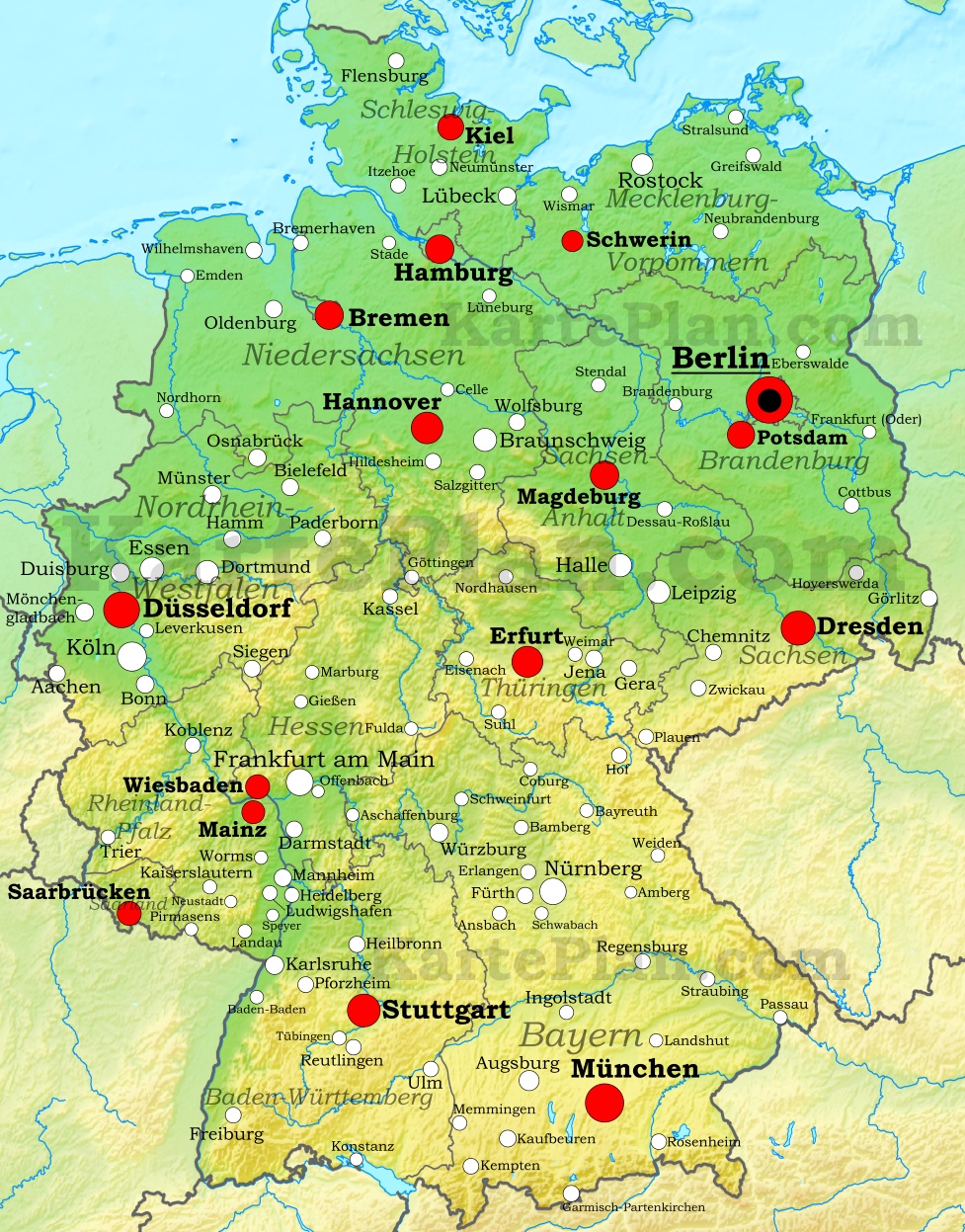
Erfurt tem cerca de 215.000 habitantes e é a capital do Estado Livre da Turíngia. Erich visitou a cidade pela primeira vez na década de 1980 como parte de um programa de estágio intitulado “Nas pegadas de Schiller e Goethe”. Naquela época Erfurt ainda integrava a Republica Democrática da Alemanha. Ele ficou realmente curioso durante a visita à essa cidade para comparar com a cidade que ele viu no passado e agora no ano de 2022.
Decidimos fazer uma parada de um dia em Erfurt em nossa viagem de trem de Berlim a Friburgo, um plano do qual não nos arrependemos.
Como tínhamos apenas um dia disponível, nos concentramos principalmente em passeios pela cidade velha medieval com muitas igrejas, casas geminadas e casas em enxaimel.
Os seguintes pontos devem ser definitivamente mencionados como destaques para uma visita curta como a nossa:
Catedral de Erfurt
Catedral
Praça da Catedral
Ponte Krämer
Igreja Severi
Cidade velha histórica
Mercado de Peixe
Egapark
Escultura “Bernd e o pão”
…e muito mais
O centro histórico da cidade com todos os seus edifícios, casas, igrejas, mercados, cafés, restaurantes e lojas e o seu charme convidam a um passeio relaxante, e também vale a pena investir nas oportunidades fotográficas.
Também gostamos muito do passeio divertido de 45 minutos com um ônibus articulado pequeno e manobrável pelas ruas de Erfurt.
Obs.: Quando visitar Erwurft prove a típica salsicha Thüriben.
Erfurt – Mittelalter Erfahrung
Erfurt hat etwa 215.000 Einwohner und fungiert als Hauptstadt des Freistaates Thüringen. Erich besuchte die Stadt das erste Mal in den 80er Jahren im Rahmen eines Studienreferendars Programmes mit dem Titel „Auf den Spuren Schillers und Goethes“, damals war Erfurt noch DDR, umso mehr war er nun darauf gespannt, in welchem Gewande sich die Stadt wohl nun im Jahr 2022 präsentieren würde.
Wir entschlossen uns, bei unserer Zugreise von Berlin nach Freiburg einen eintägigen Stopp in Erfurt einzulegen, ein Plan, den wir ganz und gar nicht bereuen sollten.
Da wir nur einen Tag zur Verfügung hatten, konzentrierten wir uns v.a. auf Spaziergänge in der Altstadt mittelalterlicher Prägung mit sehr vielen Kirchen, Bürger-und Fachwerkhäusern.
Als Highlights für einen kurzen Besuch wie eben der unsere wären unbedingt folgende Punkte zu benennen:
Erfurter Dom
Kathedrale
Domplatz
Krämerbrücke
Severikirche
Historische Altstadt
Fischmarkt
Egapark
Skulptur „Bernd und das Brot“
…und vieles mehr
Der Altstadtkern mit all seinen Gebäuden, Häusern, Kirchen, Märkten, Cafes, Restaurants und Läden und seinem Flair laden zu entspannten Spaziergängen ein, auch was Fotomotive angeht werden Sie voll auf Ihre Kosten kommen.
Uns gefiel auch sehr die 45-minütige, kurzweilige Stadtrundfahrt mit einem kleinen, wendigen Gelenkbus durch die Gassen Erfurts.
Probieren Sie bei einem Besuch in Erwurft die typische Thüriber Wurst.
Um mehr über Erfurt zu erfahren, klicken Sie hier.
Erfurt – Middle Ages experience
Erfurt has around 215,000 inhabitants and is the capital of the Free State of Thuringia. Erich visited the city for the first time in the 1980s as part of a traineeship program entitled “In the footsteps of Schiller and Goethe”. At that time Erfurt was still part of the GDR, so he was all the more curious to see what the city would wear would now present in 2022.
We decided to make a one-day stop in Erfurt on our train journey from Berlin to Freiburg, a plan we shouldn’t regret at all.
Since we only had one day available we focused primarily on walks in the medieval old town with many churches, town houses and half-timbered houses.
The following points should definitely be mentioned as highlights for a short visit like ours:
Erfurt Cathedral
Cathedral
Cathedral Square
Krämer Bridge
Severi Church
Historical old city
Fish market
Egapark
Sculpture “Bernd and the bread”
…and much more
The old town center with all its buildings, houses, churches, markets, cafes, restaurants and shops and its flair invite you to take a relaxing walk and you will also get your money’s worth when it comes to photo opportunities.
We also really liked the 45-minute, entertaining city tour with a small, manoeuvrable articulated bus through the streets of Erfurt.
When visiting Erwurft, try the typical Thüriben sausage.
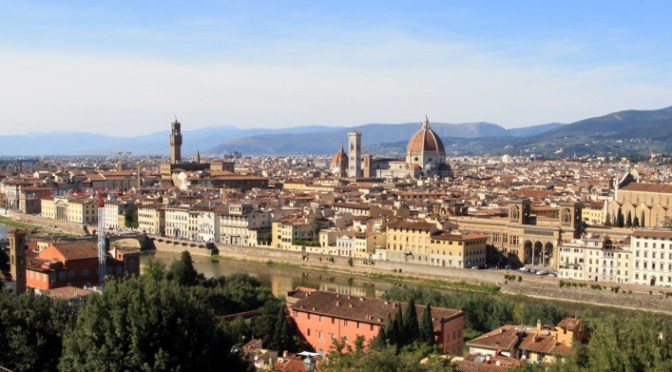
Florença é uma das cidades mais famosas do mundo, ela atraia milhares de visitantes que chegam para admirar suas grandes obras. Ela está localizada na parte central da Itália, é a capital da Região da Toscana e possui, aproximadamente 380 mil habitantes. Ela é banhada pelo Rio Arno, que corre de leste a oeste, com suas muitas pontes, dentre as quais, a mais famosa é a Ponte Vecchio.
O movimento artístico a que denominamos Renascimento nasceu em Florença, nas primeiras décadas do século XV.
Erich e eu visitamos Florença e revemos imagens que tínhamos distante na nossa memória.
Florença é uma cidade que definitivamente emociona pela beleza dos seus palácio e monumentos da Piazza della Signoria, um verdadeiro museu ao ar livre com seu imponente Palazzo Vecchio, a cúpula do Duomo.De acordo com o texto do site da UNESCO sobre Florença: “Além de seus museus (Museu Arqueológico, Uffizi, Bargello, Pitti, Galleria dell’Accademia), encontra-se aqui a maior concentração de obras de arte de renome universal do mundo – a Catedral de Santa Maria del Fiore, o Batistério e o Campanile de Giotto, Piazza della Signoria dominada pelo Palazzo Vecchio e o Palazzo Uffizi, San Lorenzo, Santa Maria Novella, Santa Croce e a capela Pazzi, Santo Spirito, San Miniato e o Convento de San Marco, que abriga pinturas de Fra Angelico.”
O seu centro histórico, tombado pela UNESCO, tem uma área de 505 hectares e seus limites são marcados pelos restos das muralhas do século XIV. Essas muralhas são representadas torres, portões e pelos baluartes de São João Batista (conhecido como “Da Basso”), ao norte e o forte de San Giorgio del Belvedere localizado entre as montanhas do lado sul.
As vistas e as luzes da cidade ao longo do Arno, quando se admira Florença da Ponte Santa Trinitá, quando se cruza a Ponte Vecchio ou a partir do Piazzale Michelângelo.
São tantos os atrativos que essa bela cidade oferece a seus visitantes, que Erich e eu resolvemos elaborar uma listinha dos lugares que você deveria visitar, caso tenha o prazer de conhecer essa cidade:
Basílica de Santa Maria Novella, fachada magnífica e interior rico em obras de arte;
Catedral de Santa Maria del Fiore, do século XIV;
San Lorenzo e Capelle Medice, obra prima de Miguel Angelo e Brunelleschi;
Galeria Degli Uffizi, um dos mais Antike maiores museus do mundo;
Ponte Vecchio, lugar mais fotografado da cidade;
Basílica de Santa Croce;
Piazza della Signoria, museu ao ar livre;
Palazzo Vecchio, Centro da vida civil antiga e moderna;
Baptisterio, Campanile e Duomo, concentração de arte no coração da cidade;
Giardino do Boboli, parque histórico para descansar e apreciar as obras de arte espalhadas pelo local.
Enfim, Florença, para os amantes de arte, é uma cidade para você voltar várias vezes e se deliciar.Para ler mais sobre o centro histórico de Florença, clique aqui. Para conhecer mais sobre Florença, clique aqui.
Florenz – Hauptstadt der italienischen Kultur
Florenz ist eine der berühmtesten Städte der Welt und zieht Tausende von Besuchern an, die kommen, um ihre großartigen Werke zu bewundern. Es liegt im zentralen Teil Italiens, ist die Hauptstadt der Toskana und hat etwa 380.000 Einwohner. Es wird vom Fluss Arno umspült, der von Osten nach Westen fließt, mit seinen vielen Brücken, von denen die berühmteste die Ponte Vecchio ist.
Die Kunstrichtung Renaissance wurde in den ersten Jahrzehnten des 15. Jahrhunderts hier in Florenz geboren.
Erich und ich besuchten Florenz und betrachteten Bilder, an die wir uns noch von weit her erinnerten.
Florenz ist eine Stadt, die definitiv mit der Schönheit ihrer Paläste und Denkmäler auf der Piazza della Signoria bewegt, ein wahres Freilichtmuseum mit seinem imposanten Palazzo Vecchio, der Kuppel des Doms, seiner Museen (Archäologisches Museum, Uffizien, Bargello, Pitti , Galleria dell’Accademia), Sie finden die weltweit größte Ansammlung von Kunstwerken von Weltruhm – die Kathedrale Santa Maria del Fiore, das Baptisterium und den Campanile von Giotto, die Piazza della Signoria, die vom Palazzo Vecchio und dem Palazzo Uffizi dominiert wird , San Lorenzo, Santa Maria Novella, Santa Croce und die Pazzi-Kapelle, Santo Spirito, San Miniato und das Kloster San Marco, welches das Gemälde von Fra Angelico beherbergt.“
Sein historisches Zentrum, das von der UNESCO zum Weltkulturerbe erklärt wurde, erstreckt sich über eine Fläche von 505 Hektar und seine Grenzen sind durch die Überreste der Mauern aus dem 14. Jahrhundert gekennzeichnet. Diese Mauern werden durch die Türme, Tore und Bastionen des Heiligen Johannes des Täufers (bekannt als „Da Basso“) im Norden und die Festung San Giorgio del Belvedere dargestellt, die sich zwischen den Bergen auf der Südseite befindet.
Beeindruckend die Aussicht auf und die Lichter der Stadt entlang des Arno, wenn man Florenz von der Ponte Santa Trinitá aus bewundert, wenn man die Ponte Vecchio überquert oder vom Piazzale Michelangelo aus.
Es gibt so viele Attraktionen, die diese schöne Stadt ihren Besuchern bietet, so dass Erich und ich beschlossen haben, eine kurze Liste von Orten zu erstellen, die Sie besuchen sollten, wenn Sie das Vergnügen haben, diese Stadt zu besuchen:
Basilika Santa Maria Novella, prächtige Fassade und Innenraum reich an Kunstwerken;
Kathedrale Santa Maria del Fiore aus dem 14. Jahrhundert;
San Lorenzo und Capelle Medice, Meisterwerke von Michelangelo und Brunelleschi;
Galerie Degli Uffizi, eines der ältesten und größten Museen der Welt;
Ponte Vecchio, der meistfotografierte Ort der Stadt;
Basilika Santa Croce;
Piazza della Signoria, Freilichtmuseum;
Palazzo Vecchio, Zentrum des antiken und modernen bürgerlichen Lebens;
Baptisterium, Campanile und Duomo, Kunstkonzentration im Herzen der Stadt;
Giardino do Boboli, ein historischer Park, in dem Sie sich ausruhen und die auf dem Gelände verstreuten Kunstwerke bewundern können.
Alles in allem ist Florenz für Kunstliebhaber eine Stadt, die man immer wieder besuchen und begeistern kann. Um mehr über Florenz zu erfahren, klicken Sie hier. Wenn Sie mehr über das historische Zentrum von Florenz erfahren möchten, klicken Sie hier.
Florence – capital of Italian culture
Florence is one of the most famous cities in the world, attracting thousands of visitors who come to admire its magnificent works. Located in the central part of Italy, it is the capital of Tuscany and has around 380,000 inhabitants. It is lapped by the Arno River, which flows from east to west with its many bridges, the most famous of which is the Ponte Vecchio.
The Renaissance art movement was born here in Florence in the first decades of the 15th century.
Erich and I visited Florence and looked at pictures that we remembered from far.
Florence is a city that definitely moves with the beauty of its palaces and monuments in Piazza della Signoria, a true open-air museum with its imposing Palazzo Vecchio, the dome of the Duomo, its museums (Archaeological Museum, Uffizi Gallery, Bargello, Pitti , Galleria dell’ Accademia), you will find the world’s largest collection of world-renowned works of art – the Cathedral of Santa Maria del Fiore, the Baptistery and Campanile by Giotto, the Piazza della Signoria dominated by the Palazzo Vecchio and the Uffizi Palace, San Lorenzo, Santa Maria Novella, Santa Croce and the Pazzi Chapel, Santo Spirito, San Miniato and the Convent of San Marco which houses Fra Angelico’s painting.”
Its historic center, declared a World Heritage Site by UNESCO, covers an area of 505 hectares and its borders are marked by the remains of the 14th-century walls. These walls are represented by the towers, gates and bastions of Saint John the Baptist (known as “Da Basso”) to the north and the Fortress of San Giorgio del Belvedere, located between the mountains on the south side.
Impressive the views and lights of the city along the Arno, admiring Florence from the Ponte Santa Trinitá, crossing the Ponte Vecchio or from Piazzale Michelangelo.
There are so many attractions that this beautiful city offers its visitors, so that Erich and I decided to make a short list of places:
Basilica of Santa Maria Novella, splendid facade and interior rich in works of art;
Cathedral of Santa Maria del Fiore from the 14th century;
San Lorenzo and Capelle Medice, masterpieces by Michelangelo and Brunelleschi;
Degli Uffizi Gallery, one of the oldest and largest museums in the world;
Ponte Vecchio, the most photographed spot in the city;
Basilica of Santa Croce;
Piazza della Signoria, open-air museum;
Palazzo Vecchio, center of ancient and modern civil life;
Baptistery, Campanile and Duomo, concentration of art in the heart of the city;
Giardino do Boboli, a historical park where you can rest and admire the works of art scattered around the site.
All in all, for art lovers, Florence is a city to revisit and delight in over and over again. To learn more about Florence click here. If you want to learn more about the historic center of Florence click here.
As mais famosas rotas de trem da Suíça são percorridas pelos trens Bernina Express, Gottard Panorâmico Express, que faz o percurso entre Ticino e Lucerna, e o Glacier Express, que faz a rota St. Moritz e Zermatt.
Desde muitos anos Erich e eu planejamos viajar no trem Bernina Express.
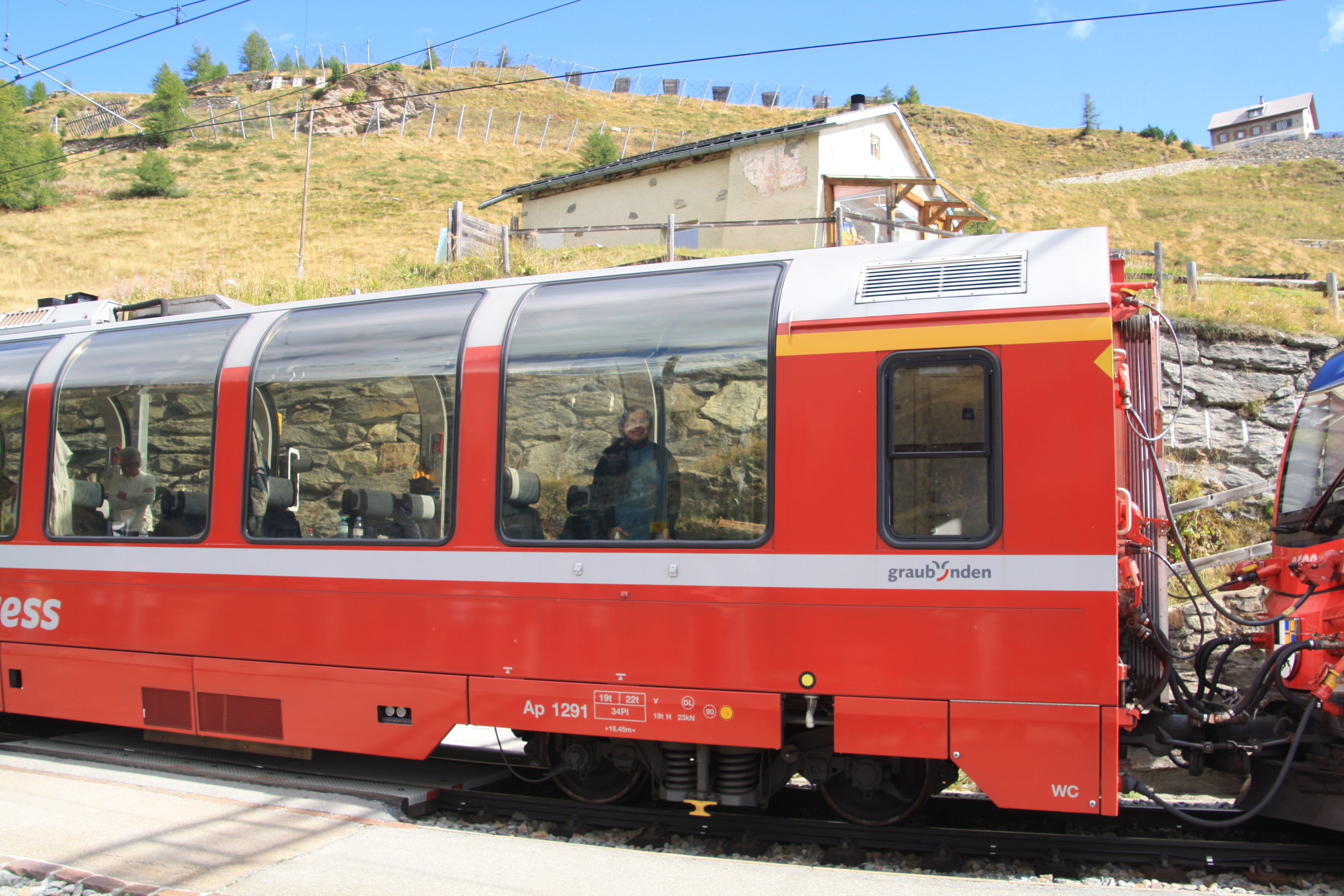
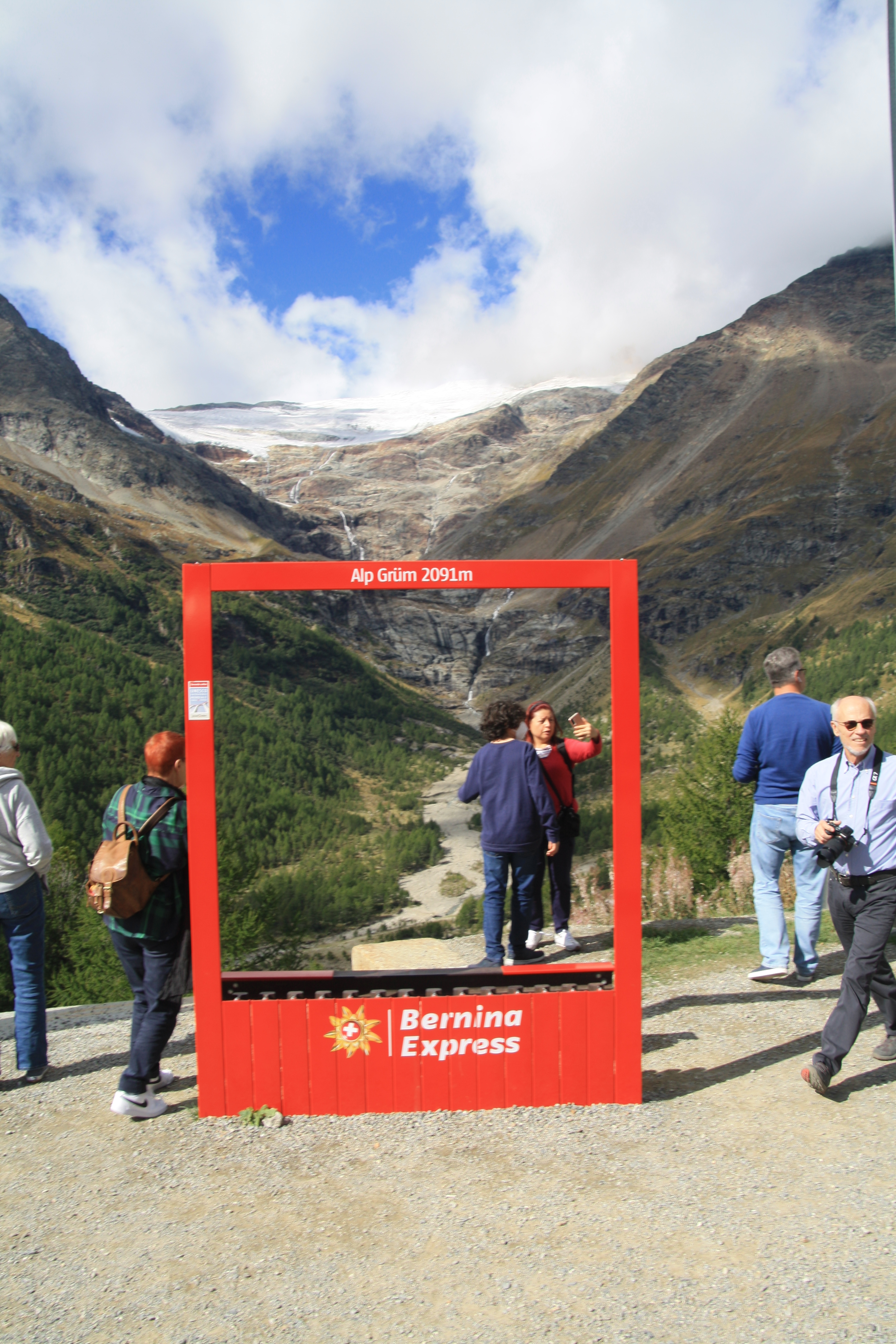
Trata-se de um trem panorâmico que serpentei os alpes suíços e italianos. Ele percorre a rota entre Chur ou St. Moritz, na Suíça e Valposchiavo -Tirano, na Itália, ou vice-versa. Nós realizamos a rota Chur – Tirano.
A viagem completa percorre 144 km e o trem percorre 55 túneis, 196 pontes. A duração da viagem varia entre 4 horas e 4 horas e meia. O trecho entre Tursis e Valpochiavo é tombado pela UNESCO.
Um dos grandes e inesquecíveis momentos da viagem é quando o trem atravessa o Viaduto Landwasser, símbolo da Ferrovia Rética e tombado pela UNESCO.
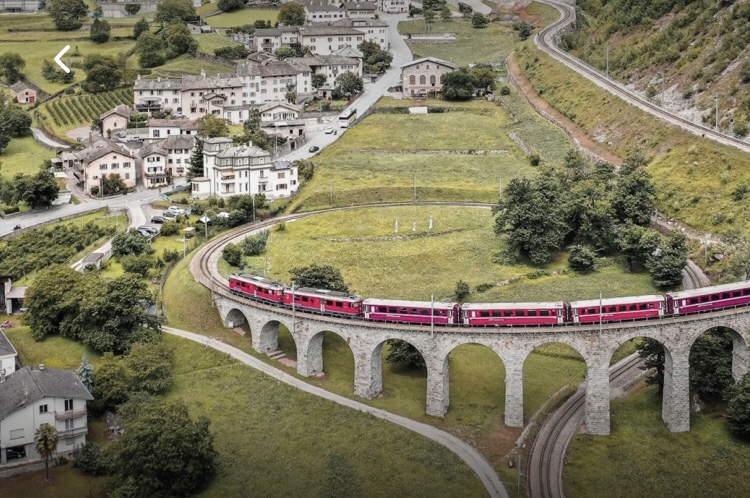
Existem outros pontos famosos pela beleza espetacular como a curva de Montebello com a vista para a montanha Bernina, o viaduto circular do Brusio, os três lagos Lej Pitschen, Lej Nair e Lago Bianco, dentre outros atrativos.
Se você planejar viajar nesse trem, recomendo que adquira seu ticket com antecedência. IMPORTANTE: VOCÊ PRECISA TROCAR O VOUCHER QUE OBTEVE NO MOMENTO DA COMPRA NA INTERNET PELO BILHETE ANTES DE ENTRAR NO TREM!!!
Como as imagens falam mais que as palavras, vejam essas imagens deslumbrantes da viagem no Bernina Express.
Mais informações sobre o Bernina Express, clique aqui.
Der Panoramazug Bernina Express
Die berühmtesten Zugstrecken der Schweiz sind der Bernina Express, der Gottard Panoramico Express, der zwischen dem Tessin und Luzern verkehrt, und der Glacier Express, der St. Moritz mit Zermatt verbindet.
Seit vielen Jahren planten Erich und ich, einmal mit dem Bernina Express zu reisen.
Es ist ein malerischer Zug, der sich durch die Schweizer und italienischen Alpen schlängelt. Es existiert die Strecke zwischen Chur oder St. Moritz in der Schweiz und Valposchiavo-Tirano in Italien oder umgekehrt. Wir sind die Strecke Chur – Tirano gefahren.
Die gesamte Reise umfasst 144 km und der Zug fährt durch 55 Tunnel und über 196 Brücken. Die Dauer der Fahrt variiert zwischen 4 Stunden und 4,5 Stunden. Der Abschnitt zwischen Tursis und Valpochiavo ist von der UNESCO aufgelistet.
Einer der großen und unvergesslichen Momente der Reise ist die Überquerung des Landwasserviadukts, Symbol der Rhetischen Eisenbahn und UNESCO-Weltkulturerbe.
Es gibt weitere Punkte, die für ihre spektakuläre Schönheit berühmt sind, wie die Montebello-Kurve mit Blick auf den Bernina, das Kreisviadukt von Brusio, die drei Seen Lej Pitschen, Lej Nair und Lago Bianco und andere Attraktionen.
Falls Sie mit diesem Zug reisen möchten, empfehle ich Ihnen, Ihr Ticket im Voraus zu kaufen.WICHTIG: SIE MÜSSEN DEN GUTSCHEIN, DEN SIE BEIM KAUF IM INTERNET ERHALTEN HABEN, VOR DEM EINSTEIGEN IN DEN ZUG GEGEN DAS TICKET EINTAUCHEN!!!
Da Bilder mehr als Worte sagen, sehen Sie sich nun diese atemberaubenden Bilder von der Fahrt mit dem Bernina Express an.
Weitere Informationen zum Bernina Express finden Sie hier und hier.
The Bernina Express panoramic train
The most famous train routes in Switzerland are the Bernina Express, the Gottard Panoramico Express, which runs between Ticino and Lucerne, and the Glacier Express, which connects St. Moritz with Zermatt.
For many years, Erich and I have been planning to travel on the Bernina Express.
It’s a scenic train that winds its way through the Swiss and Italian Alps. There is a route between Chur or St. Moritz in Switzerland and Valposchiavo-Tirano in Italy or vice versa. We drove the route Chur – Tirano.
The total journey covers 144 km and the train travels through 55 tunnels and over 196 bridges. The duration of the journey varies between 4 hours and 4.5 hours. The section between Tursis and Valpochiavo is listed by UNESCO.
One of the great and unforgettable moments of the journey is crossing the Landwasser Viaduct, symbol of the Rhetian Railway and UNESCO World Heritage Site.
There are other points famous for their spectacular beauty such as the Montebello curve overlooking the Bernina, the Brusio circular viaduct, the three lakes Lej Pitschen, Lej Nair and Lago Bianco and other attractions.
In case you want to travel on this train, I recommend you to buy your ticket in advance.IMPORTANT: YOU MUST EXCHANGE THE VOUCHER YOU OBTAINED AT THE TIME OF PURCHASE ON THE INTERNET FOR THE TICKET BEFORE GETTING ON THE TRAIN!!!
Because pictures speak louder than words, now check out these stunning images from the Bernina Express ride.
You can find more information about the Bernina Express here.
Esta visita a Friburgo não pode ser comparada com os destinos turísticos normais em nossas viagens como a Grande Muralha, Nova York, Ayers Rock, Katmandu, Machhu Picchu ou Alaska etc.
É uma breve, intensa e inesquecível imersão em uma dimensão de memórias apimentada com muitas experiências de todos os tipos que determinam e caracterizam o perfil de vida de uma pessoa.
É uma parte indispensável de um período significativo da vida com todos os seus altos e baixos, como o processo de amadurecimento de um bom vinho ou um queijo maravilhoso da vizinha Alsácia.
Não impulsionado por um programa turístico para completar, poderíamos apenas passear nas ruas históricas da cidade velha, o chamado “Bächle” e fontes, admirar a praça da catedral e a sua “torre da catedral” restaurada na sua “roupa do festival do vinho”, nós também pudemos descobrir cantos e raridades recentemente desenhados em nossas caminhadas.
Pudemos ver a recém projetada Europaplatz, a moderna biblioteca universitária, novas linhas de bonde e a agitação no verão muito popular Freiburg.
Ao mesmo tempo, estar ciente do fato de que esta cidade universitária consagrada pelo tempo (estudei aqui) também tem sua localização única no coração da Europa. É a porta de entrada para a Floresta Negra e sua proximidade com a Suíça (Basiléia) e Alsácia (França) caracterizam a região chamada de “três países se encontram”.
Claro, nós também aproveitamos a oportunidade para provar as delícias culinárias da região e seus melhores vinhos (o meu favorito absoluto aqui é o vinho tinto ” Pinot Noir” do vizinho Kaiserstuhl) no festival do vinho.
Mas também uma cerveja gelada com amigos e um lanche (meus favoritos aqui são queijo de carne, pretzels e tarte flambée) por exemplo no Seepark ou um dos jardins de cerveja no centro da cidade.
Tudo isso fez a nossa estadia de 3 dias no meio do verão na Freiburg para um sucesso pleno de diversão.
Em suma, Freiburg como uma antiga casa com todas as associações e atrações nostálgicas da cidade e da região vale sempre a pena uma visita.
Meu filho também nasceu aqui em Freiburg e nossa viagem em junho/julho de 2019 foi exatamente o sinal disso, ele agora mora em Viena e se casou no final de junho em Praga, o verdadeiro motivo da nossa viagem – um círculo fecha.
Em 2020, Freiburg completou 900 anos, talvez você se veja novamente …!!!
Mais informações sobre Freiburg e a vizinha Alsácia podem ser encontradas aqui e aqui.
FREIBURG – ehemalige, unvergessliche Heimat
Diesen FREIBURG-Besuch kann man nicht vergleichen mit den normalen touristischen Zielen auf unseren Reisen wie z.B. die Chinesische Mauer, New York,Paris, Ayers Rock, Kathmandu, Machhu Picchu, Alaska usw.
Es ist ein kurzes, intensives, unvergessliches Eintauchen in eine Dimension der Erinnerungen gespickt mit vielen Erfahrungen aller Art, die letztendlich das Lebensprofil eines Menschen bestimmen und charakterisieren.
Es ist ein unverzichtbarer Abschnitt eines wesentlichen Lebensabschnittzeitraumes mit all seinen Höhen und Tiefen wie der Reifeprozess eines guten Weines oder eines wunderbaren Käses vom Nachbarn Elsass.
Nicht angetrieben von einem touristischen zu absolvierenden Programm konnten wir uns einfach treiben lassen in den historischen Gassen,der Altstadt, um die sogenannten „Bächle“ und Brunnen, den Münsterplatz samt restaurierten Münsterturm in seiner „Weinfestbekleidung“ zu bewundern,auch für uns neu gestaltete Ecken und Raritäten konnten wir auf unseren Spaziergängen entdecken.Wir durften den neu gestalteten Europaplatz, die moderne Universitätsbibliothek, neue Straβenbahntrassen und das Treiben im sehr vielbesuchten sommerlichen Freiburg in uns aufsaugen, jederzeit dessen bewusst, dass diese altehrwürdige Universitätsstadt (hier habe ich studiert) gleichzeitig auch als das Eingangsportal zum Schwarzwald und seine Nähe zur Schweiz (Basel) und zum Elsass (Frankreich) seine einzigartige Lage mitten im Herzen Europas, dem Drei-Länder-Eck, markieren.
Natürlich lieβen wir es uns auch nicht nehmen, die kulinarischen Köstlichkeiten der Regio und seine Spitzenweine (mein absoluter Favorit hierbei ist der „Spätburgender“ Rotwein vom nahegelegenen Kaiserstuhl) auf dem Weinfest zu verkosten.
Aber auch ein kaltes Bier mit Freunden und dazu ein Snack (meine Favoriten hier sind Fleischkäseweck, Brezeln und Flammkuchen) z.B.im Seepark oder einem der schattigen Biergärten in der Innenstadt machten unseren 3 tägigen Aufenthalt im hochsommerlichen FR zu einem vollen Genuss-Erfolg.
Man kann zusammenfassend sagen, dass für mich Freiburg als ehemalige Heimat mit all den nostalgischen Assoziationen und den Attraktionen der Stadt und der Regio immer ein Besuch wert ist.
Auβdem wurde hier in Freiburg mein Sohn geboren und diese unsere Reise im Juni/Juli 2019 stand genau im Zeichen dessen, er lebt nun in Wien und heiratete Ende Juni in Prag, der eigentliche Grund unserer Reise – ein Kreis schlieβt sich somit.
2020 wurde Freiburg 900 Jahre jung, vielleicht sieht man sich dann ja schon wieder…!!!
Mehr Informationen über Freiburg und das benachbarte Elsass finden sie hier and hier.
FREIBURG – my former, unforgettable home
This Freiburg visit can not be compared with the normal tourist destinations on our travels such as the Great Wall, New York, Ayers Rock, Kathmandu, Machhu Picchu or Alaska etc.
It is a brief, intense, unforgettable immersion in a dimension of memories peppered with many experiences of all kinds that ultimately determine and characterize a person’s life profile.
It is an indispensable part of a significant period of life with all its ups and downs, such as the ripening process of a good wine or a wonderful cheese from the neighbor Alsace.
Not driven by a tourist program to complete we could just drift in the historic streets of the old town, seeing the so-called “Bächle” and fountains, admiring the cathedral square and its restored “cathedral tower” in its “wine festival clothing”,
We were also able to discover newly designed corners and rarities on our walks.
We could see the newly designed Europaplatz, the modern university library, new tram lines and the bustle in the very popular Freiburg during summer.
At the same time being aware of the fact that this time-honored university town (I studied here) also has its unique location right in the heart of Europe. It is the gateway to the Black Forest and its proximity to Switzerland (Basel) and Alsace (France) characterize the region as so-called „3 countries corner“.
Of course, we also took the opportunity to taste the culinary delights of the region and its top wines at the wine festival (my absolute favourite here is the “Spätburgender” red wine from the nearby Kaiserstuhl region).
But also a cold beer with friends and a snack (my favorites here are meat cheese, Pretzel, and tarte flambée) for example in the Seepark or one of the shady beer gardens in the city center
made our 3-day stay in midsummer Freiburg to a full enjoyment success.
To sum up, Freiburg as my former home with all the nostalgic associations and attractions of the city and the region is always worth a visit.
My son was also born here in Freiburg and our trip this June/July 2019 was exactly in the sign of that, he now lives in Vienna and married at the end of June in Prague, the real reason for our trip – a circle closes.
By 2020 Freiburg became 900 years YOUNG, maybe we will see each other already again …!!!
More information about Freiburg and the neighboring Alsace can be found here and here.
A “livre e hanseática” cidade de Hamburgo possui em torno de 1.8 milhões de habitantes, é urbana, tolerante e multicultural, resultado de séculos de contato com o mundo. Ela é a segunda maior cidade da Alemanha e exibe diversos estilos arquitetônicos em seus bairros, o que a torna atraente e deslumbrante para se visitar.
Erich e eu visitamos Hamburgo mais de uma vez. O que mais me chama atenção na cidade é o imenso porto, localizado perto do centro da cidade, o bairro de diversão colorido chamado St. Pauli, os parques e os lagos da cidade. Além disso, a população de Hamburgo pode até parecer fria no primeiro contato, porém, encanta os visitantes. A melhor forma de circular por Hamburgo é de metrô (U-Bahn e S-Bahn). Sugiro que você compre um bilhete de um dia (Tageskarte), pois é bem difícil para estacionar, caso você esteja com um carro. A parte central pode ser percorrida a pé.
Hamburgo é conhecida como a “Veneza Germânica e Veneza do Norte” devido a quantidade de pontes que existem na cidade. Segundo o site “Viagem e Turismo”, (Hamburgo | Viagem e Turismo (abril.com.br) ela tem 2.460 pontes!!! Uma ótima forma de apreciar Hamburgo é realizar um passeio de barco pelo Rio Elba que percorre também alguns dos seus canais.
Hamburgo é uma cidade animada, com muitos atrativos interessantes e todos bem preservados. Dentre os pontos de interesse destacamos os que você definitivamente deve conhecer quando estiver visitando essa bela cidade:
– Rathausmarkt, o grande prédio da prefeitura em estilo renascentista, a quinta construída, as outras foram destruídas devido as guerras e ao grande incêndio que ocorreu em 1842;
– Alster, é o grande lago localizado no centro da cidade, vale muito passear pelo elegante bulevar Jungfernstieg, que acompanha o Alster;
– Igreja de St. Petrikirche, após o grande incêndio, foi reconstruída em estilo neogótico. Vale a pena conhecer a escultura de Nossa Senhora criada em 1470 em estilo gótico;
– Igreja de São Jacó (Jakobikirch), no seu interior é possível se apreciar o maior órgão barroco do norte da Alemanha;
– Deutsches Zollmuseum, Speicherstadt, localizado na área livre de circulação do porto, tem o seu charme;
– Kunsthalle, museu aberto em 1869, possui obras de artes diversas com destaque para as obras do período do romantismo alemão, como Philipp Otto Runge e Caspar David Firedrich, para os amantes das artes, é um prato cheio!
– Deichstrasse, é uma das poucas ruas da cidade velha que sobreviveram. É nela onde está situado o famoso restaurante “Zum Brandanfang”, alguns dizem que o incêndio de 1842 começou nesse lugar;
– Michaeliskirche, é uma igreja barroca que possui uma torre de 132 metros de altura, avistada de longe, é o símbolo principal da cidade de Hamburgo. Da torre é possível se ter uma bela vista da bela Hamburgo;
– Reeperbahn, é uma área onde se concentram bares, restaurantes, teatros, sex clubes, famosa no mundo todo! Foi nesse local onde os Beatles iniciaram sua carreira;
– Área do Speicherstadt, onde estão localizados os antigos depósitos do porto construídos entre 1883 e 1927, foi declarado Patrimônio da Humanidade pela UNESCO em 2015;
– Miniatur Wunderland, local onde você pode apreciar miniaturas espetaculares de edifícios marcantes do mundo, interessantíssimo! Quase que não conseguimos comprar ingressos para visitar essa maravilha;
– Elbphilharmonie, “Elphi”, o local cultural mais importante da cidade, está situada na ponta da península de Grasbrook, projeto do escritório suíço Herzog & Meuron, foi inaugurada em 2017. Além da Filarmonica, com três salas para concerto, sendo a maior com capacidade para 2.150 pessoas, o edifício abriga um grande hotel, restaurantes, estacionamento além de um terraço panorâmico na sua cobertura. Erich e eu vistamos esse local e a vista da cidade é realmente espetacular! Recomendamos demais essa visita!
– Museumshafen (Porto dos Museus) abriga cerca de 20 embarcações históricas do período de 1880 a 1960, cada uma cuidadosamente restaurada por uma organização privada.
– Outro marco do Porto de Hamburgo é a Köhlbrandbrücke, uma ponte de 3,9 quilômetros que atravessa o porto.
Hamburgo é uma das cidades mais interessantes que visitamos durante nossas viagens. Se quiser conhecer mais sobre ela, clique aqui.
Weltstadt Hamburg
Die „freie und hanseatische“ Stadt Hamburg hat rund 1,8 Millionen Einwohner, ist urban, tolerant und multikulturell, das Ergebnis jahrhundertelanger Kontakte mit der Welt. Sie ist die zweitgrößte Stadt Deutschlands und weist in ihren Stadtteilen unterschiedliche Baustile auf, was einen Besuch attraktiv und atemberaubend macht.
Erich und ich waren mehr als einmal in Hamburg. Was mir in der Stadt am meisten auffällt, ist der riesige Hafen in der Nähe des Stadtzentrums, das bunte Vergnügungsviertel namens St. Pauli, die Parks und Seen der Stadt.
Hinzu kommt, dass die Hamburger Bevölkerung auf den ersten Kontakt vielleicht sogar kalt wirken mag, Besucher jedoch erfreut. Die beste Art, sich in Hamburg fortzubewegen, ist mit der U-Bahn und S-Bahn. Ich empfehle Ihnen, eine Tageskarte zu kaufen, da es ziemlich schwierig ist, mit dem Auto zu parken. Der zentrale Teil kann zu Fuß erkundet werden.
Hamburg ist aufgrund der vielen Brücken in der Stadt auch als „germanisches Venedig und Venedig des Nordens“ bekannt. Laut der Website „Viagem e Turismo“ (Hamburgo | Viagem e Turismo (abril.com.br) hat es 2.460 Brücken!!! Kanäle.
Hamburg ist eine lebendige Stadt mit vielen interessanten Sehenswürdigkeiten, die alle gut erhalten sind. Unter den Sehenswürdigkeiten heben wir diejenigen hervor, die Sie unbedingt kennen sollten, wenn Sie diese schöne Stadt besuchen:
– Rathausmarkt, das große Rathaus im Renaissancestil, das Bauernhaus gebaut, die anderen wurden durch Kriege und den großen Brand von 1842 zerstört;
– Alster, es ist der große See im Zentrum der Stadt, es lohnt sich, entlang des eleganten Boulevards Jungfernstieg zu schlendern, der der Alster folgt;
– Kirche St. Petrikirche wurde nach dem großen Brand im neugotischen Stil wieder aufgebaut. Es lohnt sich, die 1470 im gotischen Stil geschaffene Skulptur Unserer Lieben Frau zu besichtigen;
– St.-Jakobs-Kirche (Jakobikirch), im Inneren kann man die größte Barockorgel Norddeutschlands bewundern;
– Deutsches Zollmuseum, Speicherstadt, im Hafenfreigelände gelegen, hat seinen Charme;
– Kunsthalle, ein 1869 eröffnetes Museum, hat diverse Kunstwerke, vor allem Werke der deutschen Romantik, wie Philipp Otto Runge und Caspar David Firedrich, für Kunstliebhaber ein voller Teller!
– Deichstraße, ist eine der wenigen erhaltenen Straßen der Altstadt. Hier befindet sich das berühmte Restaurant „Zum Brandanfang“, einige sagen, dass dort der Brand von 1842 ausbrach;
– Michaeliskirche, ist eine barocke Kirche, die einen weithin sichtbaren Turm von 132 Metern Höhe hat und das Hauptsymbol der Stadt Hamburg ist. Vom Turm hat man einen schönen Blick auf das schöne Hamburg;
– Reeperbahn, ist ein Gebiet, in dem sich Bars, Restaurants, Theater und Sexclubs konzentrieren, die auf der ganzen Welt berühmt sind! Hier begannen die Beatles ihre Karriere;
– Speicherstadt, wo sich die zwischen 1883 und 1927 erbauten alten Hafenspeicher befinden, wurde 2015 von der UNESCO zum Weltkulturerbe erklärt;
– Miniatur Wunderland, wo Sie spektakuläre Miniaturen herausragender Gebäude der Welt genießen können, sehr interessant! Wir konnten fast keine Tickets erlangen, um diese Attraktion zu besuchen;
– An der Spitze der Halbinsel Grasbrook liegt die Elbphilharmonie „Elphi“, die wichtigste Kulturstätte der Stadt, ein 2017 eröffnetes Projekt des Schweizer Büros Herzog & Meuron. Neben der Philharmonie mit drei Konzertsälen, das größte mit einer Kapazität für 2.150 Personen, beherbergt das Gebäude ein großes Hotel, Restaurants, Parkplätze und eine Panorama-Dachterrasse. Erich und ich haben diesen Ort besucht und die Aussicht auf die Stadt ist wirklich spektakulär! Wir empfehlen diesen Besuch!
– Der Museumshafen beherbergt rund 20 historische Schiffe aus der Zeit von 1880 bis 1960, die jeweils von einer privaten Organisation sorgfältig restauriert wurden.
– Ein weiteres Wahrzeichen des Hamburger Hafens ist die Köhlbrandbrücke, eine 3,9 Kilometer lange Brücke, die den Hafen überspannt.
Hamburg ist eine der interessantesten Städte, die wir auf unseren Reisen besuchten. Wenn Sie mehr über sie erfahren möchten, klicken Sie hier.
Cosmopolitan Hamburg
The “free and Hanseatic” city of Hamburg has around 1.8 million inhabitants, is urban, tolerant and multicultural, the result of centuries of contact with the world. It is the second largest city in Germany and has different architectural styles in its districts, making it attractive and breathtaking to visit.
Erich and I have been to Hamburg more than once. What strikes me the most about the city is the huge harbor near the city center, the colorful entertainment district called St. Pauli, the city’s parks and lakes.
In addition, the people of Hamburg may even seem cold at first contact, but visitors are delighted. The best way to get around in Hamburg is by U-Bahn and S-Bahn. I recommend you to buy a day pass as it is quite difficult to park by car. The central part can be explored on foot.
Hamburg is also known as the “Germanic Venice and Venice of the North” due to the many bridges in the city. According to the website “Viagem e Turismo” (Hamburgo | Viagem e Turismo (abril.com.br) it has 2,460 bridges!!! Canals.
Hamburg is a lively city with many interesting sights, all of which are well preserved. Among the sights we highlight those that you should definitely know when visiting this beautiful city:
– Rathausmarkt, the large Renaissance-style town hall, the farmhouse built, the others destroyed by wars and the great fire of 1842;
– Alster, it’s the big lake in the city center, it’s worth strolling along the elegant Jungfernstieg boulevard that follows the Alster;
– Church of St. Petrikirche was rebuilt in the neo-Gothic style after the great fire. It is worth seeing the sculpture of Our Lady created in 1470 in Gothic style;
– St.-Jakobs-Kirche (Jakobikirch), inside you can admire the largest baroque organ in northern Germany;
– German Customs Museum, Speicherstadt, located in the open-air port area, has its own charm;
– Kunsthalle, a museum opened in 1869, has diverse works of art, especially works of German Romanticism, such as Philipp Otto Runge and Caspar David Firedrich, a full plate for art lovers!
– Deichstraße, is one of the few preserved streets in the old town. Here is the famous restaurant “Zum Brandanfang”, some say that the fire of 1842 broke out there;
– Michaeliskirche, is a baroque church that has a tower of 132 meters high that can be seen from afar and is the main symbol of the city of Hamburg. From the tower you have a beautiful view of Hamburg;
– Reeperbahn, is an area where bars, restaurants, theaters and sex clubs that are famous all over the world are concentrated! This is where the Beatles started their career;
– Speicherstadt, where the old harbor warehouses built between 1883 and 1927 are located, was declared a World Heritage Site by UNESCO in 2015;
– Miniature Wonderland where you can enjoy spectacular miniatures of outstanding buildings in the world, very interesting! We almost couldn’t get tickets to visit this attraction;
– At the tip of the Grasbrook Peninsula is the „Elphi“ Philharmonic Hall, the city’s most important cultural site, a project by the Swiss office Herzog & Meuron that opened in 2017. In addition to the philharmonic hall with three concert halls, the largest with a capacity of 2,150 people, the building houses a large hotel, restaurants, parking lots and a panoramic roof terrace. Erich and I visited this place and the view of the city is really spectacular! We recommend this visit!
– The museum harbor houses around 20 historic ships from the period 1880 to 1960, each carefully restored by a private organization.
– Another landmark of the Port of Hamburg is the Köhlbrandbrücke, a 3.9-kilometer bridge that spans the port.
Hamburg is one of the most interesting cities we visited on our travels. If you want to learn more about them, click here.
Munique é uma das cidades mais interessantes da Alemanha. Ela é a capital da Baviera, está situada no sul da Alemanha, nas margens do Rio Isar e possui em torno de 1,3 milhões de habitantes. Ela possui a terceira maior população do país.
Erich e eu já visitamos Munique várias vezes e cada vez que estamos por lá descobrimos algo novo, sempre temos vontade de inclui-la nos nossos roteiros pela Alemanha.
Com base na nossa experiência em Munique, elaboramos uma lista com sugestões de lugares para visitar e experiências para vivenciar. São os seguintes:
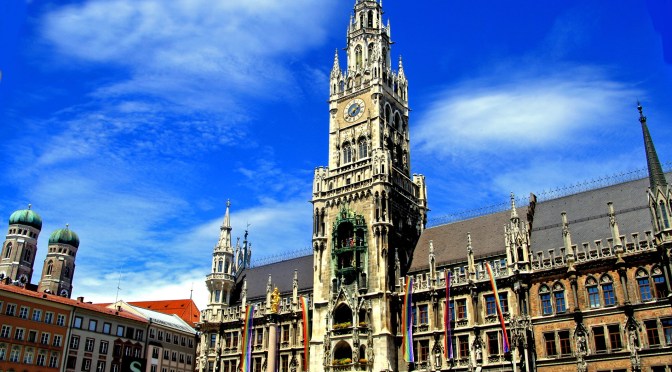
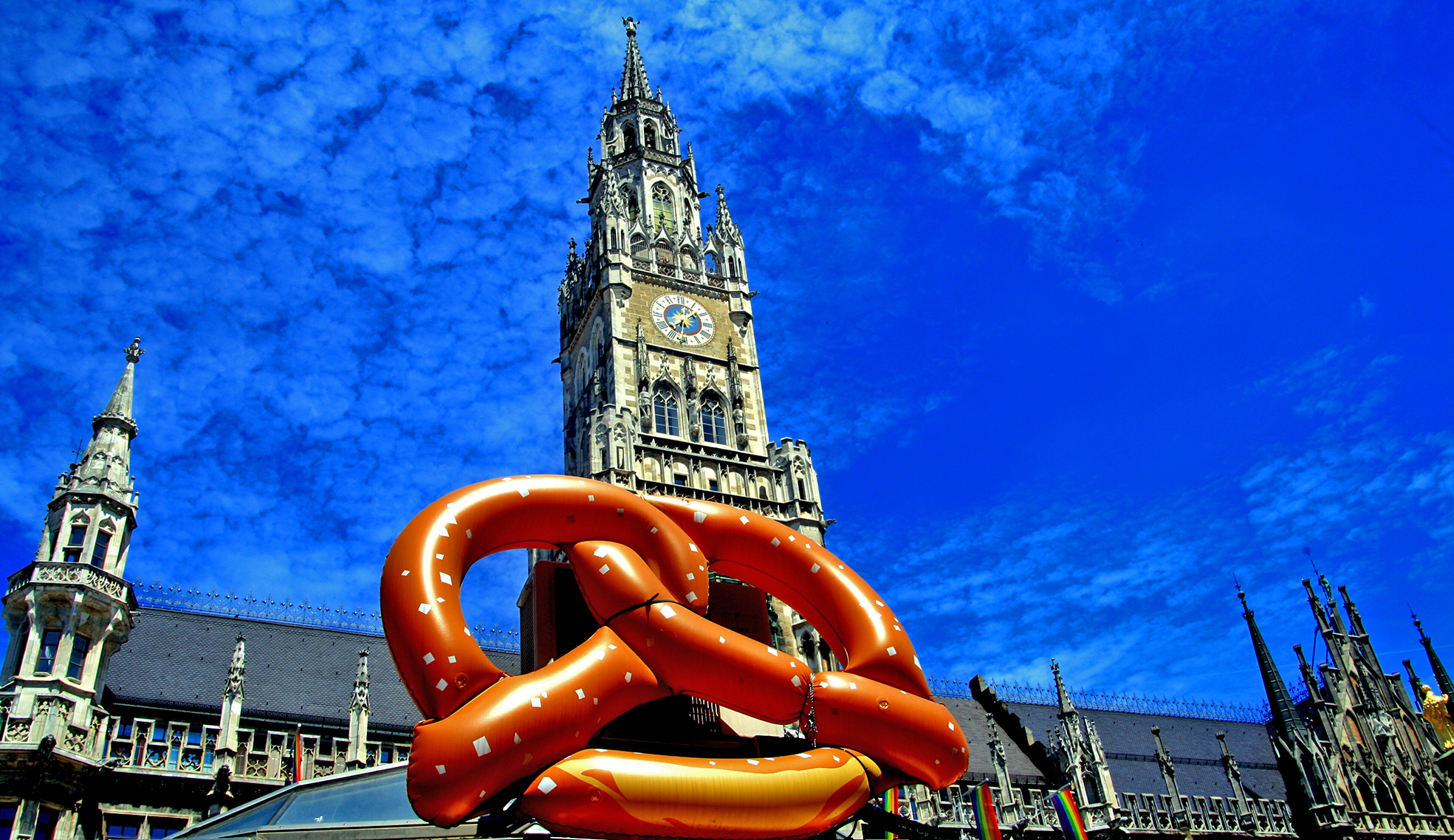
Marienplatz, apreciar o prédio da Prefeitura de Munique (Neues Rathaus) e esperar para ver o famoso Glockenspiel, 32 figuras movidas mecanicamente reencenam cenas da história de Munique.
Palácio Nymphenburg, palácio monumental com jardim deslumbrante;
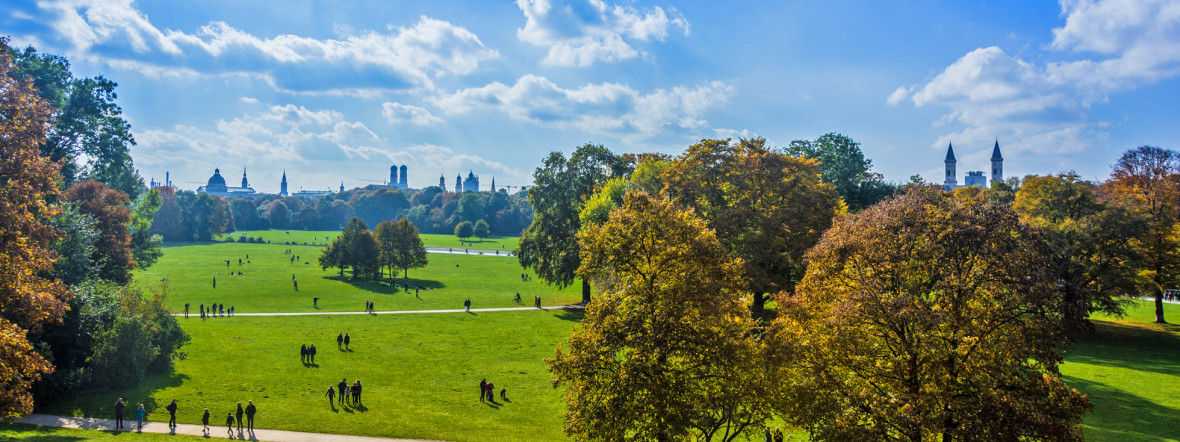
Englishcer Garten, caminhar e aproveitar o verão no gramado desse parque;
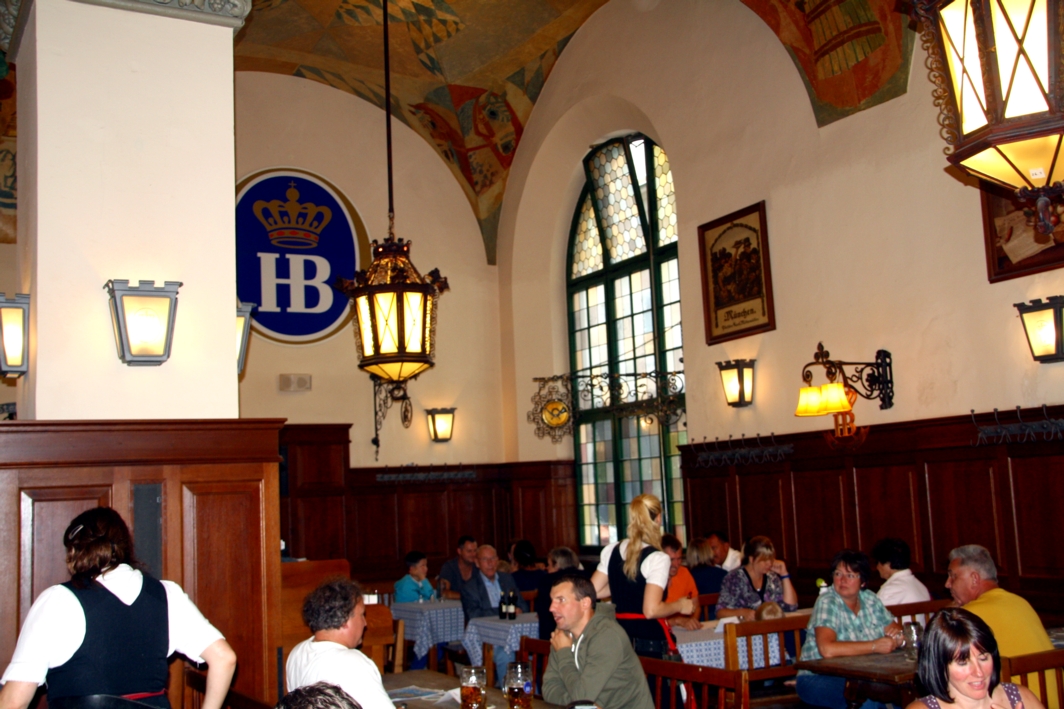
Visitar o Viktualienmarkt é um passeio para os que querem conhecer um mercado que existe desde muitas gerações e oferece uma imensa variedade de produtos. É muito agradável sentar-se no seu Biergarten e apreciar as iguarias locais. Ele fica bem pertinho da Marienplatz.
Uma visita ao Deutsche Museum definitivamente vale a pena para os amantes de museus.
Uma visita à Oktoberfest é uma experiência muito especial
Se quiser conhecer mais sobre Munique, clique aqui.
München – schön, kultiviert und lebendig
München ist eine der interessantesten Städte Deutschlands. Sie ist die Landeshauptstadt von Bayern, liegt im Süden Deutschlands, am Ufer der Isar und hat rund 1,3 Millionen Einwohner. Es hat die drittgrößte Bevölkerung des Landes.
Erich und ich haben München mehrmals besucht und jedes Mal, wenn wir dort sind, entdecken wir etwas Neues, so daβ wir es immer wieder in unsere Reiserouten in Deutschland aufnehmen möchten.
Basierend auf unseren Erfahrungen in München haben wir eine Liste mit Vorschlägen für Sehenswürdigkeiten und Erfahrungen zusammengestellt. Dies sind wie folgt:
Marienplatz – genießen Sie das Münchner Rathaus (Neues Rathaus) und beobachten Sie das berühmte Glockenspiel, 32 mechanisch bewegte Figuren stellen Szenen aus der Münchner Geschichte nach.
Schloss Nymphenburg – monumentales Schloss mit herrlichem Garten;
Englischcer Garten – gehen Sie spazieren und genießen Sie den Sommer auf dem Rasen dieses Parks;
Der Besuch des Viktualienmarktes ist eine Reise für alle, die einen seit vielen Generationen bestehenden Markt mit einer immensen Produktvielfalt entdecken möchten. Es ist sehr angenehm, in Ihrem Biergarten zu sitzen und die lokalen Köstlichkeiten zu genießen. Es liegt ganz in der Nähe des Marienplatzes.
Für Museumsliebhaber lohnt sich unbedingt der Besuch des Deutschen Museums
Ein Besuch auf dem Oktoberfest ist ein ganz besonderes Erlebnis
Wenn Sie mehr über München erfahren möchten, klicken Sie hier.
Munich – beautiful, cultivated and lively
Munich is one of the most interesting cities in Germany. It is the state capital of Bavaria, is located in southern Germany on the banks of the Isar and has around 1.3 million inhabitants. It has the third largest population in the country.
Erich and I have visited Munich several times and every time we are there we discover something new so that we always want to include it in our itineraries in Germany.
Based on our experiences in Munich, we’ve put together a list of suggested places to visit and experience. These are as follows:
Marienplatz – enjoy the Munich City Hall (Neues Rathaus) and watch the famous Glockenspiel, 32 mechanically moved figures re-enact scenes of Munich’s history.
Nymphenburg Palace – monumental palace with a beautiful garden;
English Garden – stroll and enjoy the summer on the lawns of this park;
A visit to the Viktualienmarkt is a journey for anyone who wants to discover a market with an immense variety of products that has existed for many generations. It is very pleasant to sit in its beer garden and enjoy the local delicacies. It is very close to Marienplatz.
A visit to the Deutsches Museum is definitely worthwhile for museum lovers
Visitamos Dresden em um verão muito agradável de carro e isso acabou sendo a solução ideal para nós.
Achamos que de 3 a 5 dias é o período ideal para desfrutar da cidade com todos os seus tesouros histórico-artísticos e ofertas culturais, explorar a chamada Florença no Elba e também fazer uma viagem no rio de barco ou de ônibus/carro para a muito impressionante e bela Suíça Saxônica.
Esta natureza, o Elba e a cidade de Dresden formam um panorama fantástico para uma estadia muito divertida, durante a qual tanto os jovens como os mais velhos podem valer a pena o seu dinheiro.
Gostaríamos agora de compartilhar algumas de nossas impressões com você, que podem servir como sugestões para suas atividades por lá. Se você viajar para essa área da Alemanha, sugerimos visitar e conhecer:
– Os prados do Elba
– O Zwinger de Dresden
– A Ópera Sempre
– a Procissão dos Príncipes
– O Grande Jardim
-A Igreja da Mulher
– O Palácio Residencial de Dresden
– O Cofre Verde
– A Suíça Saxônica
Dependendo de seus interesses você pode estender sua estadia nesta região como quiser, a oferta de hotéis e restaurantes é grande e a seleção de programas e atividades de excursões é muito diversificada, há atrações para todos os gostos. Para conhecer mais sobre Dresden, clique aqui.
Dresden und die Sächsische Schweiz – eine beeindruckende Kombination
Wir besuchten Dresden in einem sehr angenehmen Sommer mit einem PKW und das stellte sich für uns als die optimale Lösung heraus.
3 bis 5 Tage erscheinen uns als idealer Zeitraum, um die Stadt mit all ihren kunsthistorischen Schätzen und kulturellen Angeboten zu genießen, das sogenannte Elbflorenz zu erkunden und dazu auch noch einen Ausflug entweder auf dem Fluss per Raddampfer oder per Bus/PKW in die sehr beeindruckende Natur der Sächsischen Schweiz zu unternehmen.
Diese Natur, die Elbe und die Stadt Dresden bilden ein fantastisches Panorama für einen sehr kurzweiligen Aufenthalt, währenddessen sowohl Jung als auch Alt voll auf ihre Kosten kommen können.
Wir wollen mit Ihnen nun einige unserer Impressionen teilen, die Ihnen als Anregungen für Ihre Unternehmungen dort dienen können:
– Die Elbe und die Elbwiesen
– Dresdner Zwinger
– Semper Oper
– Fürstenzug
– Groβer Garten
– Frauenkirche
– Dresdner Residenzschloss
– Grünes Gewölbe
– Sächsische Schweiz
Je nach Interessenlage lässt sich der Aufenthalt in dieser Regio beliebig verlängern, das Angebot an Hotels und Restaurants ist groβ und auch die Auswahl an Ausflugsprogrammen und Aktivitäten ist sehr vielfältig, Sie werden für jeden Geschmack fündig werden.Um mehr über Dresden zu erfahren, klicken Sie hier.
Dresden and Saxon Switzerland – an impressive combination
We visited Dresden in a very pleasant summer by car and this turned out to be the optimal solution for us.
We think 3 to 5 days is the ideal period of time to enjoy the city with all its art-historical treasures and cultural offerings, to explore the so-called Florence on the Elbe and also to take a trip either on the river by paddle steamer or by bus/car to the very impressive to do in the nature of Saxon Switzerland.
This nature, the Elbe and the city of Dresden form a fantastic panorama for a very entertaining stay, during which both young and old can get their money’s worth.
We would now like to share some of our impressions with you, which can serve as suggestions for your activities there:
– The Elbe and the Elbe meadows
– The Zwinger of Dresden
– Semper Opera
– procession of princes
– Large garden
– Woman Church
– Dresden Residential Palace
– Green Vault
– Saxon Switzerland
Depending on your interests you can extend your stay in this region as you like, the range of hotels and restaurants is large and the selection of excursion programs and activities is very diverse, you will find something for every taste.To learn more about Dresden, click here.
Istambul possui em torno de 15 milhões de habitantes. Ela está localizada entre o mar de Mármara e o mar Negro, no local onde o Corno de Ouro desemboca no Bósforo, passagem importante entre a Ásia e a Europa.
Erich e eu já visitamos Istambul algumas vezes, sendo que a última vez nem estava incluída na nossa programação, voltamos lá devido uma mudança de rota de um cruzeiro. Nós elaboramos uma lista de alguns lugares e experiências que sugerimos viver e conhecer quando se visita essa bela e grandiosa cidade. São os seguintes:
Yerebatan Saryi, conhecida como o Palácio Submerso, trata-se de uma cisterna imensa que se pode percorrer sobre passarelas rolantes;
Fonte/source: Kafran Hotel
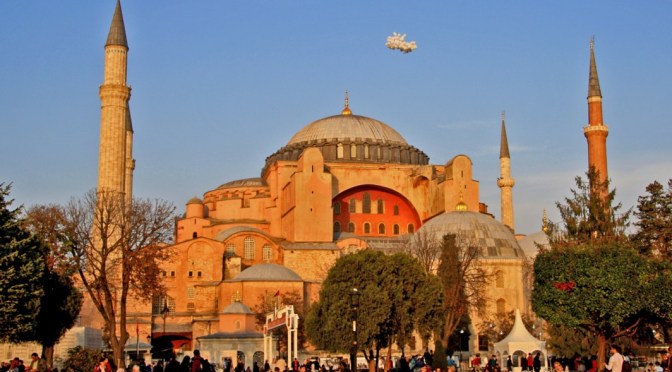
Ayasofya, a famosa Basílica de Santa Sofia;
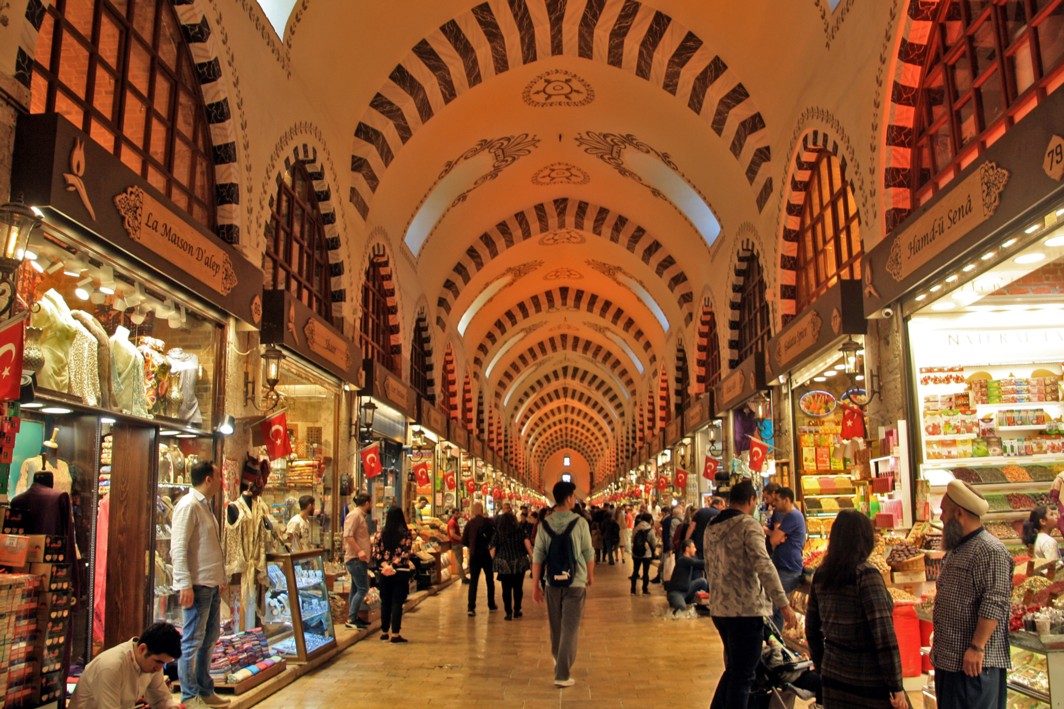
Kapali Çarsi, o Grande Bazar, é de enlouquecer as pessoas que amam as compras…
Realizar o passeio de barco no Bósforo, de onde Istambul pode ser apreciada em toda a sua plenitude;
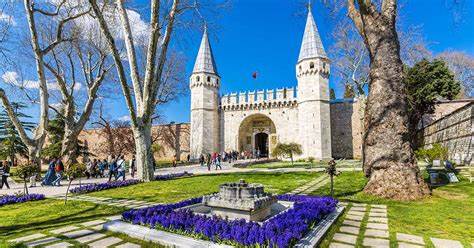
Topkaki Sarayi, é aquele palácio dos sultões que imaginamos quando lemos o romance das Mil e Uma Noite;
Visitar um banho turco com massagem incluída em uma das Hammam para revitalizar o corpo. A Galatasaray Hamami, com uma história que remonta o ano de 1461, é um dos lugares sugeridos. Existem vários locais na cidade;
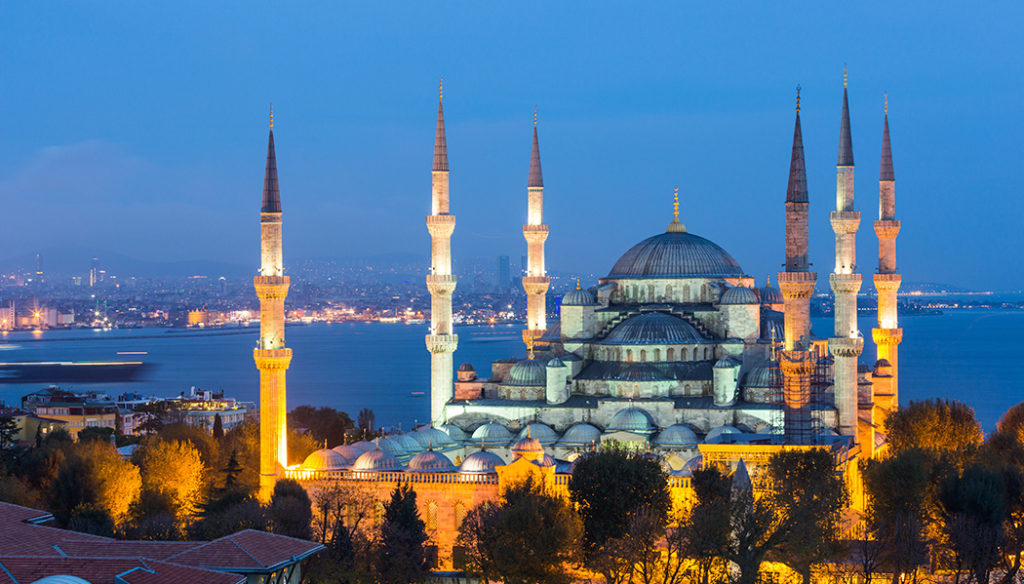
Mesquita Azul, outro grande exemplar arquitetônico de grande beleza;
Kahriye Camii (antiga Igreja de São Salvador em Chora), para quem quer apreciar os mais belos mosaicos bizantinos da cidade.
A cidade de Istambul é um destino que está sempre presente na lista dos apaixonados por viagens. Para conhecer mais sobre essa bela cidade, clique aqui.
Istanbul – Stadt aus Tausend und einer Nacht
Istanbul hat rund 15 Millionen Einwohner. Es liegt zwischen dem Marmarameer und dem Schwarzen Meer, wo das Goldene Horn in den Bosporus mündet, eine wichtige Passage zwischen Asien und Europa.
Erich und ich haben Istanbul mehrere Male besucht, das letzte Mal war es nicht einmal geplant, wir sind wegen einer Routenänderung auf einer Kreuzfahrt dorthin quasi „zurückgekehrt worden“.
Wir haben eine Liste mit einigen empfehlenswerten Orten zusammengestellt, falls Sie diese schöne und grandiose einmal Stadt besuchen sollten. Dies sind:
Yerebatan Saryi, bekannt als der versunkene Palast, es ist eine riesige Zisterne, durch die Sie auf Laufbändern gehen können;
Fonte/source: Kafran Hotel
Ayasofya, die berühmte Hagia Sophia;
Kapali Çarsi, der Große Basar, soll Shopping-Liebhaber in den Wahnsinn treiben…
Machen Sie eine Bootsfahrt auf dem Bosporus, von wo aus Sie Istanbul in seiner ganzen Fülle genießen können;
Topkaki Sarayi ist der Palast der Sultane, den wir uns vorstellen, wenn wir den Roman „Tausend und eine Nacht“ lesen;
Besuchen Sie ein türkisches Bad mit Massage in einem der Hammams, um den Körper zu revitalisieren. Galatasaray Hamami, dessen Geschichte bis ins Jahr 1461 zurückreicht, ist einer der vorgeschlagenen Orte. Es gibt mehrere Standorte in der Stadt;
Blaue Moschee, ein weiteres großartiges architektonisches Beispiel von großer Schönheit;
Kahriye Camii (ehemalige Kirche San Salvador in Chora), für diejenigen, die die schönsten byzantinischen Mosaiken der Stadt bewundern möchten.
Die Stadt Istanbul ist ein Reiseziel, das immer auf der Liste von Reiseliebhabern stehen sollte. Um mehr über diese wunderschöne Stadt zu erfahren, klicken Sie hier.
Istanbul – City of One Thousand and One Nights
Istanbul has around 15 million inhabitants. It lies between the Sea of Marmara and the Black Sea, where the Golden Horn meets the Bosphorus, an important passage between Asia and Europe.
Erich and I have visited Istanbul several times, the last time it wasn’t even planned, we were “returned” there because of a change of route on a cruise.
We have compiled a list of some recommended places if you should visit this beautiful and grandiose city. These are:
Yerebatan Saryi, known as the Sunken Palace, it’s a huge cistern that you can walk through on treadmills;
Fonte/source: Kafran Hotel
Ayasofya, the famous Hagia Sophia;
Kapali Çarsi, the Grand Bazaar, is said to drive shoppers crazy…
Take a Bosphorus cruise from where you can enjoy Istanbul in all its fullness;
Topkaki Sarayi is the palace of the sultans that we imagine when we read the novel The Thousand and One Nights;
Visit a Turkish bath with massage in one of the hammams to revitalize the body. Galatasaray Hamami, whose history dates back to 1461, is one of the suggested locations. There are several locations in the city;
Blue Mosque, another great architectural example of great beauty;
Texto e vídeo: Liliana Borges em Portugal, Conhecendo os Cantos e Recantos pelo Mundo…
Continuando a viagem à Ilha da Madeira…
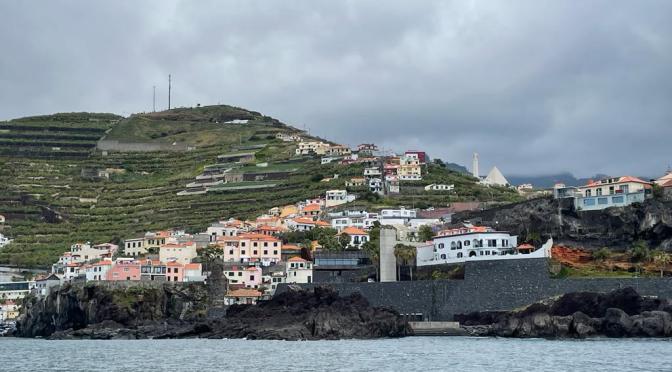
Este dia escolhemos uma excursão pela empresa “West Tour”, um passeio que visitamos deslumbrantes lugares iniciando pela Câmara de Lobos, na sequência fomos ao Cabo Girão, Ribeira Brava, Porto Muniz, Seixal, Ribeira da Janela, Véu da Noiva e terminando por São Vicente.
Este itinerário começou pela manhã por volta das nove horas e chegamos mais para o final da tarde em torno das 17h30min.. Atenciosamente o condutor do veículo foi guia ao mesmo tempo, o Senhor Barros quem nos apresentou a Madeira gentilmente.
A Câmara de Lobos é cidade sede do concelho com população de 35.666 habitantes (2021), onde suas principais atividades econômicas são a pesca, comércio, serviços, indústria e agricultura, destacando-se a uva que acoberta cerca de 62% do cultivo nesta Região Autônoma, a qual se destina à produção de vinho. Cabe, ainda, destacar que o tradicional peixe espada preto, iguaria regional, a localidade é responsável pela maior parte de sua captura.
Um dos descobridores da ilha, o português João Gonçalves Zarco a elegeu como sua primeira morada, onde também foi a primeira povoação criada. Curiosamente quando os navegadores chegaram próximo a terra depararam com um grande rochedo, entre as rochas um braço de mar, em forma de câmara, na época era habitat de muitos lobos marinhos, daí originou sua denominação.
Seguindo o percurso fomos ao Cabo Girão, próximo a Câmara de Lobos, situado a oeste da Capital. É das mais belas visões panorâmicas da Ilha, pois possui um suntuoso observatório com piso em vidro a 589 m de altura, visitado aproximadamente por 1800 turista ao dia, além de ser considerado um dos cabos mais alto da Europa na sétima colocação.
Na sequência fomos à Ribeira Brava, seu nome foi em decorrência que no período das chuvas ocorriam fortíssimas correntezas na sua ribeira e ao longo do caminho ocasionavam muita destruição e estragos. A Localidade, também, é conhecida como “Terra do Açúcar” e por seus ricos pomares, sendo uma das mais antigas freguesias e próspera, provavelmente criada em 1440.
A atual Igreja Matriz foi edificada no século XVI que teve origem da antiga capela de S. Bento do século XV, no decorrer da História foram realizadas várias reformas e restaurações, porém conserva traços do estilo Manuelino e Barroco, ainda, resta da primitiva capela a pia batismal.
Sua paisagem é composta por lindas colinas com graciosos casarios que descem suas encostas, floresta predominantemente com Laurissilva, o Vale da Ribeira Brava, patrimônio histórico e cultural, além do comércio que movimenta suas ruas com o vai e vem dos passantes e turistas ao som do burburinho de diversos idiomas, tudo em harmonia engrandecendo o cenário.
A próxima parada foi no miradouro a cerca de Porto Muniz, no qual o avistamos do alto com o esplendor de suas piscinas naturais de águas salgadas que margeiam o oceano, depois descemos à cidade para almoçarmos no Restaurante Polo Norte, saboreamos a tradicional “Espetada de Peixe Espada”, mais adiante passeamos pelas ruas contemplando a paisagem a sua volta ao brilho de suas águas cristalinas, além do azul intenso ou alternância de cores conforme a vontade da natureza.
Posteriormente fomos à Ribeira da Janela, freguesia do Município de Porto Muniz, no mar próximo a praia há uma suntuosa rocha assemelhada a uma janela e devido a sua beleza e grandiosidade ficou conhecida passando a nominar a localidade. Nesta área está situado o único parque de campimos da ilha, como também, possui instalações e estruturas apropriadas ao lazer em harmonia com a natureza que naturalmente estimulam aos agradáveis piqueniques nas montanhas.
Passamos por Seixal, visto do alto da estrada, e seguimos até o Véu da Noiva, cascata localizada na antiga estrada que liga Seixal a São Vicente em que do seu miradouro vimos a queda d’água e a costa norte da ilha, mais uma das deslumbrantes paisagens panorâmicas da Madeira.
Ao final concluímos nosso roteiro em São Vicente. Uma pequenina e charmosa vila arrodeada de verdejante floresta e encostas que encheram nossos olhos. Caminhamos por suas graciosas ruas, visitamos a Igreja Matriz e por último fizemos uma paradinha para um delicioso café. A Floresta Laurissilva que compõe a paisagem por toda a ilha foi classificada como Patrimônio da UNESCO em 1999.
A região oferece inúmeros passeios turísticos por várias companhias, porém nos cabe selecionar os mais adequados ao nosso tempo de viagem e nosso bolso, provavelmente, ficará “o gostinho de querer mais” …
A Madeira é simplesmente fabulosa…
Voltarei…
Assista o vídeo que Liliana preparou sobre a Ilha da Madeira:
Para conhecer mais sobre a Ilha da Madeira, clique aqui.
Observação: se você quiser continuar “viajando” com o nosso blog, clique no botão “seguir” localizado no canto inferior direito dessa página. Você também pode “viajar” pelo Brasil conhecendo nosso livro impresso 66 x Brasil e sua versão digital 66 Belezas do Brasil.
Texto e vídeo: Liliana Borges em Portugal, Conhecendo os Cantos e Recantos pelo Mundo…
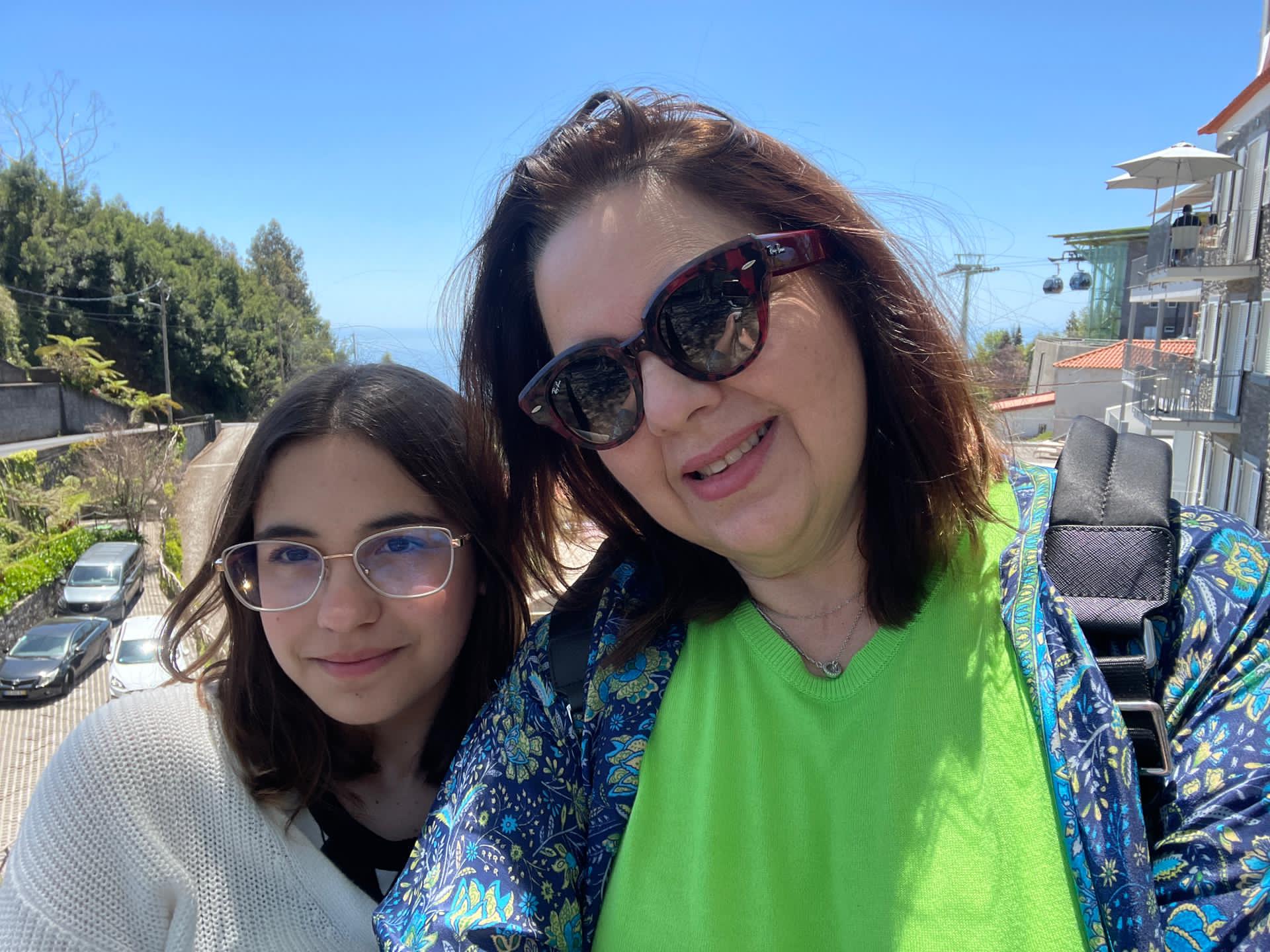
Liliana e Lorena
A Madeira é uma ilha paradisíaca de origem vulcânica, montanhosa com altos picos e falésias recheados nas suas encostas com belos casarios, florestas com uma vegetação exuberante em grande parte por “Laurissilva” e levadas que cortam graciosamente suas ribanceiras compondo a paisagem que enchem nossos olhos.
Levadas são canais de irrigação margeados por percursos de pedestres nas colinas que foram originários da necessidade de transportar água, muito comum na Madeira, onde há a maioria das plantações como a cana de açúcar e a banana em abundância.
O Arquipélago da Madeira é composto por um conjunto de ilhas desertas, selvagens e habitadas, porém apenas duas são povoadas especificamente o Porto Santo e a Madeira com uma população de 250.769 habitantes (2021). Situado no Oceano Atlântico a 978 Km de Lisboa, por volta de uma hora e meia de voo da capital portuguesa. Seu principal acesso é pelo Aeroporto Cristiano Ronaldo no Funchal, Capital da Madeira, e o Aeroporto de Porto Santo.
O arquipélago foi descoberto oficialmente pelos navegadores portugueses entre 1418 e 1419, em 1420 iniciaram sua colonização. Atualmente é uma região autônoma que faz parte do território português, dotada de um estatuto político-administrativo e de órgãos de governo próprios como a assembleia legislativa e o governo regional, anexada à União Europeia.
A soberania da República é retratada por um representante nomeado e exonerado por ato exclusivo do presidente português e, o presidente do governo regional é nomeado por este representante da República de acordo com os resultados eleitorais à Assembleia Legislativa.
O clima é marítimo temperado que ao longo do ano a temperatura varia entre os 12 aos 26 graus, dificilmente a mínima é inferior a 10 e a máxima superior a 26, um dos fatores que atraem muitos visitantes à região. O turismo é uma de suas principais atividades econômicas possuindo uma vasta rede hoteleira, além de favorecer com sua beleza natural, patrimônio histórico e cultural entre outros atrativos.
Tive a oportunidade de conhecer a Ilha em companhia de amigas queridas e minha filha na passagem de meu aniversário. Comemoramos no “Barreirinha Bar Café”, ambiente descontraído à beira mar, “Esplanada do Atlântico”, considerado um espaço de intervenção cultural, lugar de encontros com amigos e criar novos laços, tomamos um bom vinho petiscando queijos, azeitonas e bolo do caco, iguaria tradicional da região semelhante ao pão árabe crocante com manteiga e alho.
Nossa estada não foi suficiente para conhecer todas as suas preciosidades como a Rota dos Vinhos, Rota da Cana e, assim, tivemos que fazer algumas escolhas que foram difíceis. Entretanto todos os lugares que visitamos são espetaculares. Caminhar pelo Funchal já é mais valia e, ainda, seguir pelo Teleférico que faz a ligação da zona antiga ao Monte, por volta de 15 minutos, é indescritível…
No Monte fomos a igreja construída no séc. XVIII e na capela lateral está o túmulo de Carlos Habsboug, último imperador da Áustria, exilado em 1921 na Madeira. Vimos o local de partidas dos tradicionais “Carreiros do Monte”, originários no século XIX na época em que graciosos cestos eram utilizados pelos habitantes como meio transporte rápido entre o Monte e a cidade do Funchal, hoje apenas uma atração turística cheia de emoção.
Em seguida passeamos na localidade para apreciar a vista panorâmica e fizemos uma paradinha na “Sweet Monte” para um cafezinho acompanhado com deliciosas broas de mel de engenho. Muitos dos sabores da Madeira estão relacionados a cana de açúcar, banana, aguardente de cana e daí a famosa meladinha, iguarias que lembram a todo instante as maravilhas do Nordeste do Brasil…
Descendo à cidade passamos por várias frutarias que ficamos com água na boca com suas apetitosas variedades, feirinha de antiguidade e o Mercado dos Lavradores que foi inaugurado em 1940, onde vendem diversificados produtos em harmonia com diferentes sabores, cheiros, cores e gente de todo mundo. Mercado é a expressão natural da cultura de um povo, lugar imperdível ao conhecer alguma localidade.
Neste dia almoçamos na “Taberna Ruel” na rua Santa Maria, 119 na Zona Velha. Iniciamos com o tradicional “Bolo do Caco” e azeitonas acompanhado com vinho regional e como pratos principais “Filete de Espada com Banana à Taberna” e “Espetada de Peixe Mista” para finalizar como sobremesas “Torta de Maçã com Gelado de Baunilha”, “Creme Brulee” e “Mousse de Chocolate”. Lugar aconchegante e repleto de delícias…
O “Destino Madeira” foi eleito pelo sétimo ano consecutivo por “World Travel Awards”, considerado os “Óscares do Turismo”, o “Melhor Destino Insular do Mundo, 2021”. Cabe destacar que concorreu na mesma categoria com outros renomados como Bali, Bora Bora, Jamaica, Maldivas, Creta entre muitos…
A Madeira é Fabulosa, Encantadora, Deslumbrante…
Assista o vídeo que Liliana preparou sobre a Ilha da Madeira:
Para conhecer mais sobre a Ilha da Madeira, clique aqui.
Observação: se você quiser continuar “viajando” com o nosso blog, clique no botão “seguir” localizado no canto inferior direito dessa página. Você também pode “viajar” pelo Brasil conhecendo nosso livro impresso 66 x Brasil e sua versão digital 66 Belezas do Brasil.
Madeira – Erde, Himmel und Meer…
Text und video: Liliana Borges em Portugal, Kennt die Ecken und Winkel der Welt…
Liliana e Lorena
Madeira ist eine paradiesische Insel vulkanischen Ursprungs, gebirgig mit hohen Gipfeln und Klippen, die an ihren Hängen mit schönen Häusern gefüllt sind, Wälder mit üppiger Vegetation, größtenteils von “Laurissilva” und Levadas, die anmutig ihre Ufer schneiden und die Landschaft bilden, die unsere Augen erfüllt.
Levadas sind von Fußwegen begrenzte Bewässerungskanäle in den Hügeln, die aus der Notwendigkeit des Wassertransports entstanden sind, sehr verbreitet auf Madeira, wo es die meisten Plantagen wie Zuckerrohr und Bananen in Hülle und Fülle gibt.
Das Madeira-Archipel besteht aus einer Reihe verlassener, wilder und bewohnter Inseln, aber nur zwei sind speziell bewohnt, Porto Santo und Madeira, mit einer Bevölkerung von 250.769 Einwohnern (2021). Das Es liegt im Atlantischen Ozean, 978 km von Lissabon entfernt, etwa anderthalb Flugstunden von der portugiesischen Hauptstadt entfernt. Der Hauptzugang erfolgt über den Flughafen Cristiano Ronaldo in Funchal, der Hauptstadt von Madeira, und den Flughafen Porto Santo.
Der Archipel wurde offiziell zwischen 1418 und 1419 von portugiesischen Seefahrern entdeckt, 1420 begannen sie mit ihrer Besiedlung. Es ist derzeit eine autonome Region, die Teil des portugiesischen Territoriums ist und mit einem politisch-administrativen Statut und eigenen Leitungsgremien wie der gesetzgebenden Versammlung und der Regionalregierung ausgestattet ist und der Europäischen Union angegliedert ist.
Die Souveränität der Republik wird durch einen Vertreter dargestellt, der durch einen exklusiven Akt des portugiesischen Präsidenten ernannt und entlastet wird, und der Präsident der Regionalregierung wird von diesem Vertreter der Republik gemäß den Wahlergebnissen zur gesetzgebenden Versammlung ernannt.
Das Klima ist gemäßigt maritim, die Temperatur variiert das ganze Jahr über zwischen 12 und 26 Grad, kaum das Minimum ist niedriger als 10 und das Maximum höher als 26, einer der Faktoren, die viele Besucher in die Region locken. Der Tourismus ist eine der wichtigsten wirtschaftlichen Aktivitäten, die über ein grosses Hotelnetzwerk verfügt und neben anderen Attraktionen auch ihre natürliche Schönheit, ihr historisches und kulturelles Erbe bevorzugt.
An meinem Geburtstag hatte ich die Gelegenheit, die Insel in Gesellschaft von lieben Freunden und meiner Tochter kennenzulernen. Wir feierten im „Barreirinha Bar Café“, einer entspannten Atmosphäre am Meer, „Esplanada do Atlântico“, das als Ort für kulturelle Interventionen gilt, als Ort, um Freunde zu treffen und neue Verbindungen zu knüpfen, wir tranken einen guten Wein und naschten Käse, Oliven und bolo do caco, traditionelle Delikatesse der Region ähnlich wie knuspriges Fladenbrot mit Butter und Knoblauch.
Unser Aufenthalt reichte nicht aus, um all seine Schätze wie die Weinstraße und die Zuckerrohrroute kennenzulernen, und so mussten wir einige schwierige Entscheidungen treffen. Alle Orte, die wir besucht haben, sind jedoch spektakulär. Ein Spaziergang durch Funchal ist schon ein Mehrwert und dennoch ist die Fahrt mit der Seilbahn, die die Altstadt mit Monte verbindet, etwa 15 Minuten, unbeschreiblich…
In Monte besuchten wir die im 19. Jahrhundert erbaute Kirche. XVIII und in der Seitenkapelle befindet sich das Grab von Carlos Habsboug, dem letzten Kaiser von Österreich, der 1921 auf Madeira verbannt wurde. Wir sahen den Ausgangspunkt des traditionellen „Carreiros do Monte“, das seinen Ursprung im 19. Jahrhundert hat, als anmutige Körbe von den Einwohnern als schnelles Transportmittel zwischen Monte und der Stadt Funchal benutzt wurden, die heute nur noch eine Touristenattraktion ist von Emotionen.
Dann spazierten wir durch die Stadt, um den Panoramablick zu genießen, und machten einen Zwischenstopp bei „Sweet Monte“ für eine Tasse Kaffee, begleitet von köstlichem Maisbrot. Viele der Aromen Madeiras sind mit Zuckerrohr, Banane, Zuckerrohrschnaps und damit der berühmten Meladinha verwandt, Delikatessen, die Sie immer an die Wunder des Nordostens Brasiliens erinnern…
Auf dem Weg in die Stadt kommen wir an mehreren Obstläden vorbei, die uns mit ihren appetitlichen Sorten das Wasser im Munde zusammenlaufen lassen, einem Antiquitätenmarkt und dem 1940 eröffneten Farmers Market, auf dem abwechslungsreiche Produkte in Harmonie mit verschiedenen Aromen, Gerüchen, Farben und angeboten werden Menschen aus aller Welt. Der Markt ist der natürliche Ausdruck der Kultur eines Volkes und ein Muss, wenn man diesen Ort besucht.
An diesem Tag aßen wir zu Mittag im „Taberna Ruel“ in der Rua Santa Maria, 119 in der Zona Velha. Wir begannen mit dem traditionellen „Bolo do Caco“ und Oliven, begleitet von Wein aus der Region und als Hauptgerichte „Schwertfilet mit Banane à Taberna“ und „Mixed Fish Espetada“, um als Desserts „Apfelkuchen mit Vanilleeis“, „Creme Brulee“ zu beenden “ und „Schokoladenmousse“. Gemütlicher Ort voller Köstlichkeiten…
„Destino Madeira“ wurde zum siebten Mal in Folge von den „World Travel Awards“, die als „Oscars des Tourismus“ gelten, zum „Best Island Destination in the World, 2021“ gewählt. Es sollte beachtet werden, dass es in der gleichen Kategorie mit anderen renommierten Inseln steht wie Bali, Bora Bora, Jamaika, Malediven, Kreta und vielen anderen konkurrierenden…
Madeira ist fabelhaft, bezaubernd, schillernd …
Um mehr über die Insel Madeira zu erfahren, klicken Sie hier.
Hinweis: Falls Sie unserem Blog folgen wollen, dann klicken Sie unten rechts einfach auf “Weiter”, Sie werden dann zukünftig automatisch informiert. Sie können auch durch Brasilien reisen und unser Buch 66 SEHENSWÜRDIGKEITEN IN BRASILIEN kennenlernen und 66 x Brazil – A Mosaic of Beauties.
Madeira – Earth, Sky and Sea…
Text and video: Liliana Borges, Knowing the Nooks and crannies around the world…
Liliana e Lorena
Madeira is a paradise island of volcanic origin, mountainous with high peaks and cliffs filled with beautiful houses on their slopes, forests of lush vegetation mostly of “Laurissilva” and levadas that gracefully intersect their banks and form the landscape that is ours eyes filled.
Levadas are footpath-delimited irrigation channels in the hills created by the need for water transport, very common in Madeira where most plantations such as sugar cane and bananas are in abundance.
The Madeira archipelago consists of a series of deserted, wild and inhabited islands, but only two are specifically inhabited, Porto Santo and Madeira, with a population of 250,769 inhabitants (2021). It is located in the Atlantic Ocean, 978 km from Lisbon, about an hour and a half flight from the Portuguese capital. The main access is via Cristiano Ronaldo Airport in Funchal, the capital of Madeira, and Porto Santo Airport.
The archipelago was officially discovered by Portuguese sailors between 1418 and 1419, and they began settling in 1420. It is currently an autonomous region, part of the Portuguese territory, endowed with a political-administrative statute and its own governing bodies such as the Legislative Assembly and the Regional Government, and attached to the European Union.
The sovereignty of the Republic is represented by a representative appointed and relieved by an exclusive act of the President of Portugal and the President of the regional government is appointed by this representative of the Republic according to the results of the elections to the Legislative Assembly.
The climate is temperate maritime, the temperature varies between 12 and 26 degrees throughout the year, rarely the minimum is lower than 10 and the maximum higher than 26, one of the factors that attract many visitors to the region. Tourism is one of the most important economic activities, which has a large hotel network, favoring its natural beauty, historical and cultural heritage, among other attractions.
On my birthday I had the opportunity to get to know the island in the company of dear friends and my daughter. We partied at the “Barreirinha Bar Café”, a relaxed atmosphere by the sea, “Esplanada do Atlântico”, considered a place for cultural interventions, a place to meet friends and make new connections, we drank a good wine and nibbled cheese , olives and bolo do caco, traditional local delicacy similar to crusty flatbread with butter and garlic.
Our stay wasn’t enough to get to know all its treasures like the wine route and the sugar cane route, so we had to make some difficult decisions. However, all the places we have visited are spectacular. A walk through Funchal is already an added value and yet the ride on the cable car that connects the old town with Monte, about 15 minutes, is indescribable…
In Monte we visited the church built in the 19th century. XVIII and in the side chapel is the tomb of Carlos Habsboug, the last Emperor of Austria, exiled in Madeira in 1921. We saw the starting point of the traditional “Carreiros do Monte” which has its origins in the 19th century when graceful baskets were used by the inhabitants as a fast means of transport between Monte and the city of Funchal, which today is just a tourist attraction full of emotions.
We then strolled around town to take in the panoramic views and stopped in at “Sweet Monte” for a cup of coffee accompanied by delicious cornbread. Many of the flavors of Madeira are related to sugar cane, banana, cane liquor and therefore the famous meladinha, delicacies that will always remind you of the wonders of Northeast Brazil…
On our way into town we pass several fruit shops that make our mouths water with their appetizing varieties, an antiques market and the Farmers Market, opened in 1940, which offers varied products in harmony with different flavors, smells, colors and become people from all over the world. The market is the natural expression of a people’s culture and a must-see when visiting the place.
That day we had lunch at “Taberna Ruel” at Rua Santa Maria, 119 in Zona Velha. We started with the traditional “Bolo do Caco” and olives accompanied by local wine and as mains “Sword filet with Banana à Taberna” and “Mixed Fish Espetada” to finish with “Apple Pie with Vanilla Ice Cream”, “Creme Brulee” for desserts finish” and “chocolate mousse”. Cozy place full of delicacies…
Destination Madeira has been voted Best Island Destination in the World, 2021 for the seventh consecutive year by the World Travel Awards, considered the Oscars of Tourism. It should be noted that it is in the same category with other prestigious islands such as Bali, Bora Bora, Jamaica, Maldives, Crete and many other competing…
Note: If you want to follow our “Travels” on the blog, simply click on “Seguir” in the lower right corner, you will be then automatically informed in the future. You can continue traveling with us with our book Brazil´s 66 Beautiful Sites and 66 x Brazil – A Mosaic of Beauties.
Apresentar lugares visitados ao redor do mundo e proporcionar um intercâmbio de informações com nossos visitantes./Display places visited around the world and provide an exchange of information with our visitors./Weltweit besuchte Orte vorstellen und einen Informationsaustausch mit unseren Besuchern anregen.