Texto e fotos: Dâmaso Chacon, médico, fotógrafo, apaixonado por viagens!
Estamos em Frankfurt, esta Alemanha que representa a locomotiva do padrão europeu. Apesar dos seus erros do passado, hoje, apresenta-se multicultural, hospitaleira, alegre e descontraída. Enfrenta o problema imigratório, que é grande, tentando acolher com honestidade os que chegam.
Apesar do que passa a Europa, sente-se seu alto padrão de vida.
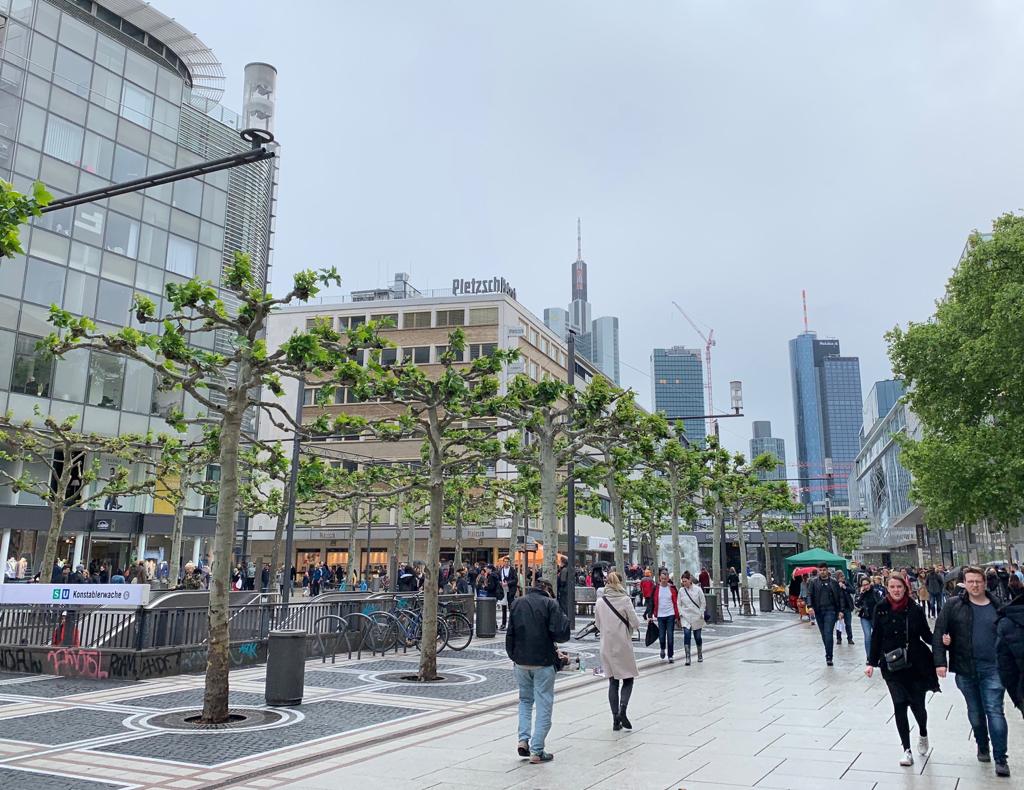
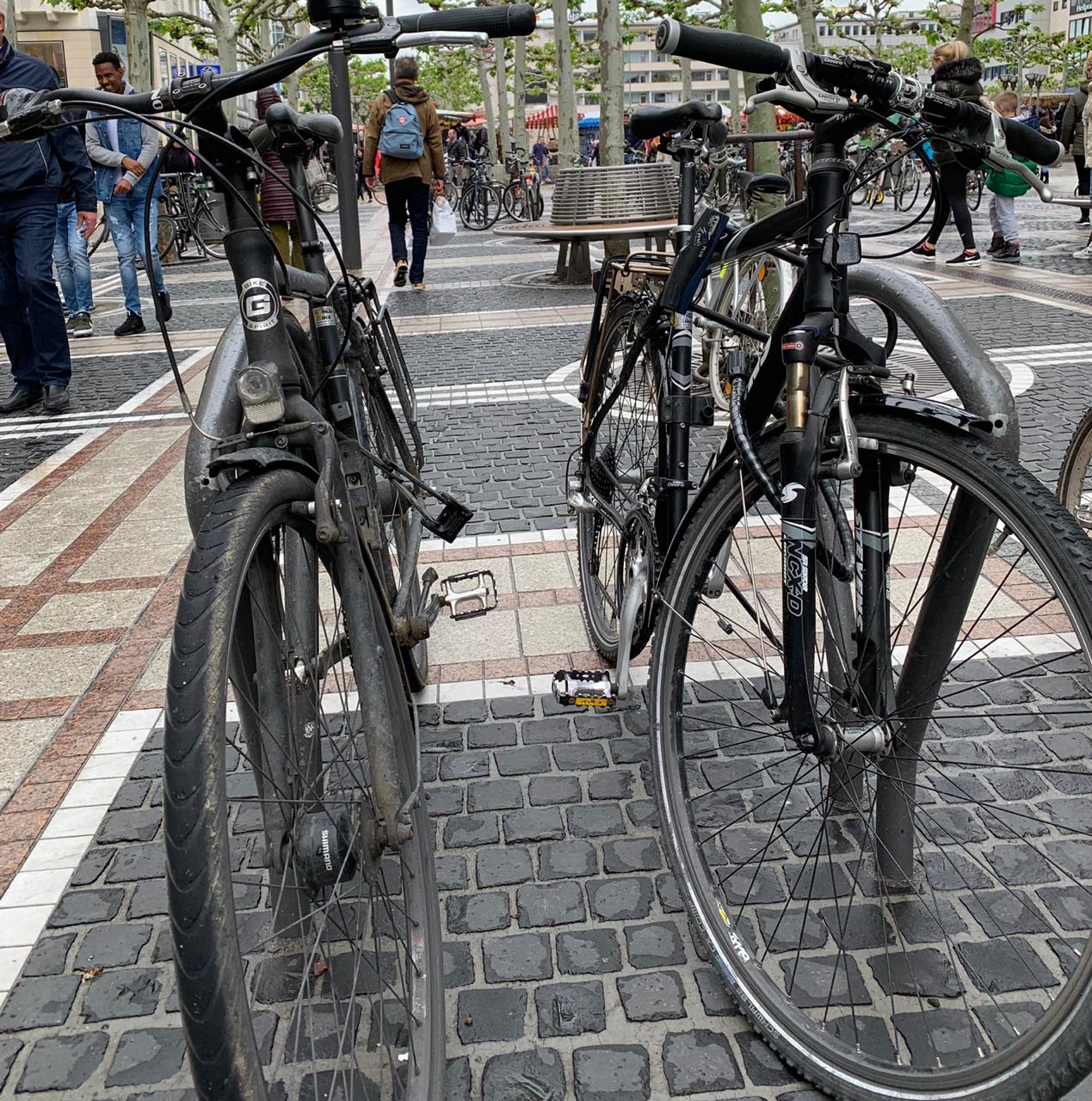
Que apesar de sua riqueza, observa-se em plena rua Zeil, principal espaço urbano da cidade, que seus habitantes vão em grande número trabalhar de bicicletas!
A sua pluralidade racial, está a olhos vistos, deixando Hitler se contorcer no túmulo!
Negros, muçulmanos, muitos do leste europeu, hispânicos, e assim vai!
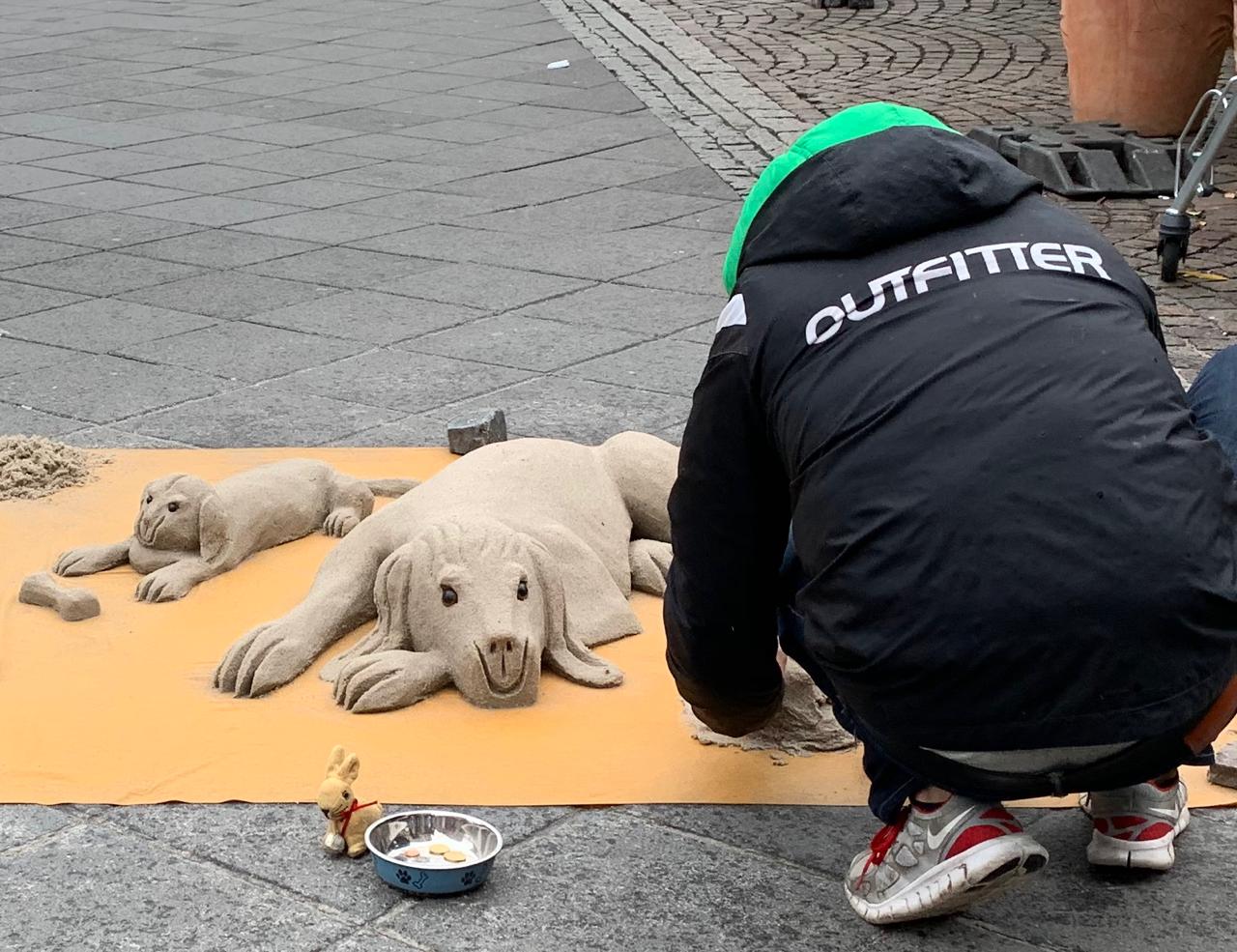
Pedintes! Imigrantes, talvez latino-americanos tentando sobreviver com seu dom artístico!Às vezes você pensa que está na Itália!Ou no Brasil!
Ou de repente, o padrão germânico!
Esta é a Frankfurt, que até da guerra tirou proveito arquitetônico, unindo o passado e o presente em harmonia!
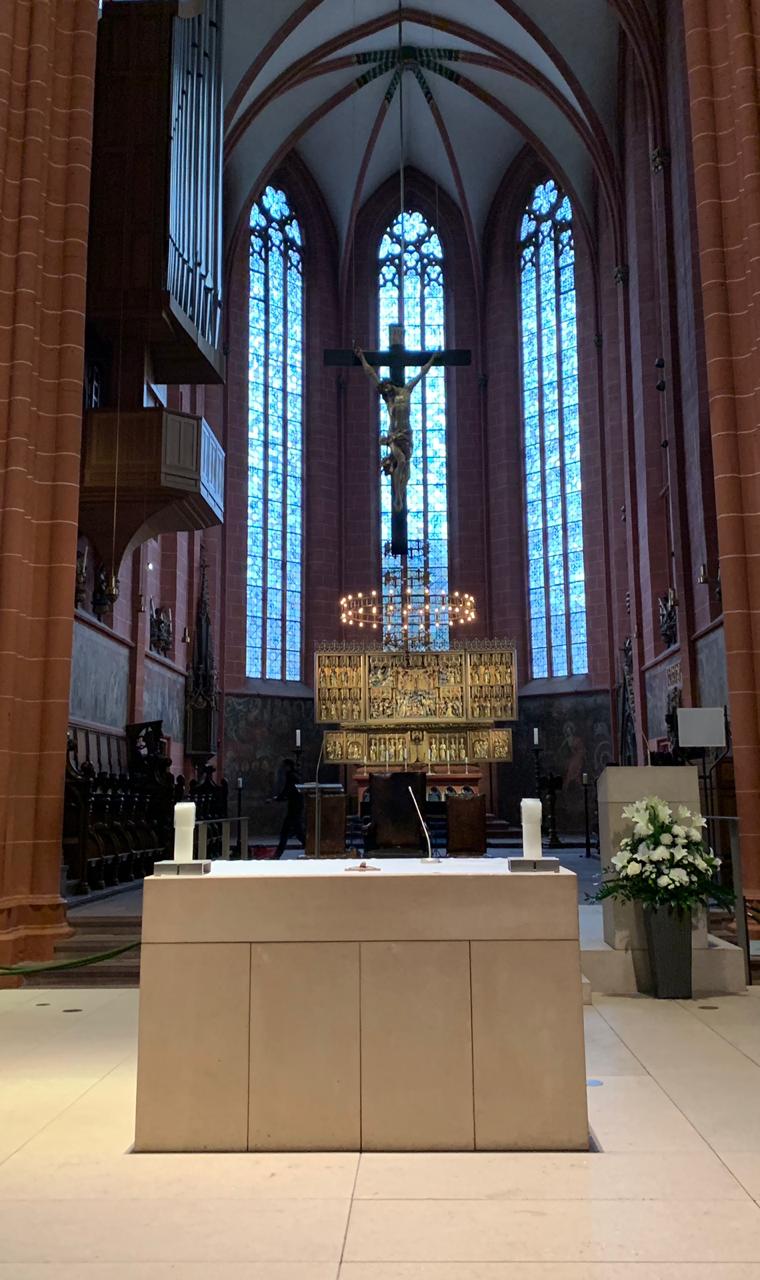
Que até romana foi um dia e que apesar de ser sede da reforma protestante tem igrejas católicas como esta.
Observação: se você quiser continuar “viajando” com o nosso blog, clique no botão “seguir” localizado no canto inferior direito dessa página. Você também pode “viajar” pelo Brasil conhecendo nosso livro impresso 66 Brasil e sua versão digital 66 Belezas do Brasil.
EINDRÜCKE EINES BRASILIANERS IN FRANKFURT
Text und Fotos: Dâmaso Chacon, Arzt, Fotograf, leidenschaftlicher Reisender!
Wir sind in Frankfurt, Deutschland, das quasi als Lokomotive die europäischen Standards repräsentiert. Trotz seiner früheren historischen Fehler präsentiert es sich heute multikulturell, gastfreundlich, fröhlich und entspannt. Es steht vor dem großen Problem der Einwanderung versuchend, diejenigen, die ankommen, ehrlich zu empfangen.
Trotz allem, was gerade in Europa geschieht, spürt man seinen hohen Lebensstandard. Trotz seines Reichtums kann man auf der Zeil, Frankfurts Haupteinkaufsmeile in der Mitte der Stadt, beobachten, wie eine groβe Zahl seiner Bewohner sich per Fahrrad zur Arbeit begeben!
Seine Rassenvielfalt ist unübersehbar und lieβe Hitler sich in seinem Grabe drehen!
Schwarze, Muslime, viele Osteuropäer, Hispanoamerikaner und so weiter!
Bettler!
Einwanderer, vielleicht Lateinamerikaner, die mit ihrer künstlerischen Begabung, zu überleben versuchen!
Manchmal denkst du, du bist in Italien!
Oder in Brasilien!
Oder plötzlich wieder mitten in deutschen Standards!
Dies ist Frankfurt, das sogar (trotz Krieg) architektonische Gewinne gemacht hat, indem es Vergangenheit und Gegenwart in Einklang gebracht hat!
Das sogar eines Tages römisch war und das trotz seiner protestantischen Reformzentrale noch solche katholischen Kirchen existieren.
Hinweis: Falls Sie unserem Blog folgen wollen, dann klicken Sie unten rechts einfach auf “Weiter”, Sie werden dann zukünftig automatisch informiert. Sie können auch durch Brasilien reisen und unser Buch 66 SEHENSWÜRDIGKEITEN IN BRASILIEN kennenlernen und 66 x Brazil – A Mosaic of Beauties.
IMPRESSIONS OF A BRASILIAN IN FRANKFURT
Text and photos: Dâmaso Chacon, doctor, photographer, passionate about travel!
We are in Frankfurt, Germany, which as a locomotive represents the European standards. Despite its past historical mistakes, today it presents itself multicultural, hospitable, happy and relaxed. It is facing the great problem of immigration trying to honestly receive those who arrive.
Despite what is happening in Europe, you can feel its high standard of living.
Despite its wealth, one can observe on the Zeil, Frankfurt’s main shopping street in the middle of the city, how a large number of its inhabitants go to work by bicycle!
His racial diversity is unmistakable and would let Hitler turn in his grave!
Blacks, Muslims, many Eastern Europeans, Hispanic Americans and so on!
Beggars!
Immigrants, perhaps Latin Americans, who try to survive with their artistic talent!
Sometimes you think you are in Italy!
Or in Brazil!
Or suddenly back in the middle of German standards!
This is Frankfurt, which has even (despite war) made architectural gains by uniting past and present in harmony!
That even was Roman one day and that despite being Protestant reform headquarters has Catholic churches like this.
Note: If you want to follow our “Travels” on the blog, simply click on “Seguir” in the lower right corner, you will be then automatically informed in the future. You can continue traveling with us with our book Brazil´s 66 Beautiful Sites and 66 x Brazil – A Mosaic of Beauties.
Texto e fotos: Roberto e Fátima Jales, casal que ama viajar!
Duas surpresas encantaram nossos olhos, a primeira veio dos campos verde-amarelos, lembrando a bandeira do Brasil estendida nas terras do norte da França, através das plantações de colzas, produtoras de álcool combustível, lindos campos verde/amarelos.
Outra surpresa, ver os peregrinos rumo ao Saint-Michel.
Nós mesmos, caminhamos 6 km sobre os pântanos do Canal da Mancha, maravilhosa caminhada.
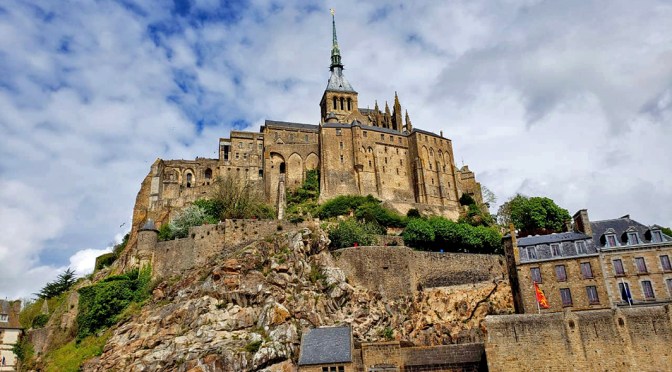
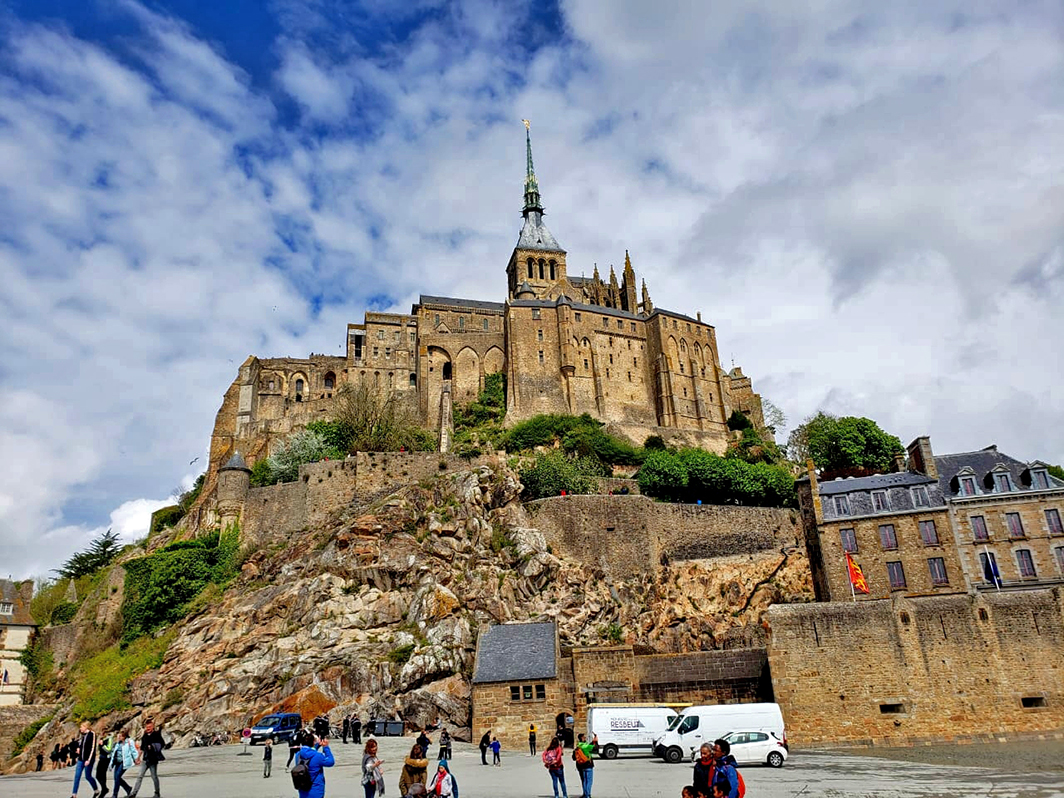
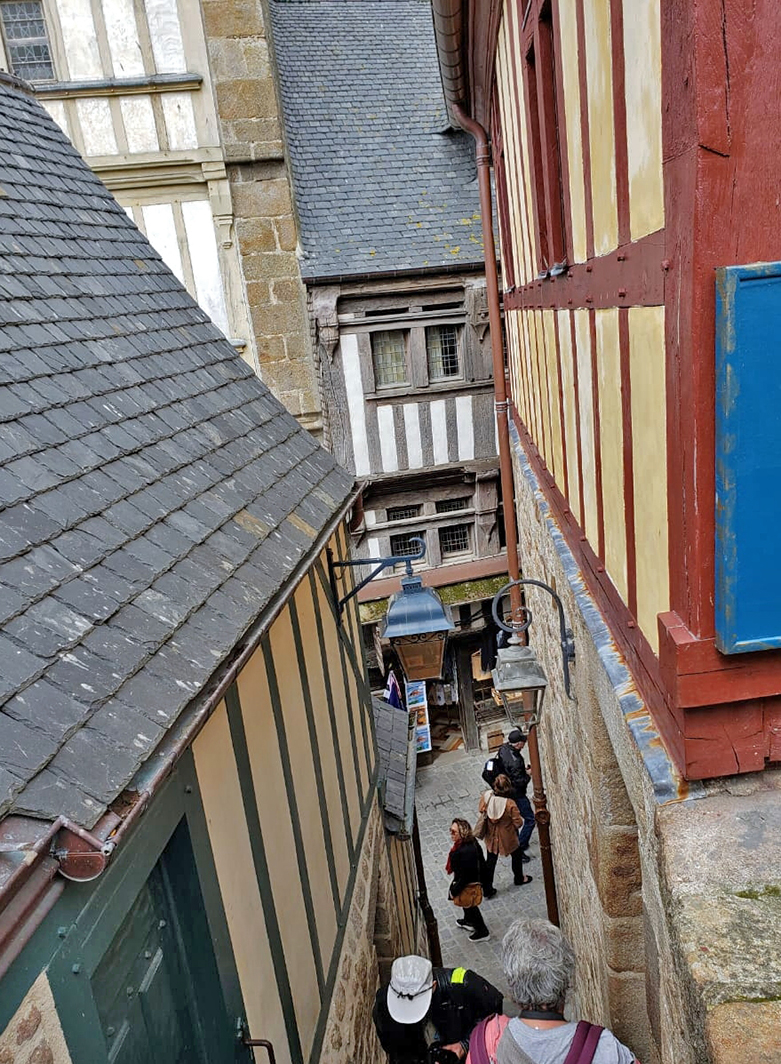
A construção do Mont Saint-Michel é semelhante a outras da Europa, tendo beleza ímpar por ser numa pequena ilha. A muralha até faz lembrar o Forte dos Reis Magos, em Natal, no Rio Grande do Norte.
A Abadia, bem no alto, tem visita proibida. Lá moram somente 8 monges, expressando a crise das igrejas no mundo. No interior do monte percebe-se a grande construção que já abrigou uma escola, prisão e até quartel.
Sobre a Normandia, parecia que estávamos numa sala de aula da 2ª. Guerra Mundial, onde de imediato valoriza-se o militarismo!
Conforta-nos as ideias que as bombas atômicas hoje, encerraram estes cenários para a Europa, pois uma 3ª. Guerra Mundial não teria vencedores… Esquecidos os horrores e bravuras dos sobreviventes, passamos a curtir as belezas naturais e a visita as falésias, que nos lembra as praias de Pipa, em Tibau do Sul no Rio Grande do Norte.
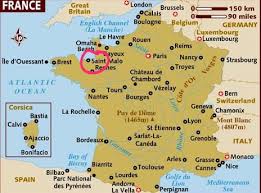
NOTA: O Monte Saint-Michel é uma ilha rochosa na foz do Rio Couesnon, no departamento da Mancha, na França, onde foi construído uma abadia e santuário em homenagem ao arcanjo São Miguel.
Observação: se você quiser continuar “viajando” com o nosso blog, clique no botão “seguir” localizado no canto inferior direito dessa página. Você também pode “viajar” pelo Brasil conhecendo nosso livro impresso 66 Brasil e sua versão digital 66 Belezas do Brasil.
EINDRÜCKE DES BESUCHES VON MONT SAINT-MICHEL UND DER NORMANDIE
Text und photos: Roberto und Fátima Jales, Paar, das gerne reist!
Zwei Überraschungen verzauberten meine Augen: die erste waren die gelbgrünen Feldern, die an die brasilianische Flagge erinnern, welche sich im Norden Frankreichs erstrecken, Rapsplantagen, aus denen dann Ethanol-Treibstoff gewonnen wird, wahrlich wunderschöne grüngelbe Felder.
Eine weitere Überraschung war es, die Pilger auf dem Weg nach Saint-Michel zu sehen.
Ich selbst bin die 6 km über die Sumpflandschaft des Ärmelkanals gelaufen, ein wunderbarer Spaziergang.
Der Bau von Mont Saint-Michel ist ähnlich zu anderen in Europa, da er auf einer kleinen Insel liegt. Die Mauer ähnelt sogar dem Forte dos Reis Magos (Fort der Hl.3 Könige) in Natal in Rio Grande do Norte.
Die Abtei, hoch oben gelegen, unterliegt einem Besuchsverbot. Es leben nur 8 Mönche hier, ein Ausdruck mehr der weltweiten Kirchenkrise. Innerhalb des Monte kann man die großartige Gebäudeanlage sehen, in der sich einst eine Schule, ein Gefängnis und sogar eine Kaserne befanden.
Bezüglich der Normandie schienen wir uns in einem Klassenzimmer über den 2. Weltkrieg zu befinden, wo noch Militarismus so sehr gepriesen wurde!
Wir sind mit den Gedanken zufrieden, daβ Atombomben heute für solche Szenarien in Europa nahezu ausgeschlossen sind, weil ein 3.Weltkrieg wohl keine Gewinner finden würde…nachdem wir dann den Schrecken und der Bravour der Überlebenden gedenkt hatten , begannen wir, die Naturschönheiten und den Besuch der Klippen zu genießen, was uns sehr an die Strände von Pipa in Tibau do Sul, Rio Grande do Norte erinnerte.
HINWEIS: Der Mont Saint–Michel ist eine felsige Insel an der Mündung des Couesnon im französischen Departement Manche, wo zu Ehren des Erzengels Michael eine Abtei und ein Schrein errichtet wurden.
Hinweis: Falls Sie unserem Blog folgen wollen, dann klicken Sie unten rechts einfach auf “Weiter”, Sie werden dann zukünftig automatisch informiert. Sie können auch durch Brasilien reisen und unser Buch 66 SEHENSWÜRDIGKEITEN IN BRASILIEN kennenlernen und 66 x Brazil – A Mosaic of Beauties.
IMPRESSIONS OF THE VISIT TO MONT SAINT-MICHEL AND THE NORMANDIE
Text and photos: Roberto and Fátima Jales, couple who loves to travel!
Two surprises enchanted my eyes. The first came from the yellow-green fields, reminiscent of the flag of Brazil, stretched out in the northern lands of France through rape plantations producing fuel ethanol, beautiful green / yellow fields.
Another surprise was to see the pilgrims heading to Saint-Michel.
Myself I walked 6 km over the marshes of the English Channel, a wonderful walk.
The construction of Mont Saint-Michel is similar to others in Europe, having an odd beauty because it is on a small island. The wall even resembles the Forte dos Reis Magos (Fort of the holy 3 kings) in Natal, in Rio Grande do Norte.
The abbey located high above is subject to a ban on visits. Only 8 monks live here, an expression of the worldwide church crisis. Within the Monte you can see the magnificent building complex that once housed a school, a prison and even a barracks.
Regarding the Normandy we seemed to be in a classroom about the World War II, where militarism was still so much praised!
We are satisfied with the idea that atomic bombs today are almost excluded for such scenarios in Europe, because a World War III would probably not find winners … after we had then commemorated the terror and bravery of the survivors, we started to see the natural beauties and enjoying the cliffs, which reminded us very much of the beaches of Pipa in Tibau do Sul, Rio Grande do Norte.
NOTE:Mont Saint-Michelis a rocky island at the mouth of the Couesnon River in the French department of Manche, where an abbey and shrine was built in honor of the archangel Michael.
Note: If you want to follow our “Travels” on the blog, simply click on “Seguir” in the lower right corner, you will be then automatically informed in the future. You can continue traveling with us with our book Brazil´s 66 Beautiful Sites and 66 x Brazil – A Mosaic of Beauties.
Texto e Fotos: Rita Alves, descobrindo o prazer de viajar!!
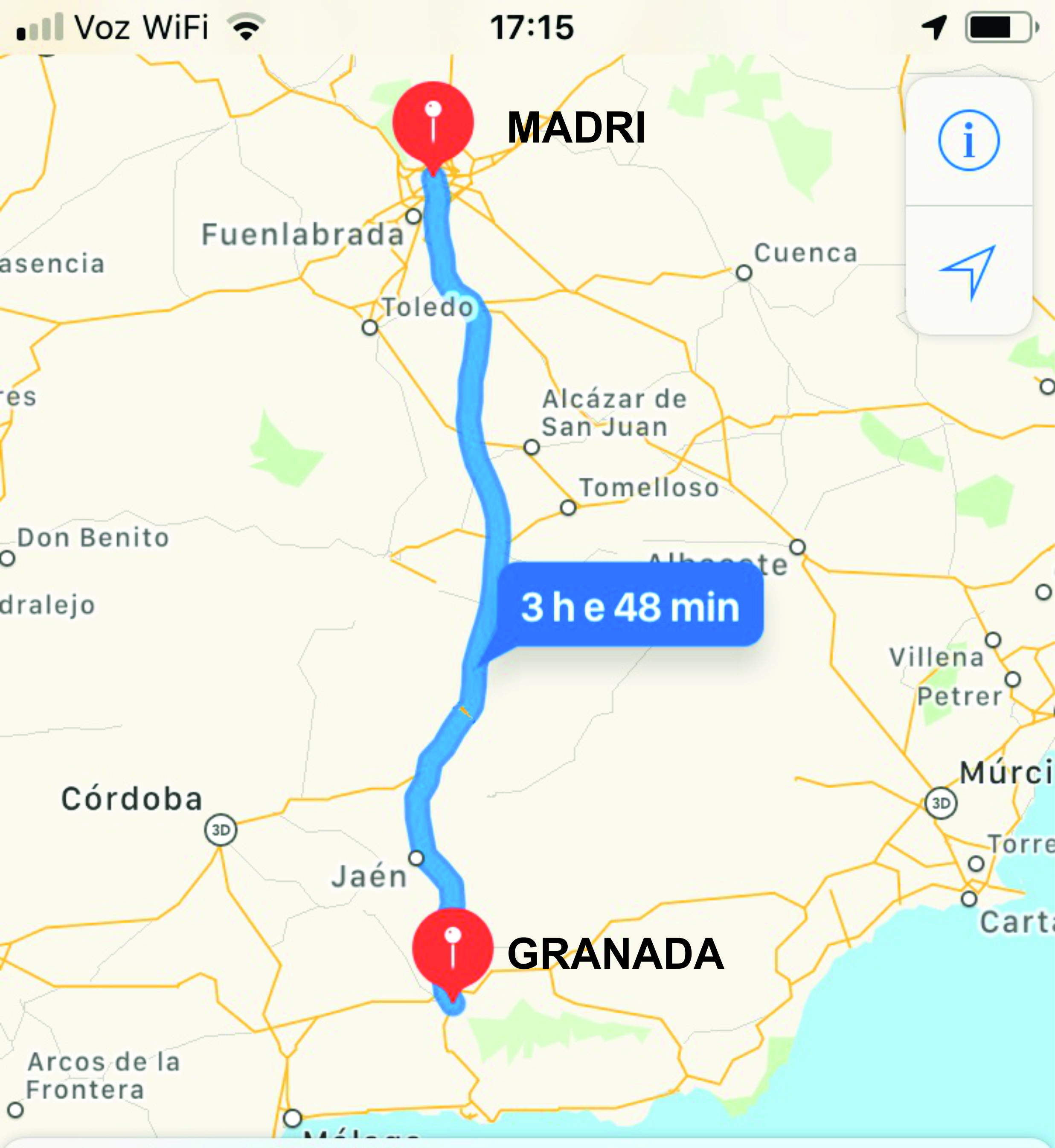
Chegamos em Madri e logo no dia seguinte pegamos um ônibus para Granada; em torno de quatro horas de viagem.
Map of location of Granada. Source: Google Maps
Nos hospedamos no Eurostars Catedral Hotel, excelente localização no centro histórico de Granada ao lado da belíssima Catedral e Capilla Real (túmulos dos reis católicos, Isabel e Fernando). Visitas indispensáveis.
Caminhando pelo centro histórico conhecemos o mercado árabe; Alcaiceria e também fomos aos restaurantes El Pescaíto de Carmela e Olivier, ambos muito bons.
Fomos também até a Plaza Nueva com edifícios importantes, restaurantes com mesas na calçada, show de artistas e de onde sai um trenzinho que faz um tour por toda a cidade inclusive pelo bairro árabe de Albaicin indo até a entrada de Alhambra, nos dando uma melhor visão para depois explorarmos Albaicin caminhando.
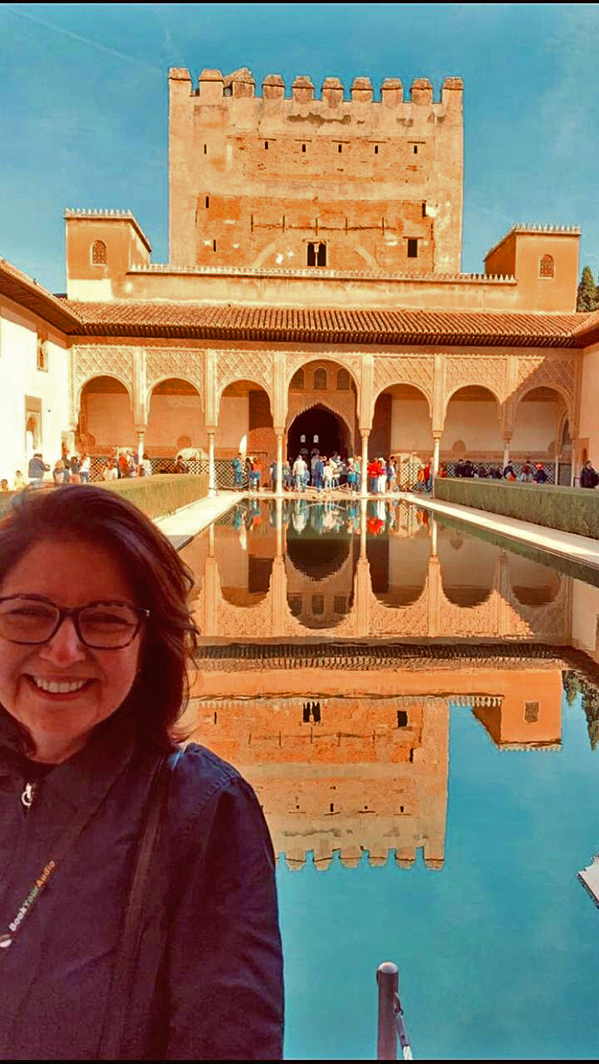
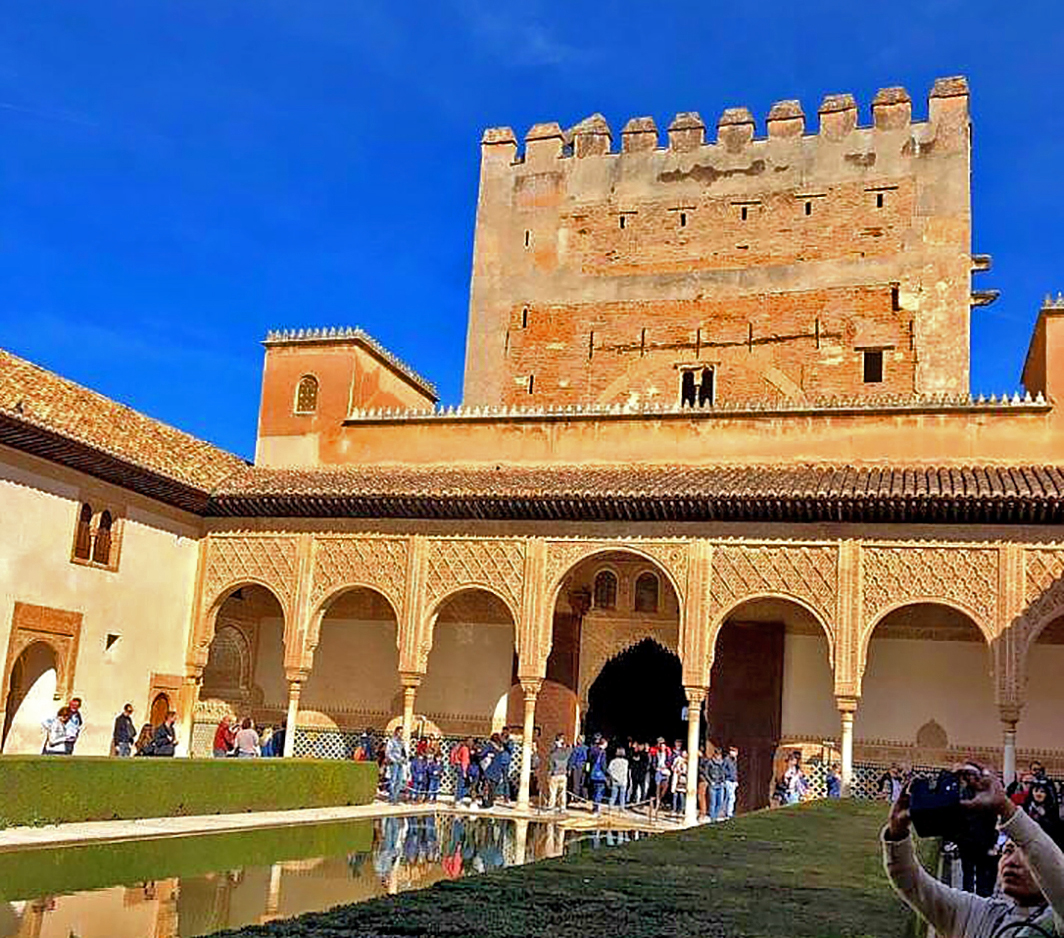
Muito interessante; ruas estreitas, escadarias e onde descobrimos o restaurante El Trillo que além da comida deliciosa, oferece uma vista linda de Alhambra; uma fortaleza/palácio da dinastia nacérida, corte do reino de Granada e o palácio de Carlos V.
O ideal é que compre o bilhete com antecedência, incluindo Generalife (Palácio de verão e jardins) e tour guiado. A visita tem duração de duas a três horas.
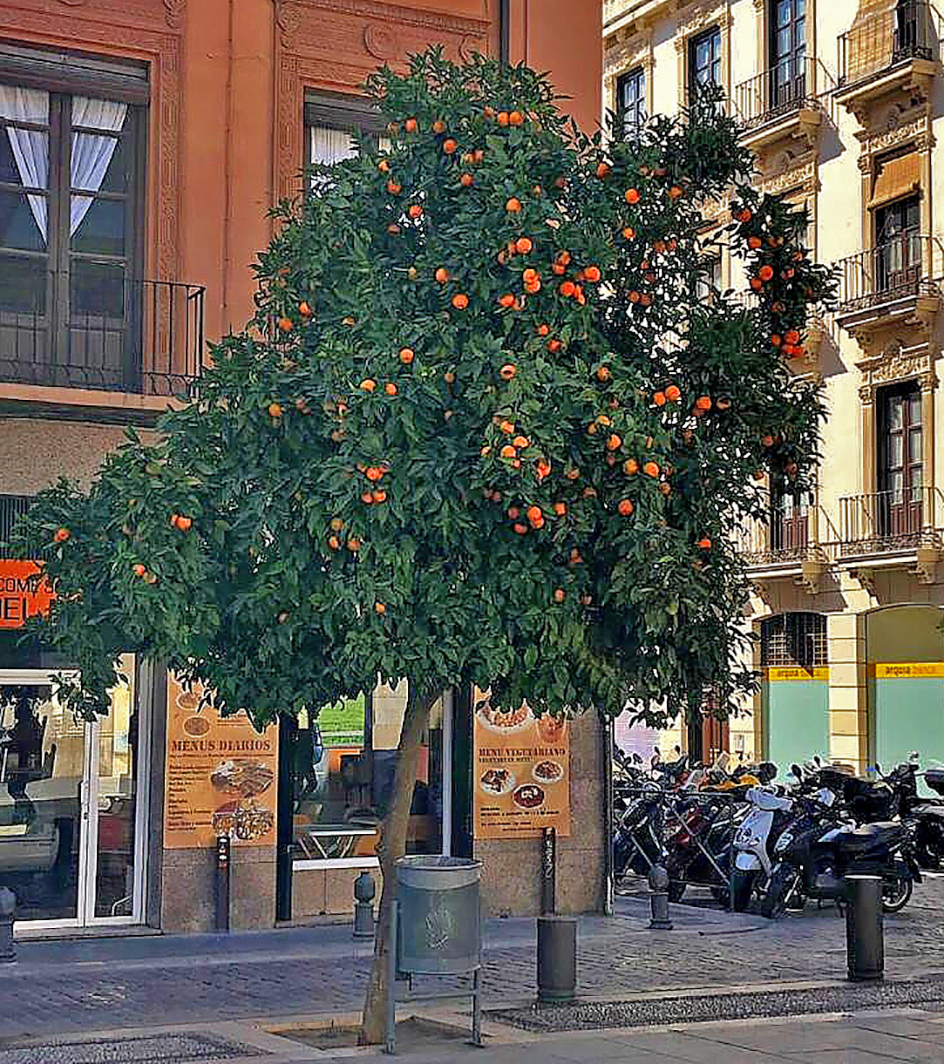
Granada é encantadora, com suas laranjeiras em frutos por toda a cidade.
Ficamos três dias e seguimos para Sevilha.
NOTA: Granada está localizada a 425 km de Madri, capital da Espanha, é uma cidade que testemunhou a guerra entre cristãos e mouros. Ela se orgulha de sua história e da mistura de raças e de culturas que lhe conferem originalidade e beleza refinada. A Alhambra, Generalife e Albayzín integram a lista do bens culturais tombados pela UNESCO desde 1994.
Site para venda de tickets para Alhambra e Generalife, clique aqui.
A grande foto de abertura desse post foi retirada do site Spain Attractions.
Observação: se você quiser continuar “viajando” com o nosso blog, clique no botão “seguir” localizado no canto inferior direito dessa página. Você também pode “viajar” pelo Brasil conhecendo nosso livro impresso 66 Brasil e sua versão digital 66 Belezas do Brasil.
GRANADA – ANDALUSIEN, SPANIEN – März 2019
Text und Fotos: Rita Alves entdeckt das Vergnügen des Reisens !!
Wir kamen in Madrid an und nahmen sofort am nächsten Tag einen Bus nach Granada. Rund vier Stunden Reise.
Map of location of Granada. Source: Google Maps
Wir übernachteten im Eurostars Catedral Hotel, einer exzellenten Lage im historischen Zentrum von Granada, gleich neben der wunderschönen Kathedrale und der königlichen Kapelle (Grabstätten der katholischen Könige, Isabel und Fernando). Unentbehrliche Besuche.
Bei einem Spaziergang durch die Altstadt lernten wir dann den arabischen Markt, Alcaiceria, kennen und wir waren auch in den Restaurants El Pescaito von Carmela und Olivier, beide sehr gut.
Wir waren auch auf der Plaza Nueva mit wichtigen Gebäuden, Restaurants mit Tischen auf dem Bürgersteig, einer Künstlervorstellung und von dort aus fuhren wir mit einem kleinen Zug durch die Stadt, einschließlich des arabischen Viertels von Albaicin, bis zum Eingang der Alhambra. Dies verschaffte uns einen guten Überblick, später dann erkundeten wir Albaicin zu Fuss.
Sehr interessant; enge Gassen, viele Treppen und hier entdeckten wir das Restaurant El Trillo, das neben dem leckeren Essen einen wunderschönen Blick auf die Alhambra bietet; eine Festung / Palast der Naciérida-Dynastie, Hof des Königreichs Granada und der Palast von Carlos V.
Granada ist charmant mit seinen Orangenhainen in der ganzen Stadt.
Wir blieben drei Tage und fuhren dann weiter nach Sevilla.
HINWEIS: Granada liegt 425 km von Madrid, der spanischen Hauptstadt, entfernt und war Zeuge eines Krieges zwischen Christen und Mauren. Sie ist stolz auf ihre Geschichte und die Mischung aus Rassen und Kulturen, die ihr ihre Originalität und raffinierte Schönheit verleihen. Die Alhambra, Generalife und Albayzín sind seit 1994 in der Liste der von der UNESCO registrierten Kulturgüter aufgeführt.
Website für den Ticketverkauf nach Alhambra und Generalife, hier klicken.
Das große Eröffnungsfoto für diesen Beitrag stammt von der Seite Spain Attractions.
Hinweis: Falls Sie unserem Blog folgen wollen, dann klicken Sie unten rechts einfach auf “Weiter”, Sie werden dann zukünftig automatisch informiert. Sie können auch durch Brasilien reisen und unser Buch 66 SEHENSWÜRDIGKEITEN IN BRASILIEN kennenlernen und 66 x Brazil – A Mosaic of Beauties.
GRANADA – ANDALUCIA, SPAIN – MARCH 2019
Text and Photos: Rita Alves, discovering the pleasure of traveling !!
We arrived in Madrid and immediately took a bus to Granada the next day. About four hours journey.
Map of location of Granada. Source: Google Maps
We stayed at the Eurostars Catedral Hotel, an excellent location in the historic center of Granada, next to the beautiful Cathedral and the Royal Chapel (burial places of the Catholic Kings, Isabel and Fernando). Essential visits.
During a walk through the old town we got to know the Arabian market, Alcaiceria, and we were also in the restaurants El Pescaito of Carmela and Olivier, both very good.
We were also on the Plaza Nueva with important buildings, restaurants with tables on the sidewalk, an artist’s performance and from there then we took a small train through the city, including the Arab quarter of Albaicin till to the entrance of theAlhambra. This gave us a good overview, later then we explored Albaicin on foot.
Very interesting; Narrow streets, many stairs and here we discovered the restaurant El Trillo, which offers a beautiful view of the Alhambra in addition to the delicious food; a fortress / palace of the Naciérida dynasty, court of the Kingdom of Granada and the palace of Carlos V.
Granada is charming with its orange groves all over the city.
We stayed three days and then drove on to Sevilla.
NOTE: Granada is located 425 km from Madrid, capital of Spain, and is a city that witnessed a war between Christians and Moors. She is proud of her history and the mixture of races and cultures that give her originality and refined beauty. The Alhambra, Generalife and Albayzín have been included in the list of cultural assets registered by UNESCO since 1994.
Website for ticket sales to Alhambra and Generalife, click here.
The big opening photo for this post was taken from the site Spain Attractions.
Note: If you want to follow our “Travels” on the blog, simply click on “Seguir” in the lower right corner, you will be then automatically informed in the future. You can continue traveling with us with our book Brazil´s 66 Beautiful Sites and 66 x Brazil – A Mosaic of Beauties.
Imagine uma cidade animada, vibrante, com pessoas simpáticas e com 859 bares (pubs)!!! Estou me referindo à Dublin, capital da Irlanda.
Erich achou que a cidade, com uma população aproximada 565 000 habitantes tem um tamanho que a torna agradável. Mas, o que ver em Dublin?
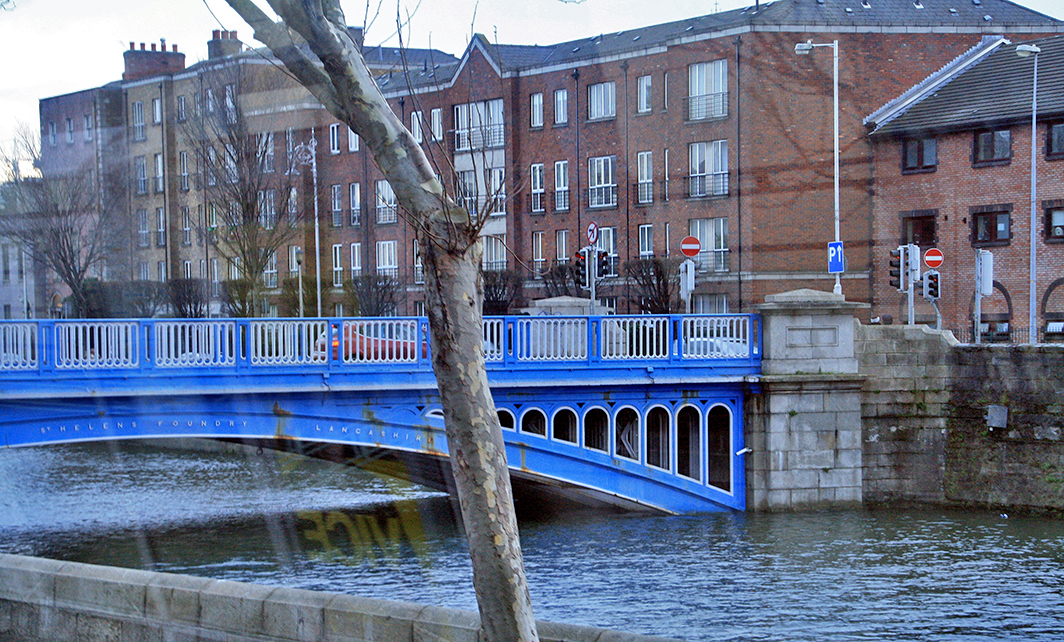
Dublin oferece atrações naturais e culturais. Um passeio que sugiro é caminhar nas margens do Rio Liffey, apreciar as pontes: James Joyce, Ha´penny, Samuel Beckett, dentre outras.
Uma boa ideia é bater perna na área chamada Temple Bar. Trata-se do centro turístico da cidade com bares (lotados e muitos com música ao vivo), restaurantes, galerias de artes, lojas. O que me chamou a atenção – porque não é comum no Brasil – foi a quantidade de pessoas circulando nas ruas de Temple Bar no sábado, durante o dia e a noite!
Isso é comum em muitas cidades da Europa. Lembro que acordei durante a noite e por volta de 1 hora da manhã, avistei da janela do meu quarto, grupos de pessoas circulando pelas ruas!
Outra forma de ter uma visão geral da cidade é comprar um ticket para usar o ônibus hop on hop off (vi o Big Bus, vi o Cityseeing, Do Dublin e o Dublin City Tour).
Se você gosta de conhecer uma cidade caminhando, é possível caminhar na área central de Dublin
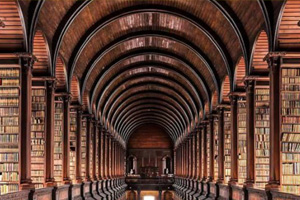
e visitar algumas das atrações como o Trinity College (que tem uma biblioteca linda),
clique aqui para ver mais atrações de Dublin. Para quem aprecia cerveja, vale a pena visitar a fábrica da cerveja Guiness, a mais famosa da Irlanda! No top do edifício você pode ter uma bela visita da cidade.
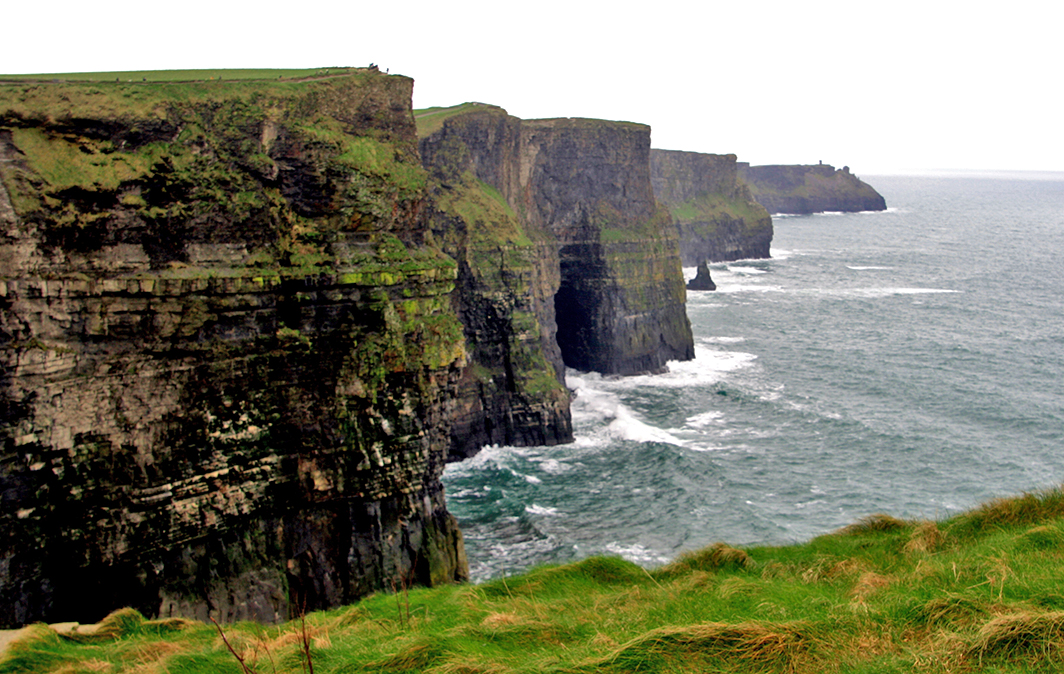
Dublin é uma cidade que pode ser visitada de forma geral em três dias, mas, de você que aproveitar e fazer passeios de um dia fora da cidade, recomendo 5 dias, onde você pode fazer uma excursão ao Cliffs of Moher (conjunto de falésias sensacional)
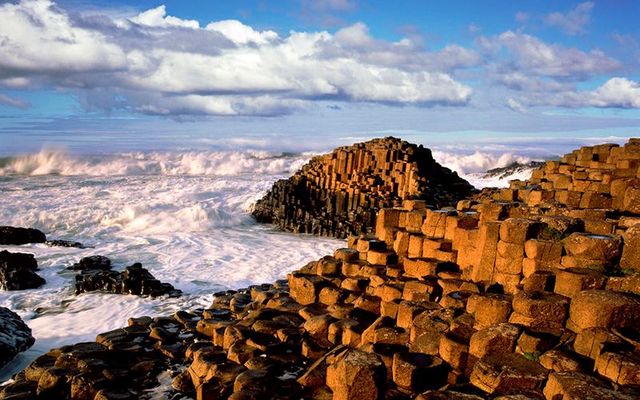
e a conhecida como a Giant´s Causeway (Calçada dos Gigantes), inscrita na lista dos bens tombados pela UNESCO. Há excursões que incluem a visite a essa calçada e também paradas em algumas das locações da série do canal HBO, “Games of Thrones”.
Visitamos Dublin em janeiro, quando é muito frio e chuvoso e, mesmo assim, curtimos a cidade. Mas, acredito que o ideal é visita-la entre junho e agosto, no verão, quando o clima é mais ameno e muitos festivais animam a cidade.
Observação: se você quiser continuar “viajando” com o nosso blog, clique no botão “seguir” localizado no canto inferior direito dessa página. Você também pode “viajar” pelo Brasil conhecendo nosso livro impresso 66 Brasil e sua versão digital 66 Belezas do Brasil.
(text and photos – soon)
Hinweis: Falls Sie unserem Blog folgen wollen, dann klicken Sie unten rechts einfach auf “Weiter”, Sie werden dann zukünftig automatisch informiert. Sie können auch durch Brasilien reisen und unser Buch 66 SEHENSWÜRDIGKEITEN IN BRASILIEN kennenlernen und 66 x Brazil – A Mosaic of Beauties.
(text and photos – soon)
Note: If you want to follow our “Travels” on the blog, simply click on “Seguir” in the lower right corner, you will be then automatically informed in the future. You can continue traveling with us with our book Brazil´s 66 Beautiful Sites and 66 x Brazil – A Mosaic of Beauties.
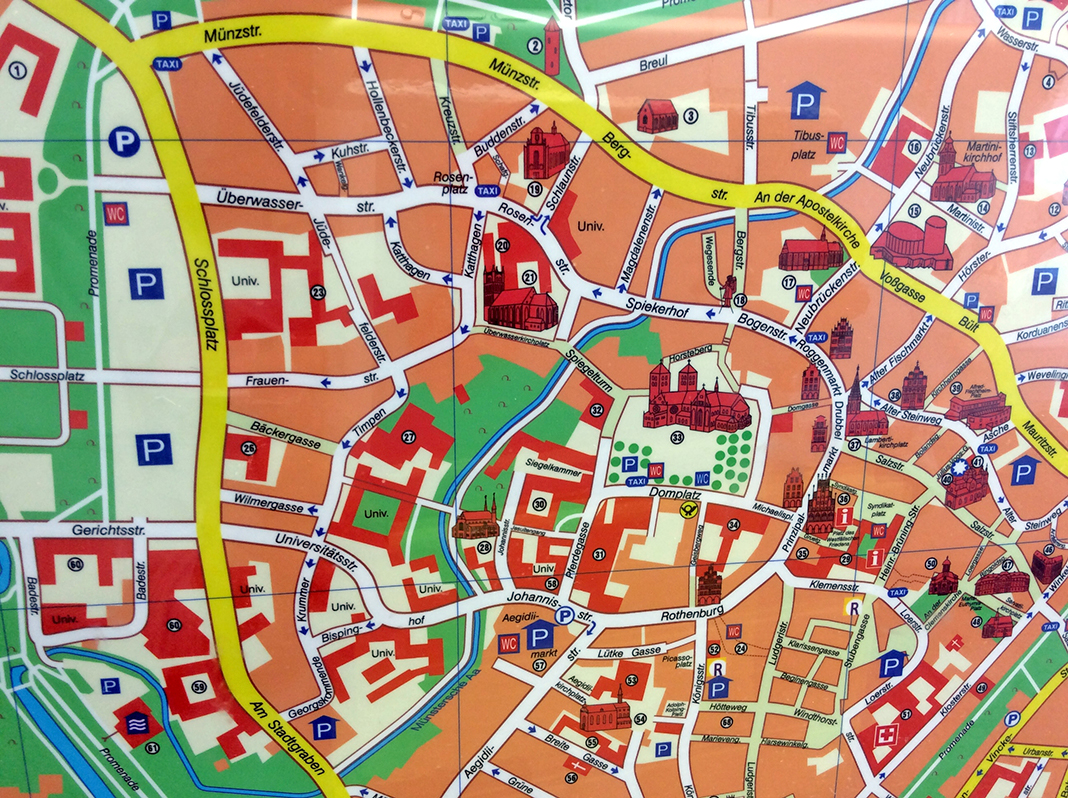
A cidade de Münster localizada nas margens do Rio Aa está situada entre Dortmund e Osnabrück no centro da Münsterland e é a vigésima maior cidade da Alemanha.
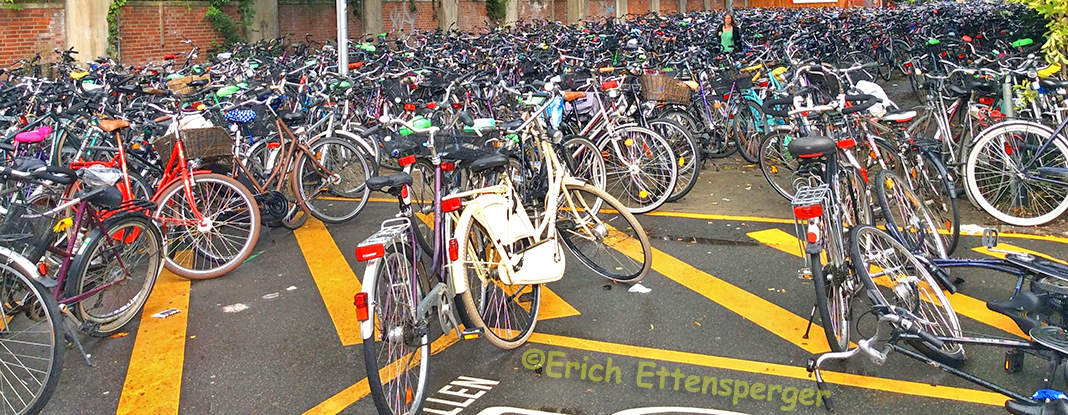
Em Münster a quantidade de bicicletas é o duplo da de habitantes, sendo assim, a cidade tem 600 mil bicicletas e 300 mil habitantes.
A capital das bicicletas da Alemanha tem uma enorme garagem para bicicletas na estação, com 3.000 vagas de estacionamento e todos os serviços imagináveis de bicicleta.
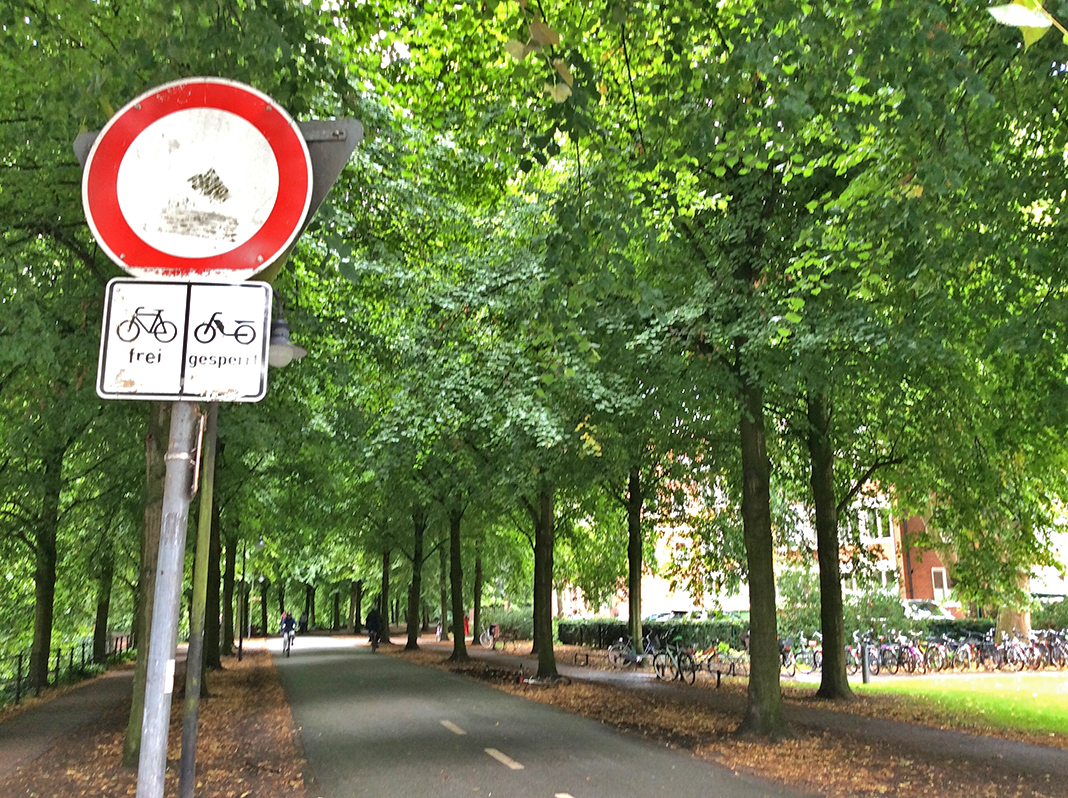
A “Promenade” pode ser descrita como uma espécie de estrada de bicicleta, situada ao redor do centro da cidade e é, portanto, testemunha de uma excelente infraestrutura de ciclismo da cidade.
“A bicicleta faz parte da vida das pessoas ” todos e realmente todos usam ela, sejam eles juízes, o prefeito, médicos, funcionários públicos, trabalhadores e estudantes.
Mesmo nos arredores de Münster, o Münsterland, é uma área plana, com ciclovias e tem cerca de 100 castelos (Nordkirchen)
e castelos circundados por lagos e um total de 4.500 km de ciclovias, embora seja um reduto da criação de cavalos (Dahrendorf) em toda a Europa.
Dizem: “Münster e Münsterland Um deve aproveitar da sela, ou a bicicleta ou a sela de cavalo”!
Münster é uma cidade antiga com história de 1200 anos, mas com 60 mil estudantes, é uma cidade jovem, dinâmica e muito “verde” e ambientalmente orientada, a proteção do clima é muito significativa para a política urbana.
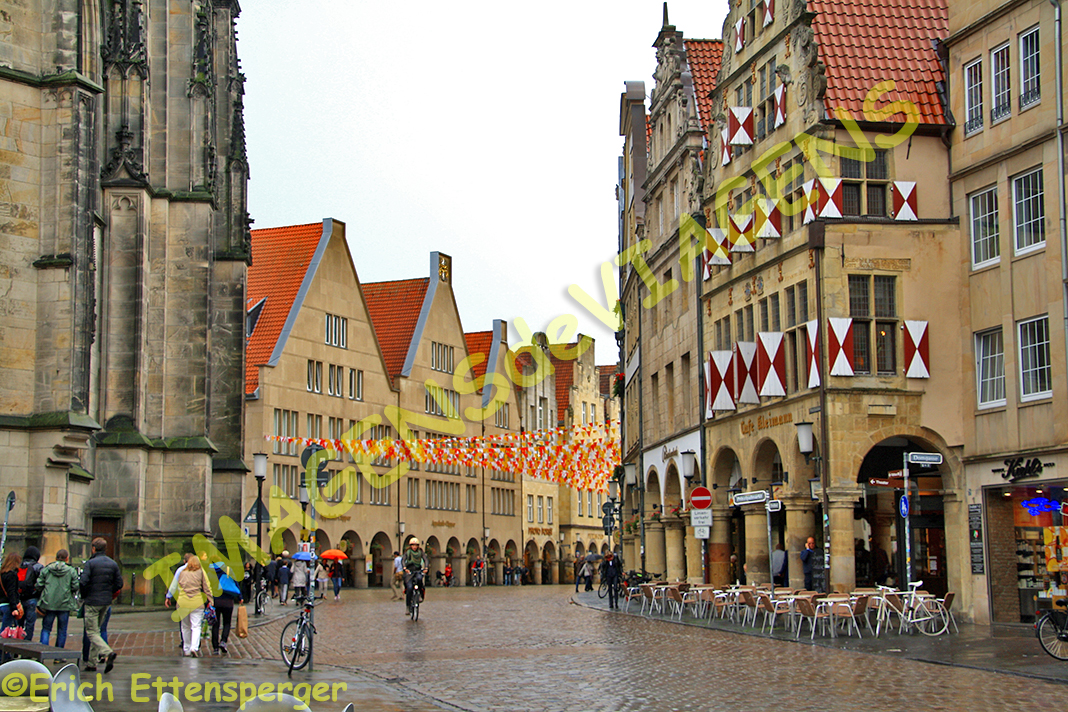
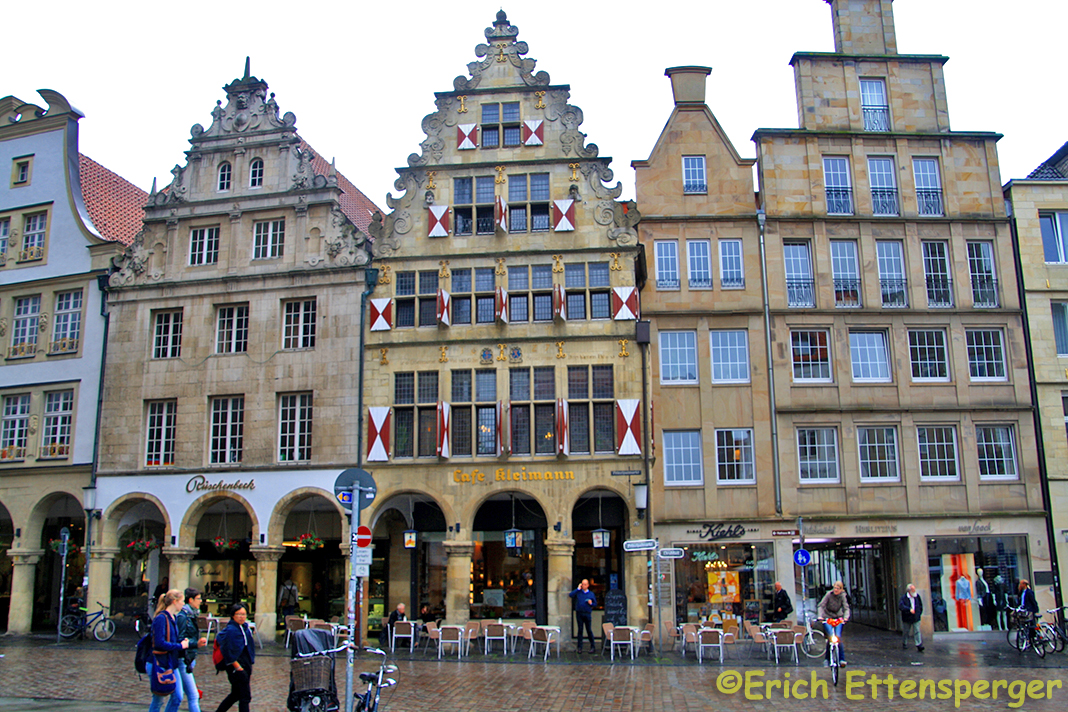
A parte histórica da cidade é dominada por suas casas com fachadas triangulares do estilo gótico.
O centro histórico de Münster é considerado um dos mais belos da Alemanha e durante nossa curta visita nós o encontramos decorado para festa.
O prédio da prefeitura com sua “Sala da Paz” (Friedenssaal) é famoso por ter sediado uma das reuniões onde foi acordado um dos tratados para selar a Paz da Vestfália, conhecido como o “Tratado de Münster”, nofinal da Guerra dos Trinta Anos, de 1618 a 1648.
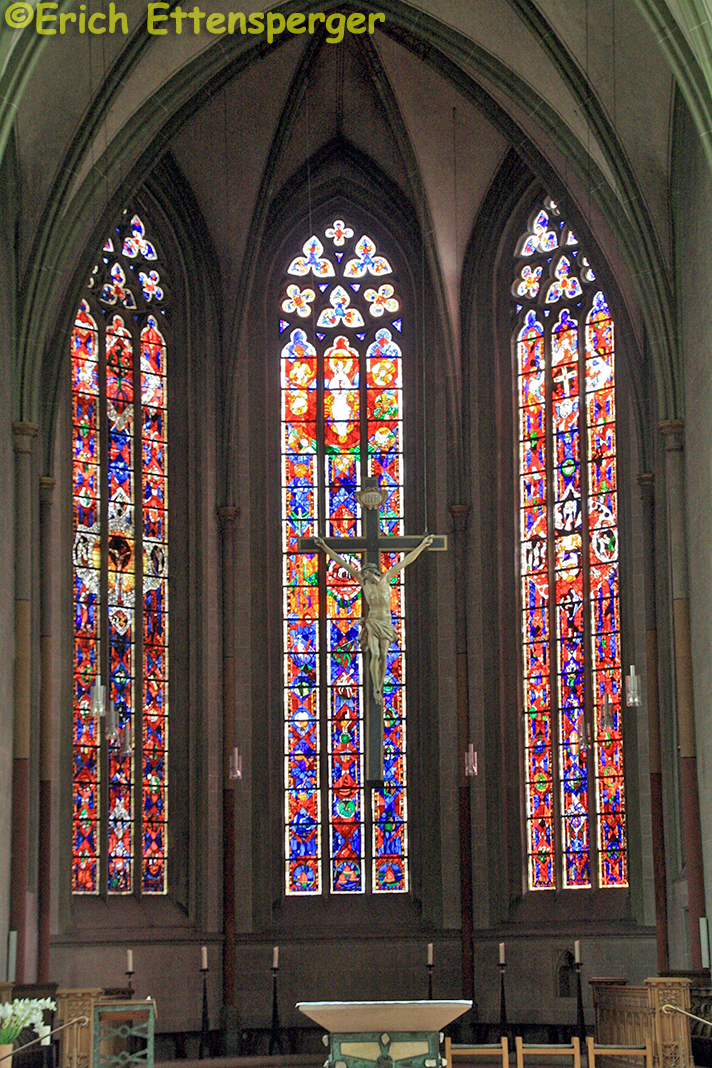
A Igreja Lamberti, a Câmara Municipal e a Catedral de São Paulo do século XIII, vale a pena conhecer os cartões postais da cidade.
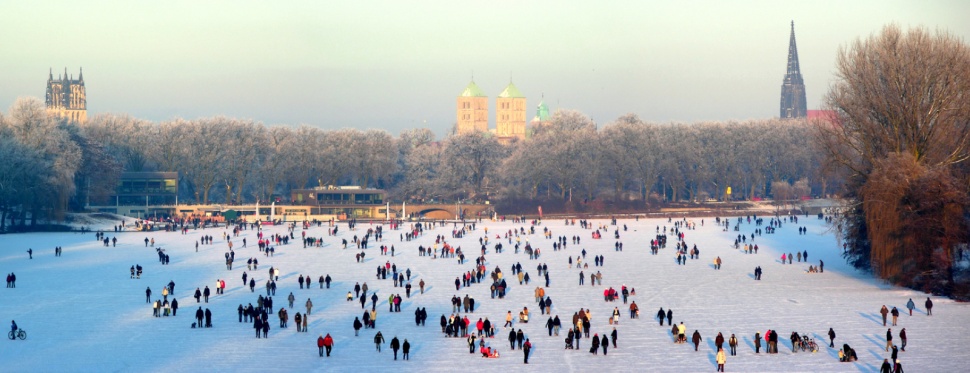
O lago Aasee e o parque funcionam como o pulmão verde de Münster, com barcos de excursão movidos a energia solar, no inverno é um paraíso congelado.
que ocorrem a cada 10 anos, fechando assim o círculo de 1.200 anos de história de um lado e a arte moderna do outro com um forte foco na proteção ambiental e climática .
O “Kuhviertel” é um bairro estudantil com muitos pubs e restaurantes que o convidam a ficar.
Marcia e eu paramos em Münster durante uma viagem de trem entre Dusseldorf a Bremen. Ficamos por lá apenas 5 horas. Tenho certeza que o ideal seria passar um final de semana lá, o que faremos da próxima vez.
Observação: se você quiser continuar “viajando” com o nosso blog, clique no botão “seguir” localizado no canto inferior direito dessa página. Você também pode “viajar” pelo Brasil conhecendo nosso livro impresso 66 Brasil e sua versão digital 66 Belezas do Brasil.
In Münster gibt es doppelt so viele Fahrräder wie Einwohner, also 600.000 Fahrräder bei 300.00 Einwohnern.
Die Fahrradhauptstadt Deutschlands verfügt am Bahnhof über ein riesiges Fahrradparkhaus mit 3.000 Stellplätzen und allen speziellen erdenklichen Fahrradservices.
Die „Promenade“ kann als eine Art Fahrradautobahn bezeichnet werden, sie führt um den Stadtkern und ist somit Zeuge einer hervorragenden Fahrradinfrastruktur der Stadt.
„Das Fahrrad ist Teil der Lebenskultur“ alle und wirklich alle benutzen das Rad, seien es Richter, der Oberbürgermeister, Ärzte, Beamte, Angestellte, Schüler und Studenten.
Auch die Umgebung von Münster, das Münsterland, ist flach und tellereben mit etwa 100 Schlössern (Schloss Nordkirchen)
und Wasserburgen und insgesamt 4.500 km Radwegen, auβerdem ist es eine Hochburg der Pferde-Zucht (Dahrendorf) in ganz Europa.
Man sagt: „Münster und das Münsterland muβ man vom Sattel aus genieβen, also entweder dem Fahrrad- oder Pferde-Sattel“!
Münster ist eine alte Stadt mit einer Geschichte von 1.200 Jahren, allerdings ist die Stadt mit 60.000 Studenten jugendlich dynamisch und sehr „grün“ und umweltorientiert, Klimaschutz ist sehr bedeutungsvoll für die Stadtpolitik.
Die Altstadt ist geprägt von seinen Giebelhäusern aus der Gotik stammend.
Der Münster Prinzipalmarkt gilt als einer der schönsten Plätze in Deutschland und während unseres kurzen Besuches fanden wir ihn zudem festlich geschmückt vor.
Das Rathaus mit seinem „Friedensaal“ ist Teilzeuge des Westfälischen Friedens am Ende des 30jährigen Krieges 1618 bis 1648.
Die Kirche Lamberti, das Rathaus und der St. Paulus Dom aus dem 13. Jhdt. sind sehenswerte Wahrzeichen der Stadt.
Der Aasee und Park fungieren als die grüne Lunge Münsters mit sogar solarbetriebenem Ausflugsschiff, hier im Winter ein zugefrorenes Paradies.
somit schlieβt sich auch der Kreis von einerseits 1.200 jähriger Geschichte und andererseits Kunst der Moderne mit starkem Fokus auf Umwelt- und Klimaschutz.
Das „Kuhviertel“ ist ein Studentenviertel mit vielen Kneipen und Restaurant, die zum Verweilen einladen.
Marcia und ich stoppten hier auf unserer Bahnfahrt von Düsseldorf nach Bremen für viel zu kurze 5 Stunden – ein Wochenende dort ist sicherlich wesentlich mehr empfehlenswert, also dann – auf das nächste Mal.
Hinweis: Falls Sie unserem Blog folgen wollen, dann klicken Sie unten rechts einfach auf “Weiter”, Sie werden dann zukünftig automatisch informiert. Sie können auch durch Brasilien reisen und unser Buch 66 SEHENSWÜRDIGKEITEN IN BRASILIEN kennenlernen (Amazon) und 66 x Brazil – A Mosaic of Beauties (Apple).
MÜNSTER – THE BICYCLE CAPITAL OF GERMANY
The city of Münster at the river Aa is located between Dortmund and Osnabrück in the center of Münsterland and is the twentieth largest city in Germany.
In Munster there are twice as many bikes as inhabitants, so 600,000 bicycles at 300.00 inhabitants.
The bicycle capital of Germany has a huge bicycle parking garage at the station with 3,000 parking spaces and all conceivable bicycle services imaginable.
The “Promenade” can be described as a kind of bicycle highway, it leads around the city center and is thus witness to an excellent cycling infrastructure of the city.
“The bicycle is part of the culture of life” all and really all use the wheel, be they judges, the mayor, doctors, civil servants, employees and students.
Even the surroundings of Münster, the Münsterland, is flat and dish up with about 100 castles (Nordkirchen)
and water castles and a total of 4,500 km of cycle paths, although it is a stronghold of the horse-breeding (Dahrendorf) throughout Europe.
They say: “Münster and the Münsterland One must enjoy from the saddle, so either the bicycle or horse-saddle”!
Münster is an old city with a history of 1,200 years, but with 60,000 students, the city is youthful dynamic and very “green” and environmentally oriented, climate protection is very significant for the urban politics.
The old town is dominated by its gabled houses from the Gothic.
The Münster Prinzipalmarkt is considered one of the most beautiful places in Germany and during our short visit we also found it festively decorated.
The town hall with its Friedenssaal (“peace room”) is a part of the Westphalian Peace at the end of the Thirty Years’ War from 1618 to 1648.
The Lamberti church, the town hall and the 13th-century St. Paul’s Cathedral. are worth seeing landmarks of the city.
The Aasee and Park act as the green lung of Münster with even solar powered excursion boat, here in winter a frozen paradise.
thus closing the circle of 1,200 years of history on the one hand and Modern Art on the other with a strong focus on environmental and climate protection.
The “Kuhviertel” is a student district with many pubs and restaurant that invite you to linger.
Marcia and I stopped here on our train ride from Dusseldorf to Bremen for much too short 5 hours – a weekend there is certainly much more recommended, so then – next time.
Note: If you want to follow our “Travels” on the blog, simply click on “Seguir” in the lower right corner, you will be then automatically informed in the future. You can continue traveling with us with our book Brazil´s 66 Beautiful Sites (Amazon) and 66 x Brazil – A Mosaic of Beauties (Apple).
Braga, fundada por Augusto, localizada em uma das principais vias romanas, cidade famosa por ter sido durante séculos, a sede do poder eclesiástico de Portugal é uma das mais antigas cidades de Portugal.
Fonte/Quelle/Source: Google Maps
Está distante 25 km de Guimarães, outra preciosidade portuguesa.
Fonte/Quelle/Source: Google Maps
Braga possui o seu Centro Histórico tombado pelo Patrimônio da Humanidade da UNESCO. A cidade tem aproximadamente 164 mil habitantes e muitos jovens, pois possui duas universidades.
A visita pelo Centro Histórico começa pelo Arco da Porta Nova
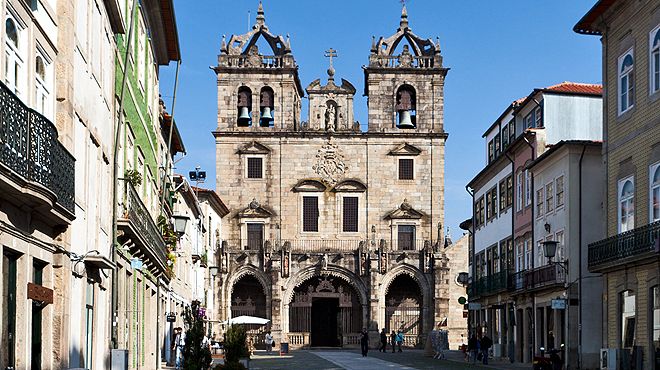
e a partir daí pode-se apreciar muitos monumentos históricos, como a Sé Catedral,
originada no século XII, onde estão enterrados D. Henrique, primeiro rei português, reúne características de diversos estilos arquitetônicos como o romano, o gótico, o barroco e o manuelino; o antigo Paço Episcopal, a Casa dos Cravos, o Palácio do Raio,
que funciona em um bonito edifício barroco. O Museu Arqueológico D. Diogo de Sousa também é uma visita interessante, com parte do acervo oriundo da época romana.
De Braga é possível se realizar excursões para visitar as charmosas cidades de Ponte do Lima, Viana do Castelo, Valença do Minho (Alto do Minho). Além disso, também são oferecidas excursões para o belíssimo Vale do Douro, onde se percorre a Rota do Douro Vinhateiro, Favaios e Pinhão. Outro passeio que você realizar a partir de Braga é visitar o magnífico Parque Nacional da Peneda-Gerês, que está distante menos de 40 km da cidade.
Braga tem muitas belas igrejas e é definitivamente uma opção de passeio em Portugal.
Observação: se você quiser continuar “viajando” com o nosso blog, clique no botão “seguir” localizado no canto inferior direito dessa página. Você também pode “viajar” pelo Brasil conhecendo nosso livro impresso 66 Brasil e sua versão digital 66 Belezas do Brasil.
BRAGA UND SEIN ZAUBER
Braga, von Augustus gegründet, liegt an einer der wichtigsten römischen Straßen, eine Stadt, die seit Jahrhunderten berühmt ist, der Sitz der Kirchenmacht von Portugal ist eine der ältesten Städte in Portugal.
Fonte/Quelle/Source: Google Maps
Es ist 25 km von Guimarães gelegen, einem weiteren portugiesischen Juwel.
Fonte/Quelle/Source: Google Maps
Braga und sein historisches Zentrum zählt zum UNESCO-Weltkulturerbe. Die Stadt hat etwa 164 Tausend Einwohner mit sehr vielen jungen Leuten wegen der zwei Universitäten.
Der Besuch des Historischen Zentrums beginnt mit dem Arco da Porta Nova
und von dort aus können Sie viele historische Monumente wie z.B. die Kathedrale Sé Catedral
aus dem 12. Jahrhundert bewundern, wo D. Henrique, der erste portugiesische König, begraben ist. Die Kathedrale vereint Charakteristika verschiedenster architektonischer Baustile wie das Romanisch, das Gotische, das Barocke und das Manuelinische; weiterhin sind zu sehen der ehemalige Bischofspalast Paço Episcopal, das Haus Casa dos Cravos (Haus der Nelken), der Palast Palácio do Raio,
das in einem wunderschönen barocken Gebäude untergebracht ist.
Das Archäologische Museum D. Diogo de Sousa ist auch einen Besuch wert mit einer teilweisen Sammlung aus der Römerzeit.
Von Braga aus können Sie Ausflüge zu den bezaubernden Städten Ponte do Lima, Viana do Castelo und Valença do Minho (Alto do Minho) machen.
Darüber hinaus werden Ausflüge in das schöne Tal Vale do Douroangeboten, wo Sie die Weinstraße Rota do Douro Vinhateiro, Favaios und Pinhão besuchen können.
Eine weitere Tour, die Sie von Braga aus unternehmen können, ist der Besuch des wunderschönen Nationalparks Peneda-Gerês, der weniger als 40 km von der Stadt entfernt gelegen ist.
Braga zeigt viele schöne Kirchen und ist definitiv eine Reiseoption für Portugal.
Hinweis: Falls Sie unserem Blog folgen wollen, dann klicken Sie unten rechts einfach auf “Weiter”, Sie werden dann zukünftig automatisch informiert. Sie können auch durch Brasilien reisen und unser Buch 66 SEHENSWÜRDIGKEITEN IN BRASILIEN kennenlernen (Amazon) und 66 x Brazil – A Mosaic of Beauties (Apple).
BRAGA AND ITS MAGIC
Braga, founded by Augustus, is located on one of the most important Roman roads, a city that has been famous for centuries, the seat of the ecclesiastical power of Portugal is one of the oldest cities in Portugal.
Fonte/Quelle/Source: Google Maps
Braga is located 25 km from Guimarães, another Portuguese jewel.
Fonte/Quelle/Source: Google Maps
Braga and its historic center is a UNESCO World Heritage Site. The city has about 164 thousand inhabitants with many young people because of the two universities.
The visit of the Historical Center starts with the Arco da Porta Nova
and from there you can visit many other historical monuments such as the 12th-century Cathedral Sé Catedral, where D. Henrique, the first Portuguese king, is buried.
The Archaeological Museum D. Diogo de Sousa is also worth a visit with a partial collection from Roman times.
From Braga you can visit the enchanting towns of Ponte do Lima, Viana do Castelo and Valença do Minho (Alto do Minho).
There are also trips to the beautiful Vale do Douro Valley, where you can visit the Wine Route Rota do Douro Vinhateiro, Favaios and Pinhão.
Another tour you can do from Braga is to visit the beautiful Peneda-Gerês National Park, less than 40 km from the city.
Braga shows many beautiful churches and is definitely a travel option for Portugal.
Note: If you want to follow our “Travels” on the blog, simply click on “Seguir” in the lower right corner, you will be then automatically informed in the future. You can continue traveling with us with our book Brazil´s 66 Beautiful Sites (Amazon) and 66 x Brazil – A Mosaic of Beauties (Apple).
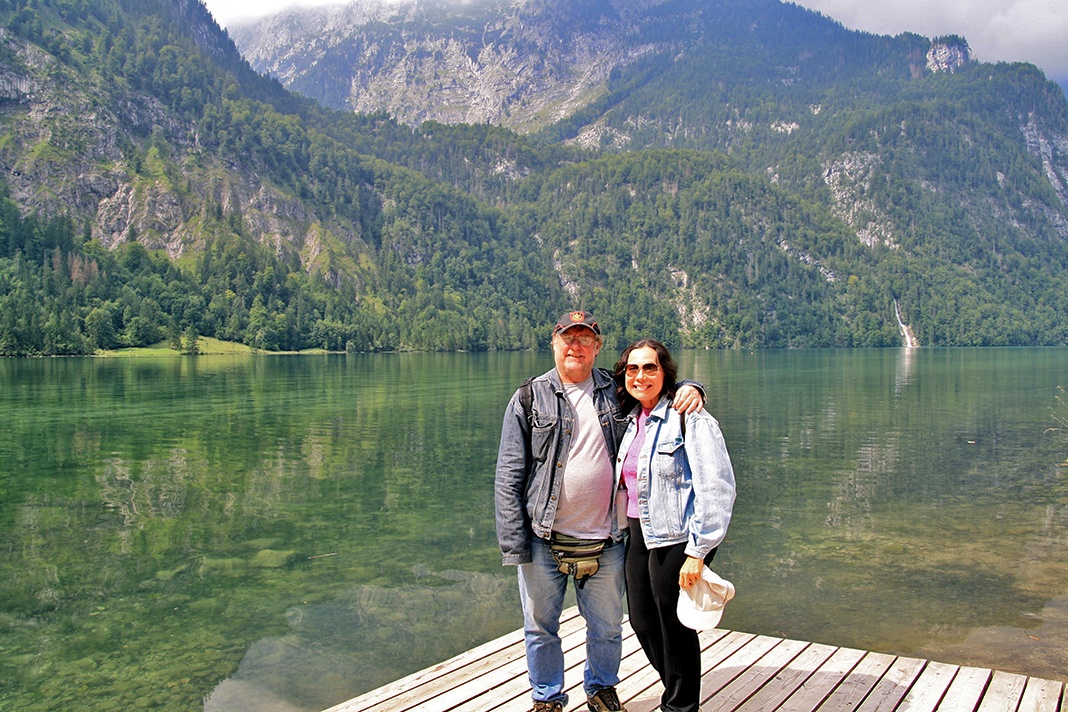
Numa das muitas viagens a Europa, Marcia e eu tivemos a oportunidade de visitar o Königsee perto de Berchtesgaden no caminho entre Munique e Salzburgo.
A paisagem é de sonho com o lago emoldurado pelas montanhas, é um cenário real (Königsee significa lago do rei em alemão) no verão.
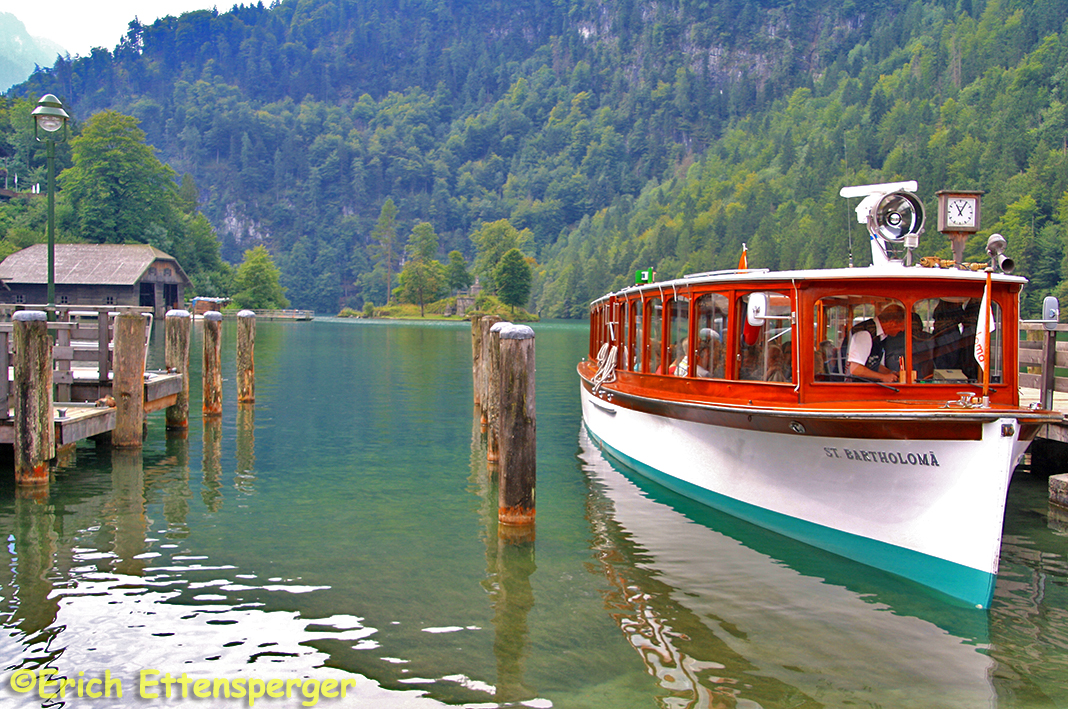
Não há trilha ao redor do lago, então usamos como todos os turistas, e não foram poucos, a frota de barcos elétricos silenciosos,
e apesar da grande quantidade de turistas naquele dia, tudo era organizado de forma eficiente.
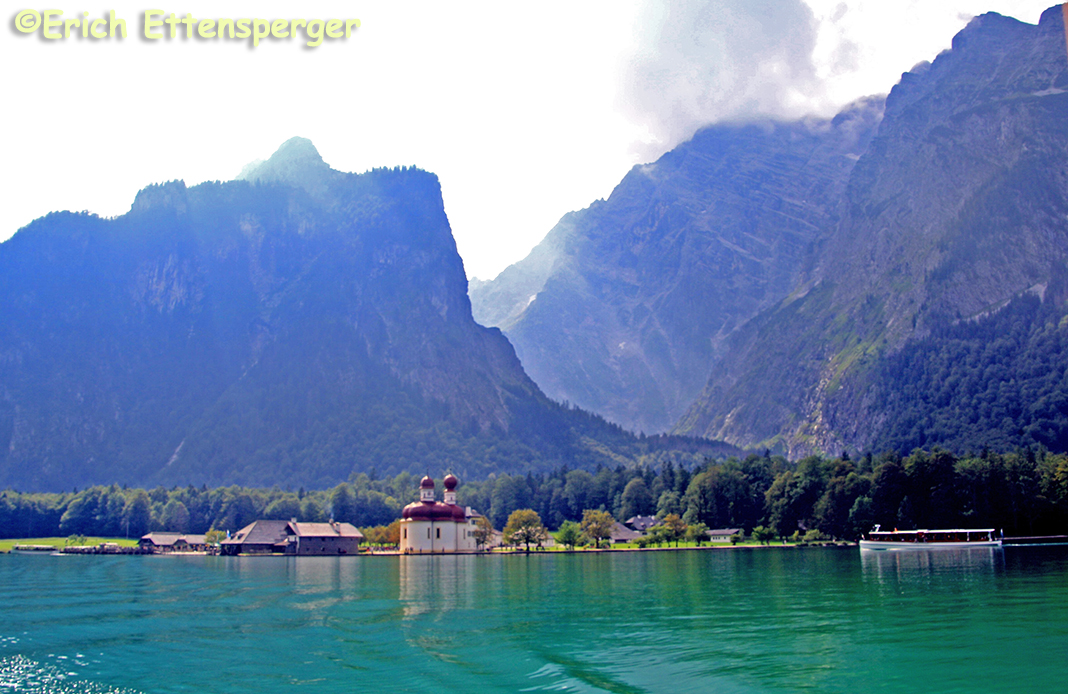
Do barco, pudemos admirar as rochas verticais que parecia que escorregavam daquela paisagem alpina e o maciço Watzmann, cachoeiras,
Que tornavam a coisa toda muito especial e charmosa, o lago me fez lembrar as paisagens de fjord da Noruega e do Alaska, sendo que o ponto mais profundo do lago mede 192 metros.
O percurso no barco até a península de São Bartolomeu durou aproximadamente meia hora quando nos deliciamos com uma experiência muito especial proporcionada pelo capitão do barco: ele toca um trompete e o som é repetido por um eco, acho que uma ou duas vezes, impressionante.
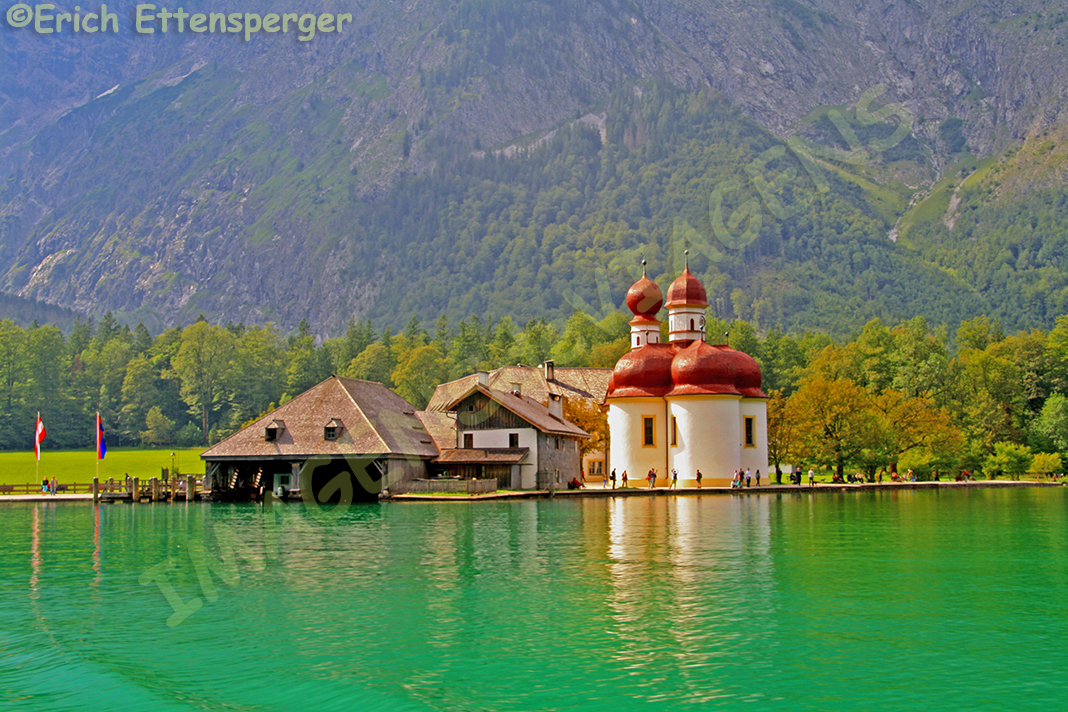
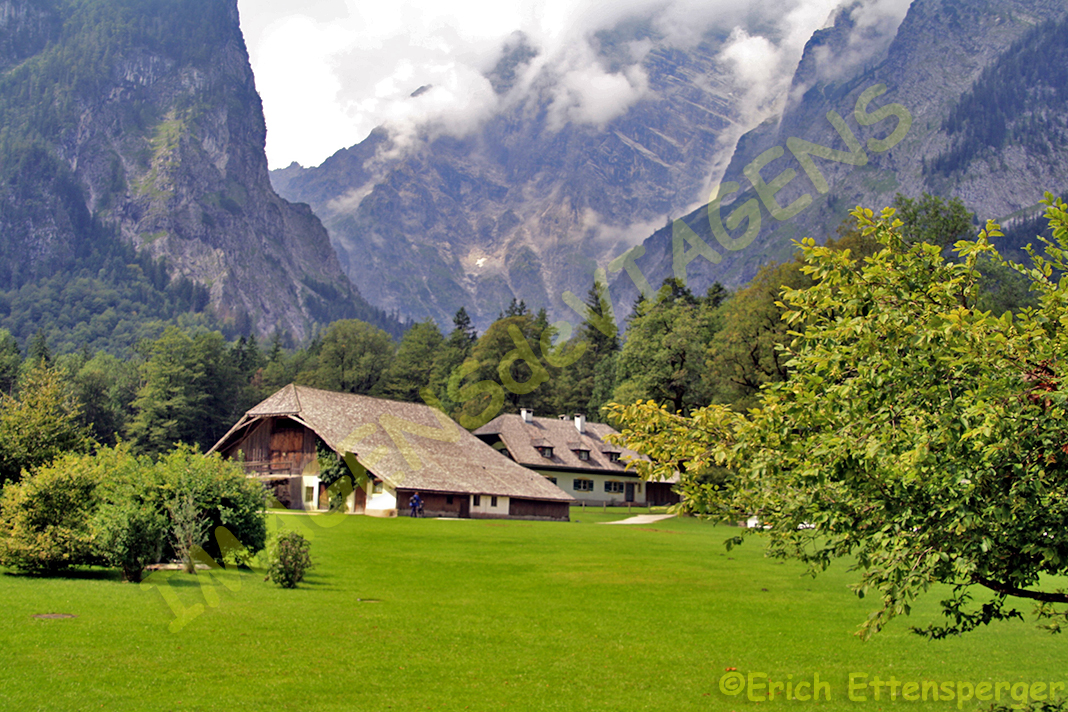
E então surge a igreja barroca, de peregrinação, dedicada a São Bartolomeu com suas cúpulas em forma de cebolas roxas tendo como pano de fundo o imponente paredão formado pela montanha Watzmann.
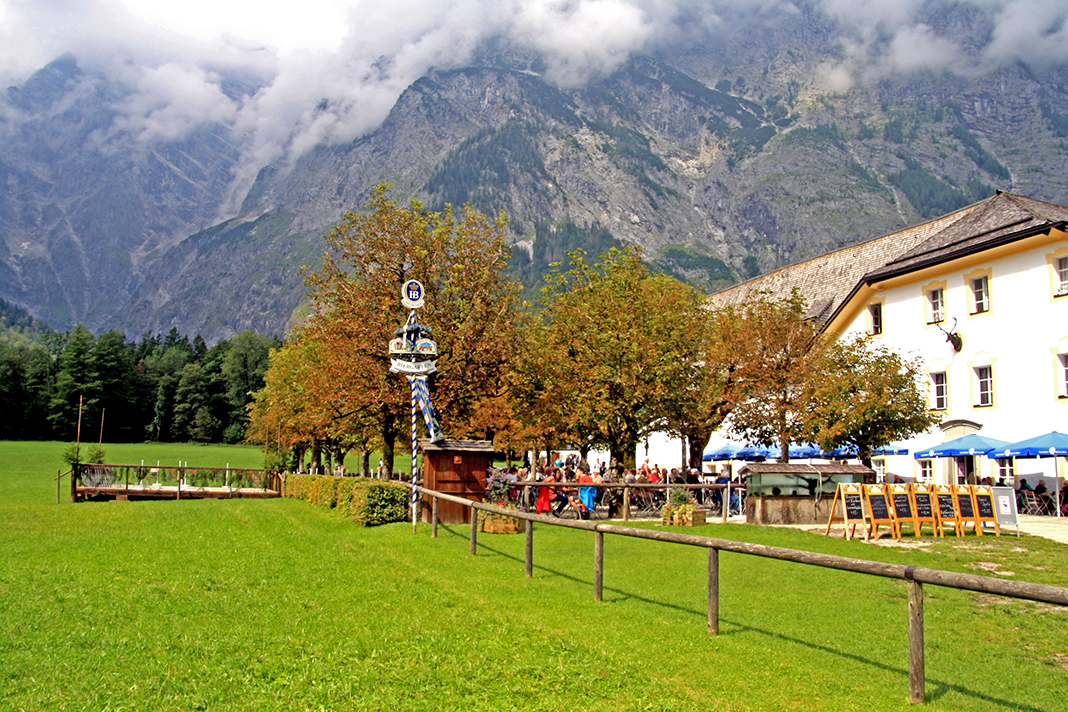
O local típico bávaro e a cervejaria lhe convidam para um drink e uma comidinha especial.
O passeio de outros 20 minutos nos leva para o desembarque Salet. Uma pequena caminhada depois nos conduz ao lago Obersee e também oferece excelentes vistas.
Nesse ponto, no final do Königsee com seus 8 quilômetros de comprimento, há um bistrô, que nos convida para relaxar, tomar um drink.
Para visita ao Königssee, recomendo que você planeja um dia de sua viagem, para que seja possível ver tudo com tranquilidade e desfrutar da paisagem.
E também para poder incluir tempos de espera nas filas para não ficar estressado(a).
Esse dia no Königsee foi uma experiência inesquecível para nós, o clima, as cores, a luz, a água, a arquitetura,
a oportunidade de fazer fotos de uma paisagem famosa mundialmente,
a complete atmosfera, o lago
e as montanhas – ÚNICAS…!!
Não deixe de se encantar com o charme de Berchtesgaden e a proximidade de Salzburgo.
Observação: se você quiser continuar “viajando” com o nosso blog, clique no botão “seguir” localizado no canto inferior direito dessa página. Você também pode “viajar” pelo Brasil conhecendo nosso livro impresso 66 Brasil e sua versão digital 66 Belezas do Brasil.
DER KÖNIGSSEE IM NATIONALPARK BERCHTESGADEN
Berchgdnt Blog1
Auf einer unserer vielen Reisen in Europa nutzten Marcia und ich die Gelegenheit auf dem Weg von München nach Salzburg auch den Königsee bei Berchtesgaden zu besuchen.
Und der See und die ihn umgebende Gebirgslandschaft hält vollends, was der Name verspricht, eine königlich majestätische Natur und das bei kaiserlichem Sommerwetter – ein Traum.
Es führt kein Wanderweg um den See herum, also nutzten wir wie all die Touristen, und das waren nicht wenige, die Flotte der leisen Elektroboote,
und trotz des Massenandrangs an jenem Morgen war alles jedoch sehr effizient organisiert.
Vom Boot aus dann konnten wir die senkrecht abfallenden Felsen dieser Alpenlandschaft und des Watzmannmassives bewundern, Wasserfälle
verleihen dem Ganzen einen besonderen Reiz, der See erinnerte mich an Fjordlandschaften in Norwegen und Alaska und seine tiefste Stelle misst übrigens192 Meter.
Auf der etwa halbstündigen Fahrt zur Halbinsel St. Bartholomä kommen wir in den Genuss eines fantastischen Echoerlebnisses durch den jeweiligen Bootskapitän. Er spielt auf Trompete oder Horn und das Echo kommt ein- bis zweimal zurück, wahrlich beeindruckend.
Und dann erscheint sie, die dem heiligen Bartholomäus gewidmete Wallfahrtskirche barocker Stilart mit ihren so berühmten roten Zwiebeltürmen und das Ganze vor der imposanten, fast schon bedrohlich wirkenden Ostwand des Watzmann-Gebirgskolosses.
Die dortige typisch bayrische Gastwirtschaft und der dazugehörige Biergarten laden ein mit Getränken und deftigen Speisen.
Die Fahrt von weiteren 20 Minuten bringt uns zur Anlegestelle Salet, ein kleiner Spaziergang bringt uns dann zum kleinen Obersee auch wieder tolle Ausblicke offerierend.
Auch hier am Ende des Königsees mit seinen 8 Kilometern Länge laden eine Gastätte zum Pausieren ein.
Für den Besuch des Königssees sollte man einen ganzen Tag einplanen, um alles in Ruhe sehen und geniessen zu können
und um auch Wartezeiten miteinbeziehen zu können, ohne sogleich in Stress verfallen zu müssen.
Dieser Tag am und auf dem Königsee war für uns ein unvergessliches Erlebnis, das Wetter, die Farben, das Licht, das Wasser, die Architektur,
die weltberühmten Fotomotive,
die gesamte Atmosphäre, der See
und die Berge – EINZIGARTIG…!!
Verpassen Sie es auch nicht, sich vom Charme der Ortschaft Berchtesgaden verzaubern zu lassen und auch die Nähe zu Salzburg ist selbstweisend.
Hinweis: Falls Sie unserem Blog folgen wollen, dann klicken Sie unten rechts einfach auf “Weiter”, Sie werden dann zukünftig automatisch informiert. Sie können auch durch Brasilien reisen und unser Buch 66 SEHENSWÜRDIGKEITEN IN BRASILIEN kennenlernen (Amazon) und 66 x Brazil – A Mosaic of Beauties (Apple).
THE KÖNIGSESEE IN THE NATIONAL PARK BERCHTESGADEN
Berchgdnt Blog1
On one of our many trips in Europe, Marcia and I took the opportunity to visit the Königsee near Berchtesgaden on the way from Munich to Salzburg.
And the lake and the mountainous landscape that surrounds it, as the name suggests, is a royal and majestic nature and this in an imperial summer weather – a dream.
There is no trail around the lake, so we used like all the tourists, and that was not a few, the fleet of silent electric boats,
and despite the mass rush that morning everything was organized very efficiently.
From the boat we could admire the vertical falling rocks of this alpine landscape and the Watzmann massif, waterfalls
give the whole thing a special charm, the lake reminded me of fjord landscapes in Norway and Alaska and its deepest point measures by the way 192 meters.
On the approximately half-hour drive to the peninsula of St. Bartholomew we enjoy a fantastic echo experience by the respective boat captain. He plays trumpet or horn and the echo comes back once or twice, truly impressive.
And then it appears, the pilgrimage church of Baroque style dedicated to St. Bartholomew with its so-called red onion domes and the whole in front of the imposing, almost threatening eastern wall of the Watzmann mountain colossus.
The local typical Bavarian inn and the associated beer garden invite you with drinks and hearty meals.
The ride of another 20 minutes brings us to the landing stage Salet, a small walk brings us then to the small Obersee also offers great views.
Here, too, at the end of the Königsee with its 8 kilometers of length invite a guest house to pause.
For the visit of the Königssee you should plan a whole day to see everything in peace and to be able to enjoy
and to be able to include waiting times without having to go into stress immediately.
This day at and on the Königsee was an unforgettable experience for us, the weather, the colors, the light, the water, the architecture,
the world famous photo opportunities,
the entire atmosphere, the lake
and the mountains – UNIQUE…!!
Do not miss out on being enchanted by the charm of Berchtesgaden and the proximity to Salzburg is self-explanatory.
Note: If you want to follow our “Travels” on the blog, simply click on “Seguir” in the lower right corner, you will be then automatically informed in the future. You can continue traveling with us with our book Brazil´s 66 Beautiful Sites (Amazon) und 66 x Brazil – A Mosaic of Beauties (Apple).
A tradição dos Mercados de Natal é antiga na Europa. Erich, alemão, desde sua infância teve oportunidade de visitar muitos. Eu conheci essa tradição através de Erich há muitos anos atrás e me apaixonei, adoro visitar Mercados de Natal. Nessa época do ano, gosto muito escrever sobre eles, na semana passada foi sobre o de Viena e essa semana, apresento um pouco do grande e famoso mercado de Dresden*, que completa 584 anos em 2018: Dresdener Striezelmarkt, que funciona na praça do antigo mercado (Altmarkt) na Wilsdruffer Strasse (Strasse é rua em alemão). A tradição desse mercado remonta ao ano de 1435.
Visitar Dresden no período natalino é uma festa para os olhos.
A cidade se veste de cores,
Estação ferroviária de Dresden
luzes e aromas com seus vários Mercados de Natal, distribuídos em diversos pontos da cidade. Alguns estão próximos um dos outros e você pode visita-los a pé.
A cidade e seus arredores promovem muitos eventos natalinos (se quiser, baixe aqui o Guia de eventos natalinos na região do Elba).
O maior Mercado de Natal de Dresden é o Dresdener Striezelmarkt.
O que mais chamou minha atenção é que as barraquinhas do mercado não são padronizadas, acho que somente no tamanho.
Cada uma delas é decorada de forma criativa e bem atraente, o que faz as crianças e adultos se encantarem com sua beleza, formas, cores e principalmente criatividade dos idealizadores.
Há quiosques que vendem produtos natalinos decorativos, brinquedos, diversos tipos de comida e bebidas, artesanato, dentre outros. É possível também participar de oficinas culinárias, quando visitei o mercado em 2017, havia uma onde você aprendia a preparar o famoso pão doce com frutas, marzipã e outros ingredientes chamado de Striezel também chamado de Stollen, típico da região.
O Dresdner Striezelmarkte de 2018 foi aberto em 28 de novembro e vai funcionar até 26 de dezembro no horário das 10 às 21 horas e na véspera de Natal, das 10 às 14 horas.
*Dresden é a capital do estado da Saxônia, está localizada nas margens do Rio Elba e situa-se no leste da Alemanha e faz fronteira com a República Tcheca e Polônia.
Observação: se você quiser continuar “viajando” com o nosso blog, clique no botão “seguir” localizado no canto inferior direito dessa página. Você também pode “viajar” pelo Brasil conhecendo nosso livro impresso 66 Brasil e sua versão digital 66 Belezas do Brasil.
DRESDENER STRIEZELMARKT – DER ÄLTESTE WEIHNACHTSMARKT IN DEUTSCHLAND
Die Tradition der Weihnachtsmärkte ist in Europa uralt. Erich, Deutscher, hatte von Kindheit an die Möglichkeit, viele davon zu besuchen. Ich habe diese Tradition vor vielen Jahren durch Erich kennengelernt und ich habe mich darin verliebt, ich liebe es, Weihnachtsmärkte zu besuchen.
Zu dieser Jahreszeit schreibe ich sehr gerne über sie, letzte Woche ging es um Wien, und diese Woche stelle ich Ihnen nun den großen und berühmten Dresdner Markt vor, der 2018 beachtliche 584 Jahre alt sein wird: Der Dresdner Striezelmarkt findet an dem ehemaligen Altmarkt an der Wilsdruffer Straße statt.
Die Tradition dieses Marktes reicht bis ins Jahr 1435 zurück.
Ein Besuch in Dresden während der Weihnachtszeit ist eine Augenweide.
Die Stadt kleidet sich in Farben,
Estação ferroviária de Dresden/Dresden Bahnhof/Dresden Train Station
Lichter und Düfte mit all seinen verschiedenen Weihnachtsmärkten in den verschiedenen Stadtteilen. Einige sind so nahe beieinander und Sie können sie zu Fuß besuchen.
Die Stadt und ihre Umgebung fördern viele Weihnachtsfestlichkeiten (auf Wunsch können Sie sich hier nun den Weihnachtsführer in dieser Elbregion herunterladen).
Dresdens größter Weihnachtsmarkt ist der Dresdener Striezelmarkt.
Was mich am meisten überrascht hat war die Tatsache, dass die Stände des Marktes nicht standardisiert waren, ich denke hierbei nicht nur an die Größe.
Jeder Stand war auf seine eigene Art und Weise kreativ und attraktiv dekoriert und erfreute somit sowohl Kinder und Erwachsene gleichsam durch seine Schönheit, Formen, Farben und vor allem durch seine Phantasieen.
Es gibt Stände, die dekorative Weihnachtsartikel, Spielzeug, verschiedene Arten von Speisen und Getränken, Kunsthandwerk und vieles mehr verkaufen.
Es ist auch möglich, an kulinarischen Workshops teilzunehmen, als ich den Markt im Jahr 2017 besuchte, war es möglich, dort die Zubereitung dieses typischen Stollens, also des Striezels, mit seinen Früchten, Marzipan und anderen typischen Zutaten, zu erlernen.
Der Dresdner Striezelmarkt 2018 wird am 28. November eröffnet und läuft dann bis zum 26. Dezember jeweils von 10:00 Uhr bis 21:00 Uhr und an Heiligabend von 10:00 Uhr bis 14:00 Uhr.
* Dresden ist die Hauptstadt des Bundeslandes Sachsen und liegt an der Elbe. Sachsen liegt im Osten Deutschlands und grenzt an die Tschechische Republik und Polen.
Hinweis: Falls Sie unserem Blog folgen wollen, dann klicken Sie unten rechts einfach auf “Weiter”, Sie werden dann zukünftig automatisch informiert. Sie können auch durch Brasilien reisen und unser Buch 66 SEHENSWÜRDIGKEITEN IN BRASILIEN kennenlernen (Amazon) und 66 x Brazil – A Mosaic of Beauties (Apple).
DRESDEN STRIEZELMARKT – THE OLDEST CHRISTMAS MARKET IN GERMANY
The tradition of Christmas markets is very old in Europe. Erich, German, had the opportunity from childhood onwards to visit many of them. I got to know this tradition many years ago through Erich and I fell in love with it, I love visiting Christmas markets.
At this time of the year I like to write about them, last week we talked about Vienna and this week I introduce to you the big and famous Dresden market, which will be a respectable 584 years old in 2018: The Dresdner Striezelmarkt takes place at the former Altmarkt at the Wilsdruffer road.
The tradition of this market dates back tot he year 1435.
A visit to Dresden during the Christmas season is a feast for the eyes.
The city dresses in colors,
Estação ferroviária de Dresden/Dresden Bahnhof/Dresden Train Station
lights and scents with all its different Christmas markets in different parts of the city. Some are so close to each other and you can visit them on foot.
The city and its surroundings promote many Christmas festivities (here you can now download the Christmas guide of this Elbe region).
Dresden’s largest Christmas market is the Dresden Striezelmarkt.
What surprised me the most was the fact that the stalls of the market were not standardized, I’m not just thinking about the size.
Each stand was creatively and attractively decorated in its own way, delighting both children and adults through its beauty, shapes, colors and, above all, its imagination.
There are stalls that sell decorative Christmas items, toys, various types of food and drink, crafts and more.
It is also possible to participate in culinary workshops, when I visited the market in 2017, it was possible to learn there to prepare this typical Stollen, the Striezel, with all its fruits, marzipan and all the other typical ingredients.
The Dresdner Striezelmarkt 2018 will open on 28th November and will run from 10:00 to 21:00 until 26 December and from 10:00 to 14:00 hours on Christmas Eve.
* Dresden is the capital of the state of Saxony and is located on the Elbe. Saxony is located in eastern Germany and borders the Czech Republic and Poland.
Note: If you want to follow our “Travels” on the blog, simply click on “Seguir” in the lower right corner, you will be then automatically informed in the future. You can continue traveling with us with our book Brazil´s 66 Beautiful Sites (Amazon) and 66 x Brazil – A Mosaic of Beauties (Apple).
Viena durante o período natalino é uma festa de luz.Chegamos à Viena em uma noite fria de inverno e o nosso hotel estava localizado na iluminada Avenida Schubertring, tive a impressão que estava chegando em um paraíso cheio de luz. Sim, vale muito a pena visitar Viena nessa época do ano.
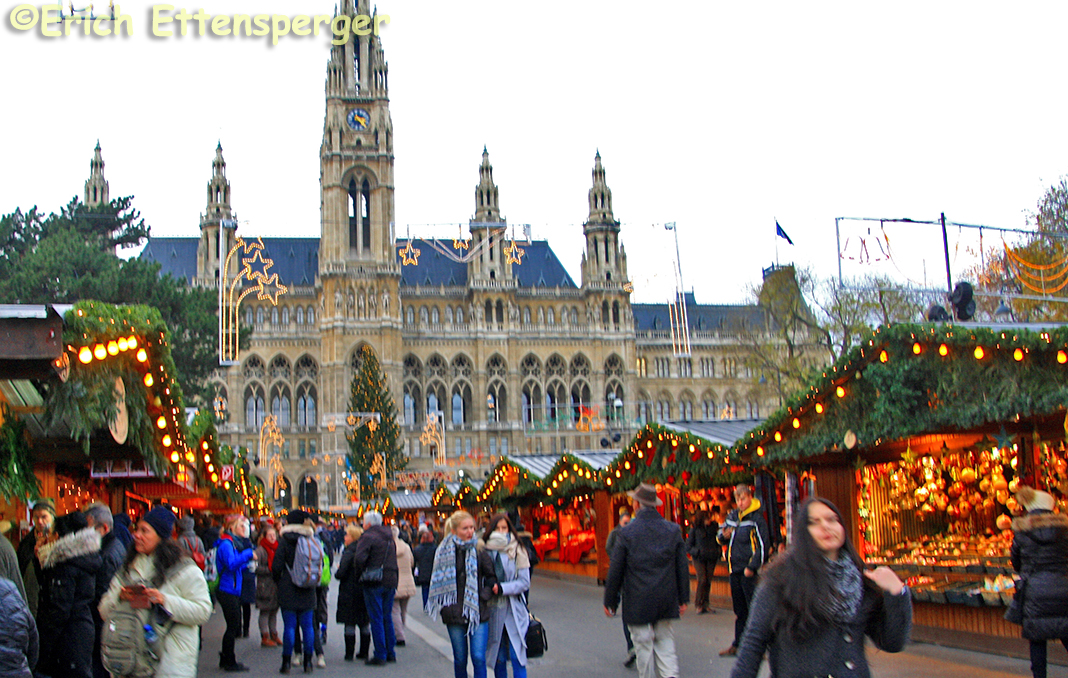
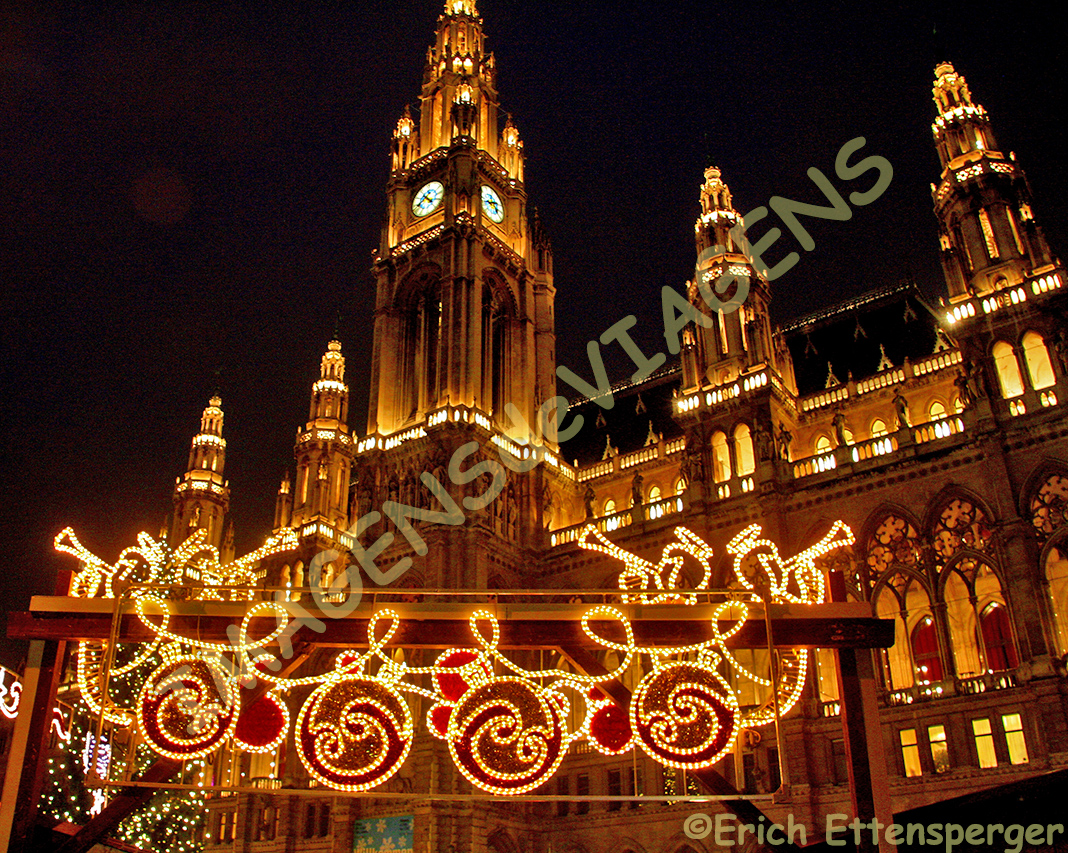
O que mais me impressionou foi o Mercado de Natal localizado na praça, em frente à Prefeitura.
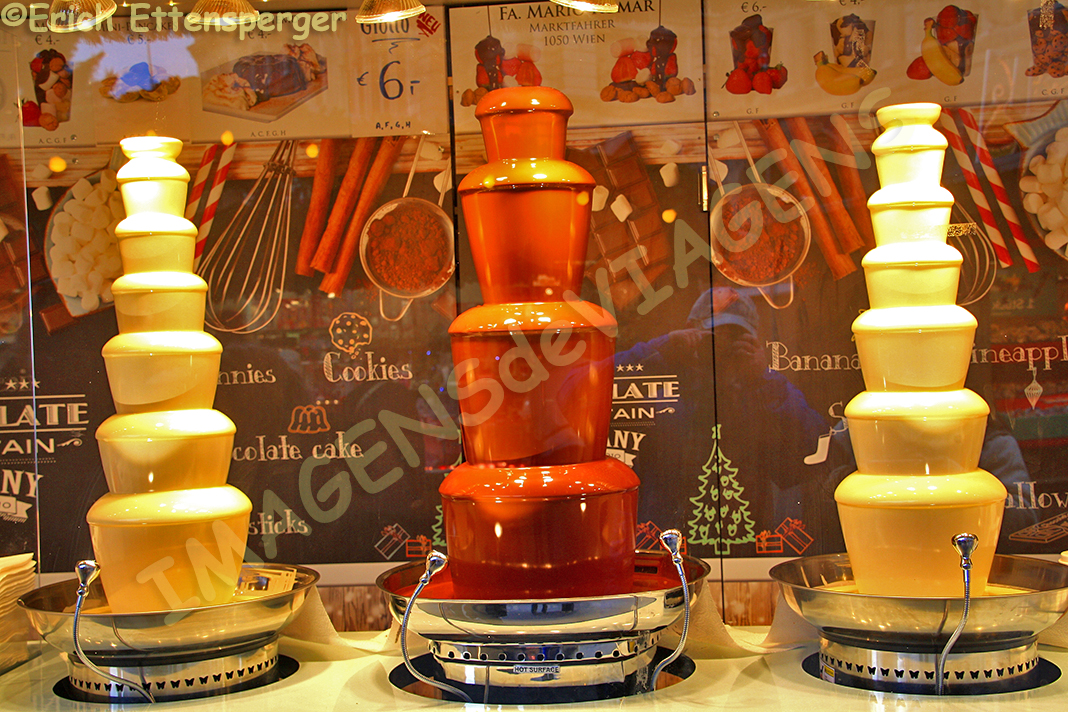
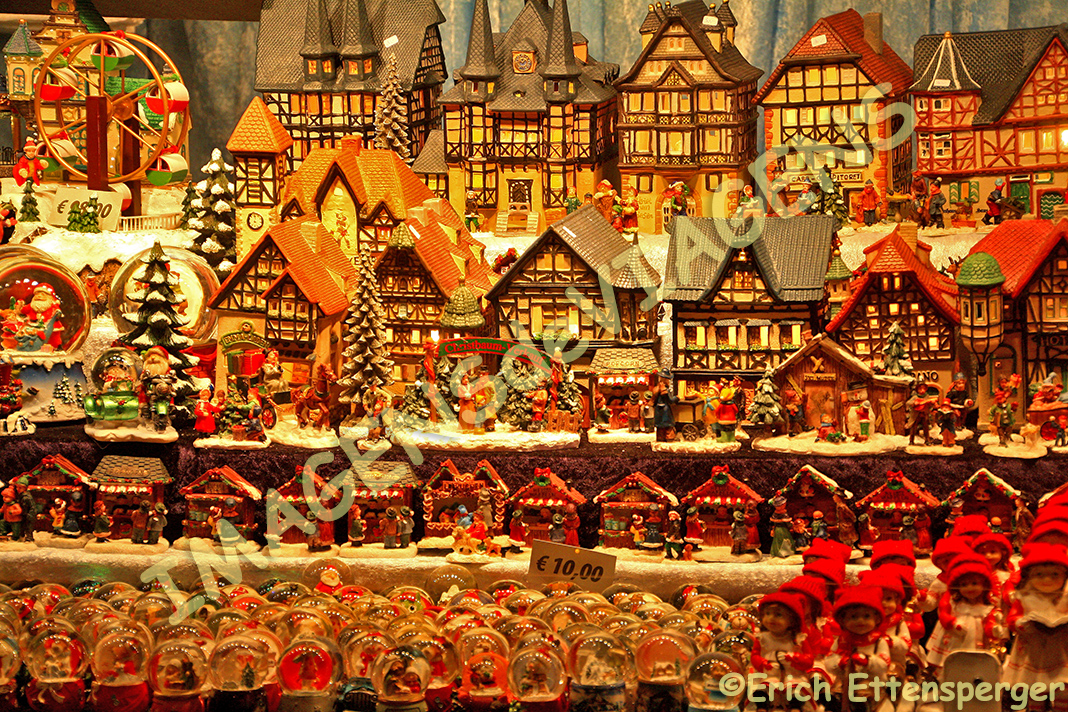
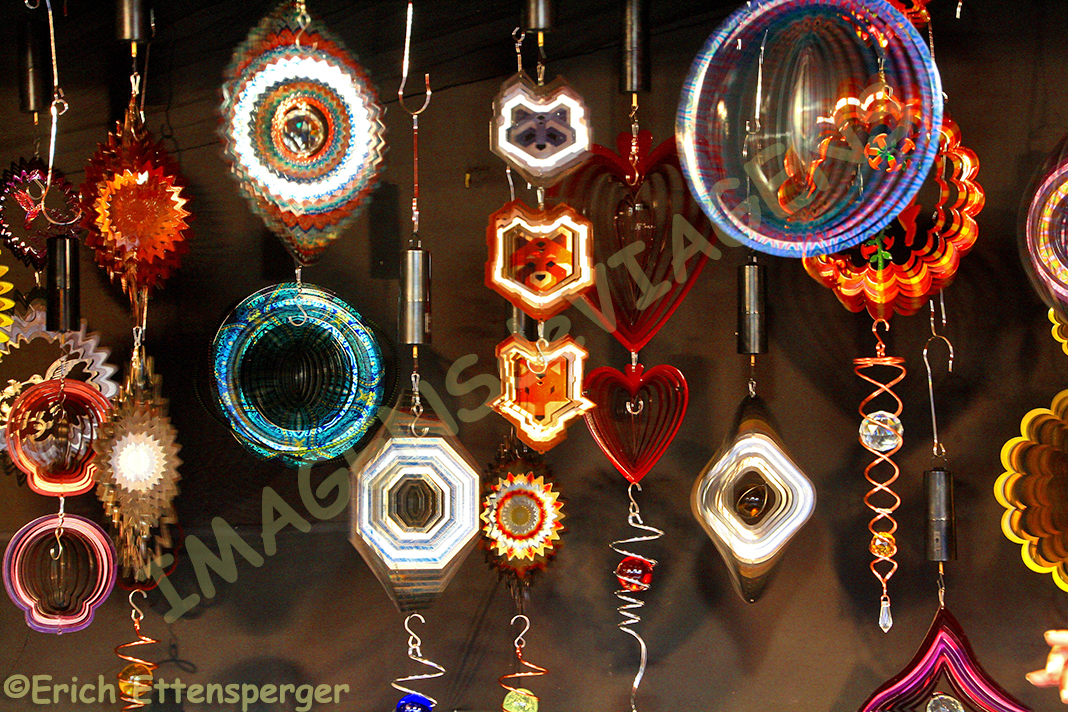
Trata-se de um conjunto de quiosques que vendem diversos produtos natalinos e não natalinos, emoldurados com um show de luzes e cores.
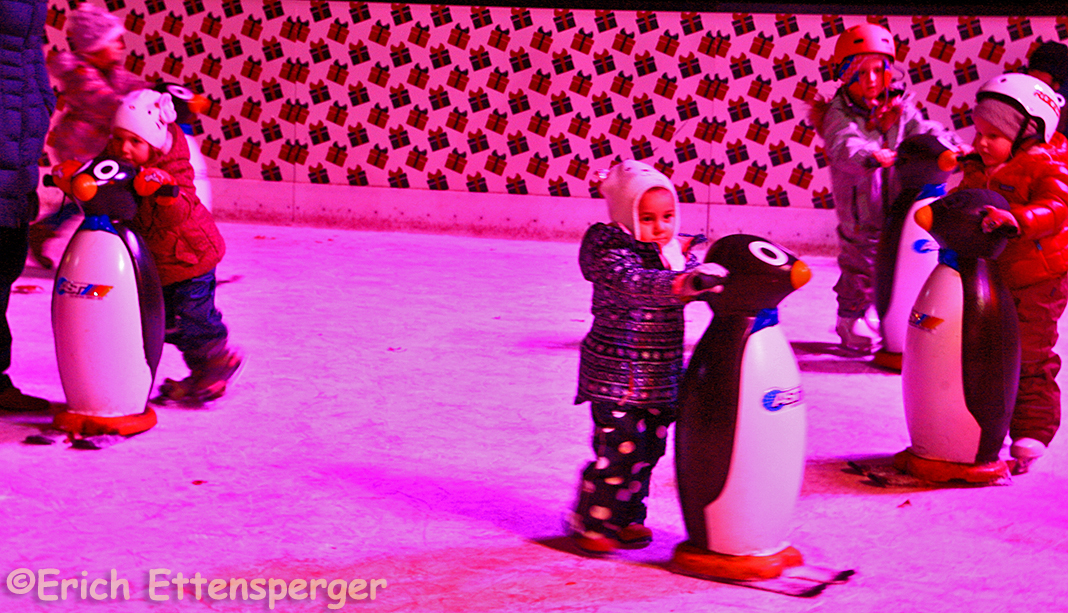
Há parque de diversões, pista de patinação,
tem passeio de trenzinho
que percorre a área do evento além disso, o ar possui um cheiro de comida e bebida saboroso que fazem você ficar com água na boca.
Mas, o que mais chamou minha atenção são as belas árvores de natal, lindas, coloridas, iluminadas, inesquecíveis!
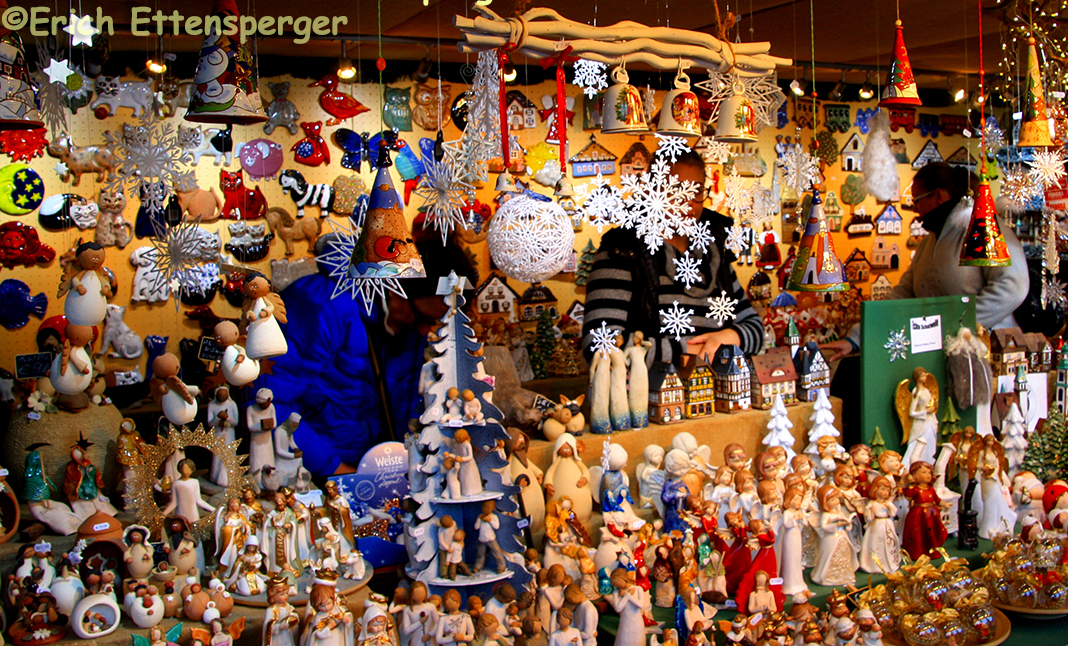
Esse mercado é constituído por 150 quiosques onde você pode encontrar uma grande variedade de produtos. Há brinquedos artesanais, roupas de frio, principalmente luvas, cachecóis, pulôveres, e gorros, artigos decorativos natalinos, presépios, arte, velas, dentre outros.
As cores e cheiros me encantaram! Erich e eu gostamos muito de beber o vinho quente (Glühwein), que é basicamente o vinho tinto aquecido misturado com canela em pau, alguma fruta cítrica e cravo. Há uma grande variedade dessa bebida. Como nessa época do ano é inverno e a temperatura é baixa, essa bebida ajuda aquecer.
Apesar desse mercado funcionar a partir das 10 horas da manhã, o melhor é visita-lo a partir do anoitecer, quando as luzes se acendem. Aliás, começa a escurecer nessa época a partir das 16 horas.
Além desse mercado, o mais grandioso e espetacular de Viena, há outros distribuídos em diversas partes da cidade, cada um com suas delícias e cheiros.
Se você planejar uma visita à Viena, pesquise antes o período de funcionamento dos Mercados de Natal e a localização dos mesmos. O que acontece em frente à prefeitura começou em 16 de novembro e se estende até 26 de dezembro de 2018. Veja horários e mais informações aqui.
Observação: se você quiser continuar “viajando” com o nosso blog, clique no botão “seguir” localizado no canto inferior direito dessa página. Você também pode “viajar” pelo Brasil conhecendo nosso livro impresso 66 Brasil e sua versão digital 66 Belezas do Brasil.
DER GROSSE WIENER WEIHNACHTSMARKT
Wien während der Weihnachtszeit ist ein Fest des Lichtes. Wir kamen in einer kalten Winternacht in Wien an und unser Hotel lag am beleuchteten Schubertring, ich hatte den Eindruck, dass ich in einem lichtdurchfluteten Paradies ankam. Ja, zu dieser Jahreszeit lohnt es sich auch, Wien zu besuchen.
Am meisten hat mich der Weihnachtsmarkt auf dem Platz vor dem Rathaus beeindruckt.
Es ist eine Aneinanderreihung von Kiosken, welche die verschiedensten Weihnachts- und Nicht-Weihnachts-Produkte verkaufen, das Ganze umrahmt von einer Lichtershow und Farbenmeer.
Es gibt auch einen kleinen Vergnügungspark, eine Schlittschuhbahn,
eineZugfahrt,
unddieLuftduftetüberallnachleckeremEssen und Getränken, waseinemunvermeidlich das WasserimMundezusammenlaufenlässt.
Aber was jedoch meine Aufmerksamkeit am meisten erregte waren die schönen Weihnachtsbäume, zauberhaft, bunt, beleuchtet, einfach unvergesslich!
Dieser Markt besteht aus 150 Kiosken mit einer groβen Vielfalt unterschiedlichster Produkte: es gibt handgemachtes Spielzeug, Winterbekleidung wie Handschuhe, Schals, Pullover und Mützen, dekorative Weihnachtsartikel, Krippen, Kunst, Kerzen und vieles mehr.
All die Farben und Gerüche verzauberten mich! Erich und ich genossen es wirklich, Glühwein zu trinken, davon gibt es eine groβe Vielfalt im Angebot und in dieser Jahreszeit mit seinen kalten Temperaturen hilft dieses Getränk zum Aufwärmen.
Obwohl dieser Markt ab 10 Uhr morgens funktioniert, ist es am besten, ihn vor der Abenddämmerung zu besuchen, wenn dann die Lichter angehen. Übrigens wird es schon um 16 Uhr dunkel.
Zusätzlich zu diesem Markt, dem großartigsten und spektakulärsten von Wien, gibt es viele andere in den verschiedenen Stadtteilen, jeder mit seinem eigenen Flair, Farben und Gerüchen.
Falls Sie einen Besuch in Wien planen, dann sollten Sie sich zunächst nach den Öffnungszeiten und dem Standort der Weihnachtsmärkte erkundigen. Der vor dem Rathaus dauert z.B. vom 16. November bis zum 26. Dezember 2018. Fahrpläne und weitere Informationen finden Sie hier.
Hinweis: Falls Sie unserem Blog folgen wollen, dann klicken Sie unten rechts einfach auf “Weiter”, Sie werden dann zukünftig automatisch informiert. Sie können auch durch Brasilien reisen und unser Buch 66 SEHENSWÜRDIGKEITEN IN BRASILIEN kennenlernen (Amazon) und 66 x Brazil – A Mosaic of Beauties (Apple).
THE BIG VIENNA CHRISTMAS MARKET
Vienna during the Christmas season is a festival of lights. We arrived in Vienna on a cold winter night and our hotel was located on the illuminated Schubertring. I had the impression that I arrived in a paradise flooded with light. Yes, at this time of year it is also worthwhile to visit Vienna.
The Christmas market on the square in front of the town hall impressed me the most.
It’s a series of kiosks selling a variety of Christmas and non-Christmas products, all framed by a lightshow and an ocean of colors.
There is also a small amusementpark, a skating rink,
But what drew my attention the most were the beautiful Christmas trees, magical, colorful, illuminated, simply unforgettable!
This market consists of 150 kiosks with a wide variety of different products: there are handmade toys, winter clothing such as gloves, scarves, sweaters and hats, decorative Christmas items, cribs, art, candles and much more.
All the colors and smells enchanted me! Erich and I really enjoyed drinking mulled wine of which there is a great variety on offer and in this season with its cold temperatures this drink helps really to warm up.
Although this market works from 10 AM onwards, it is best to visit it before dusk, when all the lights come on. Incidentally, it is already dark at 16 o clock.
In addition to this market, the grandest and most spectacular of Vienna, there are many others in different parts of the city, each one with its own flair, colors and smells.
If you are planning a visit to Vienna, then you should first inquire about the opening hours and the location of the Christmas markets. The one in front of the town hall lasts for example from 16 November to 26 December 2018. Timetables and further information can be found here.
Note: If you want to follow our “Travels” on the blog, simply click on “Seguir” in the lower right corner, you will be then automatically informed in the future. You can continue traveling with us with our book Brazil´s 66 Beautiful Sites (Amazon) and 66 x Brazil – A Mosaic of Beauties (Apple).
Relato e Photos: Dâmaso e Leila Chacon, viajantes convidados
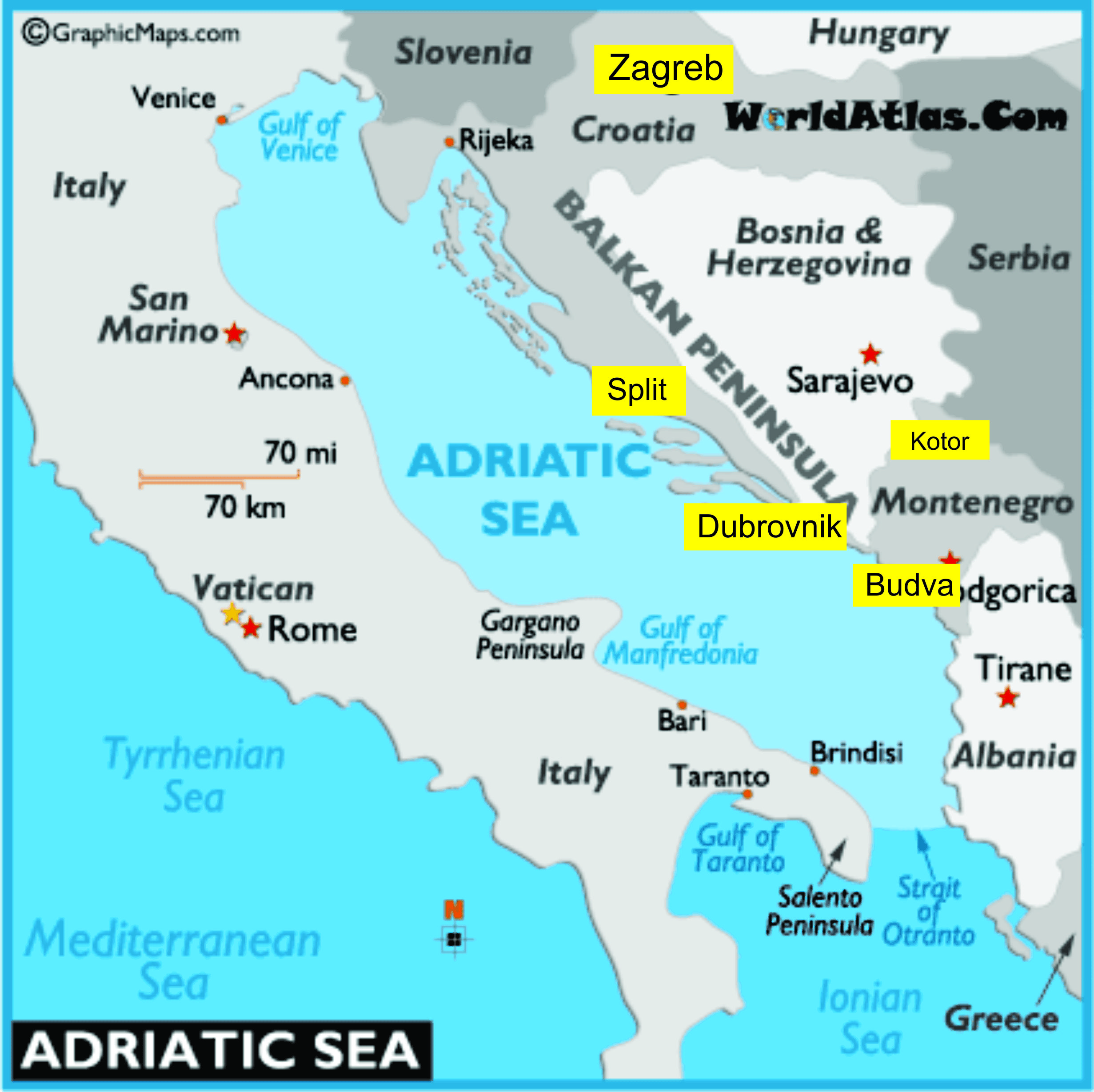
Imagine um mar circundado por belas praias e cidades com um rico patrimônio cultural e natural. Sim, estou falando sobre o Mar Adriático, parte do Mar Mediterrâneo, localizado entre o leste da costa italiana e a Península dos Bálcãs, situado no sudeste do continente europeu. Esse mar banha a Eslovênia, Croácia, Bósnia-Hezegovina, Montenegro e Albânia. Para se ter uma ideia, esses cinco países totalizam dezenove bens culturais integrantes da lista de bens tombados pela UNESCO, onde ressalta-se a famosa cidade de Dubrovinik, na Croácia e sete bens naturais com destaque especial para o Parque Nacional dos Lagos de Plitvice, na Croácia e a Região Natural e Histórica Cultural de Kotor, em Montenegro.
Já faz algum tempo que escuto relatos de pessoas sobre belas viagens que fizeram por essa região. Eu ainda não naveguei por esses lados, mas, Erich viajou por lá quando ainda era a Iugoslávia. O amigo Dâmaso Chacon e sua esposa Leila estão viajando por lá e gentilmente, dividem conosco um pouco dessa experiência.
Primeiro, eu quis saber como foi a rota que eles fizeram entre Natal, no Rio Grande do Norte até a costa dos Bálcãs. Eles voaram Natal – Fortaleza – Amsterdã – Zagreb, pela companhia aérea holandesa KLM. A partir daí, eles viajaram pela Costa Adriática de ônibus, da empresa Fixbus. A sequência da viagem foi: Zagreb – Zadar – Split – Dubrovnik – Ilha de Hvar. De Dubrovinik eles voaram, pela Croatia Airways para Zagreb e de lá, pela Air France, Paris – Fortaleza – Natal. Eles elogiaram o serviço da KLM.
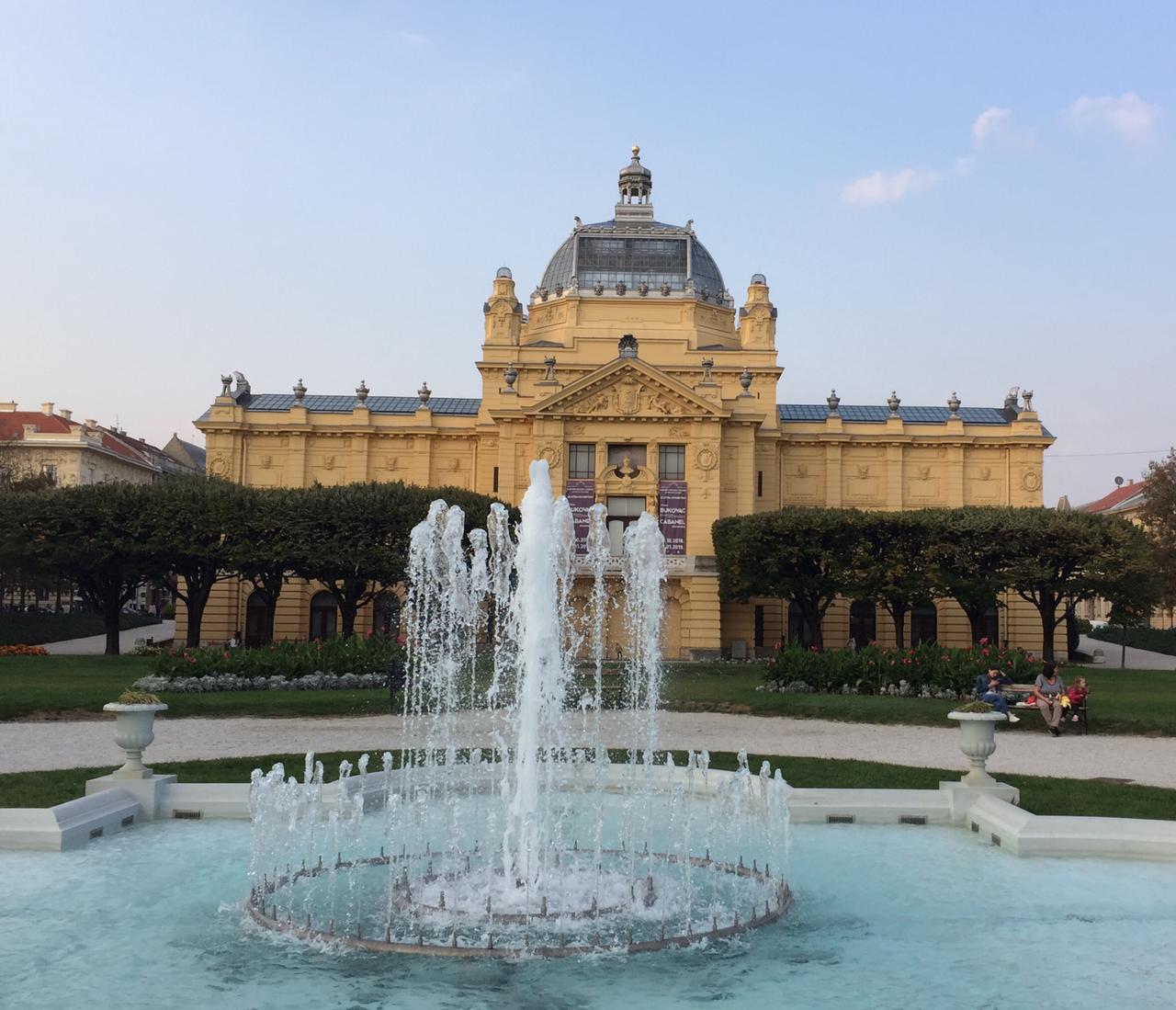
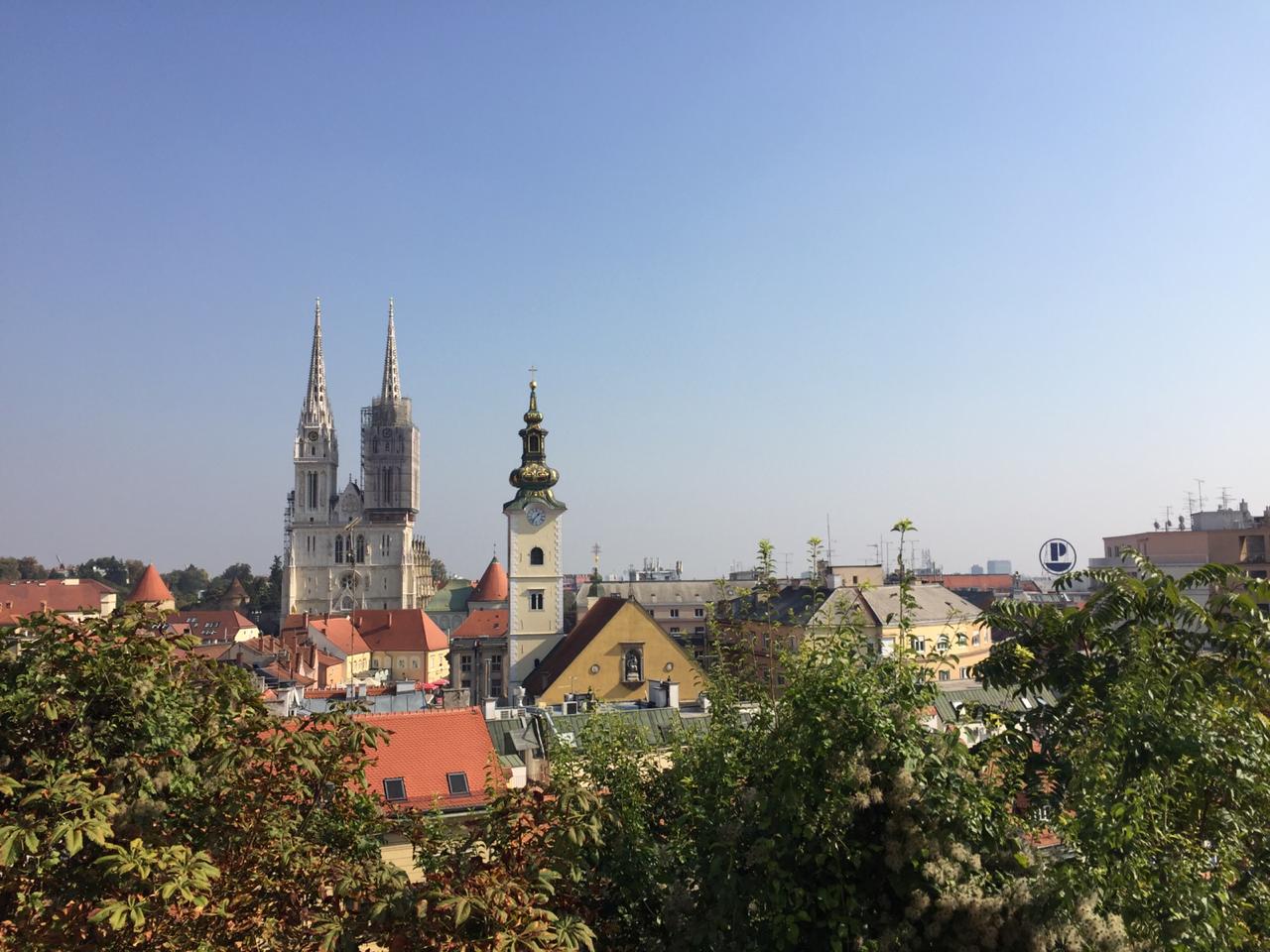
Bem, vamos às impressões sobre Zagreb, cidade que eles acharam parecida com Viena: “Zagreb, uma cidade viva, alegre que convive muito bem com a natureza.
Anda-se por suas ruas e de repente, um oásis para relaxar e ter o contato direto com a natureza! Isto a torna pitoresca a cada esquina, onde um fascínio sem grandes pretensões lhe coloca em lugares bucólicos!”.
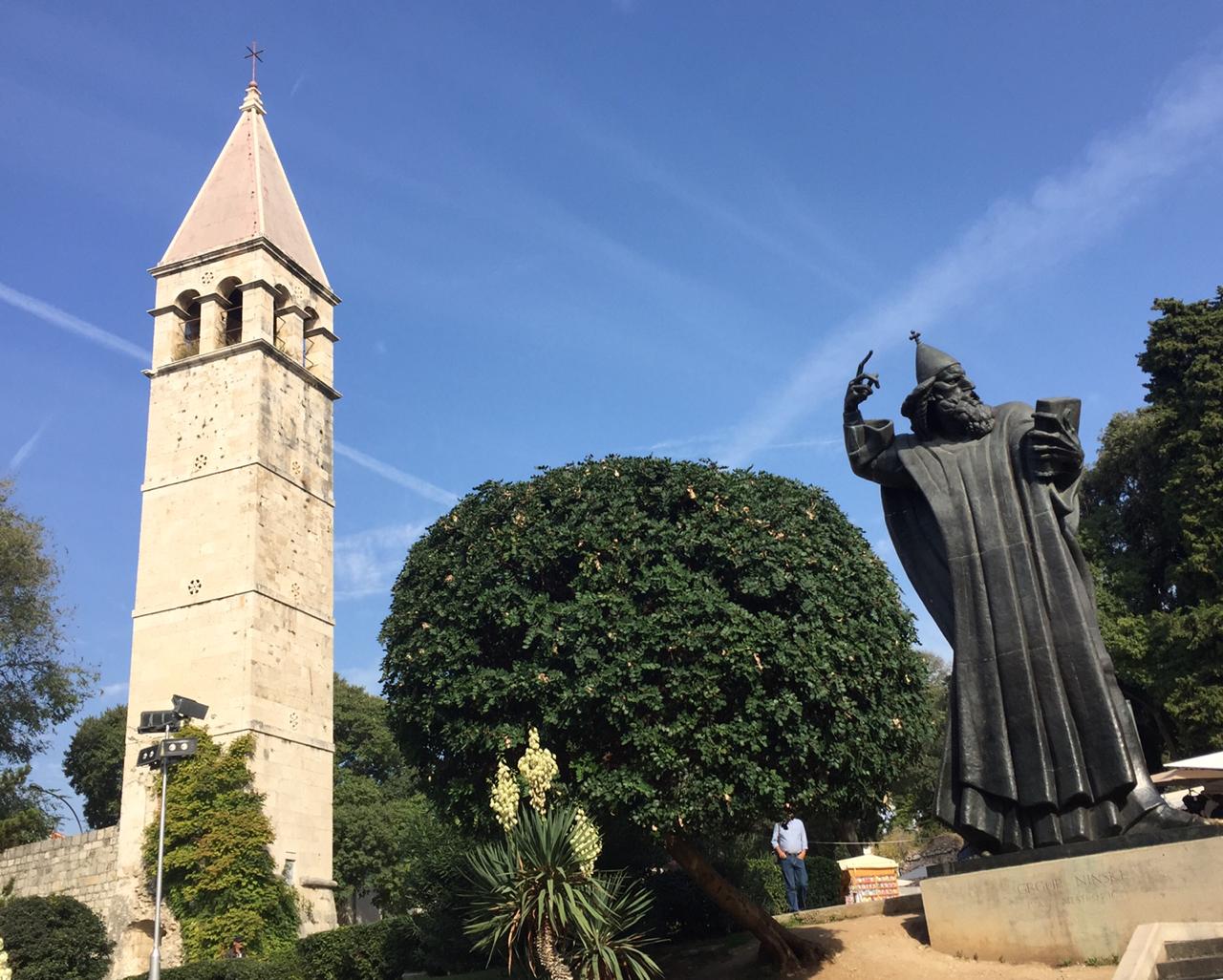
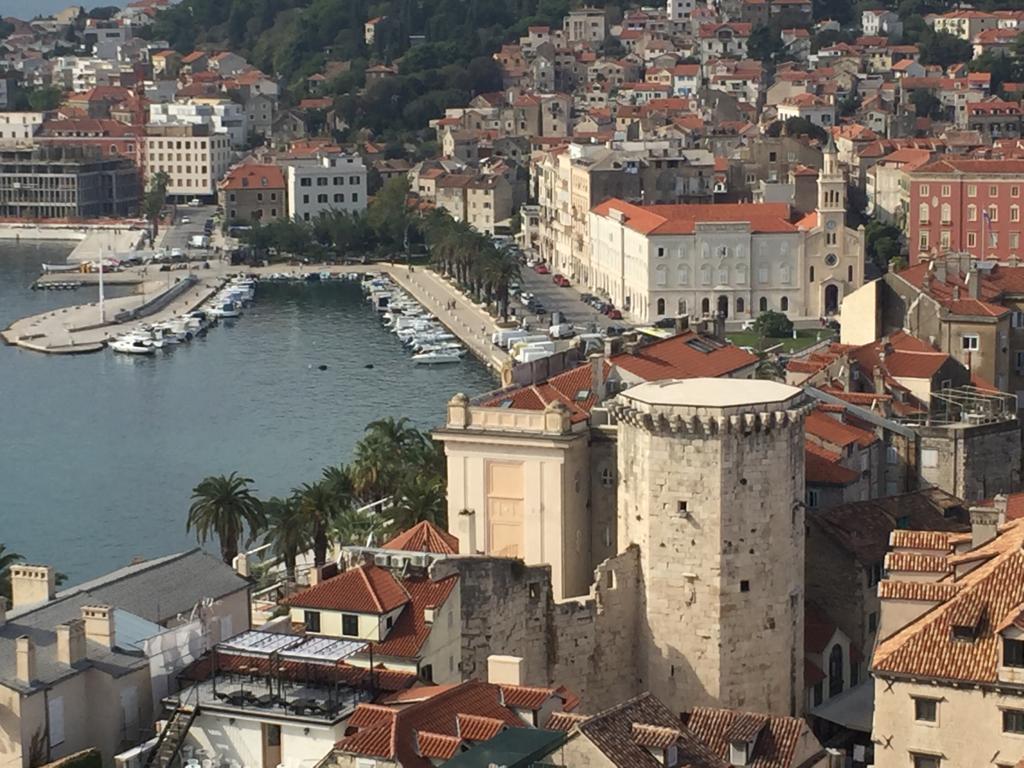
Depois de Zagreb, recebi fotos e informações sobre Split:
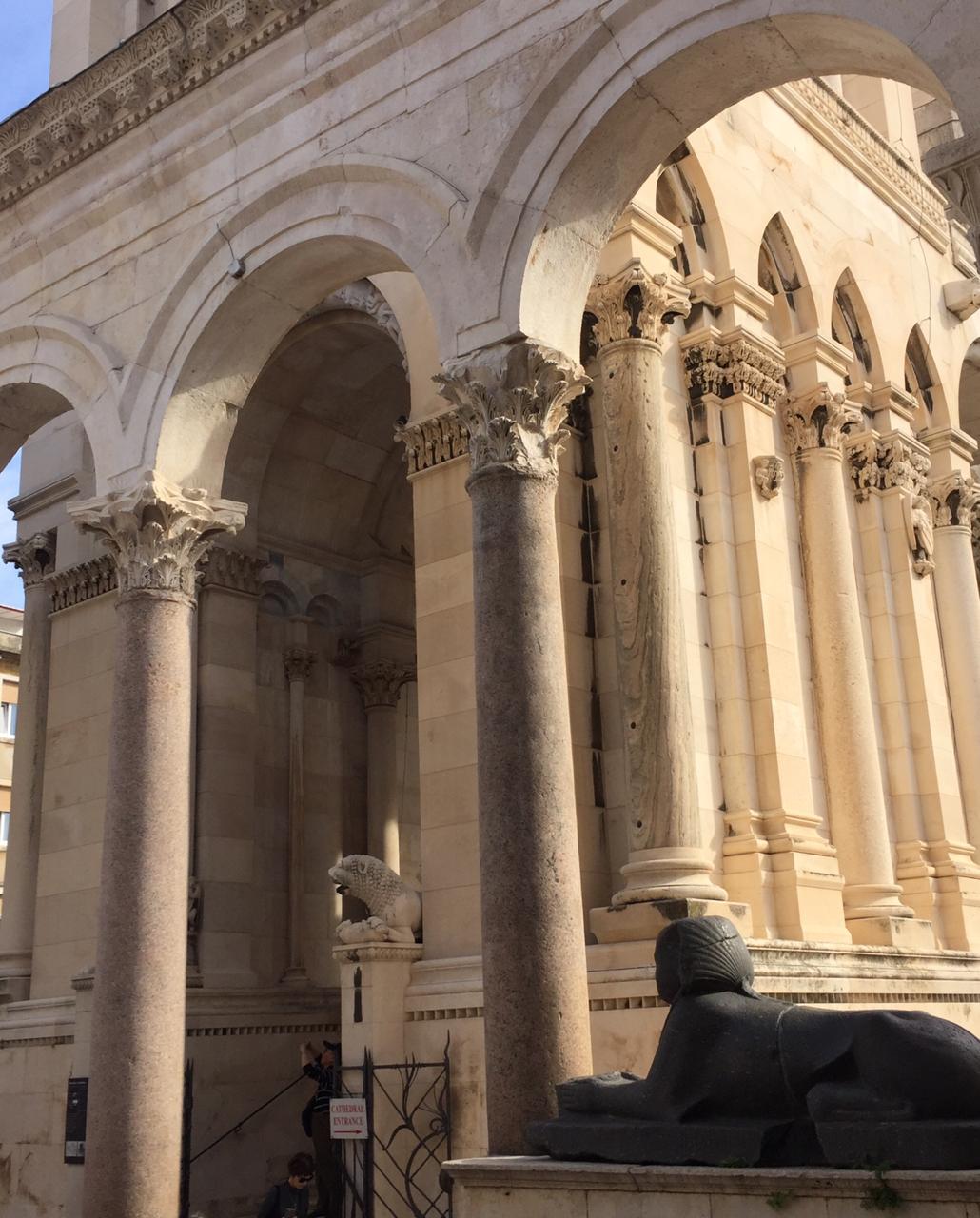
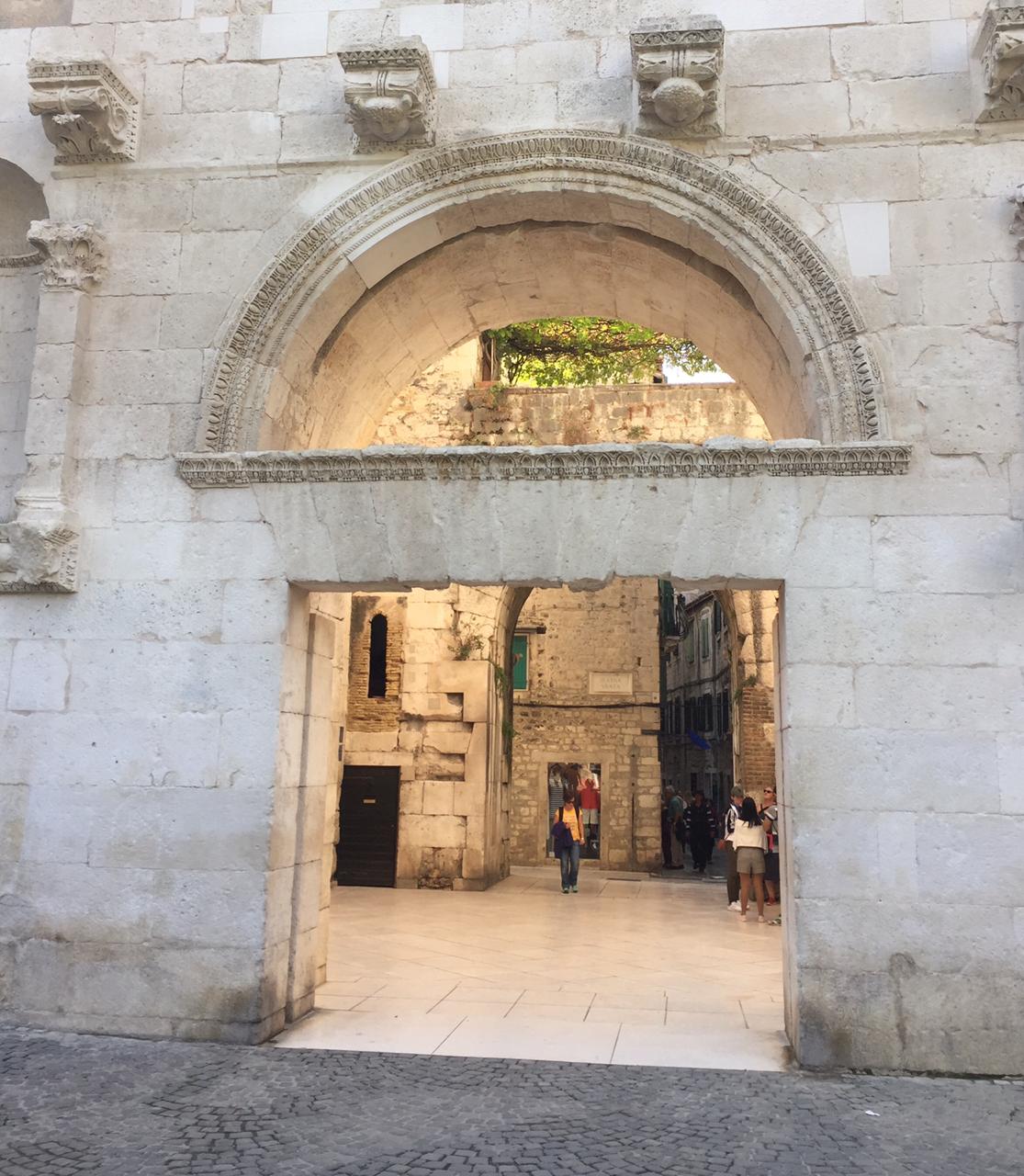
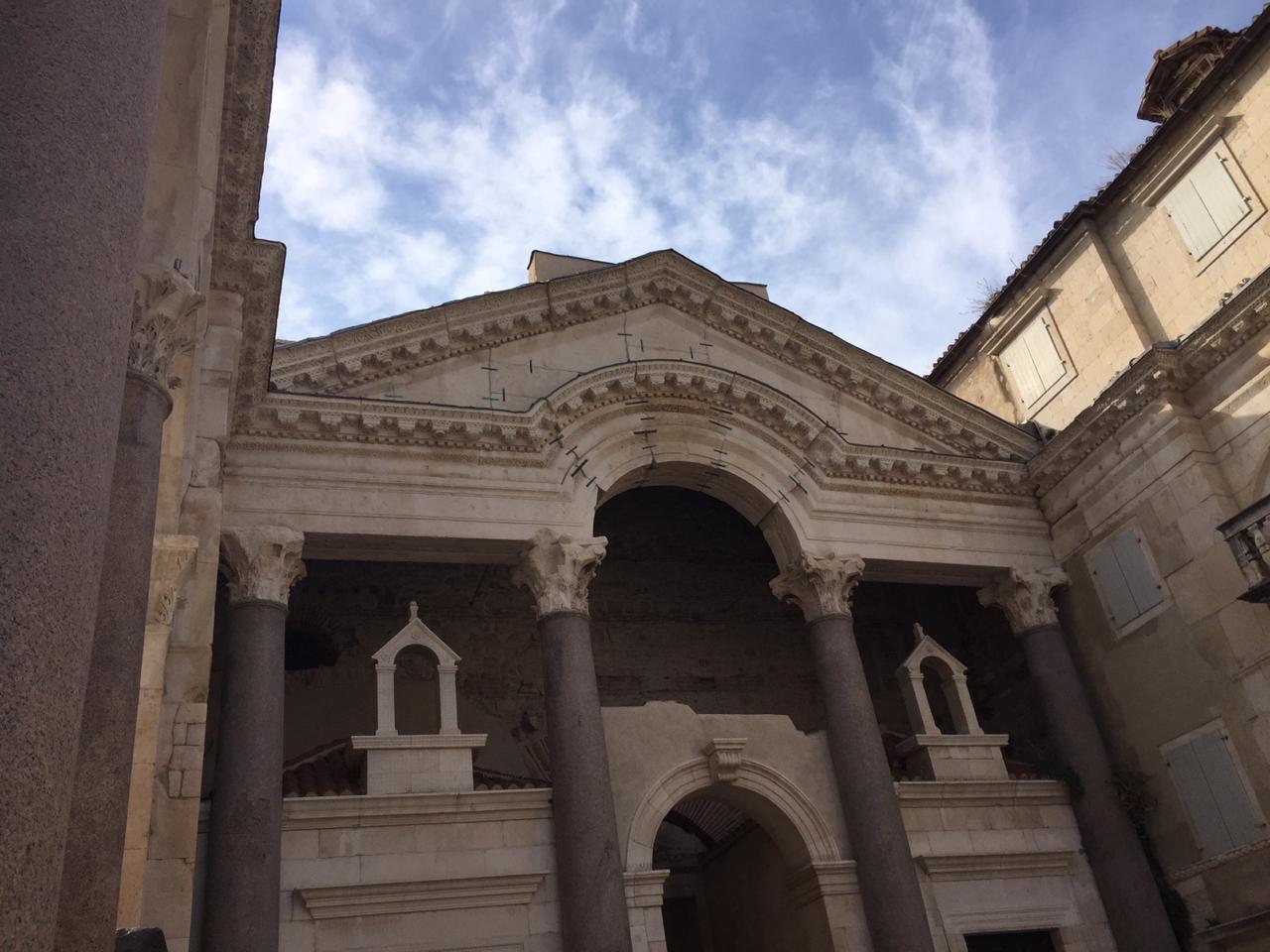
“Split, cidade onde Diocleciano, imperador romano, que era daqui mandou construir um palácio que hoje está inserido na cidade, inclusive o seu mausoléu, que hoje é uma catedral católica” (o Complexo Histórico de Split com o Palácio de Diocleciano é tombado pela UNESCO, desde 1979).
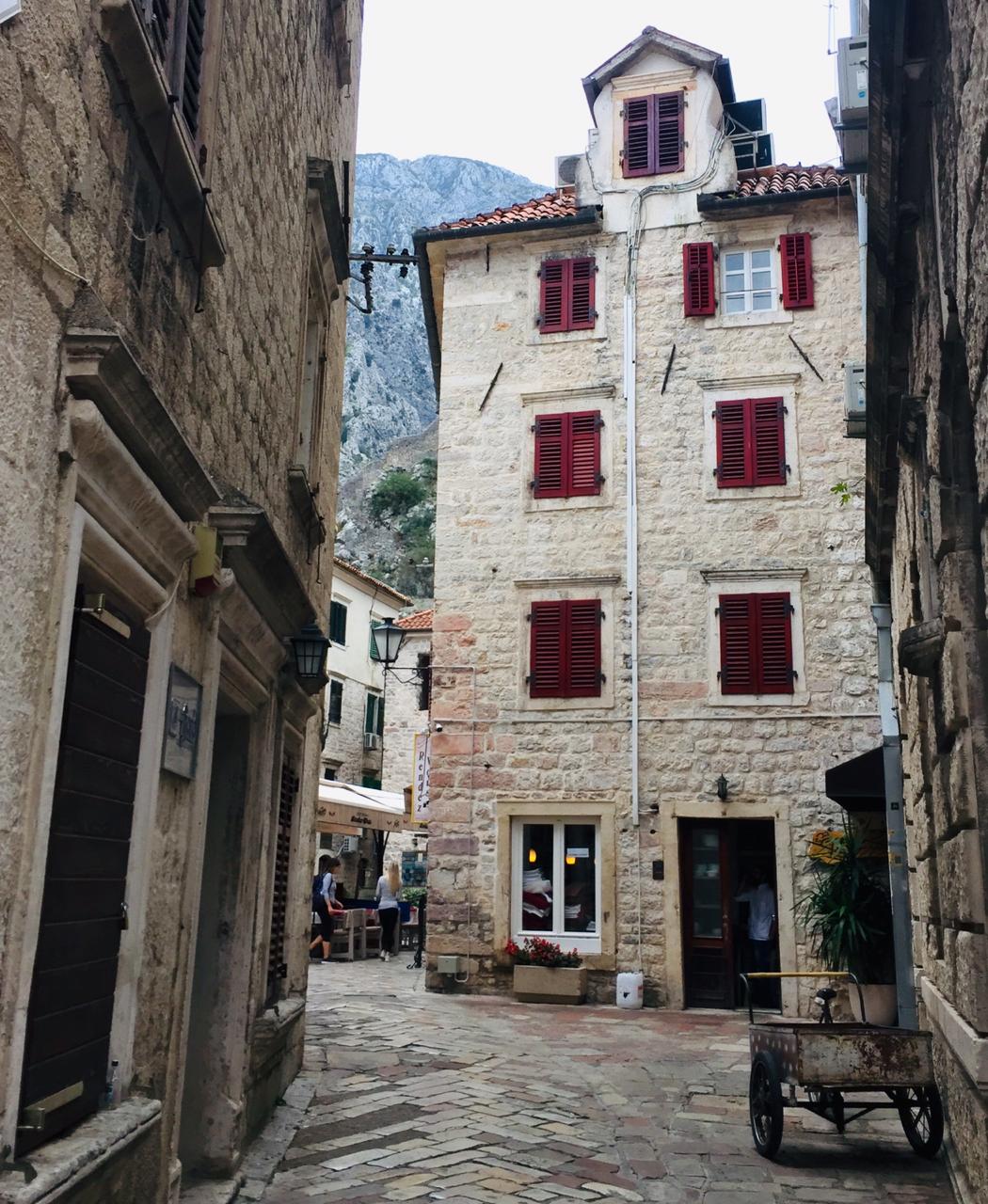
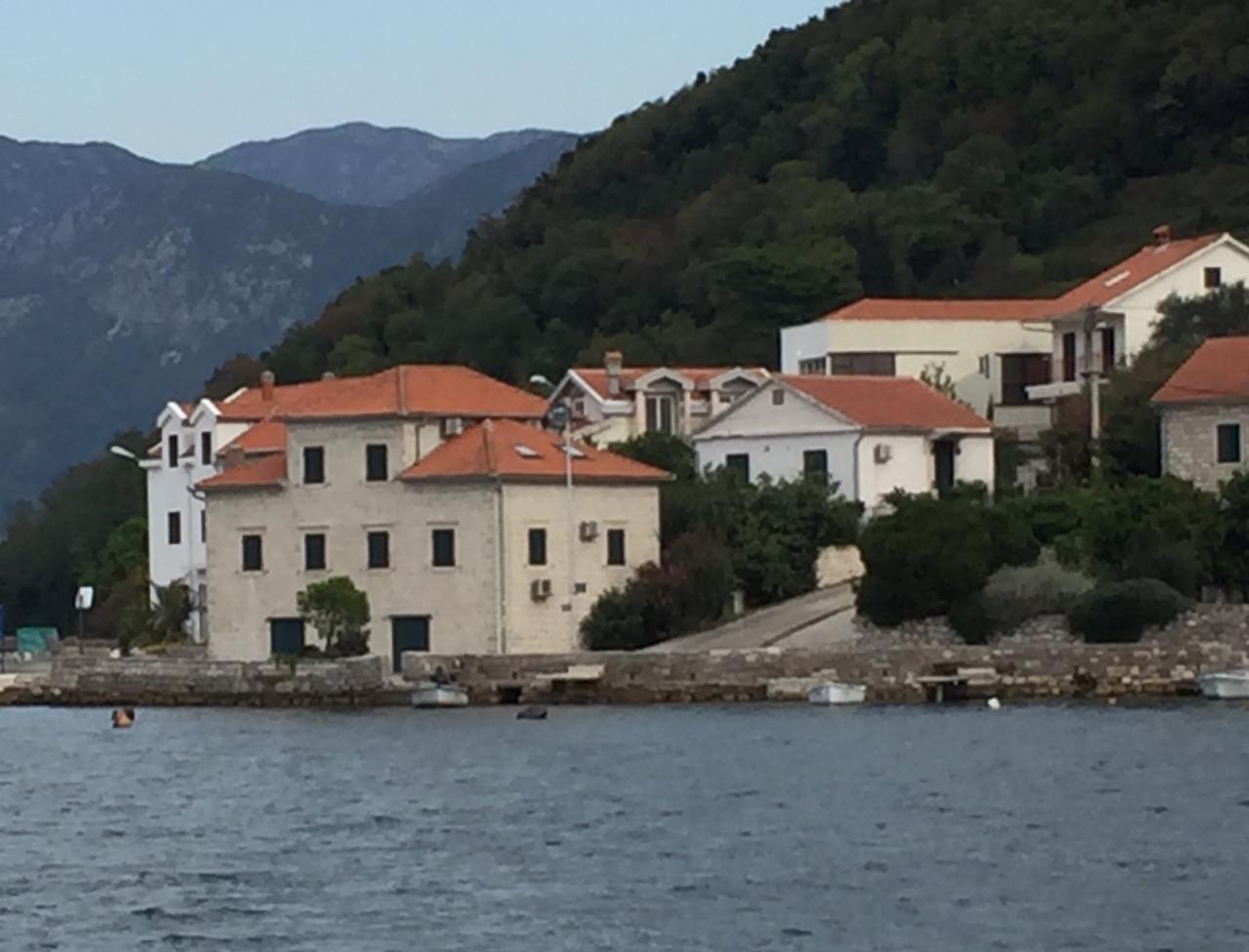
Sobre Budva e Kotor em Montenegro: “… um dos últimos povos, além de Kosovo a se separarem da Sérvia. Sua população tem certa identificação com o leste europeu, com maioria de católicos ortodoxos russos, muçulmanos e minoria católica. As mulheres ainda convivem com tradições de certa submissão ao homem!”.
Budva:
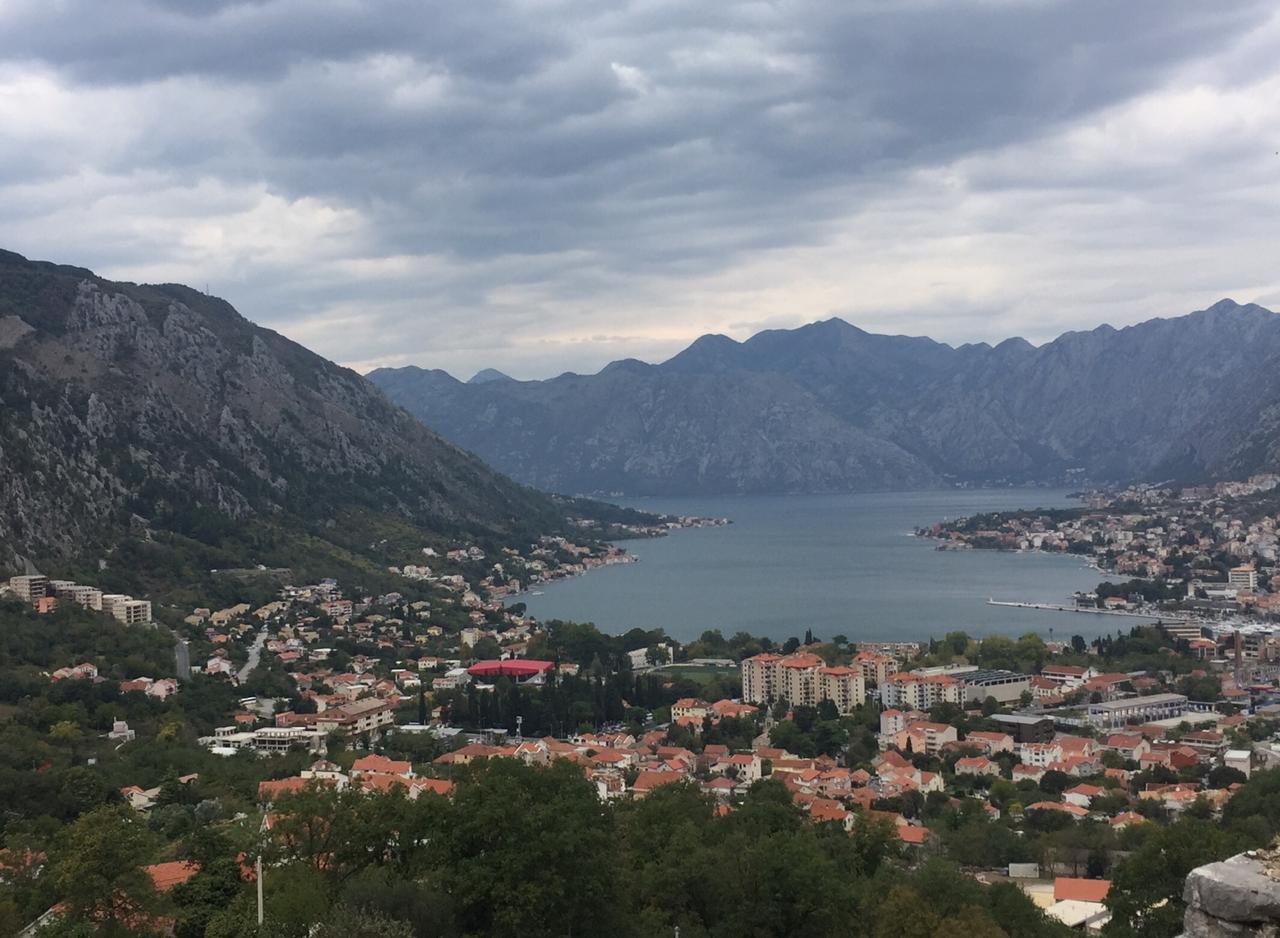
Kotor:
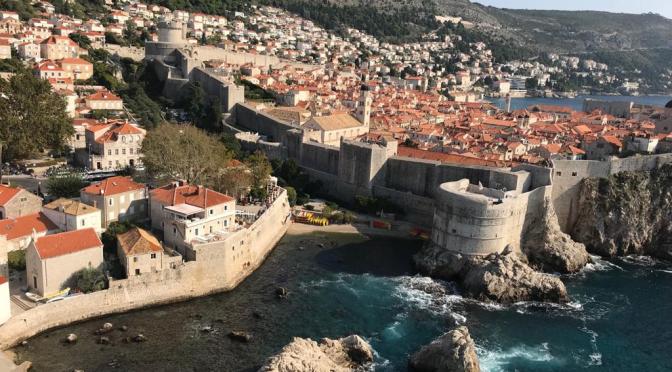
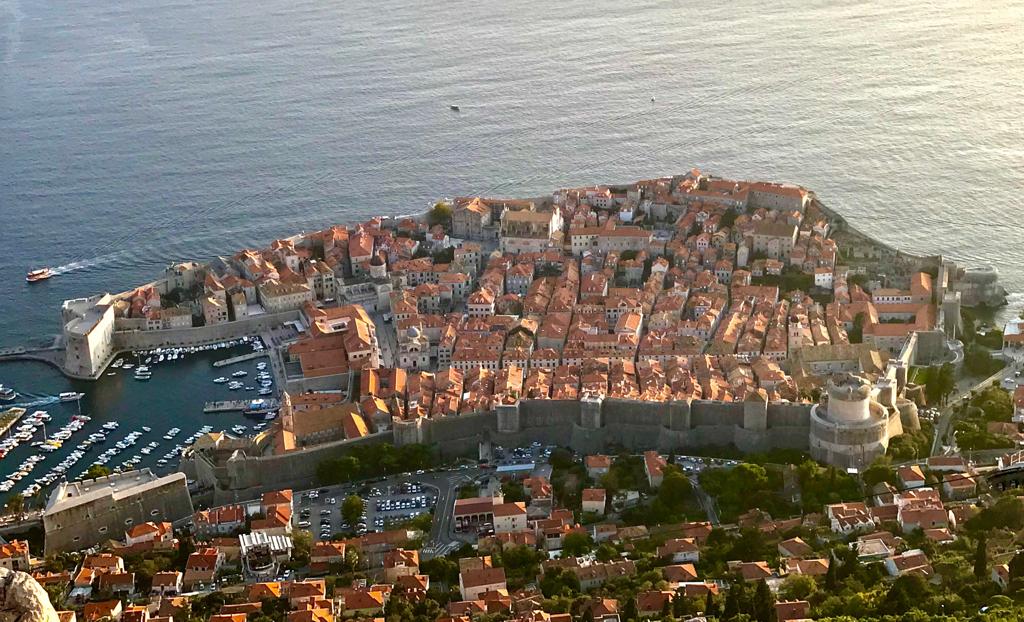
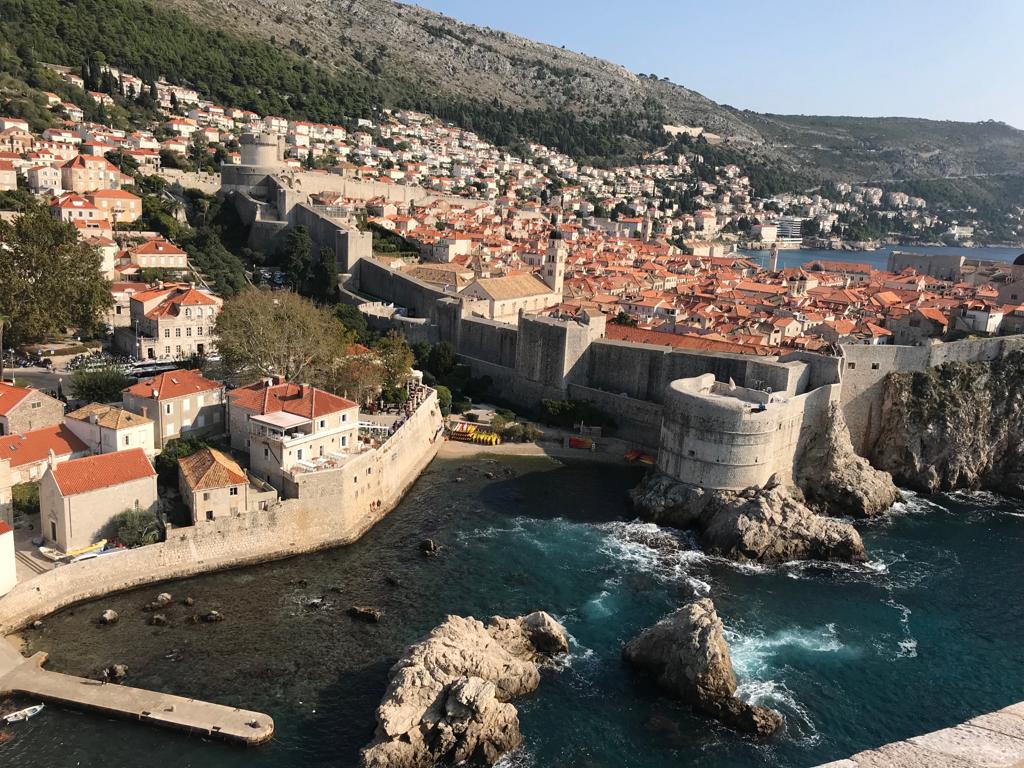
Depois de ler o relato e ver as fotos, acredito que a mais famosa das cidades visitadas é Dubrovinik, vejam o que eles comentaram: “Dubrovnik, cenário de Kings Landing, capital de Westeros dos Sete Reinos de Game of Thrones. Para quem assistiu a série, é o local da batalha de Blackwater”.
Finalmente, gostaria de dizer que depois de ver as fotos e saber mais sobre essa parte do planeta, Erich e eu já integramos esse destino na nossa lista de desejos.
Observação: se você quiser continuar “viajando” com o nosso blog, clique no botão “seguir” localizado no canto inferior direito dessa página. Você também pode “viajar” pelo Brasil conhecendo nosso livro impresso 66 Brasil e sua versão digital 66 Belezas do Brasil.
SCHÖNHEITEN DER ADRIA
Stellen Sie sich ein Meer vor, das von wunderschönen Stränden und Städten mit einem reichen kulturellen Erbe und schöner Natur umrahmt ist.
Ja, ich spreche von der Adria, einem Teil des Mittelmeers, zwischen der Ostküste Italiens und der Balkanhalbinsel im Südosten des europäischen Kontinents gelegen.
Dieses Meer umspült die Küsten Sloweniens, Kroatiens, Bosnien-Herzegowinas, Montenegros und Albaniens.
Um eine Idee zu geben, diese fünf Länder verfügen über neunzehn Attraktionen, die in der Liste des Weltkulturerbes der UNESCO registriert sind, darunter die berühmte Stadt Dubrovinik in Kroatien, darüber hinaus sieben Orte des Weltnaturerbes mit besonderem Schwerpunkt auf dem Nationalpark Plitvicer Seen in Kroatien und der natur- und kulturhistorischen Region von Kotor in Montenegro.
Seit einiger Zeit schon höre ich Berichte von Leuten über die schönen Reisen, die sie in dieser Region unternommen haben. Erich besuchte diese Region als fast alles noch Jugoslawien war. Ich war noch nicht dort unterwegs, aber mein Freund Damaso Chacon und seine Frau Leila sind dorthin gereist und teilen mit uns freundlicherweise ein wenig ihre gemachten Erfahrungen.
Zuerst wollte ich wissen, wie ihre Reiseroute zwischen Natal, Rio Grande do Norte in Brasilien und der Balkan-Küste verlaufen ist. Sie flogen Natal – Fortaleza – Amsterdam – Zagreb mit der niederländischen Fluggesellschaft KLM. Von dort aus bereisten sie die Adriaküste per Bus der Firma Fixbus.
Die Stationen der Reise waren wie folgt: Zagreb – Zadar – Split – Dubrovnik – Insel Hvar. Von Dubrovinik flogen sie dann mit Croatia Airways nach Zagreb und von dort aus weiter mit Air France nach Paris – Fortaleza – Natal. Sie lobten sehr den KLM-Service.
Nun zu den Eindrücken von Zagreb, einer Stadt, die sie Wien ähnlich fanden: “Zagreb, eine lebhafte, fröhliche Stadt, die sehr gut mit der Natur koexistiert.
Sie spazieren durch die Straßen und finden plötzlich eine Oase zum Entspannen und direktem Kontakt mit der Natur! Dies lässt es an jeder Ecke malerisch erscheinen, wo eine Faszination ohne große Ansprüche einen an idyllische Orte versetzt!”
Nach Zagreb bekam ich dann Fotos und Informationen über Split:
“Split, eine Stadt, in der Diokletian, ein römischer Kaiser, den Befehl erhielt, einen Palast zu bauen, der heute mitten in der Stadt liegt einschließlich seines Mausoleums, das heute eine katholische Kathedrale ist” (Historischer Komplex Split mit Diokletianpalast, UNESCO Weltkulturerbe seit 1979).
Über Budva und Kotor in Montenegro: “… eines der letzten Völker, abgesehen vom Kosovo, um sich von Serbien zu trennen. Die Bevölkerung hat eine gewisse Identifikation mit Osteuropa, mit der Mehrheit der russisch-orthodoxen Katholiken, Muslimen und der katholischen Minderheit. Die Frauen leben immer noch mit Traditionen einer gewissen Unterwerfung gegenüber dem Mann!”
Budva:
Kotor:
Nachdem ich den Bericht gelesen und die Fotos gesehen habe, glaube ich, dass die berühmteste der besuchten Städte Dubrovinik ist, sehen Sie nun, was sie kommentierten: “Dubrovnik, Landschaft von Kings Landing, der Hauptstadt von Westeros der Sieben Königreiche von Game of Thrones. Für diejenigen, die die Serie gesehen haben, ist dies der Schauplatz der Blackwater-Schlacht.”
Abschließend möchte ich sagen, dass Erich und ich, nachdem wir die Fotos gesehen haben und mehr über diesen Teil Europas erfahren haben, dieses Ziel bereits unserer Reise-Wunschliste hinzugefügt haben.
Hinweis: Falls Sie unserem Blog folgen wollen, dann klicken Sie unten rechts einfach auf “Weiter”, Sie werden dann zukünftig automatisch informiert. Sie können auch durch Brasilien reisen und unser Buch 66 SEHENSWÜRDIGKEITEN IN BRASILIEN kennenlernen.
BEAUTIES OF THE ADRIATIC
Imagine a sea framed by beautiful beaches and towns with a rich cultural heritage and beautiful nature.
Yes, I am talking about the Adriatic Sea, a part of the Mediterranean, between the eastern coast of Italy and the Balkan peninsula in the southeast of the European continent.
This sea laps the coasts of Slovenia, Croatia, Bosnia-Herzegovina, Montenegro and Albania.
To give you an idea, these five countries have nineteen attractions that are registered in the list of Culture World Heritage by UNESCO, including the famous city of Dubrovinik in Croatia, moreover, seven places of Nature World Heritage with special emphasis on the Plitvice Lakes National Park in Croatia and the natural and cultural-historical region of Kotor in Montenegro.
For some time now I have been hearing reports from people about the beautiful trips they have made in this region. Erich visited this region as almost everything was still Yugoslavia. I have not been there yet, but my friend Damaso Chacon and his wife Leila have traveled there and kindly share with us some of their experiences.
First I wanted to know how their itinerary looked like between Natal, Rio Grande do Norte in Brazil and the Balkan coast. They flew Natal – Fortaleza – Amsterdam – Zagreb with the Dutch airline KLM. From there they traveled the Adriatic coast by bus (Fixbus company).
The stations of the trip were as follows: Zagreb – Zadar – Split – Dubrovnik – Island Hvar. From Dubrovinik then they flew with Croatia Airways to Zagreb and from there on with Air France to Paris – Fortaleza – Natal. They highly praised the KLM service.
Now to the impressions of Zagreb, a city that they found similar to Vienna: “Zagreb, a lively, happy city that coexists very well with nature.
Strolling through the streets and suddenly finding an oasis to relax and get in direct contact with nature! This makes it appearing picturesque on every corner, where a fascination without much pretension puts you in idyllic places!”
After Zagreb then I got photos and information about Split:
“Split, a city where Diocletian, a Roman emperor, was ordered to build a palace that is nowadays located in the heart of the city including its mausoleum, which today is a Catholic cathedral” (Split Historical Complex with Diocletian’s Palace, UNESCO World Heritage Site since 1979).
About Budva and Kotor in Montenegro: “… one of the last peoples apart from Kosovo to secede from Serbia. The population has some identification with Eastern Europe with the majority of Russian orthodox Catholics, Muslims and the Catholic minority. The women still live with traditions of a certain submission to the man!”
Budva:
Kotor:
After reading the report and seeing the photos I believe that the most famous of the visited cities is Dubrovinik, now look at what they commented about: “Dubrovnik, landscape of Kings Landing, the capital of Westeros of the Seven Kingdoms of Game of Thrones For those who saw the series, this is the scene of the Blackwater Battle.”
To conclude, after seeing the photos and learning more about this part of Europe, Erich and I have already added this destination to our travel wish list.
Note: If you want to follow our “Travels” on the blog, simply click on “Seguir” in the lower right corner, you will be then automatically informed in the future. You can continue traveling with us with our book Brazil´s 66 Beautiful Sites.
Apresentar lugares visitados ao redor do mundo e proporcionar um intercâmbio de informações com nossos visitantes./Display places visited around the world and provide an exchange of information with our visitors./Weltweit besuchte Orte vorstellen und einen Informationsaustausch mit unseren Besuchern anregen.























































 imagenseviagens.com.br/travelandimages.com