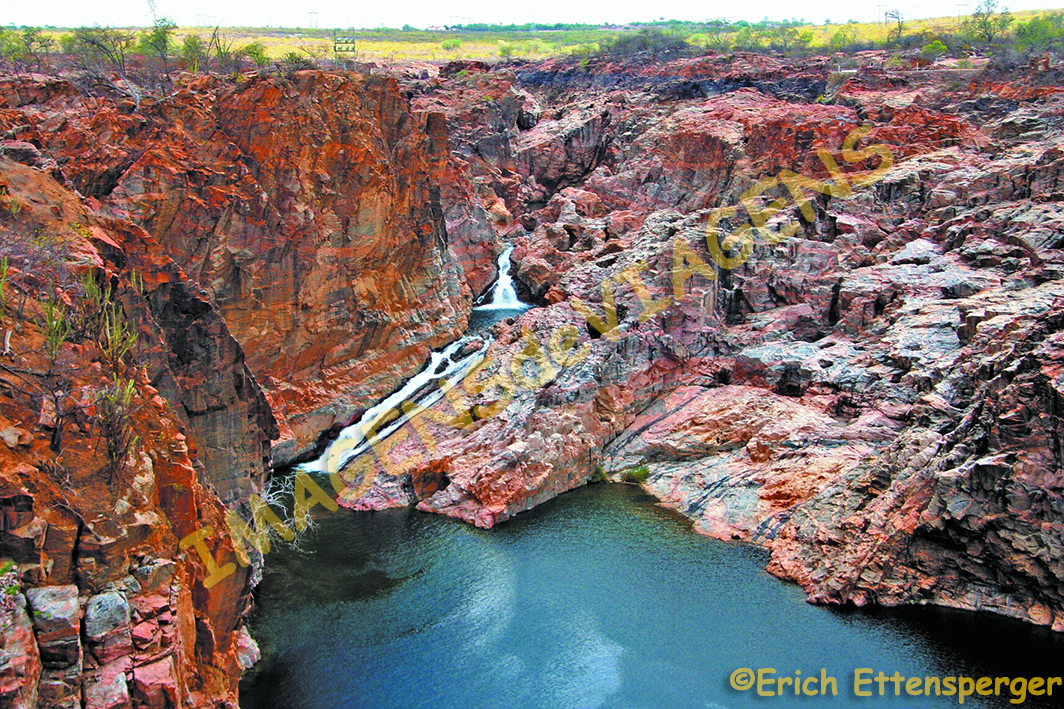
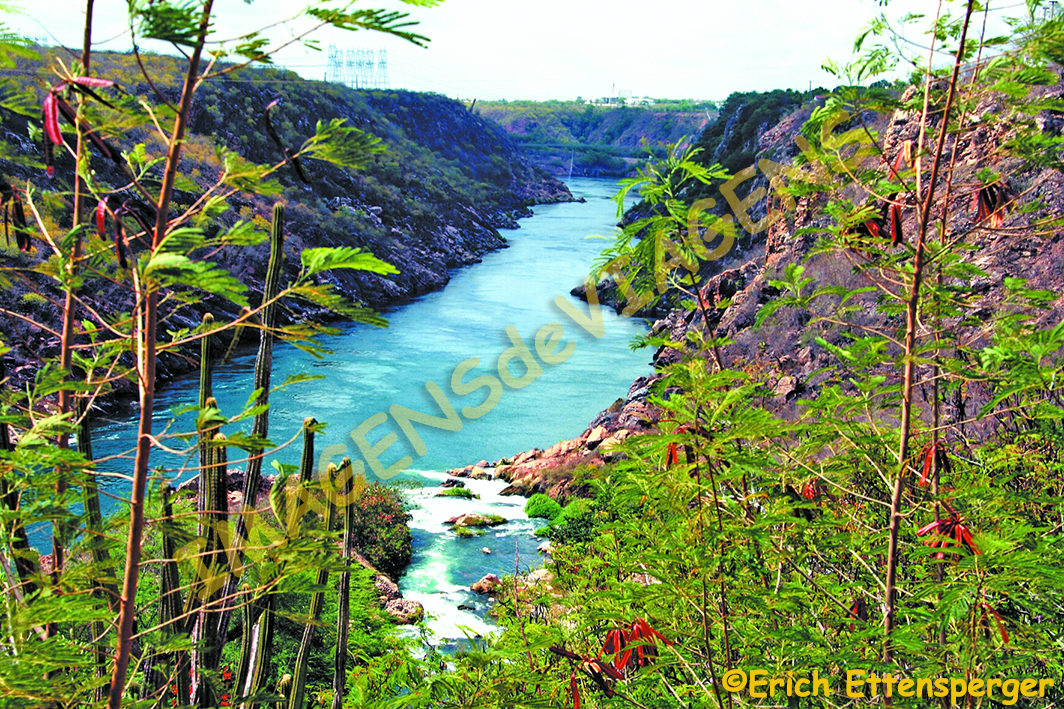
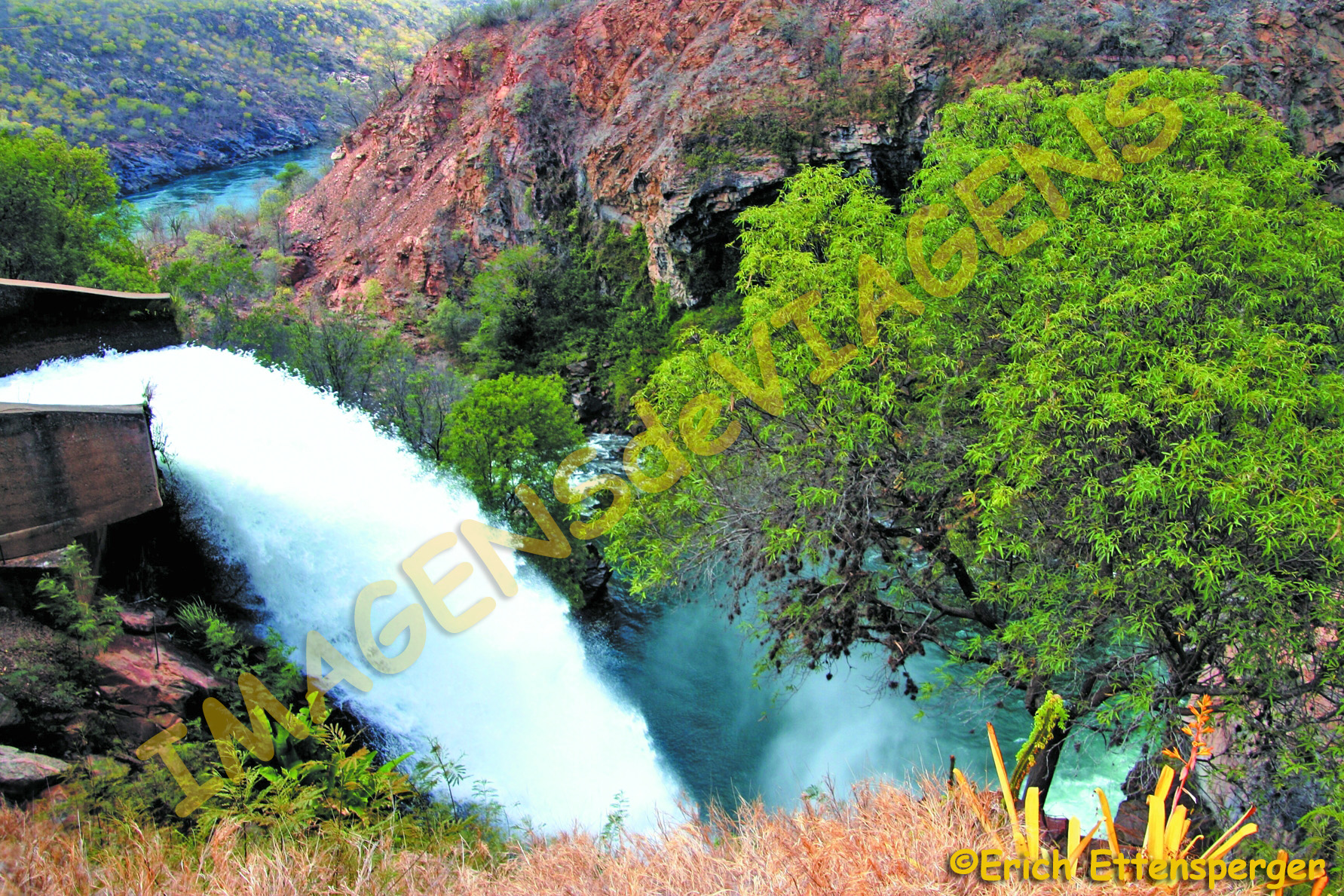
Complexo Hidrelétrico de Paulo Afonso, a força das águas
A cidade de Paulo Afonso está distante 480 km de Salvador, 460 km de Recife e 380 km de Maceió. Eu lembro que quando criança, minha mãe sempre falava da “energia que vinha de Paulo Afonso”. Acho que mesmo que você não conheça Paulo Afonso, já ouviu falar dela. Ela se tornou famosa devido a Cachoeira de Paulo Afonso, conhecida desde o século XVI quando era chamada de “Sumidouro” ou “Forquilha”.
A grande atração turística desse lugar é o Complexo Hidrelétrico de Paulo Afonso, também conhecido como o Complexo Paulo Afonso e cuja construção iniciou-se no ano de 1949.
Quando Erich e eu estávamos viajando para captar imagens para nosso livro 66 x Brasil, tivemos o prazer de visitar Paulo Afonso e o mencionado Complexo. Você somente tem acesso a área da Hidroelétrica se for acompanhado com um guia de turismo. No passeio é possível contemplar belas paisagens, quedas d’ água, lagos, pontes estreitas, é realmente muito interessante!
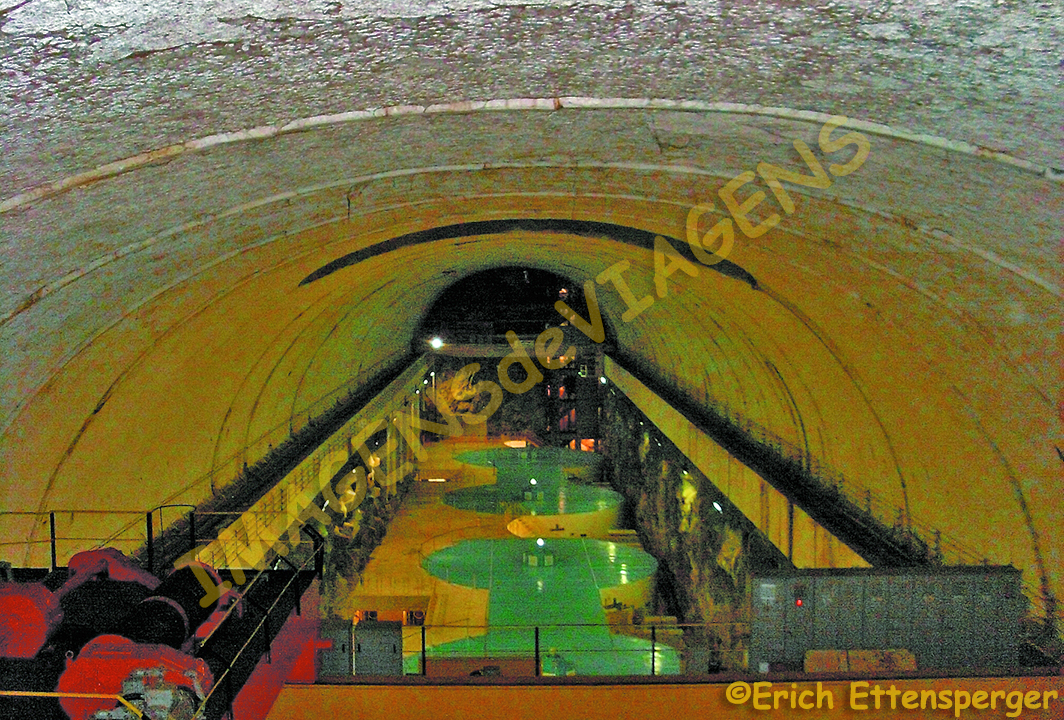
O Complexo Hidrelétrico do São Francisco é formado por um sistema de três barragens e pelas usinas de Paulo Afonso – I, II, III, IV – e Apolônio Sales (Moxotó) no rio São Francisco. A Usina IV tem uma das maiores cavernas do planeta, com 210 metros de extensão e 55 de altura. Esse complexo produz, aproximadamente, 4.300 MW (megawatts) de energia elétrica.
Além de visitar esse complexo, você também tem outras atrações para conhecer em Paulo Afonso como fazer passeios de catamarã pelo cânion do rio São Francisco (os tours saem do Povoado do Rio do Sal, distante 15 km de Paulo Afonso), visitar o Raso da Catarina, maior reserva de caatinga do mundo, que também serviu de abrigo a Lampião, o Rei do Cangaço, conhecer a Casa de Maria Bonita, escalar a Serra do Umbuzeiro.
Cachoeira de Paulo Afonso/Paulo Afonso Wasserfall/Paulo Afonso WaterfallVista a partir do mirante da Usina de Paulo Afonso I/Sehen Sie aus der Sicht der Anlage Paulo Afonso I /View from the viewpoint of plant Paulo Afonso I /Vista a partir do mirante da Usina de Paulo Afonso I/Sehen Sie aus der Sicht der Anlage Paulo Afonso I /View from the viewpoint of plant Paulo Afonso I /Acesso às turbinas de Paulo Afonso I/Der Zugang zu Paulo Afonso I Turbinen/Access to Paulo Afonso I turbinesTurbinas/Turbinen/TurbinesAntiga ponte de funcionários, Paulo Afonso I/Alte Brücke Beamten, Paulo Afonso I/ld bridge officials, Paulo Afonso I
Das Paulo Afonso Wasserkraftwerk – die Kraft des Wassers
Die Stadt Paulo Afonso ist 480 km von Salvador, 460 km von Recife und 380 km von Maceio entfernt. Ich erinnere mich als Kind, dass meine Mutter immer gesagt hat: “unsere Energie kommt aus Paulo Afonso.” Ich denke, auch wenn Sie Paulo Afonso nicht kennen, Sie haben zumindest davon gehört,
es wurde berühmt seit dem sechzehnten Jahrhundert wegen des Paulo Afonso Wasserfalles bekannt als die “Felslücke” oder “die Gabel”.
Die große Touristenattraktion des Ortes ist der Paulo Afonso Wasserkomplex, mit dessen Bau im Jahr 1949 begonnen wurde.
Als Erich und ich dort waren, um Fotos für unser Buch “66 x Brasilien” zu machen, besuchten wir natürlich auch diesen riesigen Wasserkomplex. Sie können den hydroelektrischen Bereich nur mit einem lokalen Reiseführer besuchen. Auf der Tour können Sie schöne Landschaften, Wasserfälle, Seen, schmale Brücken bewundern, ein Besuch lohnt sich wirklich!
Das Paulo Afonso hydroelektrische Wasserkraftwerk ist ein System von drei Dämmen und fünf Wasserkraftwerken auf dem Rio São Francisco. Die Dämme unterstützen die Paulo Afonso I, II, III, IV und Apollonius Sales (Moxotó) Kraftwerke, die insgesamt 23 Generatoren mit einer installierten Leistung von 4.300 Megawatt aufweisen. Das Werk IV verfügt über eine der größten Höhlen der Welt, 210 Meter lang und 55 hoch!
Weitere Attraktionen in Paulo Afonso sind Fahrten durch die Schlucht des Flusses auf einem Katamaran, Startpunkt hierfür ist die Stadt Salt River, 15 km von Paulo Afonso entfernt!
Besuchen Sie auch die “Raso da Catherine” das größte Savannenreservat der Welt, das auch als Unterschlupf des Banditen Lampião`s diente, dem König von Cangaceiro;
besuchen Sie weiterhin das “Maria Bonita House” und klettern Sie in den Bergen der “Serra do Umbuzeiro”.
Vista a partir do mirante da Usina de Paulo Afonso I/Sehen Sie aus der Sicht der Anlage Paulo Afonso I /View from the viewpoint of plant Paulo Afonso I /Cachoeira de Paulo Afonso/Paulo Afonso Wasserfall/Paulo Afonso WaterfallVista a partir do mirante da Usina de Paulo Afonso I/Sehen Sie aus der Sicht der Anlage Paulo Afonso I /View from the viewpoint of plant Paulo Afonso I /Acesso às turbinas de Paulo Afonso I/Der Zugang zu Paulo Afonso I Turbinen/Access to Paulo Afonso I turbinesTurbinas/Turbinen/TurbinesAntiga ponte de funcionários, Paulo Afonso I/Alte Brücke Beamten, Paulo Afonso I/ld bridge officials, Paulo Afonso I
The Paulo Afonso hydroelectric plant – the power of water
The distance of the city Paulo Afonso from Salvador is 480 km, 460 km from Recife and 380 km from Maceio. When I was a child I remember that my mother used to say: “our energy comes from Paulo Afonso.” I think even if you do not know Paulo Afonso, you have at least heard about, it became famous since the sixteenth century because of the Paulo Afonso waterfall known as the “rock gap” or “fork”.
The major tourist attraction of the place is the Paulo Afonso water complex, which was begun to build up in the year 1949.
When Erich and I were there to make photos for our book “66 x Brazil“, we also visited this immense complex. You can visit the hydroelectric field only with a local guide. On the tour you can admire beautiful landscapes, waterfalls, lakes, narrow bridges, a visit is really worthfile!
The Paulo Afonso hydroelectric hydropower plant is a system of three dams and five hydroelectric power plants on the Rio São Francisco. The dams support the Paulo Afonso I, II, III, IV and Apollonius Sales (Moxotó) power plants, which have a total of 23 generators with an installed capacity of 4,300 megawatts. The work IV has one of the largest caves in the world, 210 meters long and 55 high!
Other attractions in Paulo Afonso are rides through the canyon of the river on a catamaran, the starting point for this is the city of Salt River, 15 km from Paulo Afonso away!
Visit also the “Raso da Catherine”, the largest savanna reserve in the world, which also served as the hideout of Lampião`s bandits, king of Cangaceiro;
Visit also the “Maria Bonita House” and climb in the mountains of the “Serra do Umbuzeiro”.
Vista a partir do mirante da Usina de Paulo Afonso I/Sehen Sie aus der Sicht der Anlage Paulo Afonso I /View from the viewpoint of plant Paulo Afonso I /Cachoeira de Paulo Afonso/Paulo Afonso Wasserfall/Paulo Afonso WaterfallVista a partir do mirante da Usina de Paulo Afonso I/Sehen Sie aus der Sicht der Anlage Paulo Afonso I /View from the viewpoint of plant Paulo Afonso I /Acesso às turbinas de Paulo Afonso I/Der Zugang zu Paulo Afonso I Turbinen/Access to Paulo Afonso I turbinesTurbinas/Turbinen/TurbinesAntiga ponte de funcionários, Paulo Afonso I/Alte Brücke Beamten, Paulo Afonso I/ld bridge officials, Paulo Afonso I
Texto: Valderice Nóbrega, advogada brasiliense e potiguar de coração
Brasília é a capital federal do Brasil. A mudança da capital do nosso país para o planalto central foi por questão de segurança nacional e interiorização do poder central. Sabe-se que a data de sua inauguração (21 de abril de 1960), em que marcava o dia da morte de Tiradentes, fora um simbolismo para referendar a ideia de liberdade de um povo e da nação, defendida pelos inconfidentes.
Pois bem, eu tive o privilégio de nascer e crescer nesta cidade, uma cidade planejada, organizada, mística e de muitas peculiaridades. A verdade, é que nós, os brasilienses e candangos, amamos muito Brasília, ao ponto de nos faltar palavras para explicá-lo, preferindo mostrar aos amigos todos os seus encantamentos e curiosidades.
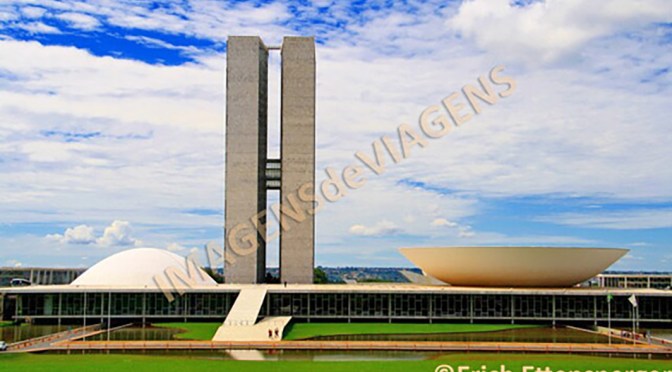
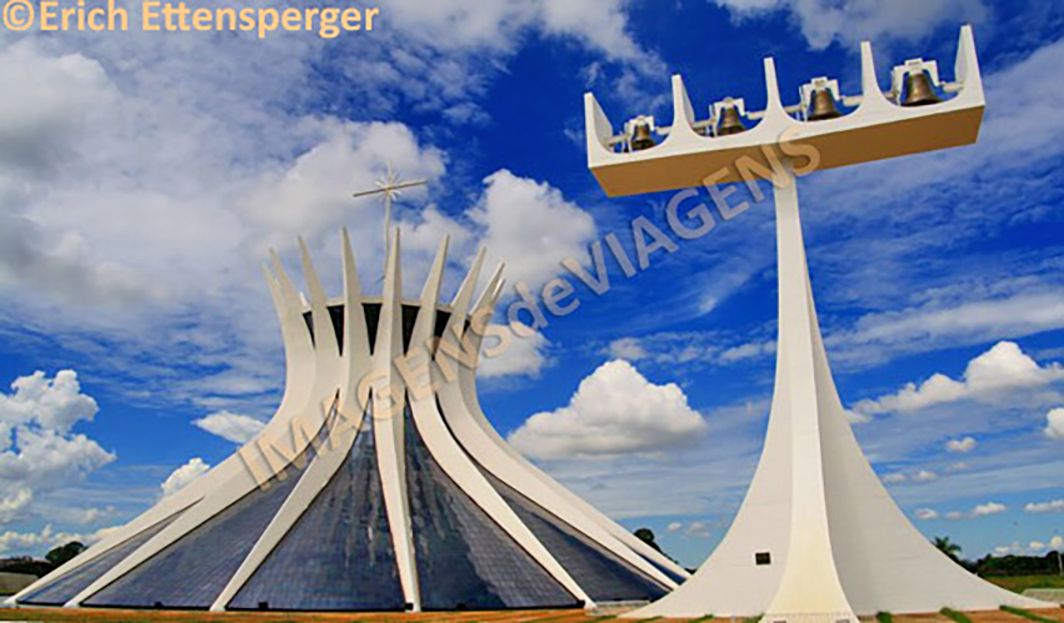
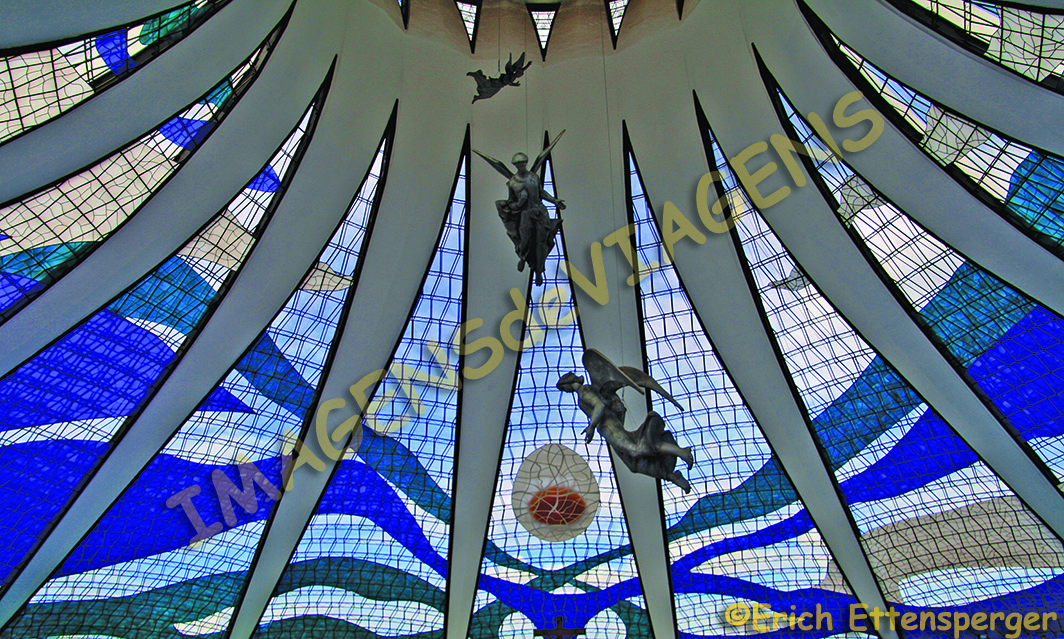
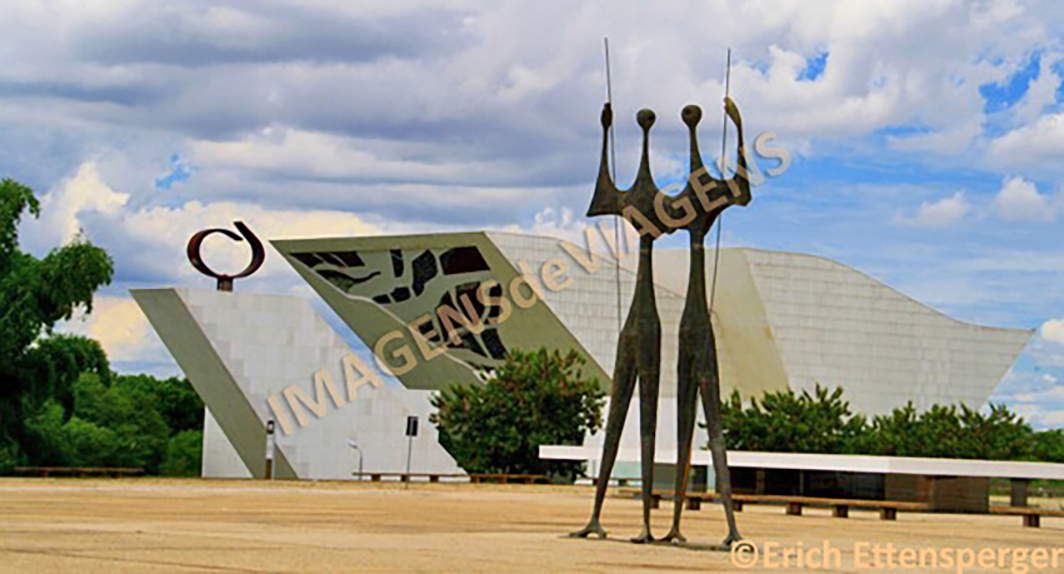
Brasília vista de cima, tem o formato de um avião, conforme fora projetada por Lúcio Costa, e é conhecida, por muitos que a visita, como um grande museu ao céu aberto, com monumentos localizados a maioria no Eixo Monumental e planejados pelo arquiteto Oscar Niemeyer, como: o Panteão da Pátria e da Liberdade (com o formato de uma pomba), o Memorial JK, o Memorial dos Indígenas, a Biblioteca Nacional de Brasília, o Museu Nacional da República, a Esplanada dos Ministérios, a Torre de TV, o Congresso Nacional, o Palácio do Itamaraty, a Catedral de Brasília (destacando-se as esculturas de três anjos e dos quatro evangelistas), o Palácio do Planalto (onde localiza o Gabinete do Presidente do Brasil), além dos famosos painéis de azulejos, de Athos Bulcão e os jardins e praças, de Burle Marx.
Fora do Eixo Monumental encontram-se outros prédios de uma arquitetura moderna e inovadora, dentre eles: o Palácio da Alvorada (residência oficial do Presidente do Brasil), o Teatro Nacional Cláudio Santoro (com formato de pirâmide), a Igreja Dom Bosco, o Catetinho, a Ermida Dom Bosco, a Igreja Nossa Senhora de Fátima, o Parque da Cidade Sarah Kubitschek e a Ponte JK.
O meu encantamento por Brasília não se limita somente aos belíssimos monumentos culturais, mas, também, na exuberância e variedade de sua vegetação, reunindo 150 espécies, como a pindaíba, os belos ipês-roxo e ipês-amarelo, paineira, pau-brasil e buriti. Destacando-se, ainda, a beldade do céu, parafraseado por Lúcio Costa como o mar de Brasília, conhecido como um dos mais bonitos do Brasil, emoldurando toda a arquitetura e imponência natural da paisagem e do Lago Paranoá.
O melhor de tudo era e é, eu e minhas amigas, podermos andar, de bicicleta, por Brasília e percorrer todos os monumentos da cidade, sentindo o prazer de contemplar tanta beleza e a felicidade de viver em uma cidade com um dos melhores índice de qualidade de vida do paíse considerada, desde 1987, um patrimônio cultural da humanidade. Venha visitar Brasília!
Brasilia ist die Bundeshauptstadt von Brasilien
Brasilia ist die Bundeshauptstadt von Brasilien. Die Verlegung der Hauptstadt unserer Nation auf die zentrale Hochebene war eine Frage der nationalen Sicherheit und der Internalisierung der Zentralgewalt. Es ist bekannt, dass der Tag seiner Inauguration (21. April 1960), den Tag des Todes von Tiradentes markiert, eine Symbolik an die Idee der Freiheit des Volkes und der Nation billigend und verteidigt von den Verschwörern.
Nun hatte ich das Privileg, in dieser Stadt, einer Stadt geplant, organisiert, mystisch und mit vielen Besonderheiten, geboren und aufgewachsen zu sein. Die Wahrheit ist, dass wir „Brasilianenser“ und die „Candangos“ (all die Menschen, die Brasilia erbaut haben), Brasilia sehr lieben, bis zu dem Punkt hin, wo uns die Worte dafür fehlen, dies zu erklären. Wir zeigen es lieber unseren Freunden, zeigen es mit all seinen Reizen und Kuriositäten.
Brasilia von oben gesehen hat die Form eines Flugzeugs, von Lúcio Costa entworfen, und von vielen wird der Besuch wie ein riesiges Open-Air-Museum empfunden, mit Gebäuden v. a. in der Monumentalachse entworfen vom Architekten Oscar Niemeyer wie z.B. das Pantheon des Vaterlandes und der Freiheit (in Gestalt einer Taube), das JK(Juscelino Kubitschek) Memorial, das Denkmal der Indigenen, die Nationalbibliothek von Brasilia, das Nationalmuseum der Republik, die Esplanade der Ministerien, der Fernsehturm, der Nationale Kongress, der Itamaraty Palast, die Kathedrale von Brasilia (mit den Skulpturen dreier Engel und den vier Evangelisten), der Planalto-Palast (Amtssitz des Präsidenten), die berühmten Kacheln von Athos und die Gärten und Plätze von Burle Marx.
Außerhalb der Monumentalachse sind weitere Gebäude einer modernen und innovativen Architektur sehenswert, darunter u.a. der Alvorada Palast (die offizielle Residenz des Präsidenten von Brasilien), das Nationaltheater Claudio Santoro (mit Pyramidenform), die Kirche des Dom Bosco, die Catetinho, die Don Bosco-Kapelle, die Kirche unserer Lieben Frau von Fatima, der City Park Sarah Kubitschek und die JK-Brücke.
Der Zauber von Brasilia beschränkt sich nicht nur auf schöne Kulturdenkmäler, sondern bezieht sich auch auf die Ausgelassenheit und Vielfalt der Vegetation und die Zusammenführung von 150 Arten von Bäumen mit all ihrer Farbenpracht. Auch die Schönheit des Himmels ist bemerkenswert, von Lúcio Costa als das Meer von Brasilia umschrieben, als einer der schönsten Himmel in Brasilien bekannt, diese ganze Architektur und natürliche Pracht der Landschaft und den See Paranoá einrahmend.
Das Beste von allem war und ist es, dass meine Freunde und ich alle Sehenswürdigkeiten von Brasilia leicht zu Fuß und/oder mit dem Fahrrad erreichen können. Es bereitet auch grosse Freude, in einer Stadt zu leben, die mit einem hohen Index an Lebensqualität ausgezeichnet ist. Seit 1987 gilt Brasilia auch als kulturelles Erbe der Menschheit. Also, besuchen Sie Brasilia!
Brasilia is the federal capital of Brazil
Brasilia is the federal capital of Brazil. The change in our nation’s capital to the central plateau was a matter of national security and internalization of the central power. It is known that the date of its opening (21 April 1960), which marked the day of the death of Tiradentes, was a symbolism to endorse the idea of freedom of the people and the nation, defended by the conspirators.
Well, I had the privilege of being born and grown up in this city, a city planned, organized, mystical and with many peculiarities. The truth is that we „Brasilianenses“ and „candangos“ (all the persons who built up the City), love Brasilia very much even up to the point of lacking the words to explain this. We prefer to show our friends all its charm and curiosities.
Brasilia, seen from above is shaped like an airplane, was designed by Lúcio Costa, and is known by many that visited it as a great outdoor museum with monuments located mostly in the Monumental Axis designed by architect Oscar Niemeyer, such as the Pantheon of the Fatherland and Freedom (in the shape of a dove), the JK (Juscelino Kubitschek) Memorial, the Memorial of Indigenous, the National Library of Brasilia, the National Museum of the Republic, the Esplanade of Ministries, the TV Tower, the National Congress, the Itamaraty Palace, the Brasilia Cathedral (highlighting the sculptures of three angels and the four evangelists), the Planalto Palace (where is located the Office of the President of Brazil), the famous tile panels of Athos and the gardens and squares of Burle Marx.
Outside the Monumental Axis are other buildings of a modern and innovative architecture, among them: the Alvorada Palace (the official residence of the President of Brazil), the National Theatre Claudio Santoro (with pyramid shape), the Dom Bosco Church, the Catetinho, the Don Bosco Chapel, the Church of Our Lady of Fatima, Park City Sarah Kubitschek and the JK Bridge.
My enchantment with Brasilia is not limited only to beautiful cultural monuments, but also in the exuberance and variety of vegetation, bringing together more than150 species. Standing out also is the beauty of the sky, paraphrased by Lúcio Costa as the sea of Brasilia, known as one of the most beautiful skies in Brazil, framing all the architecture and natural grandeur of the landscape including Lake Paranoá.
Best of all was and is that me and my friends can walk and bike through Brasilia to go to see all the monuments of the city, feeling the pleasure of contemplating such beauty and the joy of living in a city with one of the best quality index of life, since 1987 Brasilia is also considered as a cultural heritage of humanity. So, come to visit Brasilia!
Palácio do Itamaraty à noite/Palast Itamaraty bei Nacht/Itamaraty Palace at nightCatedral Metropolitana de Brasília/Kathedrale Metropolitana de Brasília/Brasilia Metropolitan CathedralInterior da Catedral Metropolitana de Brasília/Inneres der Kathedrale Metropolitana de Brasília/Interior of the Brasilia Metropolitana CathedralCongresso Nacional/Nationaler Kongress/National CongressPanteão da Pátriae da Liberdade Tancredo Neves/Pantheon von Vaterland und Freiheit Tancredo Neves/Tancredo Neves Pantheon of the Fatherland and FreedomEsplanada dos Ministérios/Esplanade der Ministerien/Ministries EsplanadePonte Juscelino Kubitschek/ Juscelino KubitschekBrücke/ Juscelino Kubitschek BridgeFoto: Valderice Nóbrega
O Rio Grande do Norte é um estado brasileiro localizado no nordeste do Brasil. Quando você olha o mapa brasileiro, você pode ver que esse estado está situado onde o país faz uma curva. É um estado pequeno com 52.796,791 km2, corresponde a 0,62% do Brasil e tem um formato que lembra um elefante. No nosso livro “Guia das Belezas do Rio Grande do Norte”, Erich e eu o chamamos de “o elefantinho do Brasil”. Esse estado é famoso por possuir belas praias, pois tem um litoral com 399 (aproximadamente) km de extensão.
Ponta do Madeiro, localizada entre as Praias de Cacimbinhas e a da Ponta do Madeiro, Tibau do Sul
A capital do Rio Grande do Norte é Natal e é o portão de entrada para se visitar muitas belezas desse estado.
A maioria dos turistas que visitam o Rio Grande do Norte vem em busca de sol e mar. Esses são os principais atrativos desse estado.
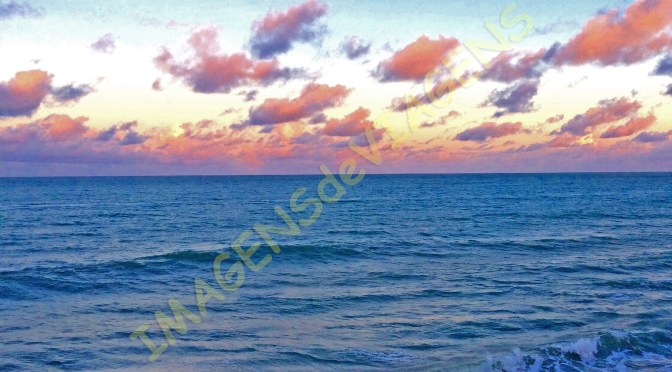
O mar de águas mornas
O sol está presente aqui quase todo o ano, afinal o astro-rei brilha por volta de 320 dias por ano. As pessoas que nascem nesse estado são chamadas de potiguares, que significa na língua tupi-guarani de “comedores de camarão”. Também são denominadas de norte-rio-grandenses. Eu sou potiguar com muito orgulho.
A capital do Rio Grande do Norte é famosa desde o período entre as duas grandes Guerras Mundiais, quando Natal recebeu pioneiros da aviação, como Ferrarim e del Pretti, italianos que fizeram a travessia Roma-Touros (RN), num voo que é lembrado em Natal pela Coluna Capitolina, presente do governo italiano na época. Há relatos que Saint-Exupéry, o autor do famoso livro “O Pequeno Príncipe” passou por aqui (existe uma controvérsia sobre esse assunto). Além disso, Natal ficou famosa durante a Segunda Guerra Mundial por abrigar uma Base Aérea construída pelos americanos.
Coluna Capitolina
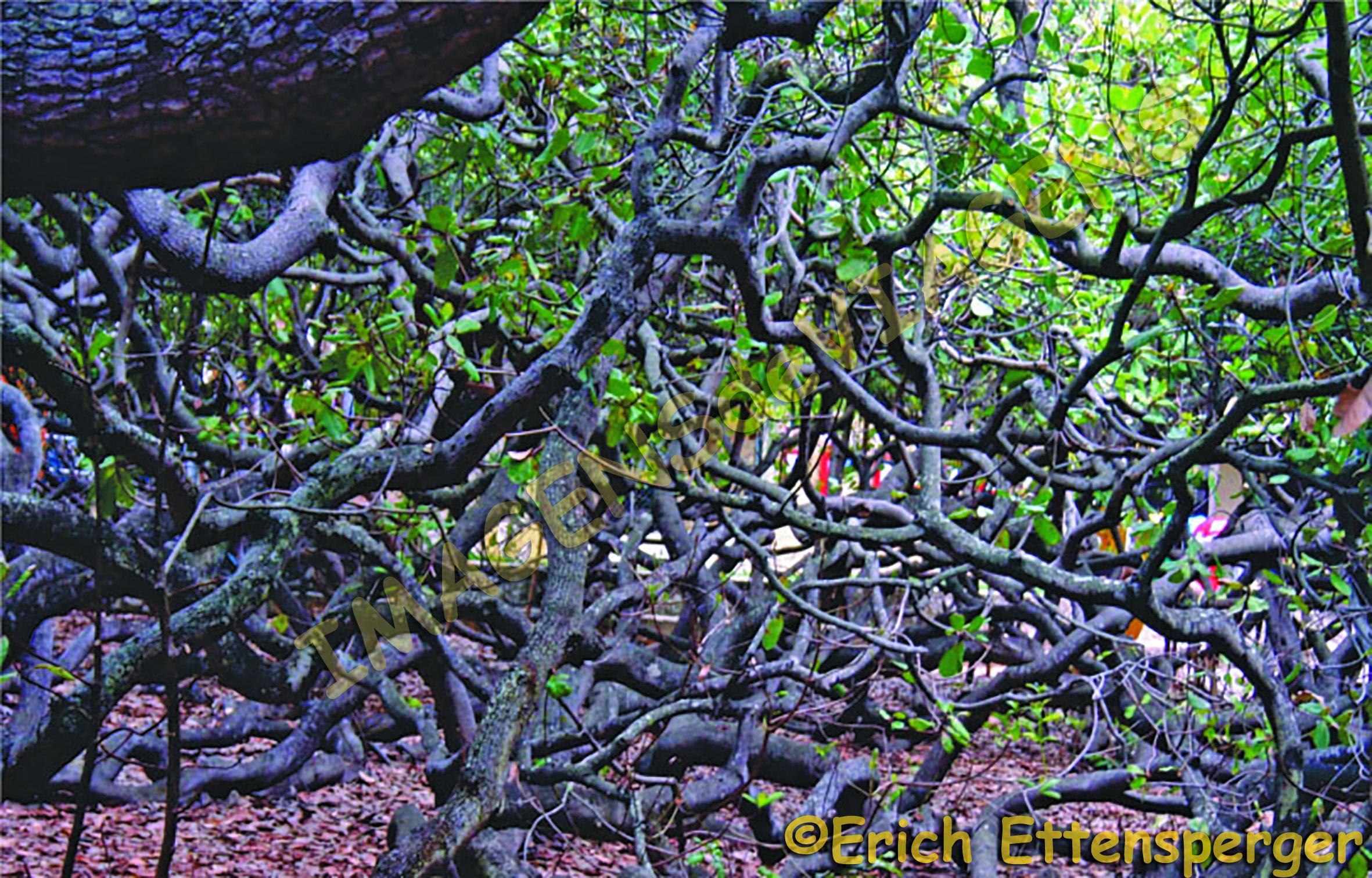
Natal é a cidade do folclorista Luís da Câmara Cascudo, famoso no Brasil pela sua vasta obra. O Dicionário do Folclore Brasileiro é um dos seus livros mais conhecidos. É também potiguar Nísia Floresta, pioneira na defesa dos Direitos da Mulher, ela nasceu em Nísia Floresta, município distante 35 km da capital. O Rio Grande do Norte se destaca também por possuir o maior cajueiro do mundo localizado no município vizinho denominado Parnamirim.
Cajueiro de Pirangi localizado na Praia de Pirangi do Norte, município de Parnamirim
Mas, voltando às belezas do Rio Grande do Norte, posso dizer que além da Praia de Pipa, em Tibau do Sul, que é a praia mais conhecida internacionalmente, existem praias muito belas, como a distante Galinhos, que fica localizada em um istmo. Além dela, existem no município de São Miguel do Gostoso, praias que atraem esportistas praticantes de windsurf e kitesurf de várias partes do mundo. Devido sua posição geográfica, há ventos abundantes para a prática desses esportes náuticos.
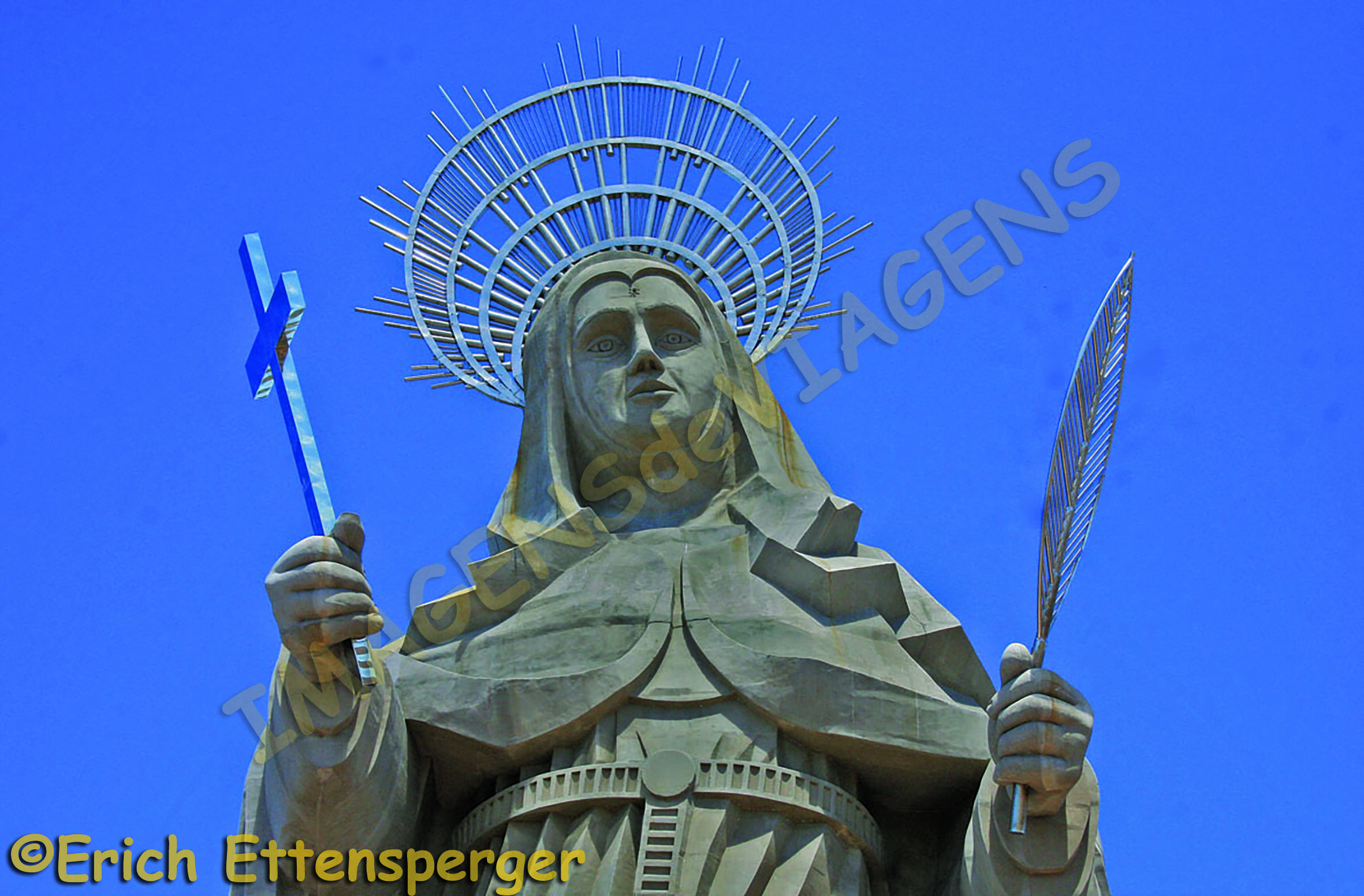
Além das praias, o Rio Grande do Norte possui outros atrativos como a estátua de Santa Rita de Cássia, dizem que é a maior estátua religiosa católica do mundo, localizada no município de Santa Cruz.
Grande estátua de Santa Rita de Cássia localizada no município de Santa Cruz
Há também cidades serranas como a Serra de São Bento, Martins e Portalegre onde faz um friozinho durante os meses de julho e agosto, onde você pode inclusive se deliciar com “fondues”.
Vista das serras a partir do Mirante do Canto, Martins
Esse estado potiguar também possui atrativos curiosos, como por exemplo, o Castelo de Zé dos Montes, localizado na Serra da Tapuia, no município de Sítio Novo.
O exótico Castelo de Zé-dos-Montes em Sítio Novo
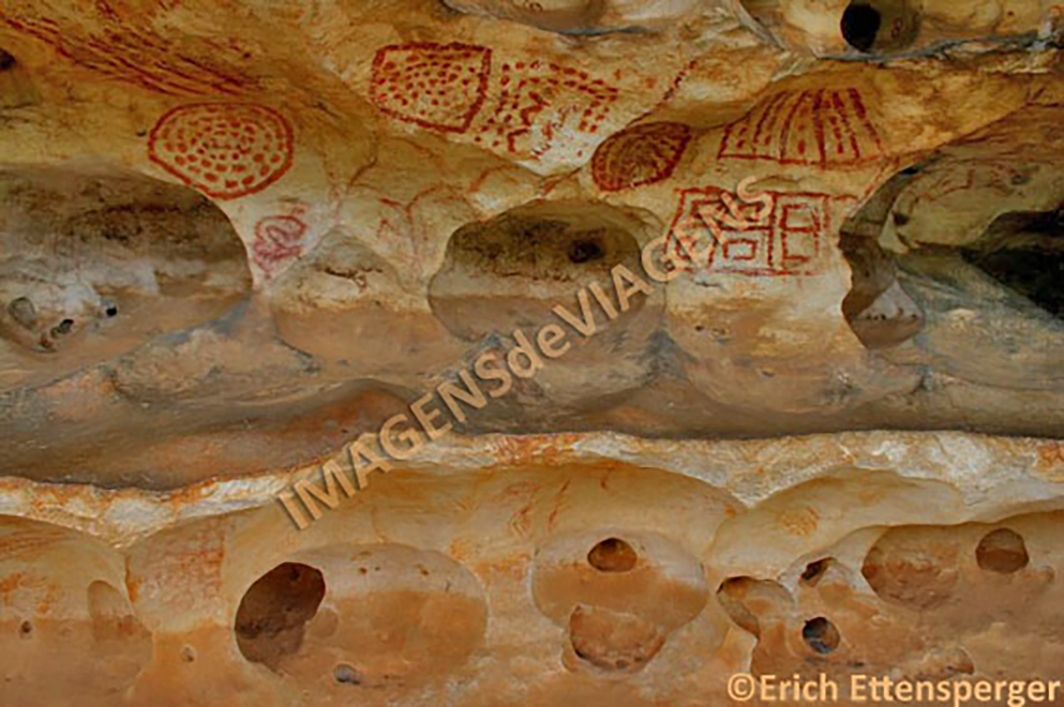
O Rio Grande do Norte tem também o Lajedo de Soledade, que consiste em uma das mais antigas formações rochosas de calcário do Brasil e possui gravuras e inscrições rupestres.
Pinturas e gravuras rupestres do Lajedo de Soledade, Soledade, Apodi
Rio Grande do Norte ist ein brasilianisches Bundesland im Nordosten Brasiliens. Auf der brasilianischen Landkarte ist es genau dort , wo der Kontinent eine Kurve macht. Es ist ein kleines Bundesland mit 52.796,791 km2, das 0,62% der Fläche Brasiliens entspricht und hat eine Form, das der eines Elefanten ähnelt. In unserem Reiseführer “Guia das Belezas do Rio Grande do Norte”, nennen Erich und ich es “den kleinen Elefanten Brasiliens.” Das Bundesland ist bekannt für seine wunderschönen Strände, es verfügt über eine Küste von 399 km.
Ponta do Madeiro, das zwischen dem Strand Cacimbinhas und dem Strand Ponta de Madeiro in Tibau do Sul liegt.
Die Hauptstadt von Rio Grande do Norte ist Natal, das Portal zu den vielen Schönheiten dieses Bundeslandes.
Die meisten Touristen besuchen Rio Grande do Norte wegen der Sonne und dem Meer, es sind seine Hauptattraktionen.
Das warme Meer
Die Sonne scheint hier fast das ganze Jahr an 320 Tagen. Die hier geborenen Menschen werden Potiguar genannt, was in der Tupi-Guarani-Sprache so viel bedeutet wie “der Garnelen Esser.” Sie werden auch „Rio Grande de Nortenser“ genannt. Ich bin stolz, ein Potiguar zu sein.
Die Hauptstadt von Rio Grande do Norte ist seit der Zeit zwischen den beiden Weltkriegen berühmt, als Natal die italienischen Flugpioniere Ferrarim und del Pretti empfing, welche die Flugtravesie Rom-Touros (RN) realisierten, ein Flug, an den in Natal die „Coluna Capitolina“ Säule erinnert, ein Geschenk der italienischen Regierung zu jener Zeit. Es gibt auch Berichte, dass Saint-Exupéry, der Autor des berühmten Buches “Der kleine Prinz” hier in Natal war (zu diesem Thema gibt es eine geführte Kontroverse). Natal wurde auch berühmt während des Zweiten Weltkriegs als Luftwaffenbasis für die USA.
Die Säule Coluna Capitolina
Natal ist auch die Stadt des Volkskundlers Luís da Cascudo, berühmt in Brasilien für seine geleistete Arbeit. Das brasilianische Folklore Wörterbuch ist eines seiner bekanntesten Bücher. Auch Nísia Floresta, eine Pionierin bezüglich der Frauenrechte, wurde in Nísia Floresta, etwa 35 Kilometer von der Hauptstadt potiguar entfernt, geboren. Rio Grande do Norte zeichnet sich auch durch den weltweit größten Cashewnuss-Baum in der Nachbargemeinde Parnamirim aus.
Der Cashew-Nuss-Baum befindet sich Pirangi am Nord Pirangi Strand
Aber zurück zu den Schönheiten von Rio Grande do Norte. Ich kann sagen, dass es zusätzlich zu Pipa in Tibau do Sul, das ist der international bekannteste Strand, es weitere sehr schöne Strände gibt wie z.B. Galinhos, das sich auf einem Isthmus befindet. Neben diesen gibt es in São Miguel do Gostoso Strände, die Sportler zum Windsurfen und Kitesurfen aus der ganzen Welt anziehen. Aufgrund seiner geographischen Lage gibt es hier reichlich Wind zur Ausübung dieser Wassersportarten.
Neben den Stränden von Rio Grande do Norte gibt es weitere Sehenswürdigkeiten wie z.B. die Statue der Heiligen Rita von Cascia, es ist die größte katholische religiöse Statue in der Welt und befindet sich in Santa Cruz.
Große Statue der Heiligen Rita von Cascia in der Gemeinde Santa Cruz
Es gibt auch Städte in der bergigen Serra de São Bento, wie Martins und Portalegre, wo es in den Monaten Juli und August recht frisch werden kann und wo man dann auch diversen “Fondues” frönen darf.
Blick auf die Berge vom Aussichtspunkt Mirante do Canto, Martins
Das „potiguar“ Bundesland offeriert auch kuriose Attraktionen, wie z.B. die Burg „Castelo de Zé dos Montes“, sie befindet sich in den Bergen der „Serra da Tapuia“ in der Gemeinde Sitio Novo.
Die exotische Burg Ze of Montes, Sitio Novo
Rio Grande do Norte verfügt auch über die Lajedo de Soledade, eine der ältesten Gesteinsformationen aus Kalkstein in Brasilien bestehend aus Gravuren und Felsmalereien.
Felsmalereien und Gravuren von Lajedo de Soledade, Soledad, Apodi
Rio Grande do Norte is a Brazilian state located in northeastern Brazil. When you look at the Brazilian map, you can see that this state is situated there where the continent makes a curve. It is a small state with 52,796.791 km2, corresponding to 0.62% of Brazil and has a format that resembles an elephant. In our book “Guide of the Rio Grande do Norte Beauties”, Erich and I call it the “the small elephant of Brazil .” This state is famous for having beautiful beaches, it has a coastline with 399 km.
Ponta do Madeiro, located between the Cacimbinhas Beach and the Ponta de Madeiro Beach , Tibau do Sul
The capital of Rio Grande do Norte is Natal and it is the gateway to visit many beauties of this state.
Most tourists visiting Rio Grande do Norte in search for sun and sea. These are the main attractions of this state.
The warm sea
The sun is present here almost all year around shining around 320 days a year. People who are born in this state are called „Potiguar“, which means in Tupi-Guarani language “shrimp eater.” They are also called North Rio Grandense. I am very proud to be potiguar.
The capital of Rio Grande do Norte is famous since the period between the two World Wars, when Natal received the aviation pioneers such as Ferrarim and del Pretti, Italians who made the Rome-Touros crossing (RN), a flight which is remembered in Natal by the Capitolina Column, a presente of the Italian government at that time. There are reports also, that Saint-Exupéry, the author of the famous book “The Little Prince” went through here (there is a controversy on this subject). Also, Natal became famous during the Second World War hosting an air base built by the USA Americans.
Coluna Capitolina
Natal is the city of the folklorist Luís da Cascudo, famous in Brazil for its vast work. The Brazilian Folklore Dictionary is one of his best known books. It is also a potiguar Nísia Florest, a pioneer in the defense of Women’s Rights, she was born in Nísia Floresta, a distant town 35 kilometers from the capital. Rio Grande do Norte also stands out for having the largest cashew tree in the world located in the neighboring municipality of Parnamirim.
The Cashew tree of Pirangi is located in North Pirangi Beach, municipality of Parnamirim
But back to the beauties of Rio Grande do Norte, I can say that in addition to Pipa Beach in Tibau do Sul, which is the best-known beach internationally, there are very beautiful beaches for example Galinhos, which is located on an isthmus. In addition to it, there are in São Miguel do Gostoso, beaches that attract sportsmen from around the world practicing windsurfing and kitesurfing. Due to its geographical position, there are abundant winds to practice these water sports.
Besides the beaches, Rio Grande do Norte has other attractions such as the statue of Saint Rita of Cascia, they say it is the largest Catholic religious statue in the world, located in Santa Cruz.
Great statue of Saint Rita of Cascia in the municipality of Santa Cruz
There are also cities such as mountainous Serra de São Bento, Martins and Portalegre where does a chill during the months of July and August, where you can even indulge in “fondues”.
View onto the mountains from Mirante do Canto, Martins
This potiguar state also has curious attractions such as the Castle Ze-of-Montes, located in the Serra da Tapuia in Sitio Novo municipality.
O exótico Castelo de Zé-dos-Montes em Sítio Novo
The Rio Grande do Norte state also has the Lajedo de Soledade, which consists of one of the oldest rock formations of limestone in Brazil and has engravings and rock paintings.
Rock paintings and engravings in Lajedo de Soledade, Soledade, Apodi
Quando penso em Recife, a primeira imagem que surge na minha mente é a Praia de Boa Viagem (não sei se é porque foi a primeira cidade que conheci quando criança e me hospedei em Boa Viagem) com seu calçadão convidativo para se fazer uma bela caminhada. Lembro também da feirinha de artesanato localizada ao lado da igreja com o mesmo nome do bairro.
Praia de Boa Viagem/Strand Boa Viagem/Boa Viagem Beach
Essas são as primeiras referências da cidade que é conhecida como a “Veneza Brasileira” devido a presença dos rios Beberibe, Jordão, Pina, Capibaribe – os mais significativos. São muitas as pontes que cortam Recife: Ponte Governador Paulo Guerra, Ponte Giratória, Ponte do Derby, da Torre, Boa Vista, Santa Isabel, Maurício de Nassau, dentre outras.
Além da Praia de Boa Viagem, a outra lembrança marcante de Recife é seu Carnaval comemorado por milhares de foliões. Começo a pensar no frevo pernambucano, no bloco carnavalesco “O Galo da Madrugada”, nas Nações de Maracatus (agremiações tradicionais, algumas ligadas ao Candomblé, ao Xangô, a Jurema Sagrada – tradição nordestina), com suas roupas coloridas e grandiosas. Lembro também do Conde Maurício de Nassau que viveu em Recife durante o período das Invasões Holandesas na costa brasileira. Quando visito Recife e observo a cidade com meus olhos de arquiteta, posso ver as influências francesa, portuguesa e holandesa na evolução urbana da cidade. Há também a influência africana na cultura de Recife, que pode ser percebida através da culinária, da presença de terreiros de candomblé, da música, dentre outros aspectos.
Recife também me faz lembrar o músico Chico Science e a Nação Zumbi.
Sempre que vou à Recife visito algo novo que não deu tempo de conhecer na última visita. Voltei em fevereiro de 2016 visitei o Shopping Rio Mar (inaugurado em 2012) e fiquei impressionada com o tamanho (295.000 m²) e qualidade de suas lojas, algumas de grifes internacionais.
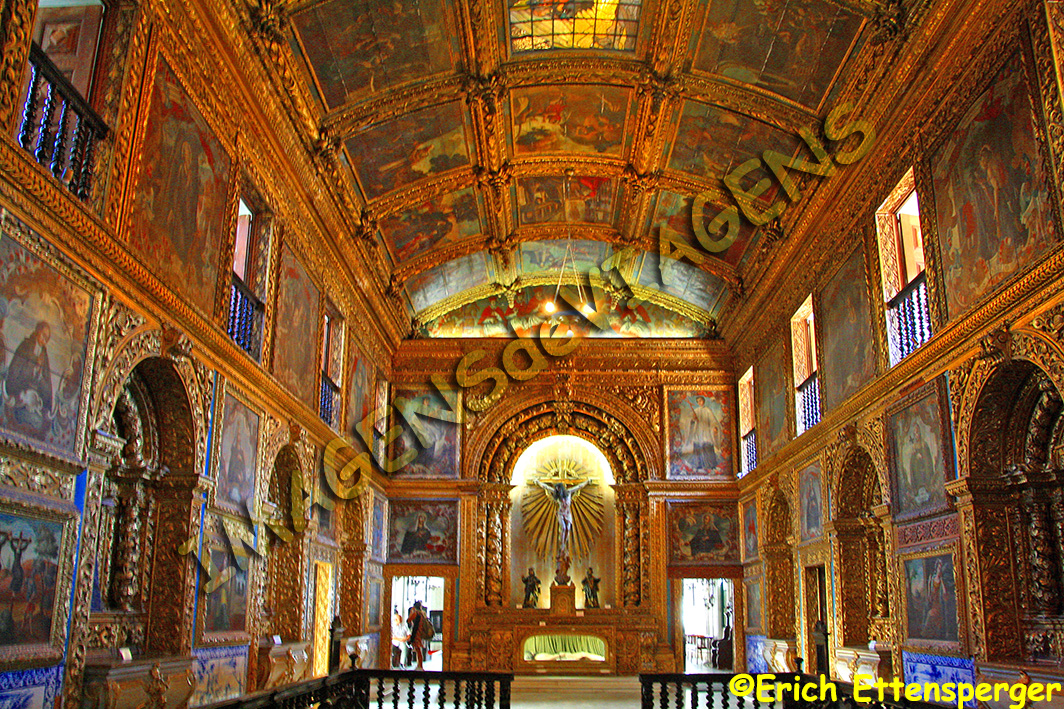
Recife tem ótimas opções culturais, muitos museus. Você já teve o prazer de descobrir as igrejas de Recife? Basílica de Nossa Senhora do Carmo, a Capela da Ordem Terceira de São Francisco (Capela Dourada) são algumas das muitas igrejas interessantes da cidade.
Capela Dourada/Goldene Kapelle/Golden Chapel
E o Pátio de São Pedro com a Concatedral de São Pedro dos Clérigos? Eu lembro bem, quando Erich e eu estávamos nesse pátio fotografando Recife para o nosso livro 66 x Brasil, a agitação dos transeuntes e do entorno contrastava com a paz emanada dessa igreja.
E o Recife Antigo? O Marco Zero, a Rua Bom Jesus com a sede da Embaixada dos Bonecos Gigantes, a Sinagoga Kahal Zur Israel, a primeira das Américas.
Além desses atrativos localizados na região mais central da cidade, existe os mais afastados como por exemplo o Instituto Ricardo Brennand, a Oficina Francisco Brennand que vale a visita.
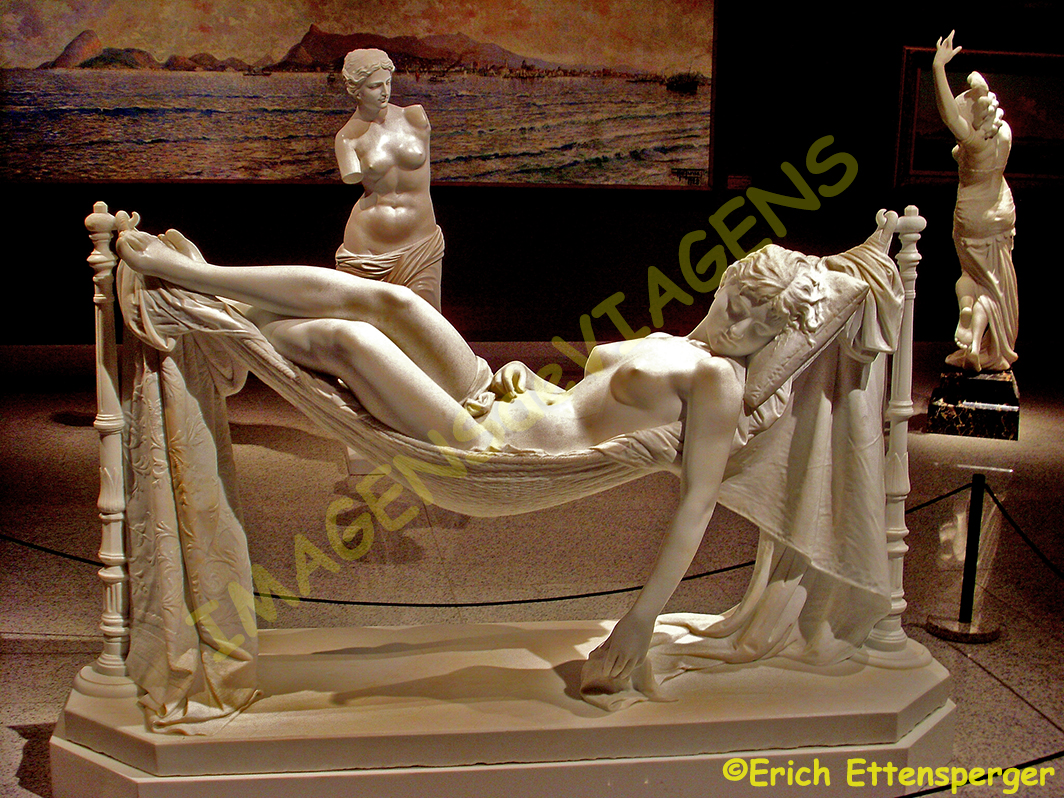
Escultura do Instituto Ricardo Brennand/Skulptur im Institut Ricardo Brennand/Sculptue of the Ricardo Brennand Institute
Recife é uma cidade para se visitar várias vezes, você vai sempre se encantar com ela, com a alegria e hospitalidade do seu povo. São muitos os atrativos de Recife. Agora é com você descobrir mais a cidade. Ah, antes que eu esqueça, Recife é o portão de entrada para se visitar muitas belas praias localizadas na costa pernambucana. Da próxima vez, eu já sei: vou visitar o Museu Cais do Sertão Luiz Gonzaga.
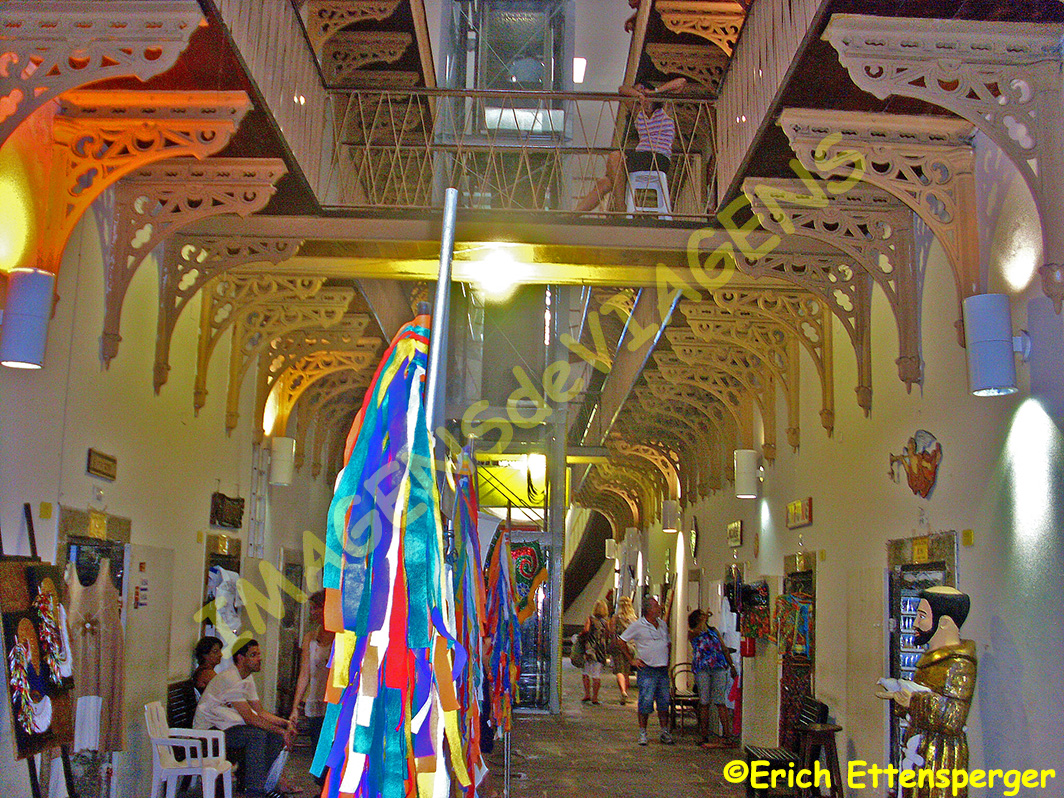
Interior da Casa da Cultura/Innenansicht des Hauses der Kultur/nterior of the House of Culture
Wenn ich an Recife denke ist das erste Bild, das mir in den Sinn kommt, der Strand Boa Viagem (bin mir nicht sicher, ob es so ist, weil es die erste Stadt war, die ich als Kind besuchte und wir wohnten in Boa Viagem) mit seiner schönen Promenade, die zu einem Spaziergang einlud. Ich erinnere mich auch an den Handwerksmarkt neben der Kirche mit dem gleichen Namen der Nachbarschaft.
Praia de Boa Viagem/Strand Boa Viagem/Boa Viagem Beach
Es sind die Brücken, die die Stadt als das “Venedig Brasiliens” berühmt macht, aufgrund der Flüsse Beberibe, Jordan Pina, Capibaribe – der bedeutendste. Es gibt viele Brücken in Recife: z.B. die Governador Brücke Paulo Guerra, die Ponte Giratória, Ponte do Derby, da Torre, Boa Vista, Santa Isabel und die Brücke Maurício de Nassau.
Abgesehen vom Boa Viagem Strand ist der Karneval von Recife mit Tausenden von Nachtschwärmern eine weitere markante Erinnerung für mich. Ich fange an, an den Pernambuco frevo, die Karnevalsgruppe “Galo da Madrugada” und solch traditionelle Verbände im Zusammenhang mit Candomblé, Xango und Santa Jurema zu denken, mit all ihren bunten und großartigen Kostümen. Ich erinnere mich auch den Grafen Moritz von Nassau, der in Recife zur Zeit der niederländischen Invasionen an der brasilianischen Küste lebte. Wenn ich Recife besuche und die Stadt mit meinen Augen als Architekt betrachte, dann kann ich die französischen, portugiesischen und niederländischen Einflüsse in der städtischen Entwicklung der Stadt erkennen. Es gibt auch afrikanische kulturelle Einflüsse in Recife, wahrnehmbar in den kulinarischen Angeboten und dem Vorhandensein der Candomblé Musik.
Recife erinnert mich auch an die Musiker Chico Science und Nação Zumbi.
Immer wenn ich nach Recife komme, versuche ich etwas Neues zu besuchen. Im Februar 2016 war es die Shopping Mall Rio Mar (eröffnet 2012) und ich war beeindruckt von der Größe (295.000 m²) und der Qualität ihrer Geschäfte mit vielen internationale Marken.
Recife offeriert viele kulturelle Möglichkeiten, viele Museen und Kirchen wie z.B. die Basílica de Nossa Senhora do Carmo oder die Kapelle Capela da Ordem Terceira de São Francisco (Goldene Kapelle).
Capela Dourada/Goldene Kapelle/Golden Chapel
Und der Innenhof von St. Peter mit dem Concatedral de São Pedro dos Clérigos? Ich erinnere mich gut, als Erich und ich hier waren, um Fotos für unser Buch “66 x Brasilien” zu machen, an den Frieden an diesem Ort im Vergleich zur Hektik auf der Strasse ausserhalb der Kirche.
Und das alte Recife? Der Ground Zero, die Rua Bom Jesus mit der “Botschaft” der Riesen-Puppen, die Kahal Zur Israel-Synagoge, die erste in Amerika.
Neben diesen Attraktionen im Zentrum der Stadt befindet sich etwas ausserhalb das Institut Ricardo Brennand, das allemal einen Besuch wert ist.
Escultura do Instituto Ricardo Brennand/Skulptur im Institut Ricardo Brennand/Sculptue of the Ricardo Brennand Institute
Recife ist eine Stadt, die es sich lohnt, mehrmals zu besuchen, es verzaubert durch die Freude und Gastfreundschaft der Menschen. Es gibt viele Sehenswürdigkeiten in Recife. Entdecken Sie sie alle! Oh, bevor ich es vergesse, Recife ist das Tor zu vielen schönen Stränden an der Küste Pernambucos. Ich weiß es heute schon: das nächste Mal werde ich das Museum Cais do Sertão Luiz Gonzaga besuchen.
Interior da Casa da Cultura/Innenansicht des Hauses der Kultur/nterior of the House of Culture
Recife, the city of bridges
When I think of Recife, the first image that comes to my mind is the Boa Viagem beach (not sure if it’s because it was the first city I knew as a child and stayed in Boa Viagem) with its inviting boardwalk to make a beautiful walk . I also remember the Handicraft Market located next to the church with the same name of the neighborhood.
Praia de Boa Viagem/Strand Boa Viagem/Boa Viagem Beach
Recife is known as the “Venice of Brazil” because of the presence of the rivers Beberibe, Jordan Pina, Capibaribe – the most significant one. There are many bridges in Recife: Governador Bridge Paulo Guerra, Girador Bridge, Derby Bridge, Tower, Boa Vista, Santa Isabel, Maurice of Nassau, among others.
Apart from Boa Viagem beach I remember the Carnival of Recife celebrated by thousands of revelers. I begin to think of Pernambuco frevo, the carnival group “Galo da Madrugada” in and some traditional associations linked to Candomble, Xango, Santa Jurema Sacred with its colorful and grand clothes. I also remember the Count Maurice of Nassau who lived in Recife during the period of Dutch Invasions at the Brazilian coast. When visiting Recife and watching the city with my architect’s eyes I can see the French, Portuguese and Dutch influences in the urban evolution of the city. There is also the African influence in the culture of Recife, which can be perceived through the cooking, the presence of Candomblé, music, among other things.
Recife also reminds me of the musician Chico Science and Nação Zumbi.
Whenever I go to Recife I always visit something new. I returned in February 2016 and visited the Shopping Rio Mar (opened in 2012) and I was impressed with the size (295,000 m²) and the quality of its stores with international brands.
Recife has great cultural options, many museums and churches. Have you ever had the pleasure of discovering the churches of Recife? The Basílica de Nossa Senhora do Carmo, a Capela da Ordem Terceira de São Francisco (Golden Chapel) are some of the many interesting churches in the city.
Capela Dourada/Goldene Kapelle/Golden Chapel
And the courtyard of St. Peter with the Concatedral of Saint Peter of Clerics? I remember well, when Erich and I were in that courtyard photographing for our book “66 x Brazil” the peace emanating from this church in contrast to the loud and noisy street outside.
And the old Recife? The Ground Zero, the Rua Bom Jesus with the “Embassy” of Giant Puppets, the Kahal Zur Israel Synagogue, the first of the Americas.
In addition to these attractions located in the central area of the city, there is further away the Instituto Ricardo Brennand worthfile a visit.
Escultura do Instituto Ricardo Brennand/Skulptur im Institut Ricardo Brennand/Sculptue of the Ricardo Brennand Institute
Recife is a city worthfile to visit several times, you will always be enchanted with her, with the joy and hospitality of its people. There are many attractions of Recife. It’s up to you to discover them. Oh, before I forget, Recife is the gateway to visit many beautiful beaches located on the Pernambuco coast. Next time I already know: I will visit the Museum Cais do Sertão Luiz Gonzaga.
Interior da Casa da Cultura/Innenansicht des Hauses der Kultur/nterior of the House of Culture
No meu livro 66 x Brasil, Ouro Preto constitui um dos 66 pontos em destaque no Brasil. Para quem se interessa em conhecer um pouco do passado brasileiro, deve visitar Ouro Preto e conhecer a cidade que foi o palco da Inconfidência Mineira (revolta ocorrida em 1789) e abriga importantes exemplares do período artístico conhecido como Barroco Mineiro. Ouro Preto, localizada na Serra do Espinhaço, em Minas Gerais, surgiu como consequência das bandeiras, aquelas expedições que adentravam pelo interior do Brasil em busca de ouro, pedras preciosas. O descobrimento de jazidas atraiu uma grande quantidade de pessoas vindas diretamente de Portugal e de outros lugares do Brasil Colônia. Ouro Preto é tombada pela UNESCO.
A estrada que liga Belo Horizonte a Ouro Preto é verdejante, tem uma parte montanhosa, é bonita, existem muitos atrativos naturais localizadas nos arredores de Ouro Preto. Erich e eu passamos três dias lá. A cidade é emoldurada por montanhas, o que confere um charme especial ao lugar. É um núcleo urbano caracterizado por possuir muitas ladeiras e cheia de recantos que faz com que você tenha a impressão que voltou ao passado. São muitas as igrejas, cada uma delas com sua beleza peculiar, há antigos e belos chafarizes. O casario colonial impressiona pela beleza dos antigos casarões e sobrados, exemplares típicos da arquitetura civil produzida na época colonial. O trabalho do Aleijadinho, Antônio Francisco Lisboa, pode ser visto em várias igrejas de Ouro Preto, de Minas Gerais. Suas imagens de profetas e santos, as obras de entalhe existentes nas igrejas de Ouro Preto e de outras localidades mineiras constituem um grande patrimônio para o povo brasileiro. O trabalho desse inigualável artista é reconhecido internacionalmente. Além de Aleijadinho, destaca-se também o nome do Mestre Ataíde, cujas pinturas podem ser vistas em muitas igrejas de Ouro Preto.
A cidade possui muitas repúblicas com jovens que vão para lá cursar o ensino superior. Ouro Preto tem um carnaval muito famoso no Brasil.
Além de andar bastante pela cidade, Erich e eu alugamos um carro e visitamos os arredores. Dentre os locais visitados, fomos a uma antiga mina de exploração de ouro. Mais uma vez, ressalto, que para quem quer conhecer sobre a história do Brasil, a visita a Ouro Preto é recomendada. Se você, que está lendo esse post, se interessar em visitar essa cidade, recomendo que aproveite para fazer um giro pelas cidades históricas de Minas Gerais. Nessa viagem, visitamos, além de Ouro Preto, Congonhas do Campo, São João Del Rey, Tiradentes e Mariana.
In meinem Buch “66 x Brasilien”, ist Ouro Preto eine der 66 vorgestellten Reiseziele in Brasilien. Diejenigen, die an der brasilianischen Vergangenheit Interesse bekunden, sollten Ouro Preto besuchen, die Stadt, bekannt für den Aufstand im Jahre 1789, ist auch die Heimat der künstlerischen Periode des “Barock Mineiro”.
Ouro Preto, in der Serra do Espinhaço in Minas Gerais gelegen, ist das Ergebnis von Expeditionen weit in das Innere Brasiliens auf der Suche nach Gold und Edelsteinen. Die Entdeckung dieser Fundstätten zog viele Menschen aus Portugal und anderen Teilen des kolonialen Brasiliens an. Ouro Preto ist von der UNESCO als Weltkulturerbe aufgelistet.
Die Straße zwischen Belo Horizonte nach Ouro Preto führt durch grüne Natur und schöne bergige Landschaft mit einigen natürlichen Sehenswürdigkeiten am Stadtrand von Ouro Preto. Erich und ich verbrachten drei Tage dort. Die Stadt ist umgeben von Hügeln, die dem Ort einen besonderen Charme verleihen. Das Zentrum ist gekennzeichnet durch viele Hügel und es gibt Ecken, die sie sich in die Vergangenheit zurückversetzt fühlen lassen. Es gibt viele Kirchen, jede mit ihrer eigenen Schönheit ausgestattet, es gibt viele alte und schöne Brunnen. Die Kolonialhäuser mit der Schönheit alter Villen beeindrucken als typische Beispiele der zivilen Architektur der Kolonialzeit.
Die Arbeiten des Aleijadinho, Antonio Francisco Lisboa, können in verschiedenen Kirchen von Ouro Preto und Minas Gerais bewundert werden. Seine Bilder der Propheten und Heiligen, seine Werke in den Kirchen von Ouro Preto und anderen Bergbaustädten stellen eine große Bereicherung für das brasilianische Volk das. Die Arbeit dieses unvergleichlichen Künstlers ist international anerkannt. Neben Aleijadinho ist auch der Name des Meister-Athayde zu benennen, dessen Bilder auch in vielen Kirchen von Ouro Preto besichtigt werden können.
Die Stadt offeriert viele sogenannte “Republiken” (Studentenunterkünfte). Der Karneval in Ouro Preto zählt zu den berühmten in Brasilien.
Neben unseren Spaziergängen in der Stadt haben Erich und ich ein Auto gemietet für unsere Besuche in der Umgebung, u.a.. ein altes Bergwerk der Goldexploration. Wir empfehlen ihnen, eine Tour durch die historischen Städte von Minas Gerais zu machen. Auf dieser Reise besuchten wir neben Ouro Preto, Congonhas do Campo, São João Del Rey, Tiradentes und Mariana. Tauchen sie ein in die barocke Vergangenheit Brasiliens!
Um mehr über Ouro Preto zu erfahren, klicken Sie hier.
Ouro Preto, the old Vila Rica
In my book 66 x Brazil, Ouro Preto is one of 66 featured destinations in Brazil. For those interested in knowing more about the Brazilian past, should visit Ouro Preto, to know the city that was the scene of Minas Conspiracy (uprising occurred in 1789) and is home of important examples of artistic period known as the Baroque Mineiro. Ouro Preto, located in the Serra do Espinhaço in Minas Gerais, has emerged as a result of those expeditions far into the interior of Brazil in search for gold and precious stones. The discovery of deposits attracted a lot of people coming directly from Portugal and other parts of colonial Brazil. Ouro Preto is registered by UNESCO as worldheritage.
The road connecting Belo Horizonte to Ouro Preto leads through green nature and has a mountainous part, beautiful. There are many natural attractions located in the outskirts of Ouro Preto. Erich and I spent three days there. The city is encircled by hills, which gives a special charm to the place. It is an urban center characterized by having many hills and full of corners that makes you have the impression that you turned into the past. There are many churches, each with its peculiar beauty, there are old and beautiful fountains. The colonial houses impressed by the beauty of the old mansions and houses, typical examples of civil architecture produced in colonial times. The work of Aleijadinho, Antonio Francisco Lisboa, can be seen in various churches of Ouro Preto, Minas Gerais. His images of prophets and saints, his works in the churches of Ouro Preto and other mining towns are a major asset for the Brazilian people. The work of this incomparable artist is internationally recognized. In addition to Aleijadinho also stands out the name of Master Athayde, whose paintings can be seen in many churches of Ouro Preto.
The city has many “republics” (student-houses) full with many young people studying. Ouro Preto celebrates a very famous carnival in Brazil.
Beside our walking-tours in the city, Erich and I rented a car and visited the surrounding area. Among the places visited, we went to an old mine of gold exploration.
If you, who are reading this post and being interested in visiting this city, I recommend you take the time to make a tour through the historic cities of Minas Gerais. On this trip we visited beside Ouro Preto, Congonhas do Campo, São João Del Rey, Tiradentes and Mariana.
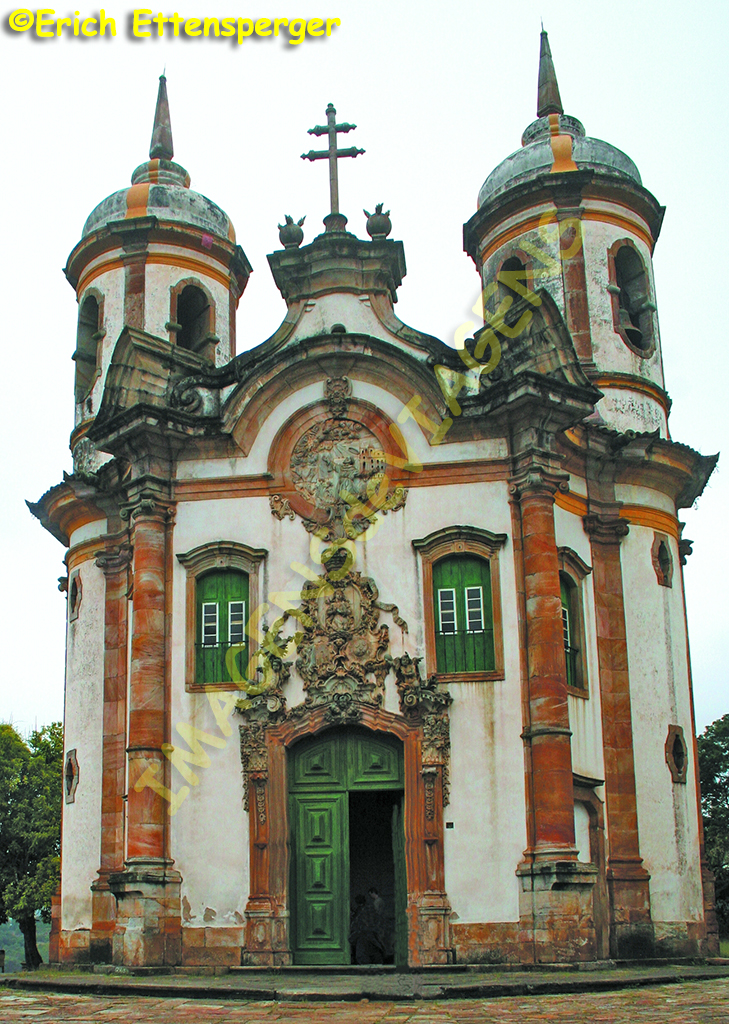
Centro Comercial/Einkaufsstrasse/Commercial centerIgreja de São Francisco de Assis/Kirche São Francisco de Assis/ São Francisco de Assis Church.Ouro PretoPraça Tiradentes, com a Casa de Câmara e Cadeia/Platz Tiradentes mit Rathaus und dem Gëfangnis/Tiradentes Square, with Chamber House and Jail.Ouro PretoDetalhes arquitetônicos/architektonische Details/Architectural detailsDetalhes arquitetônicos/architektonische Details/Architectural details
Viajar a Salvador é sempre um prazer. A primeira capital do Brasil, fundada por Tomé de Souza em 1549, é um caldeirão cultural e a cidade em si, é muito interessante. Salvador é famosa pelo seu centro histórico, considerada Patrimônio da Humanidade pela UNESCO, pelo seu Carnaval grandioso, pelos eventos religiosos relacionados com a Umbanda, Candomblé, dentre outros.
Salvador hoje em dia é uma grande metrópole do nordeste, com quase três milhões de habitantes. O coração da cidade, que atrai uma grande quantidade de visitantes é dividido na parte alta, onde está localizado o Pelourinho e a cidade baixa, onde está o famoso Mercado Modelo. O elemento de ligação principal dessas duas partes de Salvador, é o elevador Lacerda, um dos cartões postais da cidade. Da área onde está localizado esse elevador, na parte alta, há um mirante de onde descortina-se uma bela vista da Baía de Todos os Santos. Salvador tem uma longa orla marítima onde é possível se deliciar com as águas mornas de suas praias, sendo que uma das mais famosas, é a do Farol, onde são realizados inúmeros eventos.
Já visitei Salvador várias vezes. Já me hospedei em hotel afastado do centro e da última vez, fiquei em um hotel simpático localizado no centro histórico. Se você vai pela primeira vez à Salvador e se interessa em conhecer os atrativos históricos da cidade, vale a pena se hospedar lá porque assim, você poderá visita a pé o centro e seus principais atrativos, como suas belas igrejas! A Igreja de São Francisco é deslumbrante, com seu altar dourado e detalhes refinados da arquitetura barroca. Dependendo de seu interesse pessoal, Salvador oferece muitas opções, é só escolher a época apropriada para visitá-la!
Nach Salvador zu reisen ist immer ein Vergnügen. Die erste Hauptstadt von Brasilien, von Tomé de Souza 1549 gegründet, ist ein Schmelztiegel (v.a. Afrika) der Kulturen und die Stadt selbst ist sehr interessant. Die Altstadt von Salvador ist Weltkulturerbe der UNESCO, es ist berühmt für seinen Karneval und seine religiösen Veranstaltungen bezogen auf Umbanda, Candomblé unter anderem.
Salvador ist heute eine große Stadt im Nordosten mit fast drei Millionen Einwohner. Das Herz der Stadt, das viele Besucher anzieht, ist die Oberstadt, wo sich der Pelourinho-Platz befindet und auch die Unterstadt, wo sich der berühmte Mercado Modelo befindet. Das Hauptverbindungselement dieser beiden Stadteile Salvadors ist der Aufzug Lacerda, eine der Postkartenansichten der Stadt. Oben beim Aufzug gibt es einen Aussichtspunkt mit einem schönen Blick auf die Bucht von “Baía de Todos os Santos”. Salvador verfügt über eine lange Küste mit Stränden warmen Wassers, die bekanntesten sind die am Leuchtturm, wo Jahr für Jahr zahlreiche Veranstaltungen stattfinden.
Wenn Sie zum ersten Mal Salvador besuchen und die historischen Sehenswürdigkeiten der Altstadt besuchen wollen, lohnt eine Unterkunft in derselben von wo aus sie dann alles bequem zu Fuß erkunden können. Die Kirche San Francisco ist atemberaubend mit ihrem goldenen Altar und raffinierten Details der barocken Architektur. Je nach ihrer persönlichen Interessenslage bietet Salvador viele Optionen, wählen Sie einfach die entsprechende Jahreszeit, um es zu besuchen! Es lohnt wahrhaftig!
Um mehr über Salvador zu erfahren, klicken Sie hier.
Salvador, the first capital of Brazil
Travel to Salvador is always a pleasure. The first capital of Brazil, founded by Tomé de Souza in 1549, is a cultural melting pot with Strong influence from Africa and the city itself is very interesting. Salvador is famous for its historical center, a World Heritage Site of UNESCO. It is famous for its great Carnival and the religious events related to Umbanda, Candomblé, among others.
Salvador today is a big city in the northeast with almost three million inhabitants. The heart of the city, which attracts a lot of visitors is divided into the upper town, where is located the Pelourinho and the lower town, where you find the famous Mercado Modelo.
The main binding element of these two parts of Salvador is the elevator Lacerda, one of the postcards of the city. The area where it is located this elevator, at the high end, there is a viewpoint from which unfolds-a beautiful view onto the “Bay of All Saints”. Salvador has a long coastline where you can relish in the warm waters of its beaches, of which the most famous is the Lighthouse, which hosts numerous events.
Salvador we have visited several times If you go for the first time to Salvador and you are interested in knowing the historical attractions of the city, it is worthfile staying there as well, you can visit on foot the center and its main attractions, such as its beautiful churches! The Church of San Francisco is stunning with its golden altar and refined details of baroque architecture. Depending on your personal interests, Salvador offers many options, just choose the appropriate time to visit it! It is worthfile!
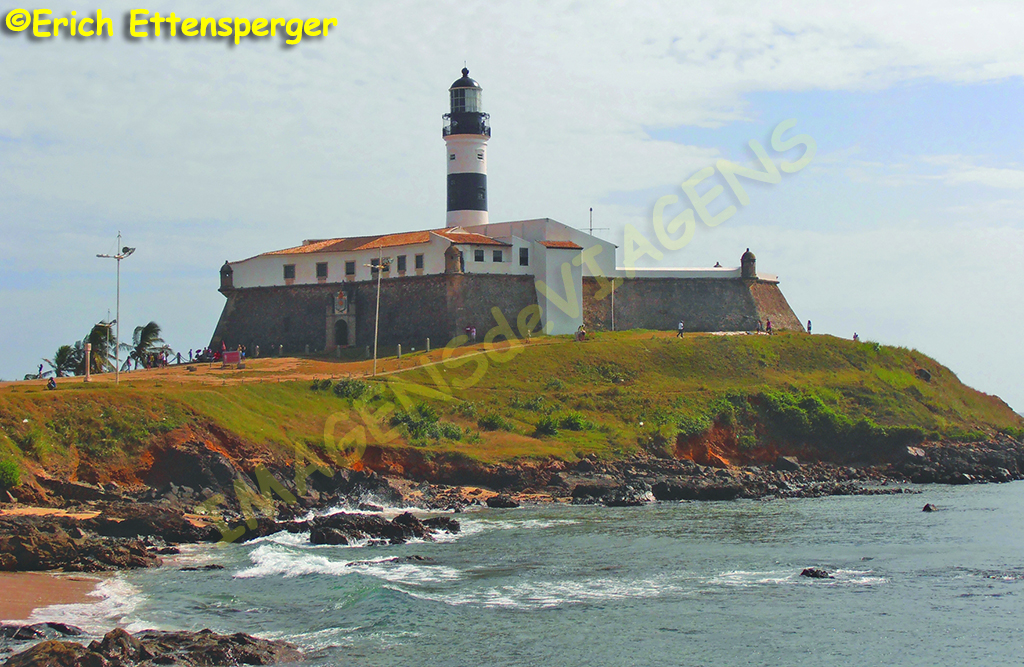
Farol da Barra/Leuchtturm Farol da Barra/Farol da Barra LighthouseVista da Cidade Alta e da Cidade Baixa/Blick auf die Ober – und Unterstadt/View of Upper Town and Lower TownLargo do PelourinhoCasario do centro histórico de Salvador/Häuser im historischen Zentrum Salvador/Houses in the historical center of SalvadorIgreja de São Francisco/Kirche São Francisco/São Francisco ChurchTípica baiana/Typische einer Baiana/A typical baianaElevador Lacerda e Baía de Todos os Santos
O Brasil é um país rico de cores e paisagens espetaculares. São inúmeros os cenários fascinantes dessa terra tropical. Essas afirmações fizeram parte das muitas reuniões que tive com o Erich para selecionar os atrativos nacionais que iriam ser destacados no nosso livro 66 x Brasil. Acho que o mais difícil, durante o processo de criação desse livro, foi escolher que destinos entrariam na publicação, considerando-se a imensidão do nosso país e a grande quantidade de lugares fantásticos. Depois que trocamos muitas ideias, escolhemos 66 lugares para enfocar no livro, mas, visitamos mais que os 66. Por falar nesse livro, além da publicação impressa, lançamos na livraria Amazon, as66 Belezas do Brasil em português, inglês, alemão e estamos finalizando a publicação em espanhol. Mas, voltando ao assunto pertinente desse post, gostaria de explicar de onde surgiu a ideia de listar as 10 belezas do Brasil. Um amigo, Marcos Sá, que tinha uma coluna no Novo Jornal (periódico de circulação diária em Natal), pediu-me para criar essa lista.
Antes de apresentar a lista, gostaria de dizer que ao lado dos clássicos, belos e tradicionais destinos brasileiros, como as cidades do Rio de Janeiro, Gramado, com a beleza de sua celebração natalina, Foz do Iguaçu, com as cataratas fantásticas, Ouro Preto, uma preciosidade mineira e muitos outros (você pode conhecer outros no livro 66 x Brasil, distribuído nacionalmente). Depois de muito pensar e refletir, Erich e eu elegemos como as 10 BELEZAS DO BRASIL, os seguintes lugares que mais nos impressionaram:
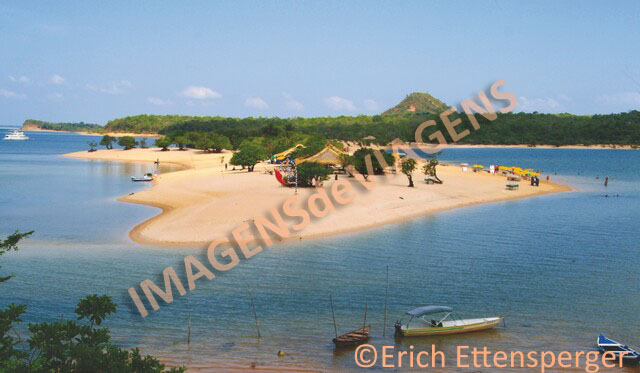
Alter do Chão, distrito de Santarém, no Pará, possui praias de rio maravilhosas (você tem escolher a época certa para visitá-las):
Alter do Chão, Pará
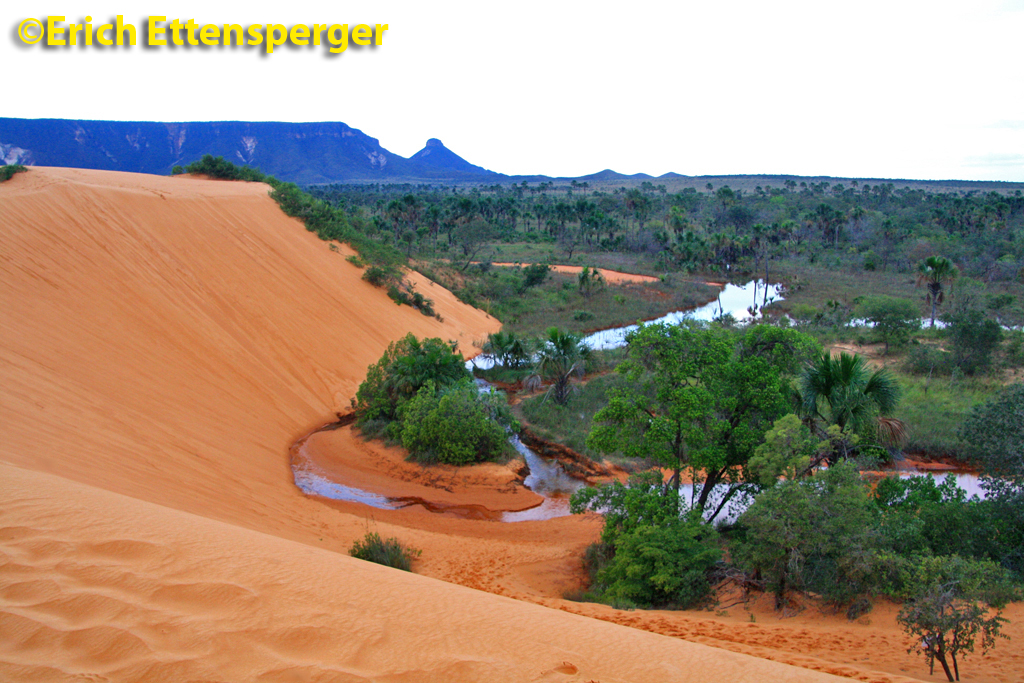
2. Jalapão, localizado no estado do Tocantins, tem paisagens espetaculares (você tem que ter um espírito de aventura para encarar uma expedição por estradas propícias para um rali):
Famosa duna do Jalapão
3. Serra do Rio do Rastro, uma das mais bonitas paisagens de Santa Catarina (você aluga um carro em Florianópolis e sobe a serra):
Rio do Rastro, Santa Catarina
4. Parque Nacional da Serra da Capivara, simplesmente espetacular (tem opção para quem gosta de fazer trilha, quem não pode caminhar muito, cadeirantes):
Pinturas rupestres no Boqueirão da Pedra Furada, Piauí
5. Chapada Diamantina, na Bahia, a diversidade de belas paisagens é grande:
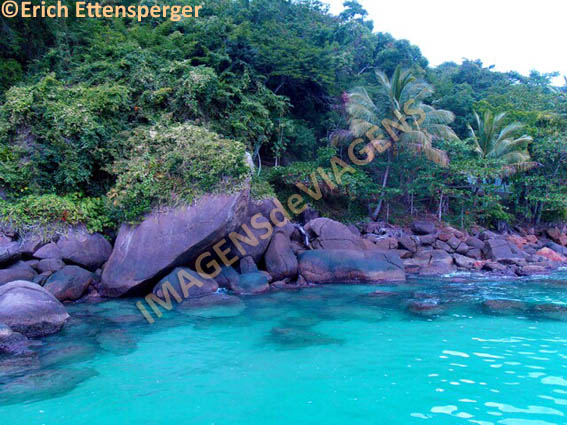
6. Ilha Grande, no Rio de Janeiro, tem uma grande quantidade de praias deslumbrantes:
Ilha Grande, Rio de Janeiro
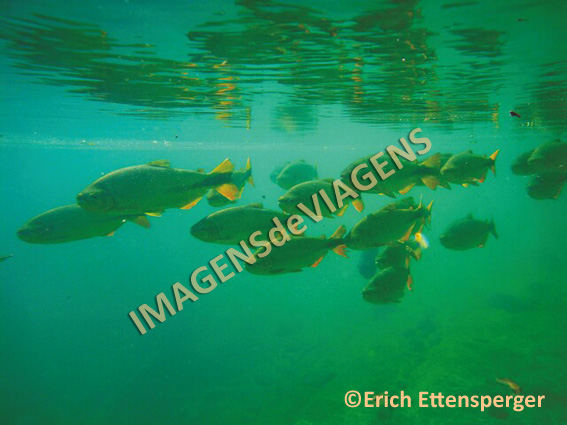
7. Bonito, localizado no Mato Grosso do Sul, é um santuário ecológico. A flutuação nos Rios da Prata e Sucuri é um programa impressionante:
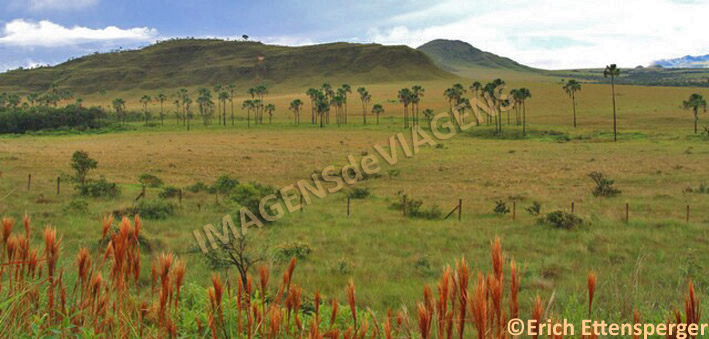
8. Chapada dos Veadeiros, localizada em Goiás, tem cenários caracterizados por grande beleza, tombada pela Organização das Nações Unidas para a Educação, a Ciência e a Cultura- UNESCO, juntamente com o Parque das Emas no mesmo estado (vale a pena conhecer uma das trilhas – nível de dificuldade de médio a difícil) do Parque Nacional da Chapada dos Veadeiros):
Chapada dos Veadeiros, Goiás
9. Paraty, exemplo de preservação e uso consciente de uma cidade tombada pelo IPHAN (para conhecer esse destino, você somente precisa viajar até o Rio de Janeiro e de lá pegar um ônibus até Paraty, a cidade é um museu a céu aberto emoldurada por uma natureza generosa):
Paraty, Rio de Janeiro
10. Fernando de Noronha, o arquipélago impressiona pela beleza de suas praias paradisíacas e pela importância ambiental, a ilha é tombada pela UNESCO, juntamente com o Atol das Rocas (existem voos diretos de Natal a ilha, recomendo que você compre um pacote que inclua o voo, a hospedagem e os passeios):
Fernando de Noronha, Pernambuco
Depois que você leu essa lista, talvez você tenha se lembrado de outros lugares que também poderiam fazer parte dessa lista ou quem sabe, você poderia até criar outra lista ou sugerir lugares que você visitou e considera magníficos no Brasil. Fique à vontade de dê sua contribuição. Vamos ficar felizes em conhecer sua opinião.
Espero que essa lista lhe estimule a viajar pelo nosso belo e grandioso Brasil.
Unsere 10 Top Sehenswürdigkeiten von BRASILIEN
Brasilien ist ein Land reich an Farben und spektakulären Landschaften. Es gibt unzählige faszinierende Sehenswürdigkeiten in diesem tropischen Land. Dieser Umstand war das Hauptproblem in den vielen Gesprächen mit Erich, nämlich exakt die nationalen Attraktionen auszuwählen, die in unserem Buch “66 x Brasilien” letztendlich Eingang finden sollten und das in anbetracht der gewaltigen Grösse des Landes und der Vielzahl an fantastischen Orten.
Natürlich besuchten wir viele mehr als die 66 genannten, die dann in der Druckversion dieses Buches in 6 Sprachen erschienen. Neben der Druckversion existieren beim Amazon-Store die e-Bücher von ¨66 Sehenswürdigkeiten Brasiliens¨ auf Portugiesisch, Englisch, Deutsch und wir sind kurz vor der Fertigstellung der Publikation in Spanisch. Aber zurück zum Thema dieses Posts. Ein Freund, Marcos Sá, Journalist einer Tageszeitung hier in Natal, bat mich, eine solche Liste zu erstellen.
Mit dem Bewusstsein, dass es neben den Klassikern, den schönen und traditionellen brasilianischen Destinationen wie den Städten Rio de Janeiro, Gramado, mit seinen Weihnachtszenarien, Foz do Iguaçu, mit den fantastischen Wasserfällen, Ouro Preto, mit seinen Barockkostbarkeiten und vielen, vielen anderen mehr, kamen wir nach reiflicher Überlegung und Reflexion zu der Schlussfolgerung, die 10 Orte zu benennen, die UNS auf unseren Reisen ganz subjektiv am meisten beeindruckten.
Alter do Chão, Santarém Distrikt in Pará, mit schönen Flussstränden (man muss den richtigen Zeitpunkt wählen, um sie besuchen zu können):
Alter do Chão, Pará
2. Jalapão im Bundesstaat Tocantins gelegen, verfügt über spektakuläre Landschaften (Sie sollten über einen gewissen Abenteuergeist verfügen für eine Expedition auf Straßen wie bei einer Rally):
Die berühmte Düne in Jalapão
3 . Serra do Rio do Rastro, eine der schönsten Landschaften von Santa Catarina (Mieten Sie ein Auto in Florianopolis und fahren Sie in die Berge):
Chapada Diamantina, Bahia, die Vielfalt schöner Landschaften ist enorm:
A espetacular cachoeira/Die spektakulären Wasserfall/The spectacular waterfall
Die Insel Ilha Grande, im Bundesstaat Rio de Janeiro, verfügt über viele wunderschöne Strände:
Ilha Grande, Rio de Janeiro
Bonito, in Mato Grosso do Sul gelegen, ist ein ökologisches Schutzgebiet. (Die Fluktuation (das sich im Fluss schnorchelnd-hinunter-treiben-lassen) in den beiden Flüssen Rio de la Plata und Sucuri ist hierbei eines der eindrucksvollsten Programme):
Die Nationalparks Chapada dos Veadeiros und „Das Emas“ sind internati onal als UNESCO Weltkulturerbe anerkannt. Das als „brasilianische Savanne” bekannte Ökosystem ist reich an biologischer und landschaftlicher Vielfalt. (es lohnt sich, einen der Wanderwege kennenzulernen – Schwierigkeitsgrad mittel bis hoch):
Chapada dos Veadeiros, Goiás
Paraty ist ein sehr gutes Beispiel für die bewusste Erhaltung einer historischen Stadt auf der IPHAN-Liste. (Von Rio de Janeiro gelangen Sie bequem per Bus nach Paraty, die Stadt ist quasi ein Freilichtmuseum eingebettet in wunderschöne Natur):
Paraty, Rio de Janeiro
Das Archipel Fernando de Noronha beeindruckt durch die Schönheit seiner paradiesischen Strände und ökologischen Bedeutung. Zusammen mit dem Atoll das Rocas ist Fernando de Noronha UNESCO Weltnaturerbe (es gibt Direktflüge von Natal zu der Insel, empfehlenwert ist Paket, das Flug, Unterkunft und die Ausflüge umfasst):
Fernando de Noronha, Pernambuco
Our top 10 attractions of BRAZIL
Brazil is a country rich in colors and spectacular landscapes. There are countless fascinating attractions in this tropical country. This circumstance was the biggest problem we faced to select the places which should finally find their way into our book “66 x Brazil”.
Of course we visited many more than the 66 mentioned destinations, which then appeared in the print version of this book in 6 languages. In addition to the print version at the Amazon store exist the e-books of “66 attractions in Brazil” in Portuguese, English, German and we are close to the completion of the publication in Spanish. But back to the topic of this post. A friend, Marcos Sá, a journalist of a daily newspaper here in Natal, asked me to draw up such a list.
With the awareness that in addition to the classics, the beautiful and traditional Brazilian destinations such as the cities of Rio de Janeiro, Gramado, with its Christmas scenarios, Foz do Iguaçu, with the fantastic waterfalls, Ouro Preto, with its Barockchurches and many, many others, we came after careful consideration and reflection to the conclusion to designate the 10 places, which subjectively impressed us most during our travels.
Alter do Chão, Santarém district in Pará, with beautiful river beaches (you have to choose the right time of the year to be able to visit, see and enjoy them):
Alter do Chão, Pará
Jalapão located in the state of Tocantins, has spectacular sceneries (you should have a certain spirit of adventure for an expedition on roads like on a rally):
Die berühmte Düne in Jalapão
Serra do Rio do Rastro, one of the most beautiful landscapes of Santa Catarina (Rent a car in Florianopolis and and drive into the mountains):
Rio do Rastro, Santa Catarina
National Park Serra da Capivara, simply spectacular (there are hiking opportunities, as well as some wheelchair access):
Serra da Capivara National Park
Chapada Diamantina, Bahia, the variety of beautiful landscapes is enormous:
Cachoeira do Buracão/Wasserfall Buracão/Waterfall Buracão
The island “Ilha Grande”, in the state of Rio de Janeiro, has many beautiful beaches:
Ilha Grande, Rio de Janeiro
Bonito, located in Mato Grosso do Sul, is an ecological reserve. (The let you floating down in the two rivers Rio de la Plata and Sucuri is one of the most impressive unforgetable programs):
In the river
The National Park Chapada dos Veadeiros and “The Emas”Park are considered as UNESCO Nature World Heritage. Known as the “Brazilian savannah” its ecosystem is rich in biological and landscape diversity. (it is worthfile to get to know one of the many trails – medium to high level of difficulty):
Chapada dos Veadeiros, Goiás, the garden “Jardim de Matreya”
Paraty is a very good example of the conscious preservation of a historic town of the IPHAN list. (From Rio de Janeiro with easy access by bus to Paraty, the city is almost an open air museum nestled in beautiful nature):
Paraty, Rio de Janeiro
The archipelago Fernando de Noronha impresses through the beauty of its idyllic beaches and ecological importance. Together with the Atoll das Rocas is Fernando de Noronha UNESCO World Heritage (there are direct flights from Natal to the island, we recomend a package that includes flights, accommodation and excursions):
Fernando de Noronha, Pernambuco
Now that you’ve seen our personal subjective list, we ask you, if you want to add to this list the one or other location or to customize even a new list. If you want to mention any other fantastic destination to visit, feel free to do so!
We shall be very happy about any feedback from you!! May be such a list motivates you to discover more beautiful places in this huge and colorful country. See you then here somewhere in BRAZIL!
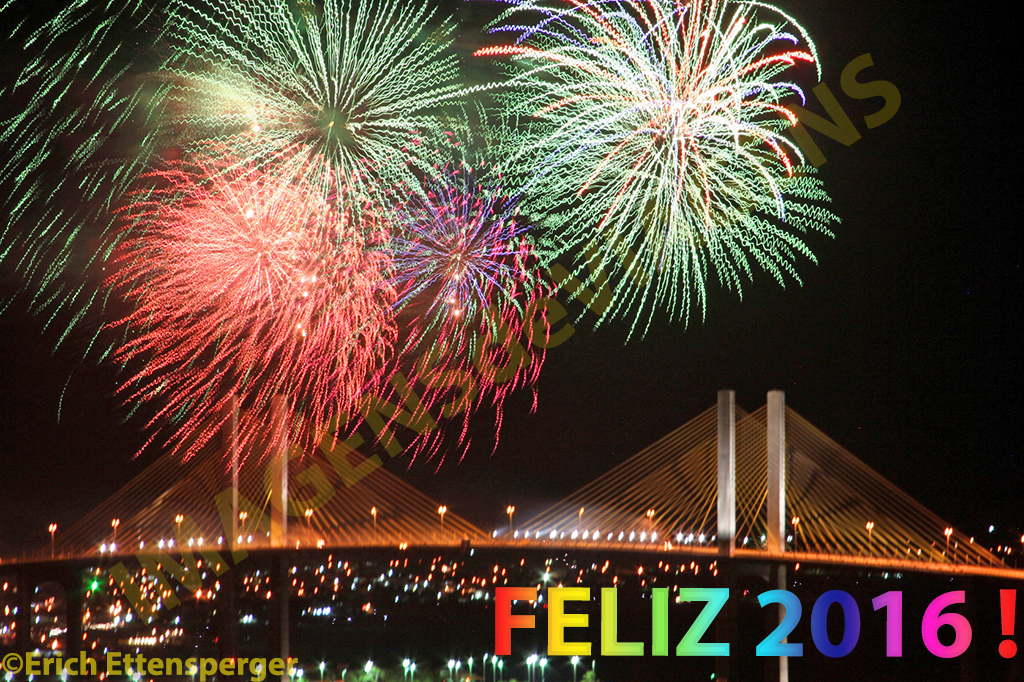
Que o Novo Ano seja de paz e de muita luz! A você que nos segue, nos visita, que aprecia e é sensível às belezas do nosso planeta, nosso agradecimento! Que continuemos viajando juntos! Feliz Viagens pelo mundo!
Möge das neue Jahr friedlich sein und voll des Lichtes! Wir bedanken uns bei all denen, die uns folgen und unseren Blog besuchen und sensitiv gegenüber den Schönheiten unseres Planeten sind. Wir wünschen allen weiterhin glückliche gemeinsame Reisen auf dieser Welt!
May the New Year be peaceful and full of light! We thank all those of you who follow us and visit our blog and behave sensitive regarding the beauties of our planet. We wish us all still happy trips together in this world!
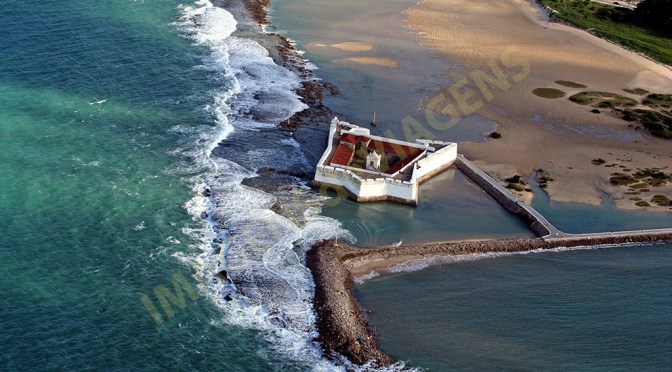
Hoje é o aniversário de Natal, são 416 anos de muito sol, de muita história. A “Cidade do Sol”, capital do Estado do Rio Grande do Norte, como é também conhecida, foi fundada no dia 25 de dezembro de 1599, está localizada na curva do mapa do Brasil, limita-se com o Oceano Atlântico e é banhada também pelo Rio Potengi que desemboca no mar. É exatamente nas proximidades da foz desse rio, onde está localizada a Fortaleza dos Reis Magos, obra dos colonizadores portugueses, que possui a forma de uma estrela.
Natal desempenhou papel relevante durante a Segunda Guerra Mundial, quando foi construída a Base Aérea de Natal pelos americanos. Além de seu passado relevante para a história do Brasil, Natal é o portão de entrada para se visitarem belas praias do litoral norte-rio-grandense. São aproximadamente 399 quilômetros de litoral recheados com muitas praias belas, com águas quentinhas, que atraem visitantes de muitas partes do mundo. O sol brilha quase que o ano todo, são poucos os dias chuvosos.
A população de Natal foi estimada para 2015, segundo o Instituto Brasileiro de Geografia Estatística – IBGE, em 869.954 mil habitantes distribuídos em 167,264 km2. Quem nasce em Natal é natalense, eu sou natalense e orgulhosa da minha cidade, essa senhora que reina absoluta entre as dunas e as águas cristalinas do mar!
Erich e eu criamos uma lista com 10 itens sobre coisas interessantes que gostamos de fazer em Natal. Vou apresentar abaixo, mas você, que conhece ou vive em Natal, pode acrescentar outros pontos nessa lista, fique à vontade, deixe um comentário, vou gostar de conhecer suas preferências, afinal esse blog foi criado para que possamos trocar conhecimentos, experiências, não é mesmo? As coisas boas e gostosas para desfrutar em Natal:
Ver o por do sol no Rio Potengi;
Caminhar na Praia de Ponta Negra quando a maré está baixa;
Apreciar o entardecer em um bar na Ponta do Morcego e ver o jogo de cores da iluminação da Ponta Newton Navarro e se tiver sorte ver um golfinho (precisa de muita sorte);
Comer uma tapioca recheada com queijo de coalho em uma tapiocaria local;
Almoçar em um restaurante que tenha um grande buffet de comida típica ou em um especializado em camarões ou em uma churrascaria (não como carne vermelha, mas Erich sim, me delicio com a diversidade do buffet variado);
Ler um livro sob a sombra das árvores do Bosque dos Namorados (Setor de Uso Público do Parque das Dunas) e desfrutar da tranquilidade do local, em um dia de semana, logo depois do horário do almoço (é quando o local é mais silencioso);
Aproveitar para se exercitar na Via Costeira, quando ocorre o evento “Cidade Viva”, em um domingo quando um dos lados da via está fechado para automóveis ;
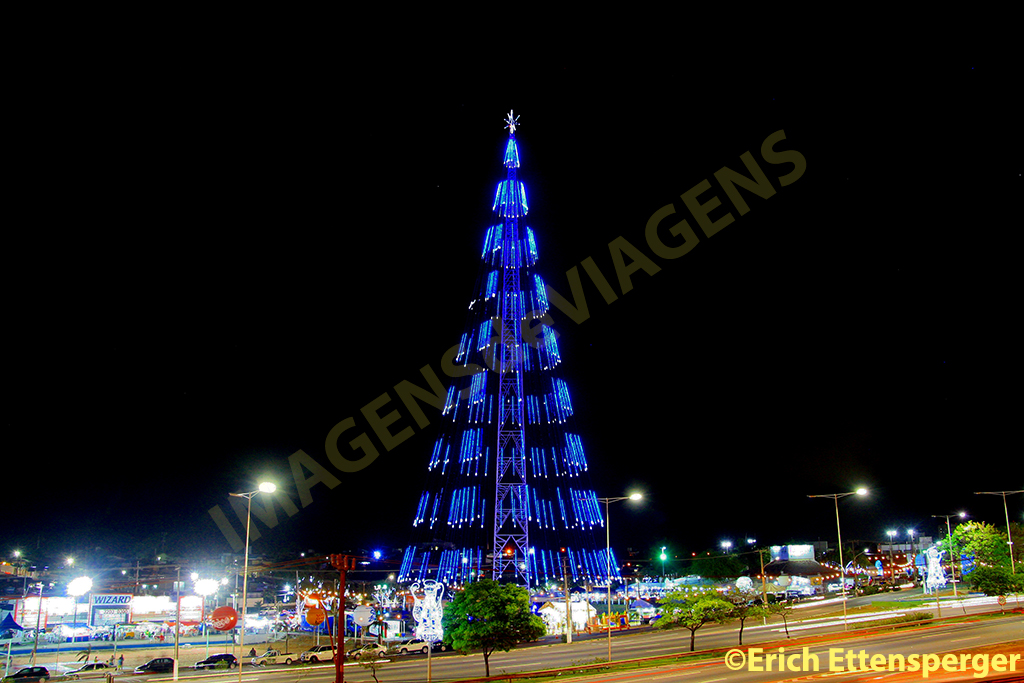
Visitar a Árvore de Natal de Mirassol e desfrutar do clima natalino;
Tomar banho de mar na Praia do Forte;
Comer um milho cozido na Praça Pe. João Maria, no centro da cidade.
Natal, minha cidade, é uma senhora de idade, cheia de beleza, encantos e desencantos, mas que, definitivamente, mora no meu coração. Parabéns Natal!
Para conhecer mais Natal e suas belas praias, clique aqui.
Natal ( übersetzt:Weihnachten), die Königin der Dünen!
Heute ist der Geburtstags von Natal, 416 Jahre alt mit viel Sonne und Geschichte. Die “Sun City” (Sonnenstadt) ist die Landeshauptstadt von Rio Grande do Norte und wurde am 25. Dezember 1599 gegründet. Sie befindet sich genau da am Atlantik, wo auf Landkarten Brasilien eine Kurve macht am Potengi Fluss, der hier ins Meer mündet. In der Nähe der Mündung des Flusses befindet sich die kleine Festung “Fortaleza dos Reis Magos” in Form eines Sternes, das Werk portugiesische Siedler, um so Invasionen von Franzosen und Holländern entgegenzuwirken
Natal spielte im Zweiten Weltkrieg als Luftwaffenstützpunkt der Amerikaner eine wichtige Rolle. Heute ist Natal das Portal zu wunderschönen Stränden von Rio Grande de Norte. Das kleine Bundesland verfügt über 399 Kilometer Küste gespickt mit vielen schönen Stränden und stets wohlig warmem Wasser, was Besucher aus der ganzen Welt anzieht. Die Sonne scheint fast das ganze Jahr (320 Tage) mit nur wenigen Regentagen.
Natal hat etwa 900.000 Einwohner auf 167 km2. Wer in Natal geboren ist, ist ein Natalense, so wie ich und ich bin stolz auf meine Stadt, diese Königin der Dünen und des kristallklaren Wassers des Atlantischen Ozeans!
Ich habe mit Erich eine Liste von 10 Dingen zusammengestellt, was Sie so in Natal unternehmen können. Fühlen Sie sich frei, dieser Liste weitere Aspekte hinzuzufügen oder zu kommentieren. Schliesslich wurde dieser Blog ja geschaffen, um einen konstruktiven Erfahrungsaustausch zu ermöglichen.
Unsere Empfehlungen für City Natal
Geniessen Sie den Sonnenuntergang am Fluss Rio Potengi;
Spaziergang am Strand Ponta Negra bei Ebbe;
Geniessen Sie den späten Nachmittag oder Abend in einer Bar (wie ein Biergarten) am Ponta do Morcego und beobachten Sie das Spiel der Farben der Beleuchtung der Brücke Ponta Newton Navarro und sehen Sie dabei, wenn man Glück hat, sogar Delphine;
Essen Sie eine Tapioka (eine Art Crepe des Nordosten Brasiliens) mit Käse gefüllt in einer örtlichen Tapiocaria;
Geniessen Sie ein Mittagessen in einem der Restaurants, das ein großes Buffet mit typischen Speisen offeriert oder spezialisiert ist auf Garnelen oder Fleisch (ich esse zwar kein rotes Fleisch, aber Erich schon, trotzdem ist für mich die Vielfalt des abwechslungsreichen Buffets absolut köstlich);
Lesen Sie ein Buch im Schatten der Bäume des “Parque das Dunas” und genießen Sie die Ruhe des Ortes v.a. an einem Wochentag kurz nach der Mittagszeit;
Geniessen Sie Aktivitäten an der Via Costeira (Küstenstrasse) an einem Sonntag, wenn eine Seite der Straße autofrei ist;
Besuchen Sie in Mirassol den Weihnachtsbaum und geniessen Sie die weihnachtliche Atmosphäre dort;
Nehmen Sie ein Bad im Meer am Strand Praia do Forte;
Essen Sie einen gekochten Mais auf dem Platz Fr. Jean-Marie in der Altstadt;
Natal, meine Stadt, ist eine alte Dame voller Geschichte, Schönheit und Charme, sicherlich gibt es auch noch viele Probleme zu lösen wie in den meisten brasilianischen Städten, aber auf jeden Fall lebt sie in meinem Herzen. Herzlichen Glückwunsch NATAL!
Natal (translated: Christmas), the Queen of the Dunes!
Today is the birthday of Natal, 416 years old with lots of sun and history. The “Sun City” is the state capital of Rio Grande do Norte and was founded on December 25, 1599. It is located exactly on the Atlantic coast, where on maps Brazil makes a curve at the Potengi River, which empties here into the sea. Near the mouth of the river is the small fortress “Fortaleza dos Reis Magos” in the form of a star, the work of Portuguese settlers to counteract against invasions of the French and Dutch.
Natal played in World War II as an airbase of the Americans an important role. Today Natal is the gateway to beautiful beaches of Rio Grande de Norte. This small state has 399 km coastline dotted with many beautiful beaches and always pleasantly warm water, which attracts visitors from all around the world. The sun shines almost all year (320 days) with only a few rainy days.
Natal has about 900,000 inhabitants on 167 km2. Anyone born in Natal, is a Natalense, like me and I am proud about my city, this queen of the dunes and the crystal clear waters of the Atlantic Ocean!
I have compiled a list of 10 things with Erich, what you can do so in Natal. Feel free to add other aspects to this list or to comment anything. Finally remember, this blog was created to facilitate a constructive exchange of experiences.
Our recommendations TO DO for the City Natal
You enjoy the sunset at the river Rio Potengi;
Walk on the beach Ponta Negra at low tide;
Enjoy the late afternoon or evening in a bar (it is like a beer garden) at Ponta do Morcego and watch the play of colors of the lights of the bridge Ponta Newton Navarro and whilst you look at this, if you’re lucky, you see even dolphins;
Eat a tapioca (a kind of crepe of northeastern Brazil) filled with cheese in a local Tapiocaria;
Enjoy lunch at one of the restaurants, which offers a large buffet of typical dishes or specializing in shrimp or meat (although I do not eat red meat, but Erich likes very much, anyway for me the diversity of the buffet is absolutely delicious);
Read a book in the shadow of the “Parque das Dunas” and enjoy the tranquility of the place on a weekday, shortly after lunch time;
Enjoy activities at the Via Costeira (Coastal road) on a Sunday, when one side of the street is free of cars;
Visit in Mirassol the Christmas tree and enjoy the Christmas atmosphere there;
Take a bath in the sea on the beach of Praia do Forte;
Eat a boiled corn on the court Fr. Jean-Marie in the old town;
Natal, my city, is an old Lady full of history, beauty and charm, certainly there are still many problems to be solved in most Brazilian cities, but in any case, she lives in my heart. Congratulations NATAL!
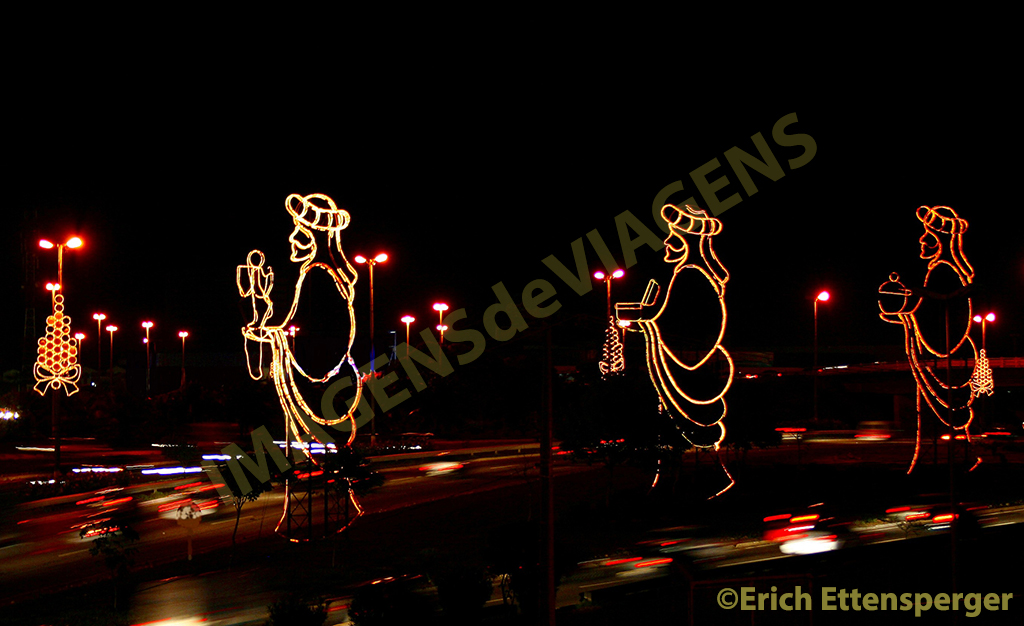
Morro do Careca na Praia de Ponta Negra/ Morro do Careca at Ponta Negra Beach/Morro do Careca am Ponta Negra StrandPraia do Meio e os prédios da Av. Getúlio Vargas/ Praia do Meio and the buildings of Av. Getúlio Vargas/Strand Praia do Meio und die Häuser der Av Getulio VargasCatedral Metropolitana de Natal/ Natal Metropolitan CathedralPonte Newton Navarro/Newton Navarro Bridge/Brücke Ponte Newton NavarroÁrvore de Natal localizada no bairro de Mirassol/ Christmas tree located in the neighborhood of Mirassol/Weihnachtsbaum im Viertel MirassolOs três Reis Magos/ The Three Wise Men/die Heiligen 3 KönigeVista aérea da Fortaleza dos Reis Magos/Aerial view of the Fortaleza dos Reis Magos/Vogelperspektive der Festung “Fortaleza der 3 Könige”
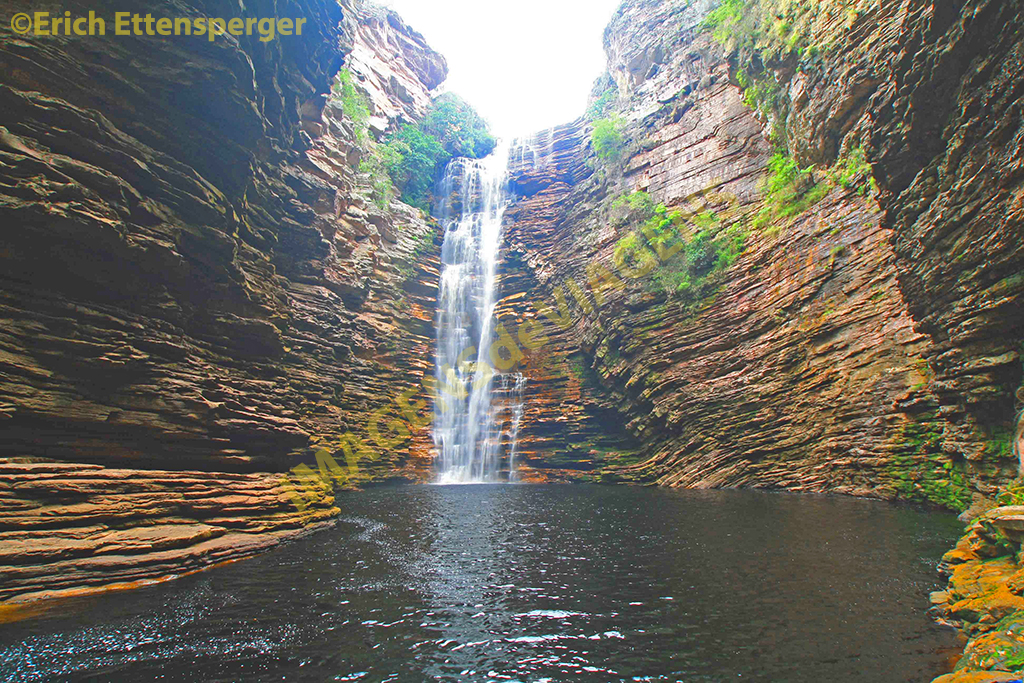
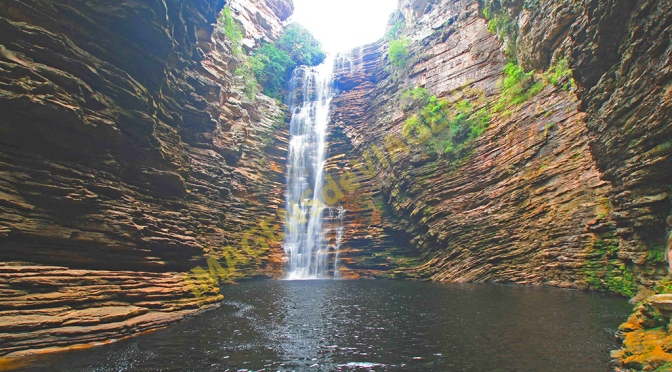
A Cachoeira do Buracão, mergulhe numa imensidão de beleza e aventura
Você gosta de turismo de aventura? Gosta de apreciar paisagens deslumbrantes? Tem condições físicas para encarar uma caminhada puxada? Se você respondeu sim para essas questões, então você vai gostar de visitar a Cachoeira do Buracão, no município de Ibicoara, na Chapada Diamantina, Bahia, Brasil.
Localização do estado da Bahia no Brasil.
Qual o melhor acesso? Recomendo que você se hospede em Mucugê, cidade simpática localizada a aproximadamente 450 km de Salvador. De lá para Ibicoara, são 78 km.
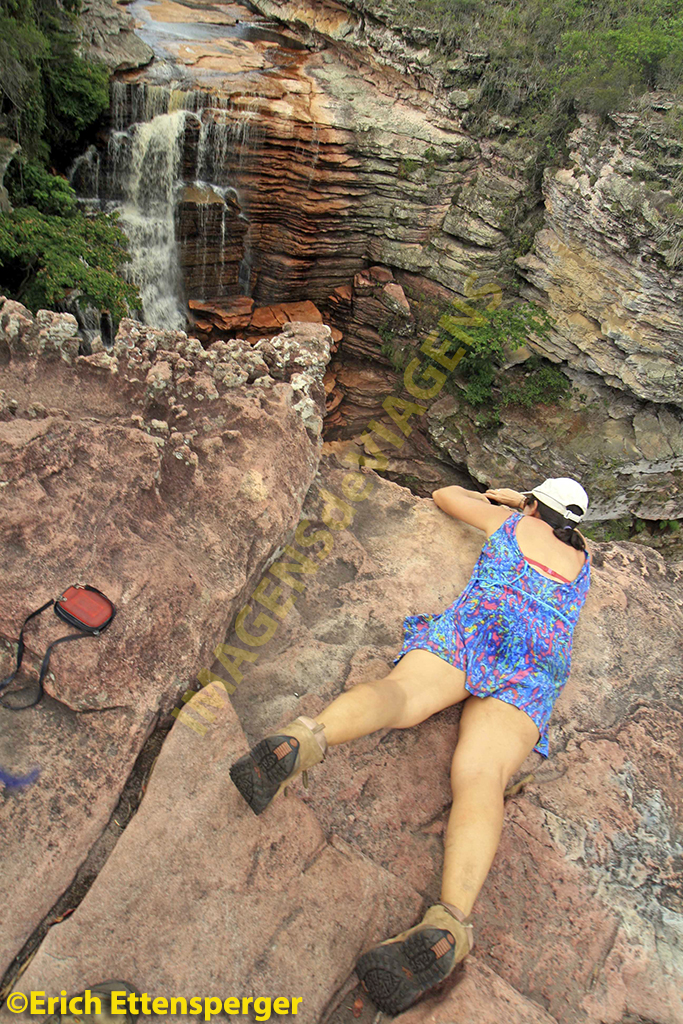
Você chega a Ibicoara e dirige-se a Associação de Guias de Turismo e contrata um guia. De Ibicoara você dirige 30 km de estrada de terra, em algumas partes, bem precária. A estrada é bonita, ladeada pela Serra do Sincorá, pela Serra de Campo Redondo. Aliás, você atravessa Campo Redondo, que produz cachaça de qualidade. A estrada é margeada por belas quaresmeiras, árvores com flores violetas, lindas! Em um determinado momento, você chega à porteira do Parque Municipal do Espalhado. Lá, paga-se uma taxa para entrar no parque. A estrada continua precária até chegar ao ponto onde se estaciona o automóvel e a partir daí caminha-se em torno de 3 km, sendo uma parte bem fácil e outra bem cheia de pedras, até chegar à primeira escada de madeira. Graças a Deus existe essa escada que facilita o acesso para a parte seguinte. Se vai descendo, descendo. No caminho, se vê cachoeiras, poços, até chegar a um determinado ponto que você tem que fazer uma escolha: vai escalar um paredão de rochas (onde você se sente em um filme de Indiana Jones) ou você vai nadar 100 metros em águas escuras (escuras devido à alta concentração de ferro, manganês e resíduos orgânicos) para, finalmente ver a cachoeira. Você escolhe. Eu fiquei apavorada e achei que a escolha mais segura seria nadar em um belo cânion, com água, fria e escura e finalmente, ver e escutar a cachoeira deslumbrante. São 85 metros de queda d´água deslumbrante! O cenário é magnífico, fascinante. Quando você ver e escuta a cachoeira, então, você agradece a Deus por ter lhe dado condições físicas e mentais para chegar a esse lugar maravilhoso! Você escuta a natureza, relaxa por alguns minutos e então você lembra-se que necessita fazer todo o percurso de volta, mas, aí, você se sente feliz e bem realizada por ter conseguido chegar lá! Vale a pena!
Wasserfall Buracão – Immense Schönheit und Abenteuer
Mögen Sie Abenteuer-Tourismus? Sie wollen eine atemberaubende Landschaft genießen? Sie sind in guter körperlicher Verfassung für einen anstrengenden Ausflug? Falls Sie all diese Fragen mit JÁ beantworten können, dann werden Sie den Besuch des Wasserfalles Buracão in der Gemeinde Ibicoara in Chapada Diamantina, Bahia, Brasilien geniessen können.
Der Bundesstaat Bahia in Brasilien.
Wir starten den Ausflug von Mucugê aus, einer freundlichen Stadt etwa 450 km von Salvador entfernt. Von hier sind es 78 km nach Ibicoara.
In Ibicoara heuern Sie einen Führer an und dann geht es zunächst einmal 30 km auf einer teilweise prekären Schotterstraße durch die schöne Sierra Sincorá. Im Park angelangt geht es dann zunächst zu Fuß ca. 3 km auf relativ flachen Gelände dahin bis wir eine erste Holztreppe erreichen. Sie erleichtert uns den Zugang zum nächsten tiefergelegenen Teilabschnitt. Auf dem Weg immer weiter nach unten nach sehen wir kleinere Wasserfälle und Brunnen, die zu einem Bad einladen bis sie schliesslich einen Punkt erreichen, wo sie eine Entscheidung treffen müssen. Entweder klettern sie 100 m einer Felswand entlang und sie fühlen sich hierbei wie Indiana Jones in einem seiner abenteuerlichen Filme oder sie schwimmen 100 m durch den engen Canyon und sein bedrohlich wirkendes kaltes, dunkles Wasser. Sie müssen das für sich entscheiden.
Ich hatte schreckliche Angst und wir entschieden uns für das Durchschwimmen des Canyons. Aber dann werden Sie durch den Anblick und den Sound des atemberaubenden Wasserfalles für alles entschädigt.
Sie sind unterhalb des 85 m hohen Wasserfalles in einer wunderschönen und faszinierenden Landschaft, sie geniessen den Ort und diese wundervolle Natur, Sie sind glücklich, dass Sie es geschafft haben hierher zu gelangen, Sie erinnern sich nun aber auch daran, dass sie den ganzen Weg nun auch wieder zurück bewerkstelligen müssen. ABER ES LOHNT SICH ALLEMAL !!
Waterfall Buracão, dive into a multitude of beauty and adventure
Do you like adventure tourism? You like to enjoy breathtaking scenery? You have the physical condition to face a drawn walk? If you answered yes to these questions, then you will enjoy visiting the waterfall Buracão in the municipality of Ibicoara in Chapada Diamantina, Bahia, Brazil.
The location of Bahia in Brazil.
We start our excursion in Mucugê, a friendly town located about 450 km from Salvador. From here to Ibicoara are 78 km where you then hire a guide.
In Ibicoara you hire a guide and then you go another 30 km on a partially precarious dirt road through the beautiful Sierra Sincora. In the park arrived you walk about 3 km on relatively flat terrain to till we reach a first wooden staircase. It facilitates us to access the next lower part. Towards further down we see small waterfalls and fountains, which invite to take a bath until you reach a point where you have to make a decision. Either you climb 100 meters along a rock face and you feel here like Indiana Jones in one of his adventurous movies or you swim 100 meters through the narrow canyon and his menacing acting cold, dark water. You have to decide this for yourselves.
I was terrified and we opted for the swim through the canyon. But then finally you will be compensated for everything by the sight and sound of the breathtaking waterfall.
You are below the 85 m high waterfall in a beautiful and fascinating landscape, you enjoy the place and this wonderful nature, you are happy that you have managed to get here, but now you remember also the fact that you need also to get the all way back. But Worth it all !!
Cachoeira do Buracão/Wasserfall Buracão/Waterfall BuracãoVista de cima/Aufsicht/Top viewA espetacular cachoeira/Die spektakulären Wasserfall/The spectacular waterfall
Apresentar lugares visitados ao redor do mundo e proporcionar um intercâmbio de informações com nossos visitantes./Display places visited around the world and provide an exchange of information with our visitors./Weltweit besuchte Orte vorstellen und einen Informationsaustausch mit unseren Besuchern anregen.