Erich é alemão, editor e fotógrafo, e eu sou arquiteta. Desenvolvemos uma parceria de trabalho e, em consequência, já publicamos três livros impressos e cinco digitais. Dois dos impressos versam sobre o estado do Rio Grande do Norte (66 Razões para descobrir o Rio Grande do Norte e deliciar-se com ele e Guia das Belezas do Rio Grande do Norte com exemplos de conservação ambiental), e o terceiro sobre o Brasil (66 x Brasil). Os livros digitais são: 66 x Brazil (somente em inglês), Natal e as belas praias do Rio Grande do Norte, Deserto do Atacama –Neve e Céu Azul, 66 Belezas do Brasil, 66 Sehenswürdigkeiten in Brasilien e Aventuras e Impressões de Viagens.Os três primeiros estão disponíveis na Ibooks da Apple e os outros na Amazon.com.São livros informativos e de fotografias, alguns dos quais contêm textos explicativos, em várias línguas, sobre os locais retratados. Viajamos muito para fotografar e conhecer os lugares que enfocamos em nossos livros.
A Nova Zelândia é uma ilha montanhosa e fértil, país de belezas fantásticas cuja capital é Wellington e as principais cidades são Auckland, Christchurch e Hamilton. Além disso, ela também possui os territórios das Ilhas Cook, Nive e Toquelau. O país está localizado na Oceania, no sudoeste do Oceano Pacífico, com linha costeira cortada por fiordes, tem 268.021 km2 e é formado por duas grandes ilhas (Ilha do Norte e do Sul) e elas estão separadas pelo Estreito de Cook.
A Ilha do Sul é caracterizada pela existência dos Alpes do Sul. A população da Nova Zelândia é de aproximadamente 4,4 milhões de habitantes e a maioria vive na Ilha do Norte.
Erich e eu visitamos a Nova Zelândia quando realizamos nossa viagem ao redor do mundo (veja aqui mais informações sobre esse tour). Tivemos o prazer de conhecer muitas das belezas espetaculares desse país que são constituídas de montanhas, praias, rios, lagos, gêiseres, dentre outros aspectos naturais que já atraiu milhares de visitantes e também foi cenária de famosas produções cinematográficas como a trilogia do “Senhor dos Anéis” e o “Hobbit”.
O objetivo desse post é apresentar de uma visão geral da Nova Zelândia com suas belas paisagens e seu povo acolhedor. Um aspecto que nos chamou a atenção é a valorização do povo Maiori, um dos primeiros habitantes dessa terra. Esse país tem duas línguas oficiais: o inglês e o maiori. A Nova Zelândia é fortemente influenciada pela cultura rica e vibrante de seu povo indígena Maori.
Dentre as atrações turísticas que mais despertaram nossa atenção foram: o passeio de trem de Dunedin, Milford Sound, a visita ao Hobbiton Movie Set próxima a cidade de Rotorua, as apresentações culturais sobre o povo Maori. O país como um todo é definitivamente lindo, com muitas paisagens verdejantes, tranqüilas com seus imensos rebanhos de ovelhas. Quando estávamos por lá, alguém disse em existe mais ovelhas do que habitantes na Nova Zelândia. Considerando-se a quantidade de habitantes do pais, há cerca de 33 milhões de ovelhas. Isso significa que há cerca de sete companheiros peludos para cada habitante.
Algumas outras atrações turísticas muito interessantes: vôos de helicóptero para observar baleias, para avistar de cima as exuberantes paisagens naturais em diversos pontos do país, viagem de trem no Transalpino saindo de Cristhchurch, visita as vinícolas, passeio à Caverna de Waitomo, dentre outros. Para quem gosta de trekking, há muitas possibilidades por percursos deslumbrantes!
Apesar de ser um país localizado distante das principais rotas turísticas, se você quer conhecer um lugar especial, vale a pena as muitas horas de vôos para se visitar a Nova Zelândia!
Para conhecer mais sobre a Nova Zelândia, clique aqui e aqui.
Observação: se você quiser continuar “viajando” com o nosso blog, clique no botão “seguir” localizado no canto inferior direito dessa página. Você também pode “viajar” pelo Brasil conhecendo nosso livro impresso 66 x Brasil e sua versão digital 66 Belezas do Brasil.
Neuseeland – Land spektakulärer Landschaften
Neuseeland ist eine bergige und fruchtbare Insel, ein Land von fantastischer Schönheit, dessen Hauptstadt Wellington und die wichtigsten Städte Auckland, Christchurch und Hamilton sind. Darüber hinaus besitzt es auch die Territorien der Cookinseln, Nive und Tokelau.
Das Land liegt in Ozeanien im Südwesten des Pazifischen Ozeans mit einer von Fjorden durchzogenen Küste, es hat 268.021 km2 und wird von zwei großen Inseln (Nord- und Südinsel) geformt und durch die Cookstraße getrennt.
Die Südinsel ist durch die Existenz der Südalpen geprägt. Neuseeland hat etwa 4,4 Millionen Einwohner, die meisten leben auf der Nordinsel.
Erich und ich haben Neuseeland besucht als wir unsere Weltreise gemacht haben (weitere Informationen zu dieser Tour finden Sie hier).
Wir hatten das gro Vergnügen, viele der spektakulären Schönheiten dieses Landes kennenzulernen, die neben vielen anderen Naturaspekten mit Bergen, Stränden, Flüssen, Seen, Geysiren überraschen, die bereits Tausende von Besuchern angezogen haben und auch Schauplatz von berühmten Filmproduktionen wie „Herr der Ringe“ und „Hobbit“ waren.
Die Idee dieses Beitrages ist es, einen Überblick über Neuseeland mit seinen wunderschönen Landschaften und seinen gastfreundlichen Menschen zu vermitteln.
Ein Aspekt, der unsere Aufmerksamkeit auf sich zog, ist die Wertschätzung des Volkes der Maori, eines der ersten dieses Landes. Das Land hat zwei Amtssprachen: Englisch und Maori. Neuseeland ist stark von der reichen und lebendigen Kultur seiner indigenen Maori geprägt.
Zu den Touristenattraktionen, die uns am meisten gefielen, gehörten: die Zugfahrt von Dunedin,Milford Sound, der Besuch des Hobbiton-Filmsets in der Nähe der Stadt Rotorua, die kulturellen Präsentationen über das Volk der Maori. Das Land als Ganzes ist definitiv wunderschön, mit vielen grünen Landschaften, friedlich mit seinen riesigen Schafherden.
Als wir dort waren, betonte jemand, dass es in Neuseeland mehr Schafe als Menschen gibt. Bezogen auf die Einwohnerzahl des Landes gibt es etwa 33 Millionen Schafe. Auf jeden Einwohner kommen also etwa sieben „wollige“ Gefährten.
Weitere sehr interessante Touristenattraktionen: Helikopterflüge zur Walbeobachtung usw. in verschiedenen Teilen des Landes, Zugreisen mit dem Transalpino von Cristhchurch, Besuch der Weingüter, Besichtigung der Waitomo-Höhle u.a. Für Trekking-Liebhaber gibt es viele Möglichkeiten für atemberaubende Touren!
Obwohl es sich um ein Land handelt, das sehr, sehr weit von den üblichen Haupttouristenrouten entfernt liegt, lohnt es sich, Neuseeland zu besuchen, falls Sie einen ganz besonderen Ort kennenlernen möchten!
Um mehr über Neuseeland zu erfahren, klicken Sie hier und here.
Hinweis: Falls Sie unserem Blog folgen wollen, dann klicken Sie unten rechts einfach auf “Weiter”, Sie werden dann zukünftig automatisch informiert. Sie können auch durch Brasilien reisen und unser Buch 66 SEHENSWÜRDIGKEITEN IN BRASILIEN kennenlernen und 66 x Brazil – A Mosaic of Beauties.
New Zealand – land of spectacular landscapes
New Zealand is a mountainous and fertile island, a land of fantastic beauty with Wellington as its capital and Auckland, Christchurch and Hamilton as its main cities. In addition, it also owns the Cook Islands, Nive, and the Tokelau territories.
The country is located in Oceania in the southwest of the Pacific Ocean with a coast crisscrossed by fjords, it has 268.021 km2 and is formed by two large islands (North and South Island) and separated by the Cook Strait.
The South Island is shaped by the existence of the Southern Alps. New Zealand has a population of around 4.4 million, most of which live in the North Island.
Erich and I visited New Zealand when we were on our world tour (more information about this tour can be found here).
We had the great pleasure to get to know many of the spectacular beauties of this country, which, among many other natural aspects, surprise with mountains, beaches, rivers, lakes, geysers, which have already attracted thousands of visitors and also the setting of famous film productions such as “Lord of the Rings” and “Hobbit“.
The idea of this post is to give an overview of New Zealand with its beautiful landscapes and its hospitable people.
One aspect that caught our attention is the appreciation of the Maori people, one of the first in this country. The country has two official languages: English and Maori. New Zealand is strongly influenced by the rich and vibrant culture of its indigenous Maori.
Among the tourist attractions that we liked the most were: thetrain ride in Dunedin, Milford Sound, the visit to the Hobbiton movie set near the city of Rotorua, the cultural presentations about the Maori people. The country as a whole is definitely beautiful with lots of green landscapes, peaceful with its huge flocks of sheep.
When we were there someone pointed out that New Zealand has more sheep than people. Based on the population of the country there are around 33 million sheep. So there are about seven “woolly” companions for every inhabitant.
Other very interesting tourist attractions: helicopter flights for whale watching etc. in different parts of the country, train travel with the Transalpino from Cristhchurch, visiting the wineries, visiting the Waitomo cave etc. For trekking lovers there are many opportunities for breathtaking tours!
Although this is a country that is very, very far from the usual main tourist routes, it is worth visiting New Zealand if you want to get to know a very special place!
To find out more about New Zealand, click here and here.
Note: If you want to follow our “Travels” on the blog, simply click on “Seguir” in the lower right corner, you will be then automatically informed in the future. You can continue traveling with us with our book Brazil´s 66 Beautiful Sites and 66 x Brazil – A Mosaic of Beauties.
Natal é a capital do estado do Rio Grande do Norte e é também o portão de entrada para se conhecer muitas belezas.Natal possui uma população de quase 900.000 mil habitantes (ver dados do IBGE). A cidade atrai muitos visitantes anualmente. É definitivamente um pólo turístico consolidado com boa infra-estruturar e muitos atrativos turísticos. Esse post tem o objetivo de apresentar muitos dos passeios que você pode realizar em Natal e/ou a partir da cidade.
Sou potiguar e Erich é alemão. Vivemos em Natal e somos autores do Guia das Belezas do Rio Grande do Norte, publicação que apresenta os principais atrativos turísticos desse estado. Percorremos toda a costa potiguar e visitamos os mais relevantes locais desse estado. Por isso, nessa época em que a atividade turística está renascendo novamente, resolvemos publicar esse post para lhe inspirar a conhecer algumas das atrações turísticas que é possível visitar através da realização de um passeio de um dia.
As agências de turismo oferecem muitos desses passeios. Porém observamos que visitas para o interior do estado não estão incluídas na maioria dos tours oferecidos. Mas, caso você pense em alugar um carro, talvez você possa incluir uma visita ao interior.
O passeio mais comum em Natal e recomendado para se ter uma visão geral da cidade é o city tour, onde o turista pode ter uma impressão geral de Natal com um roteiro que inclui as praias urbanas, o centro histórico com seus principais edifícios, uma parada no Centro de Turismo, antiga casa de detenção transformada em centro de comercialização de artesanato, visita ao Maior Cajueiro do Mundo, parada no museu do Centro de Lançamento da Barreira do Inferno, sendo que os últimos estão localizados fora de Natal no município de Parnamrim, além de outros pontos.
O mais importante monumento histórico de Natal é a Fortaleza dos Reis Magos está fechada para restauração, porém, a previsão é que ela seja aberta ao público ainda no mês de dezembro de 21 e acreditamos que ela voltará a integrar esse roteiro.Depois de realizado o city tour, vale à pena conhecer outros atrativos localizados fora de Natal. Veja abaixo alguns dos principais passeios que você pode realizar:
– Passeio de buggy pelo Litoral Norte, onde você vai visitar praias, dunas e lagoas,
com destaque para a famosa Praia de Jenipabu. Esse passeio tem um tempo estimado de aproximadamente umas sete horas;
– Passeio à Praia de Pipa, localizada em torno de 85 km de Natal. Esse passeio é para quem não tem tempo de pernoitar por lá. Além de Pipa, o percurso inclui o belo panorama da Lagoa de Guaraíras.Esse passeio tem uma duração aproximada de 10 horas. O melhor é você se programar para pernoitar pelo menos duas noites para conhecer melhor a região;
– Praia de Maracajaú e Passeio de Lancha aos parrachos. Essa praia está localizada no município de Maxaranguape a 55 km de Natal e os parrachos se situam a aproximadamente 7 km da praia. Esse passeio depende da variação da maré. Esse tour tem uma duração aproximada de 10 horas;
– Passeio à Praia de São Miguel do Gostoso. Esse tour inclui uma parada no Marco Zero da BR 101 que se inicia em Touros. Essa praia está localizada a 115 km de Natal e esse passeio dura, aproximadamente 12 horas.
– Passeio à Praia de Perobas e seus parrachos. Esta praia está localizada a 118 km de Natal e os parrachos estão situados em torno de 5 km da praia. Algumas agências incluem uma visita a bela Praia de Punaú nesse passeio. Esse tour dura em torno de 10 horas.
– Passeio ao Litoral Sul incluindo a Lagoa de Arituba. Esse tour inclui as belas praias de Pirangi do Norte e do Sul, Tabatinga, Camurupim, além da referida Lagoa. Nesse passeio também se passa pelo Centro de Lançamentos da Barreira do Inferno e pela poética região de Pium. Esse passeio dura em torno de 9 horas.
– Passeio à Galinhos, considerada uma das mais belas praias do Rio Grande do Norte localizada em um istmo. Ela está localizada em torno de 164 km de Natal e é um tour para quem não tem tempo de pernoitar por lá. Se você estiver planejando uma viagem para o Rio Grande do Norte, vale à pena reservar uns dias para curtir esse paraíso. Esse bate-volta dura em torno de 12 horas.
– Visita ao Complexo de Santa Rita de Cássia. Esse atrativo está situado em torno de 115 km de Natal nas proximidades da cidade de Santa Cruz. Nesse complexo existe a estátua de Santa Rita de Cássia considerada a maior estátua da religião católica do mundo. Talvez você não encontre esse tour nos portfólios das agências de turismo.
– Visita ao Castelo de Zé-dos-Montes. Essa edificação exótica está situada no município de Sítio Novo, distante em torno de 126 km de Natal. É uma oportunidade de o turista conhecer um prédio muito interessante e conhecer um pouco do interior do Rio Grande do Norte. Talvez você não encontre esse tour nos portfólios das agências de turismo.
– Tour a João Pessoa. A cidade está localizada a 180 km de Natal, ela tem uma orla marítima bonita, é agradável, possui um dos mais belos conjuntos arquitetônicos do país, a Igreja e o Convento de São Francisco, além de outras belezas. Também é possível conhecer nesse tour a Praia do Jacaré onde acontece o famoso por do sol ao som do Bolero de Ravel. É um tour para quem quer aproveitar a visita à Natal e conhecer mais uma capital brasileira. Esse passeio dura em torno de 13 horas.
– Passeio à Serra de São Bento. Se você gosta de paisagens serranas, então pode incluir no seu roteiro um tour até a Serra de São Bento, município localizado em torno de 117 km de Natal. Nessa localidade é possível realizar atividades de esportes radicais ou somente apreciar a bela paisagem. Talvez você não encontre esse tour nos portfólios das agências de turismo.
Observação: se você quiser continuar “viajando” com o nosso blog, clique no botão “seguir” localizado no canto inferior direito dessa página. Você também pode “viajar” pelo Brasil conhecendo nosso livro impresso 66 x Brasil e sua versão digital 66 Belezas do Brasil.
Touren in Natal und Umgebung
Natal ist die Hauptstadt des Bundesstaates Rio Grande do Norte und auch das Portal, um viele Schönheiten zu entdecken.
Natal hat eine Bevölkerung von fast 900.000 Einwohnern (siehe IBGE-Daten: )die Stadt zieht jährlich viele Besucher an. Es ist definitiv ein konsolidiertes touristisches Zentrum mit guter Infrastruktur und vielen touristischen Attraktionen. Dieser Beitrag zielt darauf ab, viele der Touren vorzustellen, die Sie in Natal und/oder von der Stadt aus unternehmen können.
Ich komme aus Natal und Erich ist Deutscher. Wir leben in Natal und sind die Autoren des Rio Grande do Norte Reiseführers, einer Publikation, welche die wichtigsten Touristenattraktionen in diesem Bundesstaat vorstellt. Wir haben die gesamte Potiguar-Küste bereist und die wichtigsten Orte in diesem Staat besucht. In dieser Zeit nun, in der die touristischen Aktivitäten langsam wieder aufleben, haben wir uns entschlossen, diesen Beitrag zu veröffentlichen, um Sie zu inspirieren, einige dieser touristischen Attraktionen während mittels eines Tagesausfluges kennenzulernen.
Reisebüros bieten viele dieser Touren an. Wir weisen jedoch darauf hin, dass Besuche im Landesinneren in den meisten angebotenen Touren nicht enthalten sind. Falls Sie jedoch darüber nachdenken, eventuell ein Auto zu mieten, dann können Sie vielleicht sogar eine lohnenswerte Stipvisite im Landesinnern miteinbeziehen.
Die häufigste Tour in Natal und empfohlen, um einen Überblick über die Stadt zu erhalten, ist die Stadtrundfahrt, bei der Sie einen Gesamteindruck von Natal erhalten können. Die Route führt Sie zu den Stadtstränden, dem historischen Zentrum und dem Tourism-Center, einem ehemaligen Gefängnis. Anschließend besuchen Sie den größten Cashewbaum der Welt und das Barreira do Inferno Launch Center Museum (eine Raketenstartbase).
Das wichtigste historische Denkmal in Natal, Fortaleza dos Reis Magos, ist jedoch derzeit wegen Restaurierung geschlossen, es wird jedoch voraussichtlich ab 21. Dezember wieder für die Öffentlichkeit zugänglich sein und dann wieder essentieller Bestandteil dieser Route sein wird.
Nach der Stadtrundfahrt lohnt es sich, weitere Sehenswürdigkeiten außerhalb von Natal kennenzulernen.
Nachfolgend nun einige dieser Touren:
– Buggy-Fahrt entlang der Nordküste, wo Sie Strände, Dünen und Lagunen besuchen,
mit Schwerpunkt auf dem berühmten Jenipabu Beach. Diese Tour hat eine Dauer von ungefähr sieben Stunden;
– Tour zum Praia de Pipa, etwa 85 km von Natal entfernt. Diese Tour ist für diejenigen, die keine Zeit haben, dort zu übernachten. Neben Pipa beinhaltet die Route das wunderschöne Panorama der Lagoa de Guaraíras Diese Tour dauert ca. 10 Stunden. Planen Sie am besten mindestens zwei Nächte ein, um diese Region besser kennenzulernen;
– Strand von Maracajaú und Bootsfahrt zu den Parrachos. (Tauch- und Schnorchelparadies) Dieser Strand befindet sich in der Gemeinde Maxaranguape, 55 km von Natal entfernt und die Parrachos sind ca. 7 km vom Strand entfernt draußen im Meer. Diese Tour hängt von den Gezeitenschwankungen ab und dauert ungefähr 10 Stunden;
– Ausflug zum Strand São Miguel do Gostoso. Diese Tour beinhaltet einen Halt bei Marco Zero auf der BR 101, die in Touros beginnt. Dieser Strand liegt 115 km von Natal entfernt und diese Tour dauert ungefähr 12 Stunden.
– Ausflug zum Strand von Perobas und seinen Parrachos. Dieser Strand liegt 118 km von Natal entfernt und die Parrachos sind etwa 5 km vom Strand entfernt. Einige Agenturen integrieren einen Besuch des wunderschönen Strandes Praia de Punaú in dieser Tour. Dauer etwa 10 Stunden.
– Ausflug an die Südküste einschließlich der Lagune von Arituba. Diese Tour beinhaltet die wunderschönen Strände von Pirangi do Norte und do Sul, Tabatinga, Camurupim sowie die bereits erwähnte Lagoa. Diese Tour führt auch durch das Barreira do Inferno Launch Center und die poetische Region Pium. Diese Tour dauert etwa 9 Stunden.
– Tour nach Galinhos, der als einer der schönsten Strände in Rio Grande do Norte gilt und auf einer Landenge liegt. Es liegt etwa 164 km von Natal entfernt und ist eine Tour für diejenigen, die keine Zeit haben, dort zu übernachten. Falls Sie eine Reise nach Rio Grande do Norte planen, sollten Sie sich ein paar Tage Zeit nehmen, um auch dieses Paradies genießen zu können. Dauer etwa 12 Stunden.
– Besuch des Santa Rita de Cassia Komplexes. Diese Attraktion liegt etwa 115 km von Natal entfernt in der Nähe der Stadt Santa Cruz. In diesem Komplex befindet sich die Statue von Santa Rita de Cássia, die als die größte Statue der katholischen Religion der Welt gilt. Möglicherweise finden Sie diese Tour nicht in den Portfolios von Reisebüros.
– Besuch der Burg Zé-dos-Montes. Dieses exotische Gebäude befindet sich in der Gemeinde Sítio Novo, etwa 126 km von Natal entfernt. Es ist eine Gelegenheit für Touristen, ein sehr interessantes Gebäude zu erkunden und mehr über das Landesinnere von Rio Grande do Norte zu erfahren. Möglicherweise finden Sie diese Tour auch nicht in den Portfolios von Reisebüros.
– Ausflug nach João Pessoa. Die Stadt liegt 180 km von Natal entfernt, hat eine schöne Strandpromenade, ist angenehm, hat eines der schönsten Architekturensembles des Landes, die Kirche und das Kloster von São Francisco, neben anderen Schönheiten. Es ist auch möglich, auf dieser Tour den Strand Praia do Jacaré zu besuchen, wo der berühmte Sonnenuntergang zu den Klängen von Ravels Bolero stattfindet. Es ist eine Tour für diejenigen, die neben Natal eine weitere brasilianische Landeshauptstadt kennenlernen möchten. Diese Tour dauert etwa 13 Stunden.
– Tour nach Serra de São Bento. Falls Sie Berglandschaften genau das Richtige für Sie, es ist eine Gemeinde etwa 117 km von Natal entfernt. Hier ist es möglich, Extremsportarten auszuüben oder einfach nur die schöne Landschaft zu genießen. Sie finden diese Tour möglicherweise auch nicht in den Portfolios von Reisebüros.
Hinweis: Falls Sie unserem Blog folgen wollen, dann klicken Sie unten rechts einfach auf “Weiter”, Sie werden dann zukünftig automatisch informiert. Sie können auch durch Brasilien reisen und unser Buch 66 SEHENSWÜRDIGKEITEN IN BRASILIEN kennenlernen und 66 x Brazil – A Mosaic of Beauties.
Tours in Natal and the surrounding area
Natal is the capital of the state of Rio Grande do Norte and also the portal to discover many beauties.
Natal has a population of almost 900,000 (see IBGE data).
The city attracts many visitors every year. It is definitely a consolidated tourist center with good infrastructure and many tourist attractions. This post aims to introduce many of the tours that you can take in Natal and / or from the city.
I come from Natal and Erich is German. We live in Natal and are the authors of the Rio Grande do Norte Travel Guide, a publication that introduces the main tourist attractions in this state. We have toured the entire Potiguar coast and visited the most important places in this state. At this time, when tourist activities are slowly reviving, we have decided to publish this article to inspire you to get to know some of these tourist attractions during a day trip.
Travel agents offer many of these tours. However, please note that inland visits are not included in most of the tours offered. However, if you are considering renting a car, you might even be able to include a worthwhile inland visit.
The most common tour in Natal and recommended to get an overview of the city is the City Tour which allows you to get an overall picture of Natal. The route takes you to the city beaches, the historical center and the tourism center, a former prison. Then visit the world’s largest cashew tree and the Barreira do Inferno Launch Center Museum (a rocket launch base).
The main historical monument in Natal, Fortaleza dos Reis Magos, is currently closed for restoration, however, it is expected to be open to the public again from December 21st and will then be an essential part of this route again.
After the city tour it is worthwhile to get to know other sights outside of Natal.
Here are some of these tours:
– Buggy ride along the north coast visiting beaches, dunes and lagoons,
with an emphasis on the famous Jenipabu Beach. This tour lasts approximately seven hours;
– Tour to Praia de Pipa, about 85 km from Natal. This tour is for those who don’t have time to stay there. In addition to Pipa, the route includes the beautiful panorama of the Lagoa de Guaraíras. This tour takes about 10 hours. It is best to plan at least two nights to get to know this region better;
– Maracajaú beach and boat trip to the Parrachos. (Diving and snorkeling paradise) This beach is located in the municipality of Maxaranguape, 55 km from Natal and the Parrachos are about 7 km from the beach out in the sea. This tour depends on the tide fluctuations and takes approximately 10 hours;
– Excursion to São Miguel do Gostoso Beach. This tour includes a stop at Marco Zero on the BR 101 which starts in Touros. This beach is 115 km from Natal and this tour takes about 12 hours.
– Excursion to the beach of Perobas and its Parrachos. This beach is 118 km from Natal and the Parrachos are about 5 km from the beach. Some agencies include a visit to the beautiful Praia de Punaú beach in this tour. Duration about 10 hours.
– Excursion to the south coast including the Arituba lagoon. This tour includes the beautiful beaches of Pirangi do Norte and do Sul, Tabatinga, Camurupim as well as the already mentioned Lagoa. This tour also goes through the Barreira do Inferno Launch Center and the poetic region of Pium. This tour takes about 9 hours.
– Tour to Galinhos, which is considered to be one of the most beautiful beaches in Rio Grande do Norte and is located on an isthmus. Located about 164 km from Natal, it’s a tour for those who don’t have time to stay there. If you are planning a trip to Rio Grande do Norte, you should take a few days to enjoy this paradise too. Duration about 12 hours.
– Visit to the Santa Rita de Cassia complex. This attraction is located about 115 km from Natal near the city of Santa Cruz. In this complex is the statue of Santa Rita de Cássia, which is considered to be the largest statue of the Catholic religion in the world. You may not find this tour in the portfolios of travel agents.
– Visit to Zé-dos-Montes Castle. This exotic building is located in the municipality of Sítio Novo, about 126 km from Natal. It is an opportunity for tourists to explore a very interesting building and learn more about the inland area of Rio Grande do Norte. You may not find this tour in the portfolios of travel agents either.
– Excursion to João Pessoa. The city is 180 km from Natal, has a beautiful beach promenade, is pleasant, has one of the most beautiful architectural ensembles in the country, the church and monastery of São Francisco, among other beauties. It is also possible on this tour to visit Praia do Jacaré beach, where the famous sunset takes place to the sounds of Ravel’s Bolero. It is a tour for those who want to get to know another Brazilian capital besides Natal. This tour takes about 13 hours.
– Tour to Serra de São Bento. In case mountain landscapes are right for you, there is a parish about 117 km from Natal. Here it is possible to practice extreme sports or just enjoy the beautiful landscape. You may not find this tour in the portfolios of travel agents either.
Note: If you want to follow our “Travels” on the blog, simply click on “Seguir” in the lower right corner, you will be then automatically informed in the future. You can continue traveling with us with our book Brazil´s 66 Beautiful Sites and 66 x Brazil – A Mosaic of Beauties.
Texto e vídeo: Liliana Borges em Portugal, Conhecendo os Cantos e Recantos pelo Mundo…
Campo de Ourique é uma freguesia do município de Lisboa inserida na Zona do Centro Histórico que foi criado na altura da reorganização administrativa da capital em 2012, fruto da fusão de Santa Isabel e Santo Condestável.
O bairro é gracioso, tranquilo e residencial com um forte comércio diversificado, marcando sua presença com traços modernos e tradicionais, harmonicamente, no coração da cidade entre as Amoreiras, Estrela e Prazeres.
É muito agradável caminhar por suas ruas, pois aproveitei a oportunidade da companhia de bons amigos para curtir e conhecer o lugar. Logo que chegamos fomos ao “Mercado de Campo de Ourique”. Visitar mercados é sempre uma ótima pedida, pois conhecemos uma porção da região recheada de cultura, história, culinária, economia e seus produtos regionais, enfim suas tradições.
Uma das entradas está afixada o “Manifesto do Mercado”, forma adorável de descrever e sentir o ambiente em poesia: “…é para quem tem olho na barriga. É assim desde 1934. É um lugar ameno e fresco, popular e charmoso, caricato e formal, arejado e resguardado, novo e antigo, onde se come bem e se é bem servido para comer em casa…”
É exatamente como mencionam: “São os frescos de Lisboa”, pois suas frutas, legumes e produtos estão sempre frescos com excelente qualidade. A estrutura é composta por peixarias, floristas, tapas, petiscos, bebidas, gelados, iguarias portuguesas, frescura e tradição, além de tudo isto é ponto de encontro de amigos.
Passeando por seus corredores tive o privilégio de conhecer a linda senhorinha Fernanda Mota quem é florista no mercado há 50 anos e sua encantadora loja. Mais adiante os “Frutos Secos do Mercado” com seus saborosos produtos com atenção do Senhor Felipe Lopes, entre muitos outros.
A culinária é uma de suas preciosidades. Saboreamos “Berbigão à Bulhão Pato”. É uma espécie de molusco em uma concha formado por duas valvas. O nome do petisco provavelmente é um tributo ao poeta português Raimundo Antônio de Bulhão Pato após ter mencionado um cozinheiro nos seus escritos.
Não paramos por aí, saboreamos um suculento “Pica Pau de Porco”, é semelhante nossa carne picadinha, porém temperada a base de alho, louro e vinho branco, ainda, petiscamos batatas fritas crocantes com oréganos e queijo da ilha, acompanhamos com os preciosos vinhos portugueses e cervejas especiais. E por fim o Moscatel Roxo de Setúbal Superior da José Maria da Fonseca.
Vale destacar que há grande variedades de sabores, incluído deliciosos sanduiches, petiscos e muito mais. Minha filha preferiu um italiano, “espaguete à carbonara”, como sobremesa um gelado artesanal de morango, “Artisani”. Simplesmente tudo que experimentamos estava espetacular…
Continuando a caminhada nas redondezas nos deparamos com a suntuosa Igreja do Santo Condestável projetada pelo arquiteto português Vasco Regaleira, inaugurada em 1951. Sua denominação foi em honra a D. Nuno Álvares Pereira (1360-1431), conhecido como Santo Condestável, foi um general português do século XIV, considerado génio militar que comandou exércitos na sua maioria com número de soldados inferior ao inimigo e venceu todas as batalhas.
Nas proximidades o comércio floresce, entre eles a “Gleba, Moagem e Padaria” que enchem nossos olhos e paladar, bela decoração e produtos de dar água na boca. Saboreamos um delicioso panetone com frutas secas e chocolate. “É dos Deuses!”
Vale salientar que compartilhamos tudo, é uma forma de apreciar diversos sabores da culinária em uma região. Um pouco de tudo…
E assim passamos uma tarde agradabilíssima, falamos muitas bobagens, risadas e gargalhadas, momentos que levamos como boas recordações por toda vida…
Observação: se você quiser continuar “viajando” com o nosso blog, clique no botão “seguir” localizado no canto inferior direito dessa página. Você também pode “viajar” pelo Brasil conhecendo nosso livro impresso 66 x Brasil e sua versão digital 66 Belezas do Brasil.
Der MARKT – Campo de Ourique…
Text und video: Liliana Borges em Portugal, Kennt die Ecken und Winkel der Welt…
Campo de Ourique ist eine Teilgemeinde in der Gemeinde Lissabon, die sich in der Zone des historischen Zentrums befindet, die zum Zeitpunkt der administrativen Neuordnung der Hauptstadt im Jahr 2012 durch den Zusammenschluss von Santa Isabel und Santo Condestável entstand.
Die Nachbarschaft ist freundlich, friedlich und wohnhaft mit einem stark diversifizierten Handel, der seine Präsenz mit modernen und traditionellen Elementen harmonisch im Herzen der Stadt zwischen Amoreiras, Estrela und Prazeres unterstreicht.
Es ist sehr angenehm, durch die Straßen zu schlendern, da ich die Gelegenheit der Gesellschaft guter Freunde genutzt habe, um den Ort zu genießen und kennenzulernen. Gleich nach unserer Ankunft ging es zum „Mercado de Campo de Ourique“. Der Besuch von Märkten ist immer eine gute Option, da wir so einen Teil der Region voller Kultur, Geschichte, Küche, Wirtschaft und seinen regionalen Produkten, kurz seine Traditionen, kennenlernen.
Einer der Einträge ist das „Marktmanifest“, eine schöne Art, die Umwelt in Gedichten zu beschreiben und zu fühlen: „… es ist für diejenigen, die ein Auge im Bauch haben. Das ist schon seit 1934 so. Es ist ein warmer und frischer Ort, beliebt und charmant, karikiert und formell, luftig und abgeschieden, neu und alt, wo man gut isst und gut zu Hause serviert …”
Es ist genau so, wie sie sagen: „Sie sind frisch aus Lissabon“, denn ihr Obst, Gemüse und ihre Produkte sind immer frisch und in hervorragender Qualität. Die Struktur besteht aus Fischhändlern, Floristen, Tapas, Snacks, Getränken, Eis, portugiesischen Köstlichkeiten, Frische und Tradition, außerdem ist dies ein Treffpunkt für Freunde.
Als ich durch die Marktgänge schlenderte, hatte ich das Privileg, die schöne Dame Fernanda Mota zu treffen, die seit 50 Jahren Floristin auf dem Markt in ihrem charmantem Geschäft ist. Weiterhin die „Trockenfrüchte des Marktes“ mit ihren leckeren Produkten unter der Aufsicht von Herrn Felipe Lopes und vieles mehr.
Kochen ist einer seiner Schätze. Wir probieren „Berbigão à Bulhão Pato“. Es ist eine Weichtierart in einer Schale, die aus zwei Klappen besteht. Der Name der Vorspeise ist wahrscheinlich eine Hommage an den portugiesischen Dichter Raimundo Antônio de Bulhão Pato, nachdem er in seinen Schriften einen Koch erwähnt hatte.
Wir haben hier nicht aufgehört, wir genossen ein saftiges „Pica Pau de Porco“, ähnlich unserem Hackfleisch, aber gewürzt mit Knoblauch, Lorbeer und Weißwein, portugiesischen Weinen und speziellen Bieren. Und schließlich das Moscatel Roxo de Setúbal Superior von José Maria da Fonseca.
Es ist erwähnenswert, dass es eine große Auswahl an Geschmacksrichtungen gibt, darunter köstliche Sandwiches, Snacks und vieles mehr. Meine Tochter bevorzugte einen Italiener, „Spaghetti à Carbonara“, zum Nachtisch ein handwerkliches Erdbeereis, „Artisani“. Alles, was wir erlebt haben, war spektakulär…
Wenn wir dann den Spaziergang in der Umgebung fortsetzen, stoßen wir auf die prächtige Kirche Santo Condestável, die vom portugiesischen Architekten Vasco Regaleira entworfen wurde und 1951 eingeweiht wurde. Ihr Name wurde zu Ehren von D. Nuno Álvares Pereira (1360-1431), bekannt als Santo Condestável, benannt nach einem portugiesischen General aus dem 14. Jahrhundert, der als ein militärisches Genie galt und Armeen meist mit weniger Soldaten als der Feind befehligte und dennoch jede Schlacht gewann.
In der Nähe floriert der Handel, darunter die „Gleba, Grinding and Bakery“, die unsere Augen und unseren Gaumen bezauberten, schöne Dekorationen und köstliche Produkte. Wir probieren einen leckeren Panettone mit Trockenfrüchten und Schokolade. “Es ist einfach göttlich!”
Es ist auch erwähnenswert, dass wir alles teilen, es ist eine Möglichkeit, verschiedene Geschmacksrichtungen der Küche einer Region zu genießen. Ein bisschen von allem…
Und so verbrachten wir einen sehr angenehmen Nachmittag, wir haben viel Unsinn geredet, gelacht und gelacht, Momente, die wir für ein Leben lang als schöne Erinnerung behalten…
Hinweis: Falls Sie unserem Blog folgen wollen, dann klicken Sie unten rechts einfach auf “Weiter”, Sie werden dann zukünftig automatisch informiert. Sie können auch durch Brasilien reisen und unser Buch 66 SEHENSWÜRDIGKEITEN IN BRASILIEN kennenlernen und 66 x Brazil – A Mosaic of Beauties.
The MARKET – Campo de Ourique …
Text and video: Liliana Borges, Knowing the Nooks and crannies around the world…
Campo de Ourique is a sub-municipality in the municipality of Lisbon, located in the area of the historic center, created at the time of the administrative reorganization of the capital in 2012 through the merger of Santa Isabel and Santo Condestável.
The neighborhood is friendly, peaceful and residential with a highly diversified trade, which harmoniously underlines its presence with modern and traditional elements in the heart of the city between Amoreiras, Estrela and Prazeres.
It is very pleasant to stroll through the streets as I took the opportunity of the company of good friends to enjoy and get to know the place. Immediately after our arrival we went to the “Mercado de Campo de Ourique”. Visiting markets is always a good option as we get to know a part of the region full of culture, history, cuisine, economy and its regional products, in short, its traditions.
One of the entries is the “market manifesto”, a beautiful way of describing and feeling the environment in poetry: “… it is for those who have an eye in their stomach. This has been the case since 1934. It’s a warm and fresh place, popular and charming, caricatured and formal, airy and secluded, new and old, where you can eat well and serve well at home … ”
It is exactly as they say: “You are fresh from Lisbon”, because their fruit, vegetables and products are always fresh and of excellent quality. The structure consists of fishmongers, florists, tapas, snacks, drinks, ice cream, Portuguese delicacies, freshness and tradition, besides, this is a meeting point for friends.
As I strolled through the market aisles, I had the privilege of meeting the lovely lady Fernanda Mota, who has been a florist in the market in her charming shop for 50 years. Furthermore, the “dried fruits of the market” with their delicious products under the supervision of Mr. Felipe Lopes and much more.
Cooking is one of his treasures. We try “Berbigão à Bulhão Pato”. It is a species of mollusc in a shell that has two flaps. The name of the starter probably pays homage to the Portuguese poet Raimundo Antônio de Bulhão Pato, after mentioning a chef in his writings.
We didn’t stop there, we enjoyed a juicy “Pica Pau de Porco”, similar to our minced meat, but flavored with garlic, bay leaves and white wine, Portuguese wines and special beers. And finally the Moscatel Roxo de Setúbal Superior by José Maria da Fonseca.
It’s worth noting that there is a wide variety of flavors to choose from, including delicious sandwiches, snacks, and more. My daughter preferred an Italian, “Spaghetti à Carbonara”, for dessert an artisanal strawberry ice cream, “Artisani”. Everything we experienced was spectacular …
If we then continue the walk in the area, we come across the magnificent Santo Condestável Church, designed by the Portuguese architect Vasco Regaleira and inaugurated in 1951. The name was given in honor of D. Nuno Álvares Pereira (1360-1431), known as Santo Condestável, named after a 14th century Portuguese general who was considered a military genius and usually commanded armies with fewer soldiers than the Enemy, yet won every battle.
Trade is flourishing nearby including the “Gleba, Grinding and Bakery” that charmed our eyes and palate, beautiful decorations and delicious products. We try a delicious panettone with dried fruit and chocolate. “It’s just divine!”
It’s also worth noting that we share everything, it’s a way to enjoy different flavors of a region’s cuisine. A little bit of everything …
And so we spent a very pleasant afternoon, we talked a lot of nonsense, laughed and laughed, moments that we will keep as beautiful memories for a lifetime …
Note: If you want to follow our “Travels” on the blog, simply click on “Seguir” in the lower right corner, you will be then automatically informed in the future. You can continue traveling with us with our book Brazil´s 66 Beautiful Sites and 66 x Brazil – A Mosaic of Beauties.
O mundo é cheio de belezas que fazem com que as pessoas circulem pelo planeta para apreciar diversos atrativos. A pandemia do coronavirus ocasionou uma parada nesses movimentos das pessoas, mas, agora, pouco a pouco os turistas voltam a realizar as viagens.
São diversificados os tipos de atrativos que levam as pessoas a saírem de suas casas para irem apreciá-las. Erich e eu gostamos muito de conhecer as belezas naturais. Uma dessas belezas, considerada um verdadeiro fenômeno da natureza é o Gêiser Del Tatio localizado no Vale do El Tatio, no Chile.
Para se entender melhor, vale à pena explicar de forma simples o conceito de “gêiser”, palavra de origem islandesa. Trata-se de uma pequena abertura no solo de onde a terra expele um jorro de água e vapor quentes, cujas temperaturas podem chegar até aos 200º C e o jorro pode alcançar mais de cem metros de altura. Isso ocorre em áreas vulcânicas. Segundo a revista Superinteressante, existem no mundo menos de mil áreas com gêiseres, sendo a maioria deles localizados nos Estados Unidos (o Parque Nacional de Yellowstone tem cerca de 400), Rússia e no Chile. O “Old Faithful” (Estados Unidos), o “Great Geysir” (Islândia), o Vale dos Gêiseres (Rússia) são alguns exemplos.
A visita ao Gêiser Del Tatio foi um dos passeios que realizamos quando visitamos o Deserto do Atacama. Nos hospedamos em São Pedro de Atacama e de lá fomos visitar esse gêiser. Uma informação importante, caso você se interesse em conhecer esse atrativo é que no dia anterior você deve fazer refeições leves, não comer carne vermelha e nem ingerir bebidas alcoólicas. Essas foram algumas das instruções recebidas. O ônibus da excursão nos pegou as 04h30min h, ainda era escuro quando seguimos para o Vale Del Tatio. Antes de sair, o hotel disponibilizou chá de coca, o que também nos ajudou a não sentir problemas com a altitude, pois a área dos gêiseres está localizada a mais de 4000 mil metros de altitude. Esse passeio não é indicado para gestantes, hipertenso (a)s e crianças abaixo de seis anos de idade.
Chegamos lá quando o dia estava amanhecendo e nos deparamos com um cenário de grande beleza, eu diria uma paisagem espetacular! O Gêiser Del Tatio é uma das maiores áreas com gêiseres no hemisfério sul do planeta com cerca de 80 colunas de vapores e água. Nós também tivemos a oportunidade de visitar outra área com gêiseres na Nova Zelândia, Wai-O-Tapu (você pode ler sobre essa outra experiência aqui).
Se você planejar uma viagem para o Deserto do Atacama, vale incluir no seu roteiro uma excursão ao Gêiser Del Tatio, um passeio deslumbrante!
Observação: se você quiser continuar “viajando” com o nosso blog, clique no botão “seguir” localizado no canto inferior direito dessa página. Você também pode “viajar” pelo Brasil conhecendo nosso livro impresso 66 x Brasil e sua versão digital 66 Belezas do Brasil.
Geysir Del Tatio – die Kraft des Wassers
Die Welt ist voller Schönheiten, die Menschen dazu bringen, sich auf der ganzen Welt zu bewegen, um verschiedene Attraktionen zu erleben. Die Coronavirus-Pandemie hat die Bewegungen dieser Menschen zum Erliegen gebracht, aber jetzt kehren nach und nach Touristen zum Reisen zurück.
Die Arten von Attraktionen, die Menschen dazu bringen, ihr Zuhause zu verlassen, um diese zu genießen, sind vielfältig. Erich und ich lieben es sehr, die Schönheit der Natur kennenzulernen. Eine dieser Schönheiten, die als wahres Naturphänomen gelten, ist der Geyser Del Tatio im El Tatio-Tal in Chile.
Um es besser zu verstehen, lohnt es sich, das Konzept des „Geysirs“, ein Wort isländischen Ursprungs, auf einfache Weise zu erklären. Es ist eine kleine Öffnung im Boden, aus der die Erde einen heißen Wasser- und Dampfstrahl ausstößt, dessen Temperaturen bis zu 200 ° C erreichen und der Strahl eine Höhe von über hundert Metern erreichen kann. Dies geschieht in vulkanischen Gebieten. Laut der Zeitschrift Superinteressante gibt es weltweit weniger als tausend Gebiete mit Geysiren, die meisten davon in den Vereinigten Staaten (der Yellowstone-Nationalpark hat etwa 400), Russland und Chile. Der „Old Faithful“ (USA), der „Great Geysir“ (Island), das „Valley of Geysers“ (Russland) sind nur einige Beispiele.
Der Besuch des Del Tatio Geyser war eine der Touren, die wir bei unserem Besuch in der Atacama-Wüste gemacht haben. Wir übernachteten in São Pedro de Atacama und besuchten von dort aus diesen Geysir. Eine wichtige Information, wenn Sie diese Attraktion kennenlernen möchten, ist, dass Sie am Vortag leichte Mahlzeiten zu sich nehmen sollten, kein rotes Fleisch essen oder alkoholische Getränke konsumieren sollten. Dies waren einige der Tipps bei der Buchung. Der Tourbus holte uns dann um 4:30 Uhr morgens ab, es war noch dunkel als wir nach Vale Del Tatio fuhren.
Vor der Abreise stellte das Hotel Coca-Tee zur Verfügung, was uns auch half, keine Probleme mit der Höhe zu haben, da das Geysirgebiet auf mehr als 4000 Metern über dem Meeresspiegel liegt. Diese Tour ist nicht geeignet für Schwangere, Hypertoniker und Kinder unter sechs Jahren.
Wir kamen dort an, als der Tag anbrach, und wir standen vor einem Panorama von großer Schönheit, ich würde sagen, eine spektakuläre Landschaft! Der Del Tatio Geyser ist mit rund 80 Dampf- und Wassersäulen eines der größten Geysirgebiete auf der Südhalbkugel des Planeten. Wir hatten auch die Gelegenheit, ein weiteres Geysir-Gebiet in Neuseeland, Wai-O-Tapu, zu besuchen (Sie können hier über dieses andere Erlebnis lesen).
Falls Sie einen Ausflug in die Atacama-Wüste planen, lohnt es sich jedenfalls, einen Ausflug zum Geyser Del Tatio miteinzubeziehen, eine atemberaubende Tour!
Hinweis: Falls Sie unserem Blog folgen wollen, dann klicken Sie unten rechts einfach auf “Weiter”, Sie werden dann zukünftig automatisch informiert. Sie können auch durch Brasilien reisen und unser Buch 66 SEHENSWÜRDIGKEITEN IN BRASILIEN kennenlernen und 66 x Brazil – A Mosaic of Beauties.
Geyser Del Tatio – the power of water
The world is full of beauties that make people move around the world to experience the different attractions. The coronavirus pandemic has halted the movements of these people, but now tourists are gradually returning to travel.
The types of attractions that encourage people to leave their homes to enjoy them are many. Erich and I love getting to know the beauty of nature very much.
One of those beauties that are considered a true natural phenomenon is the Geyser Del Tatio in the El Tatio Valley in Chile.
To understand it better, it is worth explaining in a simple way the concept of “geyser”, a word of Icelandic origin. It is a small opening in the ground from which the earth emits a jet of hot water and steam, the temperatures of which can reach up to 200 ° C and the jet can reach a height of over a hundred meters. This happens in volcanic areas. There are fewer than a thousand geyser areas in the world, according to Superinteressante magazine, most of them in the United States (Yellowstone National Park has about 400), Russia and Chile. The “Old Faithful” (USA), the “Great Geyser” (Iceland), the “Valley of Geysers“ (Russia) are just a few examples.
Visiting the Del Tatio Geyser was one of the tours we did during our visit to the Atacama Desert. We stayed in São Pedro de Atacama and visited this geyser from there. An important piece of information in getting to know this attraction is that you should have light meals the day before, avoid eating red meat or consume alcoholic beverages. These were some of the tips when booking.
The tour bus picked us up then at 4:30 in the morning, it was still dark when we drove to Vale Del Tatio. Before leaving, the hotel provided coca tea which also helped us not have any problems with the altitude as the geyser area is at more than 4000 meters above sea level. This tour is not suitable for pregnant women, hypertensive persons and children under six years of age.
We got there when day broke and we were faced with a panorama of great beauty, I would say spectacular scenery! With around 80 columns of steam and water, the Del Tatio Geyser is one of the largest geyser areas in the southern hemisphere of the planet. We also had the opportunity to visit another geyser area in New Zealand, Wai-O-Tapu (you can read about this other experience here).
If you are planning a trip to the Atacama Desert, it is definitely worth including a trip to the Geyser Del Tatio, a breathtaking tour!
Note: If you want to follow our “Travels” on the blog, simply click on “Seguir” in the lower right corner, you will be then automatically informed in the future. You can continue traveling with us with our book Brazil´s 66 Beautiful Sites and 66 x Brazil – A Mosaic of Beauties.
A editora de viagens Lonely Planet, famosa por suas variadas publicações sobre viagens, elege anualmente os melhores países, cidades e regiões para se conhecer.
A escolha é feita por um júri de especialistas em viagens que selecionam anualmente os melhores destinos, as melhores regiões e os melhores países.
A Lonely Planet publicou os eleitos para o ano de 2022. São os seguintes:
Os países:
Ilhas Cook, no Pacífico Sul, um dos menores países do mundo
Para quem já se vacinou e está planejando viajar, depois de tanto tempo confinado em suas casas e apartamentos, achamos interessante publicarmos as escolhas da Lonely Planet. Boa viagem!
Ah, mais uma informação, a editora publicou um livro com maiores informações sobre os eleitos. Clique aqui para conhecer a publicação.
NOTA: Erich está muito feliz porque a cidade onde ele viveu a maior parte da vida está entre as eleitas de 2022.
Observação: se você quiser continuar “viajando” com o nosso blog, clique no botão “seguir” localizado no canto inferior direito dessa página. Você também pode “viajar” pelo Brasil conhecendo nosso livro impresso 66 x Brasil e sua versão digital 66 Belezas do Brasil.
Lonely Planet 2022 Top Ten Reiseziele
Der Reiseverlag Lonely Planet, bekannt für seine vielfältigen Reisepublikationen, wählt jährlich die besten Länder, Städte und Regionen für einen Besuch aus.
Diese Auswahl wird von einer Jury aus Reiseexperten vorgenommen.
Lonely Planet hat die auserwählten Reiseziele für das Jahr 2022 veröffentlicht. Sie lauten wie folgt:
Die Länder:
Cookinseln im Südpazifik, eines der kleinsten LänderderWelt
Für diejenigen, die bereits geimpft sind und eine Reise planen, nachdem man vor allem so lange so sehr eingeschränkt war, finden wir es deshalb umso mehr interessant, diese Entscheidungen von Lonely Planet vorzustellen. Gute Reise!
Ah, noch eine Information, der Verlag hat ein Buch mit weiteren Informationen zu den auserwählten Reisezielen veröffentlicht. Klicken Sie hier, um die Veröffentlichung zu erfahren.
HINWEIS: Erich freut sich sehr, dass die Stadt, in der er die meiste Zeit seines Lebens verbracht hat, zu den Auserwählten des Jahres 2022 gehört.
Hinweis: Falls Sie unserem Blog folgen wollen, dann klicken Sie unten rechts einfach auf “Weiter”, Sie werden dann zukünftig automatisch informiert. Sie können auch durch Brasilien reisen und unser Buch 66 SEHENSWÜRDIGKEITEN IN BRASILIEN kennenlernen und 66 x Brazil – A Mosaic of Beauties.
Lonely Planet 2022 Top Ten Travel Destinations
The travel publisher Lonely Planet, known for its diverse travel publications, annually selects the best countries, cities and regions to visit.
This selection is made by a jury of travel experts.
Lonely Planet has published the selected travel destinations for the year 2022. They are as follows:
The countries:
Cook Islands in the South Pacific, one of the smallest countries in the world
For those who have already been vaccinated and are planning a trip after being so restricted for so long, we find it all the more interesting to present these decisions from Lonely Planet. Good Trip!
Ah, one more piece of information, the publisher has released a book with further information on the selected travel destinations. Click here for the release.
NOTE: Erich is very happy that the city where he has lived most of his life is among the chosen ones of 2022
Note: If you want to follow our “Travels” on the blog, simply click on “Seguir” in the lower right corner, you will be then automatically informed in the future. You can continue traveling with us with our book Brazil´s 66 Beautiful Sites and 66 x Brazil – A Mosaic of Beauties.
O município de Tibau do Sul está distante aproximadamente 78 km de Natal e possui os distritos de Pipa e Sibaúma, além das comunidades de Umari, Piau, Bela Vista, Manimbu, Munim, Cabeceiras e Pernambuquinho. Todas elas situadas nas margens da RN 003. É o caminho que todos fazemos quando nos dirigimos para a famosa Praia da Pipa e também para a Praia de Sibaúma, sendo sobre essa última o assunto do nosso post dessa semana.
O distrito de Sibaúma fica distante da famosa vizinha Pipa apenas 11 km. Muitos que visitam Pipa aproveitam para também dar uma passadinha por lá. Outra razão para as pessoas passarem por Sibaúma é porque de lá é possível atravessar o Rio Catu de balsa e se chegar em Barra de Cunhaú, outra bela praia do litoral do Rio Grande do Norte.
Se você conversar com um antigo nativo de Sibaúma, talvez essa pessoa vá lhe dizer que Sibaúma teve seus primeiros habitantes oriundos de um navio negreiro que afundou nas suas proximidades. Não sei, não consegui obter essa informação precisa. Porém, quando a gente pesquisa sabe-se que Sibaúma tem uma das mais antigas comunidades remanescentes de quilombos no Brasil, com mais de 400 anos, reconhecida dessa forma pelas agências governamentais e e essa localidade desempenhou um papel relevante na história do município de Tibau do Sul.
Erich e eu já conhecíamos Sibaúma desde muito tempo (essa praia está indicada no mapa do litoral sul do estado presente no nosso Guia das Belezas do Rio Grande do Norte) e resolvemos retornar a esse lugar para passar um final de semana de descanso e relaxamento. Apesar de Sibaúma estar tão próxima da agitada Pipa, ela é um lugar onde é possível se “desacelerar” e esse foi o propósito do nosso deslocamento.
Trata-se de uma praia pequena, com aproximadamente 5 km de extensão, local de desova de tartarugas e monitorado pelo Projeto Tamar, e é lá onde encontra-se a foz do Rio Catu. Parte dessa praia é margeada por belas falésias avermelhadas. Há poucas barracas na praia e também é possível tomar banho nas “piscinas naturais” quando a maré está baixa. Da praia de Sibaúma você avista o famoso Chapadão de Pipa. Enquanto estávamos por lá, vimos poucas pessoas caminhando na praia, principalmente nas proximidades das falésias, o que confirma nossa impressão de que a Praia de Sibaúma é um lugar definitivamente para descanso.
Observamos no domingo que o Rio Catu é o local escolhido pela população local para se refrescar e se divertir nas suas margens. Há pessoas que levam comida e bebida e ficam por lá aproveitando o dia de descanso.
Nos hospedamos no hotel Kilombo Villas, lugar charmoso, aconchegante, com respeito ao meio ambiente e a prática do turismo sustentável. Curtimos imensamente a paz e a tranquilidade do local. Aliás, o slogan desse hotel é “Eco Slow Paradise”.
O que mais gostamos foi apreciarmos o mar com suas diversas tonalidades, o nascer do sol que desponta do Oceano Atlântico e olharmos para a imensidão do céu noturno com suas milhares de estrelas e refletirmos como o Rio Grande do Norte tem paisagens paradisíacas!
Observação: se você quiser continuar “viajando” com o nosso blog, clique no botão “seguir” localizado no canto inferior direito dessa página. Você também pode “viajar” pelo Brasil conhecendo nosso livro impresso 66 x Brasil e sua versão digital 66 Belezas do Brasil.
Sibaúma – Schönheit einsamer Klippen
Die Gemeinde Tibau do Sul liegt ca. 78 km von Natal entfernt und umfasst neben den Gemeinden Umari, Piau, Bela Vista, Manimbu, Munim, Cabeceiras und Pernambuquinho die Bezirke Pipa und Sibaúma. Alle befinden sich an der RN 003. Dies ist der Weg, den wir alle nehmen, wenn wir zum berühmten Praia da Pipa und auch zum Praia de Sibaúma fahren, das Thema unseres Blogs diese Woche.
Die Gemeinde Sibaúma ist nur 11 km vom berühmten Nachbarn Pipa entfernt. Viele Besucher von Pipa nutzen auch die Gelegenheit, hier vorbeizuschauen. Ein weiterer Grund für die Menschen, Sibaúma zu passieren, ist die Möglichkeit, den Catu-Fluss mit der Fähre zu überqueren, um in Barra de Cunhaú anzukommen, einem weiteren schönen Strand an der Küste von Rio Grande do Norte.
Falls Sie mit einem Alteingesessenen von Sibaúma sprechen, wird Ihnen diese Person vielleicht erzählen, dass Sibaúma und seine ersten Bewohner von einem Sklavenschiff stammen, das in der Nähe gesunken war.
Genauere Informationen konnte ich jedoch nicht bekommen. Wenn wir aber recherchieren dann wird bekannt, dass Sibaúma mit mehr als 400 Jahren eine der ältesten verbliebenen Quilombo-Gemeinden Brasiliens ist, die auf diese Weise von den Regierungsbehörden anerkannt wurde und dieser Ort somit eine wichtige Rolle in der Geschichte der Gemeinde Tibau do Sul spielt.
Erich und ich kennen Sibaúma schon lange (dieser Strand ist auf der Karte der Südküste des Staates in unserem Reiseführer über Rio Grande do Norte angezeigt) und wir beschlossen, an diesen Ort zurückzukehren, um ein Wochenende dort zu verbringen, Pause und Entspannung also. Obwohl Sibaúma so nah am geschäftigen Pipa liegt, ist es ein Ort, an dem man „entschleunigen“ kann und genau das war der Zweck unserer kleinen Reise.
Es ist ein kleiner Strand, ungefähr 5 km lang, ein Laichplatz für Schildkröten, der vom Tamar-Projekt überwacht wird, und dort befindet sich auch die Mündung des Catu-Flusses. Ein Teil dieses Strandes wird von wunderschönen rötlichen Klippen gesäumt. Am Strand gibt es nur wenige Kioske und bei Ebbe kann man auch in den „Naturpools“ baden. Vom Strand von Sibaúma aus kann man den berühmten Chapadão de Pipa (Klippen) sehen.
Während unseres Aufenthaltes sahen wir nur wenige Leute am Strand spazieren, vor allem in der Nähe der Klippen, was unseren Eindruck bestätigte, dass Sibaúma Beach definitiv ein Ort zum Entspannen ist.
Am Sonntag haben wir beobachtet, dass der Catu-Fluss der von der lokalen Bevölkerung gewählte Ort ist, um ein Bad zu nehmen und an seinen Ufern Spaß zu haben. Es gibt Leute, die Essen und Trinken mitbringen und dort dann den ganzen Ruhetag verbringen.
Wir übernachteten imKilombo Villas Hotel, einem charmanten, gemütlichen Ort, der die Umwelt respektiert und einen nachhaltigen Tourismus praktiziert. Wir haben die Ruhe und die friedliche Aura des Ortes sehr genossen. Der Slogan dieses Hotels lautet übrigens „Eco Slow Paradise“.
Was uns am besten gefallen hat, war einmal das Meer mit seinen verschiedensten Farben, der Sonnenaufgang und der unendlichen Nachthimmel mit seinen Tausenden von Sternen. Rio Grande do Norte offeriert wahhrlich paradiesische Landschaften!
Hinweis: Falls Sie unserem Blog folgen wollen, dann klicken Sie unten rechts einfach auf “Weiter”, Sie werden dann zukünftig automatisch informiert. Sie können auch durch Brasilien reisen und unser Buch 66 SEHENSWÜRDIGKEITEN IN BRASILIEN kennenlernen und 66 x Brazil – A Mosaic of Beauties.
Sibaúma – beauty of lonely cliffs
The municipality of Tibau do Sul is about 78 km from Natal and includes the municipalities of Umari, Piau, Bela Vista, Manimbu, Munim, Cabeceiras and Pernambuquinho, the districts of Pipa and Sibaúma. All are at the RN 003. This is the route we all take when we go to the famous Praia da Pipa and also to Praia de Sibaúma, the topic of our blog this week.
The municipality of Sibaúma is only 11 km from its famous neighbor Pipa. Many visitors to Pipa also take the opportunity to stop by here. Another reason for people to pass Sibaúma is the option to cross the Catu River by ferry to arrive at Barra de Cunhaú, another beautiful beach on the coast of Rio Grande do Norte.
If you are speaking to a long-time resident of Sibaúma, they may tell you that Sibaúma and its first inhabitants came from a slave ship that sank nearby.
However, I could not get more detailed information. But if we do research it becomes known that Sibaúma is one of the oldest remaining Quilombo communities in Brazil with more than 400 years, which was recognized in this way by the government authorities and this place thus plays an important role in the history of the community of Tibau do Sul.
Erich and I have known Sibaúma for a long time (this beach is shown on the map of the south coast of the state in our guide about Rio Grande do Norte) and we decided to return to this place for a weekend, to have a break and to relax. Although Sibaúma is so close to the busy Pipa, it is a place where you can “slow down” and that was exactly the purpose of our little trip.
It is a small beach, about 3 miles long, a spawning site for turtles monitored by the Tamar Project, and this is also where the mouth of the Catu River is located. Part of this beach is lined with beautiful reddish cliffs. There are only a few kiosks on the beach and at low tide you can also swim in the “natural pools”. From the beach of Sibaúma you can see the famous Chapadão de Pipa (cliffs).
During our stay we saw few people walking on the beach, especially near the cliffs, which confirmed our impression that Sibaúma Beach is definitely a place to relax.
On Sunday we observed that the Catu River is the place chosen by the local people to take a bath and have fun on its banks. There are people who bring food and drink with them and then spend the whole day there.
We stayed at the Kilombo Villas Hotel, a charming, cozy place that respects the environment and practices sustainable tourism. We really enjoyed the peace and quiet and the peaceful aura of the place. By the way, the slogan of this hotel is “Eco Slow Paradise”.
What we liked most was once the sea with its various colors, the sunrise and the infinite night sky with its thousands of stars.
Rio Grande do Norte offers truly paradisiacal landscapes!
Note: If you want to follow our “Travels” on the blog, simply click on “Seguir” in the lower right corner, you will be then automatically informed in the future. You can continue traveling with us with our book Brazil´s 66 Beautiful Sites and 66 x Brazil – A Mosaic of Beauties.
Texto e vídeo: Liliana Borges em Portugal, Conhecendo os Cantos e Recantos pelo Mundo…
Quem é que não tem uma viagem dos sonhos guardada no fundo do baú de seus desejos?
Vontade de conhecer algum lugar e viajar pelo mundo afora, na maioria das vezes deixamos para depois por diversos motivos: tempo, trabalho, dinheiro, filhos, seleção de prioridades…
Para alguns a viagem dos sonhos é conhecer um lugar especial, hospedar-se em um hotel cinco estrelas, viajar na primeira classe, ir a algum restaurante com um chefe de cozinha renomado com “Estrela Michelin”…
Entretanto a maioria dos mortais viajar é ter a perspectiva de conhecer apenas um lugar que se divirta e caiba no seu bolso, seja ele onde for, pois sonhar e fazer acontecer são possibilidades possíveis com pouco dinheiro. Há inúmeras alternativas que podemos escolher e organizar uma viagem mais barata.
Primeiramente poderemos comprar passagens aéreas por milhas, ou seja, acumular pontos no cartão de crédito, onde poderemos pagar tudo que for possível com ele, assim, escolheremos a companhia de aviação para transformar em um agradável bilhete de viagem.
Quanto à hospedagem, há diversas opções de estadia bem mais em conta como o “Alojamento Local – AL”. Estes são casas, apartamentos, estabelecimento de hospedagem (hostel) e quartos em residências. A exemplo se alugarmos um apartamento por um mês sairá bem mais barato que se hospedarmos em um hotel pelo mesmo período, e ainda, poderemos dividir o espaço e o valor com amigos e familiares e, principalmente, é uma experiência ímpar viver o cotidiano da região.
Cabe ressaltar que cada unidade deste tipo de hospedaria é submetida aos critérios estabelecidos pela legislação para o registro como AL e, ainda, poderemos verificar sua pontuação quanto à satisfação das pessoas que utilizaram seus serviços nos sites específicos como “Booking.com”, “Trivago”, “Airbnb”, “Tripadvisor”, entre muitos outros…
Uma dica interessante para fazer um roteiro é escolher poucas localidades e permanecer mais tempo, pois assim poderemos curtir mais o local e conhecer melhor. Muitas vezes ficamos ansiosos para visitar muitas cidades e organizamos um itinerário que uma verdadeira maratona, e daí apenas visitamos onde tiramos muitas fotografias, mas não conhecemos na sua essência. Ademais devemos levar em conta a distância de cada local selecionado, pois poderemos perder nosso precioso tempo em aeroportos e estações em geral.
Alimentação é um item relevante e vale observar alguns critérios. Curiosamente aqui na Europa as pessoas curtem fazer refeições nos parques, a beira dos rios, praças e não são nominados com a forma pejorativa de “farofeiros”. Há inúmeros mercadinhos e frutarias por todos os lados e a maioria vende refeições práticas e prontas como saladas completas, inclusos até os talheres descartáveis.
Pois bem, aqui é completamente natural, além de ser uma maravilhosa aventura. É uma forma diferente de curtir o momento e com certeza será uma boa experiência. Que tal almoçar uma deliciosa saladinha complementada com um bom vinho que é bem barato por aqui e, melhores companhias ao ar livre harmonicamente com a natureza?
A escolha dos restaurantes é sempre bom priorizar os que oferecem comidas regionais para ter o prazer de conhecer a culinária local, uma boa é apreciar a especialidade da casa, pois normalmente será o que tem de melhor no estabelecimento, como também, o “Menu do Dia” que comumente tem um preço justo e é composto por entrada, prato principal, sobremesa e muitos até a bebida e o cafezinho.
Entretanto, se escolhermos fazer apenas uma das refeições mais reforçada é bem interessante ser mais no final do dia, nominada popularmente “almojanta”, significa que é o almoço e jantar ao mesmo tempo, pois durante o dia começaremos pelo café da manhã mais consistente, e ao longo do passeio faremos lanchinhos e ao final saborearemos uma bela e completa refeição que vem a calhar que já estaremos exaustos e somente após nos resta seguir para nosso descanso…
Quanto ao meio de transporte é possível também diminuir as despesas da excursão com metrôs, ônibus, bondes e barcos. O turista poderá adquirir um bilhete com validade por 24 ou 72 horas que custa em torno de 6 e 13 euros, respectivamente, mais 0,50 centavos do cartão, sendo possível entrar e sair do veículo na estação que quiser durante o período, como também, escolher qualquer meio de transporte público pelo preço único.
Nos grandes centros há mais uma maravilha, os “Tuktuks” que nos transportam a cantos e recantos deslumbrantes com o condutor e guia ao mesmo tempo contando a história da localidade. Eles comportam geralmente 6 passageiros com o valor médio total por passeio de 70 euros. É uma forma graciosa e interessante de conhecer o lugar e além do mais é um bálsamo para nossos pés e pernas cansadas…
Todavia existem patinetes (trotinetes) elétricos para alugar e percorrer as ruas de forma divertida que é necessário baixar um aplicativo no celular (telemóvel) a exemplo de “Bolt: Viagens e Trotinetes” e fazer um cadastro incluindo a forma de pagamento, como também, em muitos lugares dispõem de bicicletas para o mesmo fim e alguns sítios são gratuitas.
Não poderia deixar de mencionar as jardineiras que são ónibus turísticos abertos e disponibilizam áudios individualizados onde descreve cada local, possibilitando o passageiro descer nas paradas estabelecidas e posteriormente seguir em outro com o mesmo bilhete. O valor por pessoa é em torno de 26 euros (24h) e 30 euros (48h).
E os museus, bom lembrar que é uma bela porção da história contada de forma agradável ao vivo e a cores, onde faremos uma curiosa viagem no tempo e retornaremos ao nosso mundo na mesma velocidade, pois disponibilizam alternativas guiadas por valores acessíveis.
Há sempre meios para organizamos boas viagens que cabem na nossa carteira. Simplesmente basta ter vontade e agir. Serão maravilhosas recordações que levaremos por toda a vida. É simplesmente espetacular…
Viajem sempre que possível, façam acontecer…
Veja o video que Liliana criou sobre esse assunto aqui.
Observação: se você quiser continuar “viajando” com o nosso blog, clique no botão “seguir” localizado no canto inferior direito dessa página. Você também pode “viajar” pelo Brasil conhecendo nosso livro impresso 66 x Brasil e sua versão digital 66 Belezas do Brasil.
REISEN, wenig Geld, viel Spaß…
Text und video: Liliana Borges em Portugal, Kennt die Ecken und Winkel der Welt…
Wer hat nicht eine Traumreise im Herzen der Wunschtruhe?
Der Wunsch, etwas zu wissen und um die Welt zu reisen, wird die meiste Zeit aus mehreren Gründen für später aufgegeben: Zeit, Arbeit, Geld, Kinder, Auswahl der Prioritäten …
Für manche besteht die Traumreise darin, einen besonderen Ort zu besuchen, in einem Fünf-Sterne-Hotel zu übernachten, in der ersten Klasse zu reisen, in ein Restaurant mit einem mit dem „Michelin-Stern“ bekannten Koch zu gehen…
Die meisten Sterblichen reisen jedoch, um die Aussicht zu haben, nur einen Ort zu kennen, der Spaß macht und in die Tasche passt, wo immer er auch ist, denn Träumen und Realisieren sind Möglichkeiten mit wenig Geld. Es gibt zahlreiche Alternativen, die wir wählen und eine günstigere Reise organisieren können.
Erstens können wir Flugtickets für Meilen kaufen, d.h. Punkte auf unserer Kreditkarte sammeln, wo wir alles Mögliche damit bezahlen können, dann also wählen wir die Fluggesellschaft aus, um die Meilem in ein angenehmes Reiseticket zu verwandeln.
Was die Unterkunft angeht, gibt es mehrere Möglichkeiten für einen Aufenthalt, die viel günstiger sind, wie zum Beispiel „Alojamento Local – AL“. Dies sind Häuser, Wohnungen, Beherbergungsbetriebe (Herbergen) und Zimmer in Residenzen. Wenn wir zum Beispiel eine Wohnung für einen Monat mieten, ist es viel billiger als wenn wir für den gleichen Zeitraum ein Hotel buchen, und wir können den Raum und den Preis mit Freunden und Familie teilen und vor allem es ist ein einzigartiges Erlebnis, um das tägliche Leben der Region zu erleben.
Es ist erwähnenswert, dass jede Einheit dieser Art von Herberge den gesetzlich festgelegten Kriterien für die Registrierung als AL unterliegt und wir auch ihre Punktzahl in Bezug auf die Zufriedenheit der Kunden überprüfen können, die ihre Dienste auf bestimmten Websites wie „Booking.com“, „Trivago“, „Airbnb“, „Tripadvisor“, unter vielen anderen anbieten…
Ein interessanter Tipp, um eine Reiseroute zu erstellen, ist, ein paar Orte auszuwählen und länger zu bleiben, damit wir den Ort mehr genießen und besser kennenlernen können. Wir sind oft bestrebt, viele Städte zu besuchen und organisieren eine Route, die ein echter Marathon ist, und dann besuchen wir leider nur das, wo wir viele Fotos machen können. Darüber hinaus müssen wir die Entfernung zu jedem ausgewählten Standort berücksichtigen, da wir ansonsten kostbare Zeit an Flughäfen und Bahnhöfen verschwenden könnten.
Lebensmittel sind ein relevanter Gegenstand und es lohnt sich, einige Kriterien zu beachten. Interessanterweise essen die Menschen hier in Europa gerne in Parks, an Flussufern, auf Plätzen und werden nicht mit der abwertenden Form von „farofeiros“ bezeichnet. Überall gibt es zahlreiche Lebensmittel- und Obstläden und die meisten verkaufen praktische und verzehrfertige Mahlzeiten wie komplette Salate, sogar Einwegbesteck.
Nun, hier ist es ganz natürlich und ein wunderbares Abenteuer. Es ist eine andere Art, den Moment zu genießen, und es wird definitiv eine gute Erfahrung sein. Wie wäre es mit einem Mittagessen mit einem leckeren Salat, ergänzt mit einem guten Wein, der hier sehr günstig ist, und besserer Gesellschaft im Freien im Einklang mit der Natur?
Die Auswahl an Restaurants ist immer gut, um diejenigen zu bevorzugen, die regionale Gerichte anbieten, um die lokale Küche kennenzulernen. „Menu do Day“, das in der Regel einen fairen Preis offeriert und aus Vorspeise, Hauptgericht, Dessert und oft sogar Getränken und Kaffee besteht.
Falls wir uns jedoch für eine grössere Mahlzeit entscheiden, so sollte man das am Ende des Tages tun, ein umfangreiches Frühstück zu Beginn des Tages, während des Tages dann kleine Snacksist und am Ende des Tages dann ein genussreiches Abendessen, im Volksmund „Almojanta“ genannt!
Was die Transportmittel betrifft, so ist es auch möglich, die Kosten für die Ausflüge mit U-Bahnen, Bussen, Straßenbahnen und Booten zu reduzieren. Touristen können ein 24 oder 72 Stunden gültiges Ticket kaufen, das etwa 6 bzw 13 EURO kostet. Oder wählen Sie ein beliebiges öffentliches Verkehrsmittel zum jeweiligen Einzelpreis.
In großen Städten gibt es noch ein weiteres Wunder, die „Tuktuks“, die uns mit dem Fahrer und Guide in atemberaubende Ecken und Winkel bringen und dabei die Geschichte der Lokalität erzählen. Sie nehmmen in der Regel 6 Passagiere auf mit einem durchschnittlichen Gesamtwert pro Tour von 70 Euro. Es ist eine anmutige und interessante Art, den Ort kennenzulernen und außerdem ist es ein Balsam für unsere müden Füße und Beine…
Es gibt jedoch auch Elektroroller (Roller) zu mieten und um auf unterhaltsame Weise durch die Straßen zu fahren, ist es notwendig, eine Anwendung auf das Handy wie “Bolt: Travel and Scooters” herunterzuladen und eine Registrierung vorzunehmen inklusive der Zahlungsweise sowie an vielen Orten werden auch Fahrräder für den gleichen Zweck angeboten, an einige Orten sogar kostenlos.
Nicht zu vergessen sind auch die sogenannten „Hop ON Hop Off Busse“, diese offenen Touristenbusse bieten individuelle Audios, die jeden Ort beschreiben und es dem Fahrgast auch ermöglichen, an den etablierten Haltestellen aus- und einzusteigen. Der Preis pro Person beträgt ca. 26 Euro (24h) bzw. 30 Euro (48h).
Nicht zu vergessen die Museen, eine sehr angenehme Art und Weise, live und in Farbe einzigartige Zeitreisen zu unternehmen.
Es gibt immer Möglichkeiten, gute schöne Reisen zu organisieren, die zu unserem Geldbeutel passen. Es genügt, den Willen zu haben und zu handeln. Es werden wundervolle Erinnerungen sein, die wir ein Leben lang in uns tragen werden. Es ist einfach spektakulär…
Reisen Sie, wann immer es möglich ist, machen Sie es möglich…
Sehen Sie sich hier das Video an, das Liliana zu diesem Thema erstellt hat.
Hinweis: Falls Sie unserem Blog folgen wollen, dann klicken Sie unten rechts einfach auf “Weiter”, Sie werden dann zukünftig automatisch informiert. Sie können auch durch Brasilien reisen und unser Buch 66 SEHENSWÜRDIGKEITEN IN BRASILIEN kennenlernen und 66 x Brazil – A Mosaic of Beauties.
TRAVEL, little money, lots of fun …
Text and video: Liliana Borges, Knowing the Nooks and crannies around the world…
Who does not have a dream trip in the heart of the wish chest?
The desire to know something and travel around the world is given up most of the time for several reasons: time, work, money, children, choice of priorities …
For some, the dream trip consists of visiting a special place, staying in a five-star hotel, traveling in first class, going to a restaurant with a chef known with a “Michelin star” …
Most mortals, however, travel to have the prospect of knowing just one place that is fun and fits in your pocket wherever it is, because dreaming and realizing are low-cost options. There are numerous alternatives that we can choose and organize a cheaper trip.
Firstly, we can buy airline tickets for miles, i.e. accumulate points on our credit card where we can pay for anything with them, then we choose the airline to convert the miles into a comfortable travel ticket.
As far as accommodation is concerned, there are several options for a stay that are much cheaper, such as “Alojamento Local – AL”. These are houses, apartments, accommodation establishments (hostels) and rooms in residences. For example, if we rent an apartment for a month it is much cheaper than if we book a hotel for the same period and we can share the space and price with friends and family and most importantly it is a unique experience around that to experience daily life in the region.
It is worth noting that every unit of this type of hostel is subject to the legally established criteria for registering as an AL and we can also check its score in relation to the satisfaction of customers who use their services on certain websites such as “Booking.com”, ” Trivago “,” Airbnb “,” Tripadvisor “, among many others …
An interesting tip for making an itinerary is to choose a few places and stay longer so that we can enjoy the place more and get to know it better. We often endeavor to visit many cities and organize a route that is a real marathon and then unfortunately we only visit the one where we can take a lot of photos. In addition, we need to consider the distance to each selected location, otherwise we could be wasting precious time at airports and train stations.
Food is a relevant subject and some criteria are worth considering. Interestingly, people here in Europe like to eat in parks, on river banks, in squares and are not referred to with the derogatory form of “farofeiros”. There are numerous grocery and fruit stores everywhere, and most of them sell convenient, ready-to-eat meals such as full salads, even disposable cutlery.
Well, here it is all natural and a wonderful adventure. It’s a different way of enjoying the moment and it will definitely be a good experience. How about lunch with a delicious salad, complemented with a good wine, which is very cheap here, and better company outdoors in harmony with nature?
The choice of restaurants is always good to give preference to those who offer regional dishes to get to know the local cuisine. “Menu do Day”, which usually offers a fair price and consists of a starter, main course, dessert and often even drinks and coffee.
However, if we decide to have a larger meal, we should do it at the end of the day, an extensive breakfast at the beginning of the day, then small snacks during the day and at the end of the day an enjoyable dinner, popularly known as “Almojanta”!
As for the means of transport it is also possible to reduce the cost of excursions by subway, bus, tram and boat. Tourists can buy a ticket that is valid for 24 or 72 hours and costs around EUR 6 or EUR 13. Or choose any public transport at the respective individual price.
In big cities there is another miracle, the “tuktuks”, which take us with the driver and guide to breathtaking nooks and crannies and tell the story of the locality. They usually take 6 passengers with an average total value per tour of 70 euros. It’s a graceful and interesting way to get to know the place and it’s also a balm for our tired feet and legs …
However, there are also electric scooters for rent and in order to drive the streets in a fun way, it is necessary to download an application on the phone like “Bolt: Travel and Scooters” and register, including the payment method, and in many places Bicycles are also offered for the same purpose, in some places even free of charge.
Not to be forgotten are the so-called “Hop ON Hop Off buses”, these open tourist buses offer individual audio that describes each location and also enables passengers to get on and off at established stops. The price per person is approx. 26 euros (24h) or 30 euros (48h).
Not to forget the museums, a very pleasant way of traveling through time, live and in color.
There are always opportunities to organize good beautiful trips that fit our budget. It is enough to have the will and to act. They will be wonderful memories that we will carry with us for a lifetime. It’s just spectacular …
Travel whenever possible, make it possible …
See the video that Liliana created about this subject here.
Note: If you want to follow our “Travels” on the blog, simply click on “Seguir” in the lower right corner, you will be then automatically informed in the future. You can continue traveling with us with our book Brazil´s 66 Beautiful Sites and 66 x Brazil – A Mosaic of Beauties.
Ariane e Karina Costa – Duas irmãs, Um só destino. Compartilhamos não só o gosto por viajar, mas também a profissão, somos Farmacêuticas clínicas e Acupunturistas.
A expedição se inicia em Palmas – TO, onde encontramos as 04h30 o André, dono da OFF Turismo e nosso guia para a Chapada das Mesas.
O André nos buscou no hotel e assim começou nossa aventura. A viagem de Palmas à Carolina – MA tem aproximadamente 490 quilômetros, o trajeto foi realizado em 08h30, porém isso vai depender das paradas para banheiro, abastecimento e alimentação. Nós paramos para tomar café da manhã por volta das 6h30 em um posto de combustível chamado Pratão, este possui estrutura para refeição, banheiros limpos, farmácia e souvenir.
A viagem continua e ao chegar na última cidade do Estado do Tocantins, Filadélfia, deve-se pegar a fila de automóveis para a travessia do Rio Tocantins por balsa. A travessia já conta como um passeio, pois a vista do rio é maravilhosa, se coincidir com o horário do pôr do sol então, é divina. Ao chegar do outro lado do rio já estamos em Carolina.
Carolina fica ao Sul do Estado do Maranhão, aproximadamente 920 quilômetros da capital São Luís,
o centro da cidade é pequeno, porém conta com várias pousadas, lanchonetes, pizzaria, restaurantes locais, sorveterias e outros mais para bem acolhê-lo. Chegamos às 13h e almoçamos em restaurante local, nessa primeira parada não conseguimos tomar o refrigerante Jesus,
que é o refrigerante mais “famoso” vendido no Maranhão, pois pela grande procura já havia acabado no restaurante.
Após almoçarmos fomos realizar o check-in no hotel (Hotel Araçás) em que ficamos por 3 noites. Depois de acomodar as bagagens e vestir as roupas de banho já seguimos para a primeira atração, Cachoeira Gêmeas de Itapecuru, localizada a 30 quilômetros de Carolina no povoado de São João das Cachoeiras, a beleza do lugar fica por conta das duas lindas quedas d’água (por isso chamada de gêmeas), há também um pouco de história no local pois há uma micro hidrelétrica desativada no lugar, de acordo com nosso guia há uns 40 anos atrás a hidrelétrica abastecia a região. Passamos a tarde contemplando as cachoeiras, descansando da viagem, aproveitando o banho fresco e recarregando as energias.
Nosso jantar foi na Tribo do Crepe, uma creperia com mesinhas na calçada, ambiente agradável, com atendimento rápido e gentil, os preços são acessíveis e o diferencial é a massa do crepe que é fininha, crocante e muito bem recheado (deu água na boca só de escrever), os sucos locais também são uma ótima experiência, todos que provei eram muito saborosos.No dia seguinte saímos cedinho para o Complexo Turístico Pedra Caída, são 40 quilômetros do centro de Carolina ao complexo, lá existem vários atrativos a serem visitados, o nosso em especial foi a Cachoeira do Santuário.
O local permite a entrada de visitantes sem guia, porém para cada atrativo você deverá aguardar “acumular” uma quantidade de pessoas para que o guia do complexo acompanhe os visitantes até o atrativo em questão. Como estávamos com guia, podemos ir sem a necessidade do guia local, isso é uma vantagem, pois já descemos direto para a cachoeira quando ainda estava vazio. A caminhada até a cachoeira é bem estruturada com passarelas de madeira e as escadarias estão em perfeito estado, após descer o cânion o caminho é de aproximadamente 600 metros e inicialmente com a água beirando as canelas, passa-se por pedras (com cordas para facilitar o acesso) e chega-se a uma piscina natural em meio a paredes rochosas com a vegetação descendo pelas paredes ao encontro das águas, da piscina já se ouve a queda d’água e o coração já anseia por ver o que está a uma curva pela frente, ao chegar você verá uma beleza ímpar, uma cachoeira em meio aos cânions rochosos, é indescritível o visual, a sensação e a emoção, nós só conseguíamos agradecer e é claro tentar uma foto, mas é uma tarefa difícil, pois o vapor d’água embaça a lente da câmera (lembre de comprar uma capinha à prova d’água para colocar no celular).
O próximo atrativo também pertence a uma área privada, quem está dentro do Complexo Turístico Pedra Caída consegue ir com um transporte e guia do complexo até lá, mas nosso guia nos levou por outro caminho, este mais próximo e fora no complexo.
Ao chegar na propriedade fizemos uma pausa para o almoço e aproveitar a rede Wi-Fi que está disponível para os visitantes do local. A Cachoeira do Capelão,
que leva esse nome por conta de uma espécie de macaco que é vista na região, tem um caminho lindo com as águas batendo nas canelas e um visual de vegetação amazônica, pois temos uma transição entre cerrado e floresta amazônica. A cachoeira é belíssima, tem queda de 20 metros e a temperatura da água é muito confortável para o calorão. Após curtirmos a tarde na cachoeira, voltamos a cidade de Carolina para ver o pôr do sol no Rio Tocantins, que é espetacular.
O jantar desta noite foi em uma pizzaria, como em todos os lugares é quente, os estabelecimentos colocam suas mesinhas na calçada e clima fica bem mais agradável, saímos de lá satisfeitos tanto com o atendimento quanto a pizza.
Nosso próximo dia de passeio se inicia às 04h40 da manhã, estamos a caminho do Portal da Chapada
para ver o nascer do Sol, chegamos antes mesmo dos funcionários rsrsrs, pois o local abre para visitação as 05h. Para chegar ao atrativo o trajeto de 20 quilômetros é feito pela Rodovia Transamazônica (BR-230), para a subida ao mirante deve-se estar portando uma lanterna, pois ainda está bem escuro, ir de tênis é uma opção (para proteção dos pés a eventuais bichinhos que aparecerem no caminho), mas pode ser feita descalço também, pois o terreno é arenoso, como se estivesse nas dunas do Jalapão. Chegamos ao topo para a contemplação do nascer do sol, mas o que realmente chama a atenção após o nascer do sol é a vista que se tem da Chapada das Mesas, que é de um visual magnífico. As nuances de cor, a vegetação, o som dos pássaros, os platôs formados a milhões de anos, tudo é lindo e a paz que o lugar transmite faz o “barulho interno” se acalmar. A descida também é de um visual lindo.O passeio continua após nosso café da manhã e agora com a Agência de Turismo Araçás, o guia Renilson irá nos guiar ao Parque Nacional da Chapada das Mesas para mais uma aventura. O parque protege 160.046 hectares de Cerrado nos municípios de Carolina, Riachão, Estreito e Imperatriz, no centro-sul do Maranhão, ele foi criado em 2005 e conta com Florestas de buritizais, sertões, relevo de chapadas vermelhas, compõem um conjunto de curiosas formações rochosas, cânions, cavernas, cachoeiras, nascentes, corredeiras e grutas.
A primeira parada é na cachoeira do Prata,
leva esse nome pois quando o sol bate na água reflete a cor prata. A cachoeira do Prata tem mais de uma queda d’água, o guia nos explicou que em época de cheia – a chuva inicia seu ciclo em meados de Outubro a Maio – é uma cachoeira de grande fluxo de água, cobrindo todo o “paredão”, mas no inverno – época mais seca do ano – a cachoeira acaba se dividindo.
A segunda visita é na cachoeira de São Romão,
que também pertence a uma propriedade privada, onde oferecem uma deliciosa refeição, nós almoçamos antes de descer para a cachoeira, também conhecida como Cataratas do Maranhão. A Cachoeira de São Romão
tem uma queda d’água de aproximadamente 35 metros, é a maior em volume de água do Rio Farinha, um afluente do Rio Tocantins. Por um dos lados da cachoeira pode-se entrar atrás da queda
e contemplar a vista de um ângulo ainda mais surpreendente, além do banho, é possível realizar um passeio de caiaque
e de quebra ter a companhia do Nick,
um cão muito amigável que gosta de passear juntamente no caiaque.
Voltamos para a pousada para tomar banho e já combinamos com nosso guia que gostaríamos de jantar mais uma vez na creperia (Tribo do Crepe) antes de ir embora, pois é muito gostoso (recomendo o de carne seca com queijo mussarela, bacon, catupiry, mas também recomendo o de frango – para quem gosta de agridoce tem a opção com banana).
Nosso último dia de expedição se inicia as 7 horas e saímos da pousada de malas prontas, seguimos pela BR-230, mais conhecida como transamazônica, com destino a Riachão. Riachão fica a 100 quilômetros de Carolina e os atrativos pertencem a propriedades privadas e nossa primeira parada é no Poço Azul Ecoturismo, uma propriedade cortada pelo Rio Cocais, onde se formam 4 cachoeiras: o Poço Azul,
a de Santa Bárbara,a de Santa Paula e a dos Namorados. Não perdemos tempo e já fomos para o Poço Azul, que é o “carro-chefe” do local, de uma beleza deslumbrante o poço é uma piscina de águas cristalinas e de vários tons de azuis, mas não se engane achando que é raso, pois a profundidade dele pode chegar a 14 metros, se estiver com criança ou até mesmo adulto que não saiba nadar, o local aluga boias ou colete salva-vidas. Não menos deslumbrante a cachoeira de Santa Bárbara fica a uns poucos metros de distância, para chegar até ela deve-se atravessar uma ponte de cordas que faz o visual ser ainda mais encantador, ela tem uma queda de 74 metros de altura e o som das águas caindo nos faz ficar observando essa linda obra de Deus pelo tempo que for necessário, caso tenha interesse, o local realiza tirolesa e rapel (preços a parte). Almoçamos no complexo, o local possuí além da estrutura para refeições, também o de hospedagem.
Após um breve descanso seguimos para o Encanto Azul
(o recomendado é fazer o caminho inverso, primeiro Encanto Azul e após Poço Azul, pois a luminosidade colabora muito com a cor da água), este leva uns 6 quilômetros a frente do Poço Azul Ecoturismo, para chegar ao lago se faz necessário descer escadarias de madeira e caminhar por uma curta trilha, o lago se forma de uma nascente no meio do Cerrado, a vista que se tem é muito exuberante, não há nenhuma queda d’água, assim como o outro, deve-se ter cuidado com quem não sabe nadar, pois a água cristalina remete dar pé, mas o lago tem 5 metros de profundidade. Aproveitamos para nadar, é possível alugar óculos de mergulho e também comprar a capinha à prova d’água no local. Em águas calmas e cristalinas agradecemos e encerramos nossa expedição na Chapada das Mesas.
Voltamos para Palmas para poder retornar para casa. Espero que tenham gostado da viagem, nós adoramos e recomendamos muito, queremos muito ter uma nova oportunidade de retornar, pois o lugar ainda tem muito a descobrir.
NOT 01: O blog Imagens e Viagens agradece a Ariane e Kaline por compartilhar essa linda viagem conosco, muito obrigado pelo relato e pelas belas dessa experiência incrível!
NOTA 02: “O Parque Nacional da Chapada das Mesas, criado pelo Decreto de 12 de dezembro de 2005…O imóvel possui uma área de 1.821,1032 hectares, com vegetação de cerrado, muita beleza cênica, pastagem natural e abrigo de vida silvestre. É composta por vários cursos d’água e “mesas”, verdadeiros testemunhos de arenito, com uma diversidade muito grande de plantas e animais.” (Fonte: ICMBIO).
Observação: se você quiser continuar “viajando” com o nosso blog, clique no botão “seguir” localizado no canto inferior direito dessa página. Você também pode “viajar” pelo Brasil conhecendo nosso livro impresso 66 x Brasil e sua versão digital 66 Belezas do Brasil.
Ariane e Karina Costa – Zwei Schwestern, ein Schicksal. Wir teilen nicht nur die Liebe zum Reisen, sondern auch den Beruf, wir sind Klinische Apotheker und Akupunkteure.
Diese Reise: Chapada das Mesas. Kommen Sie mit und genießen Sie.
Die Expedition beginnt in Palmas – TO, wo wir André, den Besitzer von OFF Turismo und unseren Guide für Chapada das Mesas um 4:30 Uhr treffen.
André holte uns im Hotel ab und so begann unser Abenteuer. Die Fahrt von Palmas nach Carolina – MA ist ungefähr 490 Kilometer lang, die Fahrt endete gegen 8.30 Uhr nach Stopps für Toiletten, Tanken und Essen.
In der letzten Stadt des Staates Tocantins, in Philadelphia, benutzten wir dann eine Fähre, um den Tocantins River zu überqueren. Der Blick auf den Fluss ist wunderbar, fällt er mit dem Sonnenuntergang zusammen, dann ist es göttlich. Auf der anderen Seite des Flusses sind wir bereits in Carolina.
Carolina liegt im Süden des Bundesstaates Maranhão, ca. 920 Kilometer von der Hauptstadt São Luís entfernt,
das Stadtzentrum ist klein, bietet aber mehrere Gasthäuser, Snackbars, Pizzeria, lokale Restaurants, Eisdielen und mehr. Wir kamen um 13 Uhr an und aßen in einem lokalen Restaurant zu Mittag. Bei diesem ersten Halt konnten wir leider nicht die breühmte Jesus-Soda
Nach dem Mittagessen checkten wir im Hotel Araçás ein, unser Zuhause für 3 Nächte. Dann ging es zur ersten Attraktion, Cachoeira Gêmeas de Itapecuru, ein Wasserfall 30 Kilometer von Carolina entfernt im Dorf São João das Cachoeiras,
die Schönheit des Ortes geprägt von den beiden wunderschönen Wasserfällen. Wir verbrachten den Nachmittag damit, die Zwillings-Wasserfälle ausgiebig zu geniessen.
Unser Abendessen war im Tribo do Crepe, einem Crepe-Laden mit Tischen auf dem Bürgersteig, einer angenehmen Atmosphäre, schnellem und freundlichem Service und erschwinglichen Preisen. Alles sehr lecker.
Am nächsten Tag fuhren wir früh zum Pedra Caída Tourist Complex, etwa 40 Kilometer von Carolina entfernt. Wir besuchten dort den Santuário-Wasserfall. Da wir mit einem Guide unterwegs waren, konnen wir auf einen lokalen Guide verzichten, das ist von Vorteil, da wir so direkt zum Wasserfall hinuntergehen konnten, als alles noch leer war. Der Weg zum Wasserfall ist gut strukturiert mit Holzstegen und die Treppen sind in einwandfreiem Zustand, nach dem Abstieg durch die Schlucht ist der Weg ca. 600 Meter lang.
Sie erreichen dann einen natürlichen Pool inmitten von Felswänden mit schöner Vegetation, dann sehen Sie eine einzigartige Schönheit, ein Wasserfall inmitten felsiger Canyons. Traumhaft.
Dann besuchten wir den Wasserfall Cachoeira do Capelão, benannt nach einer in der Region vorkommenden Affenart, der Wasserfall ist wunderschön, hat eine Fallhöhe von 20 Metern
und die Wassertemperatur ist für die Hitze sehr angenehm. Nachdem wir den Nachmittag am Wasserfall genossen haben, kehren wir in die Stadt Carolina zurück, um den Sonnenuntergang am Tocantins River zu sehen, einfach spektakular!!
Unser nächster Tourtag begann um 4:40 Uhr, wir sind auf dem Weg nach Portal da Chapada,
um den Sonnenaufgang zu sehen, um zum Aussichtspunkt zu gelangen, müssen Sie eine Taschenlampe tragen, da es noch sehr dunkel ist. Der Blick auf Chapada das Mesas ist großartig. Die Nuancen von Farben, Vegetation, Vogelgezwitscher, die vor Millionen von Jahren entstandenen Hochebenen, alles ist wunderschön und die Ruhe, die der Ort ausstrahlt, beruhigt das „innere Rauschen“. Auch der Abstieg hernach ist wunderschön.
Die Tour geht nach unserem Frühstück weiter und führt uns zum Chapada das Mesas Nationalpark, das sind 160.046 Hektar Cerrado in den Gemeinden Carolina, Riachão, Estreito und Imperatriz. Buriti-Wälder, Hinterland, Reliefs von roten Plateaus, die aus einer Reihe von seltsamen Felsformationen bestehen, Schluchten, Höhlen, Wasserfälle, Quellen, Stromschnellen und Grotten prägen den Nationalpark.
Unser erster Halt ist am Prata-Wasserfall, er hat seinen Namen, weil er die silberne Farbe reflektiert, wenn die Sonne auf das Wasser trifft.
Der zweite Stop ist am Wasserfall São Romão,
der ebenfalls zu einem privaten Anwesen gehört, wo auch köstliches Essen angeboten wird. Der Wasserfall von São Romão hat einen Wasserfall von ca. 35 Metern,
er ist der volumenstärkste Wasserfall des Rio Farinha, einem Nebenfluss des Rio Tocantins. Auf einer Seite des Wasserfalls können Sie hinter den Wasserfall treten und so die Aussicht aus einer noch überraschenderen Perspektive bewundern,
neben dem Baden können Sie auch eine kleine Kajaktour unternehmen
und auch den freundlichen Hund Nick kennenlernen.
Unser letzter Expeditionstag beginnt um 7 Uhr morgens und wir verlassen unsere Unterkunft mit schon gepackten Taschen und folgen der BR-230, besser bekannt als Transamazônica, in Richtung Riachão. Riachão ist 100 Kilometer von Carolina entfernt und die Sehenswürdigkeiten sind alle in Privatbesitz. Unser erster Halt ist Poço Azul Ecoturismo, wir haben keine Zeit verschwendet und sind direkt zum Poço Azul
gefahren, das “Flaggschiff” des Ortes mit einer atemberaubenden Schönheit, der Brunnen ist ein Pool mit kristallklarem Wasser und verschiedenen Blautönen.
Der nicht weniger beeindruckende Wasserfall Santa Bárbara
ist nur wenige Meter entfernt. Um dorthin zu gelangen, müssen Sie eine 74m hohe Hängebrücke überqueren, die das Ganze noch bezaubernder macht. Auch Zipline und Abseilen ist im Angebot.
Wir haben in der Anlage zu Mittag gegessen, es bestehen auch Übernachtungsmöglichkeiten.
Nach einer kurzen Rast fuhren wir noch zum Encanto Azul,
in ruhigem und kristallklarem Wasser sind wir dankbar und beenden unsere Expedition nach Chapada das Mesas.
Wir fuhren nach Palmas zurück, um von dort unsere Heimreise anzutreten. Ich hoffe, Sie haben diese Reise genossen, wir lieben es und können es sehr empfehlen, wir möchten wirklich zurückkehren, da der Ort noch viel zu entdecken offeriert.
Two sisters, one fate. We not only share a love of travel, but also our profession, we are clinical pharmacists and acupuncturists.
Ariane e Karina Costa, two sisters.This trip: Chapada das Mesas. Come along and enjoy.
The expedition starts in Palmas – TO, where we meet André, the owner of OFF Turismo and our guide for Chapada das Mesas at 4:30 A.M.
André picked us up at the hotel and so our adventure began. The drive from Palmas to Carolina – MA is approximately 490 kilometers long, the drive ended around 8:30 A.A. after stops for toilets, refueling and food.
In the last city in Tocantins State, Philadelphia, we then used a ferry to cross the Tocantins River. The view of the river is wonderful, if it coincides with the sunset, then it is divine. We’re already on the other side of the river in Carolina.
Carolina is located in the south of the state of Maranhão, about 920 kilometers from the capital São Luís,
the city center is small, but offers several inns, snack bars, pizzerias, local restaurants, ice cream parlors and more. We arrived at 1 P.M. and had lunch at a local restaurant. At this first stop we could not drink the famous Jesus Soda
After lunch we checked into Hotel Araçás, our home for 3 nights. Then we went to the first attraction, Cachoeira Gêmeas de Itapecuru, a waterfall 30 kilometers from Carolina in the village of São João das Cachoeiras,
the beauty of the place shaped by the two beautiful waterfalls. We spent the afternoon enjoying the twin waterfalls to the full.
Our dinner was at the Tribo do Crepe, a crepe shop with tables on the sidewalk, a pleasant atmosphere, quick and friendly service and affordable prices. Everything very tasty.
The next day we drove early to the Pedra Caída Tourist Complex, about 40 kilometers from Carolina. We visited the Santuário waterfall there. Since we were traveling with a guide, we can do so without a local guide, which is an advantage as we could go straight down to the waterfall when everything was still empty. The path to the waterfall is well structured with wooden walkways and the stairs are in perfect condition, after the descent through the gorge the path is approx. 600 meters long.
You will then reach a natural pool surrounded by rock walls with beautiful vegetation, then you will see a unique beauty, a waterfall amidst rocky canyons. Dreamlike.
Then we visited the Cachoeira do Capelão waterfall, named after a species of monkey that occurs in the region. The waterfall is wonderful, has a height of 20 meters
and the water temperature is very pleasant for the heat. After enjoying the afternoon at the waterfall, we return to the city of Carolina to watch the sun-set on the Tocantins River, simply spectacular !!
Our next day of the tour started at 4:40 am, we were on the way to Portal da Chapada
to see the sunrise, to get to the lookout point you have to carry a flashlight as it still was very dark. The view of Chapada das Mesas is great. The nuances of colors, vegetation, the chirping of birds, the plateaus that arose millions of years ago, everything is beautiful and the calm that the place exudes calms the “inner noise”. The descent afterwards is also wonderful.
The tour continues after our breakfast and takes us to the Chapada das Mesas National Park, that is 160,046 hectares of cerrado in the communities of Carolina, Riachão, Estreito and Imperatriz. Buriti forests, hinterland, reliefs of red plateaus, which consist of a series of strange rock formations, gorges, caves, waterfalls, springs, rapids and grottoes characterize the national park.
Our first stop is at the Prata waterfall, it gets its name because it reflects the silver color when the sun hits the water.
The second stop is at the São Romão waterfall
which is also part of a private estate where also delicious food is offered. The waterfall of São Romão has a fall of approx. 35 meters,
it is the largest waterfall of the Rio Farinha, a tributary of the Rio Tocantins. On one side of the waterfall you can step behind the waterfall
and admire the view from an even more surprising perspective, in addition to swimming you can also go on a small kayak tour
and becoming close friend of the dog Nick.
Our last day of the expedition starts at 7 a.m. and we leave our accommodation with our bags already packed and follow the BR-230, better known as Transamazônica, towards Riachão. Riachão is 100 kilometers from Carolina and the sights are all privately owned. Our first stop is Poço Azul Ecoturismo, we wasted no time and went straight to Poço Azul,
the “flagship” of the place with a breathtaking beauty, the fountain is a pool with crystal clear water and different shades of blue.
The no less impressive Santa Bárbara waterfall
is just a few meters away. To get there you have to cross a 74m high suspension bridge which makes the whole thing even more enchanting. Zipline and abseiling are also on offer.
We ate lunch in the complex, there are also overnight accommodations.
After a short rest we drove to Encanto Azul,
in calm and crystal clear water we were grateful and end our expedition to Chapada das Mesas.
We drove back to Palmas to start our journey home from there. I hope you enjoyed this trip with us, we love it and can highly recommend it, we really want to go back as the place still has a lot to discover.
A Malásia é um país localizado no Sudoeste Asiático, cuja capital é Kuala Lumpur. Trata-se de uma metrópole cosmopolita, com uma população aproximada de 1.808 milhões de habitantes e com muitos atrativos interessantes.
Quando se fala sobre Kuala Lumpur, imediatamente nos vem à mente o seu mais famoso cartão postal: as Torres Gêmeas Petronas, com 452 metros de altura e fruto de um projeto do arquiteto americano Cesar Pélli, que recebeu a encomenda para elaborar o trabalho da Companhia de Petróleo da Malásia.
Além desse ponto de interesse famoso, existem outros locais que vale a pena a visita, como a torre de televisão, chamada KL Tower, com 88 metros de altura, o KLCC Parque localizado nos pés das Torres Gêmeas, é o maior parque urbano e possui o Lago Sinfonia onde é realizado o show de luzes e cores. Para os amantes da natureza, vale a visita ao parque dos pássaros, denominado Kuala Lumpur Bird Park, o KL Butterfly Park, um dos maiores parques de borboletas do mundo, localizado vizinho ao Perdana Botanical Garden, outro atrativo também interessante. Para os amantes em conhecer comida de rua, vale a pena visitar a Petaling Street que possui além de comida, muitas outras lojas de produtos diversos. Ainda tratando sobre compras, KL tem o Mercado Central localizado no interior de um prédio Art Deco muito bonito. Outro local para o turista se esbaldar nas compras é a área conhecida como Bukit Binntang Shopping District. Para os que querem mergulhar na história da Malásia, vale a visita ao Museu Nacional e também a Medeka Square.
Além dos atrativos localizados na cidade, há as famosas cavernas Batu Caves, localizadas a apenas 13 km do centro e o Sunway Lagoon Theme Park, outra opção para quem quer conhecer um parque localizado também fora da cidade.
Estávamos em Kuala Lumpur durante uma grande viagem à Ásia, durante a qual visitamos também o país vizinho Cingapura.
Para saber mais sobre esta vibrante cidade de KL, clique aqui.
Observação: se você quiser continuar “viajando” com o nosso blog, clique no botão “seguir” localizado no canto inferior direito dessa página. Você também pode “viajar” pelo Brasil conhecendo nosso livro impresso 66 Brasil e sua versão digital 66 Belezas do Brasil.
Kuala Lumpur – weltoffene Metropole
Malaysia ist ein Land in Südostasien und dessen Hauptstadt ist Kuala Lumpur ist. Es ist eine kosmopolitische Metropole mit einer ungefähren Bevölkerung von 1.8 Millionen Einwohnern und vielen interessanten Sehenswürdigkeiten.
Wenn man über Kuala Lumpur spricht, fällt einem sofort seine berühmteste Postkartenansicht ein: die Petronas Twin Towers, 452 Meter hoch und das Ergebnis eines Projekts des amerikanischen Architekten Cesar Pélli, der mit der Realisierung dieses Projekts von Malaysia Oil Industry beauftragt wurde.
Neben dieser berühmten Sehenswürdigkeit gibt es noch weitere besuchenswerte Orte wie z.B. der Fernsehturm, genannt KL Tower, mit 88 Metern Höhe, der KLCC Park am Fuße der Twin Towers, es ist der größte Stadtpark und offeriert die Lake Symphony, wo eine Licht- und Farbshow stattfindet.
Für Naturliebhaber lohnt es sich, den Vogelpark Kuala Lumpur, Bird Park, den KL Butterfly Park, einen der größten Schmetterlingsparks der Welt, neben dem Perdana Botanical Garden, einer weiteren Attraktion, die ebenfalls interessant ist, zu besuchen.
Für Liebhaber von Streetfood lohnt sich ein Besuch in der Petaling Street, die neben Essen viele andere Geschäfte mit verschiedenen Produkten bietet. Zum Thema Shopping, KL hat den Central Market in einem wunderschönen Art-Deco-Gebäude.
Ein weiterer Ort für Touristen zum Einkaufen ist die Gegend, die als Bukit Binntang Shopping District bekannt ist.
Für diejenigen, die in die Geschichte Malaysias eintauchen möchten, sind das Nationalmuseum und der Medeka Square einen Besuch wert.
Neben den Attraktionen in der Stadt gibt es die berühmten Batu Caves, die nur 13 km vom Zentrum entfernt liegen, und den Sunway Lagoon Theme Park, eine weitere Option für diejenigen, die einen Park außerhalb der Stadt besuchen möchten.
Wir waren in Kuala Lumpur, während einer groβen Asienreise, bei der wir u.a. auch das Nachbarland Singapur besucht haben.
Um mehr über diese pulsierende Stadt KL zu erfahren, klicken Sie hier.
Hinweis: Falls Sie unserem Blog folgen wollen, dann klicken Sie unten rechts einfach auf “Weiter”, Sie werden dann zukünftig automatisch informiert. Sie können auch durch Brasilien reisen und unser Buch 66 SEHENSWÜRDIGKEITEN IN BRASILIEN kennenlernen und 66 x Brazil – A Mosaic of Beauties.
Kuala Lumpur – cosmopolitan metropolis
Malaysia is a country in Southeast Asia and its capital is Kuala Lumpur. It is a cosmopolitan metropolis with an approximate population of 1.8 million people and lots of interesting sights.When you talk about Kuala Lumpur you immediately think of its most famous postcard view: the Petronas Twin Towers, 452 meters high and the result of a project by the American architect Cesar Pélli, who was commissioned by Malaysia Oil Industry to carry out this project.
In addition to this famous sight there are other places worth visiting such as the television tower, called KL Tower, with a height of 88 meters, the KLCC Park at the foot of the Twin Towers, it is the largest city park and offers the Lake Symphony, where a light and color show takes place.
For nature lovers it is worth visiting the Kuala Lumpur Bird Park and the KL Butterfly Park, one of the largest butterfly parks in the world, next to the Perdana Botanical Garden, another attraction that is also very interesting.
For street food lovers a visit to Petaling Street is worthwhile, which in addition to food offers many other shops with various products. On the theme of shopping KL has the Central Market in a beautiful Art Deco building.
Another place for tourists to shop is the area known as the Bukit Binntang Shopping District.
For those looking to immerse themselves in Malaysia’s history, the National Museum and Medeka Square are well worth a visit.
In addition to the attractions in the city, there are the famous Batu Caves, just eight miles from the center, and the Sunway Lagoon Theme Park, another option for those looking to visit a park outside of the city.
We were in Kuala Lumpur, during a big trip to Asia, during which we also visited the neighboring country Singapore.
To find out more about this vibrant city of KL, click here.
Note: If you want to follow our “Travels” on the blog, simply click on “Seguir” in the lower right corner, you will be then automatically informed in the future. You can continue traveling with us with our book Brazil´s 66 Beautiful Sites and 66 x Brazil – A Mosaic of Beauties.
Visitamos Gramado três vezes e da última vez não estava nos nossos planos visitar o Geo Museu pois um acervo constituído de fósseis, gemas e minerais, mesmo procedentes do Brasil, Bolívia, Espanha, Uruguai, Marrocos, dentre outros países não nos despertava interesse. Porém, ganhamos os ingressos e além disso, o tempo estava chuvoso e frio, um dia realmente apropriado para se visitar um museu.
Quando chegamos lá, nos surpreendemos inicialmente com o prédio, fruto de um projeto arquitetônico de muito bom gosto.
O museu é resultado de um projeto de interiores interessantíssimo,
além de um belo acervo que chama a atenção mesmo das pessoas que não se interessam pelo tema.Os mais de seiscentos minerais, fósseis e outros elementos dessa área são apresentados de forma atraente e informativa.
A visita é acompanhada por uma trilha sonora que combina perfeitamente com a modernidade do prédio e da proposta do museu.
O início da apresentação do acervo é iniciado com os equipamentos utilizados numa excursão à Antártica. Depois disso, segue-se para o andar superior onde há belíssimos exemplares de rochas, com destaque para a ametista, uma das pedras preciosas produzidas pelo Rio Grande do Sul.O segundo salão tem um interessante túnel onde são expostos fósseis e pedras.Mas, o que mais nos chamou a atenção foi uma maquete móvel, chamada SANDBOX onde se observa o relevo de uma região. Trata-se de um caixa de areia onde há simulação de água e topografia. É bem interessante a combinação de luz e areia nessa mesa expositora.
O salão seguinte, localizado no andar inferior é para exposições e tivemos a oportunidade de apreciar uma exposição fotográfica da excursão à Antártica.
A visita é finalizada com a chegada à loja com produtos diversificados feitos com rochas ornamentais.
Definitivamente, visitar o Geo Museu é um passeio que recomendamos, é uma forma agradável de se fazer um passeio pela história natural da terra.
Para maiores informações sobre o Geo Museu, clique aqui.
Observação: se você quiser continuar “viajando” com o nosso blog, clique no botão “seguir” localizado no canto inferior direito dessa página. Você também pode “viajar” pelo Brasil conhecendo nosso livro impresso 66 x Brasil e sua versão digital 66 Belezas do Brasil.
Geo Museum – eine schöne Überraschung von Gramado
Wir haben Gramado schon dreimal besucht und bislang war es nicht unser Plan, das Geo-Museum zu besuchen, eine Sammlung bestehend aus Fossilien, Edelsteinen und Mineralien aus Brasilien, Bolivien, Spanien, Uruguay, Marokko usw.
Allerdings haben wir die Tickets als Bonusvoucher unserer Hotelunterkunft erhalten, zudem war das Wetter regnerisch und kalt, somit also ein wirklich geeigneter Tag für einen Museumsbesuch.
Als wir dort ankamen, waren wir zunächst von dem Gebäude überrascht, das Ergebnis eines geschmackvollen Architekturprojekts.
Das Museum selbst ist das Ergebnis eines äußerst interessanten Innenarchitekturprojekts sowie einer schönen Sammlung,
die auch die Aufmerksamkeit von Menschen auf sich zieht, die sich nicht so sehr für dieses Thema interessieren.Die über 600 Mineralien, Fossilien und sonstigen Elemente dieser Thematik werden sehr ansprechend und informativ präsentiert. Der Besuch wird von einem Soundtrack begleitet, der perfekt zur Modernität des Gebäudes und der Konzeption des Museums passt.
Am Anfang der Sammlungspräsentation steht die Ausrüstung für eine Exkursion in die Antarktis.Danach ging es in der oberen Etage weiter mit schönen Gesteinsbeispielen, insbesondere der Amethyst, einer der Edelsteine, die in Rio Grande do Sul produziert werden.
Der zweite Saal offeriert einen interessanten Tunnel, in dem Fossilien und Steine dargelegt werden.
Aber was unsere Aufmerksamkeit am meisten auf sich zog, war ein mobiles Modell namens SANDBOX, bei dem das Relief einer Region offeriert wird. Es ist eine Sandbox, in der Wasser und Topographie simuliert werden. Die Kombination aus Licht und Sand auf diesem Ausstellungstisch ist sehr beeindruckend.
Der nächste Bereich im Untergeschoss ist für Ausstellungen vorgesehen und wir hatten die Möglichkeit Fotos einer Exkursion in die Antarktis zu genießen.
Der Besuch endet im Museumsladen mit abwechslungsreichen Produkten aus Ziersteinen.
Der Besuch des Geo-Museums ist eine sehr angenehme Art, einen Rundgang durch die Naturgeschichte der Erde zu machen.
Hinweis: Falls Sie unserem Blog folgen wollen, dann klicken Sie unten rechts einfach auf “Weiter”, Sie werden dann zukünftig automatisch informiert. Sie können auch durch Brasilien reisen und unser Buch 66 SEHENSWÜRDIGKEITEN IN BRASILIEN kennenlernen und 66 x Brazil – A Mosaic of Beauties.
Geo Museum – a nice surprise from Gramado
We have already visited Gramado three times and so far it was not our plan to visit the Geo-Museum, a collection of fossils, precious stones and minerals from Brazil, Bolivia, Spain, Uruguay, Morocco etc.However, we received the tickets as a bonus voucher for our hotel accommodation, and the weather was rainy and cold, making it a really suitable day for a visit to the museum.When we got there we were initially surprised by the building, the result of a tasteful architectural project.The museum itself is the result of an extremely interesting interior design project,
as well as a beautiful collection that also attracts the attention of people who are not that interested in the subject.The more than 600 minerals, fossils and other elements of this topic are presented in a very appealing and informative way. The visit is accompanied by a soundtrack that perfectly matches the modernity of the building and the conception of the museum.At the beginning of the presentation of the collection there is shown the equipment for an excursion to the Antarctic.
After that, the upper floor continued with beautiful rock examples, in particular the amethyst, one of the gemstones that are produced in Rio Grande do Sul.
The second room offers an interesting tunnel in which fossils and stones are exposed.But what drew our attention the most was a mobile model called SANDBOX that offered the relief of a region. It’s a sandbox that simulates water and topography. The combination of light and sand on this exhibition table is very impressive.
The next area in the basement is intended for exhibitions and we had the opportunity to enjoy photos from an excursion to Antarctica.
The visit ends in the museum shop with a variety of products made from decorative stones.
Visiting the Geo-Museum is a very pleasant way to take a tour of the natural history of the earth.
Note: If you want to follow our “Travels” on the blog, simply click on “Seguir” in the lower right corner, you will be then automatically informed in the future. You can continue traveling with us with our book Brazil´s 66 Beautiful Sites and 66 x Brazil – A Mosaic of Beauties.
Apresentar lugares visitados ao redor do mundo e proporcionar um intercâmbio de informações com nossos visitantes./Display places visited around the world and provide an exchange of information with our visitors./Weltweit besuchte Orte vorstellen und einen Informationsaustausch mit unseren Besuchern anregen.
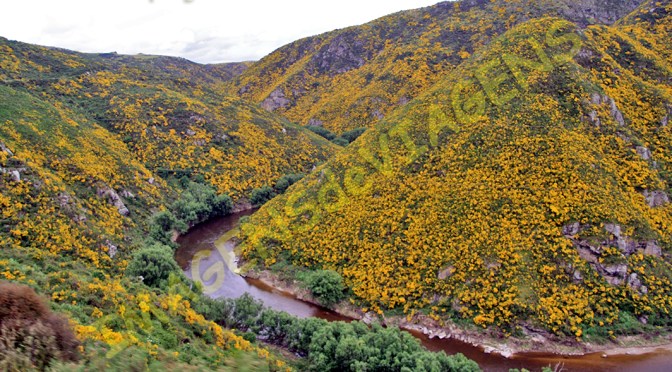
 A Nova Zelândia é uma ilha montanhosa e fértil, país de belezas fantásticas cuja capital é Wellington e as principais cidades são Auckland, Christchurch e Hamilton. Além disso, ela também possui os territórios das Ilhas Cook, Nive e Toquelau. O país está localizado na Oceania, no sudoeste do Oceano Pacífico, com linha costeira cortada por fiordes, tem 268.021 km2 e é formado por duas grandes ilhas (Ilha do Norte e do Sul) e elas estão separadas pelo Estreito de Cook.
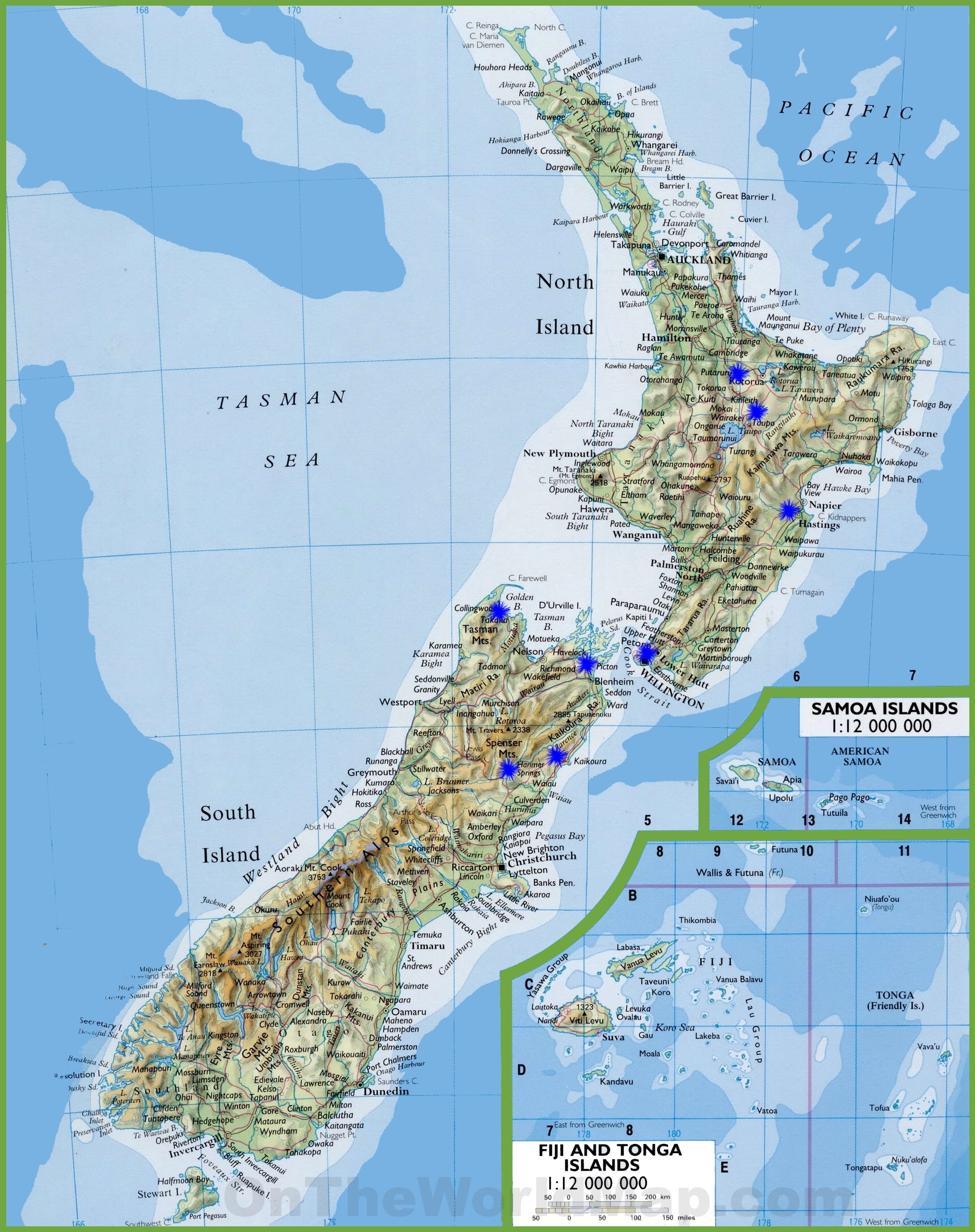 A Ilha do Sul é caracterizada pela existência dos Alpes do Sul. A população da Nova Zelândia é de aproximadamente 4,4 milhões de habitantes e a maioria vive na Ilha do Norte.


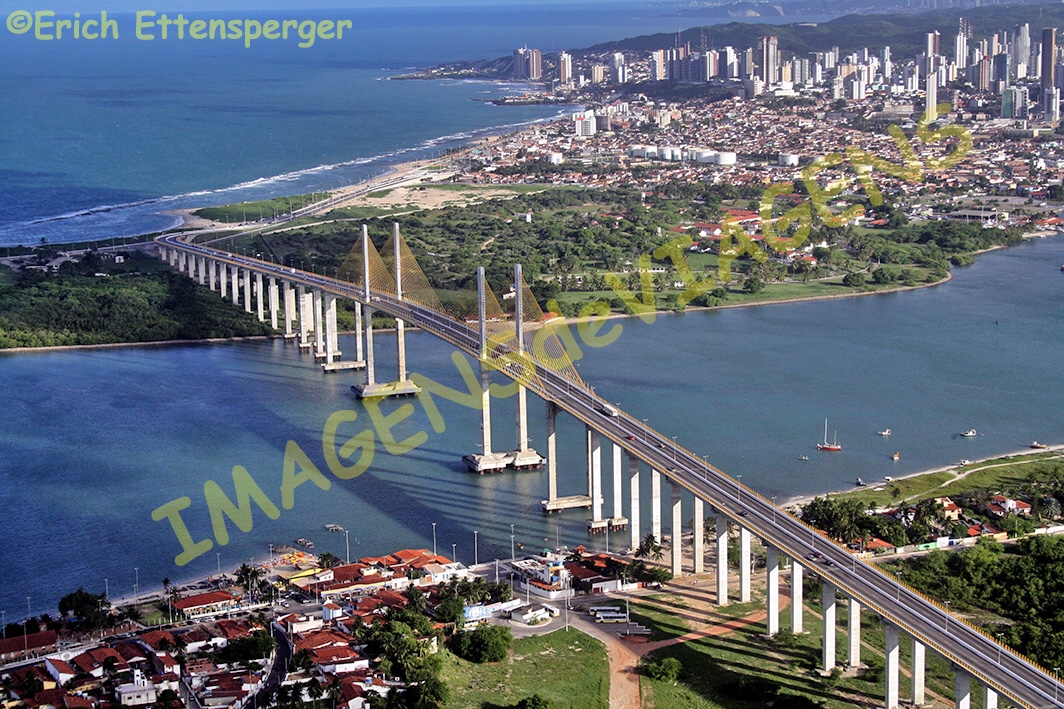
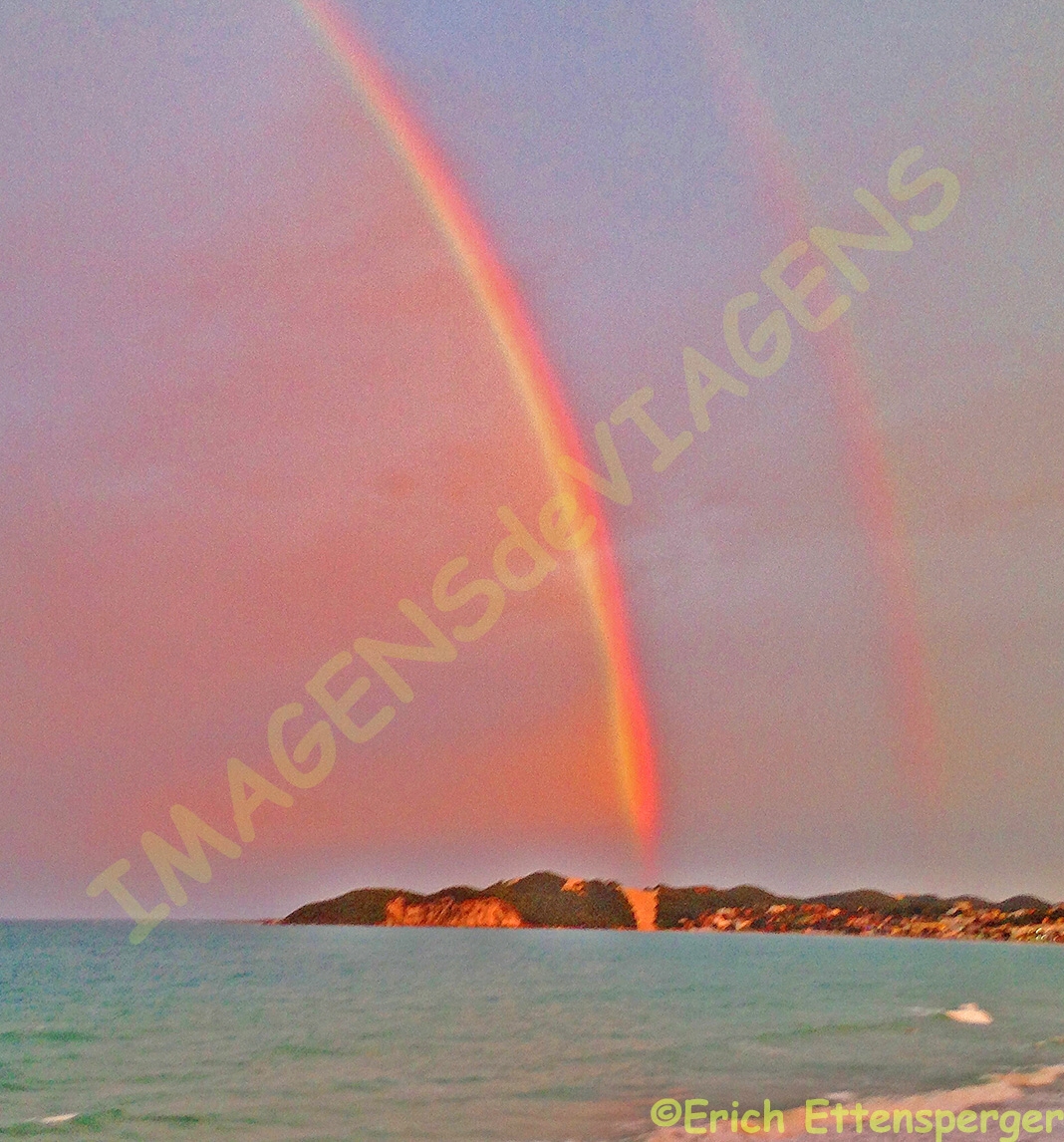


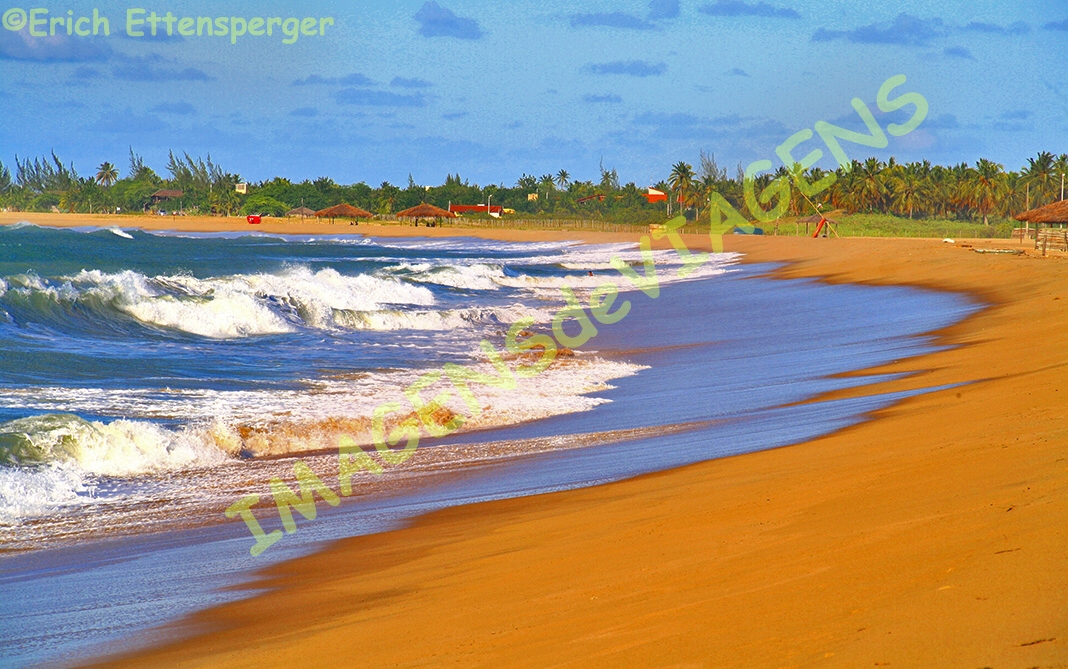
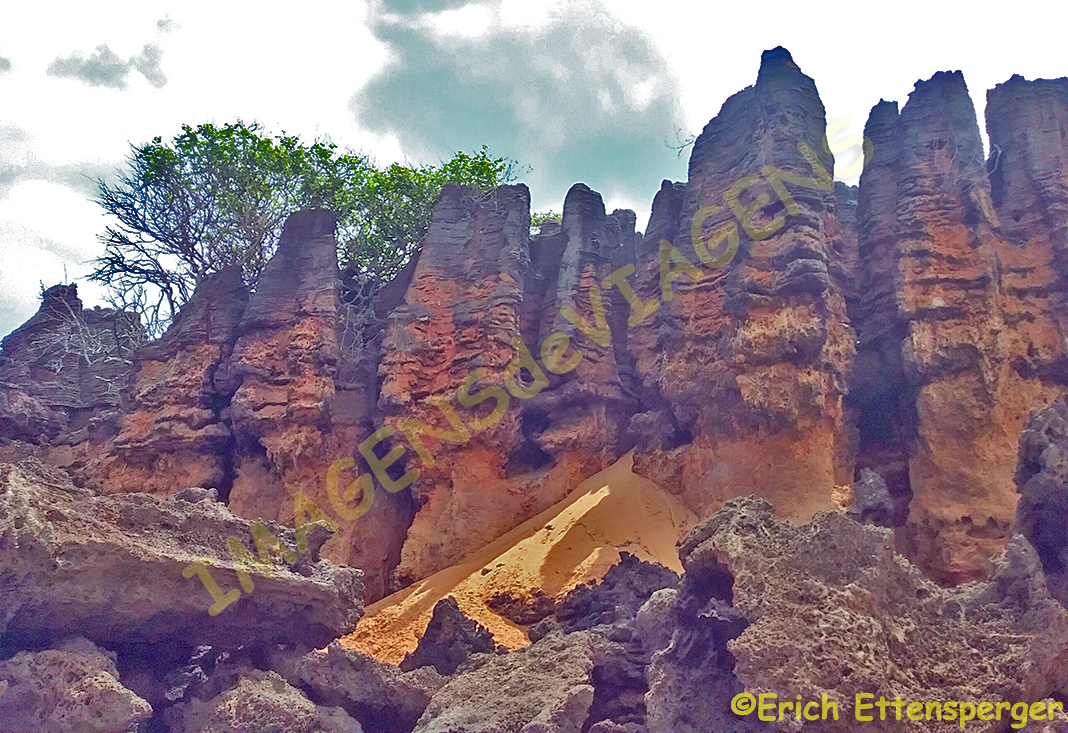

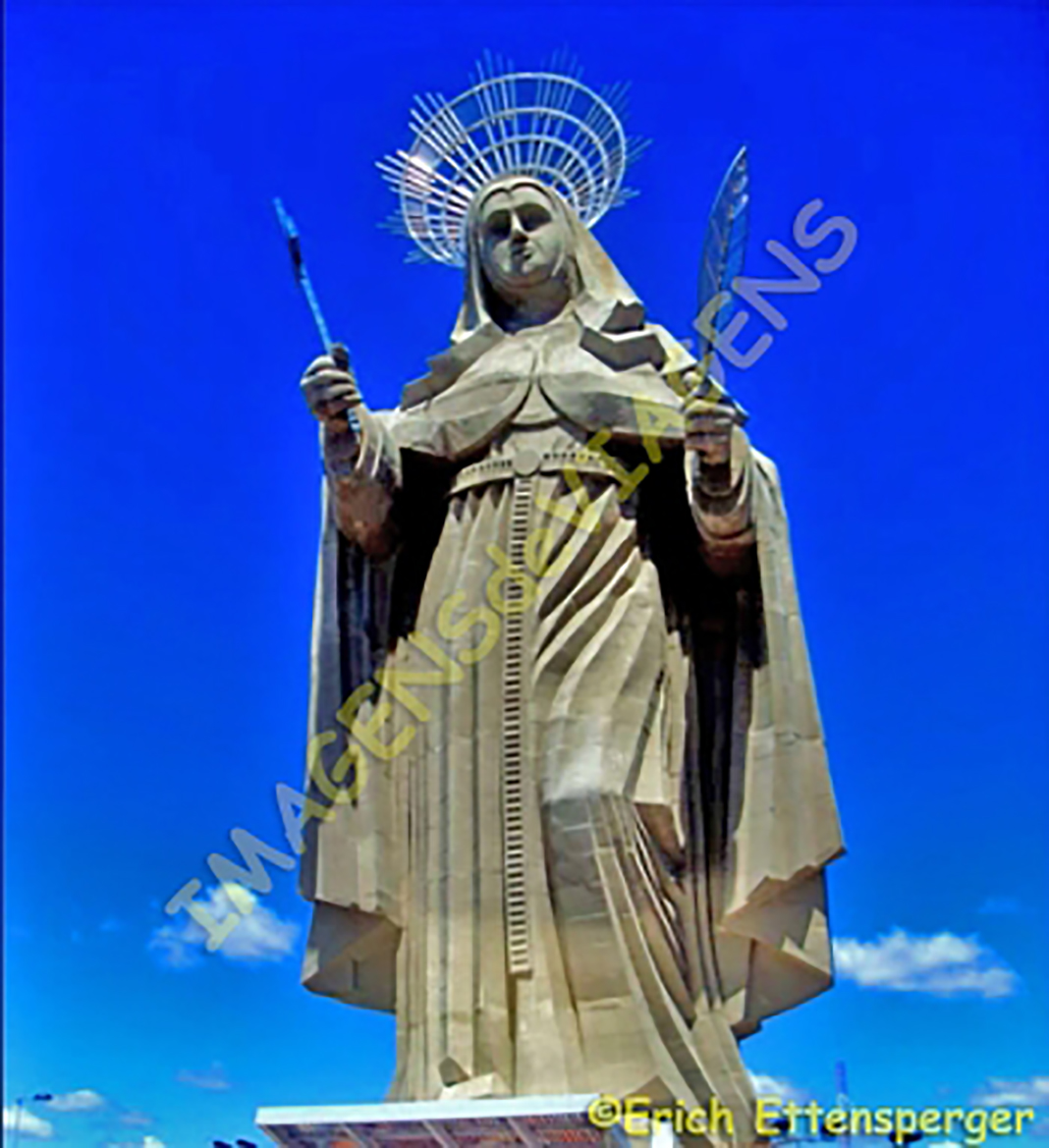

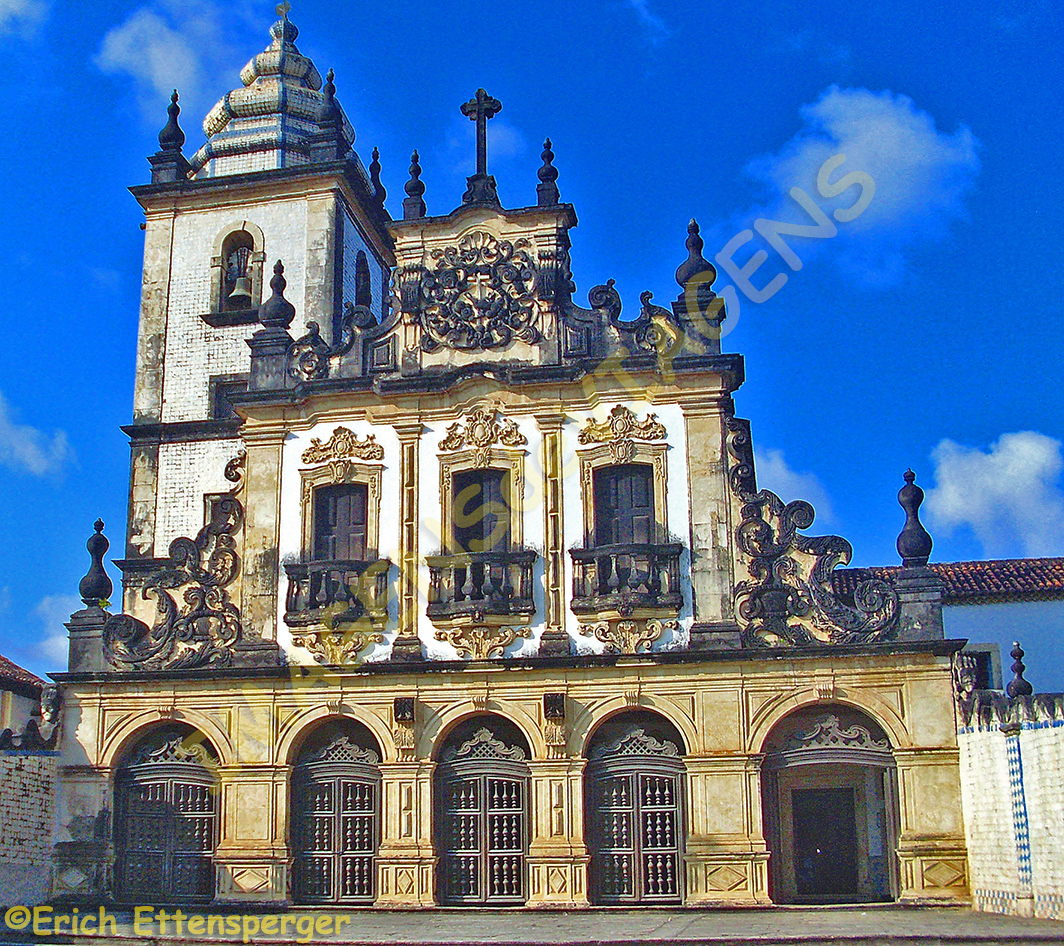
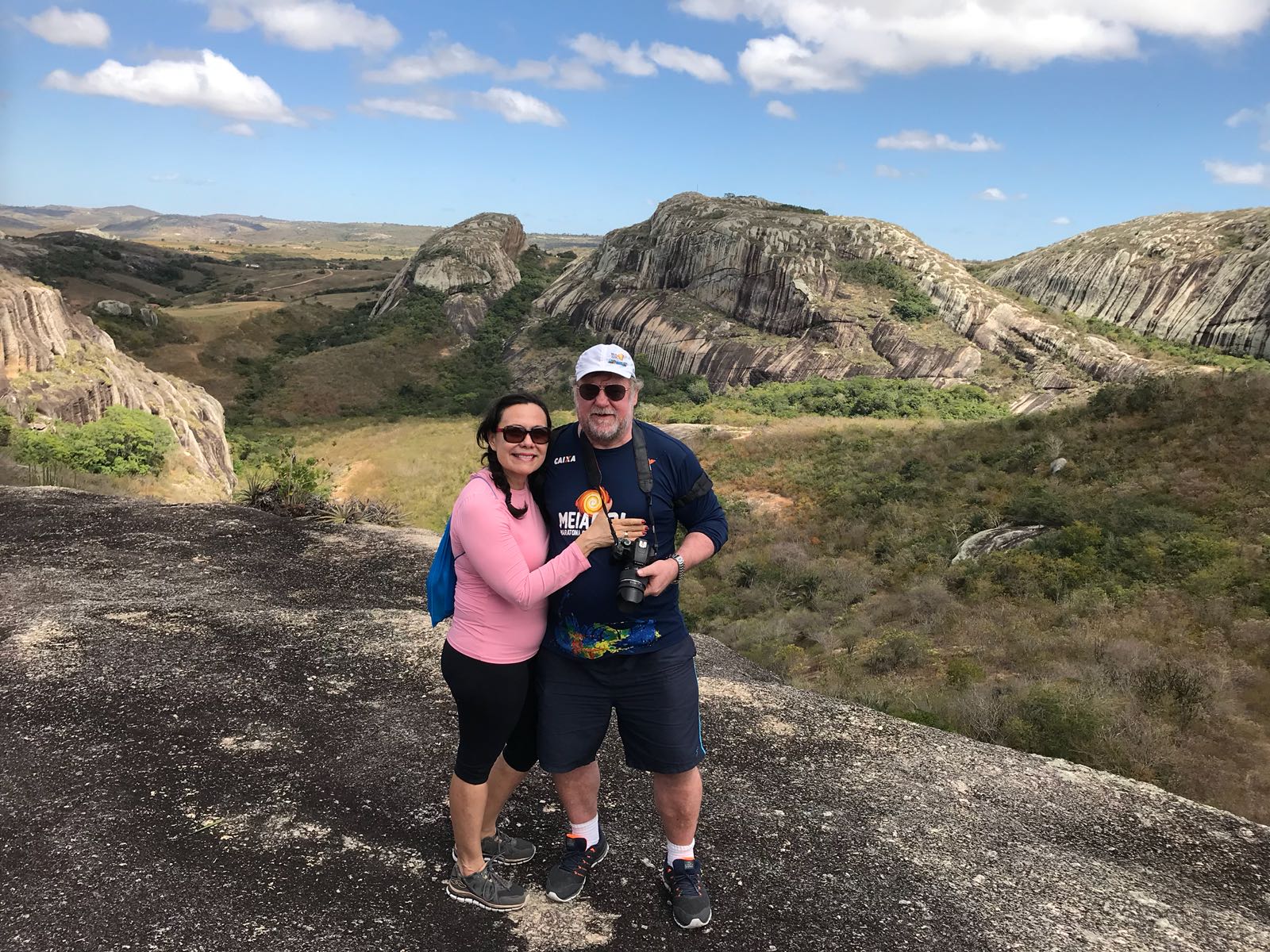
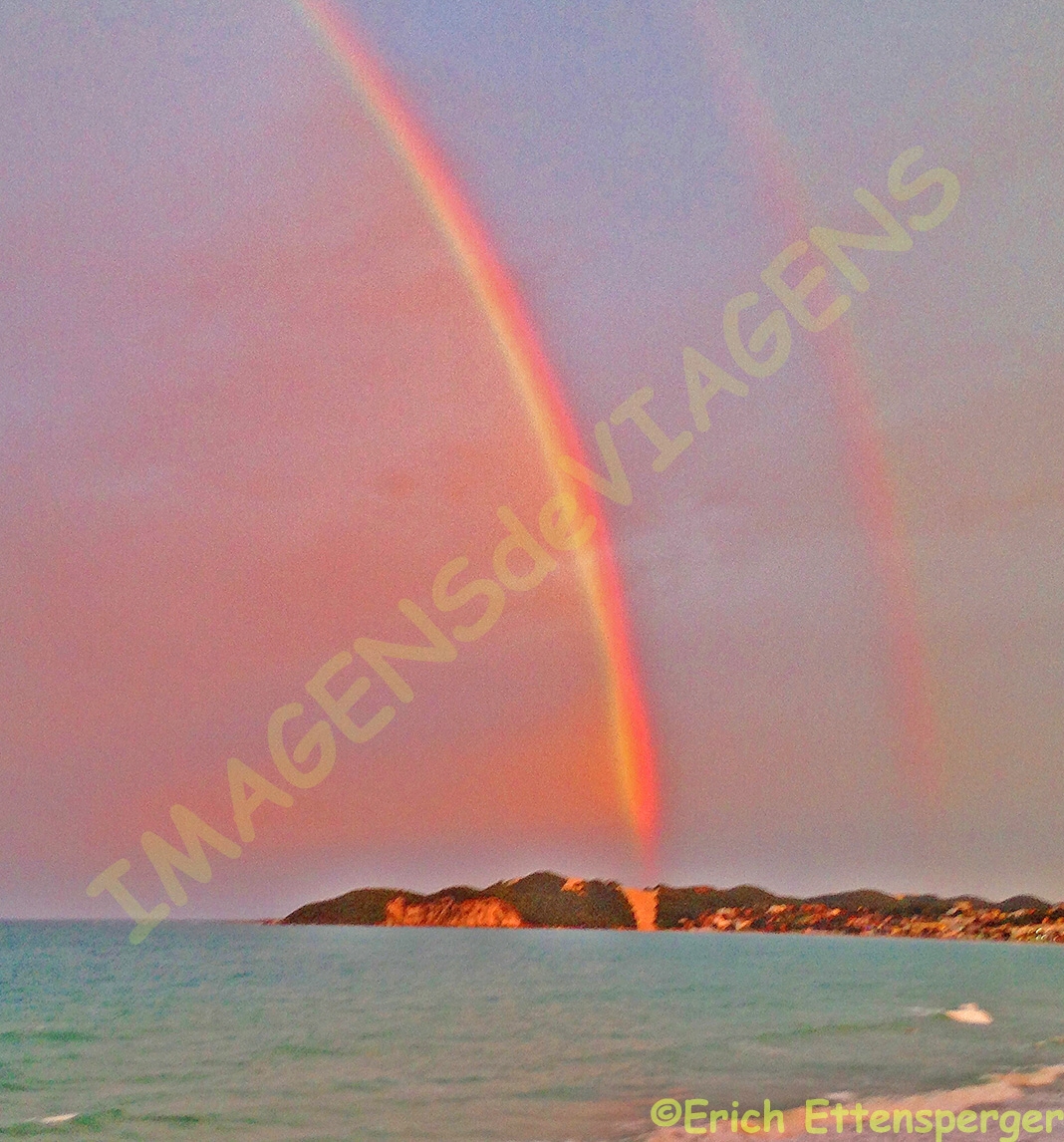



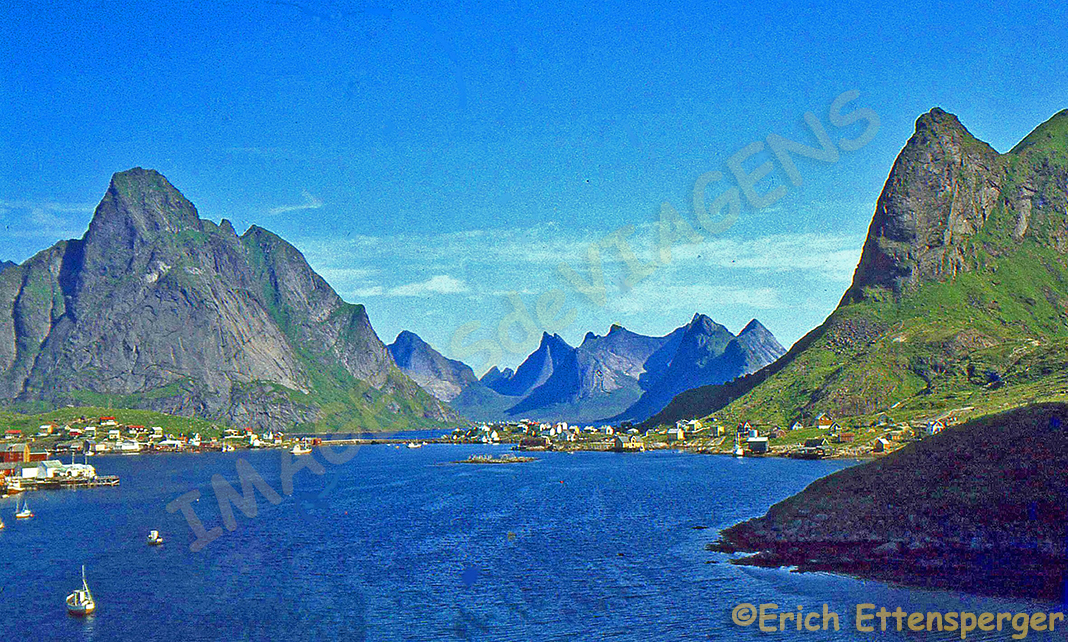
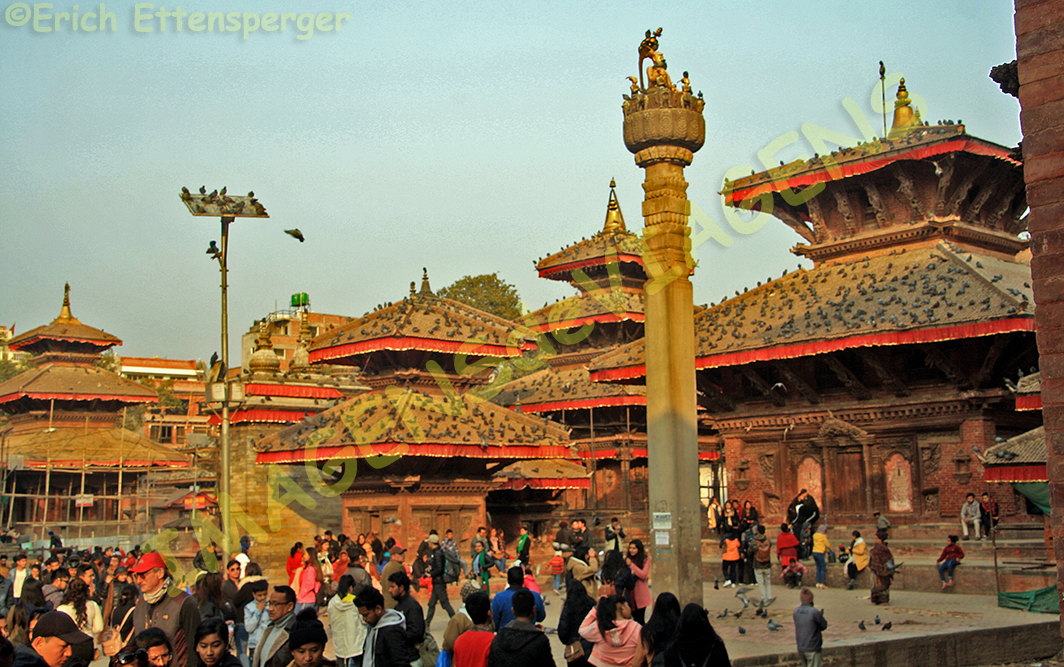
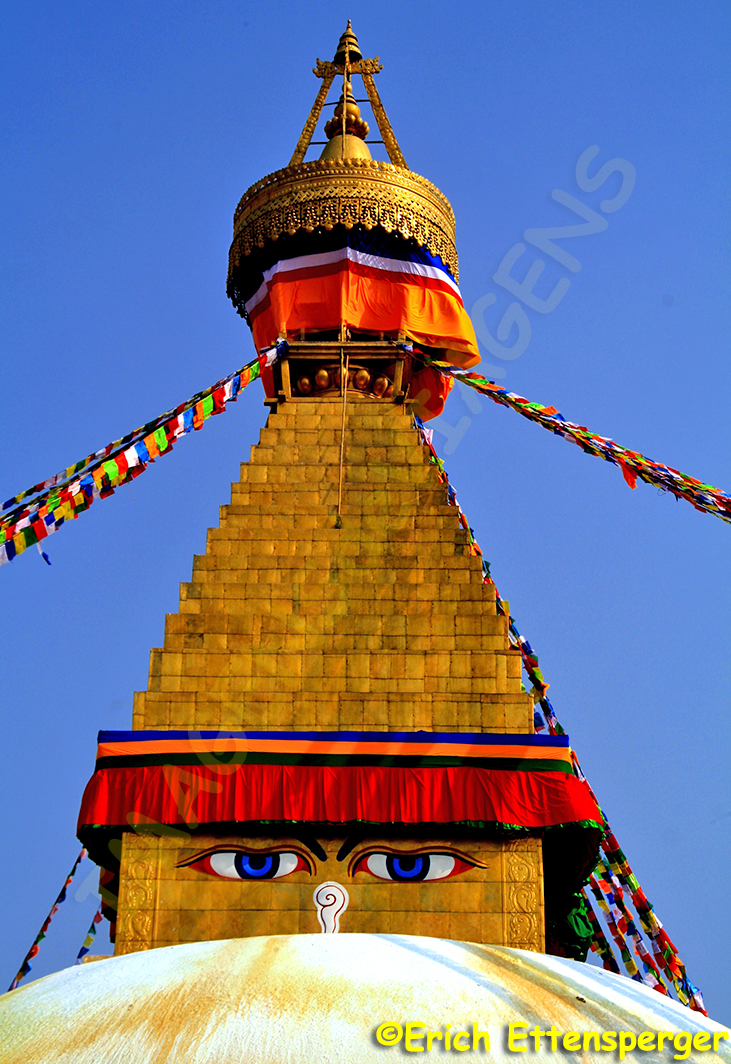


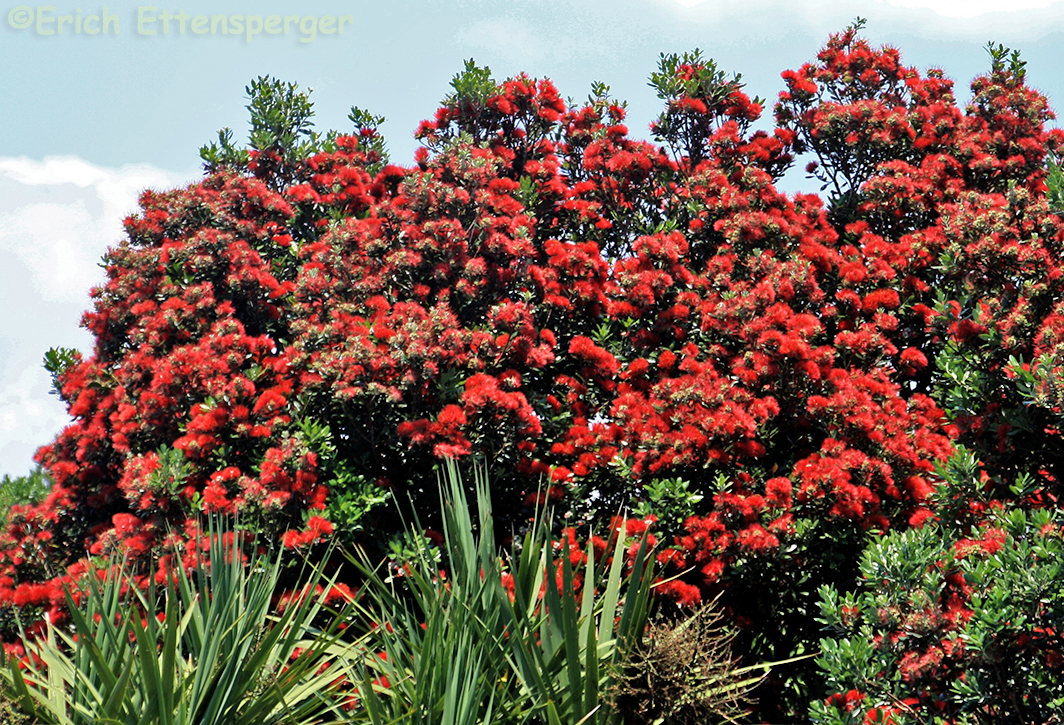


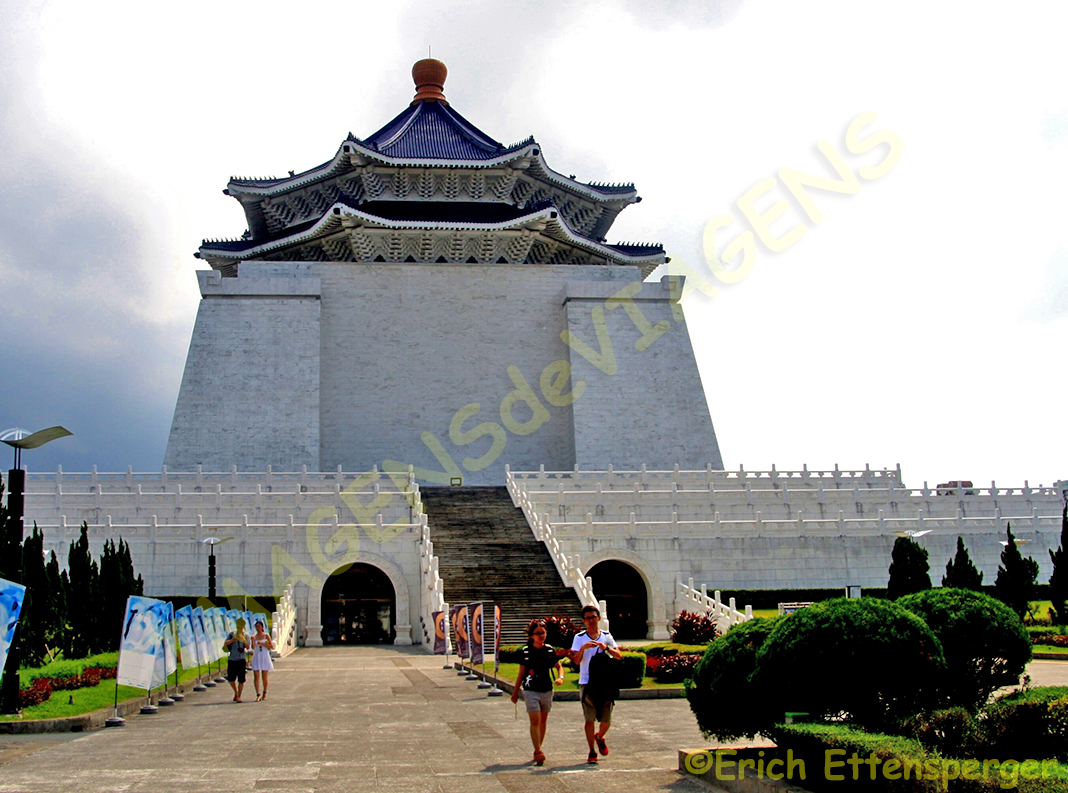


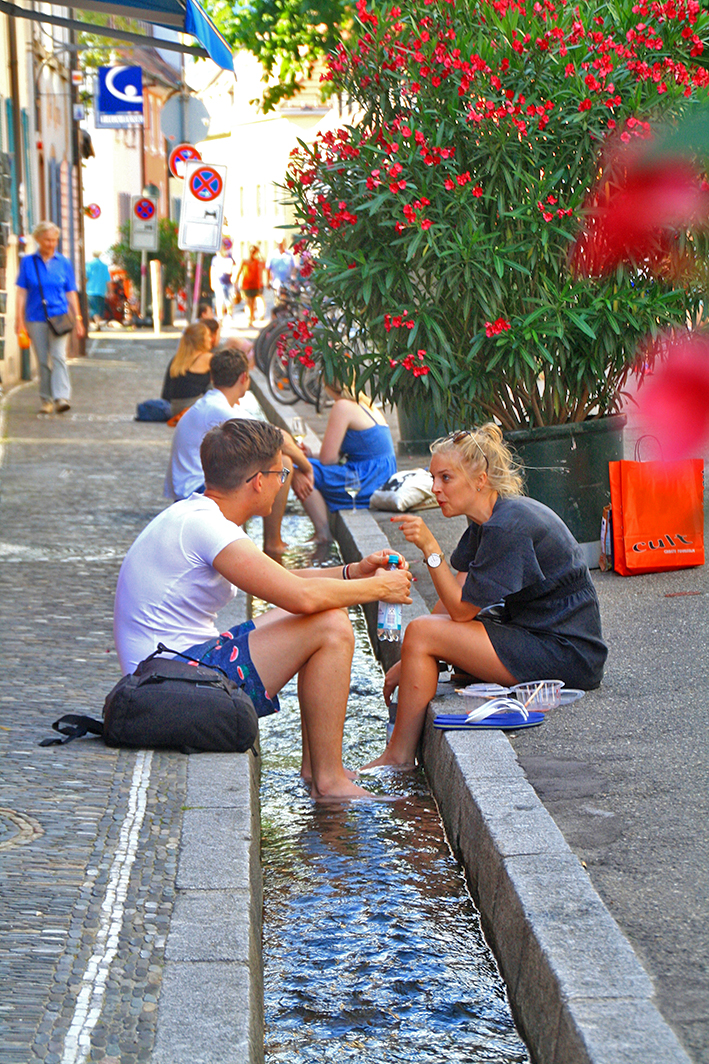
 4. Atlanta, Vereinigte Staaten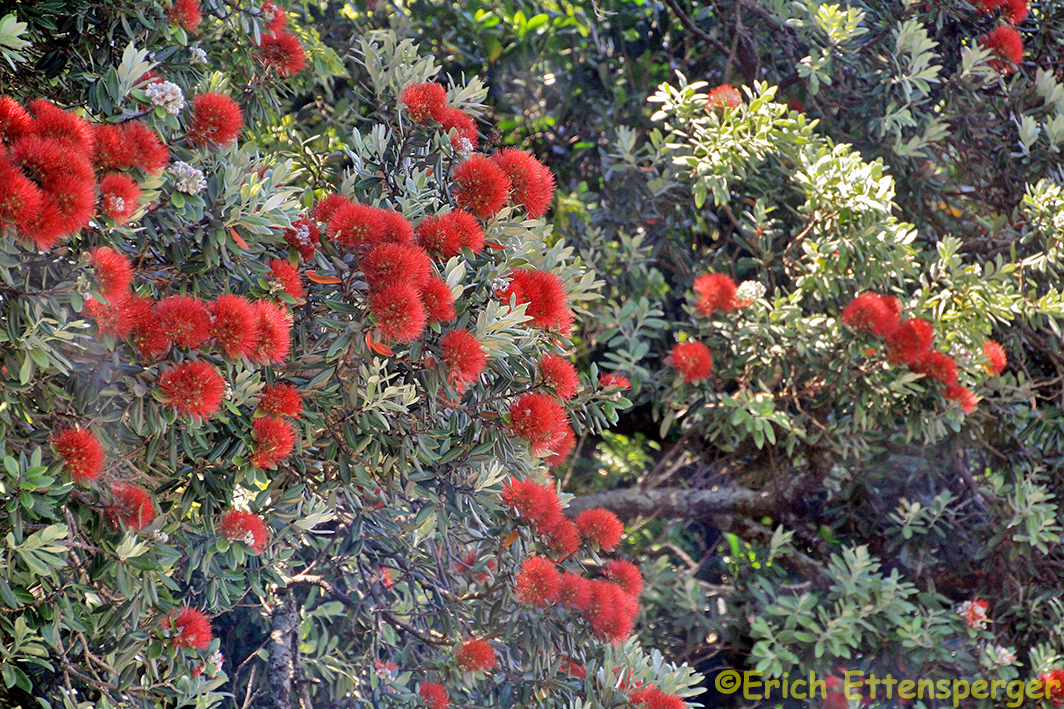
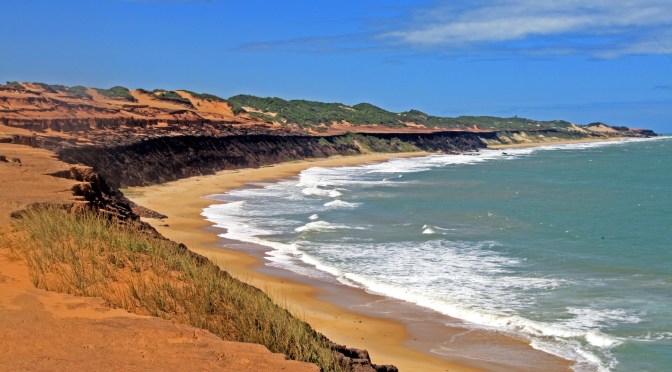


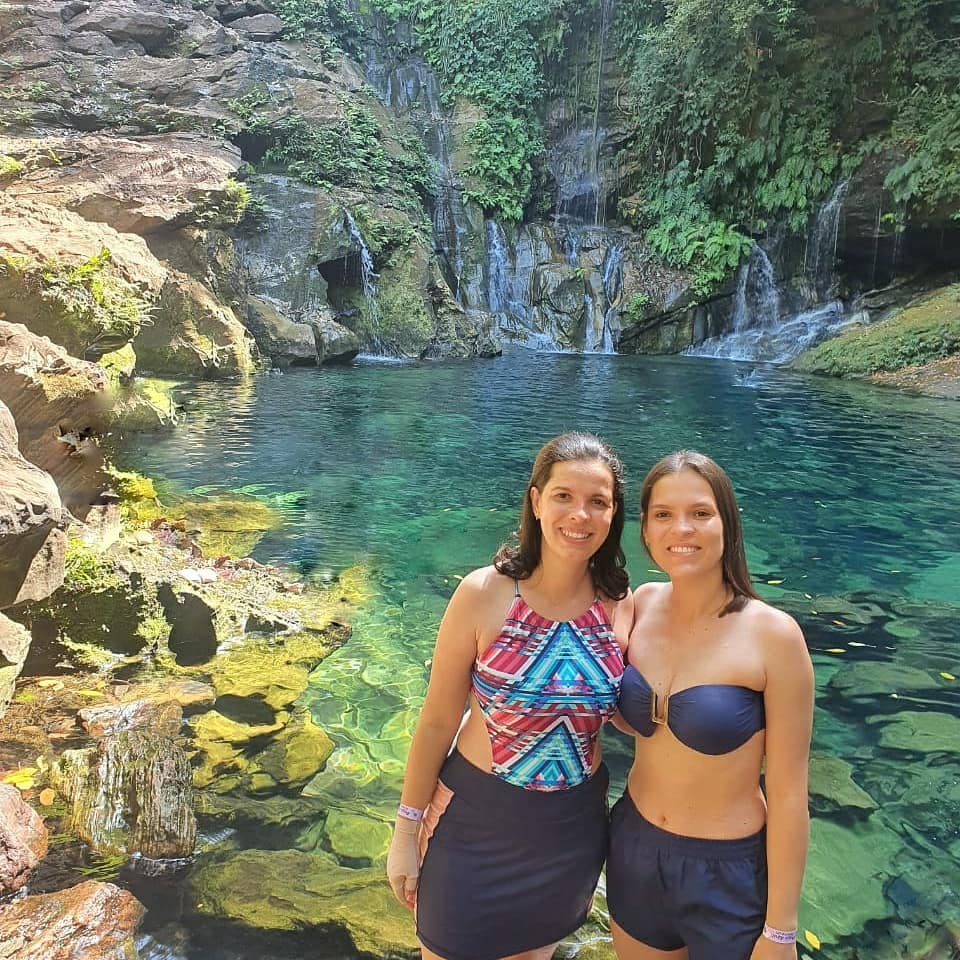




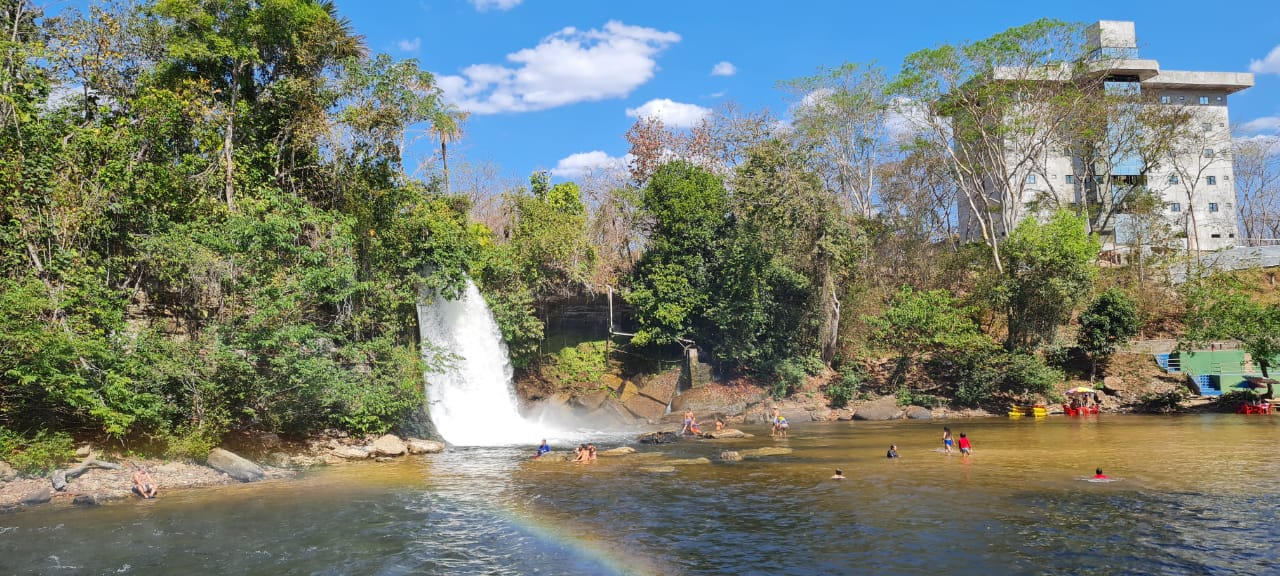




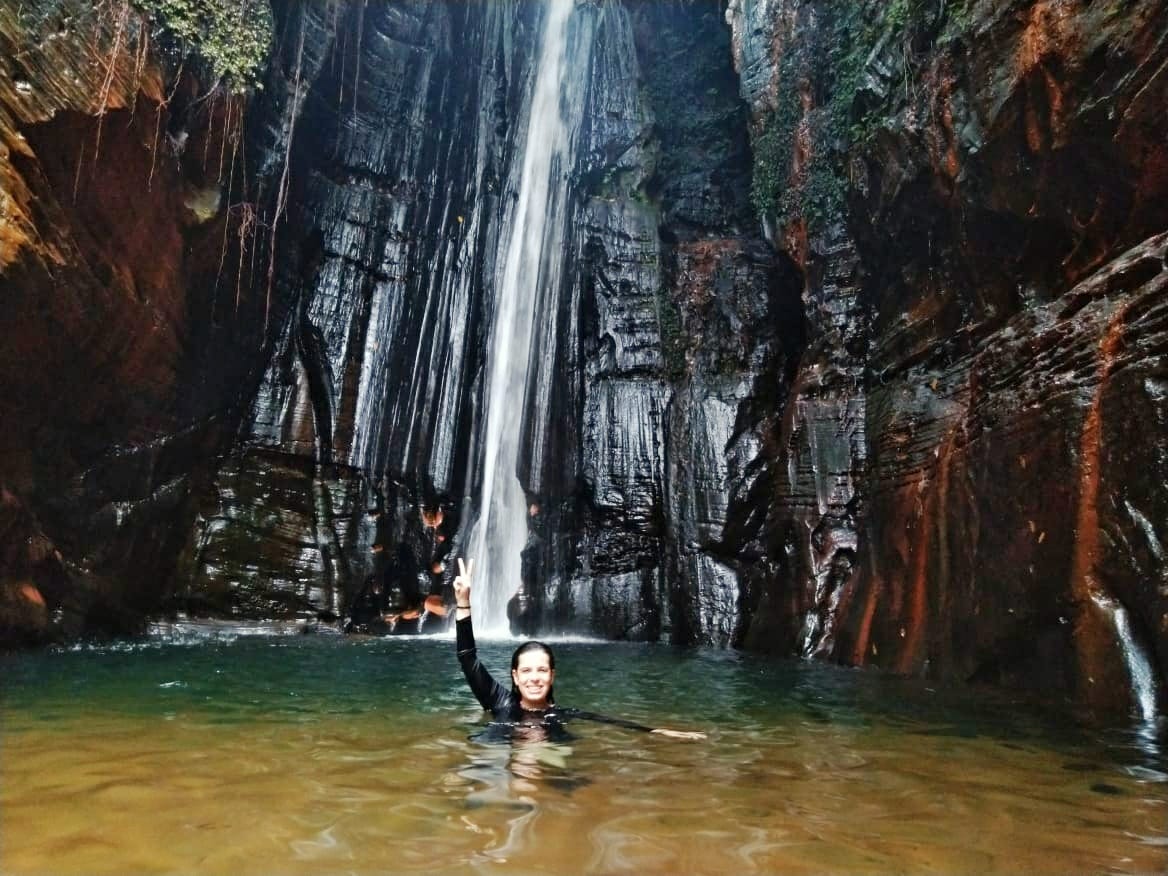




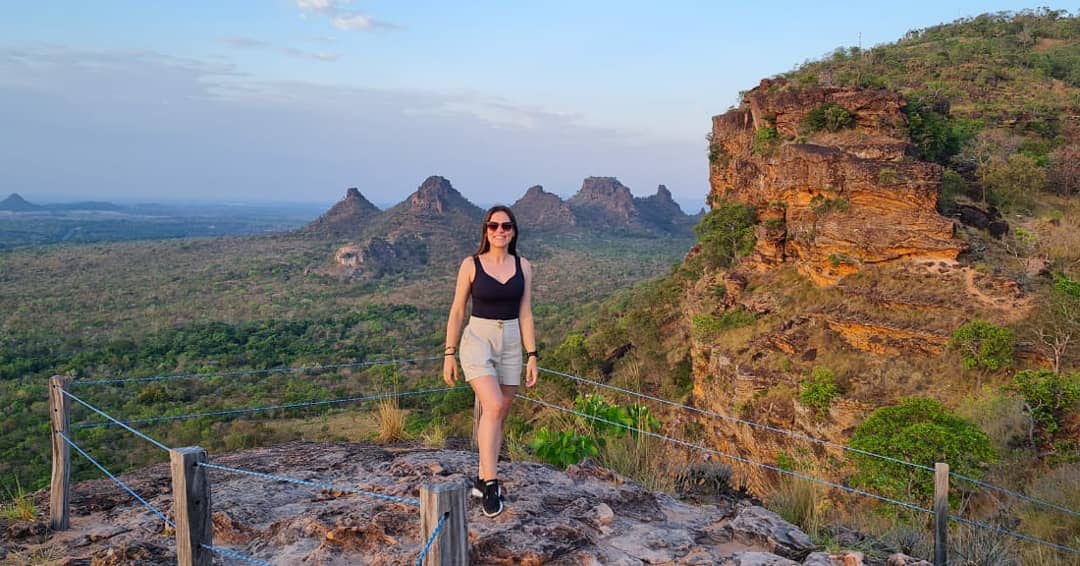
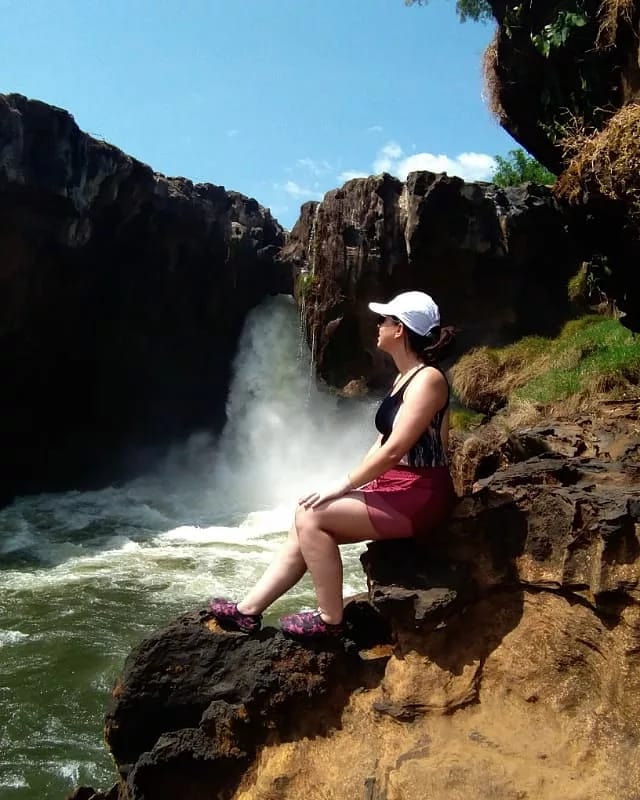
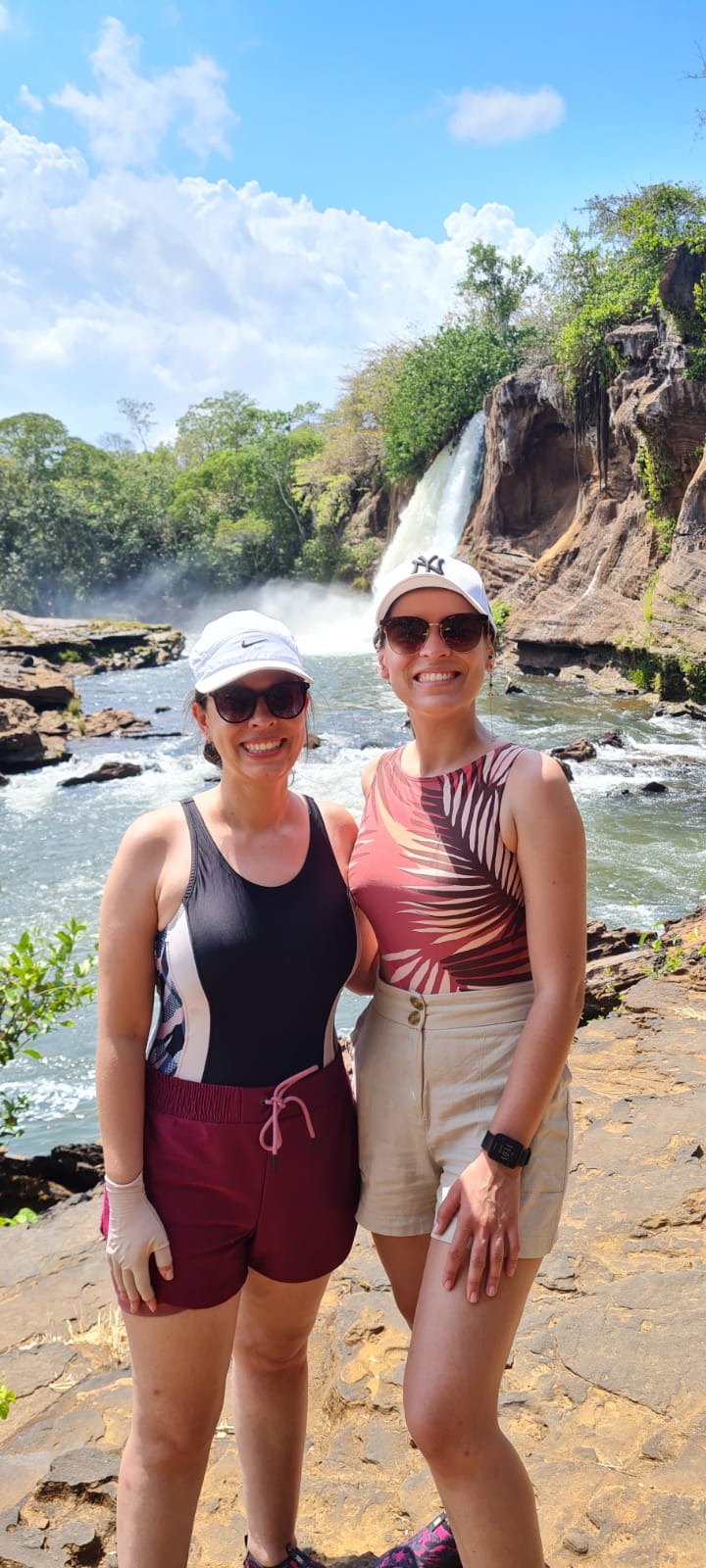
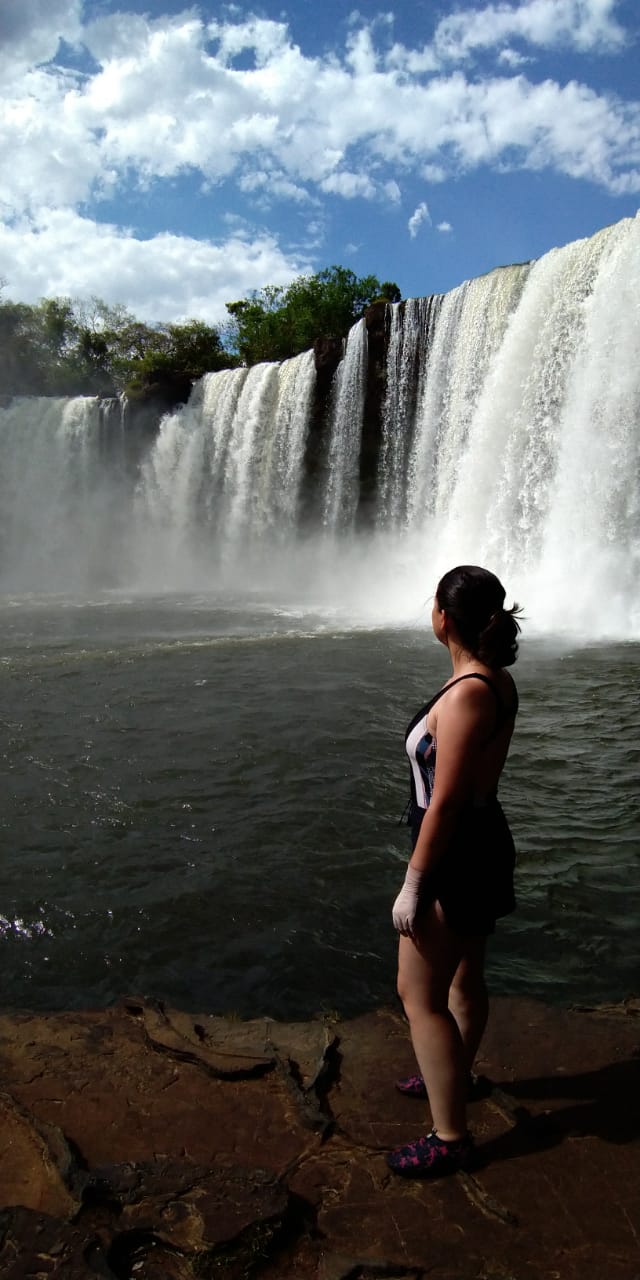






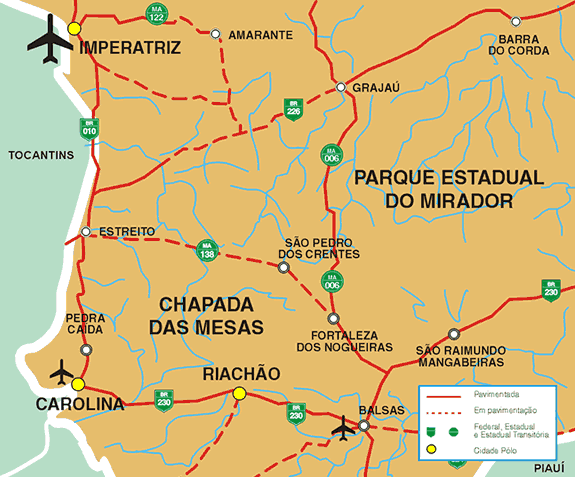


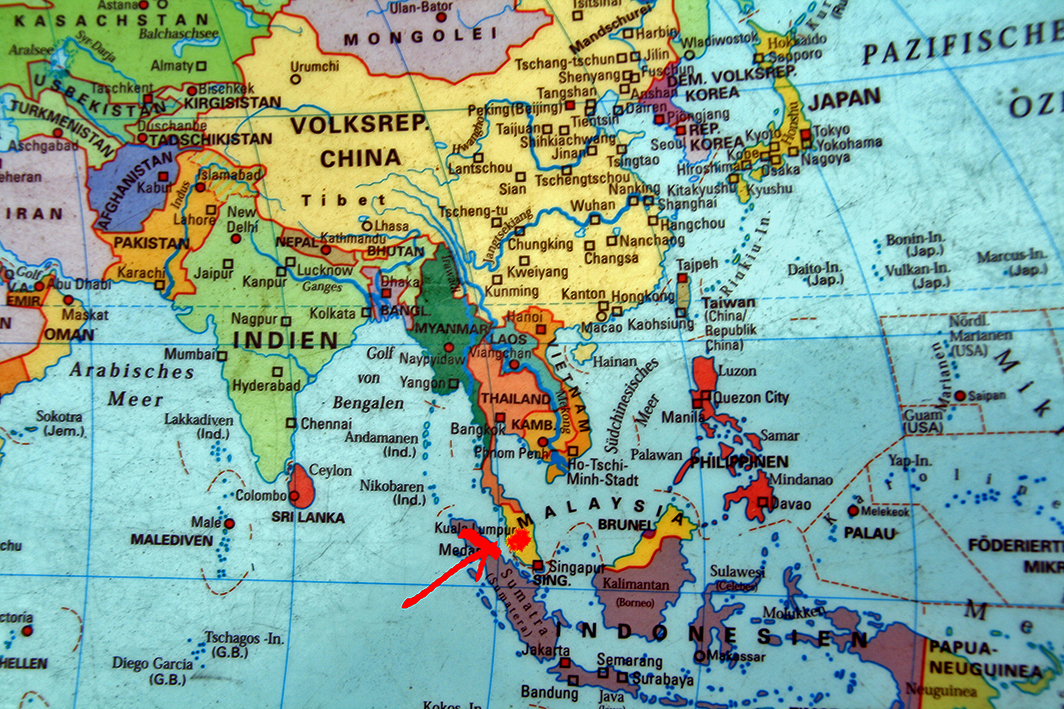
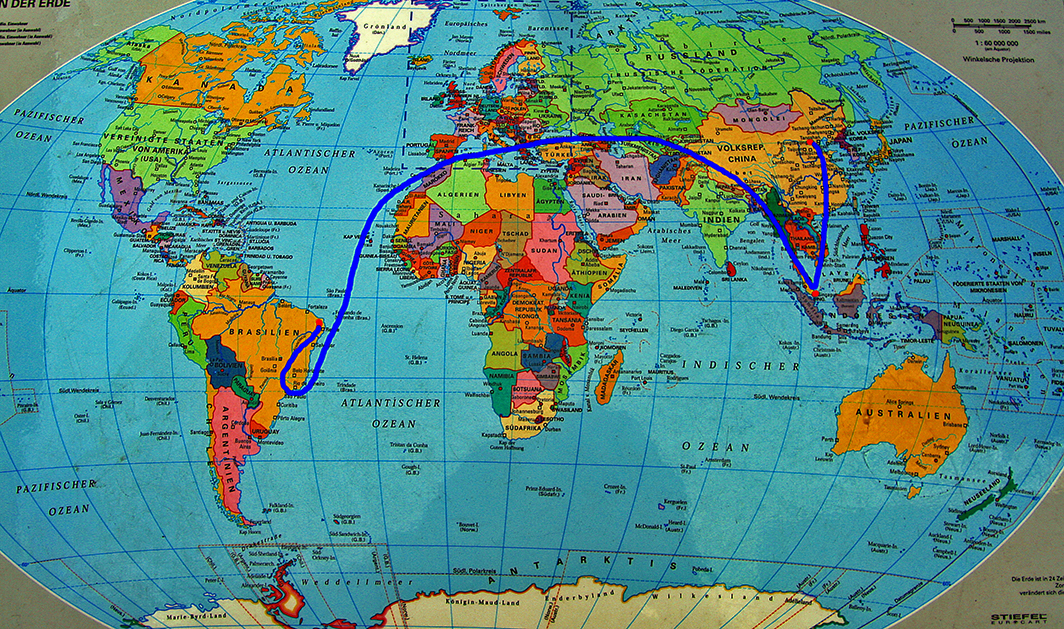






 imagenseviagens.com.br/travelandimages.com